This Forgotten Texas State Park Lets You Stand Beside a 1,000-Year-Old Tree
We spend so much energy chasing the newest thing. The newest taco spot, the newest trail, the newest overlook that already has a line for the photo. I understand the pull.
But every so often I want the exact opposite. Something so old it makes my entire busy calendar feel like a rounding error.
That craving is how I fell down a rabbit hole about one particular tree on the Texas coast. It is tucked inside a small, easy-to-miss state park that most road-trippers blow right past on their way to the beach.
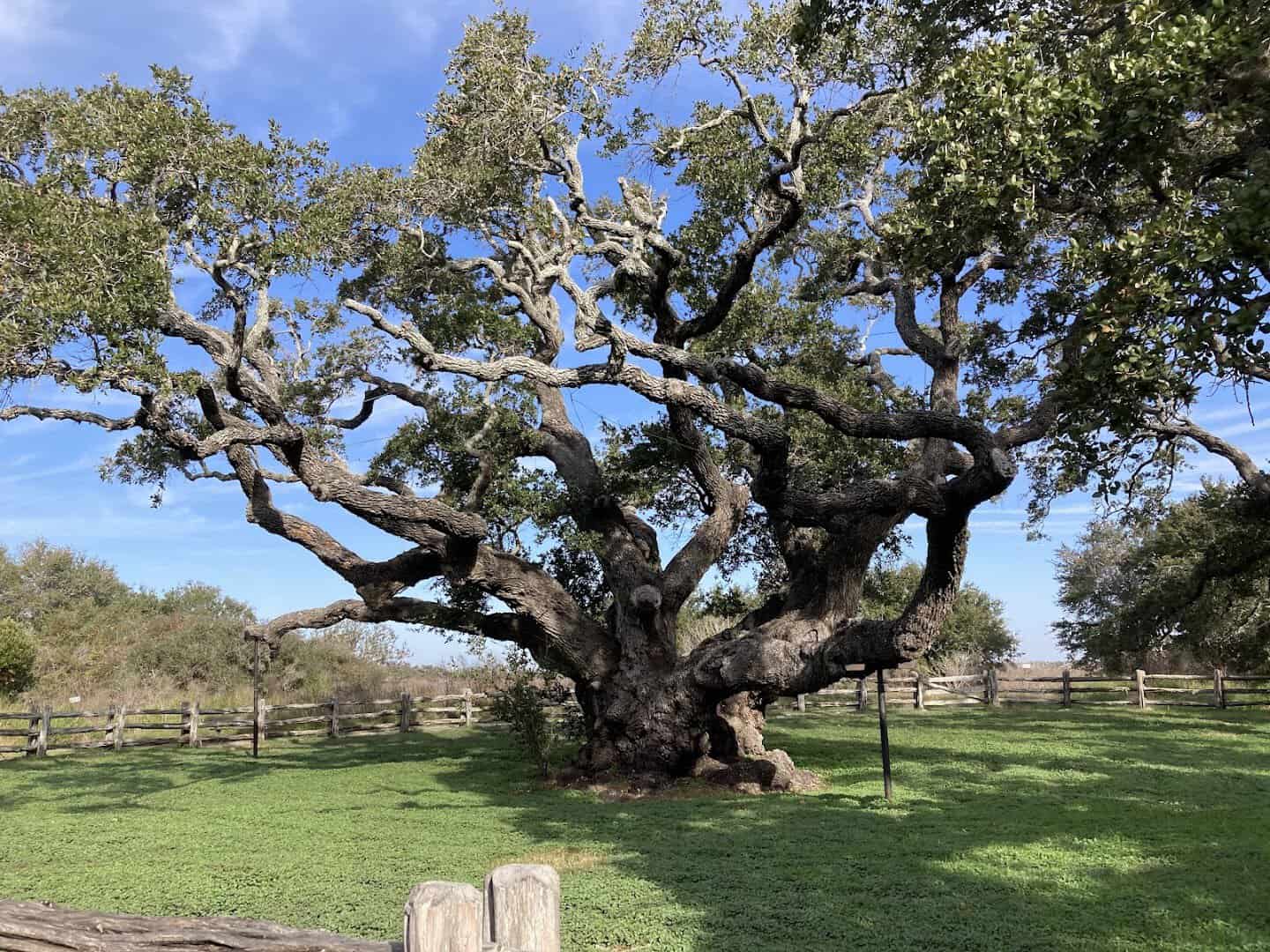
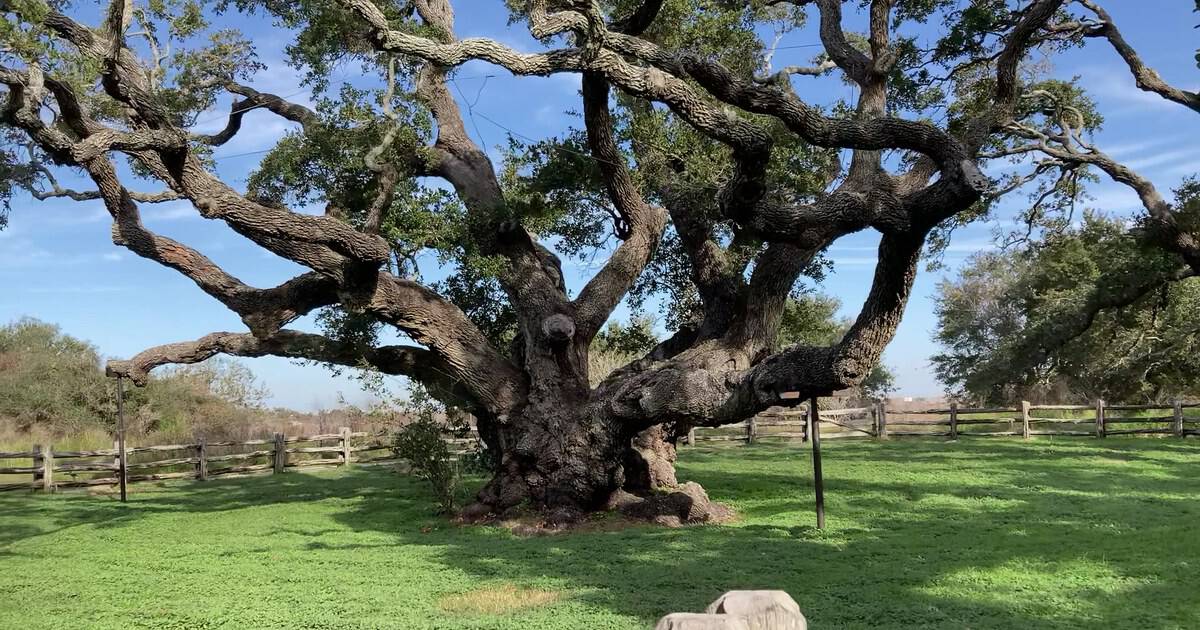
The tree is a gnarled, ancient sprawl of a coastal live oak, and it has been standing in the same spot for roughly a thousand years.
Its name, unglamorously, is the Big Tree, and it lives at Goose Island State Park near Rockport.
Below, I want to walk you through why a single oak is worth building a whole trip around. Plus the birds, the bay, and the quiet corner of the Gulf Coast that surrounds it.
A Thousand Rings of Patience
Let me get the numbers out of the way, because they are ridiculous in the best way. The Big Tree stands about 44 feet tall, which is not what makes you gasp. What makes you gasp is how wide it goes.
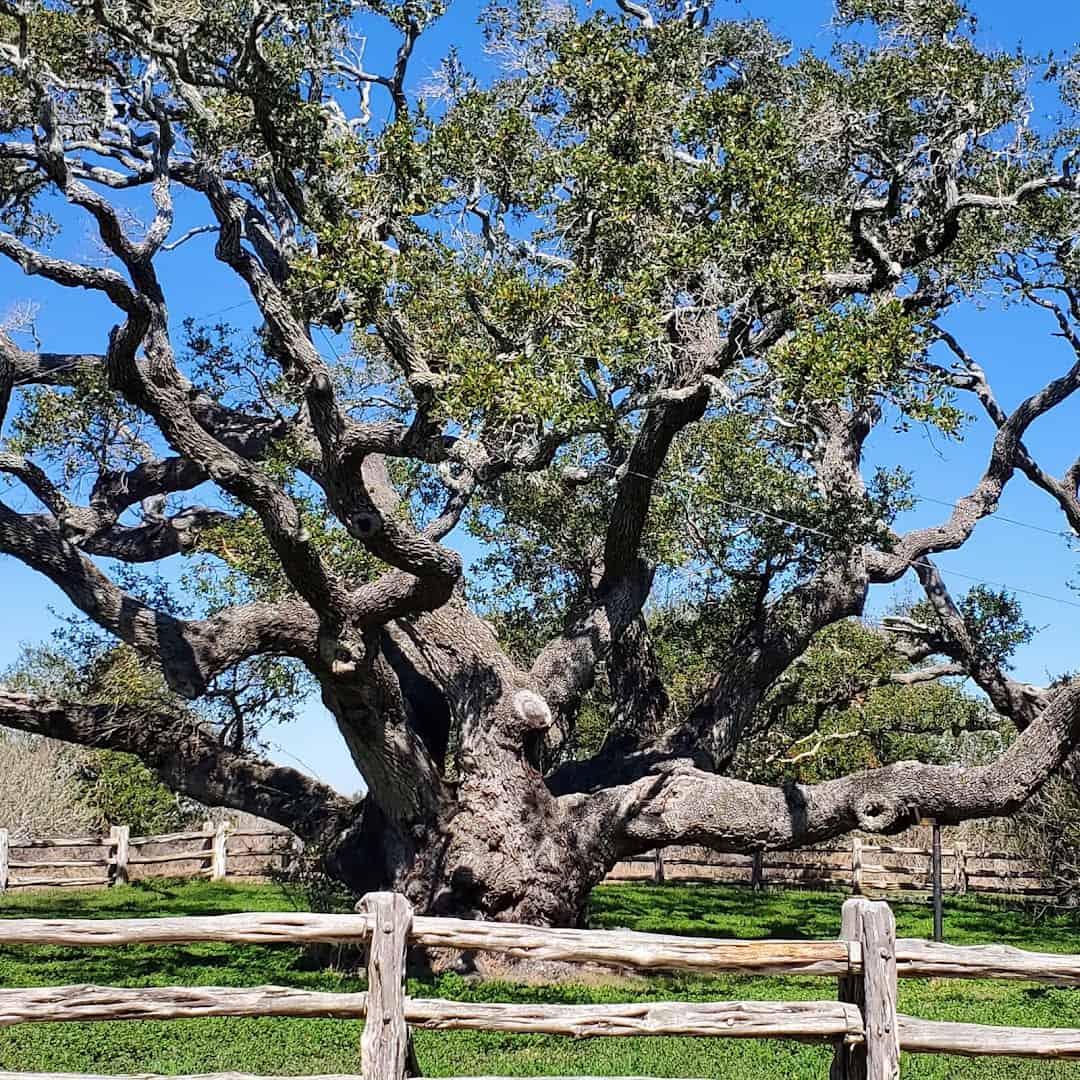
Its crown spreads roughly 89 feet across, a canopy so heavy that its lower limbs have long since bowed down and rested on the ground. The trunk measures about 35 feet around, and a whole family holding hands can circle it and still not quite close the loop.
Picture a single tree that shades an area bigger than a basketball court. The bark is deeply grooved and silvered with age, and the branches twist off in every direction like slow lightning frozen mid-strike.
Botanists put its age at more than 1,000 years, and some estimates push it toward 1,100. That means this oak was already a sapling before the first stones of many European cathedrals were laid. It is still throwing out fresh green leaves every spring.
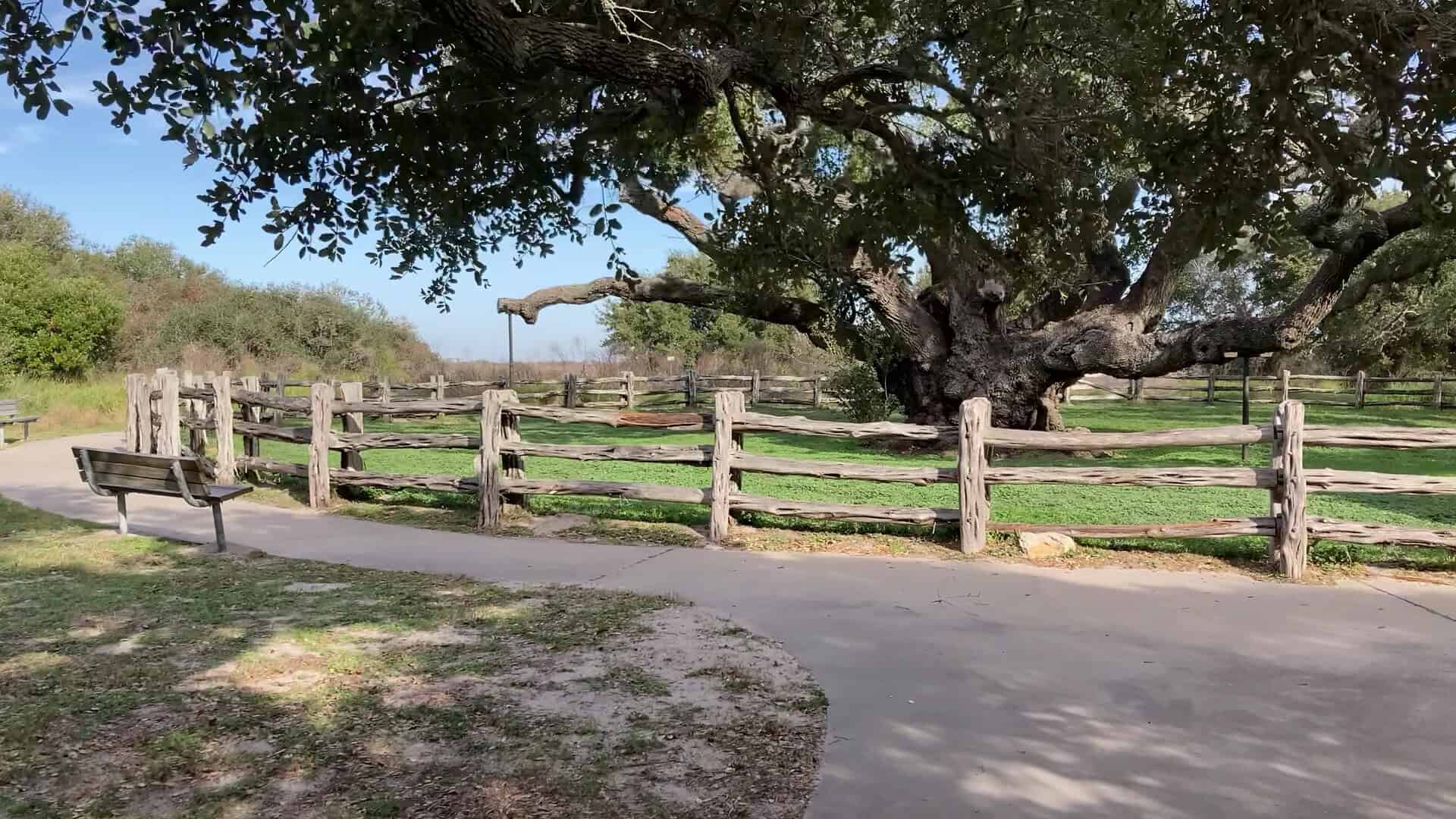
There is a reason people fall quiet when they reach the little viewing area. You are not looking at a monument someone built. You are standing next to a living thing that was here a thousand years before you and, with luck, will be here a thousand years after.
Why It Is Called the Big Tree (and a Few Other Names)
The plain nickname sticks because it is honest. Locals have also called it the Lamar Oak, after the tiny community it sits beside, and the Bishop’s Oak, a nod to old land ownership in the area.
For decades it wore an official crown. In 1966, the Texas Forest Service named it the State Champion live oak, and that same year it was recognized as the National Champion, believed to be the largest live oak in the entire country.
It held that national title until 2003, when a slightly larger live oak was measured in Brazoria County. The Big Tree lost the crown but lost none of its fame. It even earned a spot in Ripley’s Believe It or Not, which feels about right for a tree this improbable.
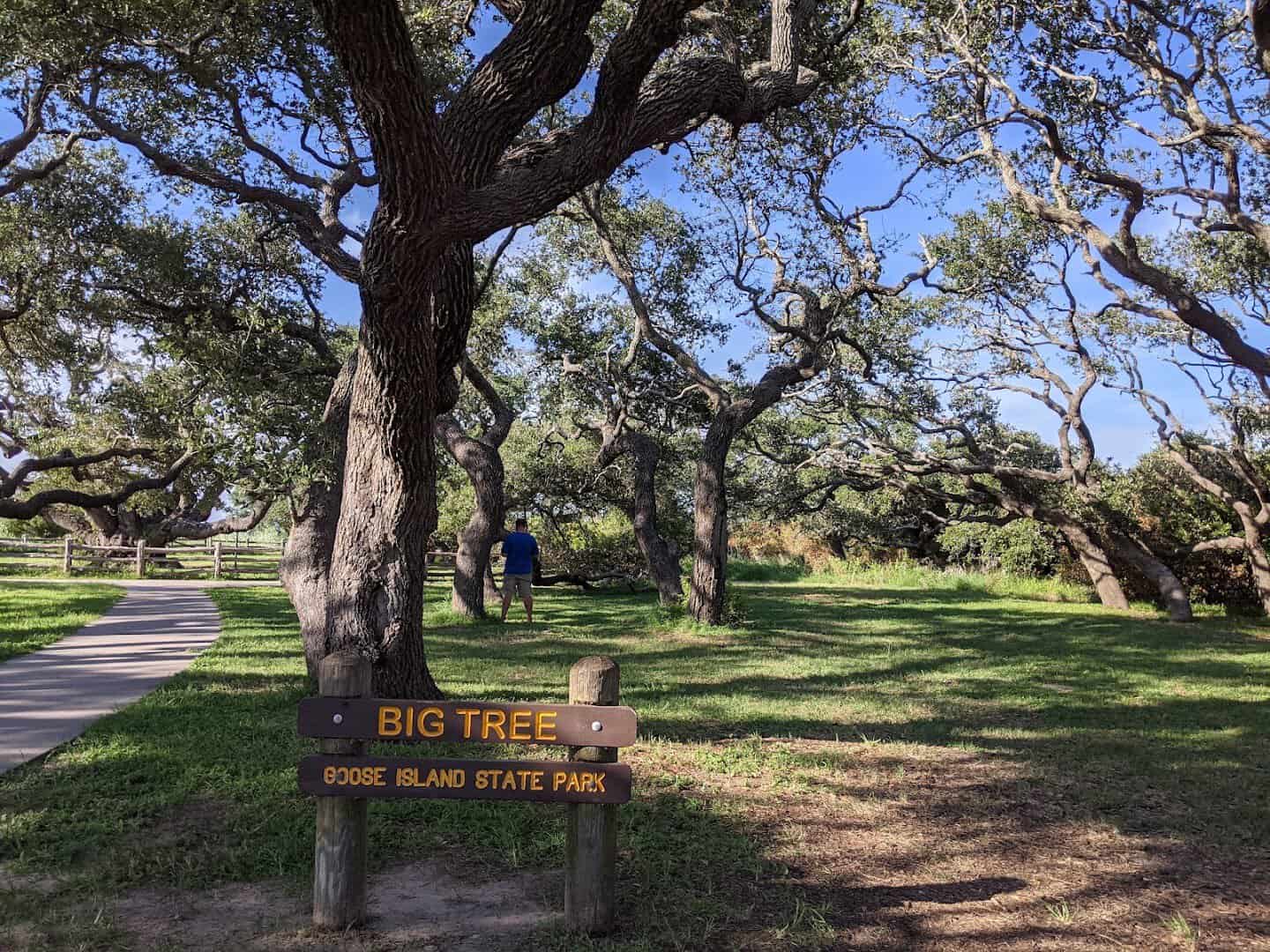
Then there are the legends, the kind that cling to anything ancient. Stories passed down say the oak served as a gathering place for the Karankawa people who lived along this coast. Later tales cast it as a rendezvous point in the days of coastal pirates and rough frontier justice.
How much is fact and how much is folklore is anyone’s guess. But when you are near something that predates written records of this coastline, the tall tales feel like part of the experience rather than a distraction from it.
The Storms It Has Shrugged Off
Here is the part I find genuinely moving. In August 2017, Hurricane Harvey came ashore almost directly on top of Rockport as a Category 4 storm. It flattened buildings, snapped power poles, and reshaped this whole stretch of coast.
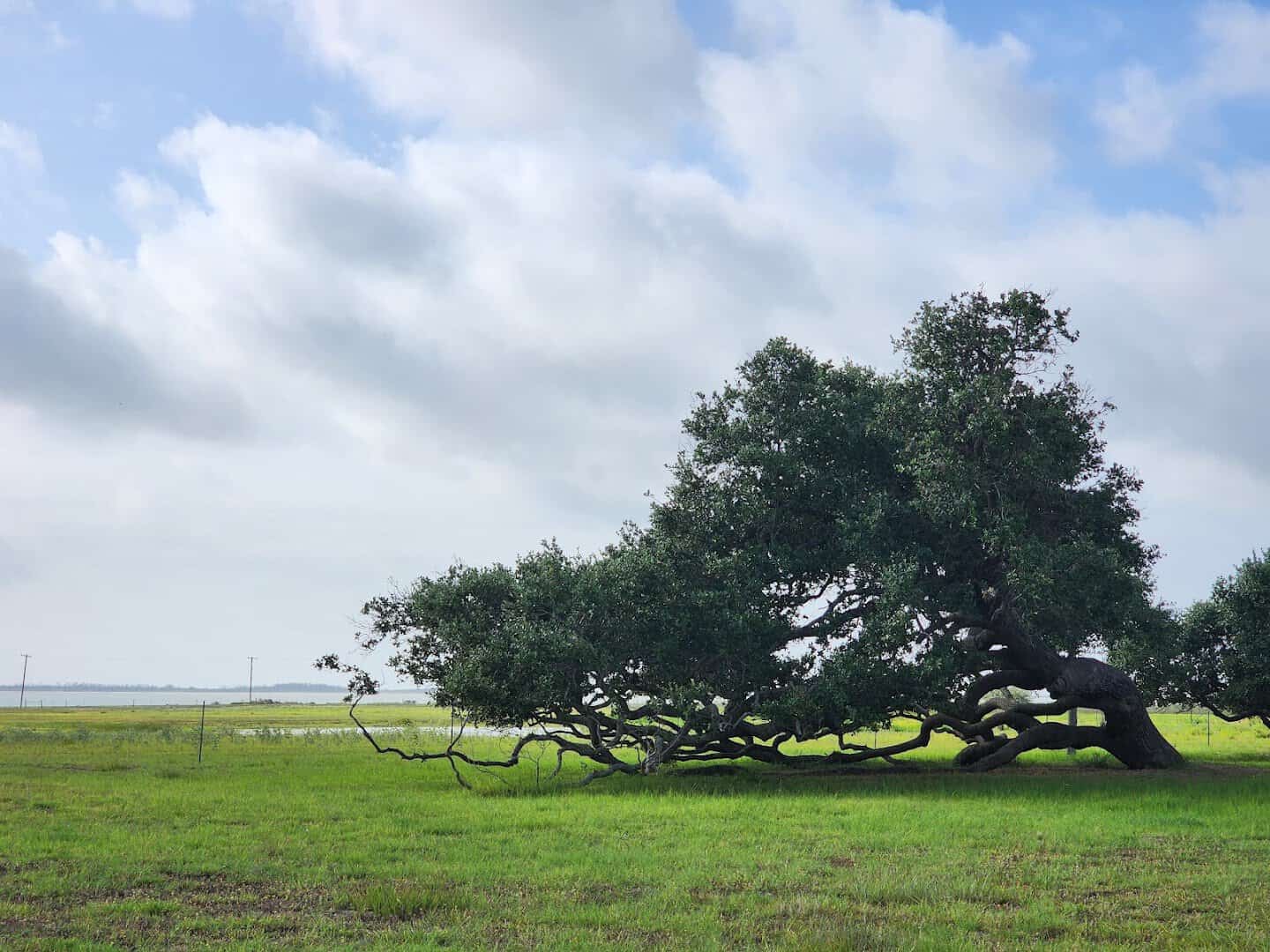
The Big Tree lost a few limbs and kept standing. National news crews came out afterward just to confirm it, and the headlines all said some version of the same thing: the old oak made it through again.
That was hardly its first rodeo. Over ten centuries it has weathered droughts, floods, wildfires, and more hurricanes than anyone could count. The state helps a little these days, with lightning protection and careful pruning to ease the strain on those enormous horizontal limbs.
Did you know coastal live oaks are famously salt-tolerant, shrugging off the sea spray and wind that kill less hardy trees? That stubborn toughness is a big part of why an oak like this one gets to grow old while others come and go.
The Park That Grew Up Around It
The tree came first by about a thousand years, but the park has its own good story. Goose Island State Park covers roughly 321 acres where the Lamar Peninsula meets the water, a mix of oak woodland, salt marsh, and open bay.
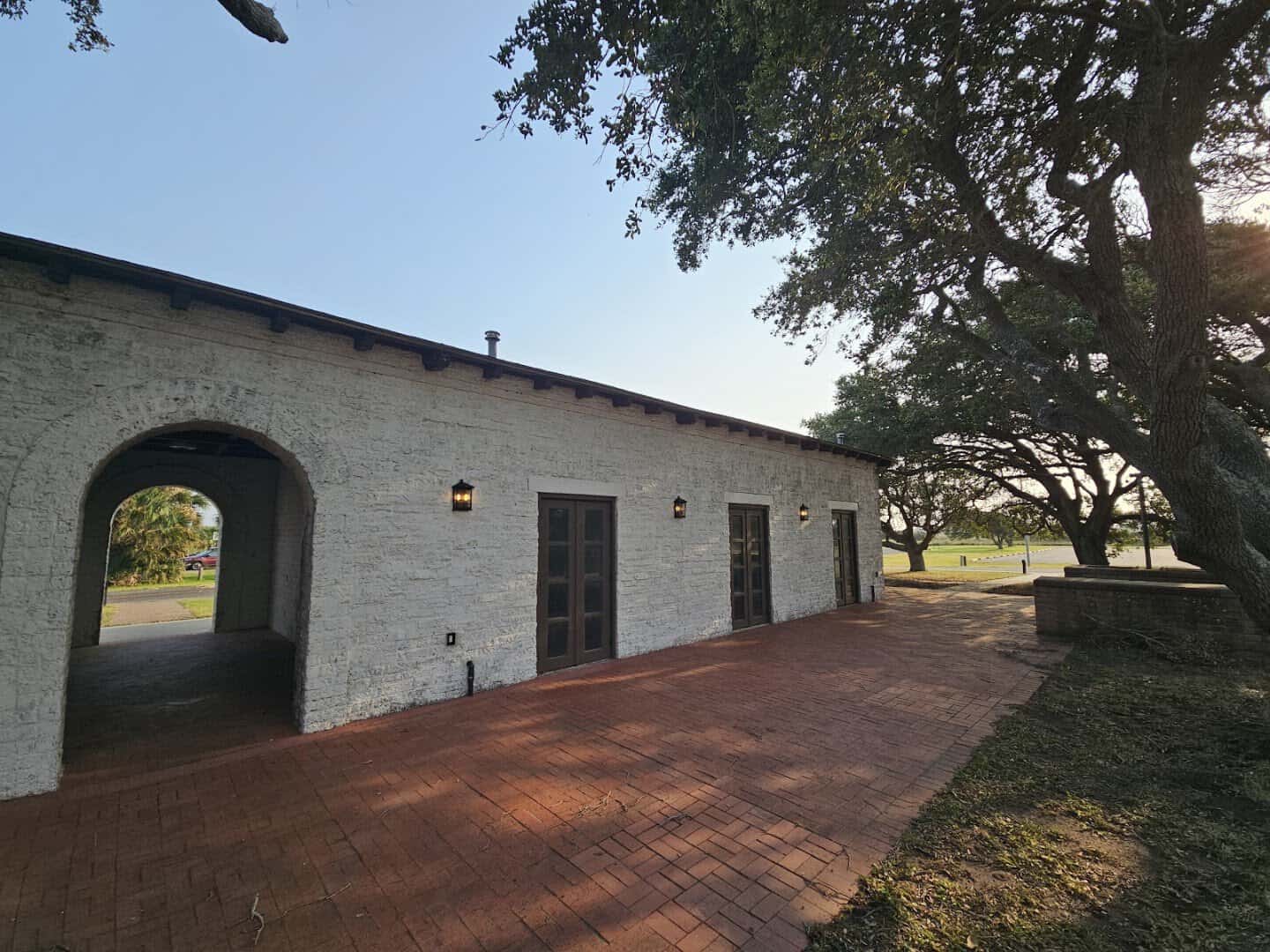
Much of what you see was shaped in the 1930s. The Civilian Conservation Corps, specifically Company 1801, built the early roads, the picnic shelters, and the concession building that is now the recreation hall. Those stone-and-timber touches still give the place its handmade, old-Texas feel.
The Texas Parks and Wildlife Department has run it ever since, and it draws around 150,000 visitors a year. That sounds busy until you realize how much of the park is quiet marsh and shoreline where the loudest thing is a heron taking off.
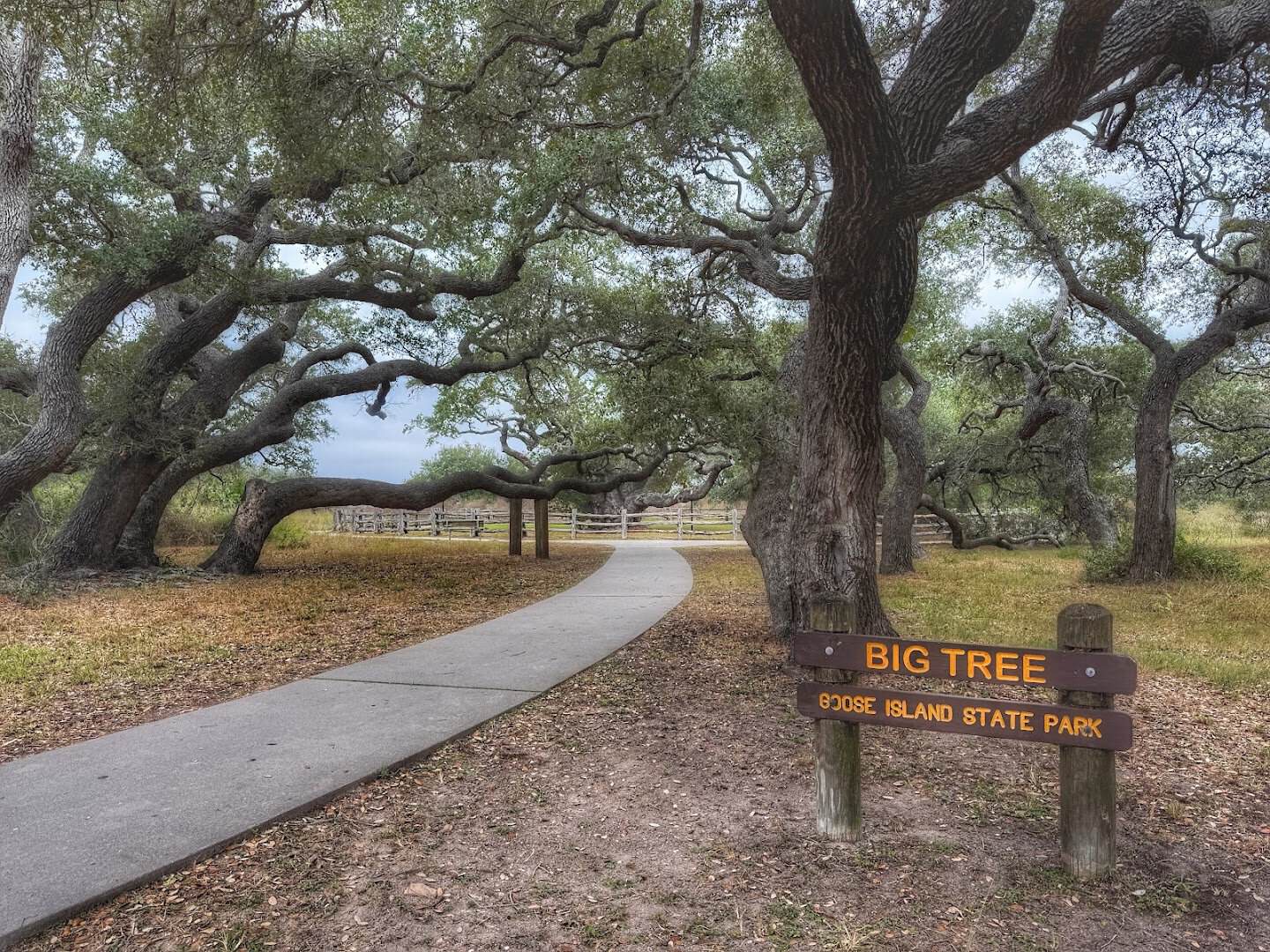
Come on a weekday morning and you can have the Big Tree almost to yourself. There is a paved path and a small viewing platform, so it is an easy stop for grandparents and strollers alike. No rugged hike required to reach the star of the show.
Whooping Cranes and 300 Kinds of Wings
If the oak is the headliner, the birds are the opening act that steals the show. Goose Island sits smack in the middle of one of North America’s great flyways, and more than 300 species have been logged inside the park.
The celebrities are the whooping cranes. These are among the rarest birds on the planet, tall and white with a bugling call you hear before you see them, and they winter along this coast from roughly November into April.
The nearby Aransas National Wildlife Refuge is their headquarters, but plenty spill over toward Goose Island. Drive slowly along Lamar Beach Road at sunrise or late afternoon and you have a real shot at spotting a family of them stalking the shallows.
Even outside crane season, the birding here is a gift. I am the person who gets absurdly excited over a roseate spoonbill, and this is spoonbill country. Add herons, egrets, ibis, and shorebirds picking through the mudflats, and you will fill a page in your notebook fast.
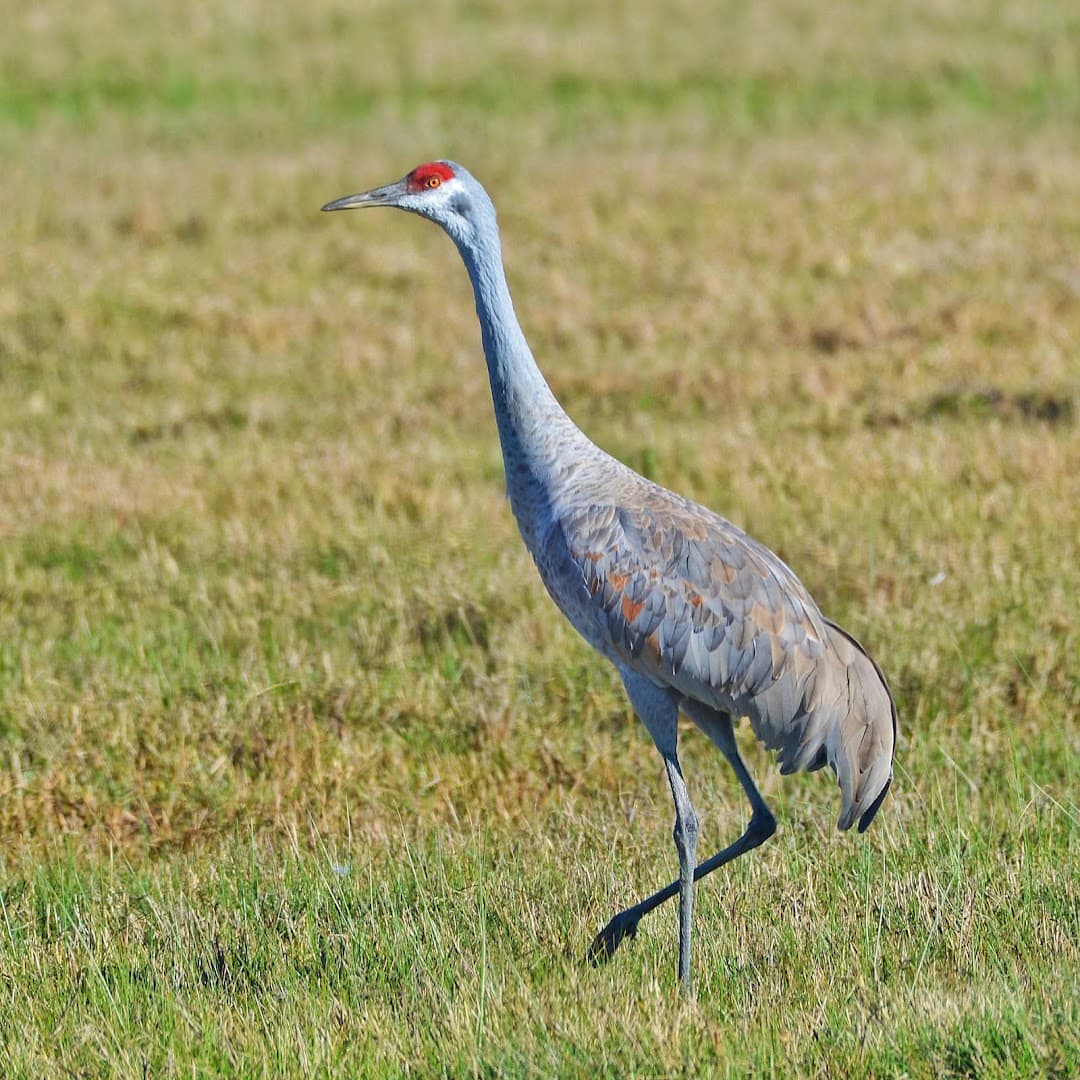
Pack binoculars and give yourself more time than you think you need. The park keeps a birding checklist at headquarters, and rangers can point you toward whatever has been showing up lately.
A Pier, a Bay, and a Reason to Slow Down
The water is the other half of this park’s personality. Goose Island wraps around the meeting of St. Charles Bay and Aransas Bay, and the fishing here is the real, unhurried Gulf Coast kind.
There is a fishing pier that stretches more than 1,600 feet out over the water, long enough that walking to the end feels like a small adventure. Anglers reel in spotted seatrout, red drum, black drum, flounder, and sheepshead.
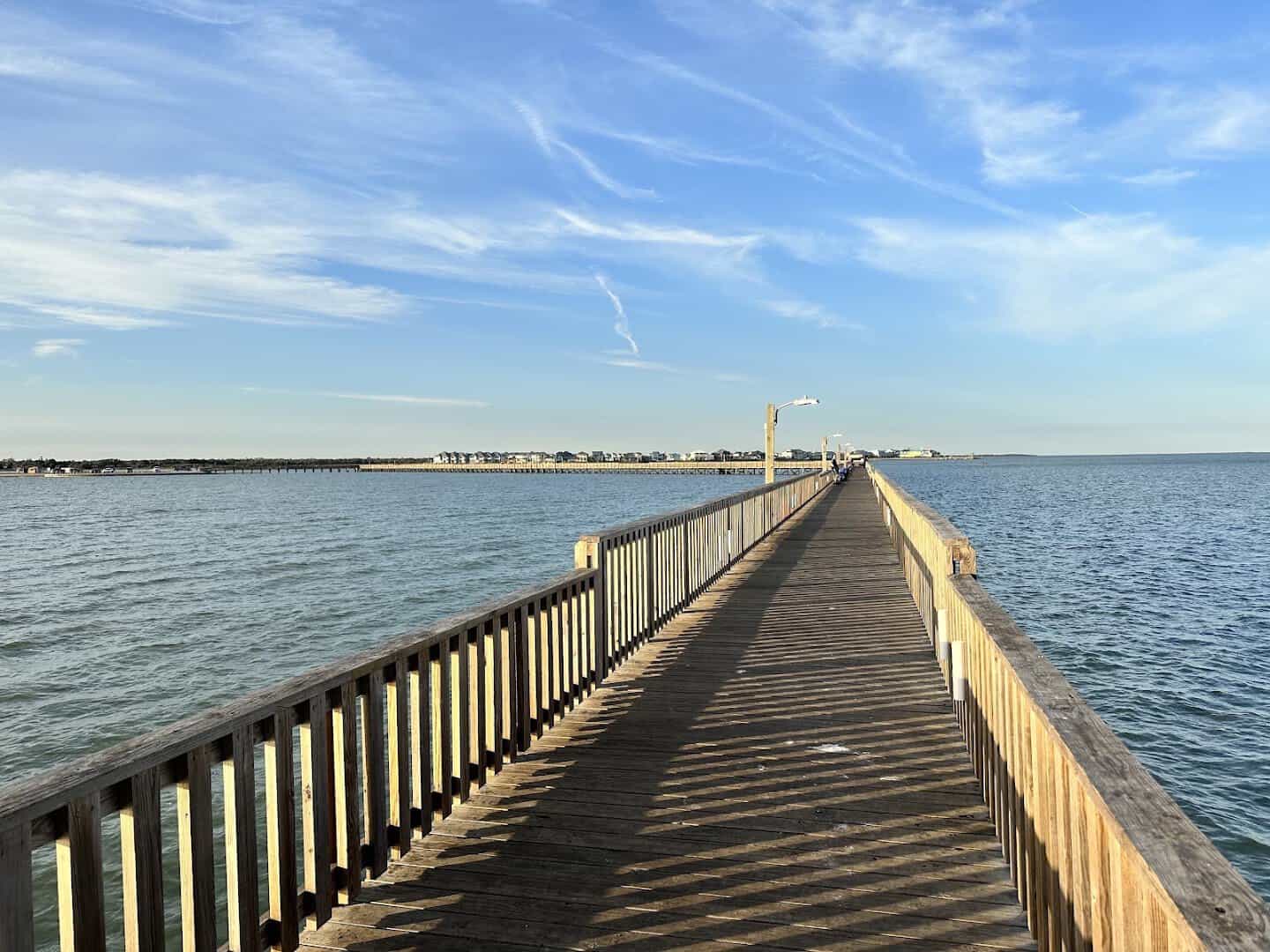
Better yet, you do not need a fishing license to cast from the pier inside the park. That makes it a low-stakes way to introduce a kid, or a reluctant friend, to the quiet joy of standing over the bay with a line in the water.
Paddlers have it good too. Kayak and canoe launches put you into calm, protected water where you can glide past oyster reefs and marsh grass while the birds pretend you are not there.
One honest heads-up so you plan right. This is not a sandy-beach swimming park. The shoreline is oyster shell, mudflat, and marsh, which is exactly what makes it such rich habitat, so come for the wildlife and the water rather than a day of splashing.
If you want to round out the trip, the nearby towns of Rockport and Fulton are worth an afternoon. This is a walkable little arts-and-seafood pocket of the coast, with galleries, a working harbor, and shrimp fresh enough to spoil you for anywhere else.
Staying the Night Under the Oaks
You can absolutely see the Big Tree in an hour and drive on. But the park rewards anyone who lingers, and that means camping right on the coast.
There are bayfront sites where you fall asleep to water lapping a few yards away. There are wooded sites tucked under the live oaks with a little more shade and shelter from the wind. Walk-in tent sites round it out for anyone who wants to keep it simple.
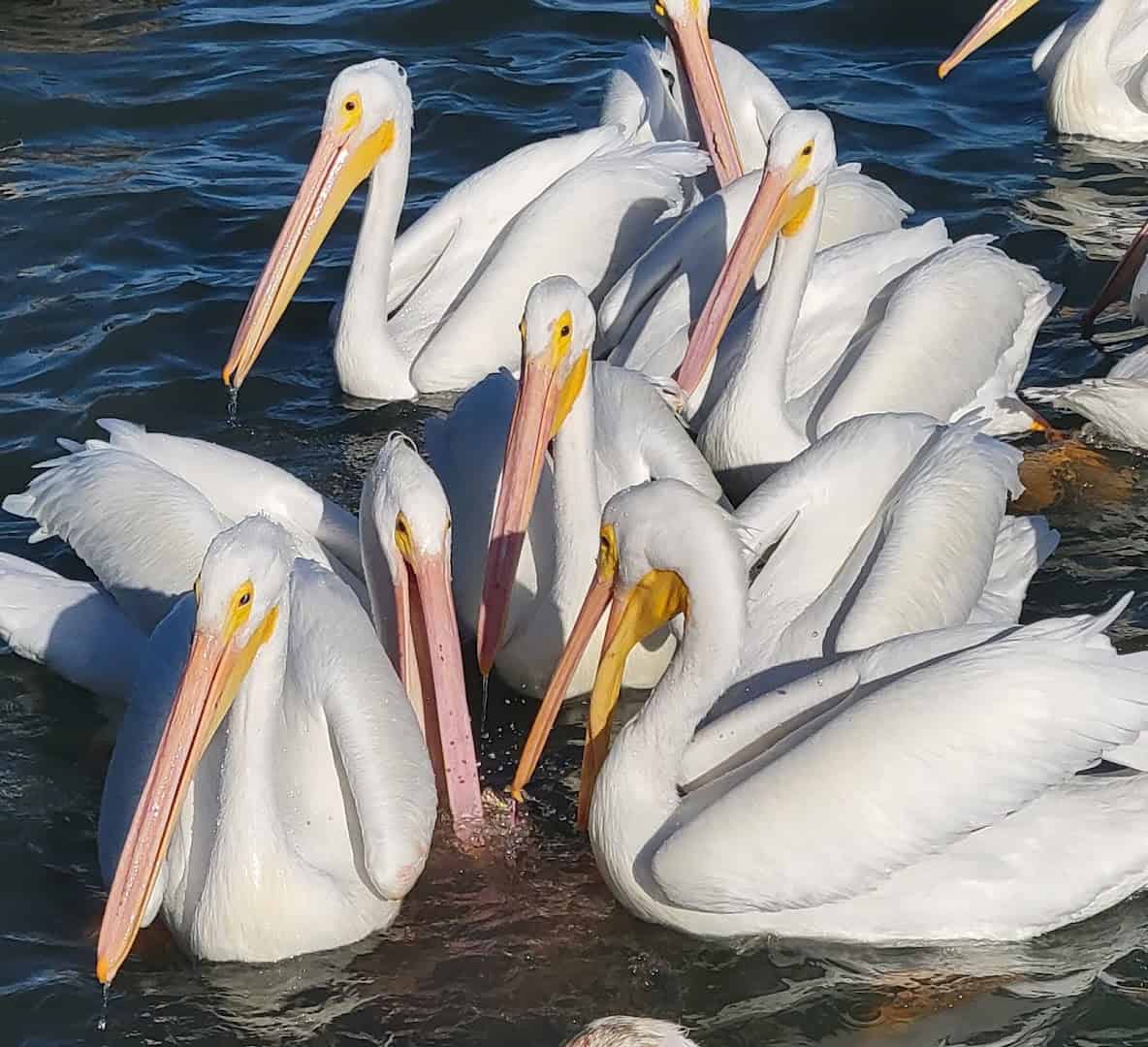
My pro tip: book a bayfront spot for the sunrise. The light coming up over Aransas Bay with cranes and pelicans working the shallows is the kind of morning that reminds you why you left the house in the first place.
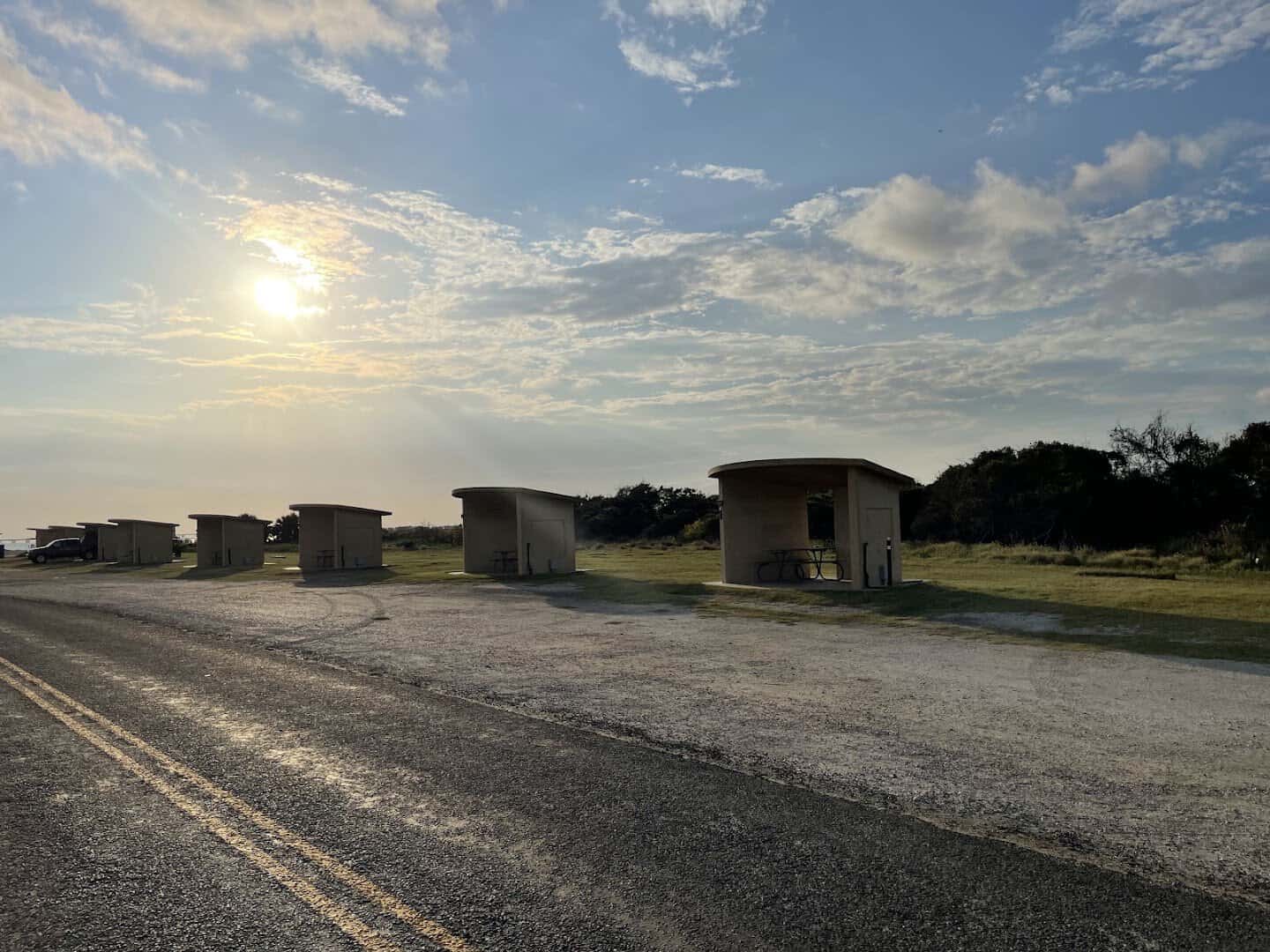
Standard sites run about $18 a night on top of the daily entry fee, which makes this one of the more affordable coastal getaways in the state. Reserve ahead in the cooler months, because Texans who know about this place guard their weekends here.
How to Get There
Goose Island sits on the Lamar Peninsula, a short drive north of Rockport and about an hour and a half up the coast from Corpus Christi. The park is well signed once you get close.
The Big Tree has its own marked spot just outside the main park, an easy two-mile hop from the entrance toward the community of Lamar. Follow the brown signs and you cannot miss it.
The park is open daily from 6 a.m. to 10 p.m. Entry is about $5 for adults, and kids 12 and under get in free, which is a genuine bargain for a full day among ancient oaks and rare birds.
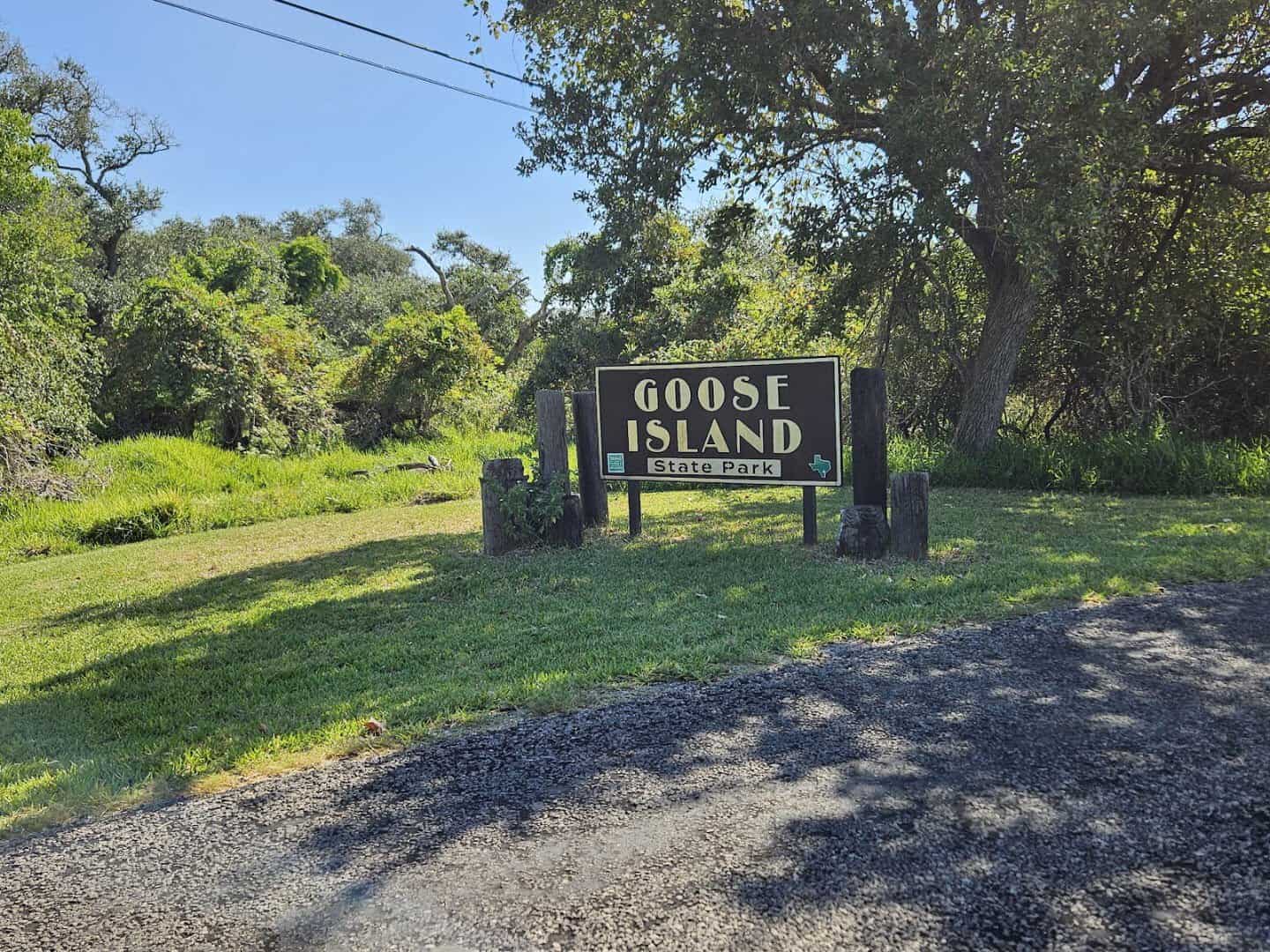
Where: Goose Island State Park, 202 S Palmetto St, Rockport, TX 78382. Follow the signs off Park Road 13 to reach the Big Tree.
Go Meet the Old One
We do not get many chances to stand beside something that has quietly outlasted a thousand years of history. This oak has watched the whole story of this coast unfold and has never once moved from its spot.
So pack the binoculars, throw a fishing rod in the truck, and point yourself toward the coast. Go stand under that impossible canopy, listen for the cranes, and let a very old, very patient tree put your busy week back into perspective.
Featured image: Rusty Shackleford via Goose Island State Park

Stella Raines
Editor-in-Chief
Stella brings over a decade of storytelling experience to TX Headlines. With roots in West Texas and a love for road trips, she leads the editorial team with an eye for the hidden stories that make Texas unforgettable.
More Stories
This Hidden East Texas Spring Has Crystal-Clear Water and a Wonderfully Laid-Back Pace
This Wild Texas Coastal Preserve Puts a Boardwalk Over the Marsh and 300 Birds at Eye Level
This Hidden Texas Waterfall Is a Peaceful Oasis Tucked Where You’d Least Expect It
This Wild Texas Nature Preserve Has Boardwalk Trails Winding Through Swamp, Bog, and Forest
Tags