This Wild Texas Coastal Preserve Puts a Boardwalk Over the Marsh and 300 Birds at Eye Level
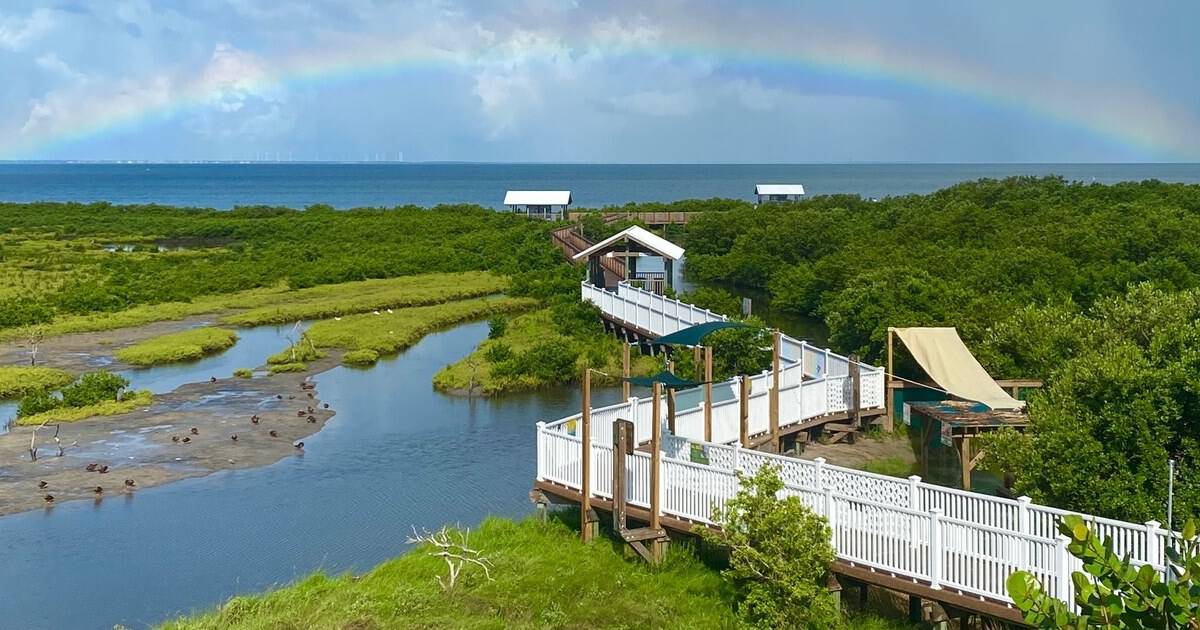
I have always been a sucker for a good boardwalk. Give me a raised walkway that floats out over a wetland and I will follow it to the last post every time, just to see what is standing in the shallows at the end.
There is a particular thrill in walking over water on nothing but a plank and a railing. The solid ground drops away, the marsh opens up on both sides, and suddenly you are the guest in a world that was doing just fine without you.
On the far southern tip of the Texas coast, one preserve turns that small pleasure into an all-day affair. The South Padre Island Birding and Nature Center threads more than 3,300 feet of boardwalk through a marsh so alive it practically hums.
The whole place carries a kind of salt-washed calm you feel the moment your shoes hit the planks. Below, here is what makes this corner of the Laguna Madre worth building a day around, from the birds at your feet to the two-water view five stories up.
A Boardwalk That Floats You Over the Marsh
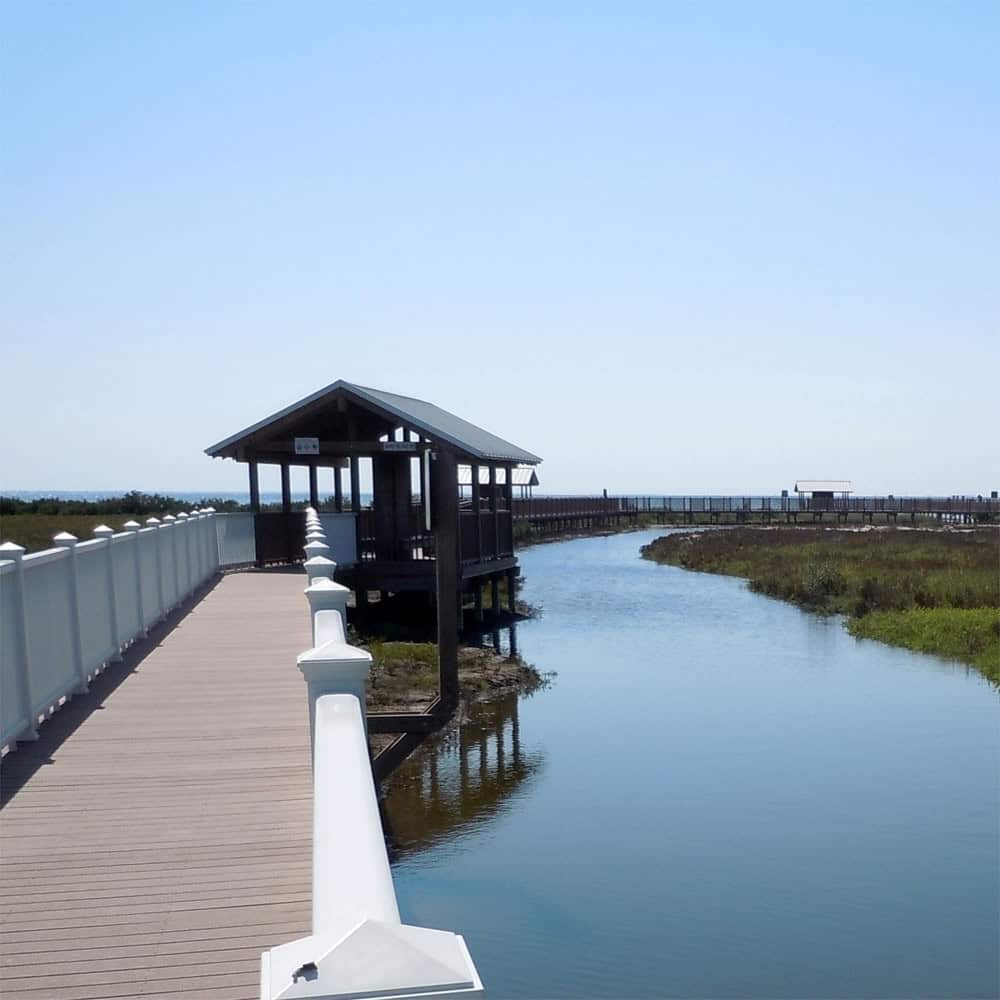
The boardwalk is the heart of the place, and it does not ease you in gently. It lifts you straight out over saltwater marsh, freshwater ponds, tidal flats, and grassland, five distinct habitats stitched together by one long ribbon of wood.
Because you are raised above the water, the wildlife treats you like part of the scenery. Fiddler crabs wave their oversized claws in the mud below. Small fish dart through the shallows. Dragonflies hang in the air at arm’s length, close enough to count the veins in their wings.
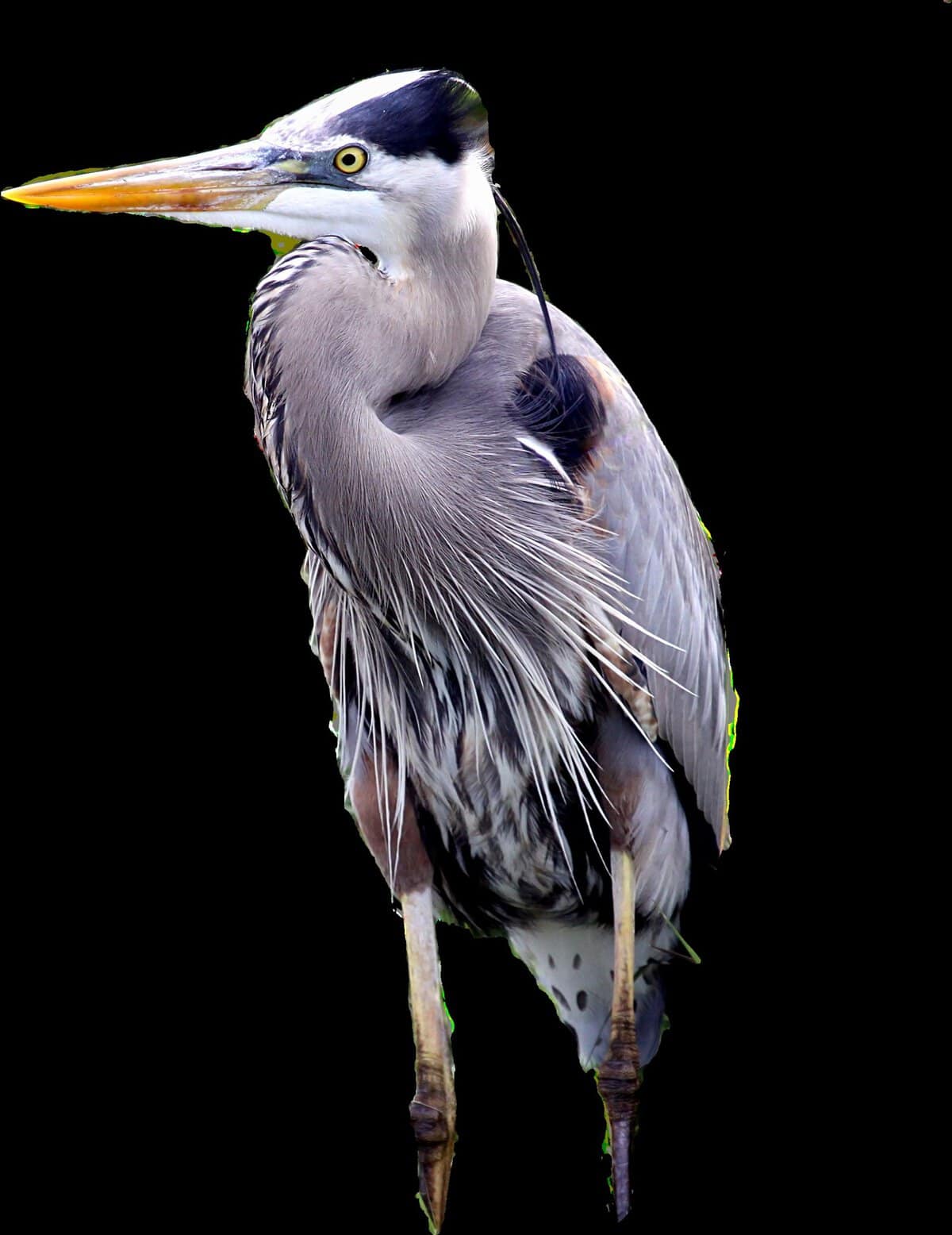
Five shaded bird blinds sit along the route, each one a little wooden hideout where you can settle in, go quiet, and let the marsh forget you are there. That is when the good stuff happens, when a heron decides you are furniture and stalks past a few feet away.
Interpretive signs along the rail decode what you are looking at as you go. The marsh stops being a blur of green and starts sorting itself into mangrove, cordgrass, and open flat, each one home to a different cast of creatures.
The full loop is wheelchair accessible from end to end, so nobody gets left back at the trailhead. You can walk it in twenty minutes or lose two easy hours to it. On a still morning, with the water like glass, most people choose the two hours.
Five Stories Up, Two Waters in One View
At the far end of the boardwalk, the walkway climbs. The observation tower rises five stories over the flat coastal plain, and from the top platform the whole geography of the island finally clicks into place.
To the west spreads the Laguna Madre, the shallow, hypersaline bay that separates the island from the Texas mainland. It is one of only a handful of lagoons this salty anywhere on Earth, and it is the reason the birdlife here is so rich.
To the east, past the dunes, the Gulf of Mexico throws its horizon line straight across the sky. Stand up there and you can take in both bodies of water at once, with the South Padre skyline stacked between them like a set of building blocks.
From above, the marsh reads like a green mosaic laced with silver channels. Pro tip: climb the tower first thing, before the afternoon wind kicks up. Morning light comes in low and gold, and the whole bay turns to hammered metal.
Three Hundred Kinds of Wings
This is one of the great bird addresses in North America, and the numbers back it up. More than 330 species have been recorded on this small patch of coast, which sits squarely on the Central Flyway, the aerial highway that millions of birds ride between the Americas.
Spring migration is the headline act. From roughly March through May, tired travelers drop out of the sky by the thousands to rest and refuel before the long push north.
The trees at the base of the boardwalk can fill with color overnight. The naturalists here call the preserve a critical rest stop, and on a busy April morning they mean it literally.
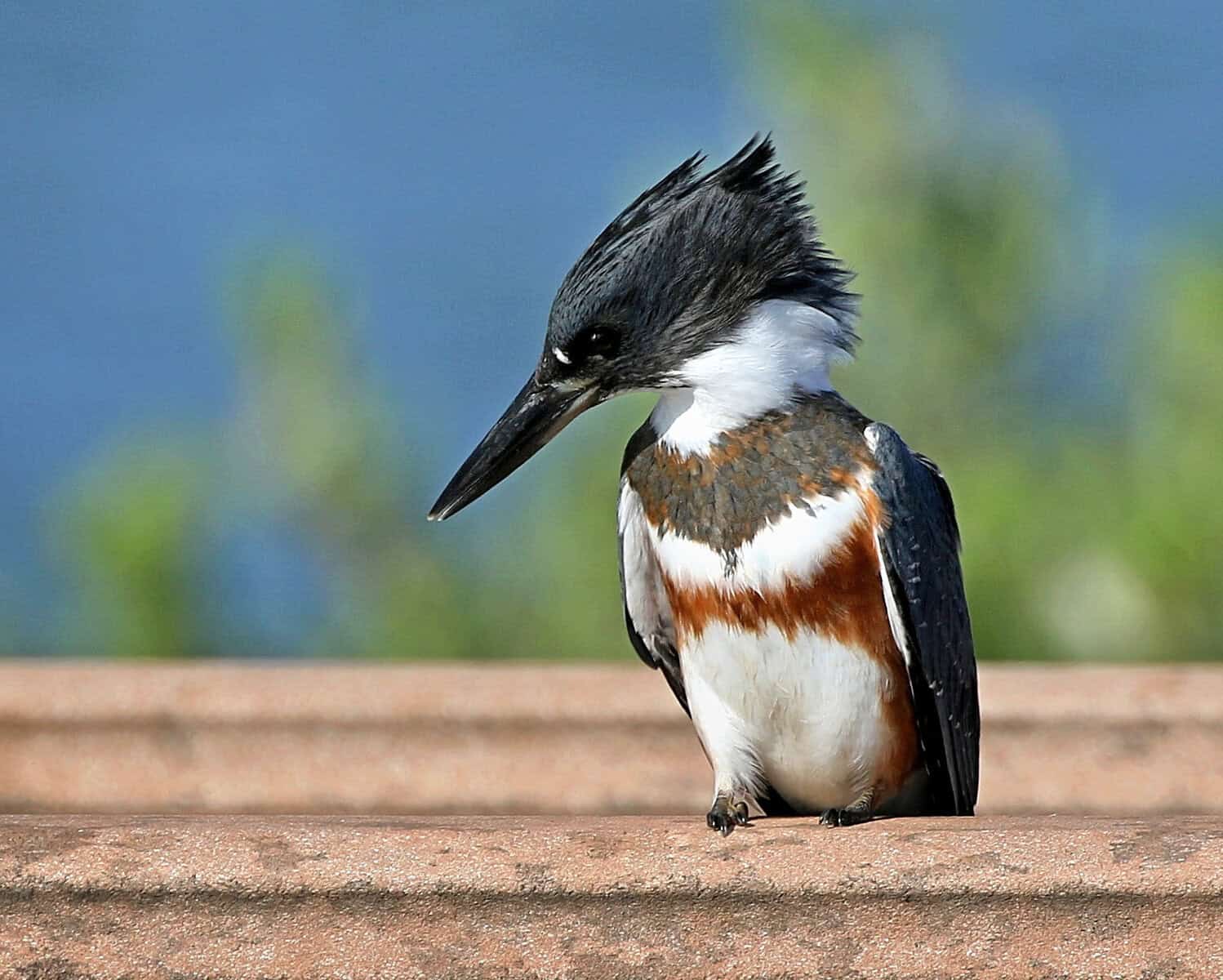
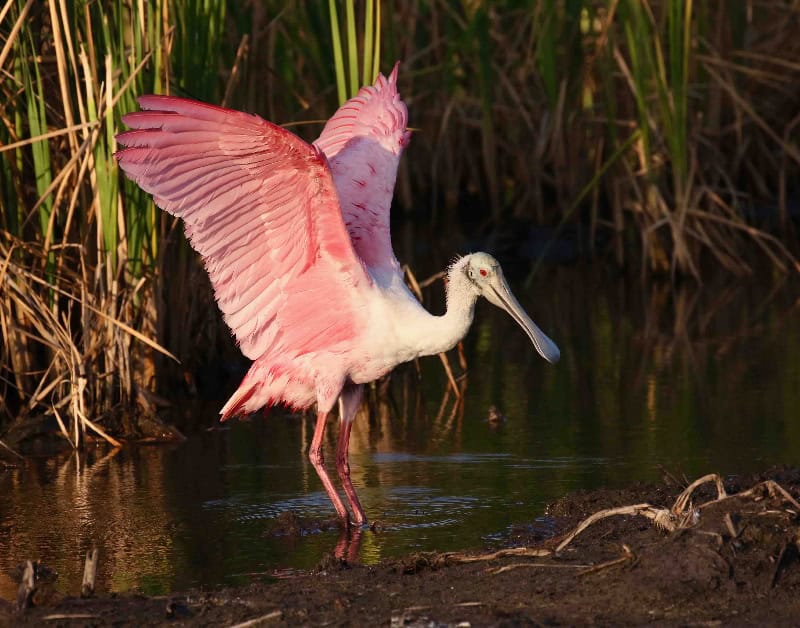
Even outside migration season, the regulars put on a show. Roseate Spoonbills sweep the shallows in a pink so loud it looks fake. Reddish Egrets dance and lurch after fish like they are chasing something only they can see.
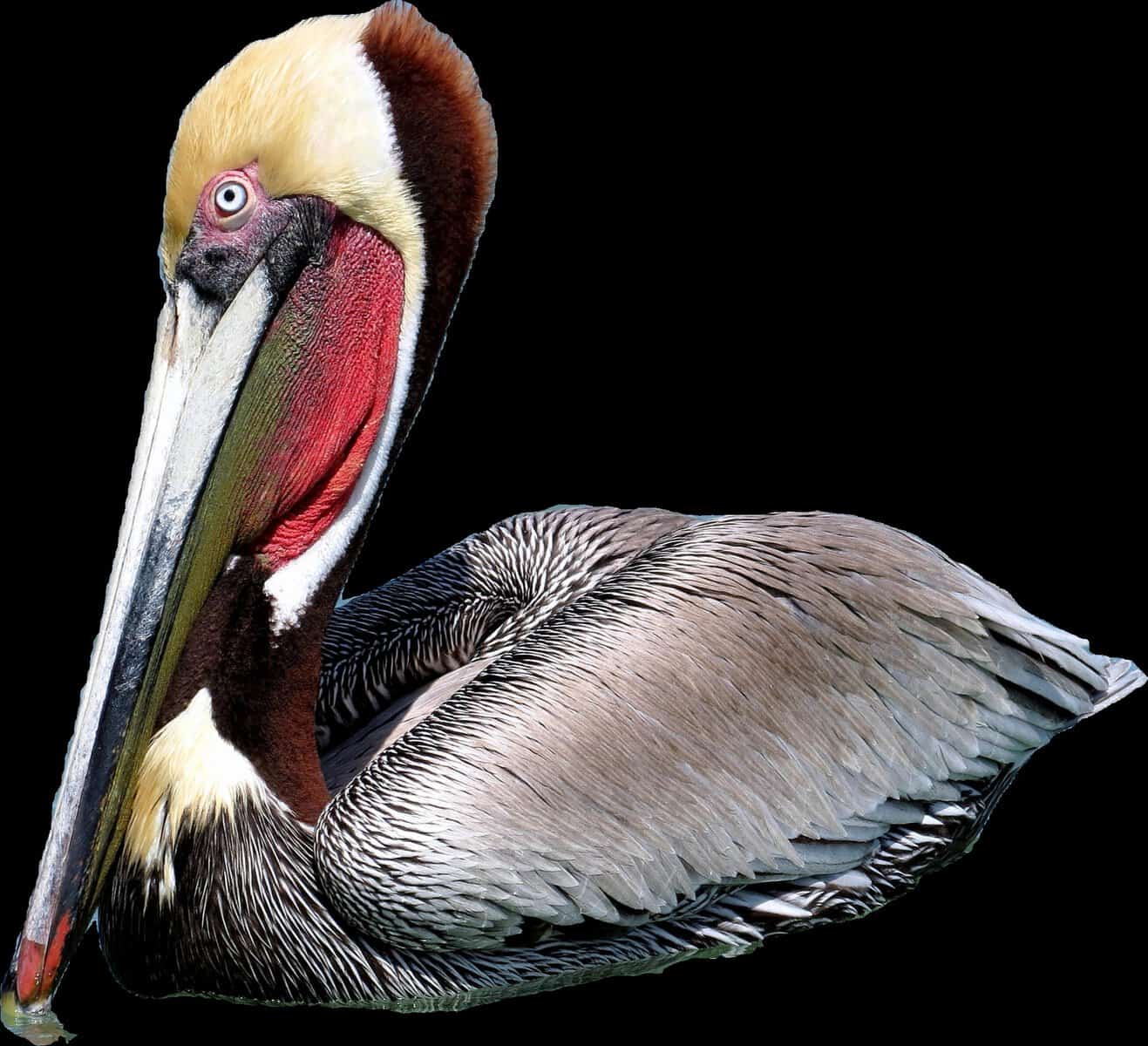
Brown Pelicans coast low over the channels. Black-necked Stilts pick along the flats on candy-stick legs. And electric-green Green Jays, a bird most of the country never gets to see, flash through the brush like someone spilled paint.
The first time I ever saw a Roseate Spoonbill, I honestly thought someone had let a flamingo loose in the wrong state. There is nothing shy about them. Out here, a spoonbill is just an ordinary Tuesday.
Look to the water and the guest list only grows. The surrounding Laguna Madre shelters Kemp’s Ridley sea turtles, the smallest and most endangered sea turtle in the world, along with a steady traffic of crabs, rays, and fish.
Bring a good zoom lens and a little patience, because the water rewards both. Half the fun here is realizing how much is moving once you stop and really look.
The Gators Nobody Else Wanted
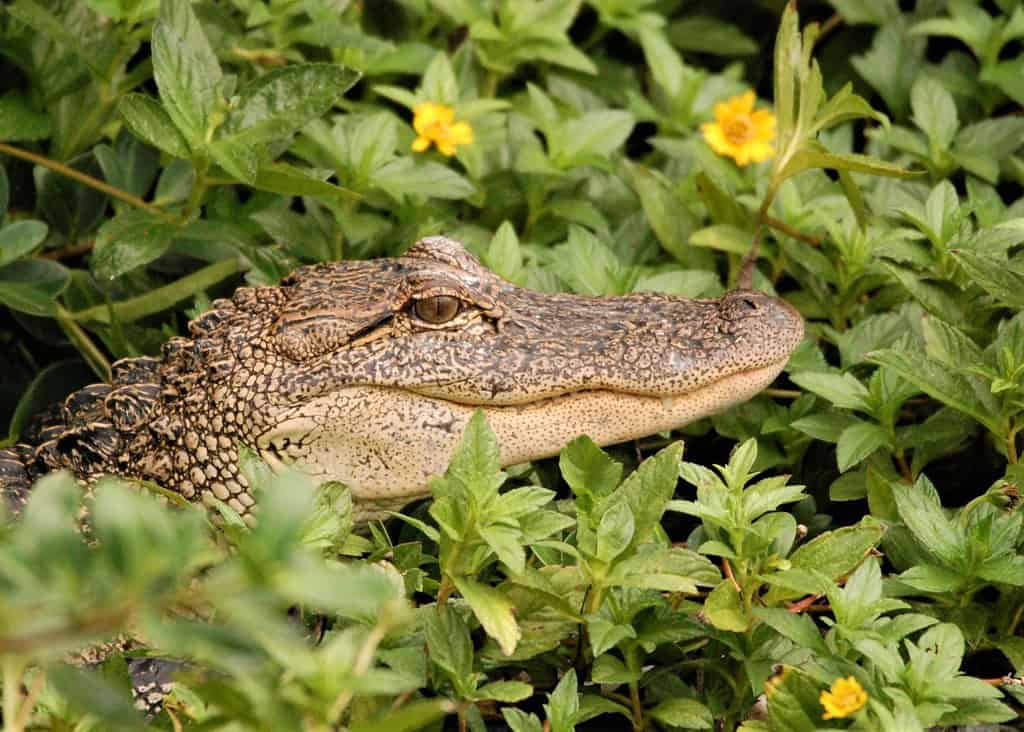
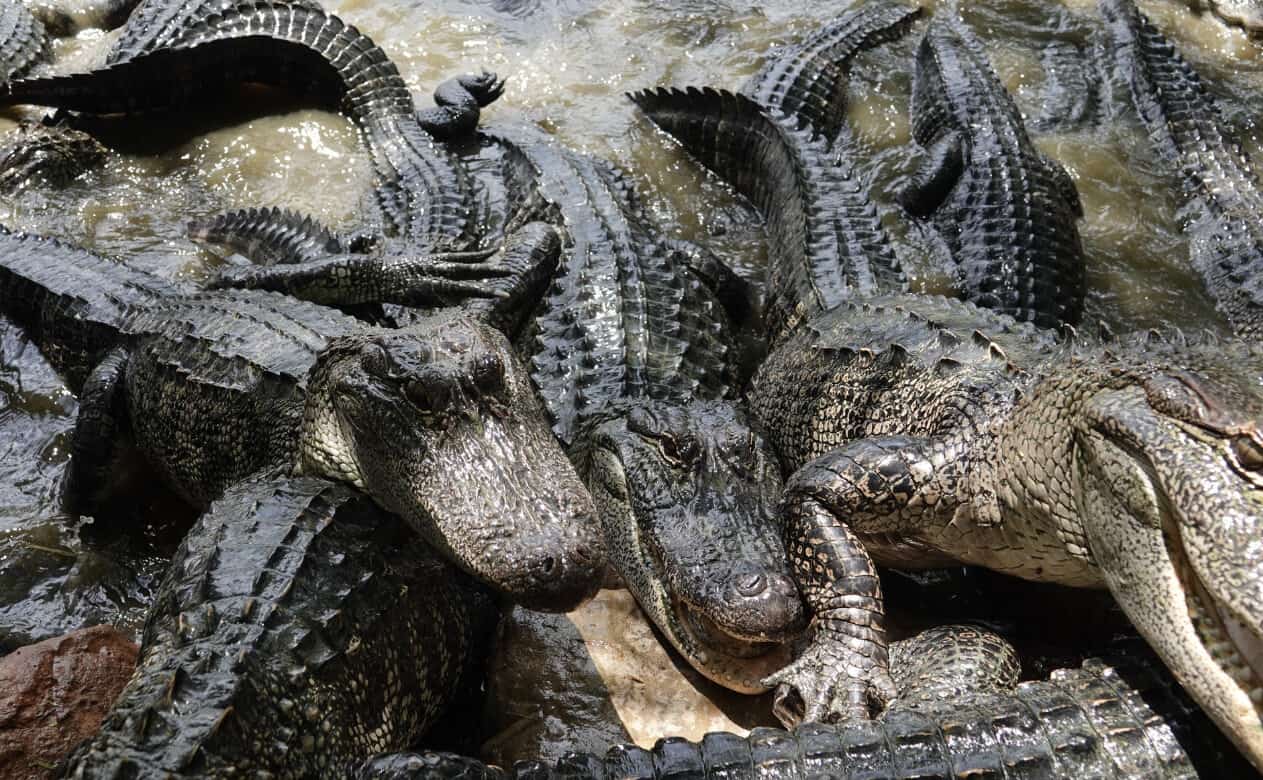
Here is the twist most first-time visitors do not see coming. The preserve is also a sanctuary for rescued American alligators, and every resident arrived with a story attached.
In May 2019, the center took in a group of nuisance gators that had turned up where they were not supposed to be. Think backyard ponds, swimming pools, and the shady space under someone’s boat pier.
These were animals that had become a public-safety problem through no fault of their own. Instead of being put down, they got a permanent home here, with room to bask and a staff that actually wants them around.
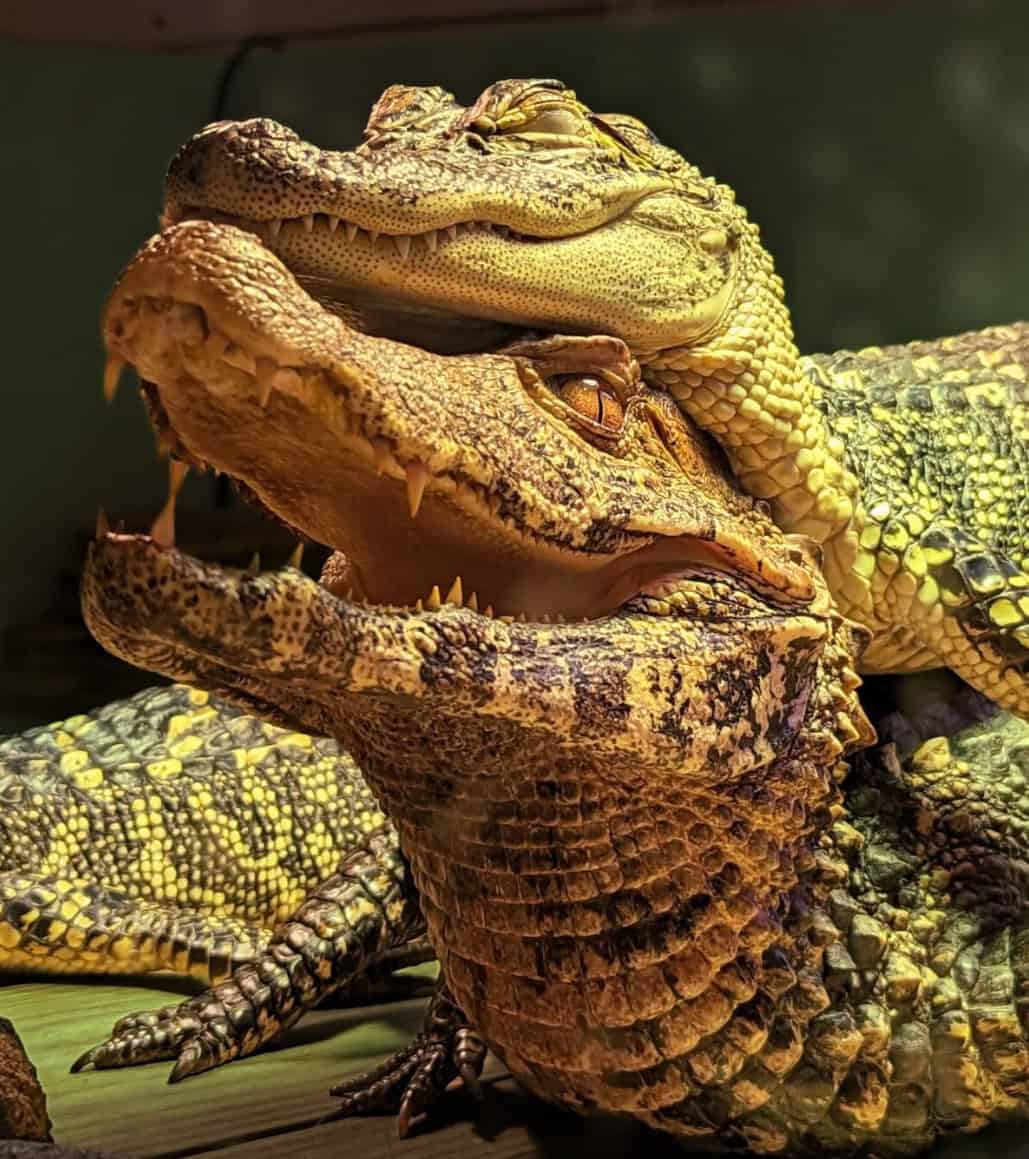
The undisputed star is Big Padre. He came from Port Arthur, where well-meaning folks kept tossing him fish scraps until he grew into a legend. Today he stretches 12 feet 7 inches, tips the scales past 750 pounds, and carries roughly half a century behind those ancient eyes.
Around him live dozens of younger rescues, most running three to nearly six feet long. Nearby, a herd of gentle Sulcata tortoises, the third-largest tortoise species on the planet, ambles around a pen and grazes on grass like a fleet of slow-motion lawnmowers.
Did you know? For a few dollars extra, an Adventure Package lets you get behind the scenes with baby alligators and snakes. It is the kind of thing kids narrate to their friends for the rest of the school year.
A Garden Built for Wings and Wanderers
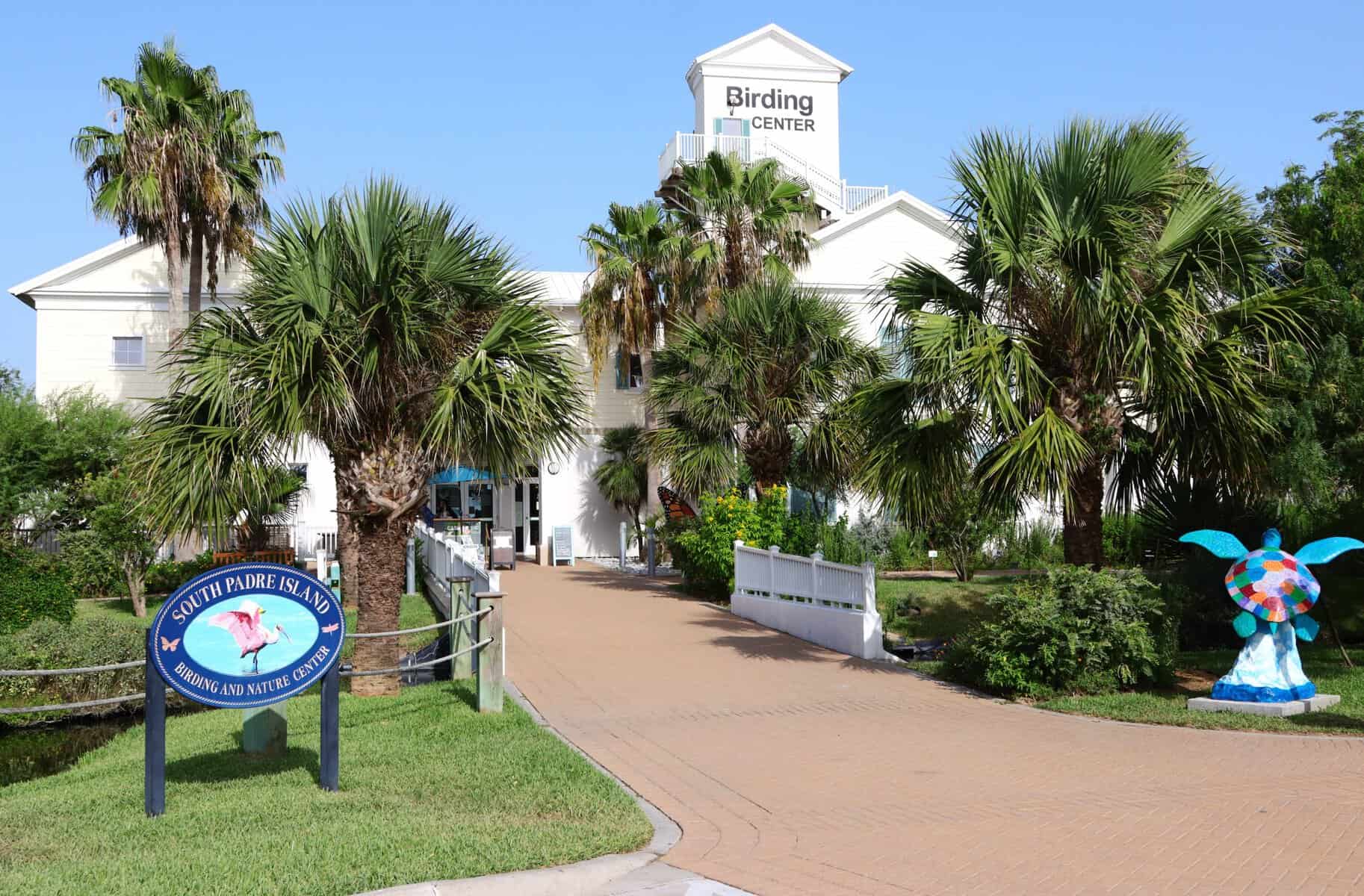
Do not rush past the visitor center on your way to the boardwalk. The grounds around it are landscaped with native South Texas plants chosen for exactly one job, feeding wildlife.
The butterfly garden pulls in Monarchs and a rotating cast of pollinators, especially when the fall migration funnels them down the coast. Come in October and this stretch of shoreline turns into a butterfly highway, with Monarchs staging here on their long push toward central Mexico.
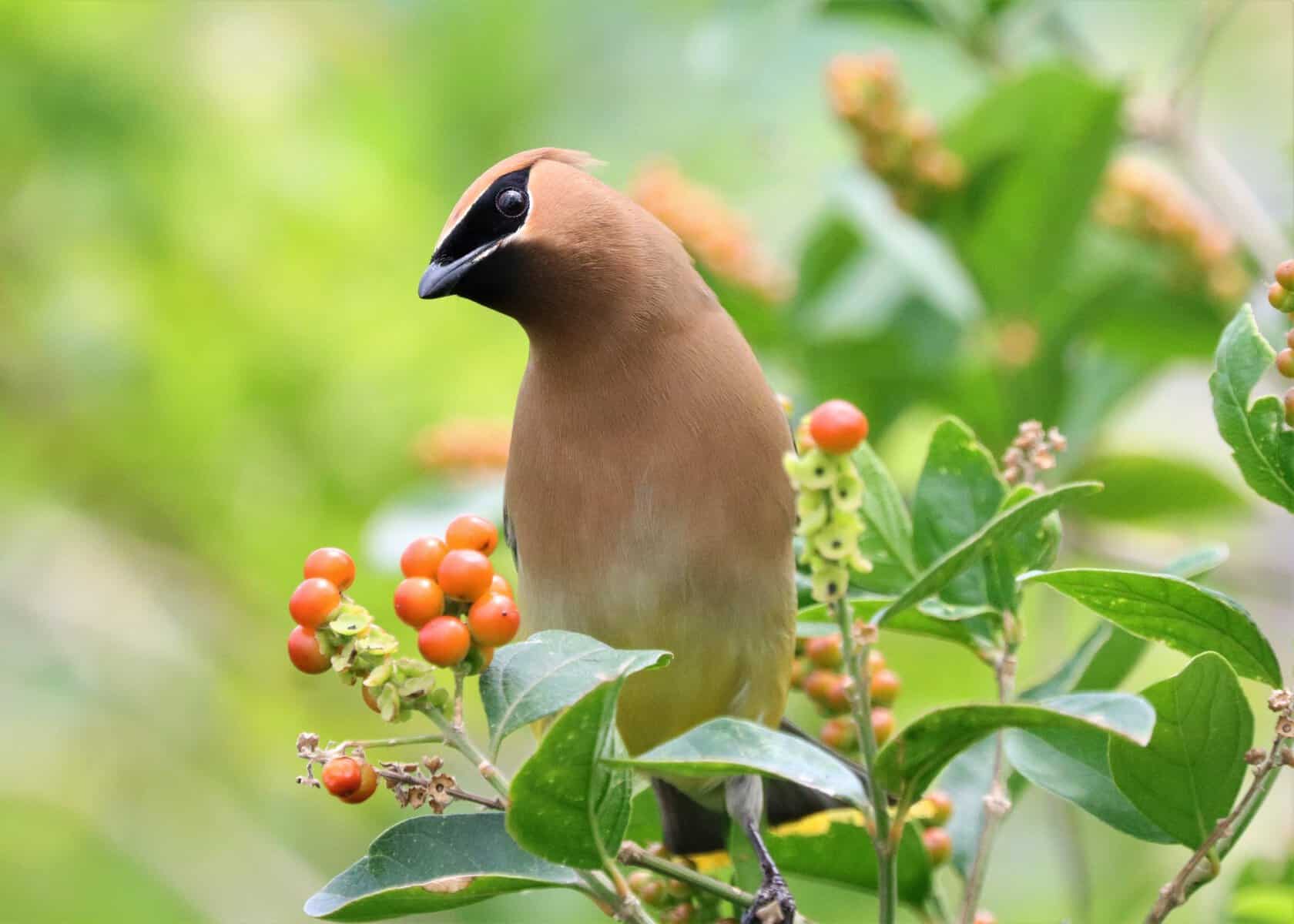
Songbirds work the same flowers, so some of the best sightings of the whole day can happen ten steps from the front door. It pays to slow down before you have even reached the boardwalk.
Inside, a live reptile room and hands-on exhibits explain the ecosystems you are about to walk through. It is a smart place to start, so you can tell a slough from a tidal flat before you are standing over one.
How a Nine-Site Dream Landed on the Bay
The preserve did not appear by accident. It is one of nine sites in the World Birding Center, an ambitious network dreamed up in 1999 by Texas Parks and Wildlife, the U.S. Fish and Wildlife Service, and nine communities across the Lower Rio Grande Valley.
South Padre Island signed on early. The local Economic Development Corporation adopted the project in 2000, design work began in 2001, and the Corpus Christi firm Richter Architects, led by David Richter and Elizabeth Chu Richter, shaped the buildings and boardwalks to sit lightly on the wetland they overlook.
The money came from an unusual mix. A $5.2 million sales-tax revenue bond covered most of the construction, joined by roughly $1.25 million in grants and more than $200,000 from community donors who simply wanted this thing built.
The doors finally opened on September 26, 2009. The alligator sanctuary joined a decade later in 2019, turning a birding boardwalk into the full coastal menagerie it is today.
What to Know Before You Go
The center is open daily from 8 a.m. to 5 p.m., closing only for Thanksgiving, Christmas, and Easter. Early birds get the best of it, both the light and the wildlife, so aim for that first hour after the gates open.
Admission is gentle on a family budget, and every dollar keeps this nonprofit running. Adults are $15, while seniors, students, and military pay $10. Kids four to twelve are $5, and little ones under four get in free.
Forgot your binoculars? Rent a pair at the front desk for $3 and thank yourself later, because half the magic here happens just past naked-eye range. An annual pass is worth a look if the island is your regular escape.
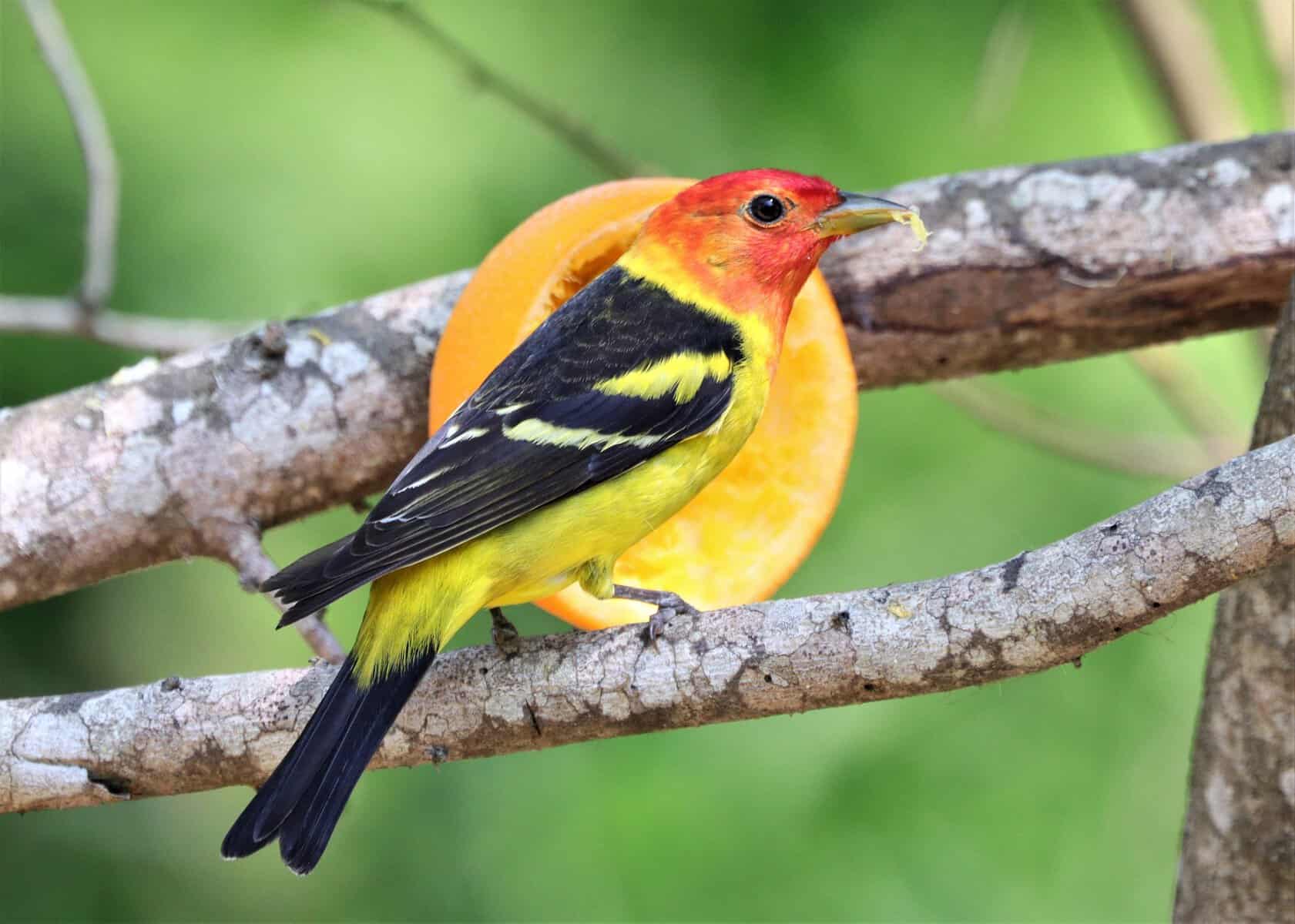
If you would rather learn as you walk, the center runs naturalist-led guided tours through the year. A sharp guide will point out ten birds you would have strolled straight past, and turn a pretty walk into a genuine education in coastal ecology.
Bring water, a hat, and sunscreen. The boardwalk is gloriously exposed, which is wonderful for the views and unforgiving at high noon. The only shade lives in the blinds and the tower, so plan your loop around them.
How to Get There
The preserve sits on the bay side of the island, an easy drive once you cross the Queen Isabella Causeway. Point your car toward the water and the tower does the rest, since you can spot it from a good distance out.
Where: South Padre Island Birding and Nature Center, 6801 Padre Blvd, South Padre Island, TX 78597
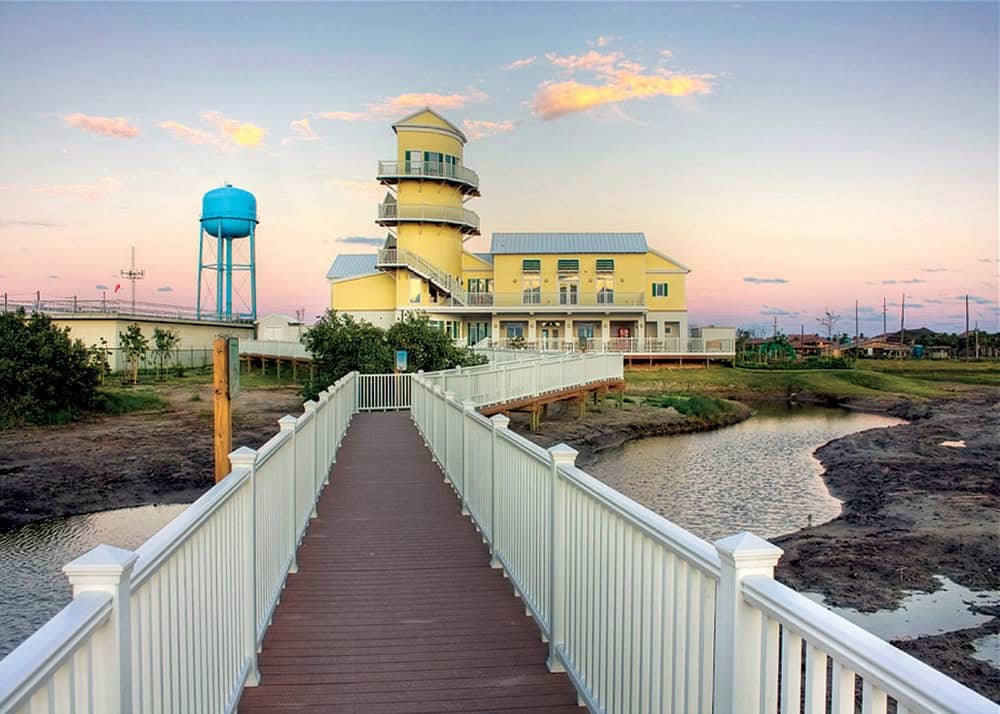
Point the Car South and Go
Some Texas destinations shout for your attention. This one just quietly hands you a plank over the marsh, a tower over two seas, three hundred kinds of birds, and a fifty-year-old alligator with a name, then lets the coast do the rest of the talking.
So grab your hat, charge the camera, and give yourself a slow morning at the very bottom of the map. Walk out to the end of that boardwalk, climb the tower, and see how much of the wild Texas coast you can soak in before lunch.
Featured image: @ South Padre Island Birding and Nature Center

Stella Raines
Editor-in-Chief
Stella brings over a decade of storytelling experience to TX Headlines. With roots in West Texas and a love for road trips, she leads the editorial team with an eye for the hidden stories that make Texas unforgettable.
More Stories
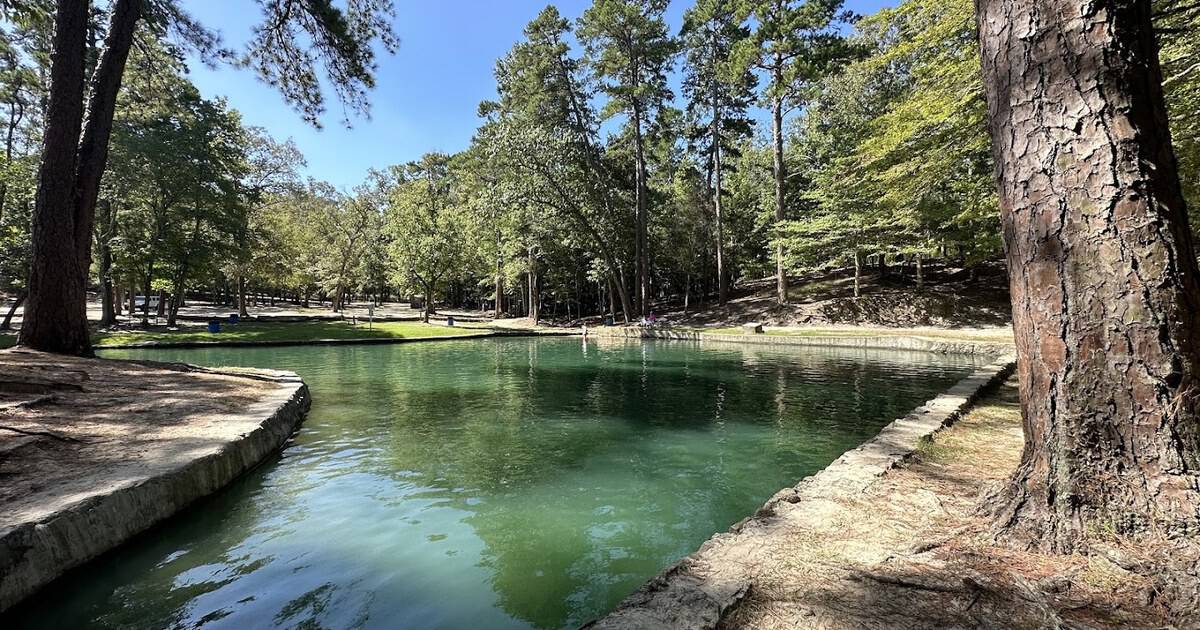
This Hidden East Texas Spring Has Crystal-Clear Water and a Wonderfully Laid-Back Pace
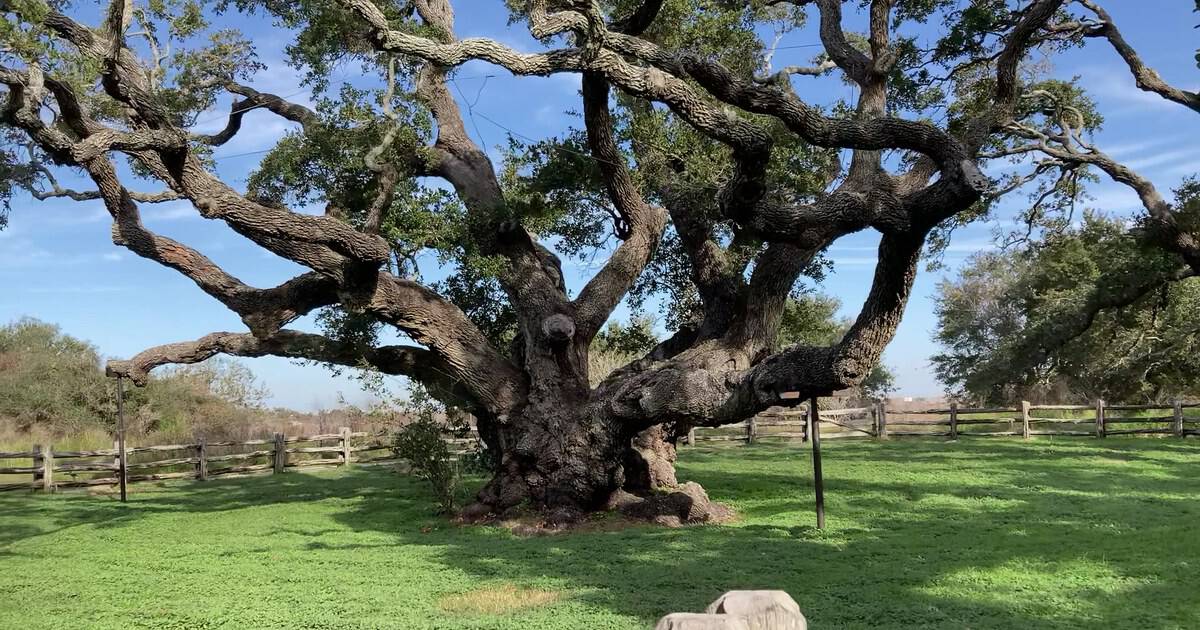
This Forgotten Texas State Park Lets You Stand Beside a 1,000-Year-Old Tree
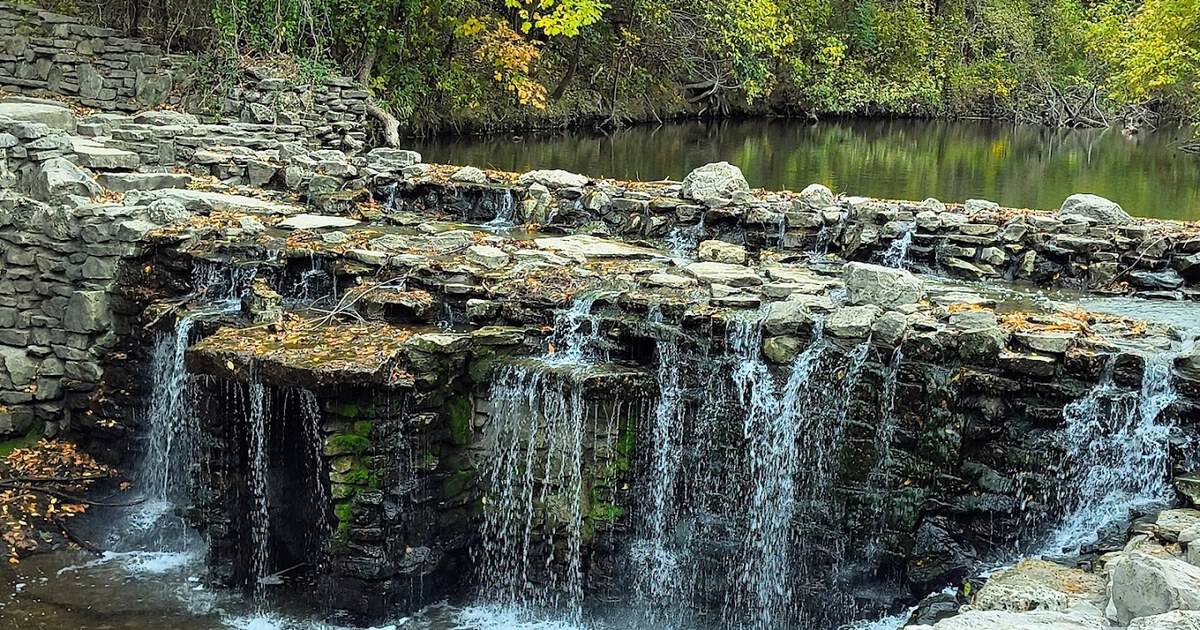
This Hidden Texas Waterfall Is a Peaceful Oasis Tucked Where You’d Least Expect It
This Wild Texas Nature Preserve Has Boardwalk Trails Winding Through Swamp, Bog, and Forest
Tags