This Family-Run Texas Restaurant Brings the Bold Flavors of Puerto Rico to Every Plate
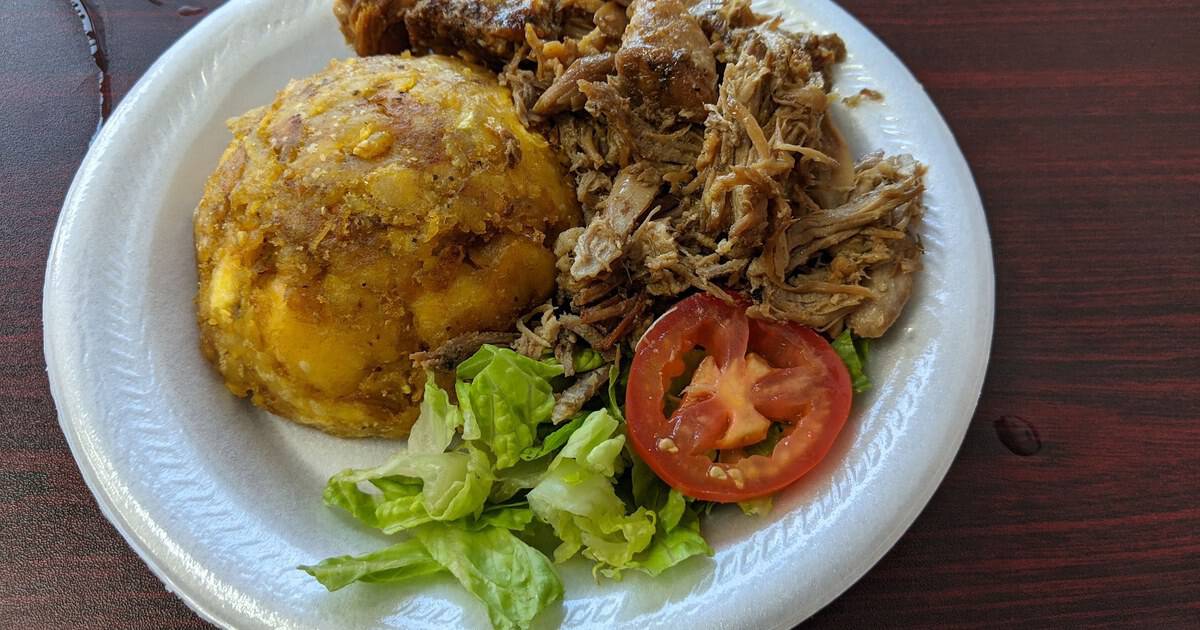
Nobody warned me that one good mofongo would ruin plain mashed potatoes forever. I fell for it years ago, and I have been chasing that first bite ever since.
A mound of green plantains, pounded in a wooden pilon with garlic and crackling pork, is not a side dish. It is a whole argument for driving out of your way to eat.
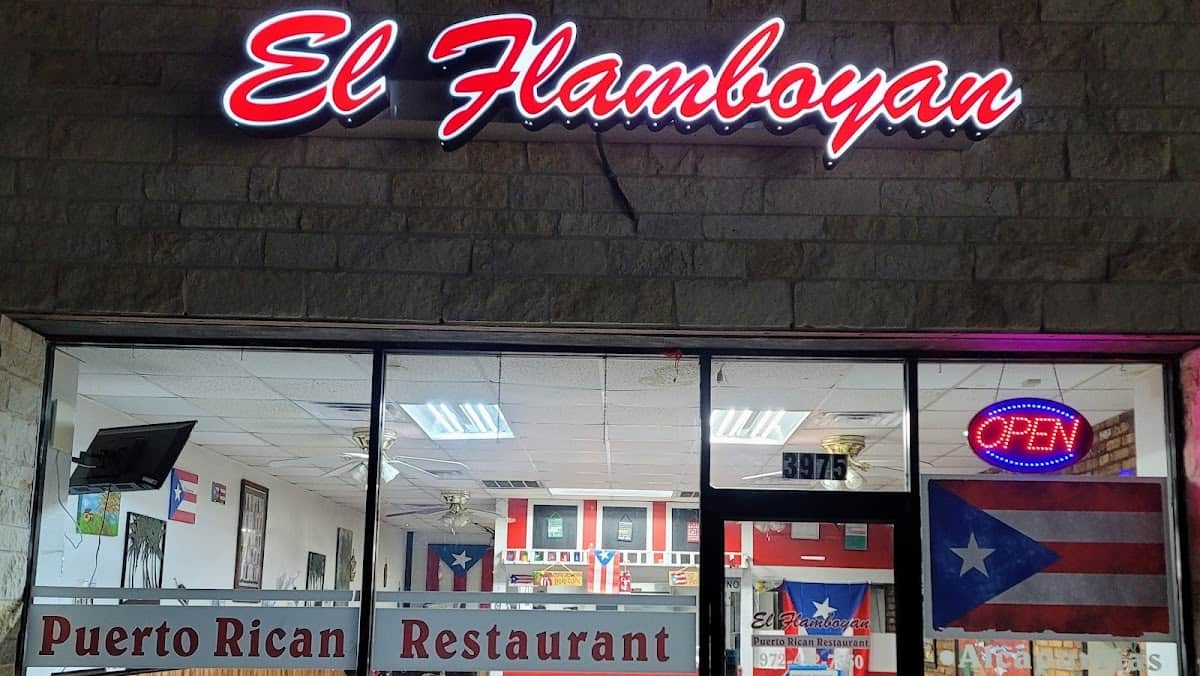
And in Wylie, a quiet suburb northeast of Dallas, that argument gets made every day inside a family-run Puerto Rican kitchen with a big red flowering tree on its sign. This is island cooking, unfiltered, the kind that tastes like somebody’s grandmother is back there watching the fryer.
Here is what makes it worth the trip, plate by plate, from the mofongo that started this to the guava pastry you should not skip on the way out.
Mofongo, the Dish You Came For
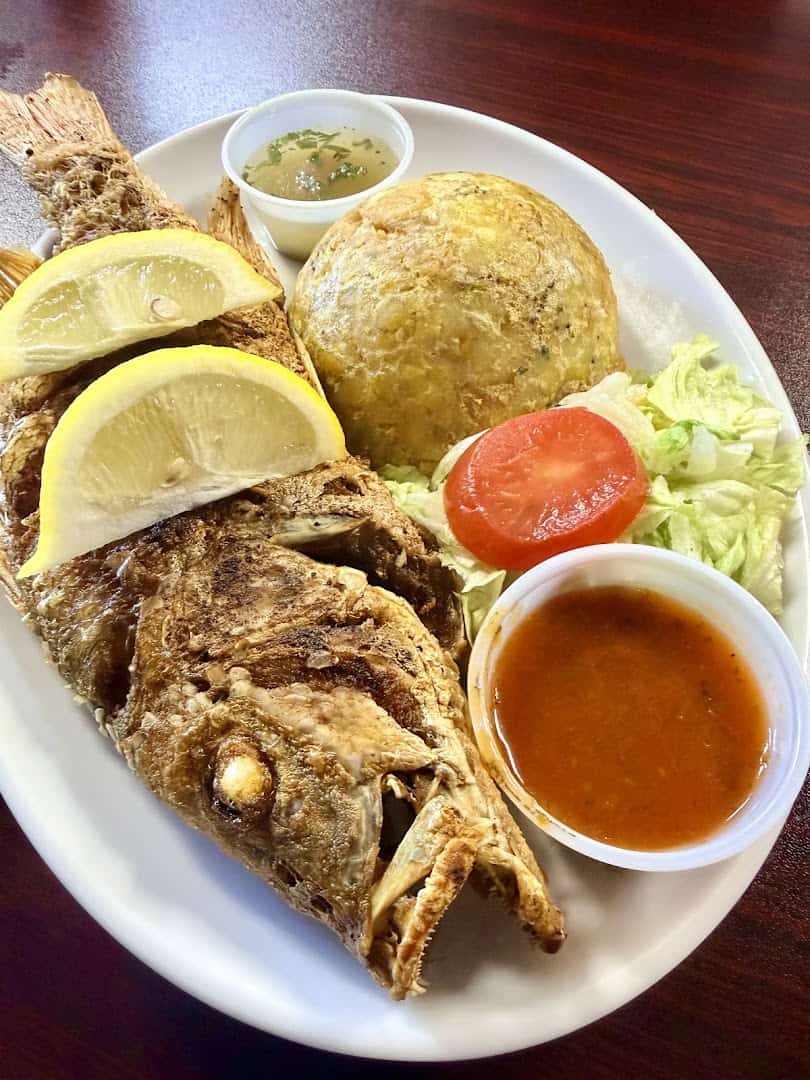
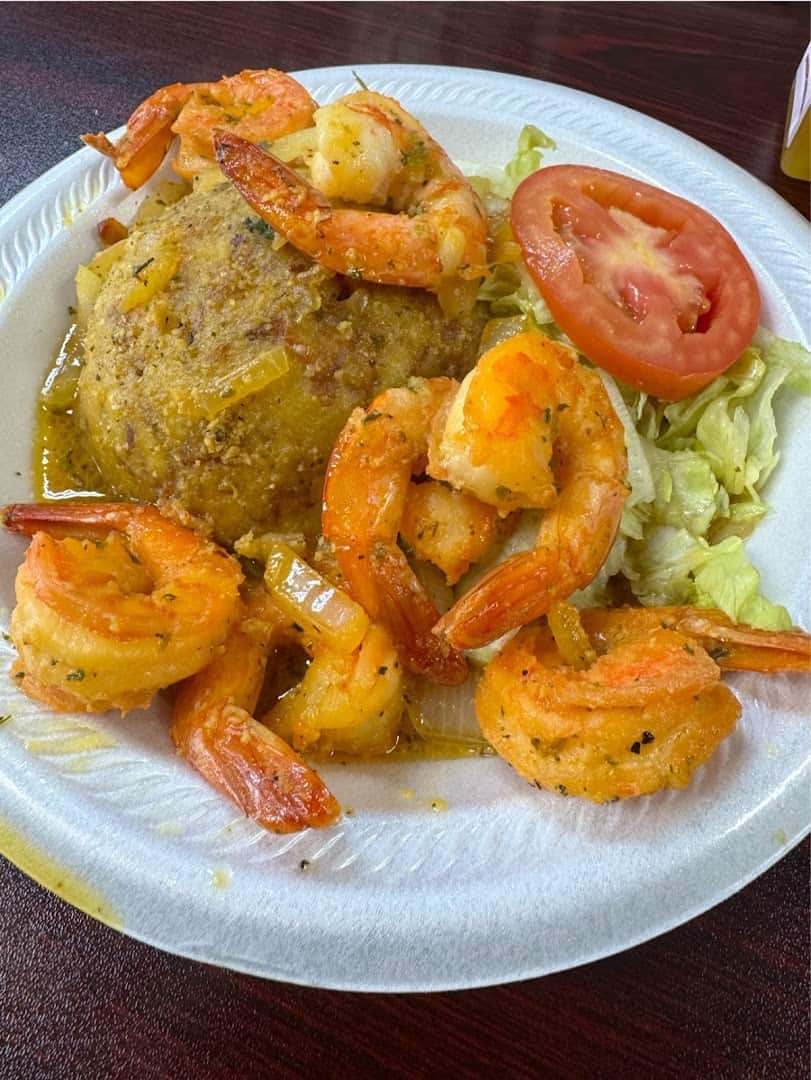
Mofongo is Puerto Rico on a plate, and it is the reason this place has a following. Green plantains get fried, then mashed with garlic, salt, and pork until they hold together in a savory dome that is crisp at the edges and soft in the middle.
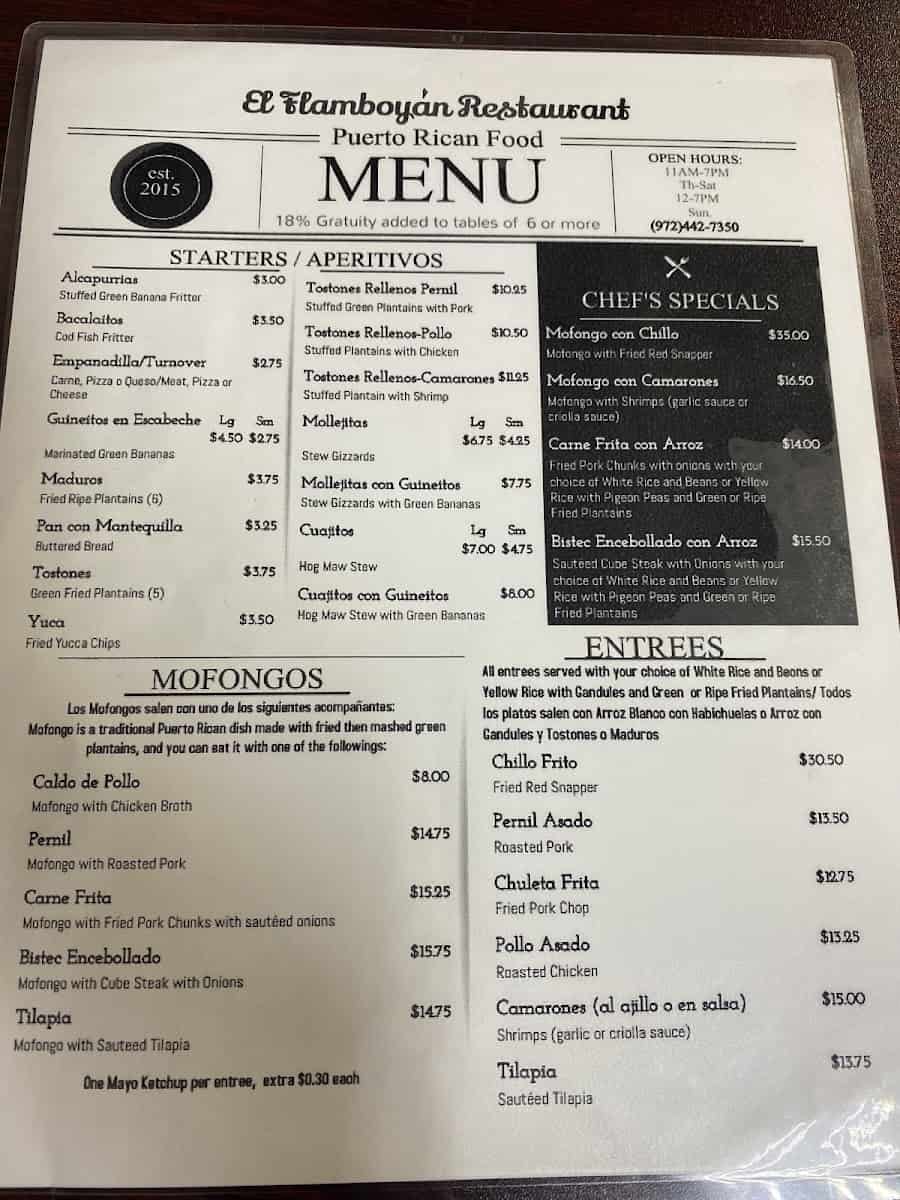
You pick what goes with it. Roasted chicken runs $22. Roasted pork lands at $23, and so does the carne frita version, built with fried pork chunks that stay juicy under their crackle. Shrimp tops the list at $24.50.
My pick would always be the carne frita. There is something about garlicky plantain against salty, fried pork that makes every other comfort food feel a little underdressed. The portions are generous enough that lunch usually becomes dinner too.
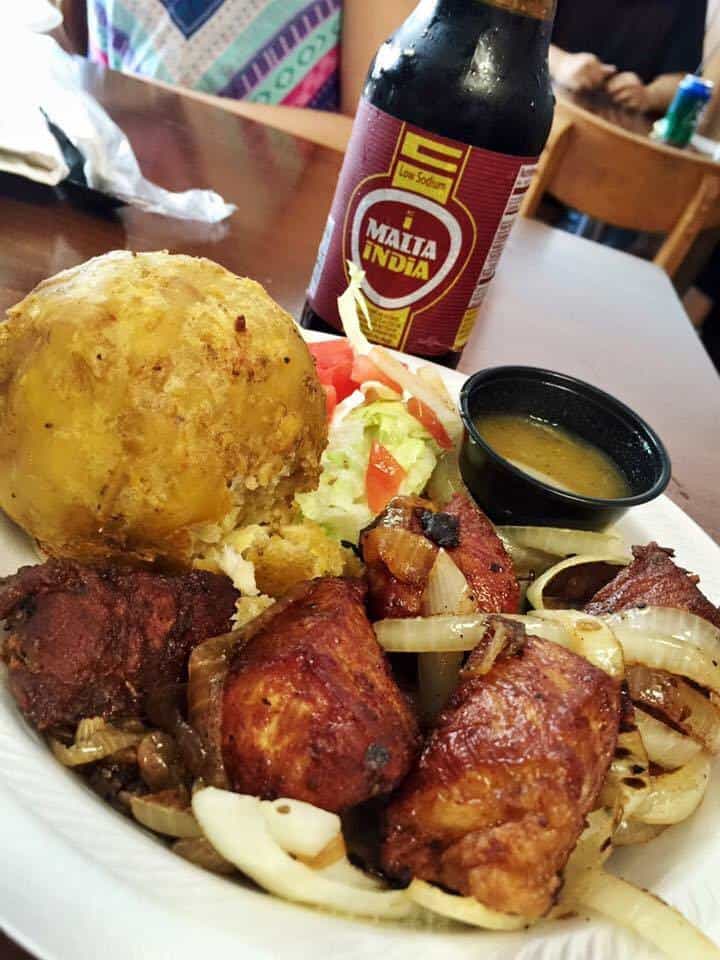
Order it the first time and watch how it comes out: dense, fragrant, still steaming, with the garlic hitting you before the plate even lands. It is the dish people describe to their friends later and struggle to explain.
The magic is in the pounding. Traditional mofongo gets mashed in a wooden mortar called a pilon, the same tool Puerto Rican kitchens have used for generations. It is heavy, hands-on work, and you can taste the difference between plantains crushed by hand and anything a machine does.
Pernil, Slow and Serious
If mofongo is the showpiece, pernil is the soul. This is pork shoulder rubbed with garlic, oregano, and adobo, then roasted low and slow until the meat pulls apart and the skin turns into brittle, salty crackling that Puerto Ricans fight over at the table.
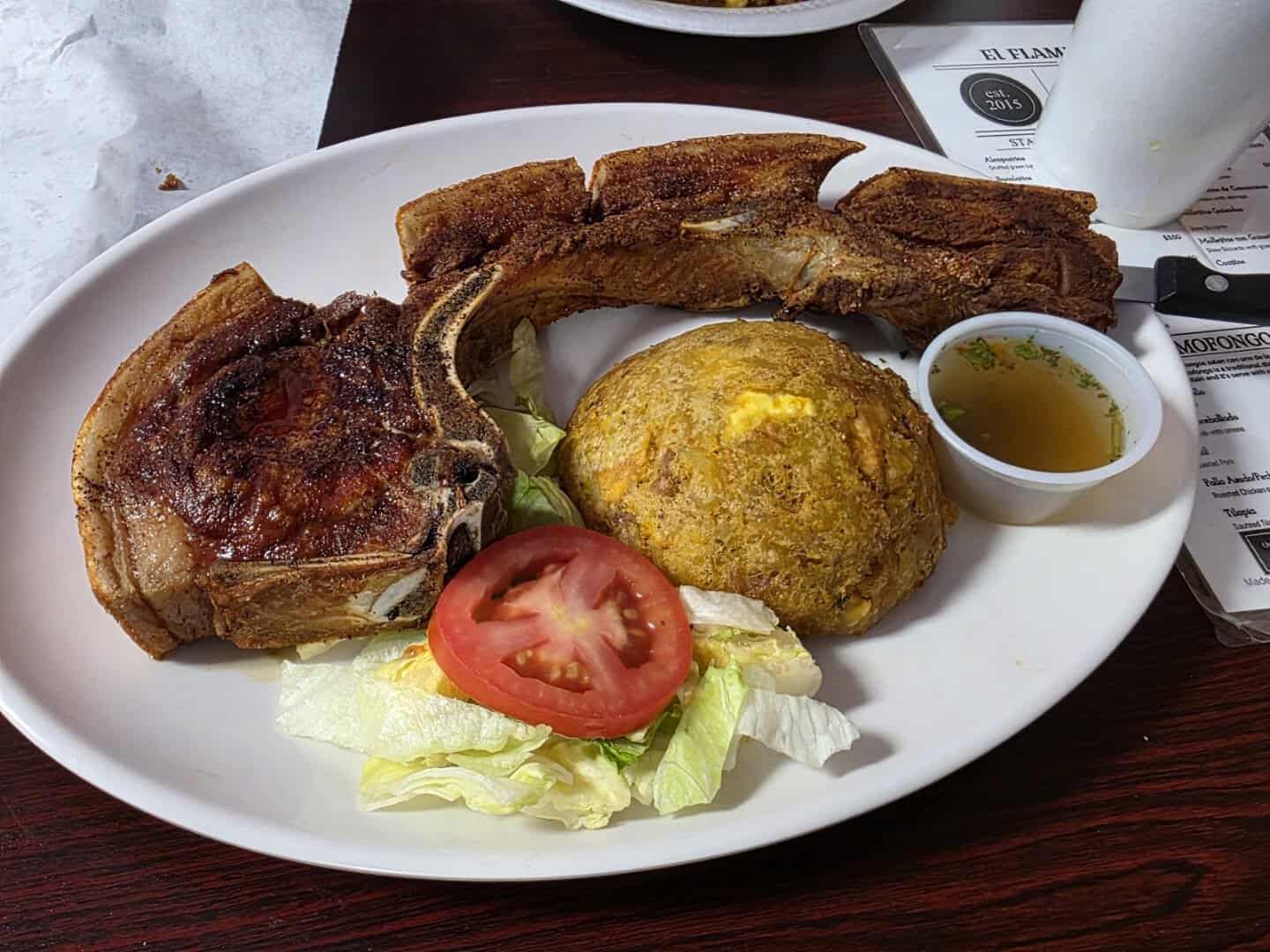
Here the pernil asado comes plated at $21 with rice, beans, and a little salad, a full meal that eats like a Sunday at somebody’s house. The meat is tender enough to cut with a fork and seasoned all the way through, not just on the surface.
Pro tip: ask for a little of the pork skin on the side if they have it. That crackling, the cuerito, is the part regulars quietly hope is still there when they order.
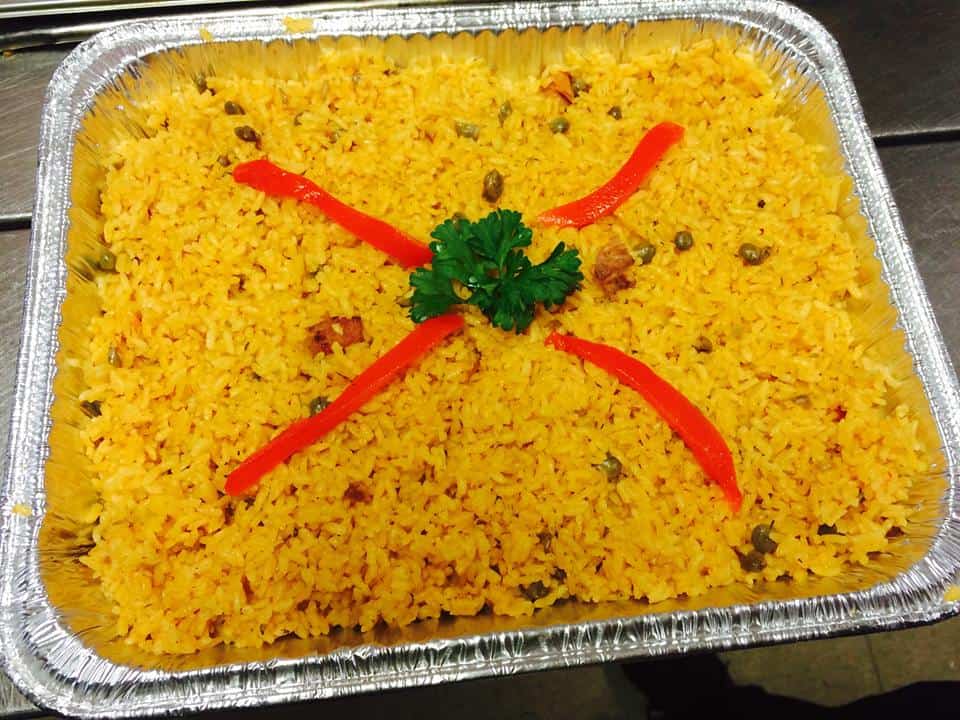
And do not overlook what comes underneath. The rice and beans that ride along with the pernil are their own small event, especially when the kitchen is running arroz con gandules, the pigeon-pea rice cooked with sofrito that shows up on Puerto Rican tables at every holiday worth the name.
Plantains, Cooked Three Ways
Puerto Rican cooking treats the plantain the way Texas treats beef: seriously, and in more than one form. You will find it green and savory, ripe and sweet, and stuffed like a little edible bowl.
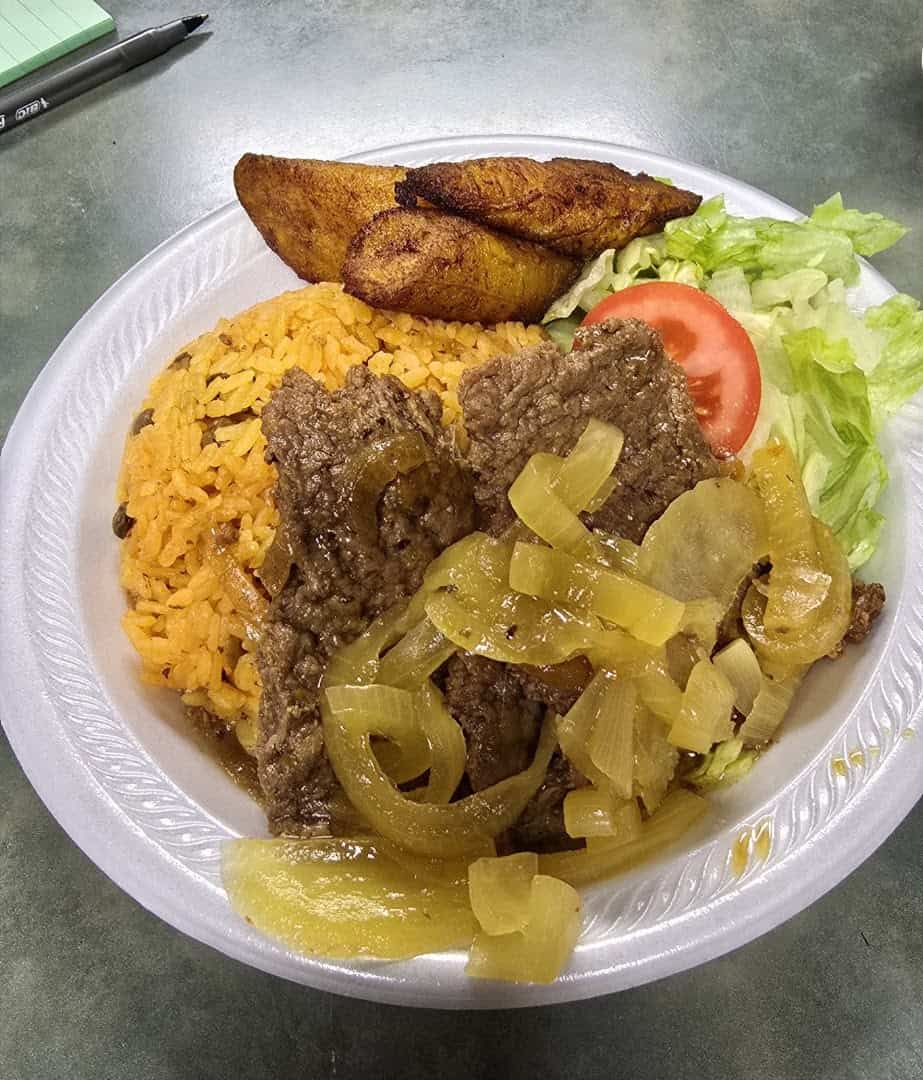
Tostones are the classic, green plantains smashed flat and fried twice until crunchy, salted while still hot, at $6.50. Maduros are the sweet counterpart, ripe plantains caramelized soft and golden, also $6.50, and they taste almost like dessert.
Then there are tostones rellenos, fried plantain cups filled with your choice of meat, at $15. They are half appetizer, half main, and fully the kind of thing you did not know you wanted until it showed up.
Did you know? A green plantain and a ripe one come from the same fruit at different stages. One fries up starchy and savory, the other turns sweet, which is how a single ingredient anchors half a Puerto Rican menu.
The Little Fried Things Worth Ordering
The starter list is where a Puerto Rican kitchen shows its hands, and this one shows them well. These are the snacks abuelas make for parties, the fritters you eat standing up before dinner is even ready.
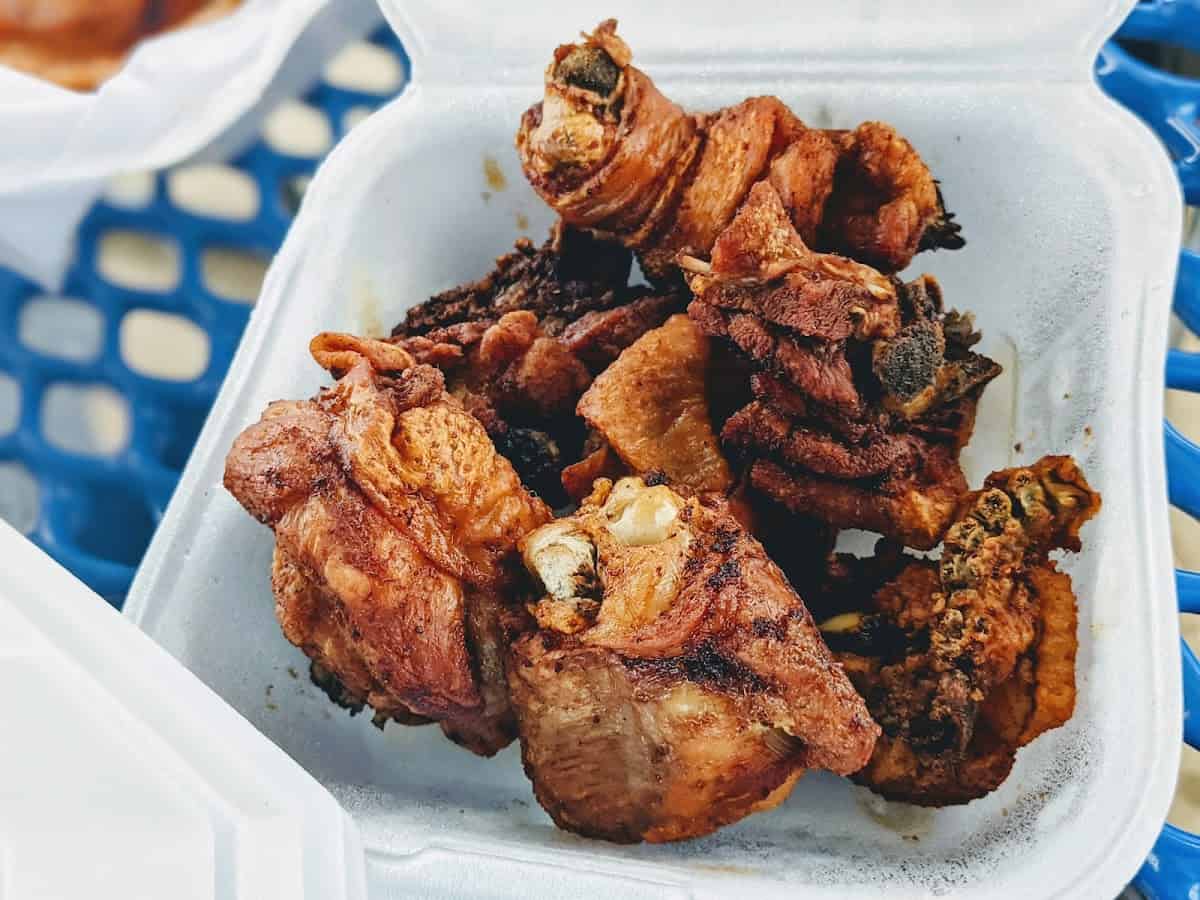
Alcapurrias, at $5, are fritters of grated green banana and root vegetable wrapped around seasoned meat and fried dark and crisp. Empanadillas, from $4.50, are golden turnovers stuffed and fried to order. Bacalaitos, $5.50, are thin, lacy salt-cod fritters that shatter when you bite them.
Do not miss the cuajitos con guineos at $7, a homestyle plate of tripe stewed with green bananas that regulars name as a must-try. It is the dish that tells you the kitchen is cooking for its own community, not for a menu photo.
These are the flavors of a Puerto Rican roadside kiosk, the beachside food stands back on the island where a whole afternoon can pass over a paper tray of fritters and a cold drink. Ordering a plateful is the closest most of North Texas will get to that.
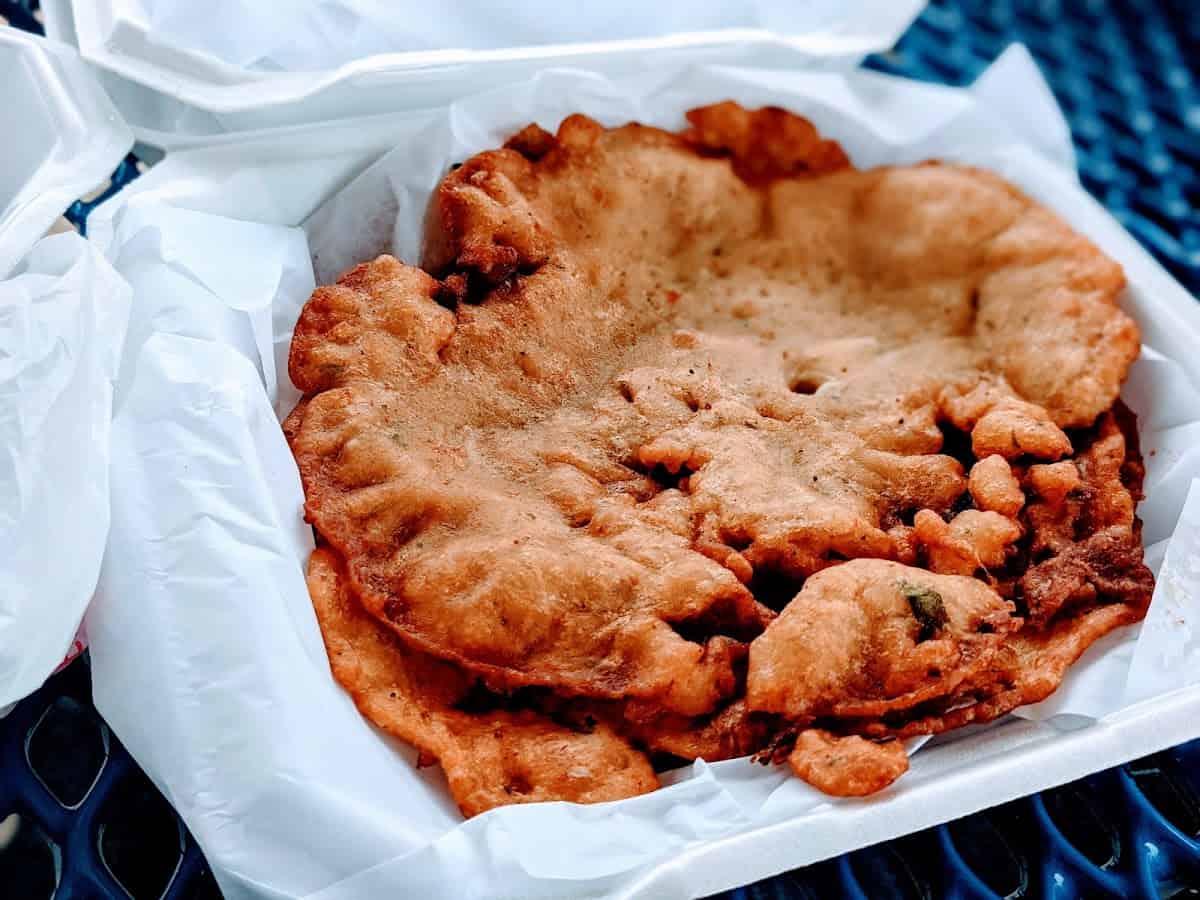
Order two or three of these to share and you have a table that feels like a party before the mains even arrive. That is the point of them.
Save Room for Guava and Flan
Dessert here is short, sweet, and worth the extra ten minutes at the table. Skip it and you have missed a real part of the meal.
The flan comes two ways. Flan de vainilla, the silky vanilla custard under a pool of caramel, is $5. Flan de queso, the richer cheese version that eats almost like cheesecake, is $5.50. Both wobble the way good flan should.
But my vote goes to the pastelillo de guayaba at $4, a flaky pastry pocket oozing sweet-tart guava paste. It is the taste of a Puerto Rican bakery case, and it travels well if you want one for the drive home. Get an extra.
What to Sip With It
Puerto Rican meals come with their own soundtrack of drinks, and the fridge here is stocked with the classics. This is the fun part of ordering, so lean into it.
Malta, at $4.55, is the thick, malty, non-alcoholic brew that Puerto Rican kids grow up on, sweet and a little bitter and unlike anything else. Kola Champagne, $3.90, is a bright golden cream soda that pairs perfectly with all that fried plantain.
Try the Malta at least once, even if you think you will not like it. It is an acquired taste that a lot of people acquire on the spot, and it belongs with this food the way sweet tea belongs with barbecue.
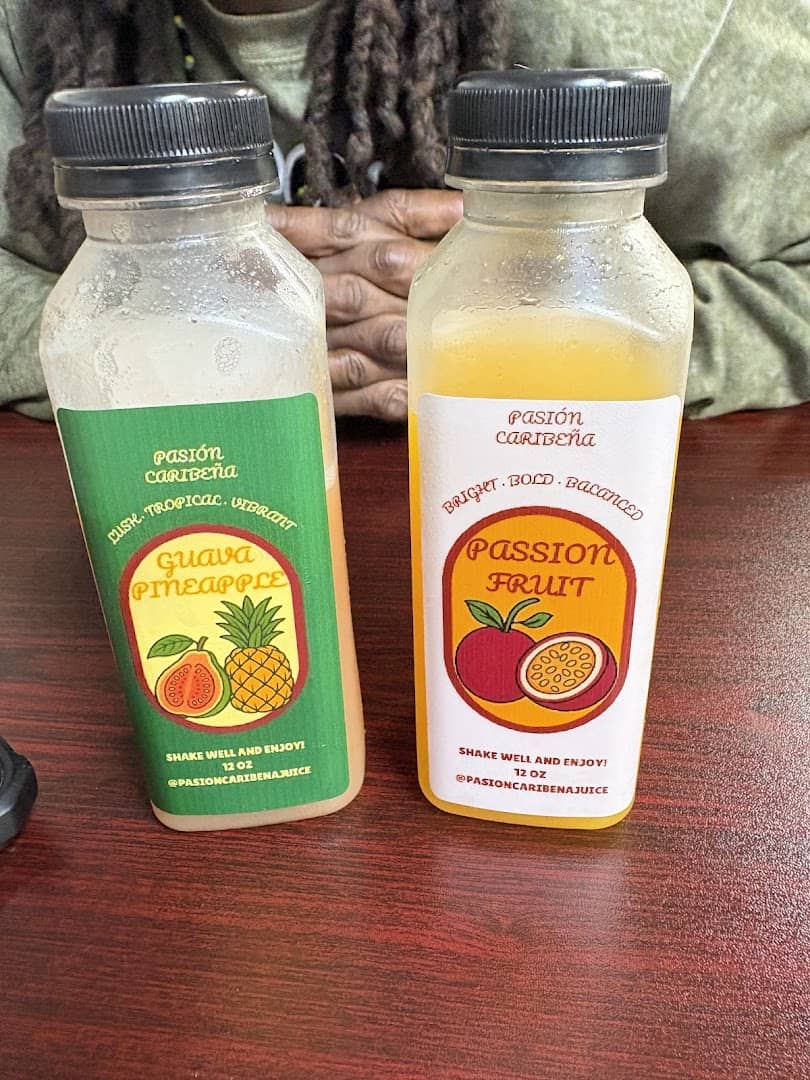
Around the holidays, keep an eye out for coquito, the Puerto Rican answer to eggnog, made with coconut, cinnamon, and rum. It is a seasonal treat rather than an everyday menu item, so catching it feels like a small stroke of luck.
Why It Is Called El Flamboyan
The name is the first clue to the whole place. A flamboyan is the flame tree, the royal poinciana, whose blazing red-orange blossoms cover Puerto Rico every summer and turn whole hillsides the color of fire. On the island it is practically a postcard.
So naming a restaurant after it is a way of putting a piece of home on the sign. El Flamboyan has been family owned and operated since 2015, cooking the food the owners grew up on for a corner of North Texas that did not have much of it before.
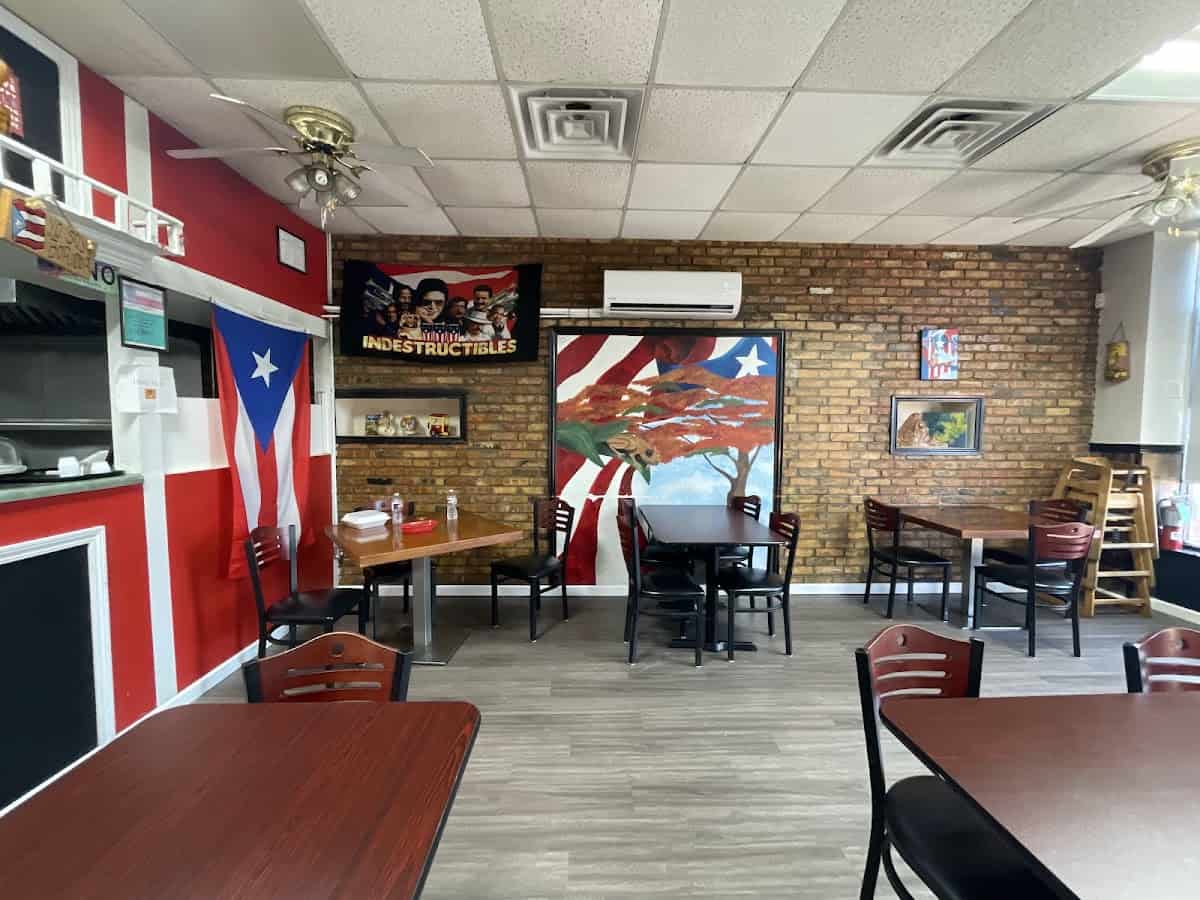
It sits in an unassuming strip center on Old Parker Road, the kind of spot you would drive past without a second look. Inside, the walls carry bright island color and salsa often plays, and the owners run it the way you would run a kitchen for your own family.
Puerto Ricans have been part of the Texas story for decades, but a restaurant this specific, this homestyle, still feels like a small discovery. Texas has plenty of Tex-Mex and no shortage of Cuban and Salvadoran cooking, yet true island Puerto Rican food stays rare.
That scarcity is exactly why a place like this draws people from across the metroplex. Boricua families who grew up on this cooking will drive an hour for a taste of home, and everyone else gets to come along for the ride.
Wylie itself has grown fast. A small farming town on the far edge of Collin County, it has swelled into a Dallas suburb of more than sixty thousand people over the last couple of decades.
A Puerto Rican kitchen tucked into one of its shopping centers is the kind of surprise that says a lot about how the whole region has changed. The best food in a Texas suburb is often hiding behind the plainest storefront.
One five-star diner put it plainly: “Food was fresh and delicious. Highly recommend.” Regulars go further and call it the best Puerto Rican food in the Dallas area, and they say it with the loyalty people usually reserve for their own family’s cooking.
What to Know Before You Go
A few practical things make the trip go smoothly. First, the hours are tight, so plan around them.
The kitchen runs Thursday through Saturday from 11 a.m. to 7 p.m., and Sunday from noon to 7 p.m. It is closed Monday through Wednesday, so a weekend visit is the move.
Portions are big and the pricing is fair, which is a rare combination. Come hungry, bring someone to share with, and order more of the fried starters than you think you need. Leftovers reheat beautifully the next day.
Tip: call ahead at busy weekend hours if you are bringing a group. It is a small, family-run place, and a little notice helps them take care of you.
How to Get There
The restaurant sits about half an hour northeast of downtown Dallas, an easy drive that turns a regular weekend into a small food trip. Wylie is worth the detour on its own.
Where: El Flamboyan, Puerto Rican Restaurant, 3975 Old Parker Rd, Wylie, TX 75098. Phone: (972) 442-7350.
Start Planning Your Puerto Rican Feast
You do not need a plane ticket to eat like you are on the island. You need a free weekend, an empty stomach, and the willingness to drive a little past the usual for something you cannot get anywhere else nearby.
So point the car toward Wylie, order the carne frita mofongo, grab a guava pastry for the road, and let a family kitchen show you why Puerto Rican food inspires this kind of loyalty. Just do not blame me when plain mashed potatoes never taste the same again.
Featured image: Gerónimo Maldonado via El Flamboyan

Stella Raines
Editor-in-Chief
Stella brings over a decade of storytelling experience to TX Headlines. With roots in West Texas and a love for road trips, she leads the editorial team with an eye for the hidden stories that make Texas unforgettable.
More Stories
This Small-Town Texas Restaurant Serves Catfish So Legendary People Drive an Hour for a Plate
This Longtime Texas Cuban Cafe Serves Authentic Sandwiches, Strong Espresso, and Homemade Plates Worth the Drive
This Tiny Texas Catfish Shack Fries Up a Golden Plate Worth the Drive
This Unassuming Texas Cafe Serves the Best Chicken Fried Steak in the State
Tags