This Secret Texas Canyon Hides a Living Waterfall, and February Is the Perfect Time to See It
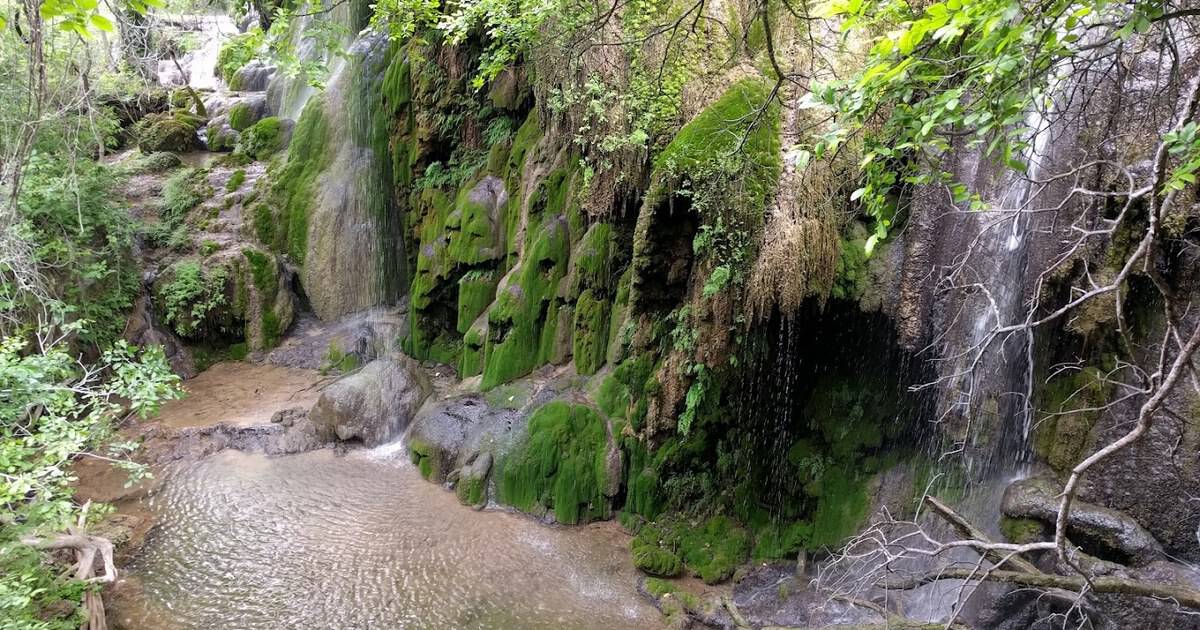
I used to think Texas and waterfalls were a contradiction. Big skies, yes. Long horizons, absolutely. But a cool green cascade dripping with moss and ferns, the kind you fly to Oregon or the Smokies to see? That felt like something we simply did not get to have out here.
I was wrong, and the proof sits in a limestone bend of the Colorado River about two hours northwest of Austin. Tucked inside Colorado Bend State Park is a living waterfall, a rare travertine cascade called Gorman Falls that actually grows a little bigger every year.
It is the kind of place that makes you forget which state you are standing in. And winter, of all seasons, might be the best time to go looking for it. Below, here is why this quiet Hill Country canyon deserves a spot on your February calendar.
A Canyon That Feels Nothing Like Texas
The drive in is the first clue that this place plays by different rules. You leave the pavement behind, rattle down a gravel road, and lose your cell signal somewhere among the mesquite and prickly pear. The park is remote on purpose, and that quiet is part of the reward.
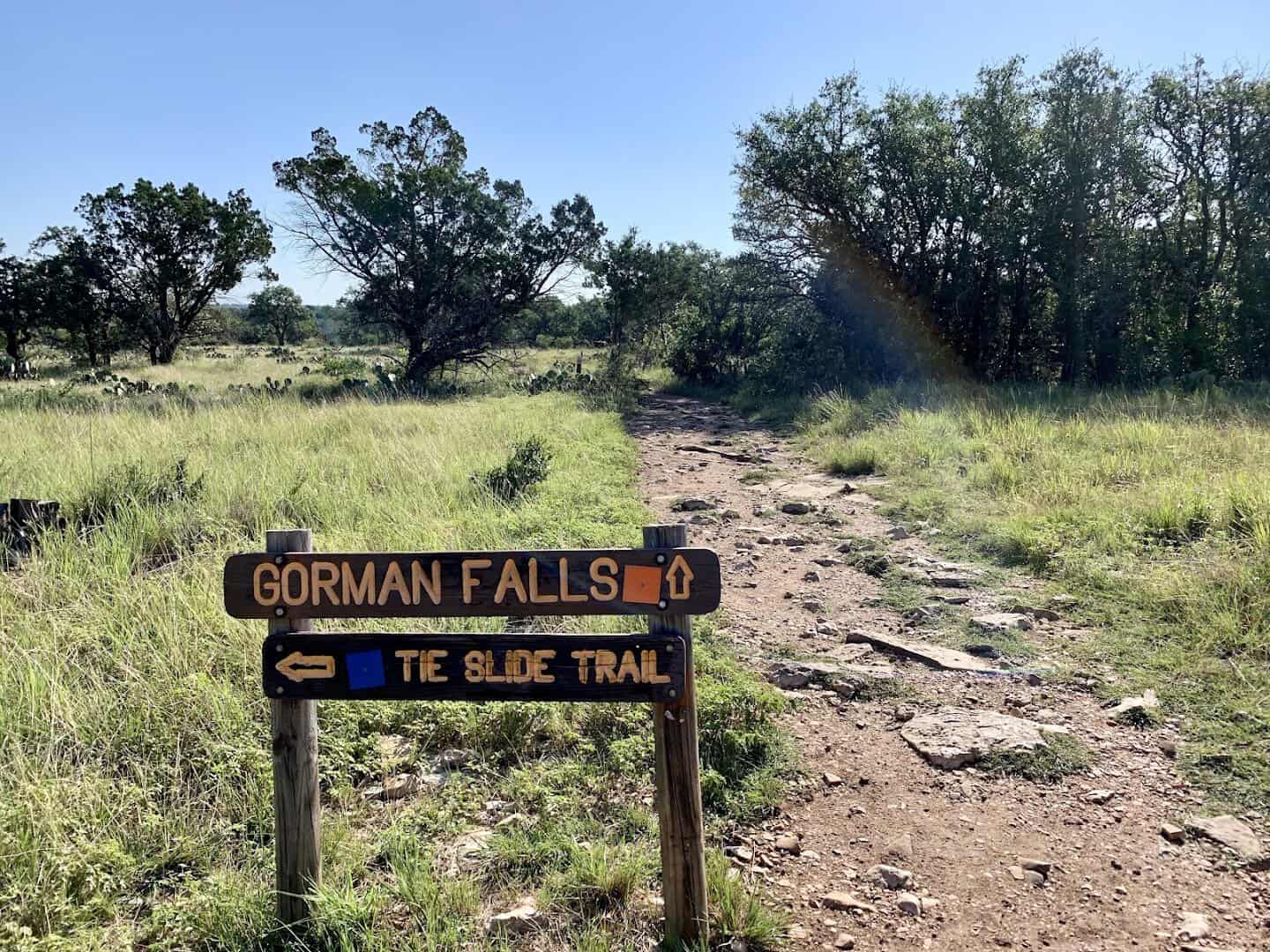
The hike to the falls runs about three miles round trip over rough, rocky ground. For most of it you are crossing dry chaparral, the classic sun-baked Hill Country you expected.
Wear sturdy boots. The trail is uneven, and the loose limestone can turn an ankle if you are not paying attention. This is a real hike, not a paved loop.
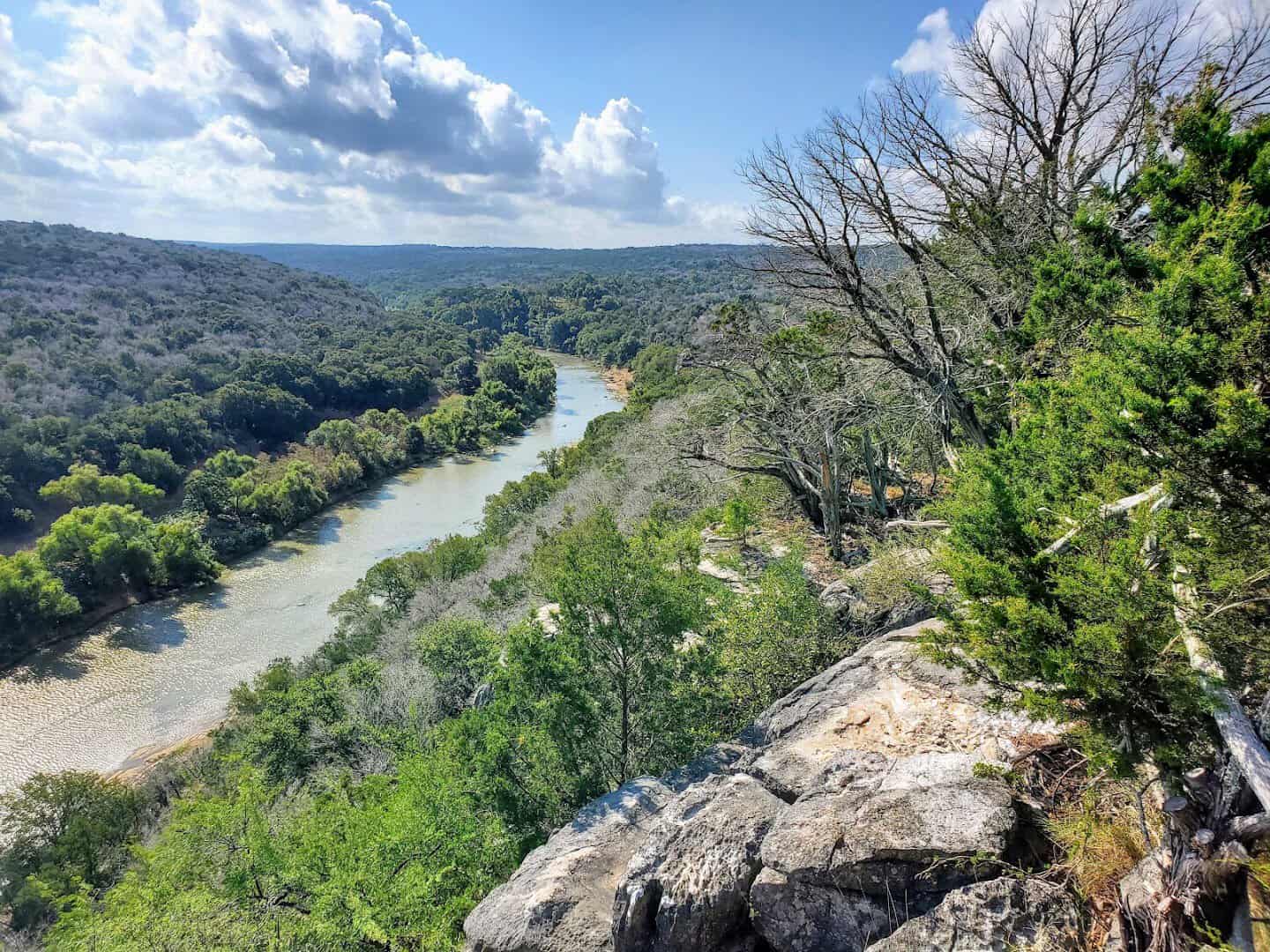
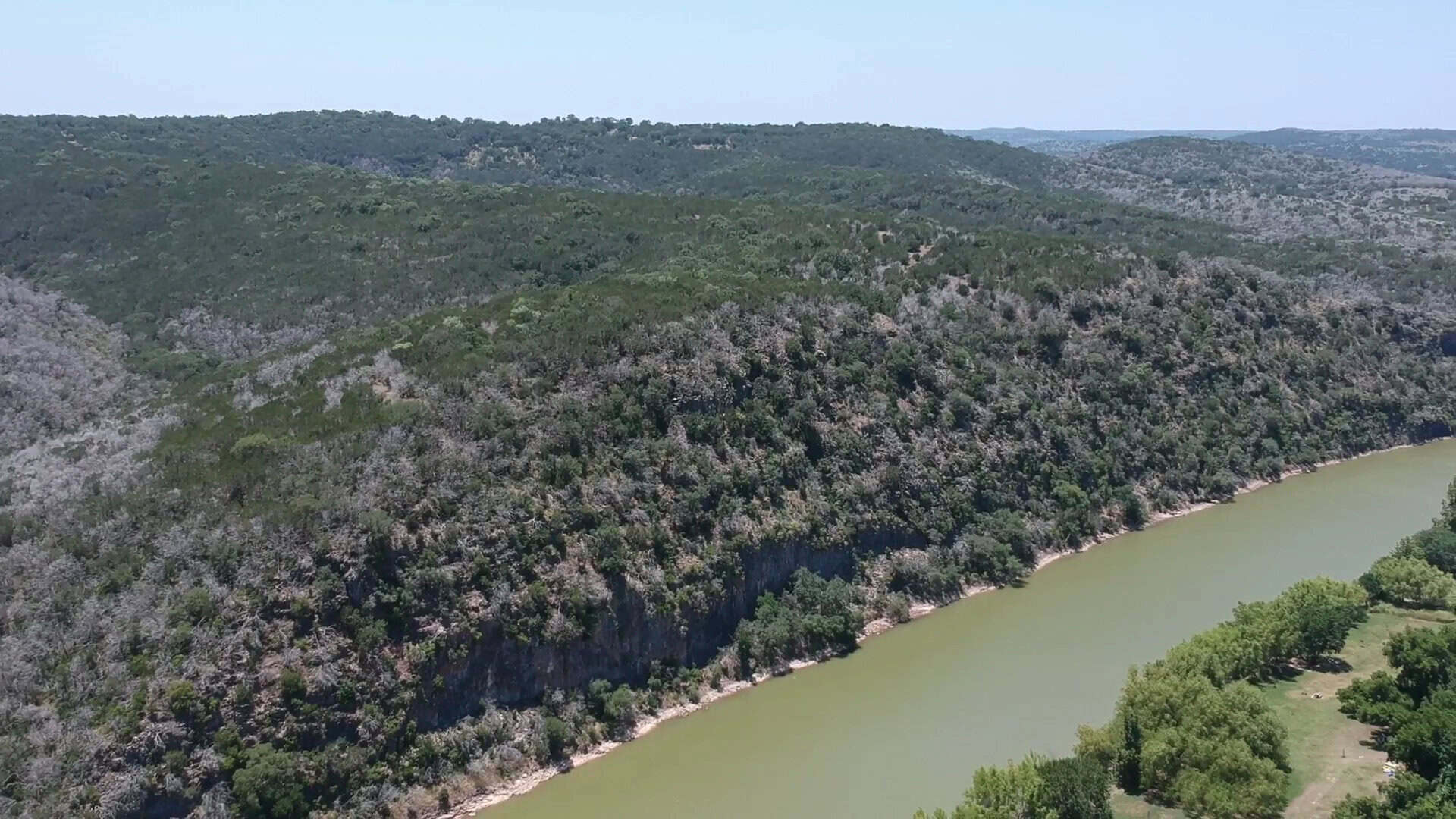
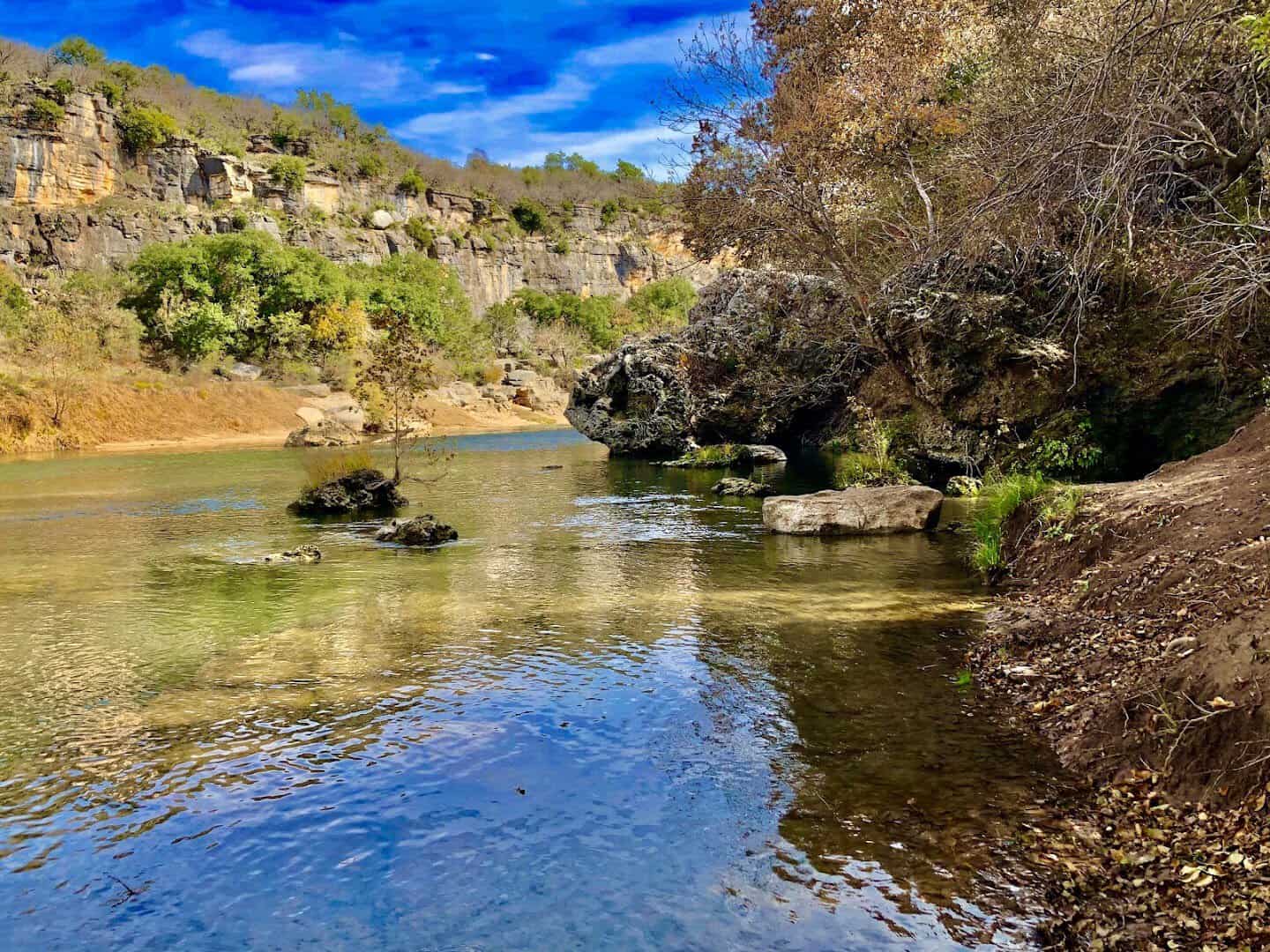
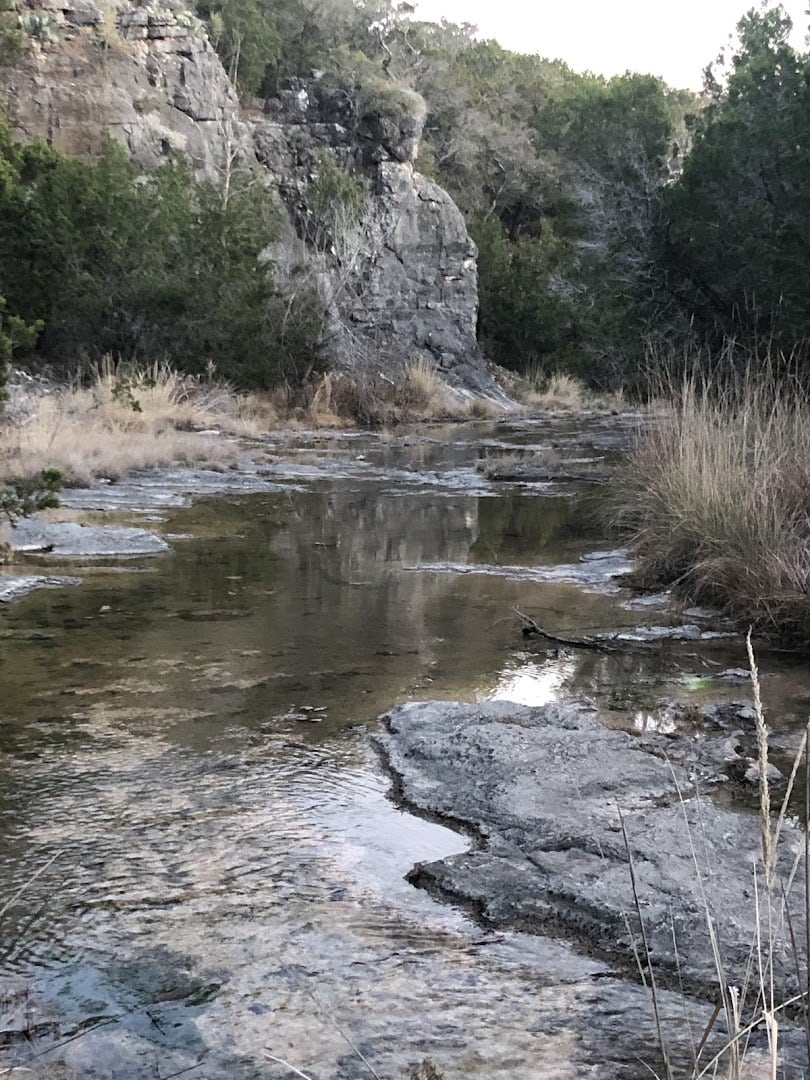
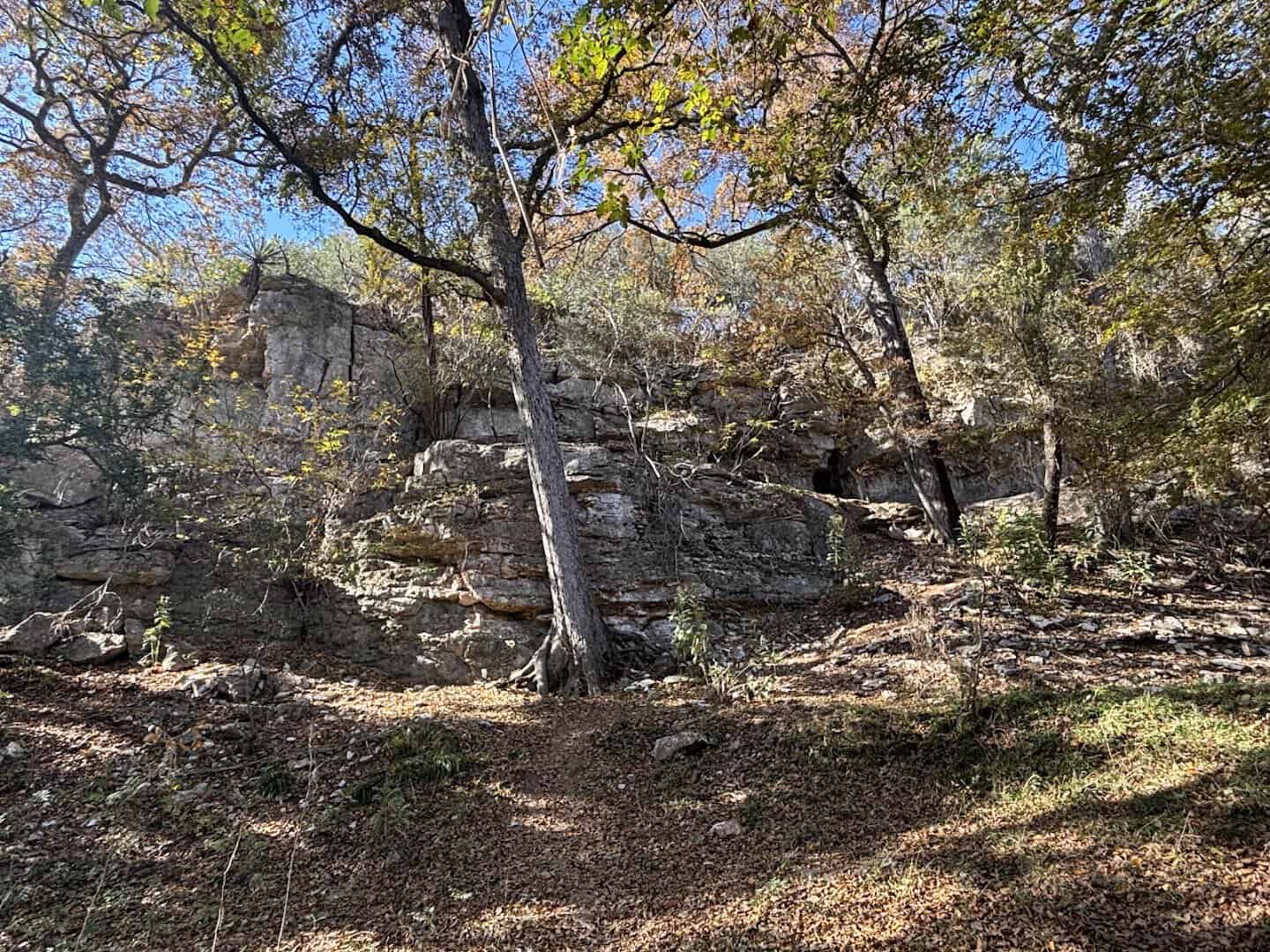
Along the way, a couple of clearings open onto the river far below, the water a deep, still green against pale limestone bluffs. They make a good excuse to catch your breath and take it all in.
Then the ground drops away. The final descent to the falls is steep and slick, and the park has bolted a metal cable into the rock so you can lower yourself down hand over hand.
It is a genuine scramble, not a stroll. That single stretch of cable is also what filters out the crowds, because plenty of people peer over the edge and decide the overlook is close enough.
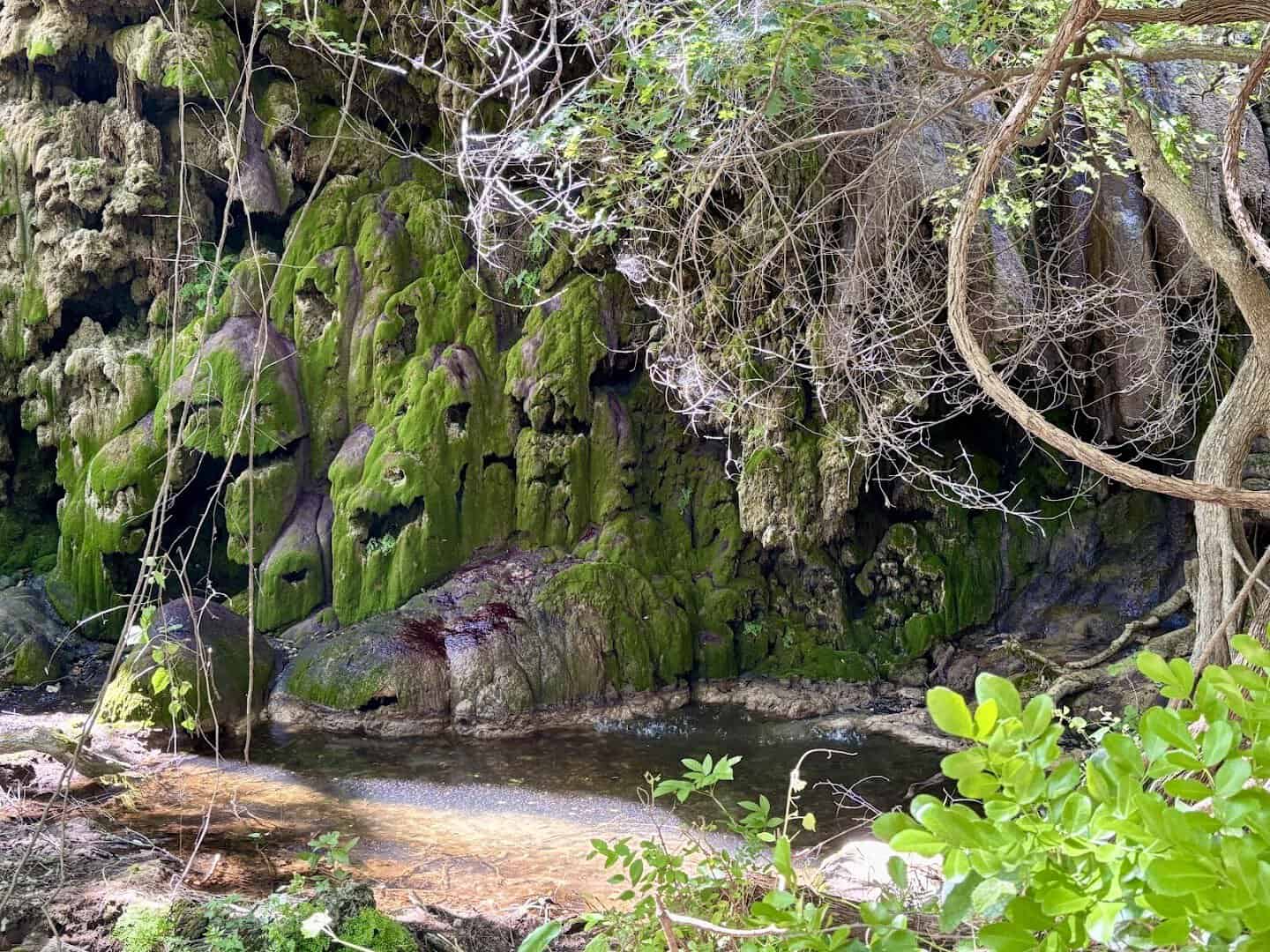
What waits at the bottom does not look like the trail you just walked. The air turns humid and cool. Maidenhair ferns spill down a curved cliff face, water sheets over a wall of green, and everything glistens.
Reviewers who have made the trip say it feels like being teleported to Hawaii. Stand in that pocket of mist and you understand exactly what they mean.
The Waterfall That Keeps Growing
Here is the part that makes geologists lean in. Most waterfalls erode. Year after year the falling water grinds the rock down and the cliff slowly retreats. Gorman Falls does the opposite. It builds.
The spring water here is loaded with dissolved minerals. As it spills over the moss and ferns, it lays down calcite, layer by layer, hardening into a spongy rock called travertine.
The plants get coated, the coating hardens, new plants grow on top, and the whole formation creeps outward. That slow, patient chemistry is why people call it a living waterfall.
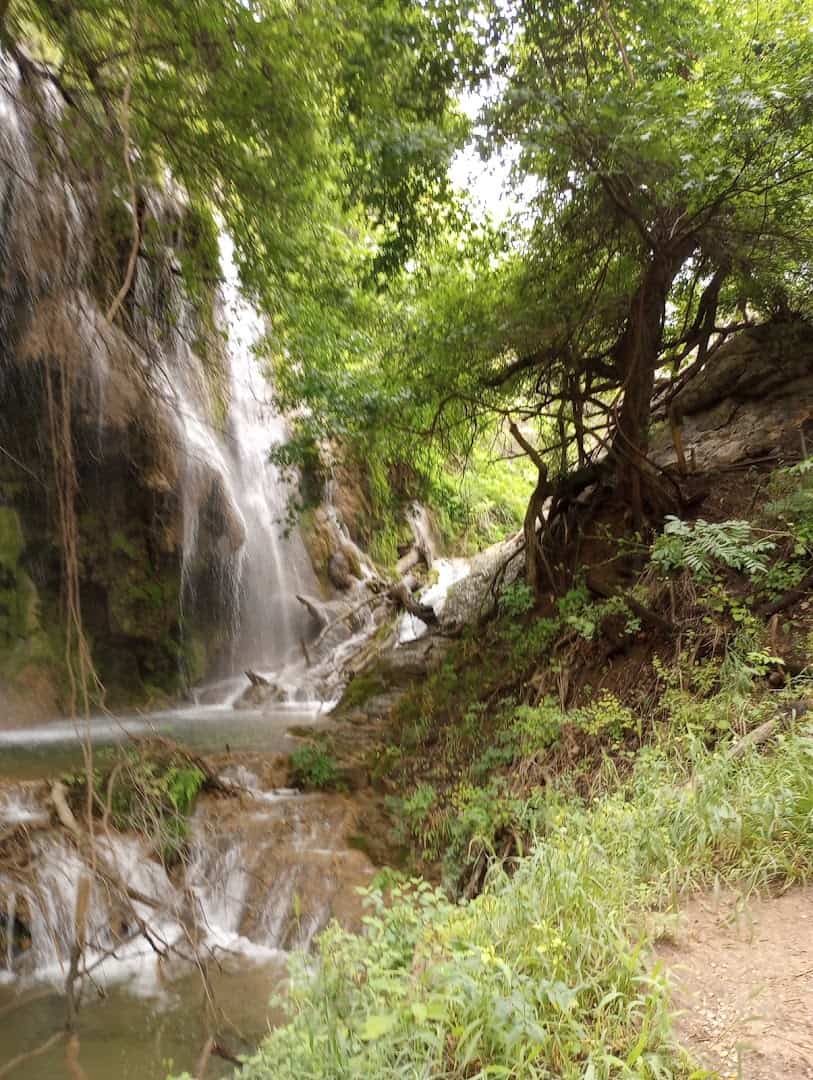
The result is a cascade roughly 65 to 70 feet tall, draped in vivid green and constantly rebuilding itself. It is widely considered one of the most beautiful waterfalls in the state, and it is the only one of its kind in Texas.
Because that travertine is so fragile, the viewing area keeps you back from the base. You do not wade in, you do not climb on it, and you do not touch the formation. One careless boot can undo decades of mineral work. Look, photograph, and let it keep growing.
Photographers plan whole trips around this one wall of green. Come when the sun is low and the light filters through the canopy to catch the mist. A tripod and a slow shutter turn the cascade into silk, if you have the patience to wait out the crowd.
Caves, Springs, and Miles of Trails
The falls are the headline, but they are far from the whole story. This is a big park, more than 5,300 acres, with over thirty-five miles of trails threading through it. You could come back a dozen times and still find new ground.
Underground, the park is a maze. More than 400 caves honeycomb the limestone beneath your feet, and guides lead wild cave tours for every comfort level.
The gentler Discovery tour walks you through roomy Dynamite Cave with a helmet and a headlamp. The Adventure tour sends you belly-crawling through tight passages for the full underground experience. Both need to be booked ahead.
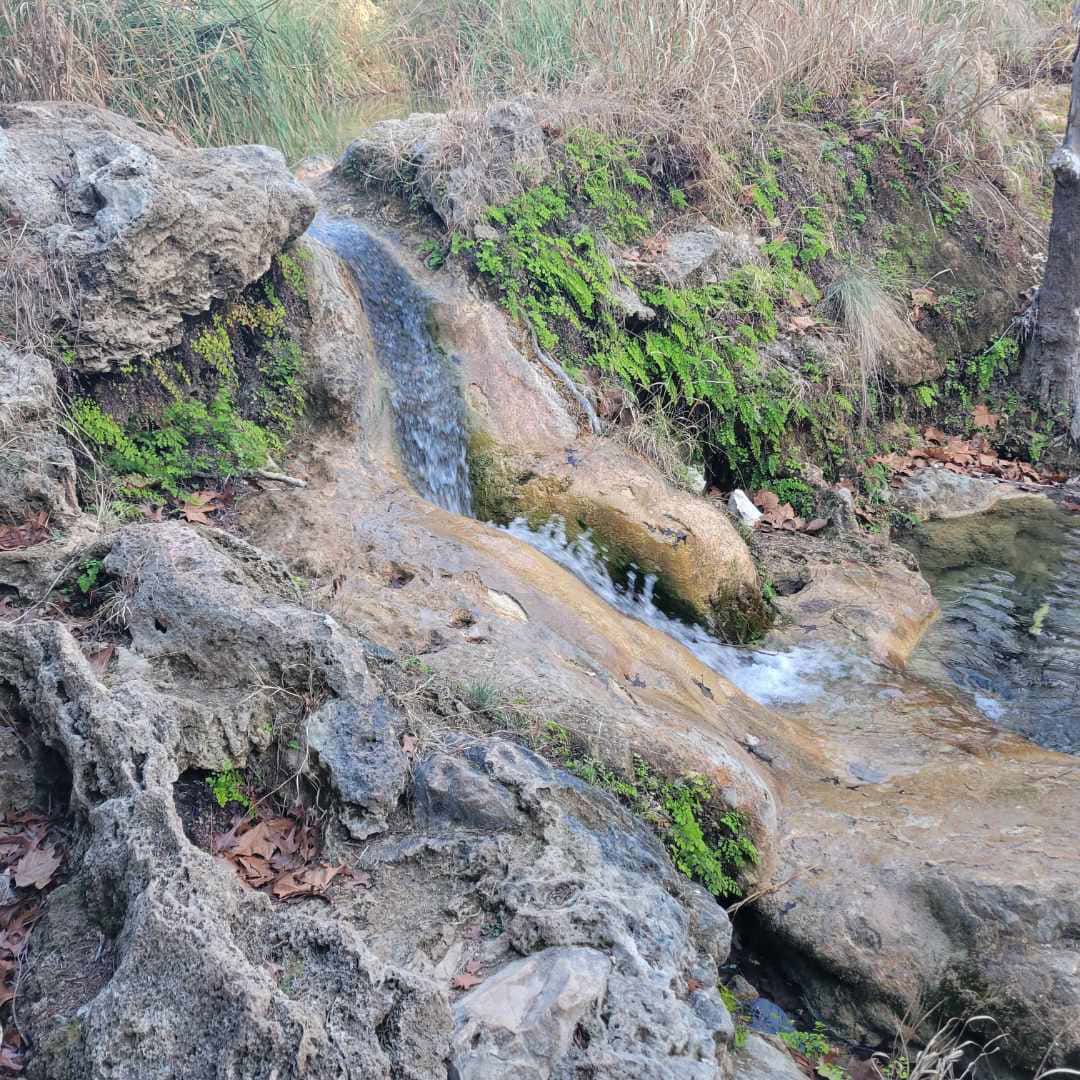
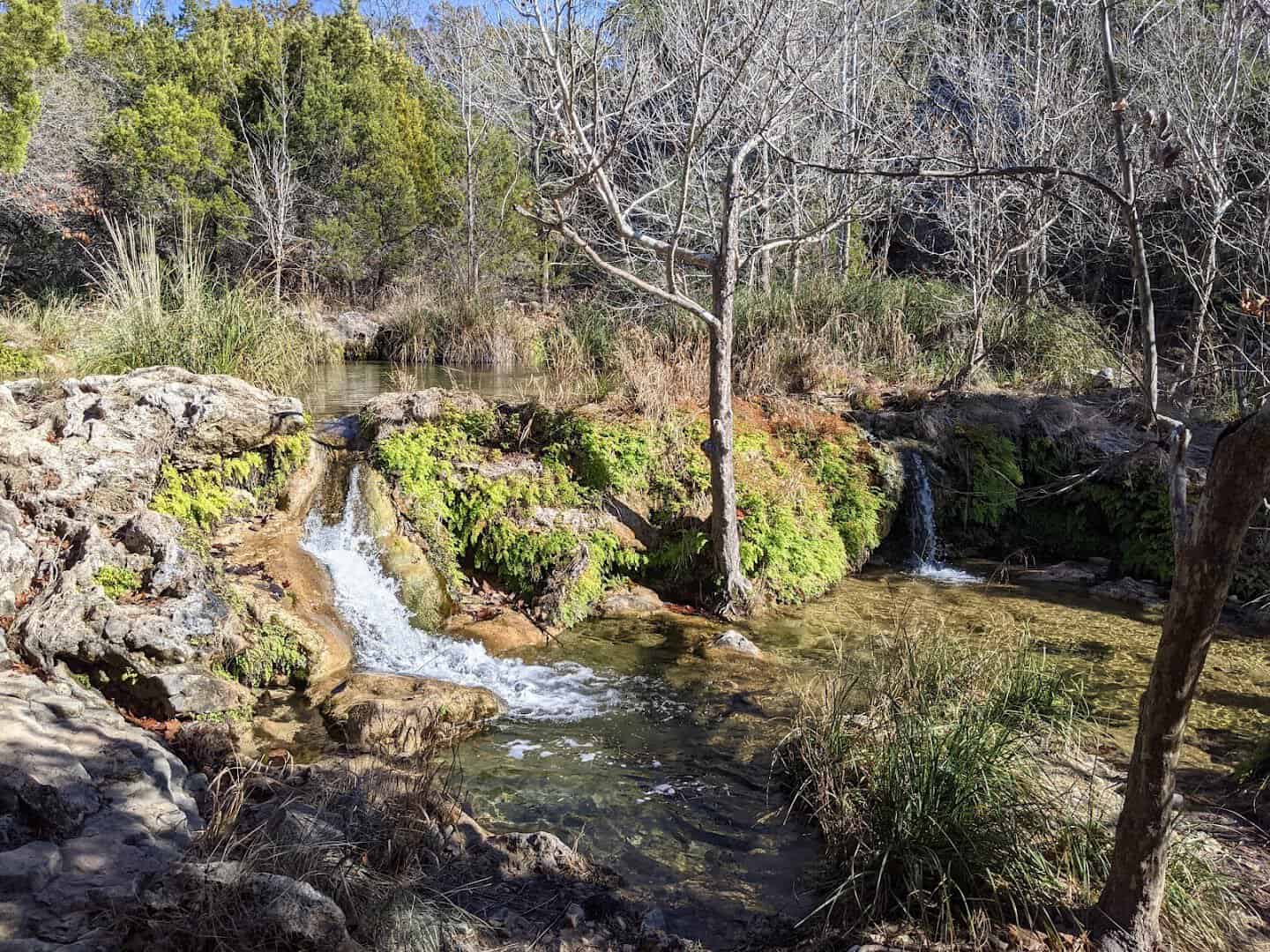
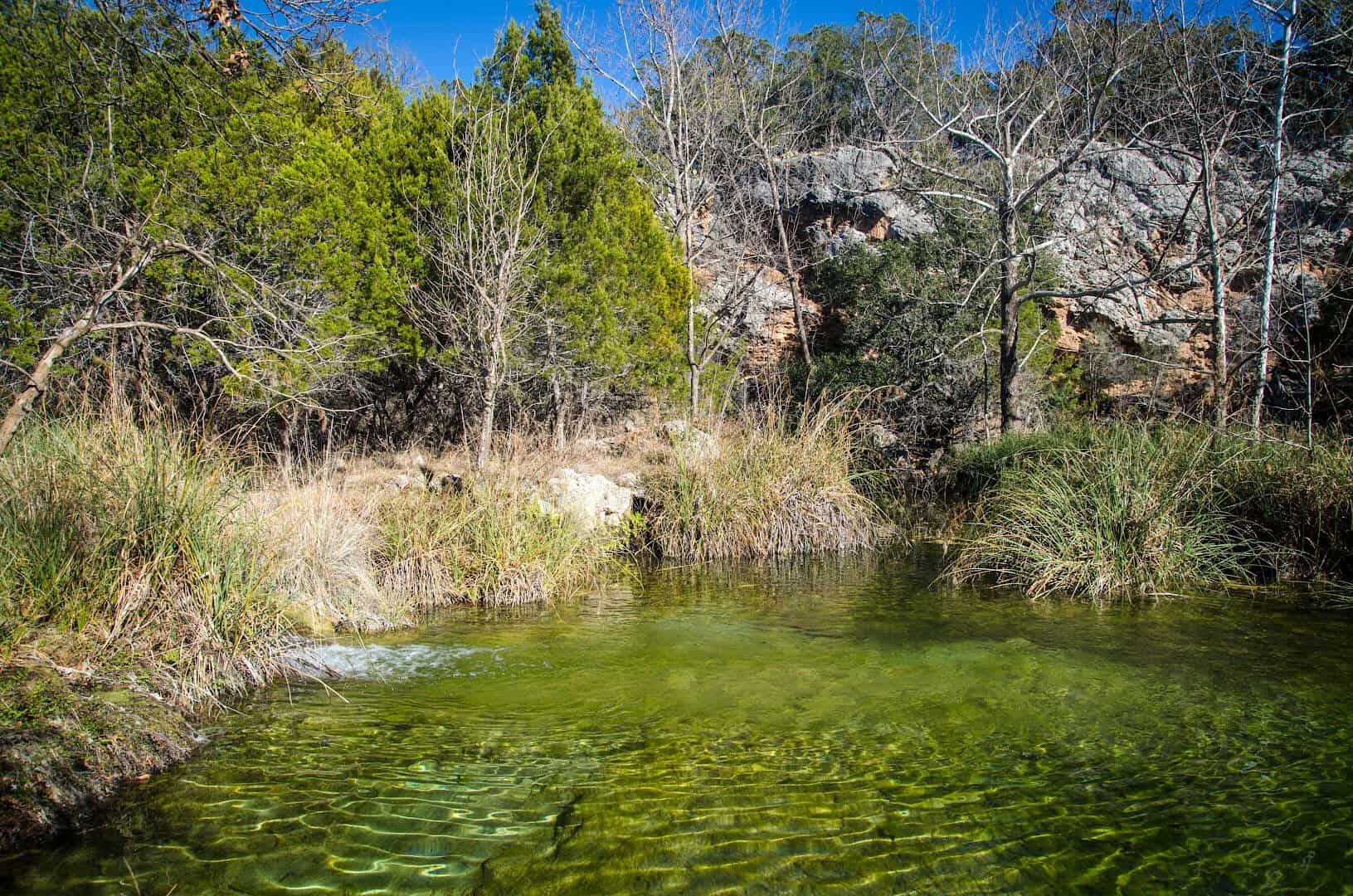
Above ground, the Spicewood Springs Trail is the local favorite after the falls. A crystal-clear stream steps down from ledge to ledge, pooling into small emerald lagoons before it joins the Colorado River.
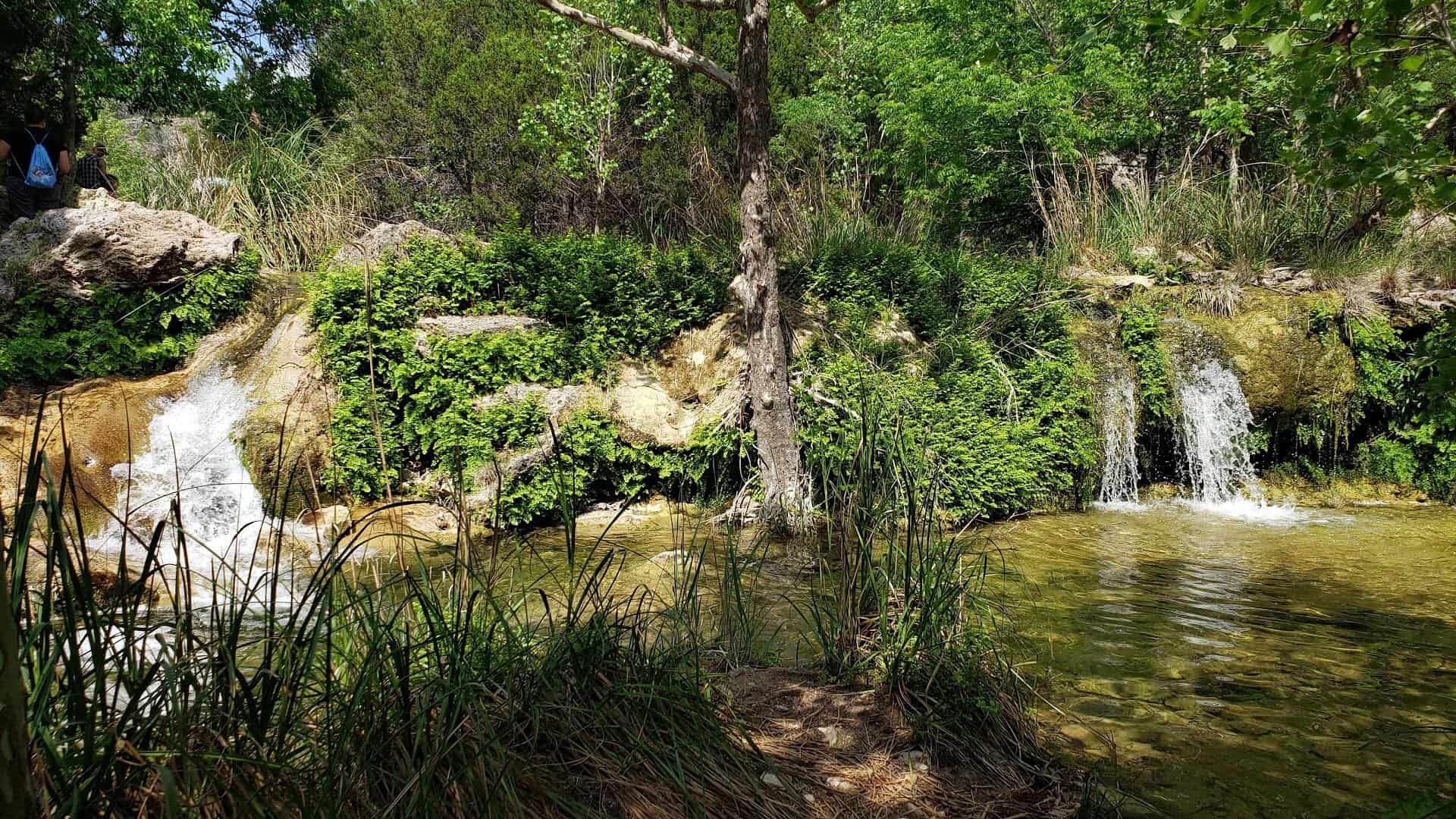
In warmer months those pools are swimming holes. In February they are simply gorgeous to walk beside, quiet and glassy and yours.
Keep your eyes and ears open, too. The park logs more than 150 bird species, including the endangered golden-cheeked warbler, which nests almost nowhere on Earth but the Texas Hill Country.
The river below holds Guadalupe bass, the official state fish of Texas. Anglers wade in for them, and paddlers drift the calm green water past the bluffs. This is a working slice of wild Texas, not a manicured attraction.
Why February Is the Secret Season
Ask most Texans when to visit a waterfall and they will say spring. I would gently push back. February is quietly one of the best windows of the whole year for this particular canyon.
Start with the weather. Winter days here often land in the comfortable 50s and 60s, which is close to perfect for a rocky three-mile hike with a cable scramble at the end.
You are not stopping every ten minutes to chug water, and you are not baking on exposed limestone the way you would in July. The cool air makes the climb back out almost pleasant.
Then there is the water itself. The falls ebb and flow with rainfall, and a wet winter feeds the springs that feed the cascade. Come after a good soaking rain and the green wall runs fuller and livelier than it does in the dry heat of late summer.
And the crowds thin out. On warm weekends this park fills to capacity and closes its gate for hours until spots open up. A cool February weekday can give you the trail, the mist, and that Hawaiian pocket of green closer to yourself.
Did you know a 100-degree summer day at the top of the trail can be twenty degrees cooler down at the falls? Winter simply hands you that calm without the wait, and without the sunburn.
Winter is also a fine time to just be still here. Without the summer heat pressing down, you can linger at an overlook, watch the river curl below the bluffs, and hear almost nothing but water and wind.
A Brief History of the Bend
Long before it was a park, this stretch of the Colorado was ranch country. The land carried the names of the families who worked it, the Gorman and Lemons ranches, sitting on the river above Lake Buchanan. The falls took the Gorman name and kept it.
The state stepped in during 1984, buying the roughly 740-acre tract that holds the falls. When experts studied the site, they warned that Gorman Falls was too delicate to simply throw open to the public.
That fragility shaped everything about how the park was built. The falls would be protected first and shown off second, a promise the park still keeps today.
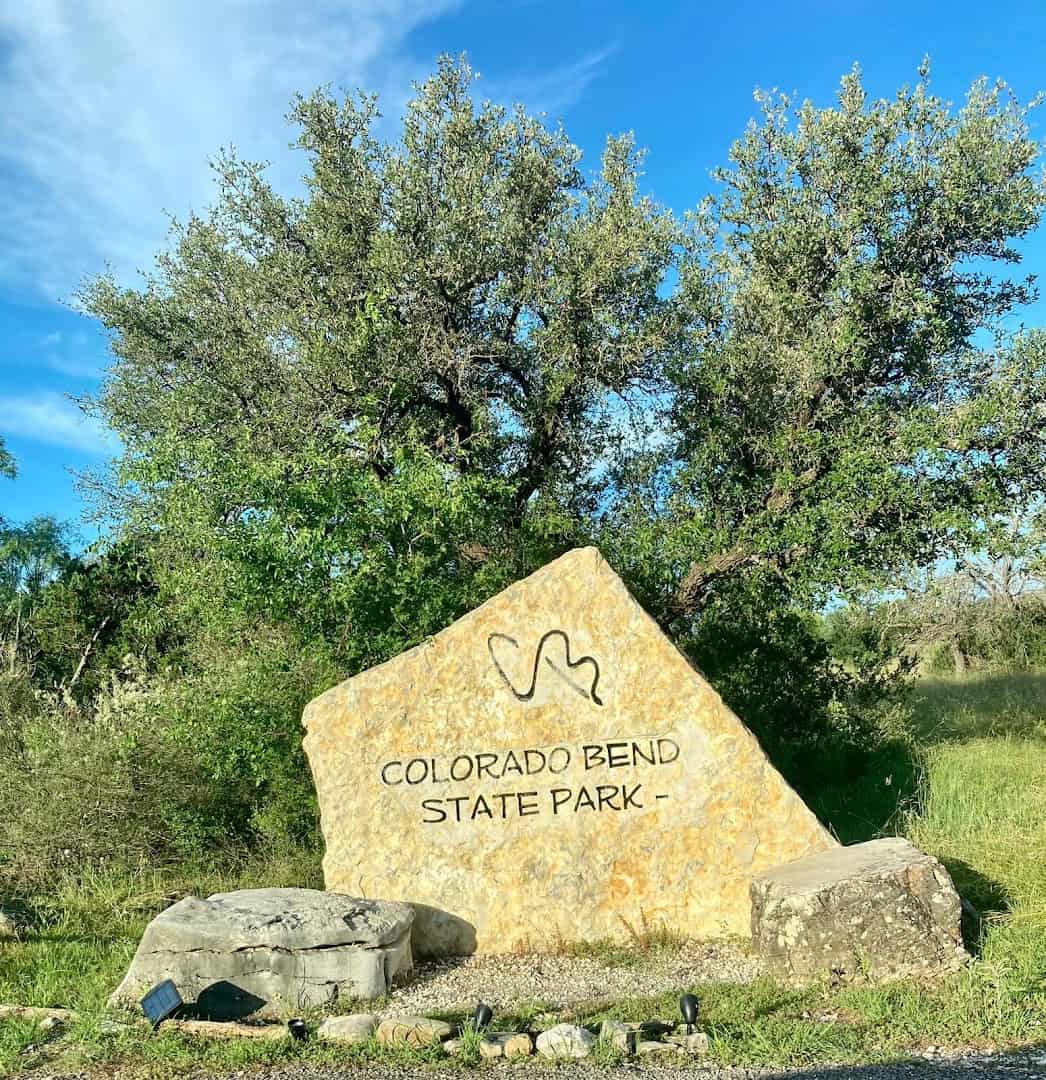
In 1987 Texas added about 4,300 more acres next door, the former Lemons Fishing Camp, and the park opened to visitors later that year. The combined property gave the park its river frontage, its caves, and its miles of trails.
For years the only way to see the cascade was on a ranger-led hike, a rule meant to guard the formation from too many feet. Today you can reach it on your own or join a guided walk, but the protective ethic behind it has not changed a bit.
Know Before You Go
A little planning turns this from a frustrating drive into a great day. First, reserve your day pass online ahead of time. On busy weekends the park hits capacity and turns cars away at the gate.
You do not want to drive two hours only to read a “full” sign. Booking ahead is the single best thing you can do for this trip.
The day-use fee runs $5 per person for anyone 13 and older. Carry cash and a printed reservation, because that cell signal disappears well before you arrive. Tell someone your plan before you lose service.
Wear real hiking boots, not sneakers, and give yourself a couple of hours for the round trip so you are not rushing the cable descent. Bring more water than you think you need, even in February.
Pack layers, since a 50-degree morning can warm into a bright afternoon. Toss in snacks, a small first-aid kit, and a headlamp if you plan on a cave tour. There are no shops down the gravel road, so carry what you need.
When you reach the falls, admire the travertine without touching it, so the next visitor sees it just as alive as you did.
Pro tip: the gate opens at 6 a.m. and closes at 10 p.m., but the real move is arriving early on a weekday morning, before the day-trippers roll in, when the light is soft and the trail is yours.
How to Get There
The park sits deep in the countryside near the tiny community of Bend, in the Texas Hill Country roughly northwest of Austin. The last stretch is gravel and can flood after heavy rain, so check conditions before you commit to the drive.
Where: Colorado Bend State Park, 1201 Colorado Park Rd, Bend, TX 76824. From Lampasas, take FM 580 west about 24 miles to Bend, then follow the park signs roughly four miles to the entrance and continue on the gravel road to the headquarters.
Point the Car West
Some Texas wonders shout for attention from the highway. This one hides at the bottom of a canyon, down a cable and past a wall of ferns, and rewards only the people willing to go looking. That is exactly what makes it feel like a secret you get to keep.
So pick a cool February weekend, charge your camera, lace up your boots, and point the car west. Your reward is a living, growing waterfall in a green pocket of Texas you will not quite believe is real, and a story worth telling long after your legs stop aching.
Featured image: Steve Harmon via Colorado Bend State Park

Stella Raines
Editor-in-Chief
Stella brings over a decade of storytelling experience to TX Headlines. With roots in West Texas and a love for road trips, she leads the editorial team with an eye for the hidden stories that make Texas unforgettable.
More Stories
This Hidden Texas Waterfall Is a Peaceful Oasis Tucked Where You’d Least Expect It
This Wild Texas Nature Preserve Has Boardwalk Trails Winding Through Swamp, Bog, and Forest
This Short Texas Climb Is Just 218 Steps to One of the Most Incredible Views in the Hill Country
This Crystal-Clear Texas Lake Is So Bright You Can See Straight to the Bottom
Tags