This Historic Texas Town Is Quietly Becoming the State’s Next Big Thing
I used to think a Texas boomtown was a sad thing to watch. You know the pattern. A quiet farm town gets discovered, the fields fill with rooftops, and the character that made it worth finding gets scraped away with the barns.
I braced myself for that same story here. I did not get it. This Collin County town, just north of Frisco, grew like a rocket and somehow kept every ounce of its brick-square soul.
Meet Celina, a railroad town more than 140 years old that welcomed tens of thousands of new neighbors while holding onto its homemade-pie, walk-the-square, Friday-night charm. Below is what keeps drawing everyone north.
A Square That Still Runs the Whole Show
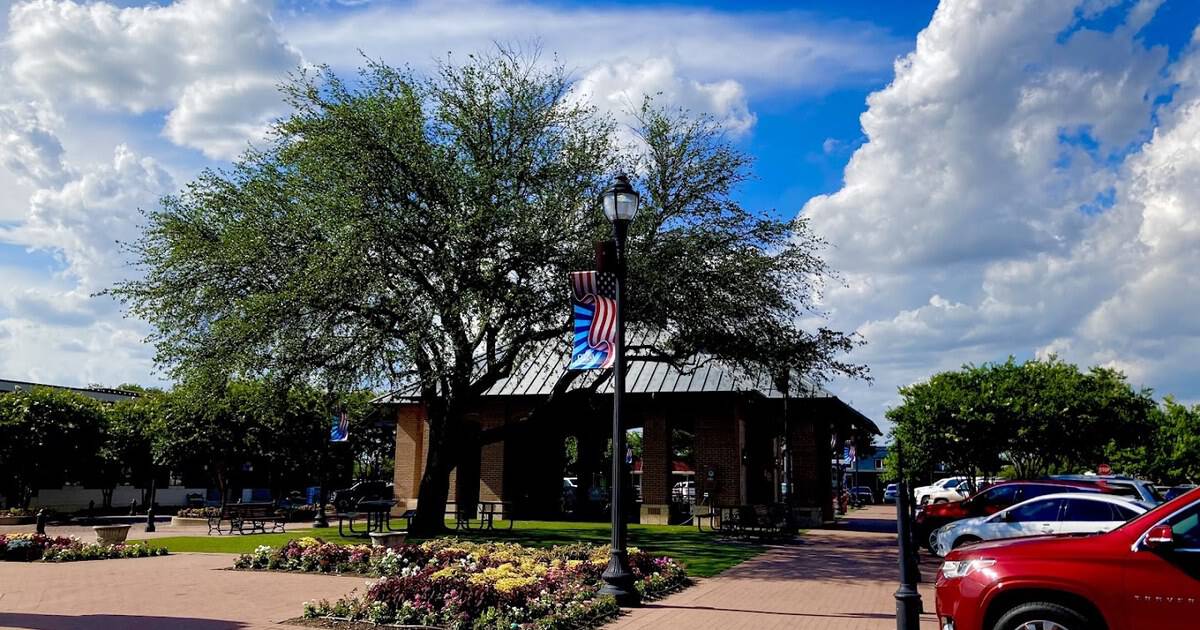
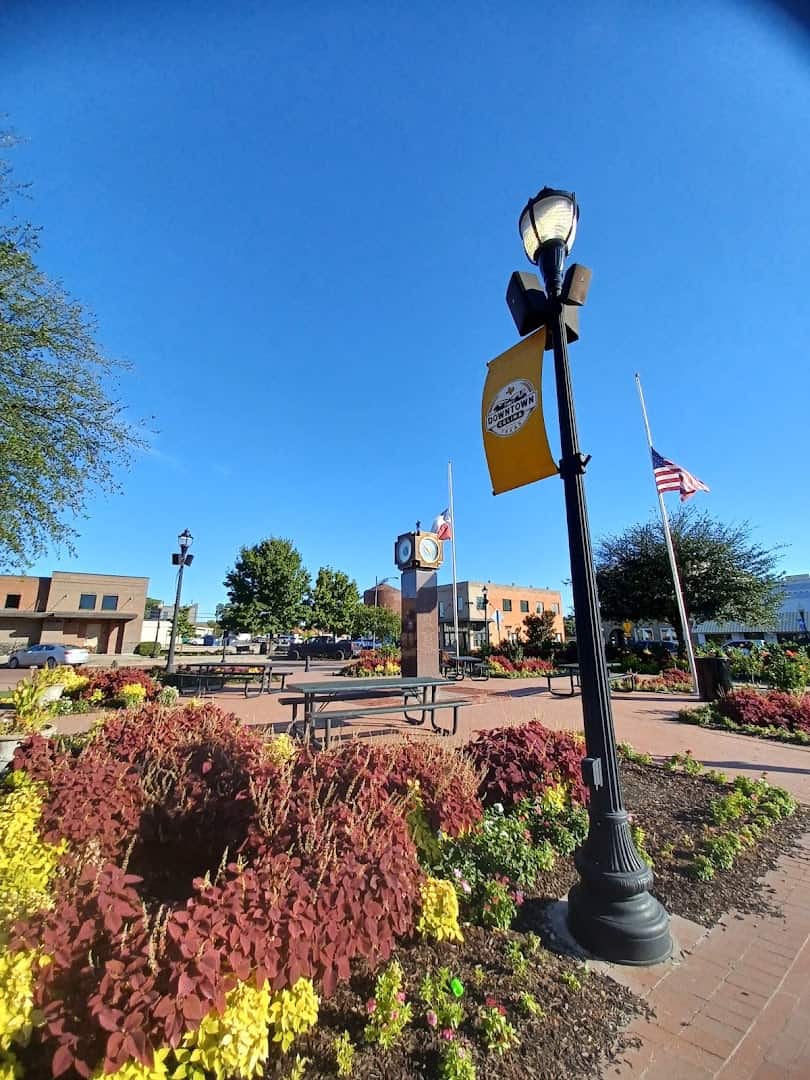
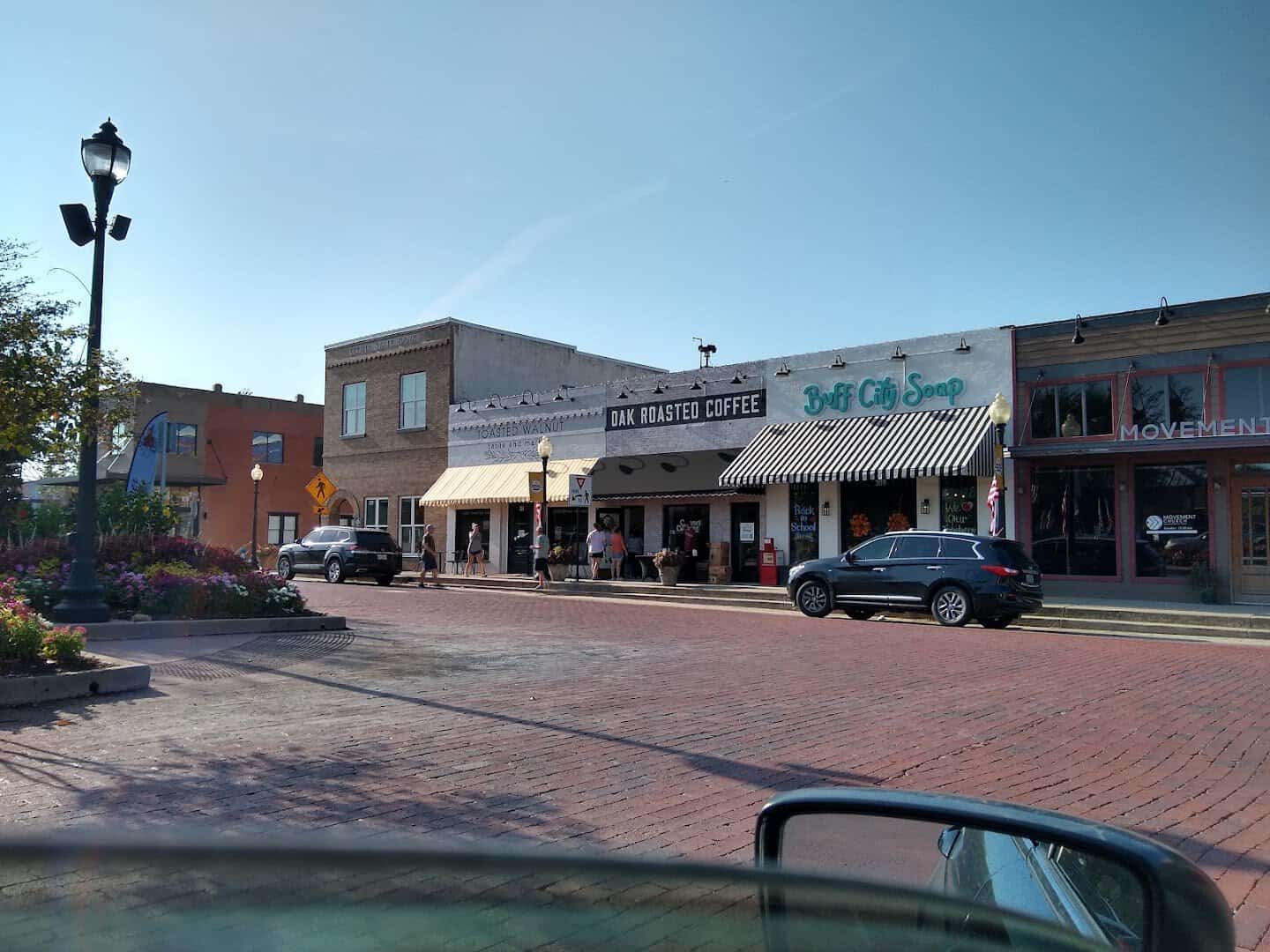
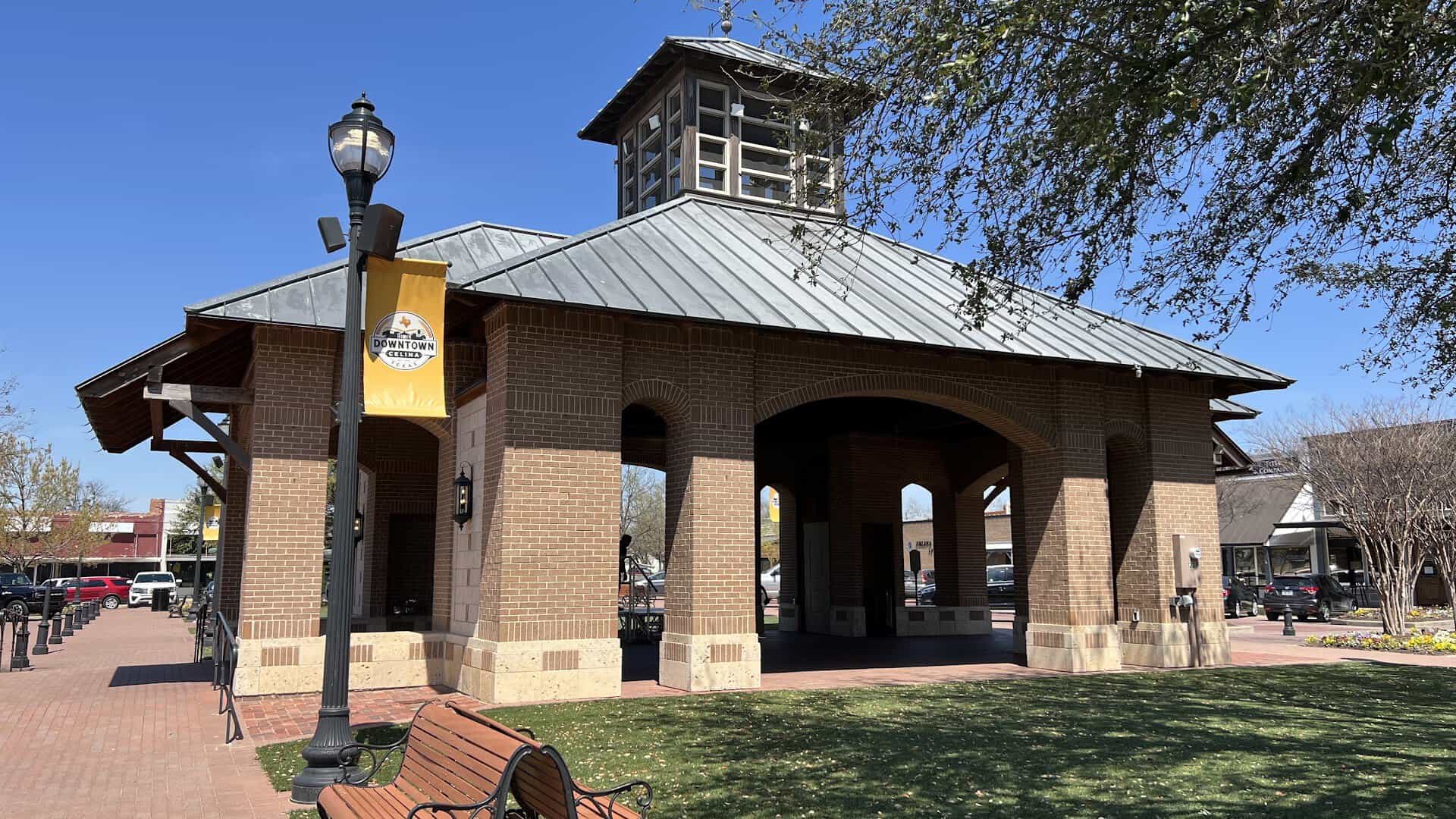
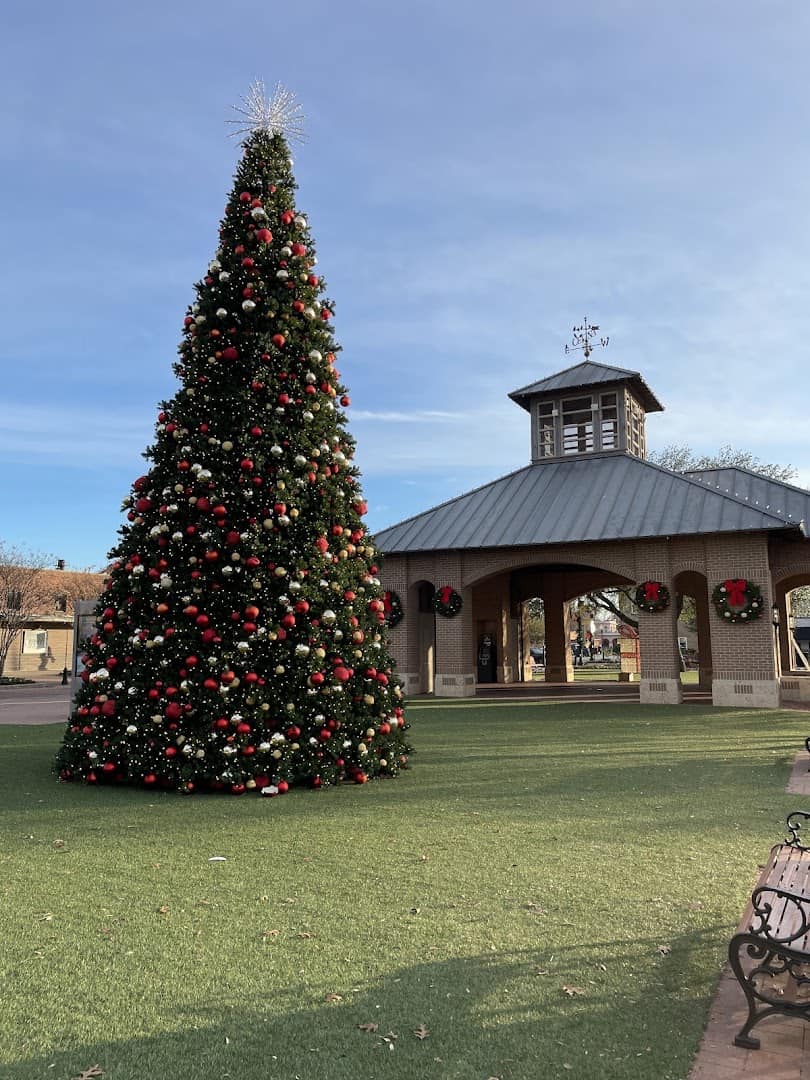
Most towns this size lost their center to a strip mall decades ago. Celina never did. For more than 110 years, the Historic Downtown Square has anchored the whole town, a ring of matching brick storefronts wrapped around a green, welcoming lawn.
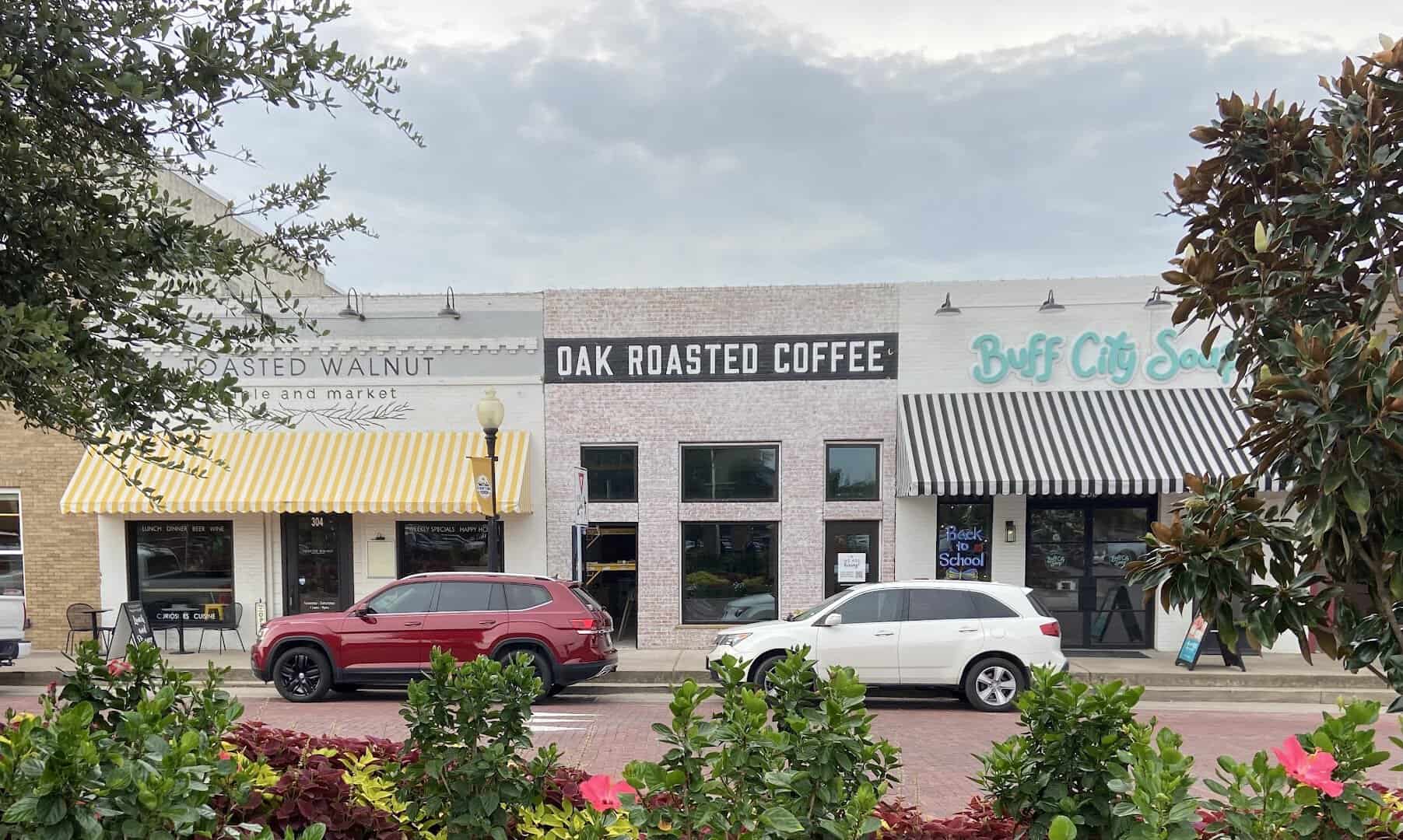
Picture a classic Texas courthouse block, minus the courthouse. The buildings are low, early-1900s brick, their big front windows now filled with boutiques and coffee counters instead of feed stores and a bank. The bones are old. The tenants are brand new.
It stays busy from morning coffee to live music at night. Here is my favorite detail: it is legal to walk the square with an open container. Grab a cold beer from a taproom, wander the shop windows, and let the kids chase each other across the grass.
The green itself is kept up and honestly bustling, nothing like a chain-store version of small-town Texas. Come on a Friday evening in season and the square turns into a market, with vendors along the sidewalks and a food truck firing up.
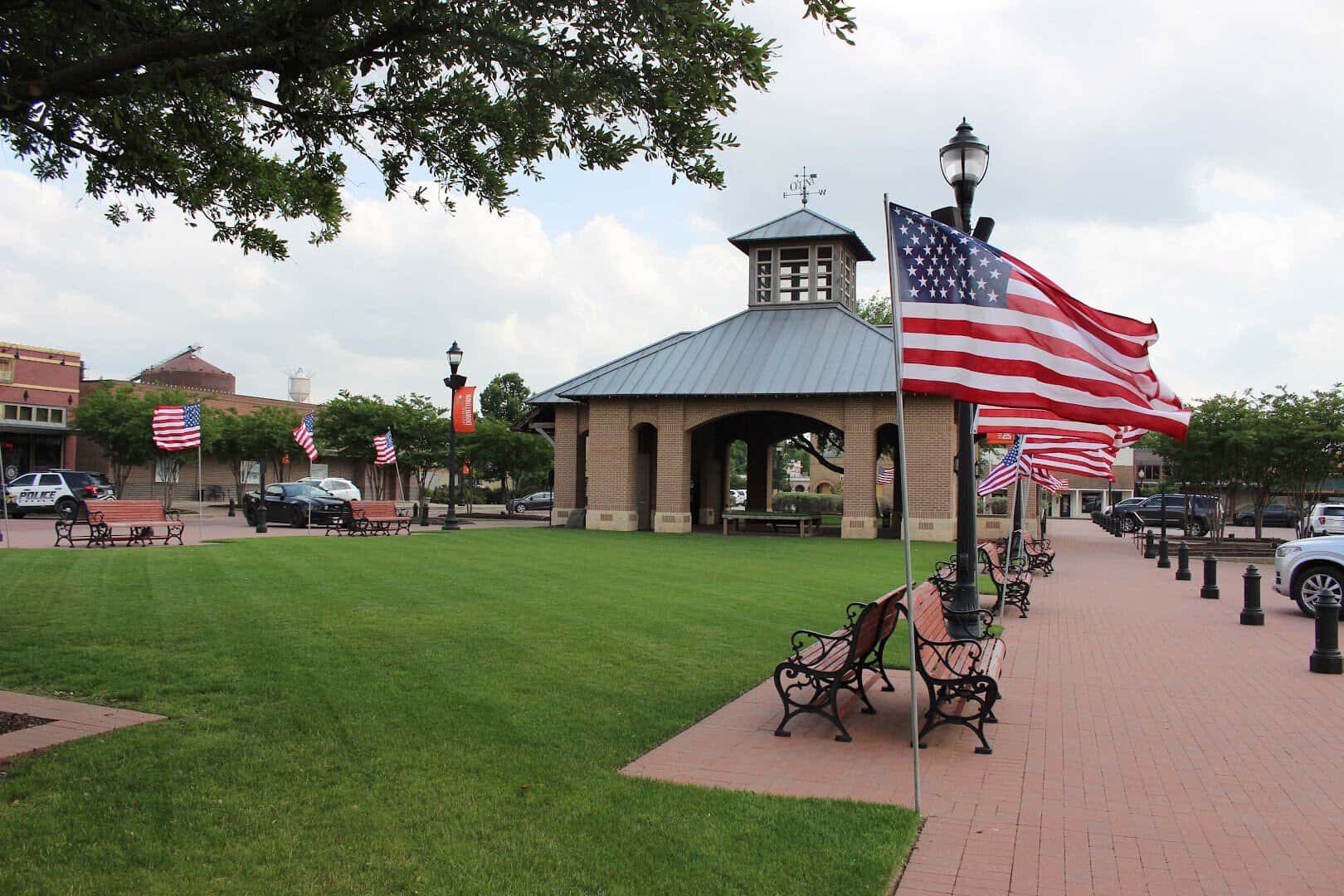
Neighbors who have known each other for years trade hellos across the lawn. You will feel like a local within about ten minutes, which is the whole point of a town built around one shared front porch.
The town has reinvested in the square itself in recent years, refreshing the streetscape and adding gathering space, so the old bones now come with modern comforts. It is the rare downtown that is both a protected historic district and an everyday hangout.
What to Eat Around the Square
Start with the smoke. Tender Smokehouse opened on Pecan Street in 2017, and owner Dante Ramirez built it into the kind of barbecue joint the whole town claims as its own. It draws crowds from all over the north Metroplex now.
Brisket and ribs land on butcher-paper-lined trays, and when the weather cooperates you eat out on the patio between rounds of cornhole and the Bimini ring game. The oak smoke drifts halfway across the square by noon, which is a fine way to be summoned to lunch.
For something slower, Lucy’s on the Square covers breakfast, lunch, and dinner, then finishes you off with a slice of homemade pie that tastes like somebody’s grandmother is still back there rolling crust. My kind of place.
If you would rather dress it up, Toasted Walnut brings a farm-to-table menu to the historic square with the same unhurried welcome. Papa Gallo’s Mexican Grill handles the taco cravings, running a long list of enchiladas, burritos, and quesadillas every day of the week.
Pro tip: three or four of these spots sit within a two-minute walk of each other. You can graze the whole square in one lazy afternoon and never once move the car, which is my favorite kind of dining plan.
Shops, Sips, and a Succulent Bar
The shopping is just as personal. Annie Jack fills a beautifully renovated 1935 building with home goods, fashion, and local artisan work, then adds an espresso bar and a courtyard, so browsing quietly turns into sitting a while.
The Willow House Boutique next door keeps a thoughtful spread of women’s apparel, accessories, and gifts. Got a sweet tooth? Hey Sugar Candy Store is a wall of nostalgia and color aimed straight at anyone young or young at heart.
When you are ready for a drink, Rollertown Beerworks pours craft beer right on the square, and those open-container rules mean you can carry it out to a bench and watch the town go by. It is the kind of taproom that feels like a living room.
Then there is Little Wooden Penguin, which calls itself an experience space and mostly earns the phrase. You will find rotating drinks on tap, a succulent bar you can plant yourself, indoor mini golf, live music, and rotating food trucks out front.
It is proof that a small town can be genuinely inventive when it wants to be. One local reviewer summed the whole downtown up nicely, calling it “small but sweet, with great restaurants and shops.” That is exactly the feel.
Friday Nights Belong to the Bobcats
You cannot understand Celina without understanding its football. This is one of the most decorated high school programs in the state, and the town wears it like a crest.
The Celina Bobcats own nine state championships, which puts them third on the all-time Texas list, behind only Aledo and Carthage. Much of that legend traces to coach G.A. Moore.
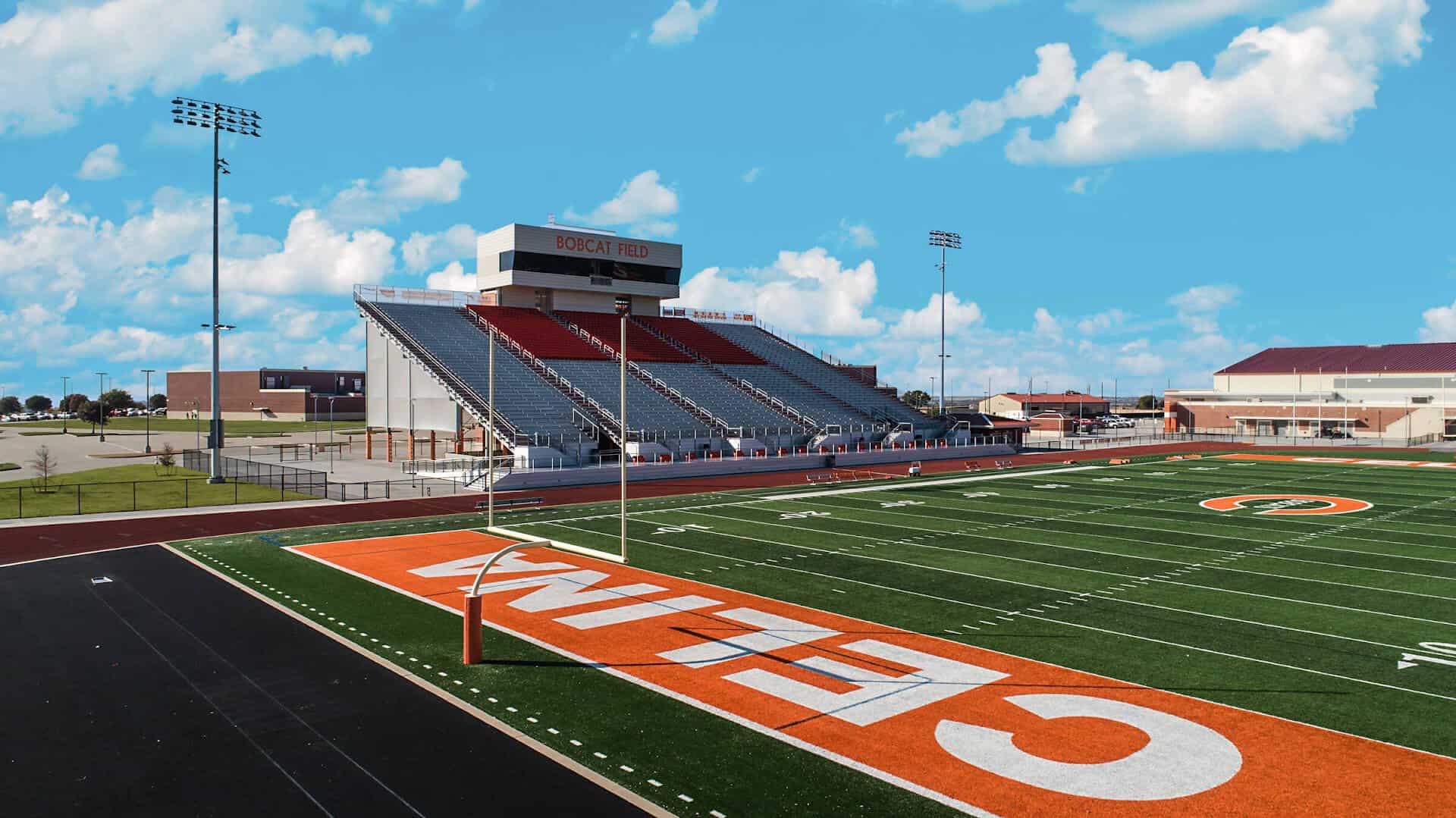
During his run from 1988 to 2001, Moore delivered five state titles, including four straight from 1998 through 2001 and a 57-game winning streak that still makes people shake their heads. The town has not slowed down since.
The Bobcats added their ninth crown in 2024, their first since 2007, in front of a crowd that never stopped believing. Come on an autumn Friday, follow the stadium lights and the marching band, and you will see the real engine of this community.
That is the part the population charts miss. A town can triple in size and still pour itself into the same stadium on the same Friday night, cheering for the same orange and black. Growth did not dilute that. If anything, it added seats.
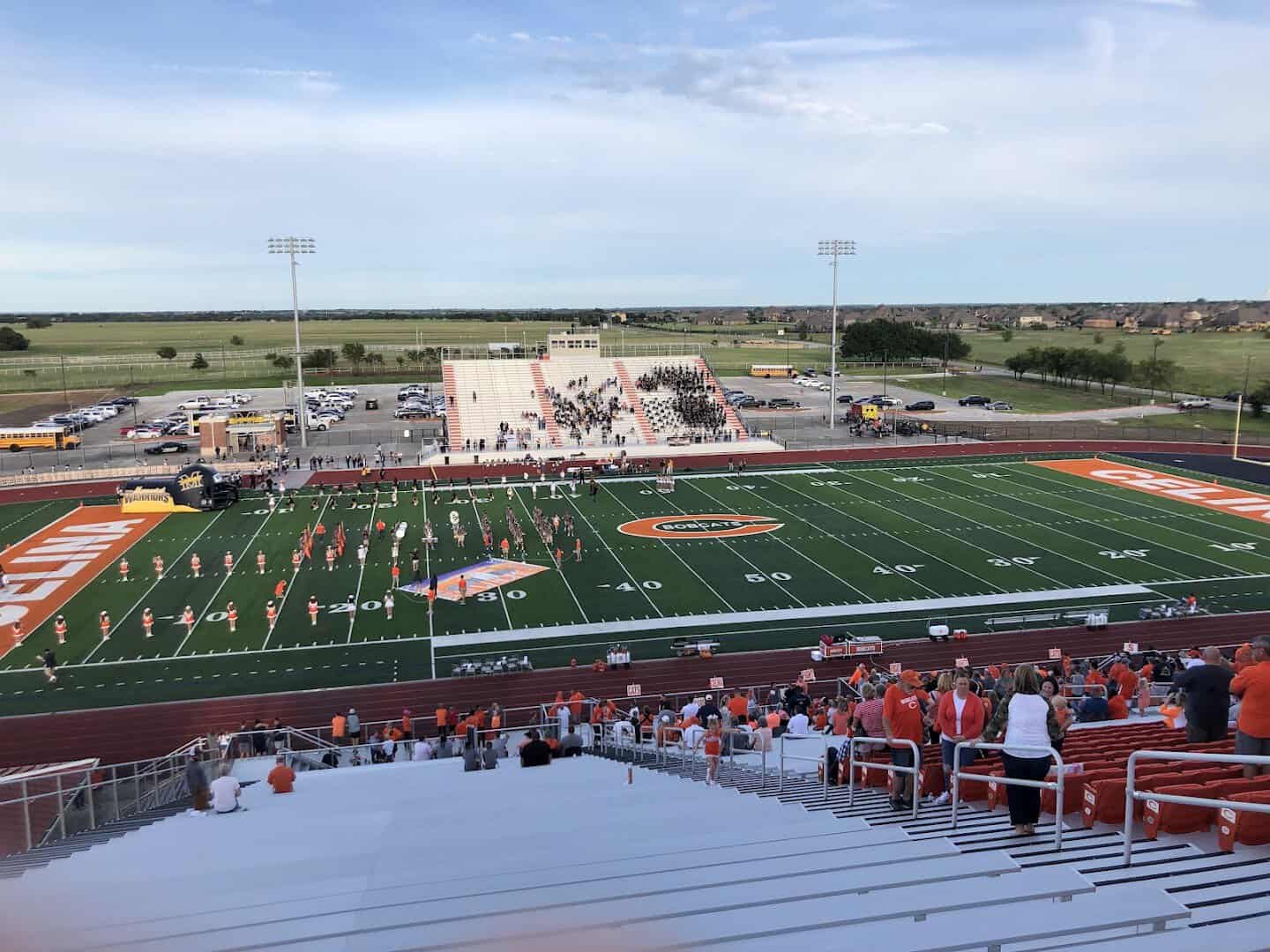
Newcomers who arrived last year seem to learn the fight song by the first home game. That is how a football town absorbs a boom, one Friday night at a time, until the new neighbors are shouting just as loud as the old ones.
A Brief History of a Railroad Town
Celina got its name in 1879, when settler John T. Mulkey borrowed it from his hometown of Celina, Tennessee. The first town sat a mile south of where it stands today, a small farming community waiting on the one thing that changed everything back then: a railroad.
That arrived in 1902, when the St. Louis, San Francisco and Texas Railway laid track a mile north, and the whole town picked up and followed the rails to be near the depot.
Then in 1910, resident J. Fred Smith led the rebuilding of the business district, trading a ragged row of frame buildings for the uniform brick storefronts around a square that you still walk today. That single decision is why the downtown looks the way it does.
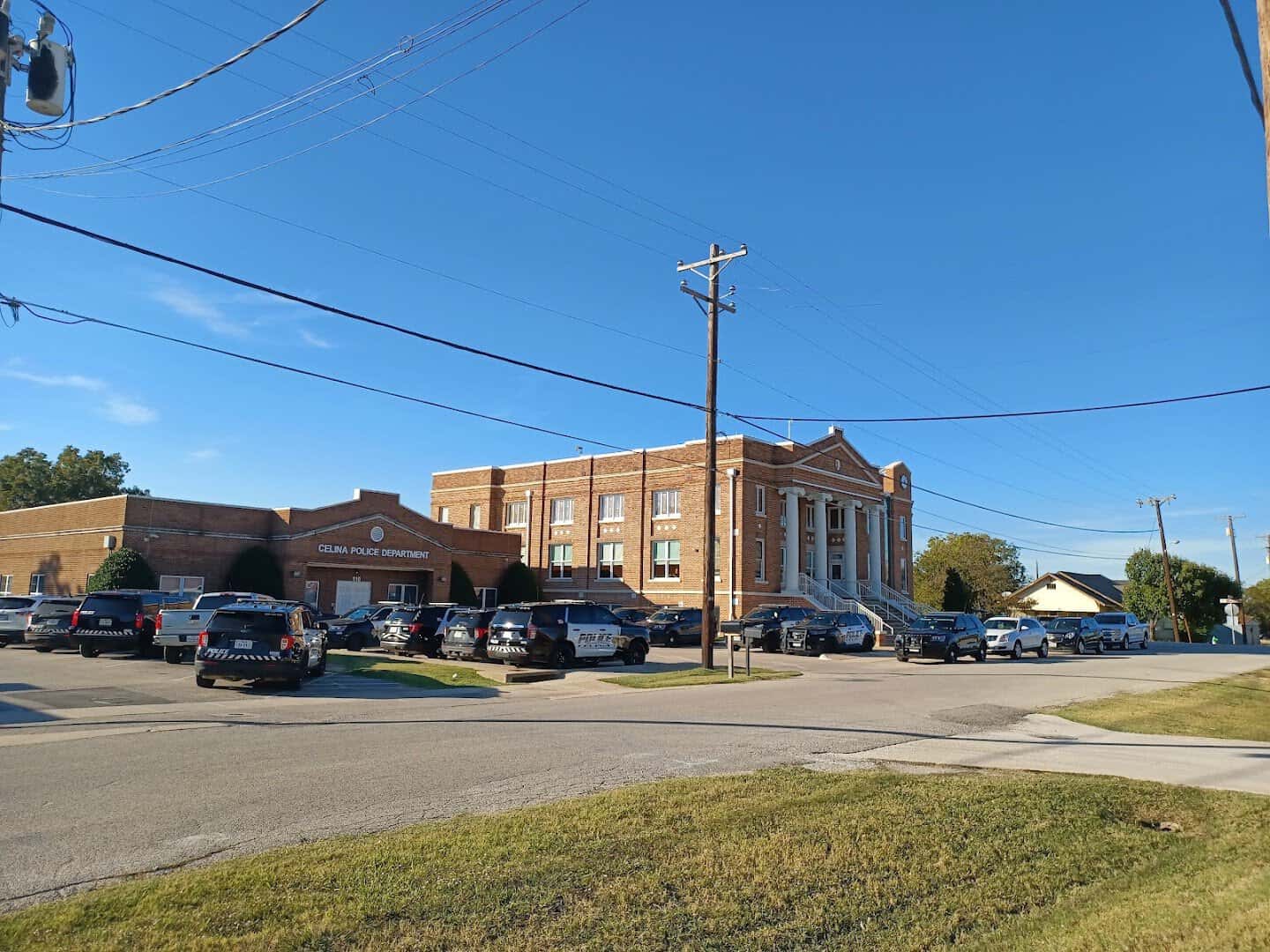
The town told its own story for decades through the Celina Record newspaper, and its old printing equipment now sits in the local heritage museum for anyone curious about how the place kept in touch with itself.
The Celina Area Heritage Association runs that little museum and visitors center right on the square. Inside you will find a working-era Linotype machine and relics that trace the town from cotton-stop farming community to the championship town it became.
In 1996, the Texas Historical Commission and the National Trust for Historic Preservation named Celina an official Main Street City. It was a promise to protect the square, and nearly thirty years later the town has plainly kept it.
The Festivals That Take Over the Square
If you want to see the whole town at once, come for a festival. The Celina Cajun Fest hosts what organizers call the biggest crawfish boil in North Texas, and the square fills with Zydeco music, gator shows, and a marketplace of local makers.
The unofficial motto is pinch, stomp, and savor, and the crowd takes all three seriously. It is a free, family-friendly day where Texas borrows Louisiana’s kitchen for a weekend, and nobody leaves hungry.
The calendar barely slows after that. Oktoberfest, the Friday Night Markets, outdoor Movie Nights, and Splash and Blast all take their turns downtown, and then Christmas on the Square wraps the year with lights and cocoa.
Did you know a town growing this fast still books all of it around the same old lawn? That is the tell that the square is no museum piece here. It is still the town calendar, page after page.
Why Everyone’s Talking About It Now
Here is the part that made the headlines. Celina has grown more than 300 percent since 2020 and is closing in on 72,000 residents, which made it one of the fastest-growing cities in the country for its size between 2024 and 2025.
People are voting with their moving trucks, and they are voting for this square. Families come for the well-regarded schools and the easy commute, then stay for the Friday nights and the Saturday farmers market.
For all the numbers, the thing people mention first is how the place feels. One resident called the small-town charm real, not marketing, and that is the sense you get walking the square on any ordinary afternoon.

The town leaned into that arrival smartly. It became the first Gigabit City in Texas, wiring the whole community for gig-speed internet, and earned a Scenic City Platinum certification for the way it plans its parks, trees, and green space.
New neighborhoods bring wide sidewalks, pocket parks, and community pools, so the growth feels designed rather than dumped. What makes Celina worth the drive, though, is that none of it came at the expense of the old town.
The championship identity, the brick storefronts, the pie, and the football all survived the boom intact. That is the rare part, a town getting bigger and staying itself at the very same time.
How to Get There
Celina sits in northern Collin County, about 45 minutes north of Dallas by way of the Dallas North Tollway and the Sam Rayburn Tollway. Aim for the Historic Downtown Square and park once, because everything worth seeing is a short, shaded stroll away.
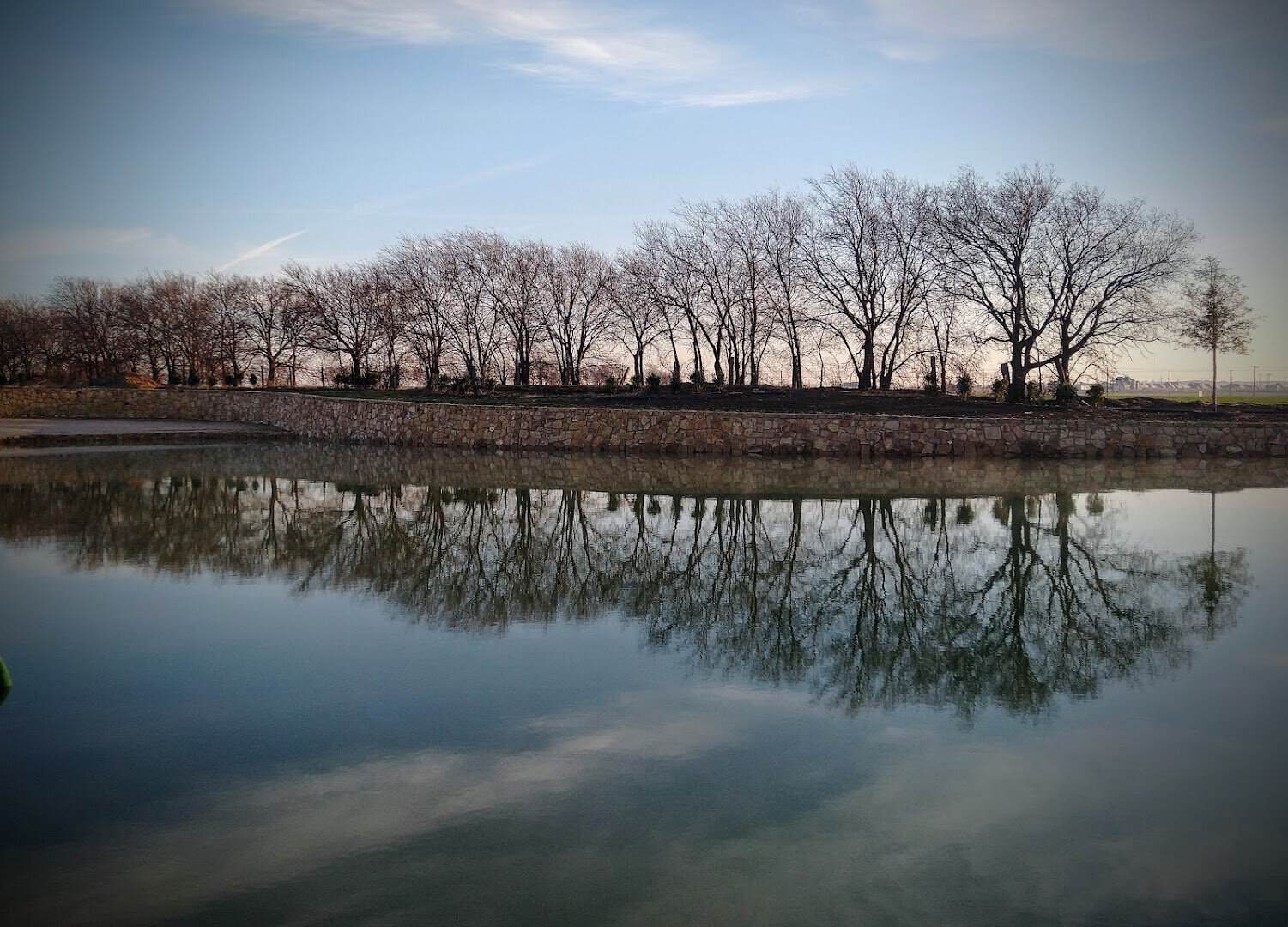
Where: Historic Downtown Square, W Pecan Street at Ohio Drive, Celina, TX 75009.
Come See It Before the Secret Is Out
Celina is that unusual Texas story where the growth chart and the small-town charm are both telling the truth. You can still get your pie, walk your beer around a 110-year-old square, and lose a Friday night to the best football town you have never visited.
So point the car north, round up the whole crew, and go find out why everyone else already did.

Stella Raines
Editor-in-Chief
Stella brings over a decade of storytelling experience to TX Headlines. With roots in West Texas and a love for road trips, she leads the editorial team with an eye for the hidden stories that make Texas unforgettable.
More Stories
This Spring-Fed Texas River Town Is the Hill Country’s Coolest Summer Escape
This Tiny Central Texas Town Is the Perfect Mini-Vacation, and the Pecan Capital of Texas
This Small East Texas Town Has Century-Old Brick Streets and Surprisingly Great Shops
This Small Texas Town Is Quietly Famous for Kolaches, a Brick Main Street, and an Easy Highway Detour
Tags