This Scenic Texas Rail Ride Winds Through the Hill Country With Views of the South San Gabriel River
There is a sound a train makes that no highway will ever match, and I have loved it since I was small. The long, low pull of a whistle over open country. The clack of steel wheels finding a rhythm.
Something in me goes still when a whole car of strangers quiets down the first time the world outside starts sliding by. I will chase that feeling anywhere it runs.
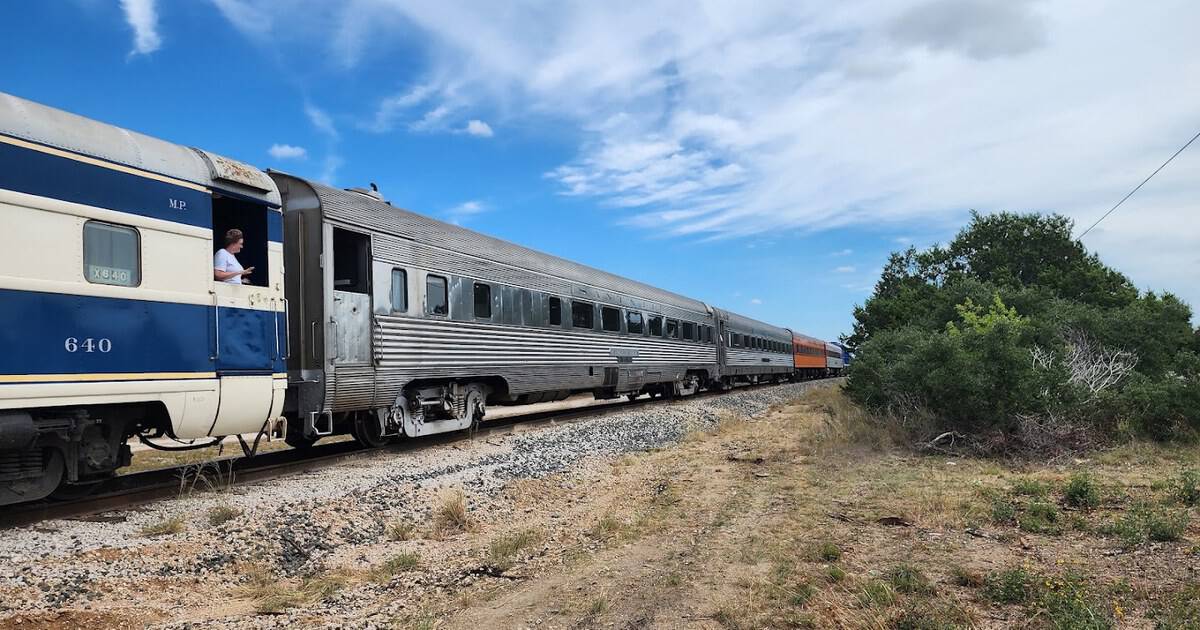
In Central Texas it runs on the Hill Country Flyer, a vintage excursion train the volunteers of the Austin Steam Train Association pull out of Cedar Park.
The whole ride is sun-warmed nostalgia: a 66-mile round trip through some of the prettiest folded country the Hill Country hides. And yes, it crosses a wooden trestle high above the South San Gabriel River.
Below, here is everything the ride gives you. The route, the river, the restored 1920s coaches, the two-hour stop in the self-proclaimed Bluebonnet Capital of Texas, and the granite-hauling history that laid these rails.
All Aboard a Piece of Living History
You start at the Cedar Park Depot, doors opening at 8 in the morning, coffee in hand, kids already bouncing. Boarding runs from 8:15 to 8:45, and at 9 sharp the horn sounds and the train eases out of the yard.
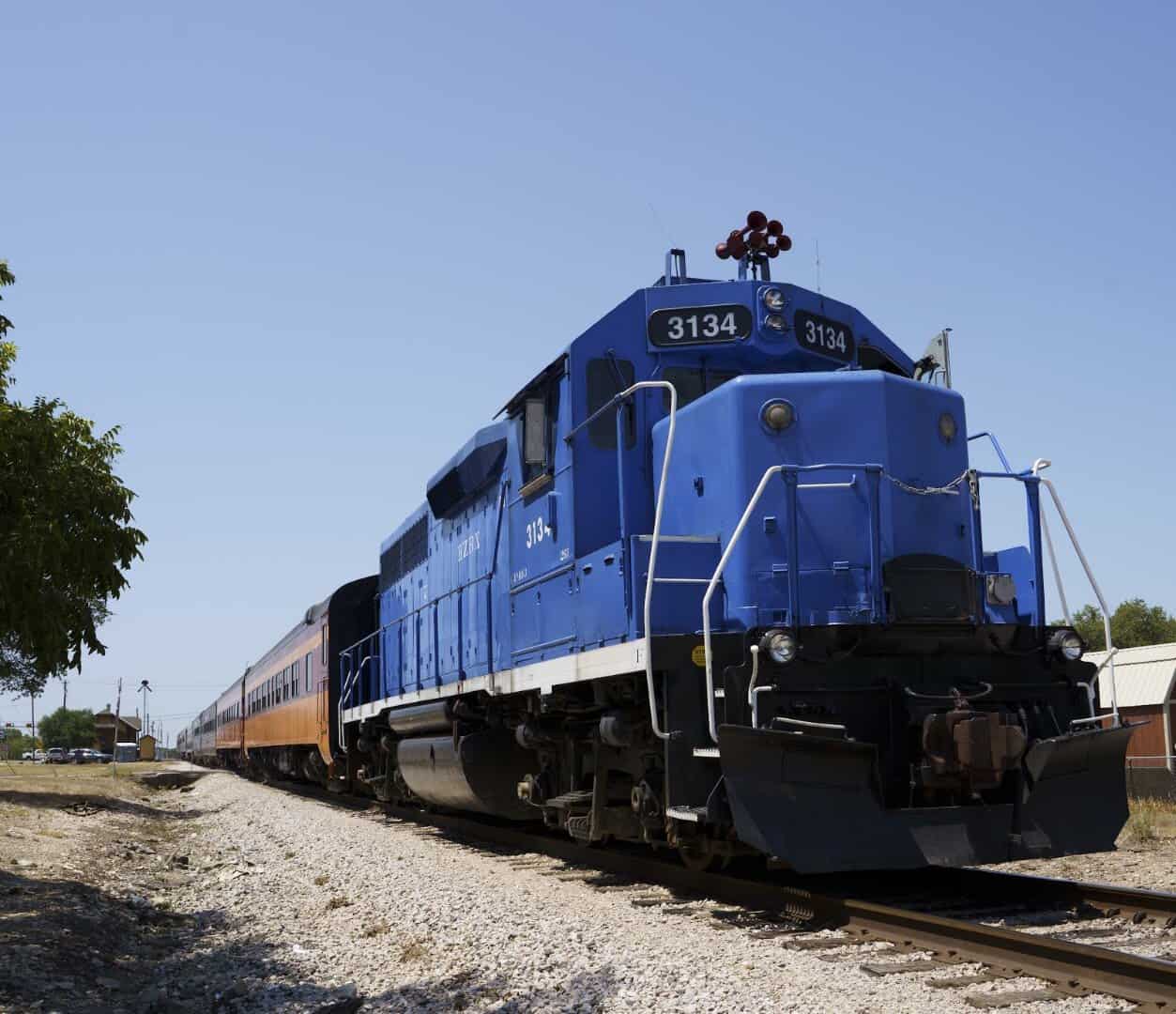
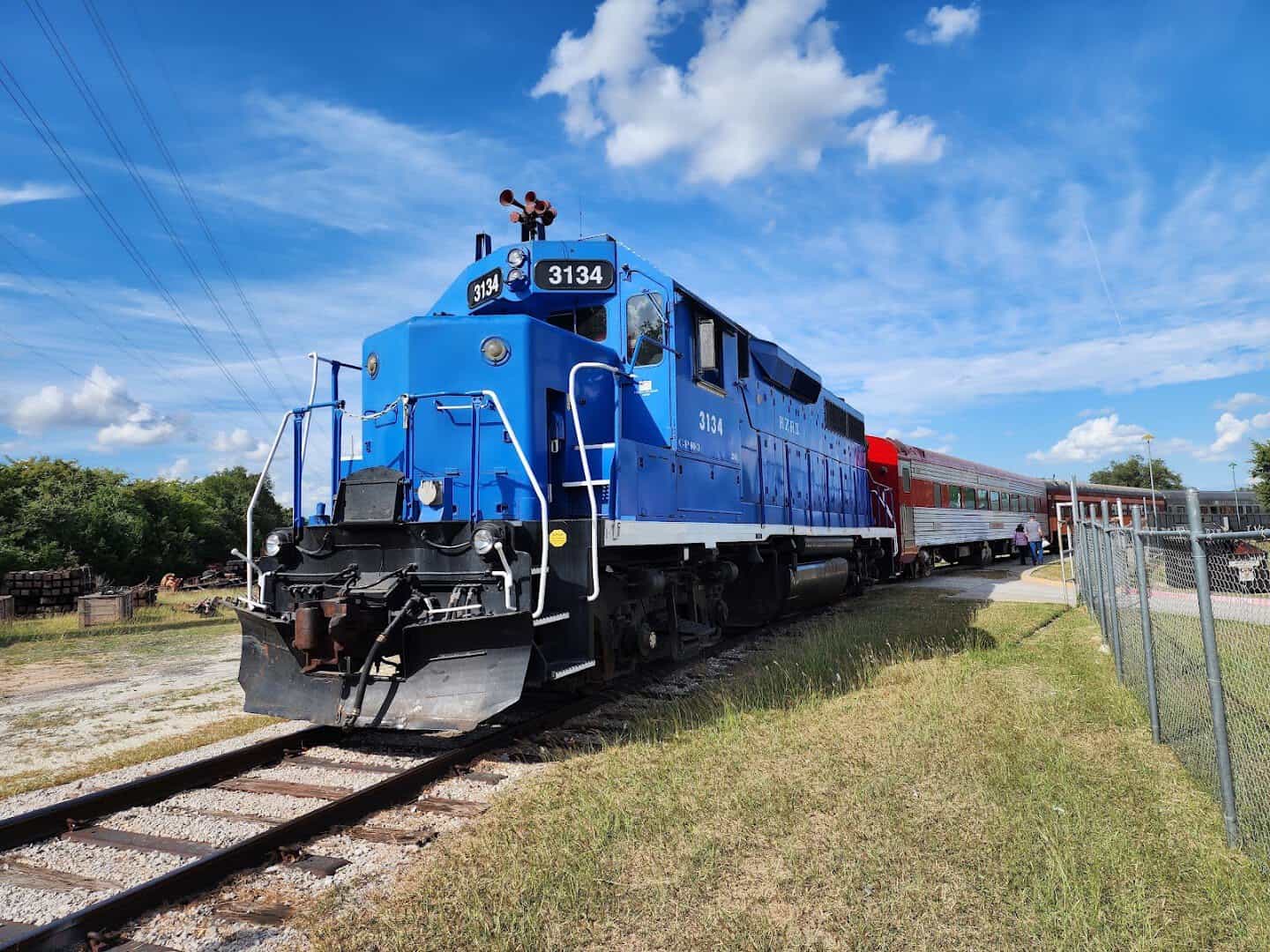
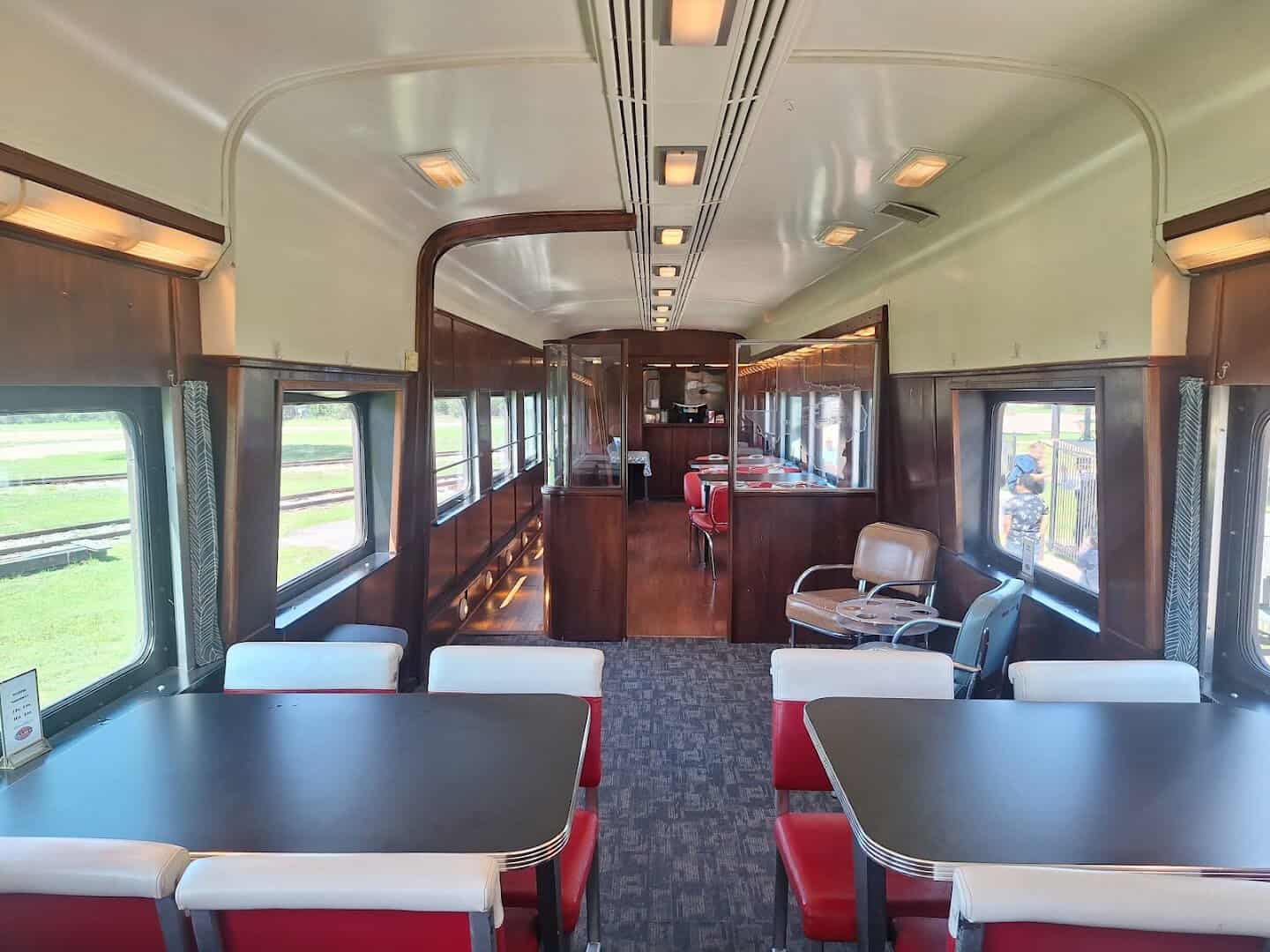
What pulls you is a real diesel locomotive, a big EMD GP40-3 the association bought and renumbered 3118 in 2025. What surrounds you is older still: restored railcars from the 1920s through the 1950s, each one saved from the scrapper by hand.
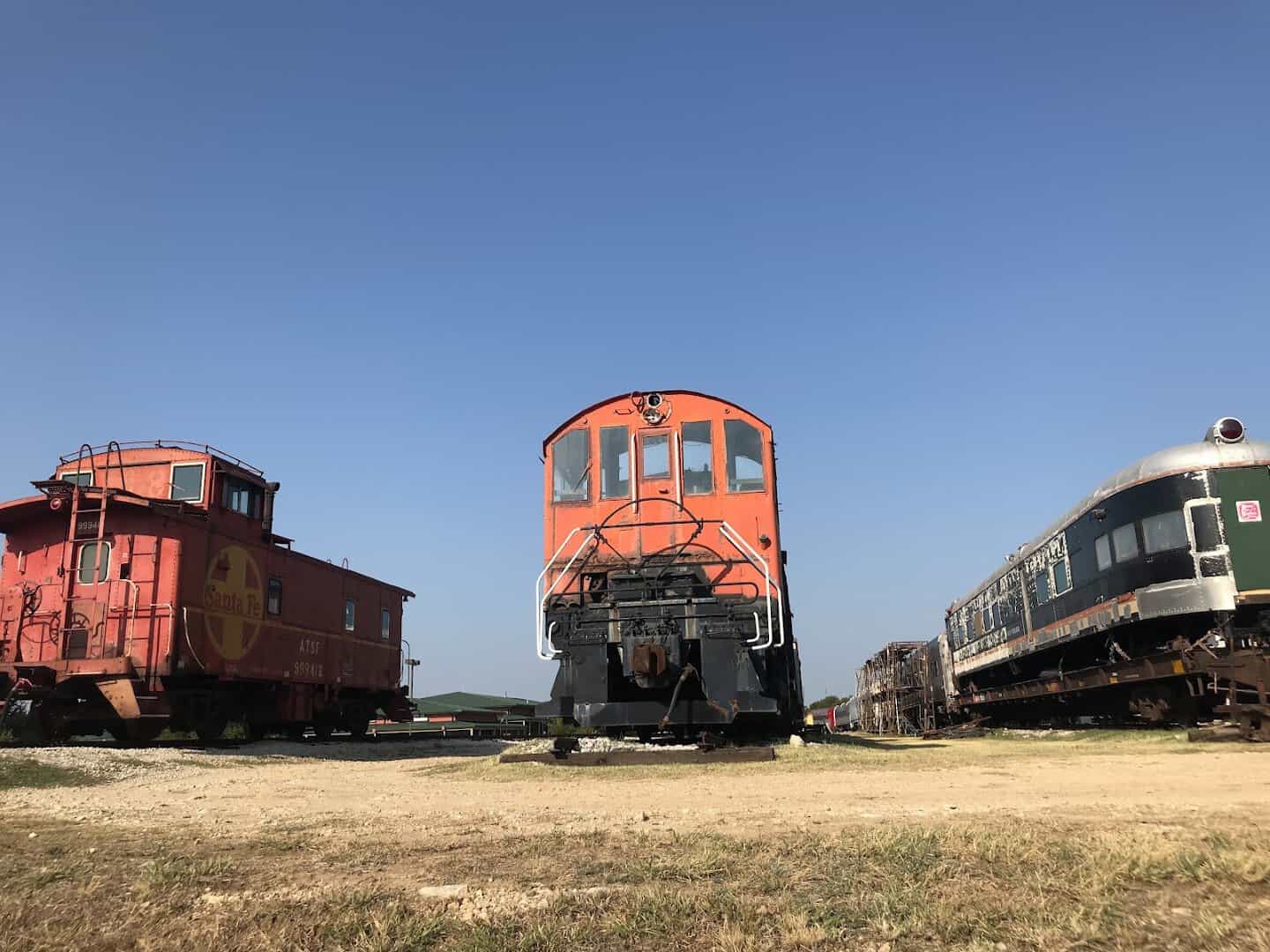
Before you board, the depot itself is worth a few minutes. The rail yard doubles as a small museum, with vintage equipment parked on the sidings and volunteers happy to tell you what everything is and where it came from.
Do not expect speed. The train ambles, rarely faster than a country back road, and that is the point. You have nowhere to be for the next few hours except in your seat with the window down.
You can get up and walk the length of the train, too. Stretch your legs, visit the concession car, and watch the couplings flex as the cars lean into a curve. It feels like stepping into a photograph your grandparents posed for.
The River, the Trestle, and Short Creek Canyon
The headline moment comes when the tracks reach the South San Gabriel River. The train slows, the trees fall away, and you glide out onto a tall wooden trestle with the green water curling far below.
The trestle itself is a piece of history. A wooden span roughly 300 feet across, it has carried traffic over the South San Gabriel since the line first pushed north in the 1880s.
It is the shot everyone leans to the window for. On a clear spring morning the river runs low and glassy, the cypress lean in from both banks, and for a few long seconds the whole car is open windows and pointed fingers.
Past the river the line threads into Short Creek Canyon, a winding cut where the walls close in and the rails bend around outcrops of pale Hill Country limestone. This is the stretch the flat-highway crowd never sees, because no road follows the train here.
Keep your eyes on the tree line, too. This is working ranch country, so you will roll past cattle, the odd deer, and hawks riding the thermals over the cedar. In spring the whole route is stitched with wildflowers.
The coaches were built for exactly this. The 1920s cars have big windows that open, so on a mild day you can drop the sash and let the smell of cedar and sun-baked grass roll right through.
Pro tip: the best river views come up on both sides at different points, so an aisle seat is no loss. When the trestle nears, everyone shares the glass.
Pick Your Car: Coach, Lounge, or a Glass of Wine
Part of the fun is choosing how you ride. The association runs several classes of service, and each one is a different kind of day.
A coach ticket puts you in one of the 1920s coach cars. They are not climate controlled, but the windows open and the vintage feel is the whole point. Coach runs about $27 for adults, $24 for seniors, and $17 for children.
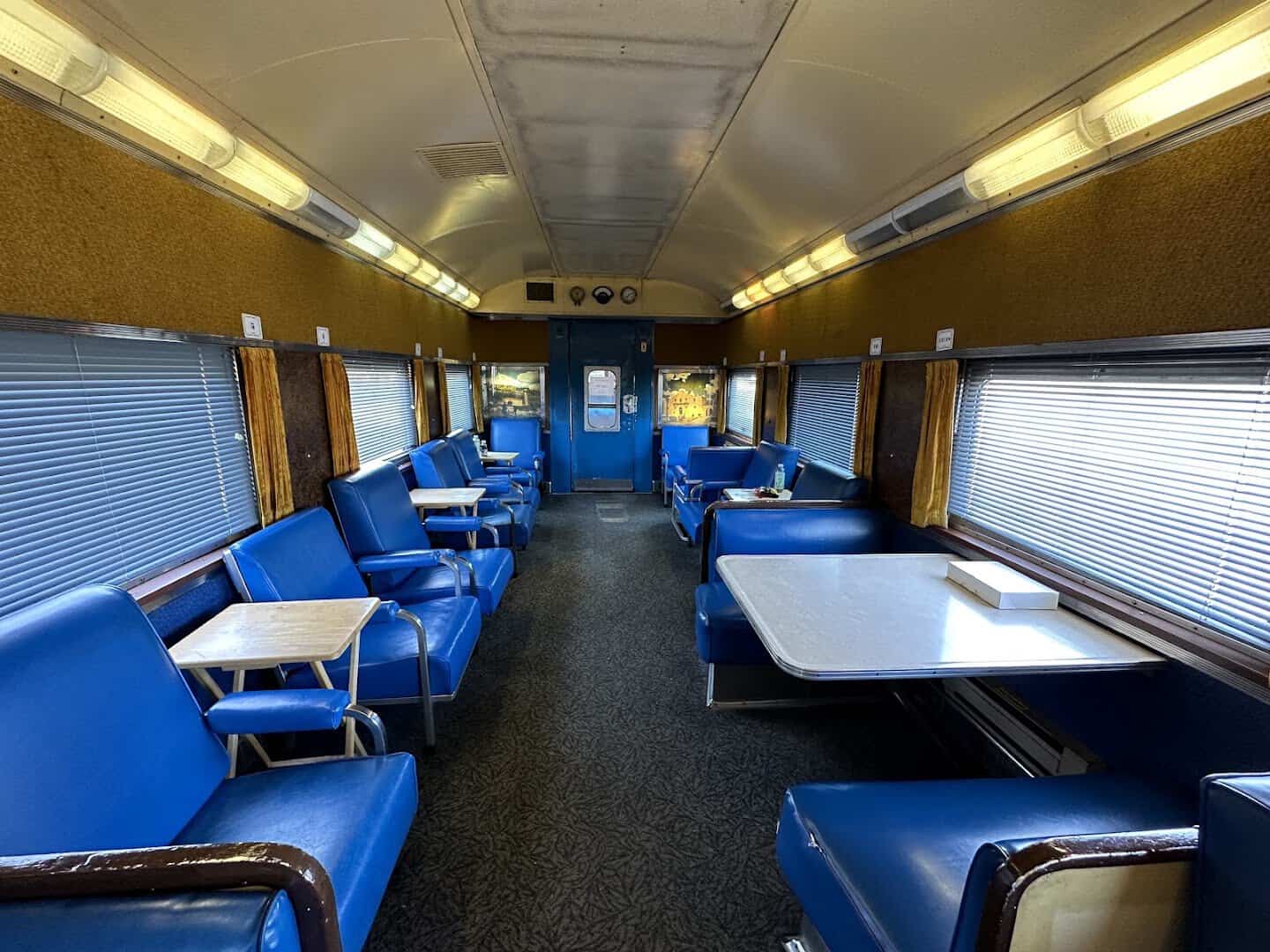
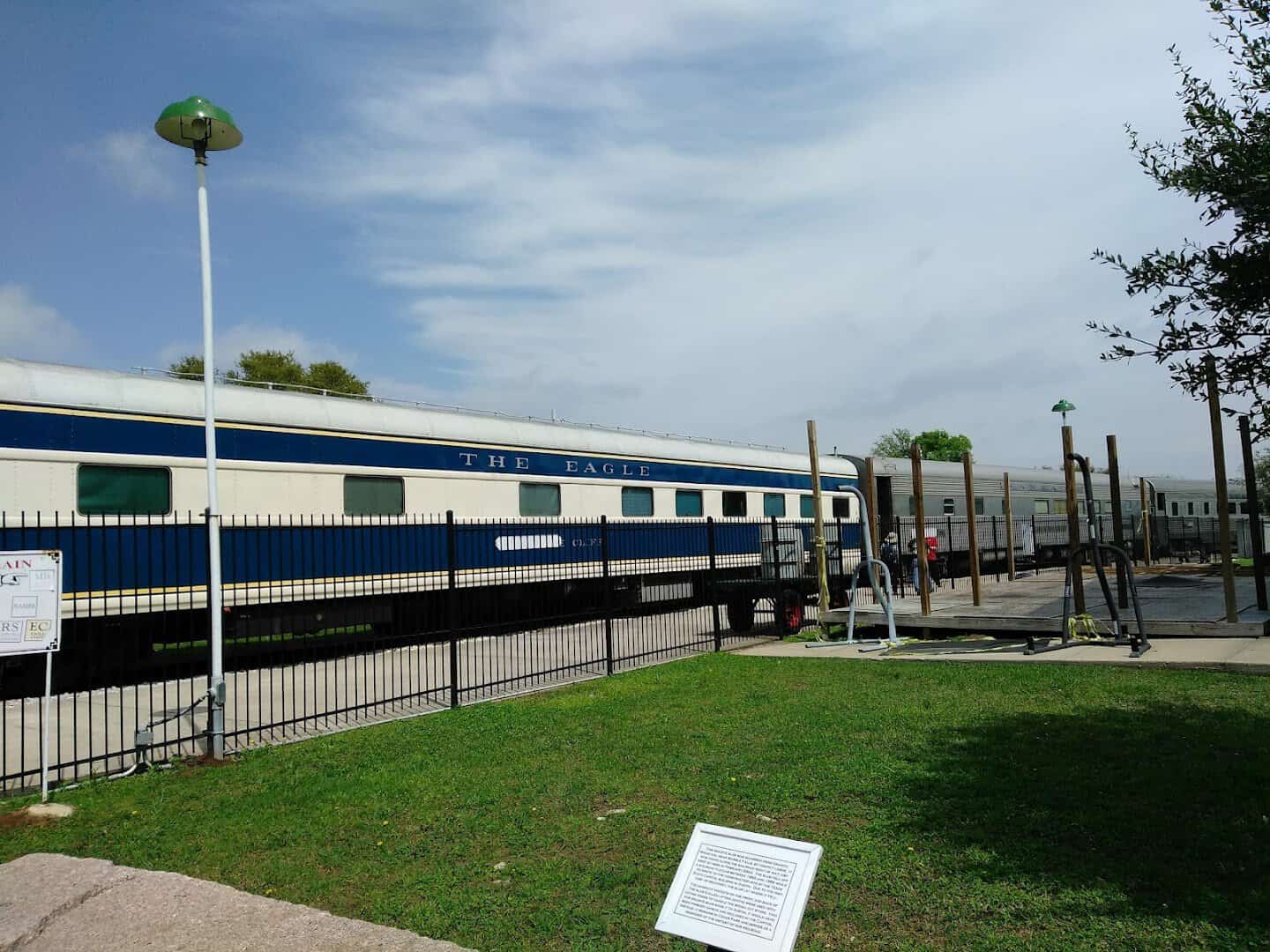
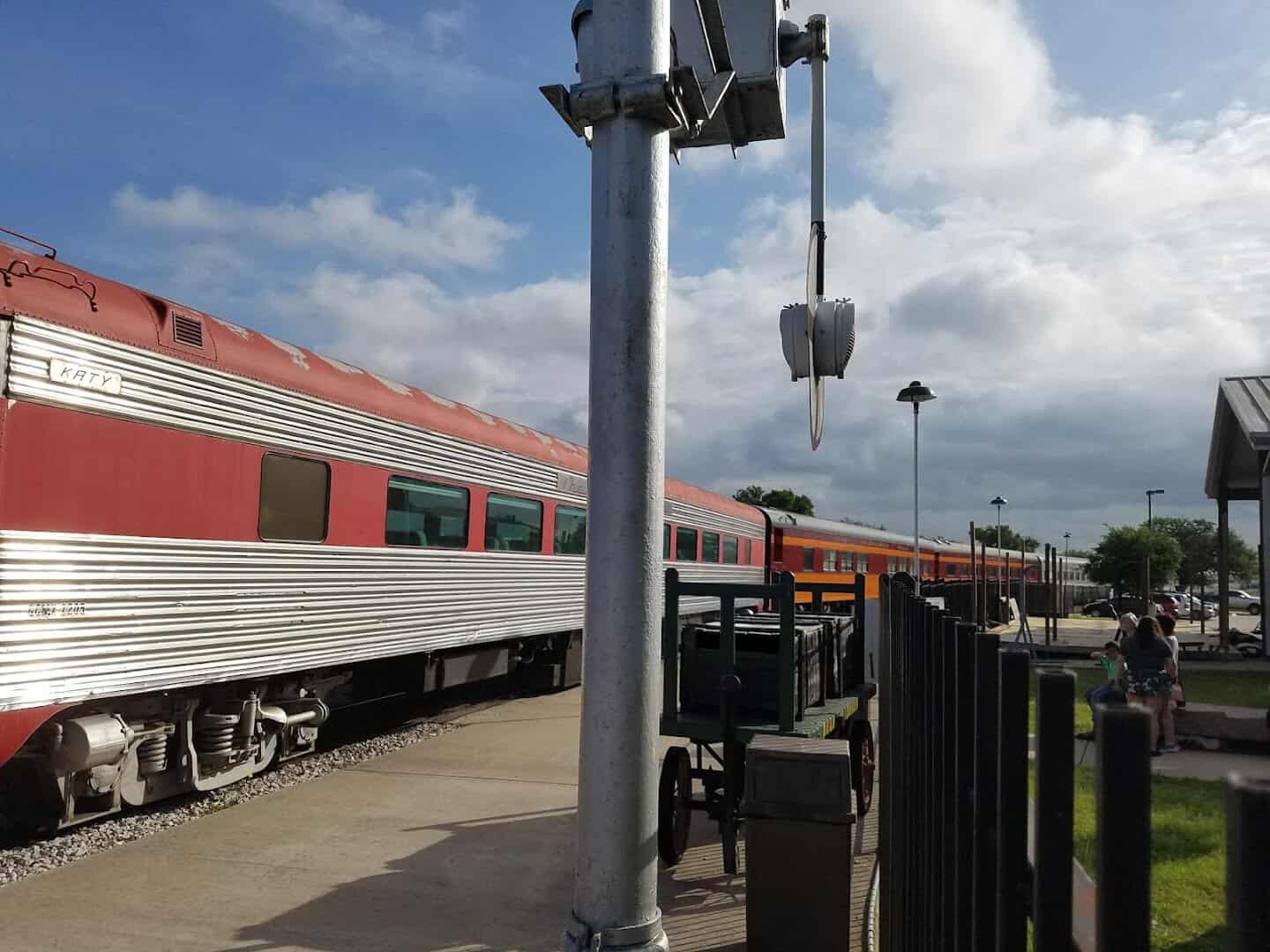
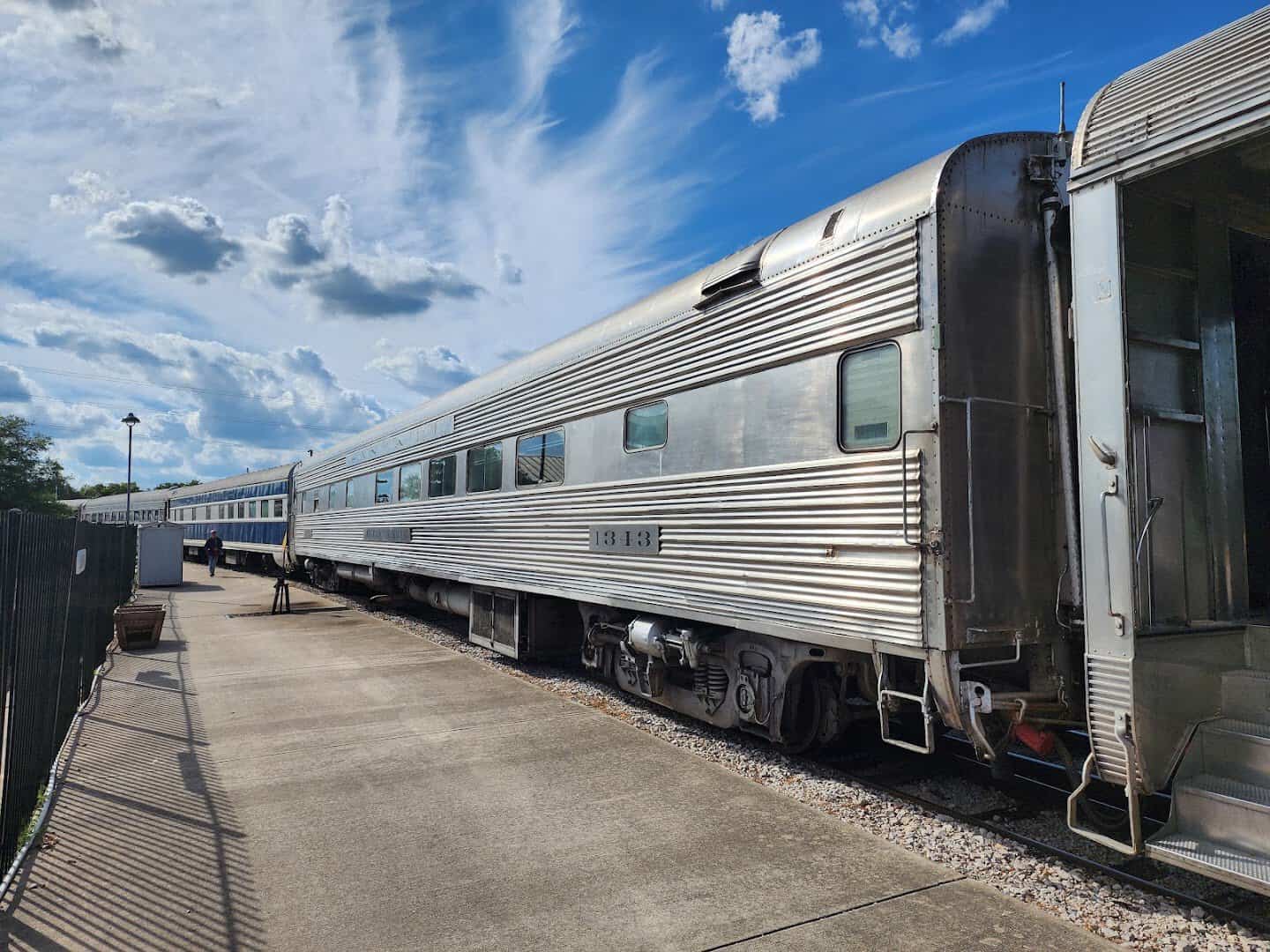
Want more comfort? The lounge cars are heated and air-conditioned, with three restored streamline cars and complimentary snacks and soft drinks included. Lounge seats run about $42 for adults, $38 for seniors, and $26 for children.
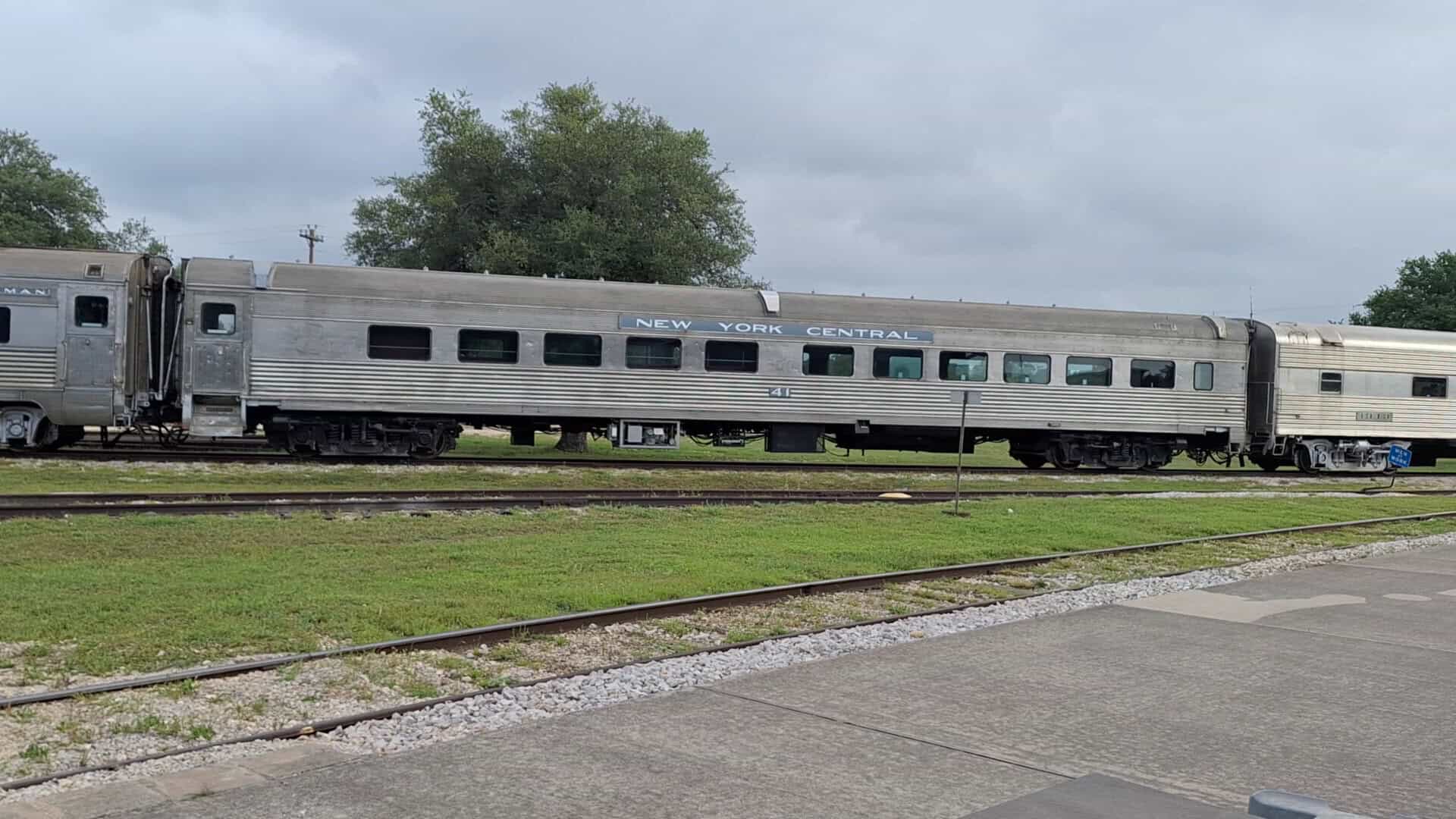
The cars themselves have names and histories. Streamliners like the Silver Pine and the New Braunfels once carried passengers across the country in the golden age of rail, and the association tracked them down and brought them back to service one rivet at a time.
There is even a bar. The Cedar Park car pours beer, wine, and mimosas for the grown-ups. On select departures the Texas Wine Flyer adds guided tastings from Wedding Oak Winery, poured by the glass or the bottle.
Every seat is reserved and pre-assigned, so you know exactly where you are sitting before you reach the platform. Book early for holiday and wildflower weekends, because those cars fill fast.
Two Hours in the Bluebonnet Capital of Texas
Midway through, the train pulls into Burnet and parks for a two-hour layover, roughly from 10:45 to 12:45. This is your window to get off, stretch, and see a genuine small Texas town square up close.
Burnet wears its title proudly. The Texas Legislature named it the Bluebonnet Capital of Texas, and come spring the roadsides and fields go electric blue and paintbrush orange. Time your ride for late March or April and the run in alone is worth the ticket.
The historic square wraps around the county courthouse, with shops to browse, benches to sit on, and local cafes for lunch. Reservations help, since a whole trainload arrives at once and everyone is hungry together.
Here is the surprise most first-timers do not expect. From September through June, the Burnet Gunfighters stage a Wild West shootout near the courthouse square, all boots and black hats and blank cartridges. The kids love every second.
If wine is more your speed than a shootout, Wedding Oak Winery keeps a tasting room right on the square. It is an easy walk from where the train parks, and a glass of Texas red is a fine way to spend a layover.
When your two hours are up, you climb back aboard, and the train retraces the whole scenic run in reverse, rolling into Cedar Park around 3:30 in the afternoon.
The Granite That Built the Capitol Rode These Rails
The tracks under you are not a tourist invention. They are the old Austin and Northwestern Railroad, chartered in 1881 and pushed out to Burnet by 1882, back when Central Texas was still stitching itself together with rail.
Then came the job that made the line famous. In 1885 the railroad was contracted to haul pink granite down from Granite Mountain, near Marble Falls, to build the new Texas State Capitol in Austin.
The owners of that mountain, a trio named George W. Lacy, Nimrod L. Norton, and William H. Westfall, donated the granite for free. Crews laid a special spur out to the quarry, and the loaded cars began rolling east.
There was a catch in the plan. One bend on the quarry spur was cut a touch too sharp, and now and then a car would jump the rails and spill its load, which is why chunks of Capitol-grade granite still turn up in the pastures nearby.
The numbers are staggering. Around 15,700 carloads of that sunset-colored granite made the trip to Austin, and the dome you can still walk beneath at the Capitol came in over these very rails.
When you cross that trestle, remember you are riding a freight route older than the building it helped raise.
How the Volunteers Saved the Line
The nonprofit behind the ride has a story worth knowing. In 1956, the Southern Pacific Railroad donated a 2-8-2 Mikado steam locomotive, number 786, to the City of Austin, where it sat on display for decades.
In 1989 a group of railroad preservationists formed the Austin Steam Train Association to restore old 786 and get it running again. Passenger excursions began in 1992, and by 1993 the group had settled into its Cedar Park rail yard.
The whole operation runs on volunteers. The conductors, the ticket-takers, the folks who spent years wiring these coaches back to life, all of them are there because they love it.
That is the quiet thing you feel on this train and rarely feel on a tour. Everyone aboard, staff included, actually wants to be there.
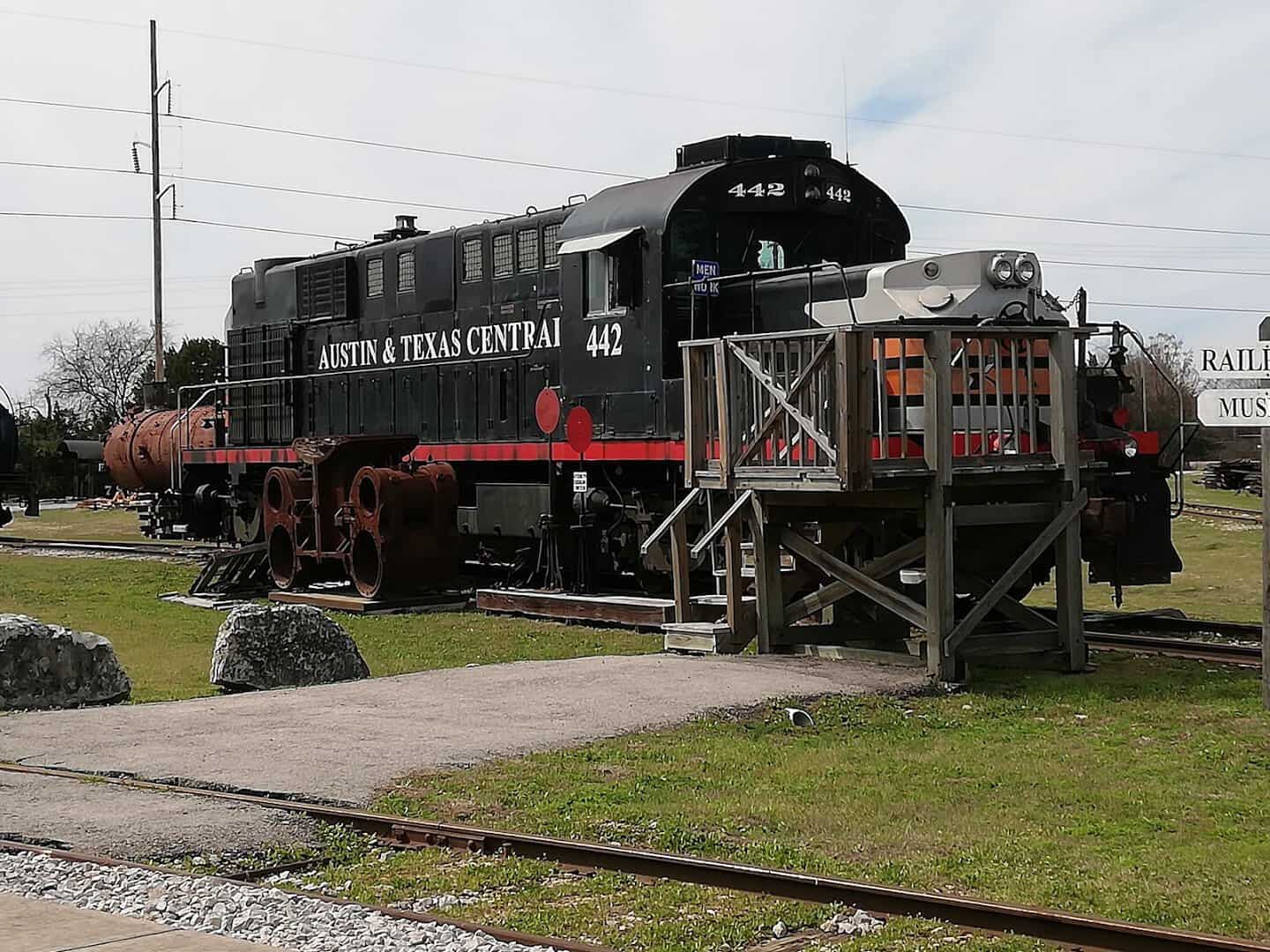
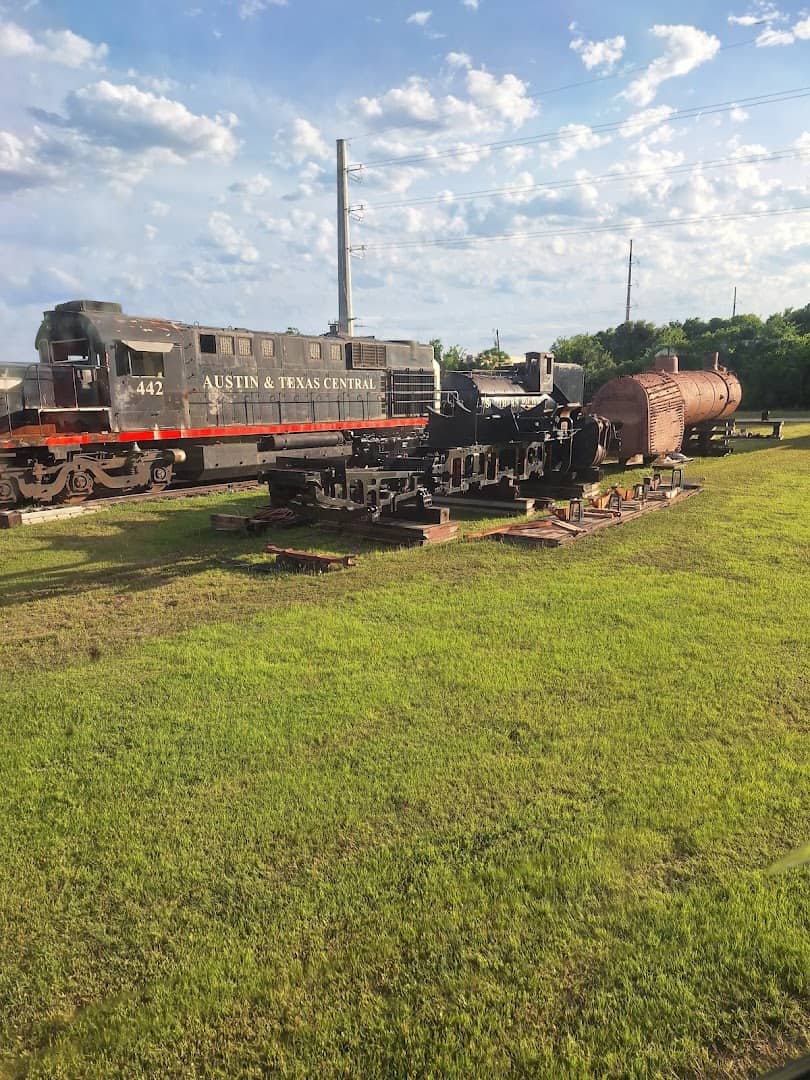
The dream is still steam. Both the old 786 and the association’s vintage diesel 442 are under long-term restoration, and the volunteers are working toward the day a real steam whistle echoes off that trestle again.
Did you know? The association calls the Hill Country Flyer “a cherished tradition,” and for thousands of Central Texas families who ride it every year, that is exactly what it has become.
Beyond the Flyer: More Ways to Ride
The Hill Country Flyer is the flagship, but it is not the only trip on the schedule. If six and a half hours is a lot for little ones, the shorter Bertram Flyer runs a 44-mile round trip out to the restored 1912 Bertram Depot.
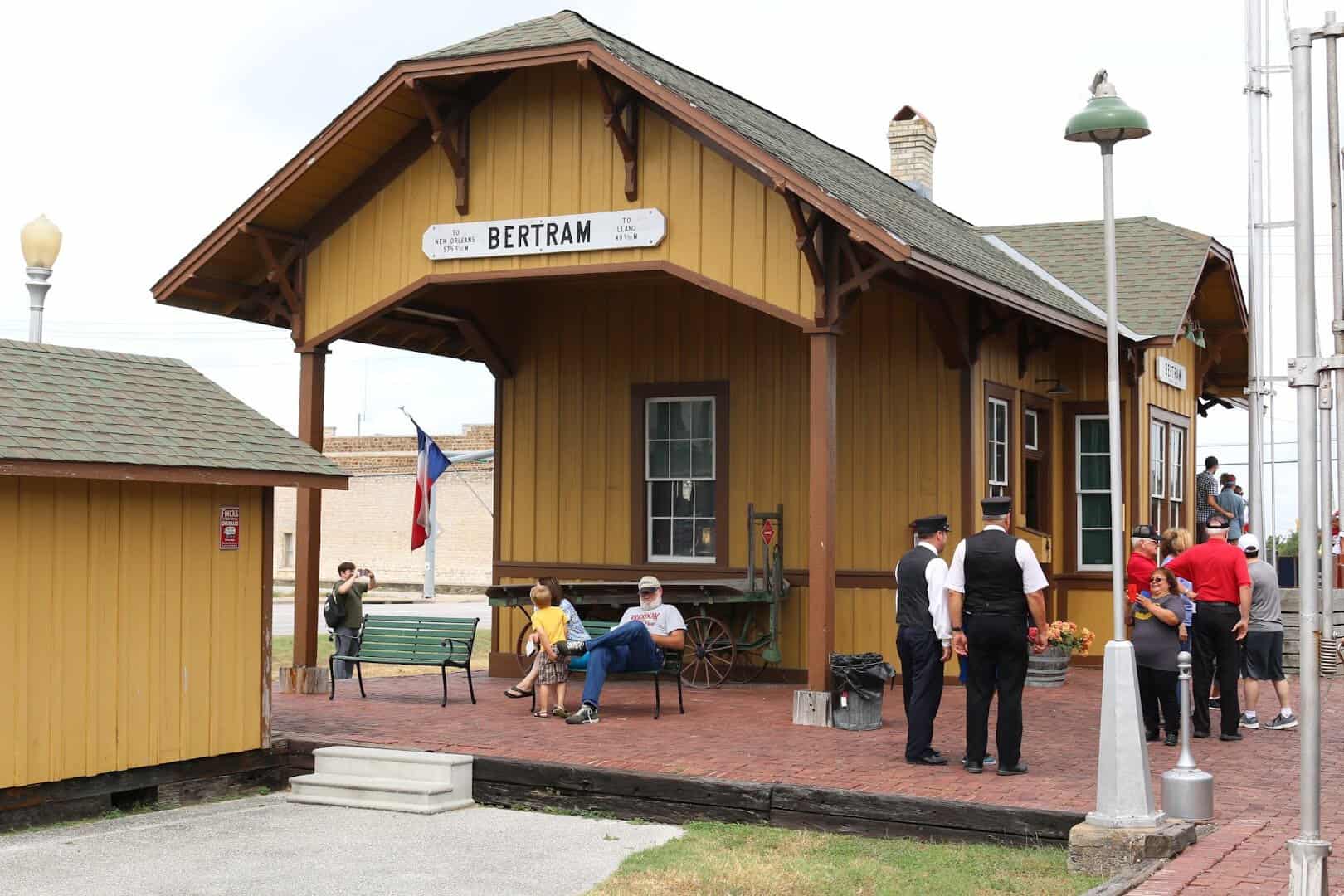
Fall brings the Pumpkin Express, a shorter run to Bertram with a pumpkin patch waiting at the end. Every winter the North Pole Flyer sells out by October, loaded with hot cocoa, cookies, and a visit from Santa.
Families with train-obsessed toddlers should watch for Day Out With Thomas, when the beloved blue engine takes over the depot for a 25-minute ride and a day of activities. Whatever the season, there is usually a reason to come back.
How to Get There
The train departs from the Cedar Park Depot, just north of Austin and an easy drive from anywhere in the greater metro. Parking is on site, so plan to arrive when the doors open at 8.
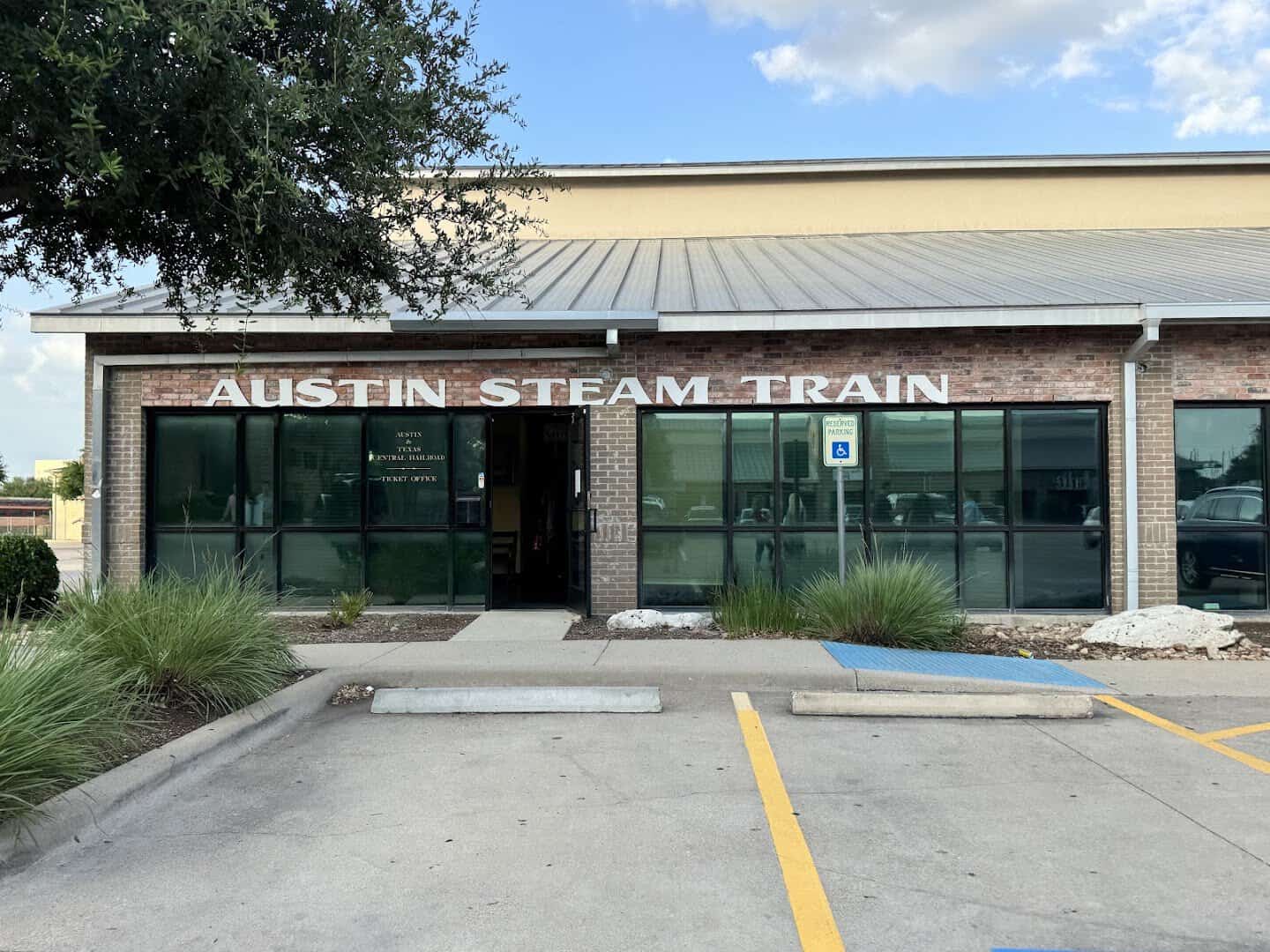
Where: Austin Steam Train Association, 401 E. Whitestone Blvd., Ste C-100, Cedar Park, TX 78613
Because it is a volunteer-run nonprofit, tickets are non-refundable, so check the weather and the calendar before you book. Bring your own snacks and non-alcoholic drinks if you like, and pack a light jacket for the coach cars on a cool morning.
Plan Your Ride Through the Hill Country
Some trips are about getting somewhere. This one is about the going. You board with coffee, cross a river on a hundred-year-old trestle, eat lunch on a small-town square, and roll home slower and happier than you left.
So pick a wildflower weekend, reserve your car, and let the Hill Country Flyer show you the Texas you can only see from the tracks. All aboard, and try not to grin the whole way there.
Featured image: SS 81 via Austin Steam Train Association

Stella Raines
Editor-in-Chief
Stella brings over a decade of storytelling experience to TX Headlines. With roots in West Texas and a love for road trips, she leads the editorial team with an eye for the hidden stories that make Texas unforgettable.
More Stories
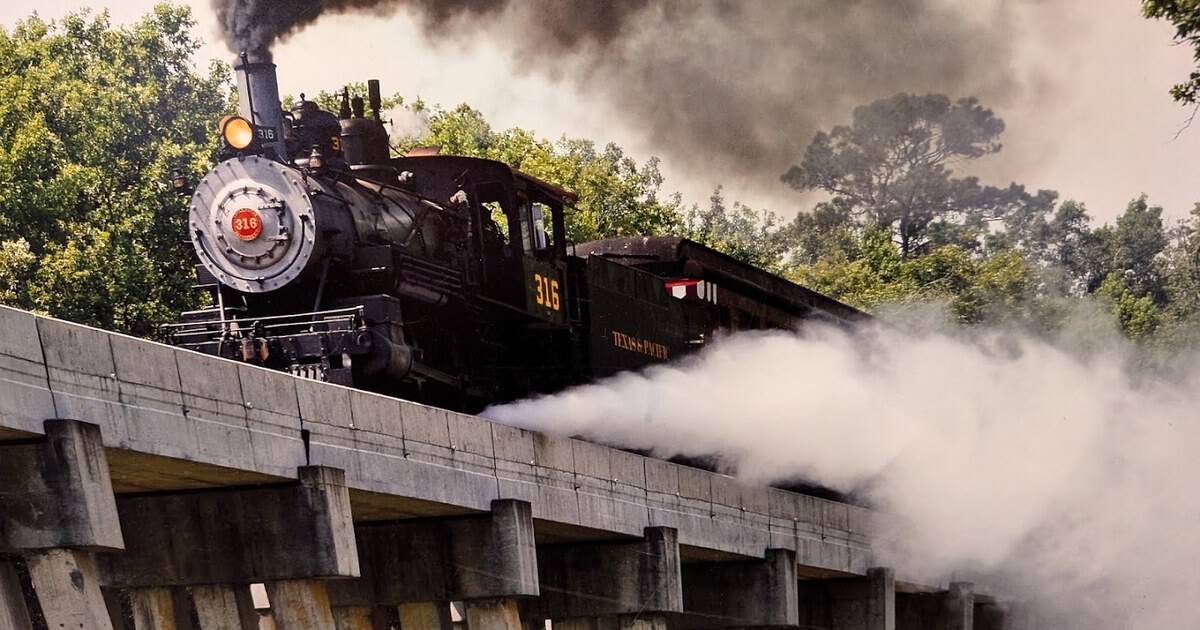
This Picturesque Texas Train Ride Steams Through the Piney Woods for a Relaxing Spring Day Trip
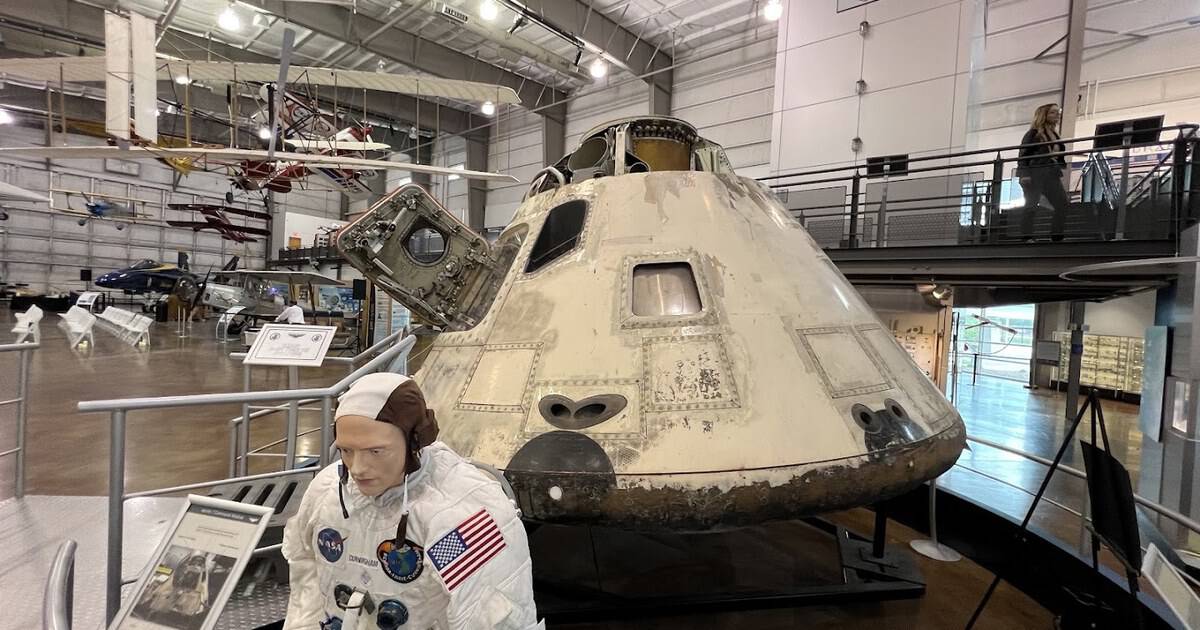
This Overlooked Texas Aviation Museum Is Home to a Real Spacecraft and the World’s Only Flying Pancake
This Giant Texas Flea Market Has 490 Booths You’ll Want to Wander Again and Again
This Underground Texas River Cavern Was Once a Secret Speakeasy and an Outlaw’s Hideout
Tags