6 Things You Should Never Say to a Texan
Learn what phrases trigger instant defensiveness from even the most easygoing Texans.
Texans are generally friendly, welcoming people who’ll happily share recommendations for barbecue, give directions, and chat with strangers.
But certain phrases trigger an almost reflexive defensive response that can instantly sour conversations and mark you as someone who fundamentally misunderstands Texas.
Here are six things you should absolutely avoid saying to a Texan if you want to maintain friendly relations.
1. “Texas BBQ Isn’t as Good as [Insert Other State]”
Claiming that Kansas City, Memphis, or North Carolina barbecue is superior to Texas barbecue will get you the coldest stare you’ve ever received.
Texans understand that different regional styles exist, but suggesting Texas BBQ isn’t the pinnacle represents fighting words that will derail any conversation.
Even Texans who acknowledge other styles have merit will instinctively defend Texas brisket, and you’ll spend the next twenty minutes hearing about Central Texas BBQ history, post oak smoke, and why beef beats pork every time.
2. “Everything’s Bigger in Texas? I Don’t See It.”
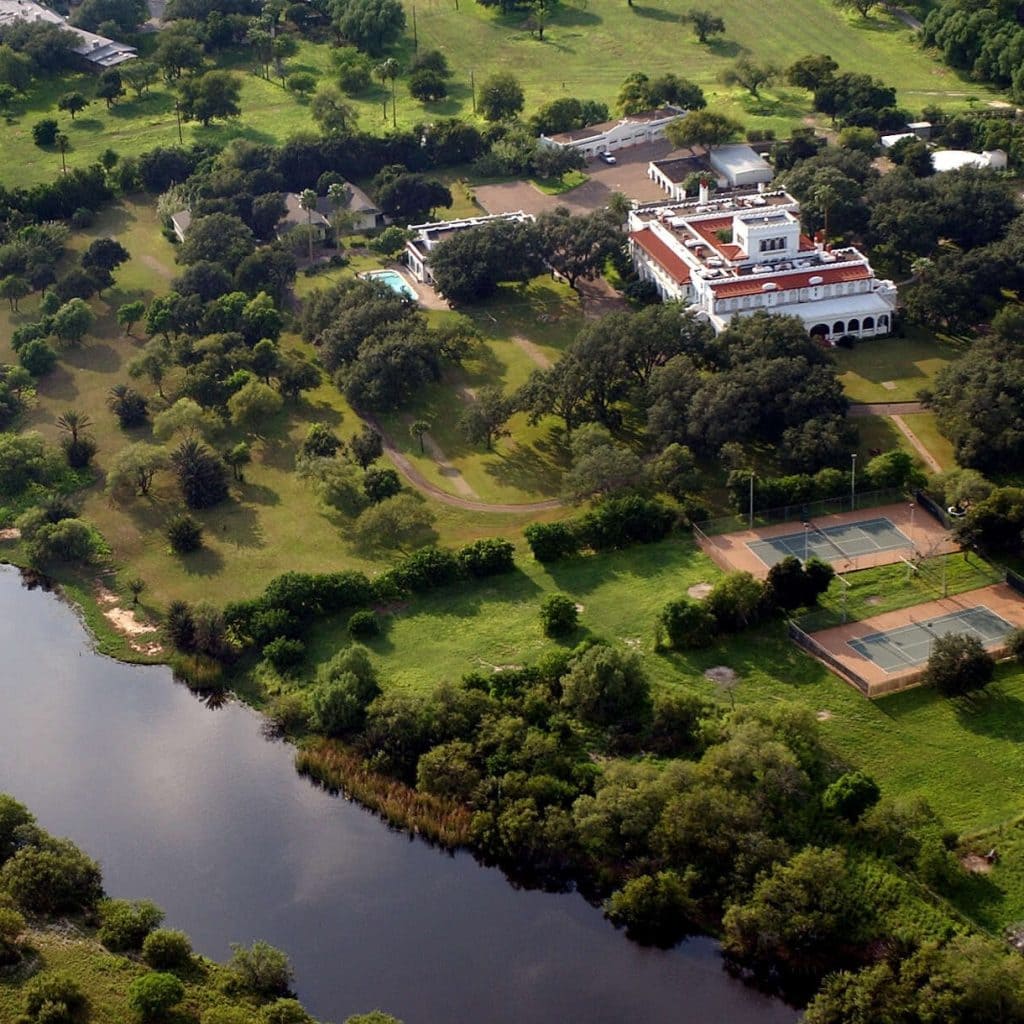
Dismissing the “everything’s bigger in Texas” motto as false advertising misses that it’s simultaneously a joke, truth, and cultural identity wrapped into one phrase.
Texans know it’s hyperbole but also know the state capitol is taller than the U.S. Capitol, that King Ranch is bigger than Rhode Island, and that the state’s sheer scale dwarfs most others.
Challenging this invites Texans to prove it through reciting statistics about size, population, and economic output until you regret ever bringing it up.
3. “Tex-Mex Isn’t Real Mexican Food”
Food snobs who dismiss Tex-Mex as “inauthentic” reveal complete ignorance about Texas culinary history and insult a cuisine with 150+ years of legitimate heritage.
Texans understand Tex-Mex and Mexican food are different, but both are valid, and suggesting Tex-Mex is somehow inferior triggers passionate defenses of cheese enchiladas, breakfast tacos, and queso.
This phrase marks you as someone who values arbitrary authenticity standards over actually understanding regional food cultures.
4. “You Don’t Sound/Look/Act Like a Real Texan”
Telling someone they don’t fit your preconceived stereotype of what Texans should be comes across as both ignorant and insulting.
Texans come in every ethnicity, political affiliation, urban and rural background, with and without accents, and wearing everything from cowboy boots to business suits.
Suggesting someone isn’t a “real Texan” because they don’t match your narrow Hollywood-derived expectations reveals more about your limited understanding than about Texas’s actual diversity.
5. “Why Would You Be Proud of Being From Texas?”
Questioning Texas pride fundamentally misunderstands that being Texan represents an identity beyond simply residing in a geographic location.
Texas’s history as an independent republic, distinct cultural identity, and the shared experiences of living in a place this large and diverse create genuine pride that outsiders often find baffling.
Dismissing or mocking this pride suggests you think Texans are foolish for loving their state, which guarantees you’ll hear a passionate explanation of exactly why Texas deserves that loyalty.
6. “Texas Is Just Desert/All Flat/Has No [Geographic Feature]”
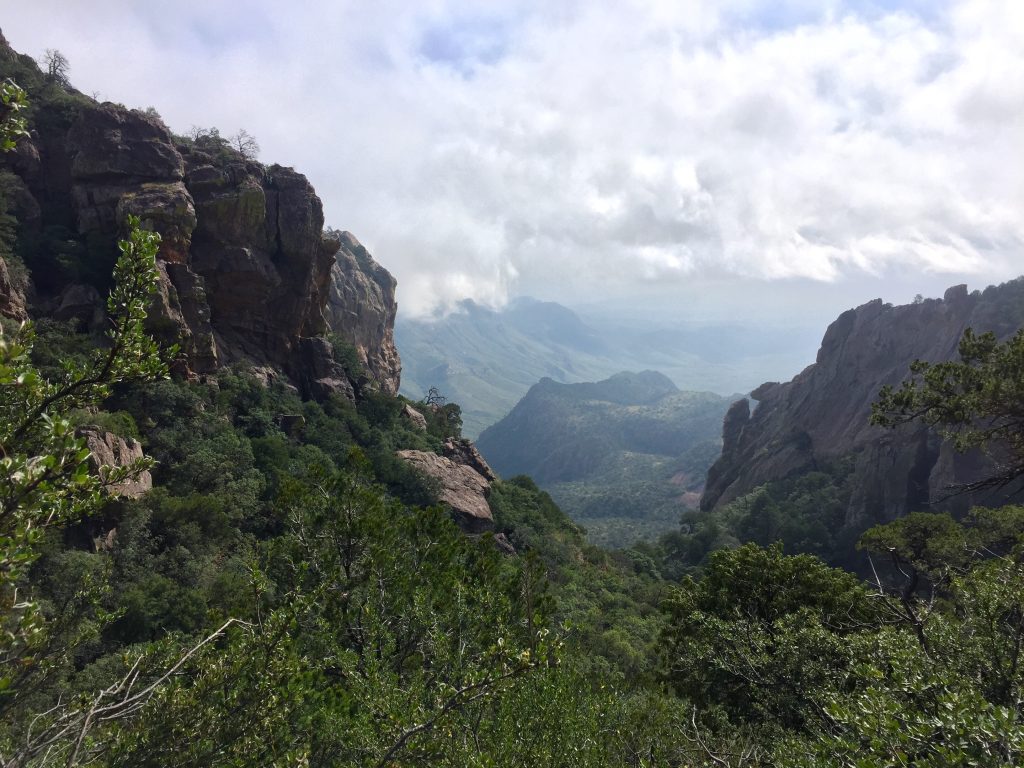
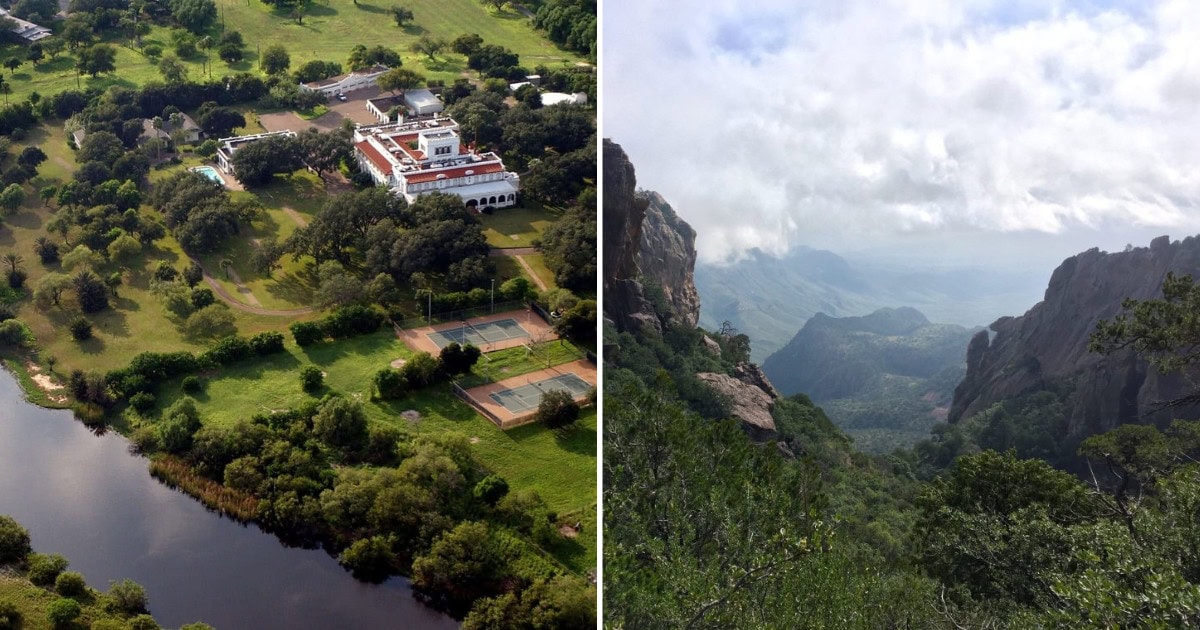
Claiming Texas is all desert, all flat, or lacks mountains/forests/beaches reveals you’ve never actually looked at a map or visited beyond one small area.
Texans know the state contains 10 distinct ecological regions, including piney woods, coastal plains, Hill Country, mountains over 8,000 feet, and yes, deserts.
Making sweeping geographic claims about a state larger than France invites corrections about everything from Big Bend’s mountains to the East Texas forests to the 367-mile coastline.
Why These Phrases Cause Problems
The common thread through these statements is that they all involve outsiders making uninformed judgments about Texas, then broadcasting those judgments to actual Texans as if offering helpful observations.
Texans deal with stereotypes, misconceptions, and dismissive attitudes constantly from people who’ve never visited or who spent a weekend in Dallas and think they understand the entire state.
What seems like casual conversation or harmless teasing to outsiders represents the thousandth time a Texan has heard the same tired comments.
The frustration comes not from inability to handle criticism but from the repetitive nature of defending Texas against people who haven’t done basic research or shown basic respect.
Texans are happy to discuss the state’s real challenges, acknowledge its flaws, and have substantive conversations about what could improve.
But when outsiders lead with dismissive stereotypes or challenge fundamental aspects of Texas identity, it triggers defensive responses that shut down productive dialogue.
If you genuinely dislike aspects of Texas, you don’t need to fake enthusiasm, but leading conversations with criticism or dismissiveness guarantees poor responses.
Simply avoiding these six phrases while showing basic respect for people’s homes creates space for actual conversations where Texans might even acknowledge the state’s problems alongside defending what makes it special.
What phrases or misconceptions about Texas do you find most frustrating to repeatedly correct?
Share the comments that make you internally groan so fellow Texans know they’re not alone in dealing with these tired stereotypes.

Stella Raines
Editor-in-Chief
Stella brings over a decade of storytelling experience to TX Headlines. With roots in West Texas and a love for road trips, she leads the editorial team with an eye for the hidden stories that make Texas unforgettable.