5 Cities In Texas Where $800 Monthly Rent Feels Impossible But Isn’t
When people talk about affordable rent in Texas, they usually mean affordable compared to Austin or Dallas.
But what about genuinely cheap rent, the kind where you can find a decent one-bedroom apartment for around $800 a month and still have money left over for groceries?
It exists, and not just in places you’ve never heard of.
These five Texas cities offer real rental affordability in communities with jobs, culture, and quality of life that make sub-$800 rent feel less like a compromise and more like a secret the rest of the state hasn’t discovered yet.
1. Wichita Falls
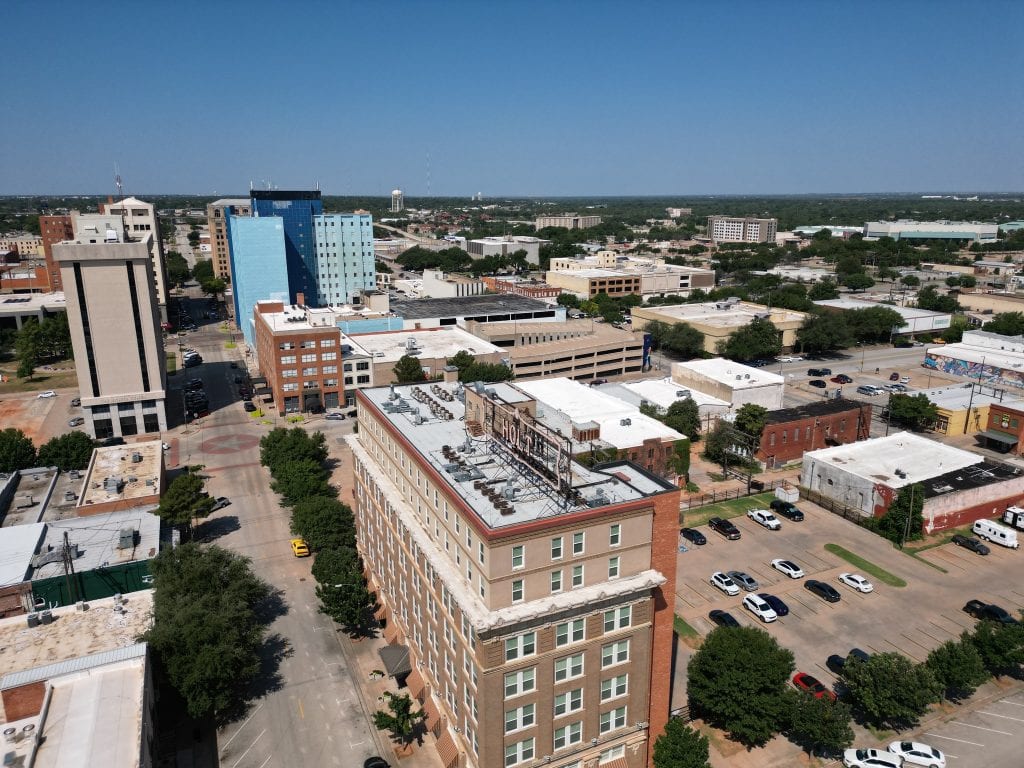
Average one-bedroom rent hovers around $800 in this North Texas city near the Oklahoma border, making Wichita Falls one of the most affordable rental markets in the state.
The economy runs on Sheppard Air Force Base, Midwestern State University, and a solid healthcare sector, providing stable employment without the housing price inflation that military bases often create elsewhere.
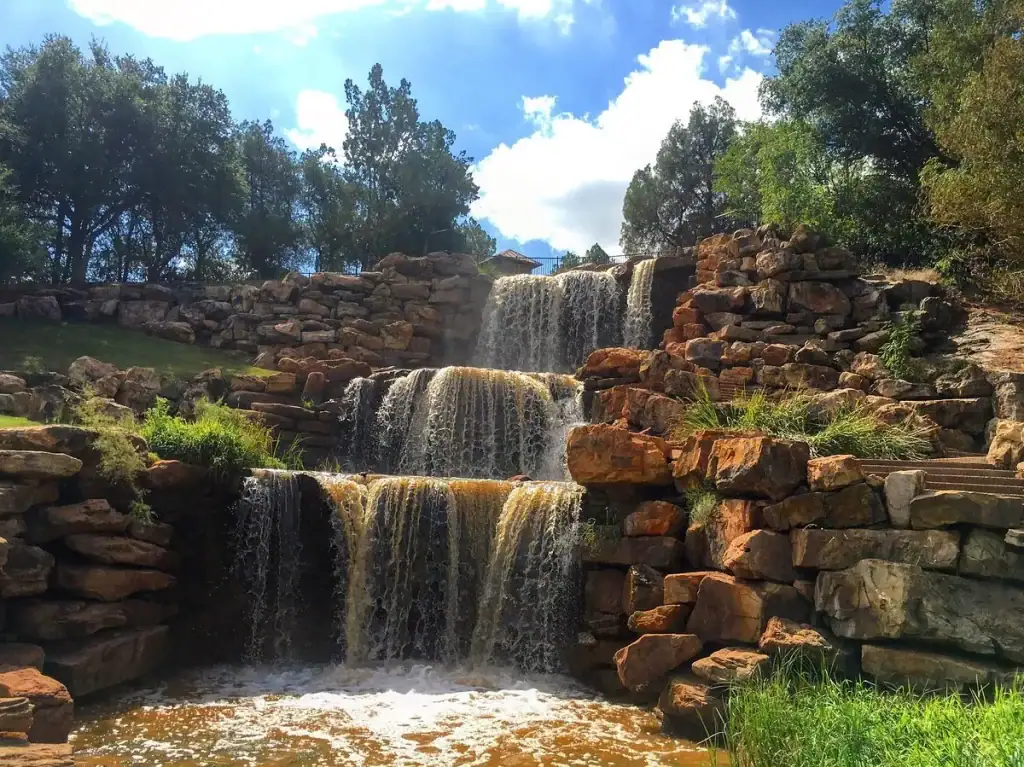
The city maintains 37 parks, hosts the famous Hotter’N Hell Hundred cycling race each August, and features a 54-foot man-made waterfall in Lucy Park that replaced the original falls destroyed by flooding in 1886.
The cost of living runs nearly 10% below the national average, with housing costs roughly 35% cheaper than the national norm.
Studios can dip as low as $650, and even two-bedroom apartments often stay under $1,000.
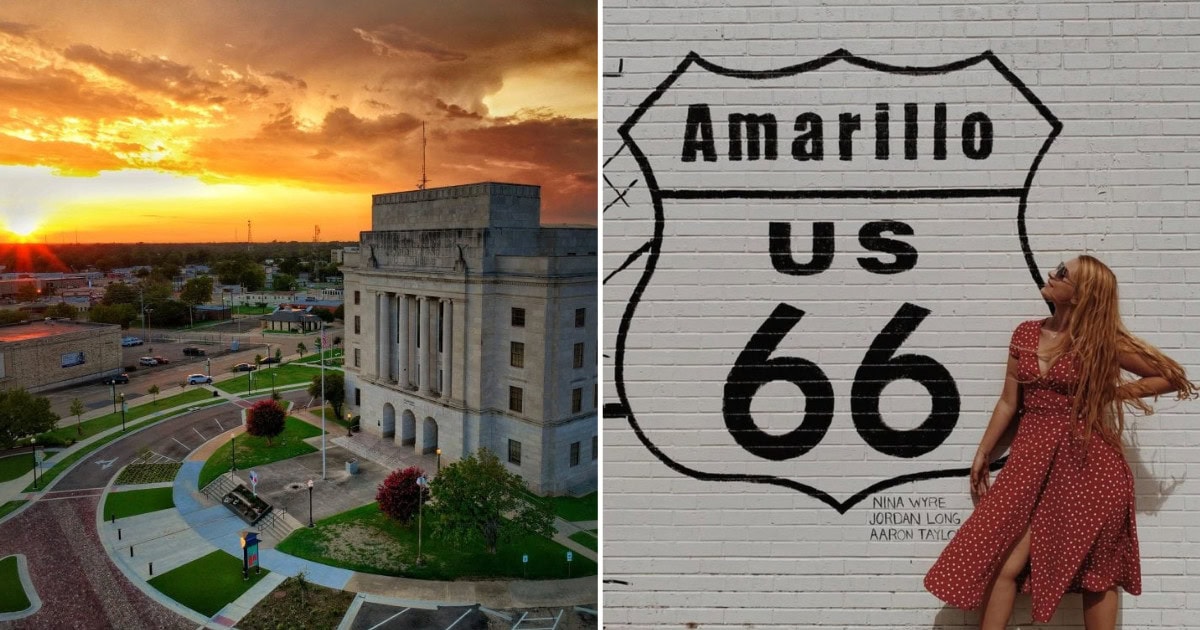
2. Amarillo
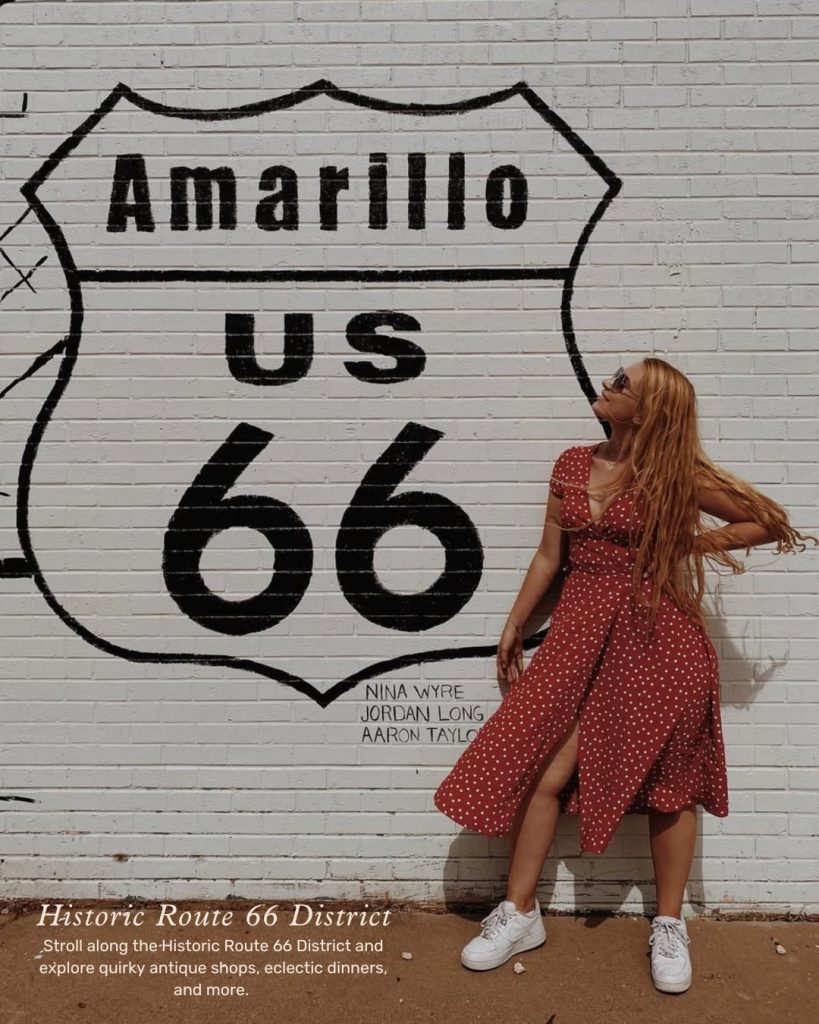
The Texas Panhandle’s largest city offers average one-bedroom rents between $830 and $875, with plenty of options below the $800 mark in neighborhoods like San Jacinto Heights, Ridgecrest, and Olsen Park.
Amarillo sits at the crossroads of Interstate 40 and Interstate 27, making it a hub for transportation and distribution jobs alongside healthcare, retail, and government positions.
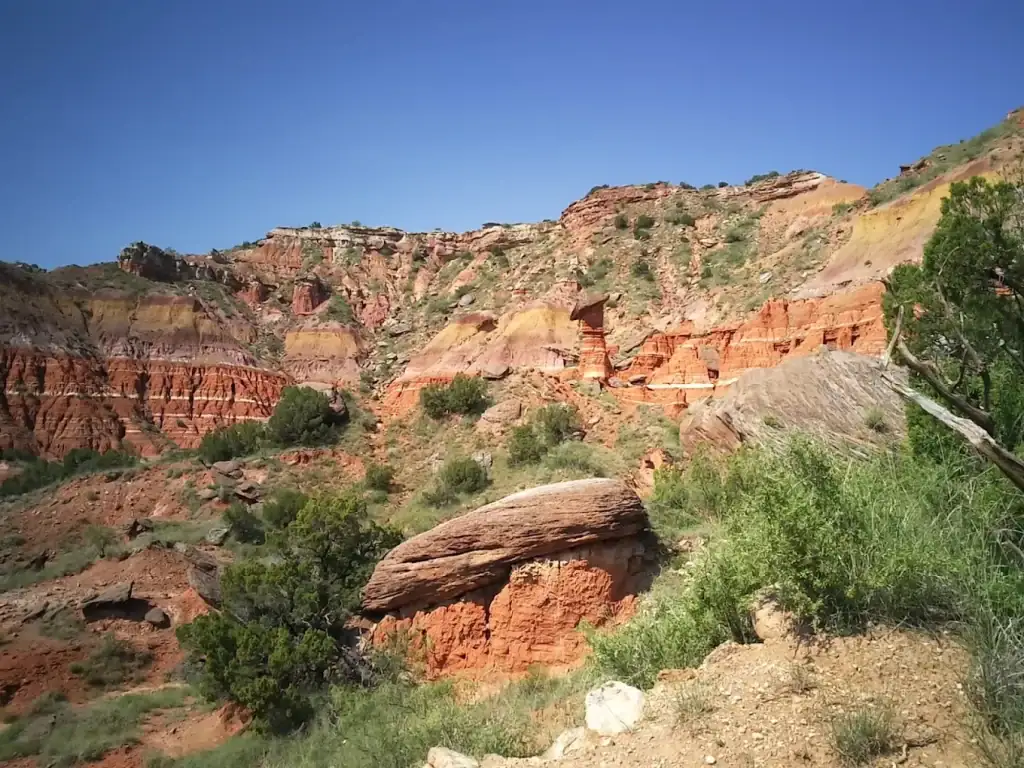
The city’s claim to fame includes Palo Duro Canyon State Park, the second-largest canyon system in the United States, just 25 miles south of downtown.
Cadillac Ranch, Route 66 nostalgia, and the annual Tri-State Fair & Rodeo add character to a city where the overall cost of living runs 17% below the national average.
West Texas weather demands air conditioning in summer, but lower utility costs help offset the electricity bills.
3. Lubbock
Home to Texas Tech University and a population approaching 270,000, Lubbock proves that college towns don’t have to be expensive.
Average one-bedroom rent runs around $850 to $885, with studios available for as little as $625 and neighborhoods near downtown offering genuine bargains.
The city’s economy benefits from education, healthcare, agriculture, and a growing tech sector that has earned it recognition as a business-friendly community.
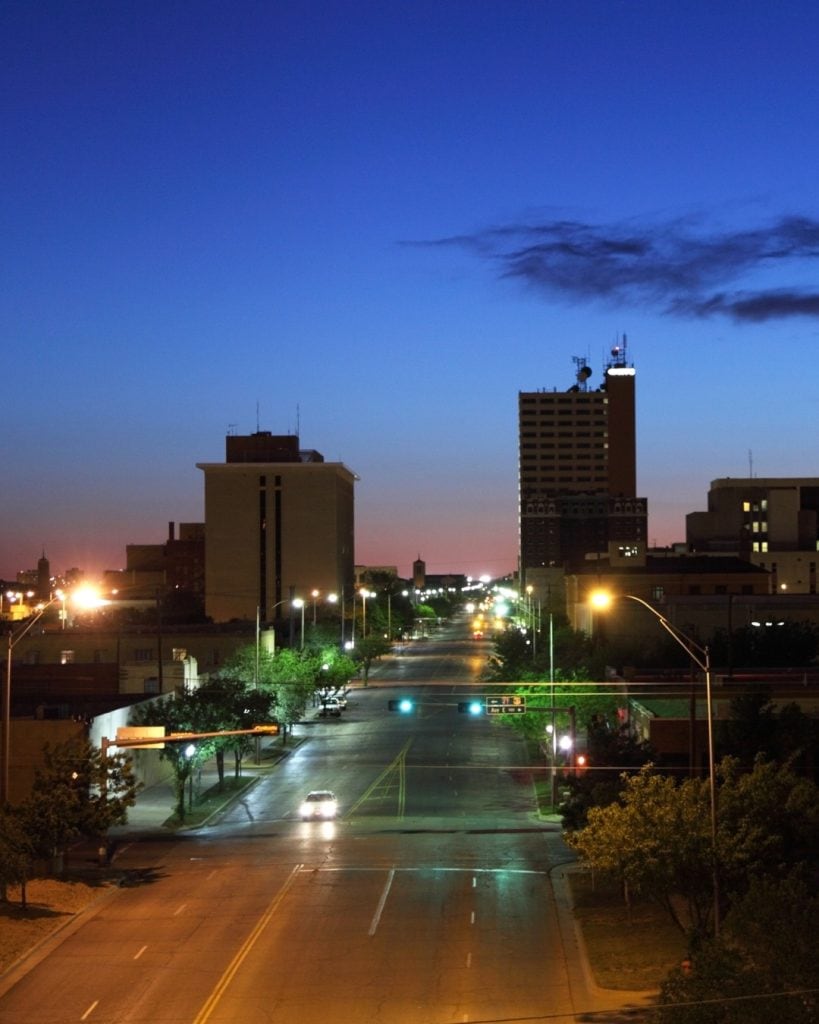
Lubbock’s music scene produced Buddy Holly, and the Buddy Holly Center celebrates that legacy alongside a broader cultural calendar.
The overall cost of living runs about 9% below the national average, with housing costs roughly 15% lower than in typical American cities. Renters benefit from Texas Tech’s influence without paying Austin prices.
4. San Angelo
Tucked into the rolling hills of West Central Texas, San Angelo delivers some of the lowest rents in the state, with average one-bedroom apartments around $700.
The Concho River runs through town, creating green spaces and recreation areas that soften the West Texas landscape.
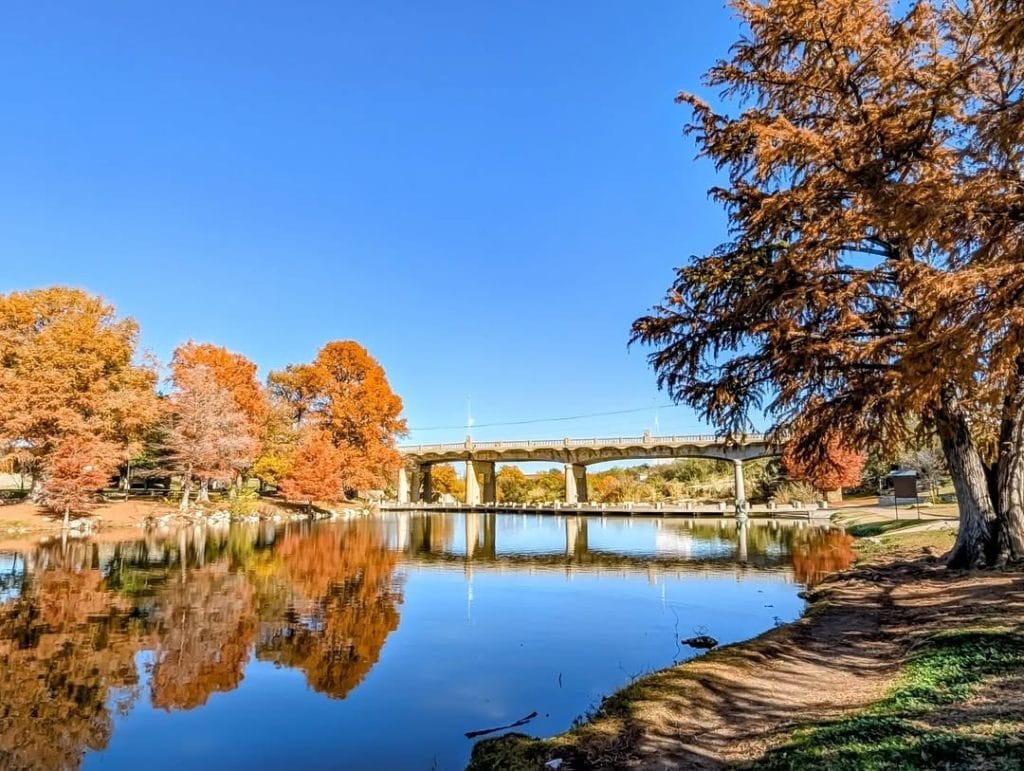
Angelo State University provides educational opportunities and cultural events, while Goodfellow Air Force Base anchors the local economy.
The city’s historic downtown features a walkable arts district, and the International Waterlily Collection at the Civic League Park has drawn visitors for decades.
San Angelo offers small-city charm with amenities that larger communities might envy, all at rental prices that seem almost impossibly low for 2025.
5. Texarkana
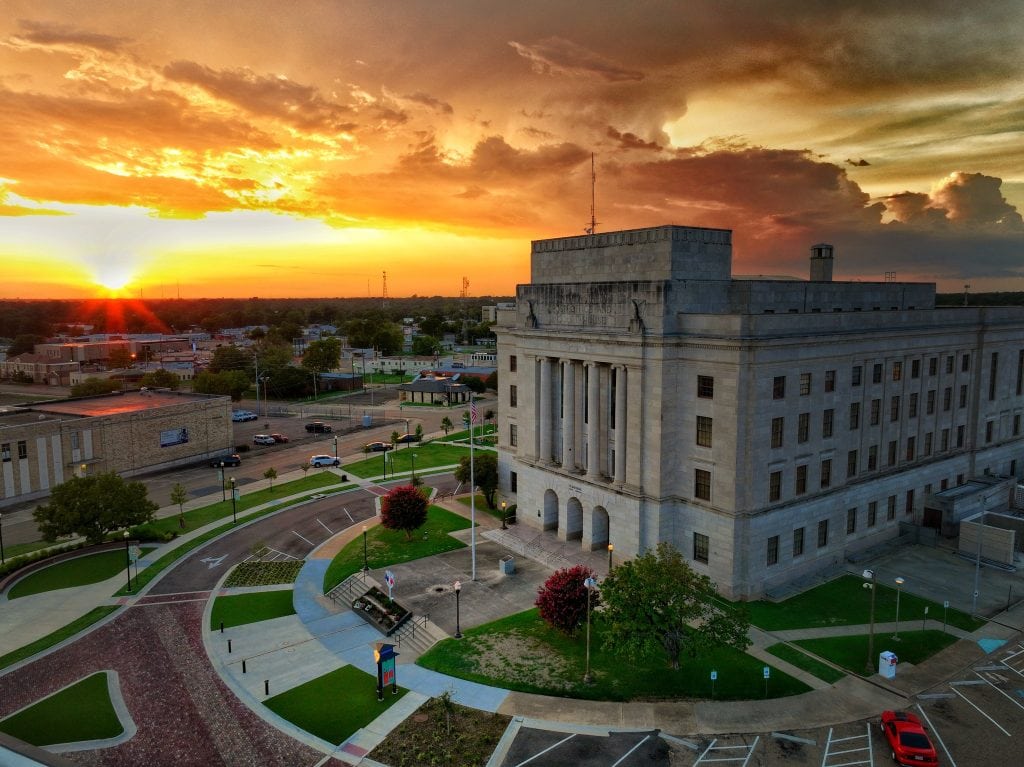
Straddling the Texas-Arkansas border, Texarkana offers one-bedroom rents averaging around $835 to $845, with studios starting even lower.
The unusual geography means residents can literally stand in two states at once, but the practical benefit is access to two state economies and two sets of amenities without big-city costs.
Manufacturing, healthcare, and education drive the local job market, with Cooper Tire and CHRISTUS St. Michael Health System among the major employers.
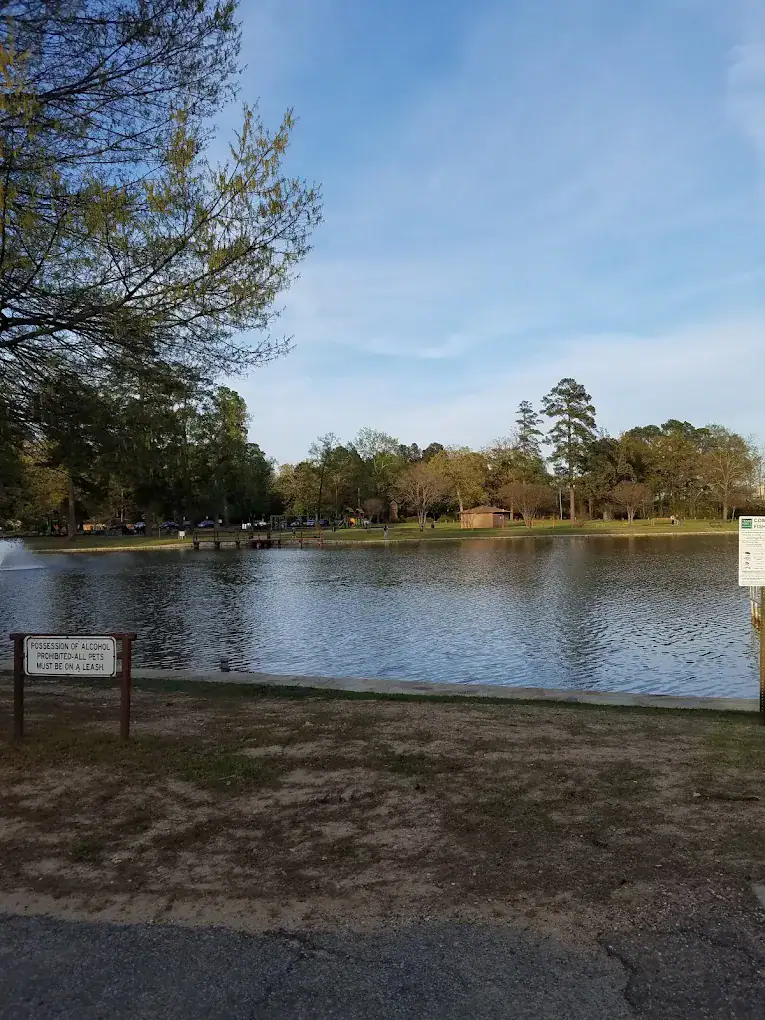
Texas A&M University-Texarkana brings academic and cultural programming, while the historic Perot Theatre hosts performances year-round.
The cost of living runs about 16% below the national average, with housing costs nearly 40% lower than in typical American markets.
Where Your Dollar Still Stretches
Texas built its reputation on wide-open spaces and independent spirit, and these cities preserve both at prices that the major metros abandoned years ago.
The trade-offs are real: smaller airports, longer drives to big-city amenities, and summers that demand respect for the heat.
But for renters tired of watching half their paycheck disappear into housing costs, these communities offer something increasingly rare in 2025: breathing room in the budget.
The $800 apartment isn’t a myth in Texas. You just have to know where to look.

Stella Raines
Editor-in-Chief
Stella brings over a decade of storytelling experience to TX Headlines. With roots in West Texas and a love for road trips, she leads the editorial team with an eye for the hidden stories that make Texas unforgettable.