14 Least Visited National Parks That Stay Blissfully Uncrowded
Here is my unpopular travel opinion: the most famous national parks are the least relaxing places in the country. Nothing kills the wonder of a canyon faster than a two-hour line of cars idling toward the rim.
The happy secret is that most of the National Park System is practically empty. Some of the wildest, strangest, most jaw-dropping parks in America see fewer people in a year than Yellowstone sees on one busy Saturday. That is glorious solitude, and it is yours for the taking.
Below are fourteen of the least visited national parks in the country, scattered from the Florida Keys to the Alaskan backcountry. A few sit an hour off a major city; some you reach only by boat, floatplane, or a long desert drive.
Every one of them earns the trip, and not a single one will make you fight for a parking spot.
1. Great Basin National Park, Nevada
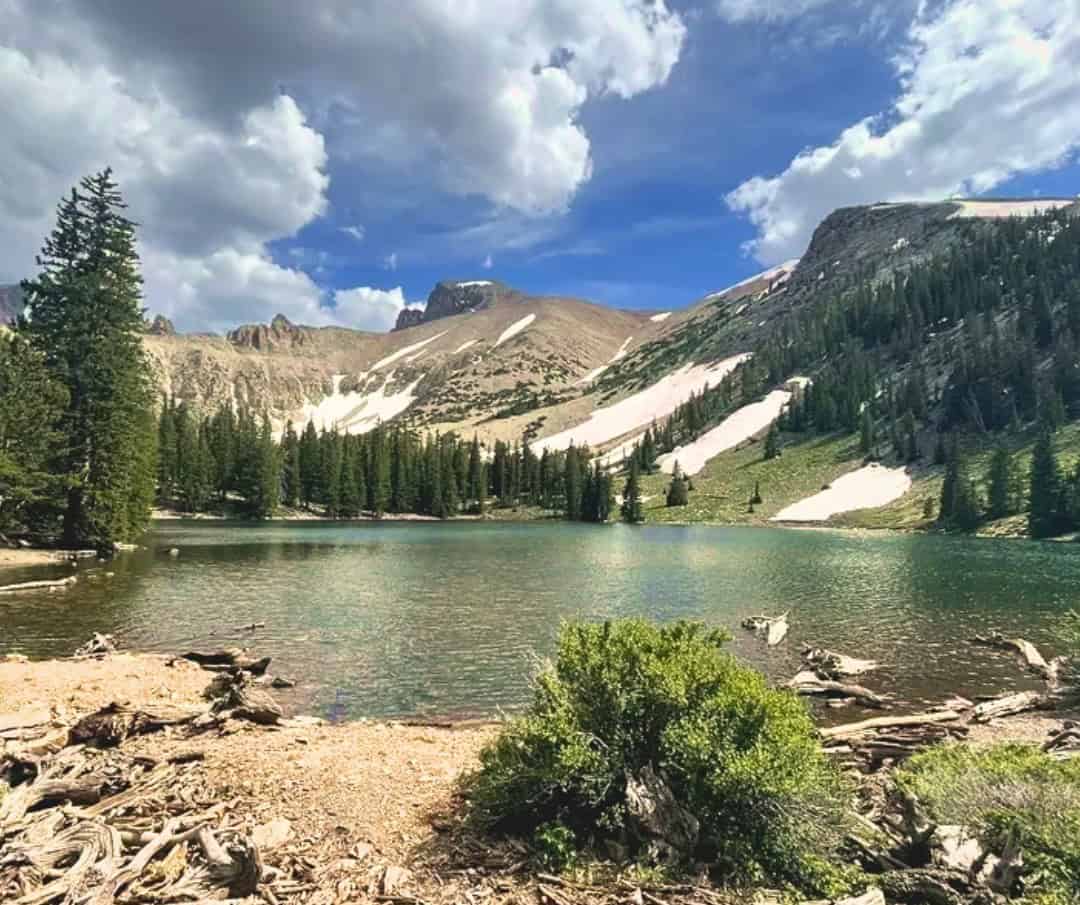
Nevada gets written off as one long stretch of desert highway, which is exactly how a park this good stays this quiet. Great Basin hides near the Utah line, and it stacks three completely different worlds on top of one another.
Underground, Lehman Caves drip with rare shield formations you rarely see elsewhere. Rancher Absalom Lehman reportedly found the passages around 1885. Above them, Wheeler Peak climbs to 13,063 feet, and clinging to its slopes are bristlecone pines nearly 5,000 years old, the oldest living things on Earth.
Then night falls and the real show starts. This is some of the darkest sky in the Lower 48, and rangers run summer astronomy programs to help you read it. Bring a warm jacket and stay up very late.
Best of all, there is no entrance fee, which feels almost quaint these days. The guided Lehman Caves tours do book up fast in summer, so reserve your spot before you commit to the long drive out.
Where: Great Basin National Park, Baker, Nevada, about five hours north of Las Vegas off Highway 50, the self-styled loneliest road in America.
2. North Cascades National Park, Washington

Three hours from Seattle sits a park that looks like the Swiss Alps and somehow draws fewer than 20,000 people a year. They call North Cascades the American Alps, and honestly the nickname undersells it.
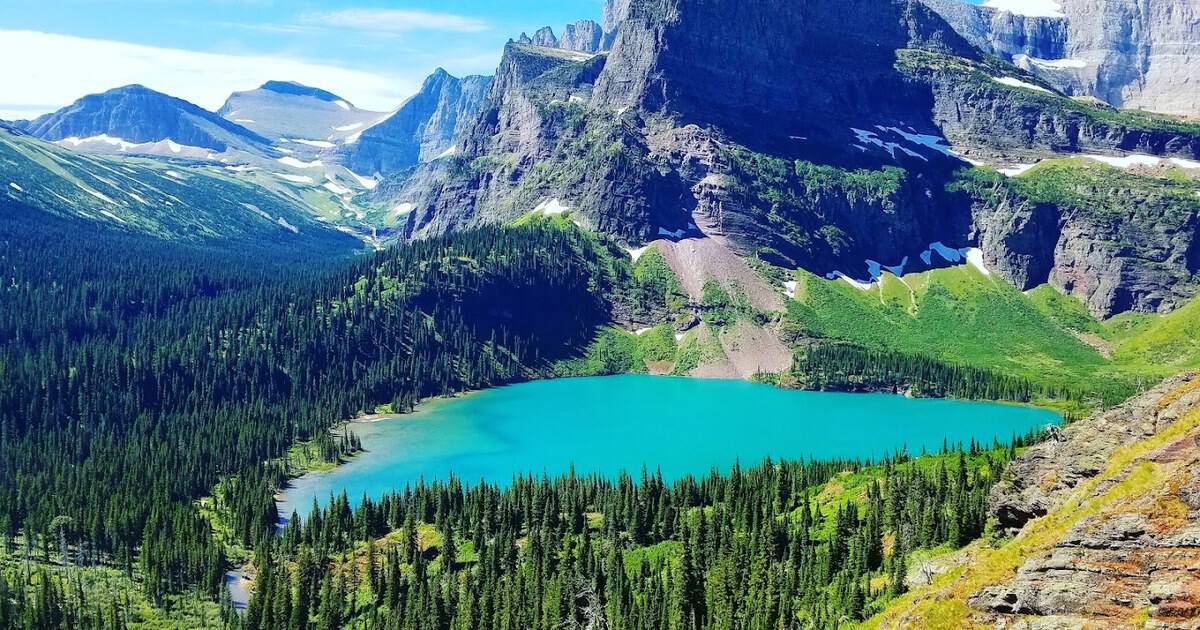
This one range holds more than 300 active glaciers, the largest glacial system in the Lower 48, more ice than Glacier and Yosemite combined. All that meltwater carries fine glacial flour, which turns Diablo Lake an almost unreal electric turquoise.
You do not even have to hike to be floored. The North Cascades Highway rolls right past the Diablo Lake overlook, with jagged, ice-draped peaks stacked in every direction. Pull over, and just stare for a while.
Where: North Cascades National Park, near Rockport, Washington. The North Cascades Highway, State Route 20, runs straight through the heart of it.
3. Isle Royale National Park, Michigan

Here is a wild stat: more people visit Yellowstone in a single day than reach Isle Royale in an entire year. This roadless island floats in Lake Superior, closer to Canada than to Michigan, and you get there only by ferry or seaplane.
The island runs 45 miles of pure wilderness, and it holds the longest-running predator-prey study on Earth. Since 1958, scientists have tracked its wolves and moose, and roughly 30 wolves still roam the interior today. The first wolves crossed an ice bridge from Canada back in 1948.
Because it takes real effort to reach, the people who make it tend to stay a while. Backpackers and paddlers get 165 miles of trails and quiet coves nearly to themselves. Ten of the island’s 25 shipwrecks rest in the cold water below, and the whole park closes for winter.
Where: Isle Royale National Park, Michigan, reached by ferry from Copper Harbor, Michigan or Grand Portage, Minnesota, or by seaplane. Open mid-April through October.
4. Congaree National Park, South Carolina
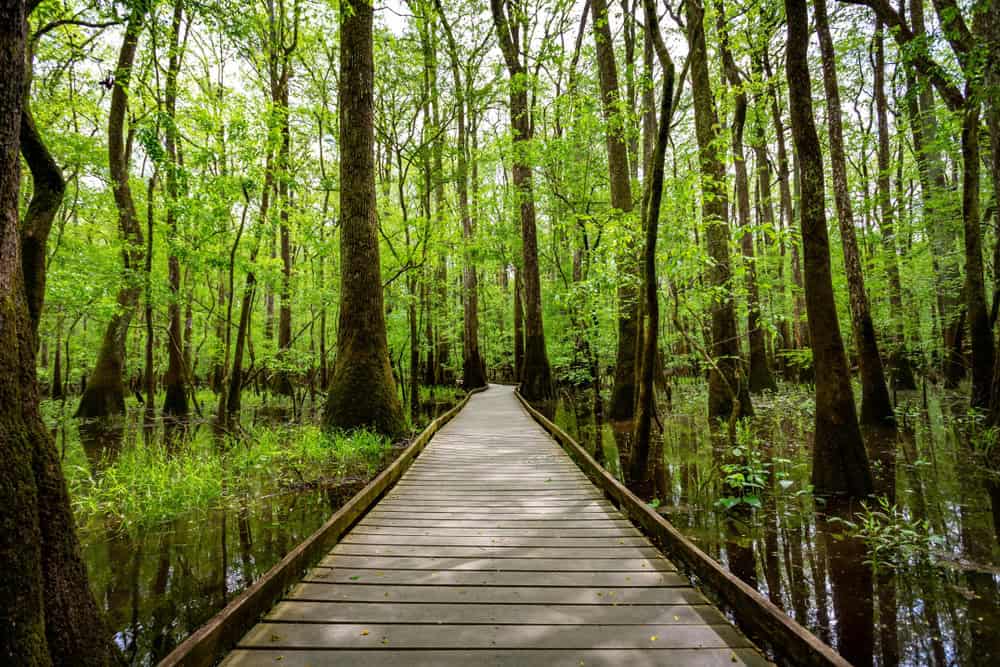
Most people picture South Carolina as beaches and golf, so they drive right past the tallest forest in the eastern United States. Congaree protects the largest stretch of old-growth bottomland hardwood left in the country, and the trees here are genuinely enormous.
A loblolly pine tops out at 169 feet. Bald cypress trees push past 500 years old, their knees poking up through the floodwater like something out of another era. The easy 2.4-mile Boardwalk Loop carries you right through the middle of it, no mud required.
For two weeks each spring, the forest does something almost nowhere else can match. Thousands of synchronous fireflies blink in perfect unison, and it is so popular the park runs a lottery for viewing spots. Congaree only joined the national park roster in 2003.
Pack bug spray from spring through fall, because the mosquitoes here are legendary enough to earn their own ranger-made warning meter at the visitor center. Entry is free, and the whole boardwalk loop is wheelchair accessible.
Where: Congaree National Park, 100 National Park Road, Hopkins, South Carolina, about 30 minutes southeast of Columbia.
5. Pinnacles National Park, California

California has some of the most crowded parks in America, and then it has Pinnacles, which only earned national park status in 2013. Just a couple of hours from the Bay Area, it feels like a secret the whole state forgot to mention.
The landscape is bizarre in the best way. Those towering rock spires are the shattered remains of an ancient volcano, hauled 195 miles north by the San Andreas Fault. Fallen boulders have wedged into the canyons to form dim talus caves you can scramble through by flashlight.
Look up and you might catch a California condor riding the thermals. With wingspans near 9.5 feet, they are among the rarest birds in North America, and Pinnacles is one of the best places on Earth to see them soaring wild.
Summer bakes these trails, so spring is the sweet spot, when wildflowers color the slopes and the creeks still run. Bring a headlamp for the talus caves, and check first, since they sometimes close to protect roosting bats.
Where: Pinnacles National Park, 5000 Highway 146, Paicines, California. The east and west entrances do not connect inside the park, so choose your side first.
6. Black Canyon of the Gunnison National Park, Colorado

Colorado is stacked with famous parks, which is exactly why hardly anyone talks about its most dramatic one. Black Canyon of the Gunnison is a slot so deep and so narrow that sunlight reaches the bottom for only a few minutes a day.
That gloom is how it earned its name. In places the walls plunge over 2,700 feet to the river while the gorge squeezes to about 40 feet wide at the water. The Gunnison drops an average of 95 feet per mile, one of the steepest river gradients in North America.
The showstopper is the Painted Wall, streaked with pink pegmatite and rising 2,250 feet from river to rim. It is the tallest cliff in Colorado, and the rim-drive overlooks set you right on the lip of it. The gorge earned national park status only in 1999.
Where: Black Canyon of the Gunnison National Park, South Rim Road, Montrose, Colorado, about 15 minutes from the town of Montrose.
7. Lassen Volcanic National Park, California
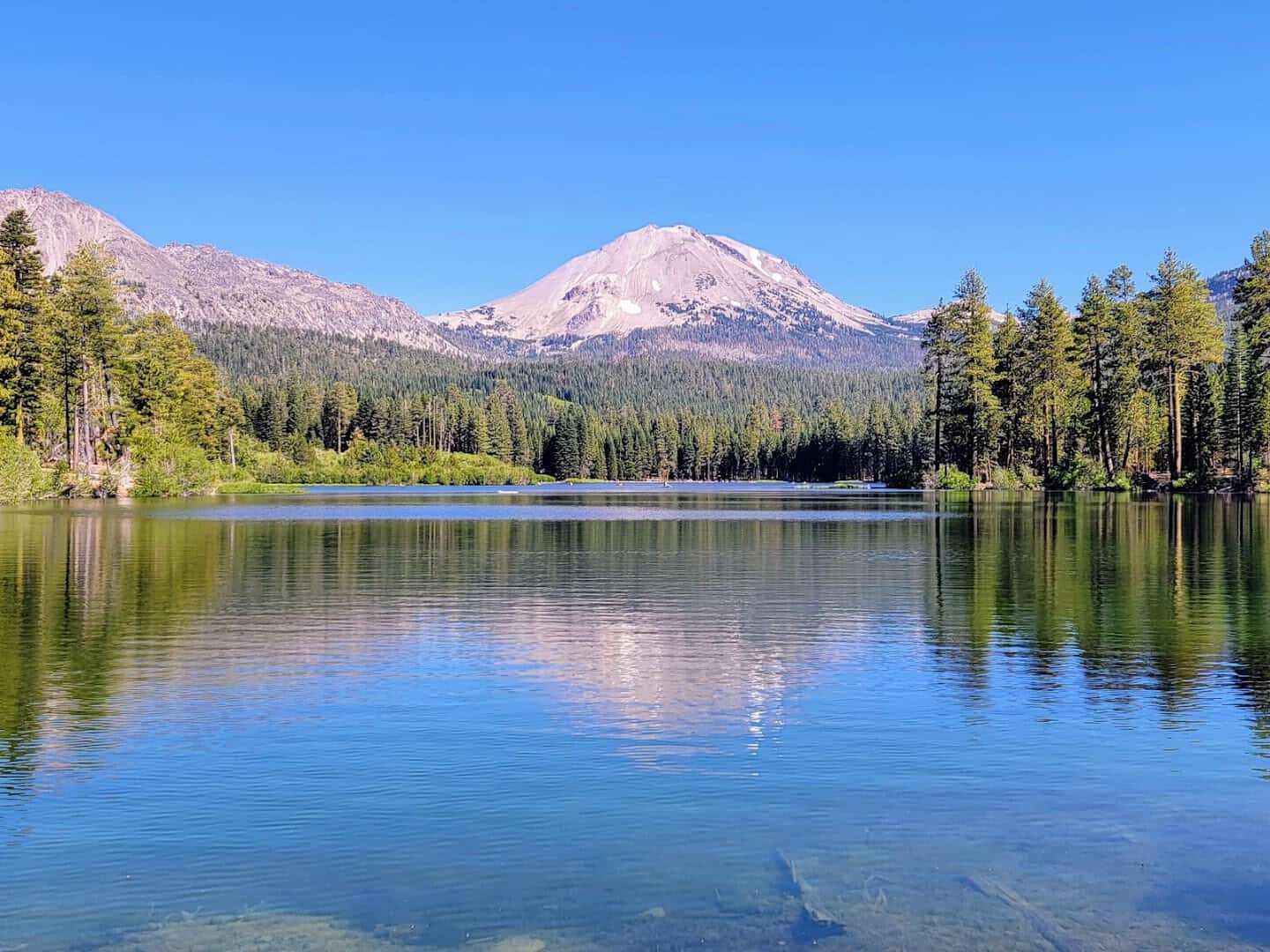
Everyone in California races toward Yosemite, which is precisely why the volcano park up north stays so quiet. Lassen erupted for real between 1914 and 1917, and one blast rained ash on towns 200 miles away.
It is one of the only places on Earth with all four kinds of volcano in a single park: shield, composite, cinder cone, and plug dome. Lassen Peak itself is a plug dome, and one of the largest of its kind anywhere.
Then there is Bumpass Hell, a valley of boiling mud pots and hissing steam vents that smells of sulfur and feels like another planet entirely. A safe boardwalk carries you right above the churning, superheated ground.
Where: Lassen Volcanic National Park, near Mineral, California, about an hour east of Redding. The park highway, State Route 89, climbs straight through the middle.
8. Guadalupe Mountains National Park, Texas
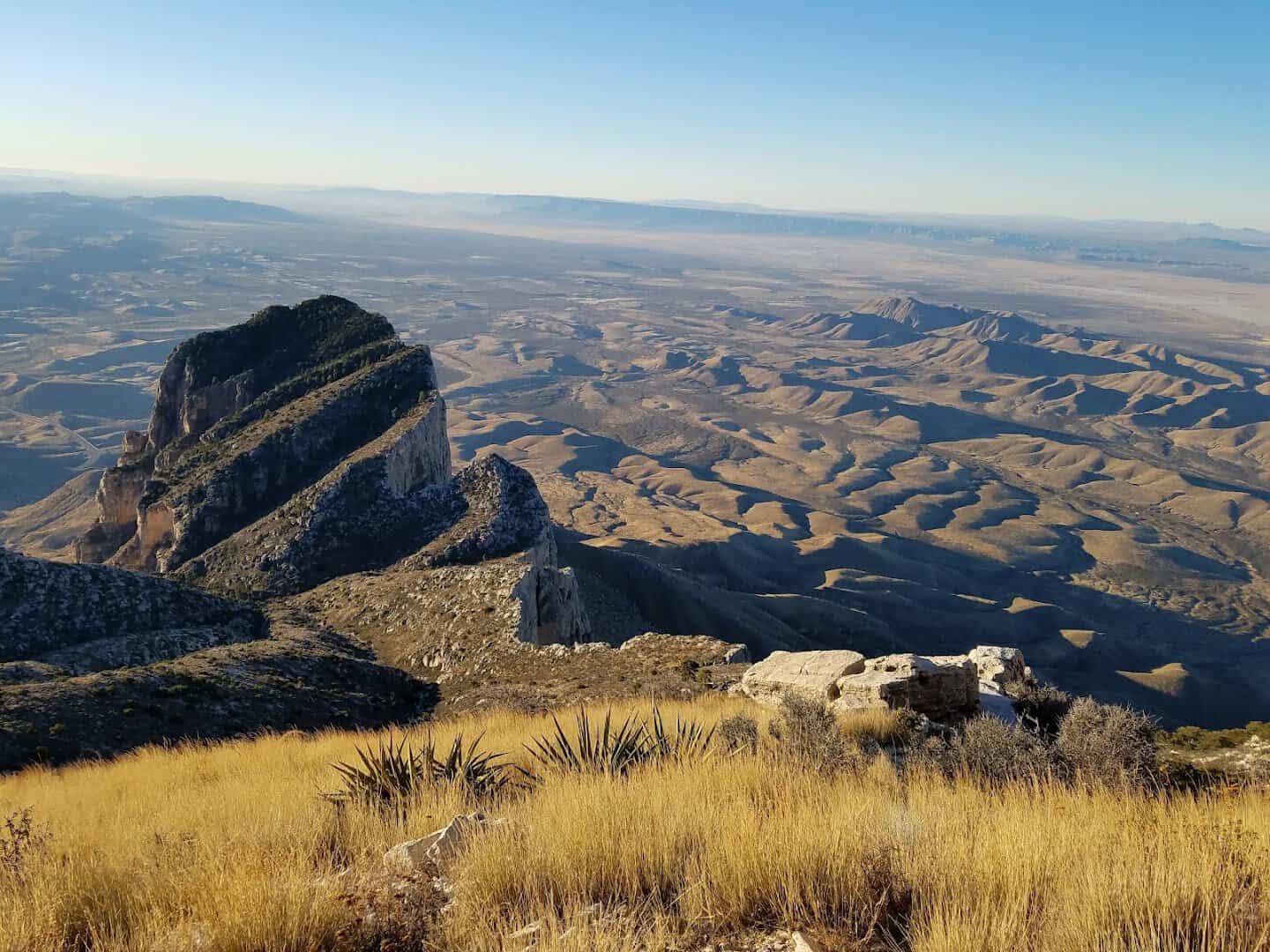
I will happily argue with anyone who says Texas has no mountains. Guadalupe Mountains hides the four highest peaks in the state, and Guadalupe Peak itself tops out at 8,751 feet, the literal roof of Texas.
The whole range is a fossil. It was a living reef beneath a tropical sea some 265 million years ago, and today it is the best-exposed Permian reef anywhere in the world. Hike the high country and you are walking on an ancient ocean floor.
Come in late October and November for the real prize, McKittrick Canyon. A spring-fed stream keeps a ribbon of maple, walnut, and oak alive in the desert, and every fall it lights up into the most vivid color display in the state.
Where: Guadalupe Mountains National Park, 400 Pine Canyon Drive, Salt Flat, Texas, roughly two hours east of El Paso on Highway 62/180.
9. Voyageurs National Park, Minnesota
Way up on the Canadian border sits a park where your car is nearly useless. At Voyageurs the water is the road, and more than a third of its 218,000 acres is lake, sprinkled with over 500 islands.
Named for the French-Canadian fur traders who once paddled these routes, the park was set aside by Congress in 1975 and built entirely around water. Rent a houseboat, drift between four big lakes, and tie up at an island campsite that no road will ever reach.
After dark, look north. Voyageurs is one of the best aurora-viewing spots in the Lower 48, thanks to little light pollution and a flat horizon. In the colder months, the northern lights dance right over the frozen lakes.
You can come year round, and winter transforms the place completely. Once the lakes freeze solid, staff plow a drivable ice road and groom trails for skiing and snowshoeing straight across the frozen surface.
Where: Voyageurs National Park, main access at the Rainy Lake Visitor Center, 1797 Town Road 342, International Falls, Minnesota.
10. Great Sand Dunes National Park, Colorado
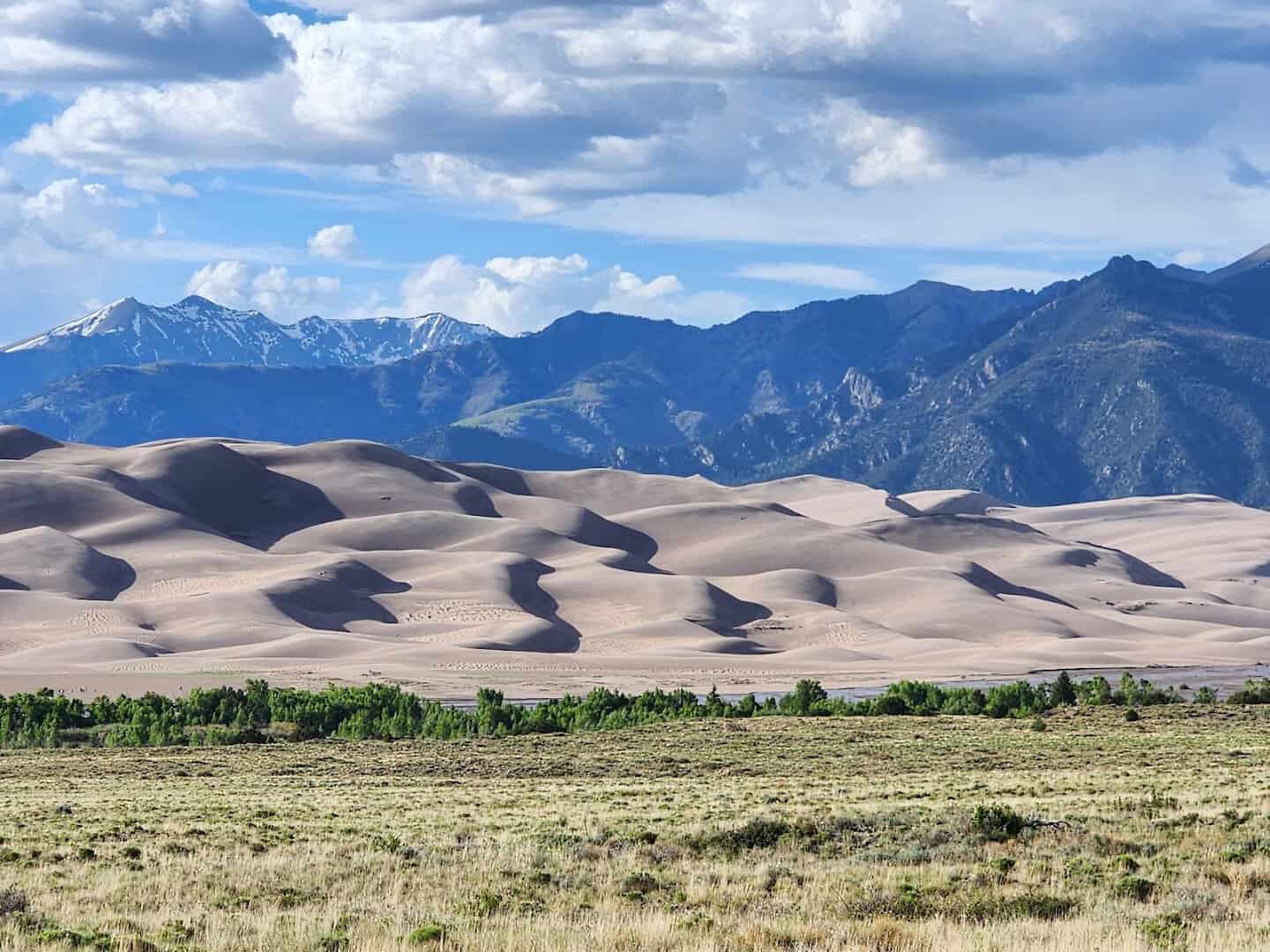
Colorado means jagged peaks to most people, so a vast sea of sand piled against those peaks catches everyone off guard. Great Sand Dunes holds the tallest dunes on the continent, and Star Dune climbs some 750 feet into the sky.
The sand gathers where valley wind funnels it against the Sangre de Cristo range, and the contrast is unreal: golden waves below, snowcapped summits above. You can rent a board and sled straight down the slopes.
Come in late spring for Medano Creek, a wide, shallow stream that pools at the base of the dunes and becomes a sandy beach in the middle of the Rockies. Kids splash while parents just stand and stare upward.
Where: Great Sand Dunes National Park, 11999 State Highway 150, Mosca, Colorado, about 35 minutes northeast of Alamosa in the San Luis Valley.
11. Dry Tortugas National Park, Florida
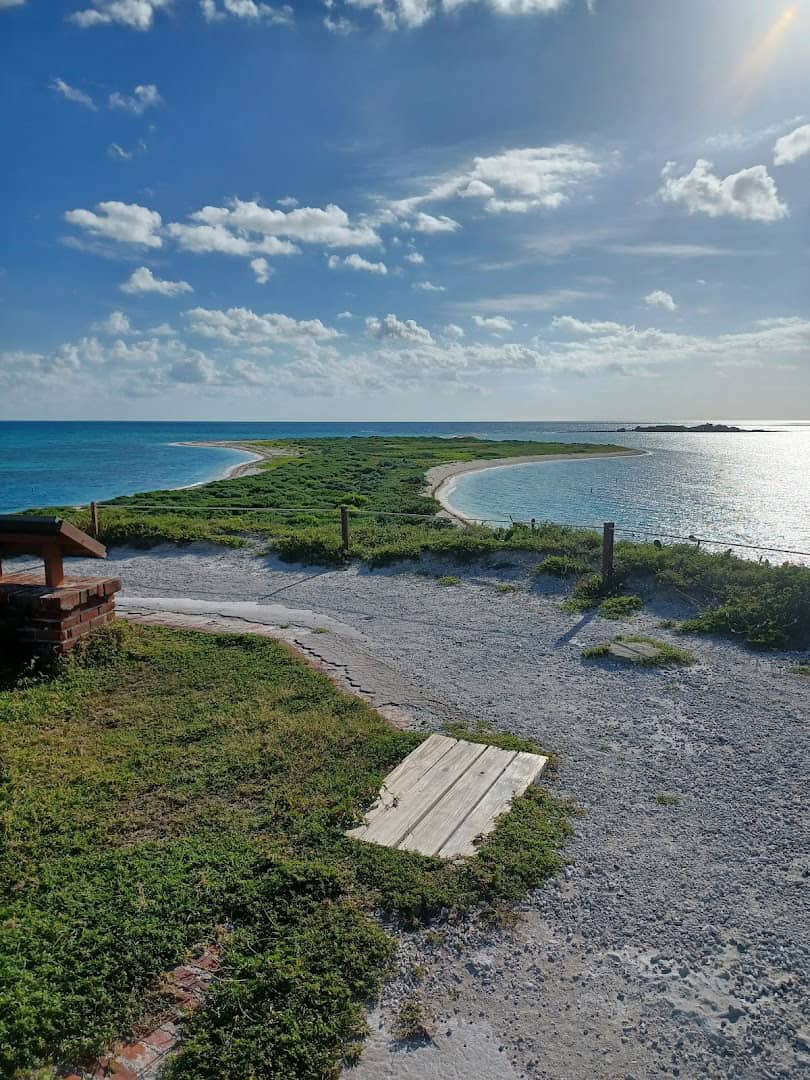
Seventy miles past the end of Key West, where the road itself runs out, sits a giant brick fort in the middle of turquoise nowhere. Dry Tortugas is 99 percent water, and getting there is half the fun.
Fort Jefferson is the largest masonry fort in the Western Hemisphere, a hexagonal giant of 16 million bricks that once housed nearly 2,000 people. You reach it by ferry or, for a real thrill, a 40-minute seaplane that skims low over shipwrecks and cruising sharks.
The snorkeling right off the fort walls is world class. These clear, shallow waters are part of the third-largest coral reef system on the planet, alive with sea turtles and tropical fish just a few feet beneath the surface.
Plan well ahead, because only a set number of visitors reach the island each day and the ferry sells out weeks in advance. Camping right beside the fort is allowed, and once the day boats leave, the stargazing is spectacular.
Where: Dry Tortugas National Park, reachable only by boat or seaplane from Key West, Florida. The Yankee Freedom ferry departs the Historic Seaport.
12. Katmai National Park, Alaska

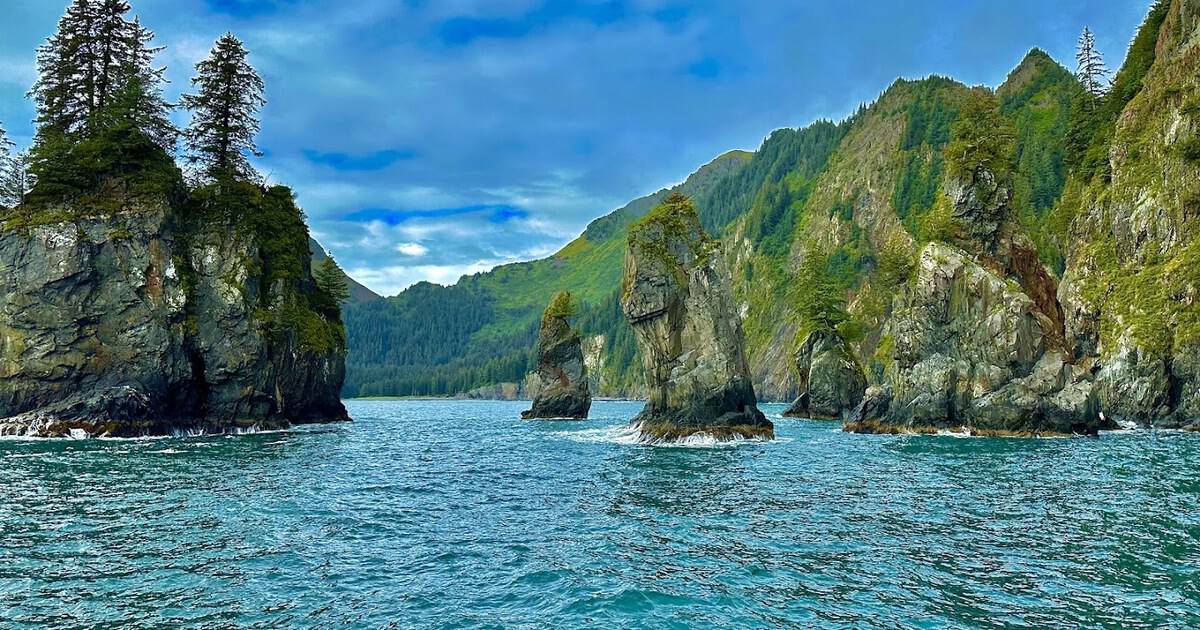
If you have ever watched the live bear cam or followed Fat Bear Week each fall, you already know Katmai, even if the name never stuck. This roadless Alaskan wild is where those giant brown bears fish for salmon.
At Brooks Falls, brown bears line up to snatch sockeye leaping upstream, sometimes a dozen bears at once. It is one of the greatest wildlife shows on the planet, and you watch it from a raised, protected viewing platform.
The park was born from fire. In 1912 nearby Novarupta blew in the largest volcanic eruption of the twentieth century, burying a valley in ash and creating the smoking Valley of Ten Thousand Smokes.
Where: Katmai National Park, Alaska, reached only by floatplane or boat, most often on a short flight from King Salmon, which connects by air to Anchorage.
13. Wind Cave National Park, South Dakota
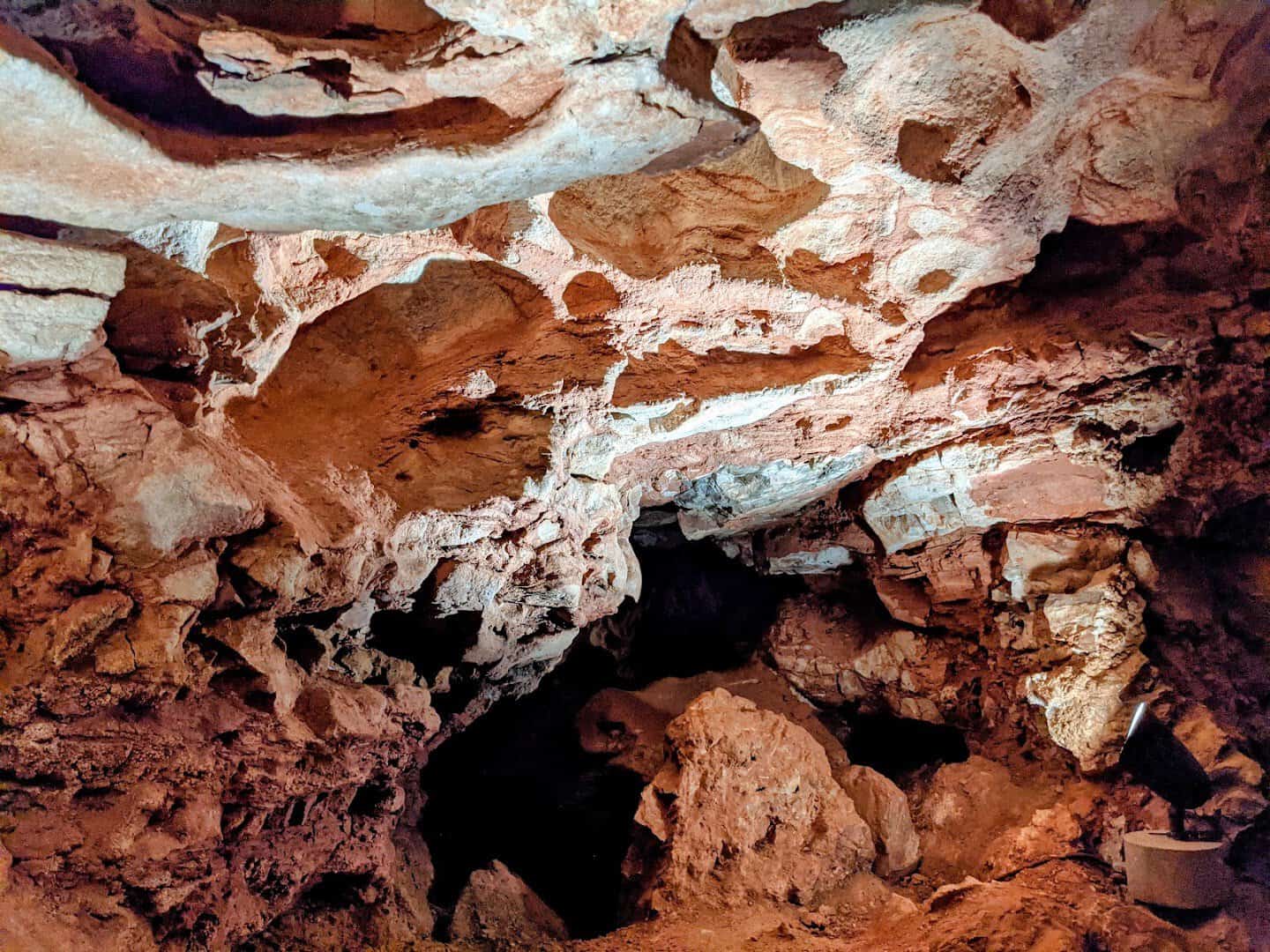
Everyone in the Black Hills points their car at Mount Rushmore, and just south sits a park that hides its finest feature entirely underground. Wind Cave is one of the longest and most tangled cave systems on Earth.
It is famous for boxwork, a delicate honeycomb of thin calcite fins hanging from the ceilings. Almost all of the world’s known boxwork is right here, and you see it up close on a ranger-led tour into the dark.
Up top, the park protects rolling mixed-grass prairie where bison graze, elk bugle, and prairie dog towns stretch across the hills. Few places let you see a rare cave and free-roaming herds in the very same day.
Where: Wind Cave National Park, 26611 US Highway 385, Hot Springs, South Dakota, about 20 minutes north of Hot Springs and an hour south of Rapid City.
14. Channel Islands National Park, California
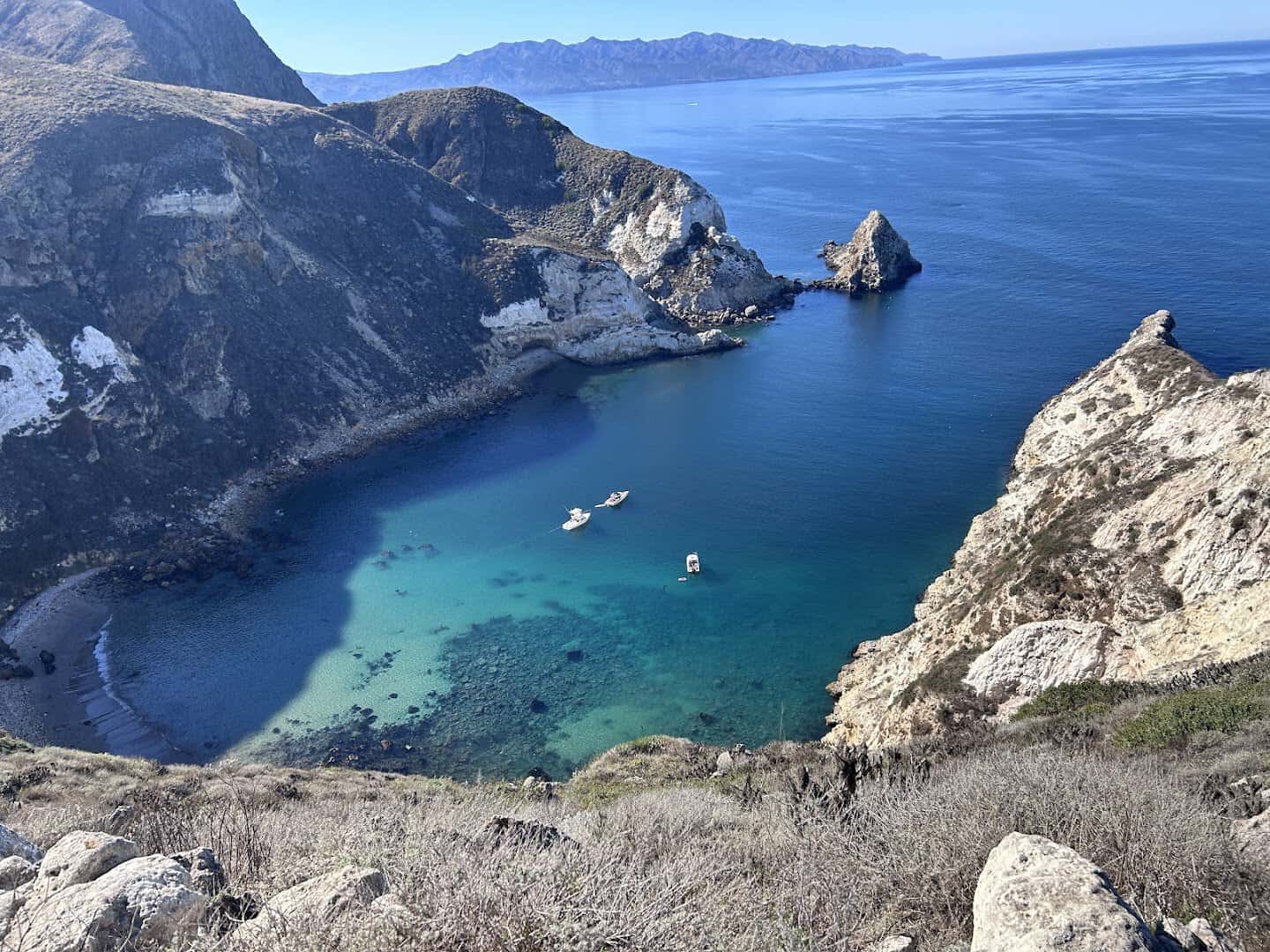
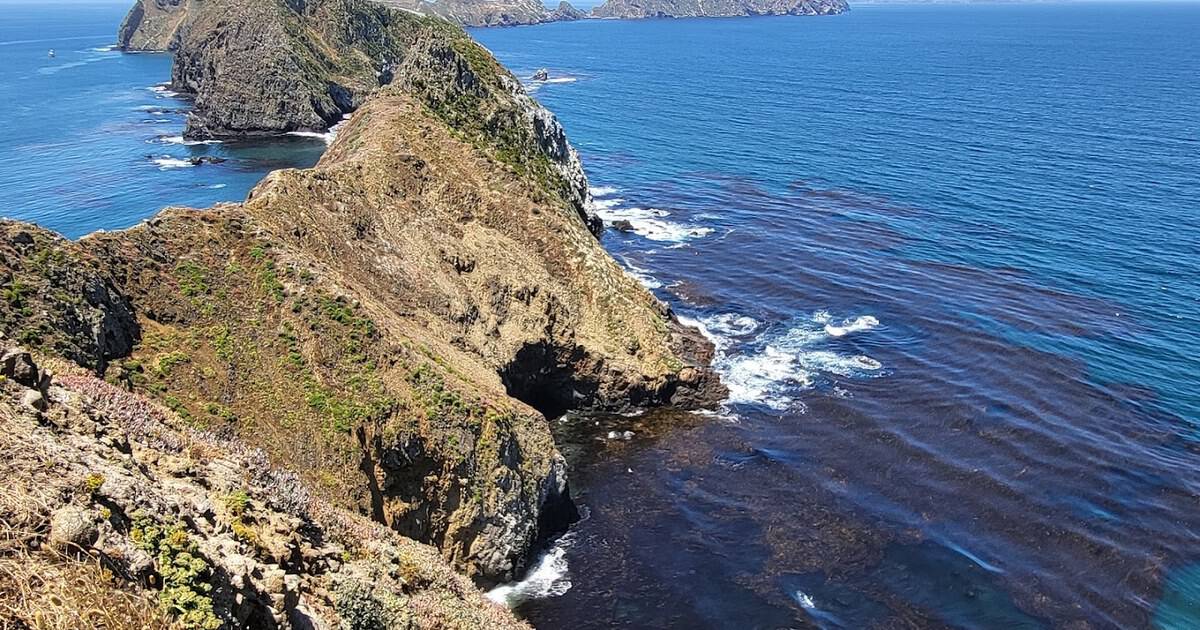
Millions of people drive the coast near Ventura every year and never notice the string of wild islands on the horizon. Channel Islands sits just offshore, yet it feels a whole world away from the mainland rush.
People call it the Galapagos of North America, and for good reason. Isolation bred creatures found nowhere else, like the housecat-sized island fox, which trots right past hikers without a care in the world.
The water is the real draw. Kayakers paddle into some of the largest sea caves on Earth along Santa Cruz Island, gliding past barking sea lions while gray whales pass offshore in migration season.
Where: Channel Islands National Park, visitor center at 1901 Spinnaker Drive, Ventura, California. Boats to the islands leave from Ventura Harbor with Island Packers.
Start Planning Your Empty-Park Road Trip
The math on national parks is simple and a little unfair. A handful get loved half to death while dozens sit nearly empty, and the empty ones are every bit as spectacular.
You just have to be willing to go a little farther, and to trade a gift-shop crowd for a bear at a waterfall or a turquoise lake with nobody else on the shore.
So leave the crowds behind this year. Pick one place off this list, point the car somewhere unexpected, and go find out for yourself what a national park feels like when it is almost entirely your own.
Featured image: Claire Marsden via Channel Islands National Park

Stella Raines
Editor-in-Chief
Stella brings over a decade of storytelling experience to TX Headlines. With roots in West Texas and a love for road trips, she leads the editorial team with an eye for the hidden stories that make Texas unforgettable.