12 National Parks That Are Free to Enter
There is a particular wince I make at a national park entrance booth, card in hand, watching the total climb toward forty dollars before I have seen a single tree. I pay it happily. The wonder on the other side is always worth it.
Still, that little toll booth plants a stubborn idea, that natural beauty in America always comes with a price tag. It does not. Some of the country’s most stunning parks ask you for nothing at the gate, just wide open wonder and a full tank of gas.
Below, twelve national parks you can drive right into for free, spread from a misty Southern mountain range to a California coastline to a cave beneath the South Dakota grass. Pack a cooler and point the car wherever the map pulls you.
1. Great Smoky Mountains National Park, Tennessee and North Carolina
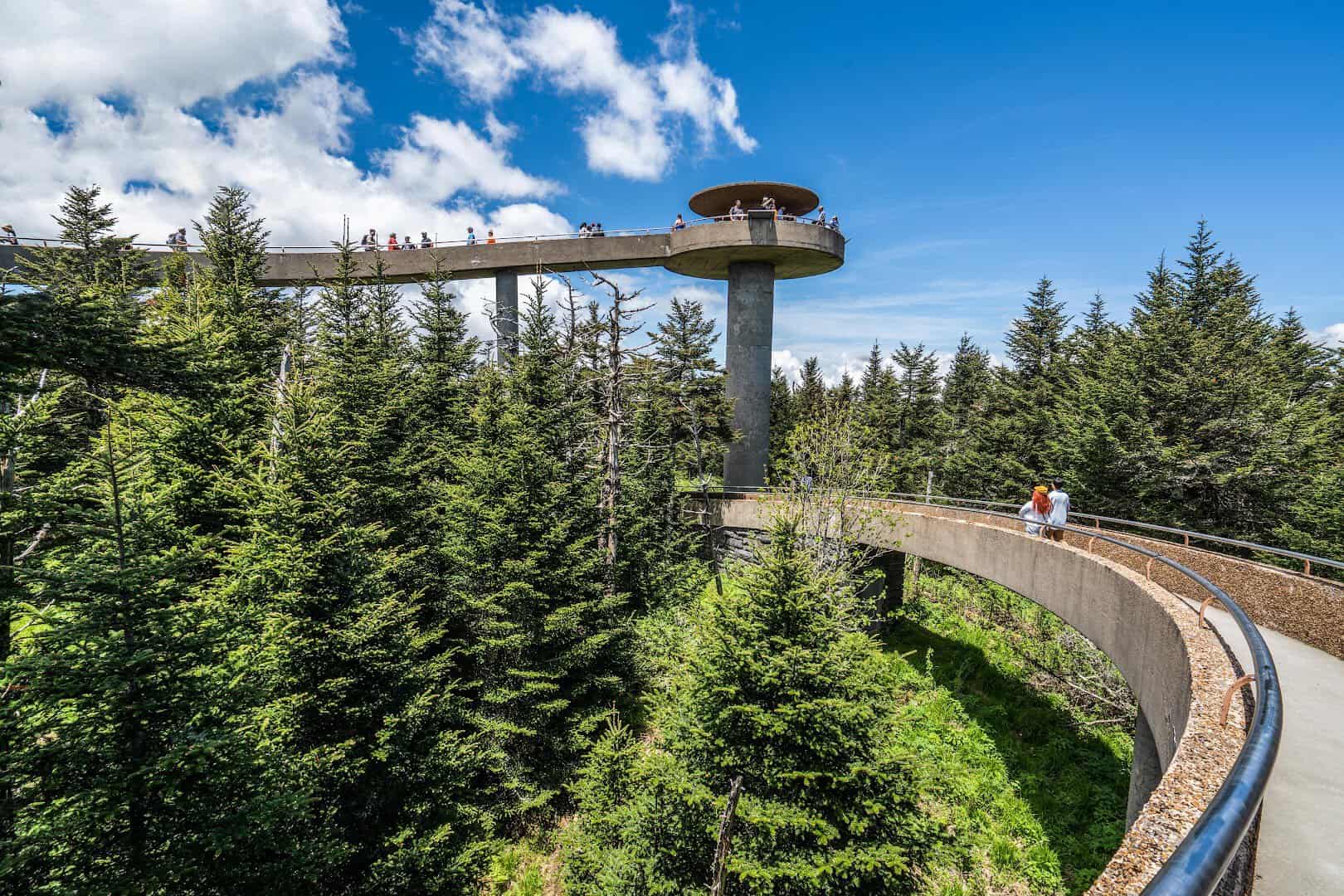
The most visited national park in the entire country cannot charge you a dime to enter, and that is not an accident. When Tennessee and North Carolina handed over the land in the 1930s, the agreement for the main road across the crest barred a toll forever.
So the blue, layered ridges, the spring wildflowers, the roaming black bears, and the more than 800 miles of trail are all yours for nothing. Roll the windows down through Cades Cove at dawn and watch the fog peel off the valley floor.
Pro tip: come on a weekday morning in October, when the ridgelines blaze orange and gold and the summer crowds have thinned out. That is the park at its most beautiful, and it still costs nothing to see.
Where: Gatlinburg, Tennessee is the northern gateway. From there, Newfound Gap Road (US-441) climbs over the mountain crest and drops into Cherokee, North Carolina on the far side.
2. Channel Islands National Park, California
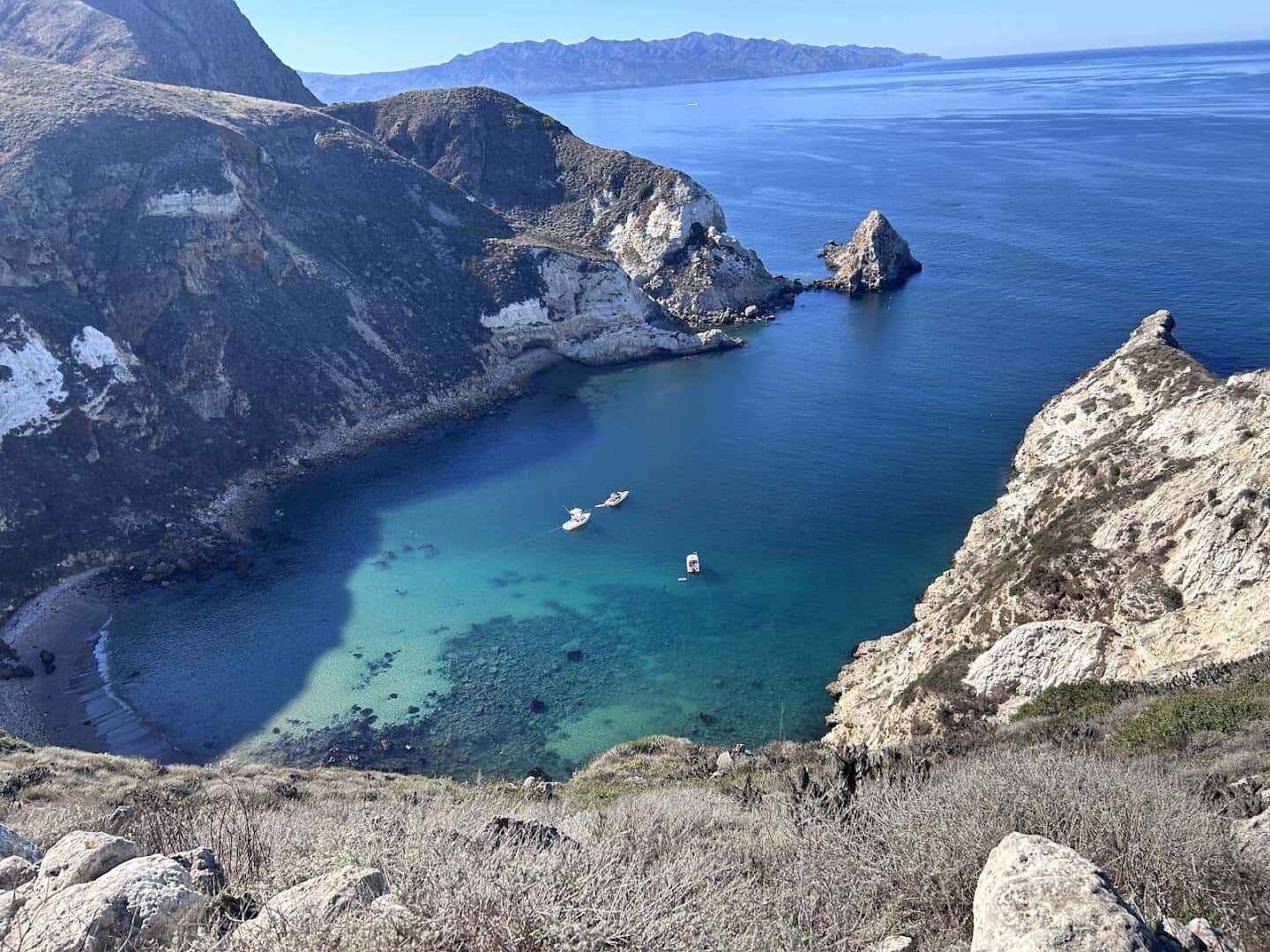
Some of the wildest scenery in California hides an hour off its own coast. Five rugged islands sit out in the Pacific, largely untouched, and the park that protects them never charges a cent for admission.
You will pay a boat captain to ferry you across, but everything once you land is free: the echoing sea caves, the wind-carved Arch Rock on Anacapa, the swaying kelp forests, and the tiny island foxes that live nowhere else on Earth.
Did you know these are sometimes called the Galapagos of North America, for the species that evolved out here alone? It is a fair comparison.
Where: Ventura, California. Catch an Island Packers boat from Ventura Harbor; the crossing runs about an hour to the nearest island.
3. Cuyahoga Valley National Park, Ohio
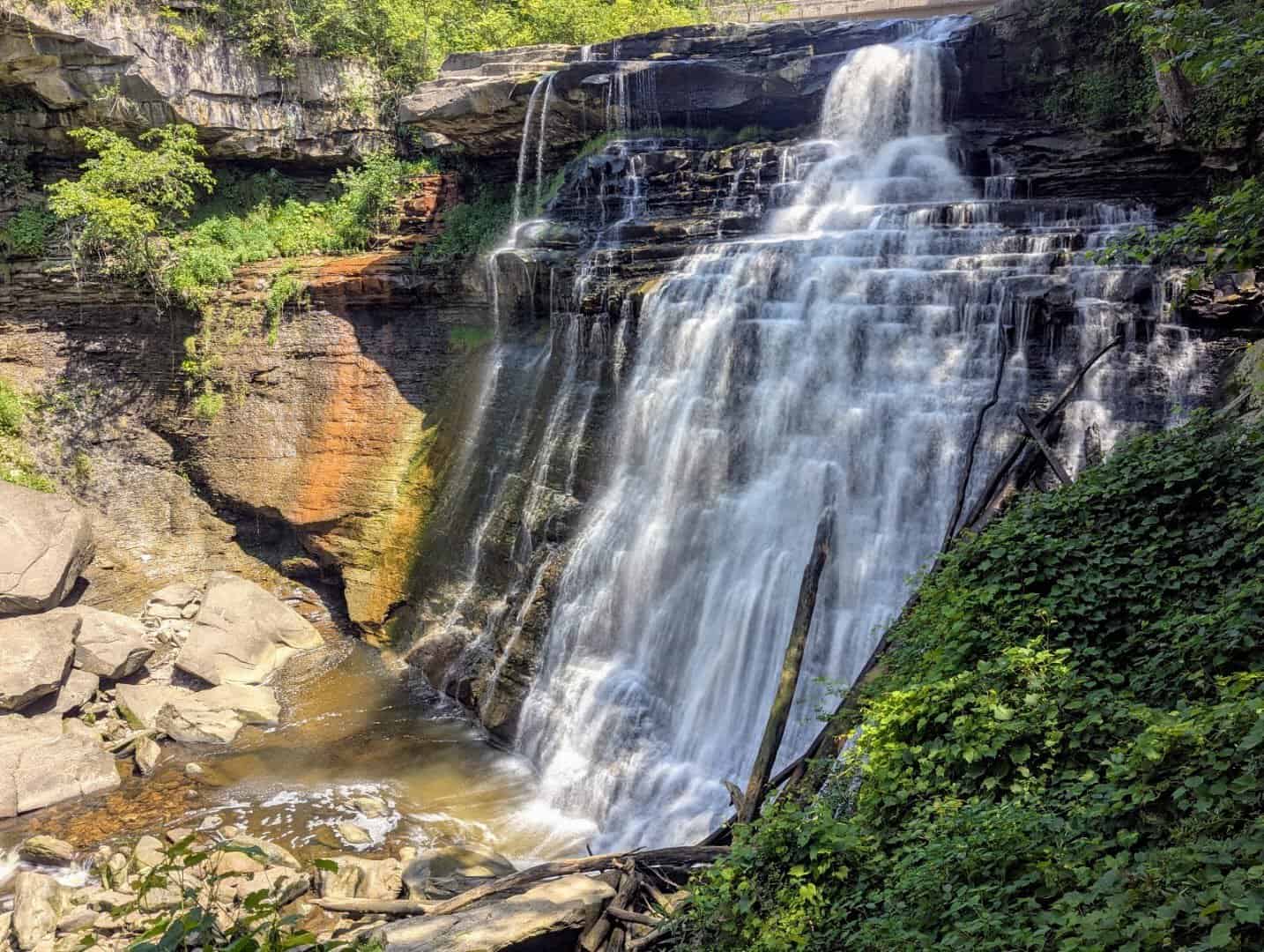
I love a park you can reach on a whim, and this one sits right between Cleveland and Akron. No booth, no fee, just a green river valley threaded with waterfalls and old canal history.
Brandywine Falls tumbles some 60 feet through a wooded gorge, blue herons wade the winding Cuyahoga River, and a vintage scenic railroad still rolls through the park if you would rather ride than hike.
Pack a bike if you can. The flat, crushed-limestone Ohio and Erie Canal Towpath Trail runs for miles along the old canal, and it makes for one of the easiest and prettiest rides anywhere in the Midwest.
Where: Peninsula, Ohio sits at the heart of the park, roughly 30 minutes south of Cleveland off Interstate 271 and State Route 8.
4. Congaree National Park, South Carolina
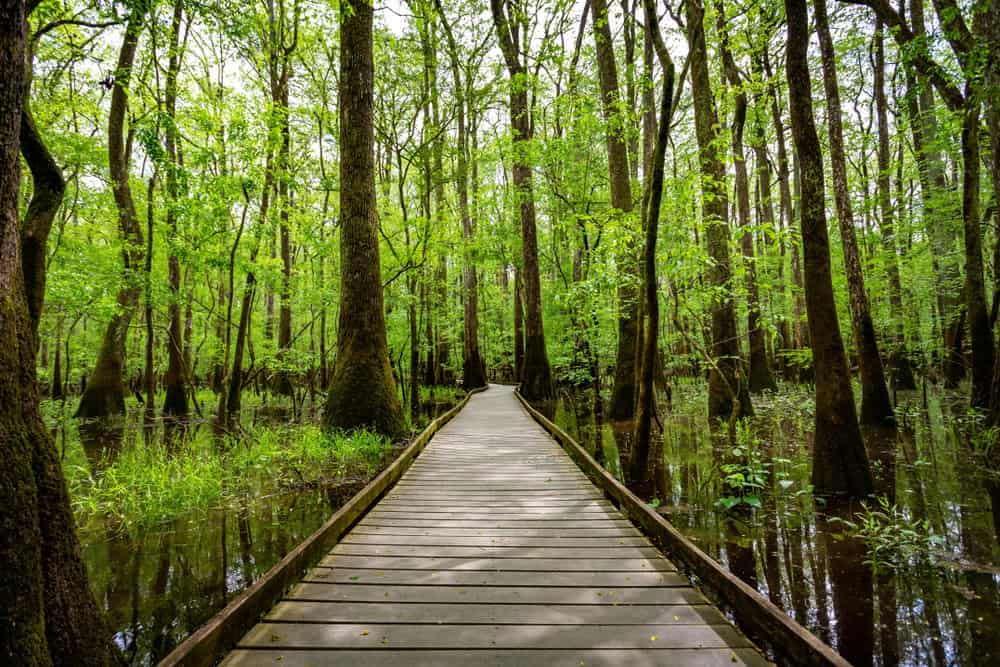
This is the largest stretch of old-growth bottomland hardwood forest left standing in the country, and walking into it feels like stepping back a few thousand years.
Some of the tallest trees in the eastern United States rise straight out of the floodplain here, a green cathedral of loblolly pine and bald cypress. Late each spring, for a week or two, synchronized fireflies blink in perfect unison across the dark, one of nature’s strangest free light shows.
Bring bug spray and a sense of wonder. Much of the walking here happens on a raised boardwalk that keeps your feet dry above the slow, tea-colored floodwater the whole forest depends on.
Where: Hopkins, South Carolina, about 20 minutes southeast of Columbia. The elevated Boardwalk Loop starts right behind the visitor center.
5. North Cascades National Park, Washington
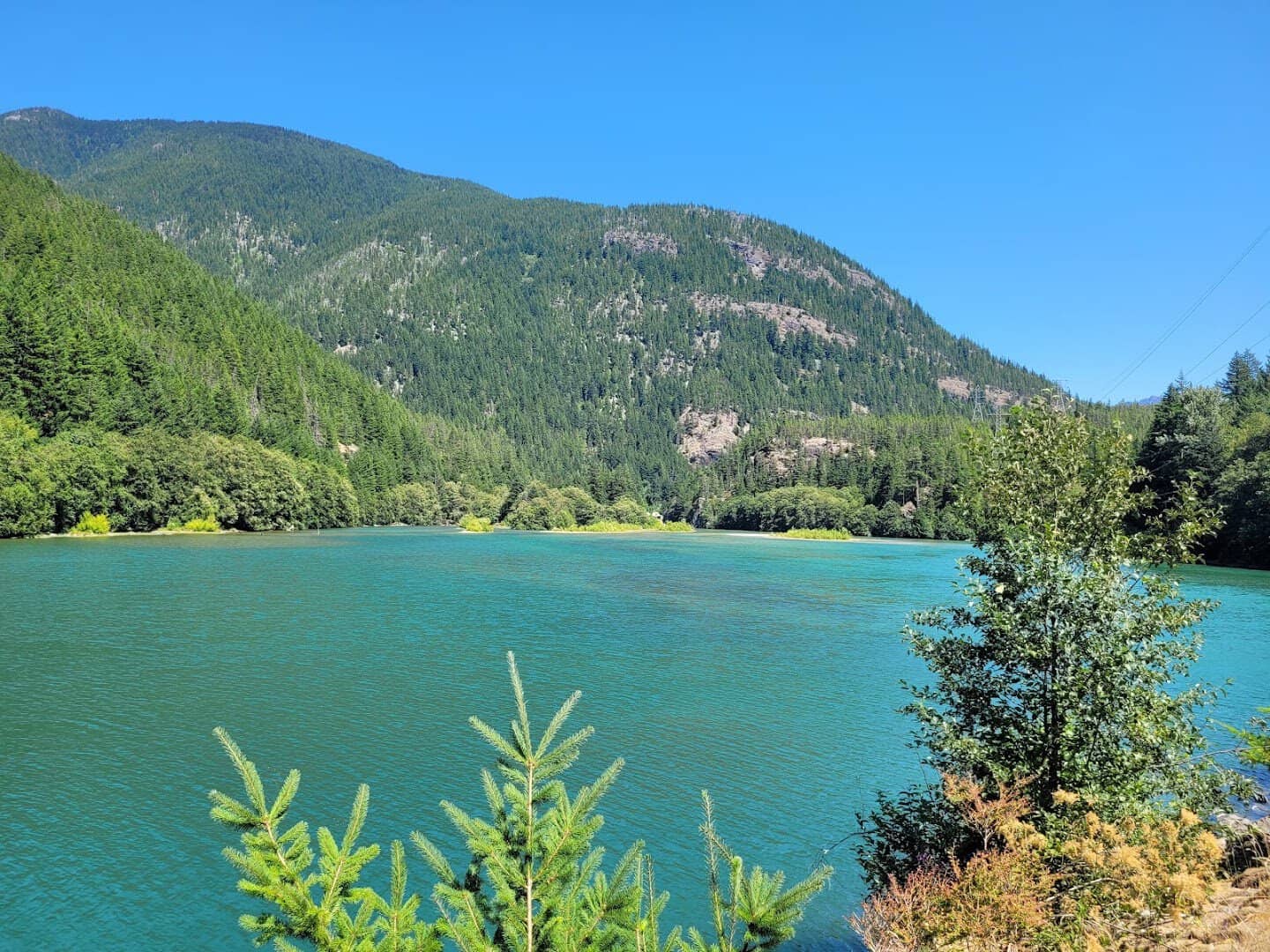
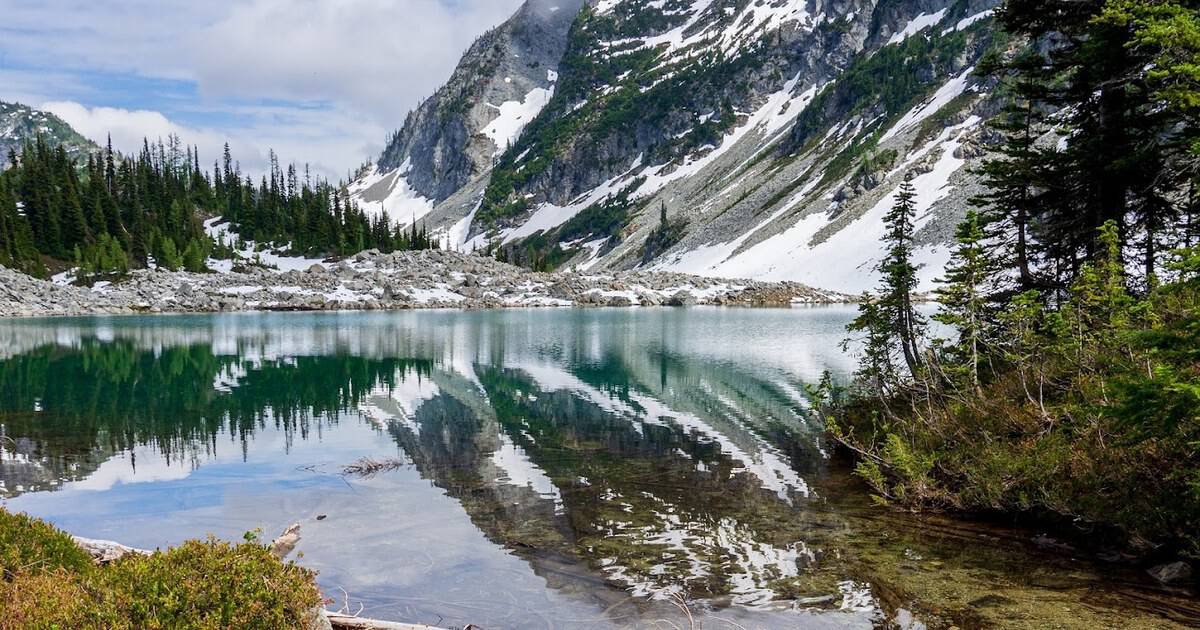
People fly across the world for mountains that look like this, and here they sit a couple hours from Seattle with no entrance fee at all. Locals sometimes call this the American Alps, and the nickname fits.
Jagged, glacier-carved peaks crowd the horizon in every direction. The water in Diablo Lake glows an unreal electric turquoise, the color of fine glacial silt catching the light, and no photograph quite does it justice.
The Diablo Lake Overlook, right off the highway, is the classic stop. You can pull over, gasp at the view, snap a few photos, and be back on the road in ten minutes if that is all the time you have.
Where: Marblemount, Washington. The North Cascades Highway (State Route 20) runs straight through the park, roughly two hours northeast of Seattle.
6. Hot Springs National Park, Arkansas
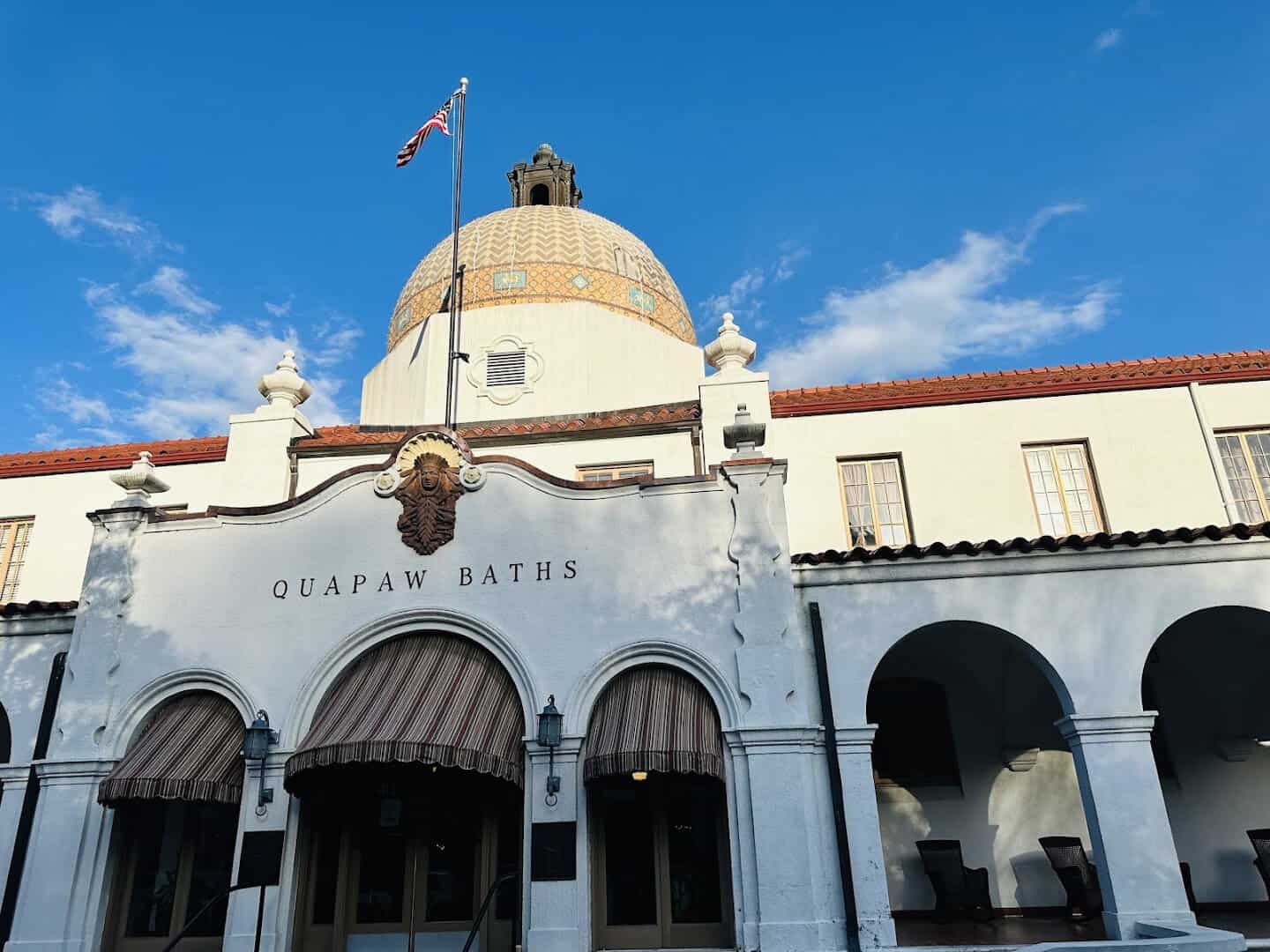
Here is a national park you can walk into straight from a city sidewalk. The park and the town of Hot Springs share the same downtown, and stepping in costs nothing.
Grand old bathhouses line the street known as Bathhouse Row, fed by 47 thermal springs that have drawn travelers to this valley for well over a century. Stroll the brick Grand Promenade behind them and you can feel the warm water steaming up through the ground.
Did you know you can fill a bottle straight from the public thermal fountains around town? It is the same mineral water people have prized here for generations, and it comes out of the tap hot.
Where: Hot Springs, Arkansas, about an hour southwest of Little Rock. Bathhouse Row runs along Central Avenue right in the middle of downtown.
7. Voyageurs National Park, Minnesota
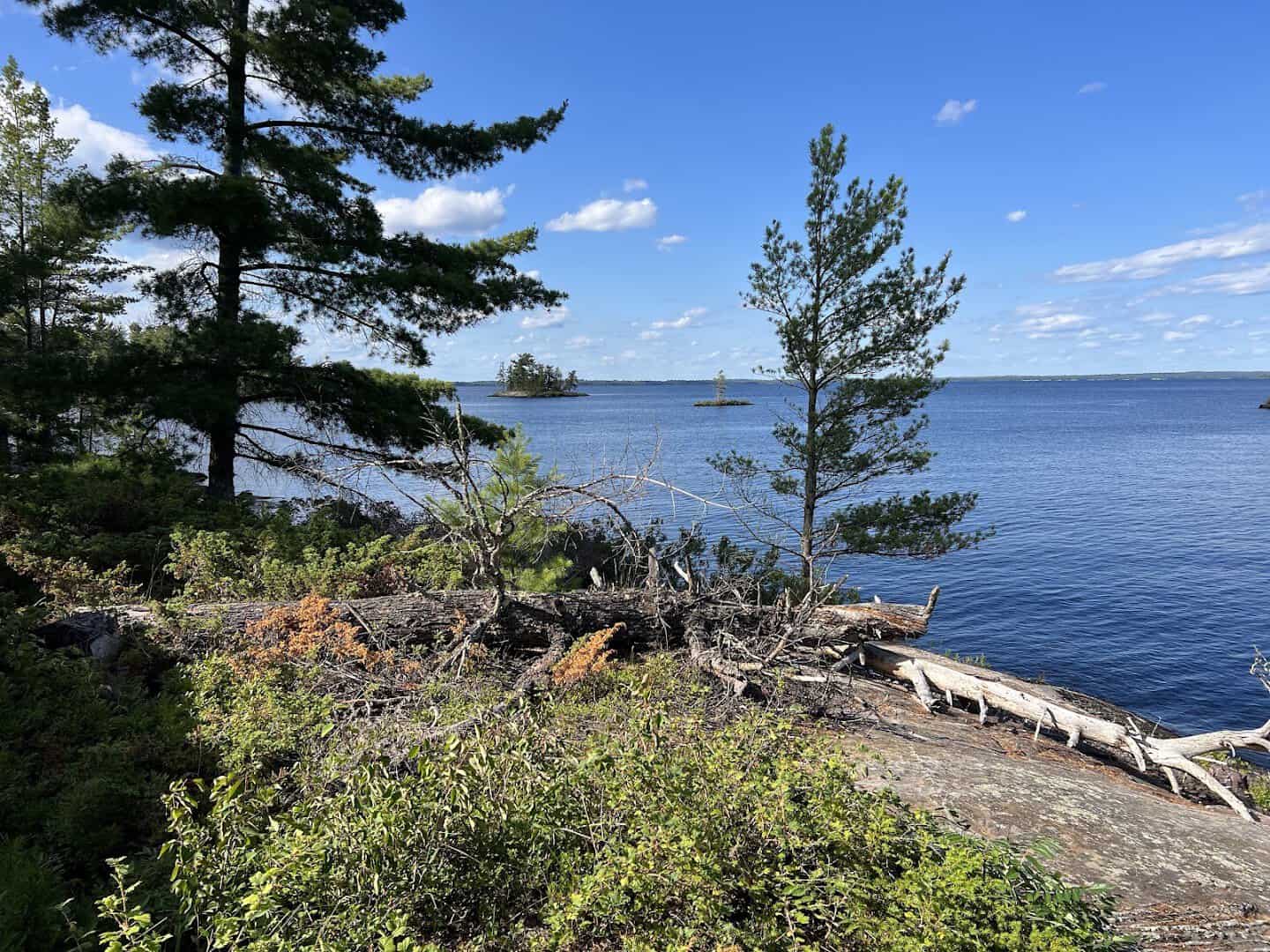
Up on the Canadian border, Minnesota keeps a park that is mostly water, and you explore it the way the old French-Canadian fur traders once did, by boat.
Four big interconnected lakes stitch together a maze of forested islands and quiet coves. Walleye tug at fishing lines, loons call across the still evenings, and on a clear cold night the northern lights ripple green and pink overhead.
You can rent a boat or even a houseboat locally, or join a ranger-guided cruise if you would rather leave the navigating to someone else. Either way, getting out on the water is the whole point.
Where: International Falls, Minnesota. The Rainy Lake Visitor Center, just east of town, is the main launch point out onto the water.
8. Redwood National Park, California
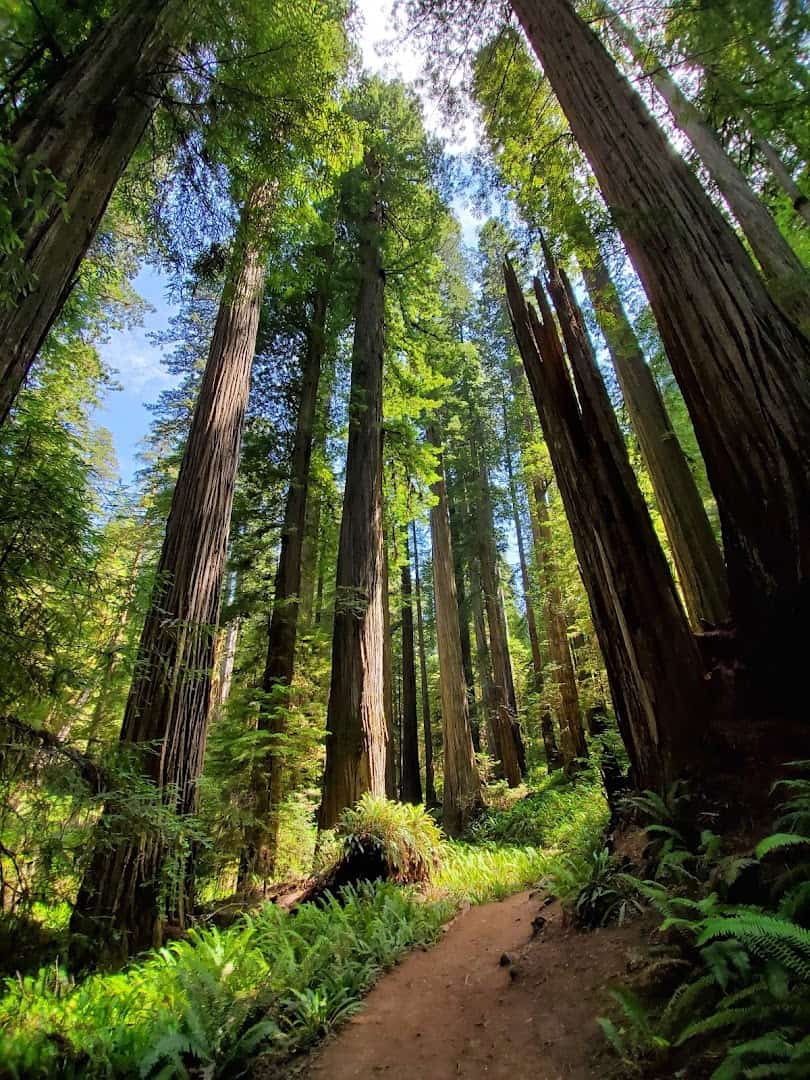
Nothing quite prepares you for standing beneath a living tree taller than a 30-story building, and the national park that protects these giants is free to enter.
The coast redwoods here are the tallest living things on the planet, some topping 370 feet. Ferns drip in a hidden canyon, Roosevelt elk graze the meadows, and a wild, foggy stretch of Pacific coastline waits at the edge of the ancient groves.
Fern Canyon, with its 50-foot walls draped top to bottom in living ferns, once stood in as a filming location for Jurassic Park. Walk into it and the comparison makes perfect sense; the place feels genuinely prehistoric.
Where: Orick, California anchors the southern end and Crescent City the north, both strung along US-101 in the far northwest corner of the state.
9. Wind Cave National Park, South Dakota
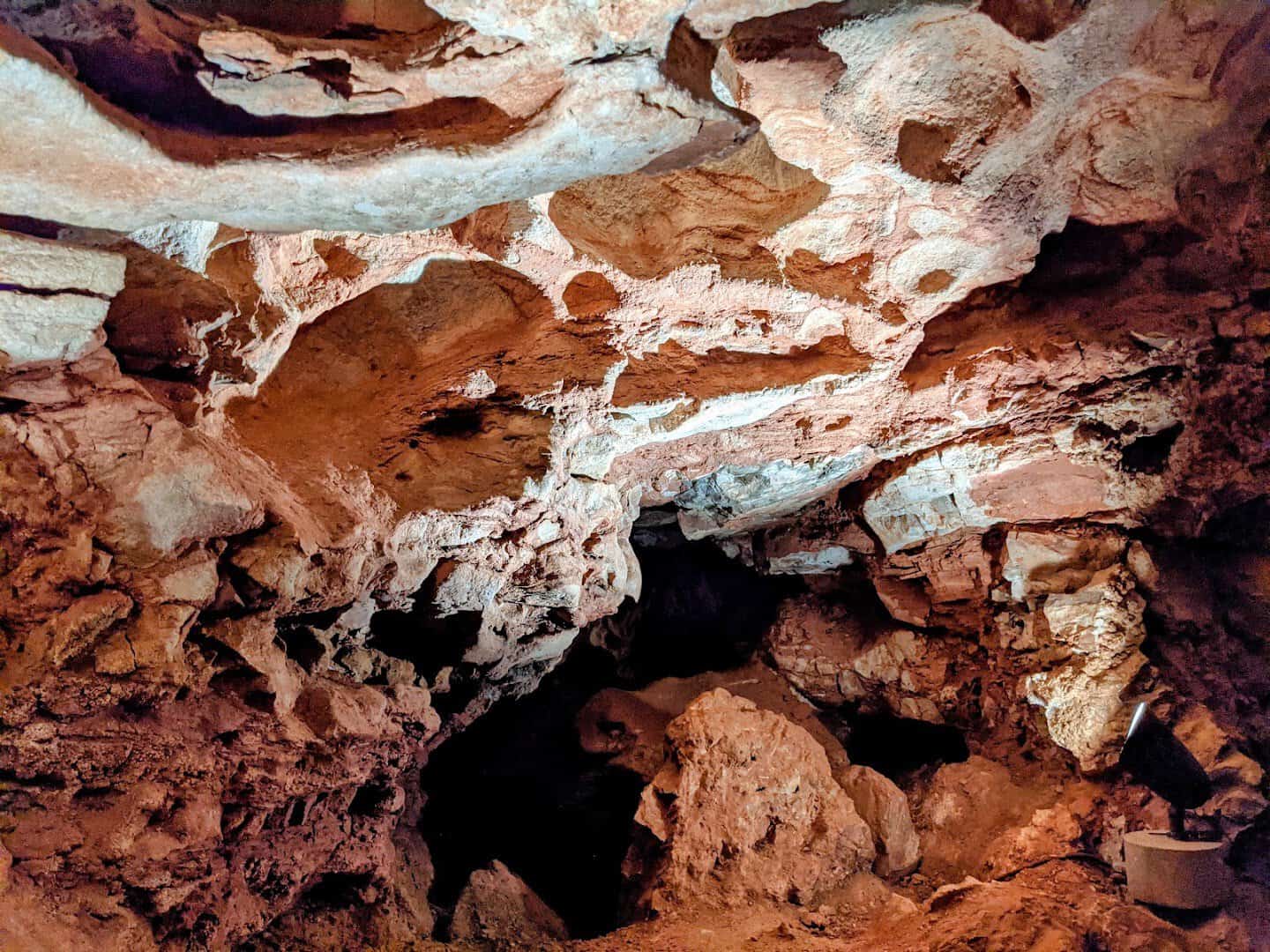
Above ground it looks like classic Black Hills country, with bison grazing the rolling mixed-grass prairie. Below ground hides one of the longest and most tangled cave systems in the world.
Wind Cave is famous for boxwork, a delicate honeycomb of thin calcite fins that is rarer here than almost anywhere else on Earth. Wandering the park and its prairie is completely free; a ranger-led tour down into the cave itself carries a small fee.
The park also protects one of the oldest wildlife preserves in the country up on the surface, so keep your eyes open for elk, pronghorn, and busy prairie dog towns as you drive in.
Where: Hot Springs, South Dakota, about 11 miles north on US-385, in the southern Black Hills near the town of Custer.
10. New River Gorge National Park, West Virginia
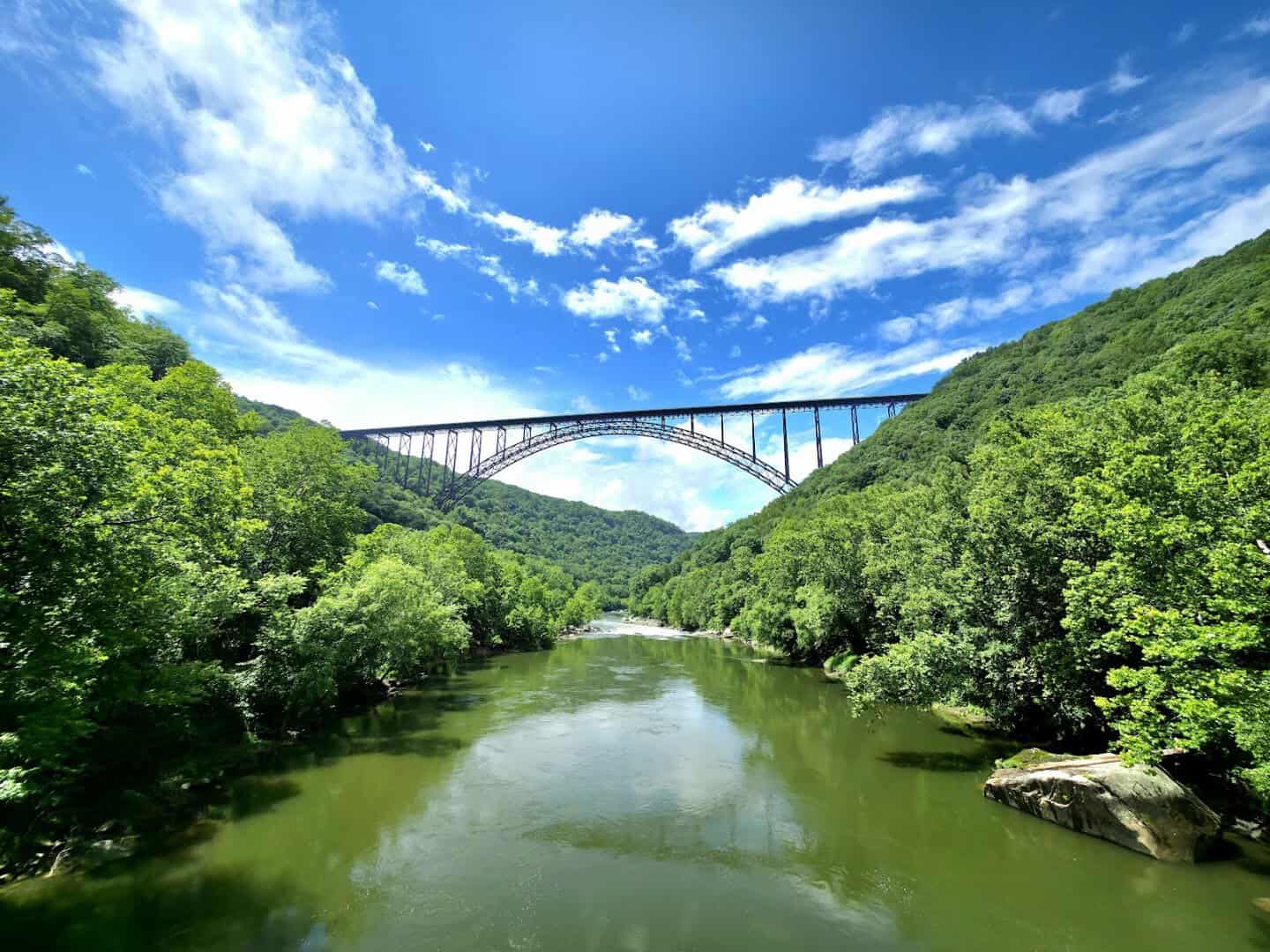
America’s newest national park, named in 2020, protects one of the oldest rivers on the continent, and it will not charge you a cent to visit.
The star of the show is the New River Gorge Bridge, a graceful steel arch soaring more than 800 feet above the water, one of the most photographed spots in all of Appalachia. Below it, whitewater churns through the canyon and climbers cling to the sandstone Endless Wall.
Time your visit for the third Saturday in October and you might catch Bridge Day, when the road across the span closes and BASE jumpers leap off into the gorge while thousands watch from the rail.
Where: Fayetteville, West Virginia, about an hour southeast of Charleston off US-19. The Canyon Rim Visitor Center sits right beside the bridge.
11. Biscayne National Park, Florida
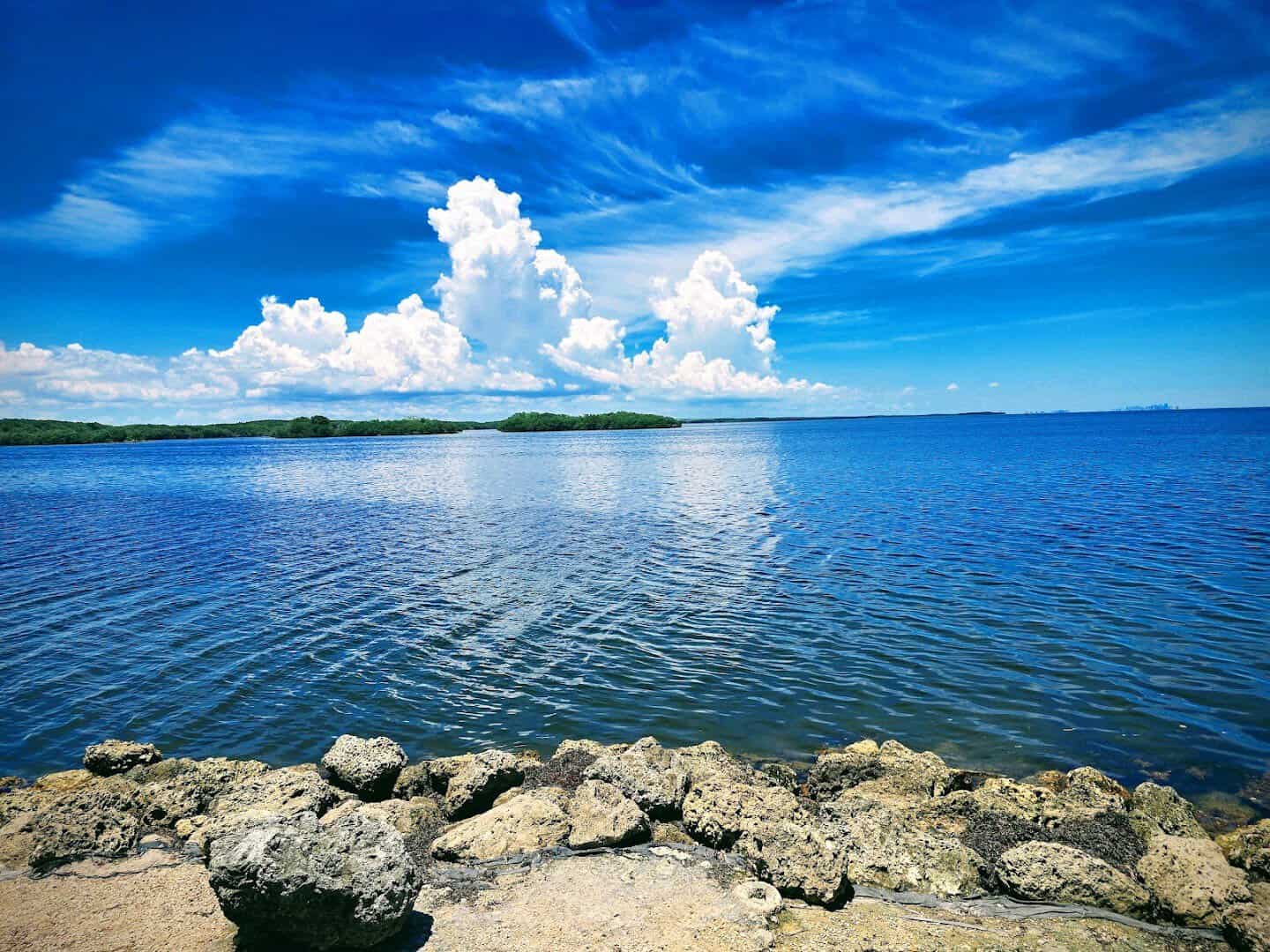
Just south of Miami sits a national park that is 95 percent underwater, and I think that is exactly what makes it worth the trip.
Coral reefs, tangled mangrove shorelines, and a Maritime Heritage Trail of old shipwrecks all lie beneath the clear turquoise shallows. Above the surface, the little Boca Chita lighthouse marks one of the prettiest island stops anywhere in the bay.
Entry is free; a boat, a kayak, or a snorkel gets you the rest of the way into the story.
Where: Homestead, Florida. The Dante Fascell Visitor Center at Convoy Point, about an hour south of Miami, is where every visit begins.
12. Gateway Arch National Park, Missouri
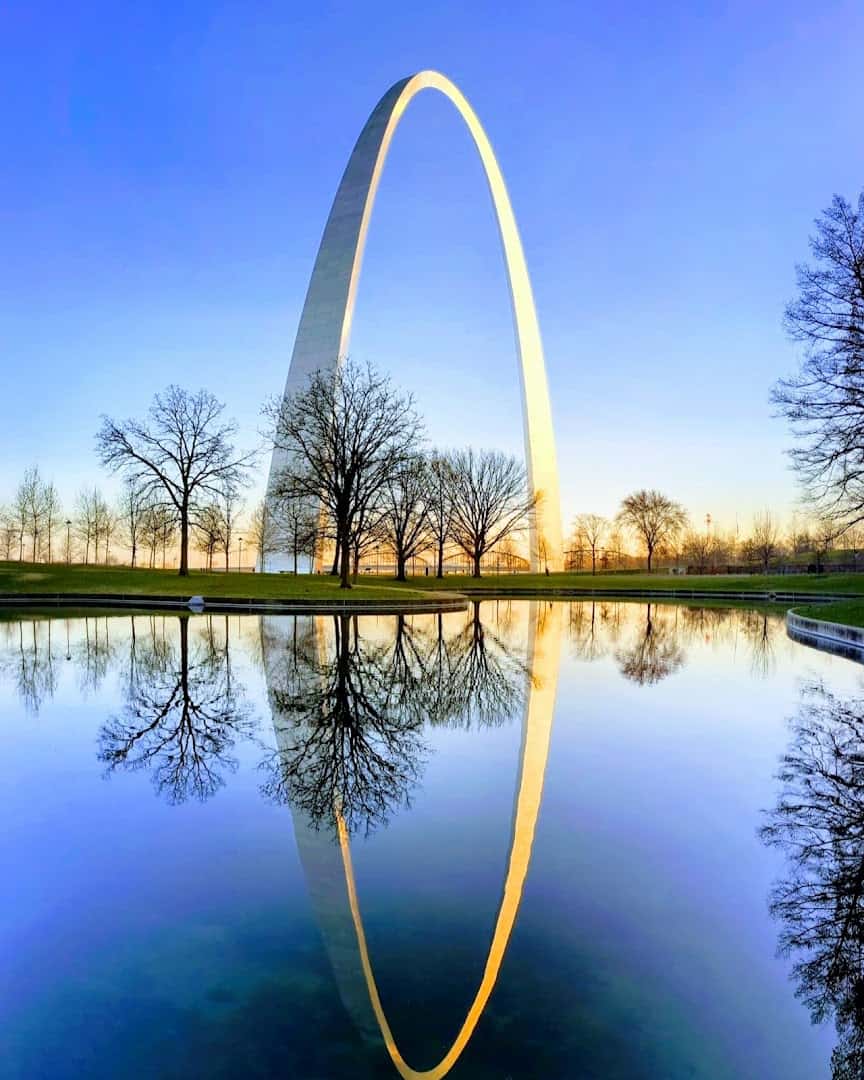
The smallest national park in the country might also be the most recognizable, a gleaming silver curve rising 630 feet over the St. Louis riverfront.
The Gateway Arch is the tallest man-made monument in the nation, and the grounds around it and the modern museum tucked beneath it are completely free to wander.
A ticketed tram still hauls visitors to the very top for the view, but you can admire the whole soaring thing for nothing from the riverfront lawn. Come at sunset, when the stainless steel catches the last light and glows pink over the Mississippi.
Where: St. Louis, Missouri, on the downtown Mississippi riverfront, easy to reach right off Interstate 44 and Interstate 70.
Your Next Free Adventure Is Already Waiting
Here is the quiet secret running through all twelve of these: the best part of a national park, the standing under a giant tree, the fog on the ridgeline, the glowing turquoise lake, was never the part you paid for anyway.
So pick the one that tugs at you, fill up the tank, pack a good lunch, and go. Your only real cost is the drive out, and the memory you carry home is completely free.
Featured image: Dylan Zoebelein via North Cascades National Park

Stella Raines
Editor-in-Chief
Stella brings over a decade of storytelling experience to TX Headlines. With roots in West Texas and a love for road trips, she leads the editorial team with an eye for the hidden stories that make Texas unforgettable.