10 Desert Small Towns in the Southwest Worth Visiting
Everybody floors it past the small towns to reach the big-name national parks, and I think they have it backwards. Some of the best hours of a Southwest road trip happen in the place you almost skipped.
These are desert towns with a sun-baked hush to them. Adobe plazas and red-rock backdrops, old mining bones and hot springs, main streets built for a slow afternoon rather than a quick photo.
Many were nearly abandoned once, then brought back to life by artists, soakers, and stubborn locals who refused to leave. Below are ten of my favorites, spread across Arizona, New Mexico, Utah, Nevada, and West Texas. Each one is worth pointing the car toward.
1. Jerome, Arizona
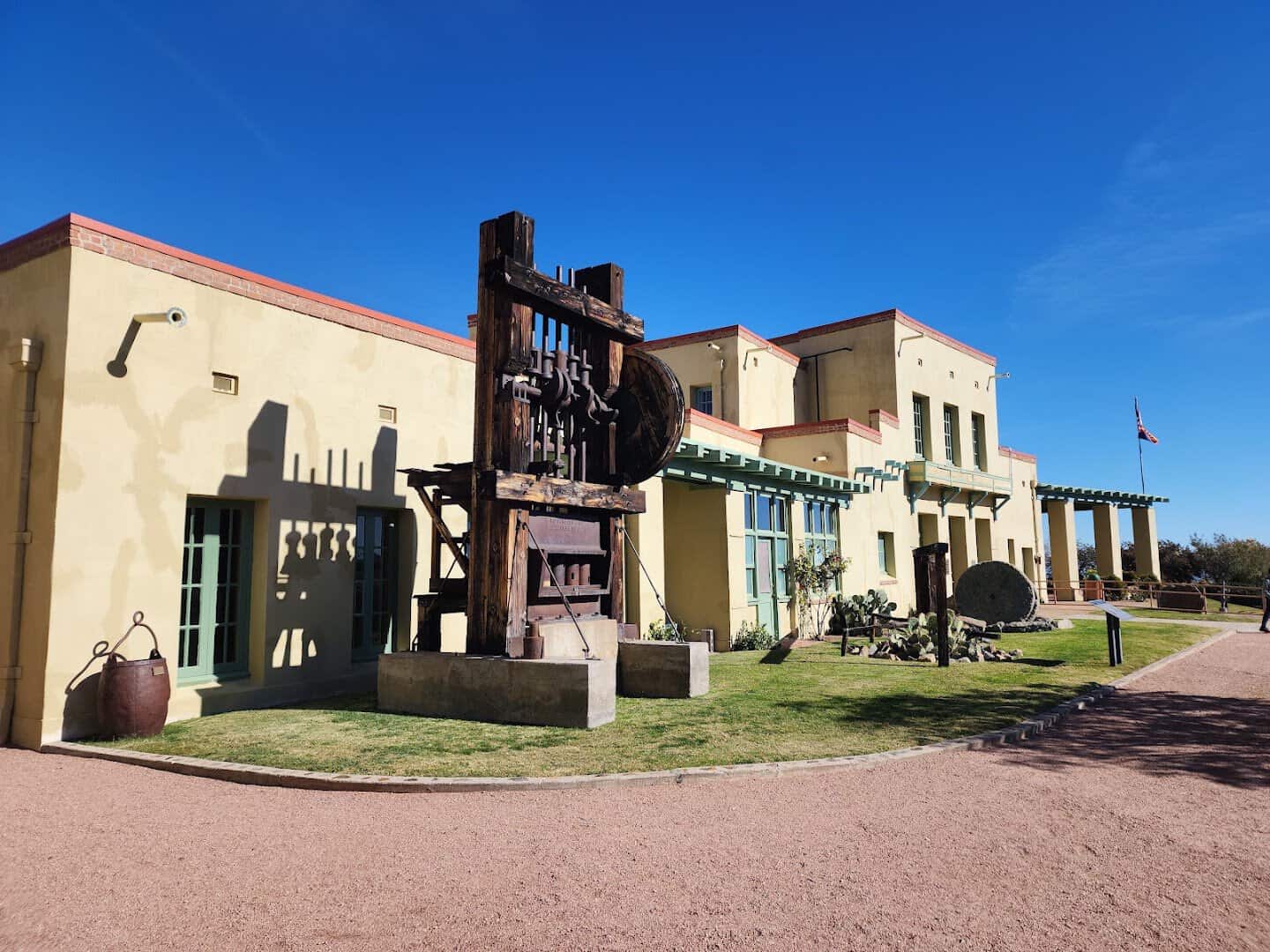
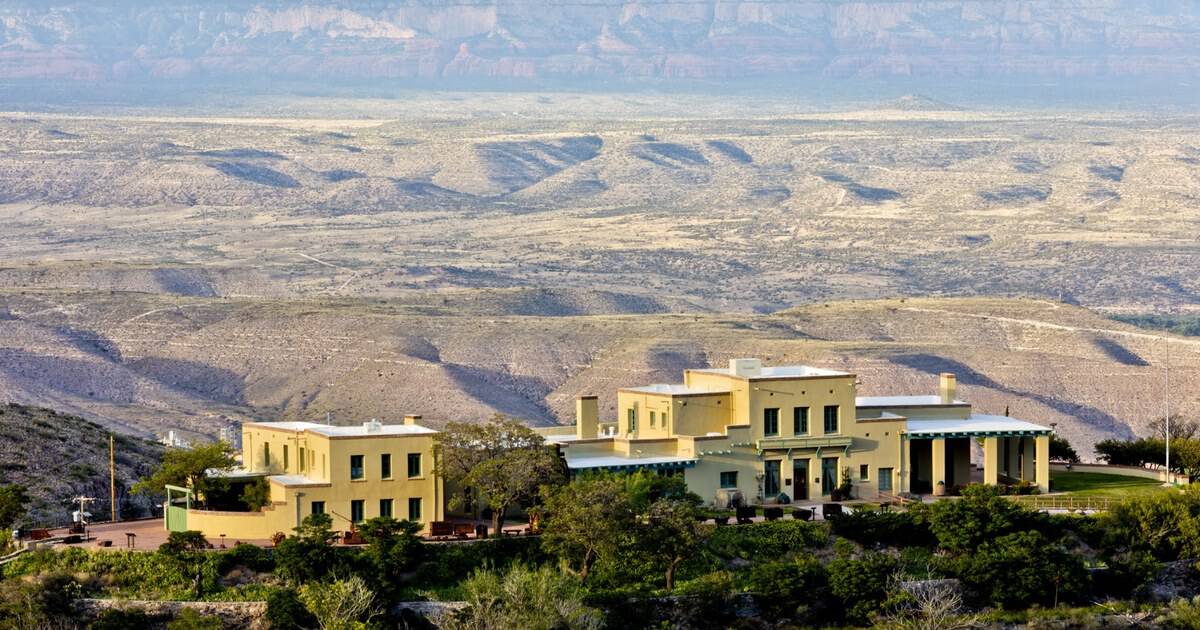
Jerome clings to the side of Cleopatra Hill at 5,435 feet, its houses stacked so steeply that one neighbor’s rooftop doubles as the next one’s back porch.
Copper built it, starting with the first claims in 1876, and at its peak in the 1920s roughly 15,000 people crowded these slopes. They once called it the “Wickedest Town in the West.” When the last big mine closed in 1953, it nearly became a ghost town for real.
Artists and free spirits rescued it, moving into the leftover buildings for cheap. Today the switchback streets hold galleries, wine-tasting rooms, and a grand old hotel, with views that run clear across the green Verde Valley.
That grand hotel, the Jerome Grand, started life as a hospital and now trades on its ghost stories. The old jail is worth finding too. Built on unstable ground, it has slid more than 200 feet downhill from where it started.
Where: Jerome State Historic Park, 100 Douglas Rd, Jerome, AZ 86331.
2. Truth or Consequences, New Mexico
Yes, that is the real name. The town began in 1882 as Palomas Hot Springs, then shortened itself to Hot Springs.
In 1950 it renamed itself after a popular radio quiz show, on a dare from the host, Ralph Edwards. Locals warmed to him so much that the odd new name became permanent.
What draws people is older than any gimmick: hot mineral water bubbling up along the Rio Grande, long believed to soothe whatever ails you. Soak at dusk and the Turtleback Mountain across the water glows pink, while a downtown full of murals and rock shops waits behind you.
There is more to do close by than you would guess. Elephant Butte, New Mexico’s largest lake, sits just up the road for boating and camping, and Spaceport America runs tours out of the desert nearby.
Where: Riverbend Hot Springs, 100 Austin St, Truth or Consequences, NM 87901.
3. Moab, Utah
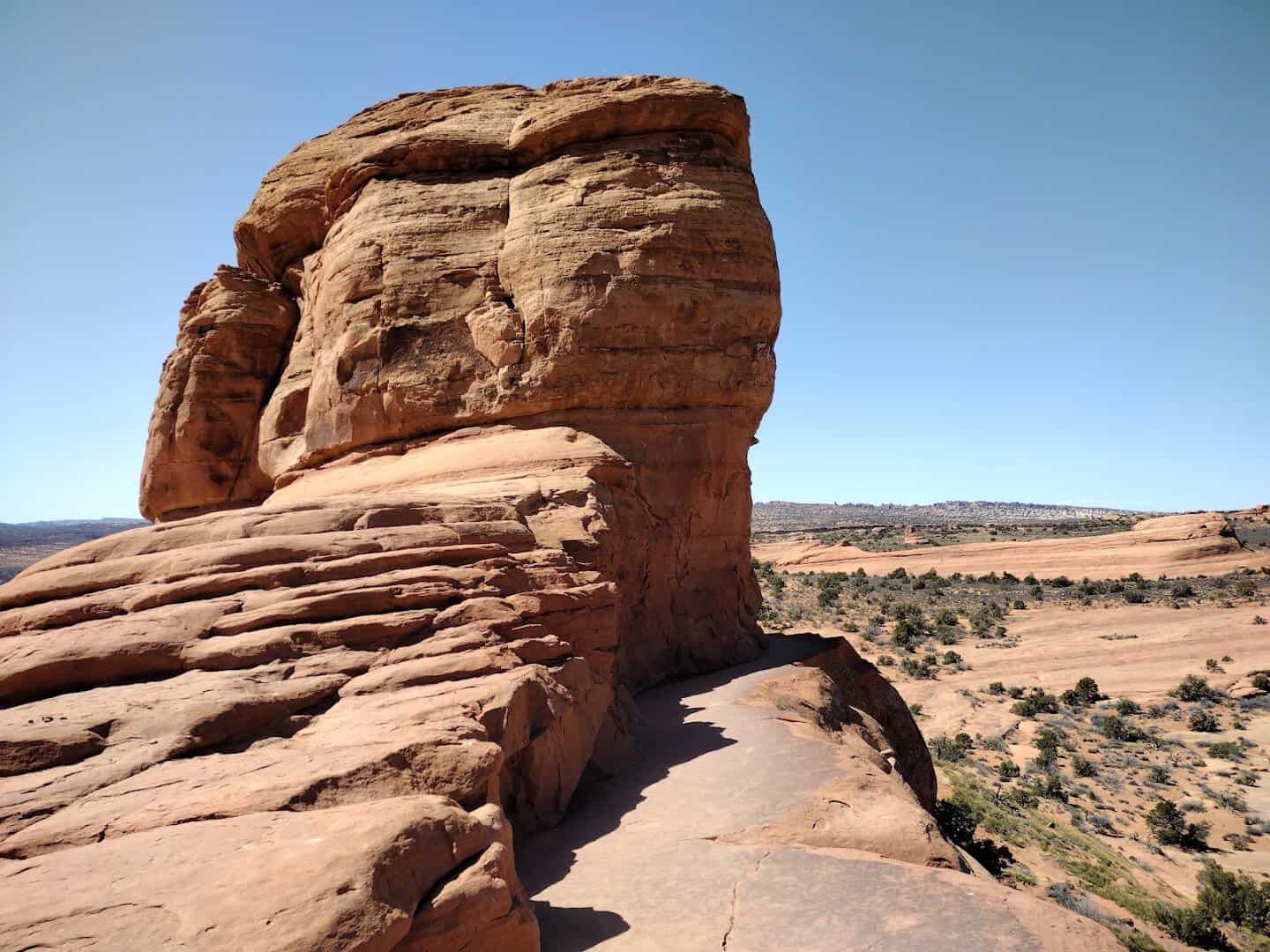
Plenty of towns have a nice view. Moab is ringed on every side by red rock that looks like it was poured molten and left to harden into arches, fins, and towers.
Arches National Park sits about five minutes north of town and Canyonlands roughly thirty. People call Moab the “Adventure Capital of the West,” and Main Street backs it up with outfitters, rafting desks, bike shops, and taco joints.
You do not need a permit to enjoy the best part, though. Come at sunset, when the sandstone cliffs turn the deep orange of a struck match and the whole valley seems to catch fire for twenty quiet minutes.
The Colorado River runs right past town for rafting and paddling, and the snow-capped La Sal Mountains rise behind all that red rock. Mountain bikers come for the famous Slickrock Trail, a route that grips your tires like sandpaper.
Where: Arches National Park Visitor Center, US-191, Moab, UT 84532.
4. Tubac, Arizona
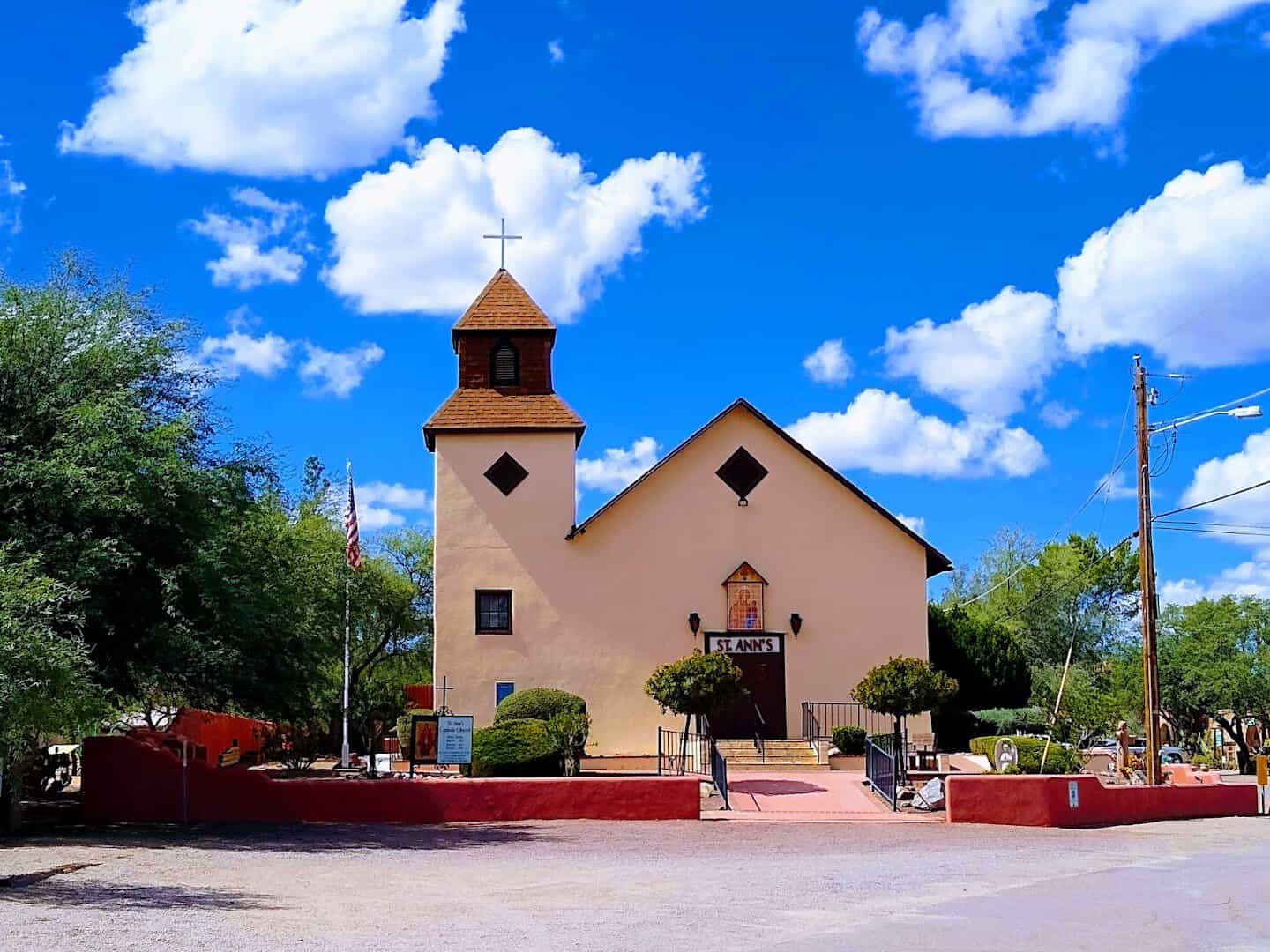
Tubac has been here a very long time. Spanish soldiers raised a presidio, a frontier fort, on this ground in 1752, which makes it the first European settlement in what is now Arizona.
The old fort site still anchors the state park at the center of town. The rest of Tubac has softened into an art colony, with more than 100 galleries and studios filling low adobe storefronts.
It sits in the Sonoran Desert between the Santa Rita and Tumacacori mountains, about 45 miles north of the Mexican border. This is a park-once, walk-all-day kind of town, best paired with a green chile lunch on a shaded patio.
If you can, time your trip for February and the Tubac Festival of the Arts, one of the longest-running art fairs in the state. A historic footpath, the Anza Trail, also links the town to the old Tumacacori mission just south.
Where: Tubac Presidio State Historic Park, 1 Burruel St, Tubac, AZ 85646.
5. Madrid, New Mexico
Say it “MAD-rid” and the locals will warm to you. This tiny coal town on the Turquoise Trail once dug fuel for the Santa Fe Railroad. When the mines closed in the 1950s, nearly everyone left.
For two decades Madrid sat as a genuine ghost town. Then, in the early 1970s, an owner began renting and selling the abandoned company houses to artists and craftspeople for almost nothing.
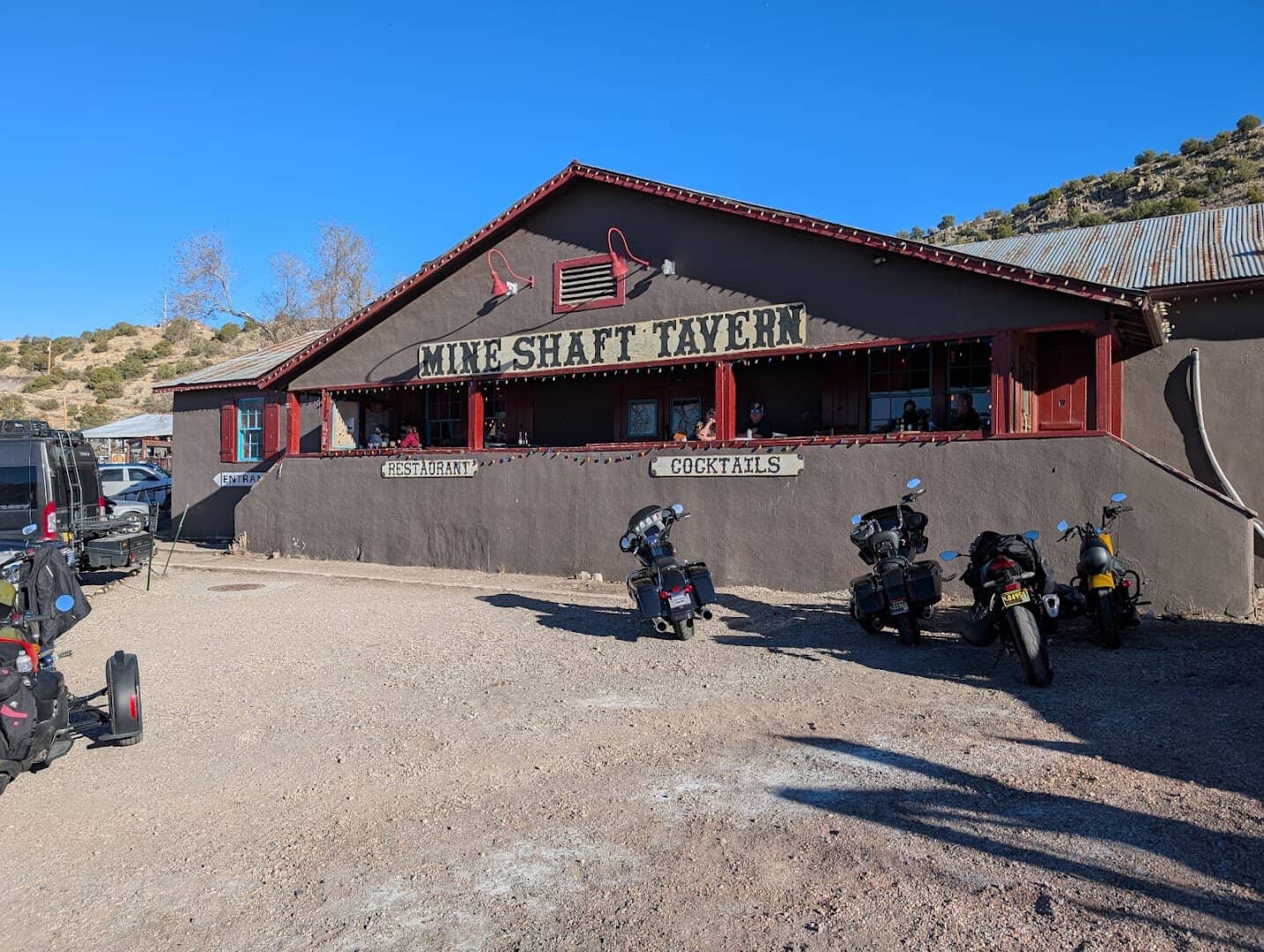
The gamble worked. The single main road is now a bright ribbon of galleries, coffee stops, and the Mine Shaft Tavern, whose 40-foot pine bar has been pouring since 1947.
Movie fans might recognize the street from the 2007 comedy “Wild Hogs,” which left behind a diner facade that still stands. The Old Coal Mine Museum keeps the town’s mining past on display, and the Christmas open house lights up the whole canyon.
Where: The Mine Shaft Tavern, 2846 NM-14, Madrid, NM 87010.
6. Kanab, Utah
Hollywood found Kanab in the 1920s and never entirely left. Hundreds of Westerns were filmed among the Navajo sandstone cliffs that ring the town, from Tom Mix pictures onward, earning it the nickname “Little Hollywood.”
Pioneer families settled here in 1870 beside a willow-lined creek, and for a couple of years an all-female town council even ran the place. Old movie sets and a genuine frontier main street still give it that on-camera feel.
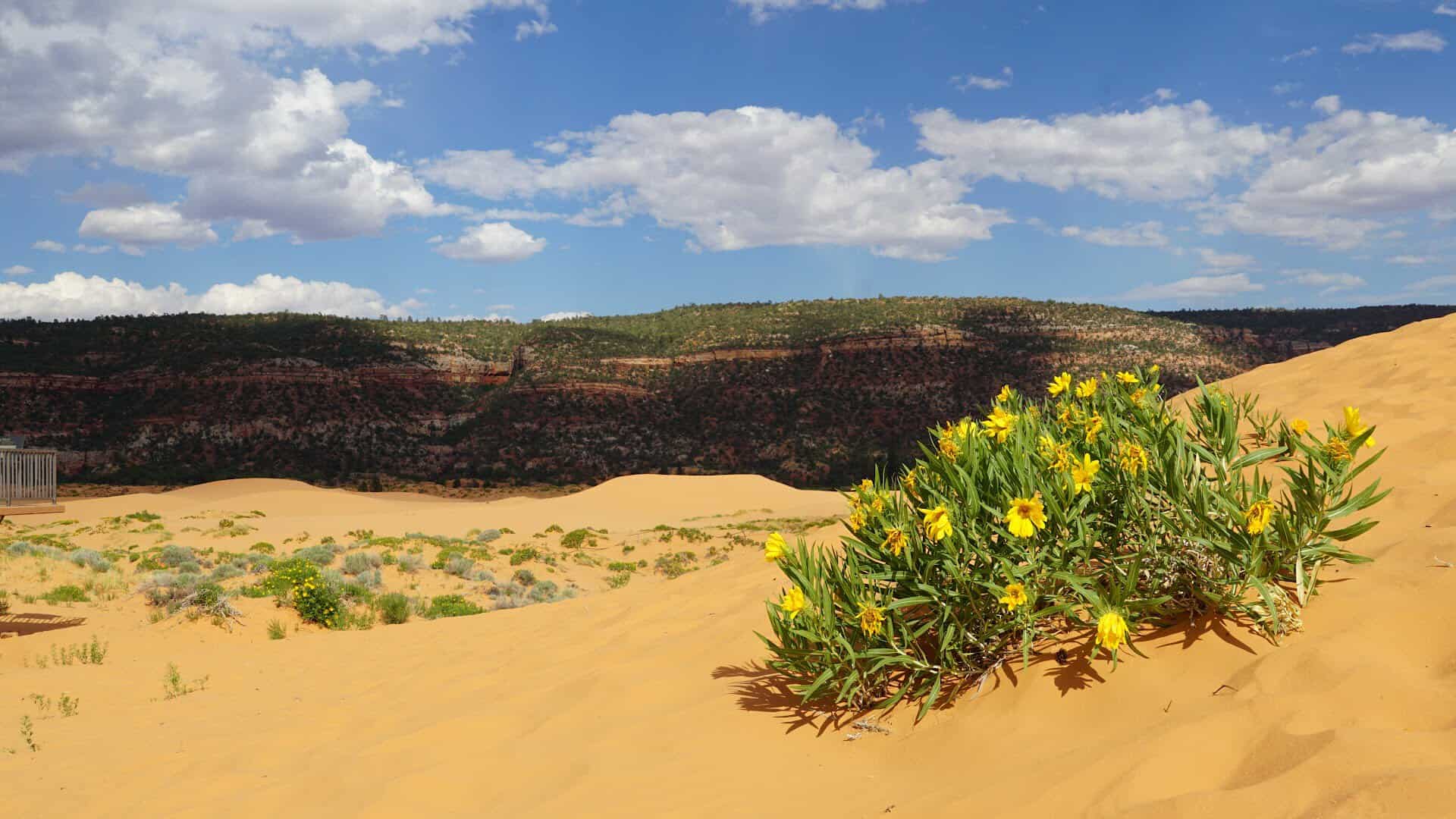
What makes Kanab priceless now is location. It sits within about ninety minutes of Bryce, Zion, and the Grand Canyon’s North Rim, and just outside town the wind-carved hills of Coral Pink Sand Dunes State Park glow like another planet.
The old Parry Lodge still puts up guests where movie stars once slept. Just north of town sprawls Best Friends, one of the largest animal sanctuaries in the country, where you can book a tour or volunteer for an afternoon with the dogs.
Where: Coral Pink Sand Dunes State Park, 12500 Sand Dune Rd, Kanab, UT 84741.
7. Boulder City, Nevada
Boulder City exists because of one enormous job. The federal government built it in 1931 to house the thousands of workers raising Hoover Dam, and it planned the town to be orderly and dry.
Gambling was banned from the start, and to this day it is one of only two towns in Nevada where it stays illegal. The result is a calm, tree-shaded desert town that feels nothing like the neon an hour up the road.
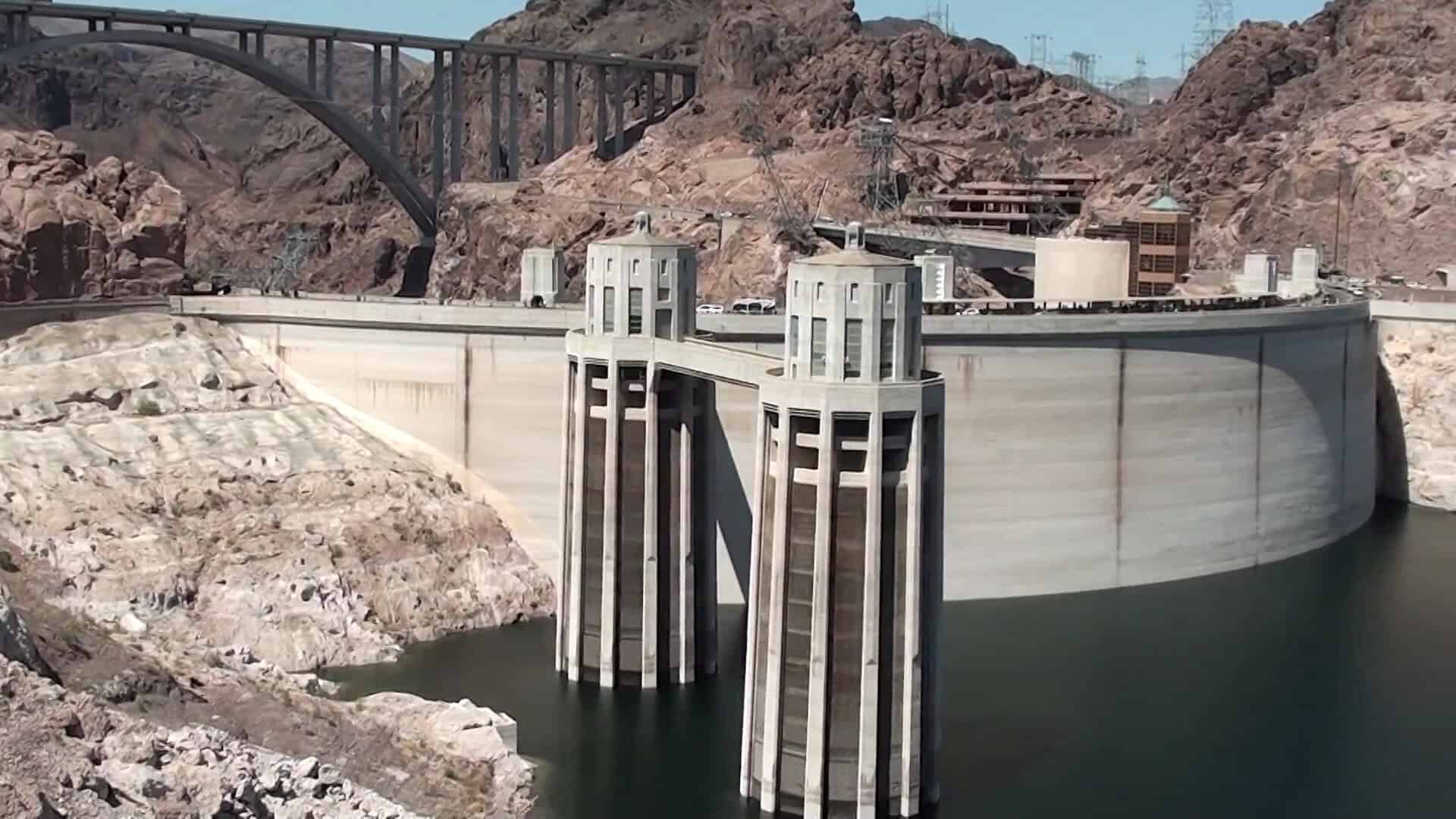
The walkable historic district is full of antique shops, cafes, and the handsome 1933 Boulder Dam Hotel. And then there is the dam itself, an art-deco wall of concrete curving between raw Mojave cliffs, a short scenic drive east.
Lake Mead spreads out just beyond for boating and swimming, and an old rail bed, the Historic Railroad Trail, walks you along the water through a string of tunnels toward the dam. It is flat, shaded in spots, and easy on the legs.
Where: Hoover Dam, US-93, Boulder City, NV 89005.
8. Mesilla, New Mexico
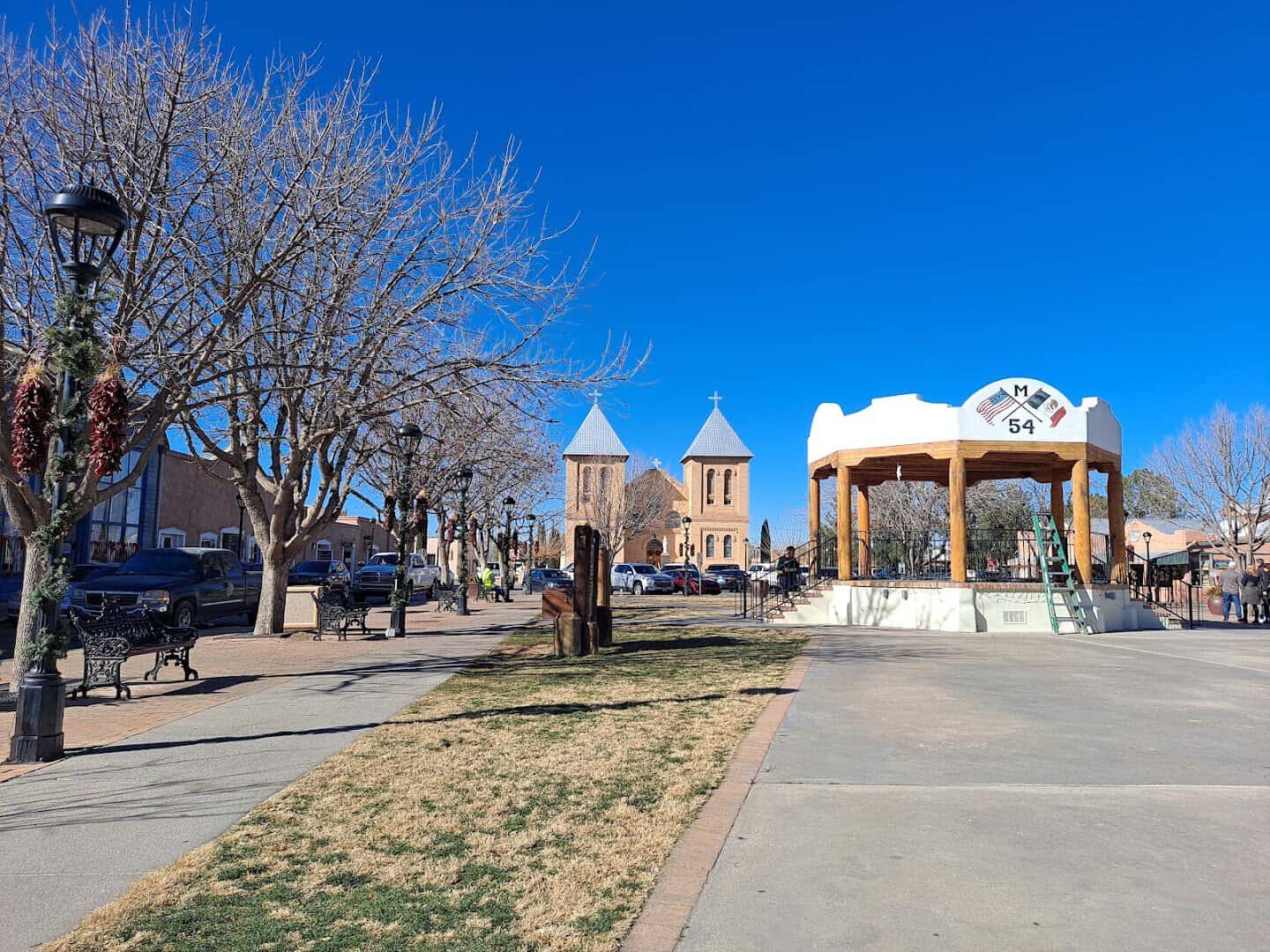
Mesilla’s plaza has packed in a lot of history for a town this small. Established in 1848, it once flew the Confederate flag, welcomed the Butterfield stagecoach, and watched Billy the Kid stand trial in 1881.
The square was named a National Historic Landmark in 1961, and the thick-walled adobe buildings around it now hold family shops and old-school New Mexican restaurants.
At the north end rises the Basilica of San Albino, its yellow-brick towers visible from across the plaza. Order red chile enchiladas, wander the brick-paved square, and let a slow Chihuahuan Desert afternoon do its work.
The plaza knows how to throw a party, too, with big turnouts for Cinco de Mayo and the Day of the Dead. Grab a table at La Posta, a restaurant tucked inside a former Butterfield stagecoach stop, and you are eating inside the history.
Where: Basilica of San Albino, 2070 Calle de Santiago, Mesilla, NM 88046.
9. Ajo, Arizona
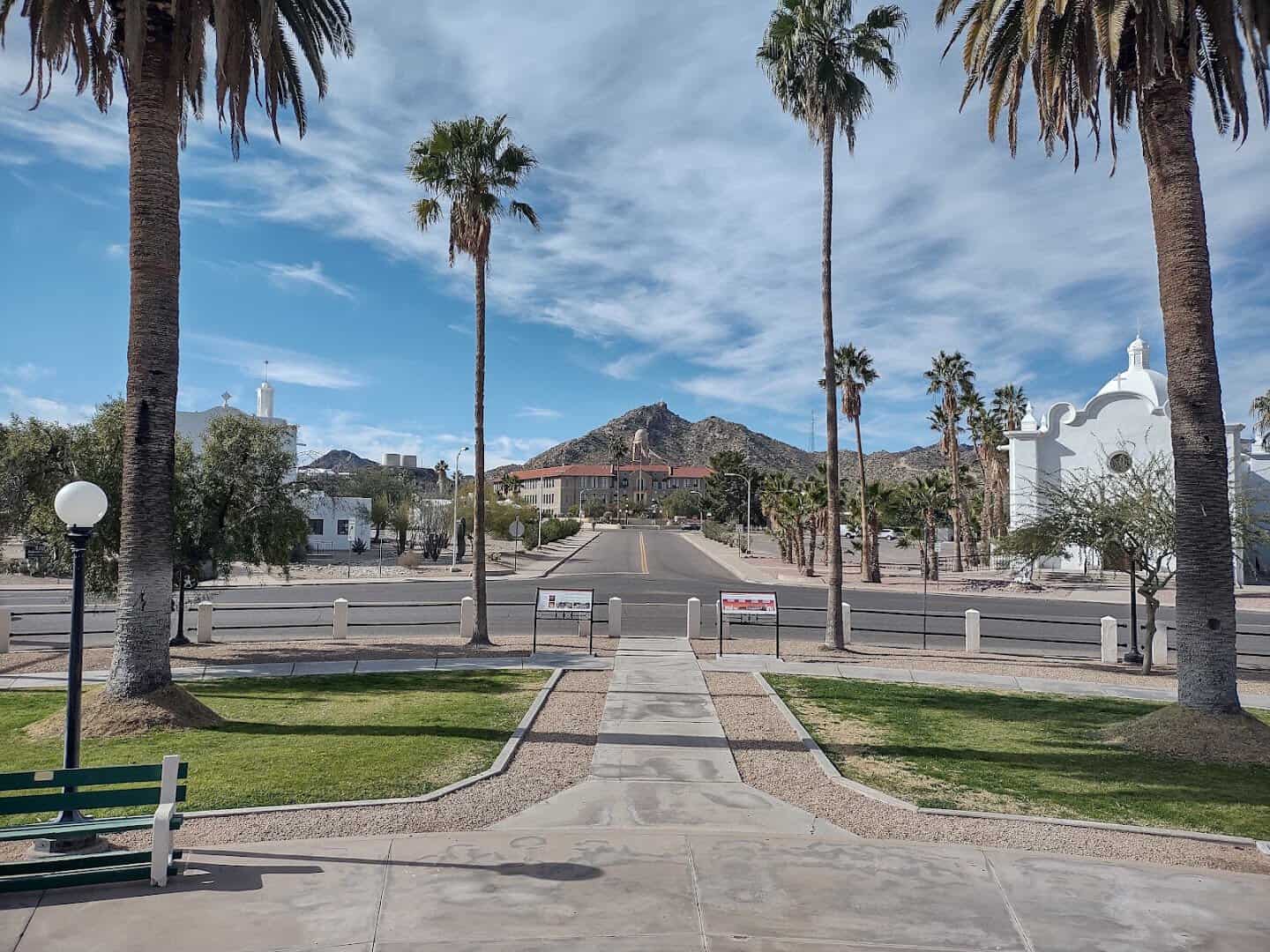
Ajo surprises almost everyone who wanders in. Set deep in the Sonoran Desert about 43 miles from the Mexican border, it was designed around a Spanish Colonial Revival plaza built in 1917.
Soft white arcades frame a central green with a gazebo, all of it a planned “model” town rather than a typical mining camp. For decades the New Cornelia open-pit mine ran the show, until it closed in 1985.
Ajo could have dried up then. Instead it turned to art, filling a former school and other buildings with studios and murals. Organ Pipe Cactus National Monument, home to the tall many-armed cactus, waits just down the highway.
The old Curley School is the best example, reborn as live-work lofts for working artists. Walls around the plaza wear bright murals, and in a good spring the surrounding desert erupts in wildflowers and the white blooms of the saguaro.
Where: Historic Ajo Plaza, 38 N Plaza St, Ajo, AZ 85321.
10. Marfa, Texas
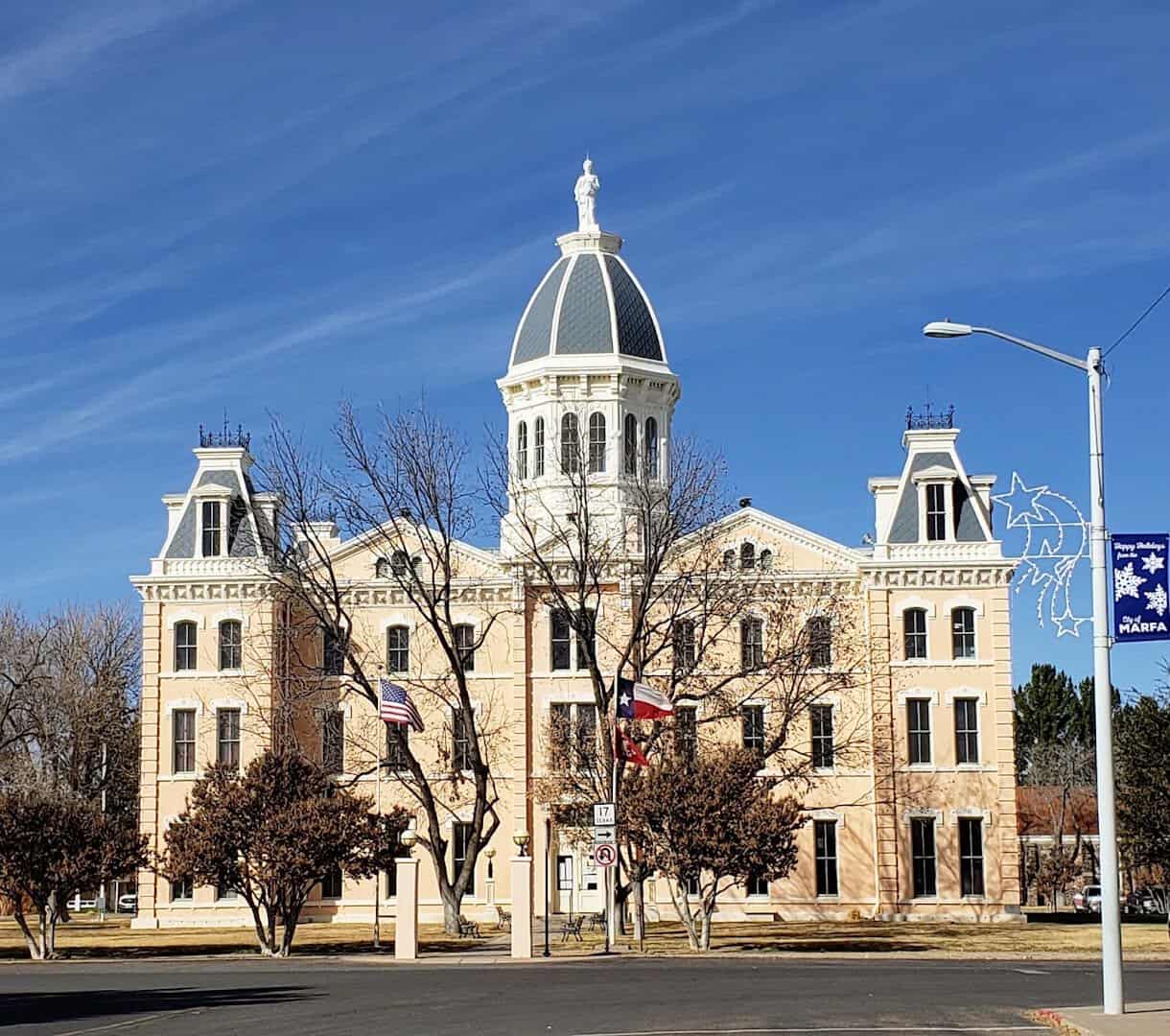
Marfa should not work, and that is exactly the fun of it. A quiet ranching town sitting at 4,688 feet in the Chihuahuan Desert, it became a world-famous art destination almost by accident.
Minimalist sculptor Donald Judd moved out here in 1971, drawn by the scale and the clean desert light, and started filling old buildings with his giant aluminum boxes. Today the Chinati Foundation, established in 1986, draws pilgrims from around the world.
Between gallery visits, admire the pink-domed 1886 courthouse and the historic Hotel Paisano, base camp for the cast of the film “Giant” in 1955. After dark, drive to the viewing platform east of town and watch for the mysterious Marfa lights, first reported back in 1883.
Marfa also punches far above its weight for food and coffee, with a handful of trailers and cafes that would fit right in a much bigger city. Out on the highway toward Valentine stands Prada Marfa, a lone art-piece storefront in the middle of the desert.
Where: Hotel Paisano, 207 N Highland Ave, Marfa, TX 79843.
Point the Car at the Small Stuff
The national parks will always be there, and they earn every one of their crowds. But the desert Southwest saves some of its warmest surprises for these small towns, where a hot-spring soak or an adobe plaza can turn a drive-through into the best day of the trip.
Pick two or three that fall along your route, leave the interstate behind, and give each one an unhurried afternoon. Wander the main street, talk to a shopkeeper, stay for sunset. That slow, sun-warmed pace is where the real Southwest lives.
Featured image: @ Jerome State Historic Park

Stella Raines
Editor-in-Chief
Stella brings over a decade of storytelling experience to TX Headlines. With roots in West Texas and a love for road trips, she leads the editorial team with an eye for the hidden stories that make Texas unforgettable.