10 Artsy Small Towns in the USA for a Creative Weekend
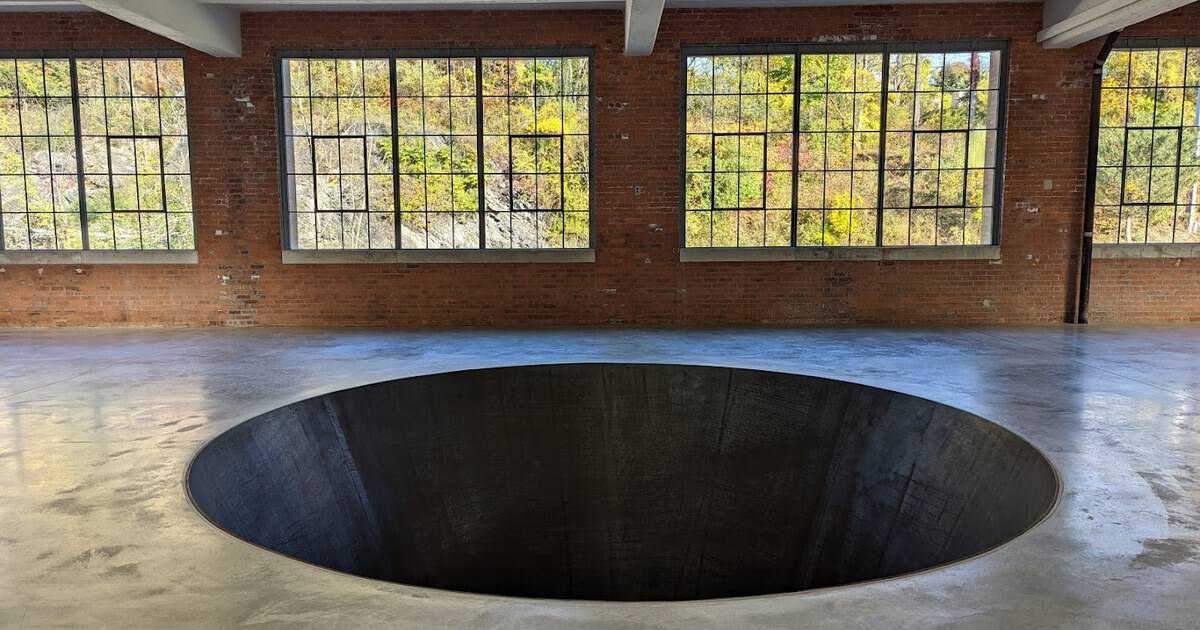
I keep a running list of towns where the coffee shop doubles as a gallery and the hardware store sells local pottery by the register. Those places do something to me. One weekend in one of them and I come home wanting to repaint my own front door.
Small artsy towns run on a certain creative current, a hum you feel walking Main Street past open studios and mural walls. Below are ten of them across the country, each one built for a weekend of galleries, makers, and the good kind of wandering.
1. Beacon, New York
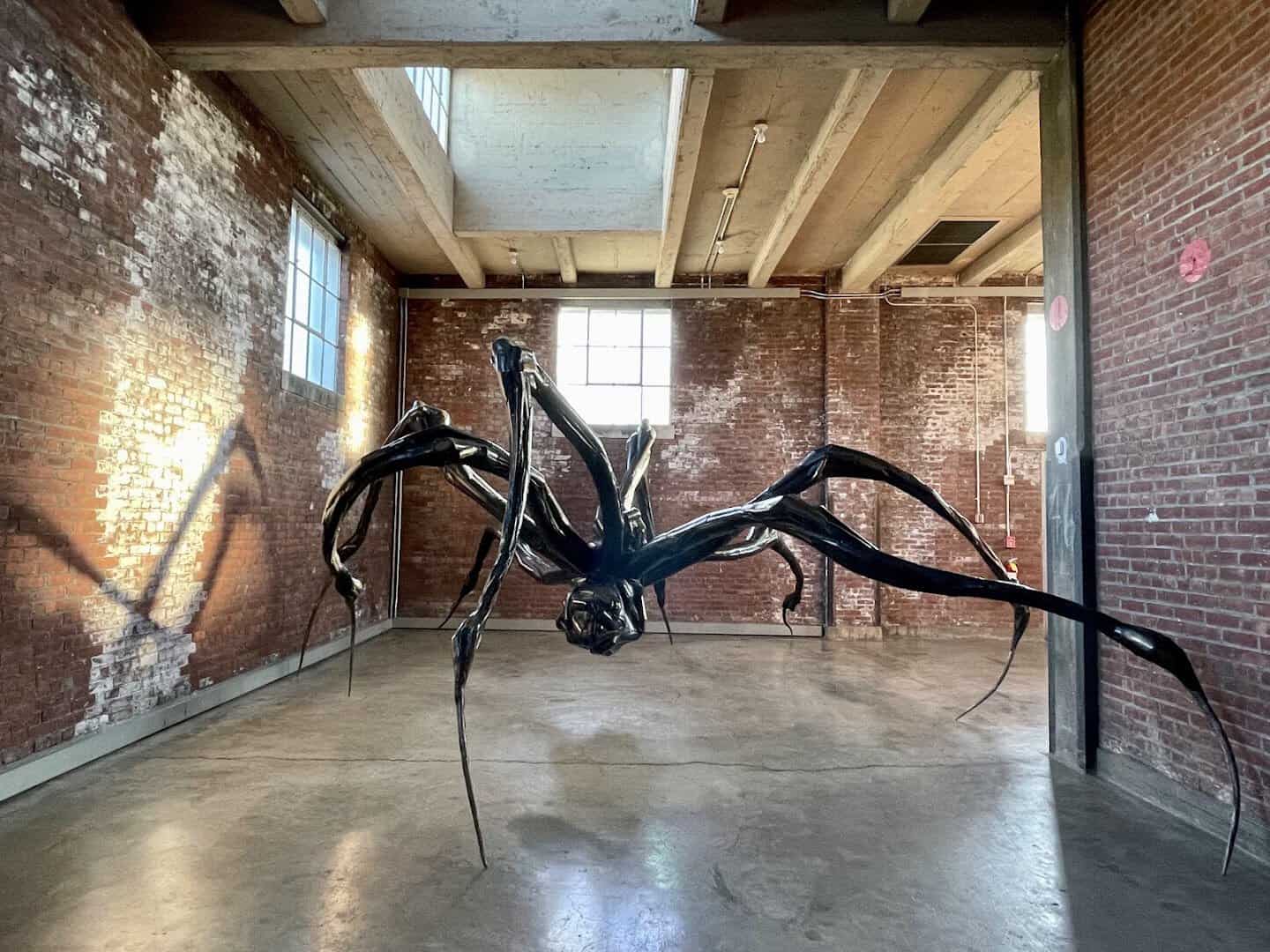
Beacon proves that one big idea can remake a town. The Dia Art Foundation, born in New York in 1974, opened Dia:Beacon here in 2003 inside a former Nabisco box-printing factory.
The building is the point. Nearly 300,000 square feet of skylit floor lets you see minimalist giants like Richard Serra’s steel spirals and Agnes Martin’s pale grids in pure daylight, the way the artists intended.
Everything else followed the art. Main Street runs about a mile now, and I could lose a whole afternoon in its galleries, secondhand bookshops, and coffee counters before the Hudson River pulls me back outside.
Come on a weekend and the town fills with day-trippers who rode the train up from the city just to look. Time your visit for a Second Saturday and the galleries stay open into the evening.
The station sits a short walk from the museum, so you can arrive car-free and still spend the whole day on foot. Save an hour for the riverside parks where the town meets the water.
Where: Dia Beacon, 3 Beekman St, Beacon, NY 12508.
2. Provincetown, Massachusetts
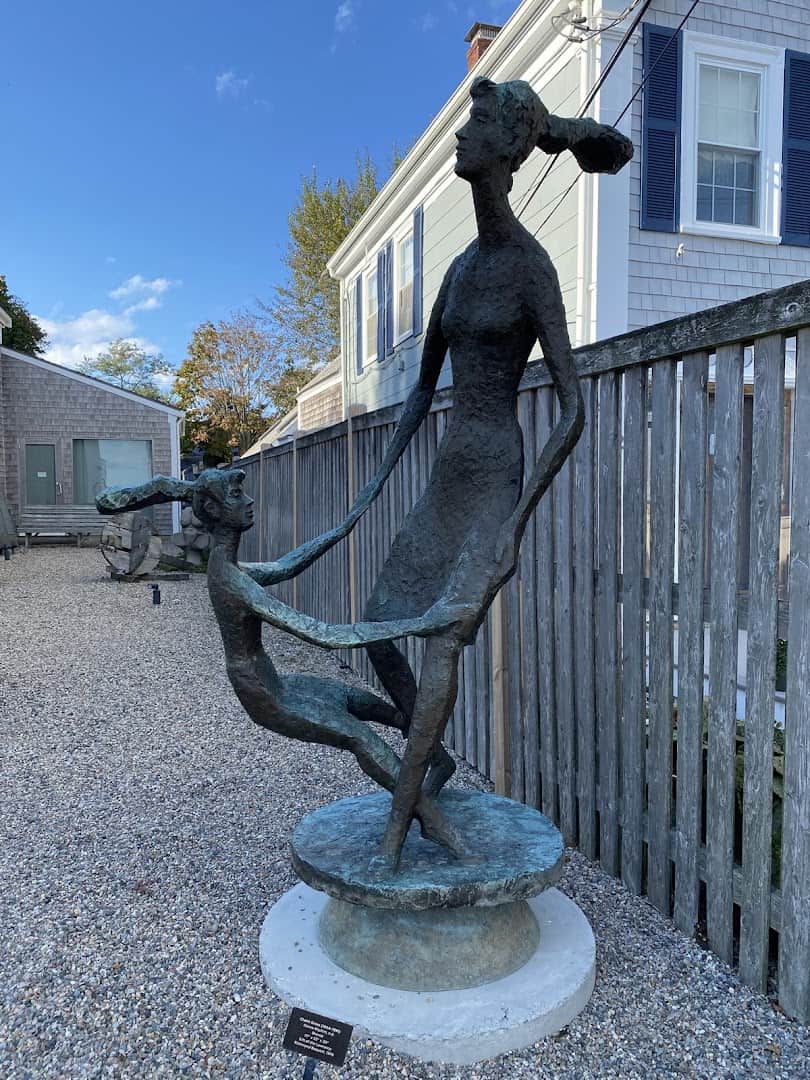
At the curled tip of Cape Cod sits the oldest continuous art colony in the country. Painter Charles Hawthorne opened his Cape Cod School of Art here in 1899, drawn by a quality of light that still fills the dunes.
By 1914 the artists had founded the Provincetown Art Association and Museum, started by Hawthorne and a handful of painters and locals. Its permanent collection now tops 4,000 works from a century of Cape artists.
Commercial Street is one long ribbon of galleries, studios, and open doors. Watch a printmaker pull a fresh sheet, then eat a lobster roll with your feet nearly in the harbor.
I love that the sea and the art breathe the same salt air here. Come toward evening, when the light everyone painted for turns the whole harbor gold and the shop windows glow.
Between galleries, wander out to MacMillan Pier and watch the fishing boats come in. This far out on the Cape, the horizon does half the work a painter would.
Where: Provincetown Art Association and Museum, 460 Commercial St, Provincetown, MA 02657.
3. New Hope, Pennsylvania
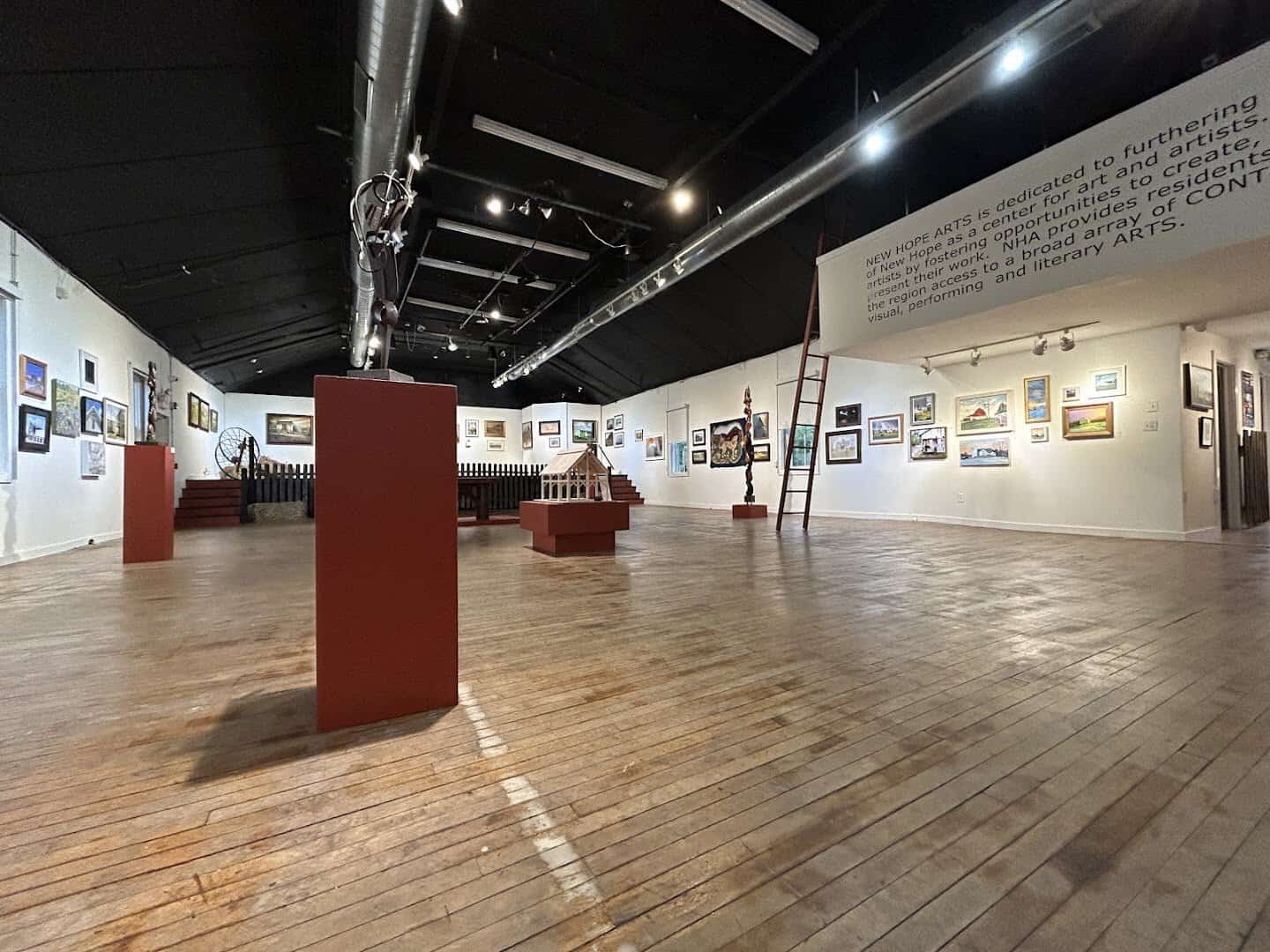
New Hope has been an artists’ town since the 1890s, when painters William Lathrop and Edward Redfield settled along the Delaware River and grew what became Pennsylvania Impressionism.
The plein-air painters gathered at Phillips’ Mill, an old gristmill still regarded as the birthplace of the movement. Daniel Garber, Fern Coppedge, and their circle chased river light in a loose, sun-struck style all their own.
Today the riverbanks hold galleries, working studios, and the New Hope Arts Center. The old Bucks County Playhouse still stages shows in a converted mill right on the water.
My kind of Saturday here: cross the footbridge to Lambertville, browse antique shops on both sides of the river, and let the canal towpath set the pace.
For a slower look, a mule-drawn barge still glides the old Delaware Canal, and a vintage railroad runs excursions out of town. Both are easy ways to see the light these painters chased.
Where: New Hope Arts Center, 2 Stockton Ave, New Hope, PA 18938.
4. Ocean Springs, Mississippi
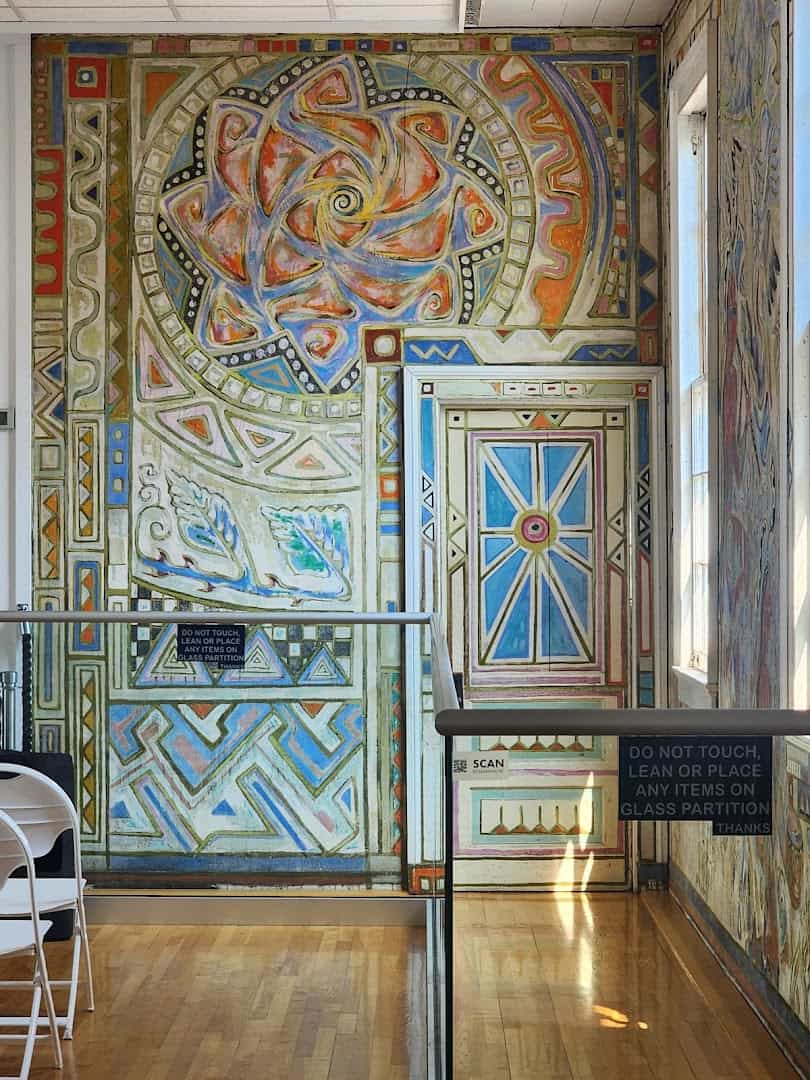
This Gulf Coast town owes its soul to one remarkable family. In 1918, Annette McConnell Anderson bought waterfront acres hoping to grow an artists’ colony, and her three sons delivered.
Peter founded Shearwater Pottery in 1928, and it still turns his glazed shapes today. Walter painted the coast’s plants and creatures with a visionary’s eye, and James worked in clay and paint beside them.
The Walter Anderson Museum of Art has honored all three since 1991. Walter’s most famous work, the “Little Room” he covered in murals, was only discovered after he died in 1965.
Downtown Ocean Springs still runs on that creative streak. I would wander the galleries, then catch the huge Peter Anderson festival if my trip lands in November.
Where: Walter Anderson Museum of Art, 510 Washington Ave, Ocean Springs, MS 39564.
5. Yellow Springs, Ohio
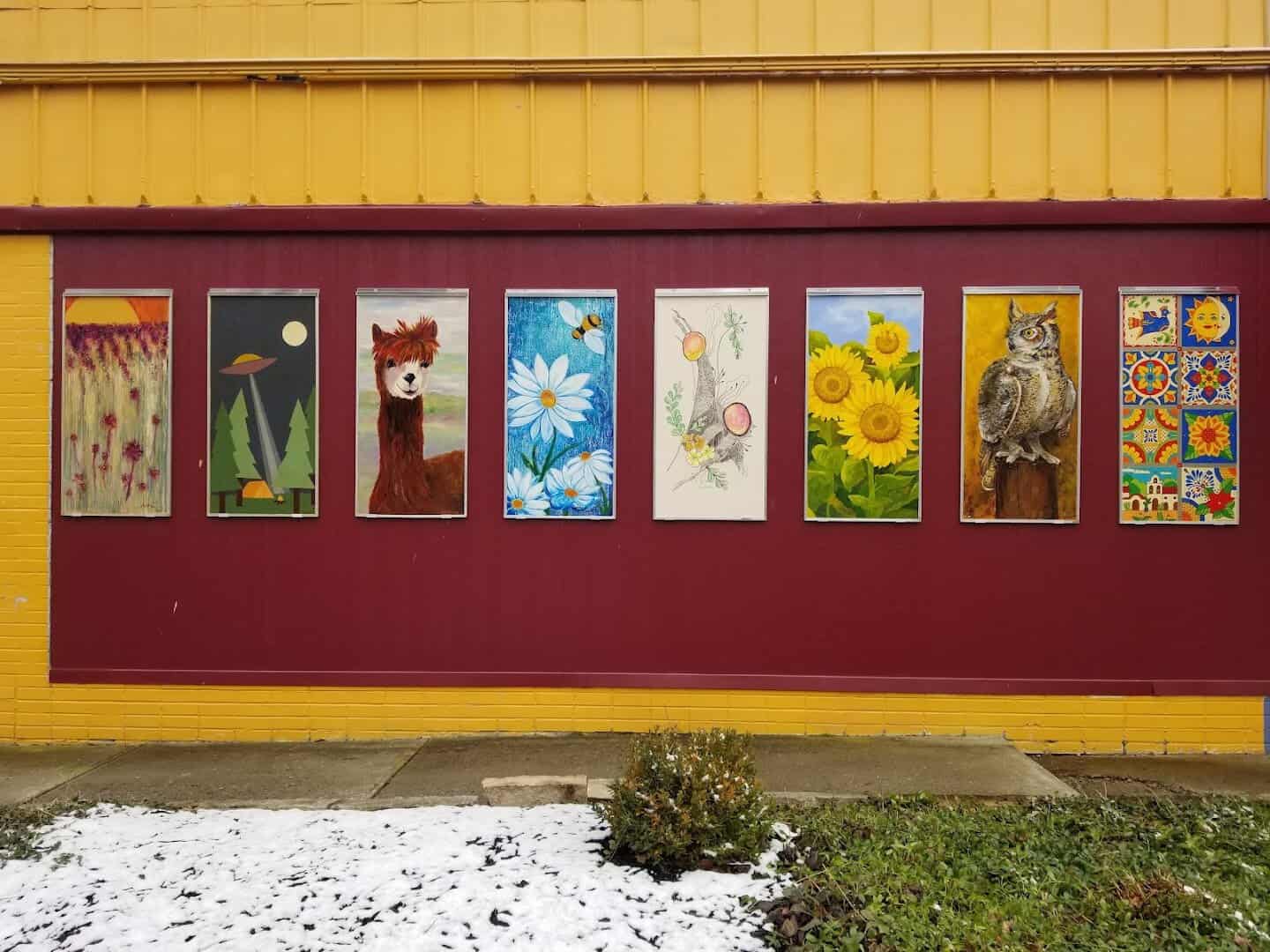
Few small towns wear their creativity as openly as Yellow Springs. Murals splash across downtown walls, turning brick alleys and storefronts into open-air canvases of local folklore and bright color.
The Yellow Springs Arts Council runs gallery spaces on Corry Street and inside the John Bryan Community Center, showing local painters, potters, and printmakers all year.
This village of a few thousand, home to Antioch College, has drawn free spirits for generations, and it shows in every shop window and studio door.
I would spend a Saturday hopping between galleries and craft shops on Xenia Avenue, catch a film at the little art-house theater, then follow a mural I had not noticed down a side street.
When the shops close, the Glen Helen preserve and John Bryan State Park wait right at the edge of town. Artists have always come here for that mix of gallery and greenery.
Where: Yellow Springs Arts Council Gallery, 111 Corry St, Yellow Springs, OH 45387.
6. Saugatuck, Michigan
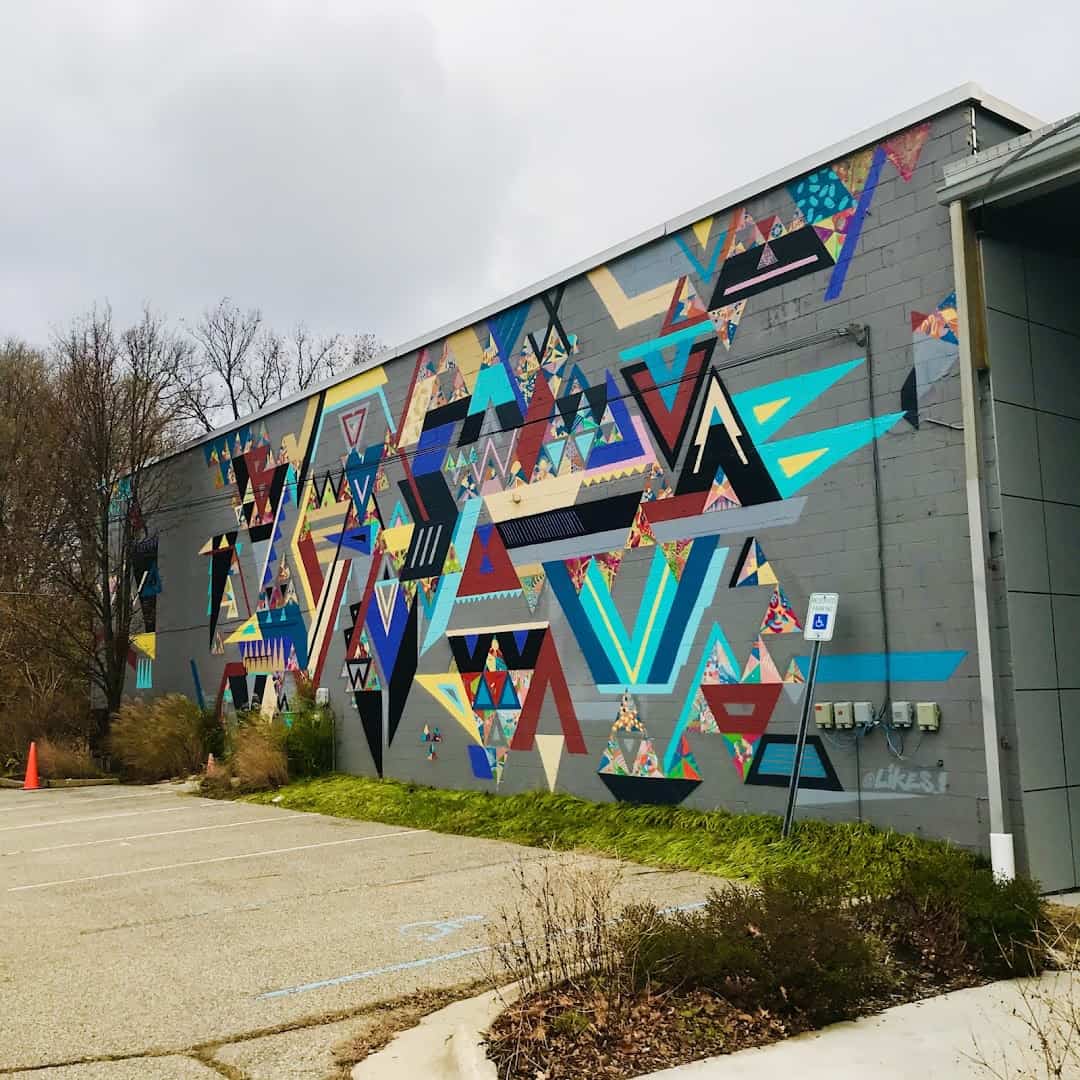
They call this Lake Michigan village the Art Coast of Michigan, and it has earned the name since the early 1900s. Artists came for the dune light and the water, and many never left.
In 1908, two School of the Art Institute of Chicago painters, Frederick Fursman and Walter Marshall Clute, founded the Ox-Bow School of Art in the woods nearby. It still runs summer residencies among the trees.
The Saugatuck Center for the Arts anchors downtown, and galleries fill the walkable streets with everything from hand-blown glass to found-material sculpture.
My ideal weekend pairs a slow gallery crawl with a ride on the hand-cranked chain ferry across the Kalamazoo River, then a climb over the dunes to Oval Beach.
Where: Saugatuck Center for the Arts, 400 Culver St, Saugatuck, MI 49453.
7. Salida, Colorado
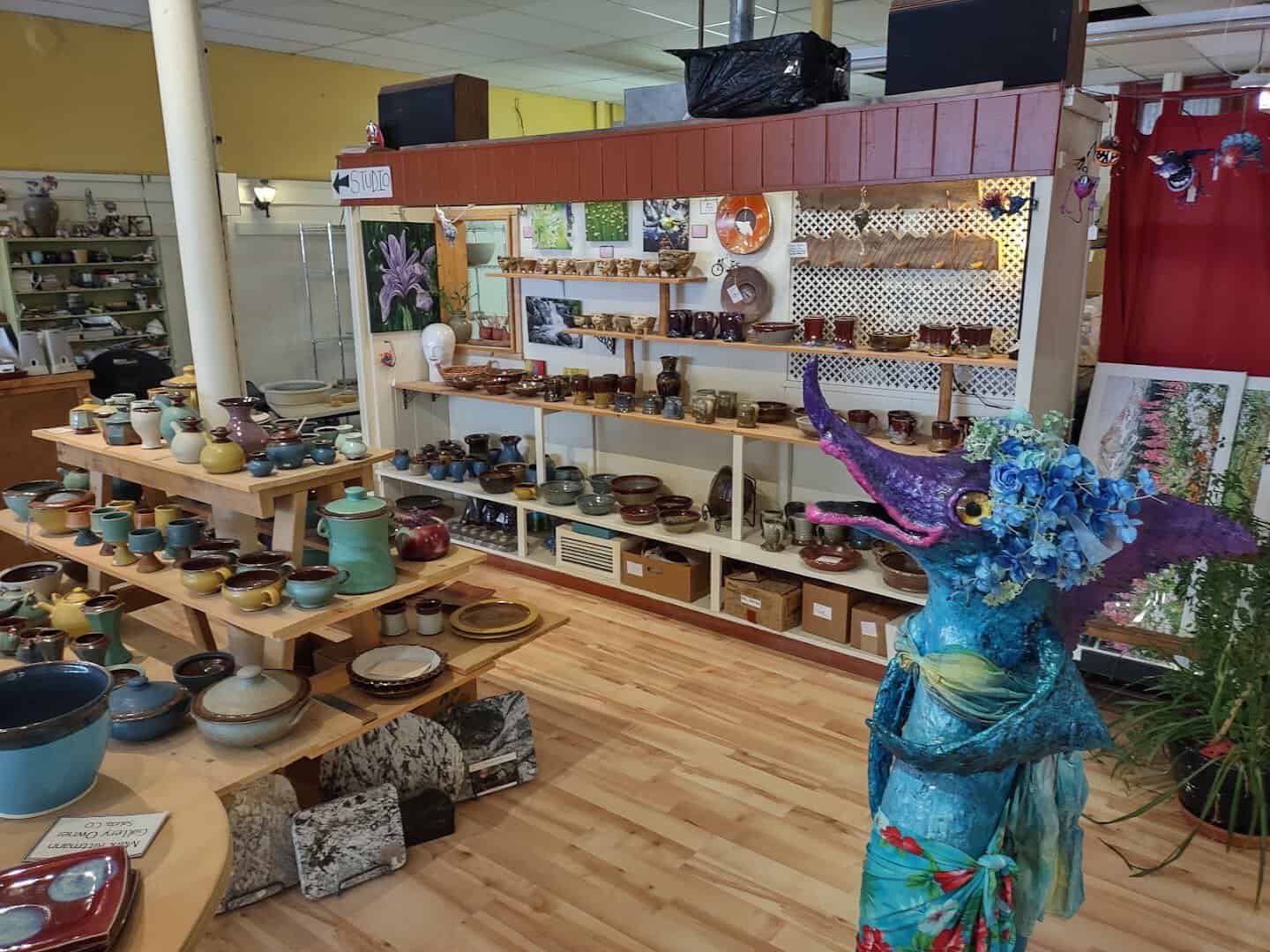
Set in the Rockies along the Arkansas River, Salida holds Colorado’s largest creative district inside its largest historic downtown. More than fifty galleries and studios cluster within a few walkable blocks.
F Street is the heart of it, lined with working artists you can actually watch at the easel or the wheel. Unlike a lot of gallery towns, this one is built around people who make the work in front of you.
On the first Friday of each month, the galleries stay open late for a community art walk, and every June the whole district throws a three-day art celebration.
I love a mountain town that runs on more than skis. Between shows here you can raft the river, then come back for a gallery reception as the peaks turn pink.
The old SteamPlant on the riverbank now hosts exhibits and performances, and a soak at the nearby hot springs is the perfect end to a day on your feet. Salida rewards a slow pace.
Where: Salida Creative District, F Street, downtown Salida, CO 81201.
8. Ojai, California
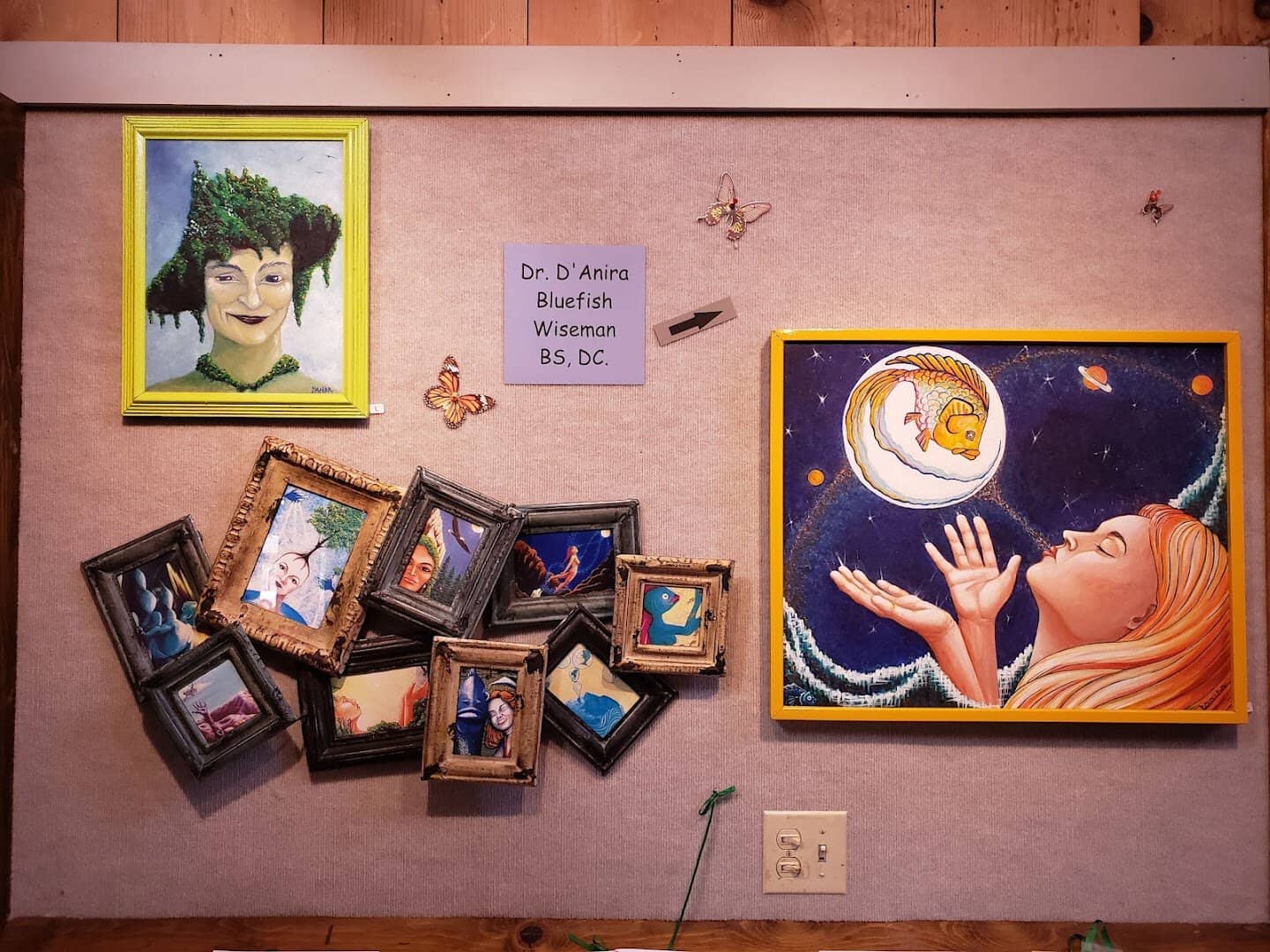
This little valley town northeast of the coast has been an artists’ haven for nearly a century. The Ojai Art Center opened in 1939 as California’s oldest continuously operating multidisciplinary arts center.
A local physician, Dr. Charles Butler, dreamed it up in 1936 to shelter five struggling arts groups under one roof. Today its galleries show painters from the valley and far beyond.
Ojai has long pulled makers in. The ceramist Beatrice Wood, sometimes called the Mama of Dada, worked here into her hundreds, and studio artists still open their doors on a yearly tour.
Ojai’s famous “pink moment” sunset hands artists their light, and the walkable arcade downtown hands them their audience. I would browse the galleries, then taste local olive oil like it is wine.
Do not miss Bart’s Books, an open-air bookstore where the shelves line an outdoor courtyard under the trees. It is the kind of place that makes an afternoon disappear.
Where: Ojai Art Center, 113 S Montgomery St, Ojai, CA 93023.
9. Port Townsend, Washington
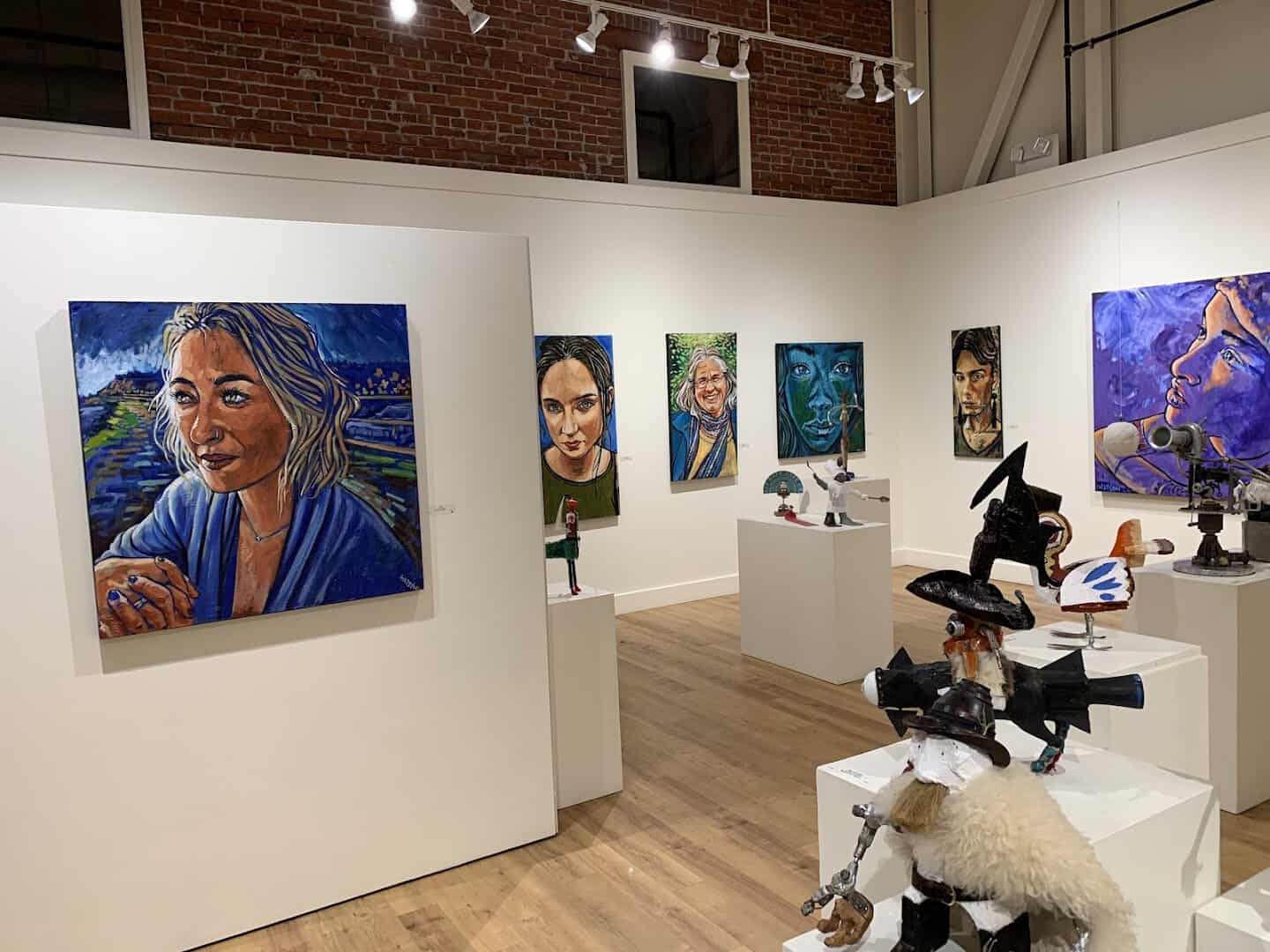
A Victorian seaport on the tip of the Olympic Peninsula, Port Townsend spreads its creativity across restored 19th-century storefronts. The whole waterfront downtown reads like a preserved architectural gallery.
Inside those buildings, the arts hum. Northwind Art runs the Jeanette Best Gallery on Water Street and an art school out at historic Fort Worden, showing painters, printmakers, and sculptors from across the Northwest.
The creative energy spills outdoors too, with a beloved wooden boat festival every fall and the Centrum arts programs filling Fort Worden with music and writing all summer.
On the first Saturday of the month, the galleries throw open for an evening art walk. I would time my visit for that, then chase the ferry-and-mountain views between exhibitions.
Where: Northwind Art, 701 Water St, Port Townsend, WA 98368.
10. Marfa, Texas
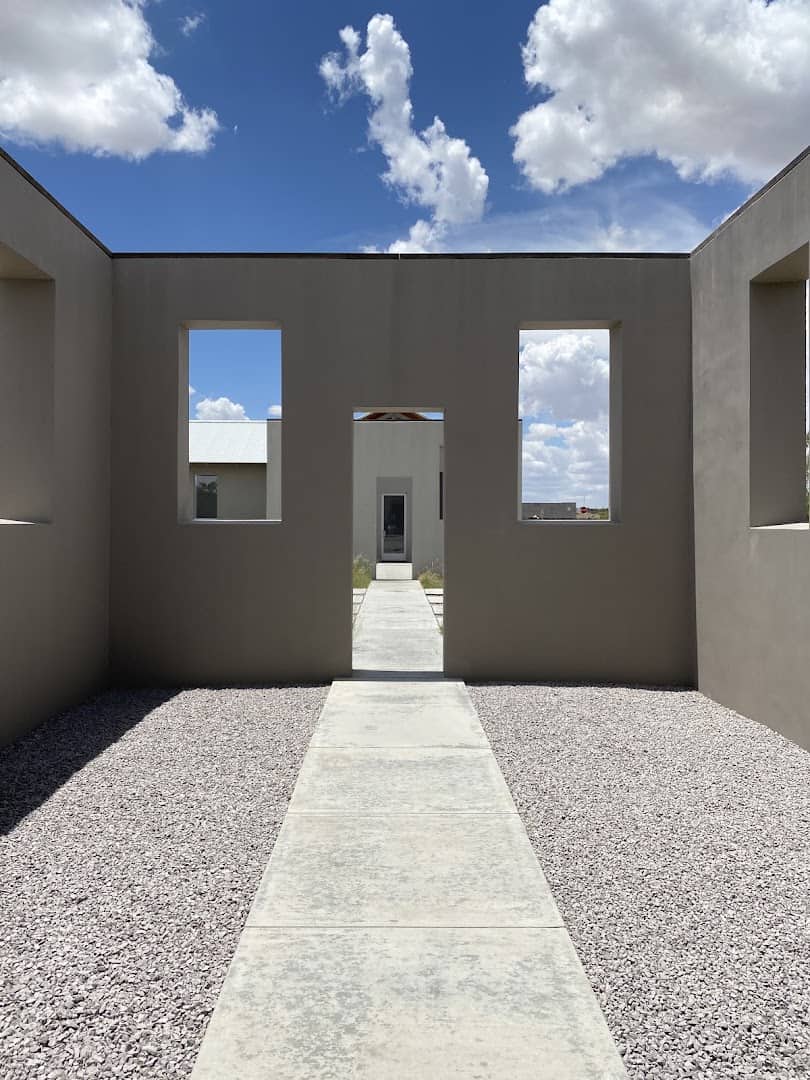
Texas closes the list with a high-desert town the art world flies in to see. In 1986, minimalist Donald Judd founded the Chinati Foundation here on 340 acres of a former Army base.
His fifteen concrete works stretch across the grassland, and converted artillery sheds hold a hundred aluminum boxes that shift with the light all day long. Dan Flavin and John Chamberlain fill more buildings with light and steel.
Judd bought up much of the town too, and the Judd Foundation still keeps his home and studios exactly as he left them. Every October, Chinati throws open its doors for a weekend the whole town celebrates.
Downtown Marfa answers with galleries, adobe studios, and a bookshop or two. I would catch Chinati by daylight, then wait out past dusk for the famous Marfa lights.
Where: Chinati Foundation, 1 Cavalry Row, Marfa, TX 79843.
Pack Light and Leave Room for Art
Ten towns, ten creative weekends, and not one big city among them. Pick the one that pulls you, book a room within walking distance of the galleries, and give yourself a slow Saturday.
Talk to the makers, buy the small piece you keep thinking about, and let a mural lead you somewhere you had not planned to go. Ask a gallery owner where the artists actually eat, and go there.
These towns stay small on purpose, which is exactly why a weekend in one sticks with you. You will drive home a little more inspired than you left, already planning the next stop on the list.
Featured image: Florent ROUFFIGNAC via Dia Beacon

Stella Raines
Editor-in-Chief
Stella brings over a decade of storytelling experience to TX Headlines. With roots in West Texas and a love for road trips, she leads the editorial team with an eye for the hidden stories that make Texas unforgettable.