This Working Texas Ranch Has Been Turning City Folks Into Cowboys for Nearly 90 Years
The first time a horse ever trusted me, I was somewhere in the Texas Hill Country with dust on my boots and no idea what I was doing.
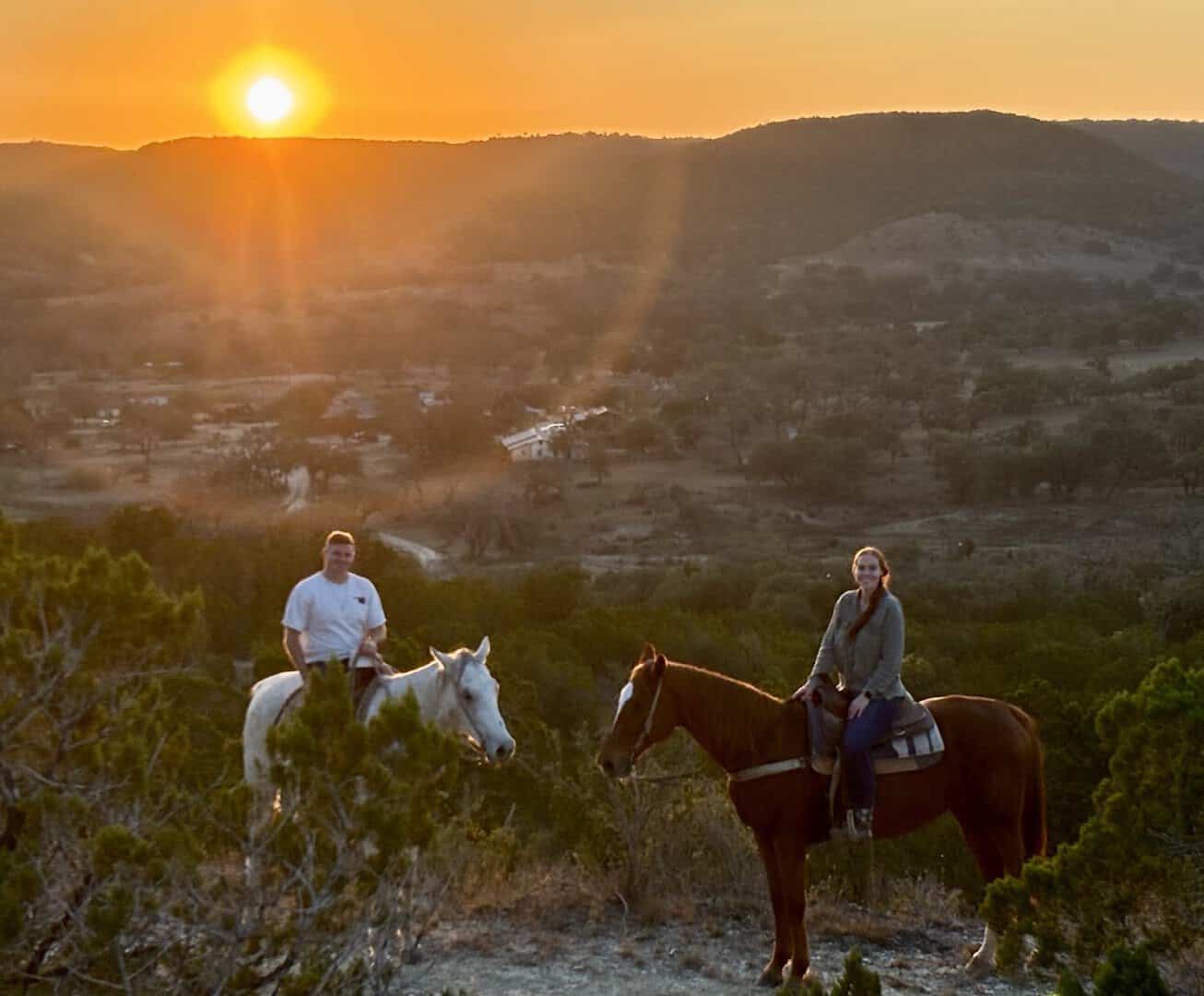
A wrangler looked me over, sized up my nerves in about four seconds, and handed me the reins to a patient bay who had clearly done this a thousand times. We climbed a rocky rise through the mesquite, the valley opened up below us, and I forgot to be scared.
That feeling lives at a fifth-generation working ranch tucked into the hills west of Bandera, and it comes with slow saddle mornings you will not find at any hotel.
The place is Dixie Dude Ranch, and it has been quietly turning city folks into weekend cowboys since 1937. Below, here is why a couple of nights here rearranges what you think a vacation is supposed to be.
Two Rides a Day and a Horse Chosen Just for You
Here is the thing nobody warns you about a real guest ranch: the horses run the schedule, and it is glorious.
Every overnight guest gets two free rides a day, most of them about an hour long, done at an easy walking pace that leaves you time to just look around.
You do not need to know a stirrup from a saddle horn. The wranglers ask about your experience, watch how you carry yourself, and match you to a horse that fits.
Nervous first-timers get the calm old souls. Kids under six ride double with a parent, small arms wrapped around a grown-up in the saddle.
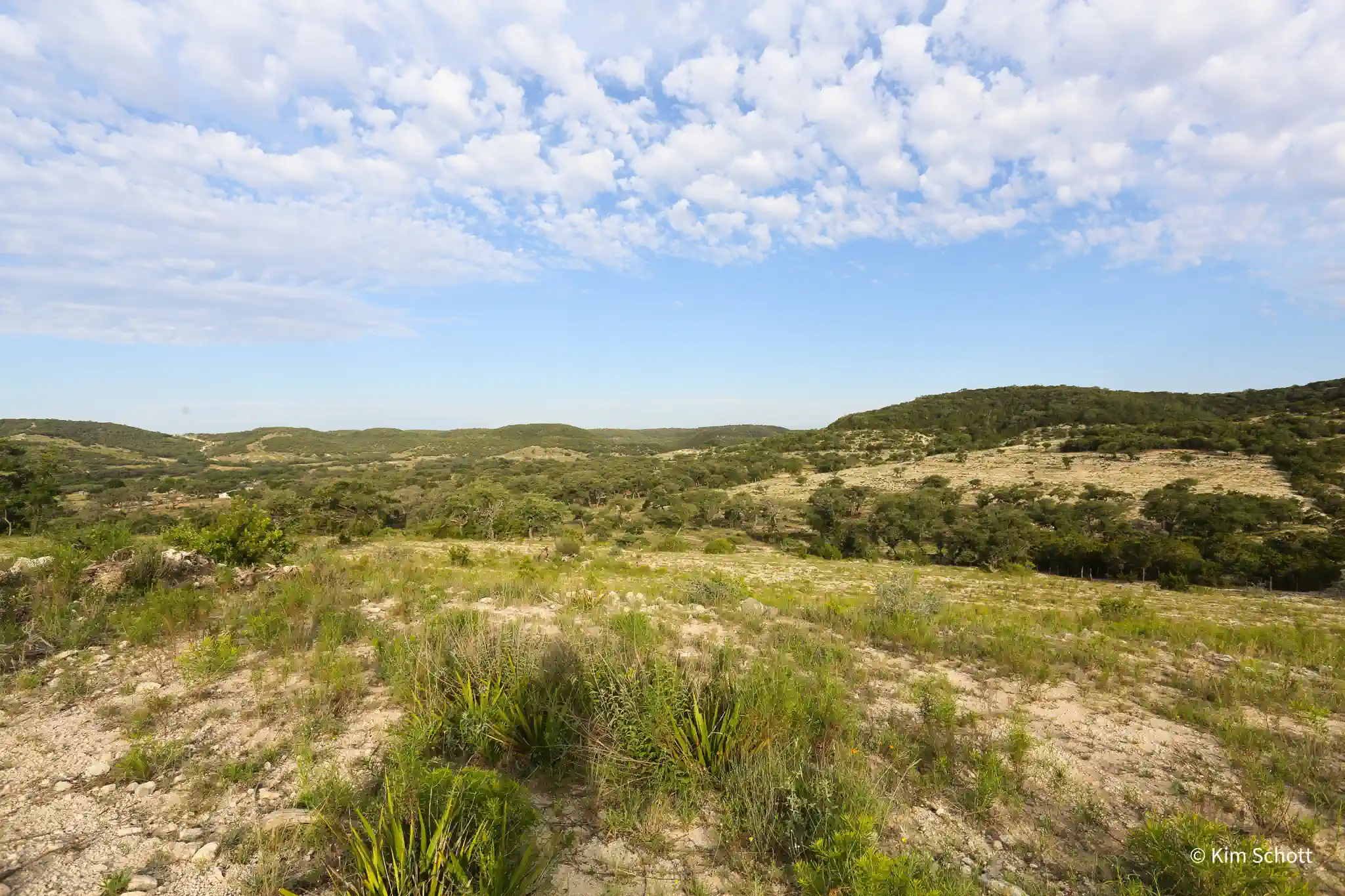
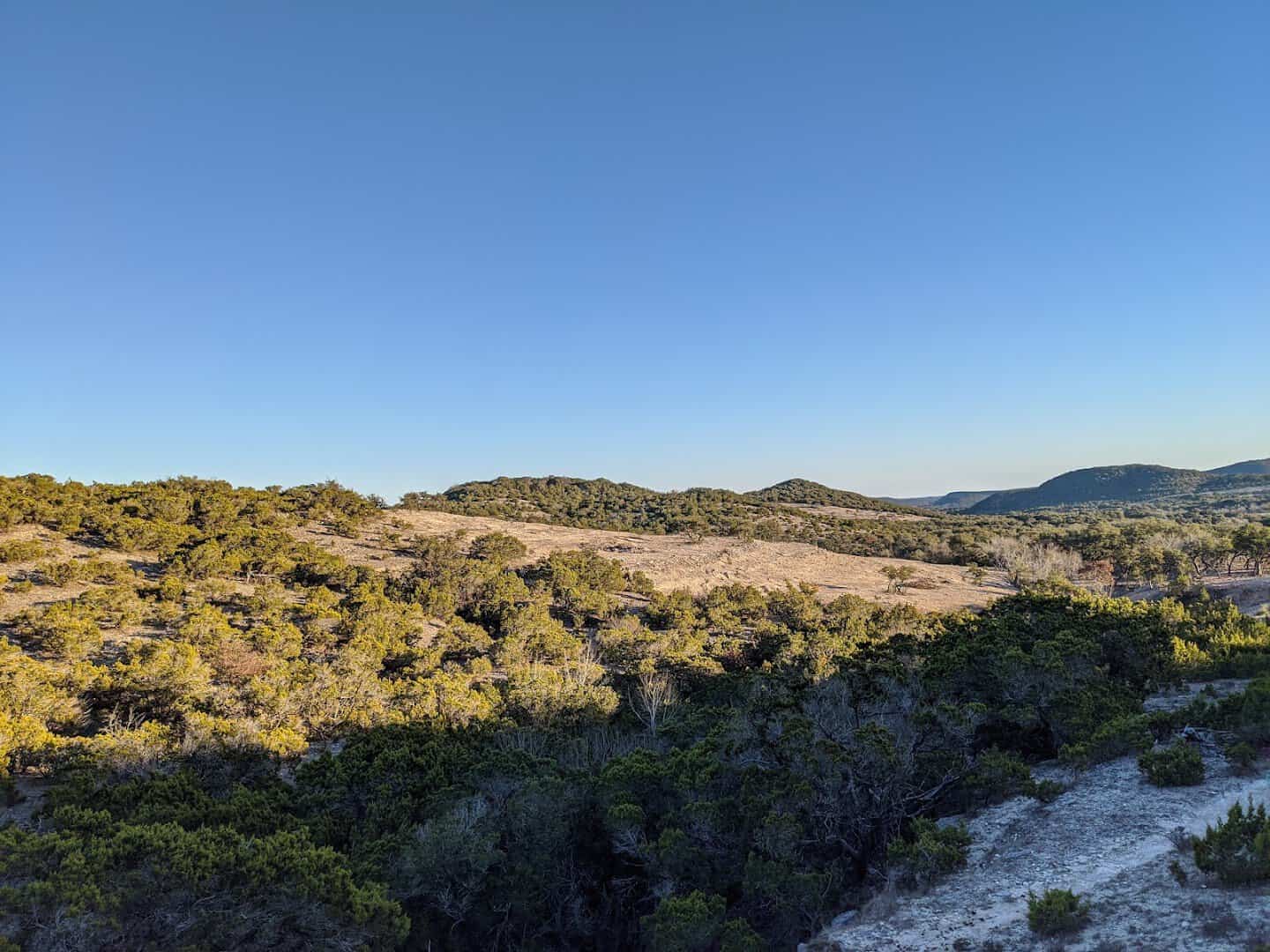
The trails wind and climb across 725 unspoiled acres, through cedar and mesquite and up onto ridges where the Hill Country rolls out in every direction. Each ride takes a different route, so two days on horseback never repeats itself.
My favorite part was the quiet. No engine, no notifications, just the creak of leather and the soft clop of hooves on limestone.
By the second morning I was reaching for the saddle before breakfast, which is not a thing I ever expected to write about myself.
Teens and adults who want more can ask about the longer sunset rides, offered for a little extra when the schedule allows. But even the standard hour is plenty.
You come back with sun on your neck, a little saddle-sore in the best way, and the satisfaction of someone who spent the morning on a horse instead of a laptop.
When the Bell Rings, You Come Running
Nobody at Dixie Dude Ranch has to guess when dinner is ready. A bell rings across the property, and every guest drifts toward the community dining room like it is the most natural thing in the world.
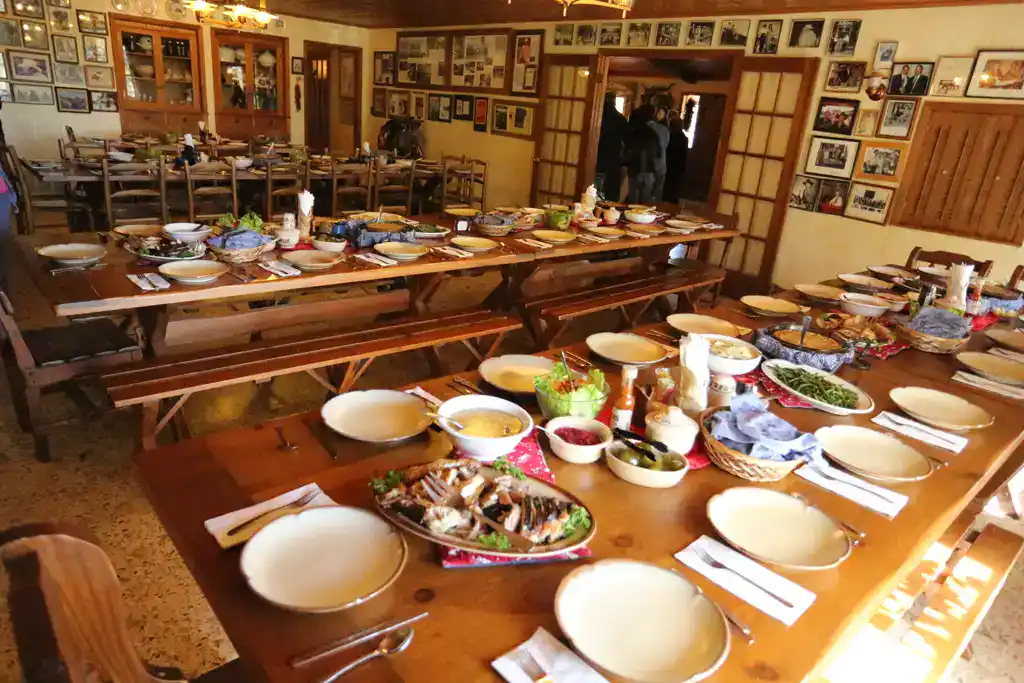
Three home-cooked meals land on the table each day, served family style at long shared tables.
And this is Texas, so the food does not mess around. Think barbecue ribs, smoky brisket, pork sausage, fried chicken, and mountains of mashed potatoes.
Some of it is cooked outdoors over a fire, the way ranch food is supposed to smell before you ever taste it.
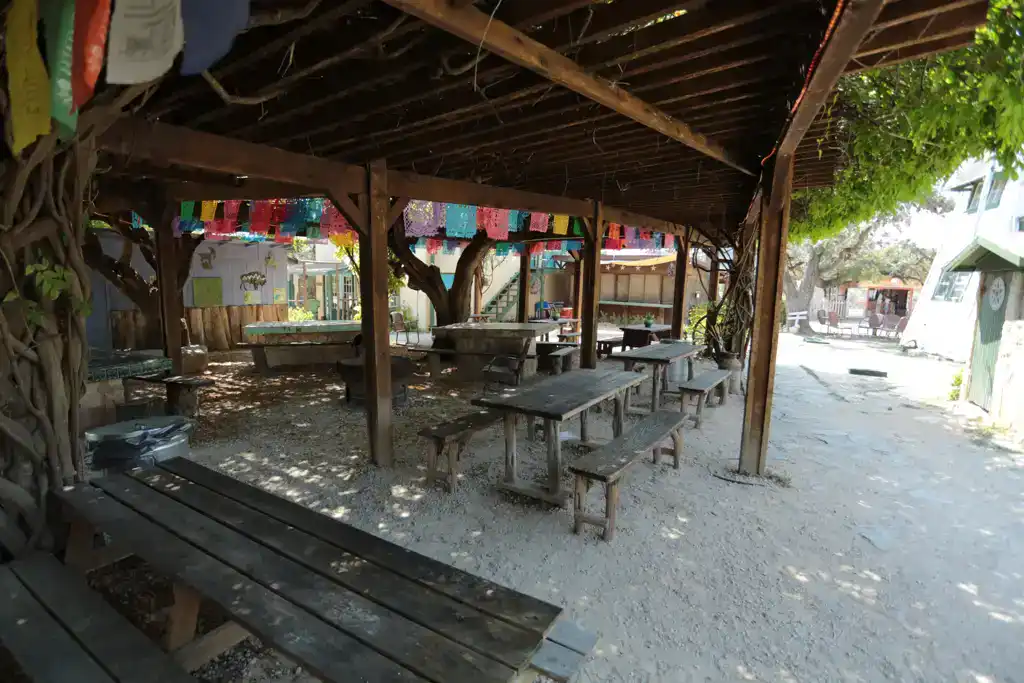
You eat elbow to elbow with strangers who stop being strangers by the second meal. A family from Houston, a honeymooning couple, a pack of kids comparing which horse they rode.
There is a warmth to a shared table that a room-service tray never delivers. By the last breakfast you know who takes their coffee black and whose kid is scared of the big paint horse.
Did you know the ranch has been feeding guests home cooking since before World War II? Some of the very first visitors were young pilots training in San Antonio.
They came for exactly this: a good bed, plenty of food, a horse in the daytime, and country music at night.
A Working Ranch, Not a Theme Park
What makes this place hit different is that the cowboy stuff is not for show. Dixie Dude Ranch is a genuine working stock operation.
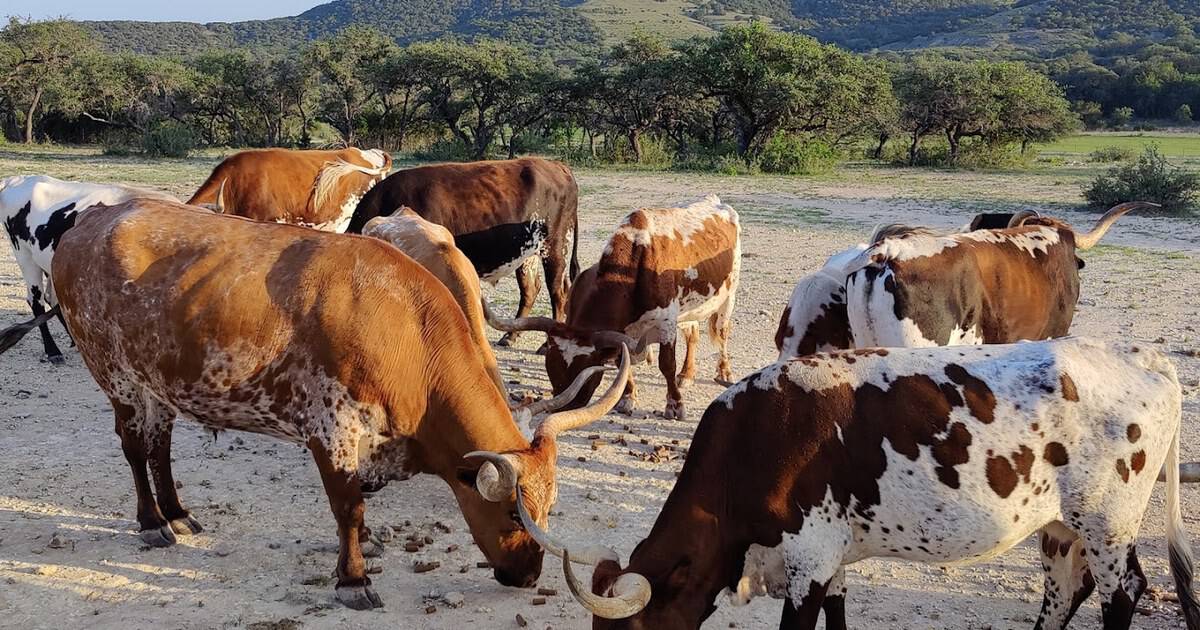
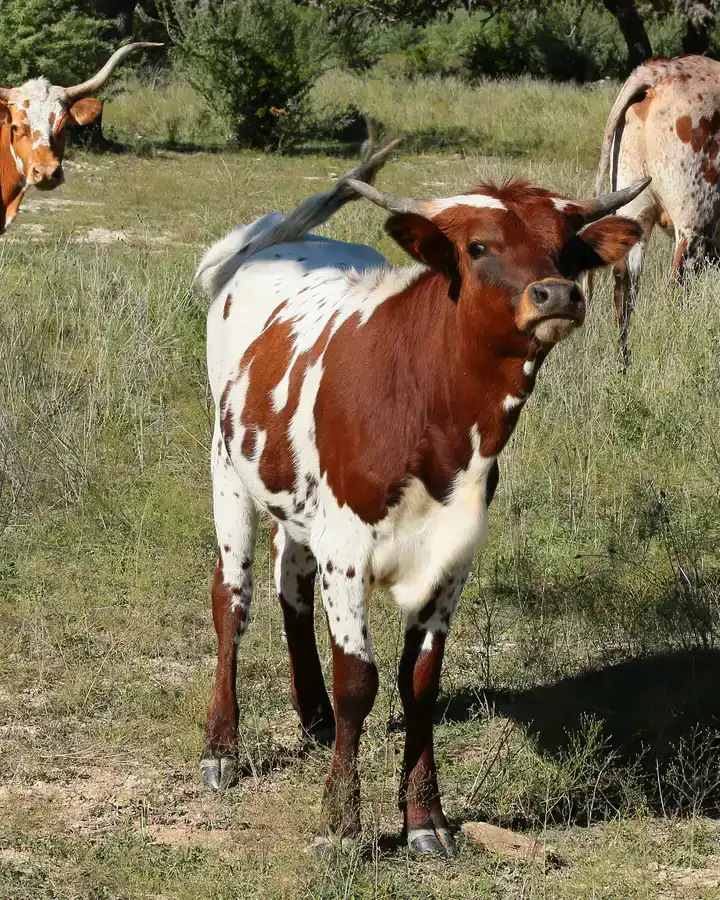
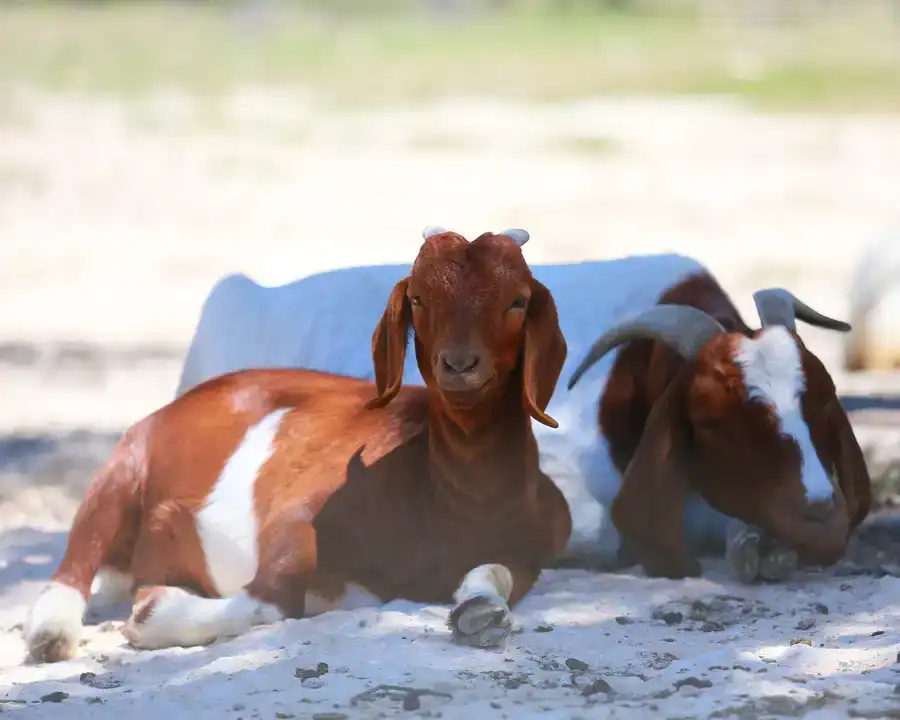
Longhorn cattle graze the pastures. Spanish and Boer goats pick through the brush. The cowboys who guide your trail ride are the same hands who work the stock and compete in rodeos.
That authenticity is baked into every acre. When you ride out, you are moving through a real ranch that happens to welcome guests, not a stage set built to look like one. The longhorns you pass are the ranch’s own.
Bandera calls itself the Cowboy Capital of the World, and it earns the title. The ranch sits about nine miles west of town, roughly an hour from San Antonio, deep enough into the Middle Verde Valley that the modern world starts to feel optional.
The town itself is worth a wander when you are not in the saddle. Bandera has been ranch country since the 1850s, and it wears its history plainly.
Honky-tonks, saddle shops, and a courthouse square where cowboy hats are work clothes, not costumes. Spending your nights on a real ranch and your afternoon in a real cowboy town makes the whole weekend feel of a piece.
Because the ranch keeps its own livestock, the rhythm of the place is set by animals, not by an activities director with a clipboard. Riders head out, goats browse, and the days keep an old, unhurried cattle-country pace.
Roots That Run Five Generations Deep
The story starts in 1901, when William Wallace Whitley and his wife Zoe Dixon Whitley bought 1,440 acres of raw Hill Country land in Bandera County.
They raised horses and Angora goats, and they raised eight children on that ground.
The dude ranch chapter began during the Great Depression, and it began in the movies. Whitley’s daughter Billie had gone to California and become an actress. She married Dee Crowell, a Hollywood stunt man.
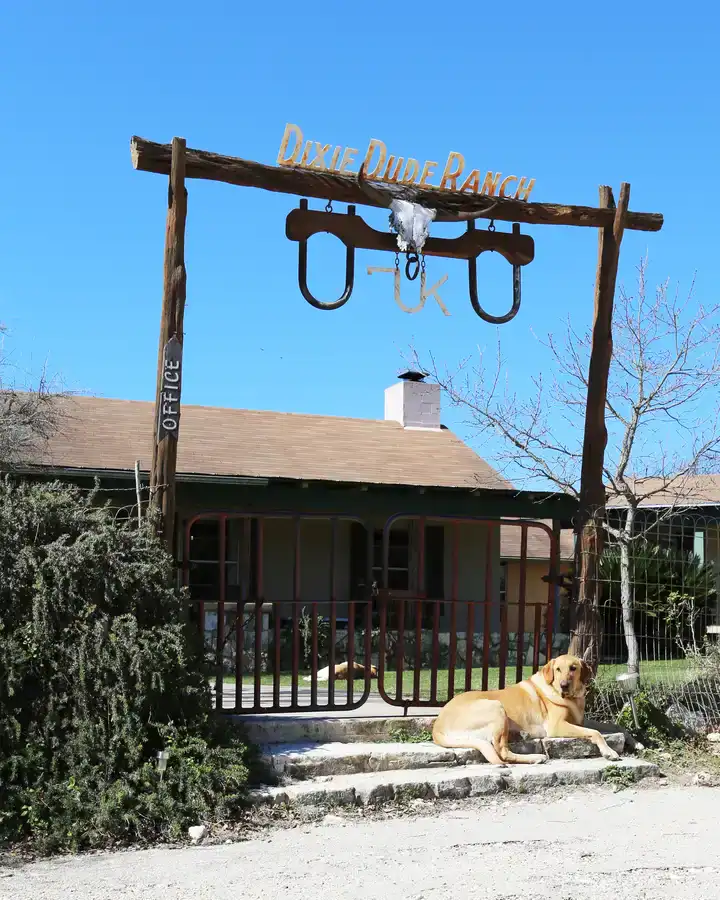
When times got hard, the couple brought their young daughter back to Texas with a wild idea: turn the family ranch into a place where paying guests could taste cowboy life.
William agreed to give it a try. The Crowells converted an old bunkhouse into living quarters, fired up a wood-burning stove, and opened for business on July 3, 1937.
The name nods to their long haul home from California back to Dixieland, and to Zoe’s maiden name, Dixon.
Those first paying guests arrived at an odd moment in history. During World War II, young pilots training near San Antonio came out to the ranch on their days off.
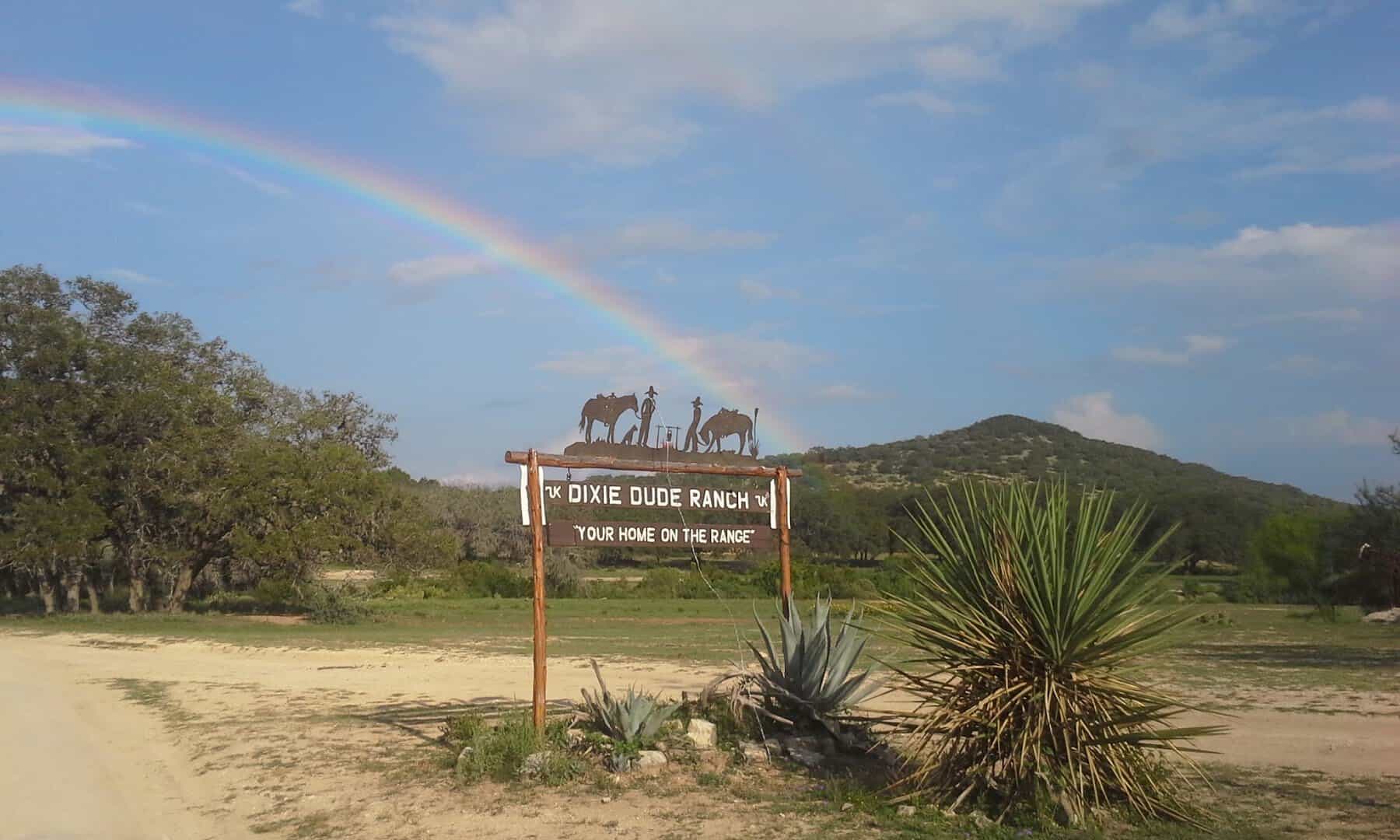
They wanted a good bed, a plate of home cooking, a horse in the daytime, and music at night, which is exactly what the ranch still offers eight decades later.
Today the ranch is run by Clay and Diane Conoly and their two sons. Clay is the grandson of Billie and Dee Crowell, a seventh-generation Texan carrying on a tradition that turns 89 years old in 2026.
The saddles on the walls and the antique piano in the great room are not props. They are heirlooms.
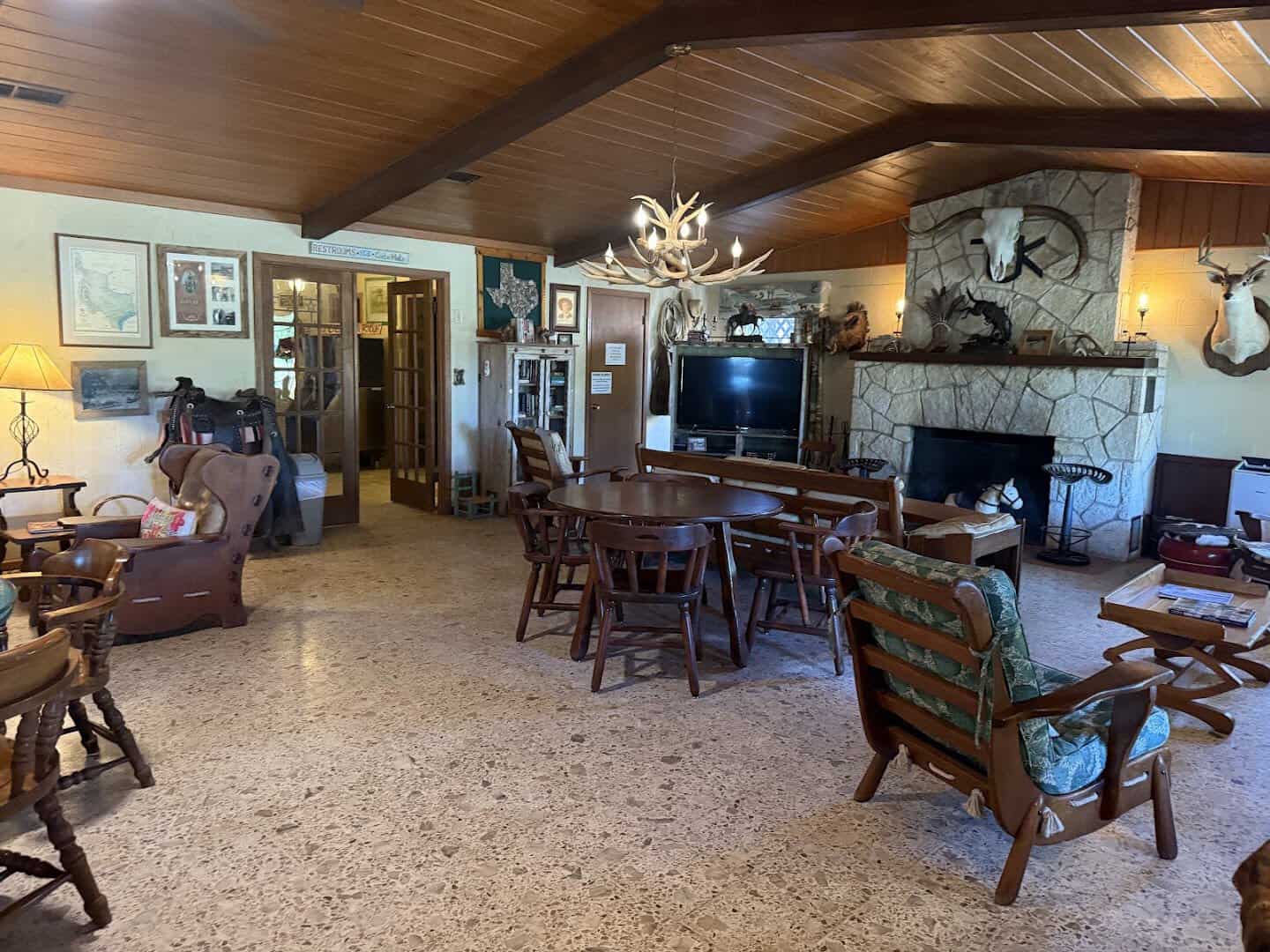
That kind of continuity is rare. When the person handing you a plate of ribs shares a last name with the folks who fired up the wood stove in 1937, the hospitality stops feeling like a service.
Everything to Do Between the Rides
Two horseback rides fill the frame of each day, but the hours between them are far from empty. There is an outdoor swimming pool and a kiddie pool for the little ones, plus a hot tub for sore riding muscles.
You can drop a line for catch-and-release fishing in the ranch ponds, take a hayride, or wander the hiking trails on your own two feet.
If the saddle leaves you stiff, the ranch even keeps massage therapy on the menu, which is a very modern comfort in a place that otherwise runs on 1937 rhythms.
As the light fades, the ranch gathers everyone for campfire sing-alongs, live country music, and the occasional rope-trick demonstration.
Inside, the Roundup Room is the beating heart of the evenings. It is a big, comfortable living room where guests read, dance to the jukebox, sprawl on the sofas, and swap stories about the day’s ride.
Evenings tend to end around the fire. Somebody brings a guitar, the country tunes start up, and if you are lucky a ranch hand runs through a few rope tricks while the kids sit wide-eyed.
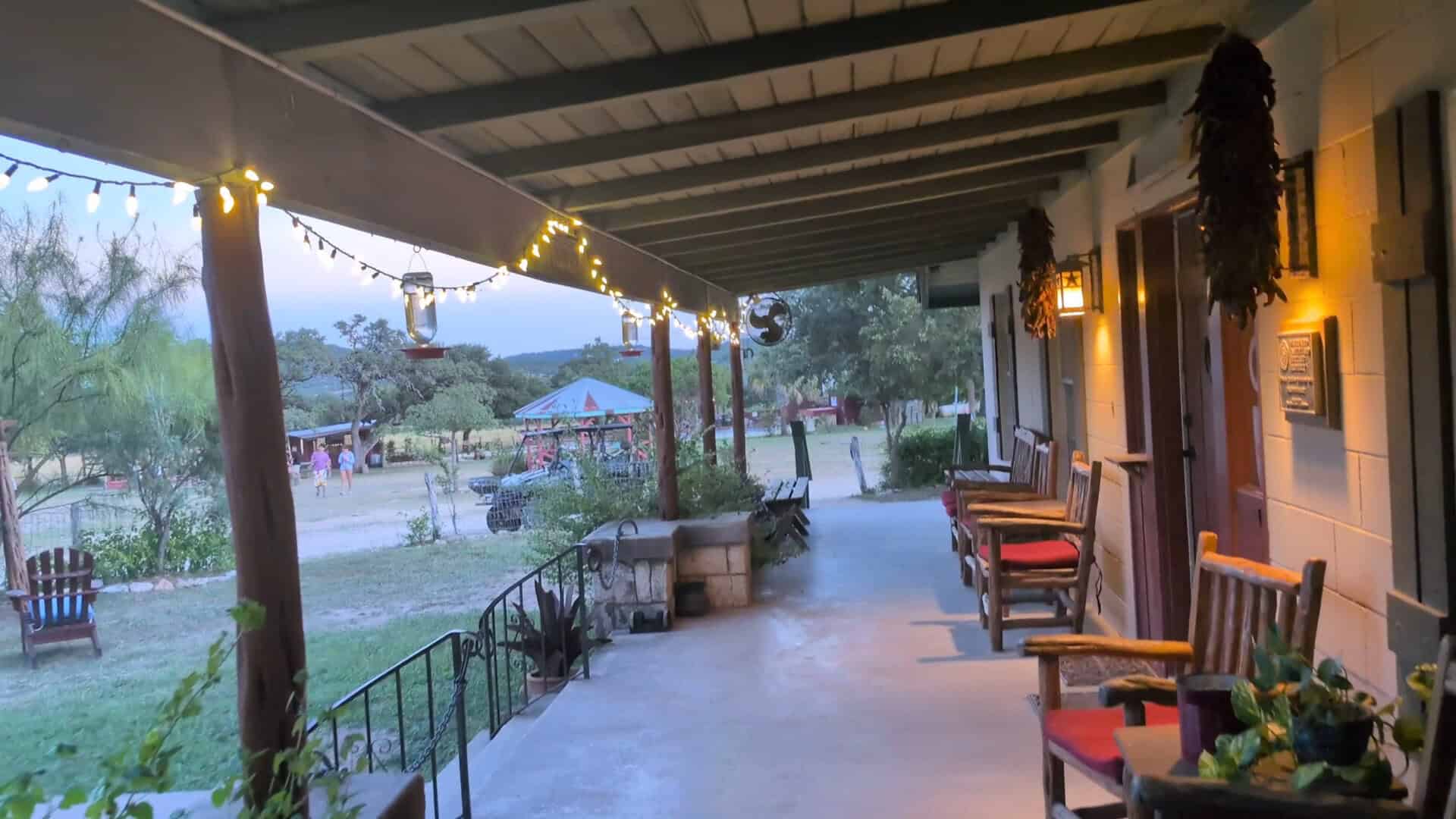
There is no schedule pushing you to the next thing, which is the whole point. You stay by the coals as long as the conversation holds.
Pro tip: the rooms come without televisions or hair dryers, and cell service and Wi-Fi are thin on purpose.
It sounds like a catch until about hour three, when you realize your shoulders have dropped two inches and you have not looked at your phone since lunch.
Rooms, Cabins, and How the Nights Are Priced
Lodging ranges from cozy rooms and cottages to deluxe cabins and bunkhouse quarters, all with the knotty-wood, patchwork-quilt charm you would hope for.
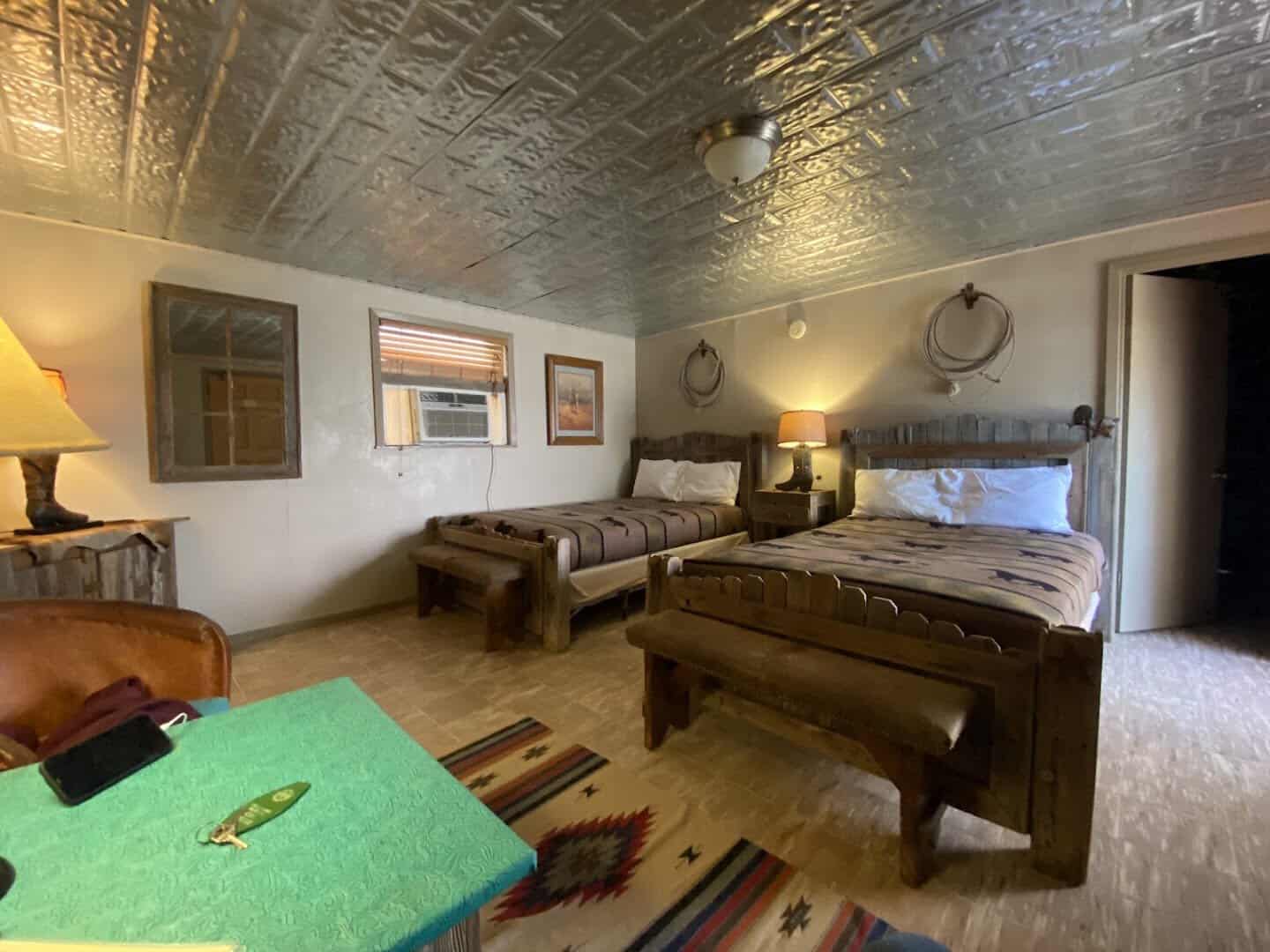
Every stay runs on the American Plan, which is ranch-speak for meals and rides included.
For 2026, adult rates run about $207 per person per night for a single and $190 each for a double, with weekly rates that bring the nightly number down.
Children are far cheaper: kids two to five stay around $80 a day, six to twelve around $100, and little ones under two ride along free.
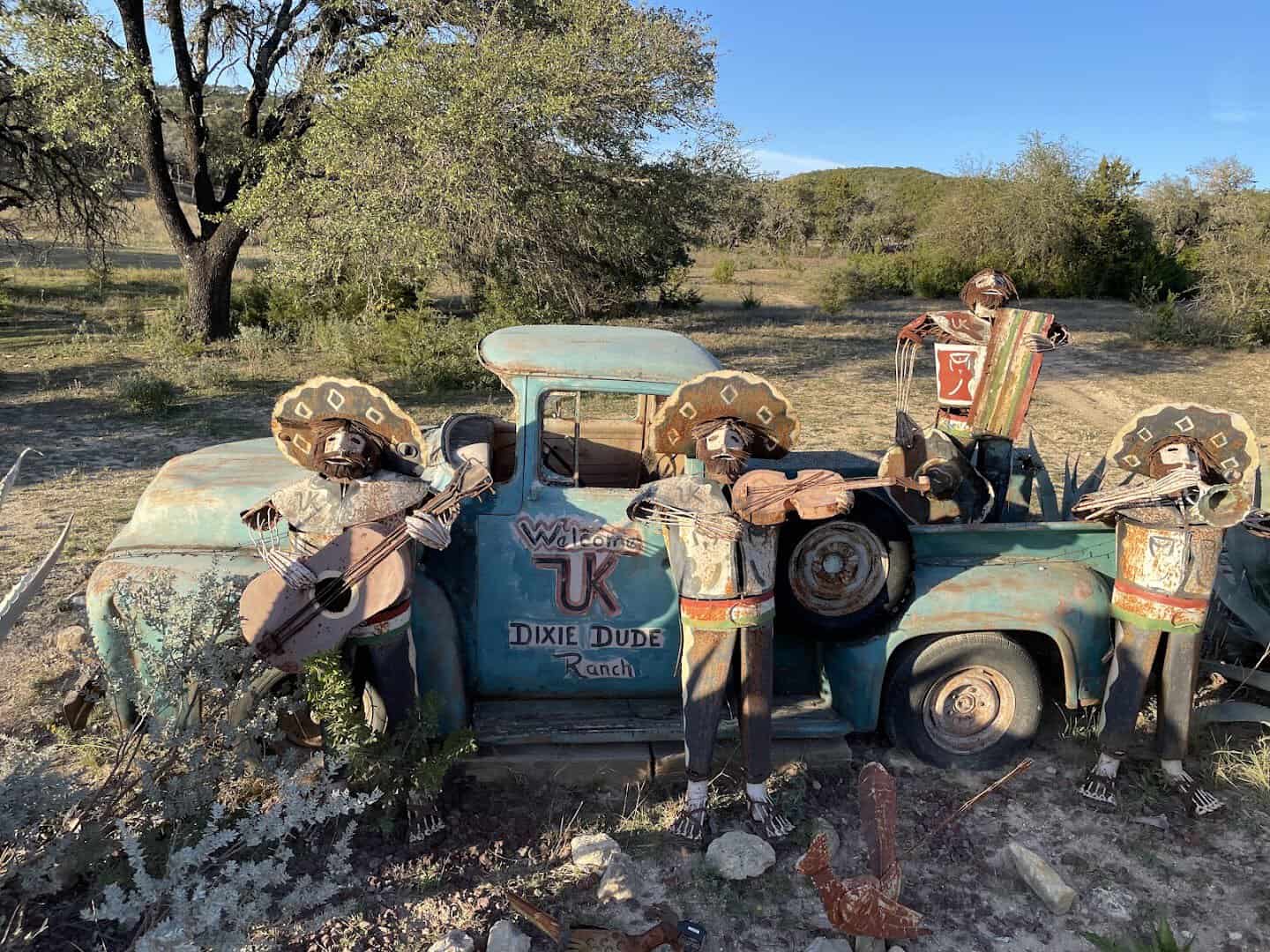
Deluxe cabins add ten percent, bunkhouse rooms knock a few dollars off, and paying cash at checkout earns a 4 percent discount. There is a two-night minimum, which stretches to three nights over Memorial Day and Labor Day weekends.
How to Get There
Where: Dixie Dude Ranch, 833 Dixie Dude Ranch Rd, Bandera, TX 78003
Aim for Bandera, about an hour northwest of San Antonio, then follow the ranch road nine miles west of town into the Middle Verde Valley.
Check-in starts at 3:00 pm, and the ranch does not take Sunday arrivals, so plan your drive for any other day of the week.
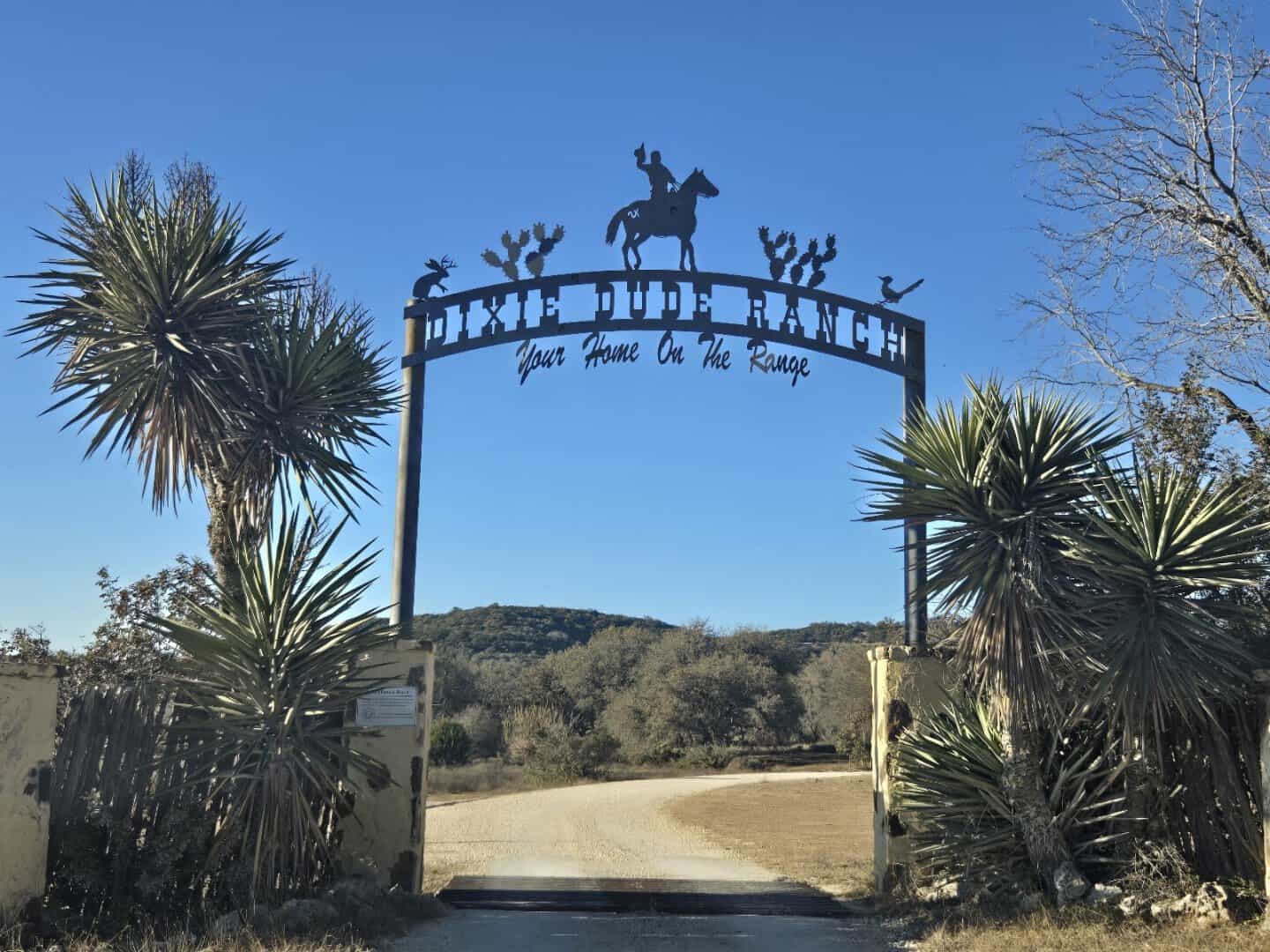
Reservations run through the ranch directly, and a two-night minimum means you commit to at least one full cowboy day between your arrival and your goodbye.
One guest summed the whole thing up as “the best getaway,” and after a couple of mornings in the saddle, that lands about right.
Saddle Up for Your Own Hill Country Weekend
Some vacations hand you a pool and a buffet and hope you are entertained. This one hands you a horse, a bell that calls you to supper, and a valley full of longhorns and quiet.
Whether you have ridden your whole life or never once, whether you are chasing a family reunion or a slow honeymoon, the Hill Country is waiting with your boots already half broken in.
Book the two nights, let the phone go dark, and let a patient old horse show you the rest.
Featured image: Beate Hall via Dixie Dude Ranch

Stella Raines
Editor-in-Chief
Stella brings over a decade of storytelling experience to TX Headlines. With roots in West Texas and a love for road trips, she leads the editorial team with an eye for the hidden stories that make Texas unforgettable.
More Stories

This Historic Texas Hotel Lets You Sleep in a Vintage Railroad Caboose
This Adults-Only Texas Spa Resort Is a Phone-Free Escape Where Relaxation Is Mandatory
This Historic West Texas Hotel Has Been Welcoming Guests Since 1927
This Historic Texas Lakefront Hotel Is a One-of-a-Kind Stay in Vintage Railcars
Tags