This Wild Texas Wildlife Refuge Feels Untamed in a Way Most Visitors Never Expect
There is a certain kind of quiet that a big city can never quite kill, and I have spent years chasing it. You know the one.
You drive past the last strip mall, the traffic thins, the radio loses its station, and suddenly the land opens up and remembers what it was before anybody paved it.
What surprises me is how close that quiet sometimes hides. You would expect real, untamed country to sit hours from the nearest coffee chain.
Yet there is a slice of the Texas Hill Country where cliffs drop into cedar canyons and rare songbirds nest in the junipers. It sits close enough to Austin that you could be there before your second cup of coffee cools.
That place is Balcones Canyonlands National Wildlife Refuge, a stretch of rugged canyon country northwest of the city where the modern world genuinely falls away.
Below, we will wander its ridgelines, meet the two little birds it was built to save, walk its best trails, and sort out exactly how you visit for free.
Wilder Than It Has Any Right to Be
Balcones Canyonlands is the only national wildlife refuge in Central Texas, and one of just over twenty in the whole state.
It protects roughly 28,000 acres today, pieced together parcel by parcel, with approval to keep growing toward around 46,000. That patchwork spreads across three counties: Burnet, Travis, and Williamson.
Numbers only tell you so much. What the acreage means on the ground is space to get genuinely lost in your own thoughts.
The refuge sits on the Balcones Escarpment, the fault line where the flat blackland prairie buckles up into the limestone hills. That geology is the whole story here.
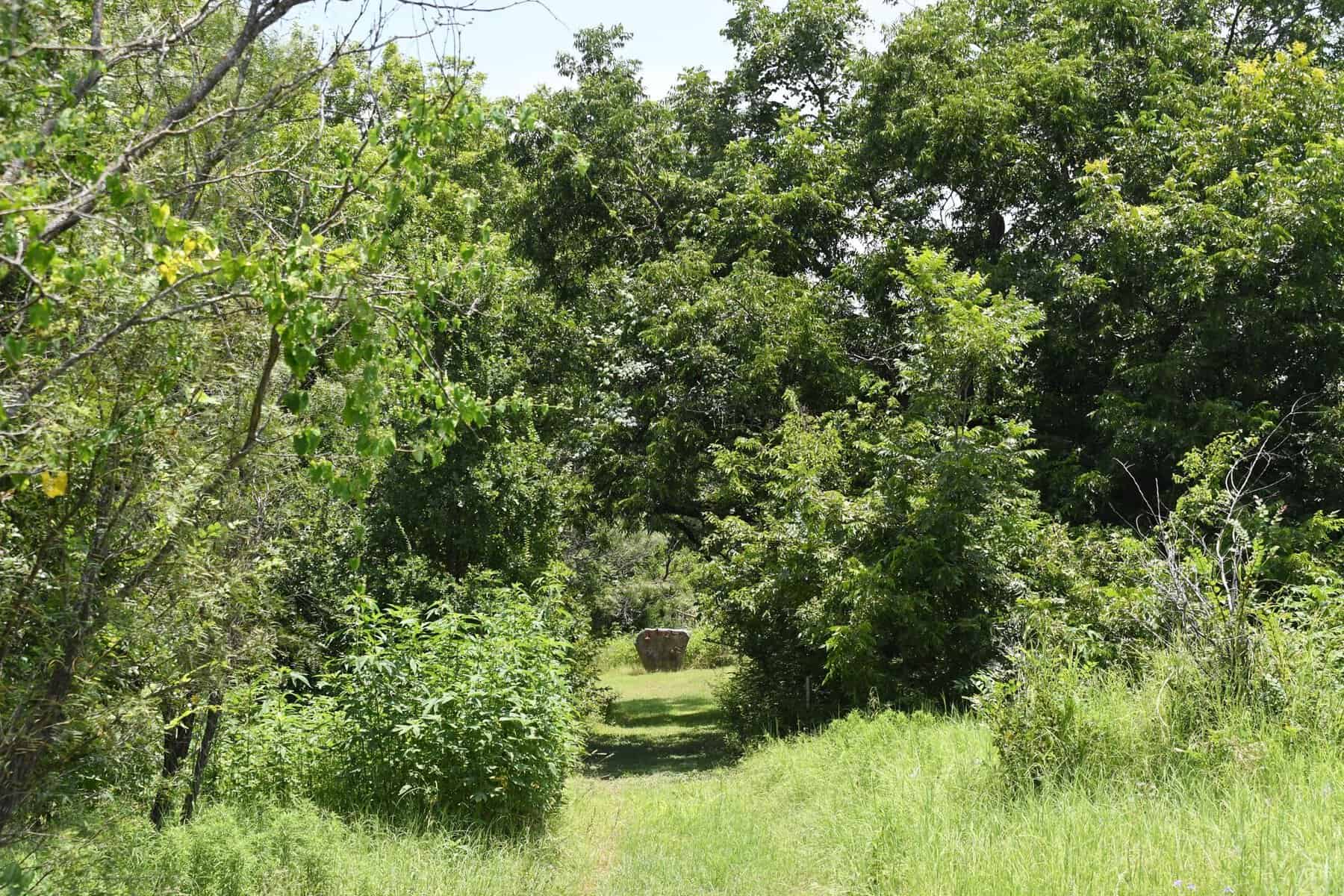
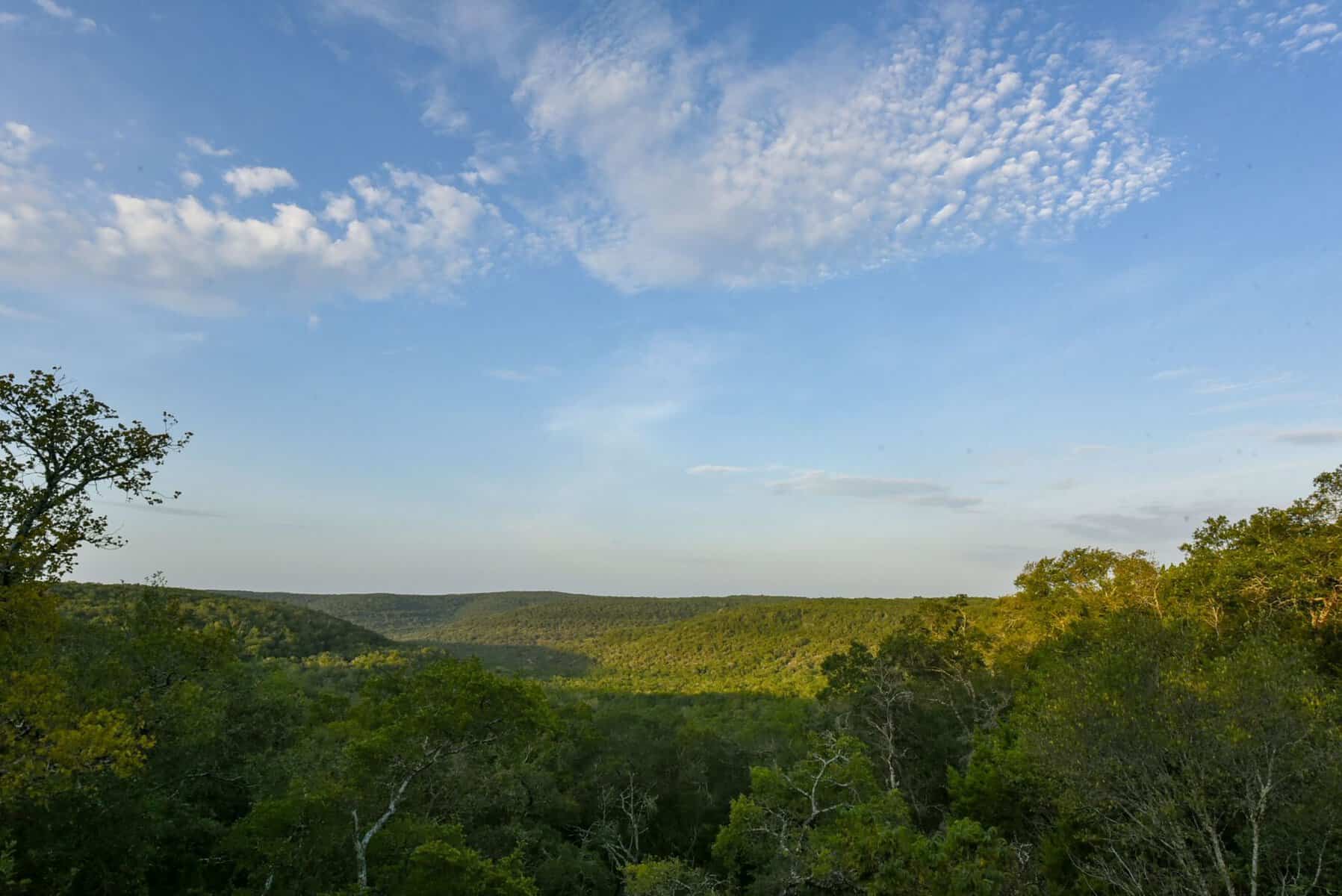
Rainwater has spent millions of years carving the soft limestone into steep canyons, sinkholes, and hidden caves. Ashe juniper and live oak cling to the slopes, and sycamores crowd the creek bottoms.
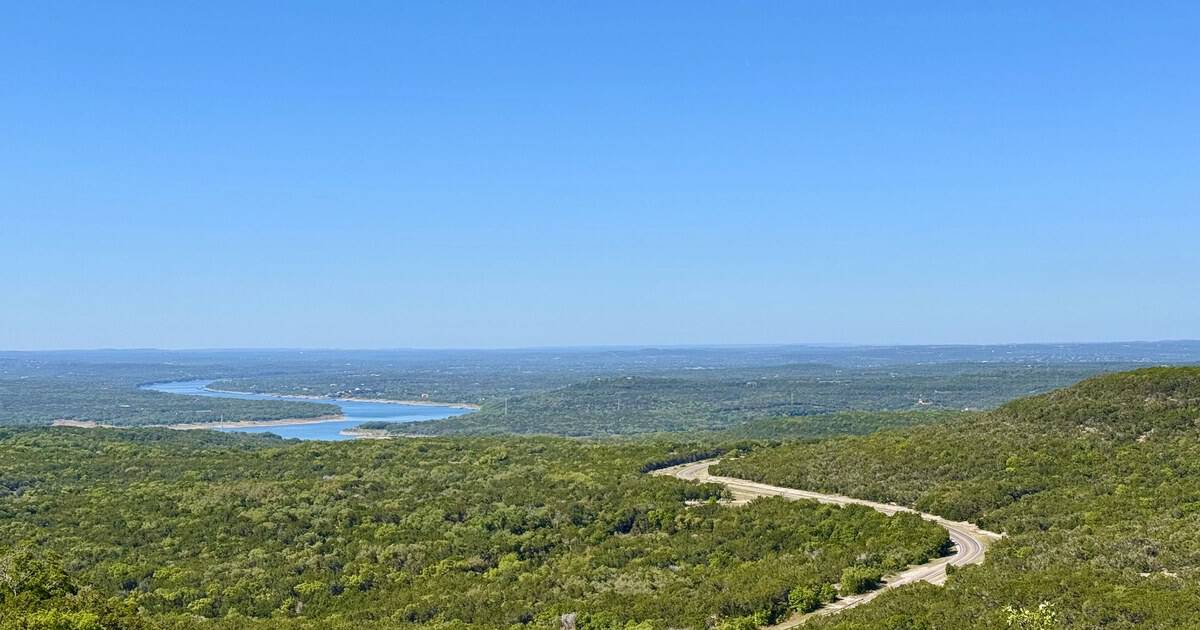
Climb to a rim and the Hill Country rolls out in front of you in every shade of green, with the blue sheet of Lake Travis catching the light in the distance.
Roll the windows down as you turn off the highway and the first thing that reaches you is the smell: hot cedar and dry grass, sharp and resinous, the exact scent of the Hill Country in the sun.
That smell is the Ashe juniper, and it turns out to be the whole reason this refuge exists, though we will get to that.
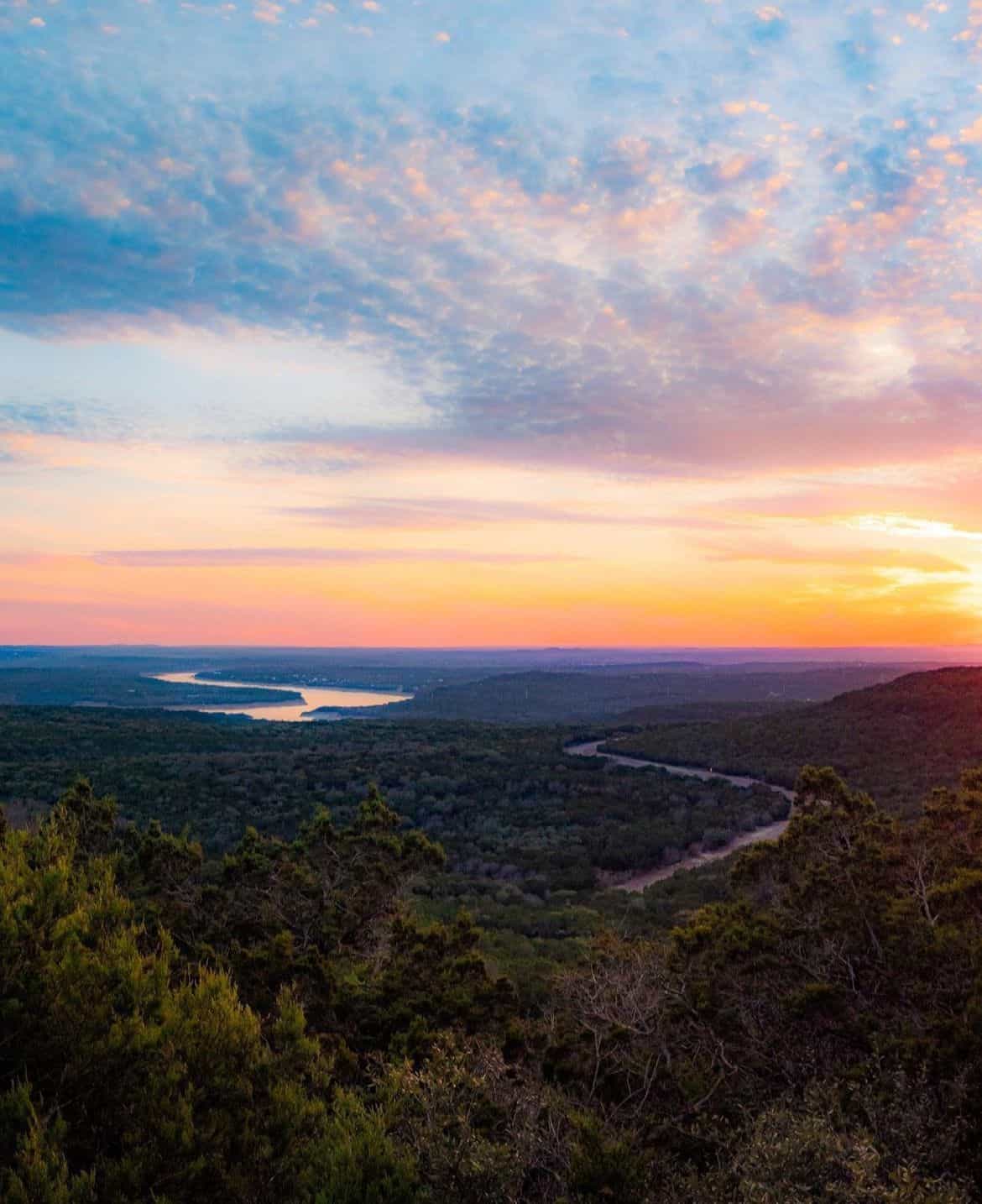
Stand up on the Sunset Deck at Warbler Vista late in the day and you get the payoff shot: layered ridges going soft and purple as the sun drops.
It is the kind of view people drive to national parks for, and here it costs you nothing but the gas to arrive.
The Two Birds That Started It All
Here is the part that makes this refuge unlike any state park you have visited. Balcones Canyonlands was not created for hikers or for the scenery. It was created for two birds, each barely bigger than your thumb.
The star is the golden-cheeked warbler, and it is a genuine Texas exclusive. This is the only bird species that nests nowhere else on Earth.
Every single golden-cheeked warbler alive was hatched in the junipers and oaks of Central Texas, then flew south to winter in the forests of Mexico and Central America before coming home again.
The bird is picky in a way that nearly cost it everything. It builds its nest almost entirely from the shaggy, peeling bark of mature Ashe juniper, stitched together with spider silk.
No old juniper, no nest. As the Hill Country filled with subdivisions, those old woodlands vanished, and so did the warbler.
The second bird is the black-capped vireo, a tiny olive-and-black songbird that likes its habitat scrappy: head-high thickets of shin oak rather than tall forest.
Its story is the happy one. After decades of protection here and elsewhere, the vireo recovered enough to be removed from the endangered species list in 2018. That is a win you can stand in the middle of.
“For a species that nests nowhere else in the world but Central Texas, every acre matters,” the refuge’s friends group wrote when a new tract was added.
Once you understand that, every stretch of scruffy cedar out here reads differently. That is not empty brush. That is a nursery.
A Cast Far Bigger Than Two
The songbirds get top billing, but they share the place with a remarkable crowd. Around 245 bird species pass through the refuge over the course of a year, and nearly half are neotropical migrants riding the seasons north and south.
The American Bird Conservancy names Balcones a Globally Important Bird Area, which is birder shorthand for “cancel your other plans.”
Bring binoculars and you might catch a painted bunting, a bird so absurdly colorful it looks like a child colored it in without staying in the lines. Roadrunners dash across the trails, and great horned owls haunt the dusk.
The mammals keep a lower profile, as mammals do. Bobcats, coyotes, gray foxes, and white-tailed deer all live here, and beavers work the creeks.
There is even the rare, whispered chance of a mountain lion moving through, though you are far more likely to find its tracks than the cat itself.
Then there is the underground crowd almost nobody thinks about. The refuge’s karst caves shelter creatures found nowhere else, including specialized spiders and beetles adapted to a life of total darkness.
You will not see them, but knowing they are down there adds a nice shiver to the whole landscape.
Where to Point Your Boots
About 3,000 acres of the refuge are open for self-guided hiking, split among a handful of access areas, each with its own personality.
You do not need a permit and you do not need a guide. You just show up between sunrise and sunset and walk.
Doeskin Ranch is the crowd favorite and the best place to start. Four trails leave from one parking lot, totaling more than five miles, and they range from a stroll to a workout.
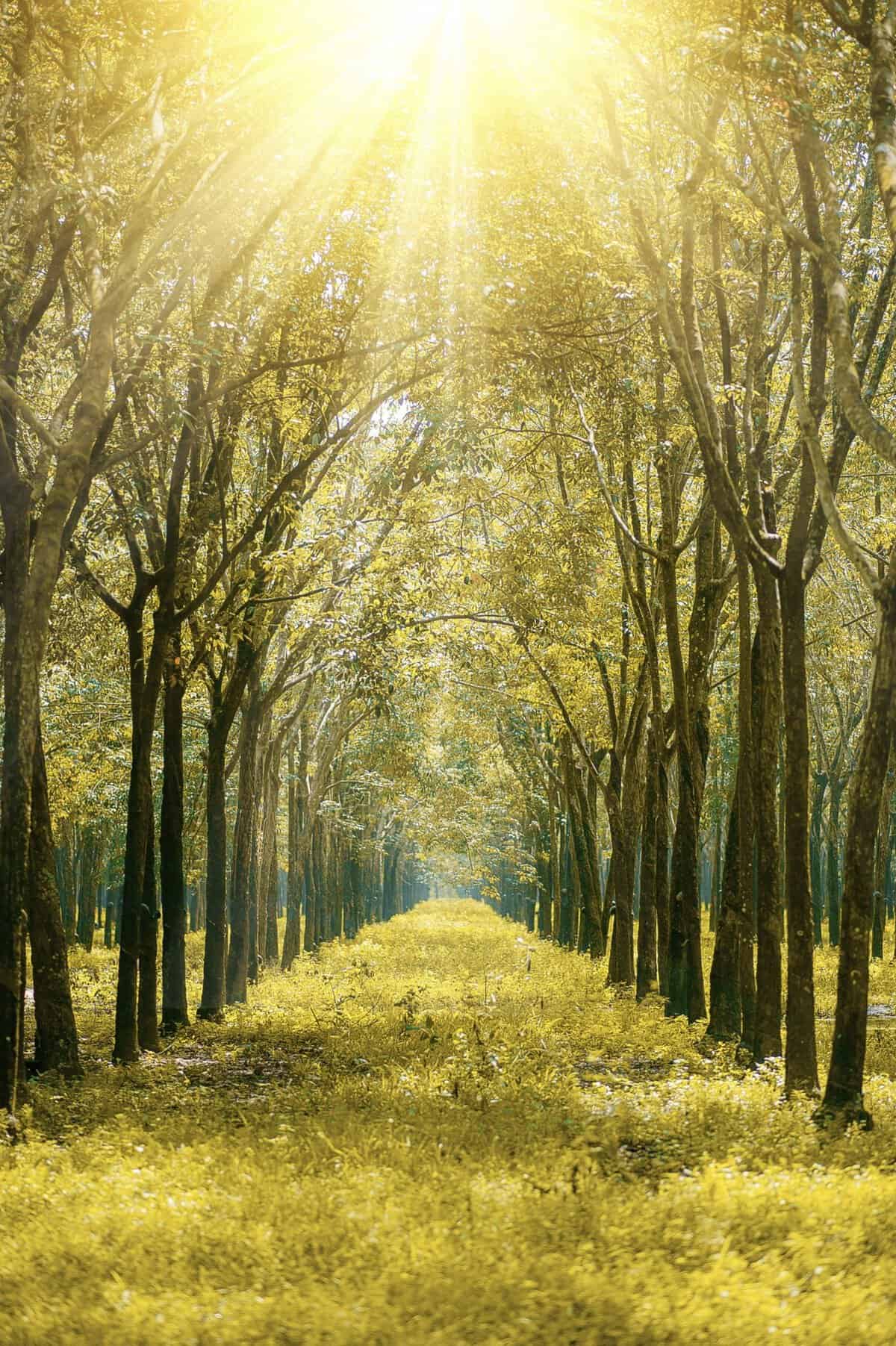
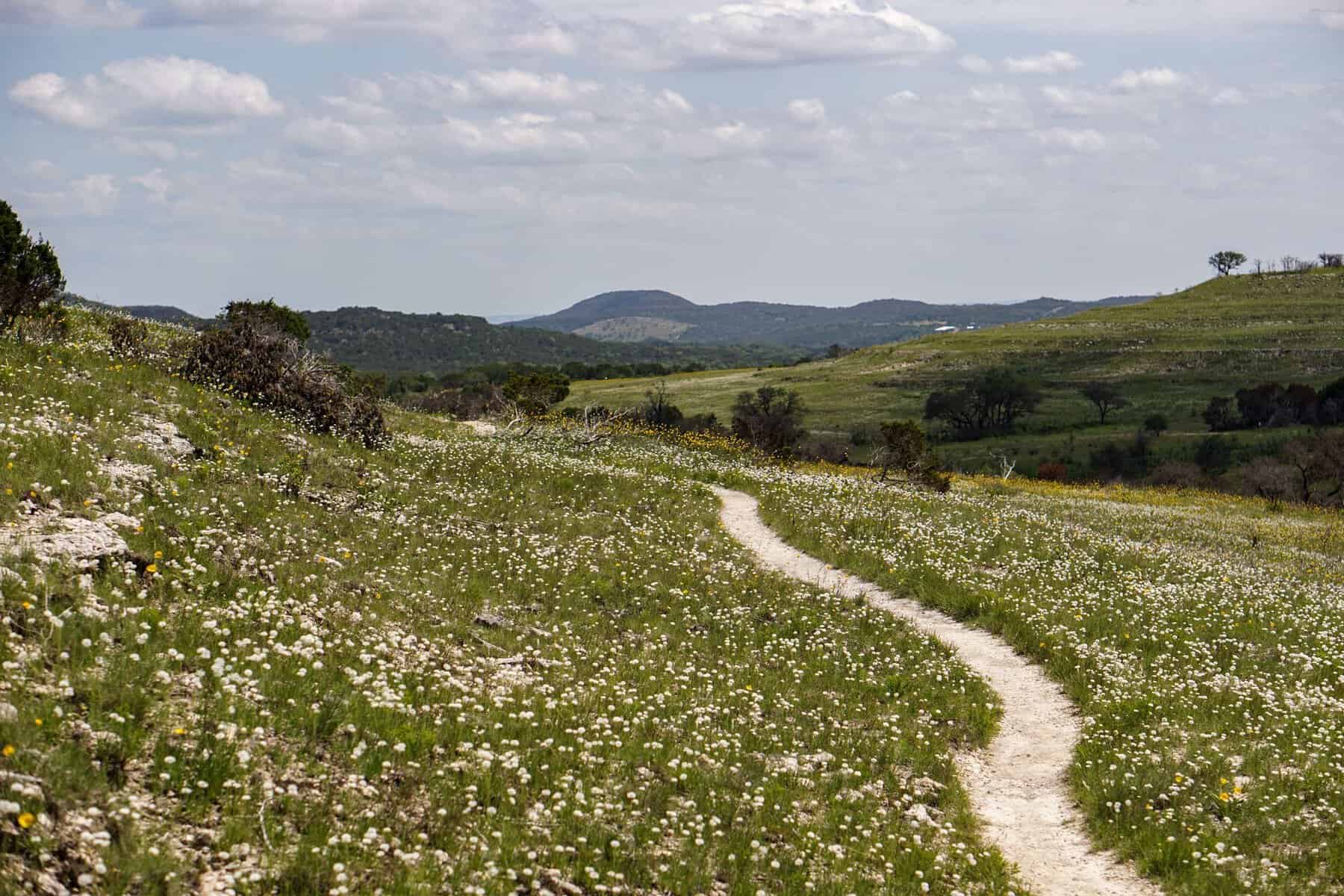
The Pond and Prairie Trail is an easy half mile past dragonflies and native grasses. The Creek Trail wanders in and out of the woods along the water. For a challenge, the Rimrock Trail climbs 1.6 miles to overlooks that make your legs’ complaints worth it.
Warbler Vista is the other must-do, and the name is a promise. Its Cactus Rocks Trail draws golden-cheeked warblers in spring, and the Boulder Trail drops you through a shady ravine.
The Quarry Canyon Trail hides a small seasonal waterfall when the rains have been kind, and all of it feeds up to that Sunset Deck view.
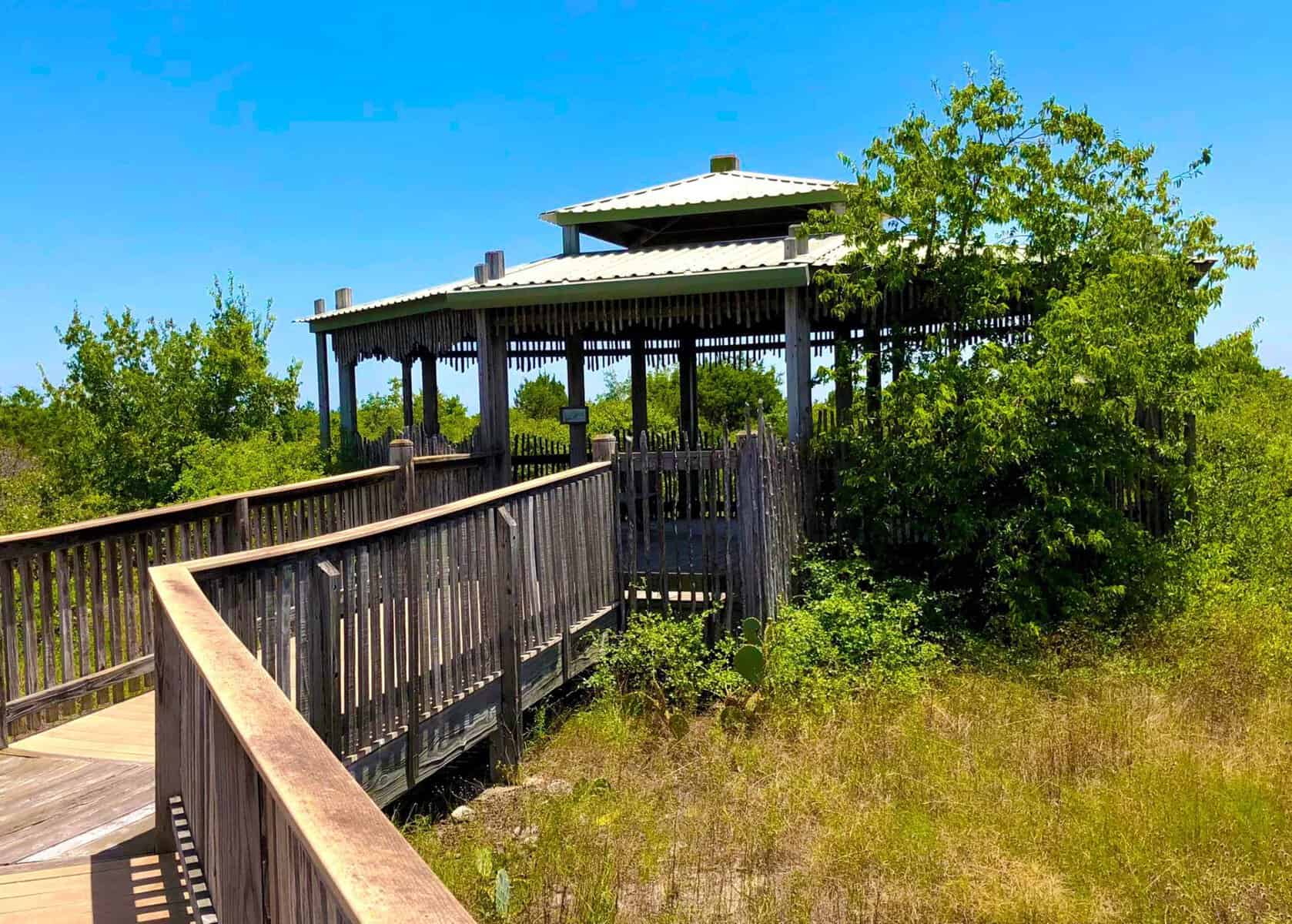
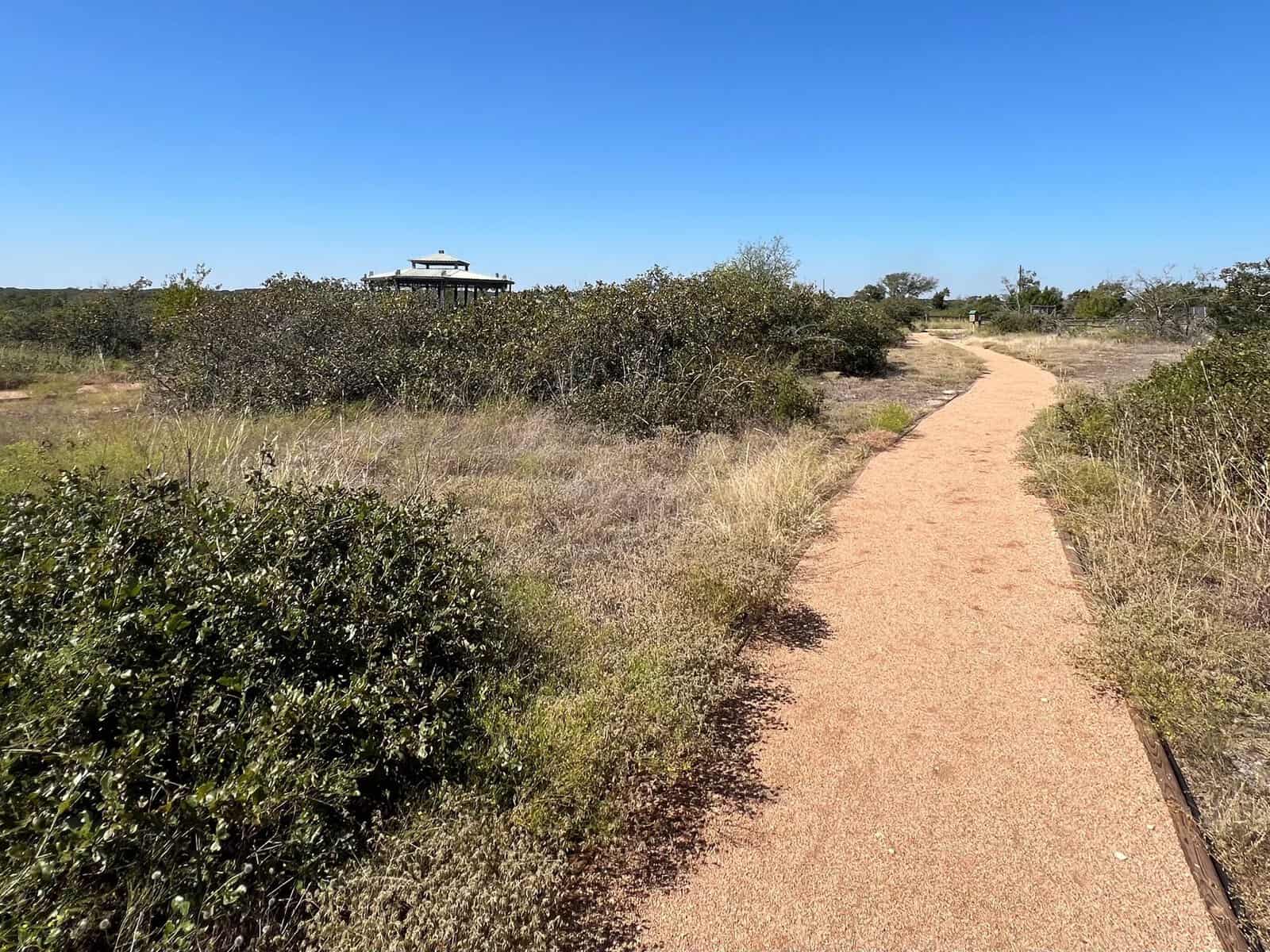
Shin Oak Observation Deck is the quiet one. There are no trails and no restrooms, just a covered deck built for patient watching, and in spring it is one of the best spots anywhere to see a black-capped vireo.
Pack water and a hat: this is open Hill Country and there is no snack bar hiding around the bend.
If you only have an hour, the refuge headquarters has two short, easy loops right out the door. The Pollinator Path runs a fifth of a mile through restored grassland buzzing with bees and butterflies.
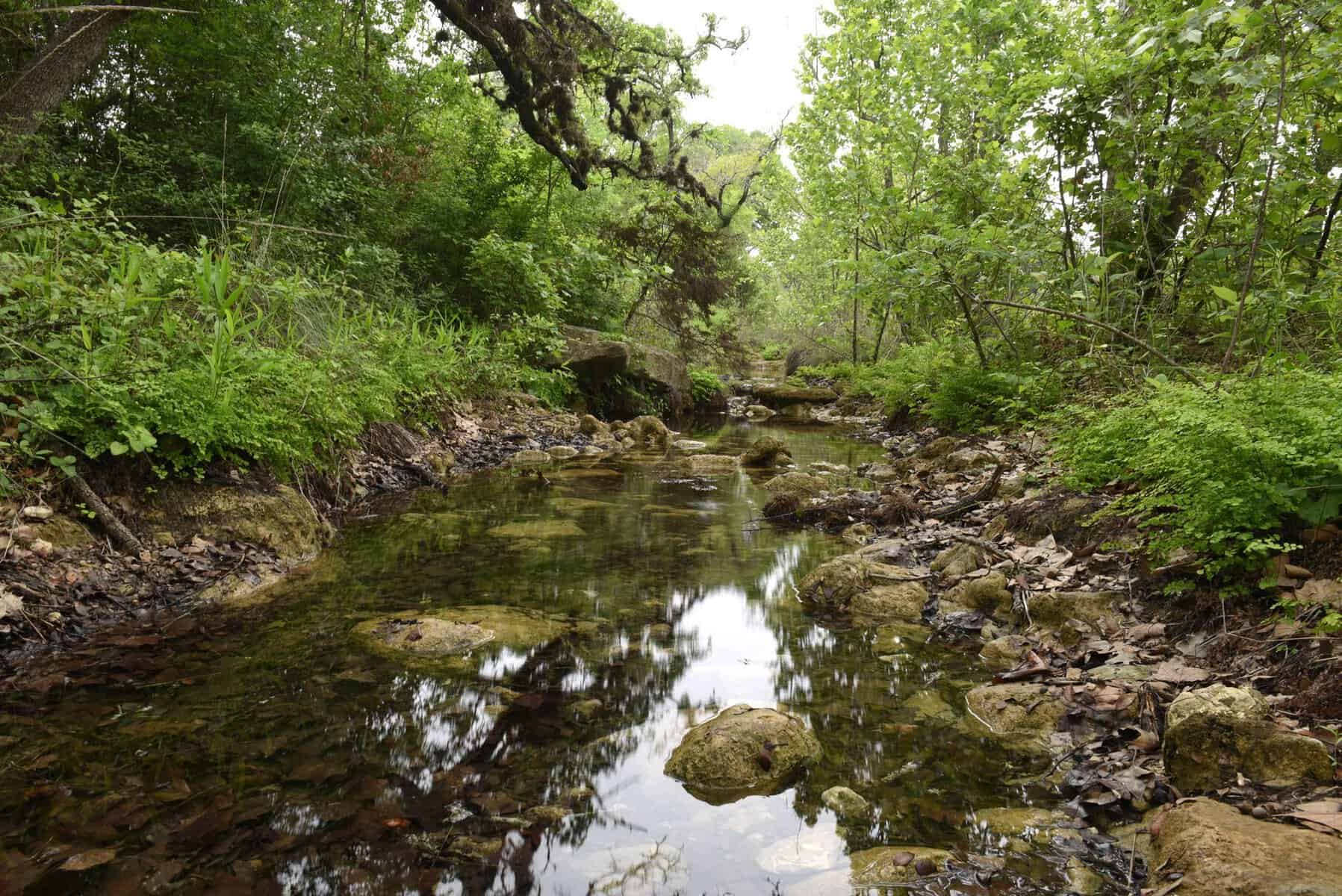
The Post Oak Loop follows the creek, where you can watch turtles sun themselves and wading birds stalk the shallows. It is a gentle way to meet the place before you tackle the ridges.
How a Refuge Gets Built
Balcones Canyonlands was established in March 1992, and it holds a small distinction. It was among the first national wildlife refuges in the country created specifically to protect the breeding habitat of endangered songbirds.
Most refuges of that era were built for waterfowl or big game. This one was built for two birds you could hold in one hand.
The authority came from the Endangered Species Act, and the timing was urgent. Hill Country land west of Austin was disappearing under development at a startling pace, and the golden-cheeked warbler was running out of places to raise a family.
Rather than fight that growth head-on, the refuge took a quieter approach: buy the right land, piece by piece, from willing sellers, and protect it for good.
That work never really stops. The refuge grows a few hundred acres at a time as new tracts come available, often with help from conservation partners who line up the deals.
As recently as 2026, a new parcel was added in Burnet County. Each addition is another piece of the puzzle, another patch of old juniper kept standing.
It is a slower kind of victory than a grand-opening ribbon, but it is a durable one. The delisting of the black-capped vireo in 2018 was proof the strategy works. Protect the habitat, and the birds come back.
When to Come, and What to Know
Spring is the headliner, no contest. The golden-cheeked warblers return from Mexico in March, and by April the males are singing hard to claim territory, which is exactly when they are easiest to hear and see.
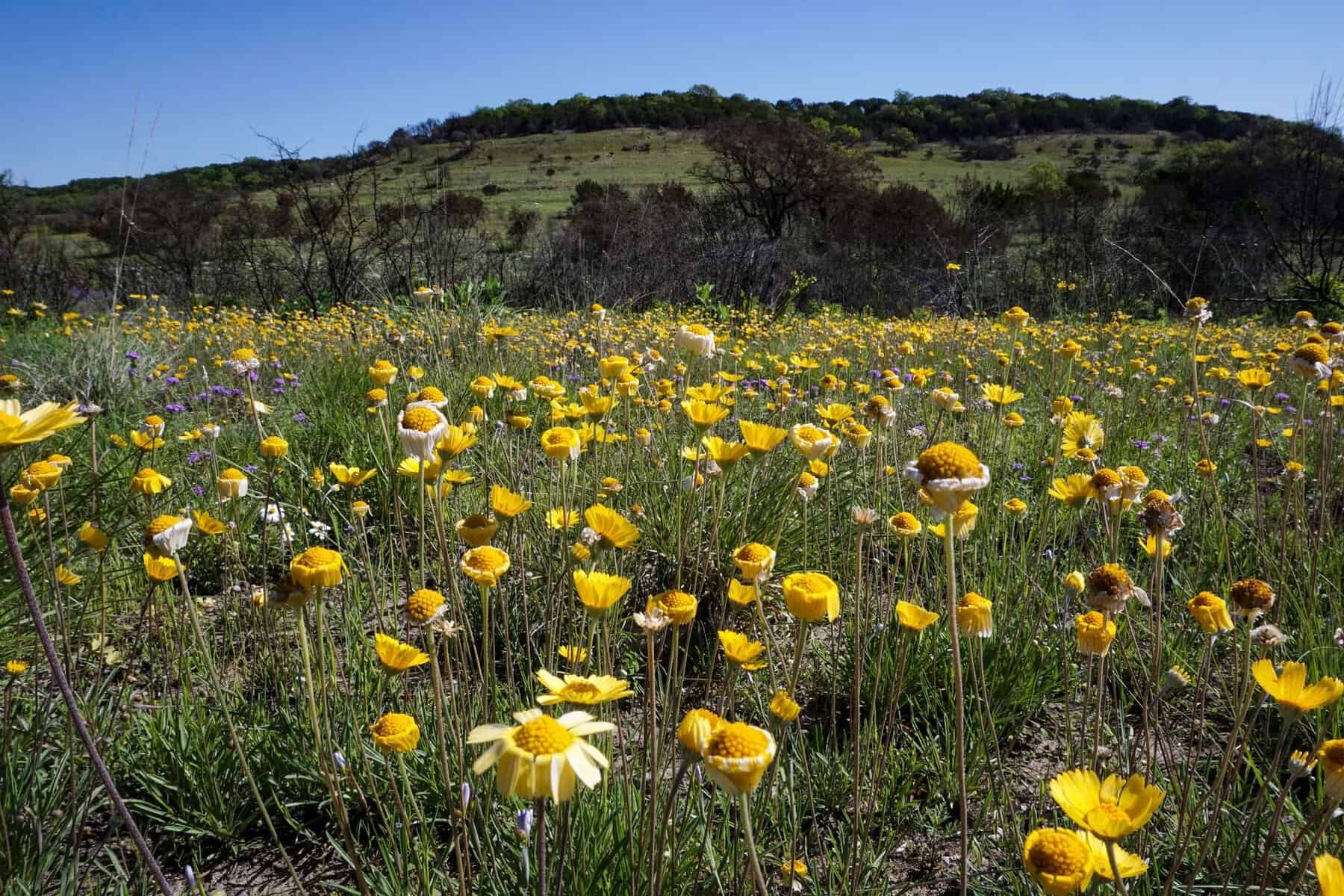
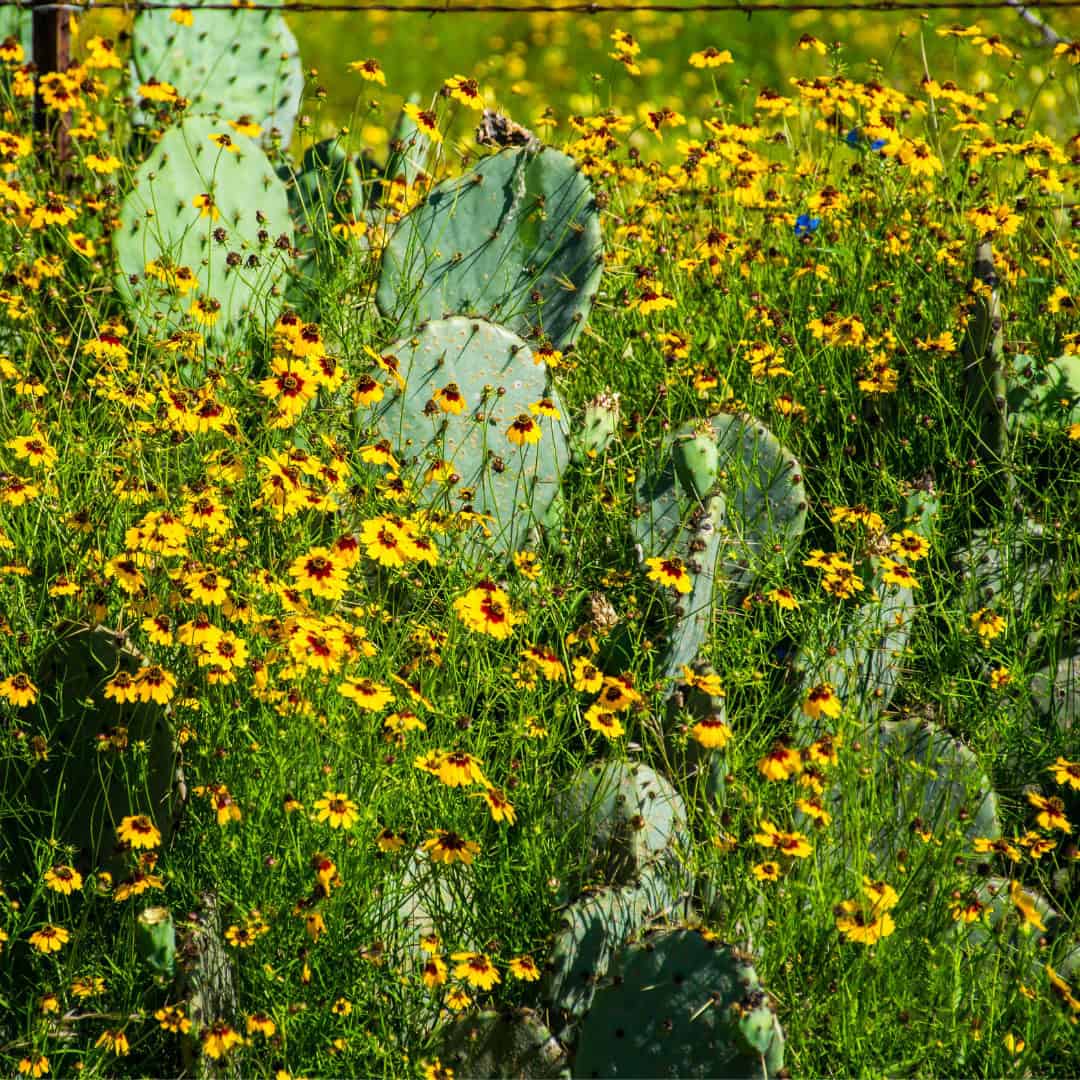
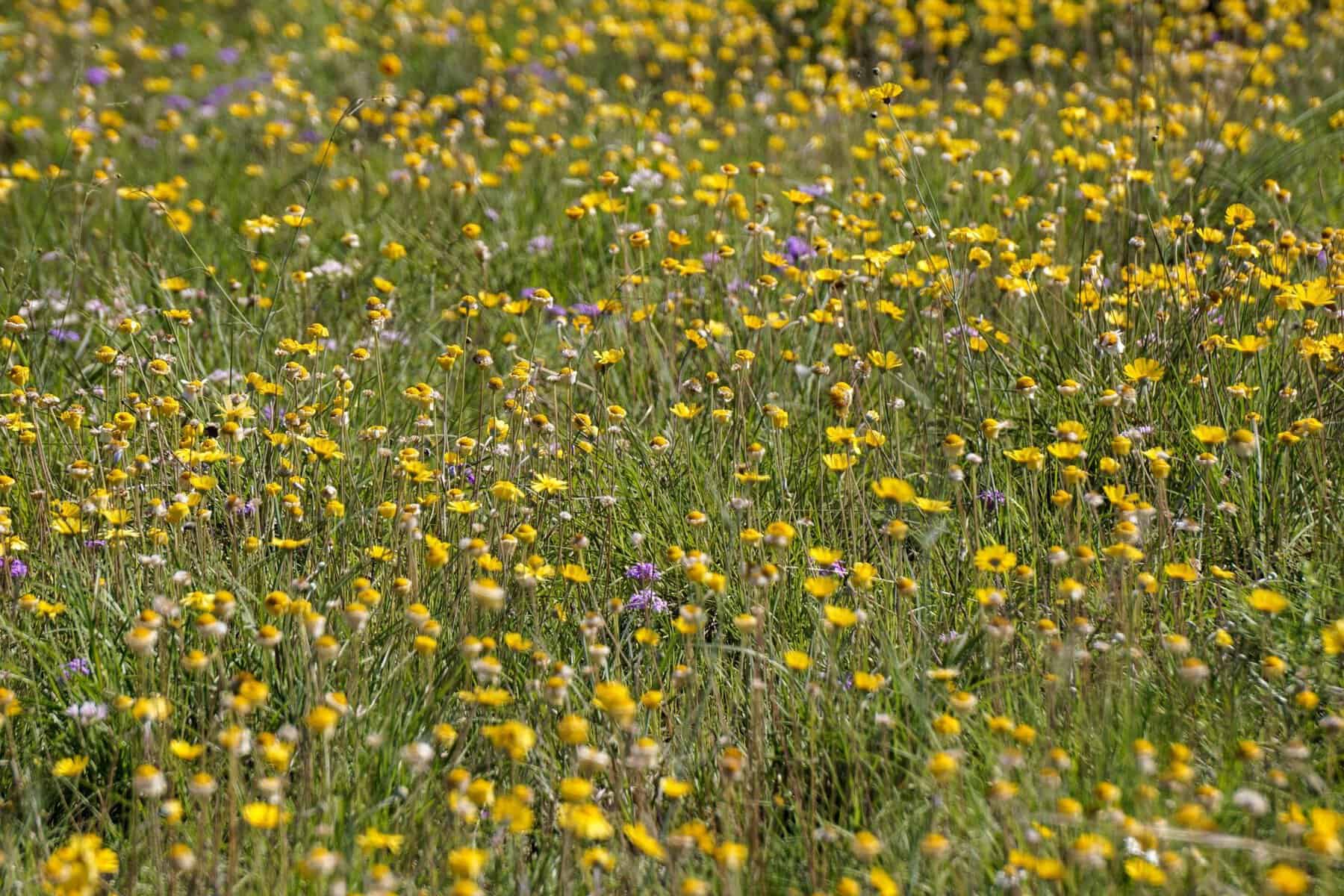
Wildflowers spread across the meadows at the same time, so the whole refuge feels turned up to full volume.
That is also when the refuge throws its party. The Balcones Songbird Festival lands on the fourth weekend of April each year, run with the local Audubon crowd, and it opens up expert-led field trips into areas that are normally off limits.
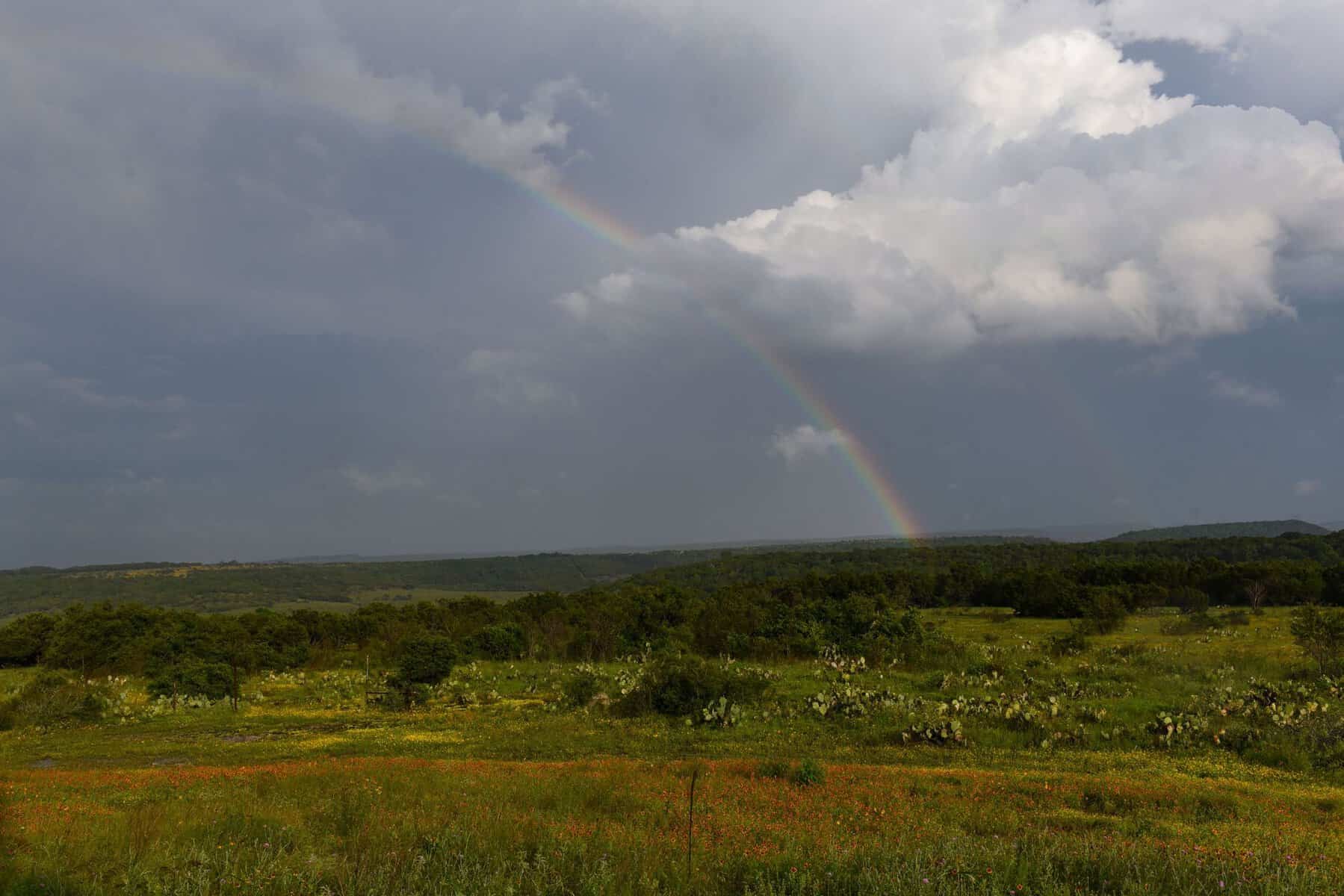
If you have ever wanted to actually see the bird this whole place exists for, that weekend is your best shot.
Pro tip: mornings are magic and afternoons are quiet. Birds sing loudest in the first few hours after sunrise, and the Texas heat sends most everything, including you, looking for shade by midday.
Come early, bring more water than you think you need, and wear real shoes for the rocky stretches.
Did you know it costs nothing to walk in? There is no entrance fee anywhere on the refuge.
The public access areas open daily from sunrise to sunset, while the refuge headquarters keeps weekday office hours if you want maps or a friendly steer toward the day’s best trail.
How to Get There
The refuge headquarters sits northwest of Austin, an easy drive out FM 1431 toward the Highland Lakes. Warbler Vista and Doeskin Ranch are both signed off the same corridor, so it is simple to string two or three access areas together in a single day.
Where: Balcones Canyonlands National Wildlife Refuge, 24518 FM 1431, Marble Falls, TX 78654. The Warbler Vista, Doeskin Ranch, and Shin Oak areas are each signed separately off FM 1431 and nearby ranch roads.
Go While the Warblers Are Singing
We spend so much energy planning big trips to far-off wild places that we forget to check the map right under our nose.
Central Texas has a genuine piece of wilderness hiding in plain sight, protected on purpose, free to walk, and loud with birdsong every spring.
So pick a bright April morning, throw the binoculars and a full water bottle in the car, and go point your boots at a ridgeline. The warblers will not wait, and neither should you.
Featured image: @ Balcones Canyonlands National Wildlife Refuge

Stella Raines
Editor-in-Chief
Stella brings over a decade of storytelling experience to TX Headlines. With roots in West Texas and a love for road trips, she leads the editorial team with an eye for the hidden stories that make Texas unforgettable.
More Stories

These 10 Texas Spots Bloom Into Seas of Bluebonnets Each Spring

This Enchanting Texas Nature Trail Feels Like Hiking Through a Fairytale Forest

This Underrated Texas State Park Gives You a Full Day of Swimming and Hiking for Just $5

This Easy Texas Hike Leads to a Swinging Suspension Bridge Hidden in the Pines
Tags