This Wild Texas State Park Hides Hundreds of Alligators Just Outside Houston
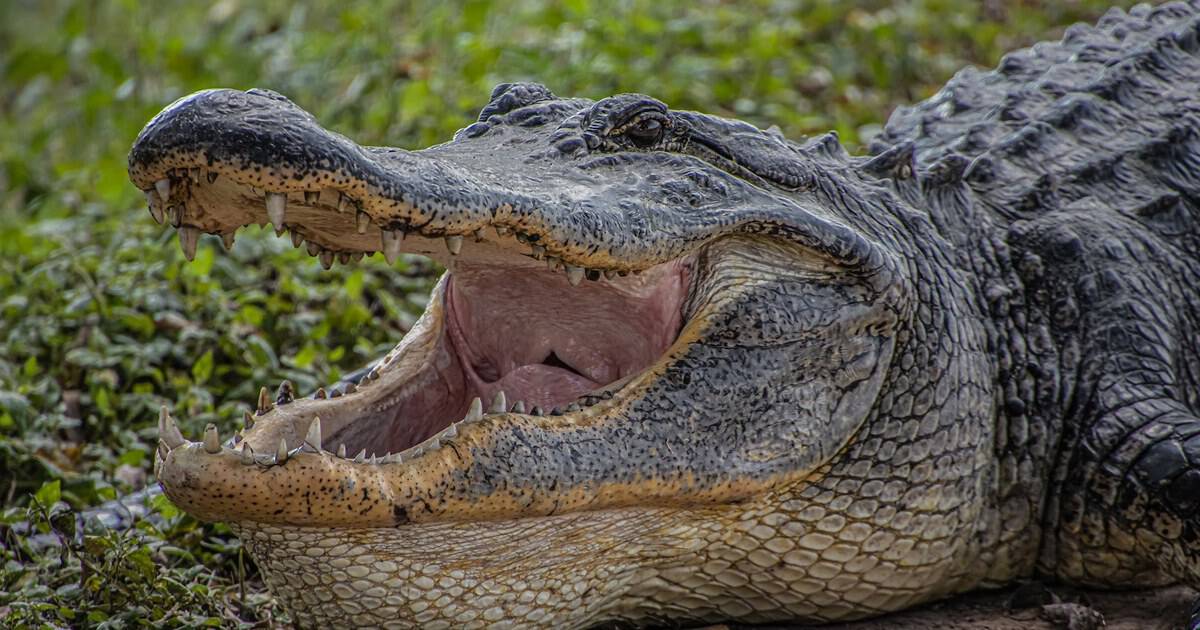
I have always had a soft spot for the kind of wild that hides in plain sight. Not the wilderness you fly across the country to reach, but the one sitting a short drive away while you keep telling yourself you will get around to it.
Here is a thing nobody warns you about Texas: you do not have to drive all the way to a Louisiana swamp to stand a respectful few feet from a wild alligator. There is a place less than an hour from downtown Houston where the gators outnumber the parking spots.
Plenty of people drive right past it with no idea it is there. I love that about it, and I think you will too once you see what is hiding down all that quiet water.
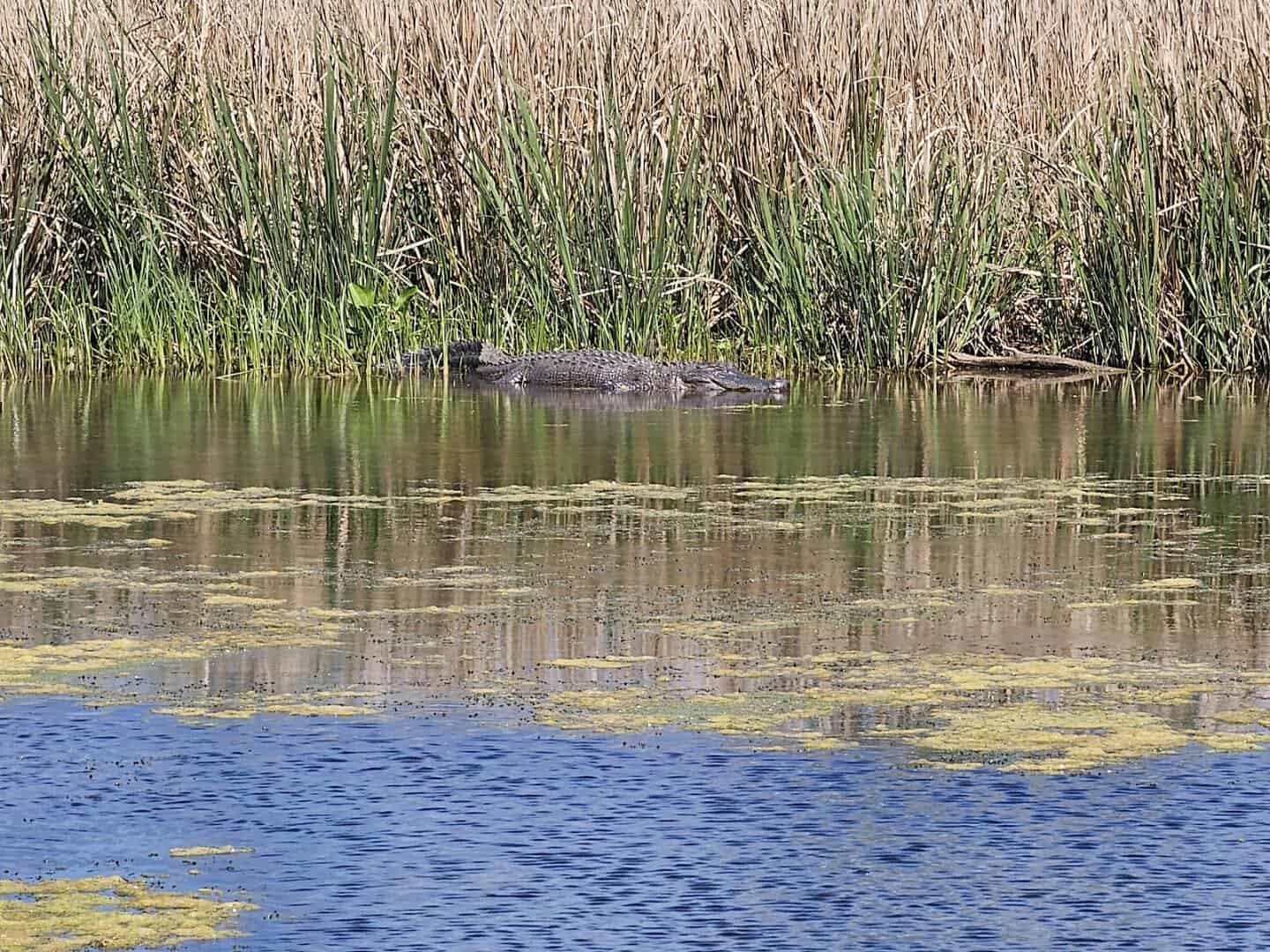
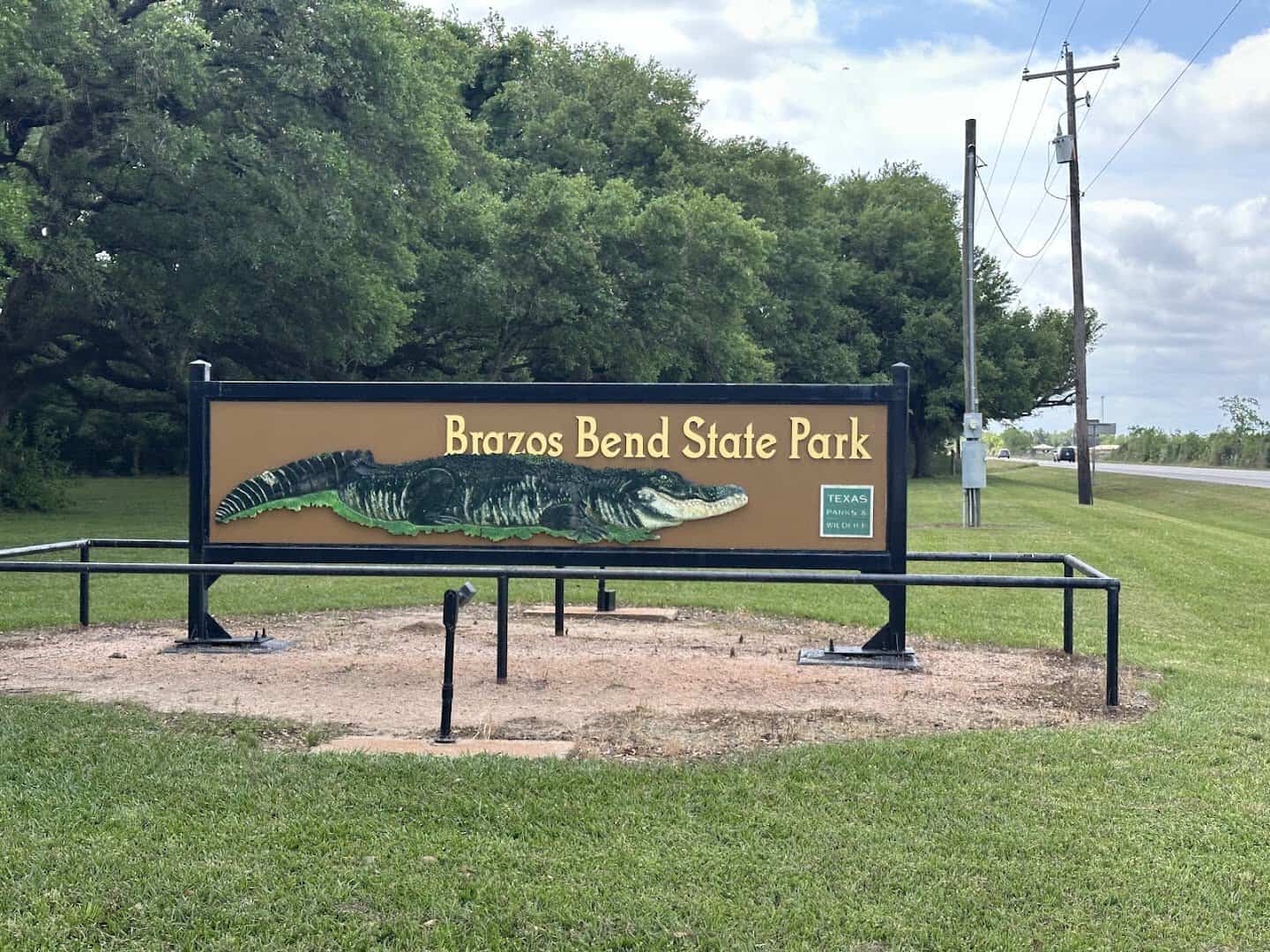
The place is Brazos Bend State Park, nearly 4,900 acres of slow, sun-warmed water where the American alligator is not a caged attraction but the local landlord.
Below, I will show you where to find them, why so many settle here, and everything else the park hands you for the price of a movie ticket.
Where the Gators Rule the Water
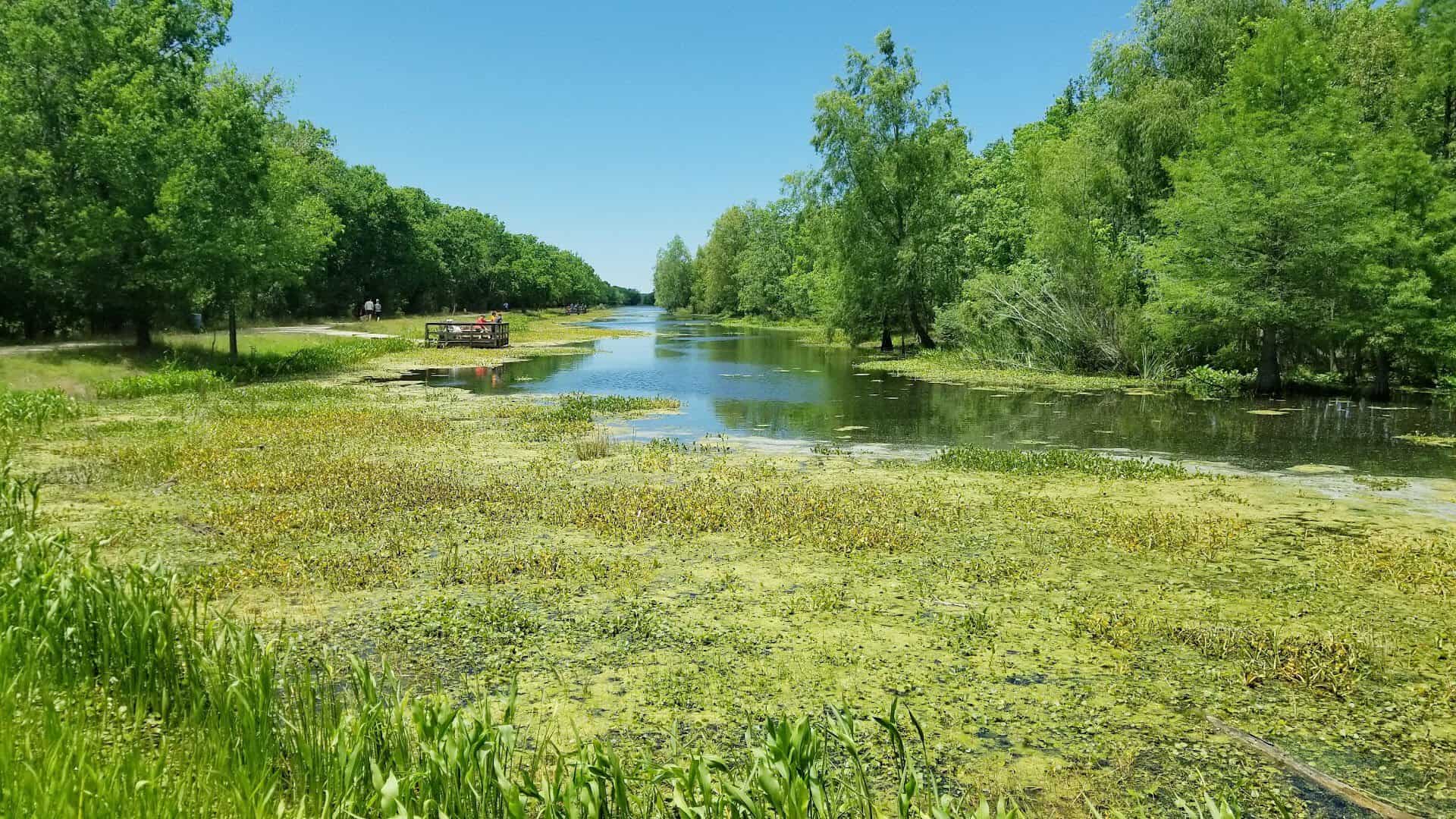
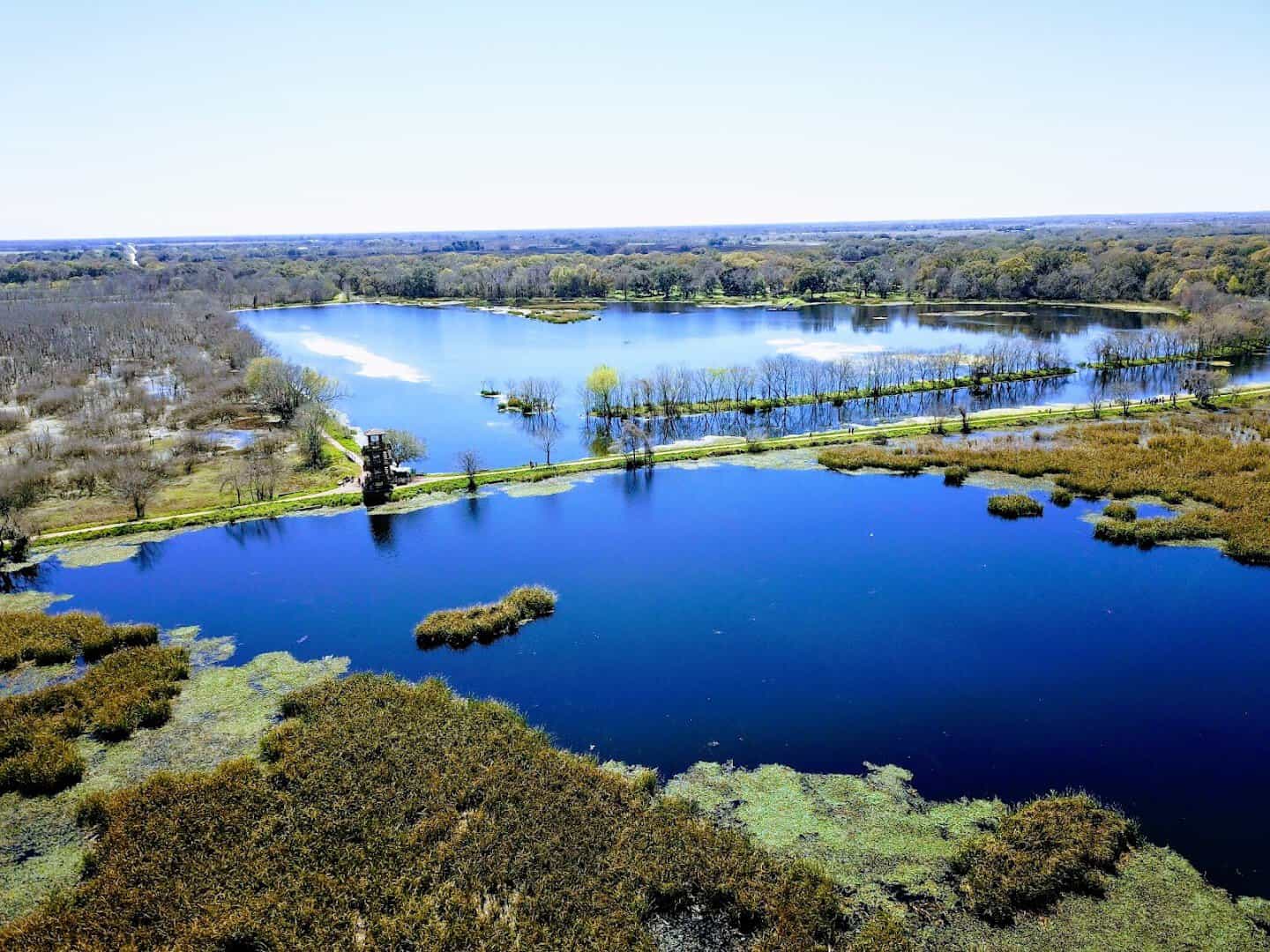
The stars of the show gather at 40-Acre Lake and Elm Lake, two shallow, lily-choked bodies of water ringed by flat, easy trails. This is not a distant-scope situation. You walk a level path, look toward the bank, and there is a gator sunning in the reeds.
You will hear the park before you see the reptiles. Egrets squabble, an anhinga dries its wings like a tiny black scarecrow, and somewhere a bullfrog complains. Then you spot the first knobby back cutting a slow line through the duckweed.
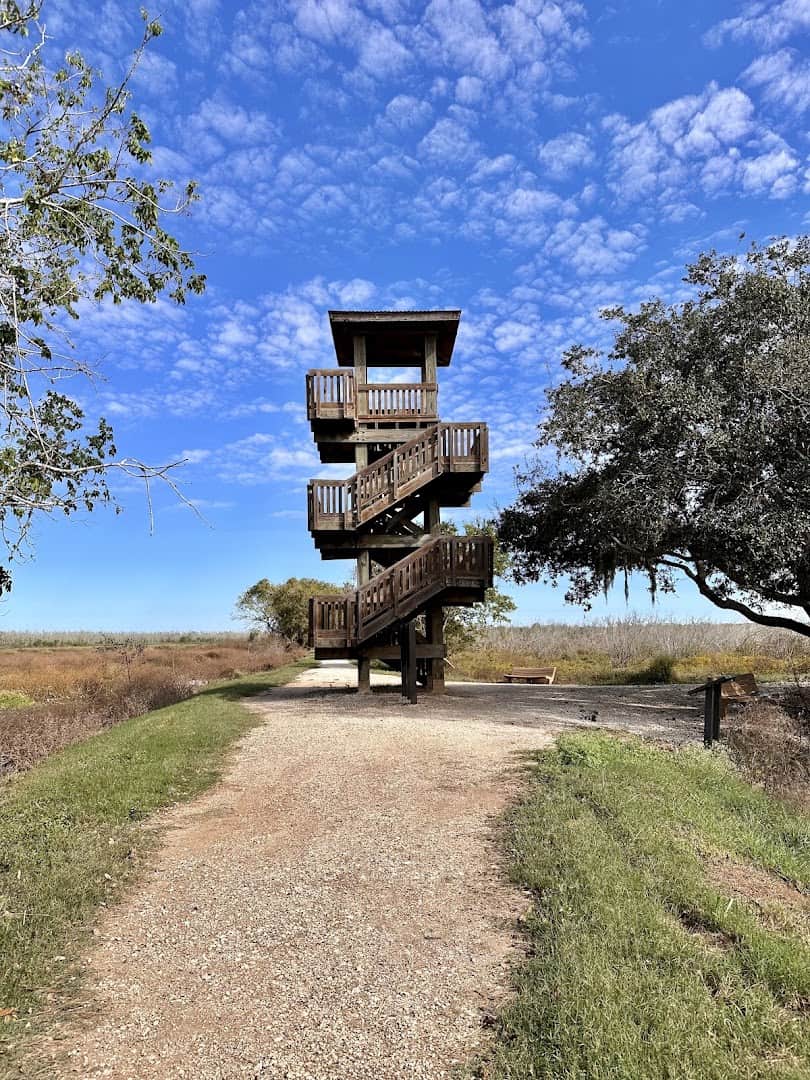
A favorite loop starts at the 40-Acre Lake trailhead and climbs the observation tower for a wide green view over the water. From there it follows the link trail to Elm Lake, so you can circle both lakes in one easy morning.
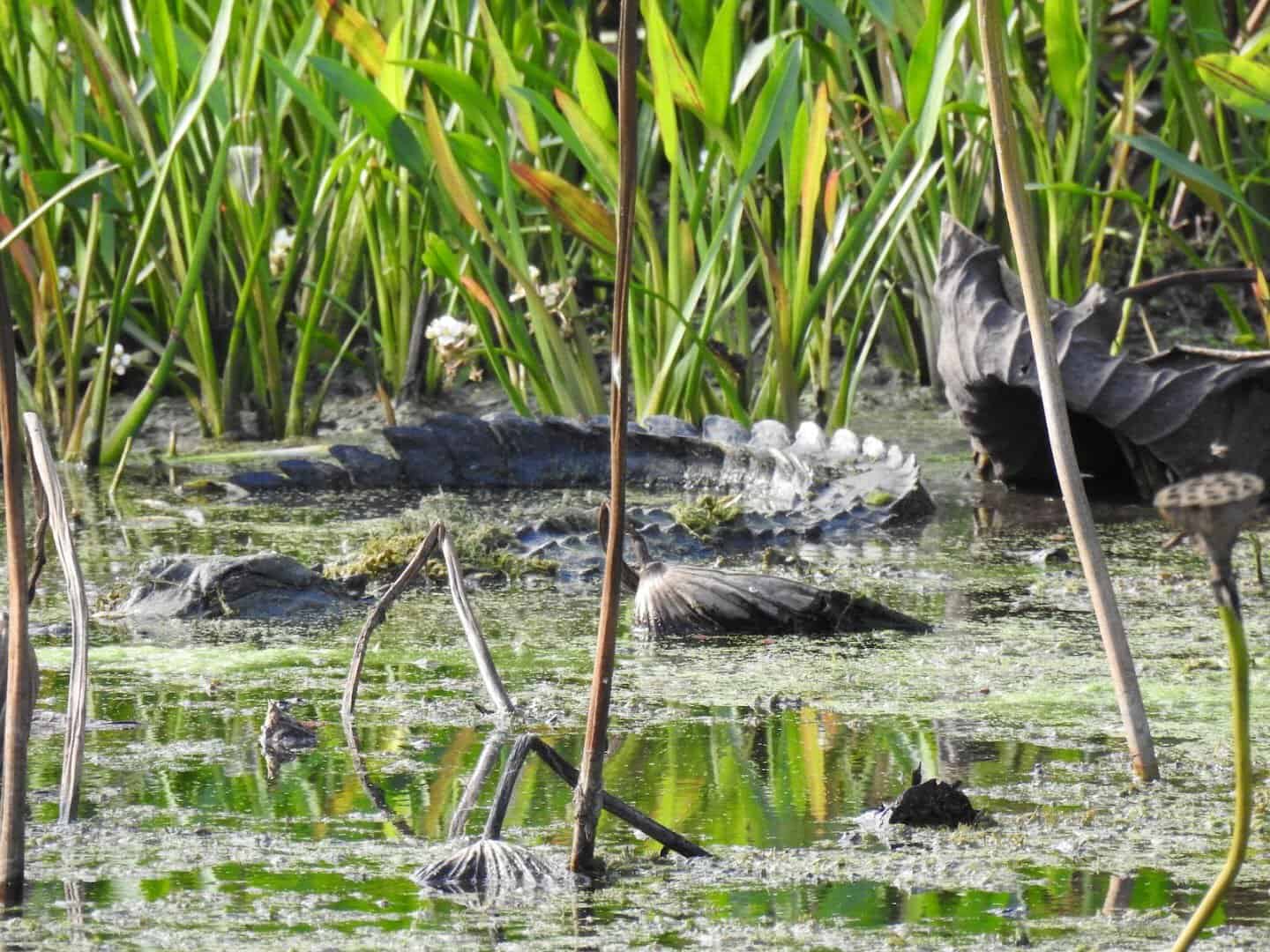
Come spring, visitors regularly report a mother gator parked just off the Elm Lake platform with a raft of tiny hatchlings nearby. The babies are startlingly small, striped yellow and black, and the mother watches everything with one unblinking eye.
Tip: bring binoculars even if you think you will not need them. Half the fun is spotting the eyes and snout of a gator holding still in the water, doing its best impression of a floating log.
Why So Many Alligators Thrive Here
Brazos Bend sits in the floodplain of the Brazos River, and that is the whole secret. The land is a patchwork of coastal prairie, bottomland forest, marsh, and about a thousand acres of lakes and sloughs.
Warm, still, food-rich water is exactly what an alligator wants, and this park is one long buffet of it. Fish, turtles, frogs, and the occasional unlucky bird keep the population well fed without any help from us.
The park holds an estimated 300 alligators over six feet long, and the biggest residents stretch to a genuinely startling 13 to 15 feet. That is not a typo. Some of these animals are almost certainly older than the park itself.
Here is the part that surprises first-timers: it is remarkably safe. Park rules ask you to stay at least 30 feet from any alligator, never feed them, and keep pets leashed and well back from the water.
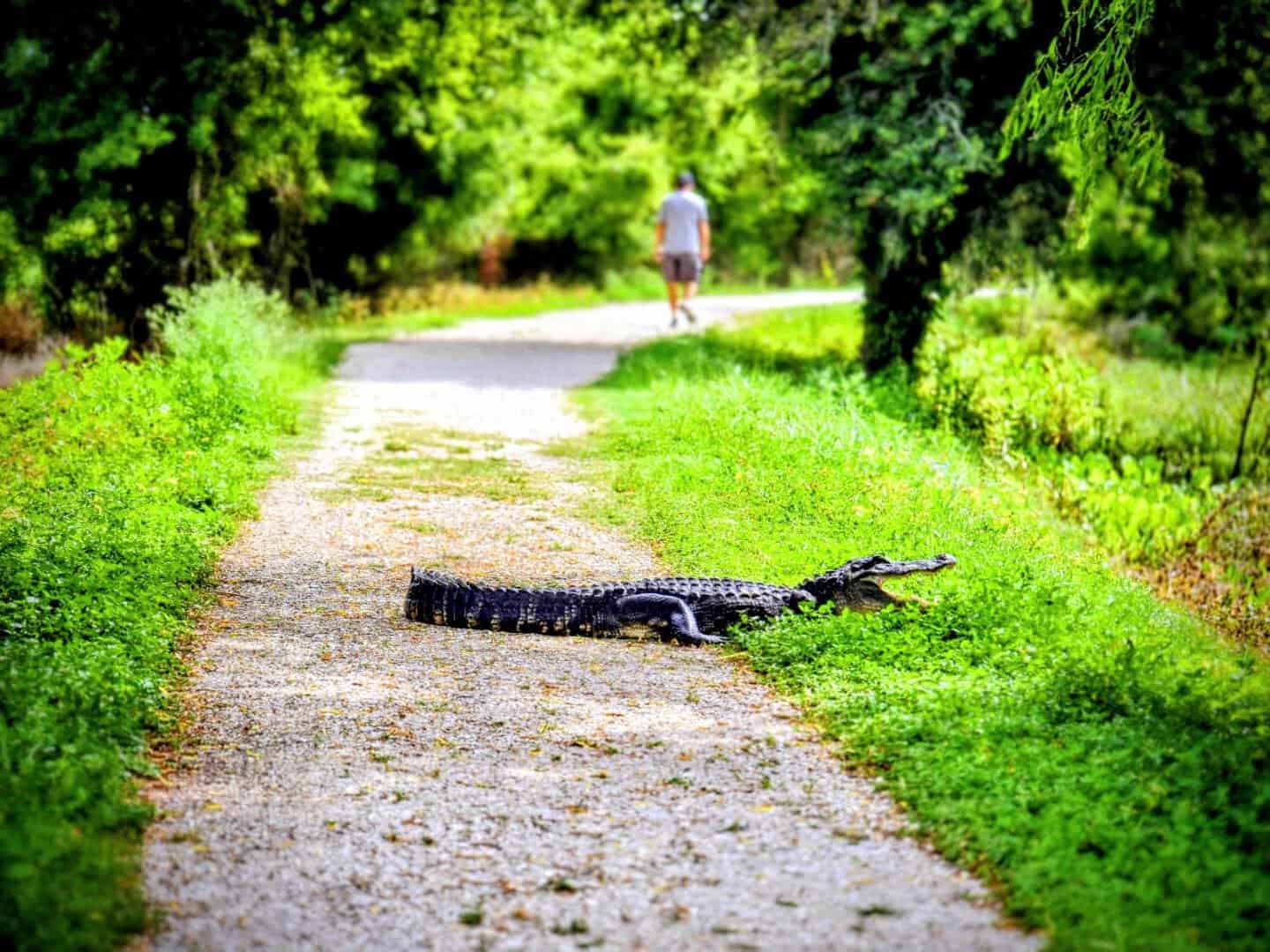
Feeding is the one thing that truly ruins a gator, because a fed alligator loses its fear of people and has to be removed. Leave the snacks in the car, keep your distance, and the animals want nothing to do with you.
Did you know? Despite hosting hundreds of large alligators for four decades, Brazos Bend has never recorded a single visitor injury from one. These are wild animals worthy of respect, not a horror movie.
Birds, Bobcats, and a Cast of Thousands
The alligators get top billing, but they share the marquee. More than 300 species of birds have been logged here, which puts Brazos Bend among the great birding spots on the Gulf Coast.
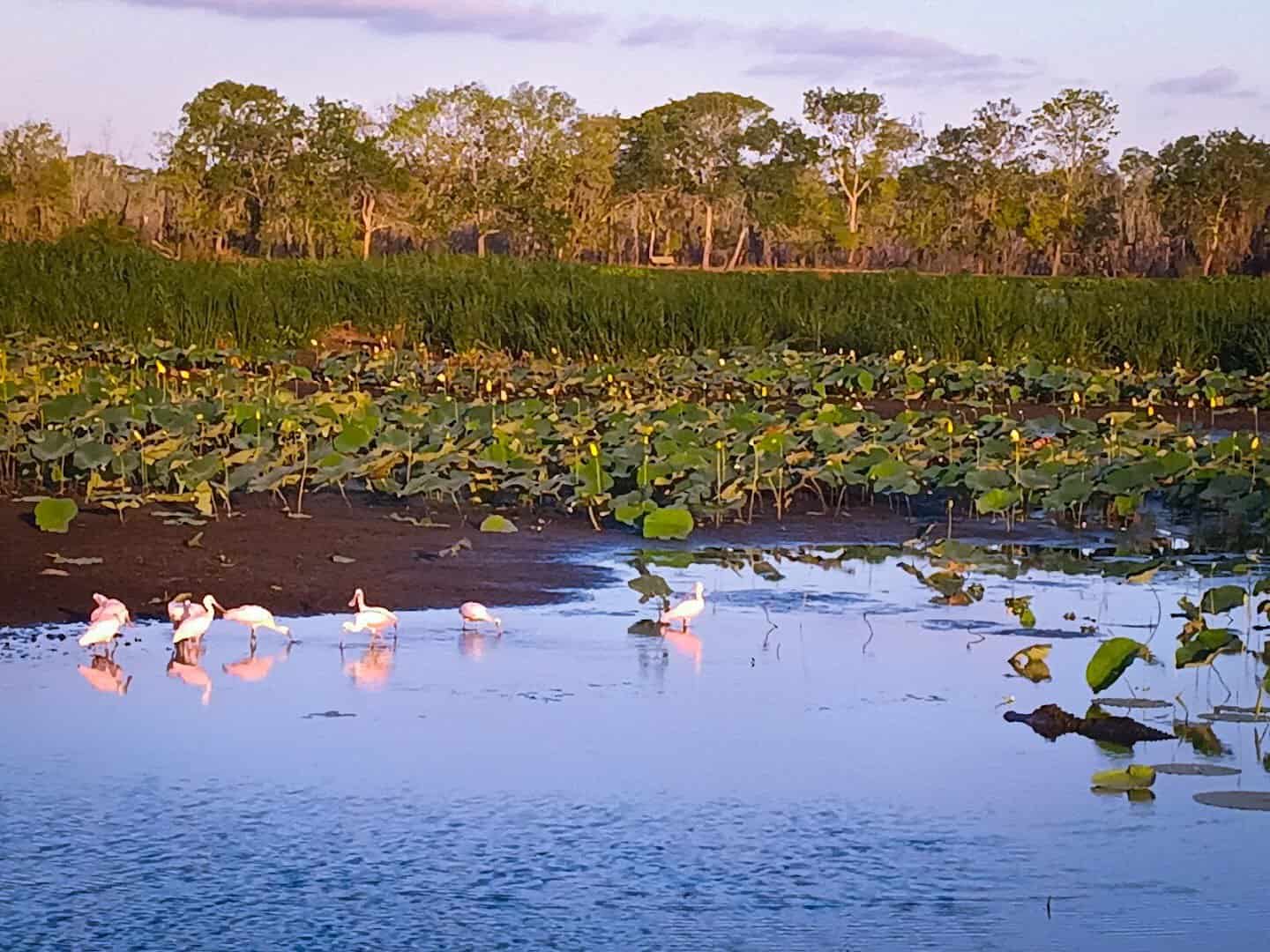
On one walk you might tick off herons, egrets, ibises, roseate spoonbills, gallinules, grebes, and, if you are lucky, a secretive bittern frozen in the reeds. Bring a field guide and you will fill pages.
I have a weakness for the roseate spoonbill in particular. It is flamingo-pink, faintly ridiculous, and every time one lifts off the water it looks like a sunset that learned to fly.
Look beyond the birds and the cast grows. White-tailed deer step out at dawn, and the park also shelters bobcats, grey foxes, raccoons, and coyotes for the patient and the early.
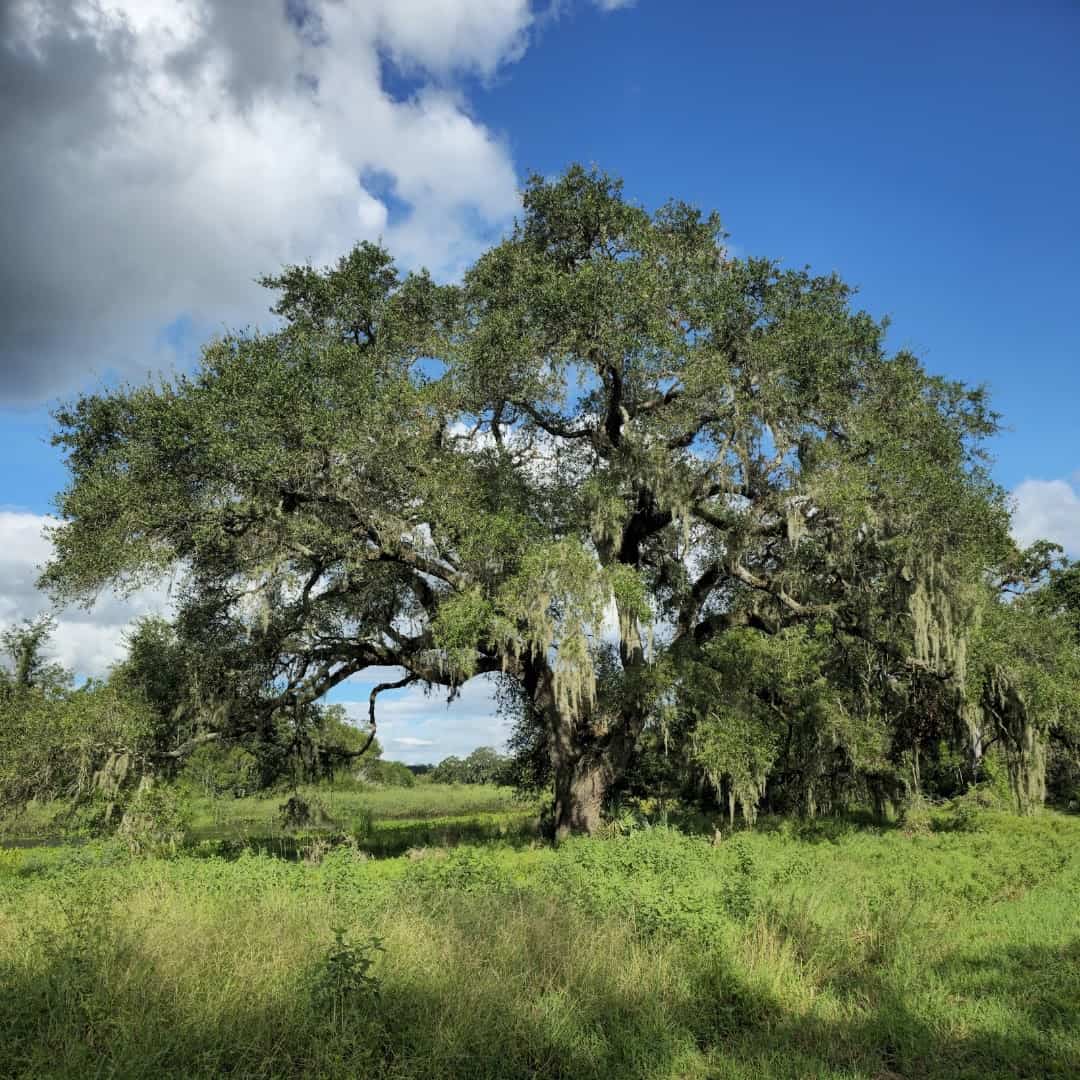
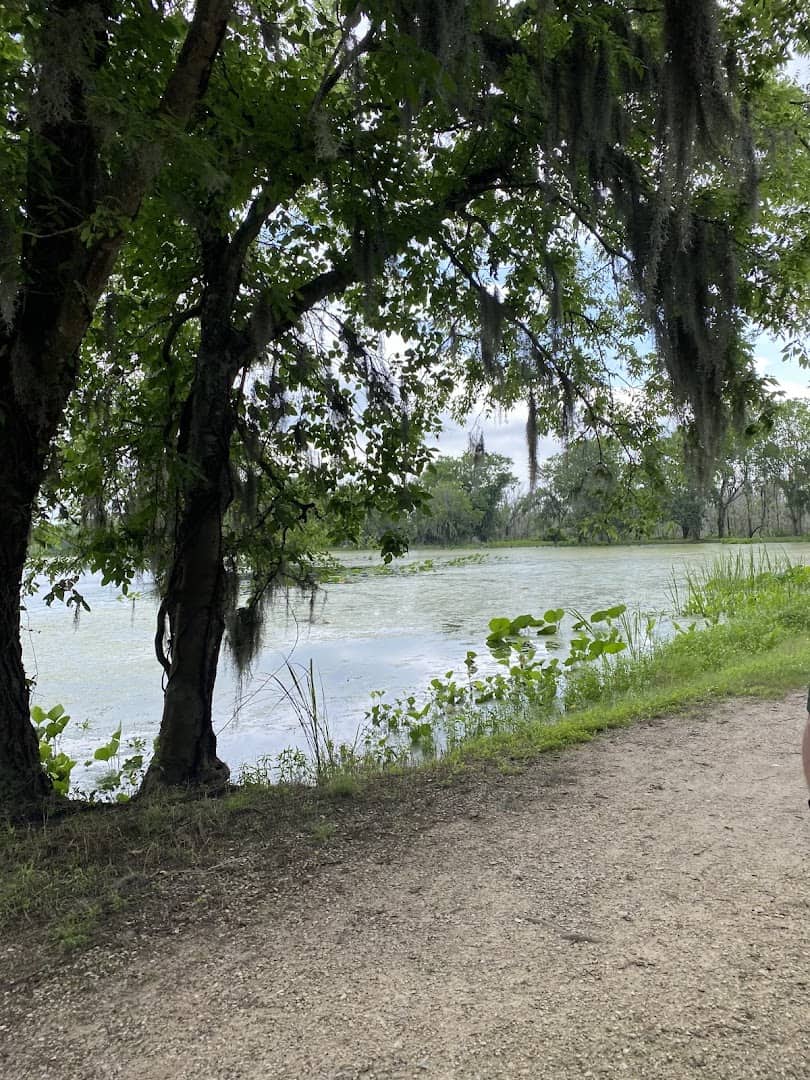
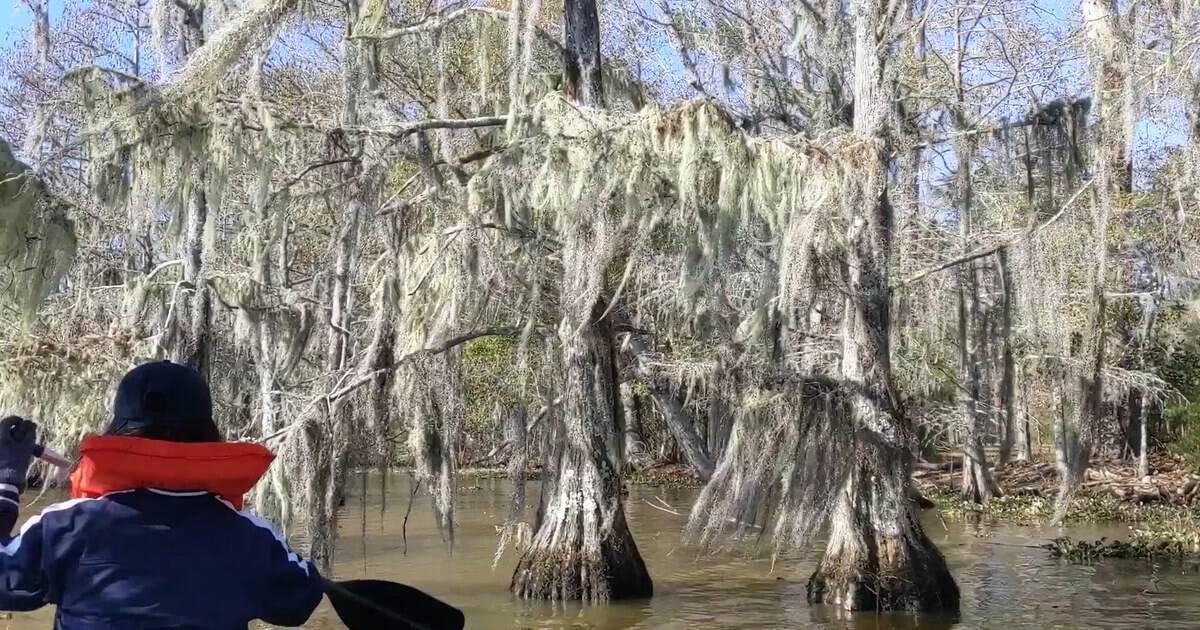
Overhead, live oaks draped in Spanish moss share the canopy with elm, pecan, sycamore, and cottonwood. It is the kind of dense, green, slightly primeval landscape that makes Houston feel much farther away than it actually is.
Stargazing With a 10-Ton Telescope
When the sun drops, Brazos Bend pulls off a second act most parks cannot touch. Tucked in the woods is the George Observatory, a satellite site of the Houston Museum of Natural Science and one of the best public stargazing spots in the state.
Its centerpiece is the 36-inch Gueymard research telescope, a roughly 10-ton instrument billed as the largest research-grade telescope in the country regularly open to the public. On clear Saturday nights, ordinary visitors get to look through it.
The observatory carries the name of the George Foundation, the Fort Bend County philanthropy that helped make it possible. It reopened in March 2021 after a two-year, top-to-bottom renovation, so what you find today is freshly overhauled.
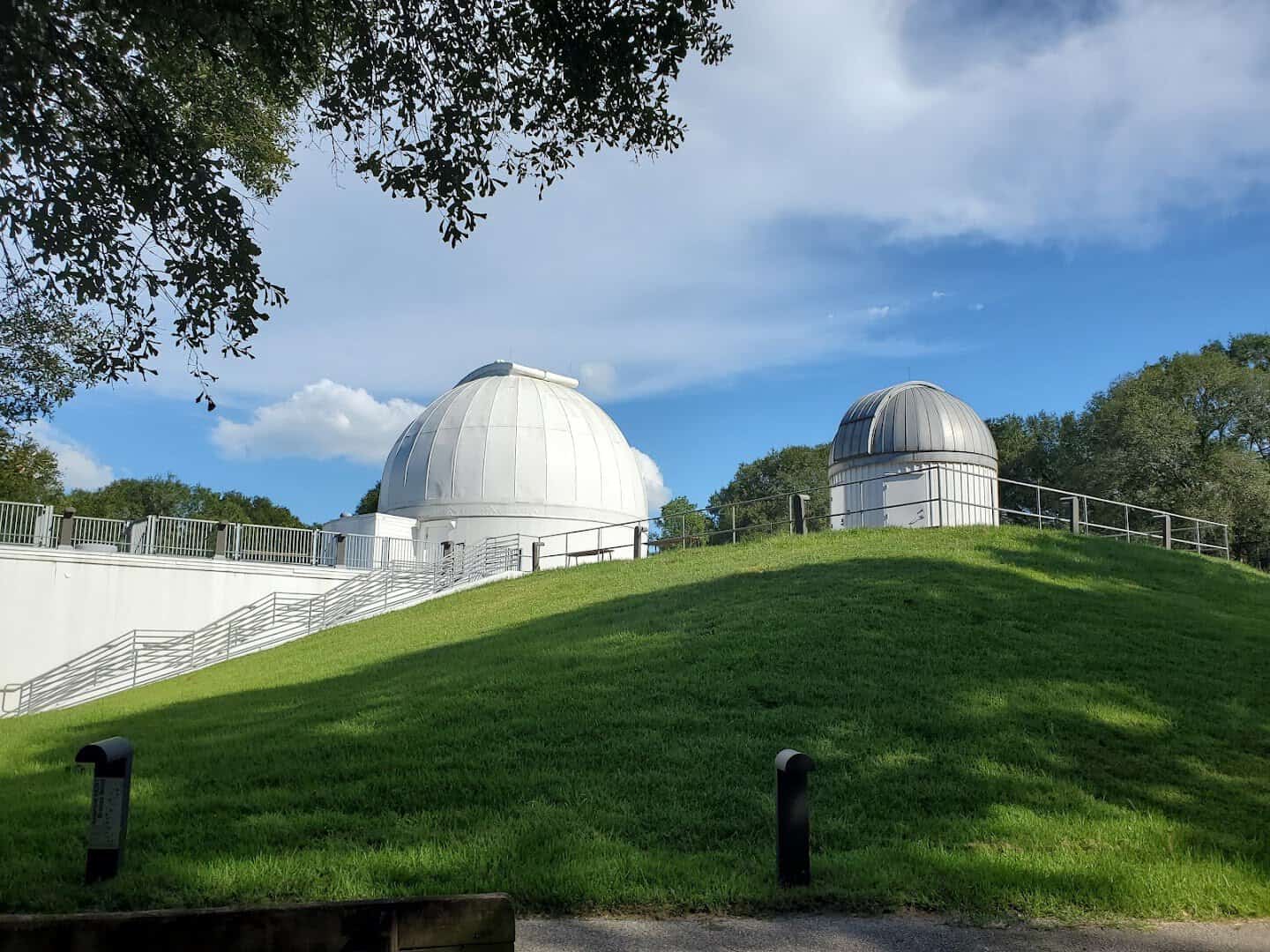
There are three domed telescopes in all, and trained volunteers are usually on hand to aim them and answer whatever you throw at them. Ask about the ring around Saturn or the moons of Jupiter and someone will happily walk you through it.
Far from Houston’s glow, the night sky out here still holds onto stars the city long ago erased. Spend a day watching alligators and an evening watching Saturn’s rings, and you have had a very full, very strange, very Texan day.
A Ranch, a Hunting Ground, Then a Park
This land carries a long Texas story. The acreage traces back to the Abner Harris and William Barrett land grants, and for generations it worked as ranchland and a private hunting preserve rather than a park.
The state bought the property in 1976, and after years of planning and building, Brazos Bend State Park opened to the public in 1984. It was designed from the start to protect wildlife habitat as much as to welcome visitors.
The George Observatory joined the lineup in 1989, pairing wild wetland by day with deep space by night. It is a strange, wonderful combination that few parks anywhere can claim.
Today the park is looked after by Texas Parks and Wildlife alongside a devoted volunteer group. Its members lead guided walks, staff the nature center, and help newcomers tell a harmless cormorant from a very-much-not-harmless gator.
Trails, Camping, and a Path Everyone Can Roll
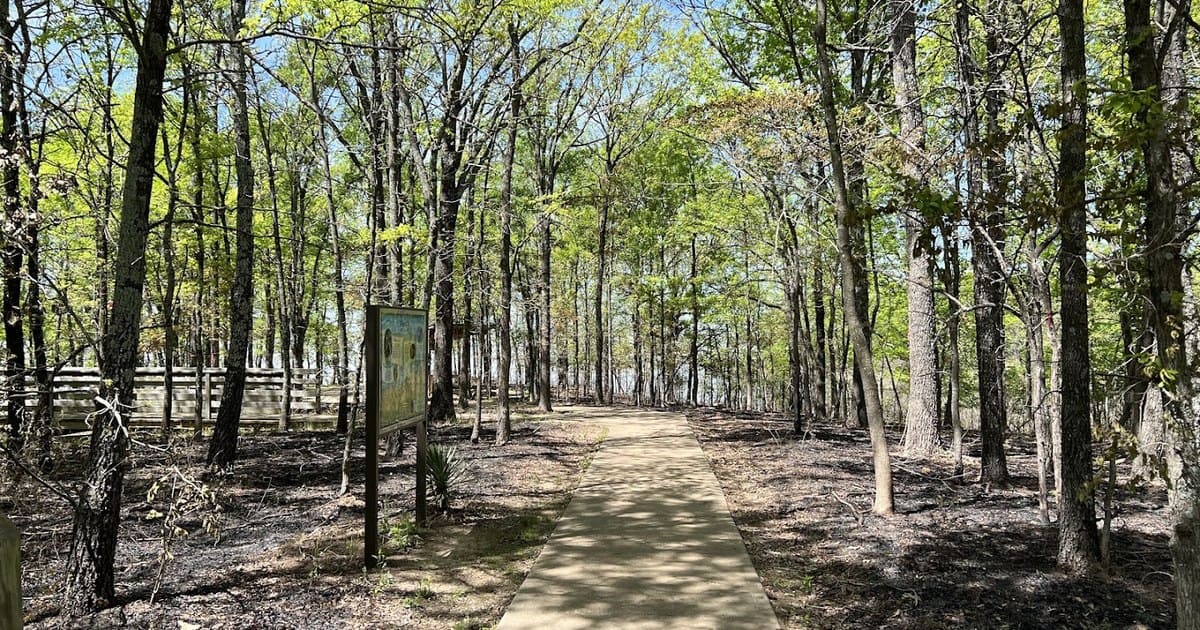
Brazos Bend threads about 37 miles of trails through its habitats, most of them flat and friendly enough for families, strollers, and casual cyclists. You do not need to be a serious hiker to reach the good stuff.
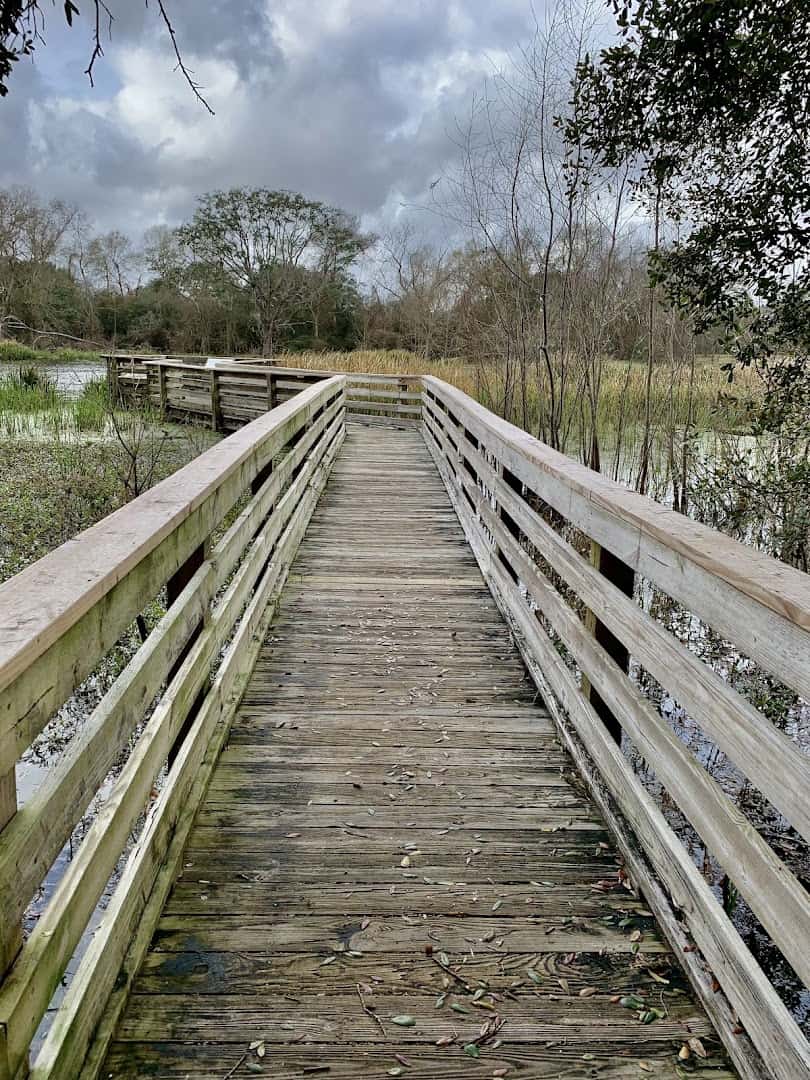
The standout for accessibility is the Creekfield Lake Nature Trail, a half-mile paved loop with an accessible boardwalk and observation deck. It is dotted with touchable bronze sculptures of park wildlife, so visitors who cannot get close to the real animals can still meet them by hand.
That small touch tells you a lot about the place. Someone thought about the kid in a wheelchair who wants to feel what an alligator’s back is really like, and they cast one in bronze so she could.
Want to stay the night? The park offers 73 campsites with utilities, plus 13 screened shelters and primitive sites, so you can fall asleep to frog song and wake to mist rising off the lakes.
Waking up inside the park is its own reward. The dawn is when the deer and the birds are busiest and the day-trip crowds are still an hour or two down the highway.
Pro tip: three accessibility chairs are available for the trails, and you can reserve one ahead by calling the park at (979) 553-5101.
Cast a Line and Spread a Picnic
The trails get all the attention, but a lot of regulars come for the water and a quiet afternoon. Fishing is a popular pastime here, and you can drop a line for bass, catfish, and sunfish from the banks and piers.
Here is a nice perk worth knowing: in a Texas state park you can fish without a fishing license, so this is an easy, cheap way to introduce a kid to the sport. Just keep a sharp eye on the water, because you are sharing it with the gators.
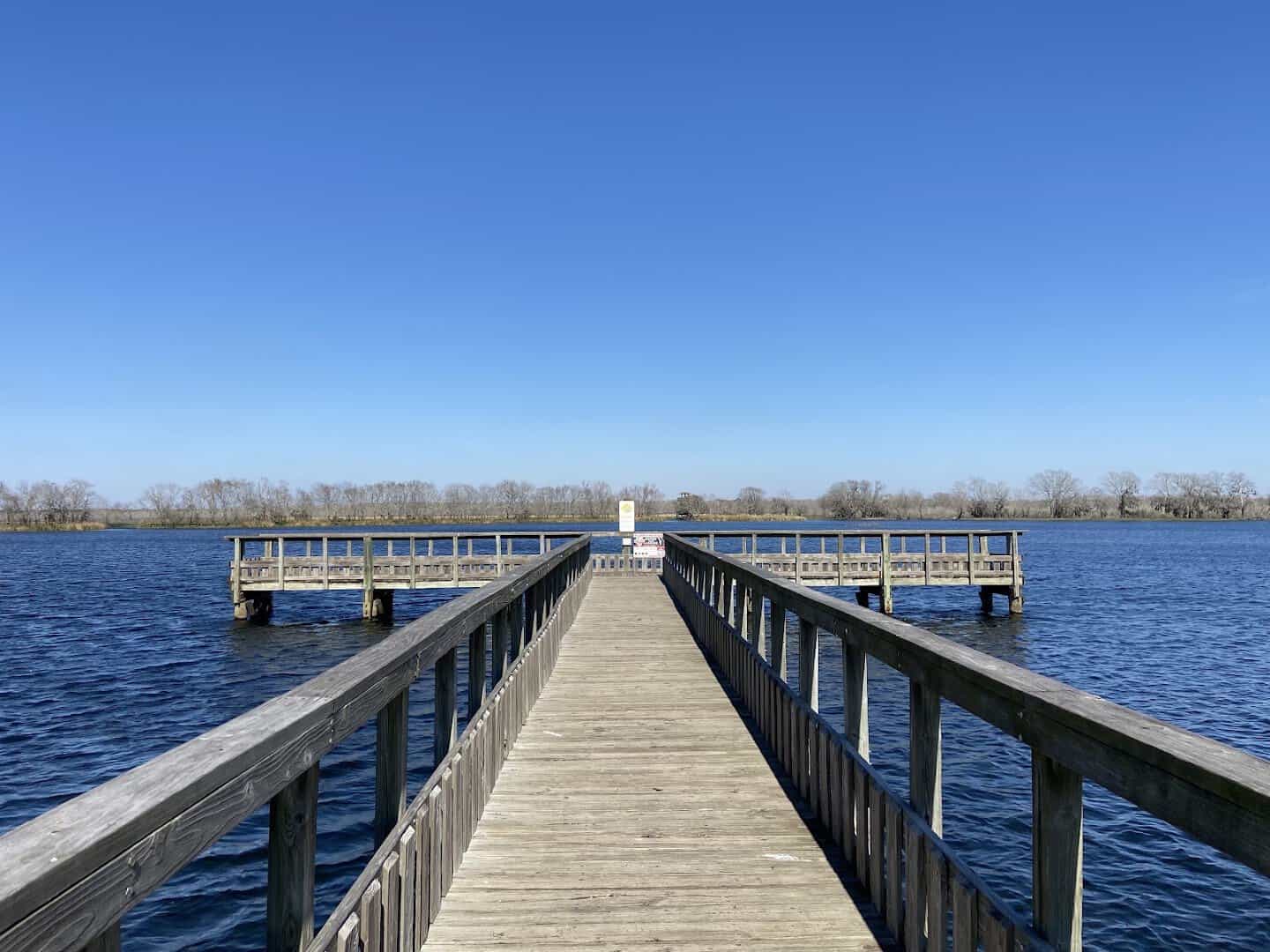
Picnic tables and shaded pavilions are scattered near the lakes, so it is simple to make a whole lazy day of it. Pack a lunch, claim a table under the oaks, and let the afternoon go slow while the herons work the shallows.
Pro Tips for a Safe, Stunning Visit
Reserve ahead. Brazos Bend is popular enough that it regularly fills to capacity, and a day-use pass booked online is the surest way through the gate on a weekend. The park is open daily from 8 a.m. to 10 p.m.
Day-use admission runs $7 per person for anyone 13 and older, and kids 12 and under get in free. George Observatory tickets are sold separately, so budget for both if the stars are on your list.
For alligators, spring and early summer are prime, when the animals are active and basking in the open. In the cooler months they slow down and tuck away, so warm weather is your best bet for a good sighting.
For comfort, go early in the day. The morning light is soft, the wildlife is moving, and you will beat both the Gulf Coast heat and the crowds that build by midday.
How to Get There
The park sits in Fort Bend County near Needville, roughly 45 miles southwest of downtown Houston. Give yourself under an hour from the city and a lot longer once you are inside, because you will not want to rush the lakes.
Where: Brazos Bend State Park, 21901 FM 762 Rd, Needville, TX 77461
Start Planning Your Wild Texas Day Trip
Some of the best adventures in Texas hide in plain sight, close enough to home that you keep meaning to go and never quite do. Brazos Bend is exactly that trip, and it has been waiting the whole time.
Pack your binoculars, respect the 30-foot rule, stay for the stars, and let this quiet corner of the Gulf Coast remind you how wild Texas still is.
Featured image: Thomas Hopkins via Brazos Bend State Park

Stella Raines
Editor-in-Chief
Stella brings over a decade of storytelling experience to TX Headlines. With roots in West Texas and a love for road trips, she leads the editorial team with an eye for the hidden stories that make Texas unforgettable.
More Stories
Tags