This Wild Texas Preserve Hides Bison, Bayous, and Alligators Right Next to Houston
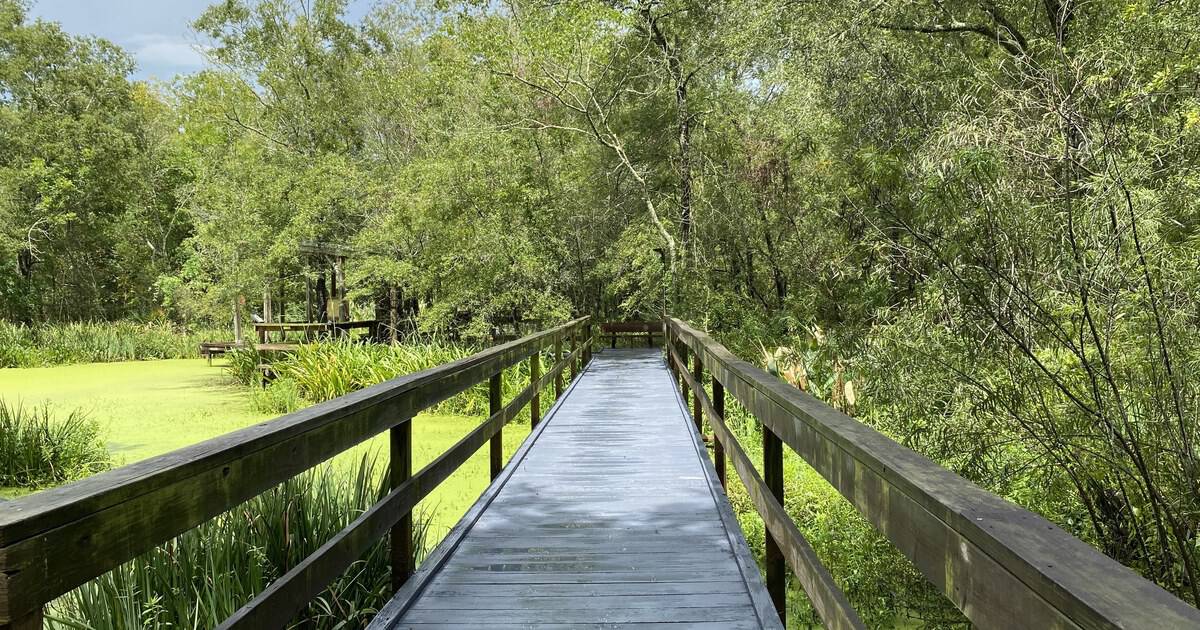
Tell a Houstonian that wild bison and ten-foot alligators live minutes off the freeway, and they will assume you are pulling their leg. I would have too. It turns out to be completely true, and I cannot stop thinking about the place that pulls it off.
Just southeast of Houston sits exactly that kind of survivor. Armand Bayou Nature Center is a place of quiet wild edges, a rare pocket of coastal Texas that somehow held on while the concrete and the subdivisions grew up all around it.
In a single morning here you can cross tallgrass prairie, walk through forested wetland, and stand out over open marsh, all of it within easy earshot of the freeway you just left behind.
Below, I will show you how to spend a day here: the trails to walk, the bison to find, the boat that carries you deep into the bayou, and the tragic, tender story of the man whose name the water now carries.
Three Wild Worlds in One Morning
What makes this preserve special is that it sits at a crossroads. Three of the Gulf Coast’s rarest habitats meet here: coastal tallgrass prairie, forested wetland, and estuarine marsh fed by a slow, unchannelized bayou.
Most of the Houston area paved over all three long ago. Here they were saved, more than 3,600 acres of them after a recent expansion, protecting one of the largest stretches of urban wilderness left anywhere on the Texas coast.
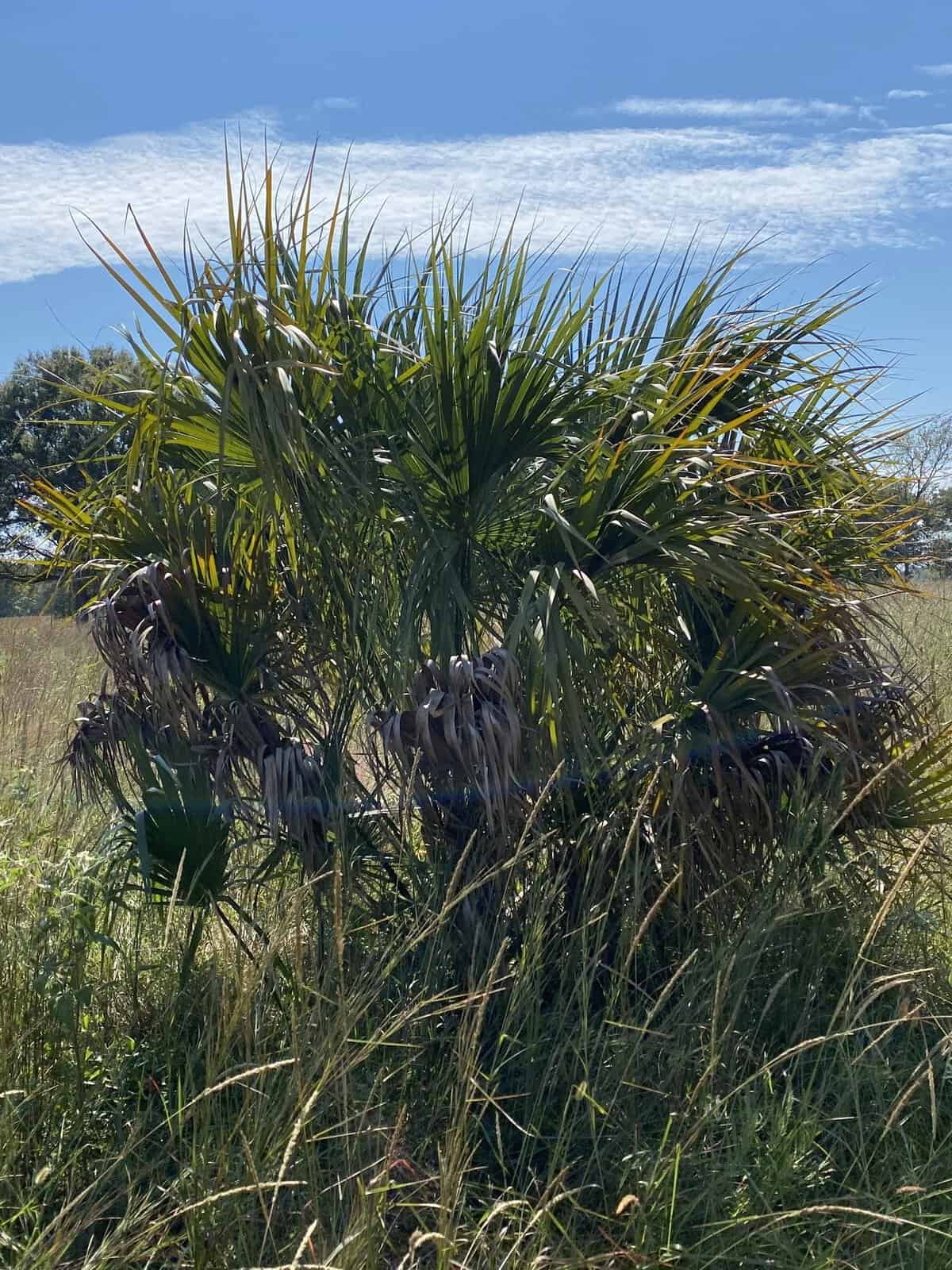
You feel the change under your feet as you walk. The prairie is open and sun-struck, tall grass nodding for hundreds of acres. Step into the woods and the light drops, the air cools, and Spanish moss hangs from the branches like torn lace.
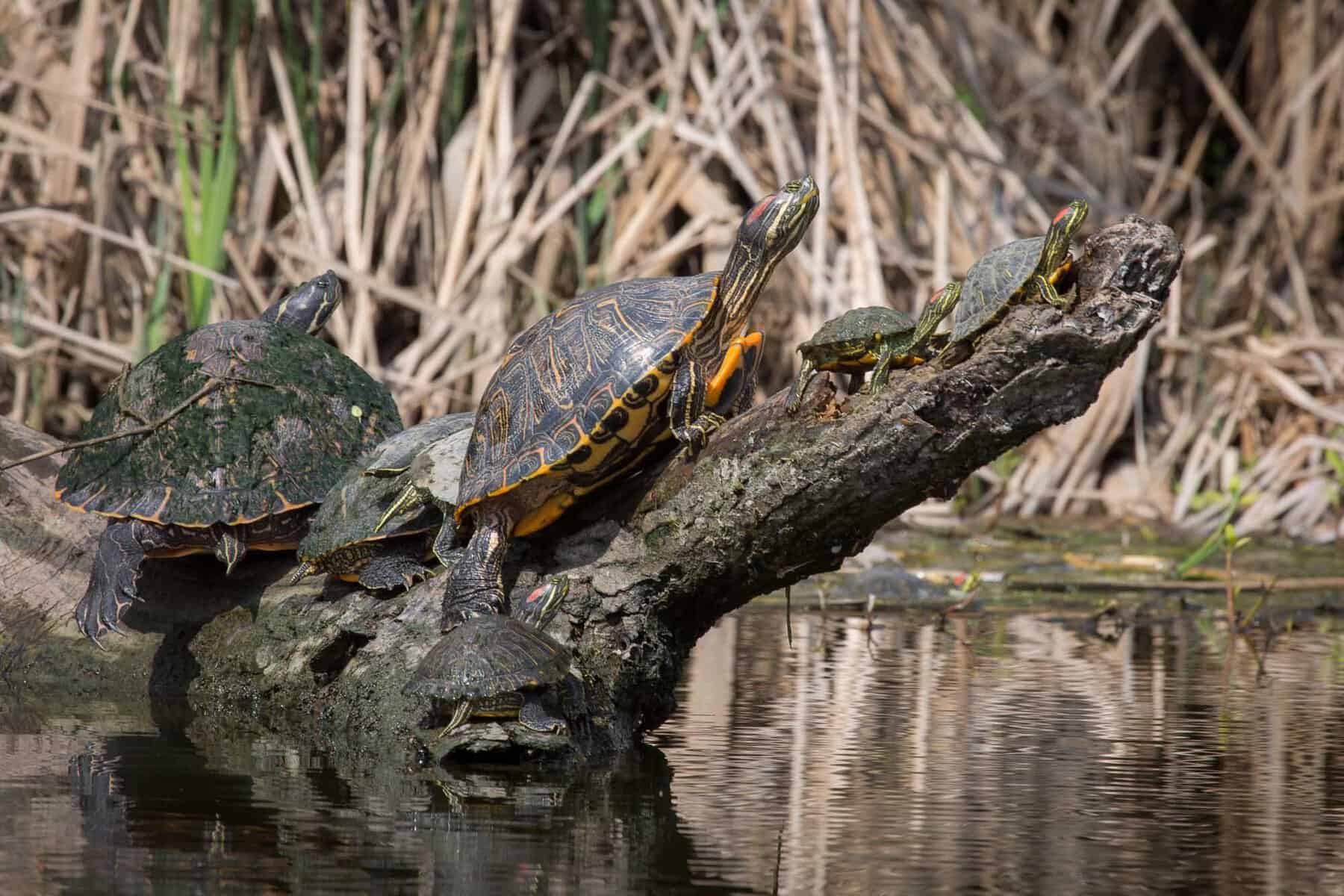
Then the trees thin, the boardwalk lifts you up, and suddenly you are out over the water where herons hunt and turtles line up on half-sunk logs. Three worlds, one easy loop, no mountain climbing required.
Boardwalks, Loops, and a Prairie Platform
There are around five miles of trail here, laid out in gentle loops that flow into one another. The Lady Bird, Karankawa, and Martyn trails link up into a walk of roughly three miles, and the whole thing is flat as a tabletop.
The trails are named with care. Lady Bird honors Lady Bird Johnson and her love of Texas wildflowers. Karankawa remembers the coastal people who lived along these bayous long before the city. Martyn carries the name of a farmer we will get to shortly.
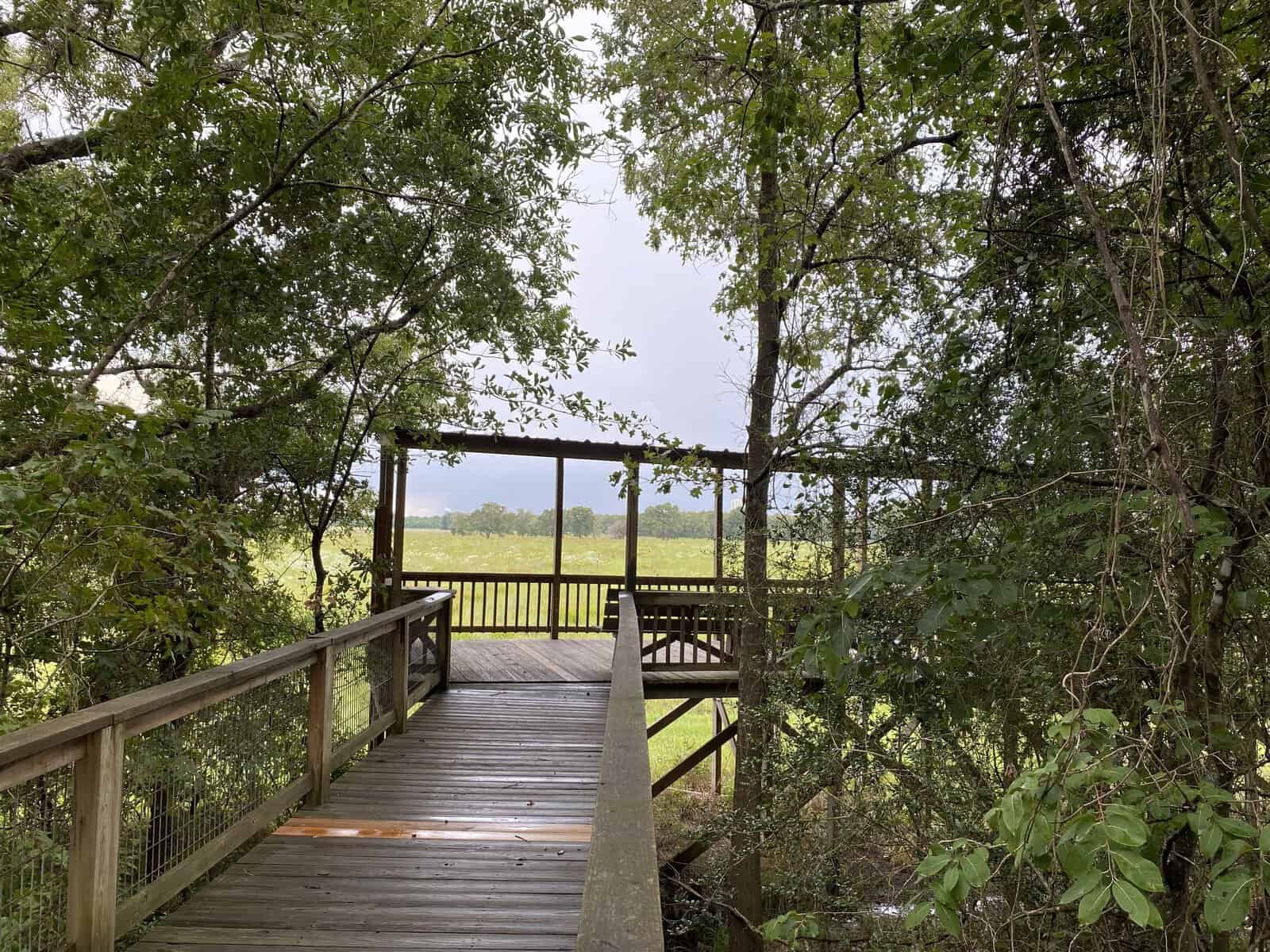
The elevated boardwalks are the stars. Instead of walking beside the wetland, you walk above it, out among the reeds and the water lilies. Kids love that floating feeling, and honestly, I can see why.
Make time for the Prairie Platform. Climb up and the restored grassland opens in front of you, gold and green and rippling. On a clear morning you can watch the wind move across it in long, slow waves.
There is a rhythm to a walk here that suits every kind of visitor. Families with strollers, birders with long lenses, and folks who just want a quiet loop before lunch all find their pace on the same flat, forgiving paths.
The Bison That Came Home
Here is the sight nobody expects a few minutes from a Houston freeway. Two American bison graze the restored prairie, shaggy and enormous, exactly where their ancestors once roamed the coastal grasslands.
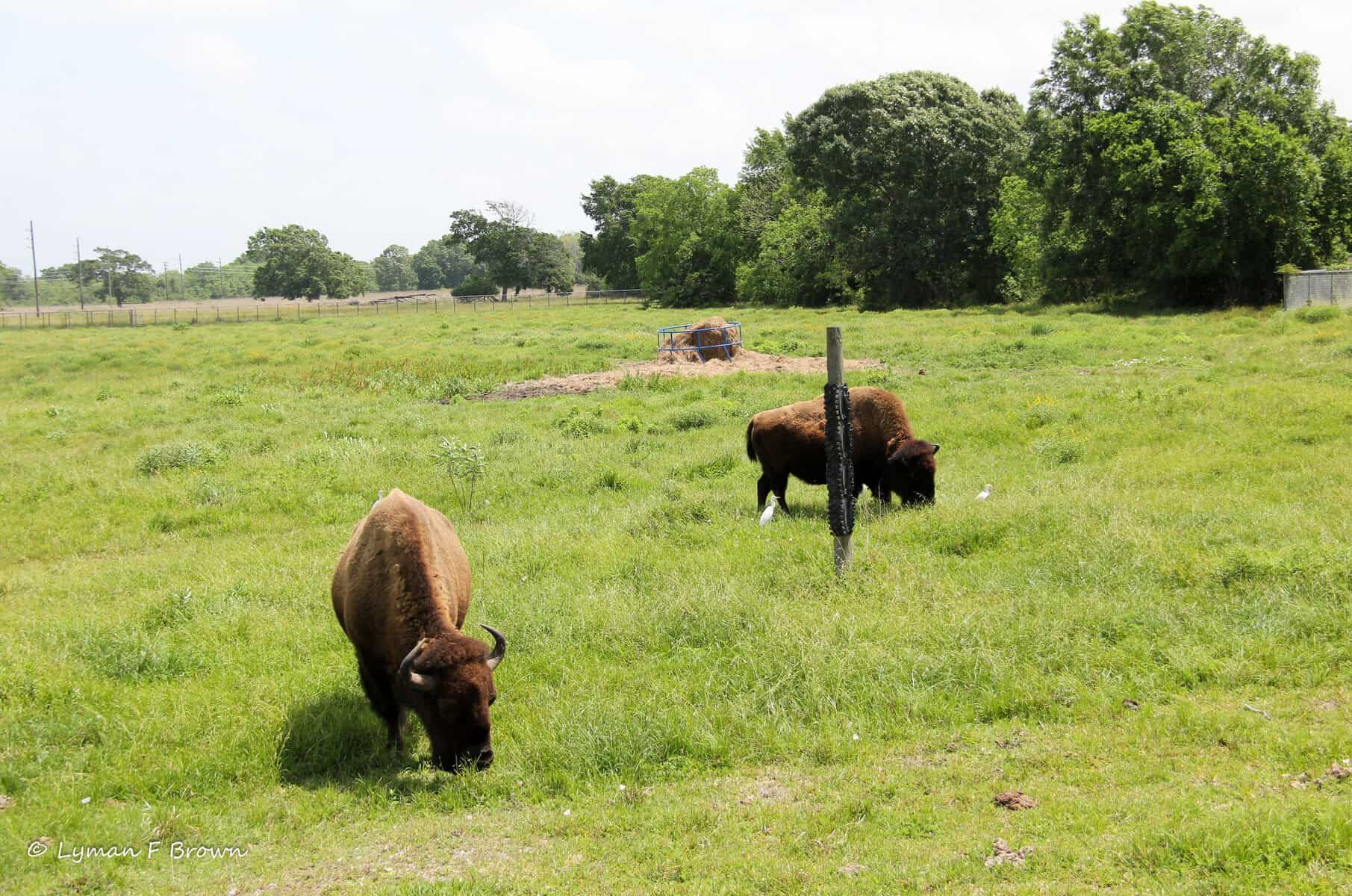
They are not a petting-zoo gimmick. The prairie here, more than 600 acres of it, has been carefully rebuilt to look the way this land did before settlement. The bison are living stand-ins for the great herds that once shaped these grasses by grazing and trampling them.
“Two majestic bison call Armand Bayou Nature Center home,” writes Ashley Jones of Houston Online Magazine, “and getting a close-up view of these impressive creatures is a truly unique and educational experience.” She calls the whole place one of southeast Houston’s best-kept secrets, and she is right.
There is a viewing platform where you can watch them from a respectful distance. Bring binoculars. On a still morning you can hear them tearing at the grass.
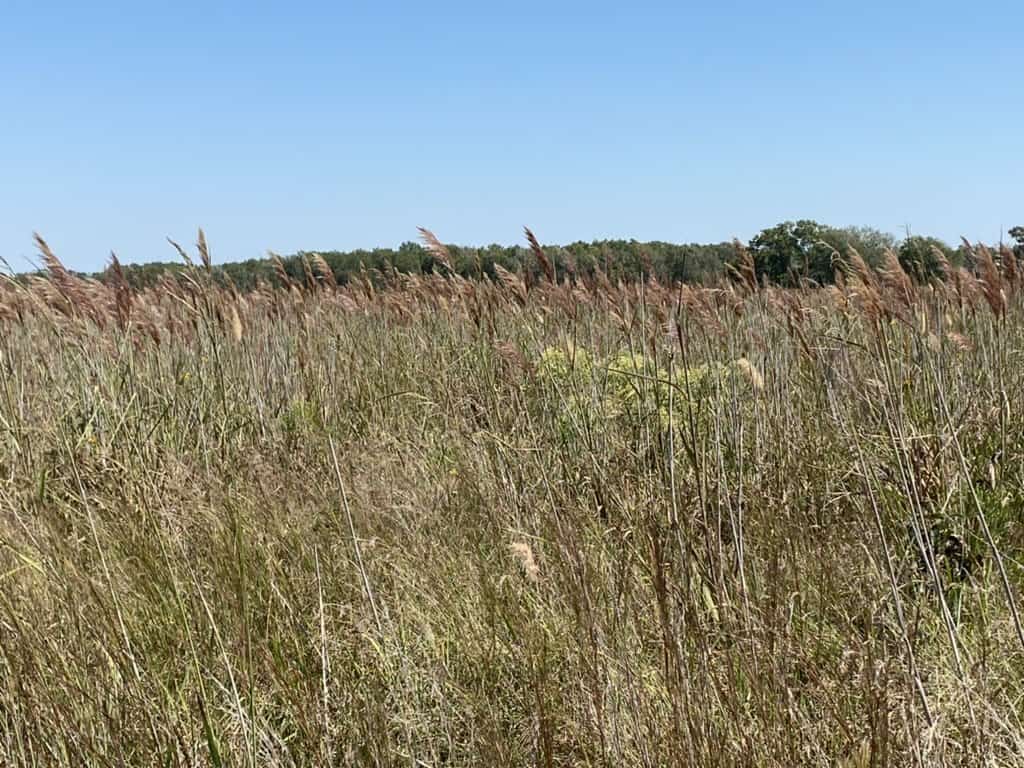
The prairie itself is the quiet miracle. Before settlers arrived, tallgrass like this rolled across the Gulf Coast for miles, kept open by fire and by the bison that ate and trampled it.
Almost all of that grassland is gone now. That is what makes these 600 restored acres feel like a window into an older Texas, a small piece of the coast put back the way it used to be.
Alligators, Spoonbills, and 220 Kinds of Birds
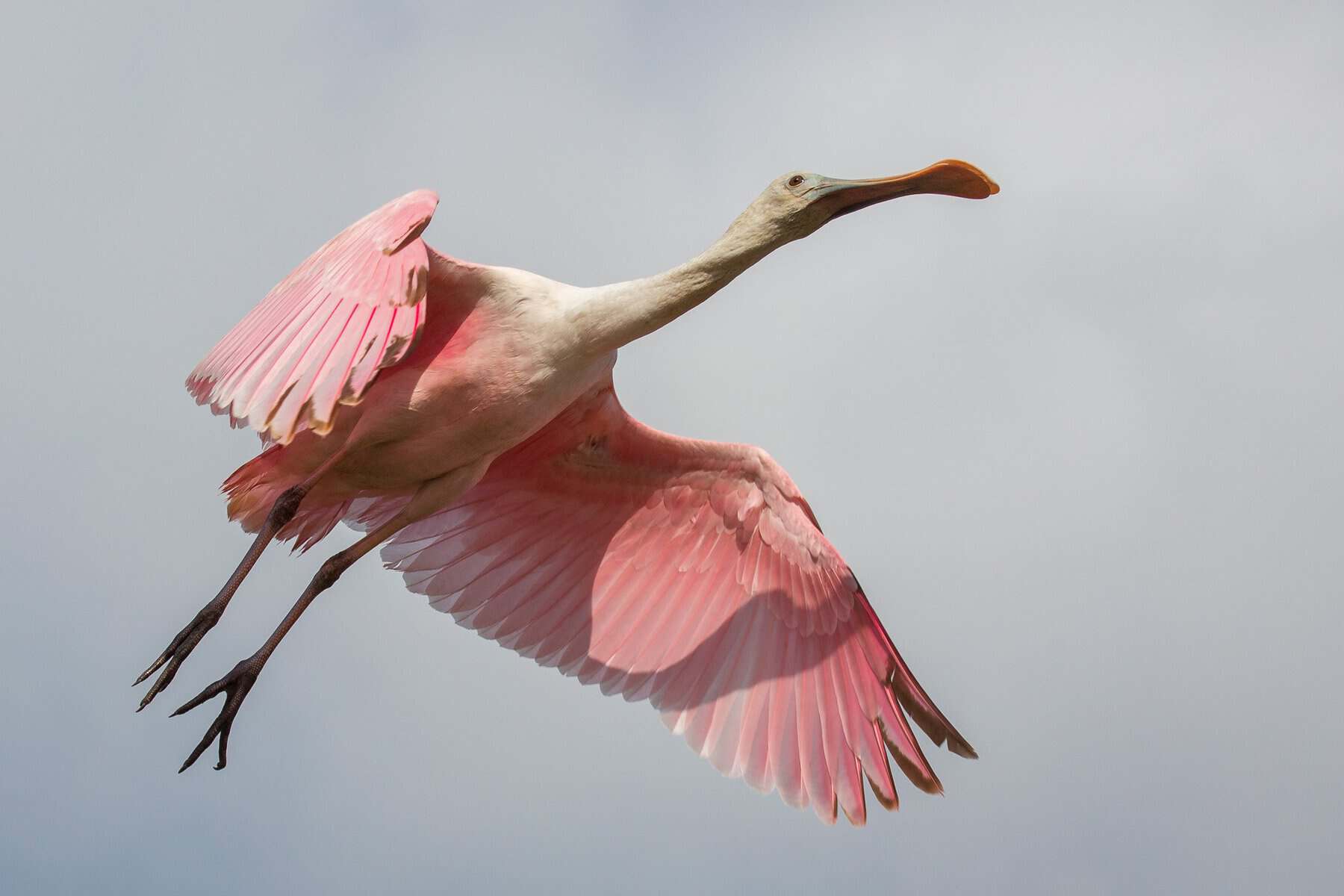
The wildlife here is genuinely astonishing for a spot this close to the city. More than 370 native animal species live in the preserve, including well over 220 kinds of birds that either nest here or pass through on migration.
Yes, there are alligators. Real ones, and big ones, some topping ten feet, sunning themselves along the quiet stretches of Horsepen Bayou. You watch them from the boardwalk, which is exactly where you want to be.
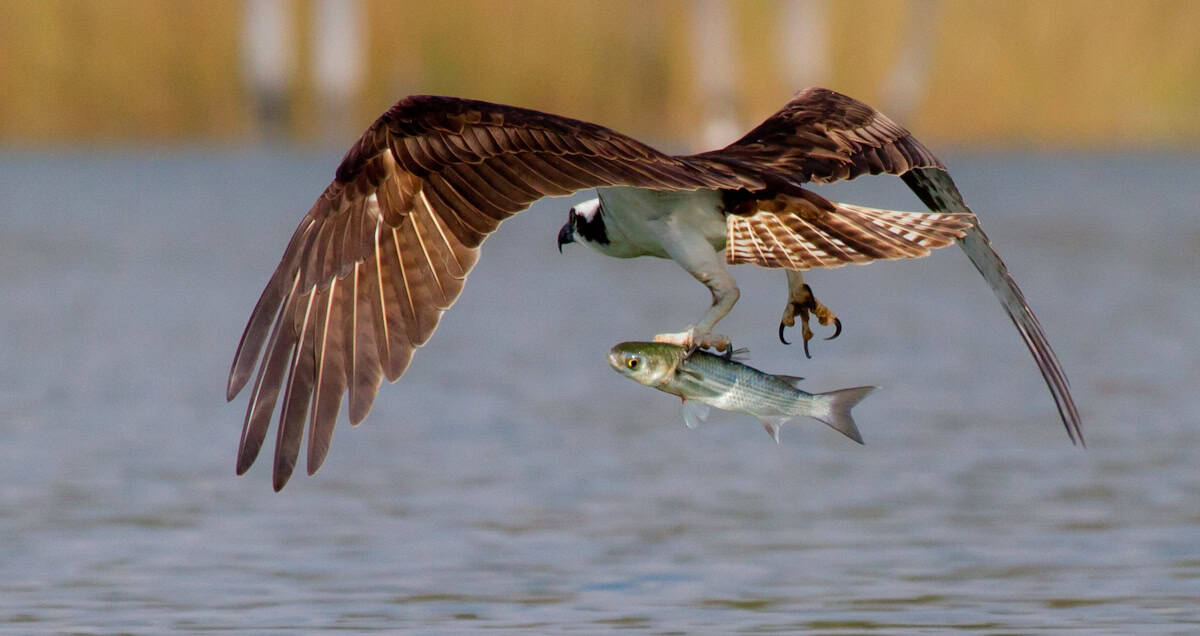
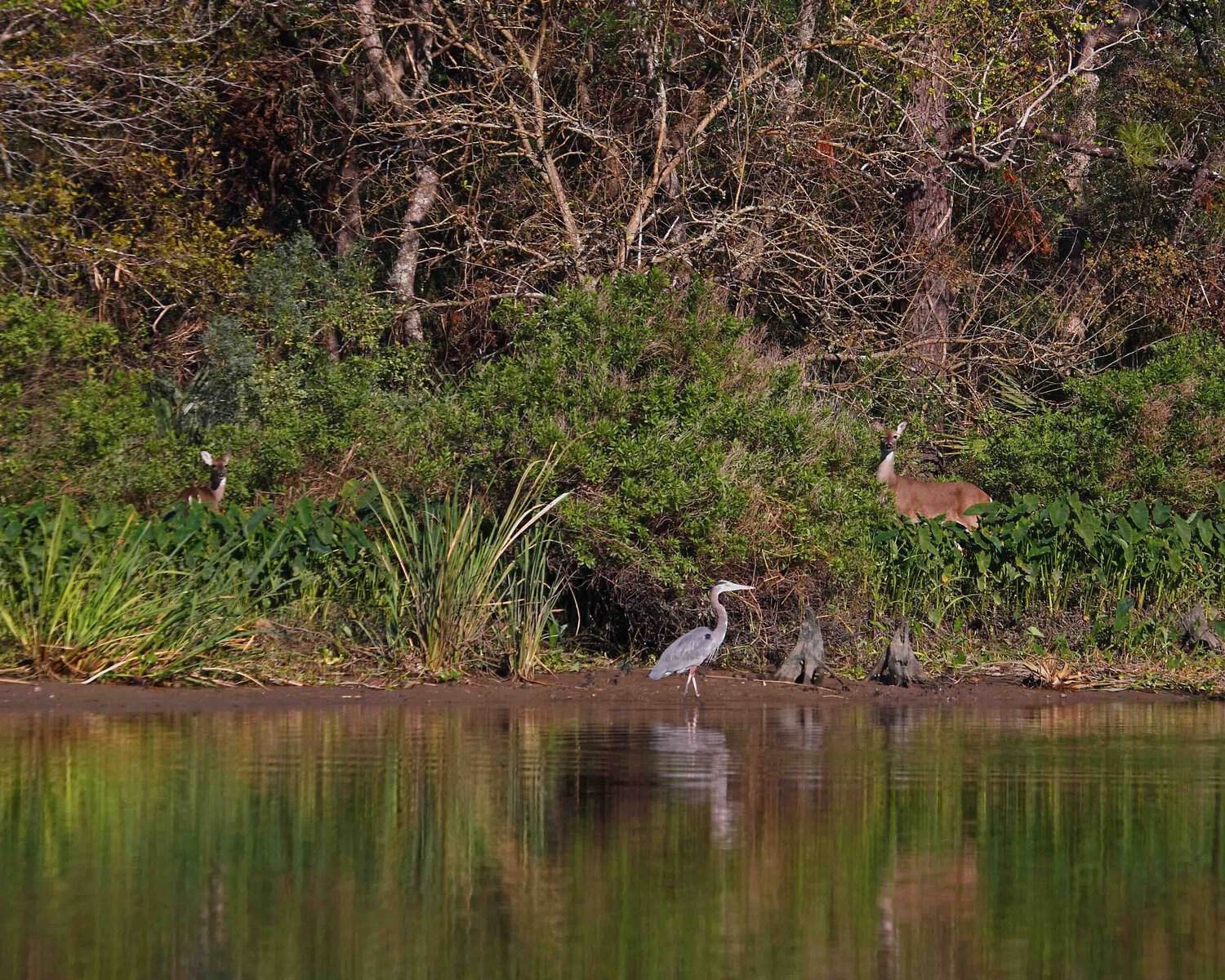
I still remember the first time I ever laid eyes on a roseate spoonbill, that impossible flush of pink wading through the shallows, and this is exactly the kind of still water where you might meet one. Herons, egrets, ospreys, and brown pelicans work it too.
Did you know these birds are a comeback story? Decades of protection brought alligators, bald eagles, ospreys, pelicans, and even river otters back to a waterway that Houston had all but written off.
Keep your eyes open and you might spot white-tailed deer slipping through the trees, or a river otter cutting a silver line across the still water.
A Texas Farm Frozen Around 1900
Tucked along the Martyn trail is a surprise from another century. The Martyn Farm is a lovingly recreated Texas homestead built to show how a family lived and worked on this coastal land around the turn of the twentieth century.
Its heart is the Hanson House, a genuine 1895 farmhouse. On special days, volunteers in period clothing churn butter, twist rope, scrub laundry the hard old way, and run the simple machines that ran a farm before electricity reached it.
Hand a child a crank and a task with a result they can carry home, and it sticks with them. Twisting a length of rope by hand, or watching cream turn to butter, is the kind of hands-on history a kid remembers long after the drive home.
The farm honors Jimmy Martyn, a local farmer who dug in his heels against the developers. In 1964 he sold his 28 acres to help protect the land instead of watching it vanish under concrete.
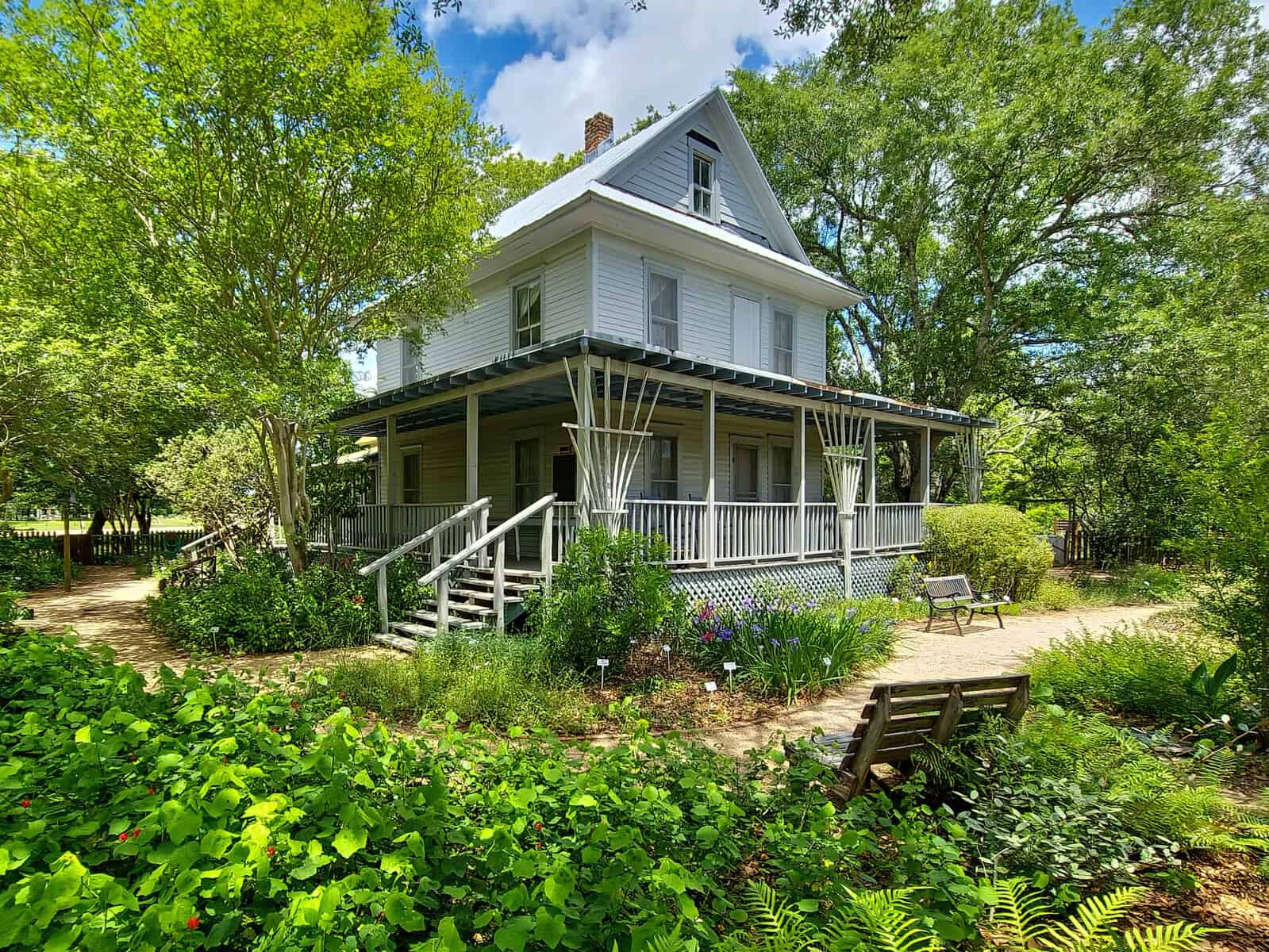
Time the annual Martyn Farm Festival if you can. Watching a kid crank a butter churn and taste the result is the kind of small wonder this place does so well.
The Man the Bayou Is Named For
Every great preserve has a story, and this one begins with a tragedy that turned into a gift. The bayou is named for Armand Yramategui, a Houston naturalist born in 1923, an electrical engineer trained at Rice who fell in love with the night sky and the wild coast.
He ran the Burke Baker Planetarium and taught a whole city to look up and to look around. In 1970, driving out at night to see a comet, he was robbed and killed on the roadside.
He was due the very next day to push county leaders to create a parks department. His death lit a fire under a woman named Hana Ginzbarg.
She led the campaign that rallied the public and raised the money to buy the original 2,500 acres. In 1974 the nature center was born.
Today the nonprofit still runs it, on land owned by Harris County, under a long lease meant to keep it wild for generations. In 2024 the center marked its fiftieth year.
Pasadena renamed the old Middle Bayou in Yramategui’s honor, so his name now runs quietly through the marsh he helped save.
Take to the Water
Walking is only half of it. The best way to feel the bayou is to get out on it, and the preserve makes that easy with guided cruises aboard a quiet electric pontoon boat.
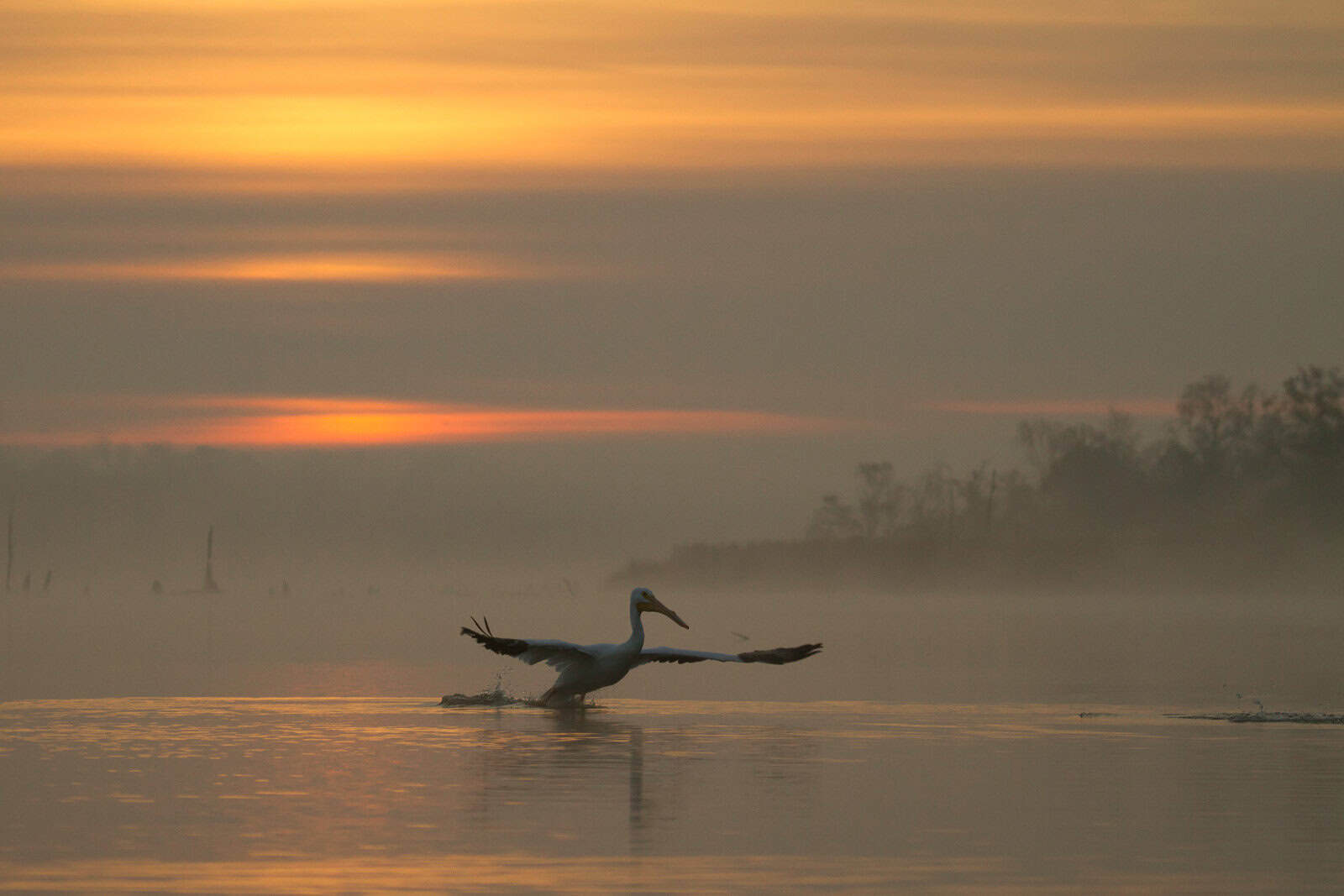
The boat slips down Armand and Horsepen Bayous through the heart of the wilderness. Sunrise trips catch the water glassy and still. Sunset and night cruises trade the herons and alligators for a chorus of frogs and insects waking up in the dark.
There are guided kayak trips too, and a “Birding on the Bayou” outing that pairs time on the pontoon with a ride through all three ecosystems on an electric cart. Spots are limited and fill fast, so book ahead.
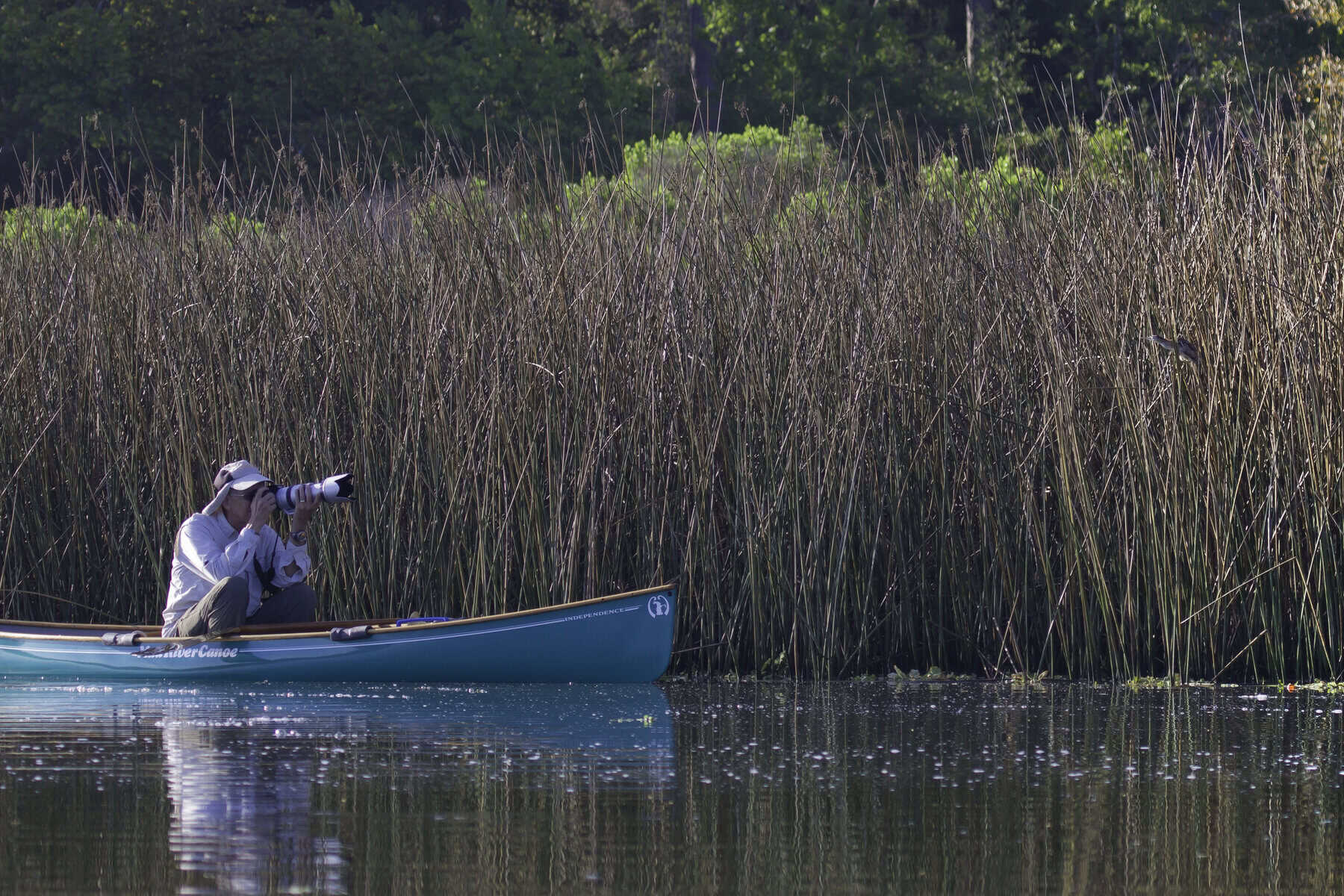
This water is worth the fuss. Armand Bayou is one of the last relatively wild, unchannelized waterways left in the Houston area, winding down through the preserve toward Clear Lake and eventually Galveston Bay. Gliding through it feels like slipping back a century or two.
If you would rather paddle on your own, the bayou is a marked state paddling trail, with launch points at nearby Bay Area Park and Clear Lake Park. A morning on the water here is the kind of thing you tell people about later.
Pro tip: go early. The animals are most active in the cool first hours, the light is soft and gold, and you will have the boardwalks nearly to yourself.
Know Before You Go
The preserve is open Wednesday through Saturday from 9 a.m. to 5 p.m., and Sunday from noon to 5 p.m. It is closed Monday and Tuesday, so plan your trip for later in the week.
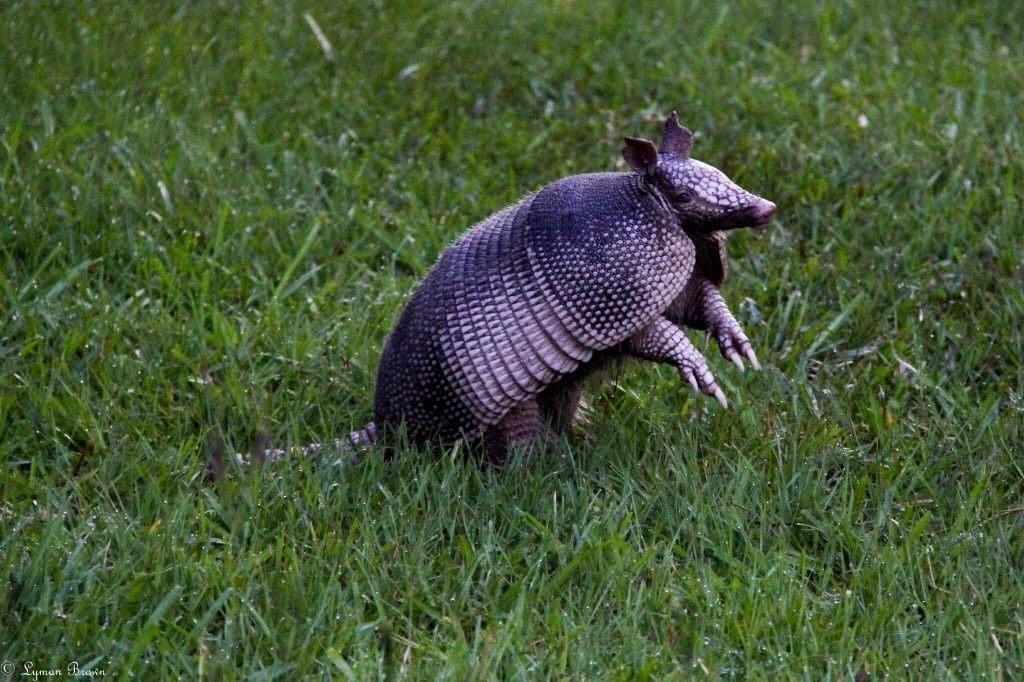
Admission is refreshingly gentle on the wallet. General admission runs around $7, with a reduced rate of about $5 for children, seniors, students, teachers, first responders, and active military. Little ones under three get in free.
Wear closed-toe shoes and bring water, sun protection, and bug spray in the warm months. The trails are stroller and wheelchair friendly in many stretches, which makes this a wonderful outing for every generation at once.
How to Get There
The preserve sits in Pasadena, in the Bay Area southeast of downtown Houston, an easy drive from Clear Lake, League City, and the whole Gulf Coast side of the metro.
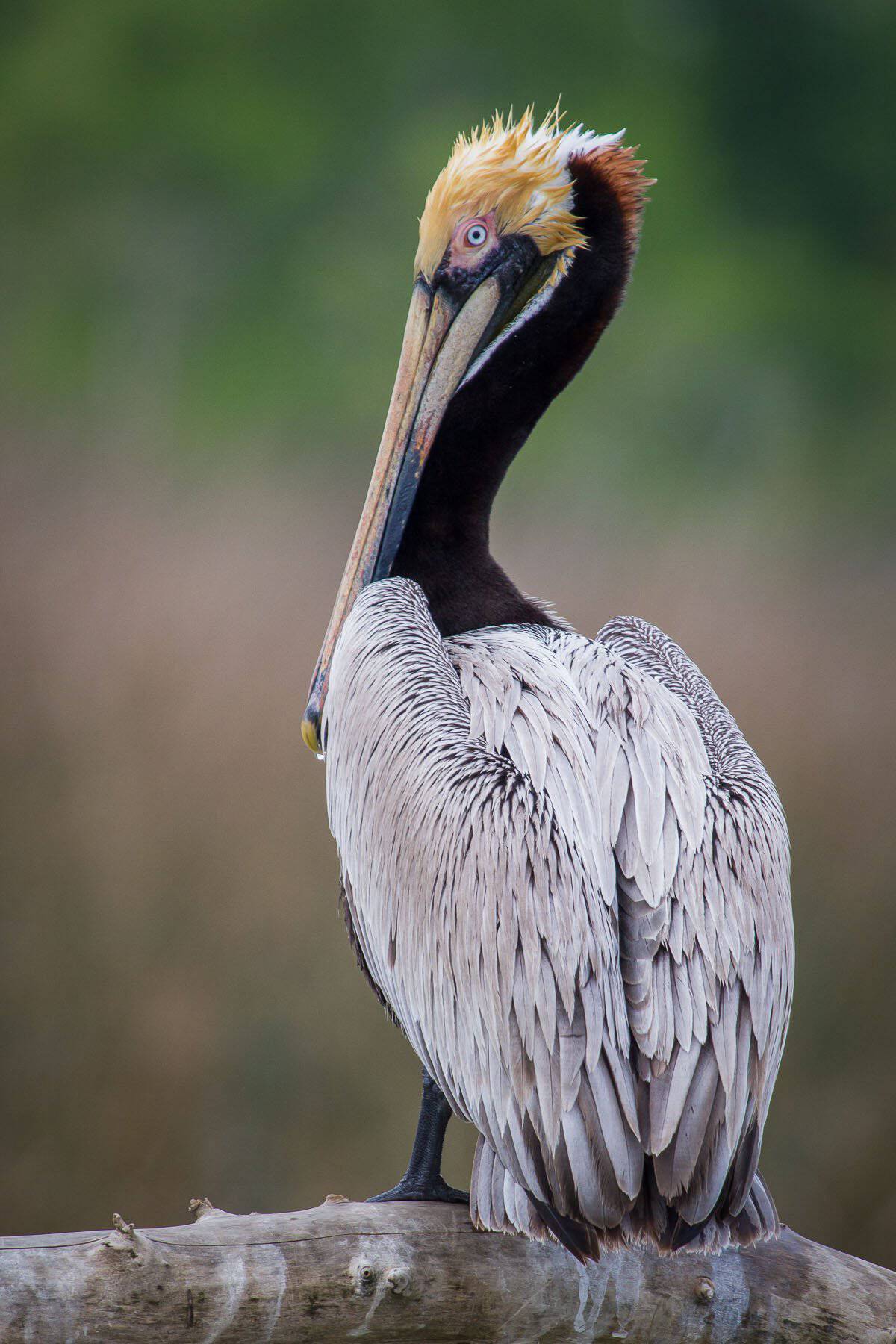
Where: Armand Bayou Nature Center, 8500 Bay Area Boulevard, Pasadena, TX 77507.
Go Find the Wild Next Door
What I love most about this place is how close it hides. You do not need a long road trip or a national park to stand over a marsh at sunrise, watch bison graze, and feel a heron eyeing you from the reeds.
Pack your binoculars, lace up comfortable shoes, and get there early. Whether you live in Houston or you are just passing through, an unhurried morning in this wild coastal pocket is one you will be planning to repeat before you even reach the parking lot.
Featured image: @ Armand Bayou Nature Center

Stella Raines
Editor-in-Chief
Stella brings over a decade of storytelling experience to TX Headlines. With roots in West Texas and a love for road trips, she leads the editorial team with an eye for the hidden stories that make Texas unforgettable.
More Stories

These 10 Texas Spots Bloom Into Seas of Bluebonnets Each Spring

This Enchanting Texas Nature Trail Feels Like Hiking Through a Fairytale Forest

This Underrated Texas State Park Gives You a Full Day of Swimming and Hiking for Just $5

This Easy Texas Hike Leads to a Swinging Suspension Bridge Hidden in the Pines
Tags