This Underground Texas Cavern Was Carved by a River and Once Hid a Marble Dance Hall
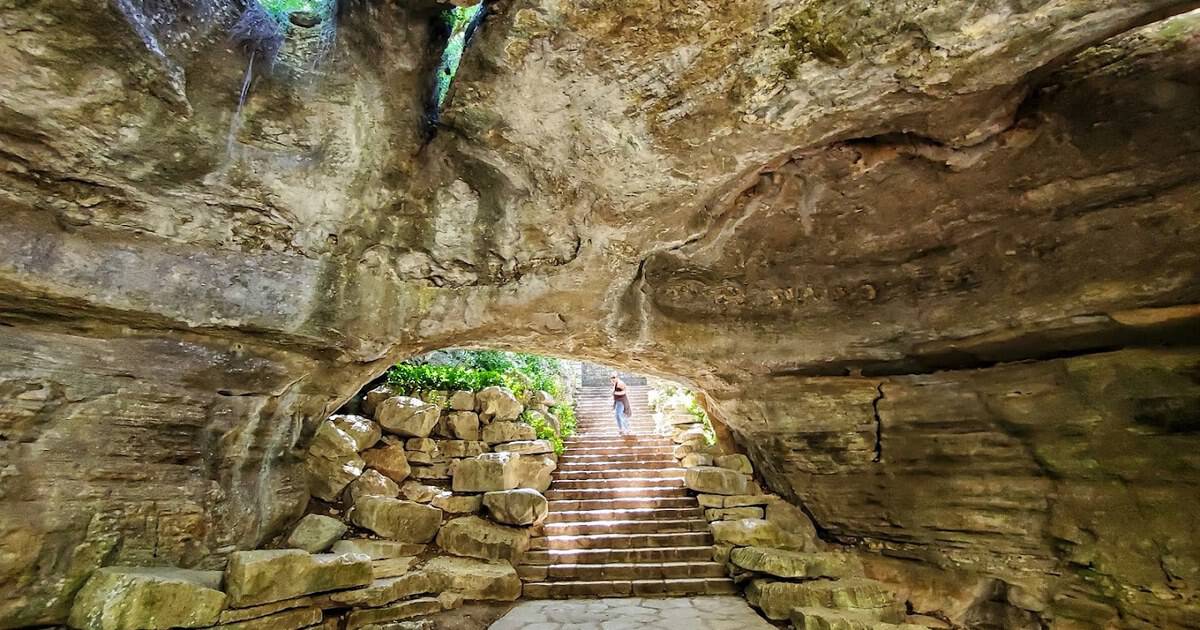
There is a specific kind of quiet you only get underground, and I have chased it my whole life. Trading a hundred-degree afternoon for cool, damp stone has always sounded to me like the best deal in Texas.
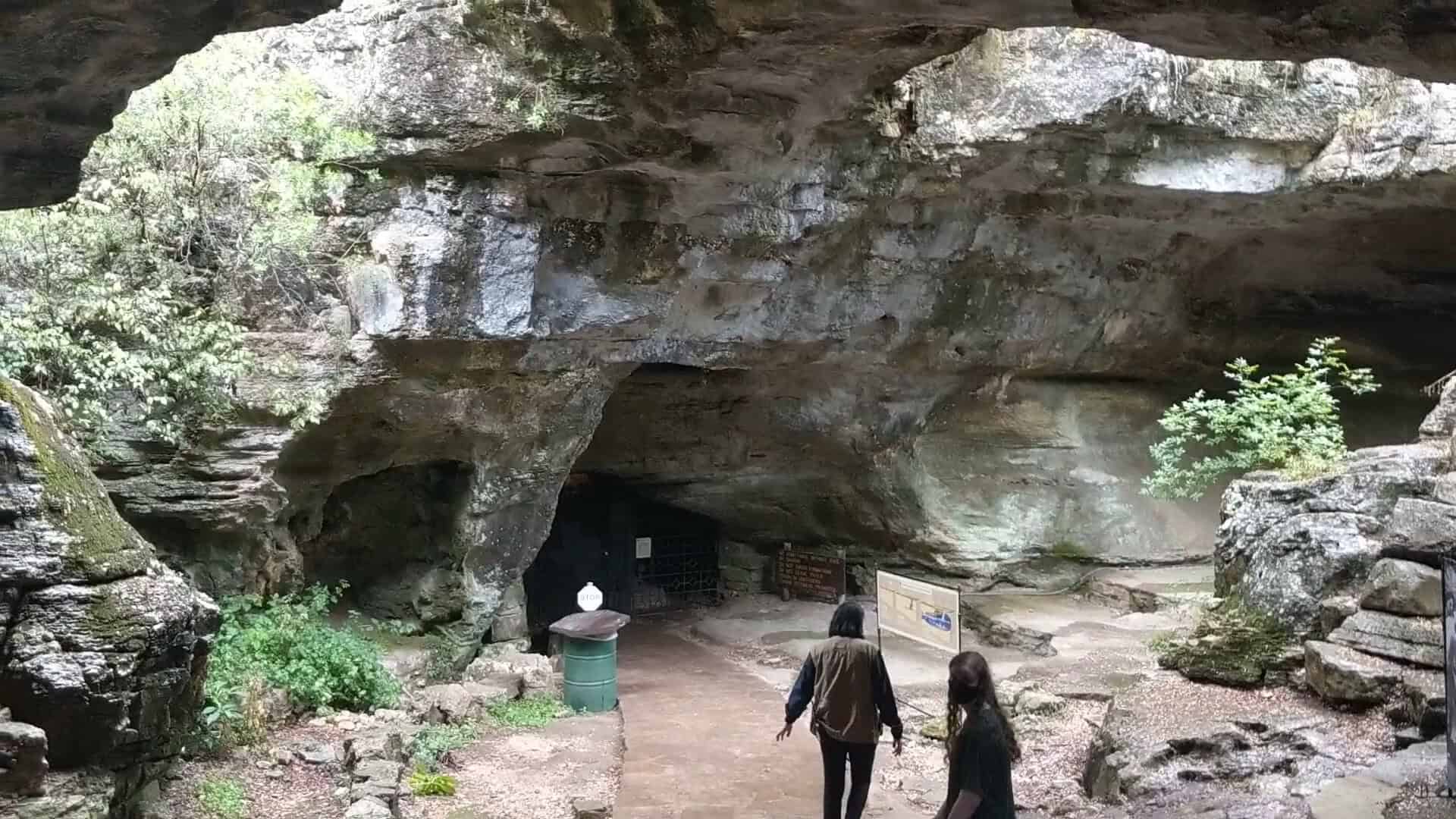
You get exactly that trade at Longhorn Cavern State Park in Burnet. It is a place of cool, marble-smooth stone, an underground world that a river carved over millions of years.
Here is why it sits near the top of my Hill Country list, and why you should point your car toward it to see it for yourself.
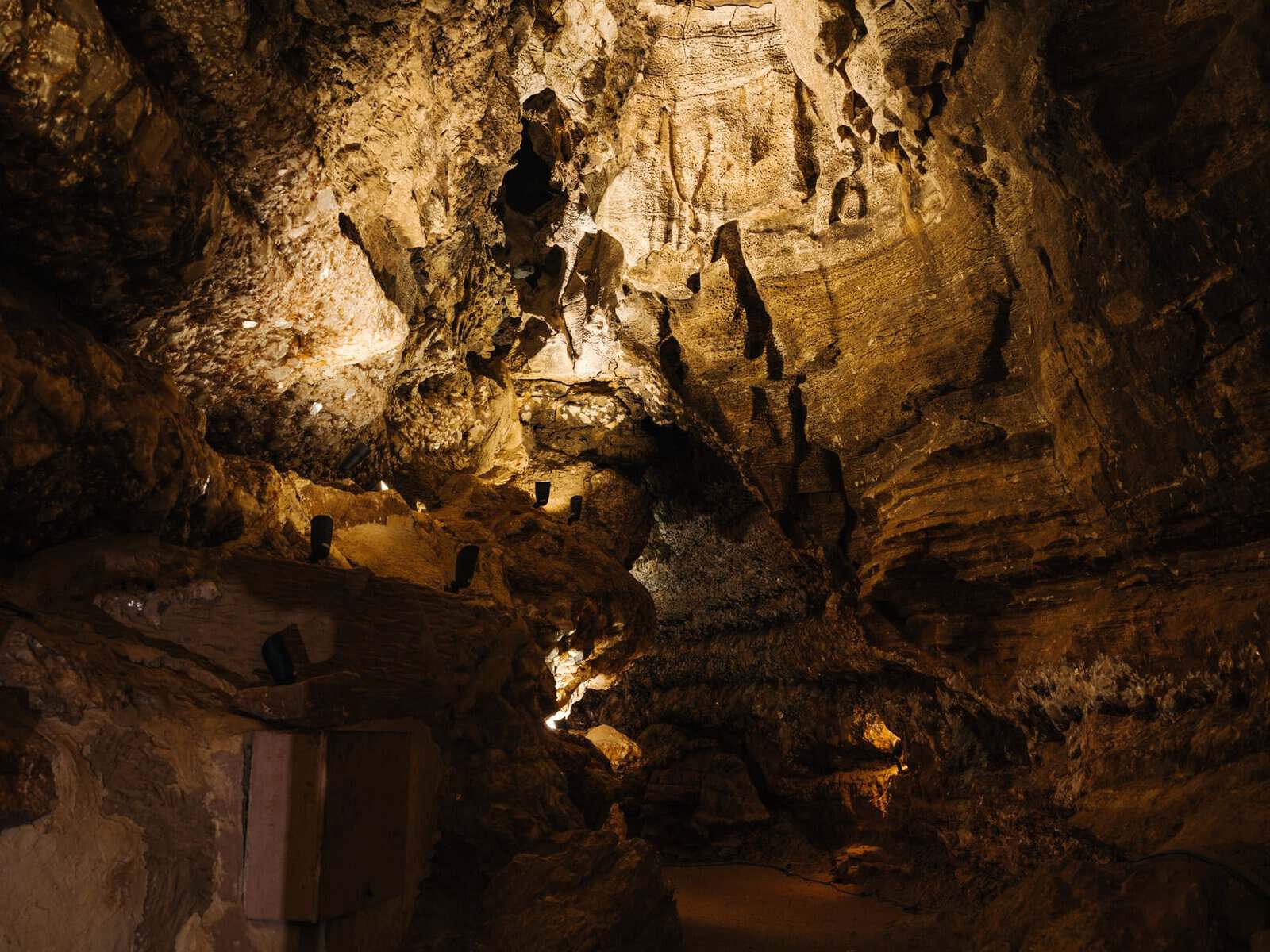
The cave stays a steady 68 degrees all year, no matter what the thermometer says up top. In summer that feels like walking into the best air conditioning in Central Texas.
In winter it feels warm and welcoming instead. Either way, you trade the weather for wonder the second you step below the surface, and that reliable chill is half the reason this place is a joy in any month.
A River Did the Sculpting, Not a Drip
Most caves you picture in your head are full of icicle-shaped stalactites hanging from the ceiling, built one slow drip at a time. Longhorn Cavern is different, and that difference is the whole magic of the place.
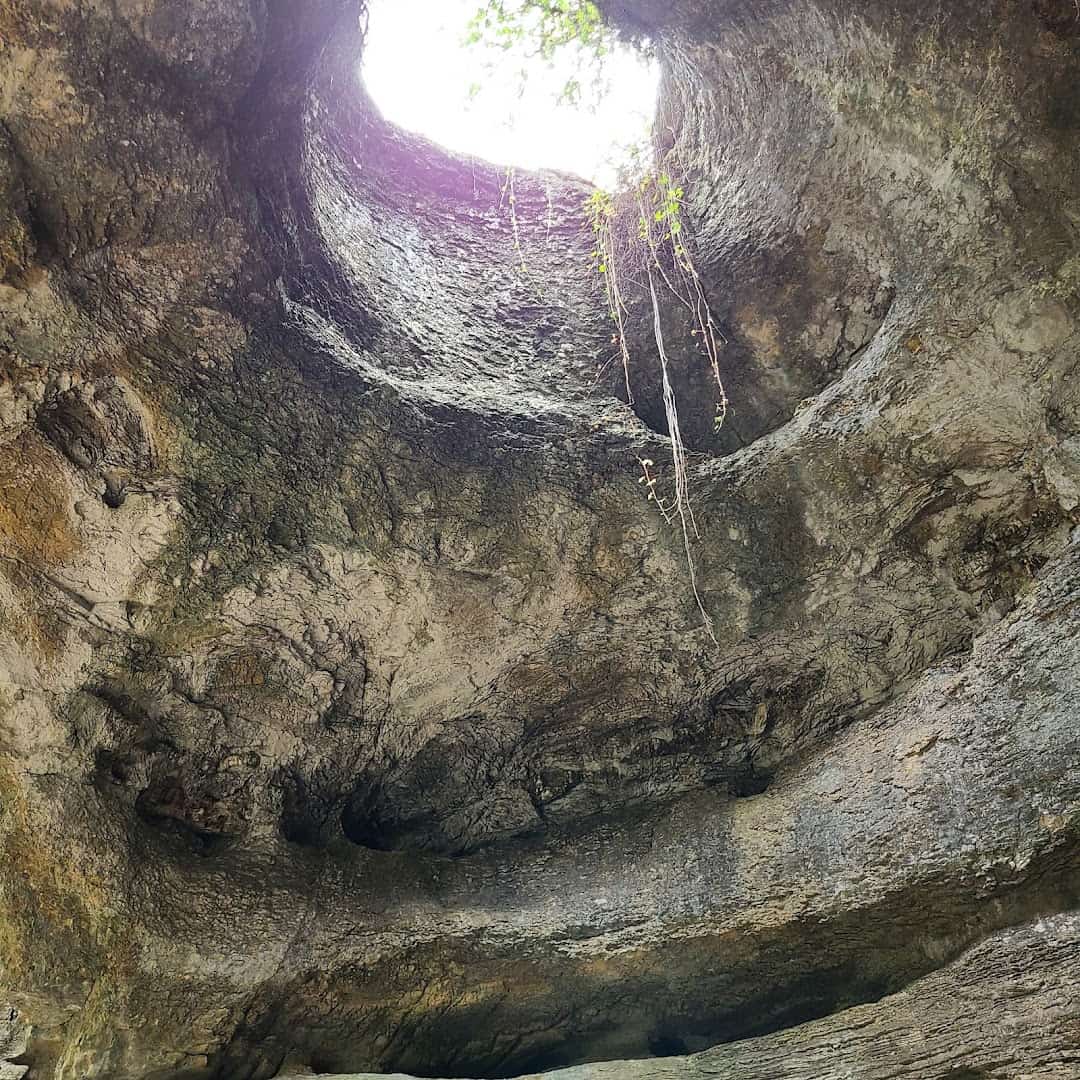
This one was carved by an ancient underground river. Water did not drip here. It flowed, and it pushed, and it swirled, dissolving the rock into smooth walls, rounded rooms, and passages that curve like the inside of a seashell.
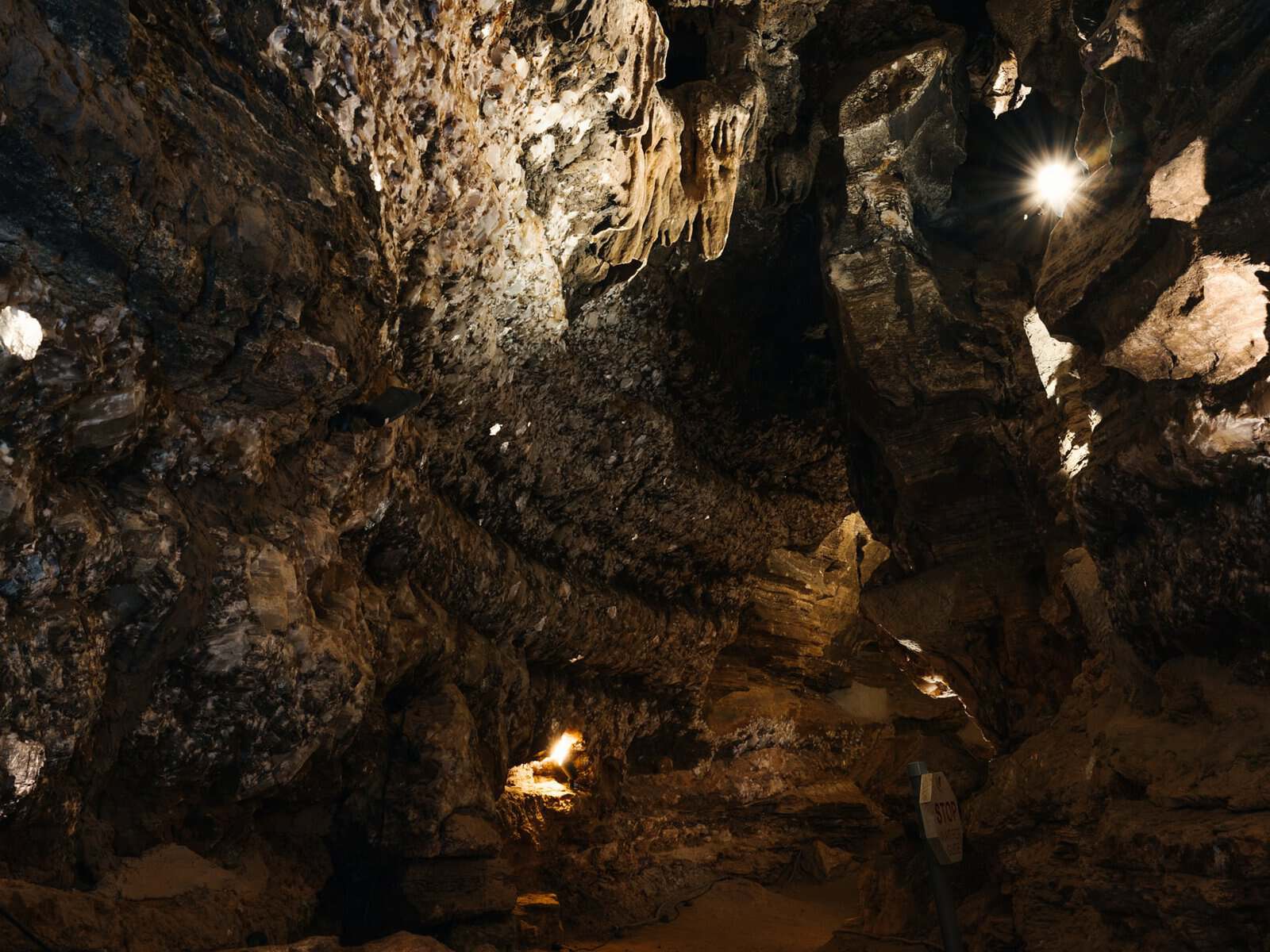
Run your eyes along the walls and you can almost see the current that shaped them. The stone looks poured rather than piled. Some passages are so polished they catch the light like wet glass.
The rock itself is staggeringly old. The cavern runs through Ellenburger limestone that formed around 500 million years ago, when this whole stretch of Texas sat under a shallow sea. In 1971 it earned recognition as a National Natural Landmark, a fitting nod to a place this rare.
Think about that for a second. You are walking through the floor of an ocean that dried up before the first dinosaur ever took a step. That is the kind of fact that makes the hair on your arms stand up, and the constant chill helps.
The Hall of Marble and the Queen’s Watchdog
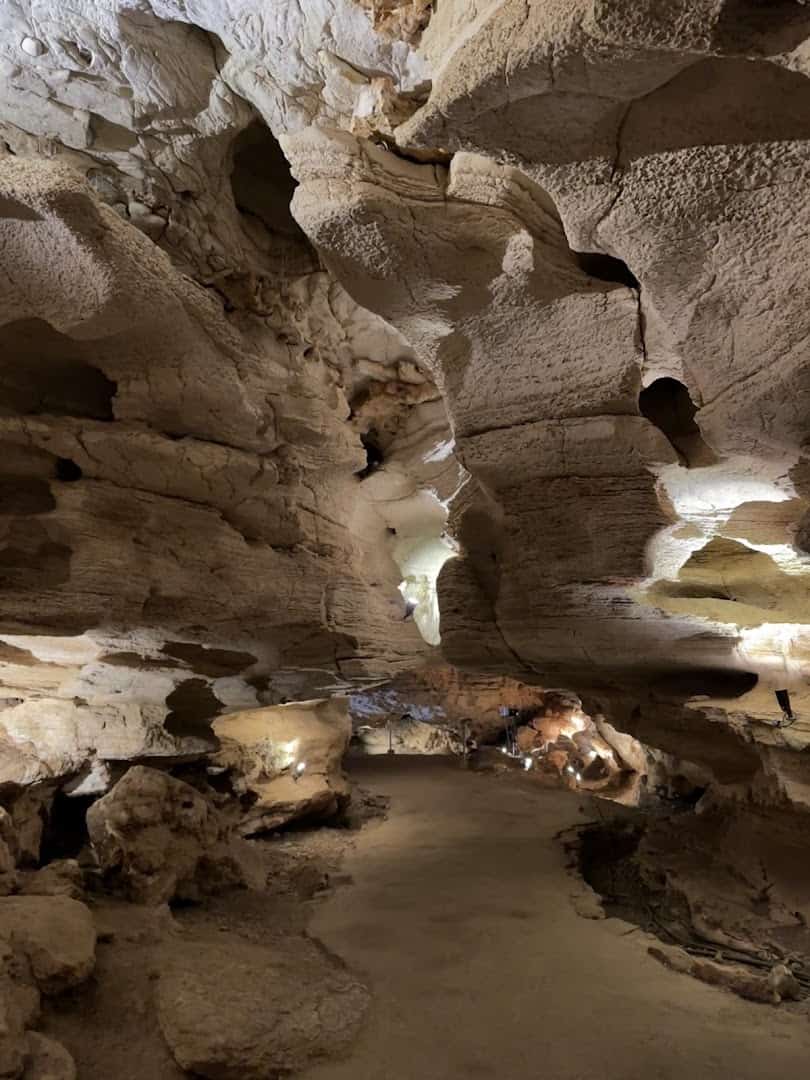
The tour has a way of saving its prettiest room for a quiet reveal. The Hall of Marble is a narrow passage where the walls turn to smooth, pale alabaster, lit so gently that the whole space glows like a banquet hall built for royalty.
It is the kind of room you will want to linger in longer than the tour allows. When water spends millions of years polishing stone, the result looks a lot like something a sculptor labored over on purpose.
Near the entrance you meet the Queen’s Watchdog, a chunky formation made of dolomite, a denser cousin of limestone. The crews who built the park found it deep in the Hall of Marble and moved it up front.
Now it sits like a stony guardian, greeting every visitor who comes through the door. It is the sort of small tradition that makes a cave feel loved rather than just old.
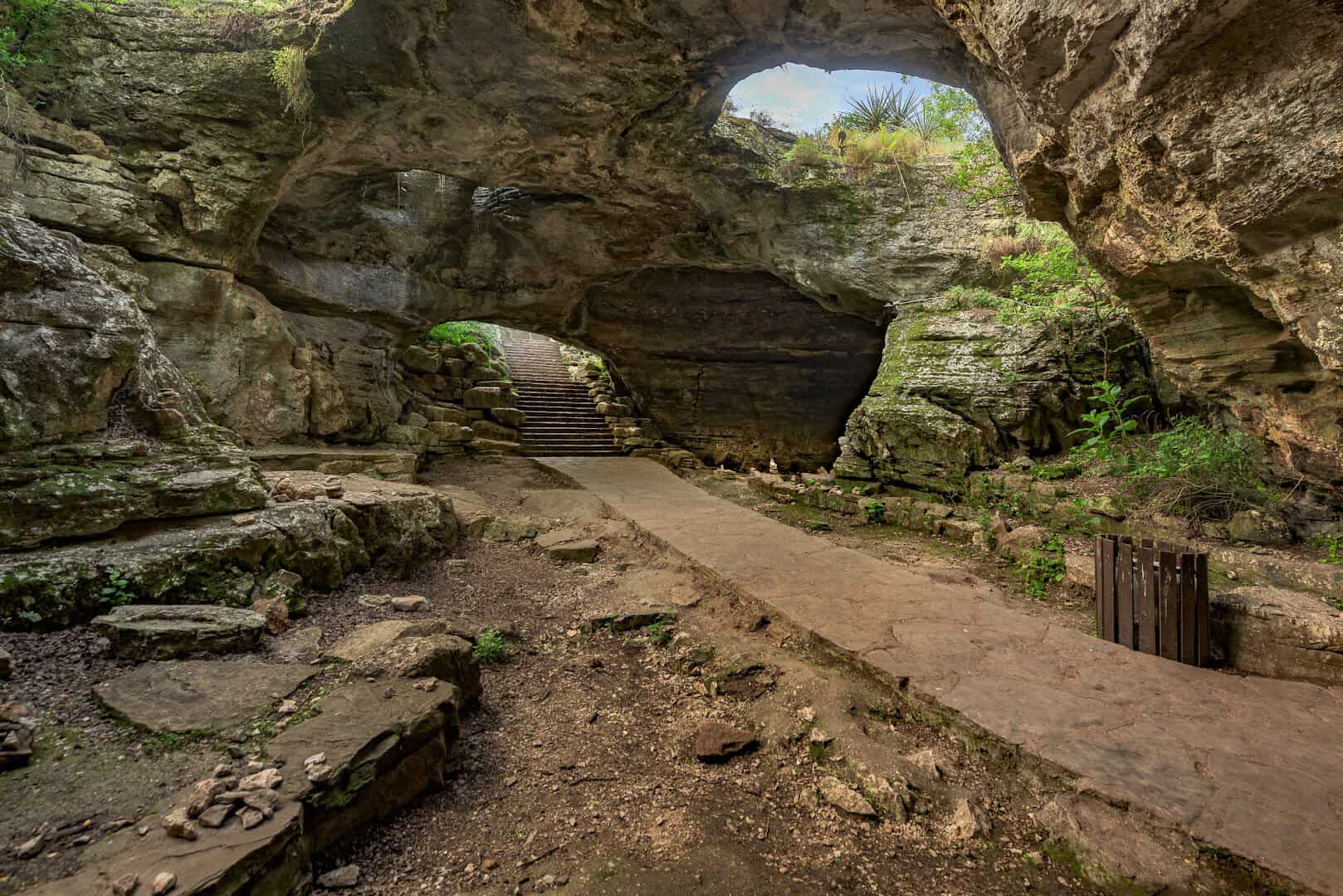
Keep going and you reach Crystal City, where the walls sparkle with tiny calcite crystals that flash when the light hits them right. It is the kind of glittering surprise that makes kids gasp and adults reach for a camera.
Where Comanches Once Held Council
One of the largest chambers is the Indian Council Room, and it carries the oldest story in the cave. Around 400 years ago, Comanche people gathered in this very room, sheltered from the heat and the cold the same way we are today.
Look closely at the walls and you can spot chert, a flint-like rock that shapes into excellent arrowheads and tools. Some of it still bears the scars where ancient hands worked it loose.
A projectile point shaped from the cavern’s own chert sits on display in the room. It is a small object, but it turns an abstract “thousands of years” into something you can lean in and actually look at.
Did you know a single cave could hold that much human history in one chamber? It is easy to picture the fires, the voices, and the sense of a safe place claimed by people long before any of us arrived.
The Jazz Age Went Underground
Here is my favorite chapter of the cave’s long life. In the 1920s, someone looked at the big main room, with its natural stone acoustics and its steady cool air, and had a wonderful idea.
Why not turn it into a dance hall? So they did. Live music drifted through the passages, couples danced far below the Texas soil, and the cavern spent a stretch of its history as the coolest party in the county, literally and otherwise.
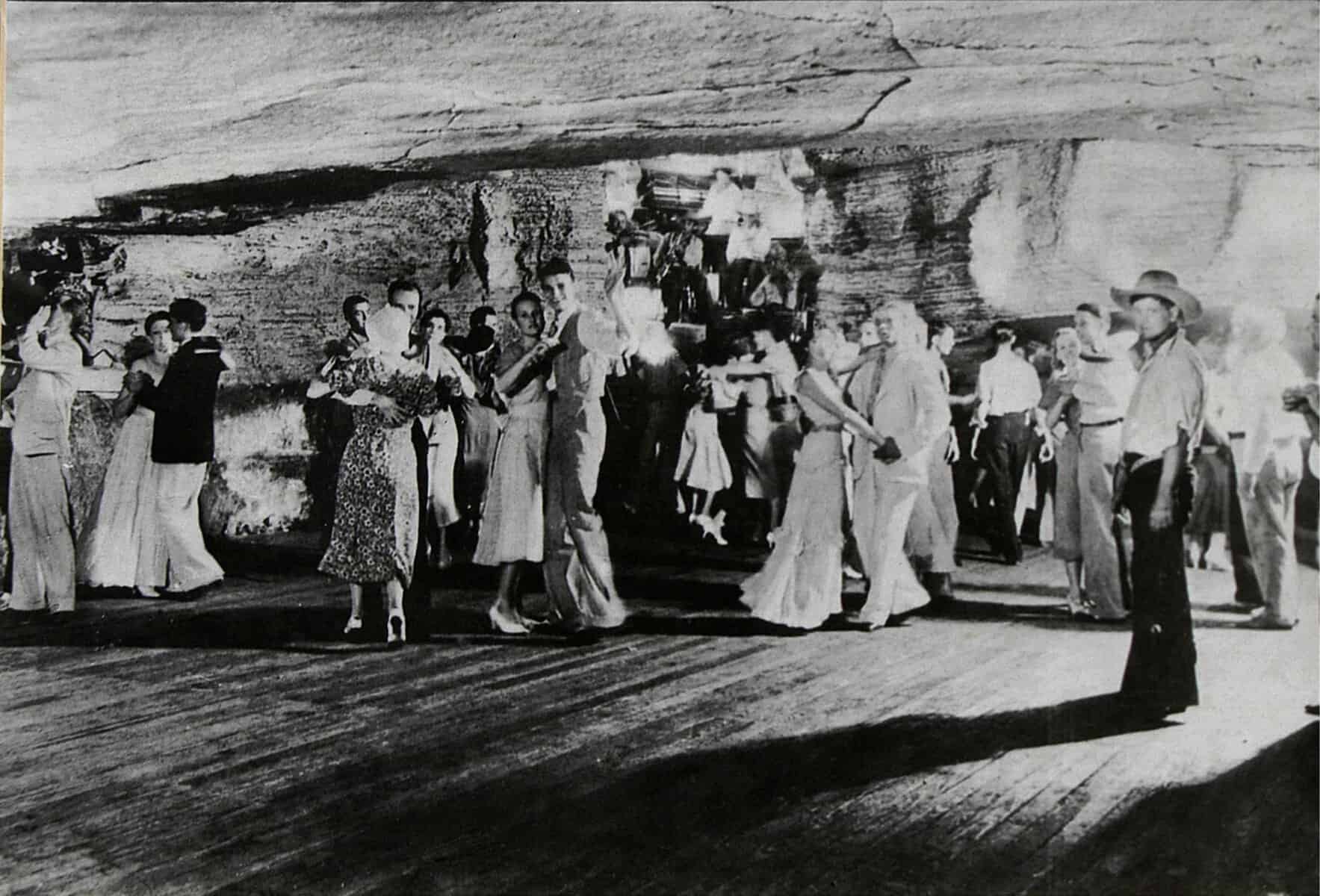
I love that a river spent millions of years quietly building a ballroom and did not even know it. Long before air conditioning reached Burnet County, folks had already found the one room that stayed perfect in August.
Ask your guide about those dance hall days, and you will likely get the story told with a grin. It is easy to see why.
Carved Open by Hand in the 1930s
The cave you walk through today was made accessible by an astonishing amount of human muscle. Texas bought the cavern and the ranch around it in 1931 to turn the land into a state park.
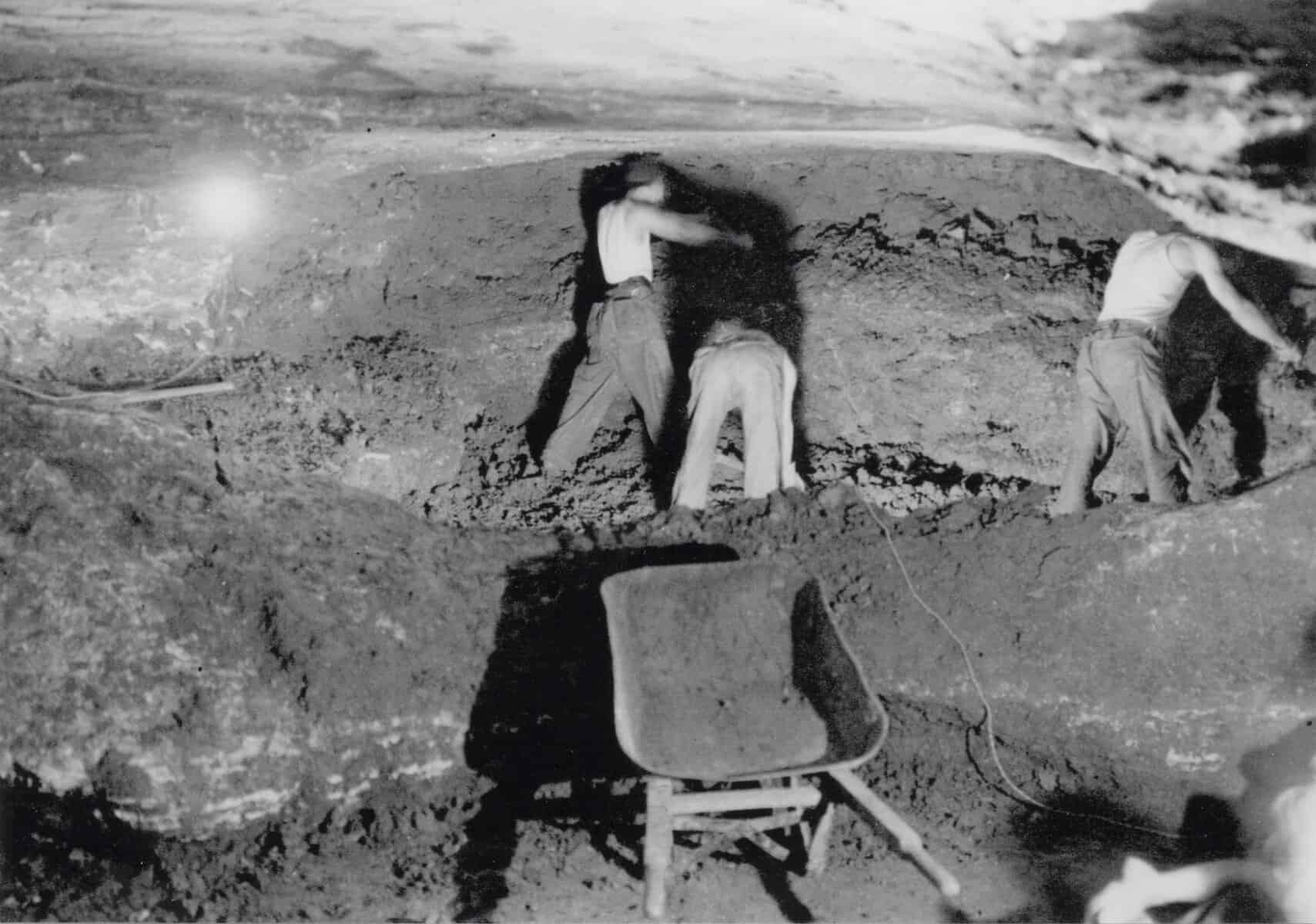
In 1933, President Franklin Roosevelt’s Civilian Conservation Corps arrived to do the heavy lifting. Company 854 set up camp and got to work in 1934, and their task was staggering.
With little more than wheelbarrows, pickaxes, and shovels, they hauled tons of silt, debris, and old sediment out of the river-formed passages by hand. Everything you see cleared out down there, they cleared out themselves.
They also mapped the passageways and strung more than two miles of electric lighting so ordinary visitors could see what they had uncovered. Before that lighting went in, the deeper rooms were pitch black and known only to the boldest explorers with a lantern.
The crews worked here from 1934 all the way to 1942, nearly a decade of steady, careful labor. When you walk the smooth path today, you are following a route these young men measured and cleared by hand.
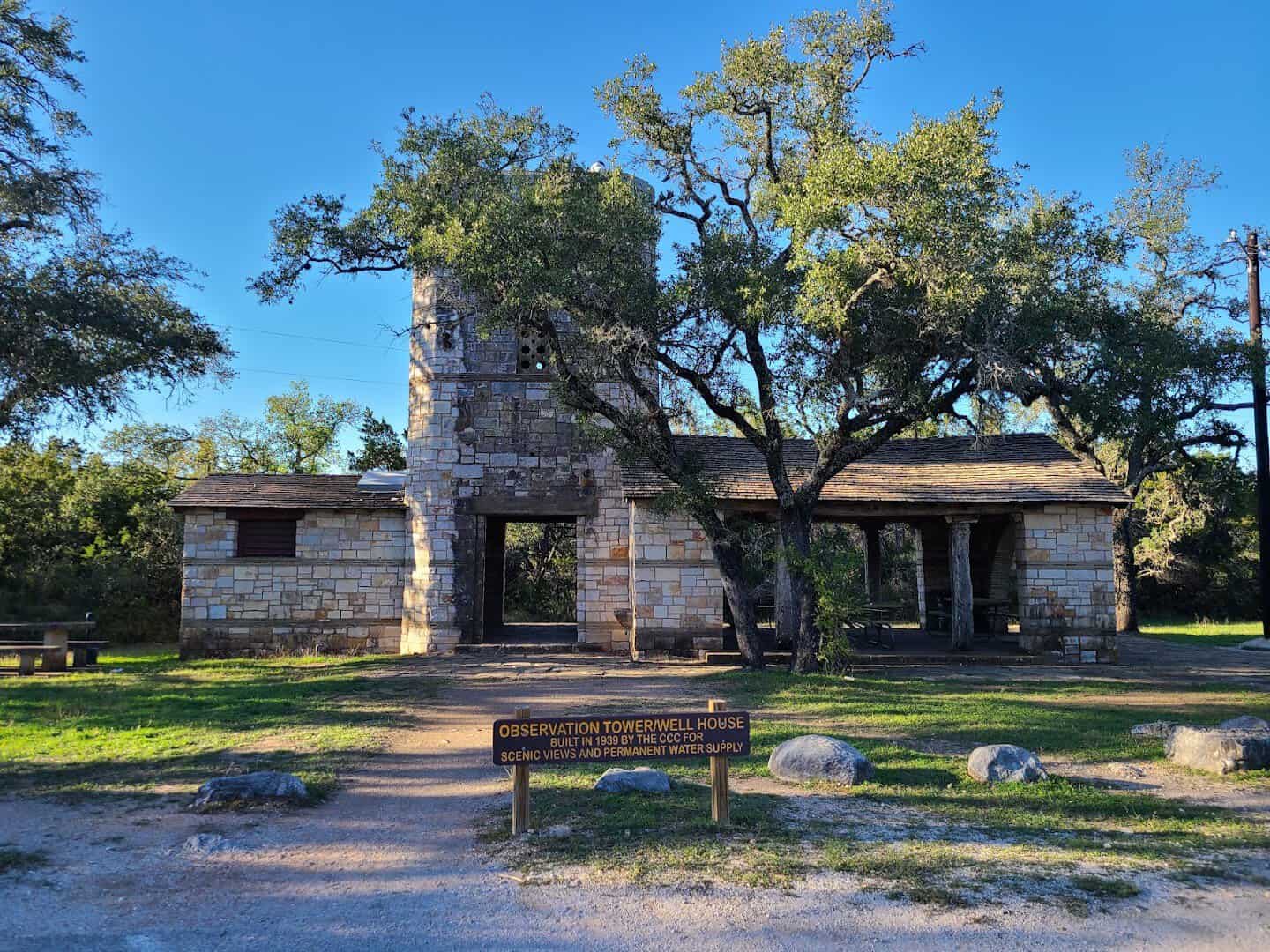
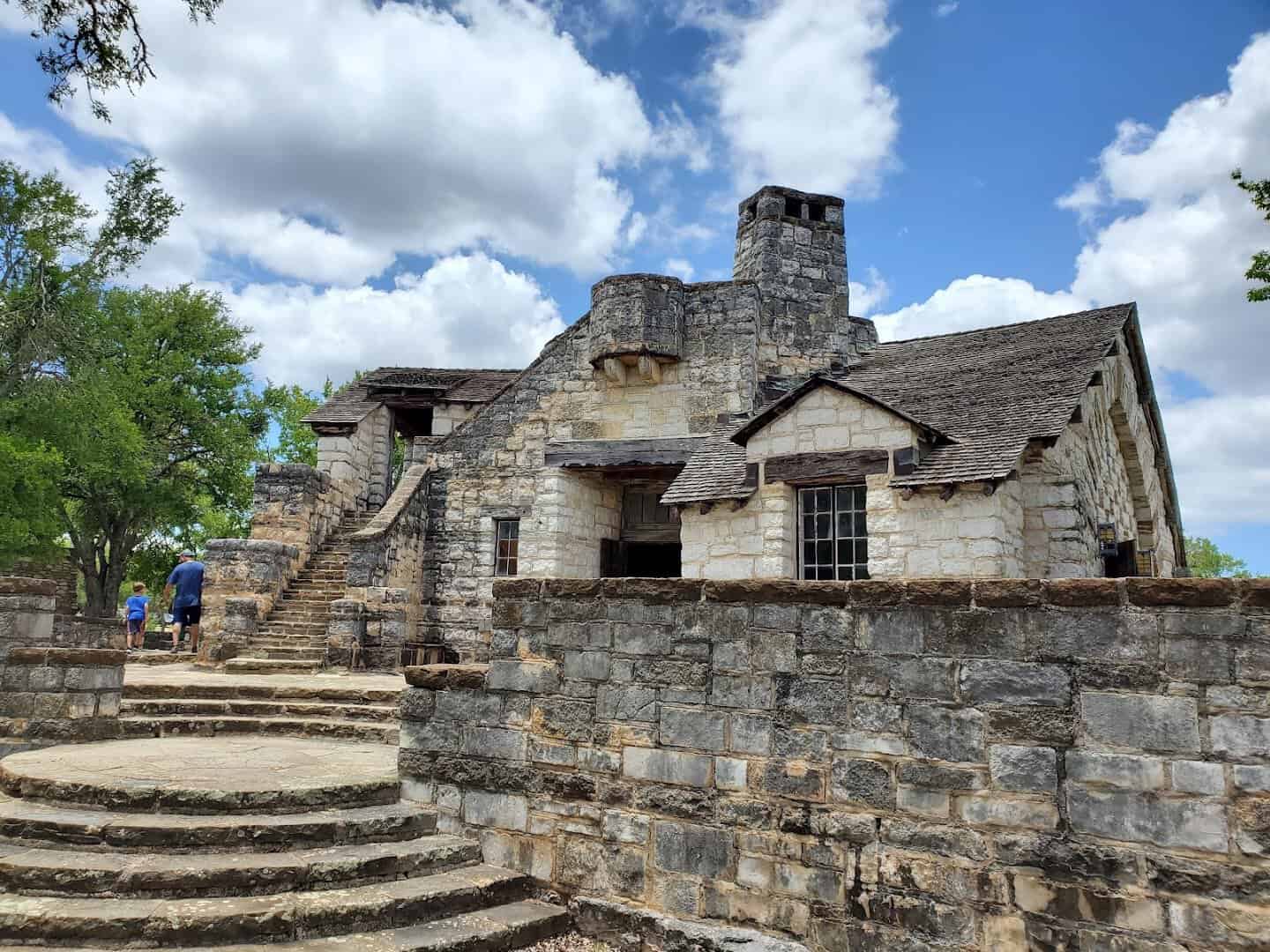
Above ground they built the park’s structures from stone and timber gathered right on the property. Architects call this rustic style parkitecture, and the headquarters even wears a handsome Art Deco face.
Inside that building you will find a gift shop on one side, and a snack bar and a little theater on the other. It is worth a slow look before or after your tour.
Climb the Tower for a Castle View
Do not rush back to your car when the tour ends. The park spreads across 639 acres of Hill Country, and one of the best surprises waits above ground.
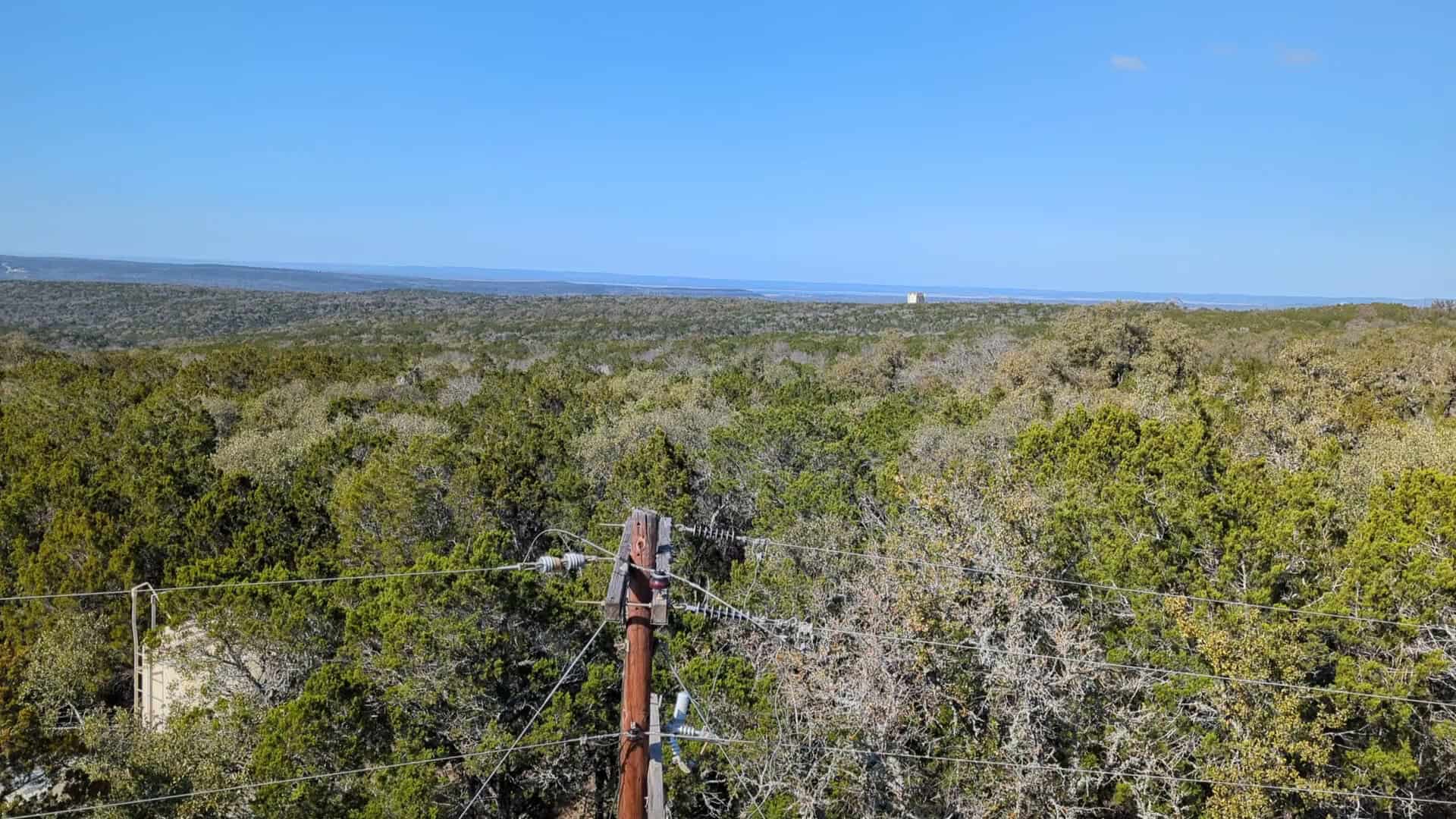
Climb the 43 spiral steps of the stone observation tower and the whole landscape opens up in front of you. It is a short climb with an outsized payoff.
On a clear day you can even spot Falkenstein Castle off in the distance, a private castle that looks like it wandered in from a fairy tale and settled down in Central Texas. It is a delightful bonus to a view that already rolls out for miles.
There are hiking trails to wander and shaded picnic spots the CCC laid out nearly a century ago. If I had an afternoon here, the quiet oak shade between the tower and the trailheads is exactly where I would spend it.
For the little ones, a gemstone mining sluice lets children pan for treasures and even crack open their own geode to take home. It is a small thrill, and it turns the wait for a tour into part of the fun.
Pro tip: the park grounds and the parking are free to everyone. You can enjoy the trails, the tower, and the picnic areas without buying a cave ticket at all, which makes this an easy stop even on a tight budget.
Tours for Every Kind of Explorer
The classic Walking Tour is the one most people take, and it is a gentle one. It runs about 90 minutes and covers roughly a mile of mostly paved, level pathway, with one set of 52 stone steps down and back up.
Off-peak weekday tickets start around $24 for ages 12 and up and $17 for children ages 4 to 11, while little ones age 3 and under go free. Prices shift a little with the day and the season.
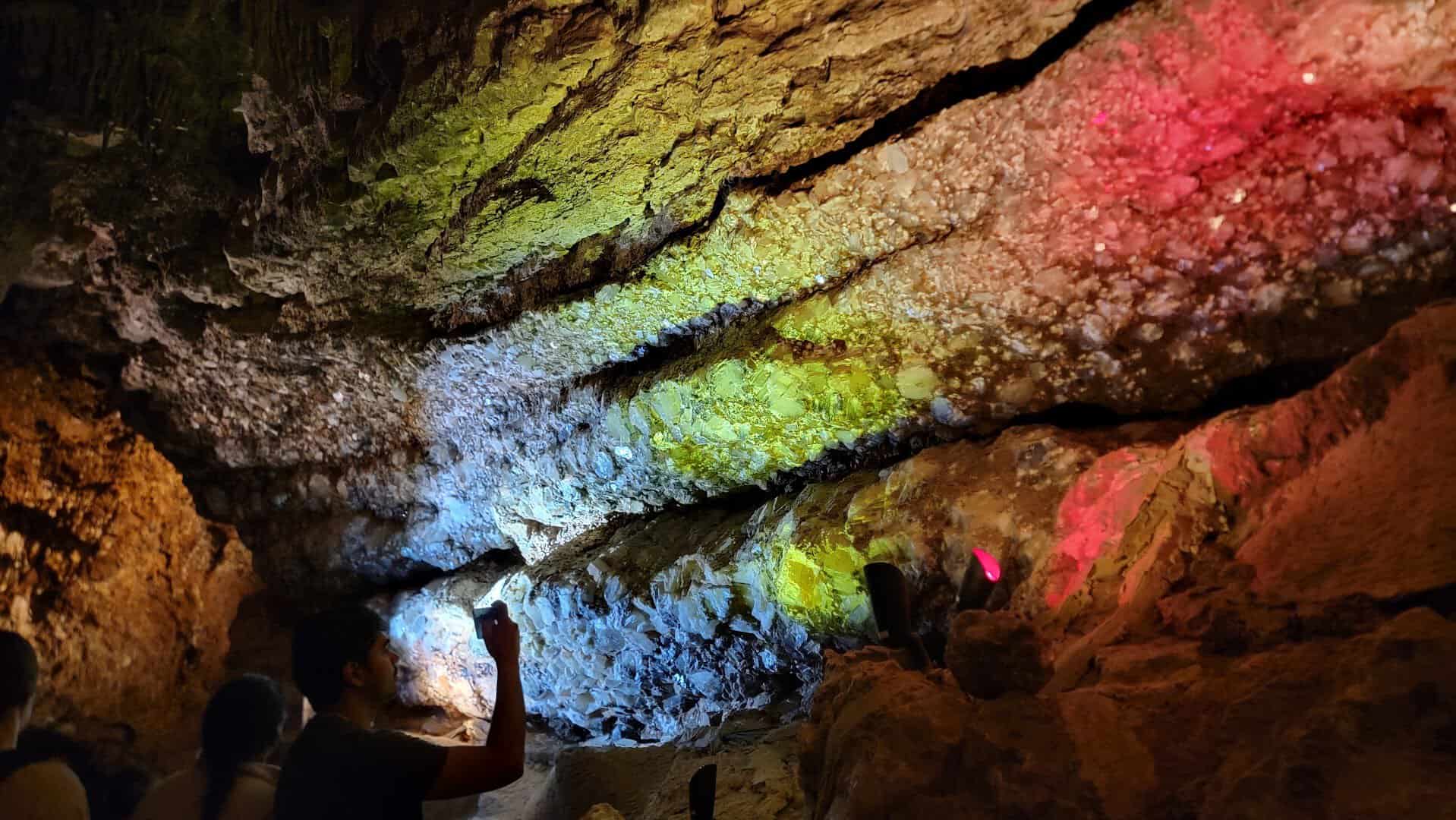
Want something with more spark? The park runs special blacklight tours that light the formations up in colors you never expected. There is also a Wild Cave Tour, which starts around $110, for the truly adventurous who want to crawl into the parts of the cavern that never got paved.
My advice is simple. Wear closed-toe shoes with good grip, because parts of the path can be damp after rain. Bring a light layer, too, since 68 degrees feels downright chilly once you have stood still admiring the Hall of Marble for a while.
Tip: weekend tours often sell out by mid-morning in spring and summer, so book your tickets online a couple of days ahead. Walk-up visitors on a busy Saturday can find the whole day already spoken for by lunch.
How to Get There
Where: Longhorn Cavern State Park, 6211 Park Road 4 S, Burnet, TX 78611
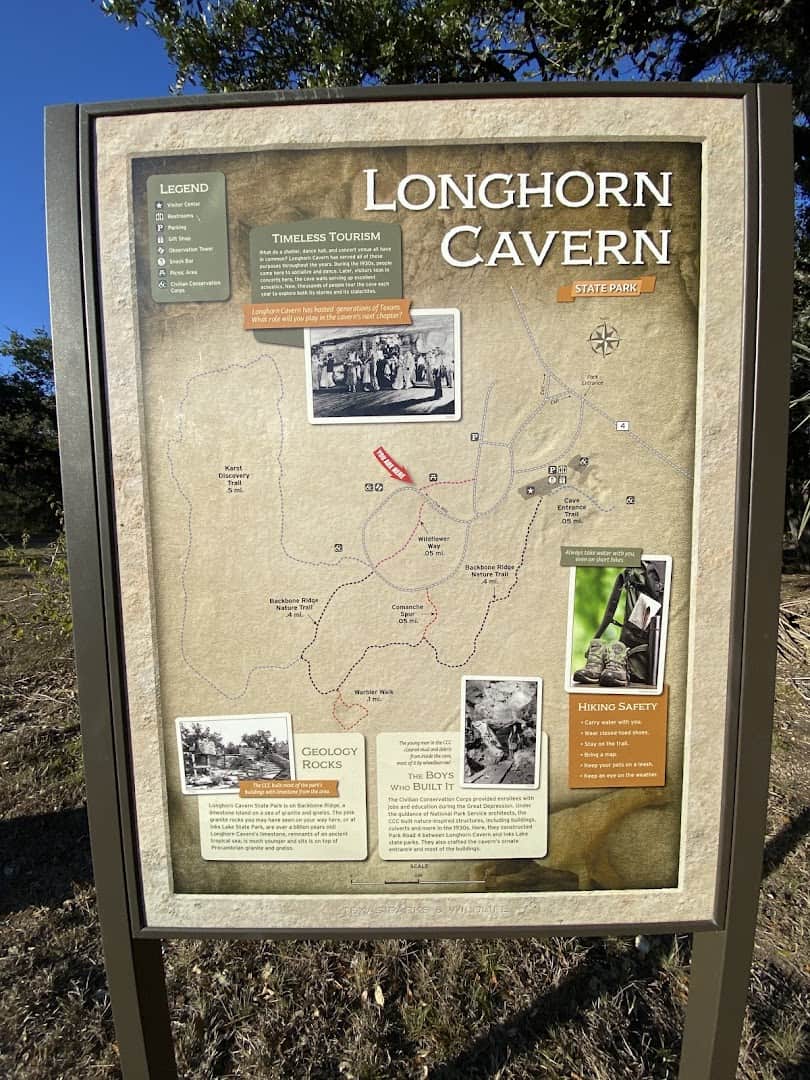
The park sits in the heart of the Highland Lakes, an easy hour or so northwest of Austin and a short drive from the town of Burnet itself.
The final stretch winds along Park Road 4, one of the prettiest little drives in Central Texas, so give yourself extra time to enjoy the hills and the water on the way in.
Tour times shift with the day and the season, so check the schedule and grab your tickets before you go. The visitor center can answer any last questions once you arrive.
Plan Your Cool Escape Underground
Longhorn Cavern is the rare Texas trip that works in every season, whether you are hiding from the August heat or looking for something magical to do on a gray winter afternoon.
A river built it, ancient peoples sheltered in it, dancers once filled it with music, and a small army of workers opened it up for the rest of us to marvel at. Not many places wear that many lives so gracefully.
So grab a light jacket, lace up your walking shoes, and go stand inside a masterpiece that took 500 million years to make. Just try not to shiver too much when that first wave of cool cave air rolls up to say hello.
Featured image: Tracy B via Longhorn Cavern State Park

Stella Raines
Editor-in-Chief
Stella brings over a decade of storytelling experience to TX Headlines. With roots in West Texas and a love for road trips, she leads the editorial team with an eye for the hidden stories that make Texas unforgettable.
More Stories

These 10 Texas Spots Bloom Into Seas of Bluebonnets Each Spring

This Enchanting Texas Nature Trail Feels Like Hiking Through a Fairytale Forest

This Underrated Texas State Park Gives You a Full Day of Swimming and Hiking for Just $5

This Easy Texas Hike Leads to a Swinging Suspension Bridge Hidden in the Pines
Tags