This Tranquil Texas Trail Lets You Walk, Bike, or Jog Through the Nation’s Longest Urban Forest
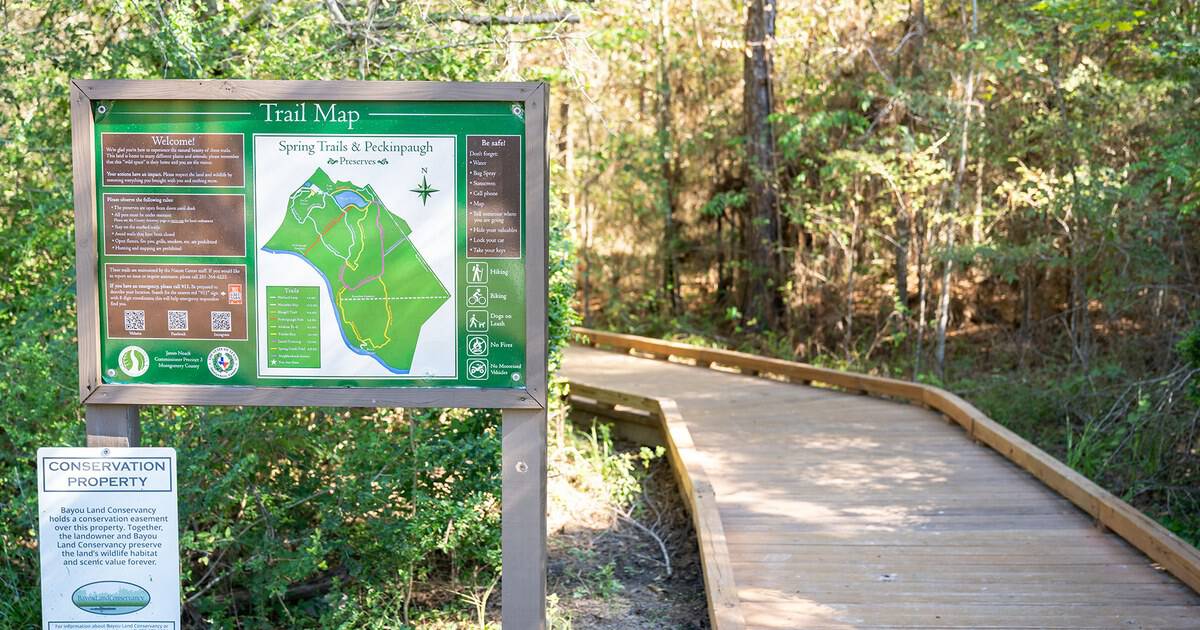
There is a certain kind of tired that only a walk in the woods fixes, and I have chased that cure my whole life. Not the gym, not a nap, not another scroll through my phone. Just trees overhead and enough quiet that my thoughts finally stop shouting.
I always assumed you had to drive hours out of the city to find that feeling. Turns out one of the best places in Texas for it sits right in the middle of Houston’s northern suburbs.
The Spring Creek Greenway is a ribbon of old forest threaded through neighborhoods, highways, and strip malls, and it is the longest connected urban forested greenway in the entire country. You can be idling at a red light one minute and standing under a 400-year-old cypress the next.
Below, we’ll wander the whole thing: the miles of trail, the creek that ties it together, the wildlife you might meet, and the story of how a stretch of floodplain got saved for the rest of us.
Forty Miles of Forest Hiding in Plain Sight
The scale is the first thing that gets you. When it is finished, the greenway is planned to run more than 33 miles, some sources say closer to 40, following Spring Creek along the border between Harris and Montgomery counties.
It stretches, roughly, from Highway 249 in Tomball all the way east toward US 59 in Kingwood. That is not a quick loop you knock out before lunch. That is a genuine adventure you can return to for months without repeating a step.
The corridor protects more than 12,000 acres of floodplain forest. All of it is set aside to keep this pocket of wild land wild, even as houses and roads press in on every side.
Plenty of it is already open and waiting. One standout paved segment runs about 14.5 miles, and a separate natural-surface nature trail adds around 15 more miles for people who want their feet in the dirt.
The natural-surface Spring Creek Nature Trail alone draws more than 70,000 people a year, and yet it rarely feels busy. Spread that many visitors across this much forest and you can still walk for stretches without seeing another soul.
What surprises most first-timers is how completely the noise falls away. Step past the trailhead and the traffic, the errands, and the to-do list all seem to belong to a different world. That contrast, wilderness pressed right up against the suburbs, is the whole magic of the place.
Paths for Every Pace
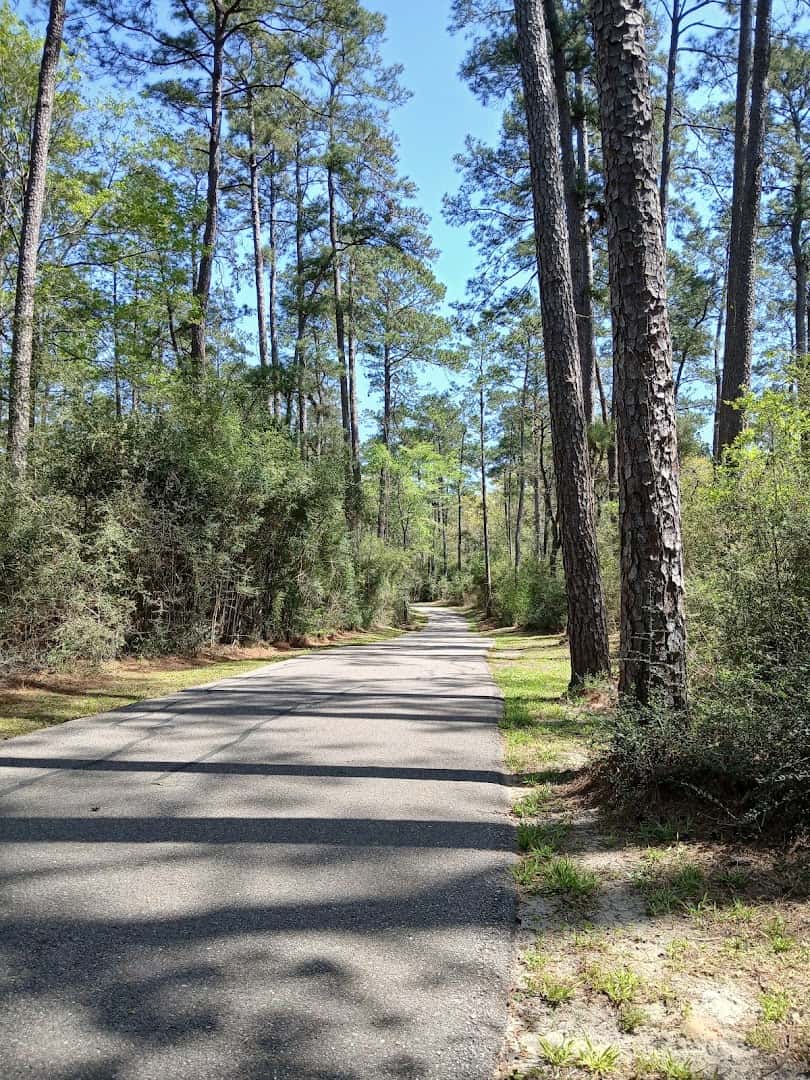
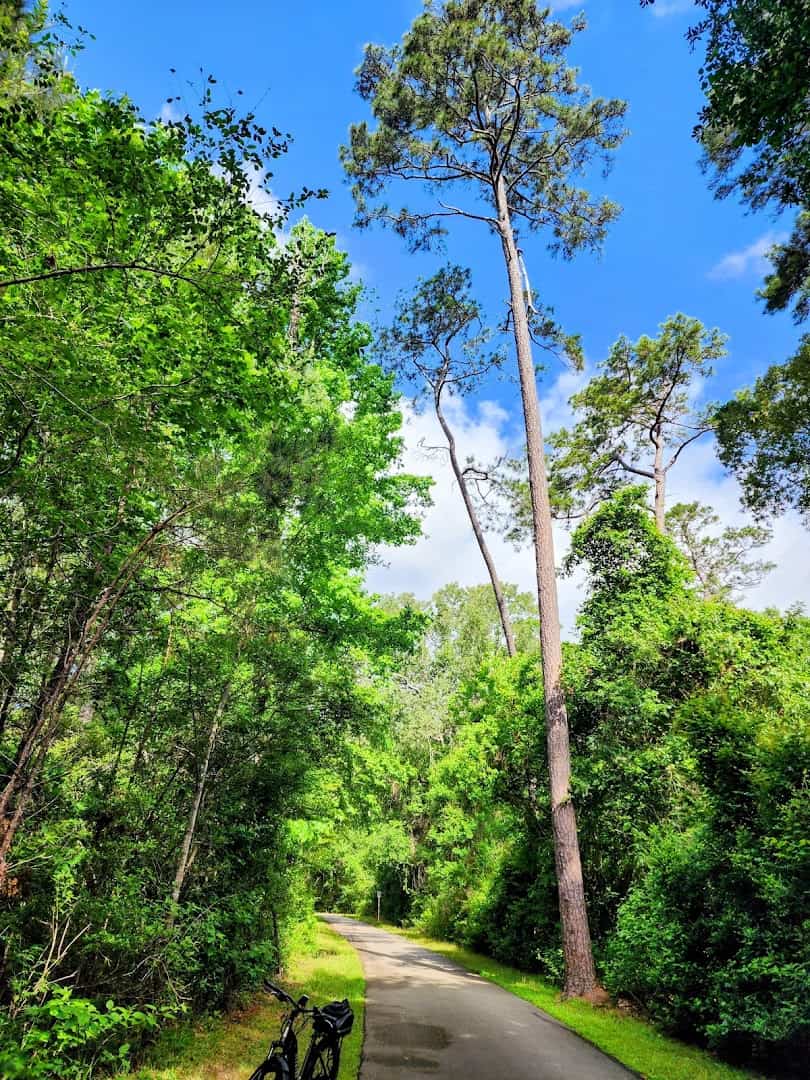
Not every trail system manages to feel welcoming to everyone, but this one pulls it off with ease. The main path is a smooth, ten-foot-wide paved surface, wide enough for road bikes, strollers, and wheelchairs alike.
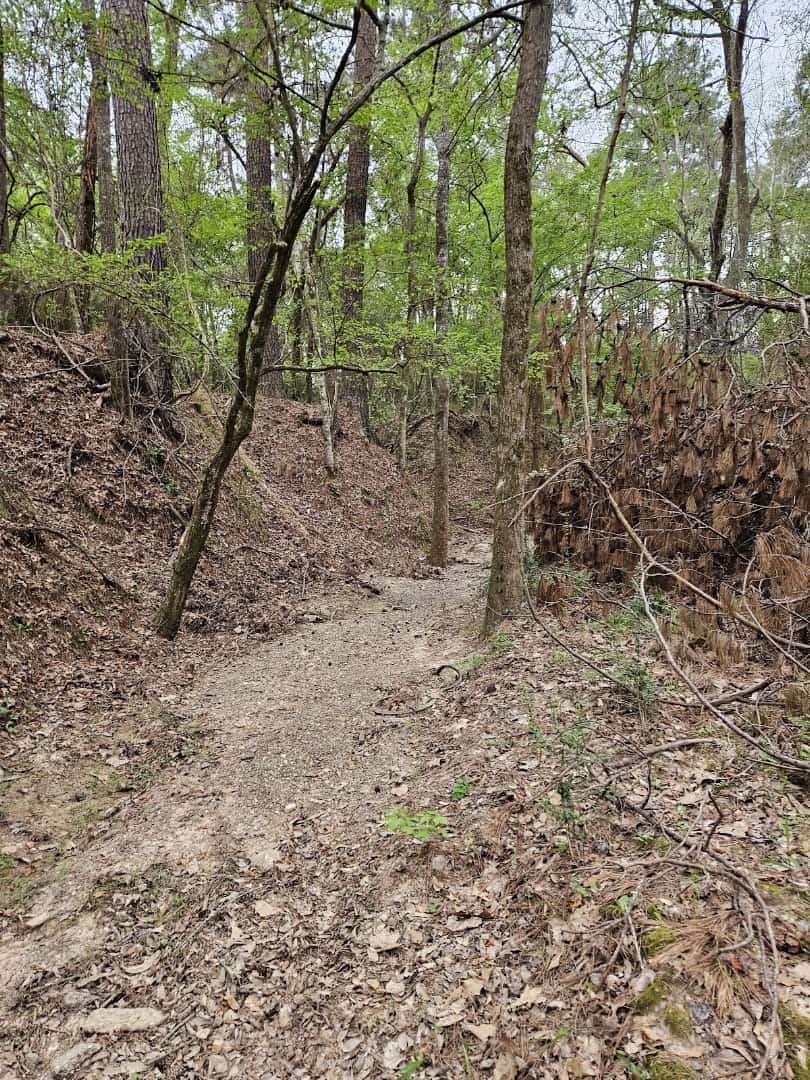
If you want something rougher, natural-surface trails branch off into the trees. These are dirt, roots, and sandy stretches that feel far more like a backcountry hike than a stroll through a park. Some sections are even open to horseback riders, which adds a certain old-fashioned charm.
On any given morning you’ll find serious runners tracking their splits, older couples walking hand in hand, teenagers on mountain bikes, and little kids let loose on the wider stretches. Somehow the trail holds all of them without ever feeling crowded.
Trail markers are clear, and distances are posted at regular intervals. That is handy whether you are training for a race or just trying to guess how far you have wandered from the car.
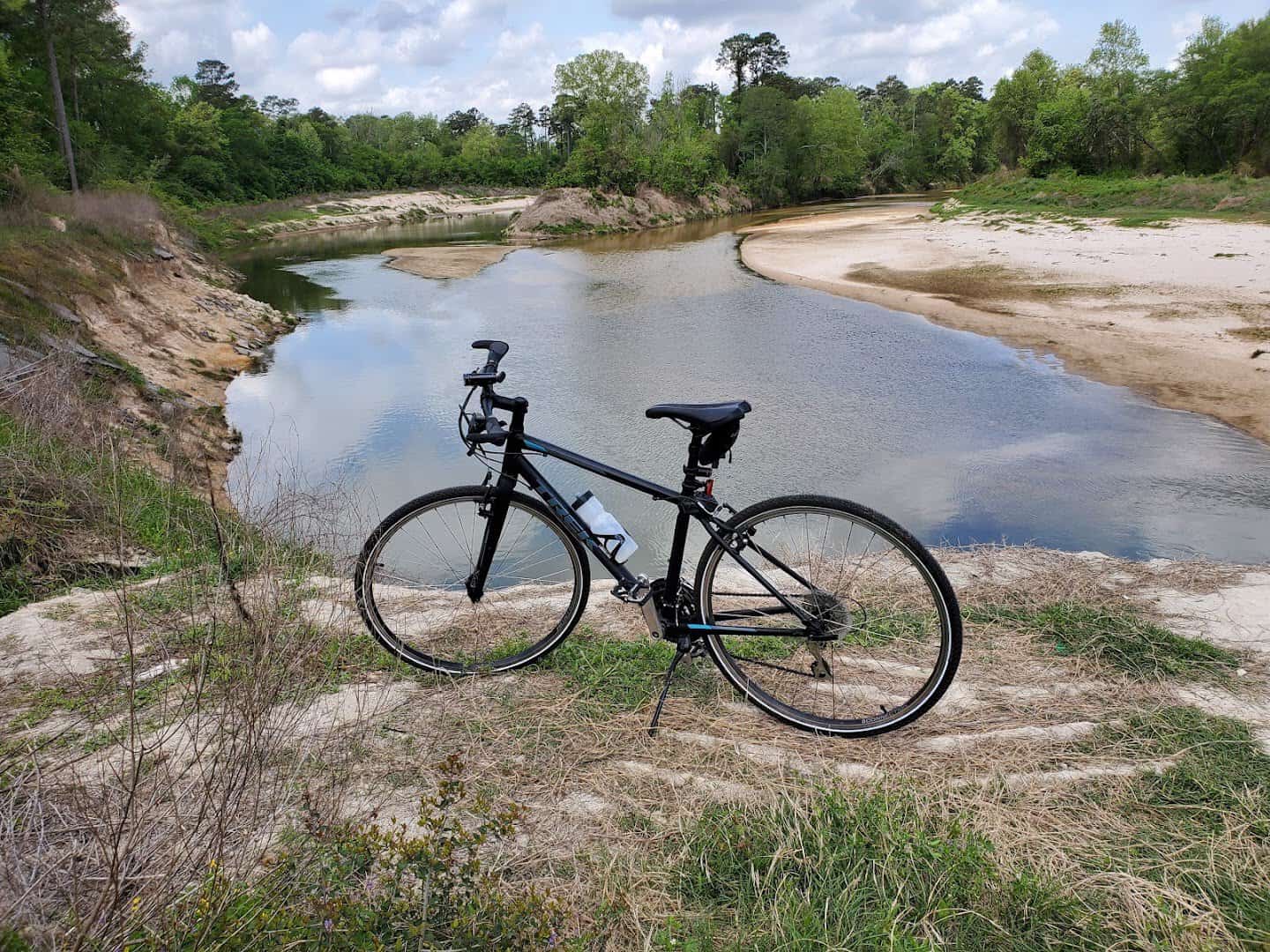
The variety is the gift here. Some days call for a long, smooth ride with a podcast in your ears. Other days you want to crunch through leaves and pretend you are miles from anywhere. You can do both without driving to two different places.
The Creek That Ties It All Together
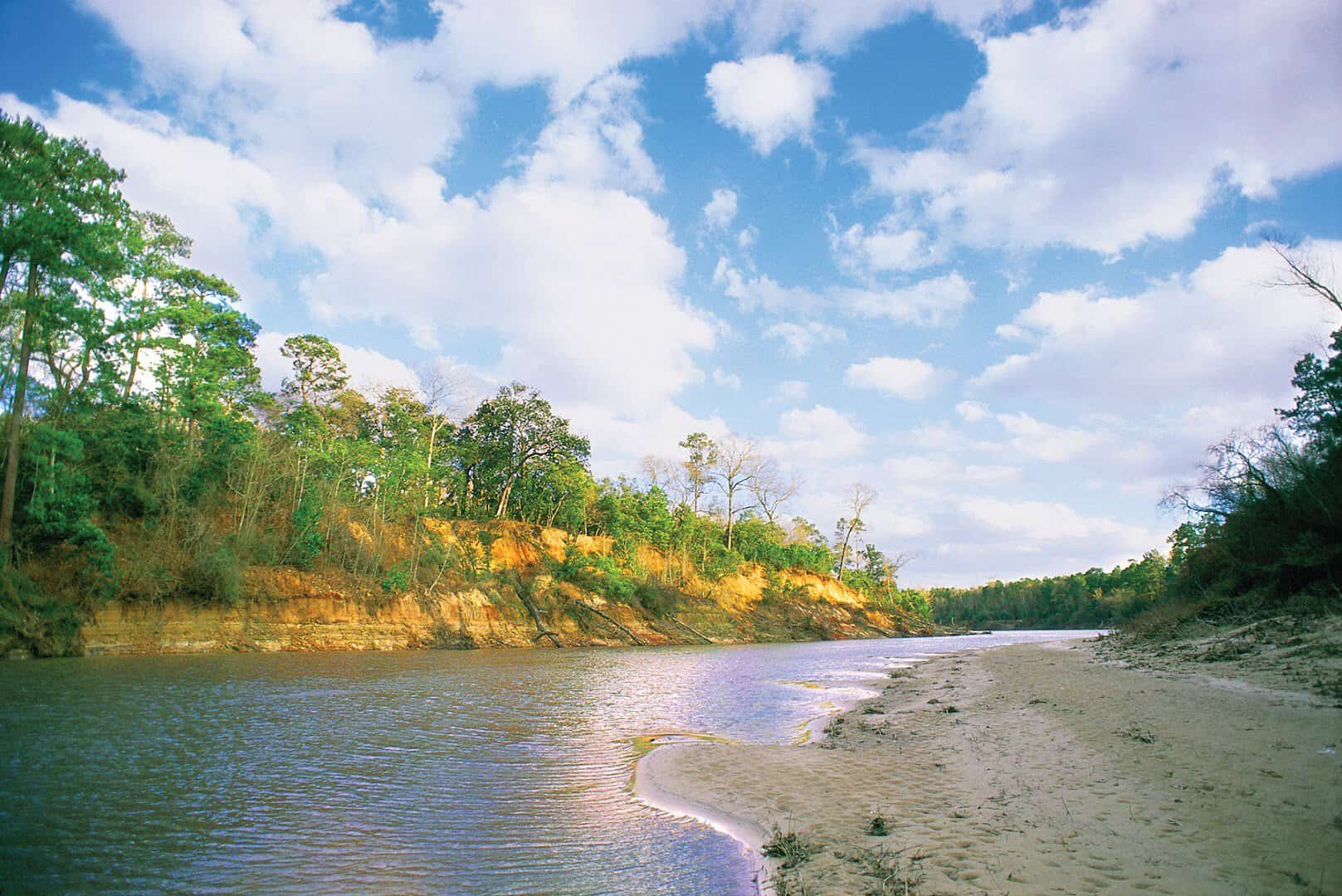
Spring Creek itself is the quiet heartbeat of the whole greenway. In most places the water moves slowly, catching light through the trees and throwing up reflections that look almost too pretty to be real.
The banks shift between soft white sand and tangled roots, so every bend has its own personality. Some spots feel open and sun-warmed and perfect for a rest. Others stay shaded and cool, with a deep green stillness you usually have to hike for.
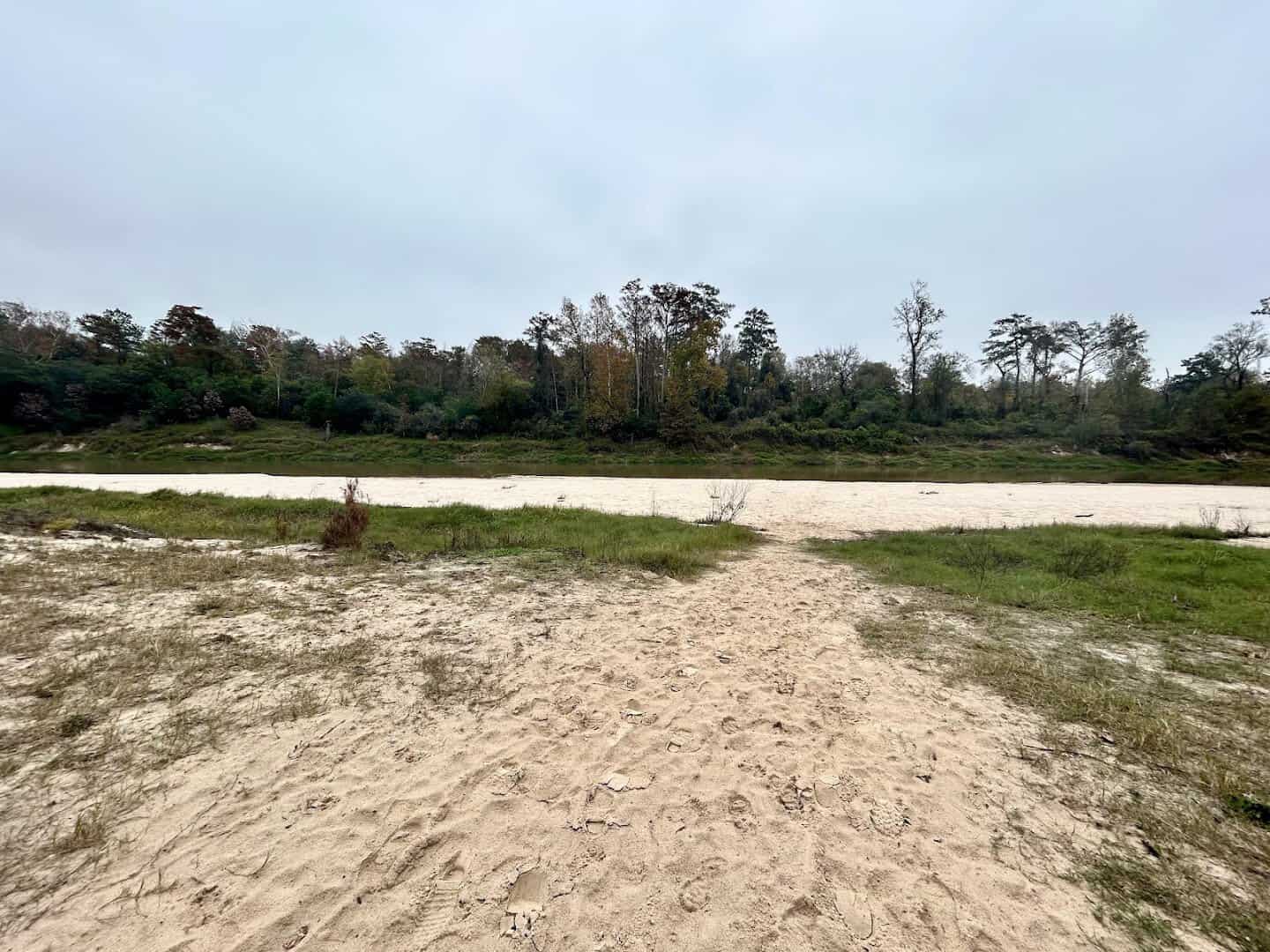
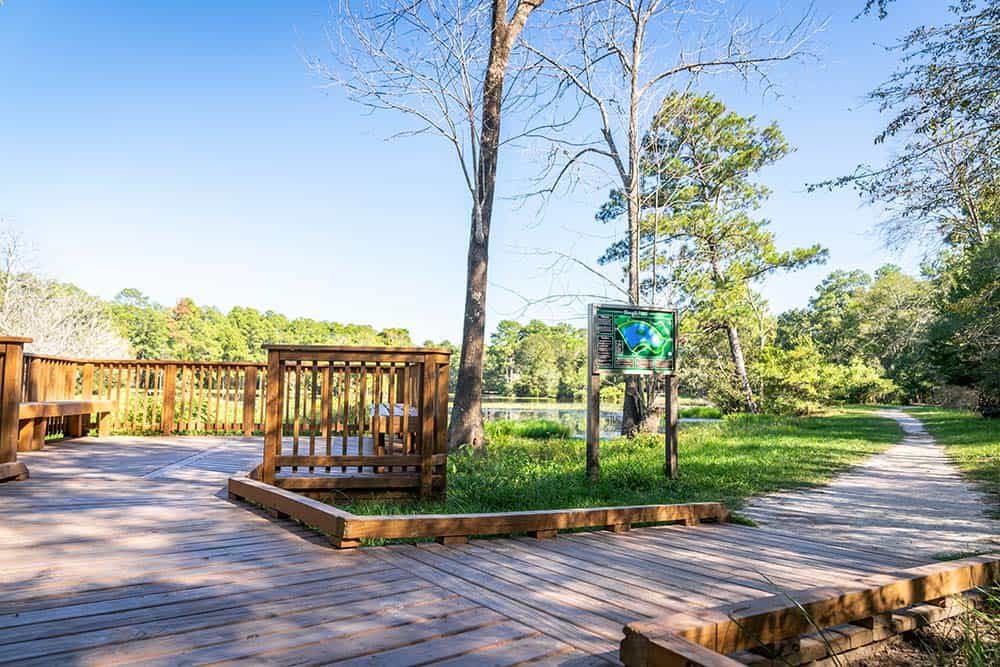
Spring-fed oxbow lakes appear along parts of the route, some of them surprisingly deep and clear. Early in the morning, mist sits low over that still water, and the effect is genuinely dreamlike.
Being near moving water does something to a person. The sound alone seems to slow your heart rate, and paired with the canopy overhead and the absence of road noise, it is a hard combination to beat for a mental reset.
Families often stop at the sandy edges to let kids wade and poke around. It feels less like a scheduled outing and more like the kind of unplanned afternoon that turns into a memory.
Cypress Knees and 400-Year-Old Giants
The air inside the greenway carries a scent you cannot bottle: damp soil, mossy bark, and something faintly sweet from the flowering understory. It hits you at the trailhead and tells your brain, right away, to slow down.
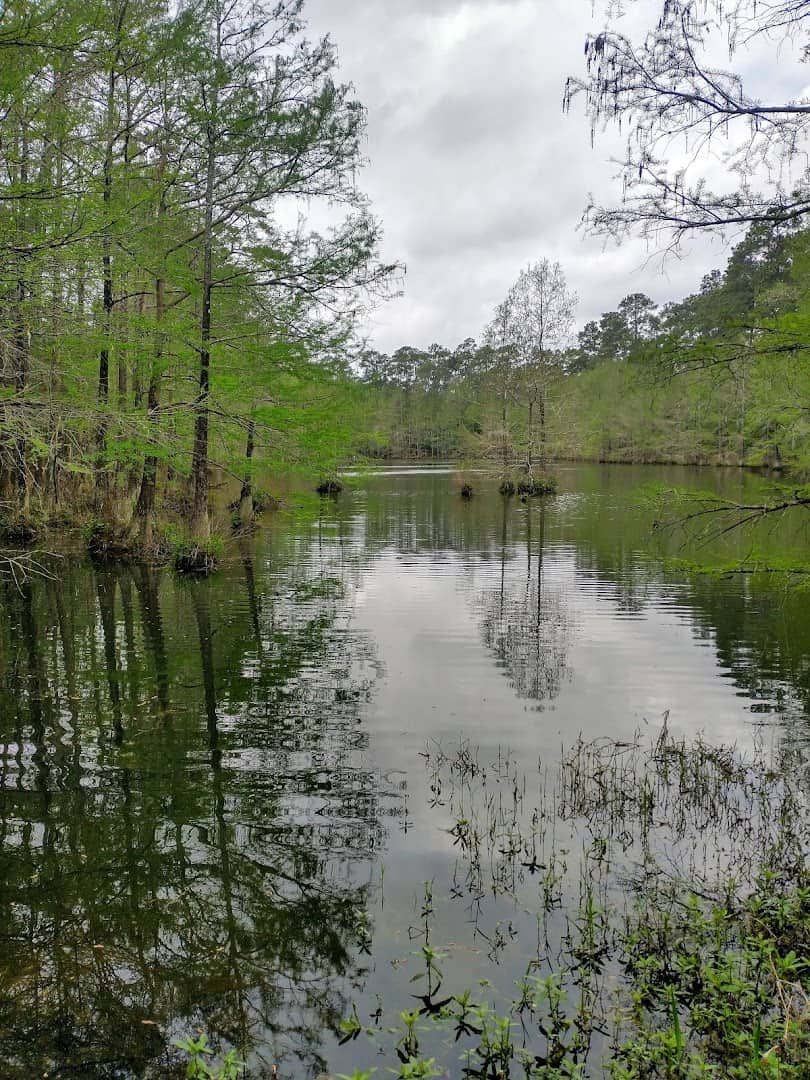
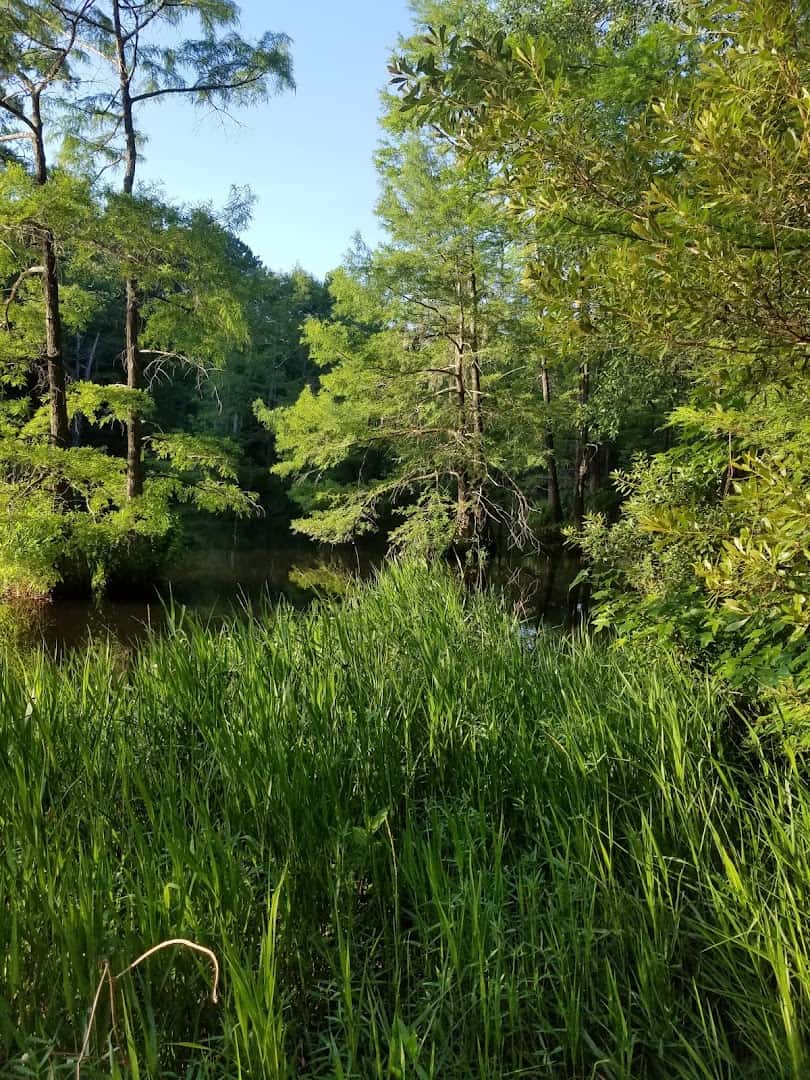
The trees are the real headliners. Near the Stahl Preserve, ancient bald cypress rise straight out of the creek, some of them reportedly around 400 years old, their knobby “knees” poking up through the water like something out of a fairy tale.
Sycamores, magnolias, and white oaks fill in the rest of the canopy. These are not planted saplings on a schedule. They are survivors, and walking beneath them feels genuinely humbling.
Even on a gray day the forest manages to feel luminous. Light filters through gaps in the leaves and lands in soft patches on the trail, the kind of glow no landscape architect could ever design on purpose.
Did you know? A bald cypress can live well over a thousand years, and its “knees” are woody roots that grow upward from the waterlogged soil. Scientists still argue about exactly what they do, which somehow makes them more fun to look at.
A Wilder Kind of Neighbor
Wildlife here feels less like a planned activity and more like a string of happy accidents. You round a bend and a great blue heron is standing at the water’s edge, completely unbothered by you.
Chickadees and woodpeckers keep up a lively soundtrack deep in the forest interior. Herons and egrets patrol the creek with their slow-motion elegance, and if you are patient and a little lucky, bald eagles have been spotted riding the air above the canopy.
On the ground the cast gets richer still. Gray foxes, raccoons, and white-tailed deer move through the understory, and the occasional bobcat slips by. Coyotes live here too, though they tend to keep well out of sight.
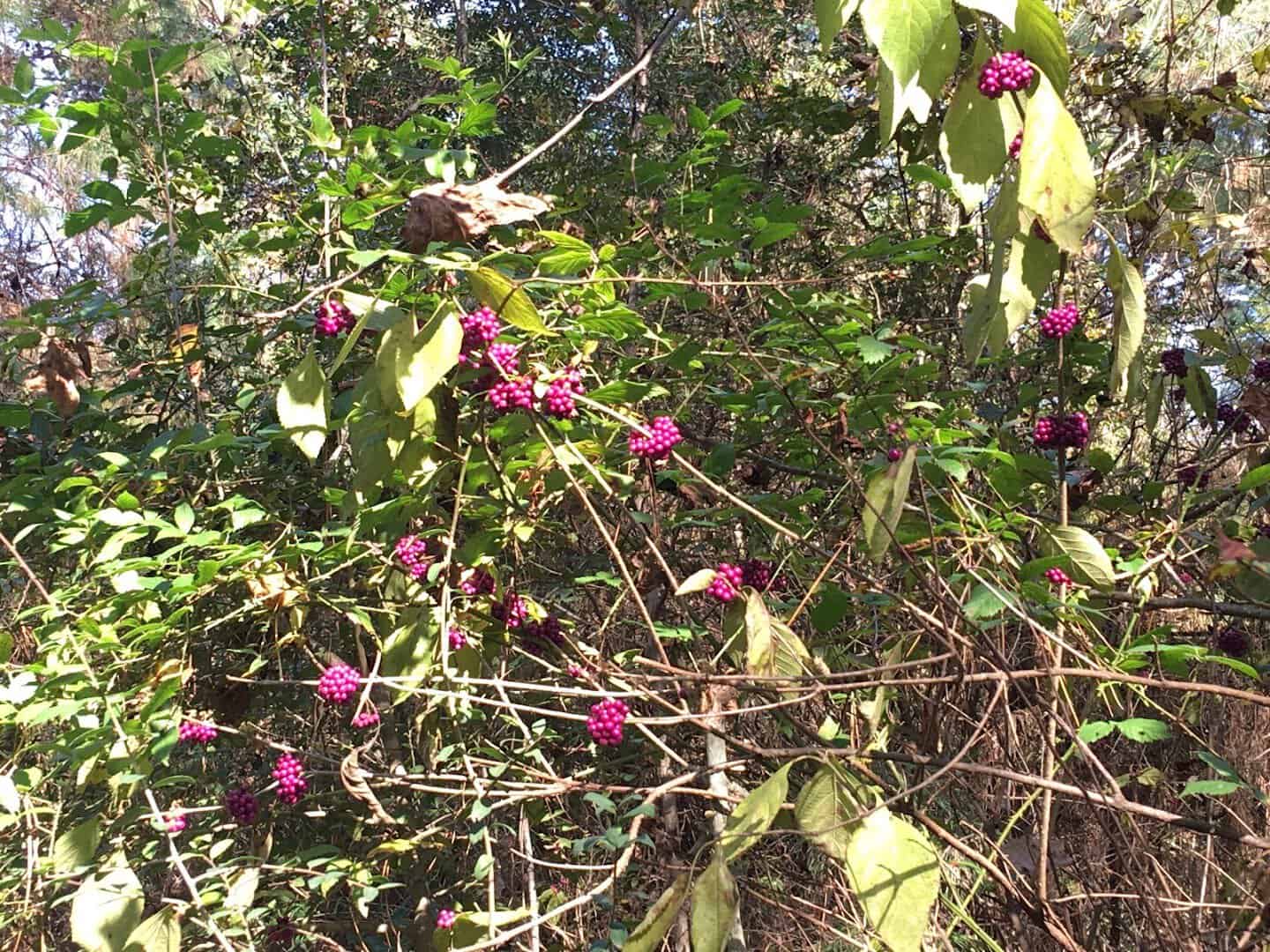
The forest floor and dense brush give all these creatures the cover they need. Conservation work has kept invasive plants from crowding out the natives, so the habitat stays authentic and genuinely rich.
Pro tip: bring a small pair of binoculars and go early. The first couple of hours after dawn are when the birds are loudest and the animals are boldest, and the light through the cypress is at its best too.
How a Floodplain Became a Greenway
None of this happened by accident. The idea traces back to 1979 and the old Cypress Creek Parks Project, when Harris County Judge Jon Lindsay began buying land along Spring and Cypress creeks to protect the floodplain.
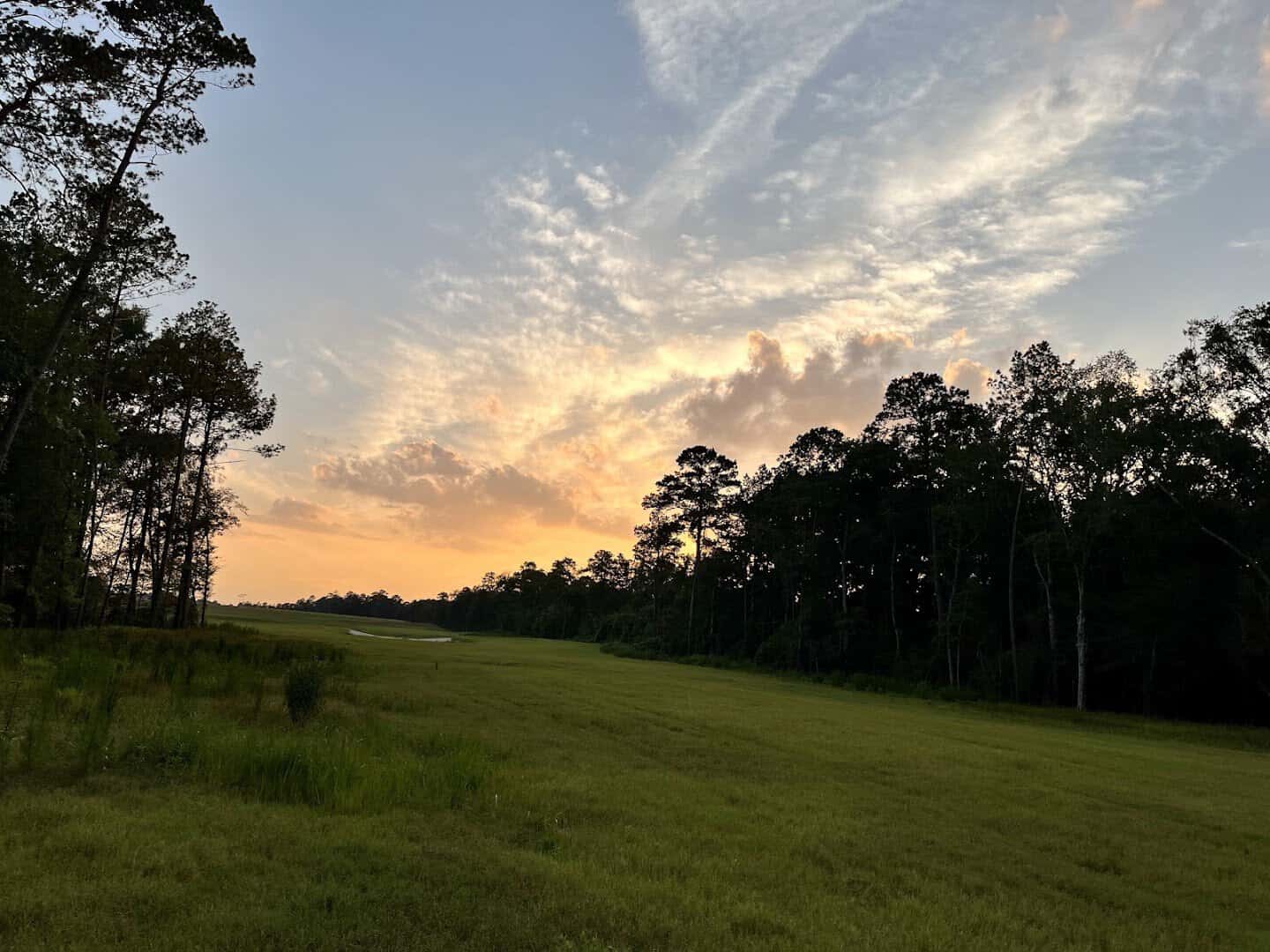
Years later, Precinct 4 Commissioner Jerry Eversole saw the bigger picture. He realized only a few key tracts were needed to link the creekside land into one continuous park, and he set out to find partners to make it happen.
Eversole reached across the county line to Montgomery County Precinct 3 Commissioner Ed Chance, and together they pushed to preserve land on both sides of the creek. Real momentum arrived in 2005 with a one-million-dollar grant from the Texas Parks and Wildlife Department for land and trails.
In March 2012, Commissioner Jack Cagle opened a 7.5-mile segment linking Jesse H. Jones Park, the Cypresswood Golf Course, the Stahl Preserve, and Pundt Park. Piece by piece, the vision kept knitting itself together.
Much of the heavy lifting on the conservation side has come from the Bayou Land Conservancy, a nonprofit founded in 1996 that has protected roughly 14,000 acres across the Houston region. Their fingerprints are on nearly every preserved stretch of this forest.
The Best Season to Wander
There is no wrong time of year to come, but each season has its own reward. Spring brings wildflowers and a rush of birdsong as the migrants pass through, while fall turns the sycamores and oaks gold over the water.
Summer mornings are humid, so go early and stick to the shaded natural trails where the canopy keeps things cool. Winter thins the leaves and opens up long views down the creek, and it is often the best season for spotting eagles.
Rain is the one thing to plan around. Spring Creek is a working floodplain, and after a big storm the lower sections can flood and stay soggy for days, so a quick check of trail conditions saves a muddy surprise.
Making a Day of It
The Spring Creek Greenway Nature Center is the perfect place to start. Set inside Pundt Park, it hands you trail maps, exhibits about the local ecosystem, and rangers who actually know where the good stuff is.
The center is generally open Tuesday through Saturday from 9 a.m. to 4 p.m., while the trails themselves are open every day from dawn to dusk. Best of all, access to the greenway is free.
Pundt Park makes a great base camp, with a canoe launch, two lakes, a playground, picnic tables, and pavilions. On the eastern end, Jesse H. Jones Park and Nature Center in Humble is another excellent way in, with its own naturalists and programs.
Bring water, wear real shoes if you plan to hit the natural-surface trails, and check the forecast, because low-lying floodplain sections can stay muddy for a while after heavy rain.

How to Get There
The greenway stretches across the northern edge of the Houston metro, so pick the trailhead nearest you and go. Two of the easiest starting points sit at the parks below.
Where: Spring Creek Greenway Nature Center, 1300 Riley Fuzzel Rd, Spring, TX 77386. Pundt Park is at 4129 Spring Creek Drive, Spring, TX 77373, and Jesse H. Jones Park and Nature Center is at 20634 Kenswick Dr, Humble, TX 77338.
Start Planning Your Walk in the Woods
You do not need a whole weekend or a tank of gas to feel a little more human again. You just need a few miles of trail, some old trees, and the good sense to leave your phone in your pocket for an hour.
So lace up your shoes, fill a water bottle, and go find your own quiet bend in the creek. The longest urban forest in the country is closer than you think, and it has been waiting patiently the whole time.
Featured image: @ Spring Creek Greenway

Stella Raines
Editor-in-Chief
Stella brings over a decade of storytelling experience to TX Headlines. With roots in West Texas and a love for road trips, she leads the editorial team with an eye for the hidden stories that make Texas unforgettable.
More Stories

These 10 Texas Spots Bloom Into Seas of Bluebonnets Each Spring

This Enchanting Texas Nature Trail Feels Like Hiking Through a Fairytale Forest

This Underrated Texas State Park Gives You a Full Day of Swimming and Hiking for Just $5

This Easy Texas Hike Leads to a Swinging Suspension Bridge Hidden in the Pines
Tags