This Sprawling Texas Wildflower Farm Looks Like a Painting You Can Walk Right Into
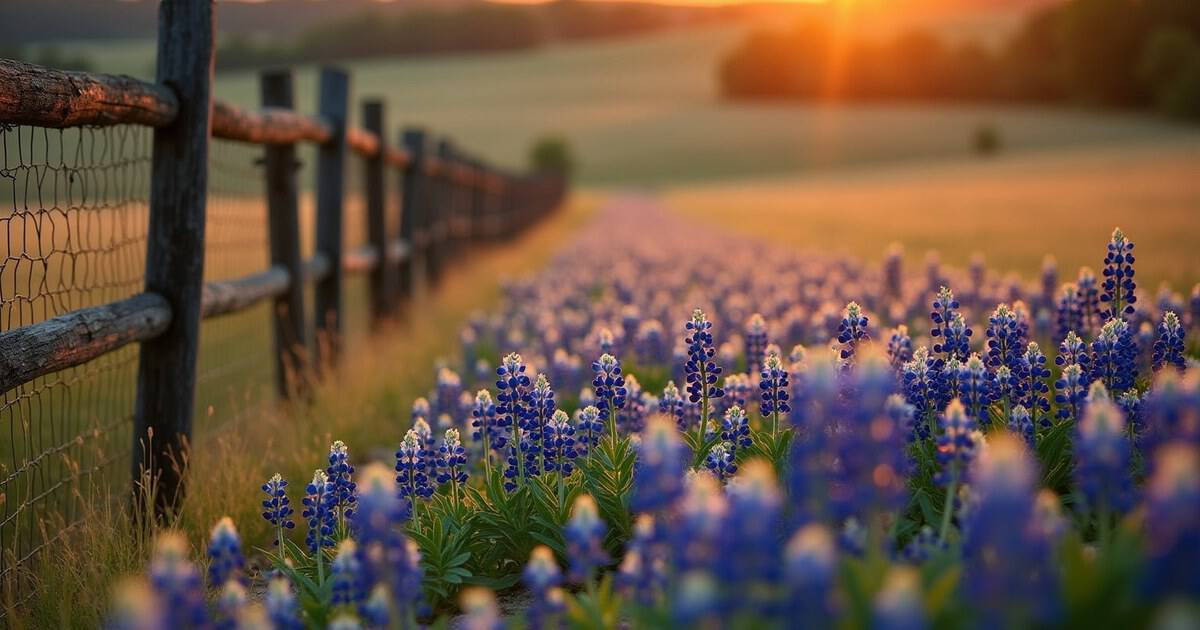
Every spring my feed fills with the same photo: somebody’s kid parked in a patch of bluebonnets, grinning. For years I scrolled right past it. Then I learned the prettiest painting in Texas is one you can actually walk into, no museum ticket required.
It does not hang on a wall. It grows out of the ground, acre after acre, and it changes colors with the calendar. Tucked into the Hill Country just east of Fredericksburg sits a spread of color-drenched fields so bright they look brushed on.
This is the largest working wildflower farm in the United States, more than two hundred acres of bluebonnets, poppies, and cosmos that seem to glow under the Texas sun.
Below, let me walk you through what makes this place feel like a watercolor come to life, the man who spent forty years growing it, and everything you need to plan your own trip out to the flowers.
A Painting You Can Stand In
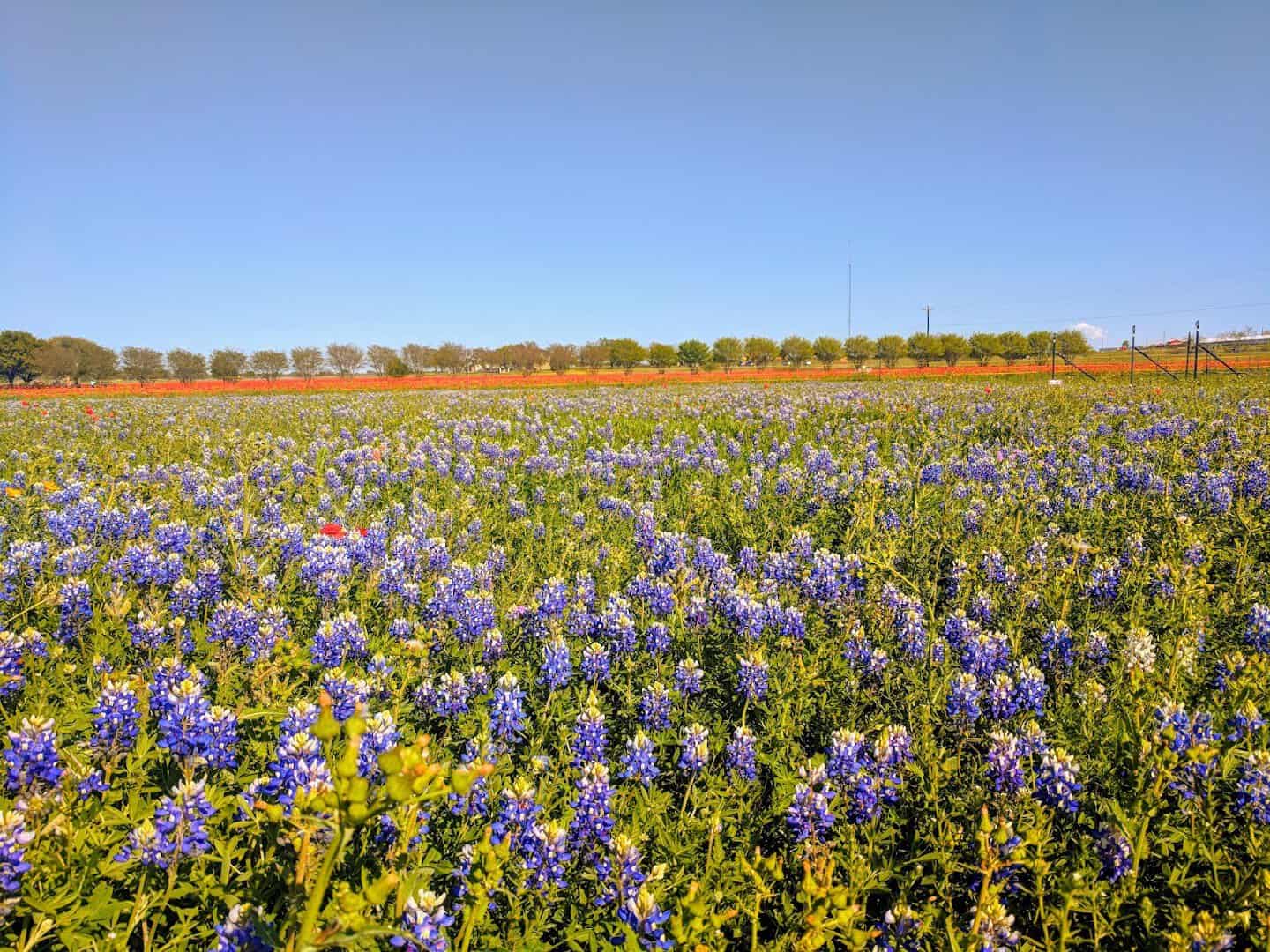
Picture a field that runs all the way to the tree line, packed shoulder to shoulder with blooms. Blue gives way to a stripe of fiery red, then a wash of pink, then gold. From the edge of the trail it really does read like brushstrokes.
That is the trick of this farm. These are not tidy garden beds. They are production crops, grown thick for their seed, so the color arrives in the big sweeping blocks a painter would use, not in little clumps.
The scale is what gets you. There is no single flowerbed to admire and move past. The color keeps going, over a rise and down the other side, until it runs into a fence line or a stand of oaks.
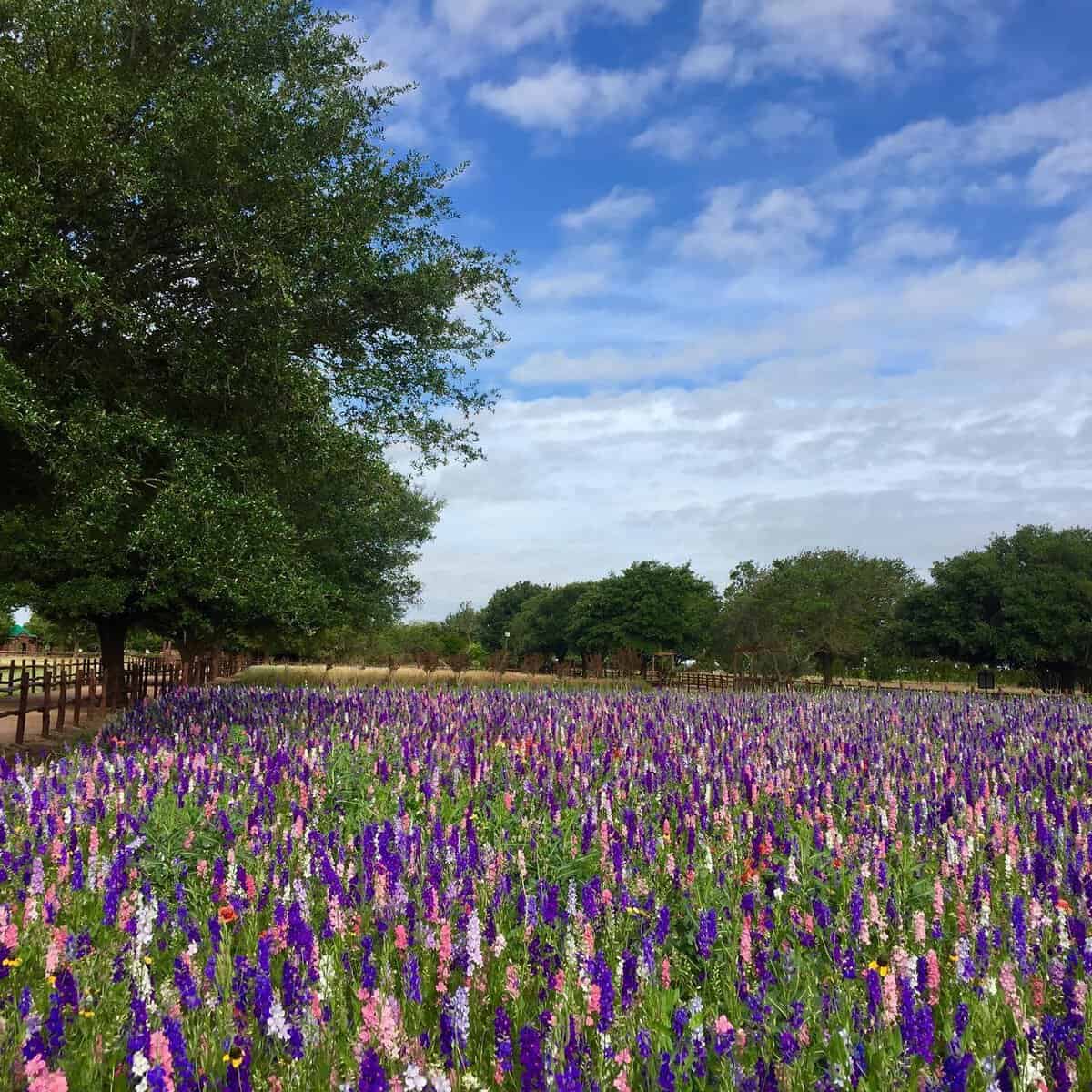
You can wander it slowly. A half mile of walking trails winds through the fields, the butterfly gardens, and the vineyard, and the main path is wide and wheelchair friendly, so nobody gets left at the gate.
Come in spring and the bluebonnets steal the show, backed up by red corn poppies, phlox, and the orange flare of Indian paintbrush. Wait for summer and the whole palette swaps out for cosmos, zinnias, and rows of sunflowers turning to follow the light.
Each block reads a little differently up close. The poppies are all crinkled tissue-paper petals, the bluebonnets stack their blue up like tiny staircases, and the cosmos float on stems so thin the flowers look like they are hovering.
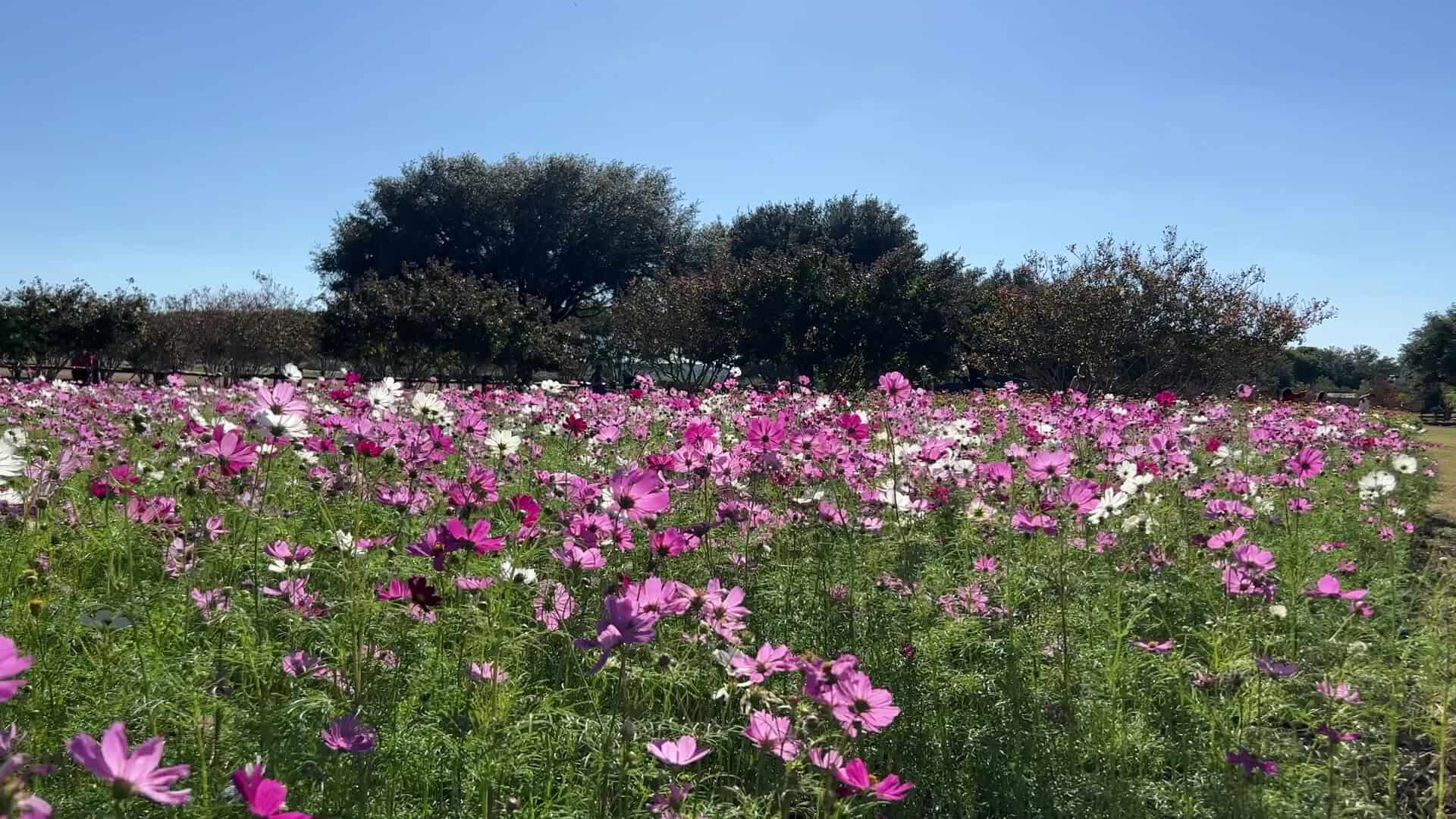
Slow down and the field stops being one color and becomes a hundred. That is the difference between driving past bluebonnets at seventy and standing in an acre of them with time to spare.
There is a specific joy in standing at the edge of all that color and realizing a person planted every seed of it on purpose. It is nature, tidied just enough to knock you flat.
Bluebonnets Grown by the Ton
Here is the part most visitors never guess. This is a farm first and a photo backdrop second. The flowers you are admiring are a crop, and the crop is seed.
The operation grows more than forty species of wildflowers and harvests several hundred thousand pounds of seed a year. Those seeds ship out by mail order to backyard gardeners and roadside beautifiers across the country, so a field here quietly becomes a meadow somewhere else.
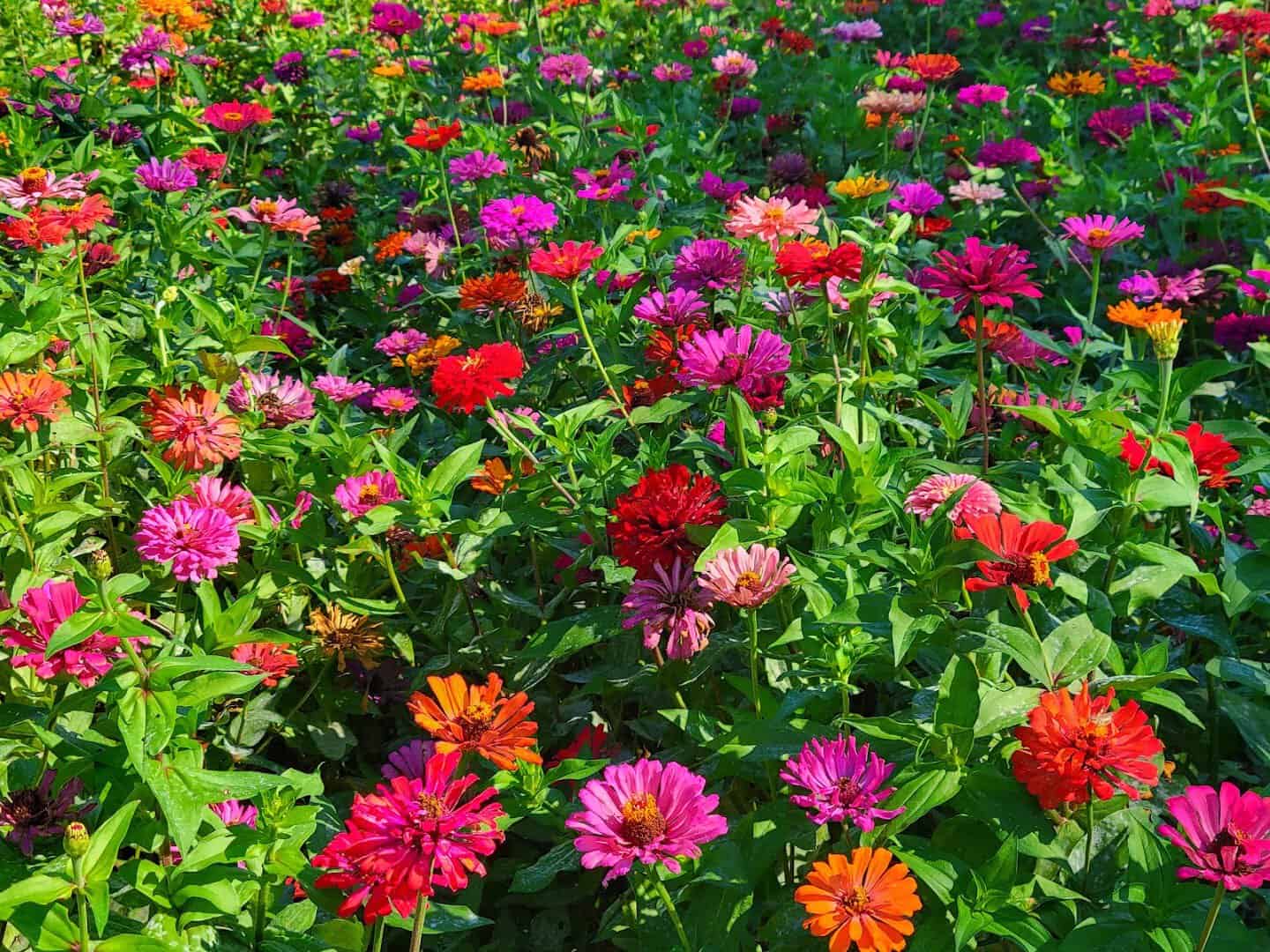
Forty species is a lot of ground to cover. Beyond the famous bluebonnet there are poppies in red and gold, purple coneflower, black-eyed Susans, larkspur, and Indian blanket. Each has its own window of weeks, so the lineup you see depends entirely on when you show up.
Growing the flowers, it turns out, is the easy half. “The growing is the easy part,” the founder has said. “Processing the seed is the hard part.” Coaxing a bluebonnet to give up its seed cleanly took years of tinkering and some seriously specialized cleaning equipment.
Did you know the bluebonnet is stubborn about it? The seeds go in the ground in fall, germinate through the winter rains, and quietly build their roots before the spring show even starts. Then June through August, the real work of scalping and drying the seed begins.
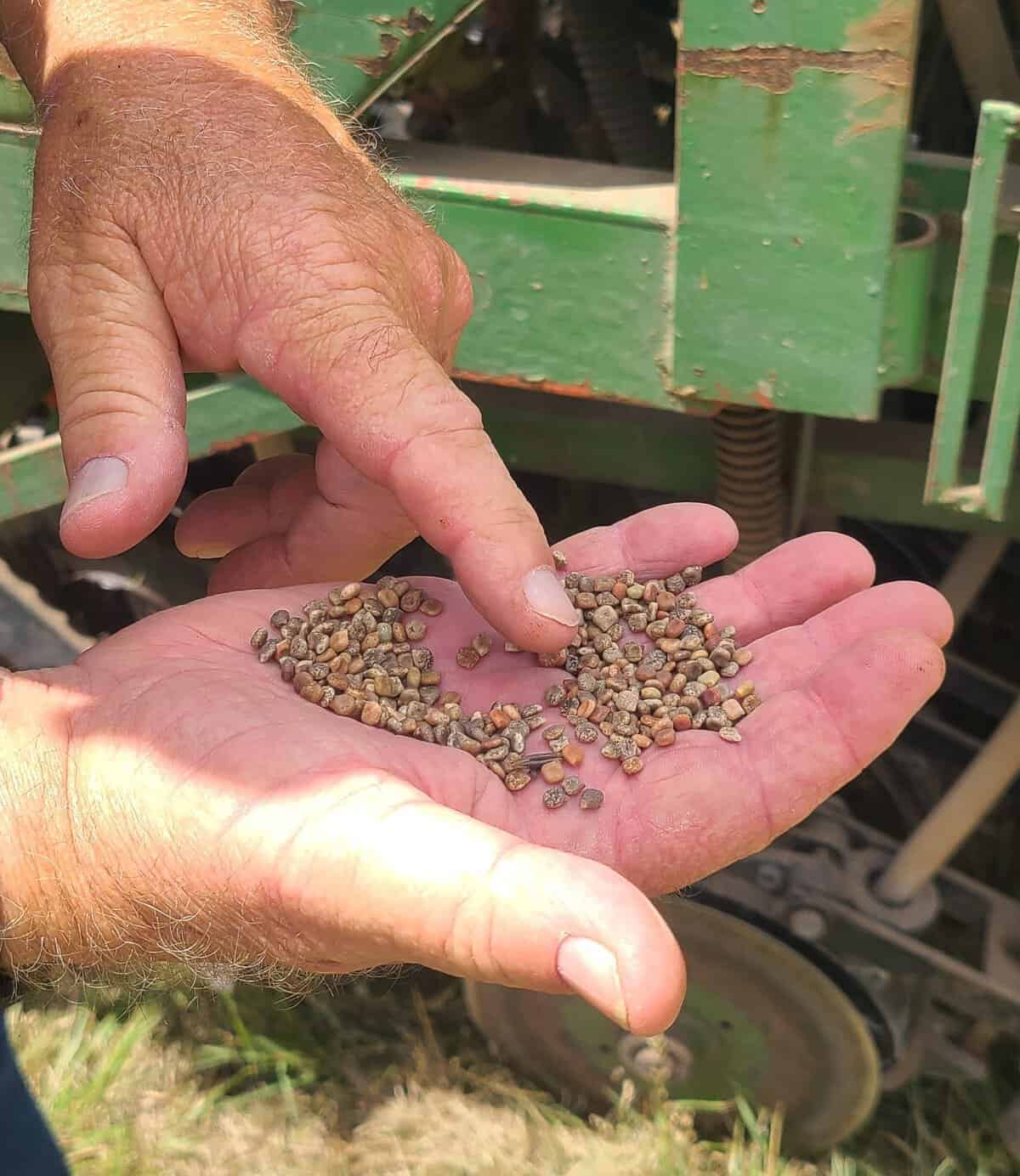
The reach is bigger than Texas, too. Seed leaves this farm by the catalog order for gardeners, ranchers, and highway crews well beyond the state line, which is a big part of how one Hill Country operation became the largest of its kind in the country.
That is the payoff of visiting a place that actually does the thing it is famous for. You are not looking at a decorated lot. You are looking at the source, the fields the seeds in half of Texas came from.
The Man Who Farmed Flowers
None of this happened by accident. It started with one man noticing something the rest of us drive right past.
John R. Thomas grew up on a ranch in Eagle Lake, Texas, learning farming at his father’s elbow. In the early 1980s he was running a sideline turf-seeding business on the side.
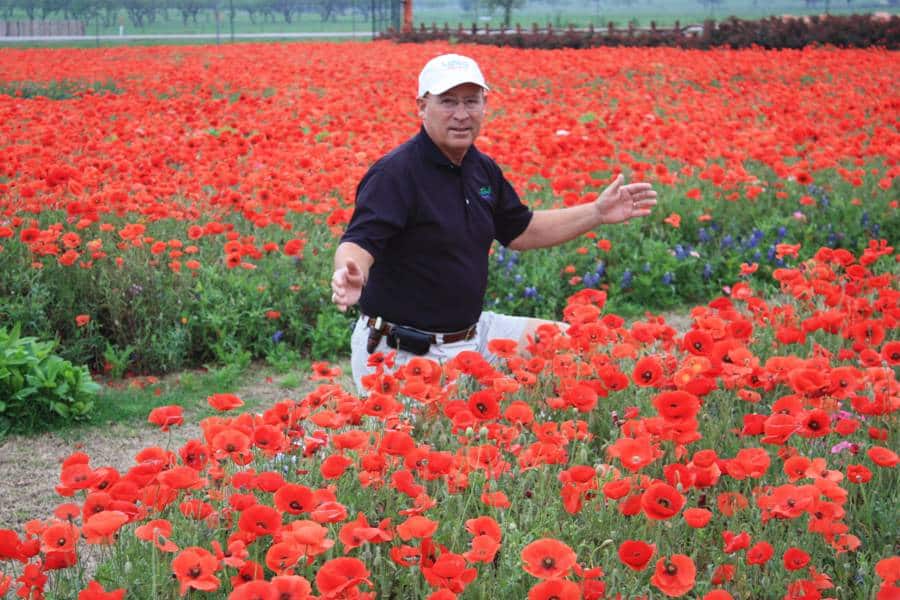
Driving those Texas roads, he kept seeing cars pull over on the shoulder so people could stand in the bluebonnets. He started to wonder whether there was a real market in the flowers themselves.
“I was interested in wildflowers because no one else was doing it,” he later put it. He and his wife Marilyn began planting on the family land in Eagle Lake around 1981 and officially founded the farm in 1982.
By 1989 the fields had drawn enough curious visitors that the couple opened to the public. A hay barn got renovated, Marilyn put her business sense into a gift shop, and word kept spreading up and down the highway.
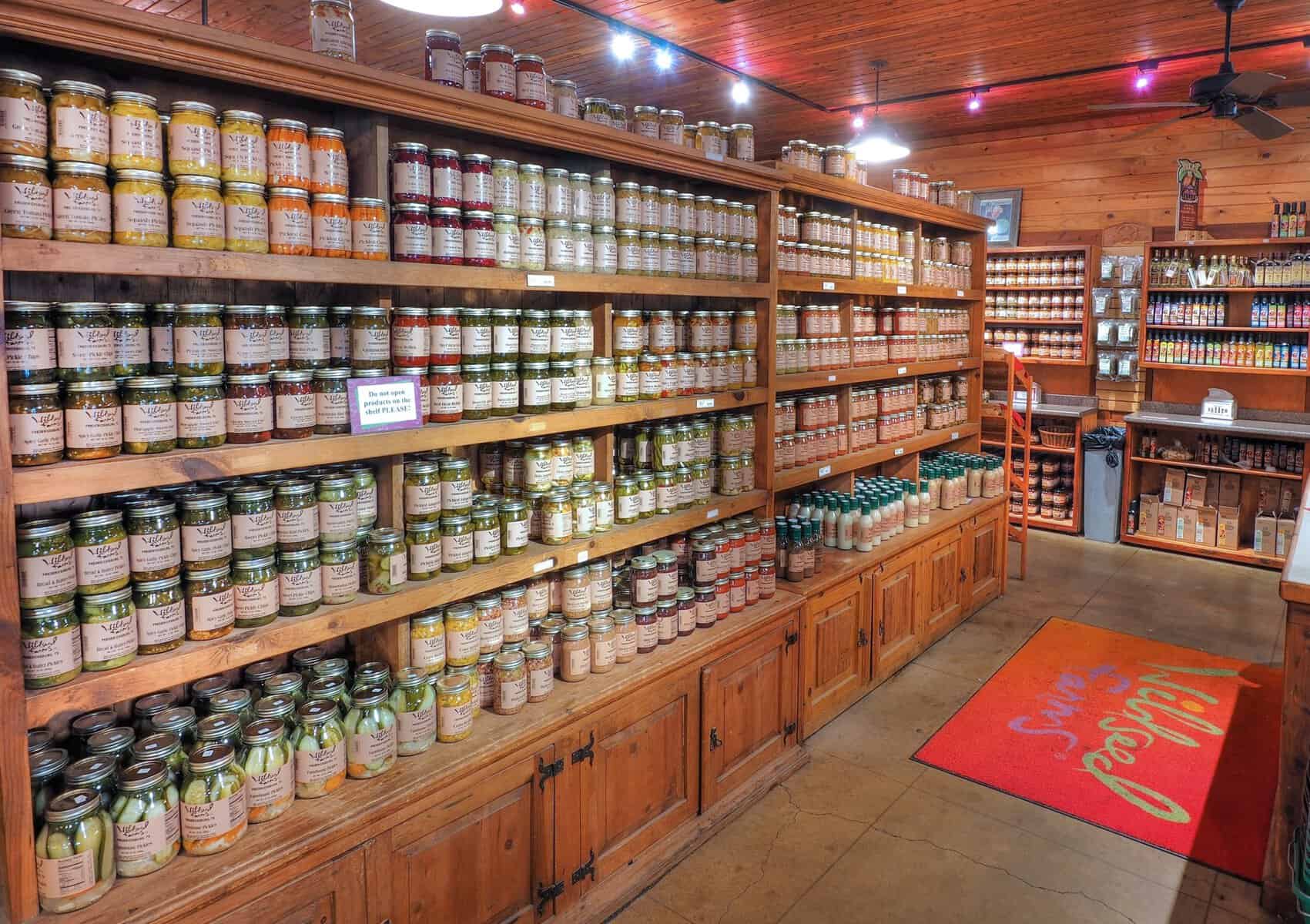
In 1993 the family bought about 217 acres near Fredericksburg, pushing their total farmland past 600 acres. In 1995 they built the Market Center that still anchors the place, and it grew into one of the most distinctive stops in the whole Fredericksburg area.
Lady Bird Johnson herself was a frequent visitor, which feels right for the woman who spent her life pushing to plant wildflowers along America’s highways. The showy primrose is planted here in her honor.
Four decades on, the farm has grown into one of Fredericksburg’s signature stops, the kind of place tour buses and Sunday drivers both aim for. What started as one man’s hunch about roadside flowers now pulls visitors from all over.
Way More Than the Fields
You could spend an afternoon here and never crouch for a single flower photo. The Market Center alone is worth the drive, stuffed with seed packets, Texas foods, garden goods, and gifts under one big roof.
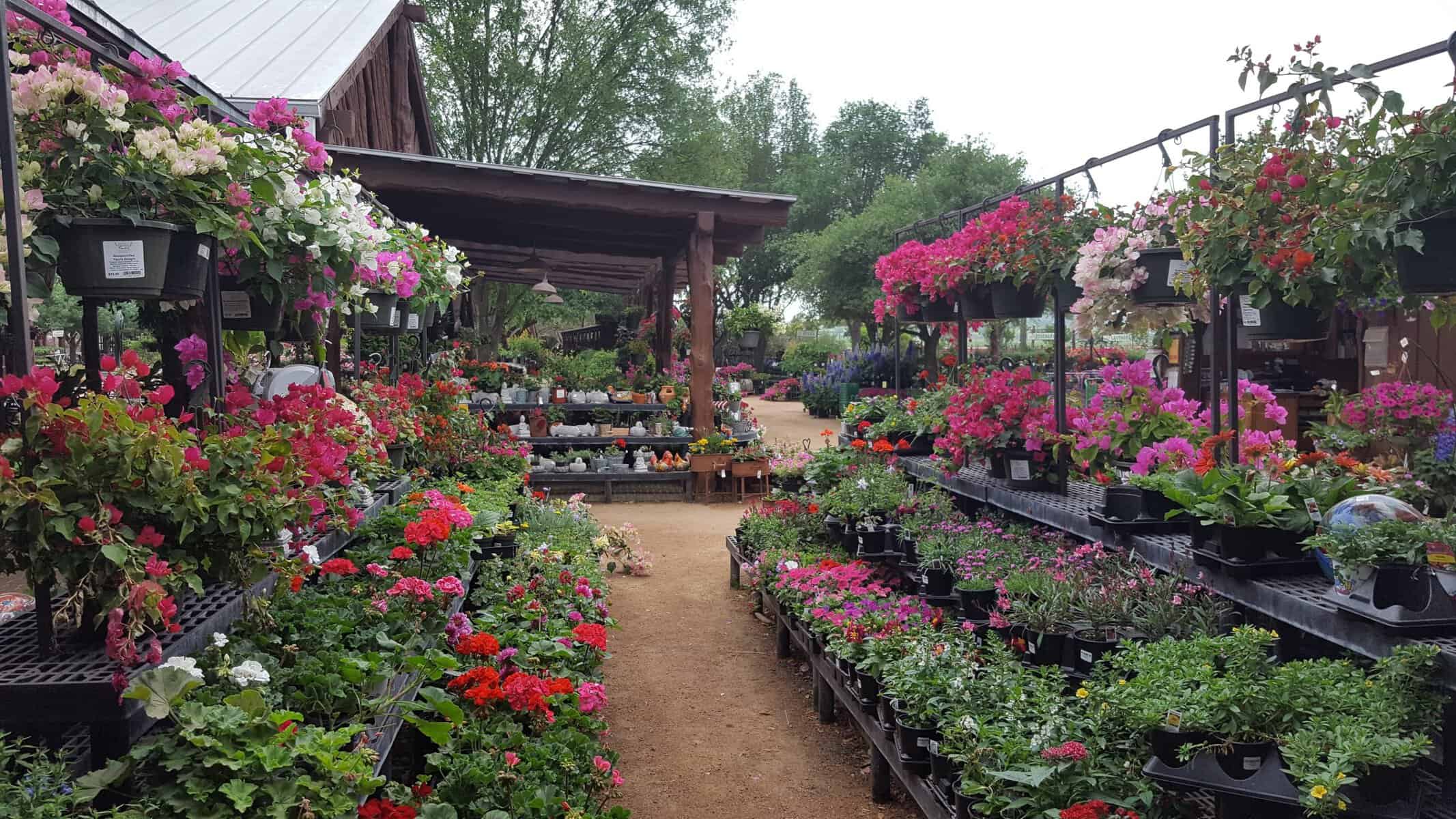
When your feet need a break, the BrewBonnet Biergarten pours cold craft beer and hands over something to eat, usually within sight of the fields you just walked. It is the kind of shady, unhurried spot that makes you quietly cancel the rest of your afternoon plans.
The Lantana Nursery and Pottery lets you carry a piece of the place home in a pot. If you have ever wanted your own patch of bluebonnets, this is where you buy the seed straight from the people who grew it.
Then there is the wine. The family planted their first vineyard in 2015, grew it to 55 acres and fifteen grape varieties, and began making wine in 2019. The tasting room opened in spring 2021, so you can now sip a Texas red while the flowers nod outside.
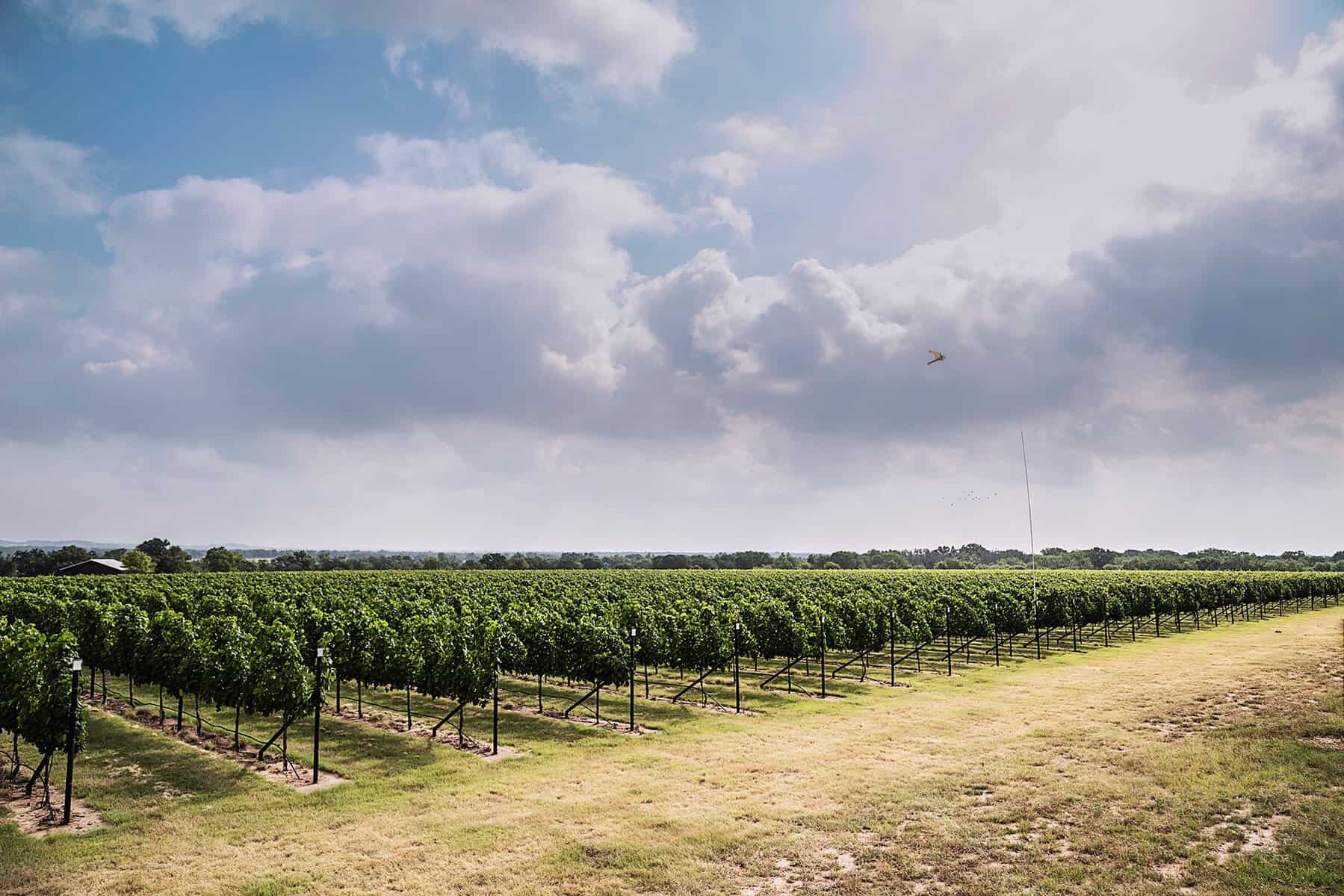
The vineyard is part of the fun, not just the pour. You can wander down among the rows, watch the grapes coming in, and turn a quick flower stop into a slow afternoon of tasting, snacking, and staring at the hills.
Where the Monarchs Stop
The fields do double duty as a rest stop for butterflies. Tucked among the production crops, the butterfly gardens are planted specifically to feed and shelter them, and in a good year the air genuinely flickers with wings.
Fall is the show. As the monarch migration rolls south toward Mexico, the farm sits right in the flight path, and the late-season blooms give the travelers something to drink on the way through.
It is a quieter kind of spectacle than the spring bluebonnets, and a lot of regulars swear it is their favorite. Bring a little patience, stand still near the flowers, and let the butterflies come to you.
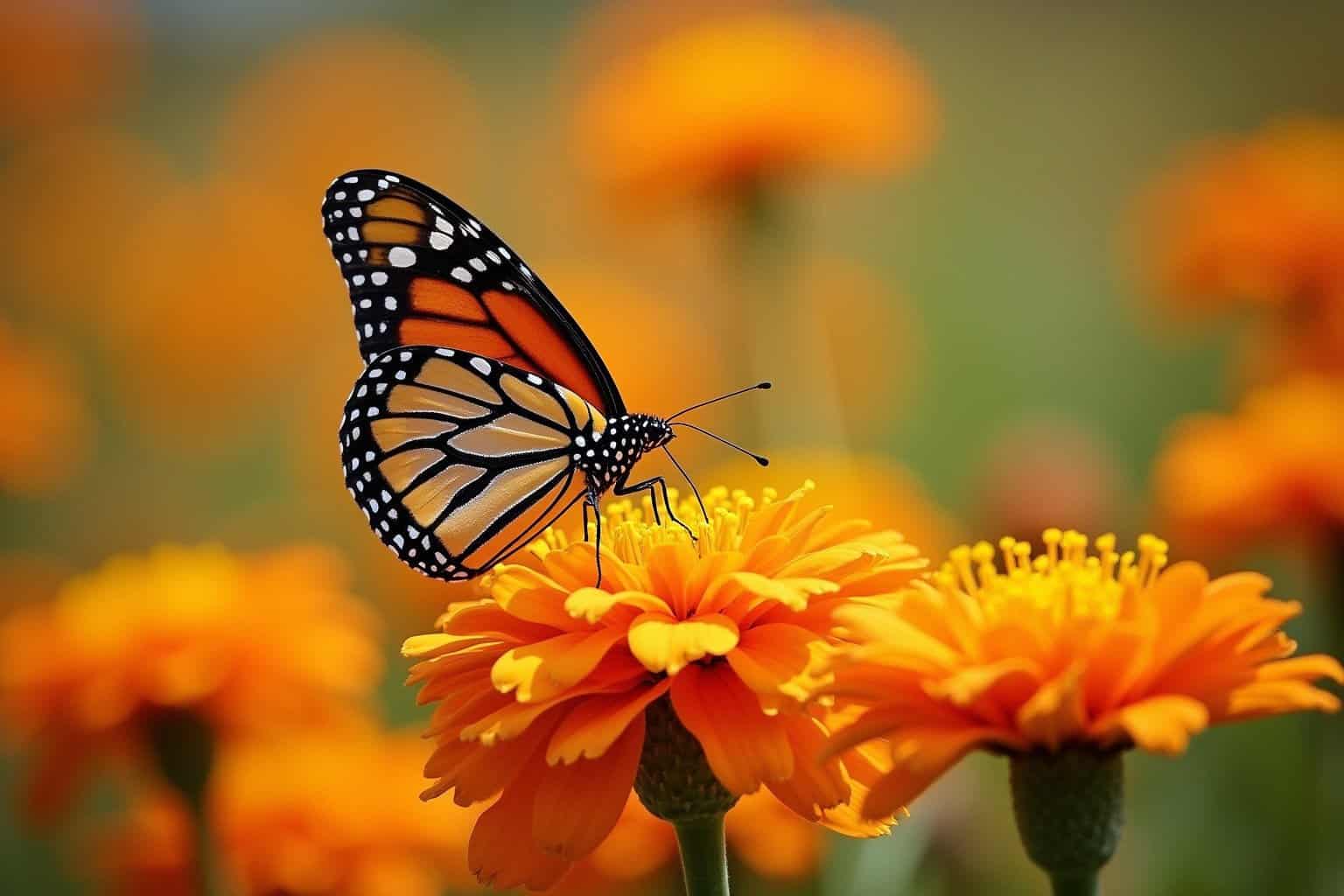
Kids tend to lose their minds over it, in the best way. There is something about a butterfly landing on a shoulder that beats any screen, and the open gardens give little legs room to run while the grownups take their time with a camera.
Catching the Bloom at the Right Time
The one thing this farm cannot promise is a date. It runs on nature’s schedule, not a calendar, and the fields turn over as the season moves.
For the famous bluebonnets, aim for March through May and into early June, when the spring flowers hit their loudest. Roll in later and you trade blue for the summer riot of sunflowers and cosmos, which is its own kind of gorgeous.
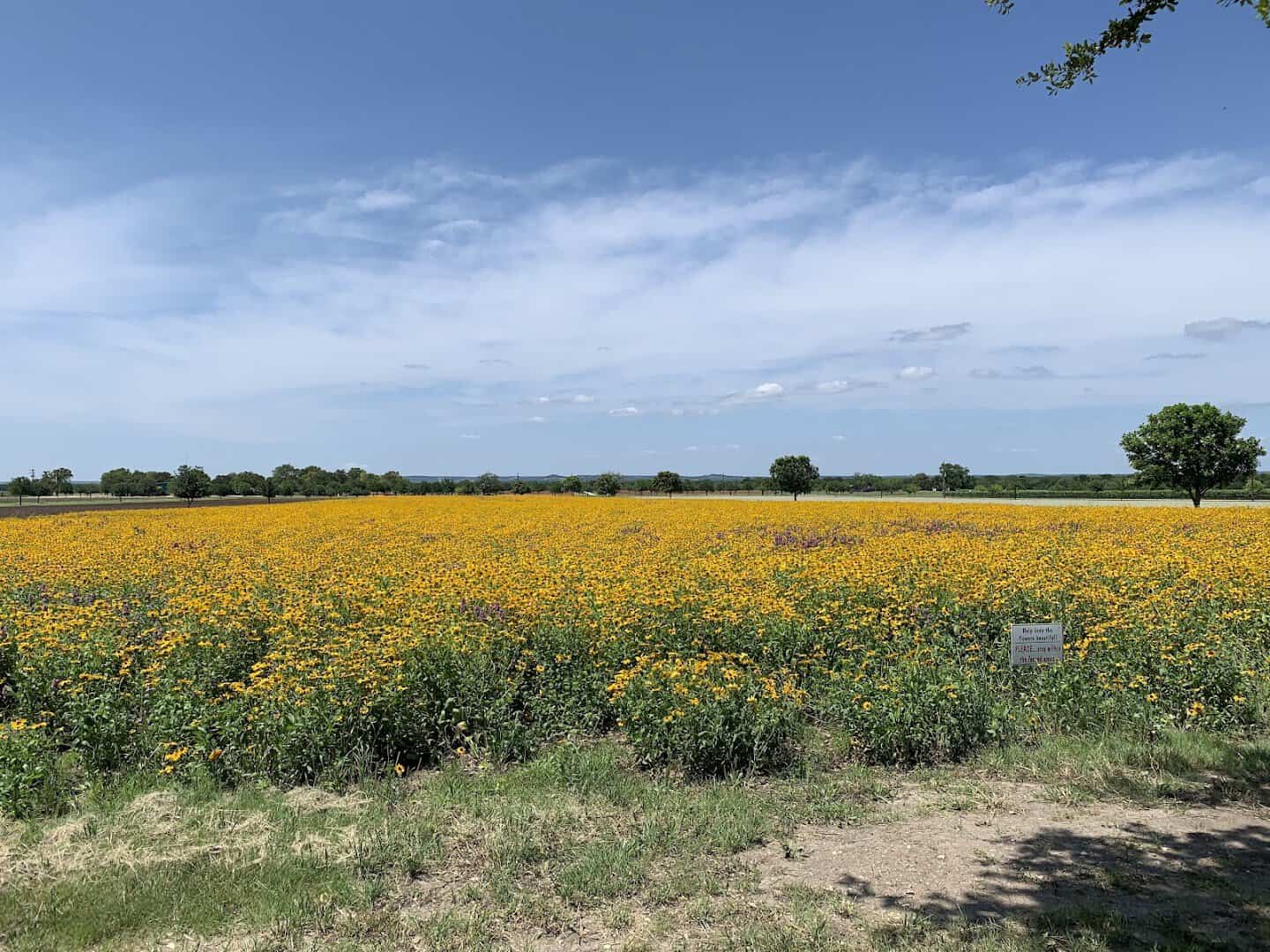
General admission to the grounds, the shop, and the biergarten is free. During peak bloom the farm charges a small fee to walk out into the fields themselves, which is how those crops stay camera-ready instead of trampled flat.
The single smartest move is to check the farm’s website before you go. They post bloom updates, so you can see what is actually open and flowering that week rather than gambling on the drive.
Pro tip: bring the dog and come early. Leashed pups are welcome on the grounds and trails, parking is plentiful with RV spaces included, and morning light makes the whole field look lit from inside.
How to Get There
Where: Wildseed Farms, 100 Legacy Drive, Fredericksburg, TX 78624. It sits right on U.S. Highway 290 about seven miles east of downtown Fredericksburg, an easy add-on to any Hill Country wine-trail day.
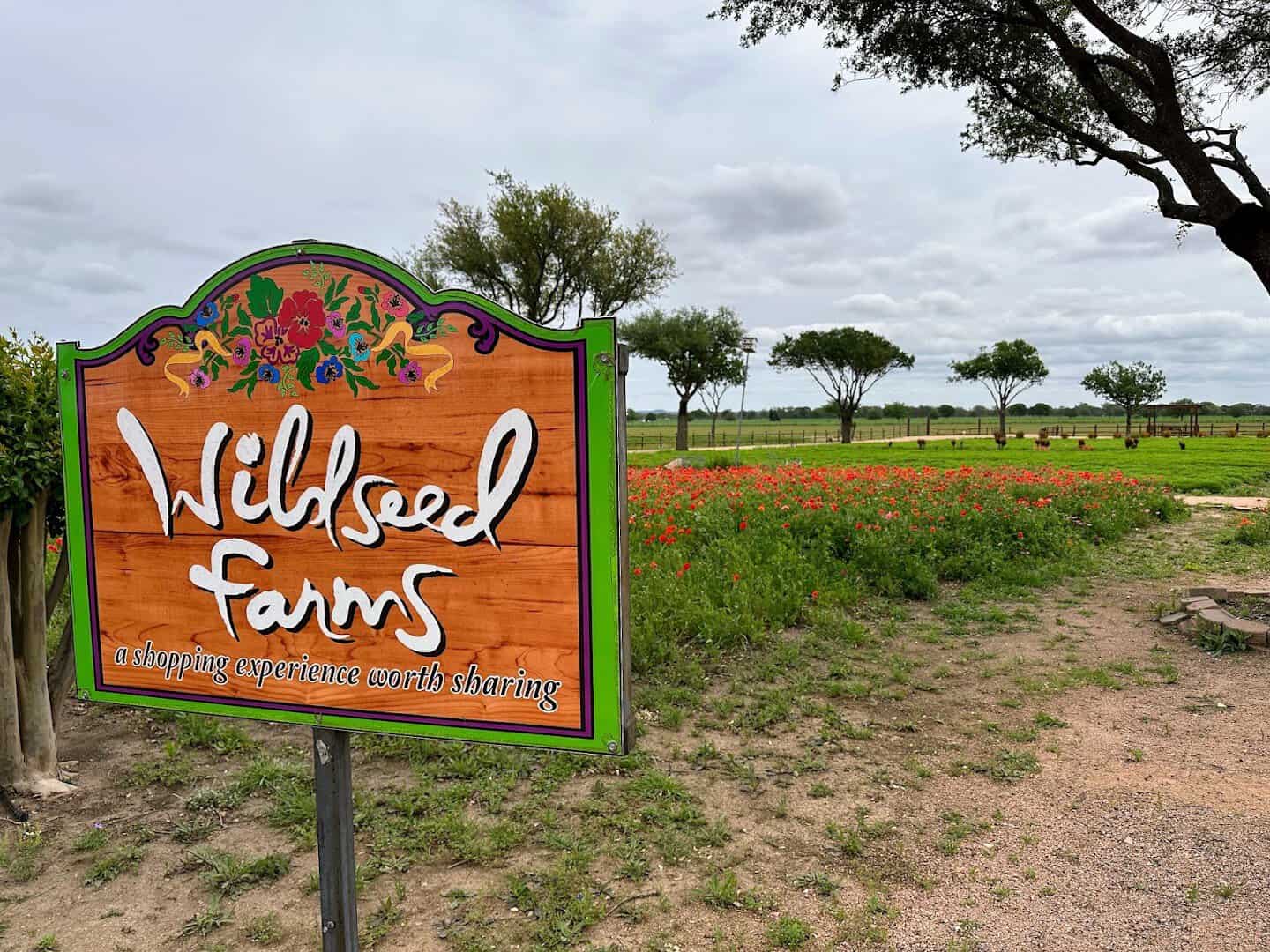
From Austin it is a little over an hour and a half west, and from San Antonio you are looking at roughly the same drive. Either way the last stretch rolls you through classic Hill Country, so getting there is half the fun.
Go Stand in the Colors
Some Texas attractions you visit once and check off the list. This one rewires how you look at the roadside for the rest of the year, until every wild patch of blue on the highway makes you slow the car down a little.
So pick a spring weekend, check the bloom report, and point yourself toward Fredericksburg. Walk the trails, grab a glass of wine, and let yourself stand in the middle of a painting for an afternoon. You will be planning the next trip before you reach the parking lot.
Featured image: @ Wildseed Farms

Stella Raines
Editor-in-Chief
Stella brings over a decade of storytelling experience to TX Headlines. With roots in West Texas and a love for road trips, she leads the editorial team with an eye for the hidden stories that make Texas unforgettable.
More Stories

These 10 Texas Spots Bloom Into Seas of Bluebonnets Each Spring

This Enchanting Texas Nature Trail Feels Like Hiking Through a Fairytale Forest

This Underrated Texas State Park Gives You a Full Day of Swimming and Hiking for Just $5

This Easy Texas Hike Leads to a Swinging Suspension Bridge Hidden in the Pines
Tags