This Riverside Texas State Park Hides a Spanish Mission New Deal Crews Rebuilt Stone by Stone
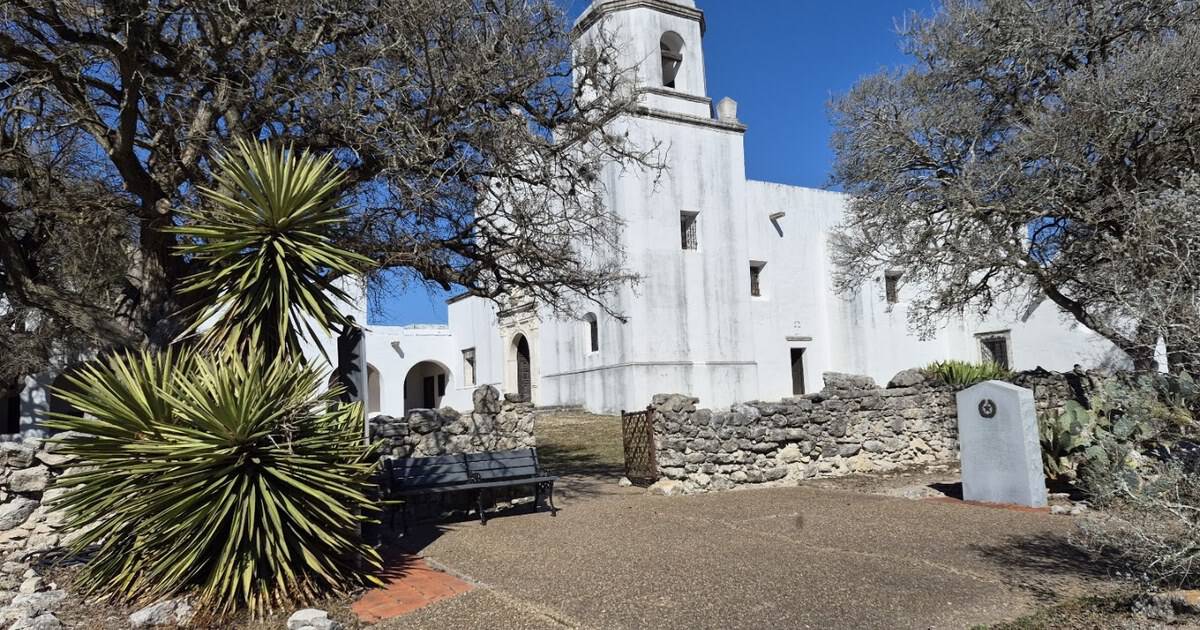
I fall hard for any building that was put together by hand. Not poured from a truck or snapped together from a kit, but shaped stone by stone, by people who cared how it would look a hundred years later.
There is something about that kind of craftsmanship, the sort you can run your fingers along and feel the tool marks in, that gets me every single time.
So the first time I heard that a crew of Depression-era war veterans rebuilt a crumbled 1700s Spanish mission down in South Texas, whitewashed walls and carved doorways and all, I wanted to point the car south immediately.
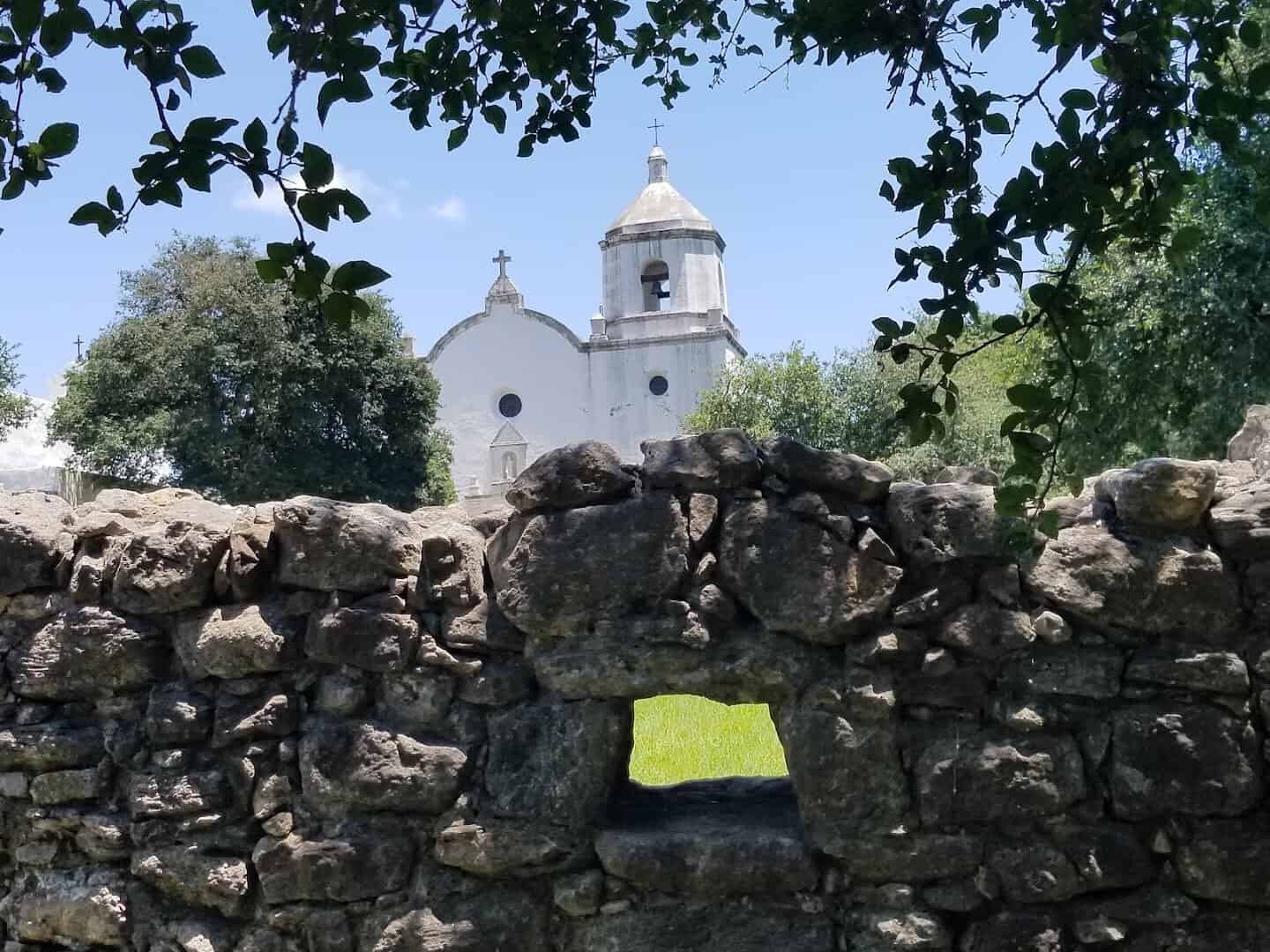
That mission sits inside a quiet, tree-shaded state park along the San Antonio River, and the whole place feels like living history.
Below, I’ll show you why this riverside park deserves a full day of your time, from the hand-built mission at its heart to the paddling trail, the birding blind, and the campsites tucked under the pecans.
Whitewashed Walls by a Green River
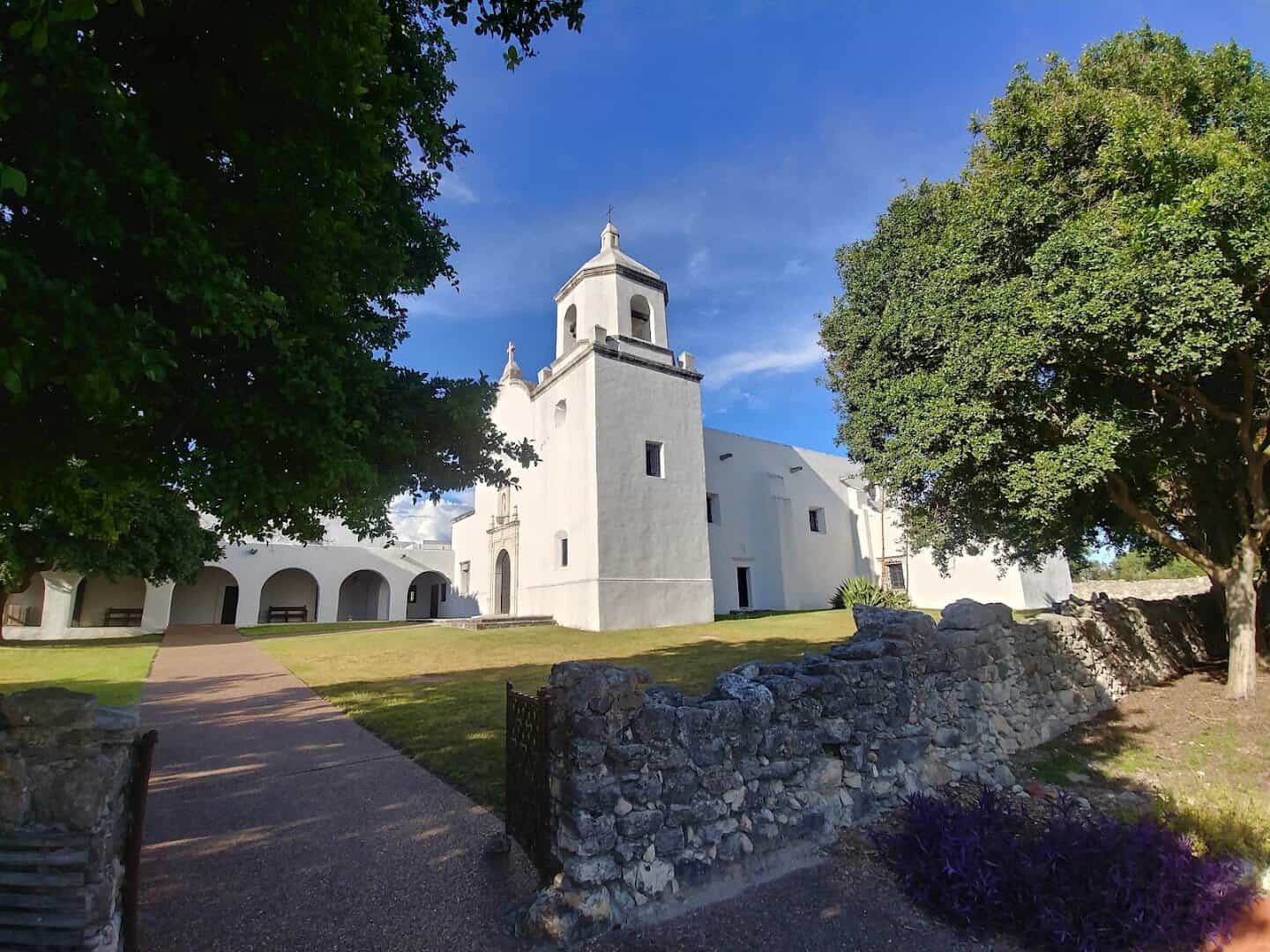
The star of the park is Mission Espiritu Santo, and it does not whisper for your attention. Its whitewashed church rises pale and clean above the treetops, topped with a small bell tower, the kind of view that makes you slow the car down as you pull in.
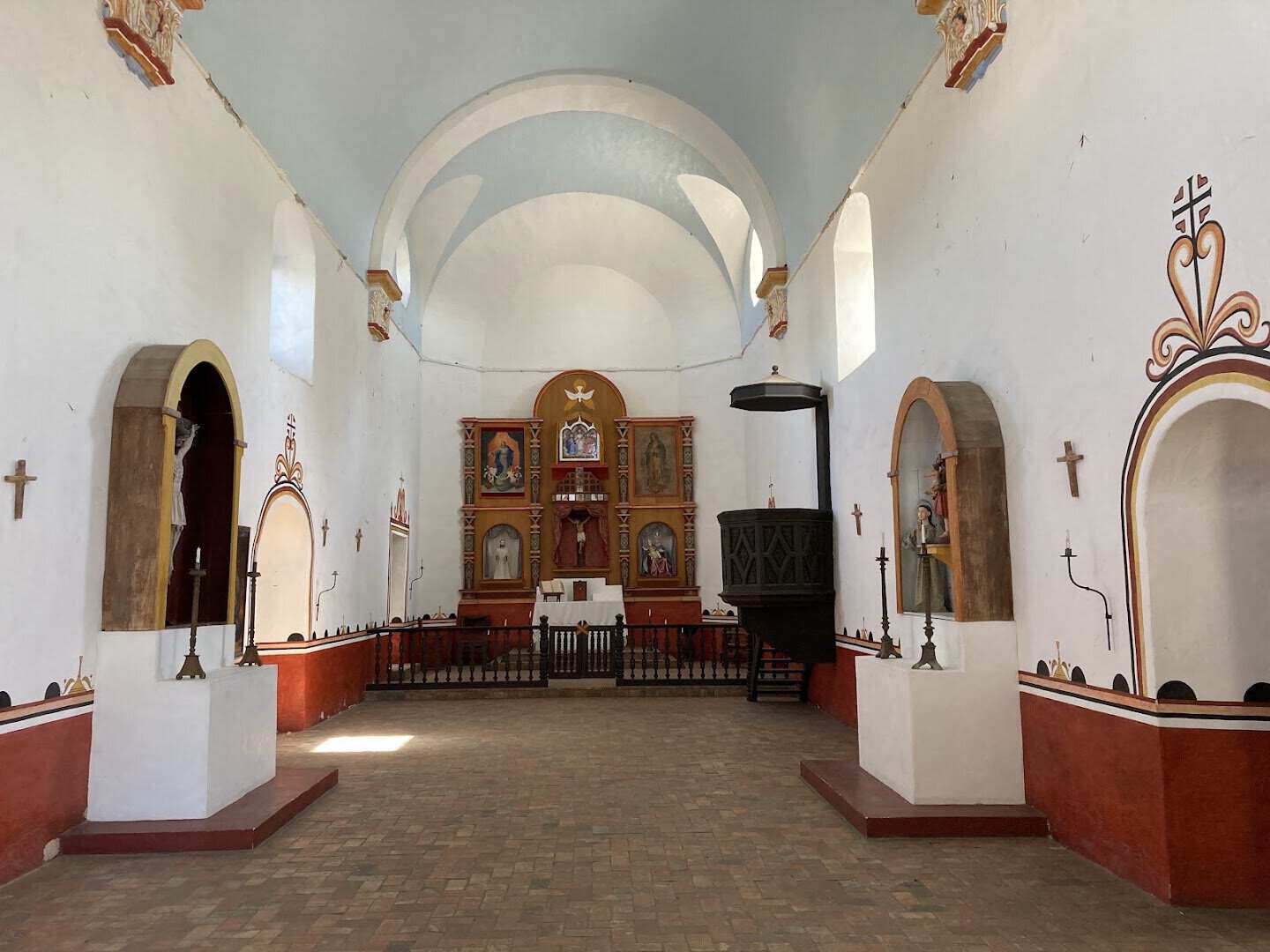
Step through the doors and the temperature drops. Thick stone walls do that. Inside, the church is spare and calm, the way these mission churches were meant to be, with light falling through the windows onto a simple altar.
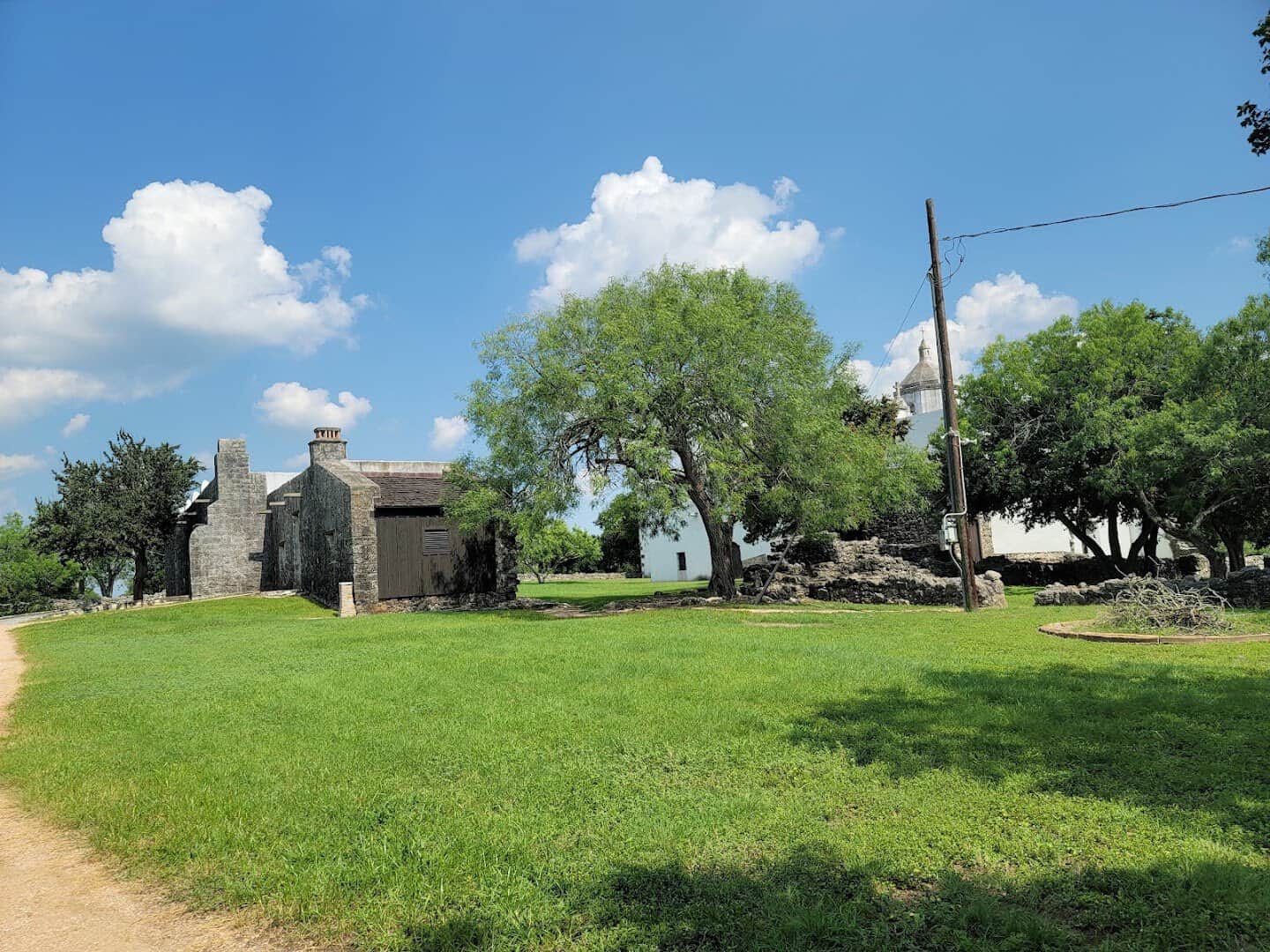
Around the church sits the rest of the compound: a long granary, a walled cloister, and a workshop, all connected by open ground where you can wander freely. There is a small mission garden too, planted the way the friars might have kept it.
Take your time in the granary. It now holds a museum that lays out how the mission worked as a community, so the building that once stored the settlement’s grain now stores its story instead.
Here is the part that stops people. Almost none of what you are looking at is original. By the early 1900s the mission had melted back into a pile of rubble.
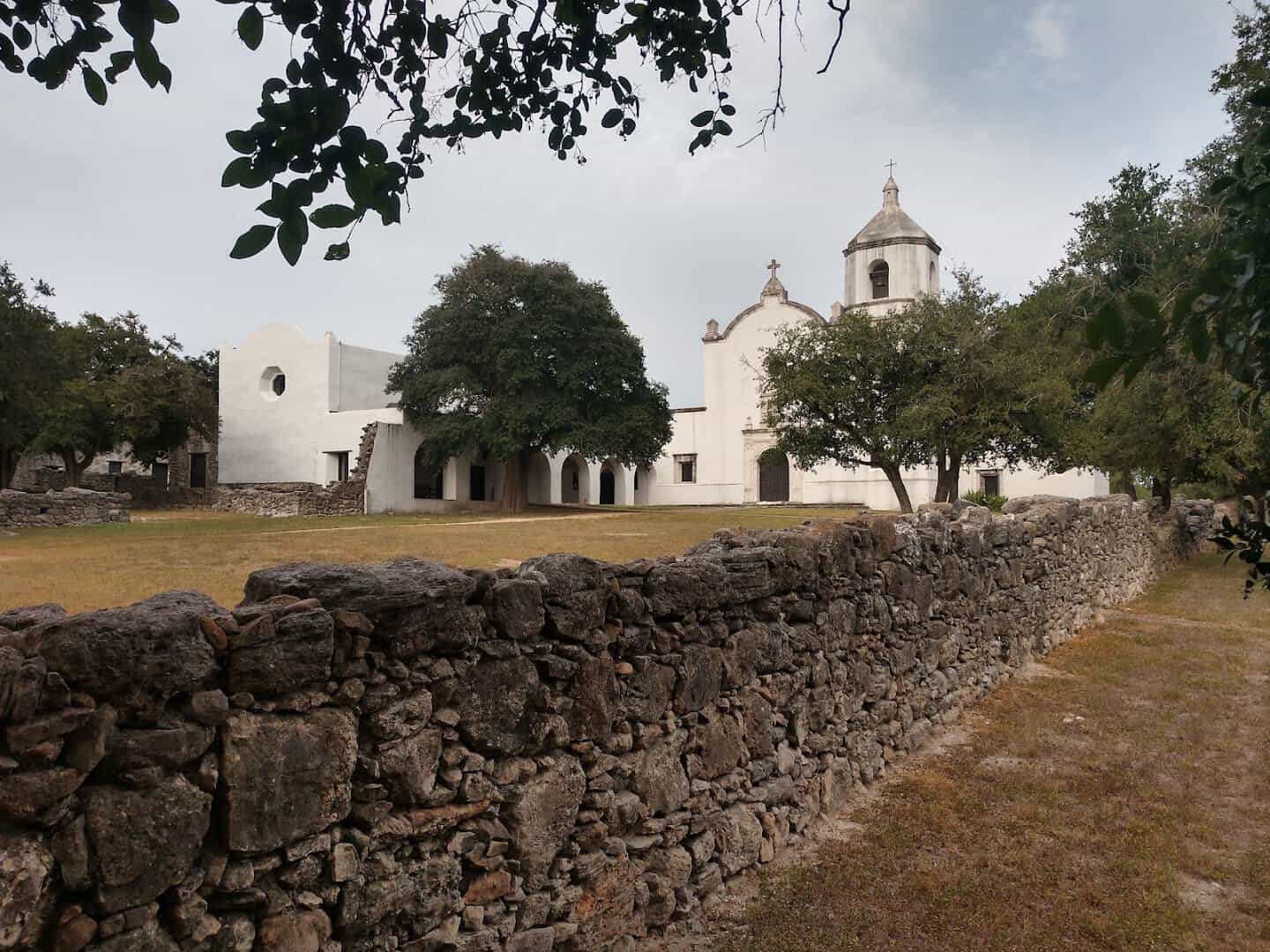
What stands today was carefully rebuilt in the 1930s, and once you know that, you cannot stop admiring the seams where old fragments meet new stone.
A Corps of Craftsmen
The rebuild is the real love story here, and it belongs to the Civilian Conservation Corps. When President Franklin Roosevelt’s New Deal put unemployed men back to work in the 1930s, one of those crews landed in Goliad with an unusual job.
The assignment: raise a Spanish colonial mission back up from its own ruins.
The crew was CCC Company 3822-V, and the “V” mattered. It was a company of older military veterans, men who had already served their country once and now picked up trowels and chisels to serve it again. Between 1935 and 1941 they reshaped this whole park.
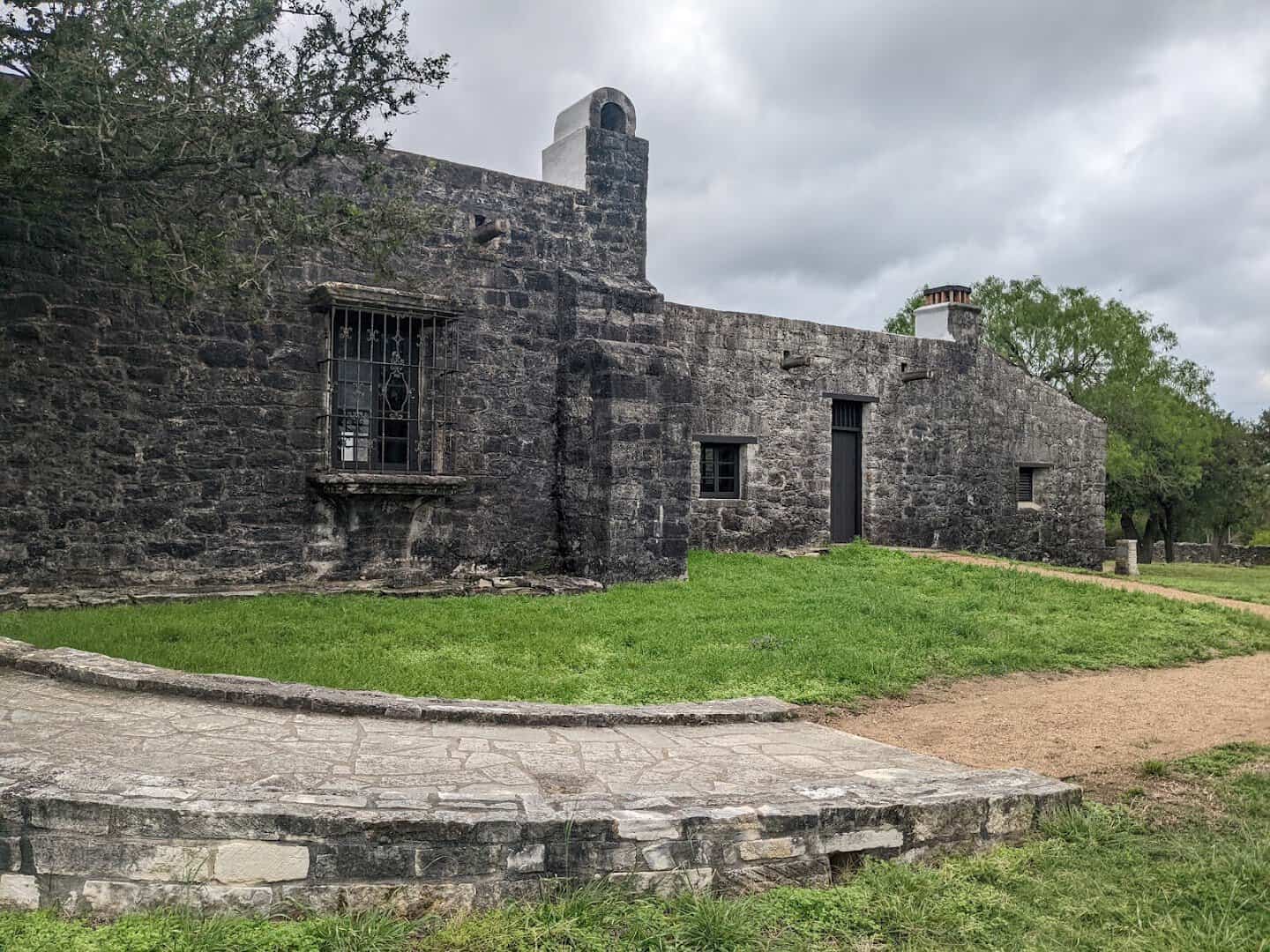
They did not guess. National Park Service architects, among them Samuel Vosper and a young Texan named Raiford Stripling, dug into the history, archaeology, and architecture of Spanish missions across Texas and northern Mexico first.
Then the church was reconstructed to look as it did in 1783, built right on top of the original foundation ruins with fragments of the old walls worked back in.
The stone came from the site itself and from a local quarry. The workers fired their own roof tiles, hand-forged the iron hinges, and mixed plaster by hand. Nothing came off a shelf.
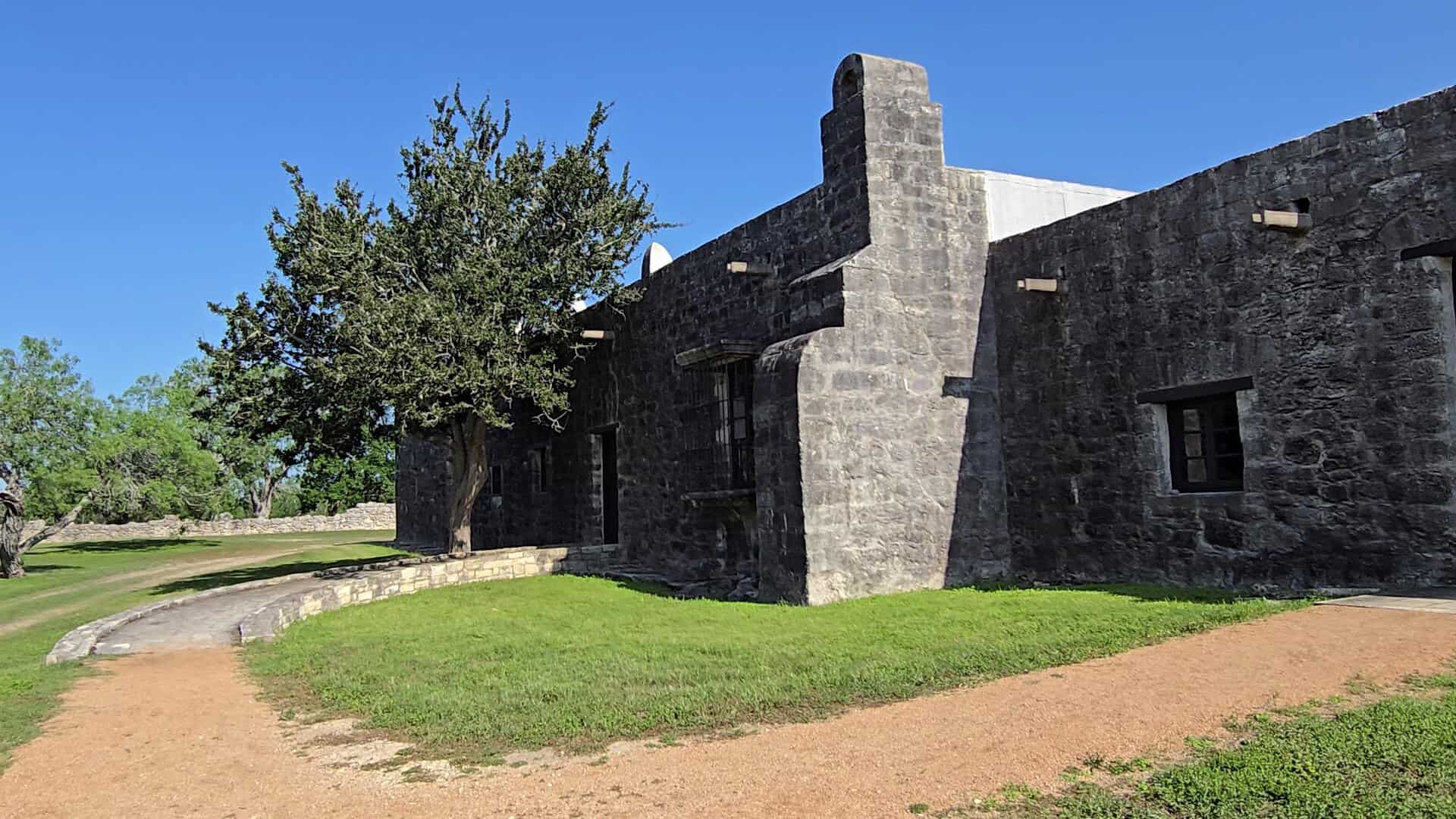
The mission was not the only thing they raised. The same crews built the park headquarters, laid out the roads, and even made the picnic tables and furniture by hand, so the everyday corners of the park share the same DNA as the showpiece church.
You can still meet their practice run. The little custodian’s cottage near the entrance was an experimental studio, the place where the crew tested techniques before committing them to the mission.
Today that same cottage houses the El Camino Real de los Tejas Visitors Center, so the building that was once a workshop for old hands is now where your visit begins.
Stripling, by the way, went on to become such a fixture in the field that people started calling him “the Dean of Texas’ historic preservation.” Not a bad legacy for a job that started as Depression relief work.
A Brief History of the Mission by the River
The story reaches back much further than the New Deal. The Spanish first founded Nuestra Senora del Espiritu Santo de Zuniga in 1722, over near Matagorda Bay on the coast.
In 1749 they moved it to this spot on the bluff above the San Antonio River, where it has stood ever since.
For decades it was a working powerhouse, not just a chapel. Espiritu Santo ran the first large cattle ranch in Texas, its herds supplying Spanish settlements as far away as Louisiana. If you have ever thought of ranching as pure cowboy mythology, this quiet mission helped write the first chapter.
The name Aranama, which the park’s nature trail carries, honors the Indigenous people who lived and worked at the mission, a reminder that this was a whole community and not just a church.
The mission was secularized and finally closed around 1830, and the grounds have carried plenty of Texas history in the years since.
The state accepted the main park complex from the city and county of Goliad in 1931, the CCC did its careful work, and the land passed to the State Parks Board in 1949. Today it is a 276-acre park that pairs deep history with genuinely good outdoor time.
Fun bit of trivia: the mission sat on El Camino Real de los Tejas, the old Spanish King’s Road that once linked Mexico to the missions of East Texas. You are standing on a route people have traveled for three centuries.
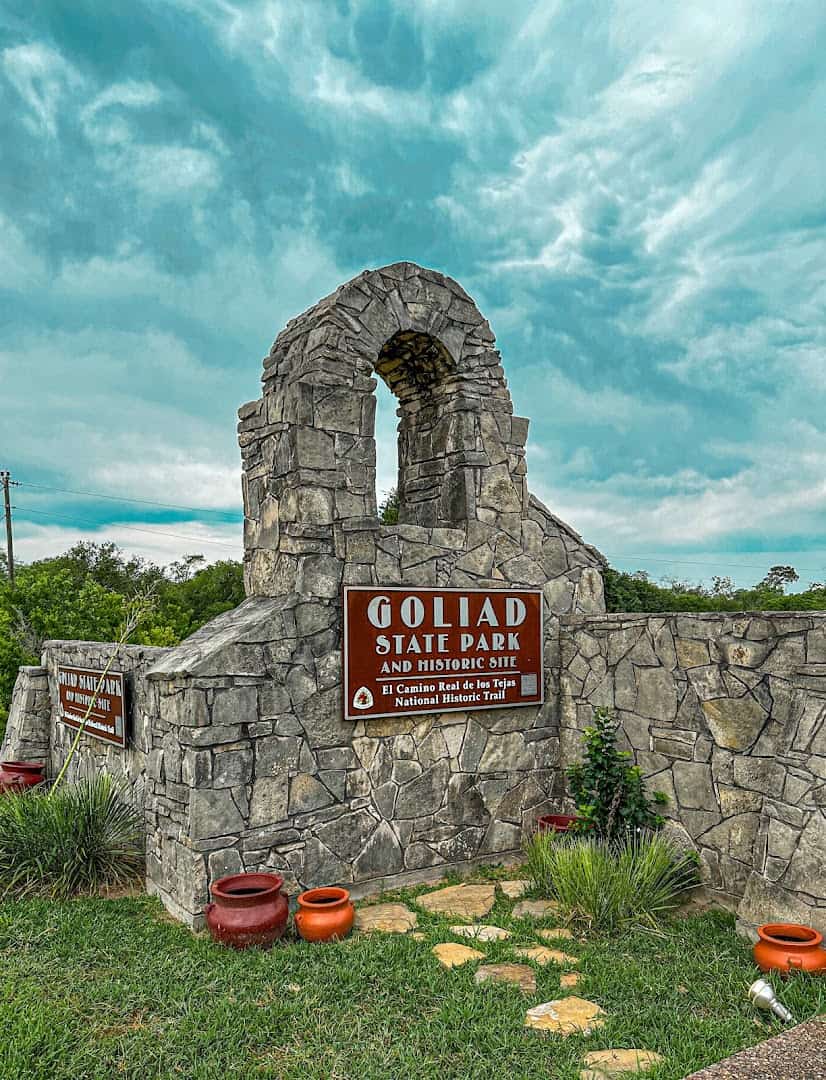
Down by the San Antonio River
The San Antonio River is the reason the mission is here, and it is still the best thing about the park on a hot afternoon. It curls along the edge of the grounds, green and slow, shaded by tall trees that lean out over the water.
If you paddle, this is your kind of place. The park sits on the Goliad Paddling Trail, a gentle 6.6-mile run you can float by kayak or canoe, with seasonal rentals available if you did not bring your own. It is flatwater, quiet, and lined the whole way with green.
Anglers do well here too. The river holds sunfish, bass, and catfish, and here is a genuine Texas perk: you do not need a fishing license to fish from the bank inside a state park. Bring a rod, find a shady spot, and see what bites.
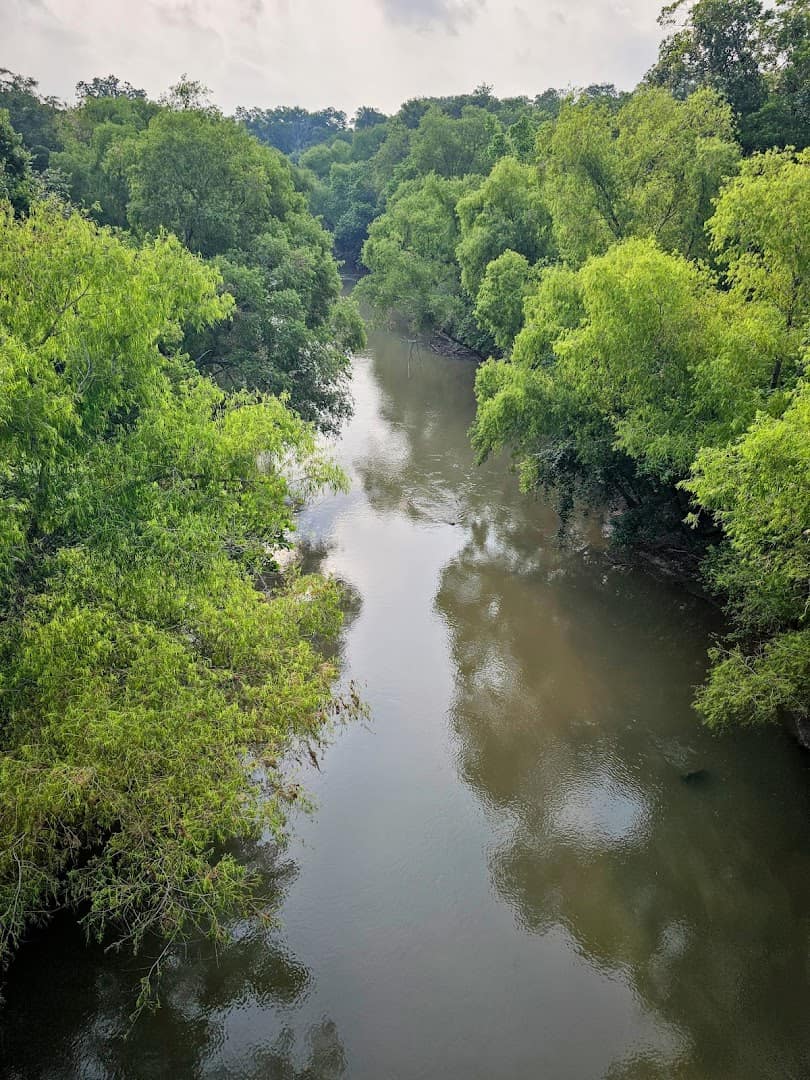
Pro tip: mornings on the river are worth the early alarm. The light is soft, the water is glassy, and the birds are loudest right after sunrise.
Trails, Chaparral, and a Bird Blind Named for a Cardinal
The Aranama Trail is the walk to take if you want the nature and the history in one loop. It is short, a little under a mile, and family-friendly, winding past stone monuments with exhibits and opening onto pretty views of the river.
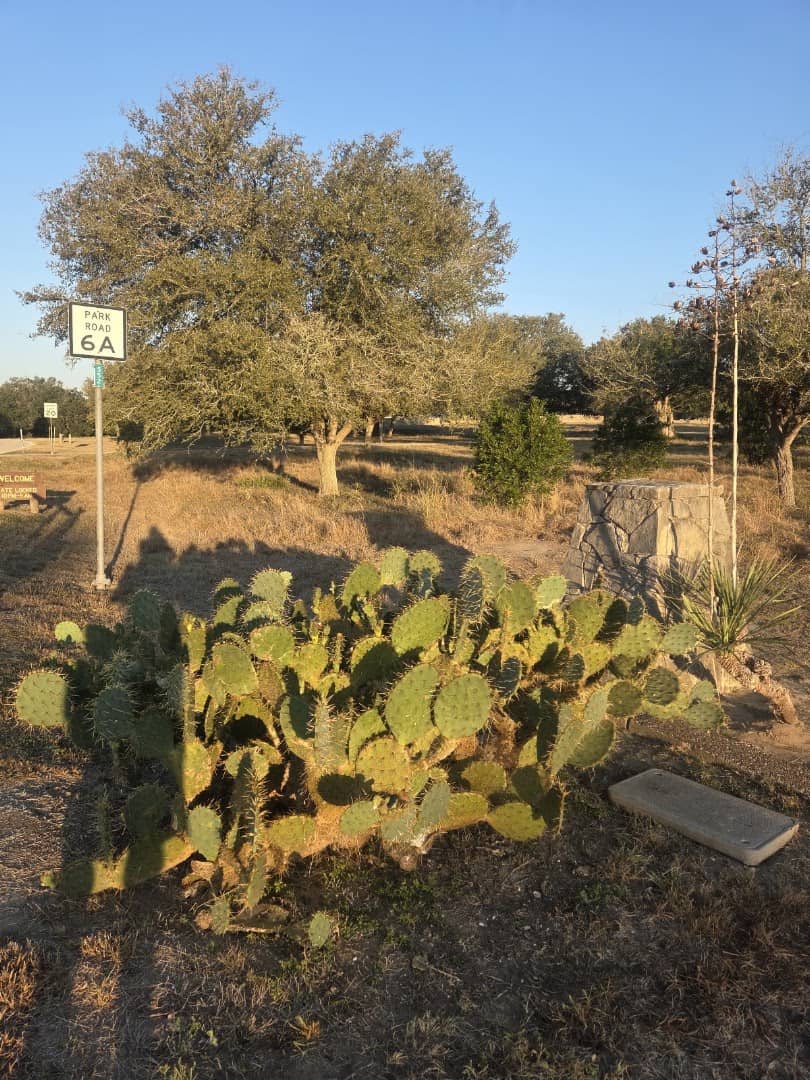
What makes it interesting is the way the land changes under your feet. Step away from the mission and you cross classic South Texas brushland, the thorny chaparral, then drop into the lush, green gallery woodlands of the river floodplain. Two different Texases in one short stroll.
Bird lovers, bring your binoculars. The park keeps a bird blind called Cardinal’s Haven, and it earns the name. Sit quietly and you may catch a northern cardinal, a flash of a painted bunting, or a red-tailed hawk riding the air above the trees.
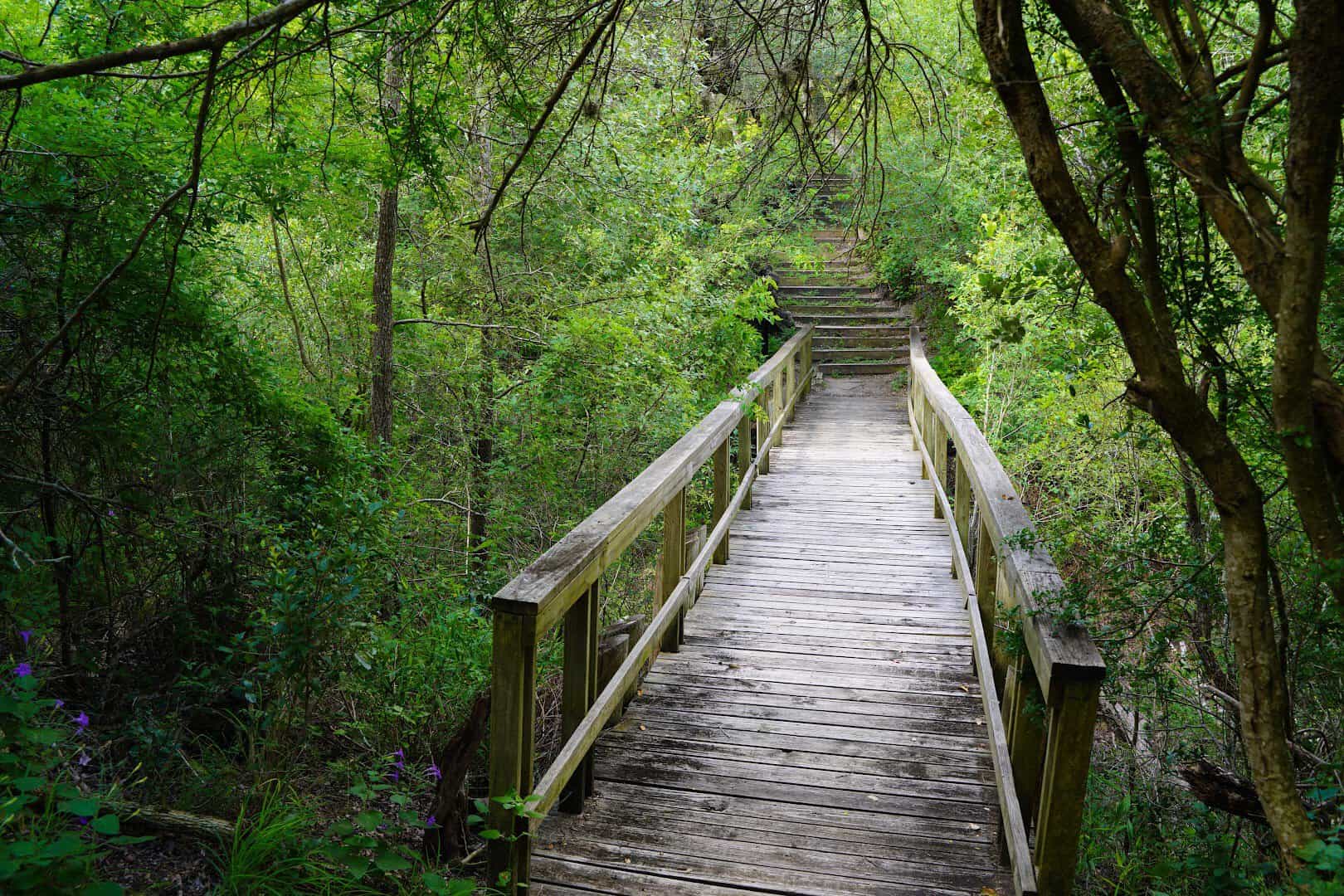
Did you know the park connects to loops of the Great Texas Birding Trail? That puts it on the map for serious birders working the coastal migration corridors, so your casual afternoon of watching may turn up more than you expect.
Keep an eye on the ground too. White-tailed deer drift through at dawn and dusk, and armadillos and raccoons go about their business as if the mission were built for them.
If you want to stretch the walk into town, the Angel of Goliad Hike and Bike Trail runs about 2.5 miles from a statue south of the park all the way to downtown Goliad, a nice way to link the park to the town’s shops and squares.
Where to Rest Your Head
The camping here is the easy, shaded kind that makes you want to stay a second night. Sites range from simple water-only spots to full hookups for the RV crowd, all tucked under a canopy of big trees.
If you would rather not wrestle a tent, the park keeps five screened shelters. They give you a roof, a screen against the bugs, and a cot-friendly floor, which is a lovely middle ground between roughing it and a hotel.
Wake up early enough and you can walk to the mission before the day-trippers arrive, when the white walls catch the first light and the whole compound is yours. That is the kind of morning that turns a park into a memory.
A Few Practical Notes Before You Go
The park is open daily, and day-use admission runs about $4 for adults, which has to be one of the better deals in Texas travel. Children get in free.
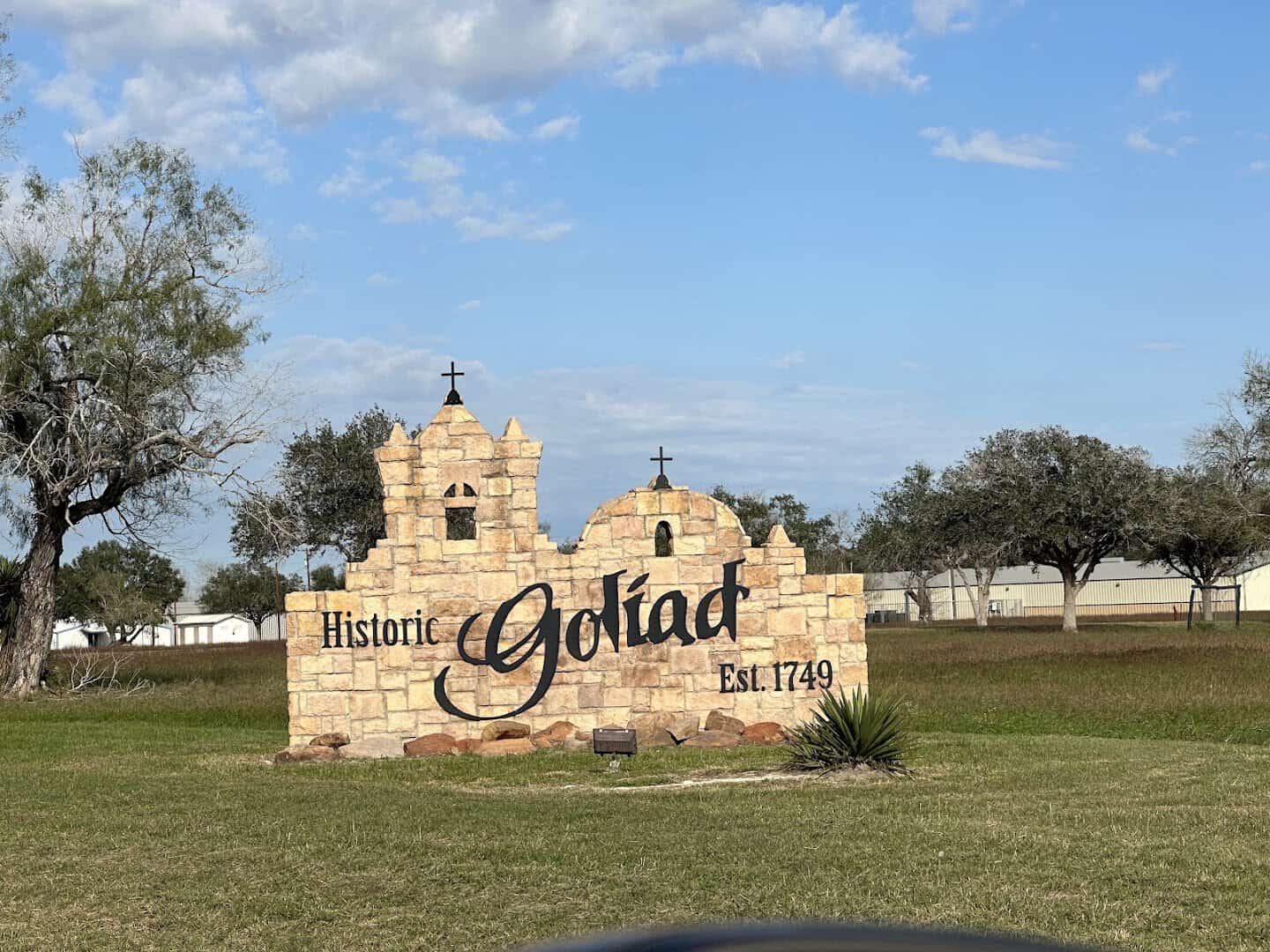
Start at the visitors center in that historic custodian’s cottage. It sets up the whole story of the mission and the old King’s Road, El Camino Real de los Tejas.
The staff can point you to whatever you came for, whether that is the paddling put-in or the best bench for birding.
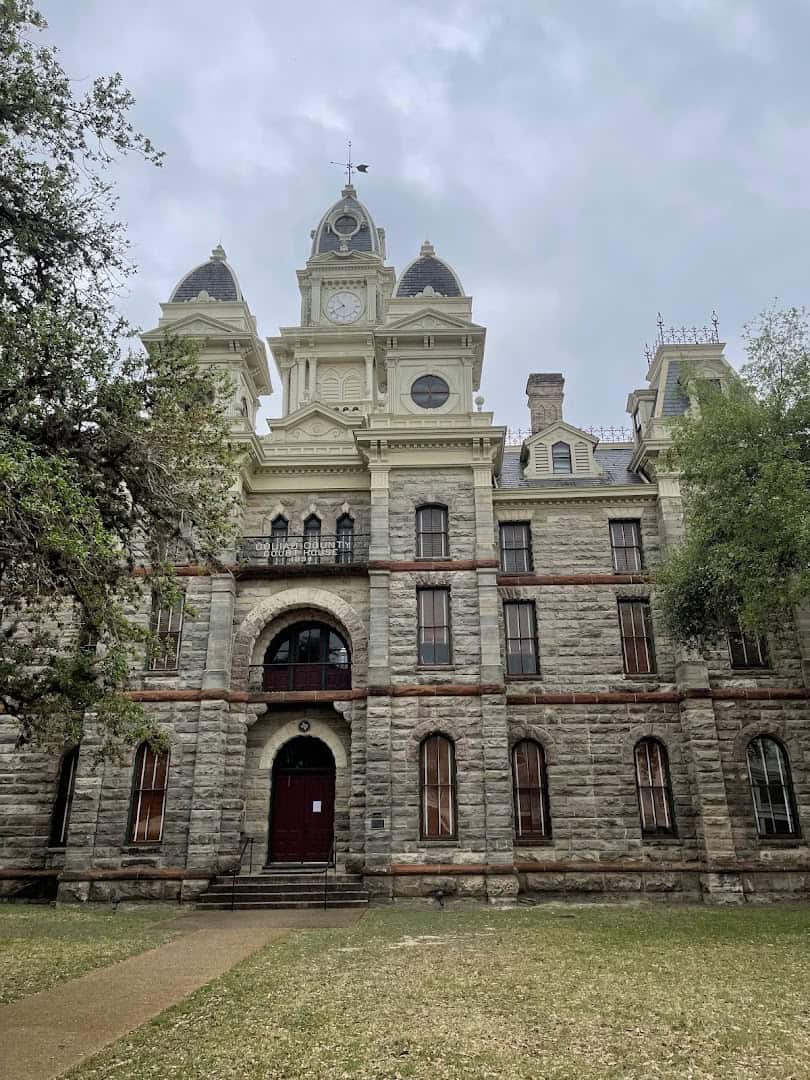
History hunters, you are near more than one site. The ruins of Mission Rosario sit just west of the park, and downtown Goliad, with its courthouse square, is a short hop away. You can easily fill a weekend.
How to Get There
Where: Goliad State Park and Historic Site, 108 Park Road 6, Goliad, TX 77963. The park is about 90 minutes southeast of San Antonio and a straight shot down US-183 into Goliad County.
It makes an easy detour off the highway between San Antonio and the coast, so if you are already road-tripping toward the Gulf, this one barely costs you a turn.
Start Planning Your Goliad Getaway
Some places ask you to choose between history and the outdoors. This one hands you both and asks only four dollars for the privilege.
You get a Spanish mission rebuilt by hand, a green river made for paddling, trails that cross two landscapes, and a bird blind where the cardinals show off.
So pack the binoculars, throw the kayak on the roof, and come see what a crew of old veterans built to last. Just try not to fall so hard for those whitewashed walls that you forget to leave time for the river.
Featured image: kathy palaski via Goliad State Park

Stella Raines
Editor-in-Chief
Stella brings over a decade of storytelling experience to TX Headlines. With roots in West Texas and a love for road trips, she leads the editorial team with an eye for the hidden stories that make Texas unforgettable.
More Stories

These 10 Texas Spots Bloom Into Seas of Bluebonnets Each Spring

This Enchanting Texas Nature Trail Feels Like Hiking Through a Fairytale Forest

This Underrated Texas State Park Gives You a Full Day of Swimming and Hiking for Just $5

This Easy Texas Hike Leads to a Swinging Suspension Bridge Hidden in the Pines
Tags