This Quiet Texas Town Is Home to One of the Most Beautifully Preserved Main Streets in the State
Most Texas main streets got “improved” at some point. Somebody widened the road, somebody else slapped stucco over the brick, and the bank became a vape shop. I have driven through a hundred of them, and I can usually tell in ten seconds what was lost.
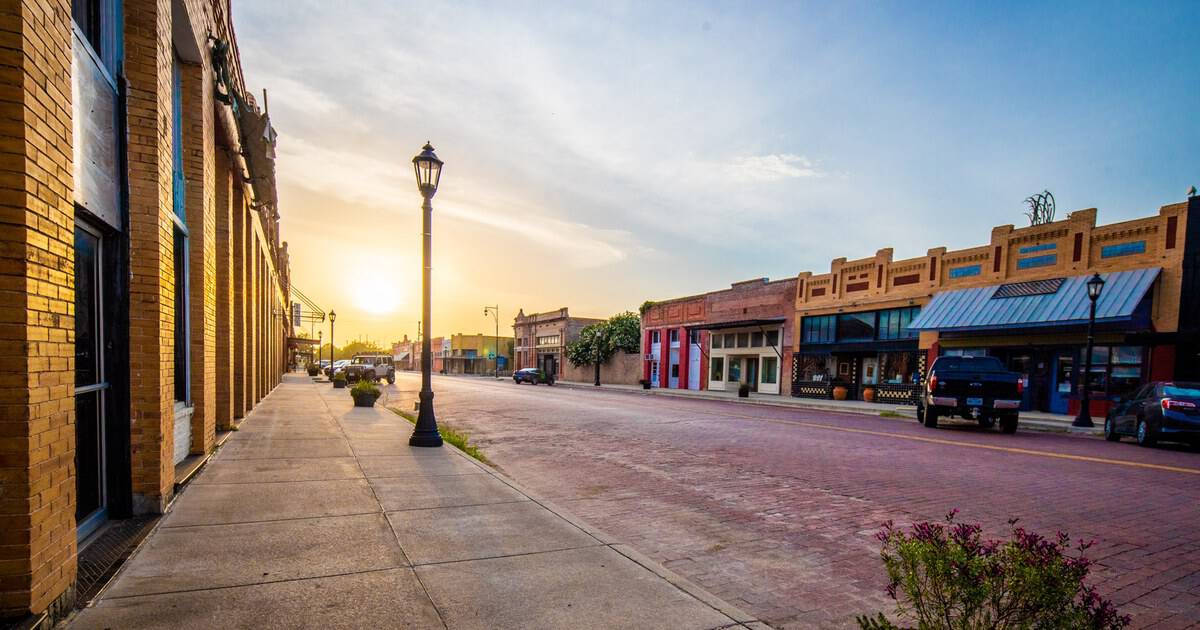
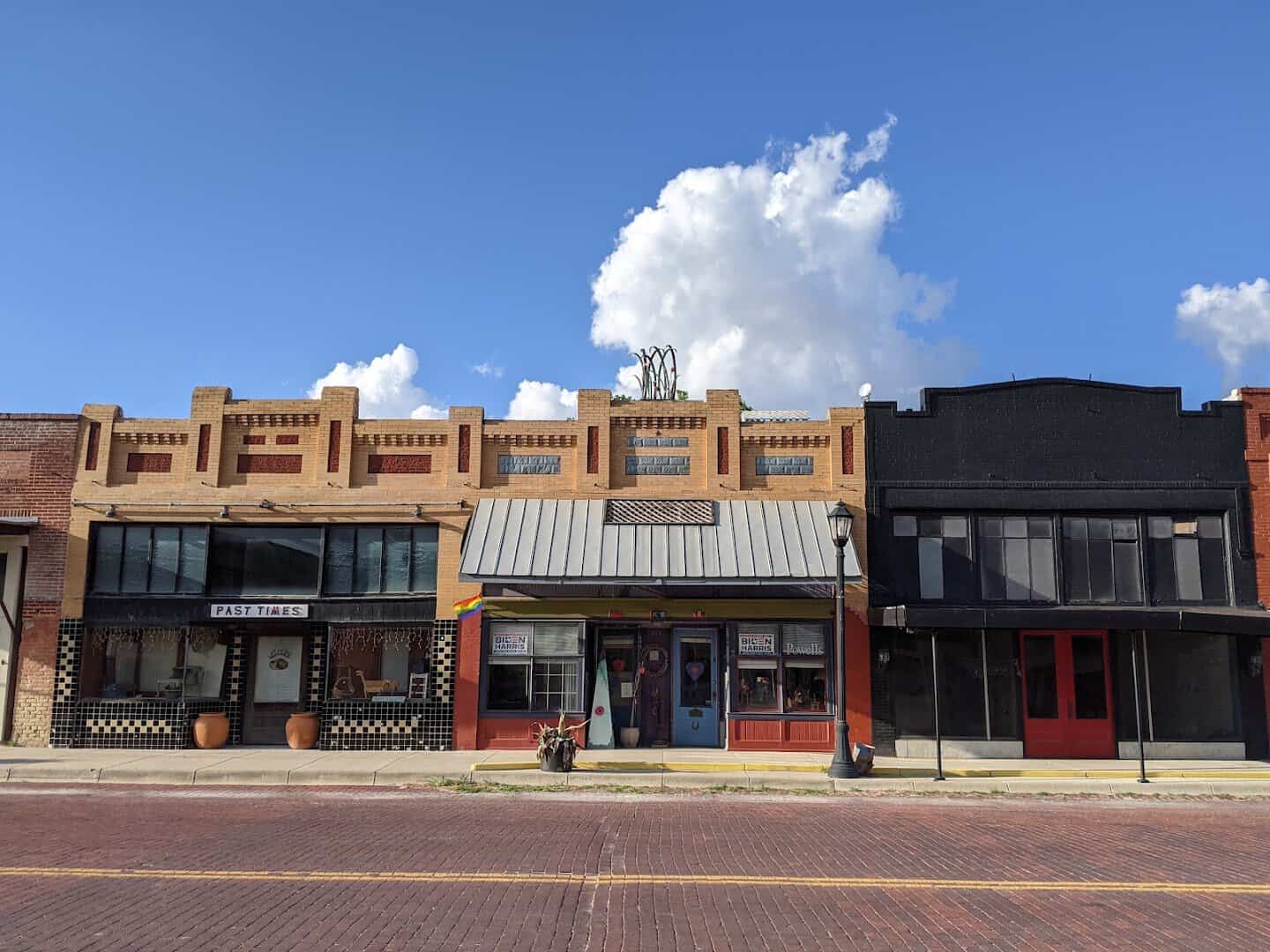
Then there is Bartlett. This little town on the Bell and Williamson county line, about 50 miles northeast of Austin, kept its whole downtown. Two blocks of red brick and stone along East Clark Street, hand-laid paving underfoot, storefronts that still look like 1910 because, well, they are.
Below, I will walk you down that street, tell you how it survived, and give you what you need to plan a slow afternoon there.
A Main Street That Never Got Remodeled
Bartlett’s downtown is officially the Bartlett Commercial Historic District, added to the National Register of Historic Places on September 30, 1980. It runs along East Clark Street, hemmed in by State Highway 95 on one end and the railroad tracks on the other.
Thirty buildings in that stretch count as contributing to the district. That works out to 88 percent of the structures, which is a remarkable ratio for any Texas town. Most historic districts are lucky to hit half.
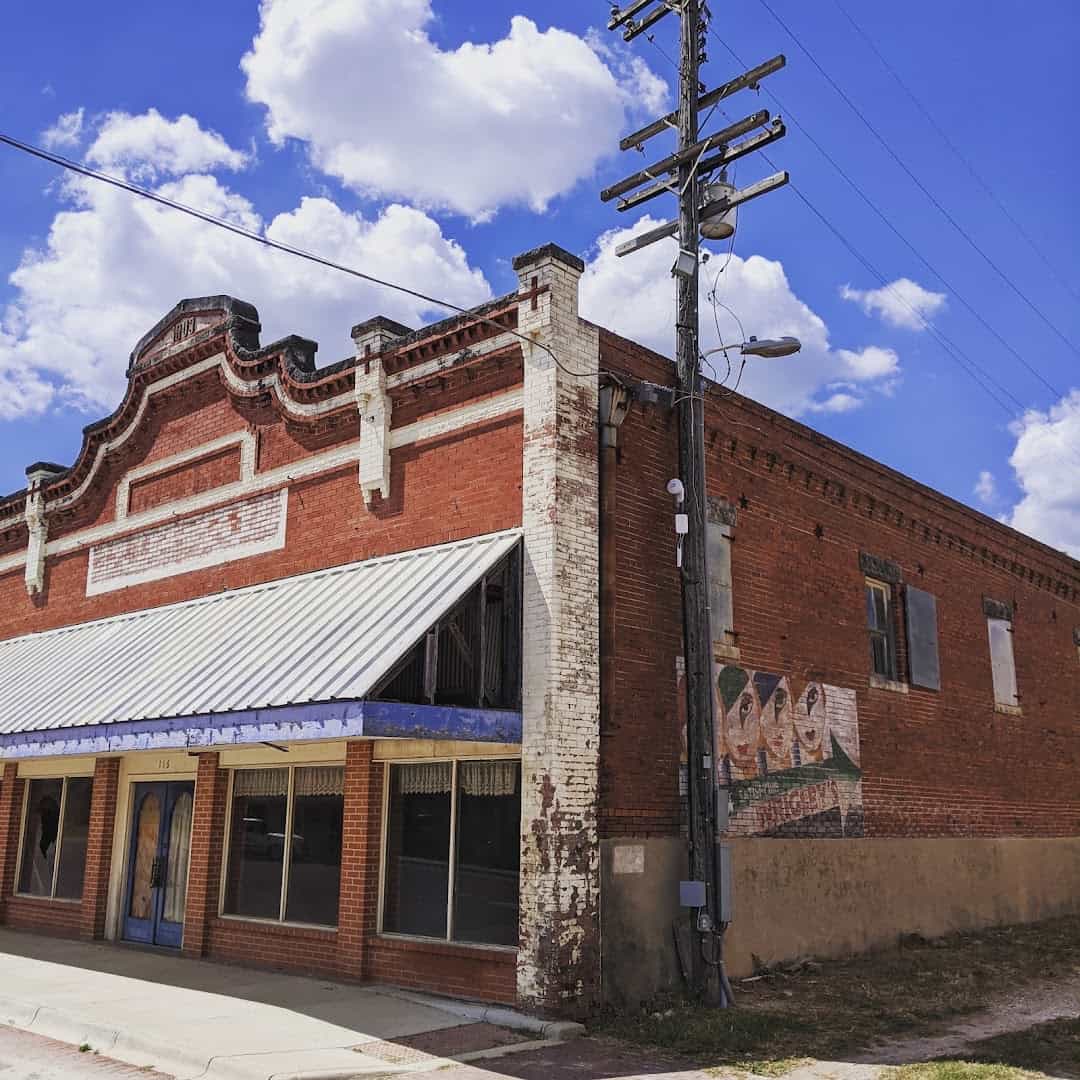
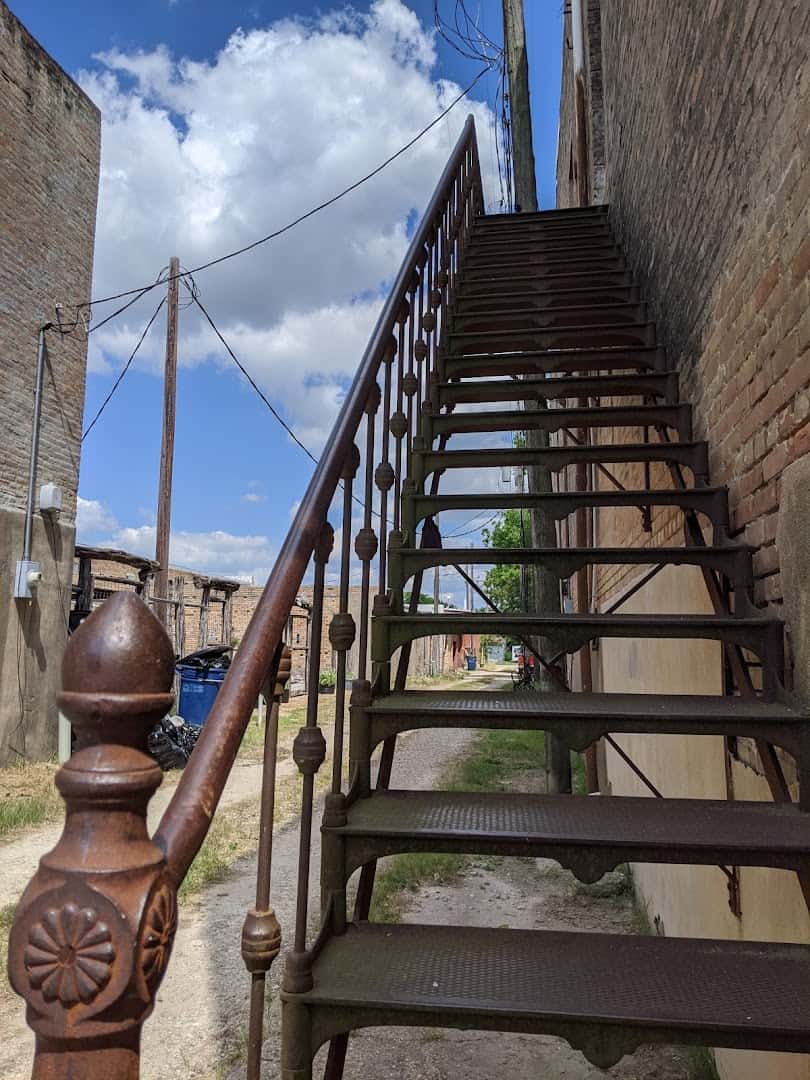
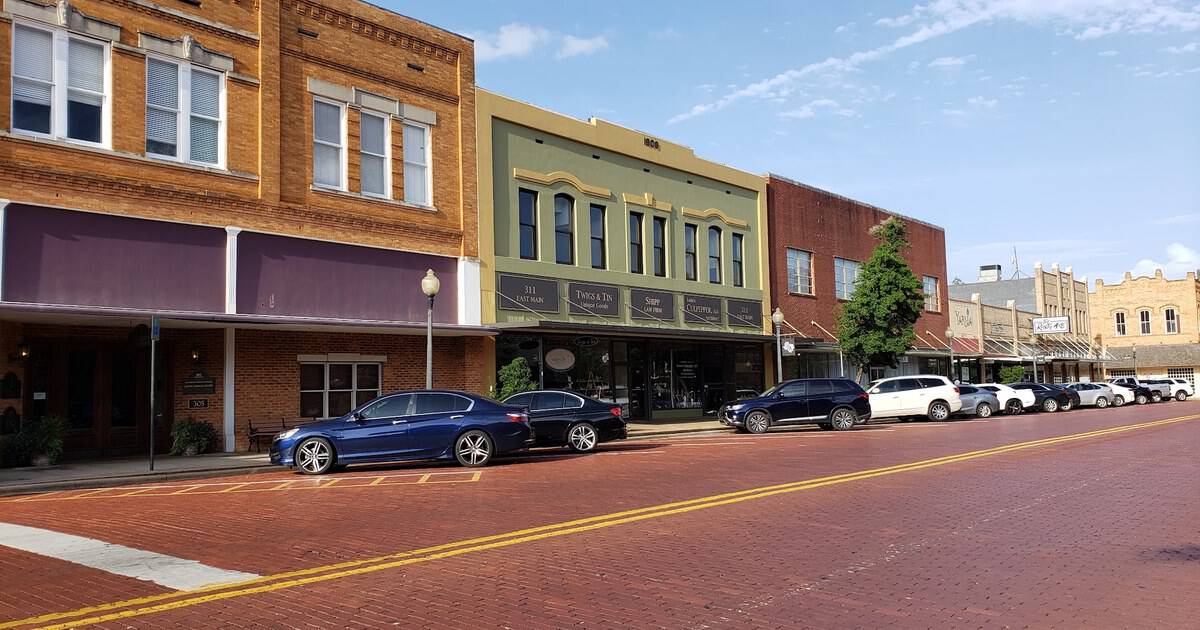
The styles are what preservation folks call Early Commercial and Beaux Arts. In plain English, that means tall brick facades with decorative cornices, arched windows on the second floors, cast-iron details, and painted names above the doors that have faded to a whisper.
What I love about the street, even in photographs, is the scale. The buildings are two stories, the road is wide, and nothing modern breaks the line. You can stand at one end and see the whole thing in a single frame.
The town’s tourism site has started calling Bartlett “the most photographed town in Texas.” That is a bold claim, but spend one golden hour on Clark Street and you will understand why they made it.
The Bricks Under Your Boots
Look down. The paving on East Clark Street is real red brick, laid by hand in 1916 by a paving crew that set each one individually. Most of those original bricks still sit exactly where those workers placed them more than a century ago.
The National Register paperwork singles out that brick as one of the district’s defining features. The red road ties visually into the red masonry buildings on both sides, so the whole block reads as one piece.
The brick does not stop downtown, either. It runs on down Clark Street toward the edge of town, and in spots where later asphalt has worn thin, near the tracks and by City Hall, the old surface shows through like a secret.
Pro tip: walk it early in the morning or late in the day. Brick throws warm light back up at the buildings when the sun is low, and the street empties out to the point where you can hear your own footsteps.
Cotton Money Built This
None of this happened by accident. Bartlett exists because the Missouri, Kansas and Texas Railway, the Katy, surveyed a route through here in 1881. Two local landowners, John T. Bartlett and J. E. Pietzsch, donated land for a townsite, and the town took Bartlett’s name.
Lots went on sale that same year. By the time the tracks arrived in 1882 there were two stores. By 1884 the town had 300 residents, a cotton gin, a hotel, a meat market, four churches, and a school, and it was already shipping wool and cotton out by rail.
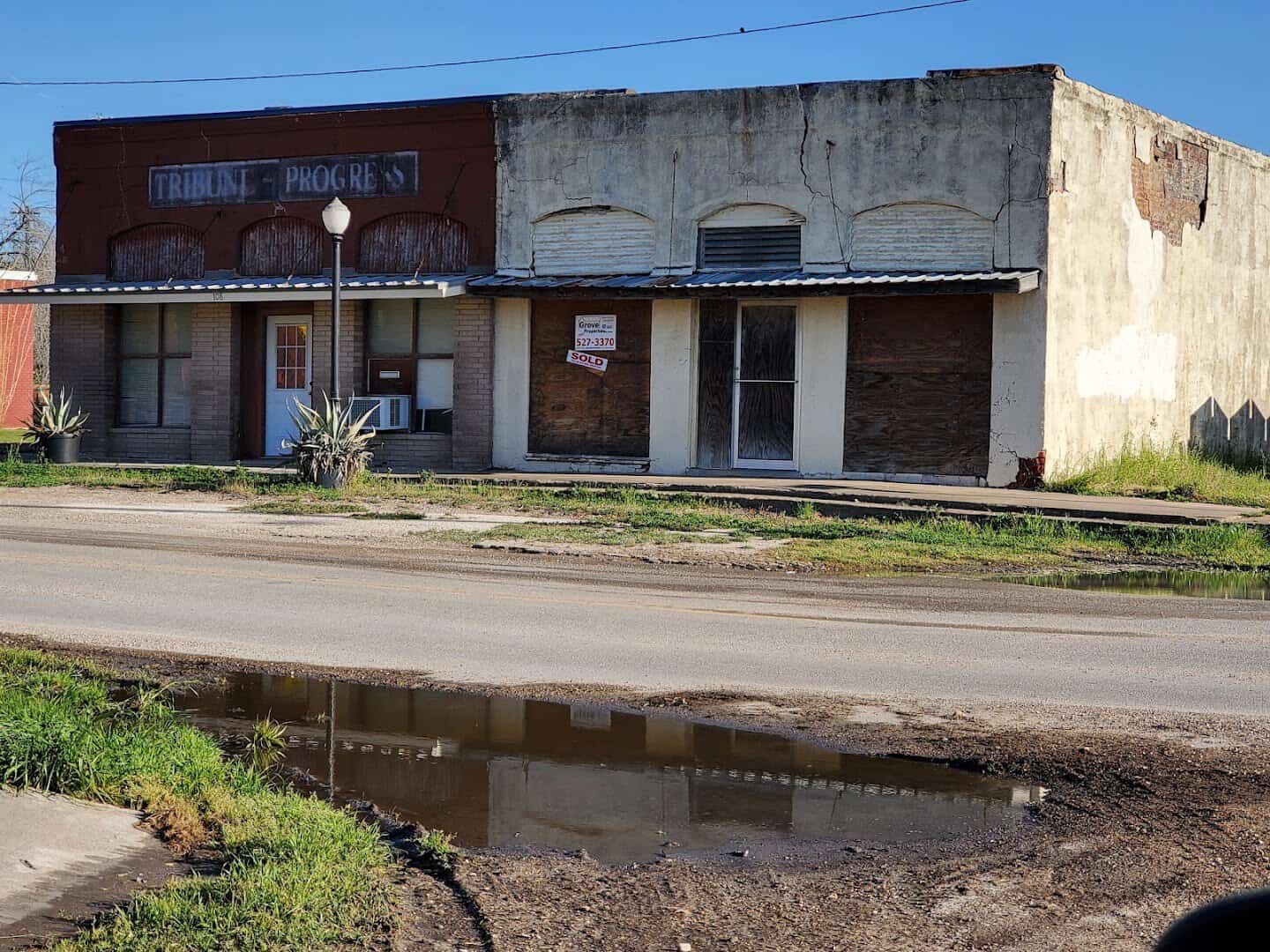
Bartlett incorporated in 1890 with a bank, a waterworks, a Masonic lodge, and two weekly newspapers, the Democrat and the Tribune. Two papers for a town that size tells you how much money was moving through.
The peak came in 1914. Bartlett had about 2,200 people, three banks, three cotton gins, and electric lights. The town even fielded a minor league baseball team, the Bartlett Bearcats, and future Hall of Famer Ross Youngs played for them in 1915.
In 1909 the town launched its own short line, the Bartlett Western Railway, which ran about 23 miles west to Florence. Locals were proud enough of that little railroad to keep it running until 1935.
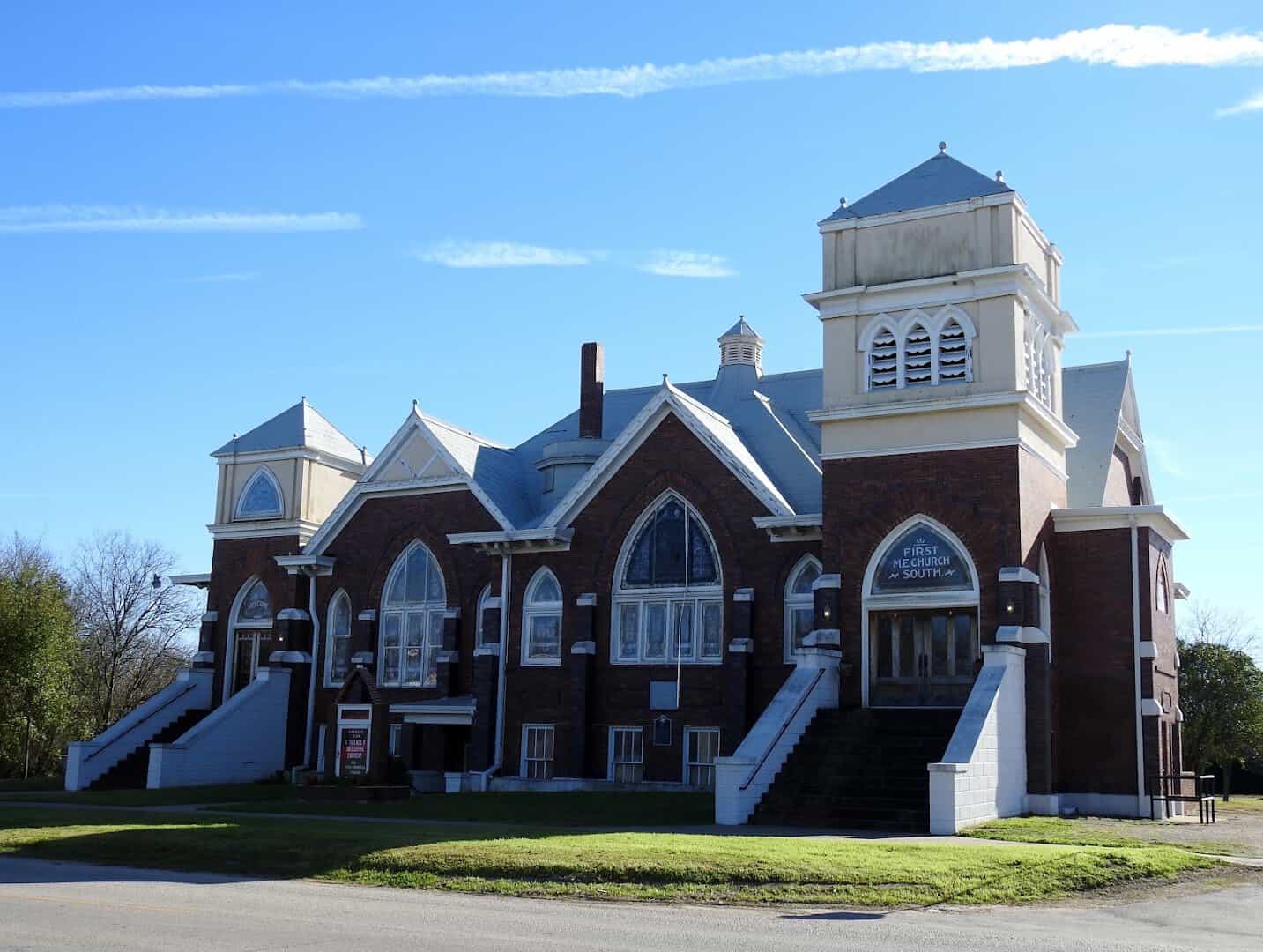
The fine brick buildings you see today went up during those boom years, when cotton merchants and bankers wanted their storefronts to look as prosperous as their ledgers.
Why It Survived Untouched
Here is the part that sounds sad and turned out to be a gift. When the boll weevil and the Depression wrecked the cotton economy in the 1920s and 1930s, Bartlett’s growth stopped. By 1931 the population had slipped to 1,873.
Because nobody had the money to tear down and rebuild, nobody did. The storefronts sat, some empty, some quietly used, for decades. Highway traffic shifted elsewhere. Bartlett was skipped by the kind of progress that erases a downtown.
Carole White, who grew up in town in the 1960s, told the San Antonio Report that back then “there were no empty buildings.” The buildings emptied slowly, but they stood. That is the whole reason you can see them now.
Did you know? The 2020 census counted 1,633 people in Bartlett, fewer than lived here in 1914. The town is smaller than it was at its height, and its main street is grander than most towns ten times its size.
Hollywood Keeps Showing Up
Film scouts figured out Bartlett long before travel writers did. If you need a Texas town that looks like 1920 without a single modern sign in the shot, Clark Street is one of the few places left that delivers.
The Stars Fell on Henrietta shot here in the 1990s. So did The Newton Boys, Richard Linklater’s 1998 outlaw film with Matthew McConaughey, which used the town for its period street scenes.
Television followed. NBC’s Revolution filmed much of its second season around Bartlett and nearby Granger. Fear the Walking Dead used the town too, which makes sense, since an empty historic main street is exactly what a zombie show needs.
The biggest recent visitor was Paramount’s 1923, the Yellowstone prequel. In August 2024 the crew dressed Evie Street, which crosses Clark in the middle of the district, as Anadarko, Oklahoma, complete with vintage storefronts and period vehicles.
My favorite thing about this is that the crews barely have to change anything. They cover a few signs and park some old trucks, and the town does the rest. That is how intact this place is.
The New Life on Clark Street
Bartlett is not a museum, and it is not standing still. Starting in mid-2019, a real estate investor named Robert Zalkin, originally from Liberty, New York, began buying downtown buildings. He ended up with around 15 of them, most of Clark Street.
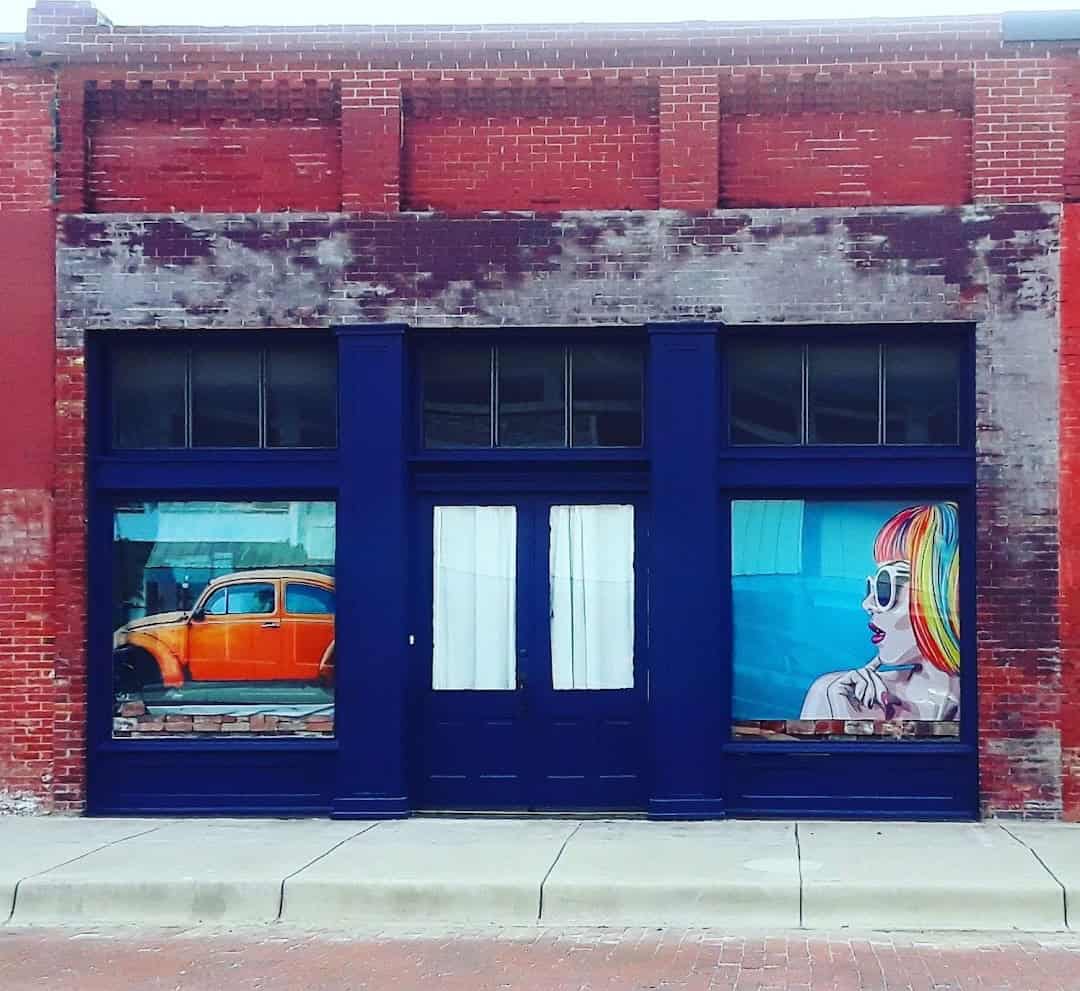
He told the San Antonio Report, “When I stepped out of the car in Bartlett I’m like, wow, this is something special.” His plan is a community of artists and craftspeople in the old storefronts, and Austin’s ICOSA Collective has already staged art shows in them.
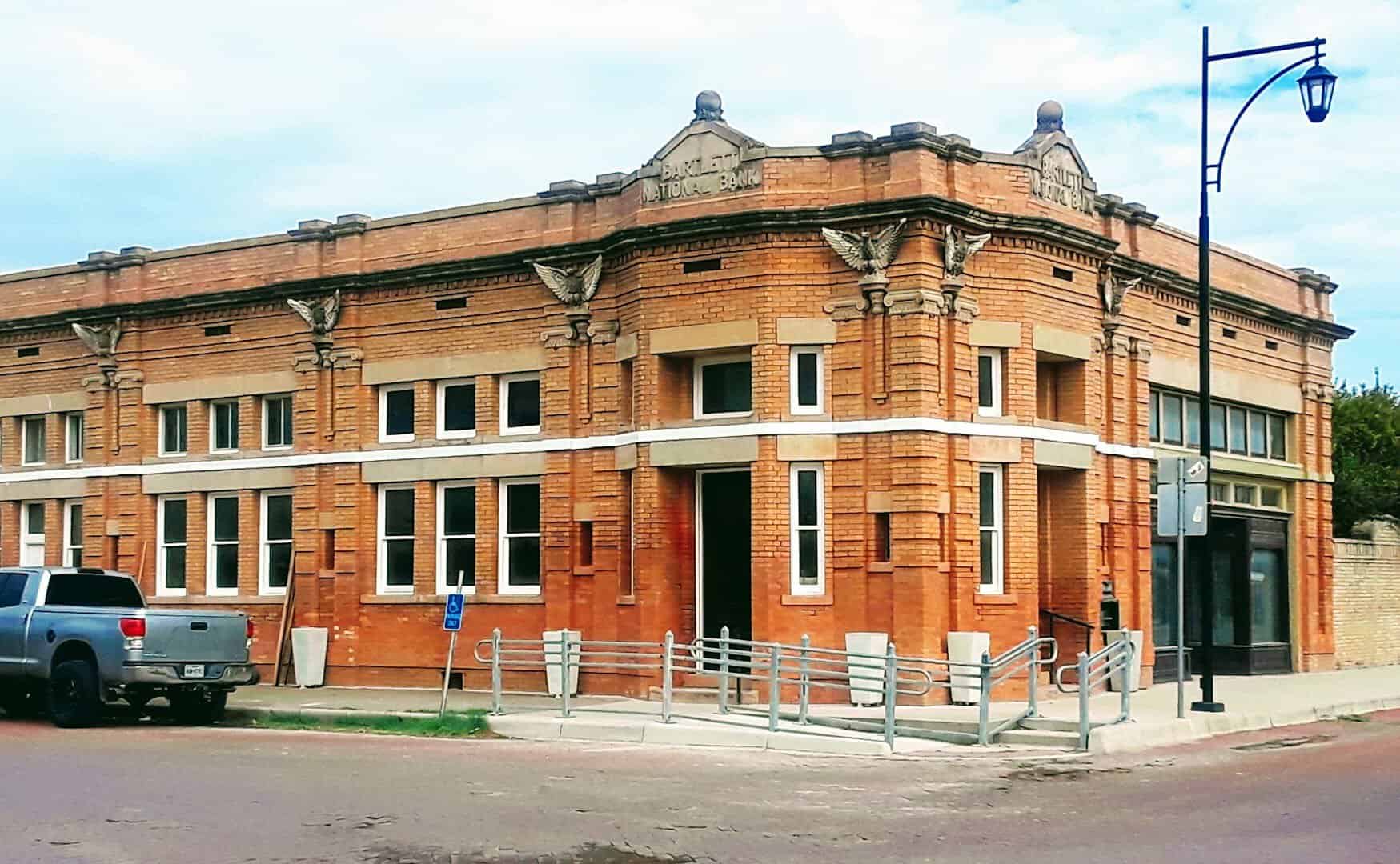
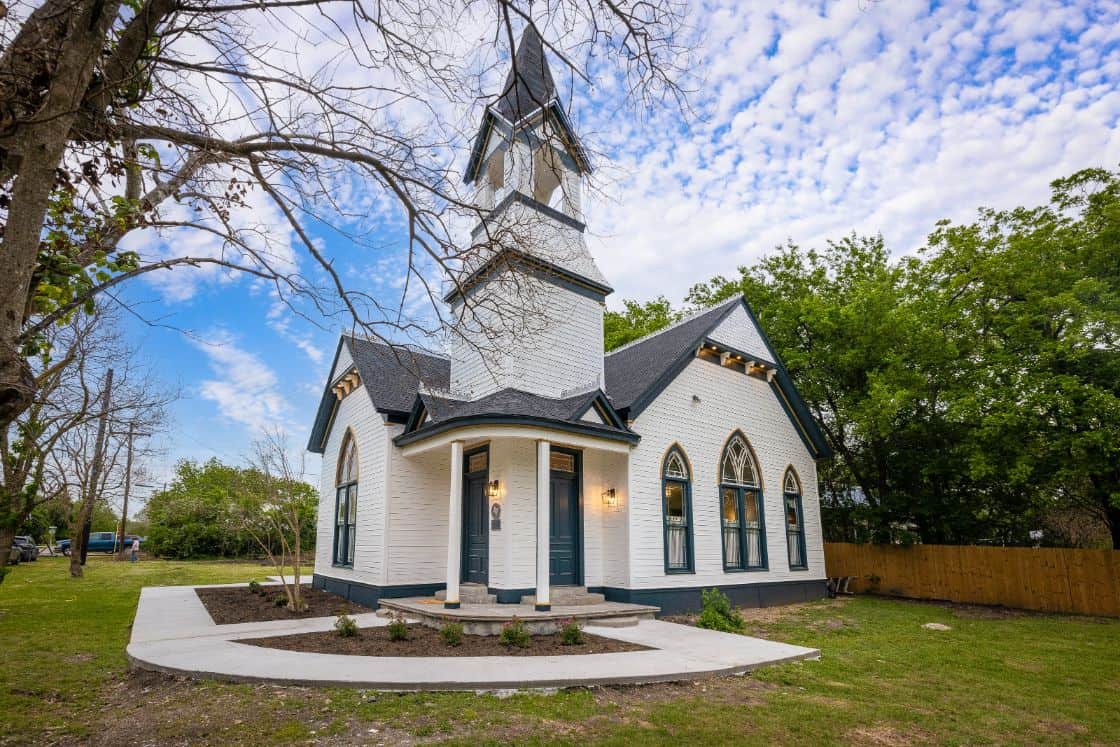
The prettiest restoration on the block is the Bartlett National Bank at the corner of Clark and Evie. Built in 1904 and closed by the mid-1930s, it sat empty for generations. Realtor Jennifer Welch turned it into a guest house you can book.
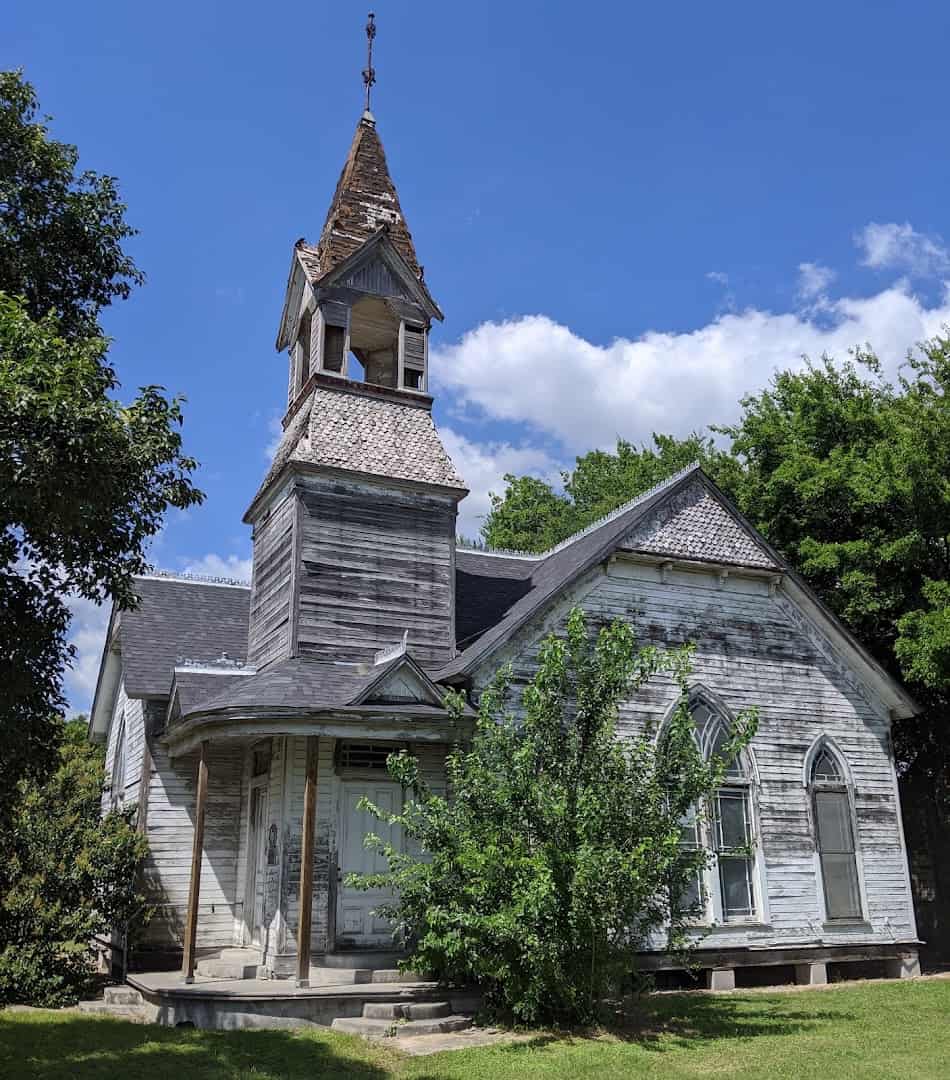
The kitchen sits where the tellers once stood, and the teller walls are still there. The old banker’s offices are now bedrooms. Welch also converted the 1899 First Presbyterian Church a few blocks away into another rental, so you can sleep in either a bank or a sanctuary.
Come hungry on a weekend and look for Perez BBQ, run by Sarah and John Perez. It is the kind of small-town smokehouse where the line forms before the doors open.
A coffee shop and a handful of small stores round out the block, though they come and go, so check the town’s tourism site before you drive.
What to Look for on Your Walk
Start at the highway end of East Clark Street and walk west toward the tracks. Give yourself an hour, even though the district is only two blocks, because you will keep stopping.
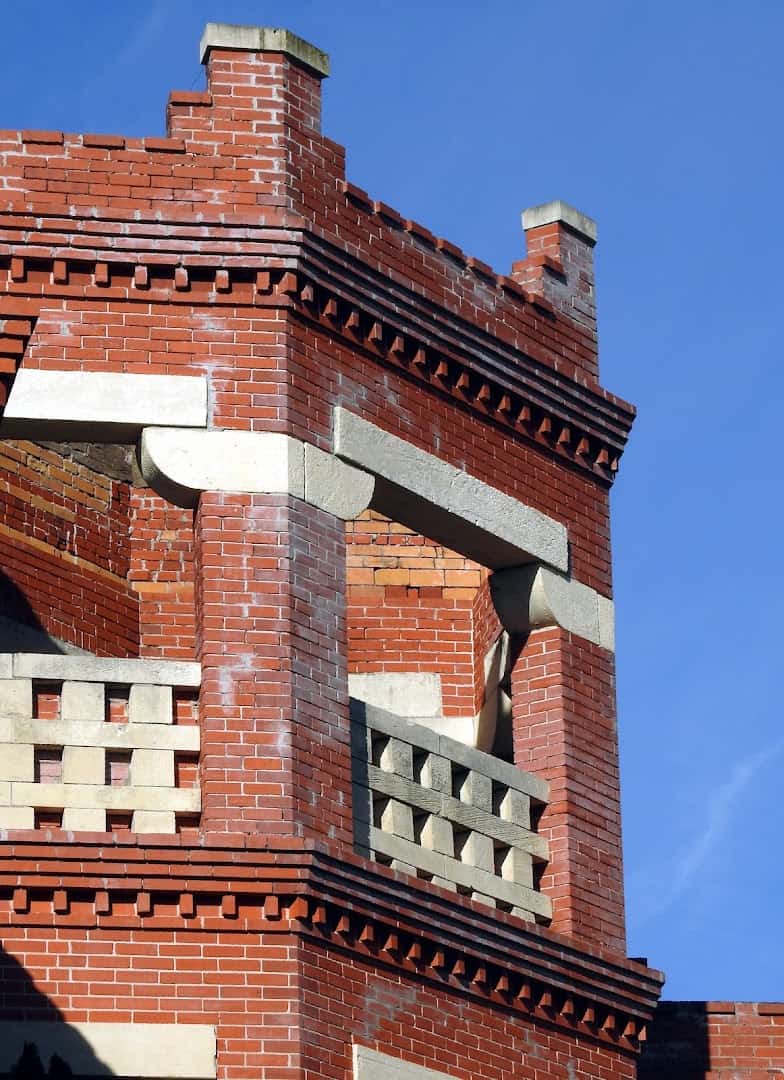
Look up at the cornices. Several buildings carry decorative brickwork and pressed metal trim along the roofline, and a few still have the original date or owner’s name worked into the facade.
Look for ghost signs, the faded painted advertisements on brick side walls. They are easiest to read in flat morning light, and they are the closest thing to a time machine a small town can offer.
Turn onto Evie Street where it crosses Clark. This is the intersection that 1923 dressed up as Oklahoma, and the bank building anchoring the corner is the most photographed single structure in town.
Bring a real camera or at least clean your phone lens. There is a reason production designers love this street, and the same reason makes for the best small-town photos you will take all year.
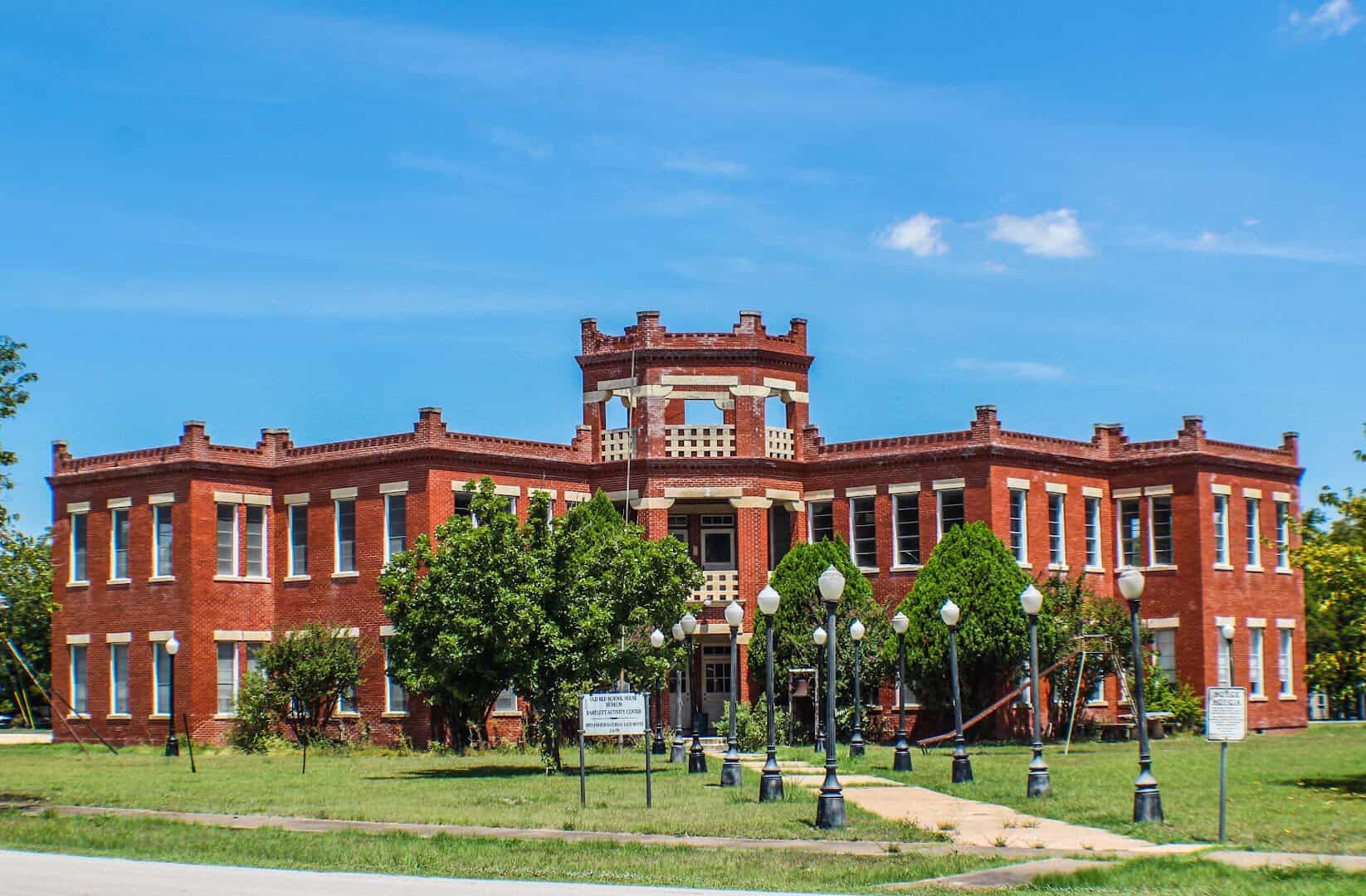
For a dose of the town’s own memory, the Bartlett Activities Center and Historical Society keeps a museum in the Old Red School House, with yellowing archives, portraits of early town leaders, and period furniture. Hours vary, so call ahead.
When to Go and What to Pair It With
Spring and fall are the sweet spots. From March through May the fields around town go green and the drive in on State Highway 95 is lovely. October and November bring cooler walking weather and that low, gold light.
Summer works too if you go early. The brick radiates heat by mid-afternoon, and there is not a lot of shade on Clark Street, so plan your walk for before ten.
Bartlett is small, so make it part of a bigger day. Georgetown and its famous courthouse square sit about 30 minutes southwest. Taylor, with its own brick downtown and serious barbecue, is a short drive south. Temple is 24 miles north.
I would build the day like this: breakfast in Georgetown, a slow late-morning walk of Clark Street, lunch at whatever is smoking in Bartlett or Taylor, and an afternoon of antiques on the way home.
Tip: if you want the street to yourself, go on a weekday. Weekends bring photographers and the occasional film crew, which is fun to watch but not the quiet the town is famous for.
How to Get There
Where: East Clark Street (the historic district runs between State Highway 95 and the railroad tracks), Bartlett, TX 76511. City Hall is at 140 W. Clark Street if you need a landmark.
From Austin, take Interstate 35 north to Georgetown, then State Highway 29 east and State Highway 95 north into Bartlett. The drive is about an hour. From Temple, follow State Highway 95 south for roughly 25 minutes.
Parking is free and easy along Clark Street and the side streets. Everything in the district is walkable, and the sidewalks are flat.
Go Before Everyone Else Finds It
Bartlett is the rare Texas town that got frozen at its best moment. The bricks are original, the bank is a bed, and the storefronts still wear their 1910 faces. Filmmakers already know. Now you do too.
So pick a clear morning, point the car up Highway 95, and walk two blocks that most of Texas has forgotten. Bring a camera, bring an appetite, and take your time. This street has waited a hundred years for you.
Featured image: Bartlett Secrets

Stella Raines
Editor-in-Chief
Stella brings over a decade of storytelling experience to TX Headlines. With roots in West Texas and a love for road trips, she leads the editorial team with an eye for the hidden stories that make Texas unforgettable.
More Stories
Tags