This Massive Central Texas Lake Was Built Over an Entire Abandoned Town
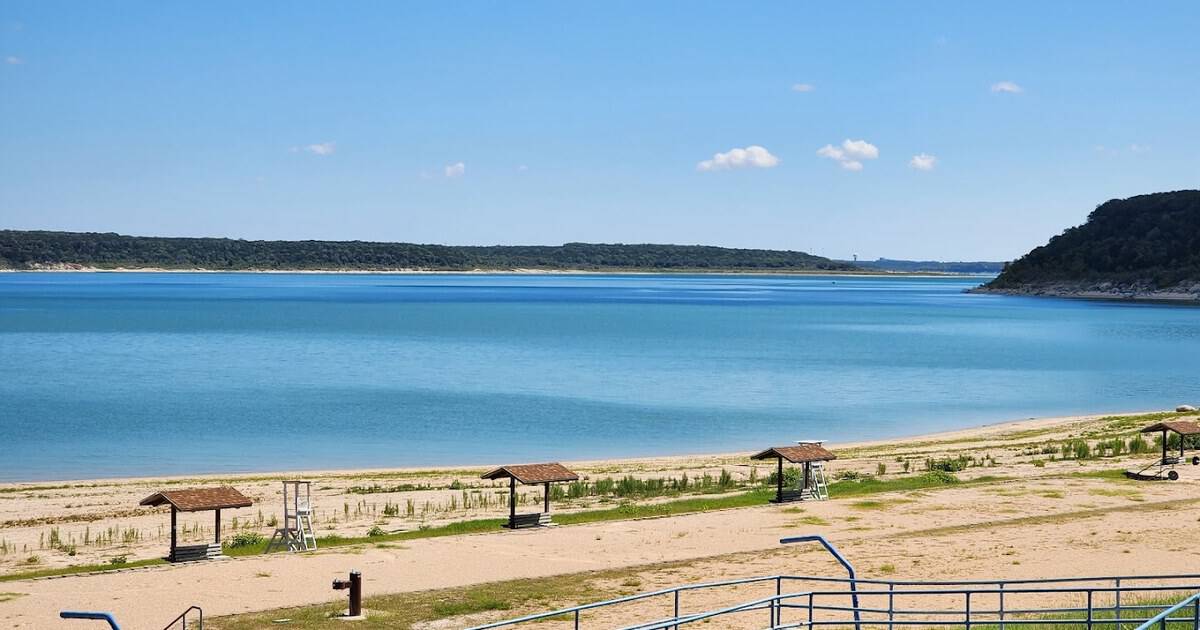
I love a map that is hiding something. You can trace the blue shape of a lake with your finger, count the marinas and the boat ramps, and still miss the fact that a whole neighborhood of front porches and church pews sits quietly under all that water.
That is the strange charm of this sprawling reservoir in Central Texas, better known today as Belton Lake. On the surface it is 12,300 acres of open blue with 136 miles of shoreline.
It is a summer playground for families from Belton, Temple, and Killeen. Underneath all that blue, though, it holds the bones of a farming valley that people once called home.
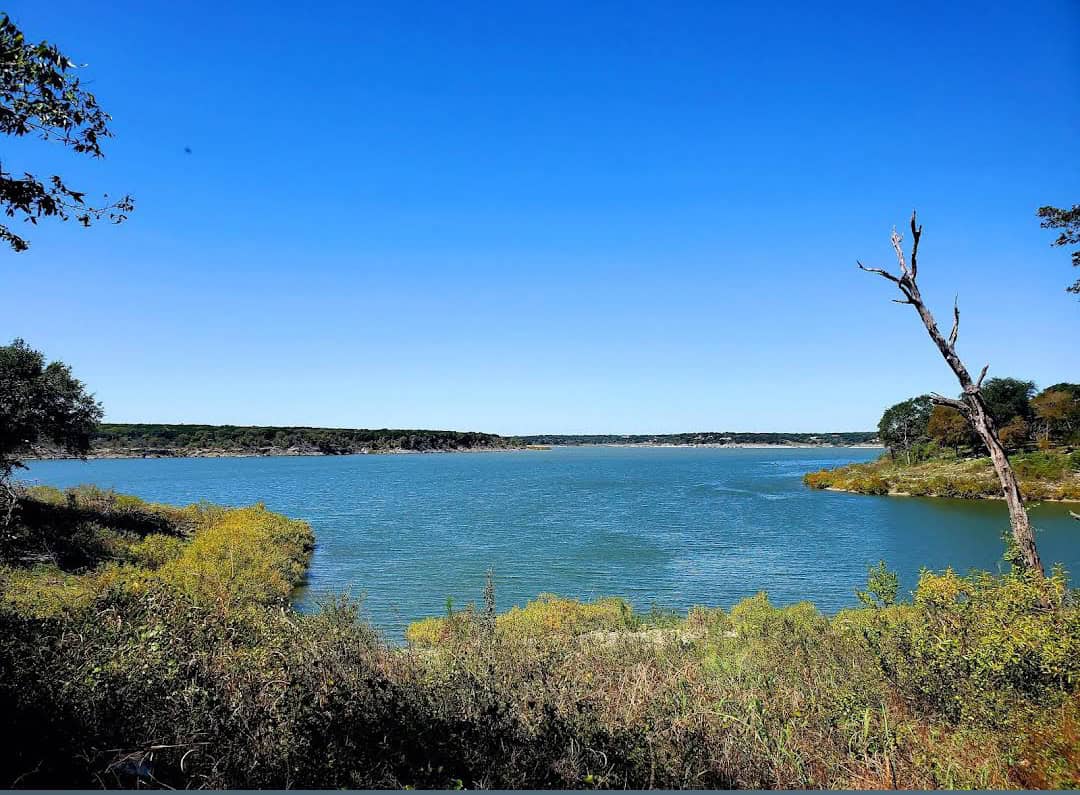
Below, we will get into the towns that vanished, the flood that made them disappear, and why this enormous lake is still one of the best places in the state to spend a hot afternoon.
A Lake That Swallowed a Valley
Belton Lake stretches across Bell and Coryell Counties, fed by the Leon River. At full pool it covers more than 12,000 acres, and the water runs deep, dropping to around 124 feet at its lowest point near the dam.
That is a lot of Texas to fill with water. And before it was a lake, all of that was land, dotted with farms, mills, one-room schools, and little country churches.
Stand on the shoreline today and you would never guess it. The coves look timeless, the limestone bluffs look like they have always watched over open water. But this whole basin was dry, green, and lived-in less than a lifetime ago.
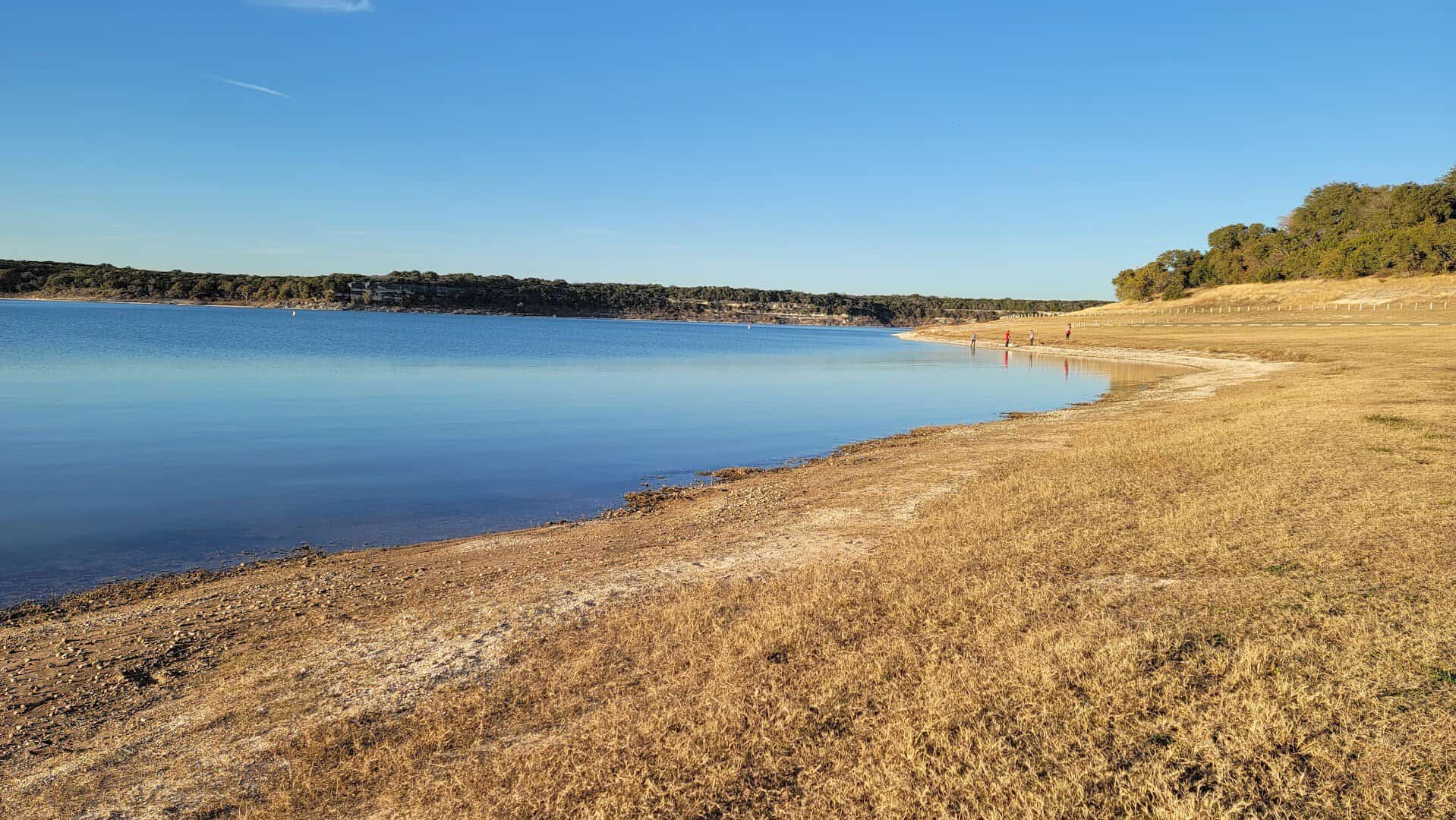
Sixteen small communities once spread across the valley. Their names still turn up on old county maps: Tennessee Valley, Old Aiken, Brookhaven, Pokerville, and the one people remember best, Sparta.
Sparta and the Town They Called Pokerville
Sparta was the heart of it. It grew up on Cowhouse Creek about nine miles northwest of Belton, and it started, as so many Texas towns did, with a mill built in the late 1860s.
A post office followed in 1873. By 1890 the town had a mill and gin, a general store, a blacksmith shop, and 35 residents. Six years later that number had climbed to 75. In 1903 the schoolhouse counted 52 pupils under a single teacher.
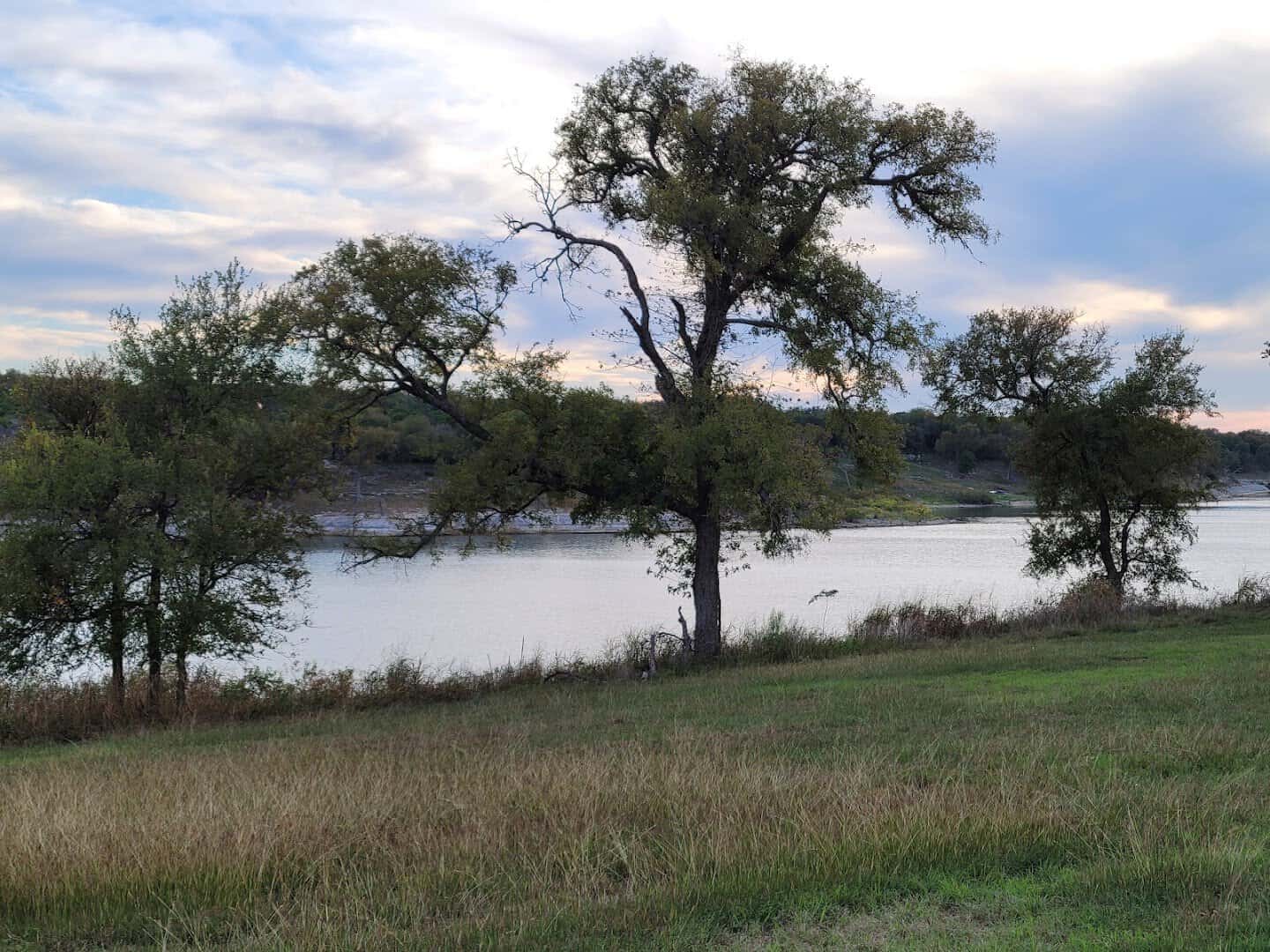
It was never big. But it was a real town, with real Saturdays, real cotton hauled to the gin, and real kids reciting lessons in that one schoolroom.
Time was not kind to it, the way time often is not kind to tiny farm towns. The post office closed in 1920. By 1933 only about 84 people were left, with a single business hanging on.
Even so, the town would not quite quit. As late as 1948, right before the end, Sparta still had two churches, its school, and two businesses. People were still being baptized and buried and taught there when the surveyors arrived.
A few miles away sat a scrappier little settlement with a name that makes people smile. Locals called it Pokerville, after the card games that ran there. When the post office opened in 1894, the town cleaned up its image and took a tamer, more respectable name.
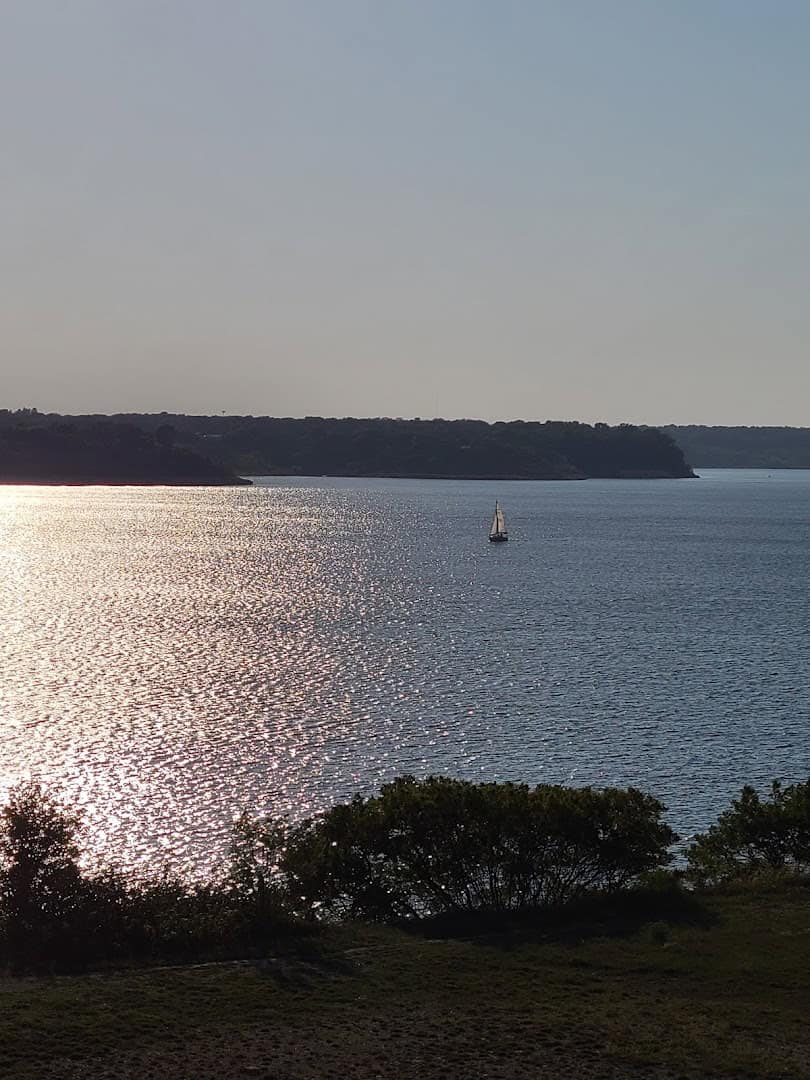
Did you know? A surprising number of the valley’s early families came from Tennessee, which is exactly how the community of Tennessee Valley got its name. They carried the name of home with them and pinned it to the land.
Why They Flooded a Whole Valley
The Leon River was beautiful, and it was also dangerous. It flooded the valley over and over, with disastrous high water striking seven times between 1899 and 1941. When Belton, Temple, and the towns downstream got hit again in the 1940s, patience ran out.
The U.S. Army Corps of Engineers had the answer that was reshaping rivers all over the country: build a dam and turn the floodwater into a reservoir. Work on Belton Dam began in January 1949.
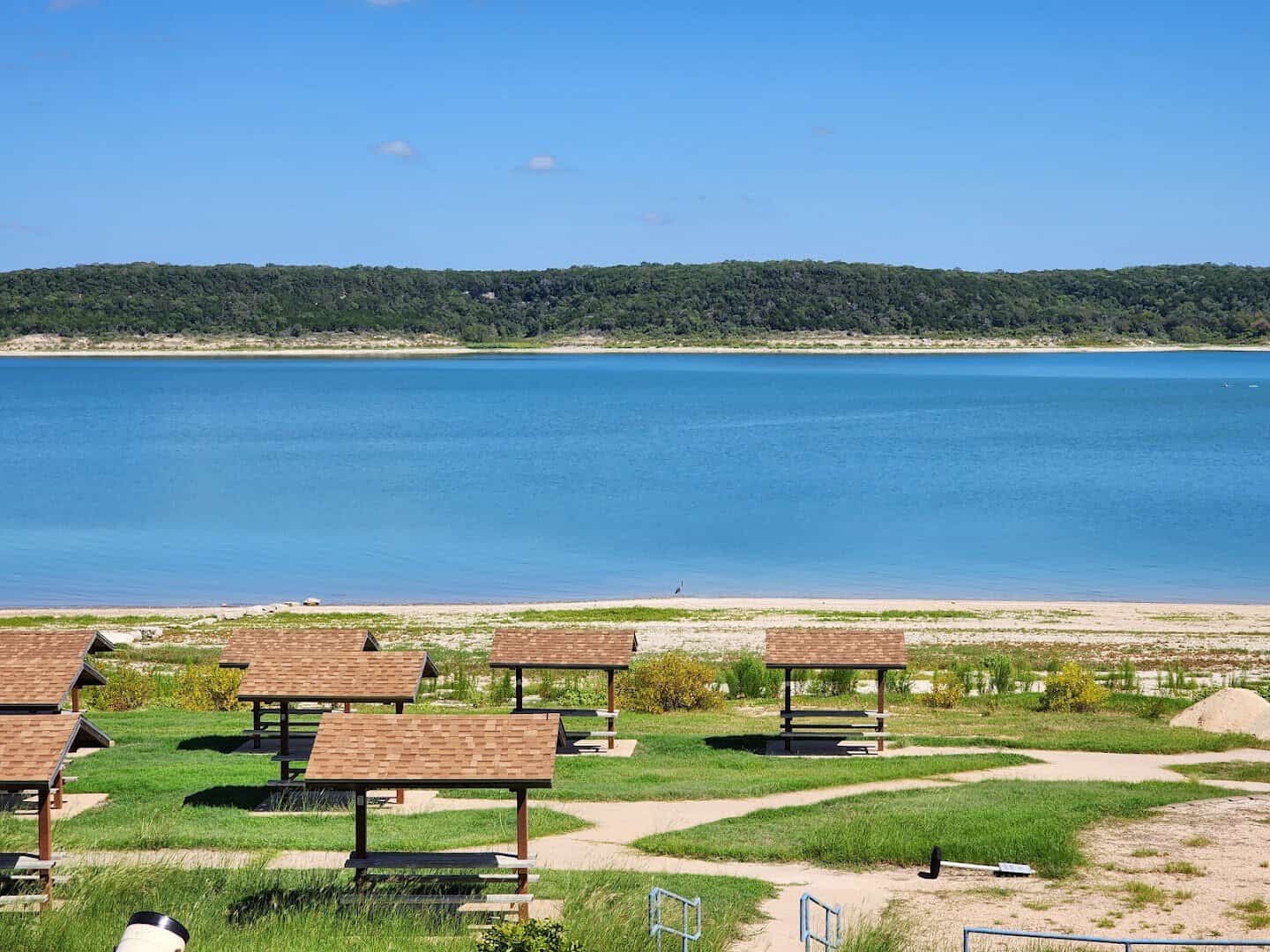
The dam itself is a giant. It is a rolled earthfill structure stretching 5,524 feet across, and it cost a little over 17 million dollars to build, which was serious money in 1950s Texas.
By 1954 the gates closed and the Leon River began backing up behind the wall. The valley filled, slowly at first and then for good, and Belton Lake was born.
The lake was built for four jobs, and it still does all of them: hold back floods, store drinking water, shelter fish and wildlife, and give the whole region somewhere to play.
It is easy, all these decades later, to see only the payoff. The truth is that families packed up houses their grandparents had built and drove away for the last time so that the towns downstream would stop washing away. It was a hard trade, made on purpose.
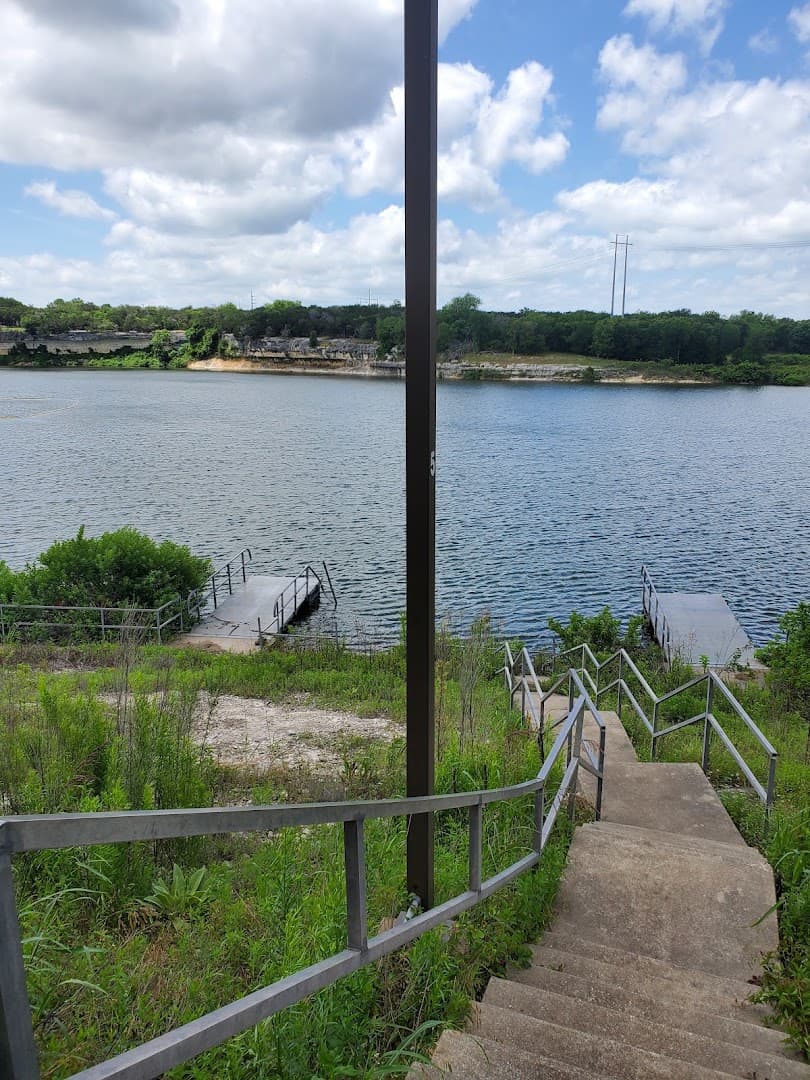
What the Water Still Keeps
Here is the part that gives people chills in the best way. When the engineers knew the valley would flood, they did not simply walk away and let the water take everything.
Fifteen cemeteries stood in the basin, holding roughly 1,150 graves. Crews carefully moved those resting places to higher ground before a drop of the new lake rose over them. It was slow, respectful work, family by family, name by name.
The buildings came down too. What could not be lifted out stayed put, so the concrete slabs and stone foundations of Sparta and its neighbors are still down there, quietly holding the shape of vanished front rooms.
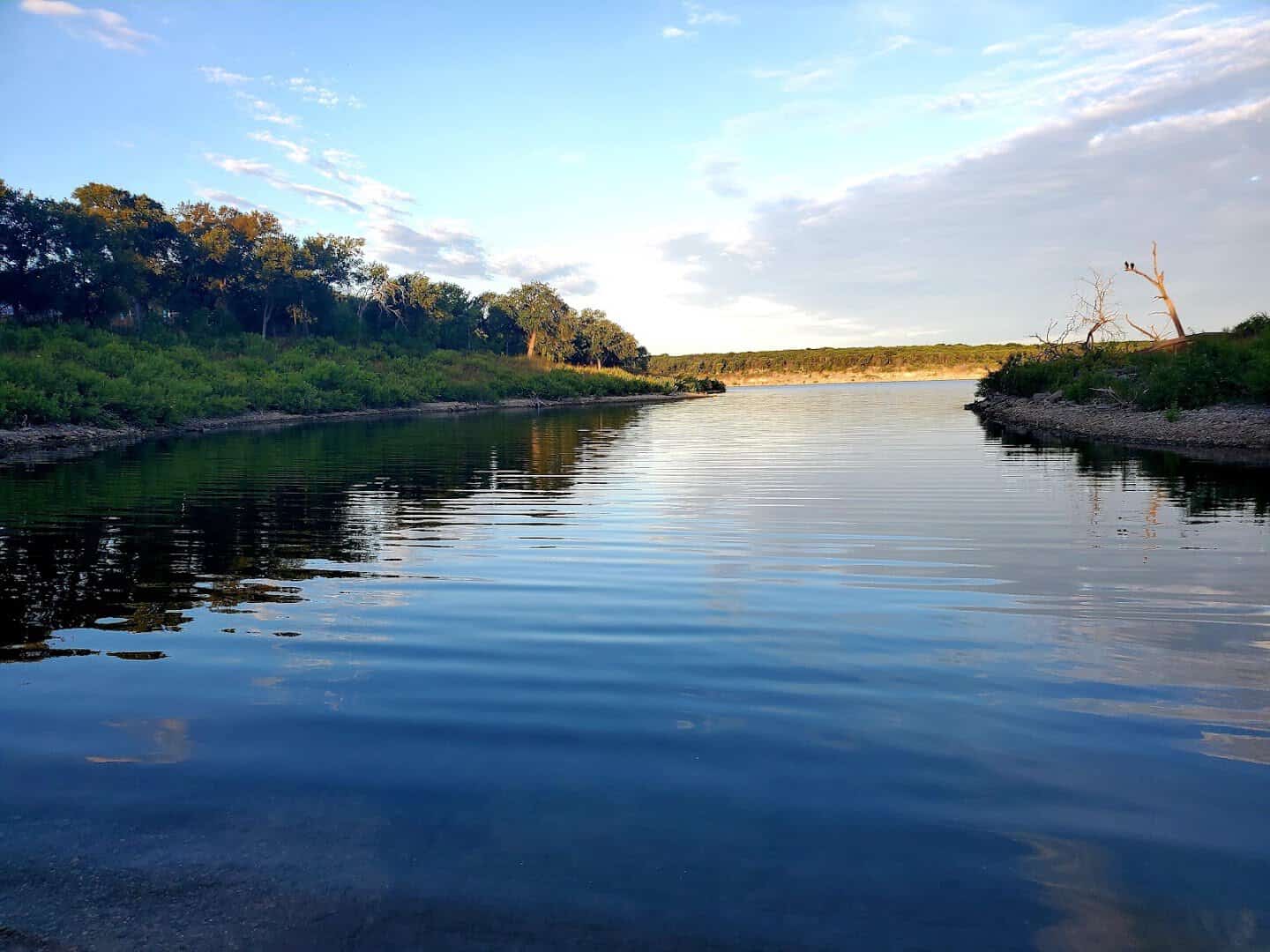
People love to ask whether the town ever peeks back out during a drought. It is a fair question, since other Texas lakes do reveal ghost towns when they drop. Belton, though, keeps its secret close.
Even in 2023, when the lake sank to its lowest level since 1972, the water never fell far enough to uncover Sparta. The old town has stayed under the surface every single day since 1954, which somehow makes it more haunting, not less.
So no, you cannot walk the streets of Sparta. But you can float directly above them, and knowing that changes the whole feel of a lazy afternoon on the water.
Sierra Beach, Water Slides, and a Whole Lot of Play
For all its buried history, Belton Lake is anything but gloomy. This is one of the busiest, happiest recreation lakes in Central Texas, and the crown jewel is the Belton Lake Outdoor Recreation Area, known to everyone around here as BLORA.
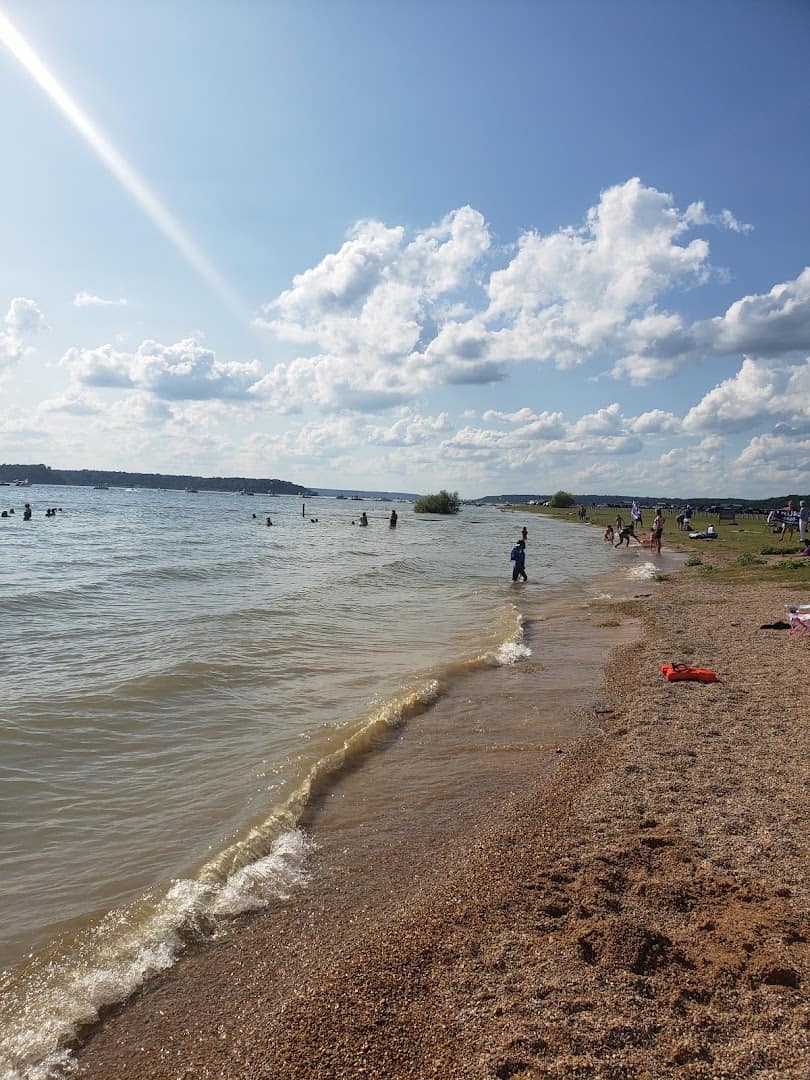
BLORA sits on the shore not far from Fort Cavazos, and it is packed with the kind of stuff that makes kids beg to come back. Day entry runs about 8 dollars if you do not have a military ID, and free if you do.
Sierra Beach gives you a real swimming area, and two water slides more than 300 feet long twist down from a tower into a splash pool.
When you are done swimming, there is a team challenge course with a zipline, a 53-foot climbing wall, and a giant swing. You can rent a paddleboat, book a pontoon, or push off in a kayak and go find your own quiet cove.
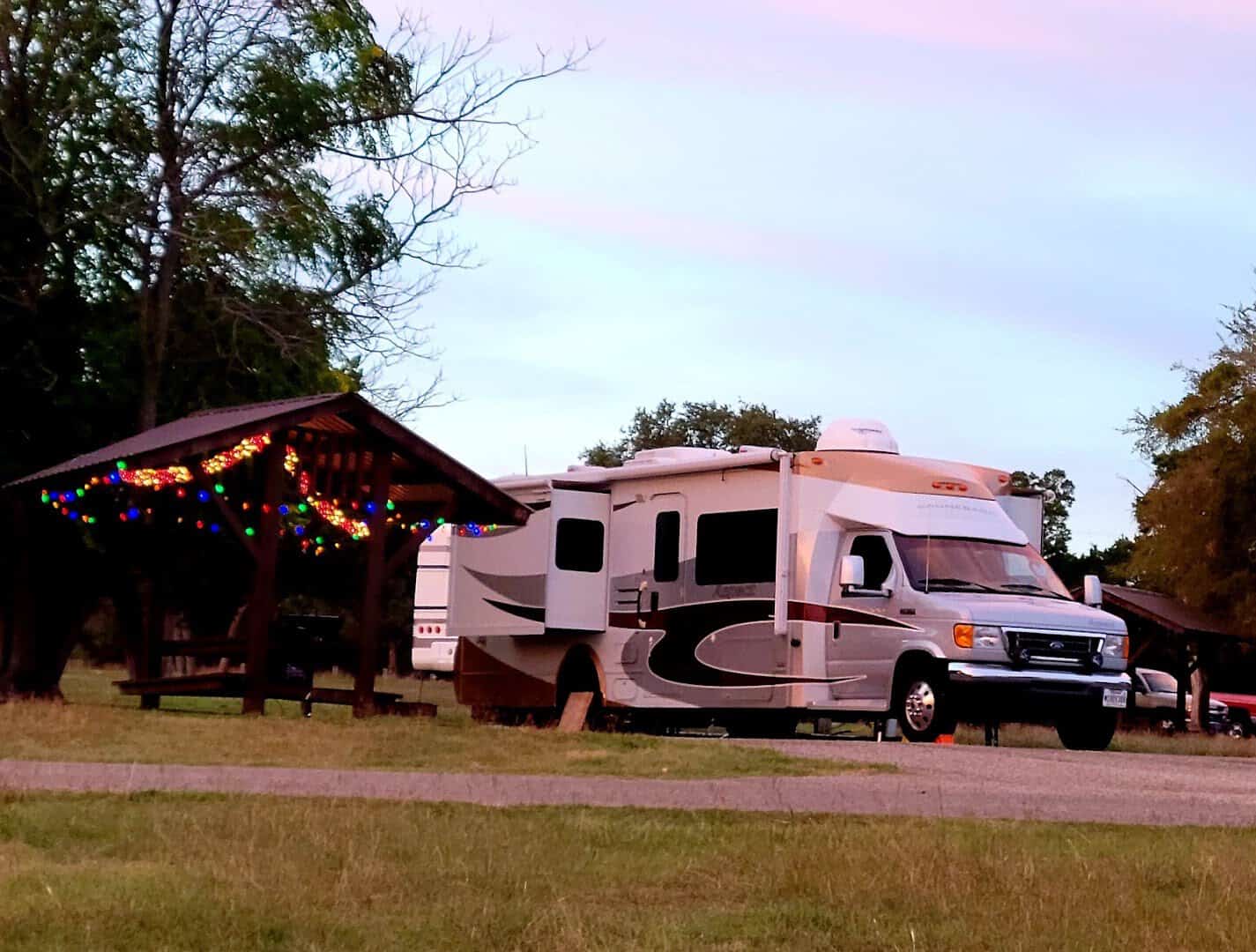
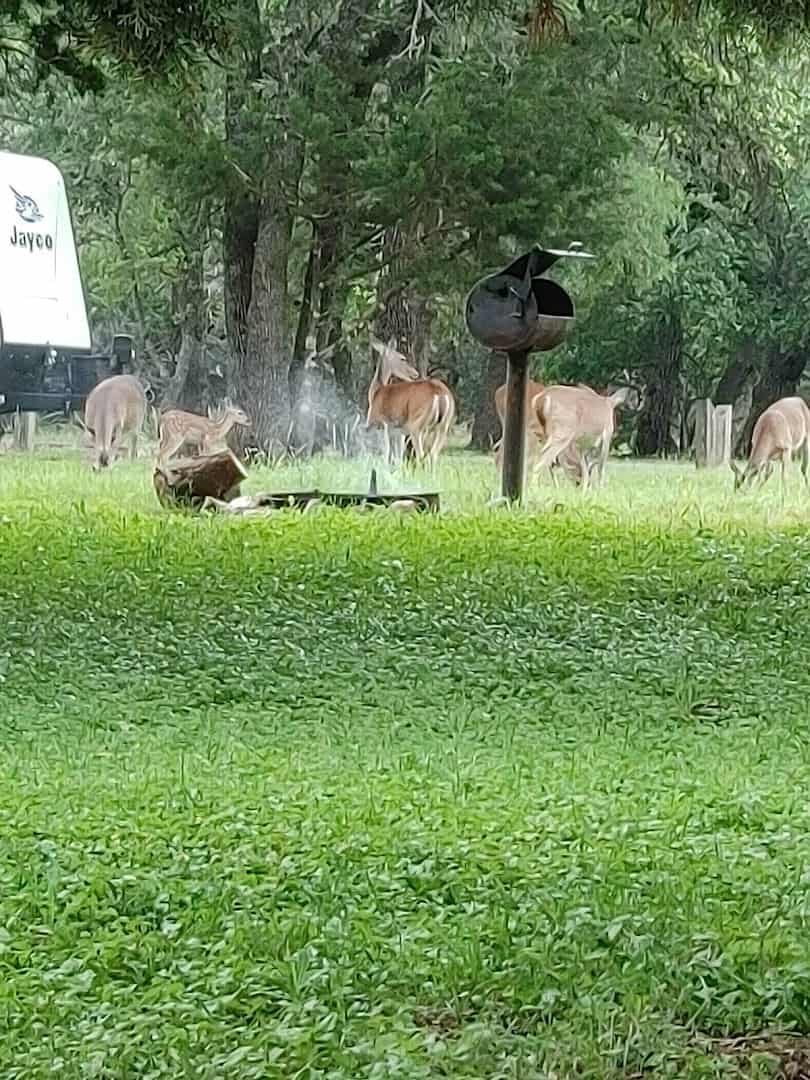
Prefer to stay a while? BLORA has cottages and cabins, hilltop tent sites, and RV hookups spread across its Deer and Cedar camping areas. Wake up, walk to the water, and start again.
And BLORA is only one door in. The lake is ringed with parks like Temple’s Lake Park, Westcliff Park, and Cedar Ridge Park, plus roughly 18 boat ramps and four marinas, so there is almost always a launch point close to wherever you are.
A Fishing Lake With a Cult Following
Ask an angler about Belton Lake and watch their eyes light up. This is one of the state’s standout spots for hybrid striped bass, a hard-fighting fish that was stocked here back in 1977 and never looked back.
Those hybrids run the main lake in big roaming schools, and hooking into one feels like grabbing the bumper of a small truck. My idea of a good morning is exactly this: coffee, a rod, and a school of stripers deciding to show up.
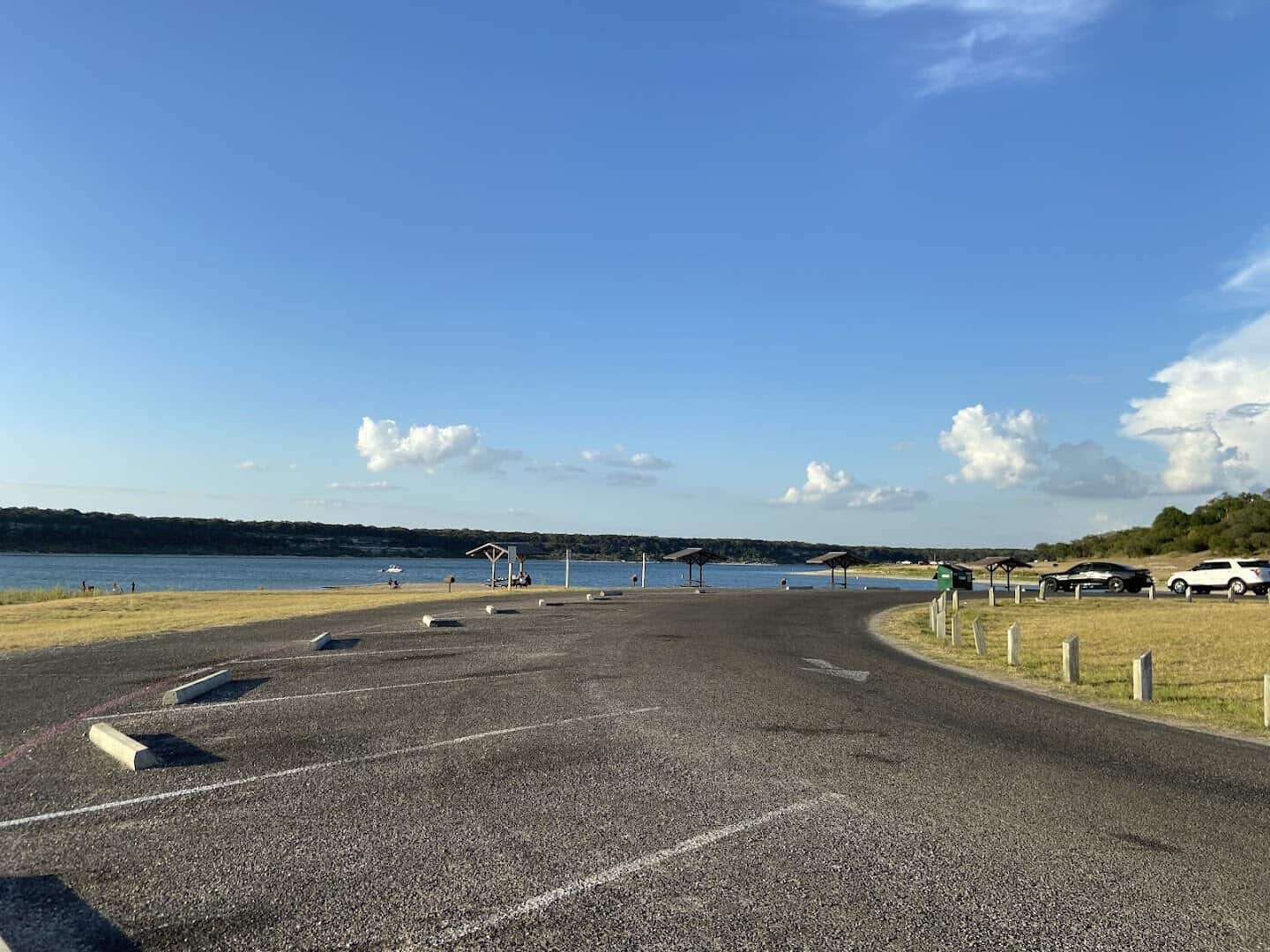
The lake does not stop there. It gives up largemouth and smallmouth bass, blue and channel catfish, crappie, sunfish, and white bass that run up into the Leon River to spawn every spring.
Pro tip: time it right and the calendar does the work for you. White bass fire up from March through May, largemouth peak from late February into April, and crappie stack into shallow coves and stumps from late February through mid-May.
Cast a line over Sparta, catch a striper the size of your forearm, and you are fishing on top of history without even trying.
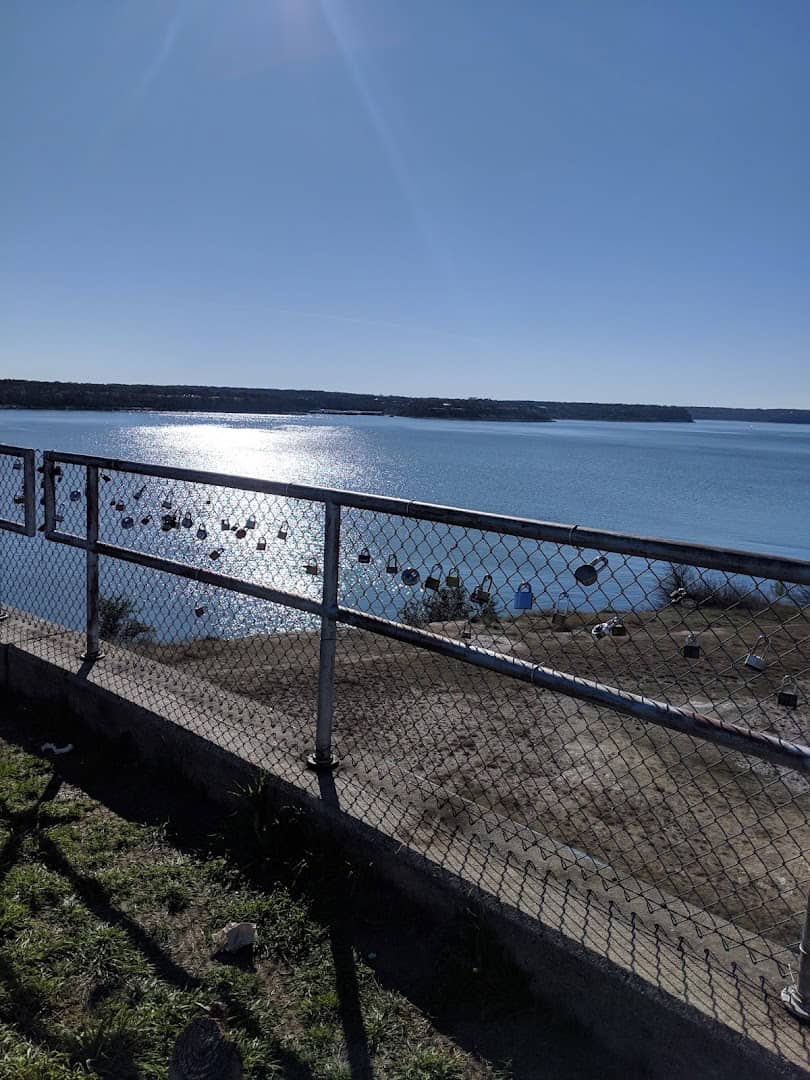
Below the Dam, a Quieter Kind of Beautiful
If splash pools and speedboats are not your speed, slip down below the dam to the Miller Springs Nature Center. It is a leased slice of the Belton Lake lands where spring water bubbles up and trails wander through hardwoods and along the river.
It is the calm counterweight to all that lakefront energy. Birdsong instead of boat motors, shade instead of sun, and a chance to see what the whole Leon River valley might have looked like before the water rose.
Come at golden hour and the light through the trees does something special. It is the kind of easy, unhurried walk that reminds you a great lake trip is not only about going fast.
Making the Most of a Day on the Water
A lake this size rewards a little planning. The busiest, warmest stretch runs Memorial Day through Labor Day, so if you want a quiet cove and an easy parking spot, aim for a weekday or the shoulder months of spring and fall.
Pack like a Texan in summer: more water than you think you need, real sun protection, and shoes you can get wet. Sierra Beach and the other swim areas have no lifeguards, so it is genuinely swim at your own risk, and little ones need a grown-up within arm’s reach.
Whether you live down the road in Temple or you are road-tripping up from Austin, the lake makes an easy anchor for the day. Boats, bikes, hiking trails, and picnic tables are all here, so you can go full-throttle or barely move, and both count as a win.
How to Get There
Belton Lake sits just northwest of the city of Belton in Bell County, an easy hop off Interstate 35 between Waco and Austin, and about an hour north of the state capital.
Where: Belton Lake Outdoor Recreation Area (BLORA), 1600 Sparta Rd, Belton, TX 76513. The lake and its many parks spread out from there along the shoreline in Bell and Coryell Counties.
Even the road address winks at the past. Sparta Road still carries the name of the town that lies out under the water, a small tribute that never got flooded.
Plan a Day on Top of a Ghost Town
That is the quiet magic of this place. You can spend a whole Texas summer day here, sunburned and happy, tubing and casting and grilling by the shore, and never once feel the weight of what is underneath.
Then, just as you are packing up the cooler, you remember. Somewhere below your feet a schoolhouse foundation is holding still in the dark, waiting out a flood that arrived seventy years ago and never left.
So pack the swimsuits, load the fishing rods, and point the car toward Belton. Come for the water slides and the stripers, and stay for the best-kept secret in Central Texas, the one hiding in plain sight right under the waves.
Featured image: Manuel Herrera JR via Belton Lake

Stella Raines
Editor-in-Chief
Stella brings over a decade of storytelling experience to TX Headlines. With roots in West Texas and a love for road trips, she leads the editorial team with an eye for the hidden stories that make Texas unforgettable.
More Stories

These 10 Texas Spots Bloom Into Seas of Bluebonnets Each Spring

This Enchanting Texas Nature Trail Feels Like Hiking Through a Fairytale Forest

This Underrated Texas State Park Gives You a Full Day of Swimming and Hiking for Just $5

This Easy Texas Hike Leads to a Swinging Suspension Bridge Hidden in the Pines
Tags