This Lush Texas State Park Is a Birdwatcher’s Paradise With More Than 360 Species
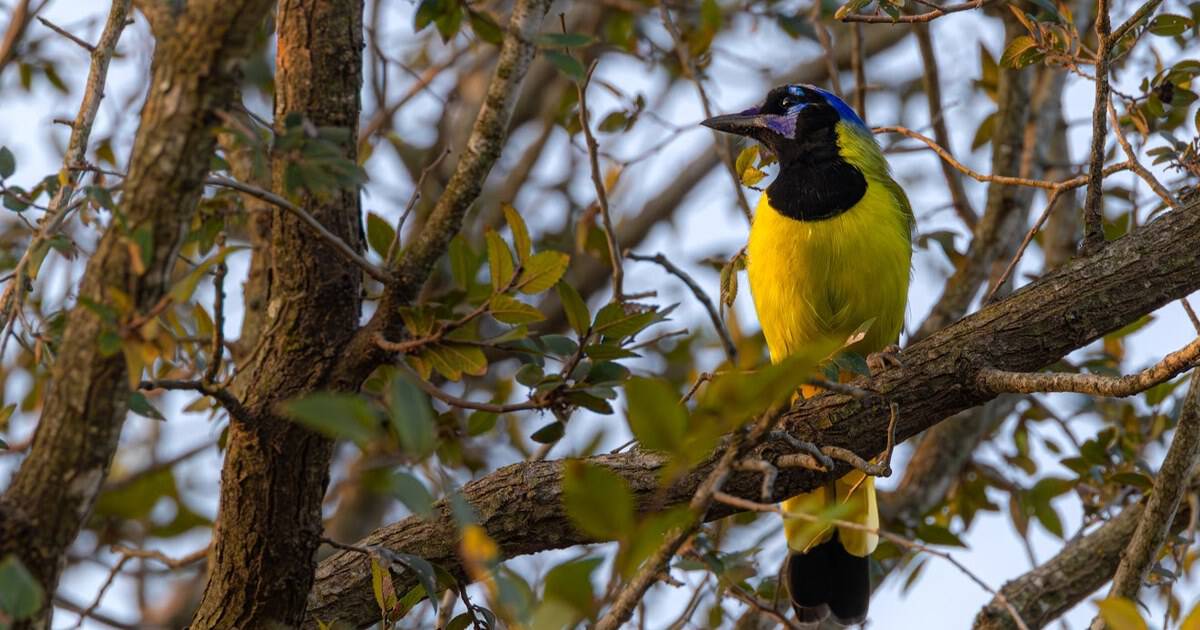
Nobody warns you that a single bird can ruin you for the rest of them. Mine was the green jay, and I found it years ago in a field guide, all lime and turquoise under a black mask, looking like a tropical rumor that had wandered north by mistake.
I have chased that bird in my imagination ever since. For most of the country it stays a rumor, because there is exactly one region of the United States where a green jay hops onto a feeder in broad daylight, and it sits in the far southern tip of Texas.
Down where the Rio Grande makes its last long bend toward the Gulf, there is a 764-acre park that birders treat as a tropical crossroads. It is the headquarters of the World Birding Center, and more than 360 bird species have been recorded inside its fences.
Below, I want to walk you through why serious birdwatchers fly across the country for this one park, what you will actually see when you get there, and how to plan a trip that fits a family, not just a life-list fanatic.
Where the Tropics Sneak Into Texas
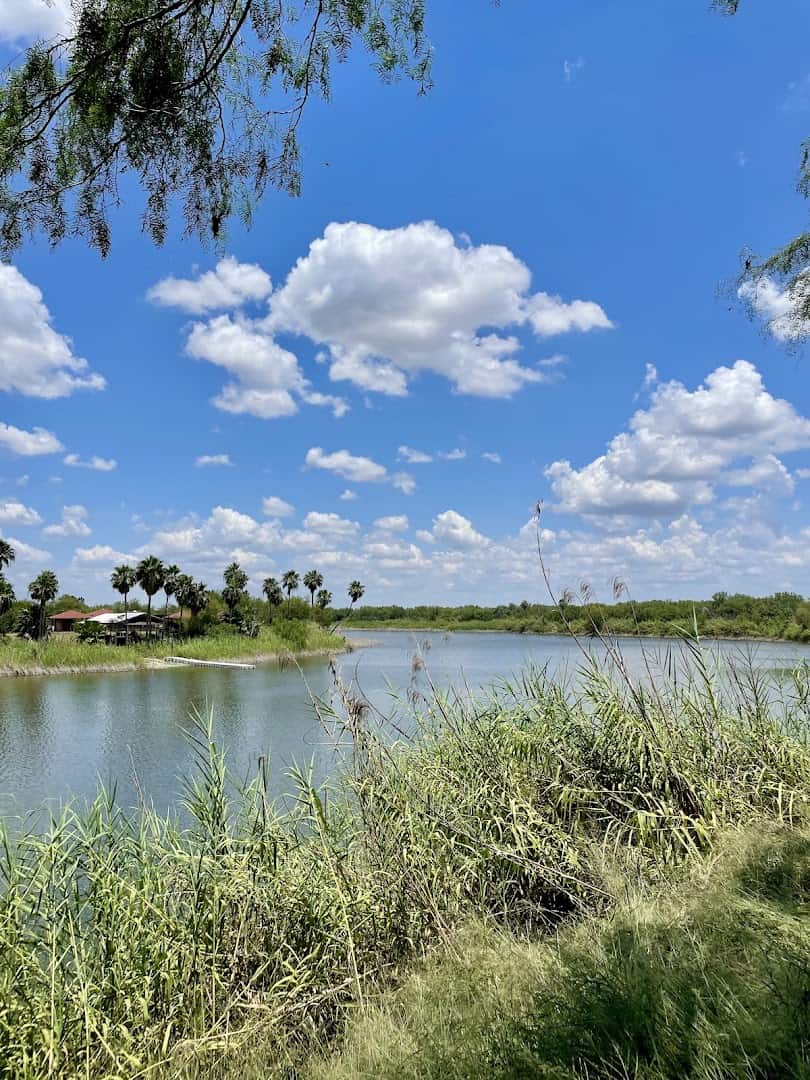
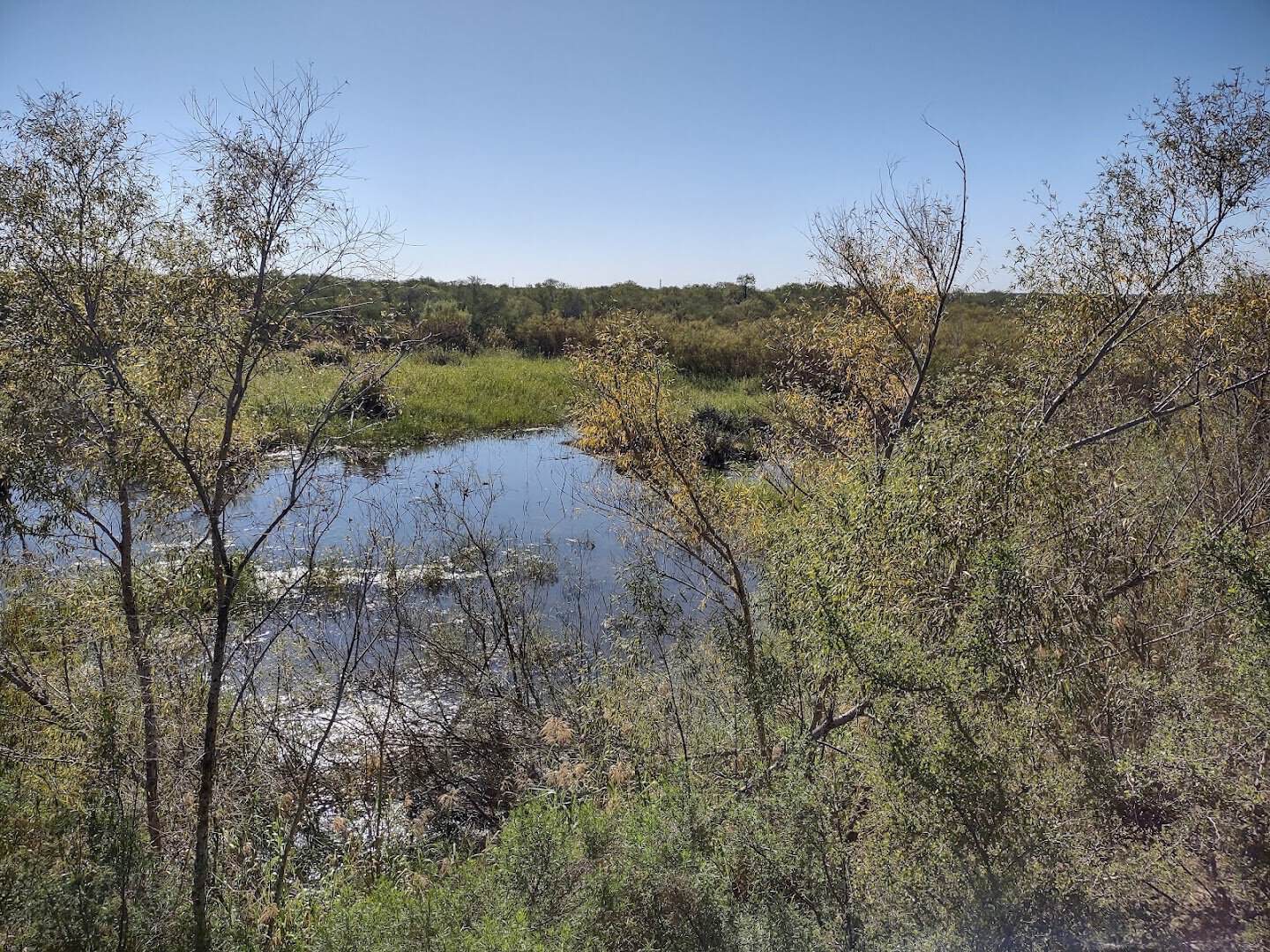
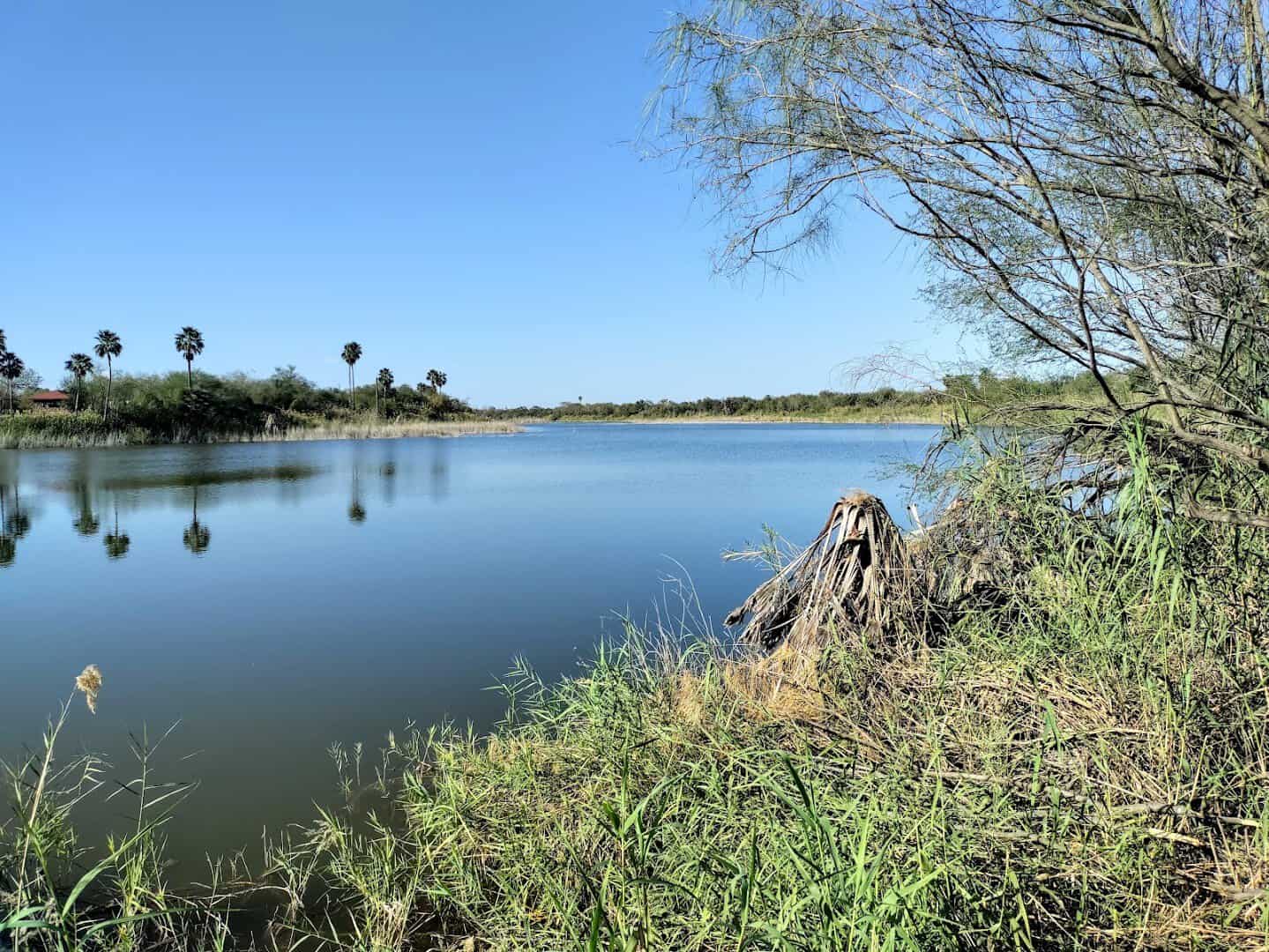
This far south, the map stops behaving like Texas and starts behaving like northern Mexico. The park sits in the Rio Grande floodplain, a tangle of riparian forest, thorn scrub, and old oxbow lakes the locals call resacas.
That mix is the whole secret. Subtropical species that are everyday sights in eastern Mexico spill across the river and settle here, and for many of them this valley is as far north as they ever come.
So a walk here does not feel like a walk in the woods back home. The light is different, the plants are thornier, and the calls overhead belong to birds you have only ever seen in books.
You can cover the ground in a few ways. Seven miles of trail loop through the park on foot or by bike, and a free tram shuttles visitors from one feeding station to the next, so nobody gets left behind.
I love that the park slows you down on purpose. There is no engine noise to spook the wildlife, so the loudest sound on the trail is usually a chachalaca throwing a tantrum in a tree, and you learn to listen the way birders do.
Feeders Where the Rare Birds Come to You
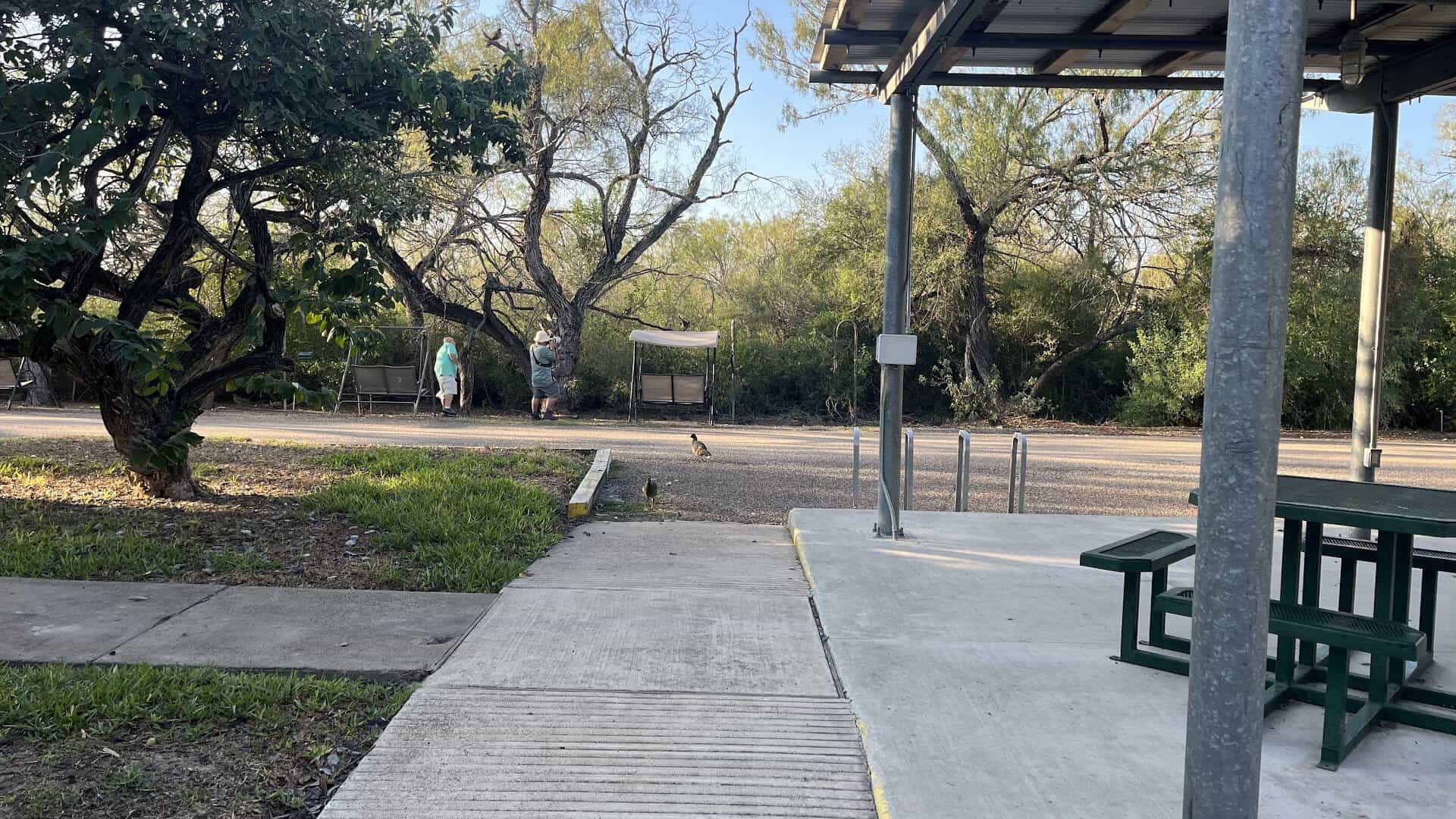
The genius of this place is that it does the hard part for you. A series of feeding stations, bird blinds, and water features are spaced along the trails, and the birds have learned exactly where the food is.
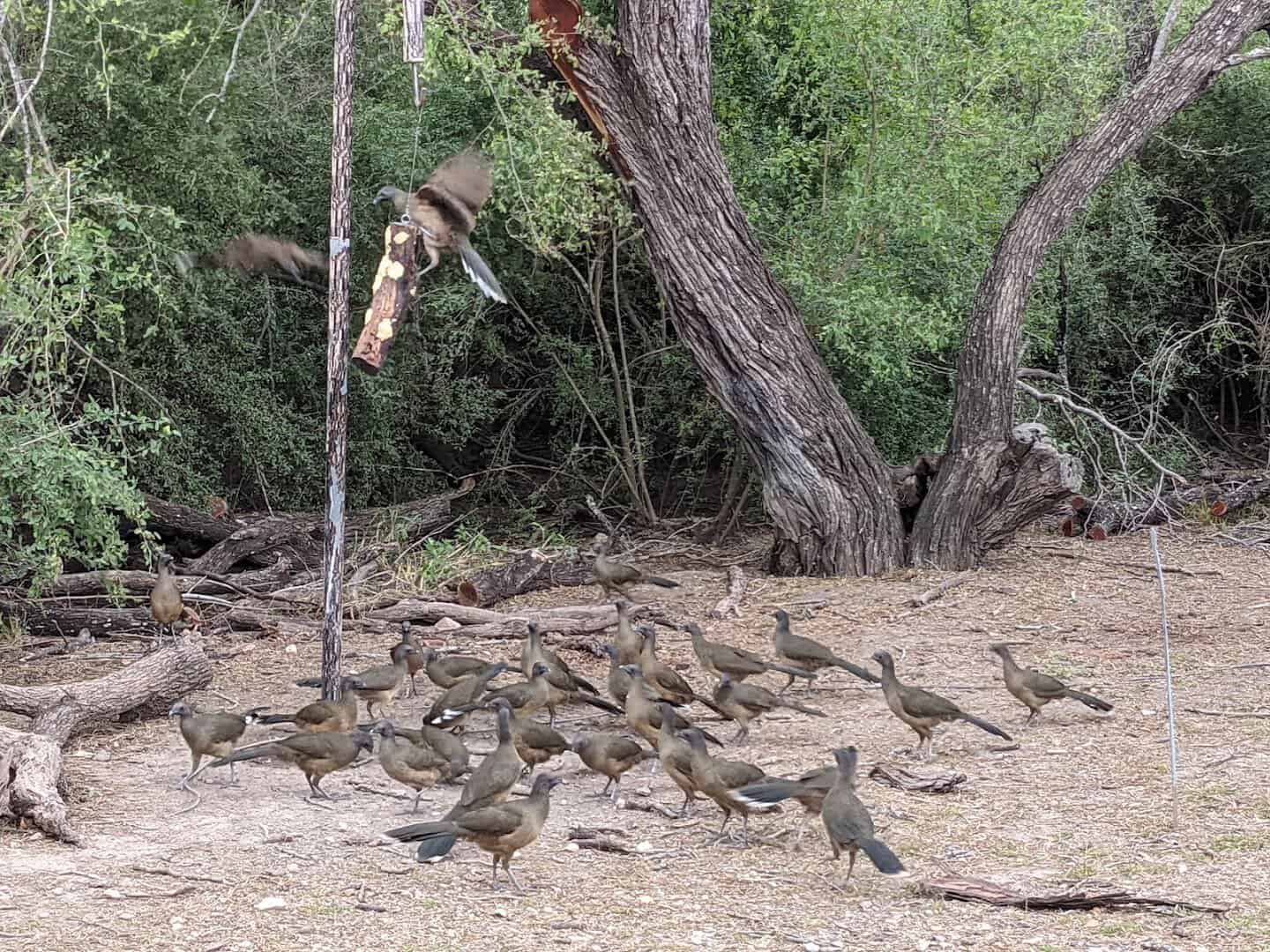
Sit still at one of the blinds and the show comes to eye level. Green jays flash in like scraps of a jungle. Plain chachalacas, big and gangly and loud, clatter through the brush like feathered comedians.
Great kiskadees, yellow-breasted and bandit-masked, announce themselves by shouting their own name. Altamira orioles, the largest oriole in North America, drop in like little bolts of flame against the green.
Pro tip: get there early. The feeders are busiest in the cool hours after dawn, before the heat settles in and the birds go quiet in the shade. Bring water and a hat regardless of the season.
The Valley Specialties You Cannot See Anywhere Else
Birders have a phrase for the prizes here. They call them “Valley Specialties,” and more than twenty of the species that turn up in this park are found nowhere else in the United States.
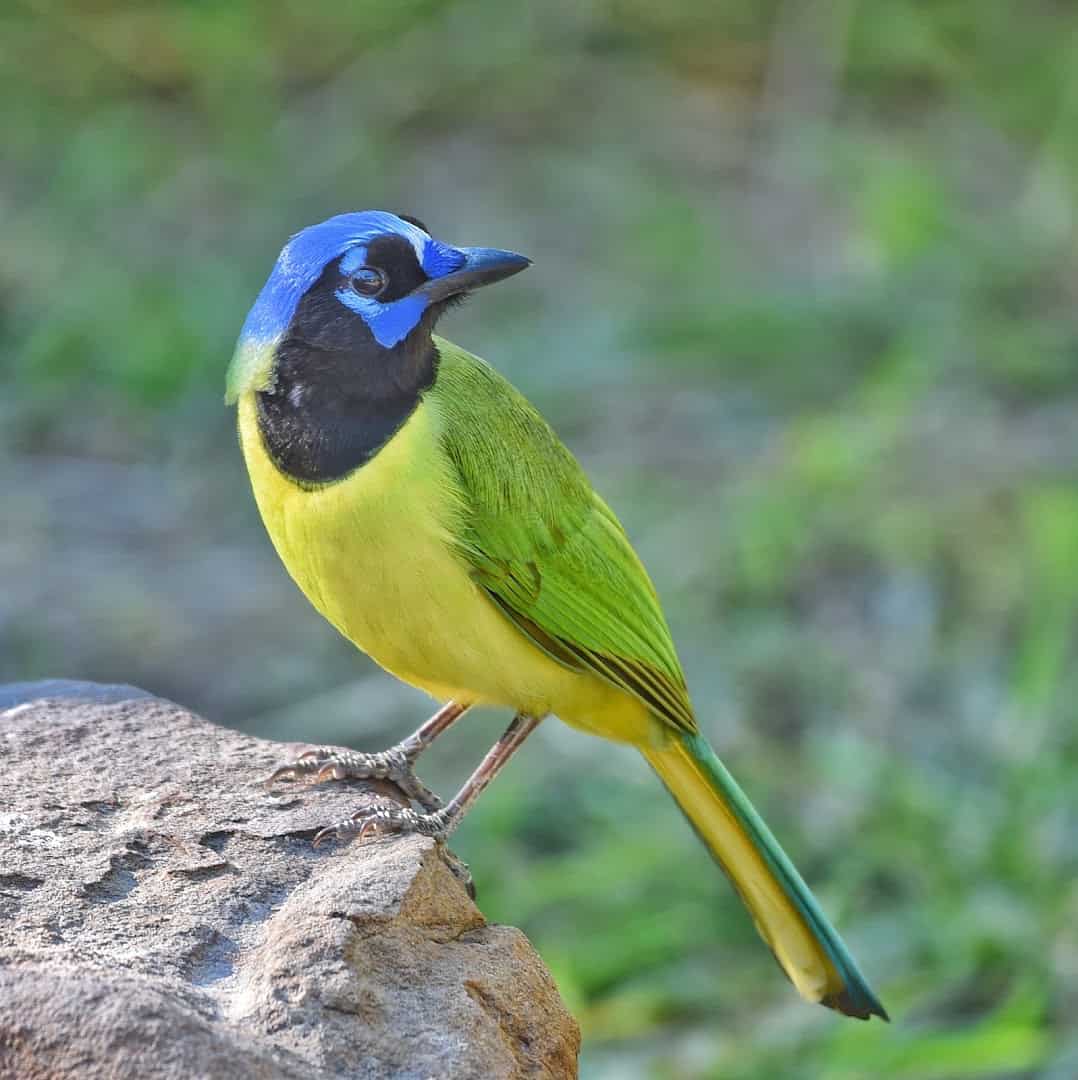
That is the pull. A dedicated birdwatcher can drive to a marsh in Ohio or a forest in Oregon and tick off hundreds of species over a lifetime, but the green jay, the chachalaca, and the buff-bellied hummingbird live only down here.
The feeding stations are widely rated among the most reliable spots in the whole region for the headliners: green jay, plain chachalaca, great kiskadee, and Altamira oriole, often at arm’s length.
Then there are the quieter treasures. Olive sparrows scratch in the leaf litter, long-billed thrashers work the underbrush, and the clay-colored thrush, a plain brown bird with a beautiful song, hides in plain sight.
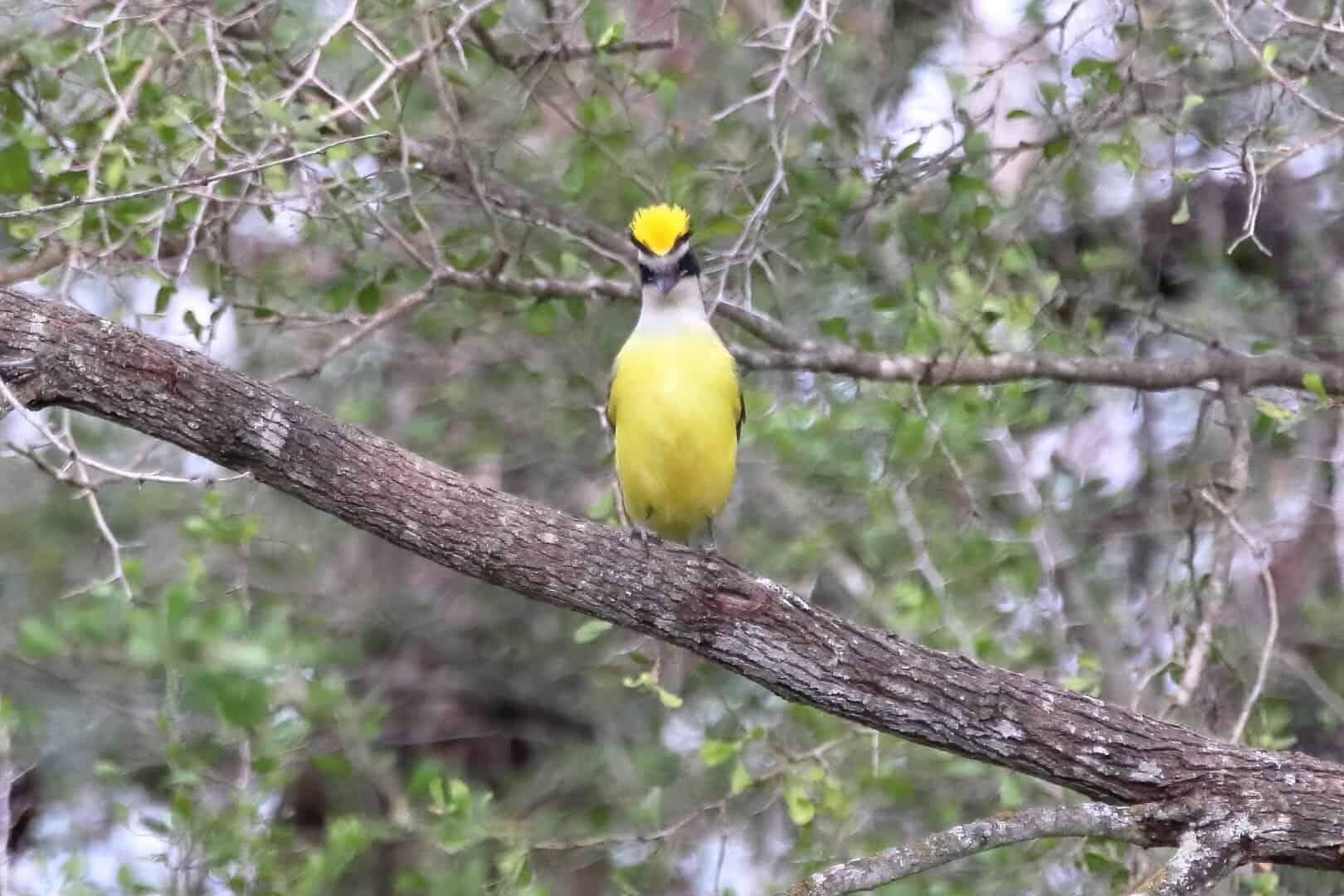
What gets me is how casual it all feels. Birds a visitor from Minnesota might travel a thousand miles to see are just going about their morning here, squabbling over seed and water like sparrows in a backyard.
Rarity, it turns out, is mostly a matter of where you are standing. Stand here, and the exotic becomes the everyday. That is the quiet magic of the deep Rio Grande Valley, and it is why the same birders keep coming back season after season.
“This is one of the top 10 places in the country for birding,” Roy Rodriguez, the park’s lead interpreter, has said. Coming from someone who watches these trails every day, that is not idle marketing.
Climb the Hawk Tower for the Big Picture
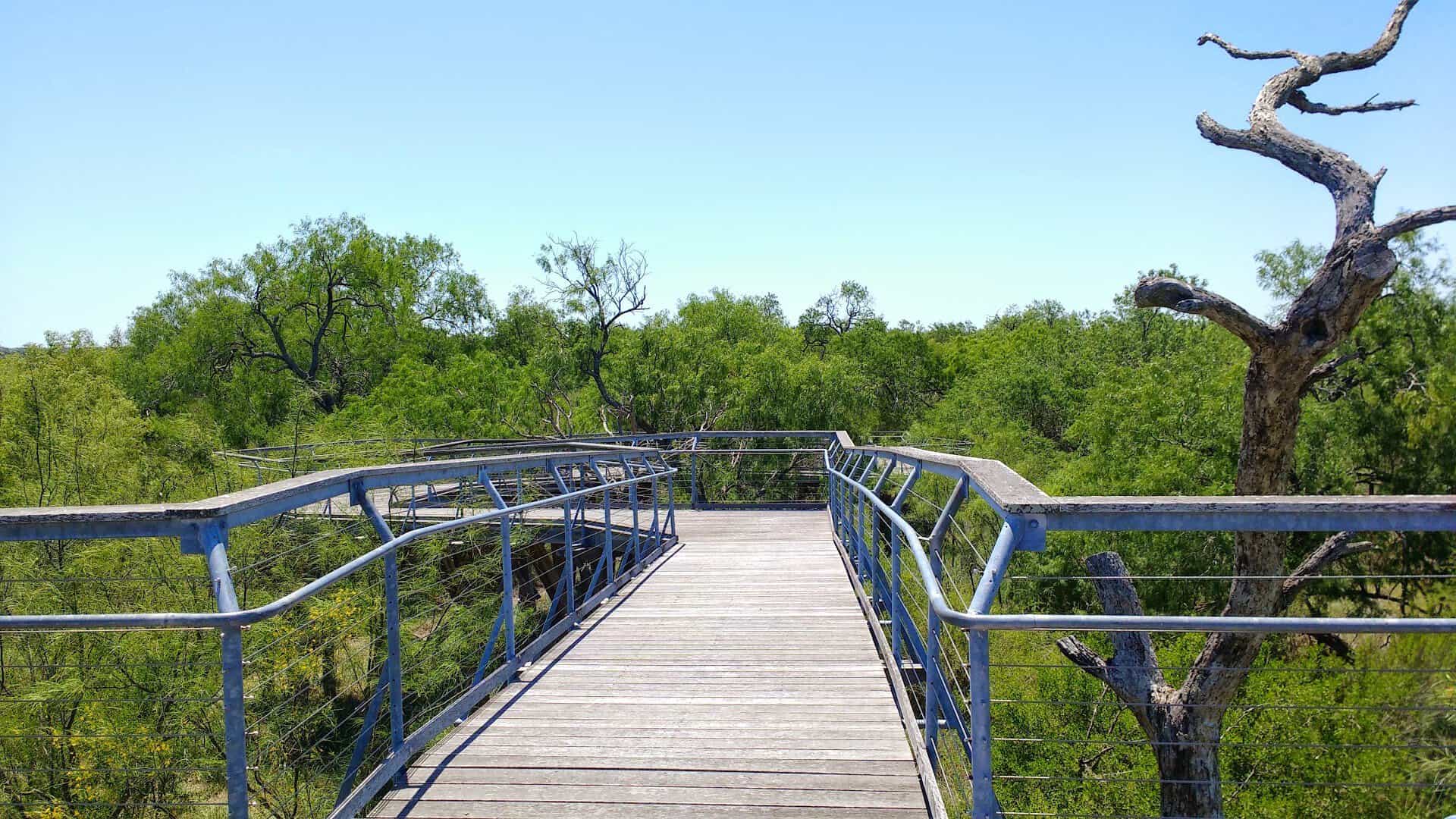
For a change of scale, there is the observation tower. It is a two-story, wheelchair-accessible structure with a long ramp that lifts you up over the canopy for a sweeping view of the floodplain and, on a clear day, Mexico beyond.
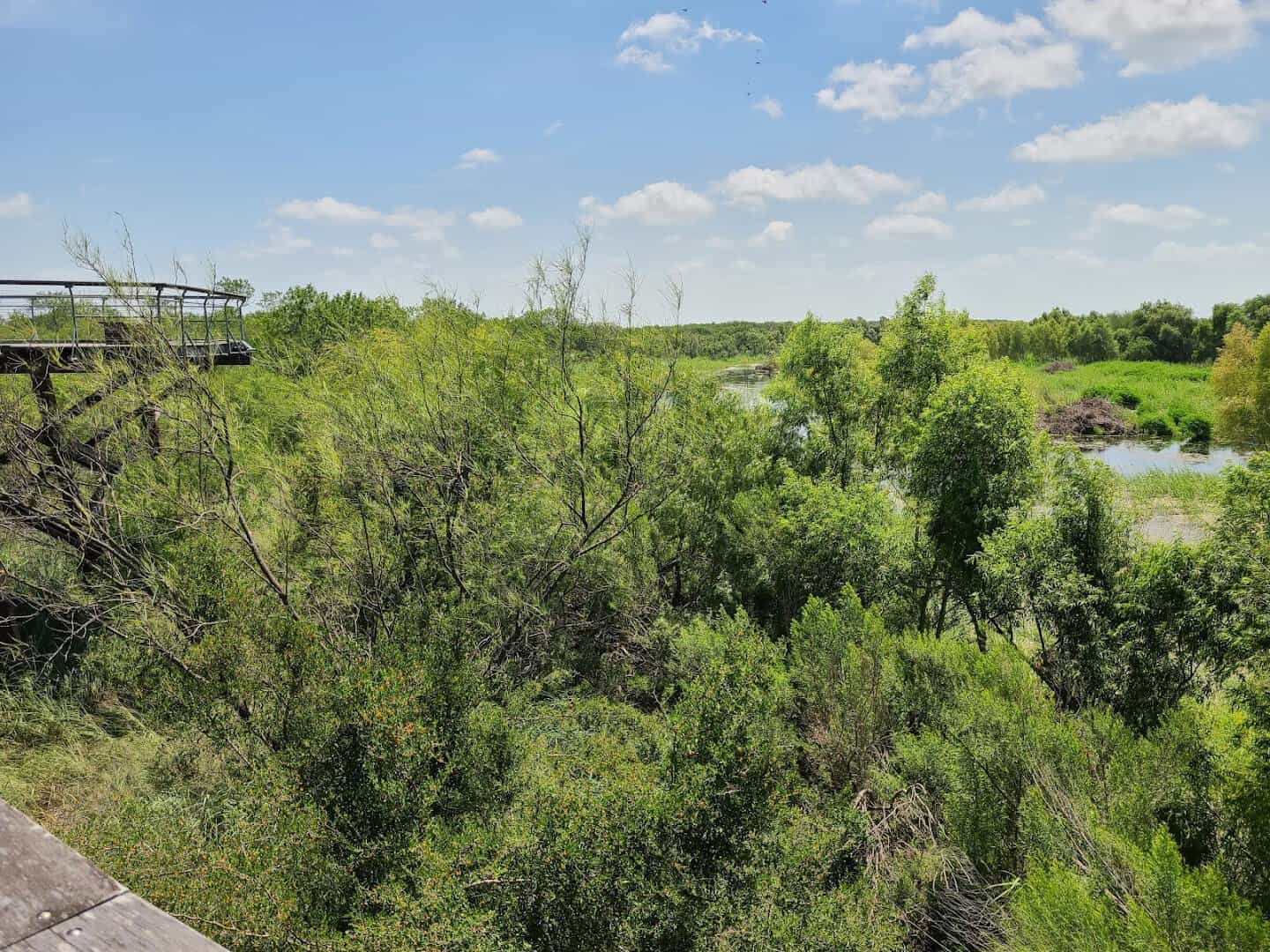
From up there the park reveals its shape. You can see the ribbon of forest, the glint of the resacas, and the wide sky the raptors ride.
Because in spring and fall, that sky fills up. Thousands of hawks stream overhead on migration, funneling down the river corridor in rivers of their own, and the tower is the best seat in the house for watching them pass.
Did you know? The tower ramp was built to be genuinely accessible, which means a grandparent using a wheelchair and a kid with binoculars can reach the same view together. That is rarer than it should be.
More Than Birds in the Brush
Even if you cannot tell a kiskadee from a kingfisher, this park earns the trip. It is quietly one of the best butterfly destinations in the country, with more than 250 species recorded fluttering through the same gardens and trails.
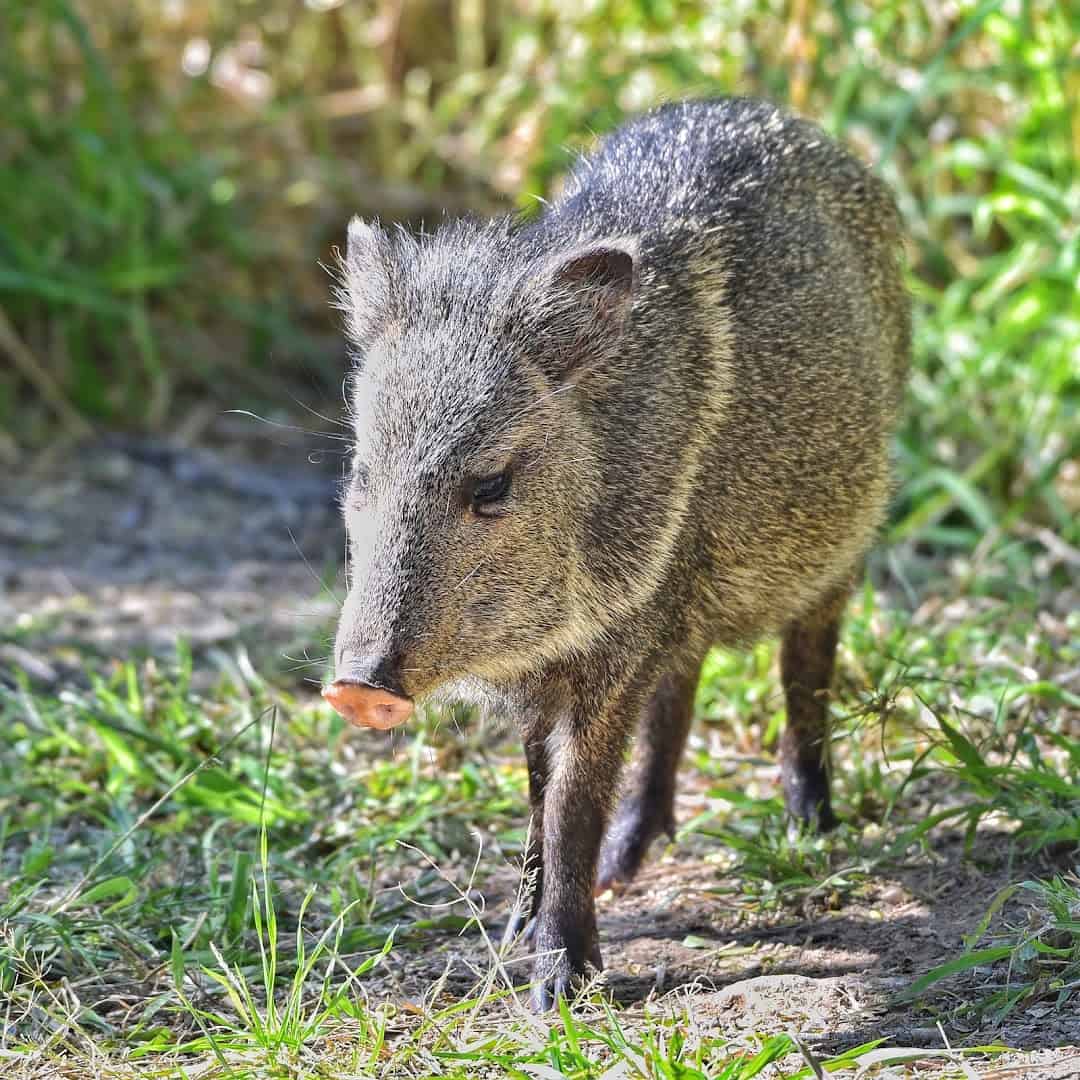
The mammals keep a lower profile but they are here. Javelinas, those bristly little peccaries that travel in family squads, root through the brush, and bobcats slip through the thorn scrub for anyone patient and lucky enough.
The plants alone are worth slowing down for. Spiny hackberry, Texas ebony, and old mesquite make a canopy that feels older and wilder than the tidy oaks most of us grew up with.
This is what makes the place work for a mixed group. The hardcore birder chases a life bird while the kids chase butterflies, and everyone comes back to the tram happy.
The butterfly gardens near the visitor center are worth a slow lap on their own. In the right season the flowerbeds pulse with color, and a patient kid with a phone camera can come away with photos of a dozen species without ever touching a trail.
The Best Time to Point the Car South
Here is the honest answer about timing. The Valley Specialties live here year-round, so there is truly no bad month to visit, but different seasons hand you different gifts.
Late spring rewards you with resident birds in full nesting mode, colors at their brightest and songs at their loudest, the whole park cranked up to maximum volume. It is a wonderful window for a first visit.
Winter is the other prize, when birders from cold northern states migrate down alongside the birds, escaping the snow to add tropical species to their lists in shirtsleeve weather.
Spring and fall bring the hawk rivers overhead. Whichever season you choose, aim for the early morning, when the feeders are busy and the light is soft and gold on the water.
A Gift From One Family to Everyone
The park exists because a family decided it should. On January 28, 1944, Lloyd M. Bentsen Sr. and Edna Ruth Bentsen, together with Elmer and Marie Bentsen, donated 586 acres to the state for a nature habitat.
The price was one dollar. The single condition was that the land be used “solely for Public Park purposes,” and that promise has held for more than eighty years while the park grew to its present 764 acres.
The Bentsen name may sound familiar. This was the family of Lloyd Bentsen, the longtime U.S. senator from Texas, and their gift turned a stretch of riverbottom into one of the most beloved patches of protected land in the state.
The park changed again in 2004, when it became the headquarters of the World Birding Center, a network of nine sites strung along the Rio Grande. To protect the peace the birds need, cars were banned from the interior and RV camping was retired.
That decision is why the place feels the way it does now. No engines, no exhaust, just trails, tram wheels, and the constant background chatter of birds that decided this corner of Texas was worth staying for.
Planning Your Visit
The logistics are refreshingly simple. Day-use entry runs about $5 for adults and is free for children twelve and under, which makes a family morning here one of the better bargains in Texas travel.
Remember that you leave the car at the headquarters. From there you walk, hop the free tram that runs hourly through the day, or rent a bike at the park store for around $5 a day and pedal the loop yourself.
Bring binoculars if you have them, though the feeders bring the birds so close you can enjoy plenty with your naked eye. The visitor center staff are generous with tips on what has been showing up that week.
If you are new to all this, do not be shy about it. Birders at a blind are some of the most welcoming people around, and a regular with a spotting scope will happily line you up on a bird you would never have found alone.
Come with questions and leave with a list. Half the fun of a place like this is borrowing other people’s expertise for an hour.
How to Get There
The park sits just south of Mission, in the heart of the Rio Grande Valley, a short drive from McAllen and its airport. It is deep South Texas, so build the distance into your plans and make a weekend of the whole valley.
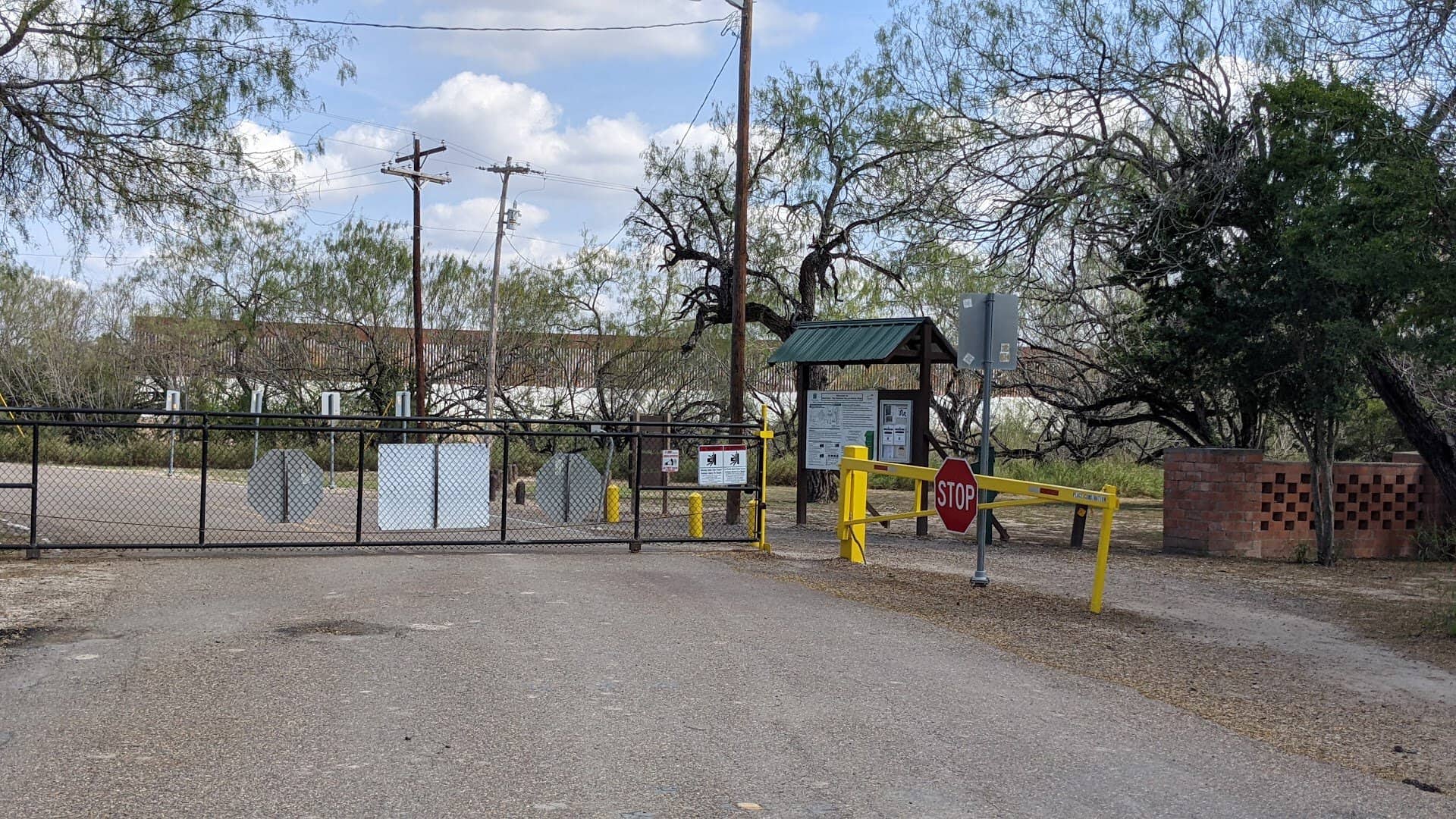
Where: Bentsen-Rio Grande Valley State Park, 2800 S. Bentsen Palm Drive, Mission, TX 78572
Go See the Rumor for Yourself
That green jay that ruined me for ordinary birds is still down there, hopping onto a feeder for anyone who takes the time to sit quietly and wait.
So pack the binoculars, fill a water bottle, and point the car toward the bottom of the map. Get to the feeders early and ride the tram out to the blinds.
Climb the tower, watch the hawks stream over the river, and let one impossible tropical bird change the way you see the whole state. Some rumors are true, and this one is waiting for you in South Texas.
Featured image: Josh M via Bentsen-Rio Grande Valley State Park

Stella Raines
Editor-in-Chief
Stella brings over a decade of storytelling experience to TX Headlines. With roots in West Texas and a love for road trips, she leads the editorial team with an eye for the hidden stories that make Texas unforgettable.
More Stories

These 10 Texas Spots Bloom Into Seas of Bluebonnets Each Spring

This Enchanting Texas Nature Trail Feels Like Hiking Through a Fairytale Forest

This Underrated Texas State Park Gives You a Full Day of Swimming and Hiking for Just $5

This Easy Texas Hike Leads to a Swinging Suspension Bridge Hidden in the Pines
Tags