This Hidden Texas Lake Lets You Fish for Free Without a License
I have caught fish in some beautiful places, and I have also driven home empty-handed because I forgot to renew my license. That second feeling is a special kind of dumb.
You know the scene. You are standing at the water with a rod in your hand, the fish practically waving at you, and instead you are digging through your phone for a receipt. It is the least fun a fishing trip can be.
So the first time I heard there is a big, wild lake just outside Houston where you can drop a line without a dollar of license money changing hands, I did a double take. No permit. No entrance fee. Just open green water and a whole day to yourself.
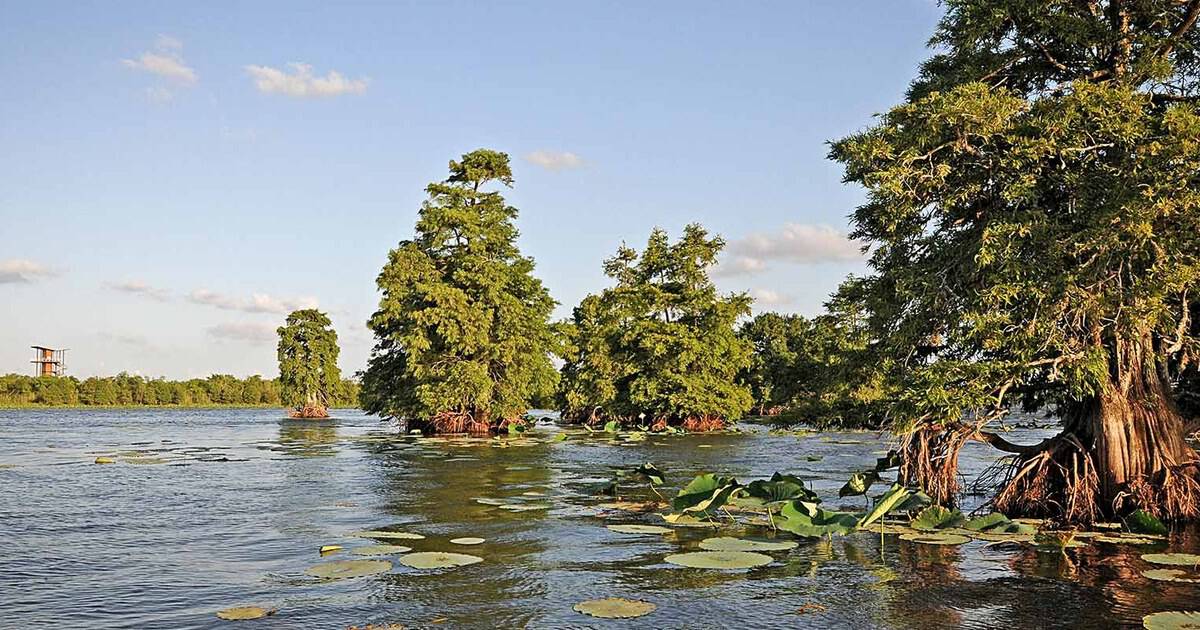
That lake is Sheldon Lake State Park and Environmental Learning Center, 1,200 acres of water and wetland on the northeast edge of Houston. Below, I will show you why the fishing is free here, what is biting, and everything else this park hands you for nothing.
Cast a Line, No License Needed
Let us start with the part that sounds too good to be true, because it is the reason you are still reading.
Texas has a rule most people never think to look up. Texas Parks and Wildlife puts it plainly: a fishing license and endorsement are not required if you are fishing on state park property or in waters completely enclosed by a state park.
That single line is worth real money over a fishing lifetime, and it turns a whole category of Texas parks into free fishing holes.
Sheldon Lake sits inside one of those parks, so the water is yours to fish for free. You can cast from the bank along Garrett Road, where the lake comes right up to meet you. Bring a rod, bring a bucket, bring the kids. Nobody asks for a card.
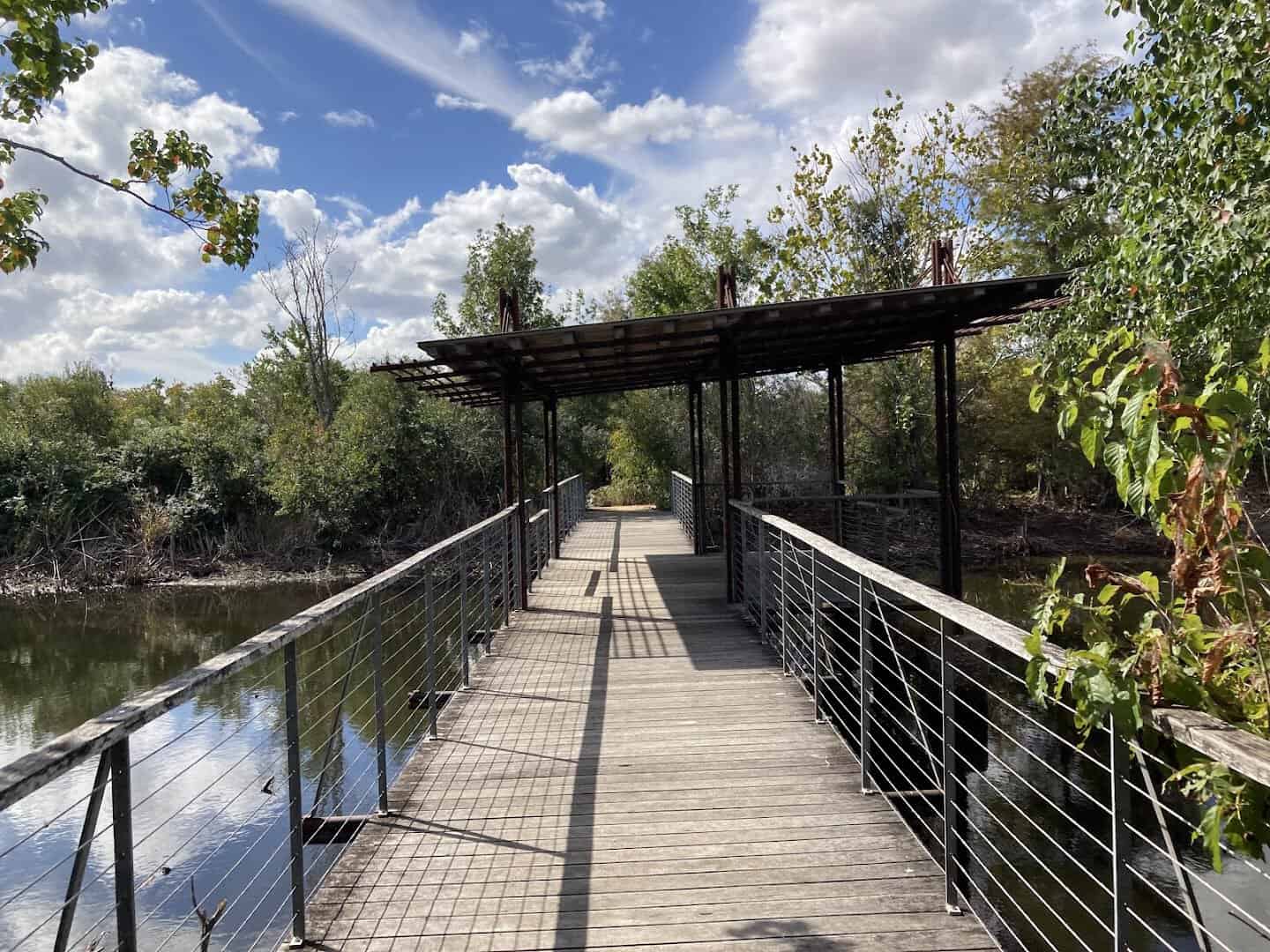
One small catch is worth knowing. On man-made structures like docks and piers inside a state park, you are limited to pole-and-line only, two poles per person.
The usual length and bag limits still apply. The license is free, but the fish still have to earn their spot in your cooler.
Pro tip: call the park before you load the truck. Local rules can shift with the season, and a two-minute phone call beats a wasted drive.
What’s Actually Biting
A free lake is only exciting if the fish are real, and here they are.
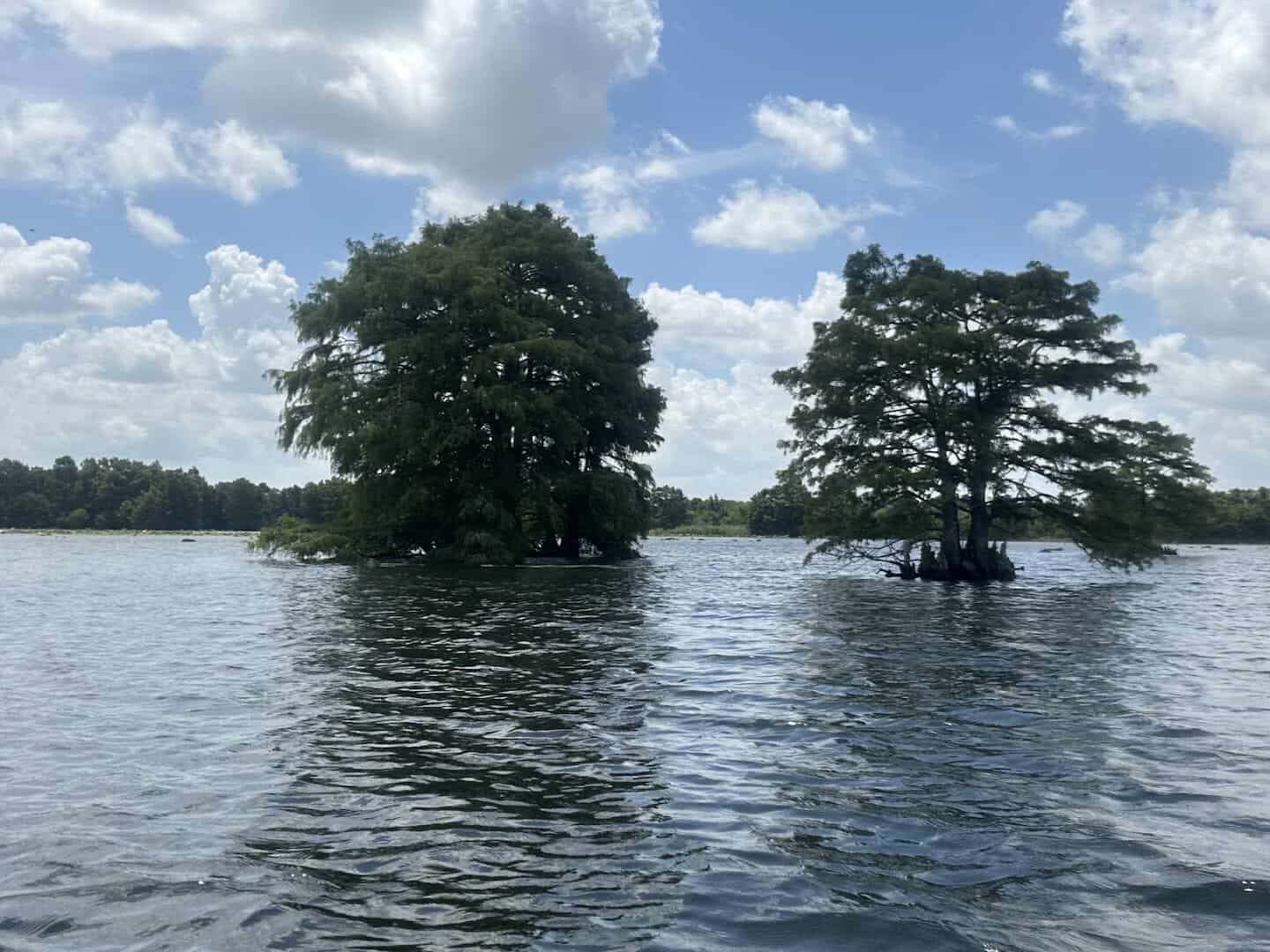
Sheldon Lake grows some serious largemouth bass. One angler pulled a largemouth weighing almost 10.5 pounds out of this water and let it go. That is the kind of story that keeps a person coming back with fresh hope every single weekend.
From the bank you will find largemouth bass, channel and blue catfish, and a steady supply of panfish like bluegill and crappie. It is the honest, all-ages mix that makes a lake worth returning to, not a one-trick trophy pond that skunks you nine trips out of ten.
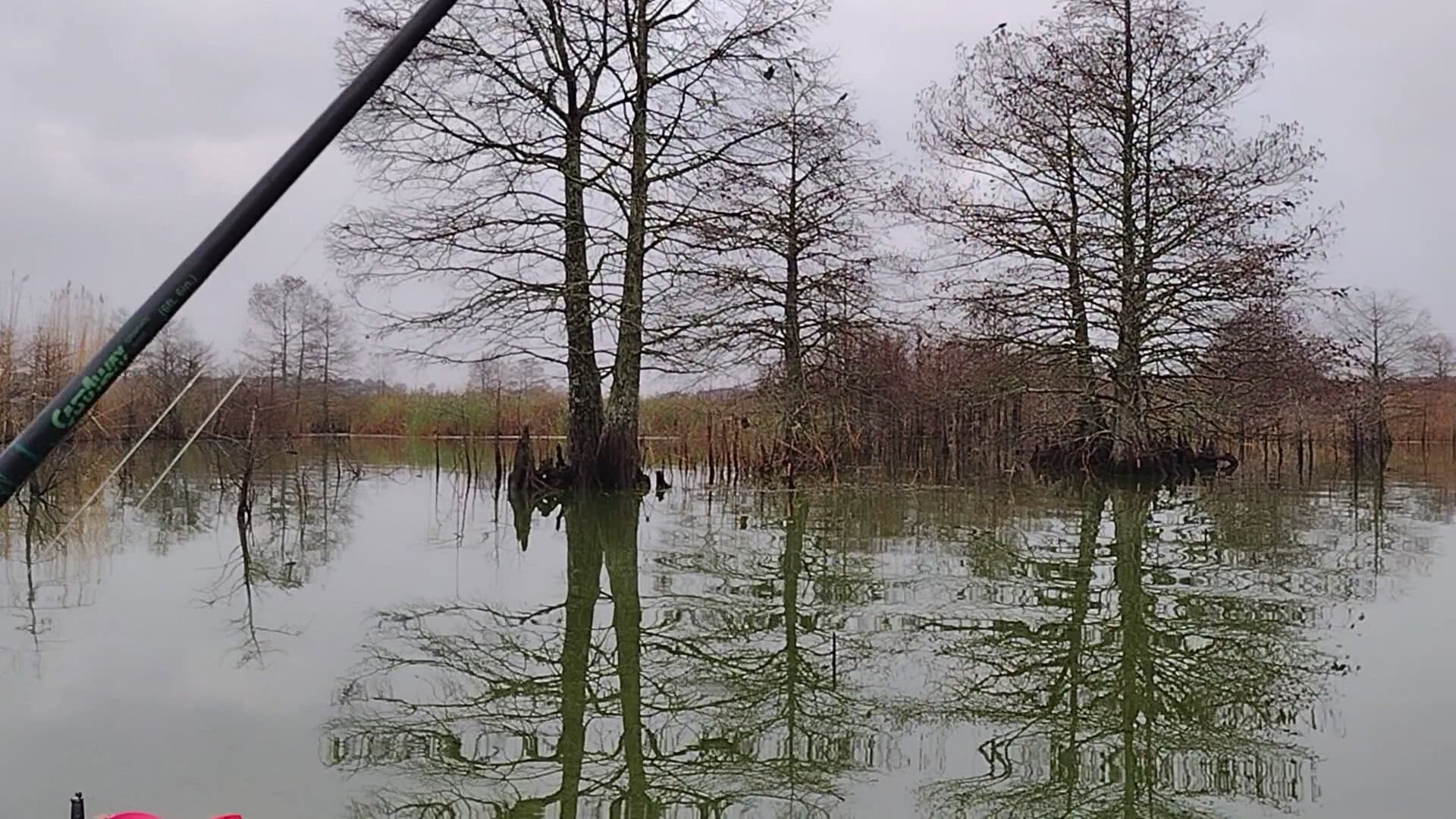
The water is calm and forgiving. If you bring a boat, the south ramp on Pineland Road puts you in, and the whole lake runs at headway speed only. No engines tear past your line. Just you, the reeds, and the slow, patient business of waiting for a bite.
Mornings and evenings are the classic windows, when the bass slide into the shallows and the Houston heat backs off. The cooler months slow the bite but reward patience, and there is rarely a crowd elbowing you for a spot on the bank.
Ponds Made for First-Timers
If you are teaching a kid to fish, or teaching yourself, the big lake is not even where you should start.
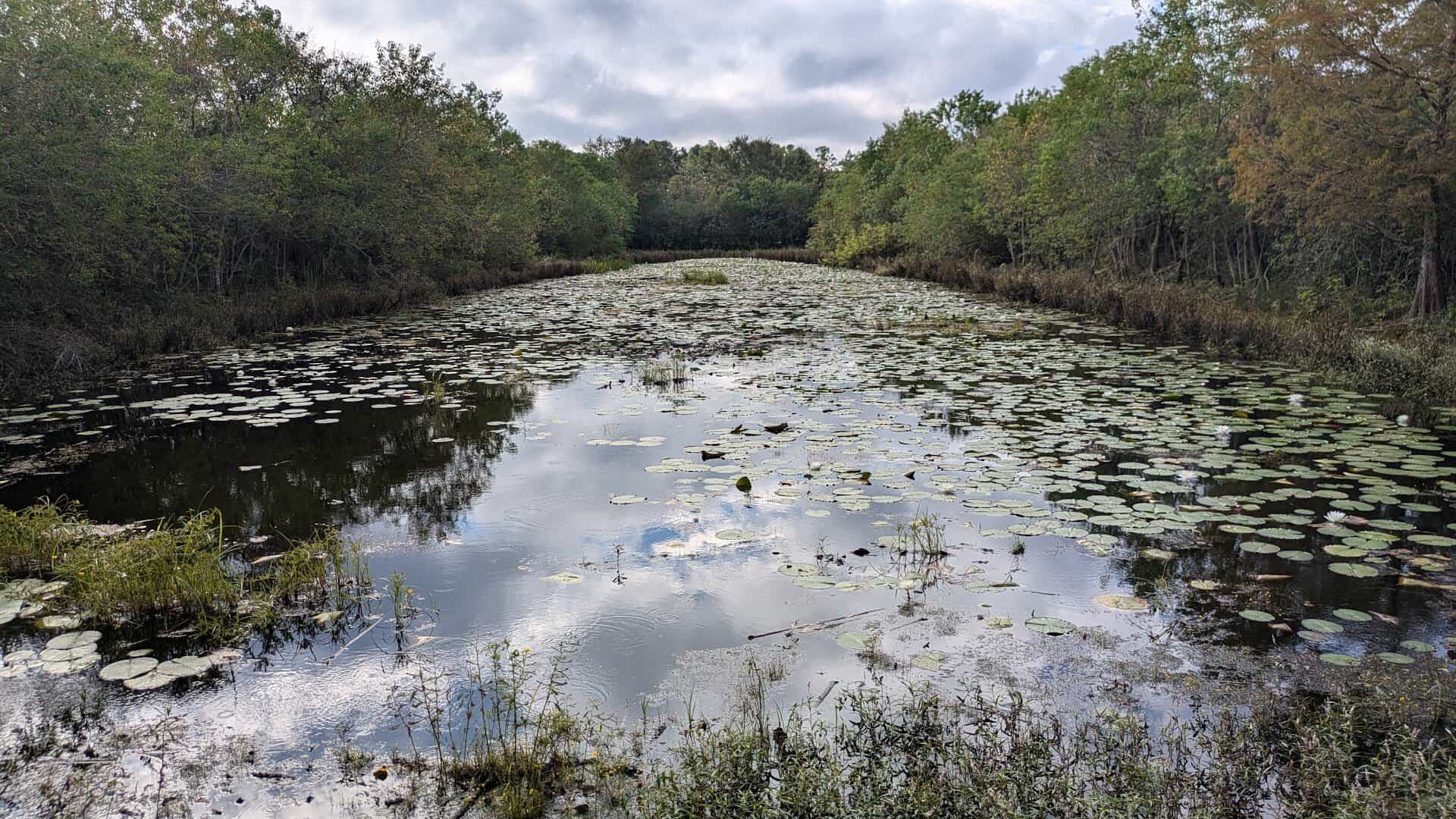
Near the picnic area sit two small fishing ponds set aside for families, both catch-and-release only. They are the right size for a short attention span and a first cast.
A child can actually see the water working, and you are close enough to help untangle the inevitable bird’s nest of line before frustration sets in.
Here is the part I love most. The park runs a tackle loaner program, so you do not even need to own gear to get started.
They lend out rods and reels, mostly simple spincasting rigs a beginner can handle, plus a tackle box with hooks, sinkers, and bobbers. There is no charge, though a small deposit may be asked for some items.
Add it up. No license. No entrance fee. No gear required. A family can show up empty-handed and leave having caught their first fish, and the whole outing cost them a tank of gas and a picnic lunch.
The park also hosts occasional free Fishing 101 classes, hands-on sessions that walk beginners through the fundamentals in a relaxed setting. If you have always wanted to learn but felt silly not knowing how to tie on a hook, this is your low-stakes way in.
The View From Eighty-Two Feet
Sheldon Lake has a surprise that has nothing to do with fishing, and it might be the thing you remember most.
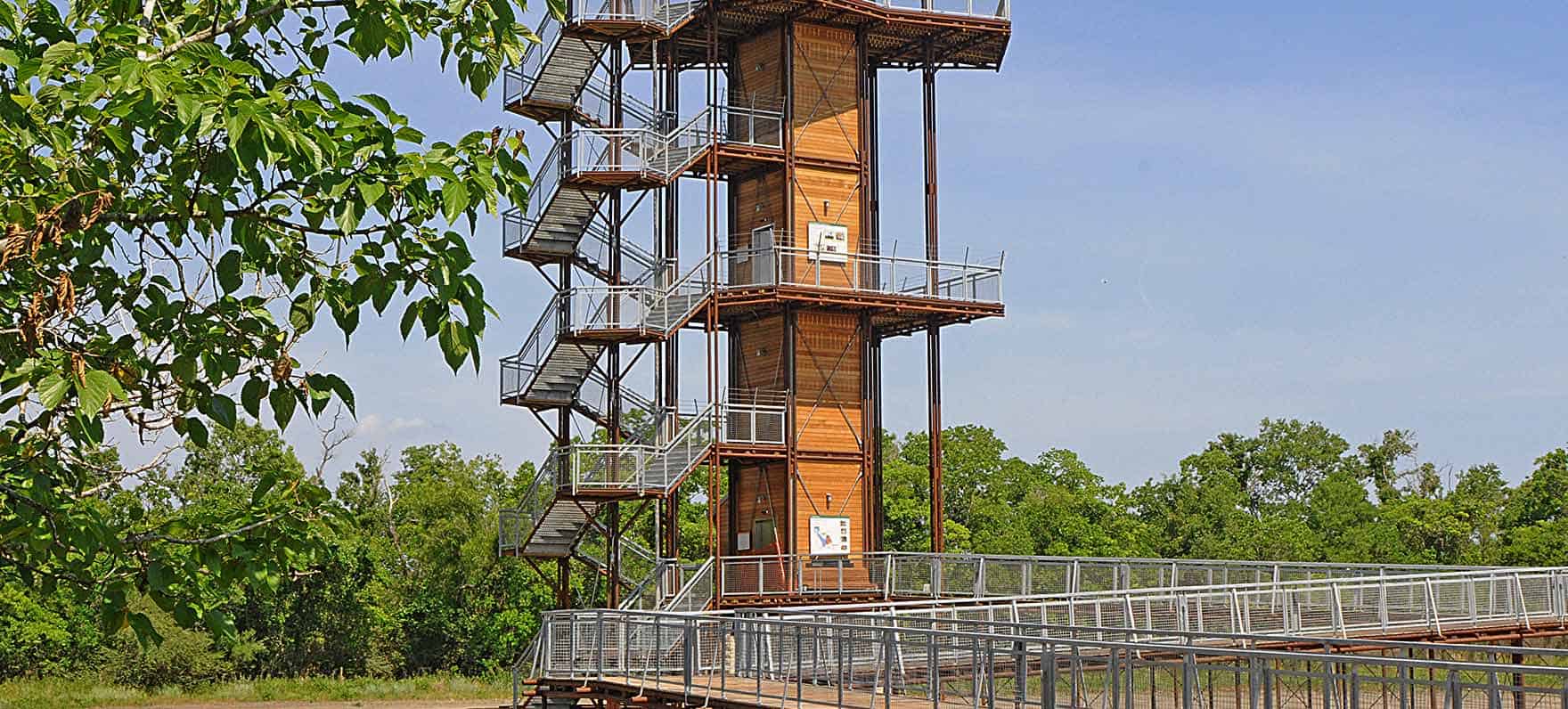
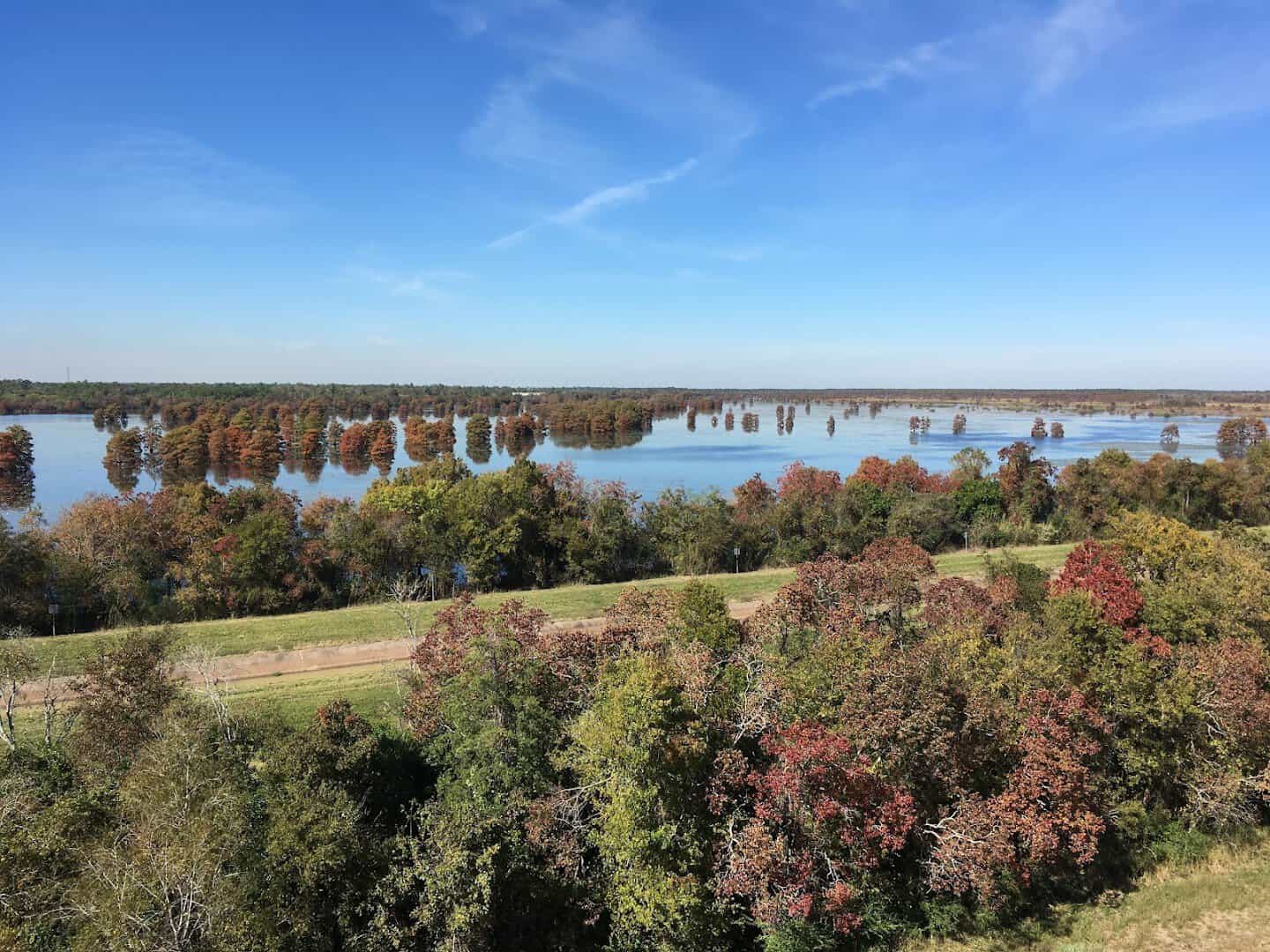
The John Jacob Observation Tower rises 82 feet above the prairie, an open steel structure with two viewing decks. One deck you reach by ramp, the other by stairs or an elevator, so nearly everyone in the family can make the climb to the top.
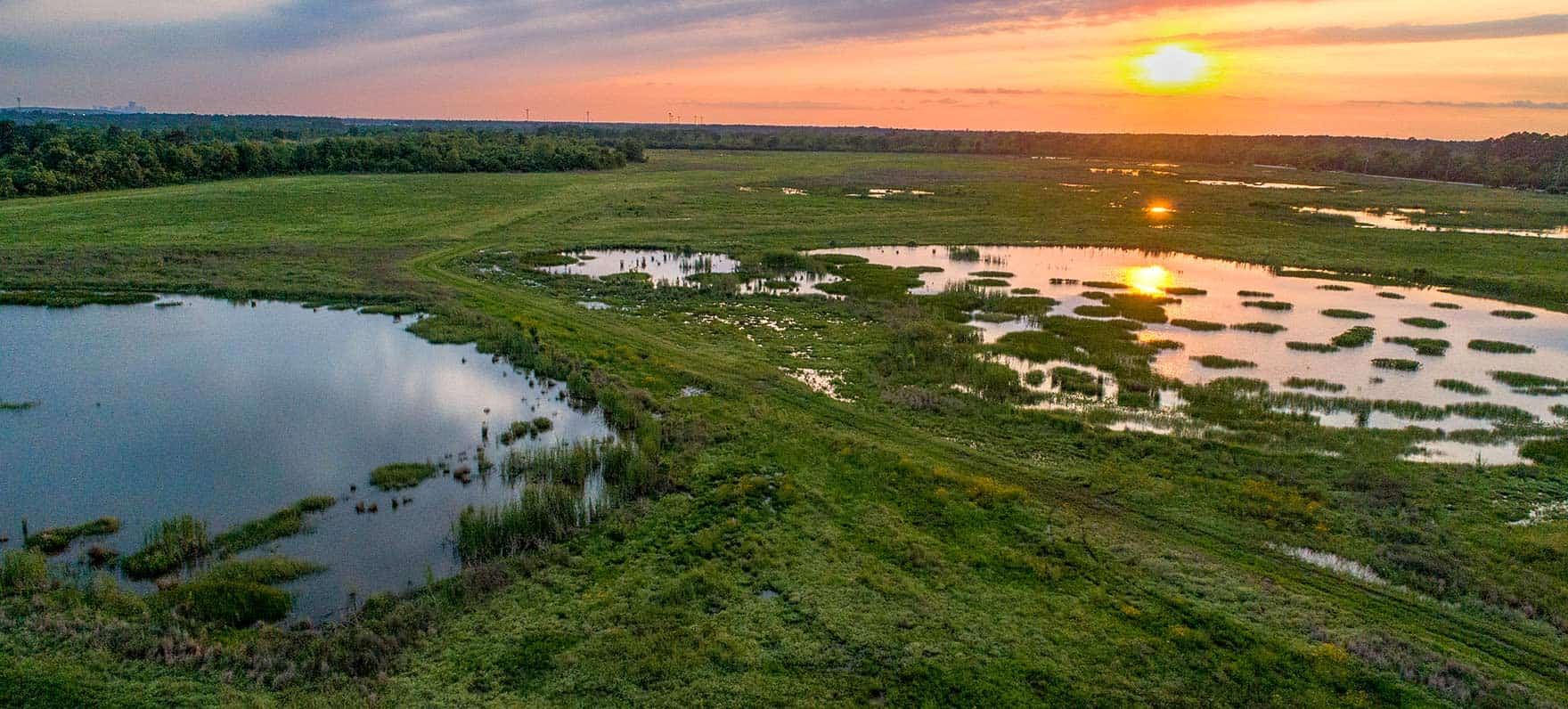
From up there, the whole park unfolds beneath you: wetlands, restored prairie, and the wide sheet of the lake spreading out to the tree line.
Then, far off on the horizon, sits the downtown Houston skyline. It is a strange and lovely thing to stand in tall coastal grass and see a major city’s towers in the same glance.
Come near golden hour and the light does the work for you. The grass goes amber, the water catches the sky, and the towers turn to silhouettes.
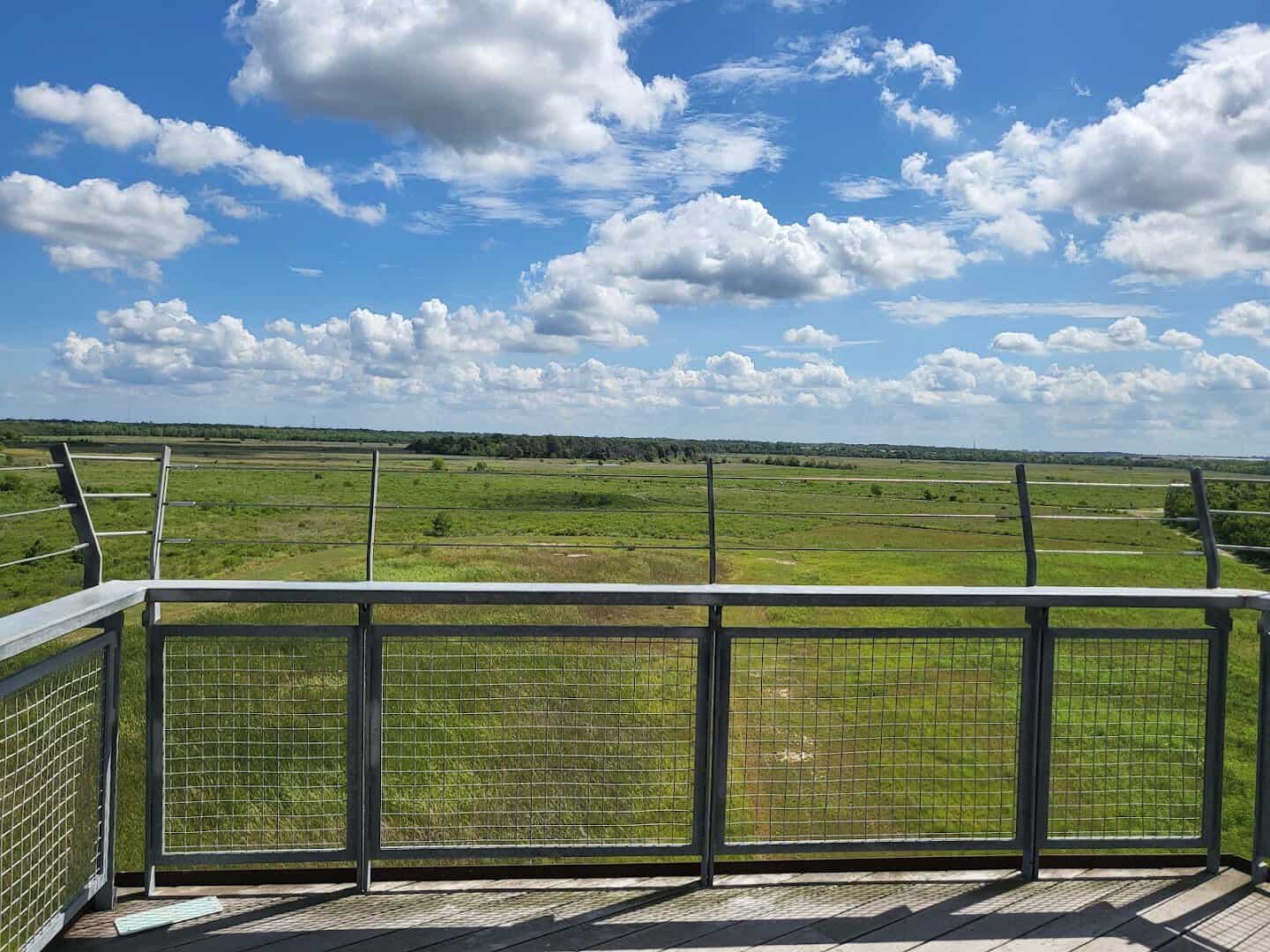
It is the best free view in this part of Houston, and most people on the nearby freeway have no idea it is up here.
Wild Things at the Water’s Edge
This is a working wetland, which means you are sharing it, and that is half the fun of the place.
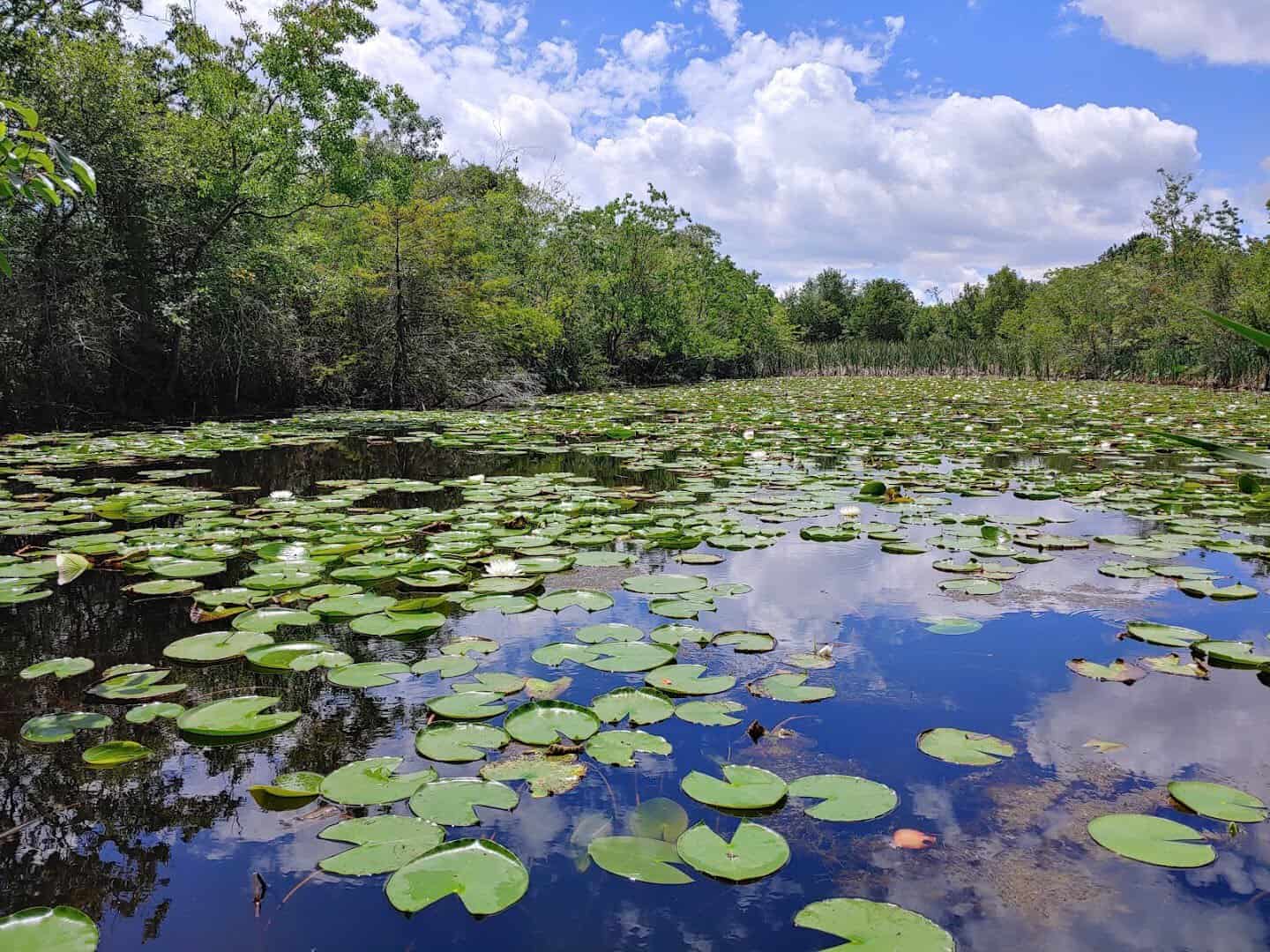
Great blue herons stalk the shallows on legs like stilts. Egrets stand white and still against the green.
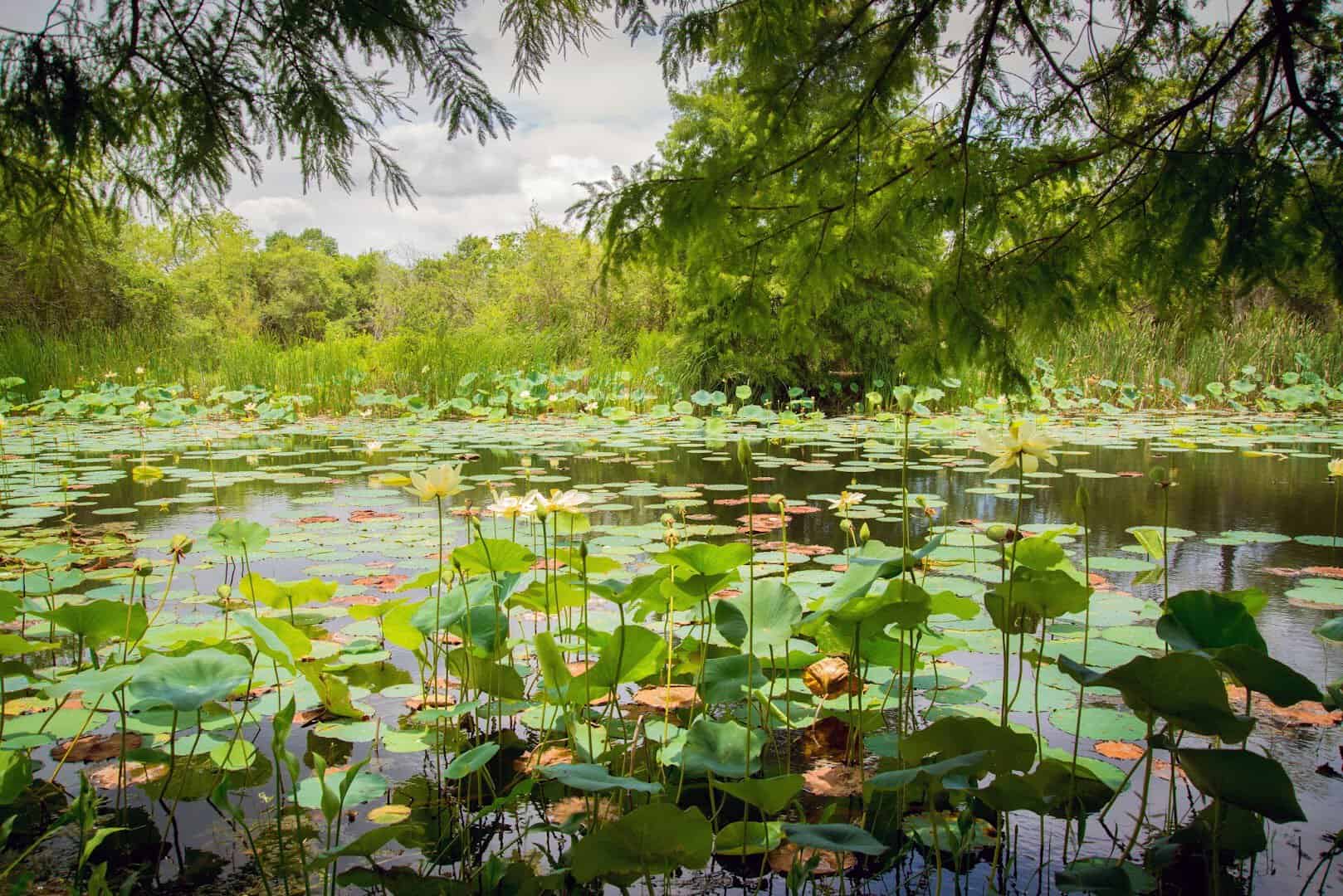
If you are lucky, you will catch a flash of pink from a roseate spoonbill, one of the most improbable-looking birds in North America, sweeping its spoon-shaped bill through the shallow water for a meal.
And yes, there are alligators. They live here, they belong here, and they are part of why this place feels wild rather than manicured. Keep your distance, keep small dogs leashed and back from the bank, and enjoy the small thrill of knowing the food chain is fully staffed.
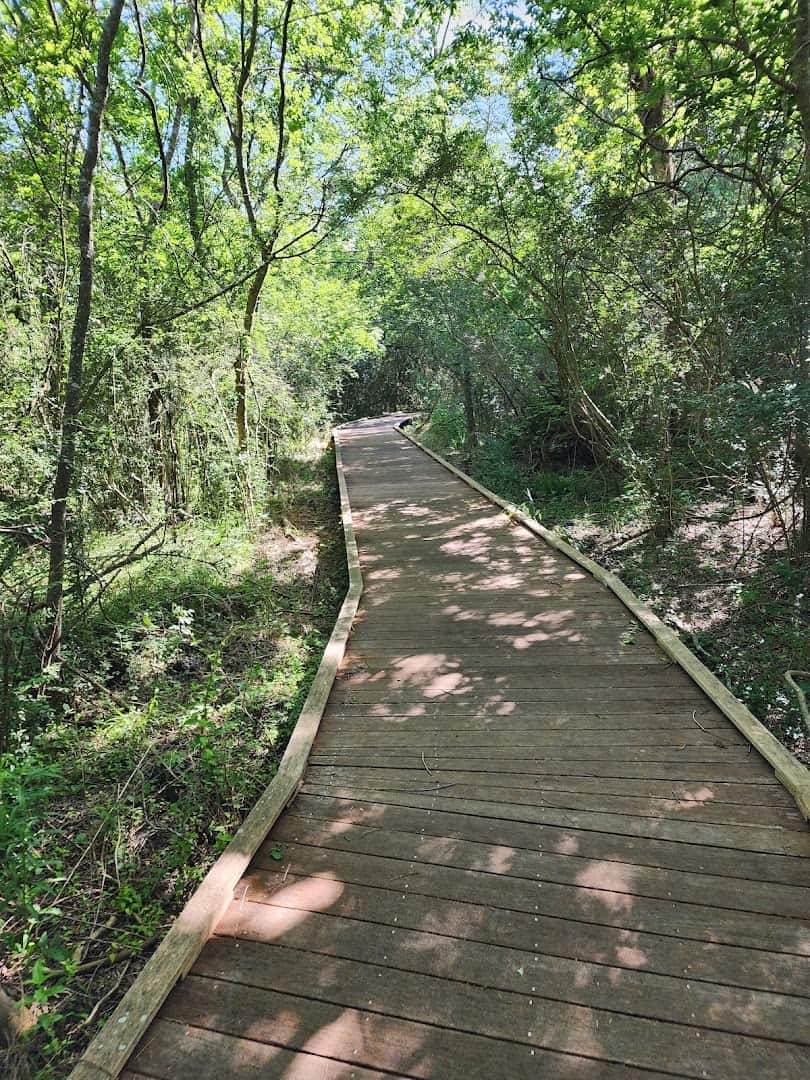
On foot, about two miles of trails thread through it all. The Pond Loop Trail, the Prairie Trail, and the Wetland Loop each show off a different slice of coastal habitat.
The trails and facilities are built to be accessible, so a wheelchair or a stroller is not shut out of the good parts of this park.
From War Reservoir to Wild Refuge
The story of how this lake got here is stranger than the average park history, and it is worth knowing before you cast.
Sheldon Lake was not carved by nature. In 1942 and 1943, with World War II driving explosive growth along the Houston Ship Channel, the federal Works Progress Administration dammed Carpenters Bayou to build a reservoir.
Its whole job was to supply water to the war industries that were clustering fast along the channel.
When the war ended, the land passed to the City of Houston, which used the lake for water until 1955. Once the much larger Lake Houston came online, Sheldon was no longer needed for drinking water and moved on to a new life.
The state made it a waterfowl refuge and public fishing spot, and it opened as the Sheldon Lake Wildlife Management Area in 1955. For years it ran as a working fish hatchery, raising fish to stock waters all over the region.
It was finally designated a full state park in 1984.
You can still read that hatchery past in the landscape today. The Pond Loop Trail winds past 28 old hatchery ponds that have been returned to nature, now soft-edged and green and full of life.
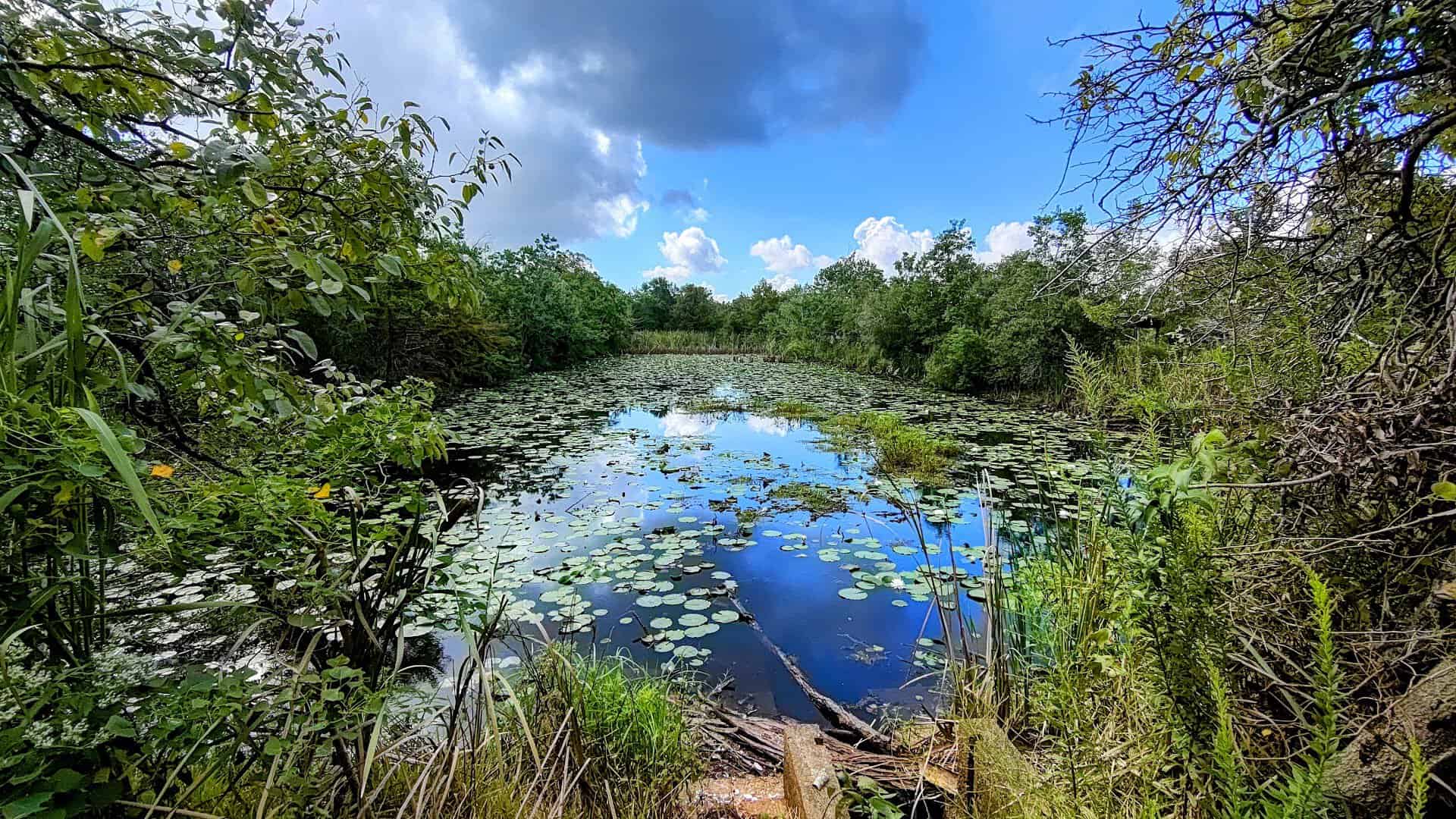
Did you know a place built to grow fish for stocking would one day become the peaceful refuge you see today?
More Than a Fishing Hole
Even if the fish are not biting, this park earns the drive on its own.
The Environmental Learning Center anchors the place with hands-on exhibits and programs about conservation and sustainable living, and the building itself shows off green design choices you can walk through.
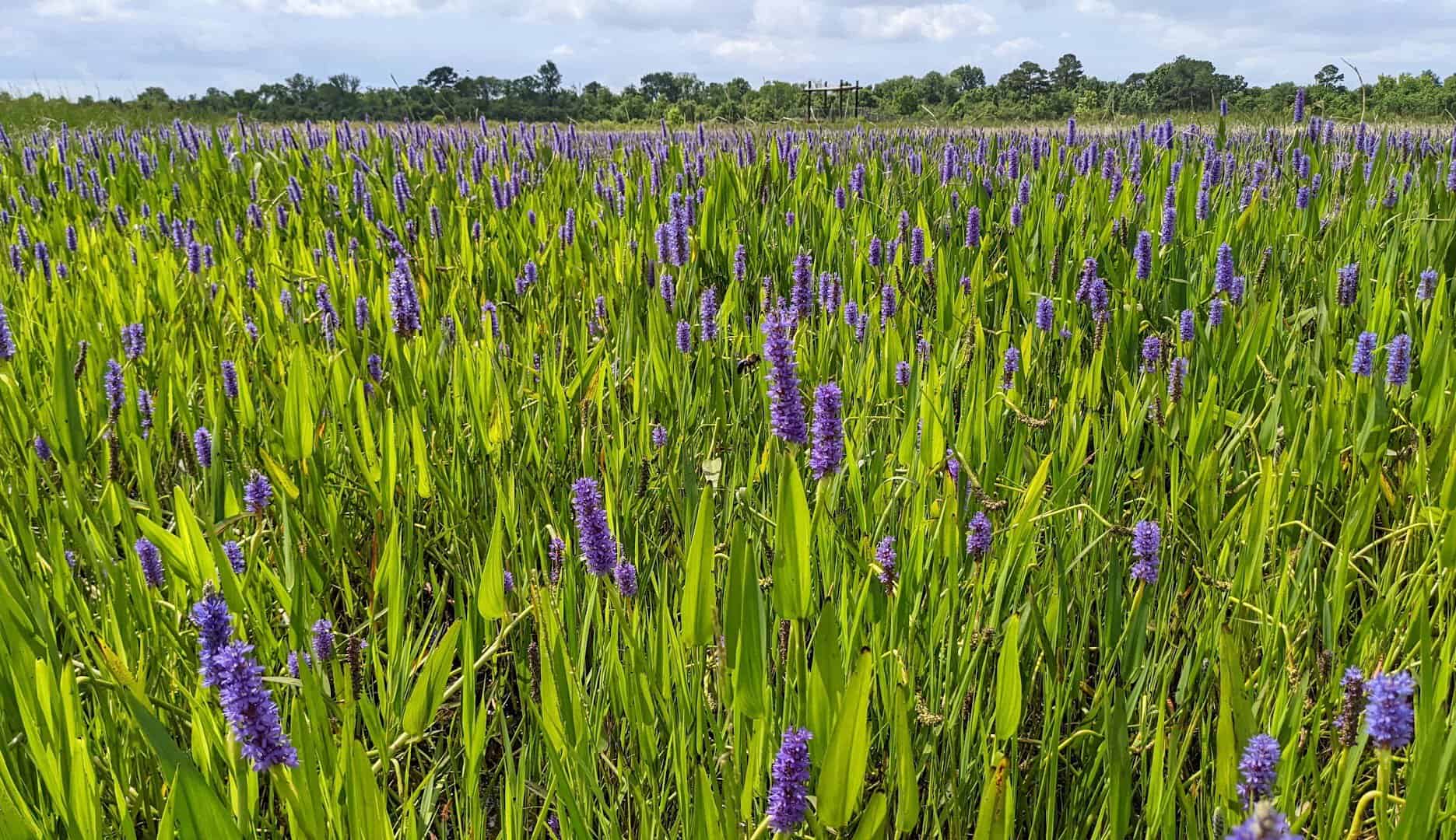
The park is a Texas Aquatic Science Certified Field Site, which is a fancy way of saying it takes teaching the water seriously.
There is a Wildscape demonstration garden planted with Texas natives, the kind of thing that quietly hands you ideas for your own backyard. Junior Ranger programs give the youngest visitors a mission and a badge to chase.
You tend to leave this place knowing a little more than you arrived with, which is not something you can say about most fishing spots.
Before You Go
A few practical notes so your first trip goes smoothly.
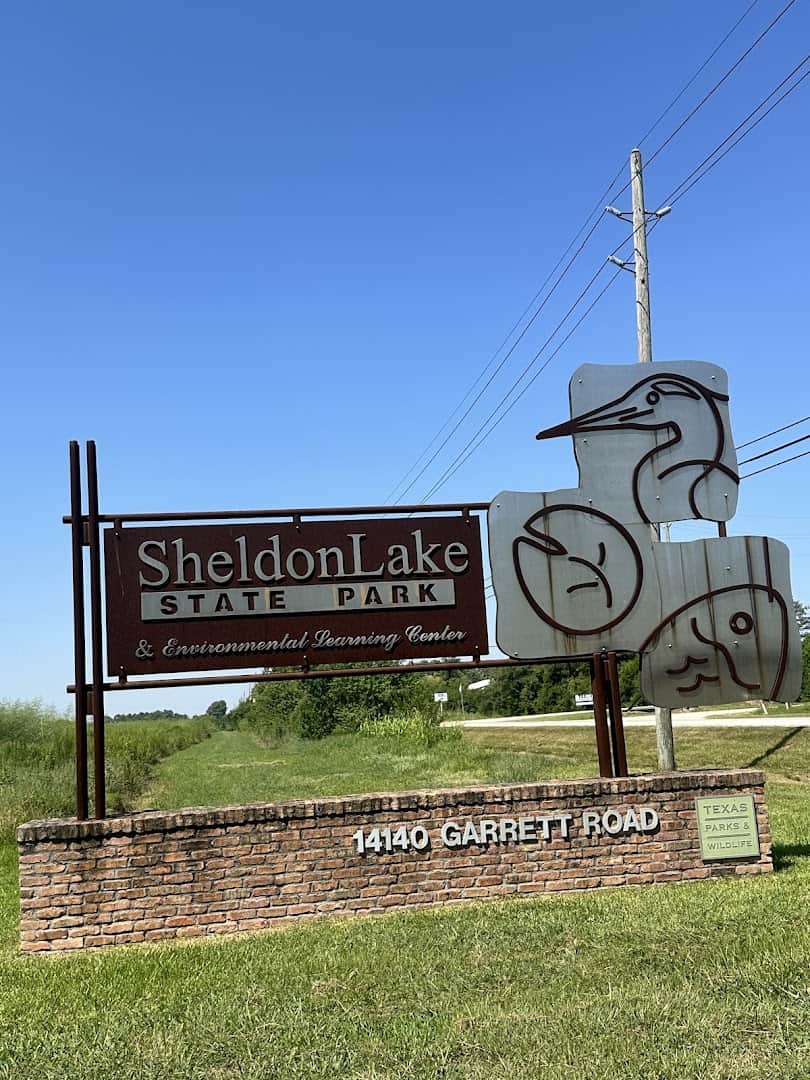
The park is open daily from 8 a.m. to 5 p.m., and it closes on Thanksgiving and on December 24 and 25.
There is no entrance fee at all, though free day-use passes are available to reserve online if you like to have one in hand before you arrive.
Bring water, bug spray, and a hat, because coastal Texas sun and mosquitoes both mean business. If you are bringing little ones, aim for the family ponds near the picnic area and ask at the visitor center about borrowing tackle.
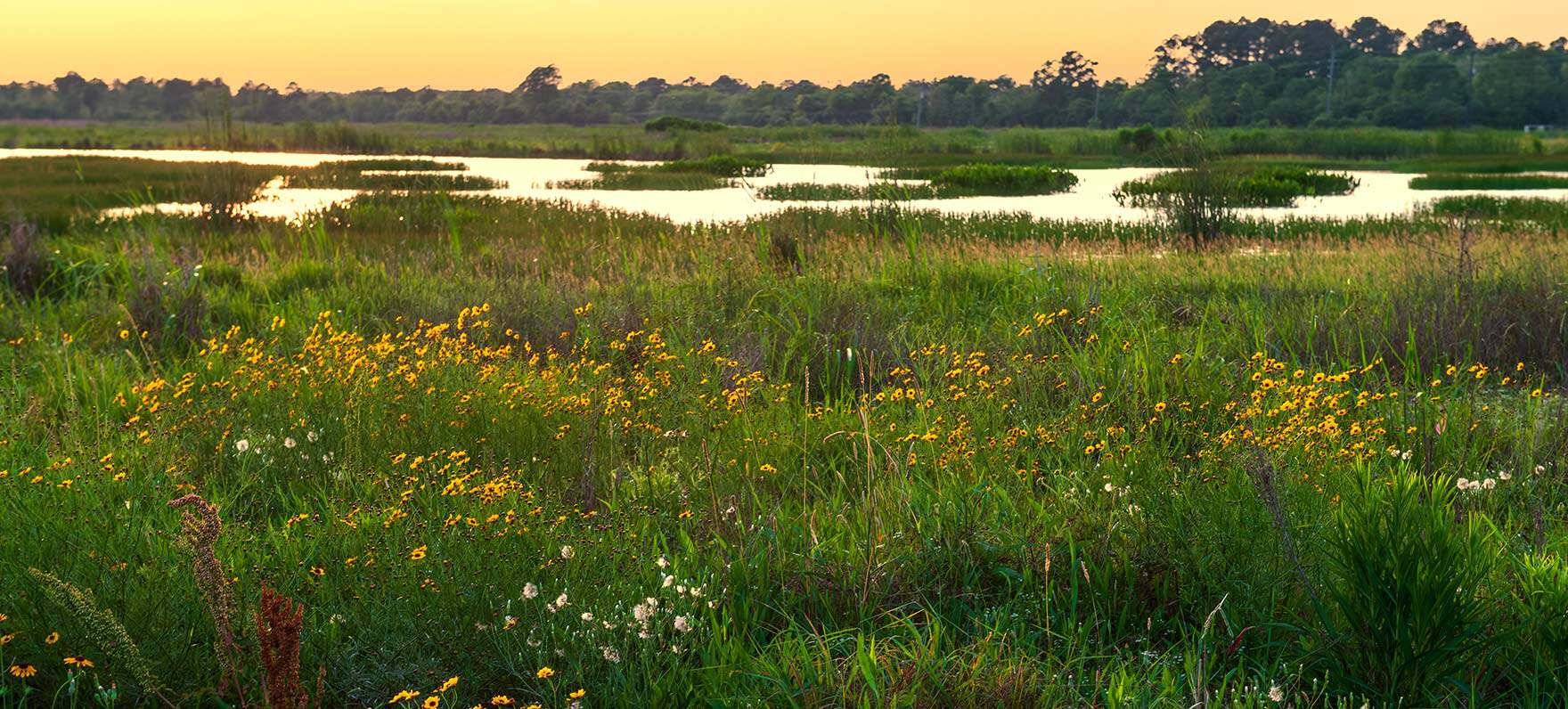
Save some energy for the tower, because you will want to climb it before you leave.
How to Get There
Where: Sheldon Lake State Park and Environmental Learning Center, 14140 Garrett Rd., Houston, TX 77044. Phone: (281) 456-2800.
It sits in northeast Houston, an easy run for anyone in the metro area and a worthy detour if you are passing through on the way east toward the coast.
Grab a Rod and Go
Free fishing in Texas is not a loophole or a rumor. It is a rule on the books, and Sheldon Lake is one of the best places to use it.
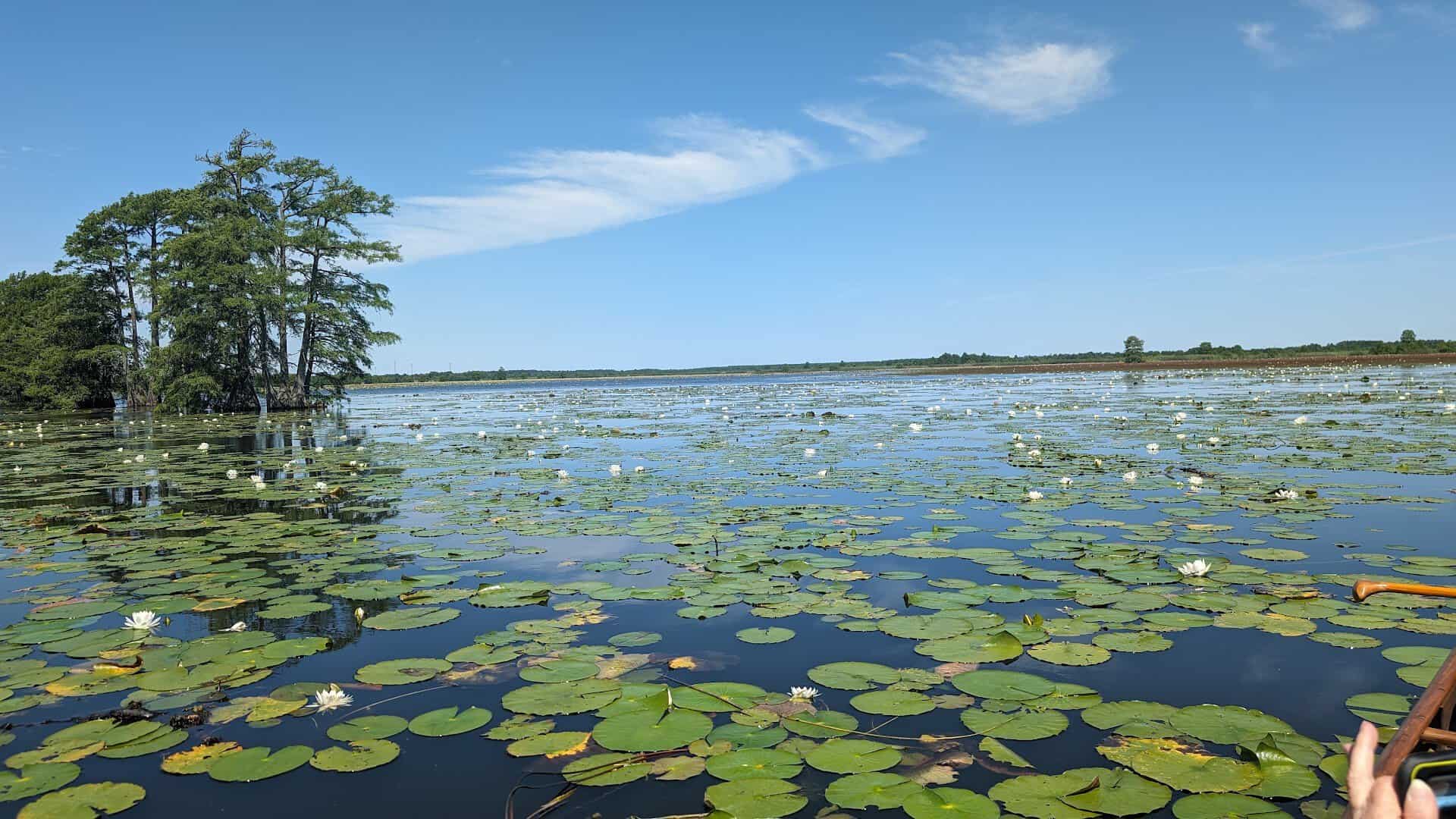
Pack a picnic, borrow a rod if you need one, and teach a kid to cast where the herons work the shallows.
Then climb 82 feet into the sky for a skyline you did not expect, and let the whole day cost you almost nothing. The fish are waiting, and so is the tower.
Featured image: @ Sheldon Lake State Park

Stella Raines
Editor-in-Chief
Stella brings over a decade of storytelling experience to TX Headlines. With roots in West Texas and a love for road trips, she leads the editorial team with an eye for the hidden stories that make Texas unforgettable.
More Stories

These 10 Texas Spots Bloom Into Seas of Bluebonnets Each Spring

This Enchanting Texas Nature Trail Feels Like Hiking Through a Fairytale Forest

This Underrated Texas State Park Gives You a Full Day of Swimming and Hiking for Just $5

This Easy Texas Hike Leads to a Swinging Suspension Bridge Hidden in the Pines
Tags