This Hidden Texas Canyon Trail Is a Fern-Filled Climb Down More Than 2,700 Steps
Some Texas hikes hand you the view for free. A rare few make you earn it one wooden step at a time, and those are the ones I love best.
That is exactly the deal at the River Place Nature Trail, a fern-lined canyon tucked into the hills of northwest Austin. More than 2,700 built-in steps carry you down into a creek gorge that feels a world away from the highway just up the ridge.
Below, discover why hikers call it the toughest and prettiest climb the city has, what waits for you at the bottom, and exactly how to go walk it yourself.
A Staircase Into the Trees
Its Canyon section is the part people talk about for days afterward, and it is easy to see why once the ground starts to drop.
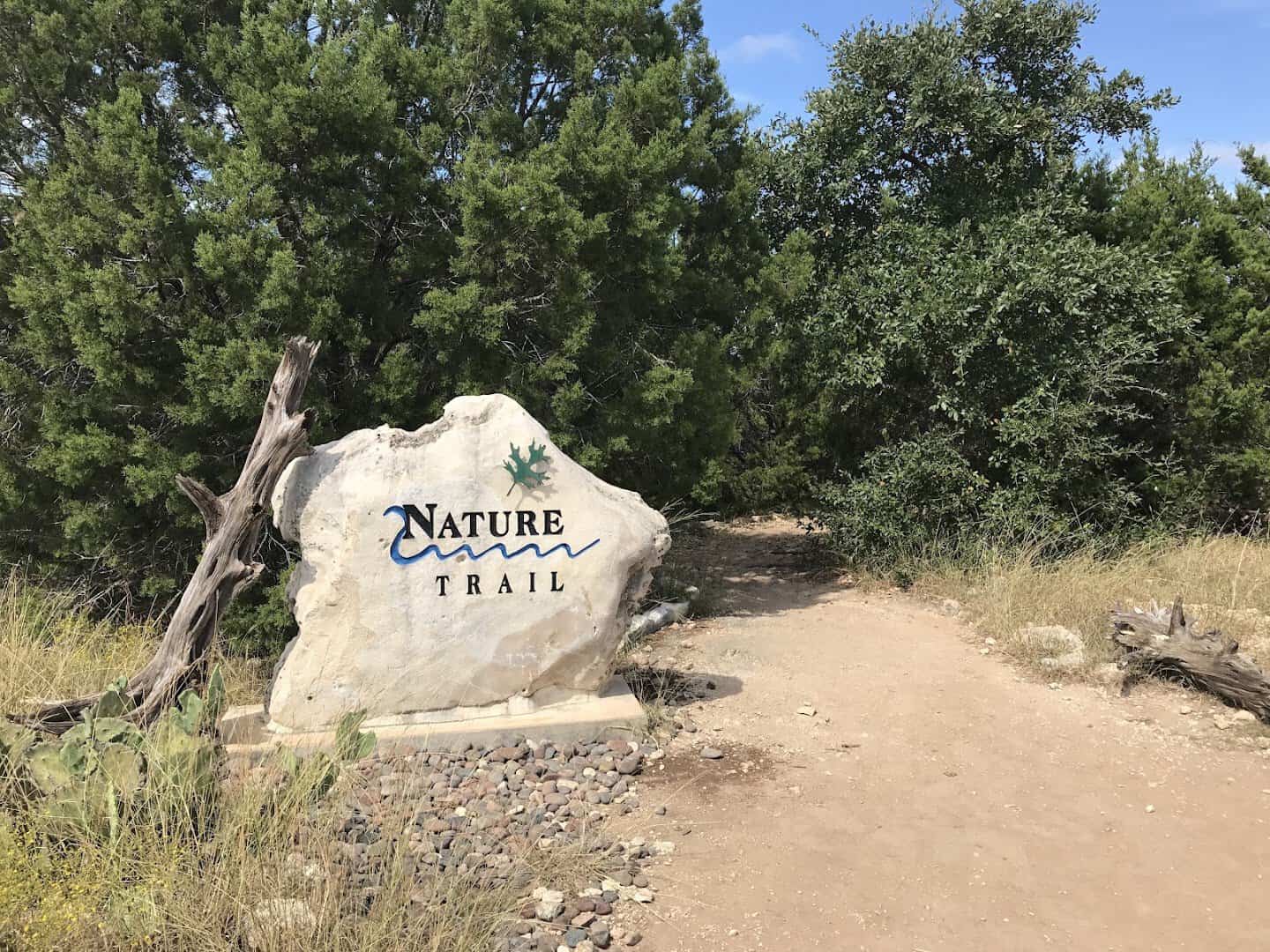
You start at a modest trailhead on a quiet residential street. There is no grand gateway, no visitor center, just a sign and a set of steps. Then the ground falls away.
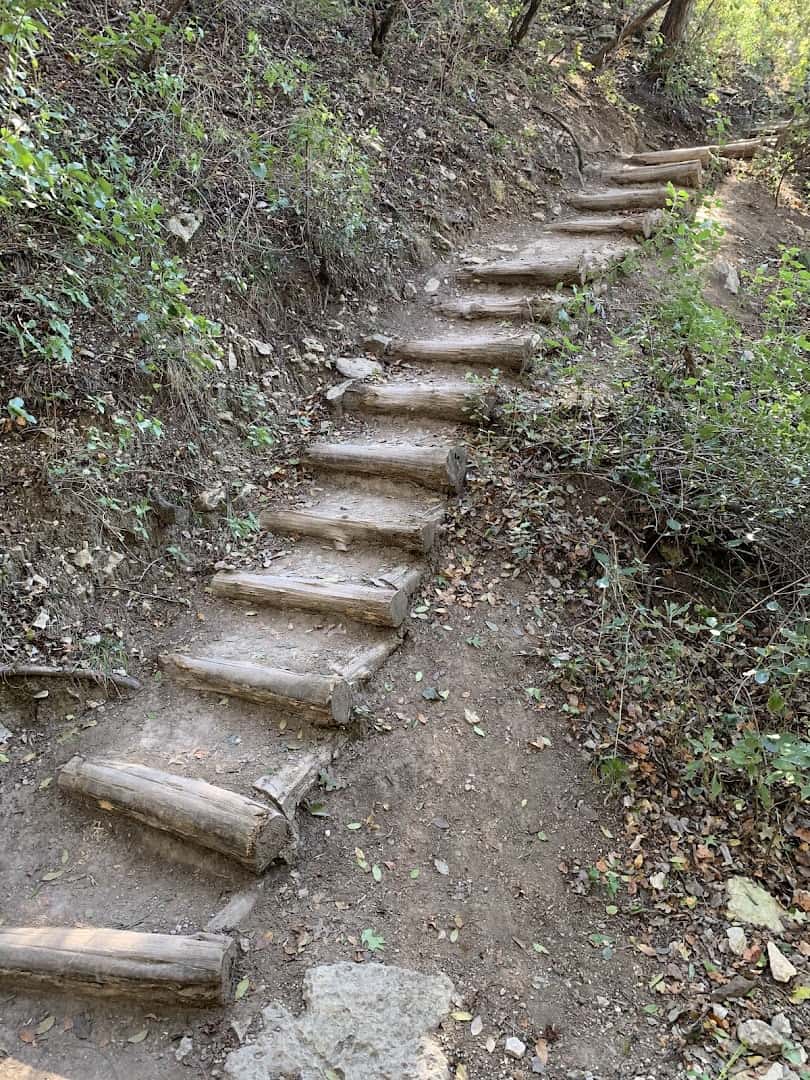
Hikers here climb and descend more than 2,700 wooden and stone steps on a round trip, with elevation change close to 1,000 feet. That is the steepest sustained incline anywhere near Austin, and you feel every foot of it in your legs the next morning.
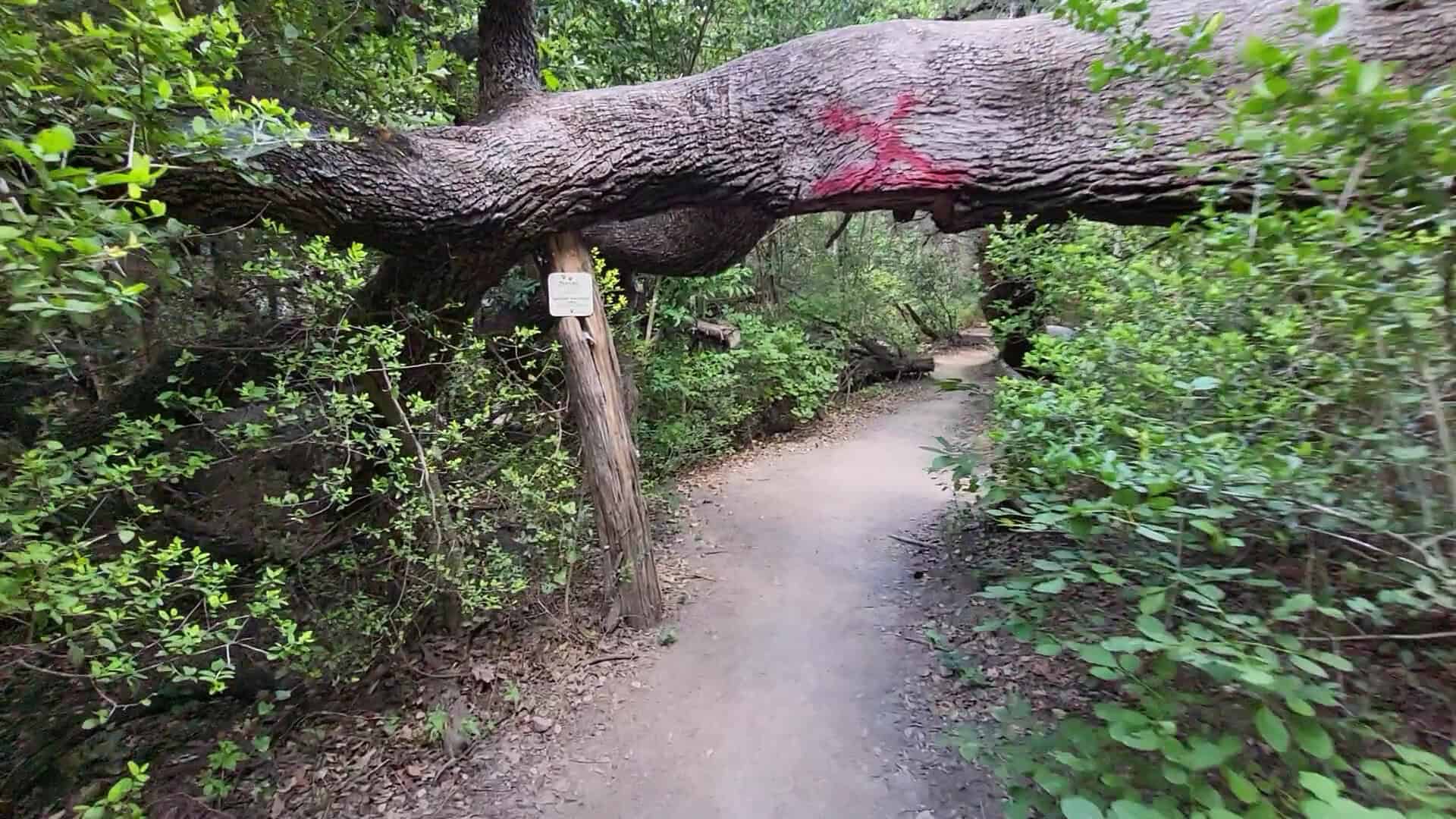
The steps are the whole personality of this place. They are hand-built into the hillside, weathered gray, hugging the natural slope so the trail drops the way water would. Going down is a knee workout. Coming back up is a different kind of honest.
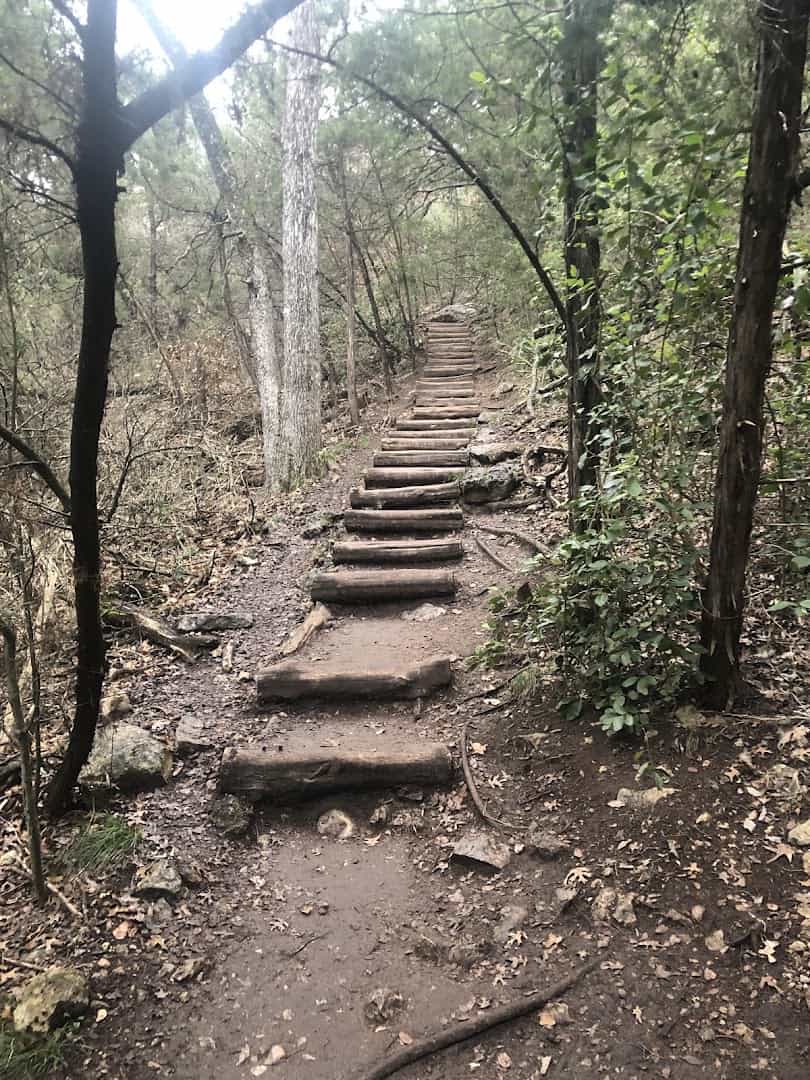
Pro tip: go down the Canyon side first while your legs are fresh, and save the gentler stretches for the return. Your knees will send a thank-you note.
Where the Canyon Gets Green
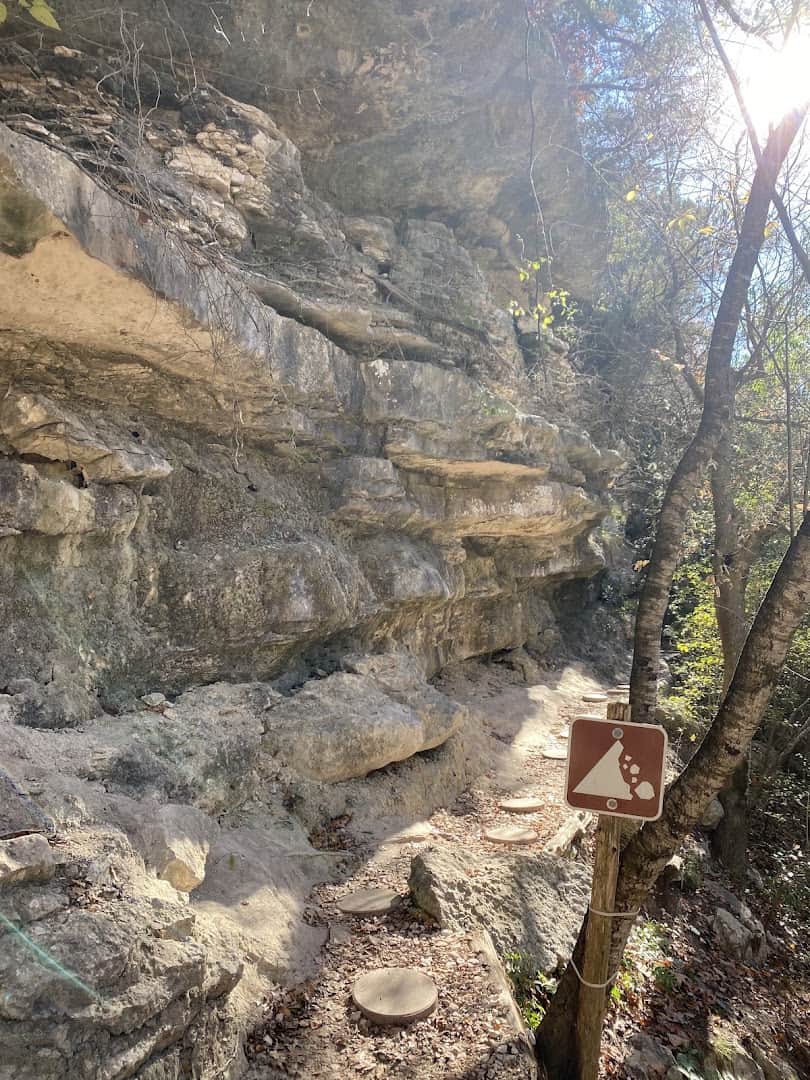
The magic starts about halfway down. The higher slopes are classic Hill Country, dry and rocky, all cedar and pale limestone. Then the walls close in, the temperature drops a few degrees, and everything turns lush.
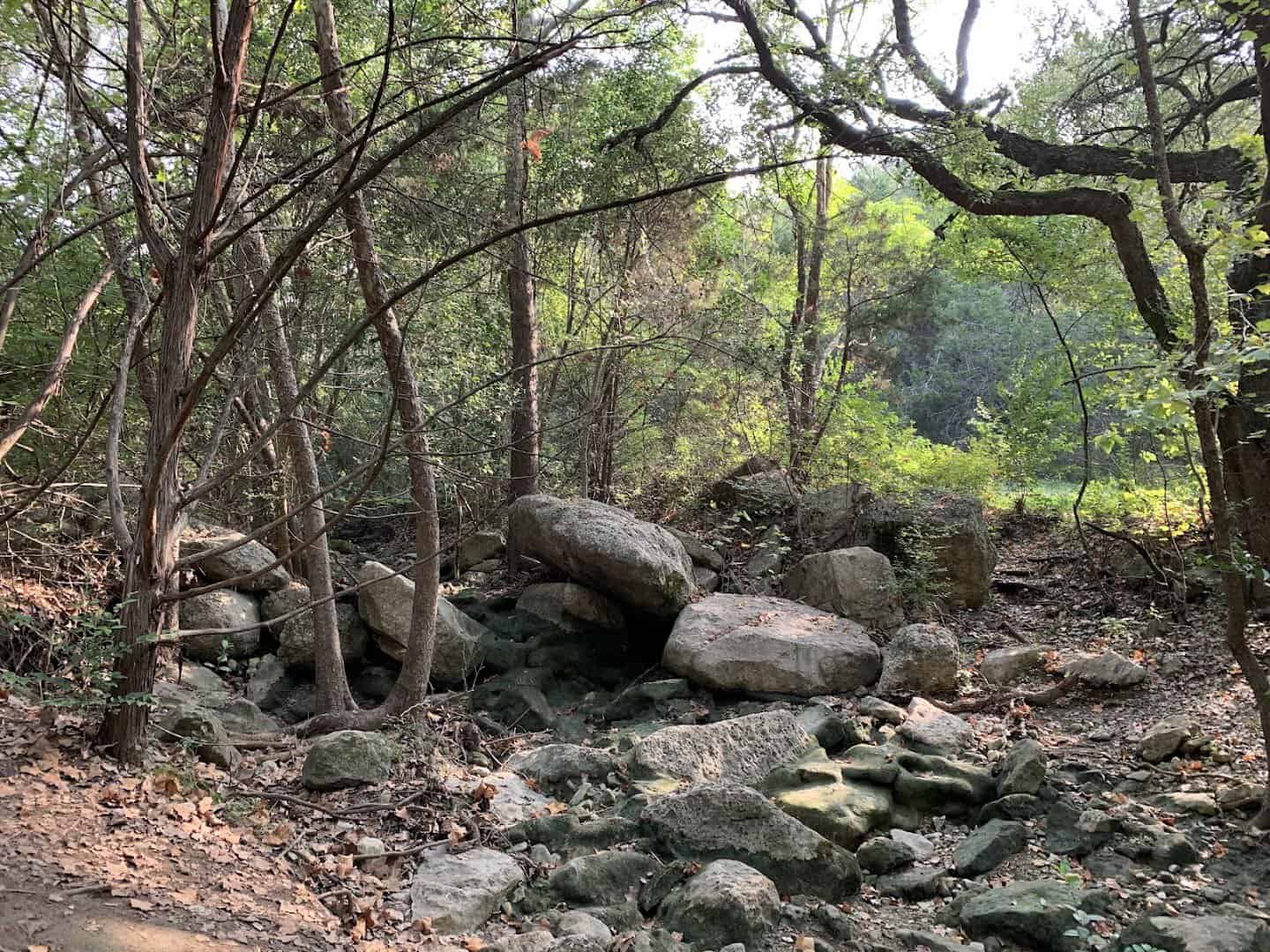
Limestone ledges rise on both sides, stacked and shelved like a natural amphitheater. Big boulders sit where they landed centuries ago. Overhangs drip with moss, and ferns spill out of every damp crack in the rock.
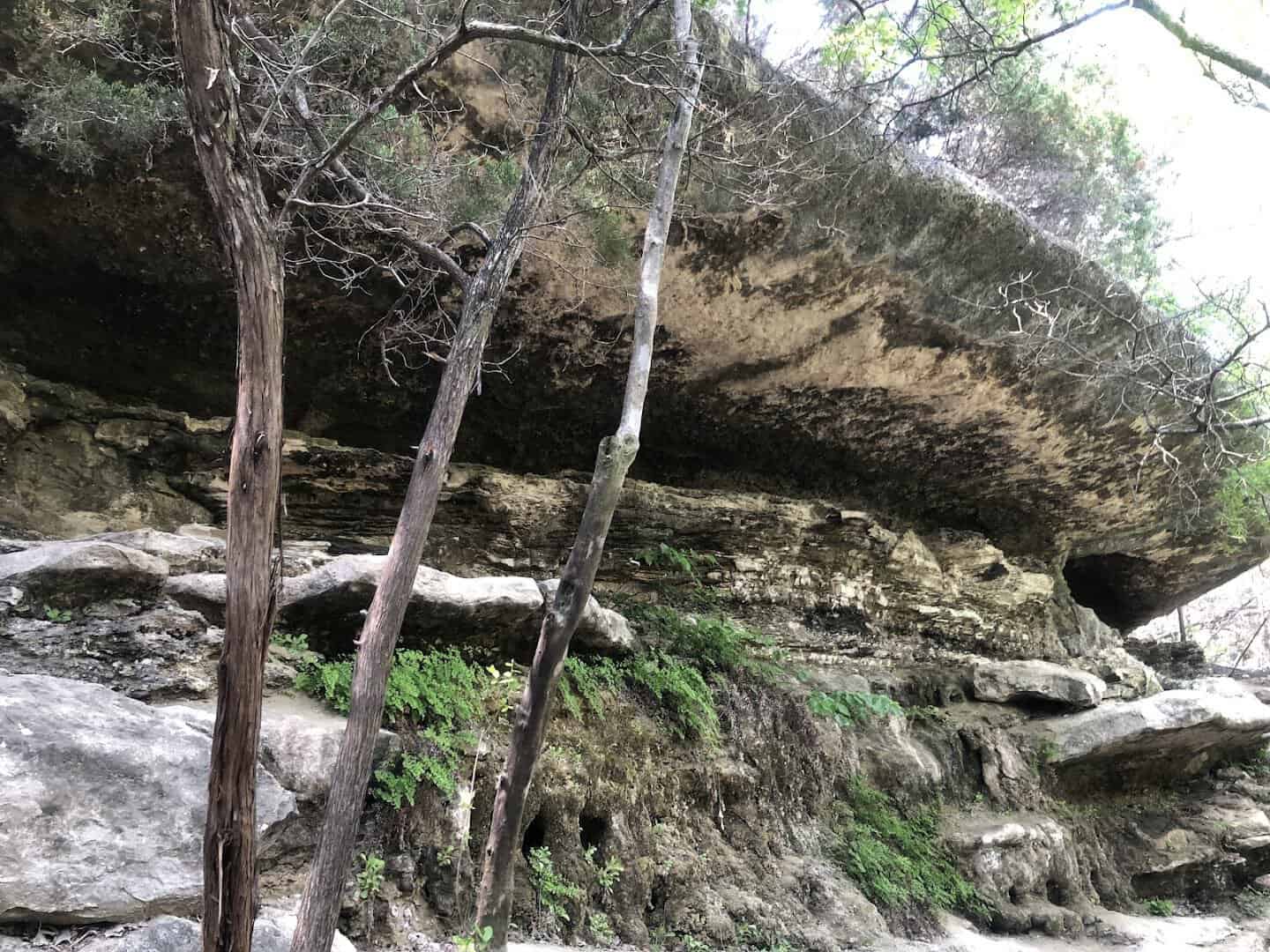
The deeper you go, the greener it gets. It is the kind of shade that smells like wet stone and leaf litter, cool and mineral, the smell you only get in a real canyon.
You can wade in a few of the deeper spots when the creek is running well. On a hot Texas afternoon, a cold ankle-deep pause in the shade is its own small reward.
The rock itself tells a story here. These are the limestone layers of the Hill Country, the same pale stone you see all over Central Texas, cut open by water over a very long time.
Standing at the base and looking up at the shelved walls, you get a rare cross-section view. It is what usually stays hidden under a thin skin of grass and cedar, laid bare and dripping with green.
The Creek That Runs Through It
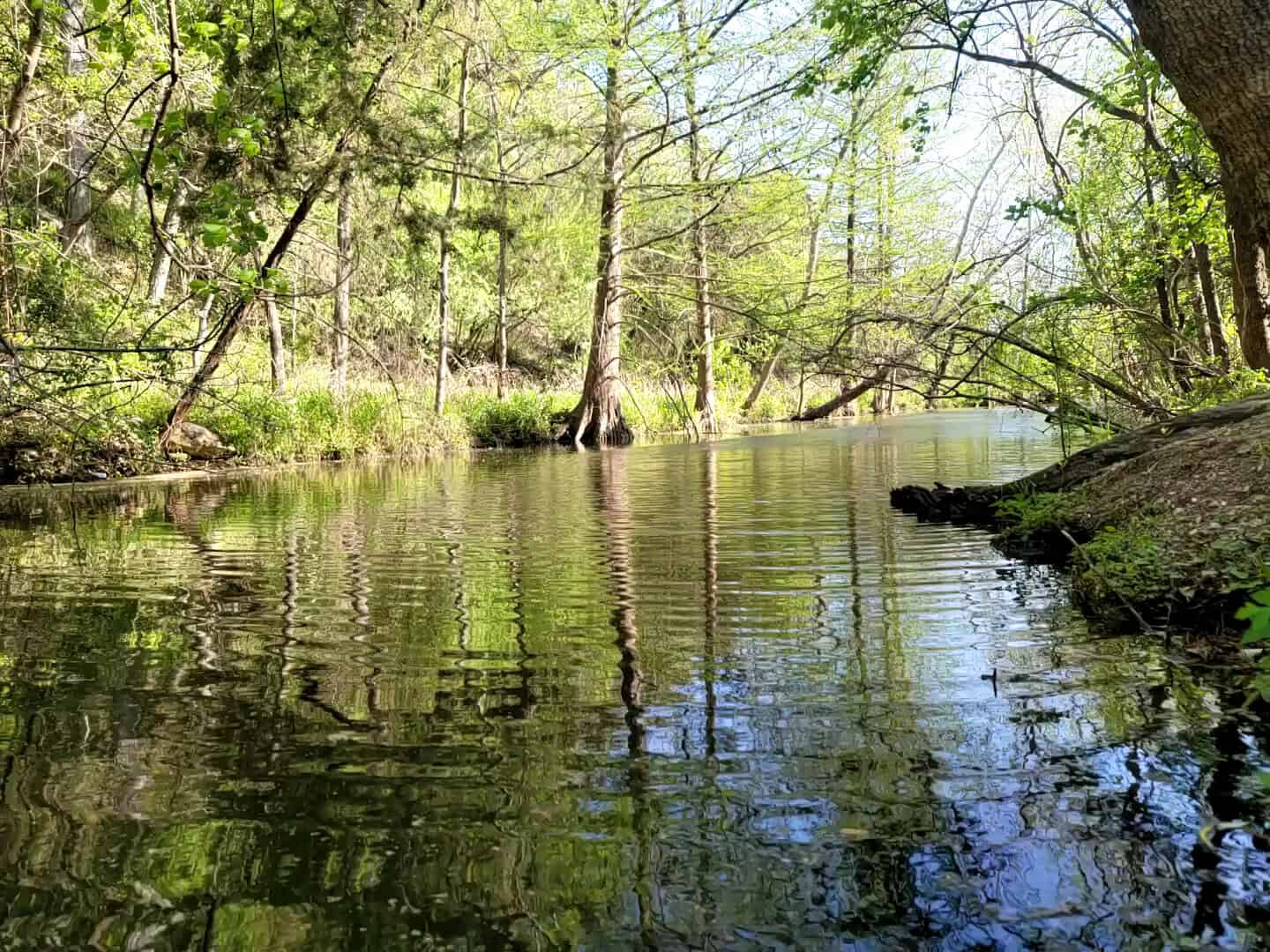
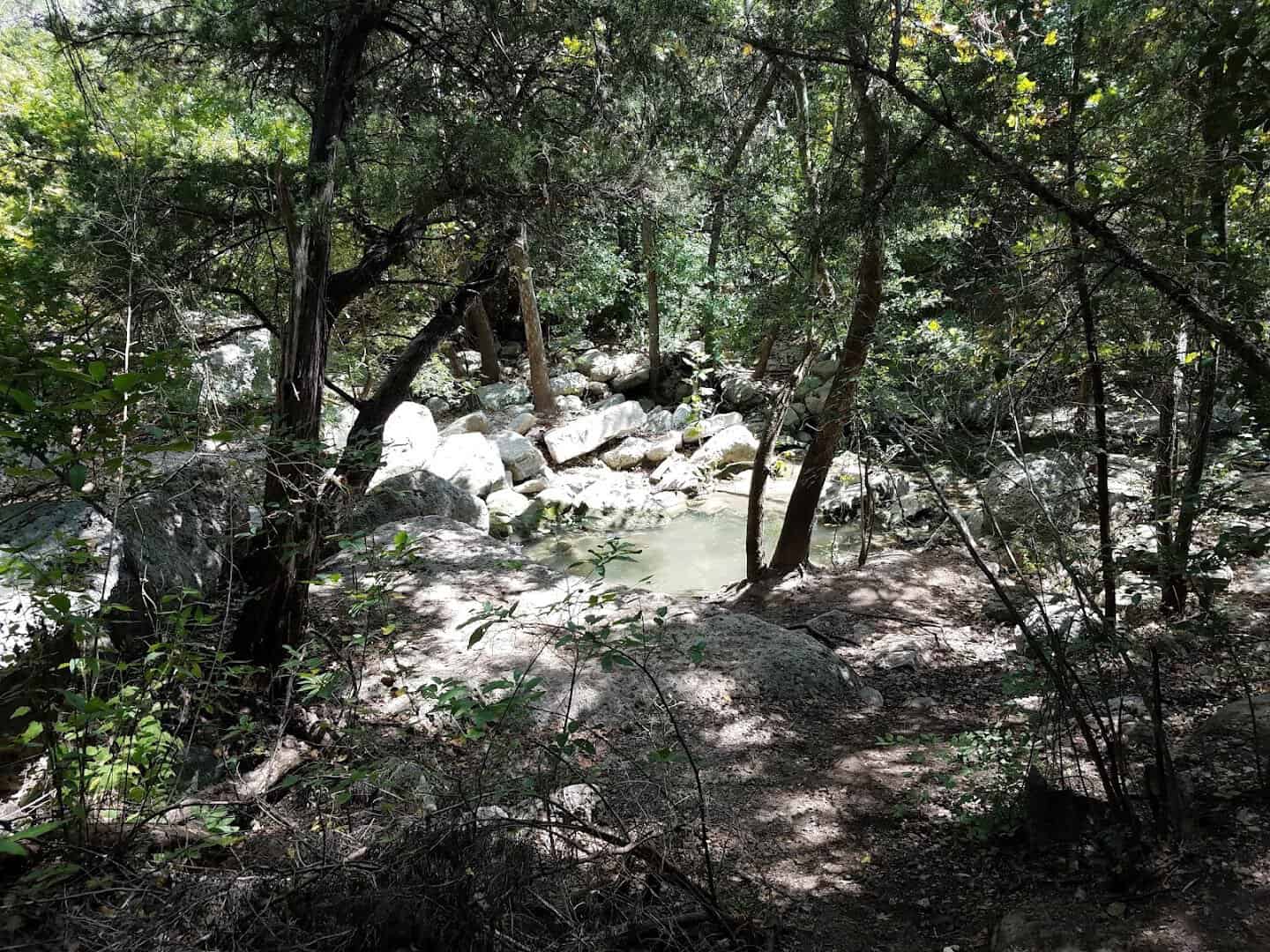
Panther Hollow Creek is the reason all of this is here. It gurgles and pools along the canyon floor, crossing the path again and again over stones and small ledges.
After a good rain, the creek shows off. Several small waterfalls tumble over the limestone shelves, and the whole hollow fills with the sound of moving water. It is the single best time to come, though the rock gets slick, so watch your footing.
There are numerous water crossings along the way, most of them easy hops from stone to stone. In the driest part of summer the creek can go quiet, but the ferns and the shade stay, and the canyon keeps its cool.
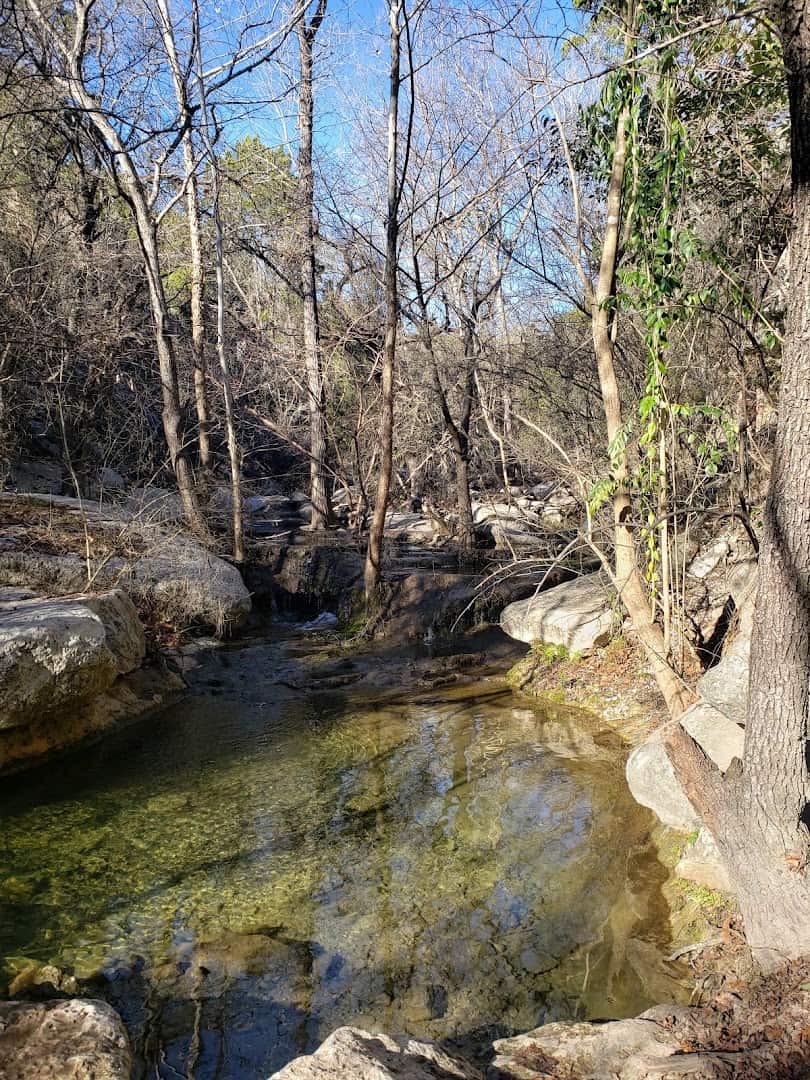
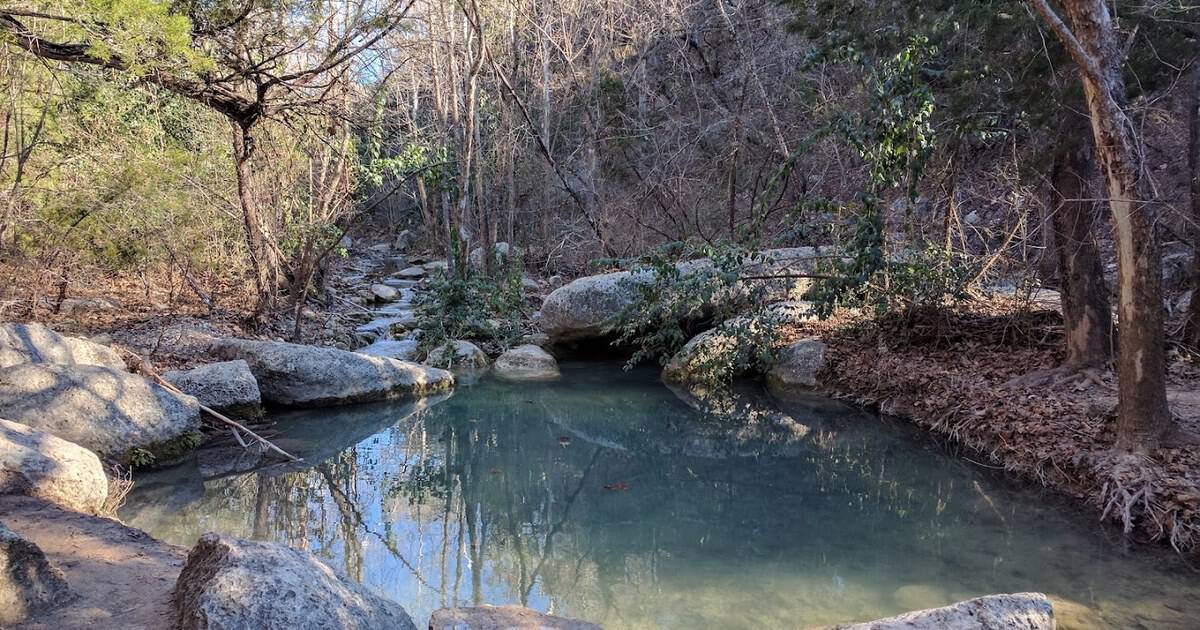
Reach the bottom and you find the payoff hikers come for: clear green pools resting between the boulders, ringed by cypress and reflecting the canopy overhead. It is the sort of quiet water that makes you want to sit down and stay a while.
The Boardwalk and the Little Lake
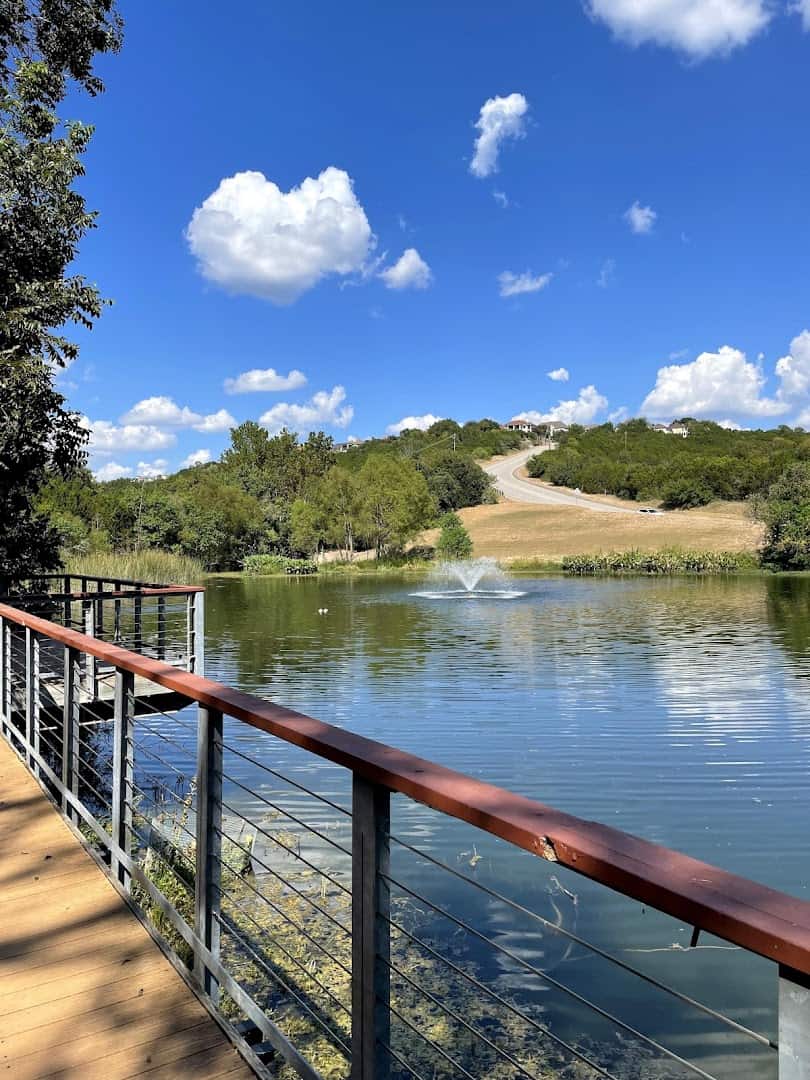
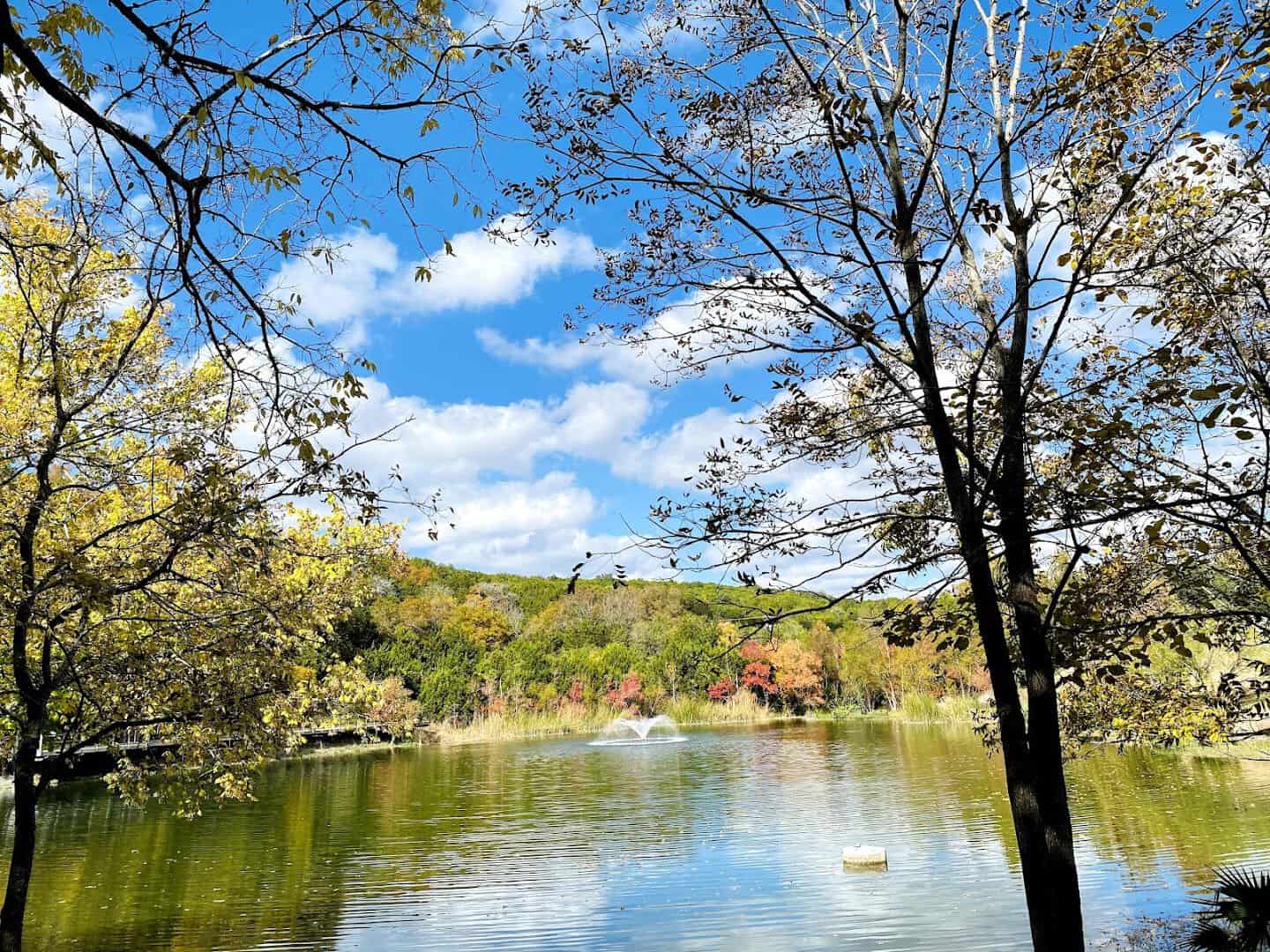
Most hikers begin their loop on a low wooden boardwalk that leads out to the Panther Hollow Trail. It runs beside a small lake, and this is where the trail eases you in gently before the steps get serious.
Stop here for a minute. Turtles line up on the half-submerged logs, and birds work the reeds along the water. A heron will often stand statue-still at the edge while joggers pass a few feet away, none the wiser.
The boardwalk is flat and wide, so it is the friendliest piece of the whole system. Families with little ones often go this far and turn back happy, no canyon required.
Little Fern, the Quiet One
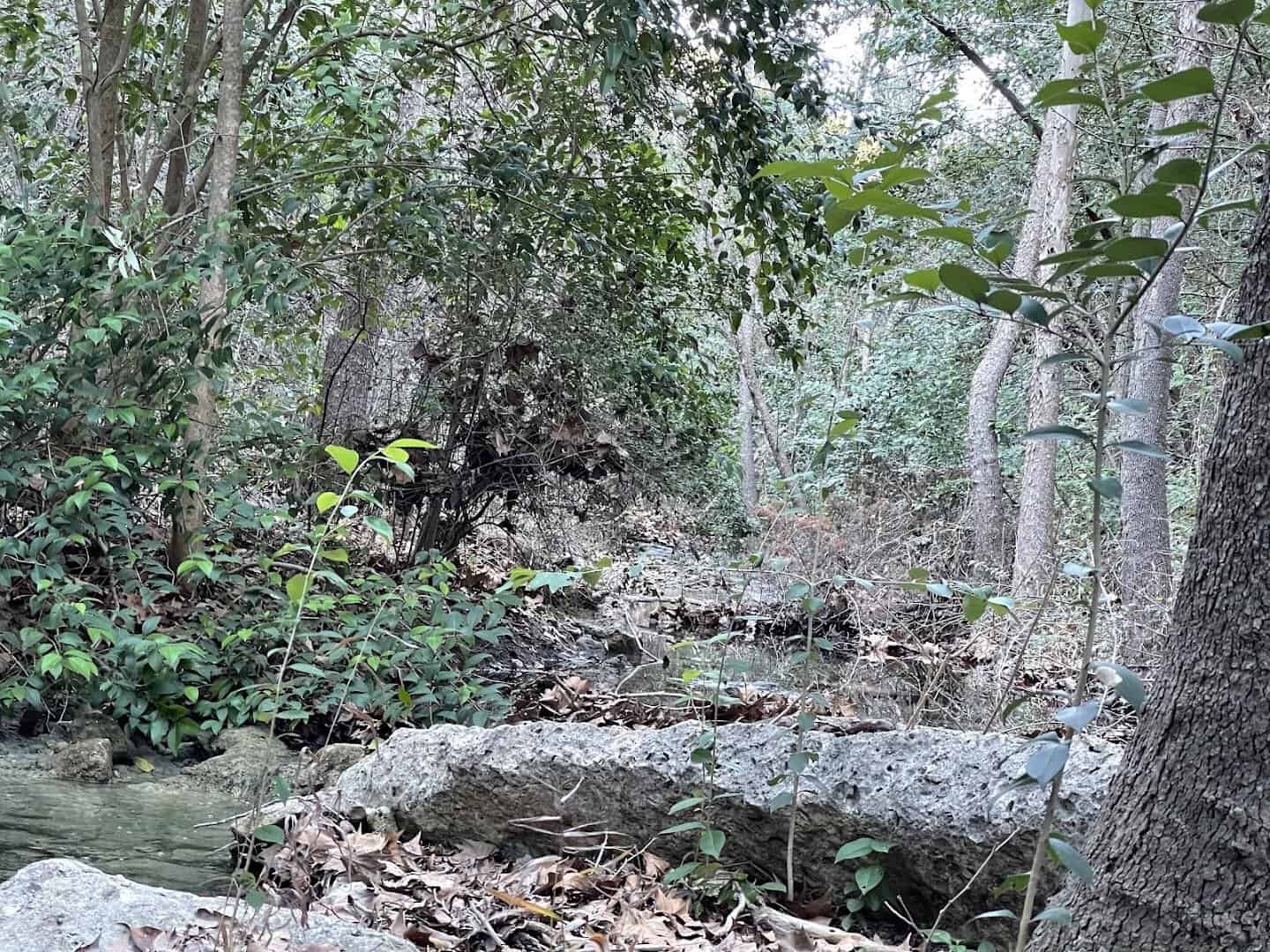
If the Canyon Trail is the showstopper, the Little Fern Trail is the secret. It is the flattest and widest segment, and because it takes a bit of effort to reach, far fewer people wander down it.
That is exactly why the wildlife likes it. Deer step out of the cedar. Birds you do not hear anywhere else on the trail sing from the low branches. One hiker famously came upon a large snake sunbathing right across the path, calmly minding its own business.
Little Fern lives up to its name. Ferns crowd the trail edges, and a string of small waterfalls trickles down the rock. It is the softest, greenest, most forgiving stretch of the entire hike, and the kind of place that begs you to slow all the way down.
Did you know? In spring you can spot cedar sage blooming red along the dirt paths, a little pop of color against all that green.
Bring binoculars if you have them, because this whole canyon is a favorite of Austin birders. The mix of creek, canyon shade, and cedar draws songbirds you will not hear out in the open.
The boardwalk lake pulls in herons and the odd wading bird all year, and the fern-shaded stretches hide warblers in the branches. Early morning is when the canyon really sings, so come with the sunrise if birds are your thing.
What the Trail Asks of You
Let me be straight with you: this is a real hike, and part of the fun is that it earns its views. The full out-and-back runs close to six miles and takes most people between two and three hours.
The reward matches the effort. One AllTrails reviewer called it “one of the best actual hiking trails” in Austin, and that praise comes up again and again from people who have hiked everything the city offers.
Bring more water than you think you need, because there is none provided on the trail. Wear real shoes with grip. And take your time on the steps, both directions, because they are uneven by design.
Leashed dogs are welcome, on a six-foot leash, and plenty of happy pups make the climb every weekend. Just pack out whatever your dog packs in.
The other thing to know is how quiet it can get. The Canyon steps thin out the crowds, and plenty of people turn back before Little Fern ever comes into view.
Go a little farther and you can find yourself completely alone at the bottom of a green gorge, minutes from a major city. That kind of quiet is rare, and it is a big part of why regulars keep coming back.
How a Neighborhood Grew a Canyon Trail
Here is the part that surprises people. This is not a state park or a national preserve. It sits inside the River Place community in northwest Austin, along the hills above Lake Austin.
The story starts in the mid-1980s. The private River Place Country Club opened in 1984, and the River Place Municipal Utility District was created on October 1, 1985, to build out the water, roads, and parks for the growing neighborhood.
Through the late 1980s and 1990s the community filled in, eventually topping 1,000 homes, and the nature trails were carved down into the canyon as part of that build-out. What could have been just another subdivision greenbelt became one of the best hikes in the region.
In December 2017 the district converted into the River Place Limited District, and that local body still owns and cares for the trails today. It maintains the paths, the stone steps, and the wooden boardwalks, and residents get complimentary access cards to the network at their doorstep.
That local stewardship is why the steps stay solid and the route stays marked. It is a genuinely lovely idea when you think about it: a community that decided its slice of the Hill Country was worth sharing with anyone willing to climb down and see it.
When to Go and What It Costs
The trail is open sunrise to sunset, and the weekdays are the quiet gift. Monday through Friday, hiking here is free, and you will often have long stretches of canyon to yourself.
On Saturdays, Sundays, and holidays there is a $10 fee per hiker, collected in person at the trailhead by card only, with no cash and no online payment. Children 12 and under hike free with an adult.
Spring and fall are the sweet spots for weather, and the days after a good rain are unbeatable for the waterfalls. Summer mornings work too, since the canyon shade keeps things cooler down low than up on the rim.
Tip: there is no dedicated parking lot, so you will park along the street near the trailhead. Arrive early on weekends, both for a spot and for the quiet.
How to Get There
Where: River Place Nature Trail, Canyon Trailhead, 8820 Big View Drive, Austin, TX 78730.
The trailhead sits in northwest Austin, off Big View Drive in the River Place neighborhood near the FM 2222 corridor. A second entrance opens onto the Panther Hollow end of the system, so you can start from either and link them together.
Give yourself a half day, come with water and grippy shoes, and treat the drive out as part of the adventure. The hills roll, the road winds, and then the canyon opens up right where the pavement ends.
Go Find Your Own Bottom Step
There is something about descending into a green gorge in the middle of a Texas summer that resets your whole sense of the state. You forget you are minutes from a major city. You forget the heat waiting up top. You just follow the water down.
So lace up, count your own steps, and let the canyon do what it does best. Find a fern-shaded ledge, listen to Panther Hollow Creek gurgle over the stones, and just sit for a minute.
Then climb back out with legs that ache in the best possible way. Texas has more hidden green than it lets on, and this old wooden staircase is one of the finest ways down into it.
Featured image: Brian “Hydro” Maddix via River Place Nature Trail

Stella Raines
Editor-in-Chief
Stella brings over a decade of storytelling experience to TX Headlines. With roots in West Texas and a love for road trips, she leads the editorial team with an eye for the hidden stories that make Texas unforgettable.
More Stories

These 10 Texas Spots Bloom Into Seas of Bluebonnets Each Spring

This Enchanting Texas Nature Trail Feels Like Hiking Through a Fairytale Forest

This Underrated Texas State Park Gives You a Full Day of Swimming and Hiking for Just $5

This Easy Texas Hike Leads to a Swinging Suspension Bridge Hidden in the Pines
Tags