This Giant Texas Fabric Warehouse Is a Crafter’s Paradise With Wholesale Prices
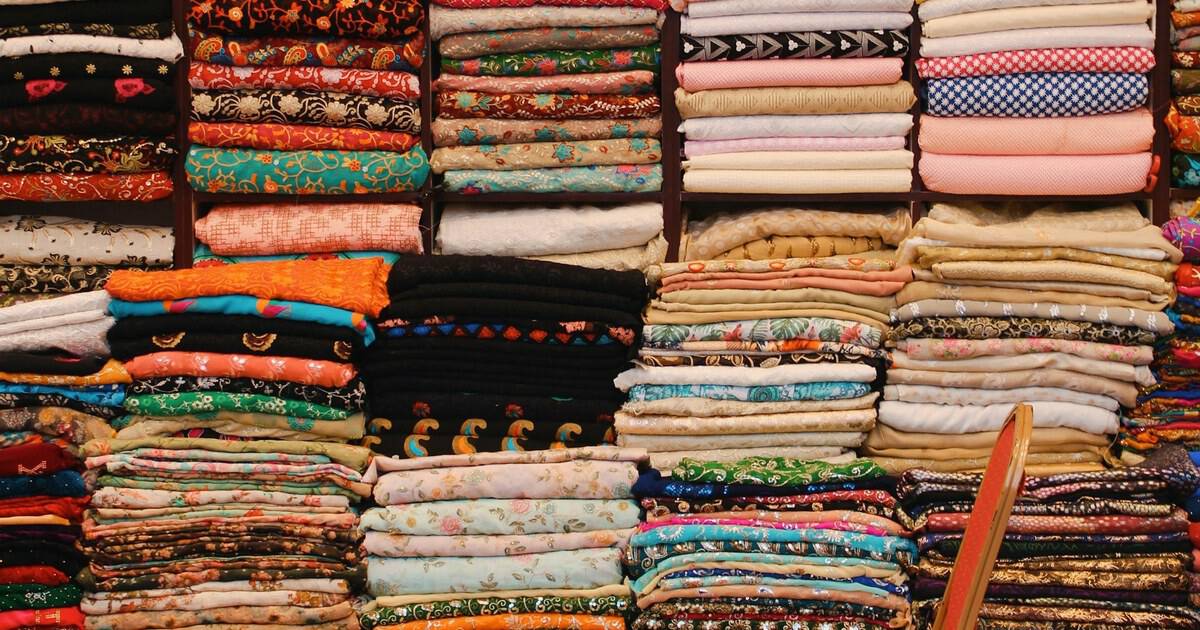
Every crafter I know shares the same daydream. A room the size of an airplane hangar, stacked floor to ceiling with fabric, and prices low enough that you can actually buy the bolt instead of just petting it and walking away.
Turns out that room exists, and it sits on a quiet street corner in Dallas. Wherehouse Fabrics is a true fabric wonderland, a wholesale warehouse that sells to anyone who walks through the door. Below, I will walk you through the aisles, the prices, and the family that built it.
Where Fabric Meets Your Imagination
The store’s own tagline is “where fabric meets your imagination,” and for once the marketing undersells it. This is a working warehouse, not a boutique. Think concrete floors, tall metal shelving, and rows that run long enough to make you reach for your phone’s step counter.
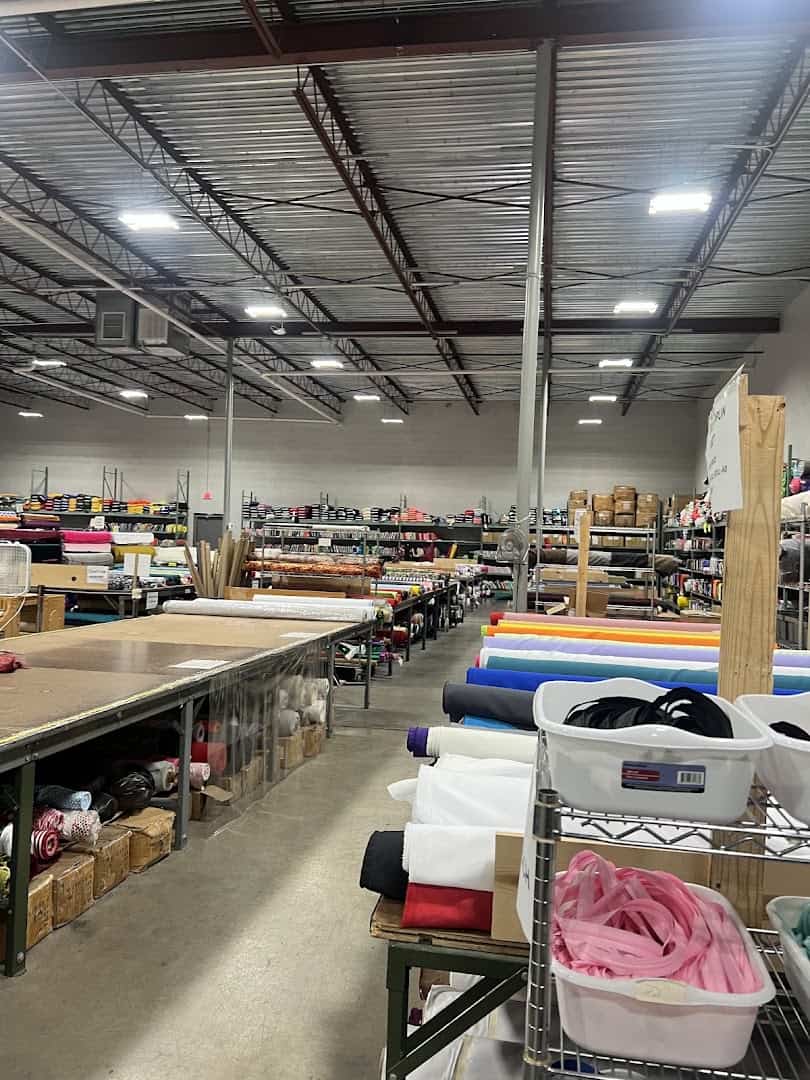
You do not come here for mood lighting or a scented candle by the register. You come because the selection is enormous and the fabric is the whole show. Bolts stand shoulder to shoulder in every direction, and the sheer volume hits you first.
Regulars call it the largest selection in the Dallas metroplex, and standing in the middle of it, that claim is easy to believe. One reviewer put it best: “This place is a dream! You will never go back to Joann’s after seeing this warehouse full of fabrics.”
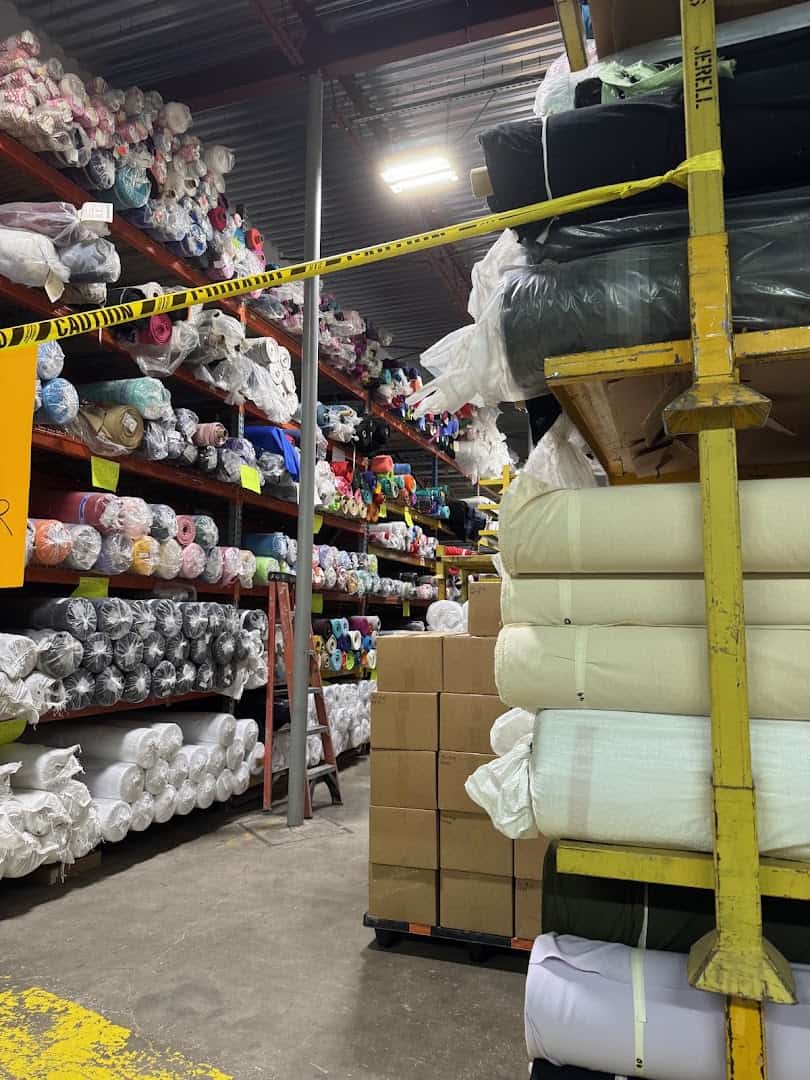
That is the reaction the place tends to produce. People walk in expecting a shop and find something closer to a supply depot, the kind of stock that garment workrooms and interior designers quietly rely on.
Bring a plan or bring an afternoon, because browsing every shelf is a genuine commitment. Most people show up chasing one project and leave with fabric for three, plus a few yards of something they have no plan for yet.
Two Doors, Two Different Worlds
Here is the quirk that trips up first-timers. The building has two entrances, and they open into two very different stores under one roof.
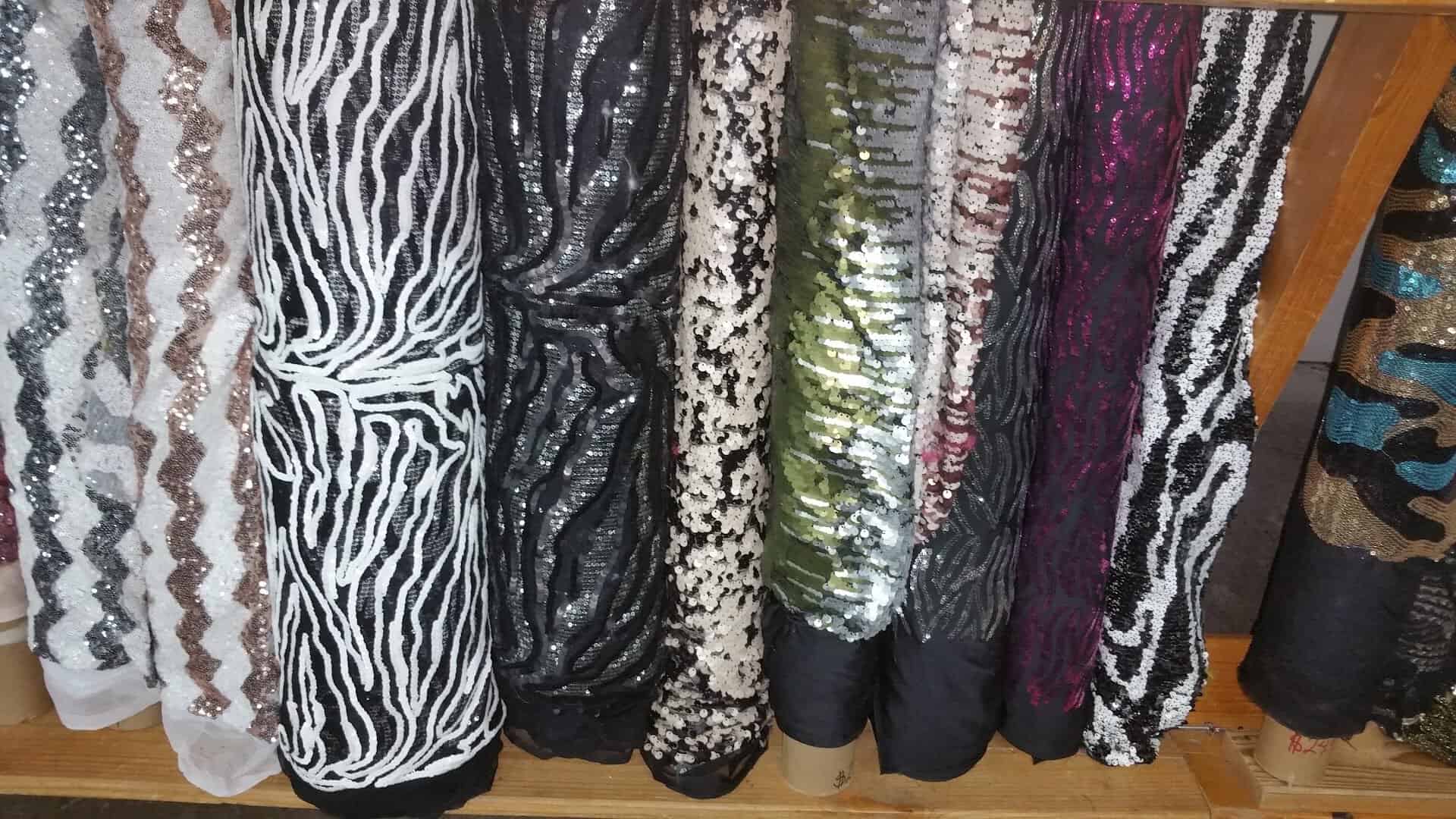
The Harry Hines side is the home decor half. This is upholstery, drapery, and heavy patterned fabrics in both quiet neutrals and loud, wonderful colors. It is the stuff you reach for when you are recovering a dining chair or sewing curtains that puddle on the floor.
The Perth Street side is the apparel half. Dress fabrics, cottons, knits, denim, linen, and the lighter goods a garment sewist lives on. Same company, same building, two completely different moods.
It is a smart split once you understand it. A quilter and a couch-recovering weekend warrior can shop the same address and never once get in each other’s way.
Pro tip: decide which project you are shopping for before you park, and aim for the right door. It saves you a long walk around the block with your arms already full of bolts.
Cottons, Knits, and a Wall of Thread
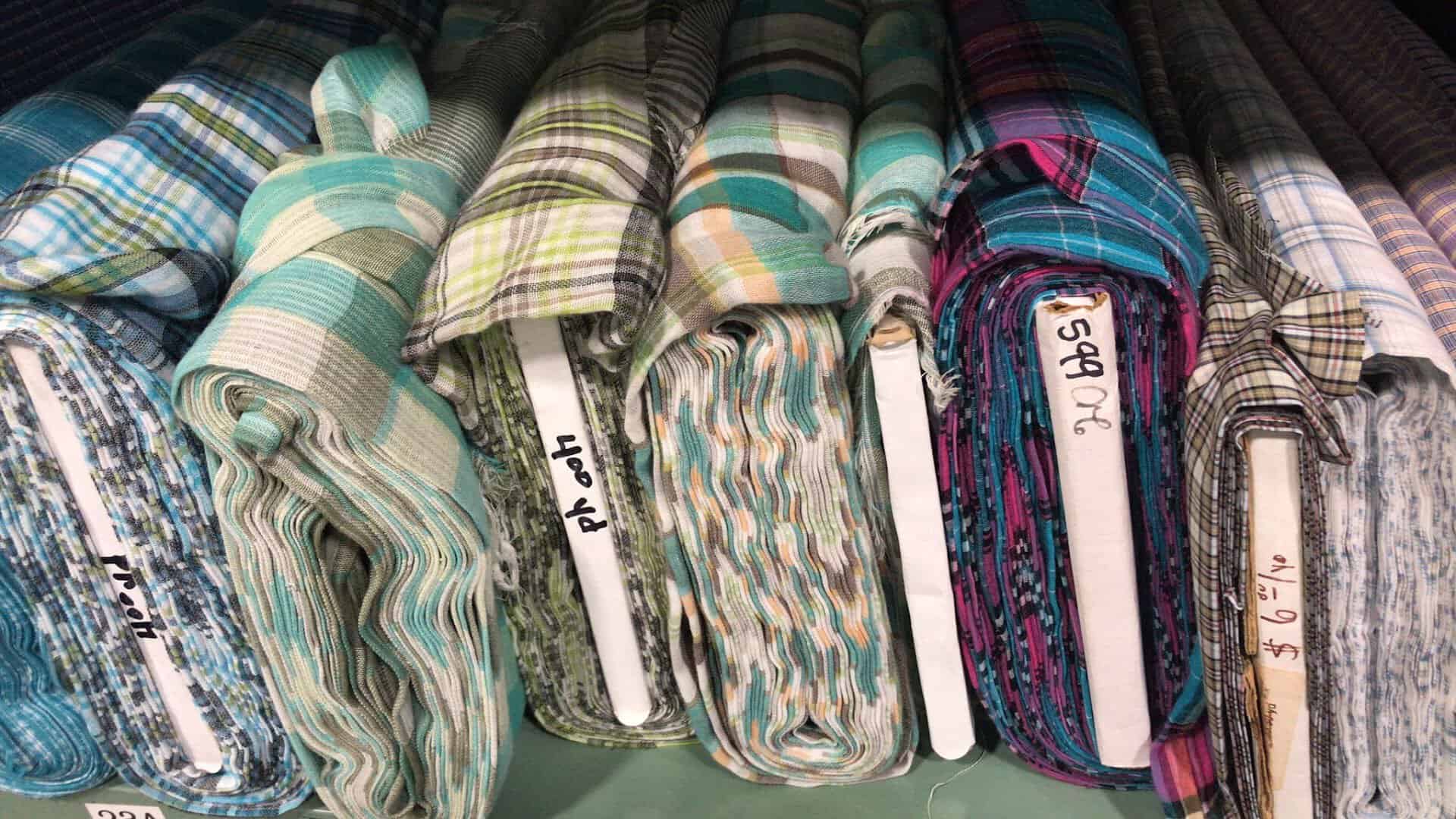
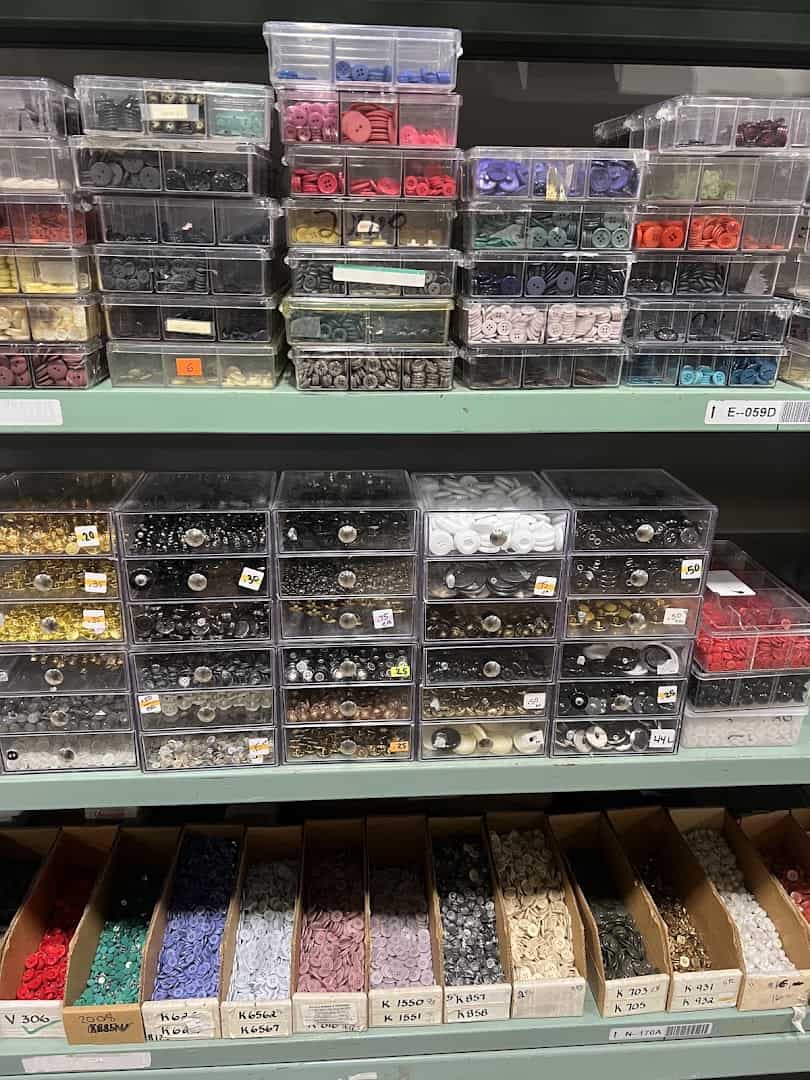
Once you are inside, the categories run deep. Quilting cottons fill their own section, including Kona solids in a color range so complete that color-matching stops feeling like a chore.
Apparel sewists find cotton in every weight, linen in several, plus knits, denim, and sheers. One shopper summed up the range simply: “Cottons, knits, denim and sheer fabrics.” The home decor side answers with upholstery weights and drapery sold by the roll.
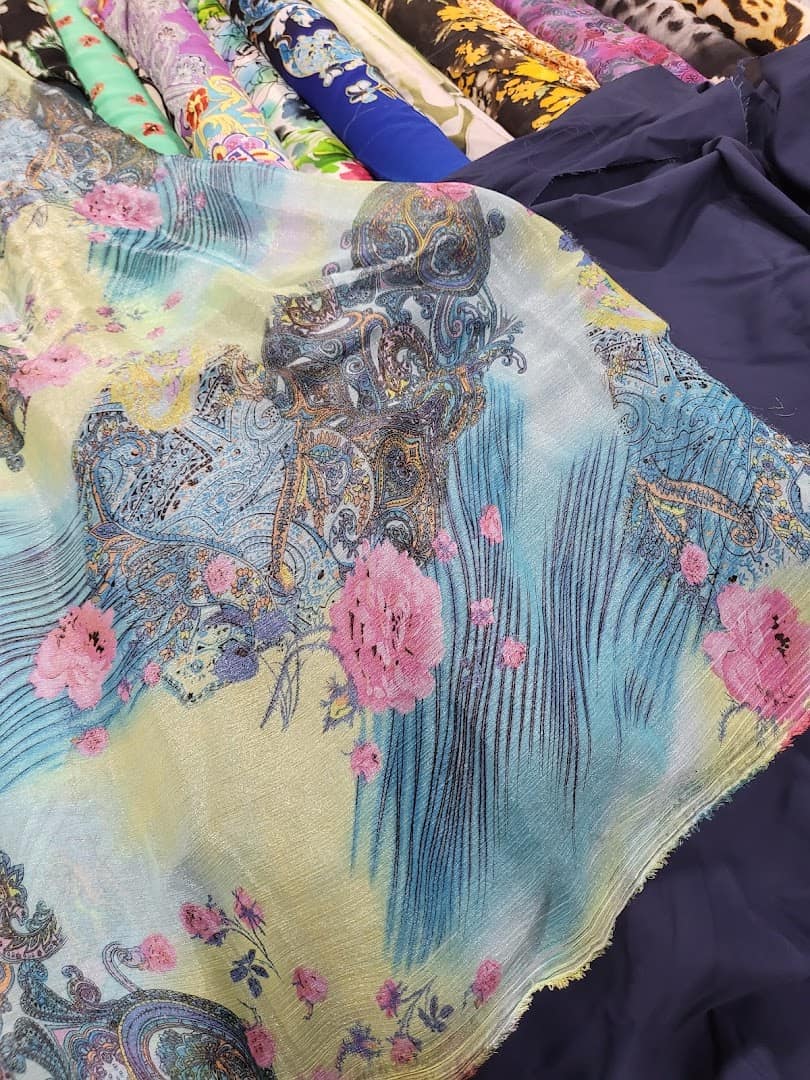
Then come the parts of a project people always forget until the last minute. Zippers in a wall of sizes. Thread in a color wall that stops quilters mid-sentence. Decorative trim, foam, and pillow inserts in nearly every dimension you might need.
It is the kind of inventory that quietly solves problems. You walk in for backing fabric and walk out having also crossed the zipper, the trim, and the pillow form off your list without a second trip.
That one-stop range is the real luxury here. A finished cushion needs fabric, foam, an insert, a zipper, and thread, and this is one of the few places in town that stocks all five in the same building.
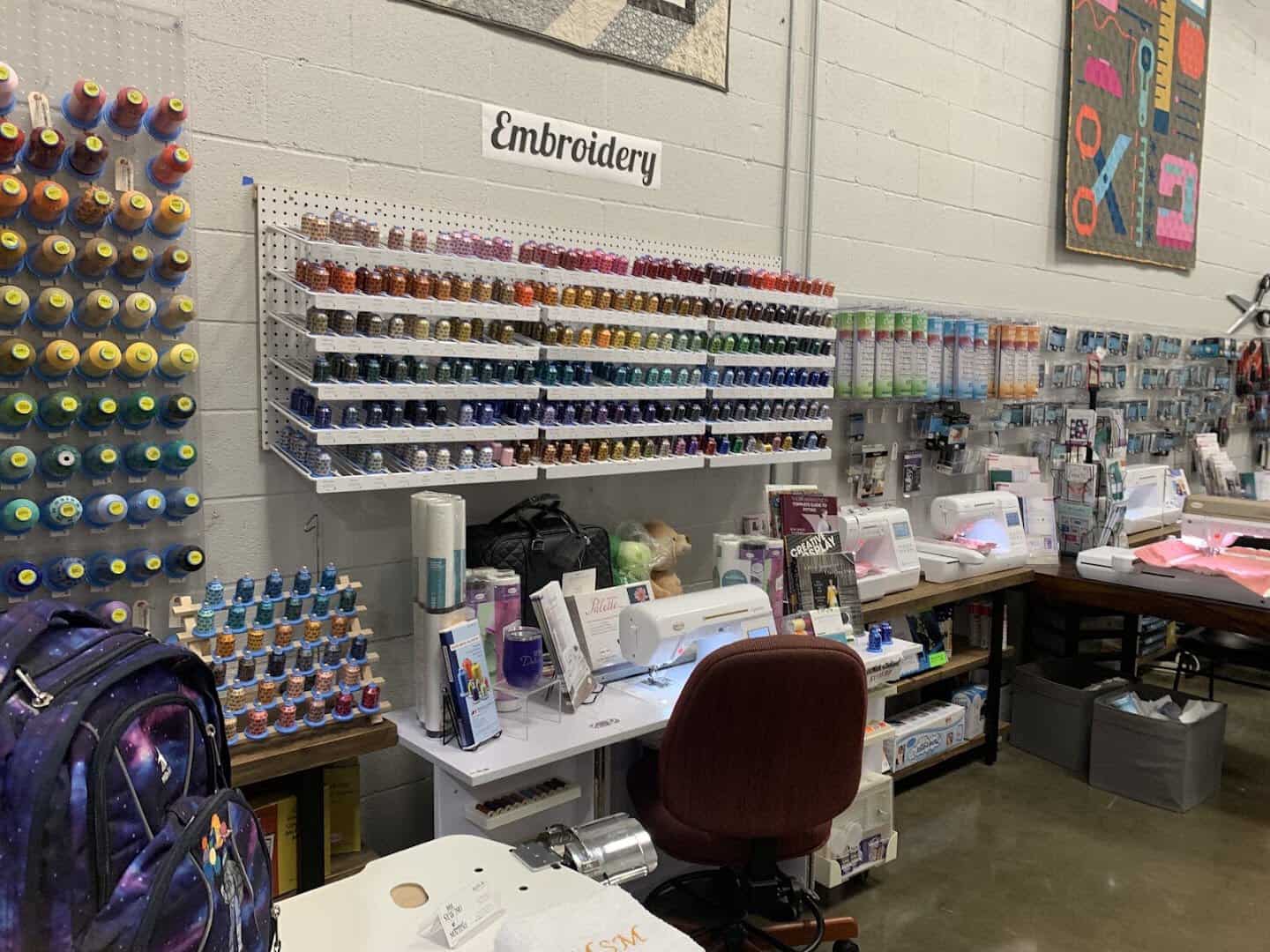
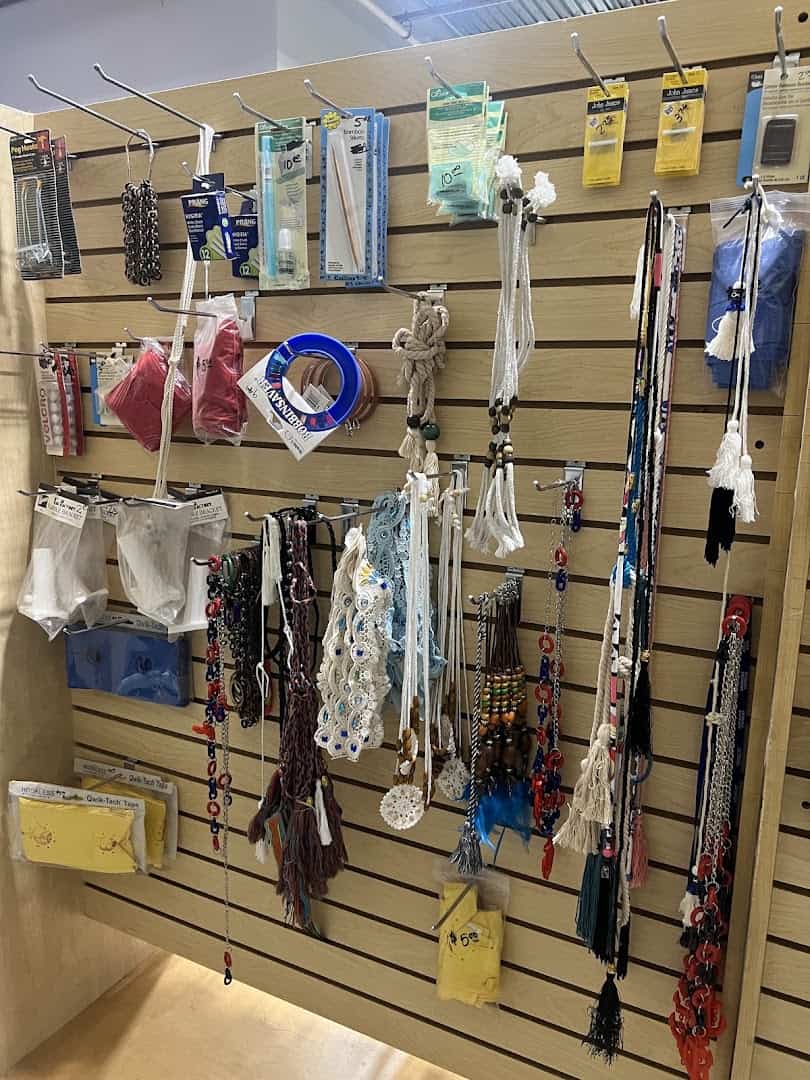
The trims deserve their own moment. Fringe, cording, tassels, and ribbon fill their racks, the finishing touches that turn a homemade pillow into something that looks like it came from a showroom.
Even the foam selection is worth a mention. Cushion foam in a range of thicknesses is surprisingly hard to buy locally, and having it right beside the upholstery fabric saves a separate errand across town.
Did you know? A single warehouse carrying garment fabric, quilting cotton, upholstery, and notions under one roof is rarer than it sounds. Most sewists stitch together three stores to get what this one keeps in stock.
What People Come Here to Make
The range of stock means the range of projects is just as wide. Quilters raid the cotton and Kona sections for a scrappy weekend project. Garment sewists come for a dress length of linen or a few yards of good denim.
The home decor side draws a different crowd entirely. Interior designers and reupholstery pros shop the heavy patterns and the foam, and plenty of homeowners come in to tackle a chair or a bench themselves for the first time.
Costume makers love the place too, because cosplay and theater budgets stretch a lot further at wholesale prices. A cape that would cost a fortune at retail becomes an afternoon and a modest cash outlay here.
Whatever you make, the trick is to let the store spark ideas rather than fighting your list. Half the joy is turning a corner, spotting a bolt you did not know you needed, and quietly rewriting your plans.
Wholesale Prices, One Yard at a Time
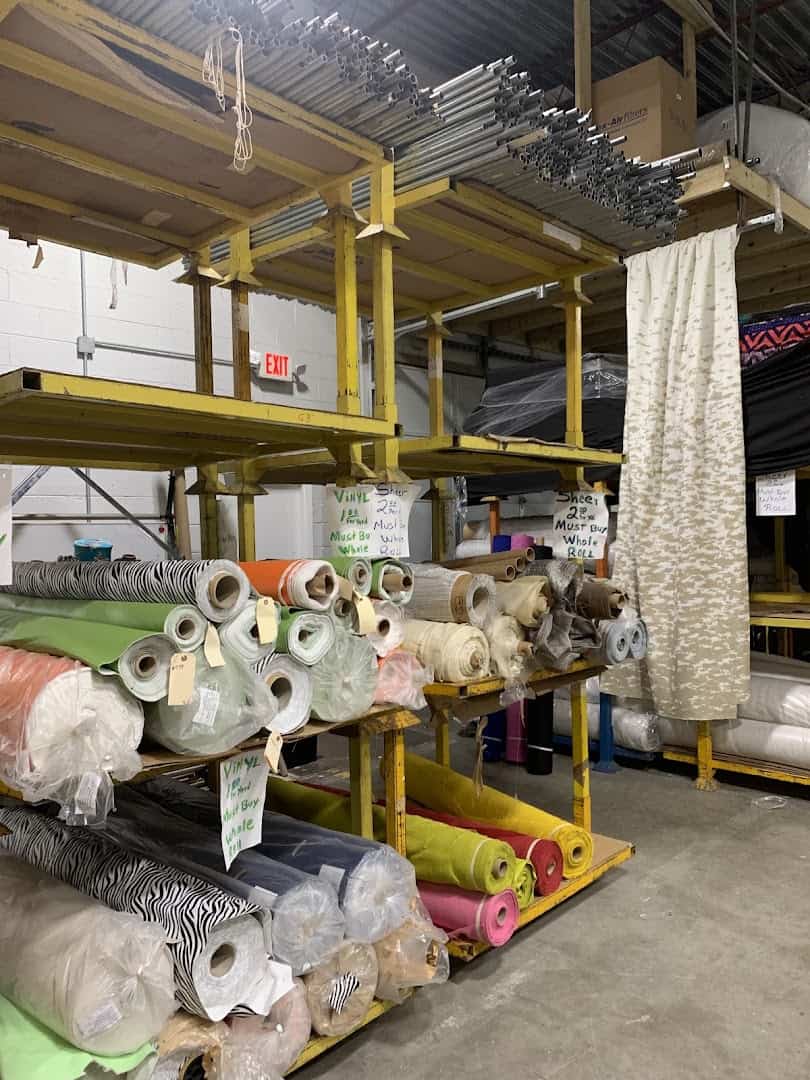
The best part is the receipt. Wherehouse runs on wholesale pricing and opens that pricing to the public, so you pay closer to what a workroom pays than what a big-box craft chain charges.
The minimum cut is one yard per fabric, which is a small ask when the per-yard price is this friendly. There is a catch worth knowing: once fabric is cut, it is yours, so confirm your yardage before the scissors move.
Hunt for the remnant tables if you love a bargain. Marked-down pieces there have run as low as $2 to $3 a yard, the kind of price that quietly turns a quick errand into a full-blown haul.
The trade-off with remnants is that they usually will not cut them, so a bargain piece might be four or five yards long. At a couple of dollars a yard, most sewers decide the extra fabric is a happy problem to have.
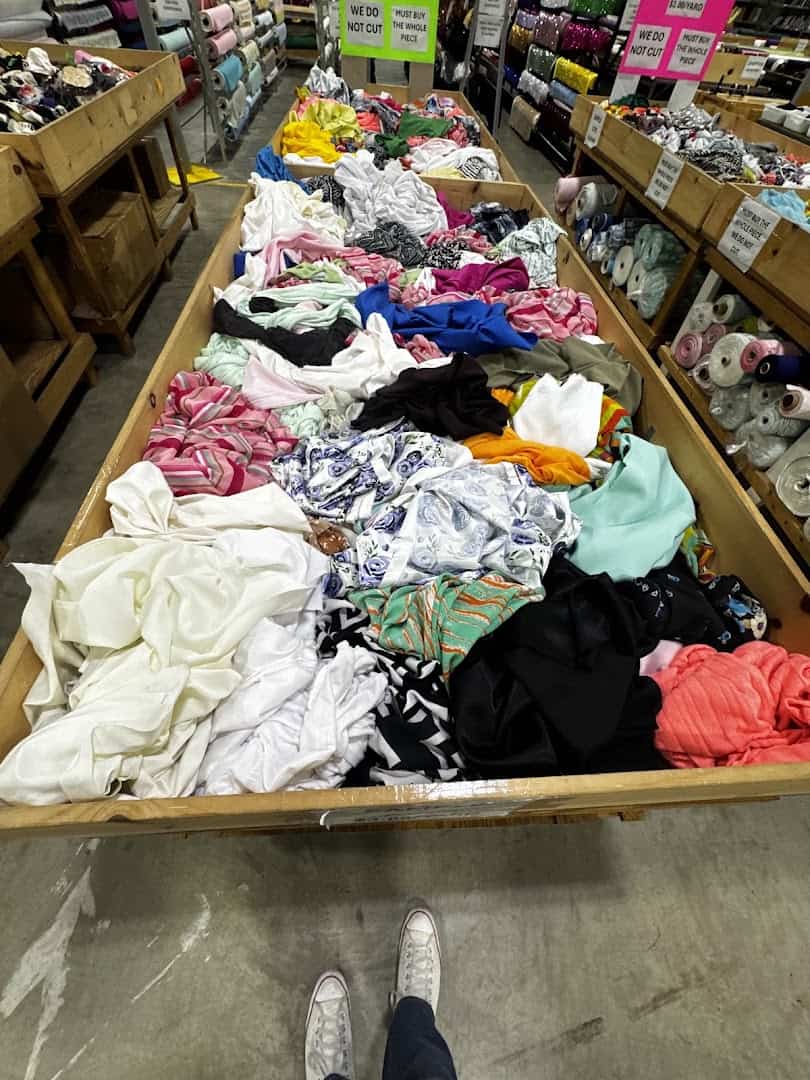
My rule for a place like this is simple. When a fabric you love is this cheap, buy the extra half yard, because future you always finds a use for it and present you will never see this exact print again.
A Family Business Since 1991
Wherehouse Fabrics opened in 1991, founded by Mike Cohen, and it has anchored the Dallas fabric scene ever since. Decades in, it is still a family operation rather than a chain outpost.
The family tree grew a new branch in 2014, when Cohen’s son Rick took one of the stores and renamed it Fabrictopia, later expanding to Houston and San Antonio. The original Wherehouse kept its corner and its name.
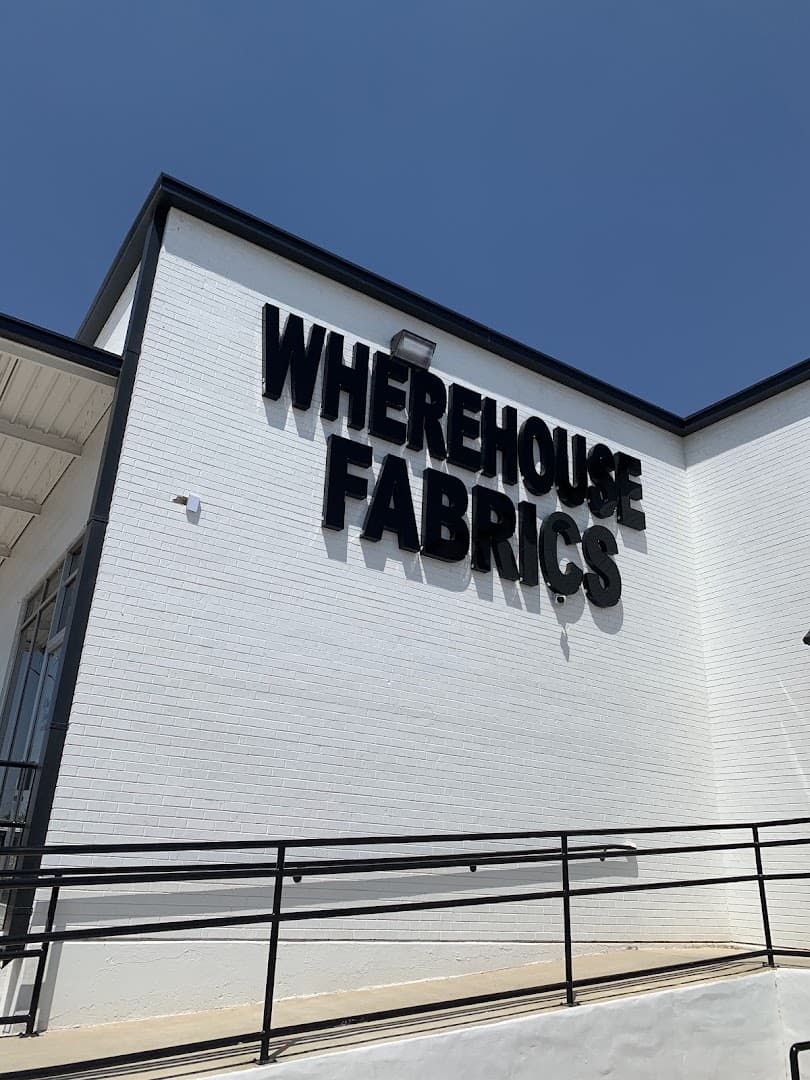
That kind of longevity is not nothing in retail. Fabric shops have had a hard couple of decades, and a store that has held the same corner since the early nineties has clearly figured out what its customers want.
What they want, mostly, is selection and honest prices, and Wherehouse has built its whole reputation on delivering both without fuss or gimmicks.
There is something reassuring about a place that has stayed itself for that long. No rebrand, no chase after trends, just a warehouse full of fabric and a family that clearly still cares about it.
A Whole District Built on Fabric
The store’s corner sits inside a stretch of Dallas that sewists treat as a genuine destination. The blocks around Harry Hines Boulevard hold a tight cluster of wholesale fabric shops, and locals shop them the way other people shop an outlet mall.
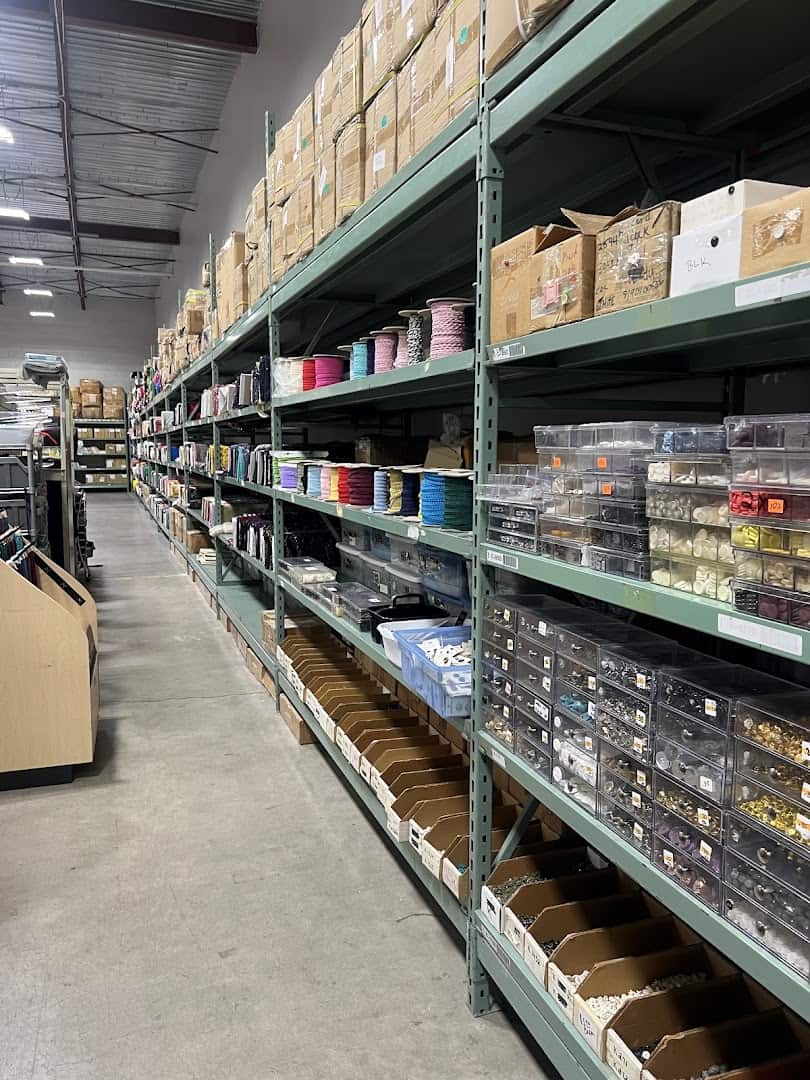
Wherehouse is the giant of that cluster. Two entrances, the widest range, and a reputation that pulls quilters and garment makers in from across North Texas and beyond.
Half the fun is making a loop of it. Serious sewers treat the district as a full outing, hitting several shops in an afternoon, but plenty of people find that Wherehouse alone fills the trunk.
If you have never shopped a wholesale fabric district before, this is a friendly place to start. It is big, it is well organized, and the staff are used to walking newcomers through how the whole thing works.
What to Know Before You Go
A warehouse district rewards a little preparation. The area is built for wholesale buyers, not for browsing tourists, so a few small habits make the trip a lot smoother.
Bring water, especially in summer, since a working warehouse is not always cooled like a shopping mall. Carry some cash too, because small purchases can move faster that way in this part of town.
Come with your measurements written down. Standing in front of a wall of gorgeous cotton is a wonderful feeling and a terrible time to be doing yardage math in your head.
And wear shoes you can actually walk in. Between the two sides and the long aisles, you cover real ground here, and you will want to see all of it before you commit.
Give yourself grace on the first visit, too. A warehouse this size can feel like a lot at once, and even seasoned shoppers spend the first ten minutes just getting the lay of the land.
If you like a project to marinate, the store keeps an online shop as well, so you can scroll the seasonal cotton prints from your couch and save the in-person trip for the treasure hunt.
How to Get There
The store sits on the corner of Harry Hines Boulevard and Perth Street, with its own parking lot, so it is easy to find once you know which door you want.
Where: 2675 Perth St, Dallas, TX 75220
Doors open on weekday mornings at 8:30 and stay open through the afternoon, with a shorter Saturday schedule and Sundays off. Check the current hours before a long drive, since a warehouse keeps warehouse time.
Start Planning Your Dallas Fabric Run
If you sew, quilt, or just love the feeling of a project waiting to happen, this is the Texas stop worth the detour. Bring your list, bring your patience, and give yourself more time than you think you will need.
Pick your door, walk the aisles slowly, and let that color wall do its work on you. You came for one yard of something, and that is exactly how these stories always start.
Featured image: @ Wherehouse Fabrics

Stella Raines
Editor-in-Chief
Stella brings over a decade of storytelling experience to TX Headlines. With roots in West Texas and a love for road trips, she leads the editorial team with an eye for the hidden stories that make Texas unforgettable.
More Stories

This Nerve-Racking Texas Bridge Is a 20-Story Climb Straight Into the Sky
This Sprawling Three-Story Texas Bookstore Is a Book Lover’s Wildest Dream

This Beloved Texas Tradition Turns a Whole Hill Country Town Purple Every June
This Sprawling Texas Antique Market Is So Big You’ll Need 8 Hours to See It All
Tags