This Fragrant Texas Lavender Farm Feels Like a European Escape
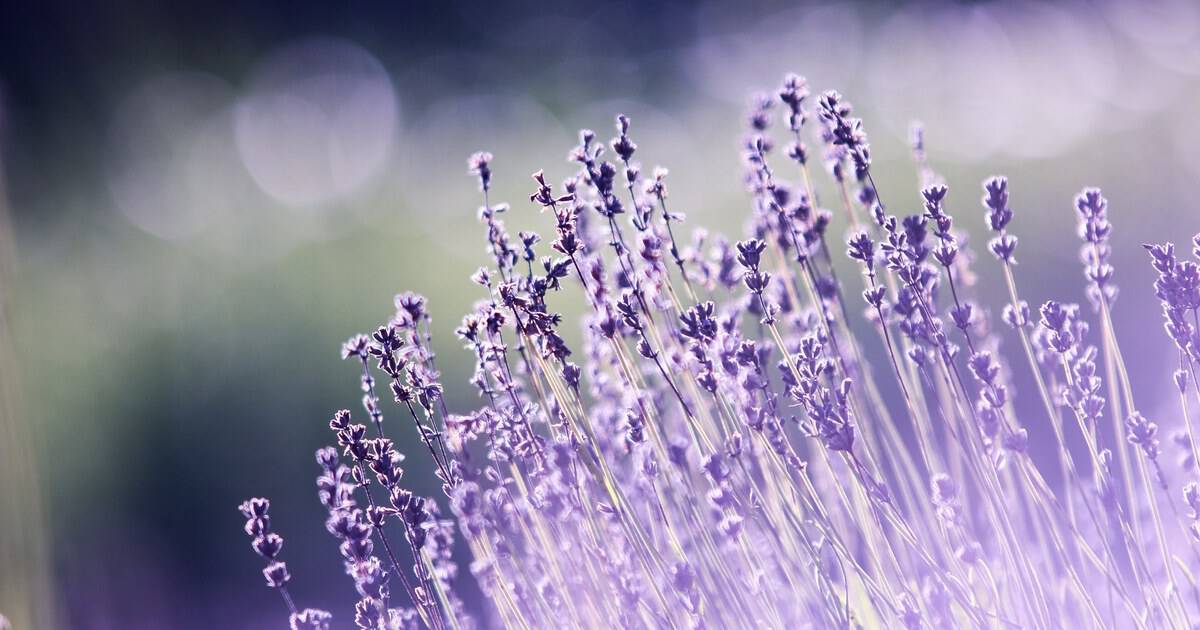
I keep a photo of a purple field on my phone, the kind of shot people bring home from the south of France and sigh over for years. Every time I open it I think the same thing: you should not have to cross an ocean for that.
Turns out you do not. Tucked into the rolling countryside north of Brenham sits Chappell Hill Lavender Farm, where row after row of lavender runs downhill toward a pond and fills the air with a lavender-scented calm that does a very good impression of Provence without the passport.
Below, here is why this little farm has become the kind of Texas day trip people plan their whole spring around, and everything you need to make the drive worth it.
A Slice of the South of France, Off a Texas Farm Road
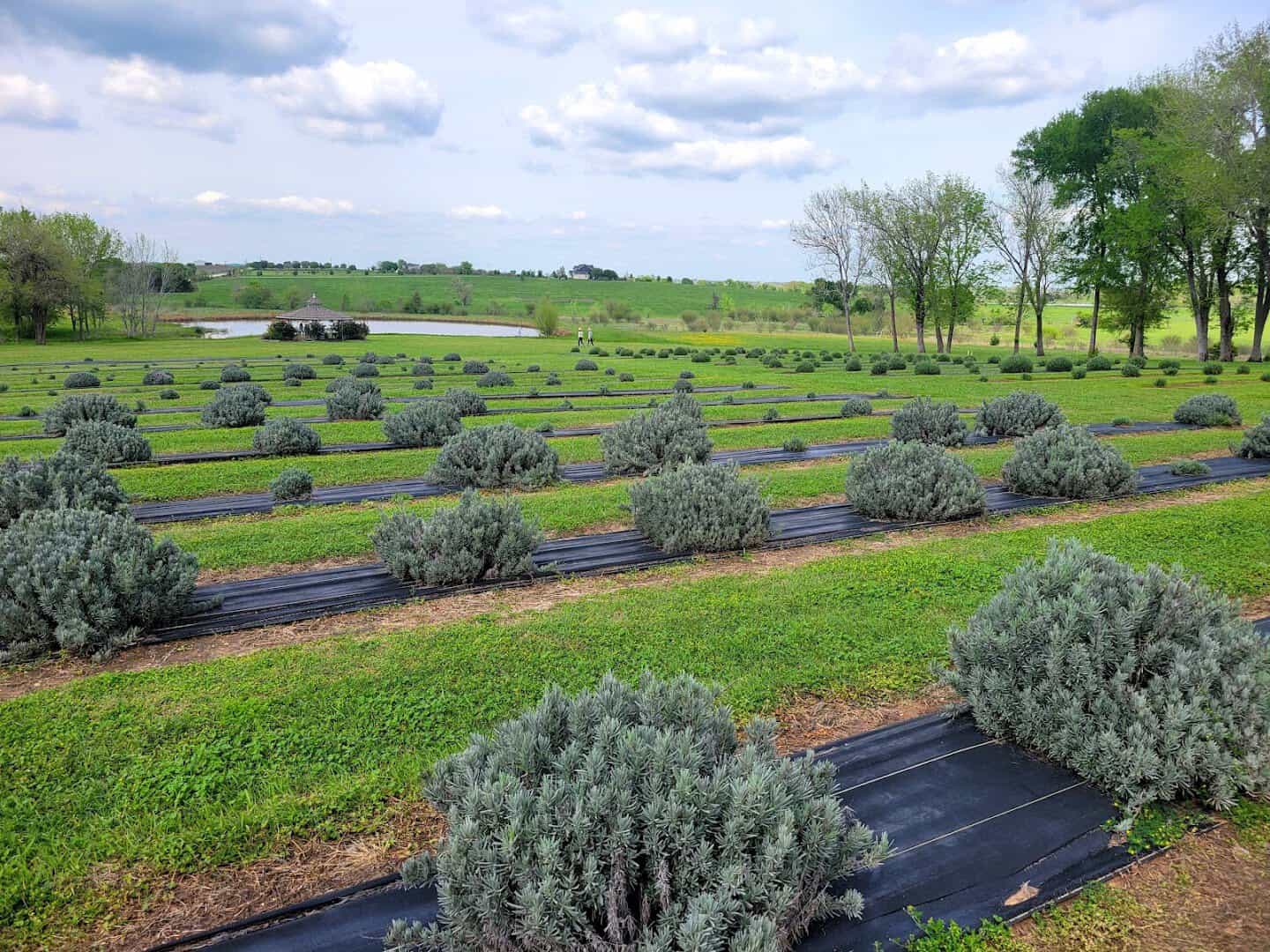
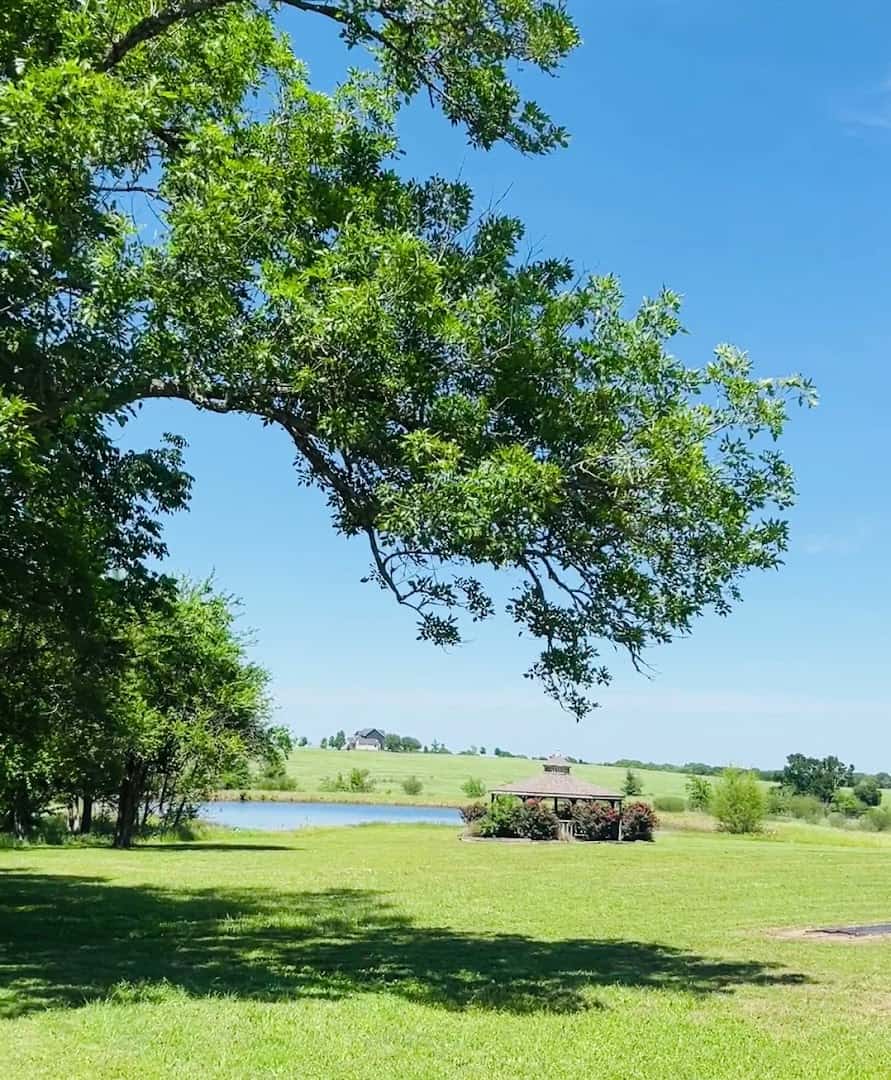
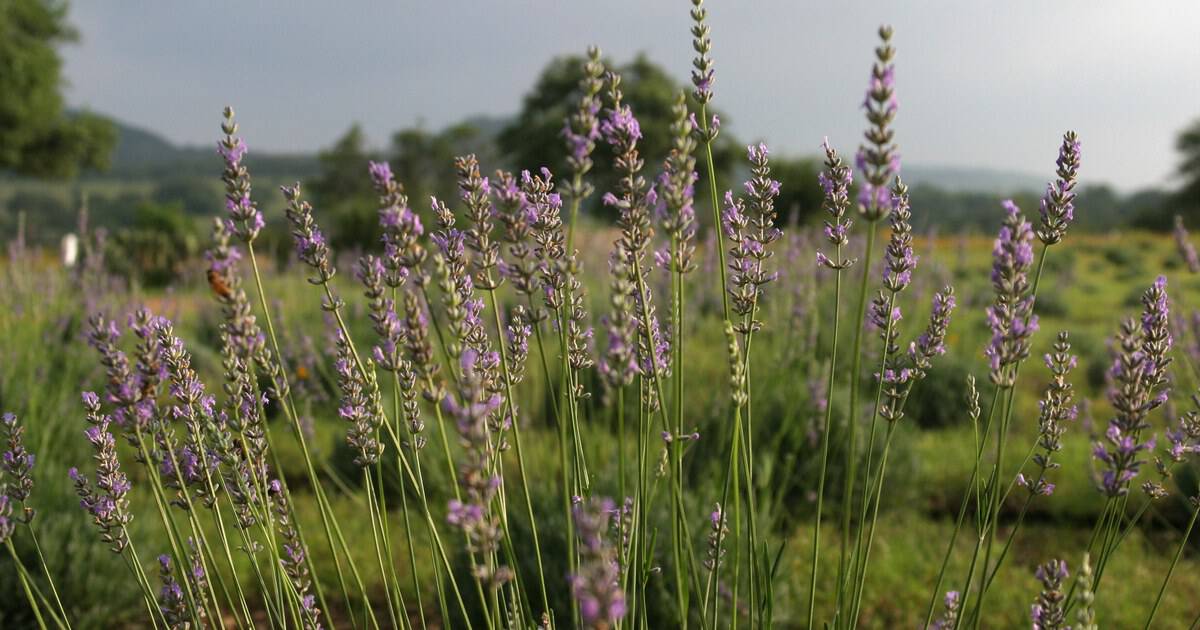
Come at the right time of year and the hillside glows. The lavender is planted in long, tidy rows that follow the slope of the land, so from the top you look out over waves of silvery green and dusty purple with the pond shining at the bottom.
It is the kind of view that makes people stop talking. There is a calm here that you feel in your shoulders before your brain catches up.
It is no wonder the place fills up with cameras. Photographers bring couples out here for engagement and bridal sessions, and plenty of ordinary visitors leave with the best profile picture they have taken all year.
The farm sits in bluebonnet country between Austin and Houston, along the Texas Independence Trail, so the surrounding land is already pretty. The lavender just turns the volume up.
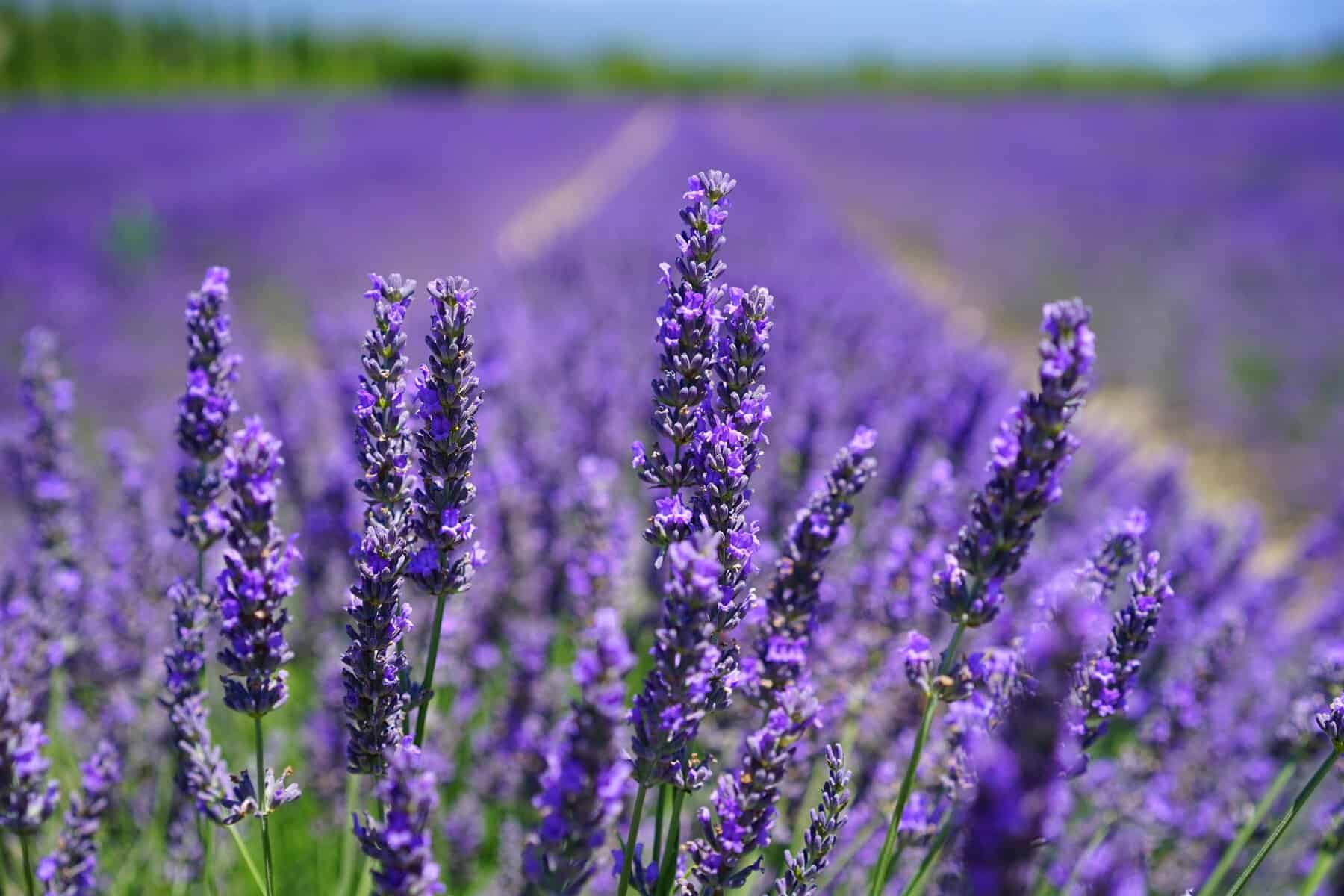
You can wander the paths at your own pace, sit under the gazebo, and let the breeze carry that unmistakable scent across the whole property. On a good day the air smells like a spa you did not have to book.
Listen closely and you will hear the whole field humming. Bees work the blooms all day long, drunk on nectar and completely uninterested in you, which is its own small kind of nature therapy.
What makes it read as European is not a gimmick. It is the honest landscape logic of a hillside covered in lavender, and it happens to sit an hour or so from either city.
Cut Your Own Bunch, Scissors and All
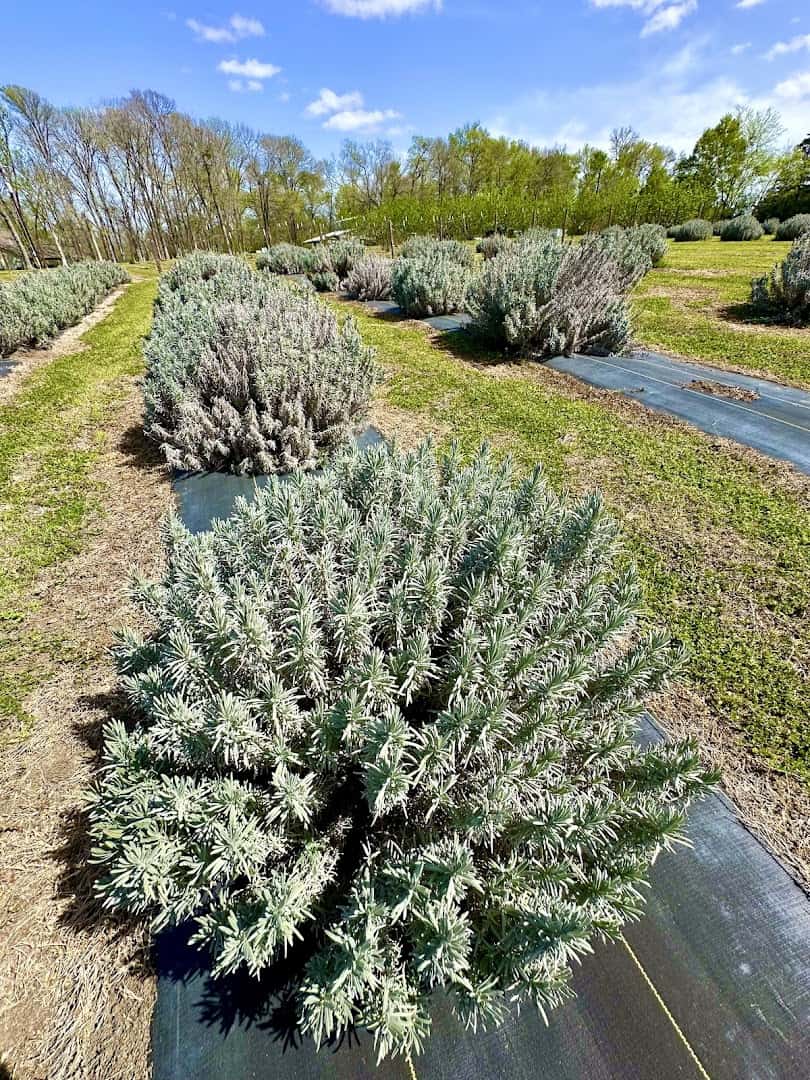
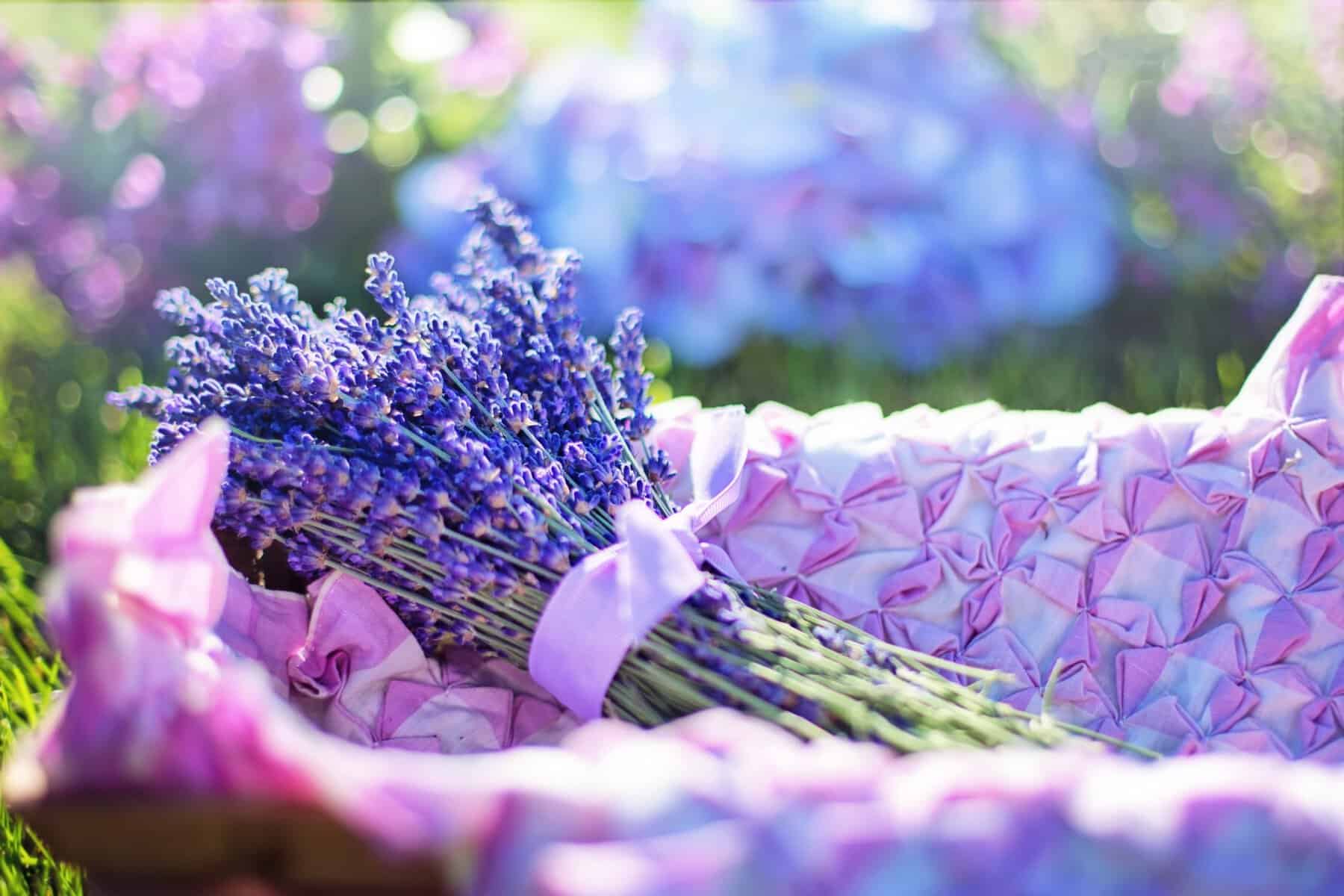
The best part is that you do not just look. During the cutting seasons the farm hands you a basket and a pair of scissors and turns you loose in the rows to gather your own fragrant bundle.
There is something deeply satisfying about it. You snip the stems yourself, breathe in as you go, and walk out with a bouquet that will scent a room for weeks after it dries.
Take your bundle home, hang it upside down in a dark closet for a couple of weeks, and you have dried lavender for sachets, wreaths, or a little dish by the bed. One afternoon of picking keeps giving long after the drive home.
Cutting happens more than once a year, tied to when the different varieties are ready, so the timing shifts with the weather. The farm posts what is open to pick, and it is always smart to check before you load up the car.
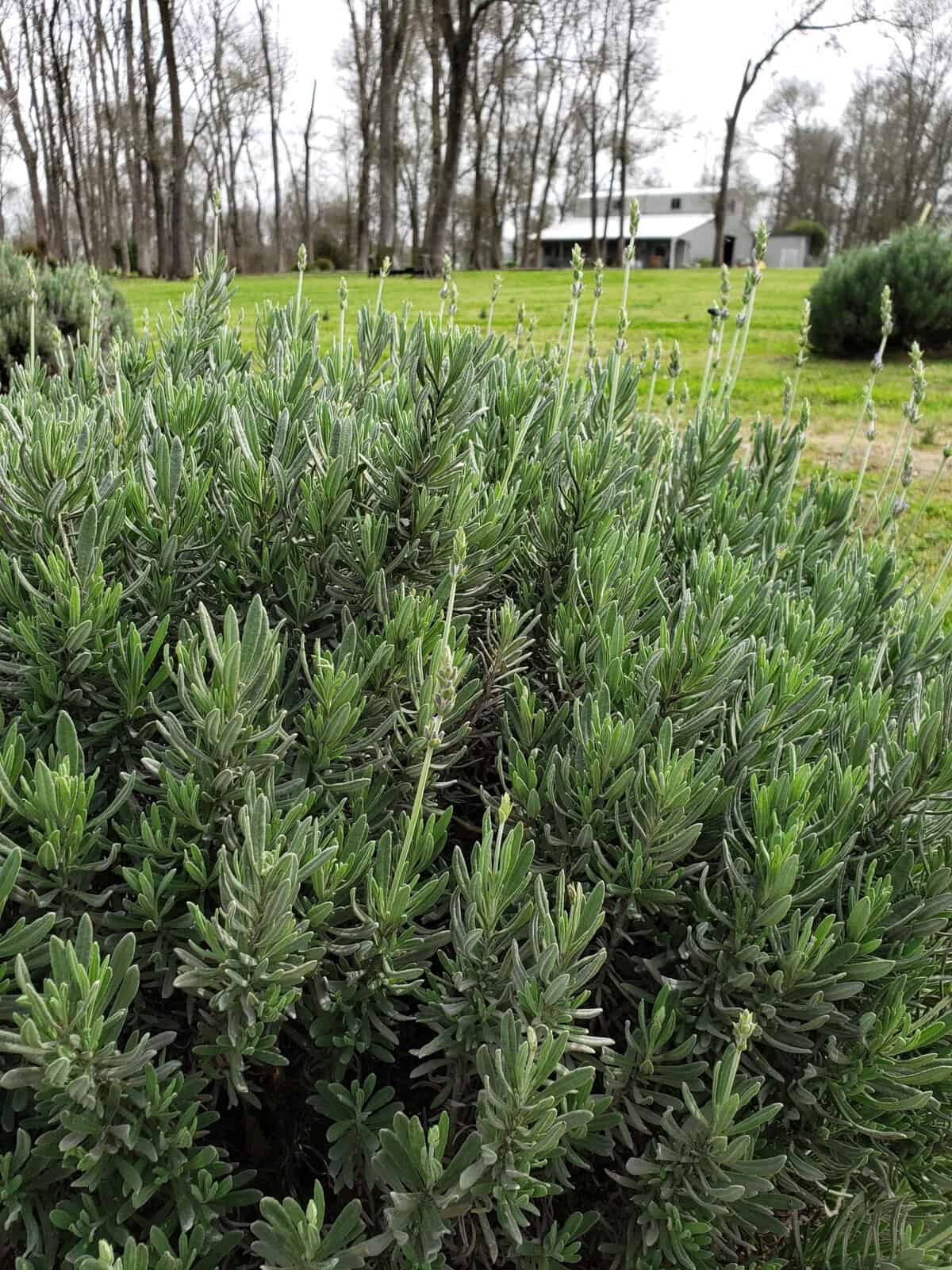
The farm grows a few kinds of lavender. The Sweet variety tends to bloom in the spring, while Provence and the newer Phenomenal plants extend the color and the picking into the warmer months.
Pro tip: mornings are cooler, calmer, and better for photos, and the bees are busy but friendly. Wear closed shoes for the grassy rows and bring a hat, because Texas sun does not care how French the scenery looks.
If you visit when the rows are between blooms, do not despair. The shop keeps freshly cut and dried lavender on hand, so you can still leave with an armful even when the fields are resting.
Lavender Lemonade and a Shop Full of Purple
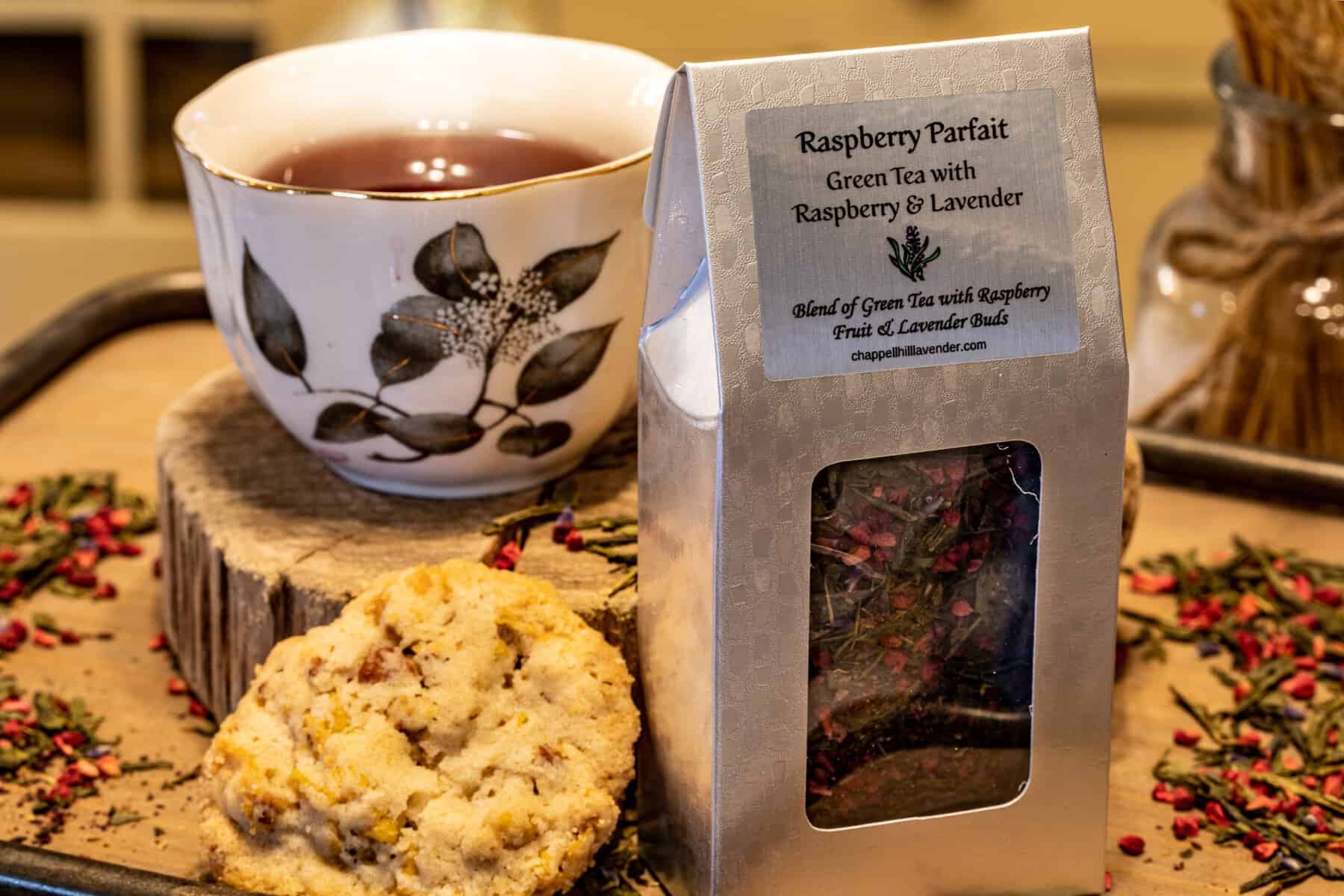
Now, how does lavender taste? Better than you would guess. The farm is famous for its lavender lemonade, a cold glass of tart and floral that is somehow the most refreshing thing on a warm afternoon.
They lean into the culinary side hard. You will find lavender baked goods, lavender-infused treats, and homemade ice cream that makes the whole idea click for skeptics.
The trick with cooking lavender is restraint, a pinch where you would use rosemary, and the farm is happy to point beginners toward the culinary buds and a recipe or two. A little goes a long way, and too much tastes like soap.
Texas Highways magazine even ran the farm’s recipe for lavender pecan crisps, which tells you the kitchen side of this place is no afterthought.
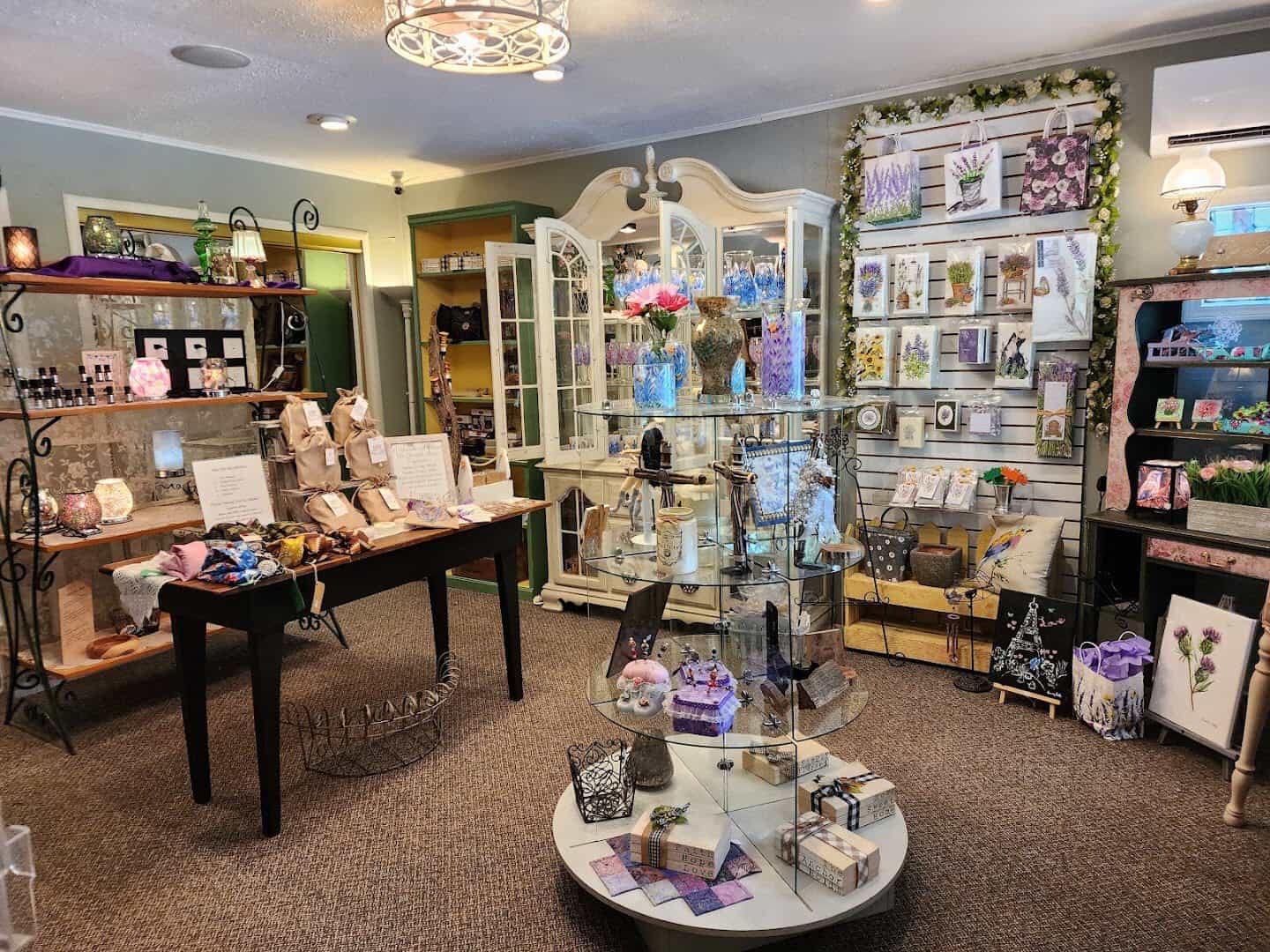
The gift shop is a small barn packed to the rafters with the good stuff: soaps, lotions, body sprays, candles, sachets of dried buds, and culinary lavender for your own kitchen experiments.
Local artisans stock it too, so alongside the bath and body shelves you will spot painted mugs, embroidered towels, jewelry bags, and other handmade finds. It is a genuinely good place to knock out a few thoughtful gifts.
If you cannot make the drive, the farm ships its goods for a flat rate, so a jar of culinary buds or a bar of soap can follow you home. Most people still leave with a bag anyway, because the samples do their job.
Did you know lavender is a cousin of mint? That family resemblance is exactly why it plays so well in both a soothing balm and a glass of lemonade.
How a Finicky Plant Took Root Here
The farm’s story starts in 2003, when Jim and Debbie McDowell bought the twenty-three acre property and started wondering what to do with a pretty Texas hillside.
They drove out to a couple of Texas lavender farms near Austin, bought a few plants, and brought them home to see whether the notoriously fussy crop would survive. Lavender hates wet feet, and it turned out the slope of their land drained just right.
That drainage is the quiet hero of the whole story. Lavender is a Mediterranean plant that would rather bake than sit in a puddle, and Texas humidity fights it every summer. The McDowells learned the hard way which varieties could take the heat and where to plant them.
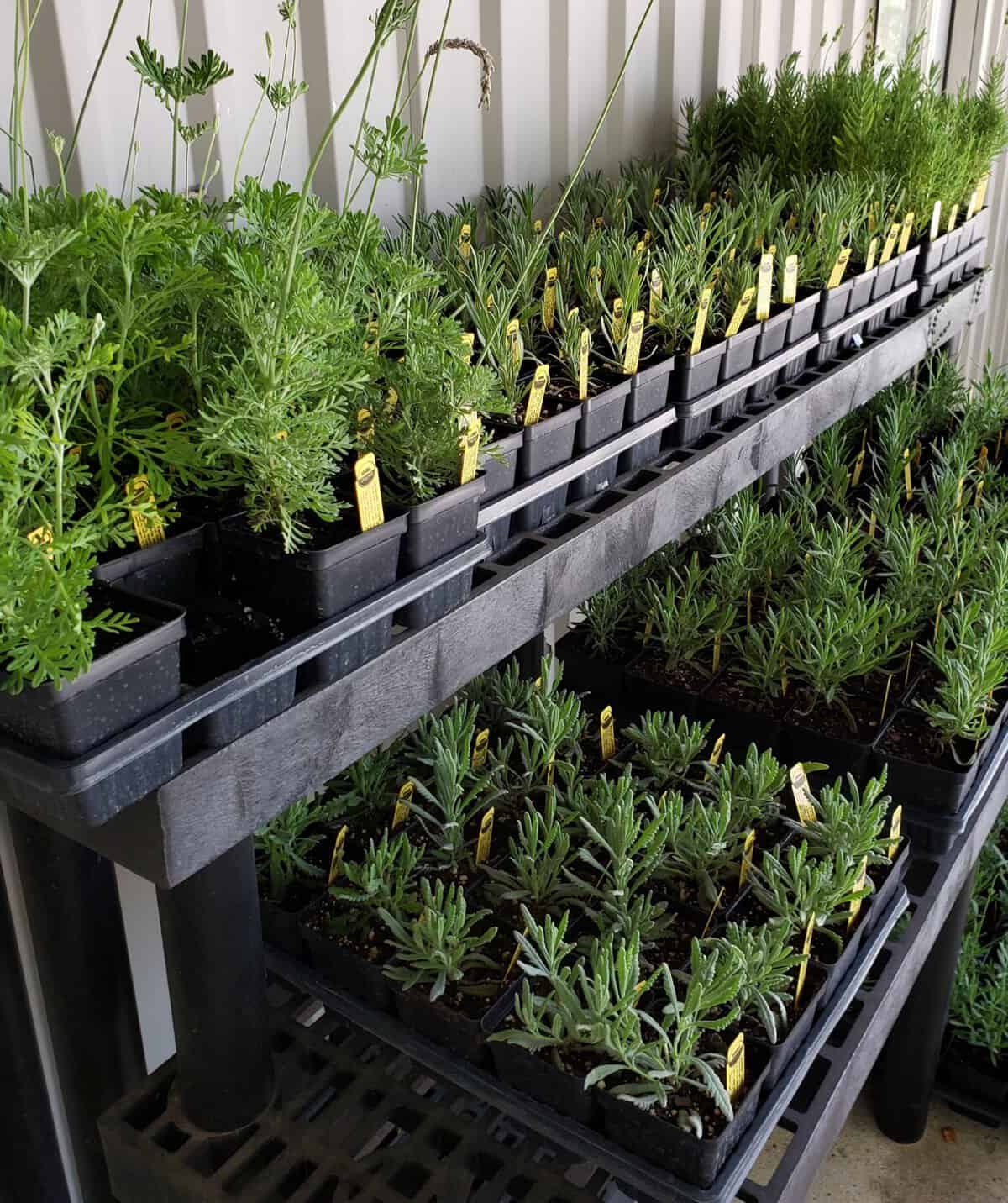
That first season they put in about 600 plants. The plants took, and the McDowells kept adding more every year after.
Two decades on, roughly 4,000 lavender plants now cover the rolling acres. What began as a test plot on a hill grew into one of the best known lavender destinations in the state.
It is a proper family farm success story, the slow kind, built one season and one row at a time rather than overnight. Two decades of patience turned a hunch about a hillside into one of the most beloved farm days in the state.
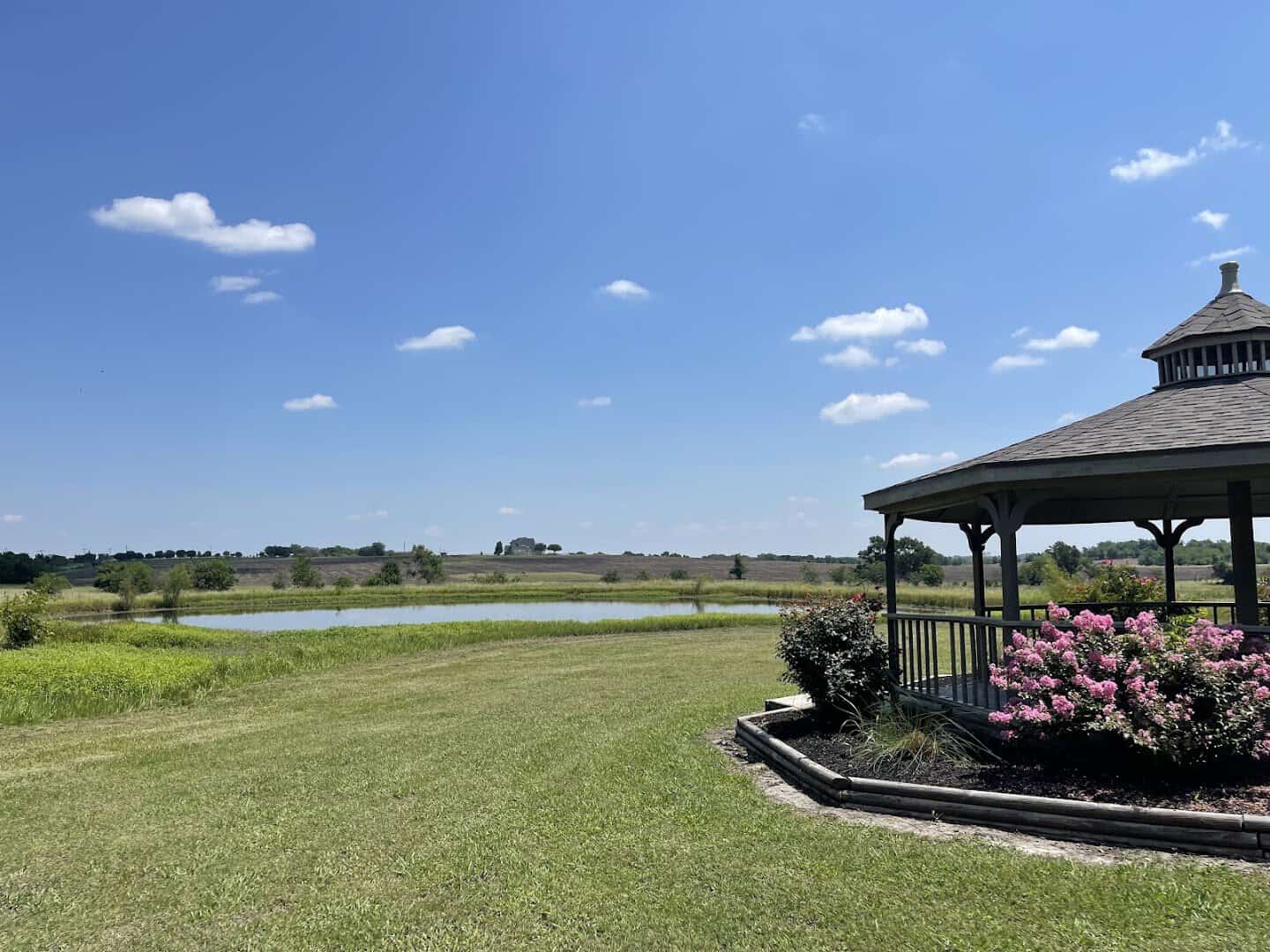
A more recent addition is a large covered deck attached to the gift shop, with fans and electricity, built to give visitors and groups a shady place to gather. As Debbie McDowell put it, that gathering space had “really been needed.”
Bring the Kids, and the Dog
This is an easy place to bring the whole crew. Miniature goats live on the property, and feeding them is a reliable hit with children who lose interest in flowers after about four minutes.
The farm also grows seasonal fruit, with peach, fig, and blackberry offerings when the timing lines up, so a spring or summer trip can turn into a small harvest.
Leashed, vaccinated dogs are welcome, which is rarer than it should be, so your good boy gets to sniff the most fragrant field of his life.
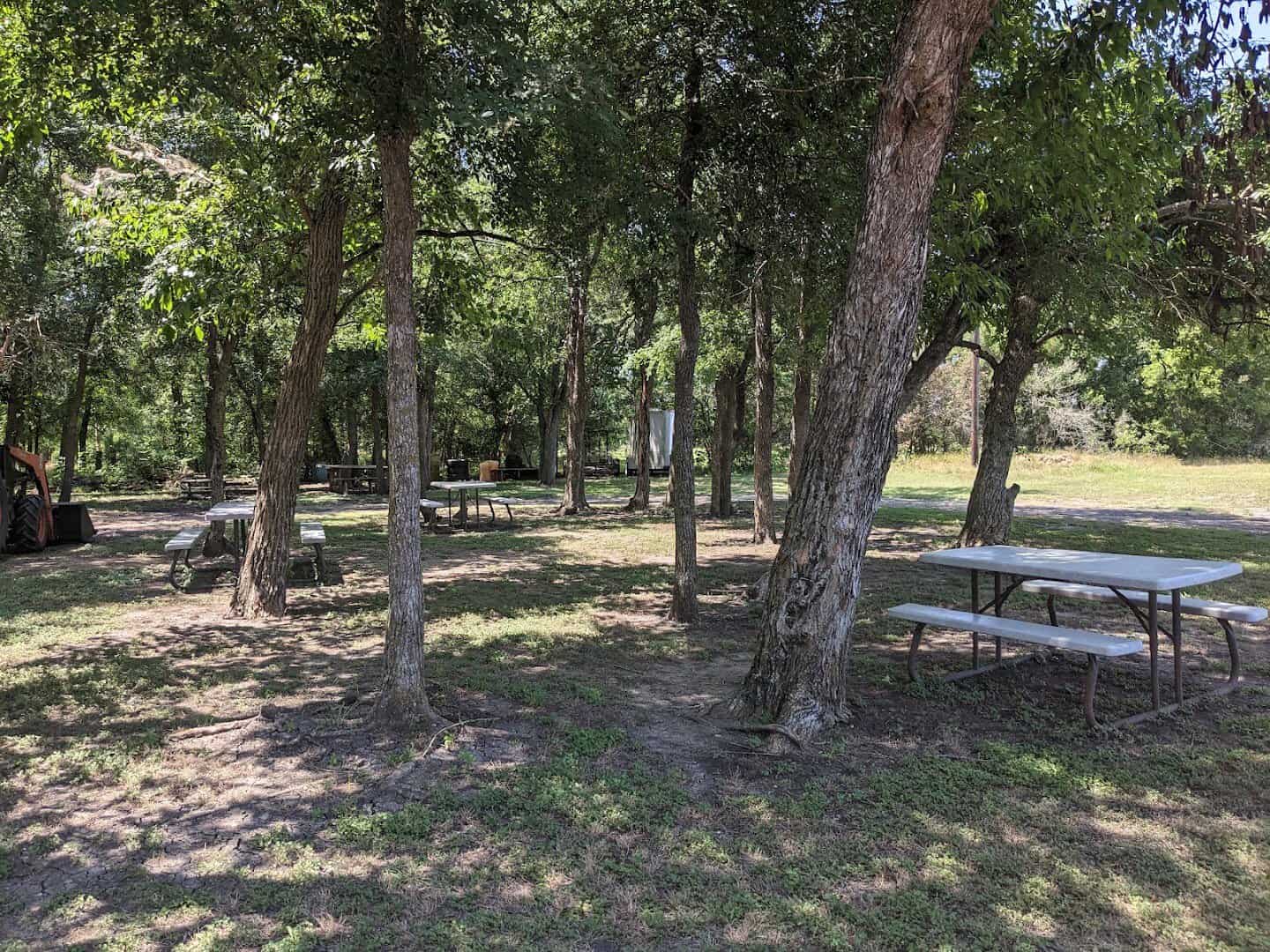
There are picnic tables and shaded spots, so packing a lunch and lingering is not just allowed, it is encouraged. Families spread out, kids run the paths, and nobody is rushing anyone along.
The new covered deck helps here too. On a hot afternoon it gives everyone a breezy place to regroup, cool off in the shade, and finish that lavender lemonade before heading back out into the rows.
One visitor summed it up simply, calling it “a place of tranquility” when the lavender is in bloom, with the grandkids happily filling their baskets. That is the whole appeal in one sentence.
When to Go and What to Know
The farm generally opens for the season around the first weekend of March and runs through the fall, welcoming visitors Thursday through Sunday, with a few special dates sprinkled in around the holidays.
Hours run shorter on weekdays and longer on Saturdays, so a Saturday gives you the most daylight to wander. It is worth checking the farm’s site before you drive, since hours and open days can shift with the season.
Here is the happiest surprise: there is no admission fee just to visit and stroll the grounds. You pay only for what you pick or buy, which makes this an unusually low-cost way to spend a gorgeous morning.
U-pick pricing is modest and tends to run by the bunch, though the exact rate can vary by season and event, so ask when you arrive rather than counting on a set number.
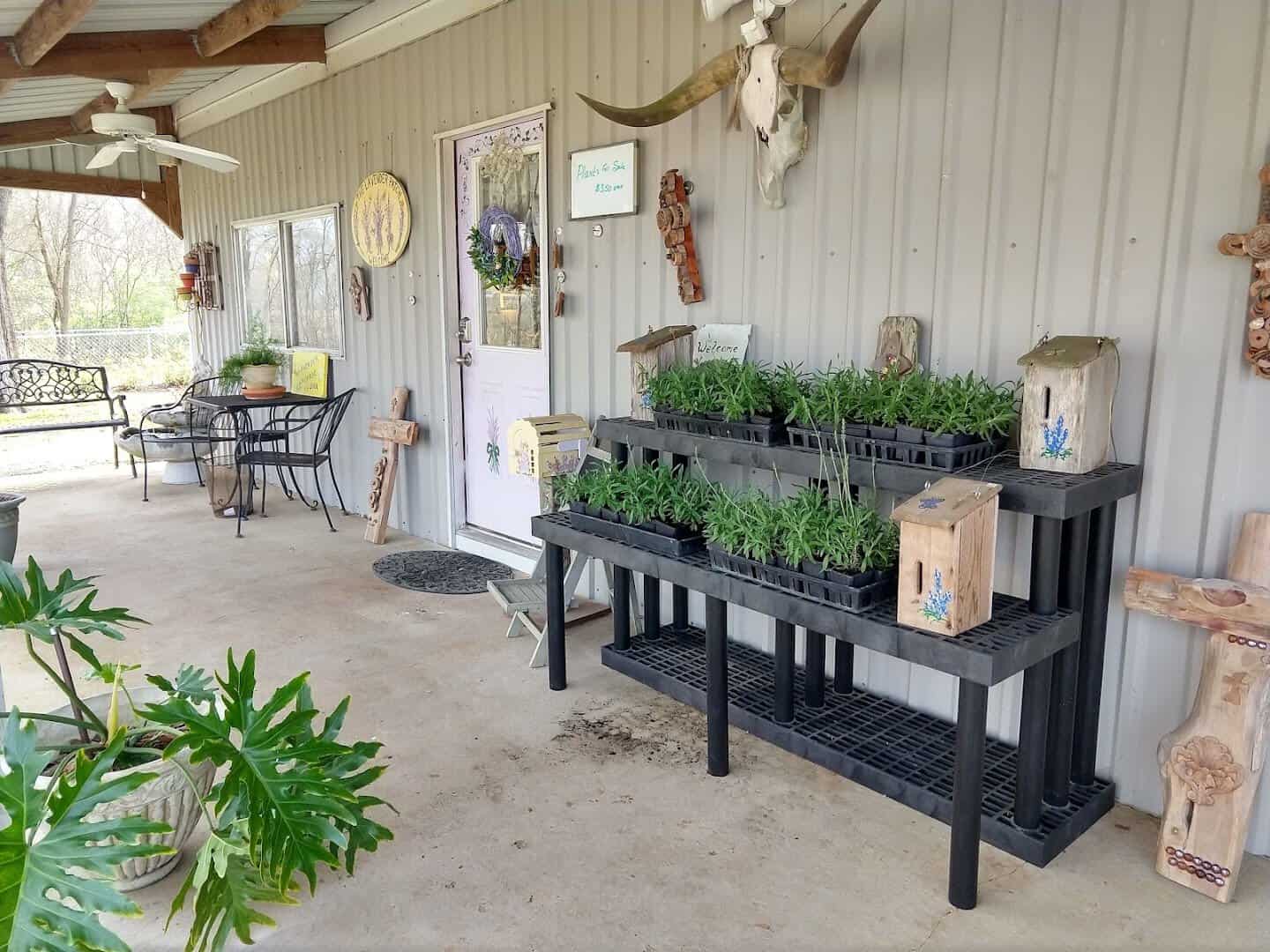
The single most important tip: go during a bloom or cutting window if the purple fields are what you came for. A quick call or a look at their latest post tells you whether the rows are showing color that week.
Weekends during peak bloom get busy, and the little shop fills up fast, so an early arrival buys you quieter rows and easier parking.
How to Get There
The farm sits about eight miles north of the historic community of Chappell Hill, out on a country road amid the fields, which is exactly why it feels like a getaway.
Where: Chappell Hill Lavender Farm, 2250 Dillard Rd., Brenham, TX 77833
From either Austin or Houston it is roughly an hour and a half, an easy weekend drive, and it pairs neatly with Brenham’s other draws like Blue Bell and the bluebonnet trails in spring.
That spring overlap is the sleeper move. Time it right and you can chase bluebonnets down the back roads in the morning, then finish the day walking rows of purple lavender, two of Texas at its prettiest in a single afternoon.
Start Planning Your Purple Getaway
You really can trade a plane ticket to France for a tank of gas and a Texas farm road. The lavender is waiting, the goats are hungry, and the lemonade is cold.
So pick a bloom weekend, grab a basket, and cut yourself a bouquet that smells like a vacation. Just try not to buy out the whole gift shop on your way to the car.
Featured image: @ Chappell Hill Lavender Farm

Stella Raines
Editor-in-Chief
Stella brings over a decade of storytelling experience to TX Headlines. With roots in West Texas and a love for road trips, she leads the editorial team with an eye for the hidden stories that make Texas unforgettable.
More Stories

This Nerve-Racking Texas Bridge Is a 20-Story Climb Straight Into the Sky

This Sprawling Three-Story Texas Bookstore Is a Book Lover’s Wildest Dream
This Beloved Texas Tradition Turns a Whole Hill Country Town Purple Every June

This Sprawling Texas Antique Market Is So Big You’ll Need 8 Hours to See It All
Tags