This Cozy Texas German Restaurant Serves Schnitzel Plates Bigger Than the Table
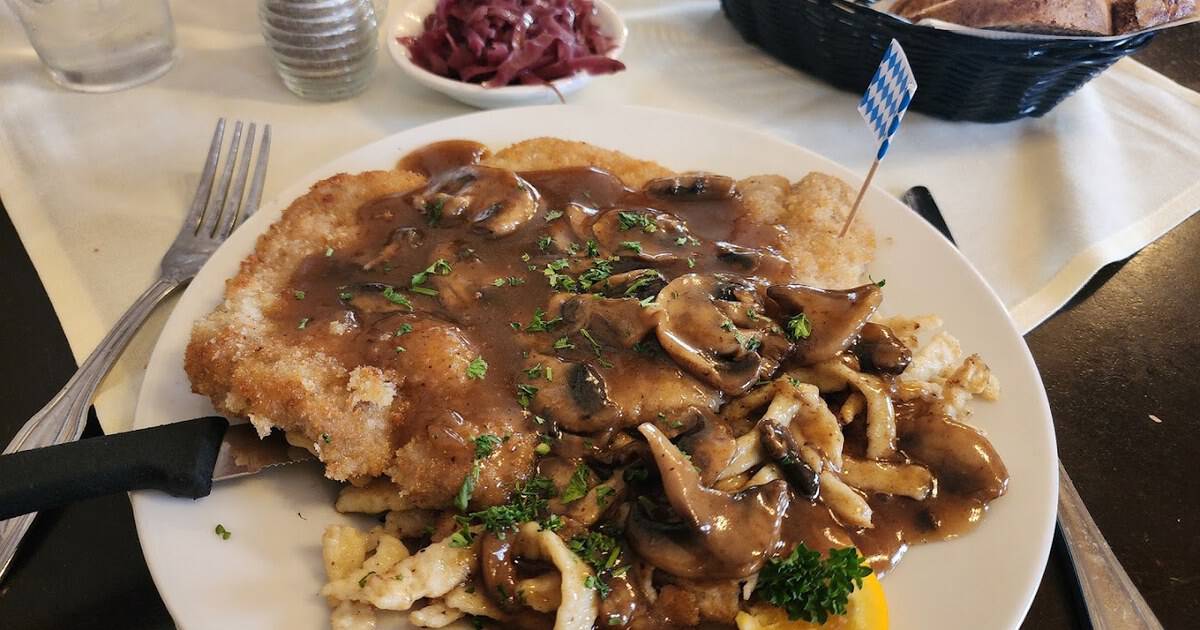
I have a real weakness for a schnitzel done right, and a proper one is a test of willpower. The cutlet gets pounded until it spreads past the rim of the plate. Then you sit there doing quiet math about whether you can actually finish it.
That is the reputation of one old-world kitchen tucked into downtown New Braunfels, where the schnitzel arrives large enough to make the table feel small. This is Alpine Haus, a family-run German restaurant in the Texas Hill Country, known for plates that hang over their own edges.
Below, here is what to order, where the place came from, and how to plan a visit that leaves room in your stomach and your afternoon.
Start With a Pretzel and a Plan
Before the schnitzel takes over the table, there is the small matter of starters, and Alpine Haus does not phone them in. The soft pretzel is the obvious opener, warm and chewy and made for tearing apart while you argue over the menu.
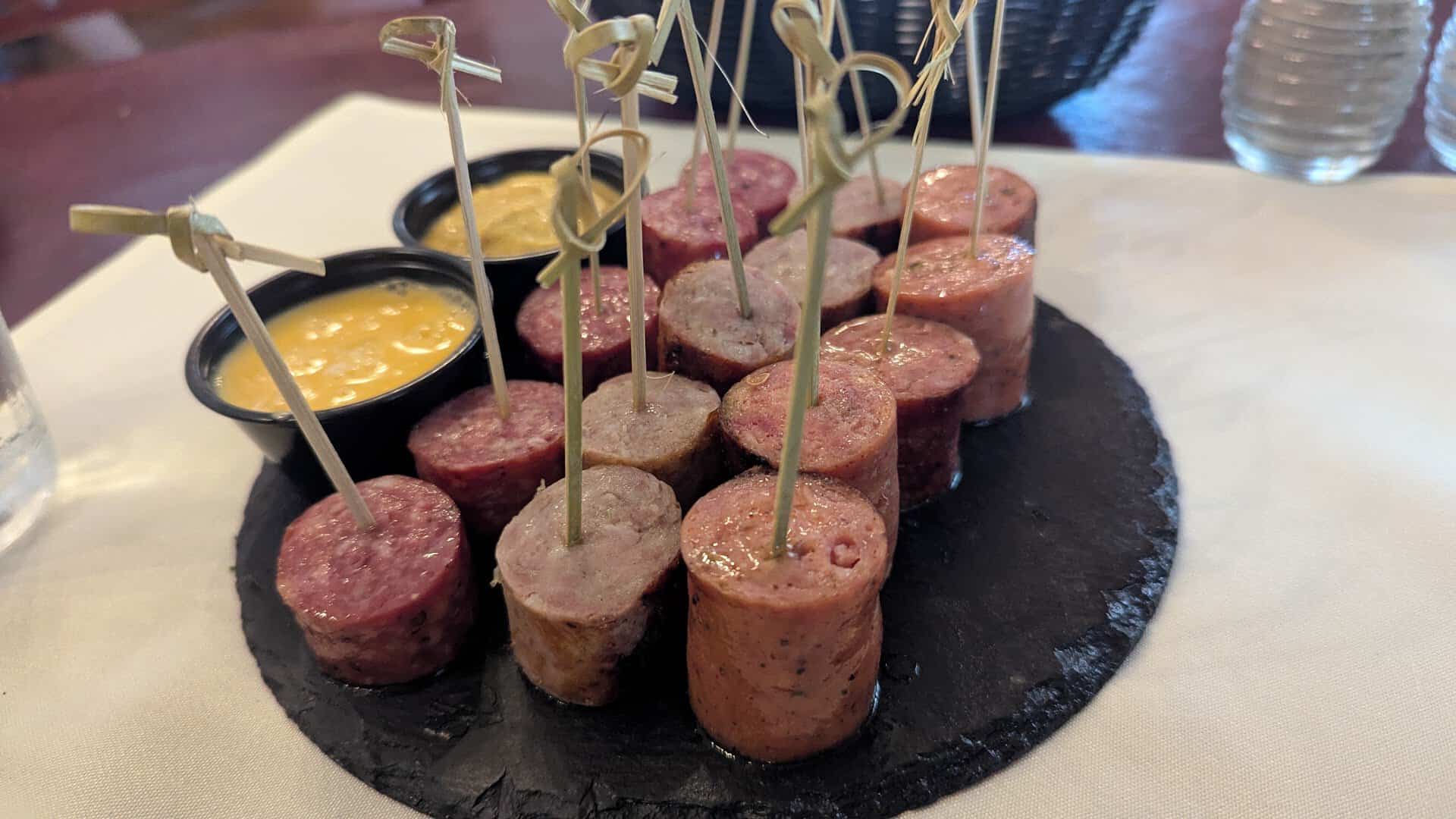
From there the appetizer list reads like a fried-food greatest hits. Fried brie for the crowd that likes warm cheese, fried mushrooms and fried zucchini for the table that wants to snack, and a sausage sampler for anyone who cannot wait for the main course to start eating meat.
The trick is restraint, which is hard here. Every plate that follows is generous, so treat the starters as a taste rather than a meal. One shared appetizer sets the mood without stealing the appetite you will need in about fifteen minutes.
Schnitzel That Spills Over the Rim
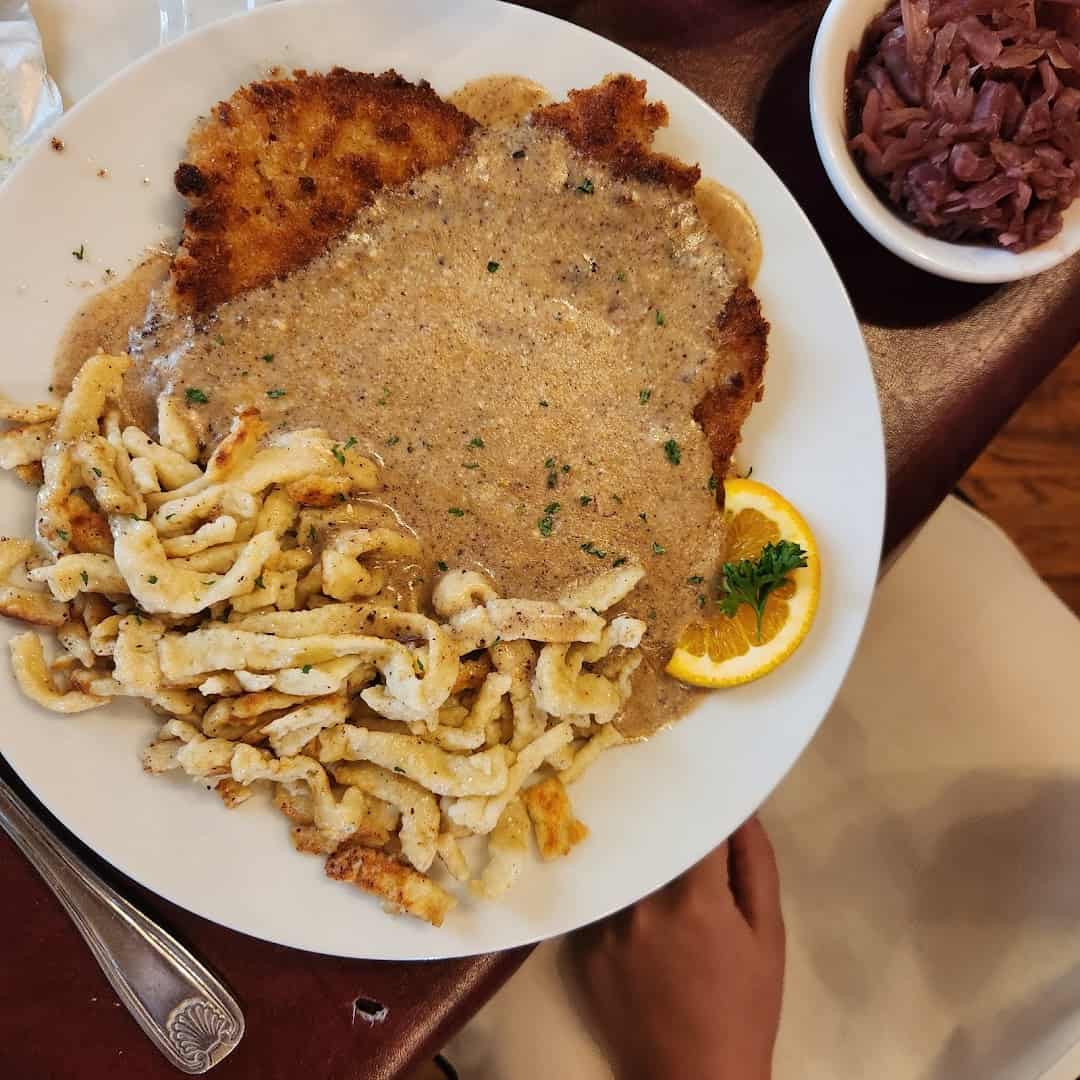
Now the star. Schnitzel is a thin cutlet, breaded and cooked to order, and Alpine Haus treats it as the main event rather than a menu footnote. The kitchen pounds the meat wide, breads it light, and fries it so the crust stays crisp instead of greasy.
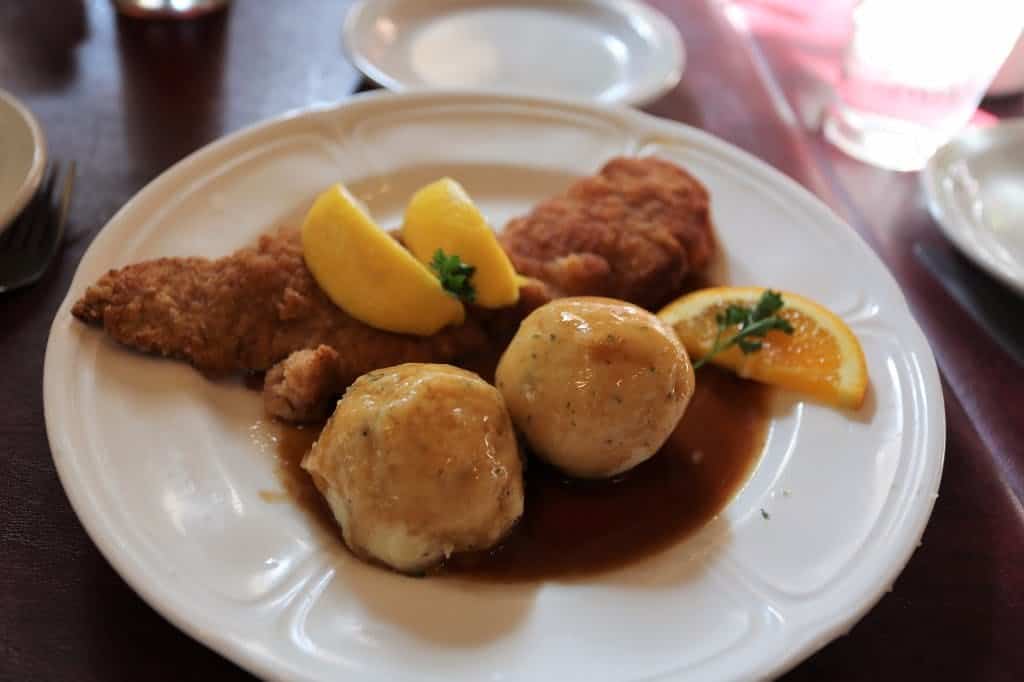
The classic is the Wiener Schnitzel, the plain golden cutlet that started the tradition. You can order it as pork or chicken, and there is a veal version for the textbook take. It runs around $26 for pork or chicken and closer to $33 for veal.
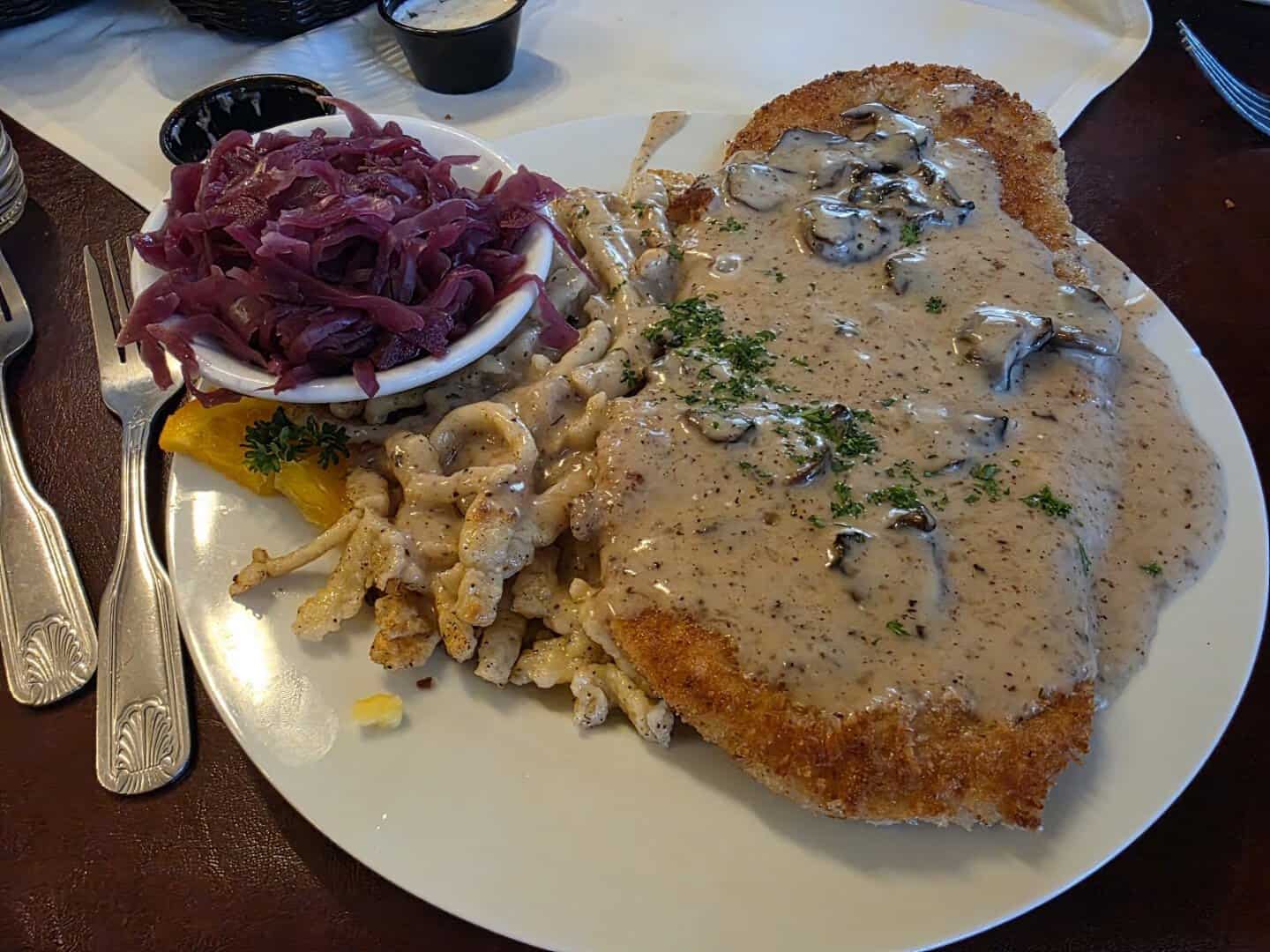
My vote goes to the gravy versions, because gravy is where German cooking quietly shows off. The Jäger Schnitzel comes buried under a dark mushroom gravy. The Rahm Schnitzel gets a creamy sour-cream sauce instead. Both land near $30 for pork or chicken.
If you cannot decide, the Jäger-Rahm splits the difference and pours both the mushroom and the sour-cream gravy over one cutlet. There is also the Zigeuner, a spicier plate with paprika, bell pepper, and onion, and a Cordon Bleu stuffed with Black Forest ham and Swiss cheese.
Whichever one you choose, the size is the first thing you notice. The cutlet is fried until it reaches past the edge of the plate, so the photo you take will not quite capture how much food is in front of you. It is a lot. That is the point.
Here is the part people underestimate. Each schnitzel comes with bread, a soup or salad, and your choice of sides. So the cutlet that already crowds the plate is only the center of a much bigger spread. Come hungry, and bring a to-go box.
That combination is the real value at Alpine Haus. You are not just paying for a piece of fried meat, you are paying for a full German dinner built around it. Split one schnitzel between two lighter eaters and you both walk out satisfied.
What to Eat Beyond the Cutlet
Schnitzel earns the headline, but the rest of the menu is why regulars keep coming back. This is Alpine cuisine, which means the kitchen borrows from Germany, Austria, and Switzerland, and it leans hard into the slow-cooked, gravy-rich end of the tradition.
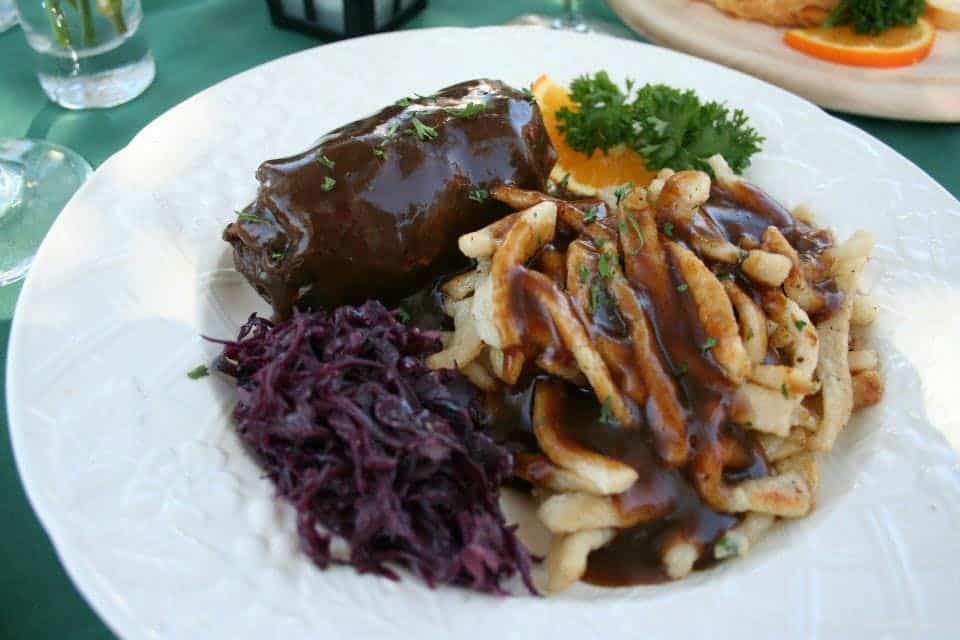
The Sauerbraten is the one to try if you want to taste real patience. It is a pot roast marinated for days until it turns tender and tangy. The gravy tastes like it took all afternoon, because it did.
The Rinder Rouladen is the same comfort-food idea in a different shape. It is a thin beef roll wrapped around pickle and onion, braised until it gives way to a fork. Order it when you want something that feels like a special occasion.
Sausage lovers are covered too. The sausage platter pairs two links with the usual German sidekicks, and the sausage sampler is built for a table that wants to try a little of everything. Ask what came in fresh, because the wurst selection is part of the fun.
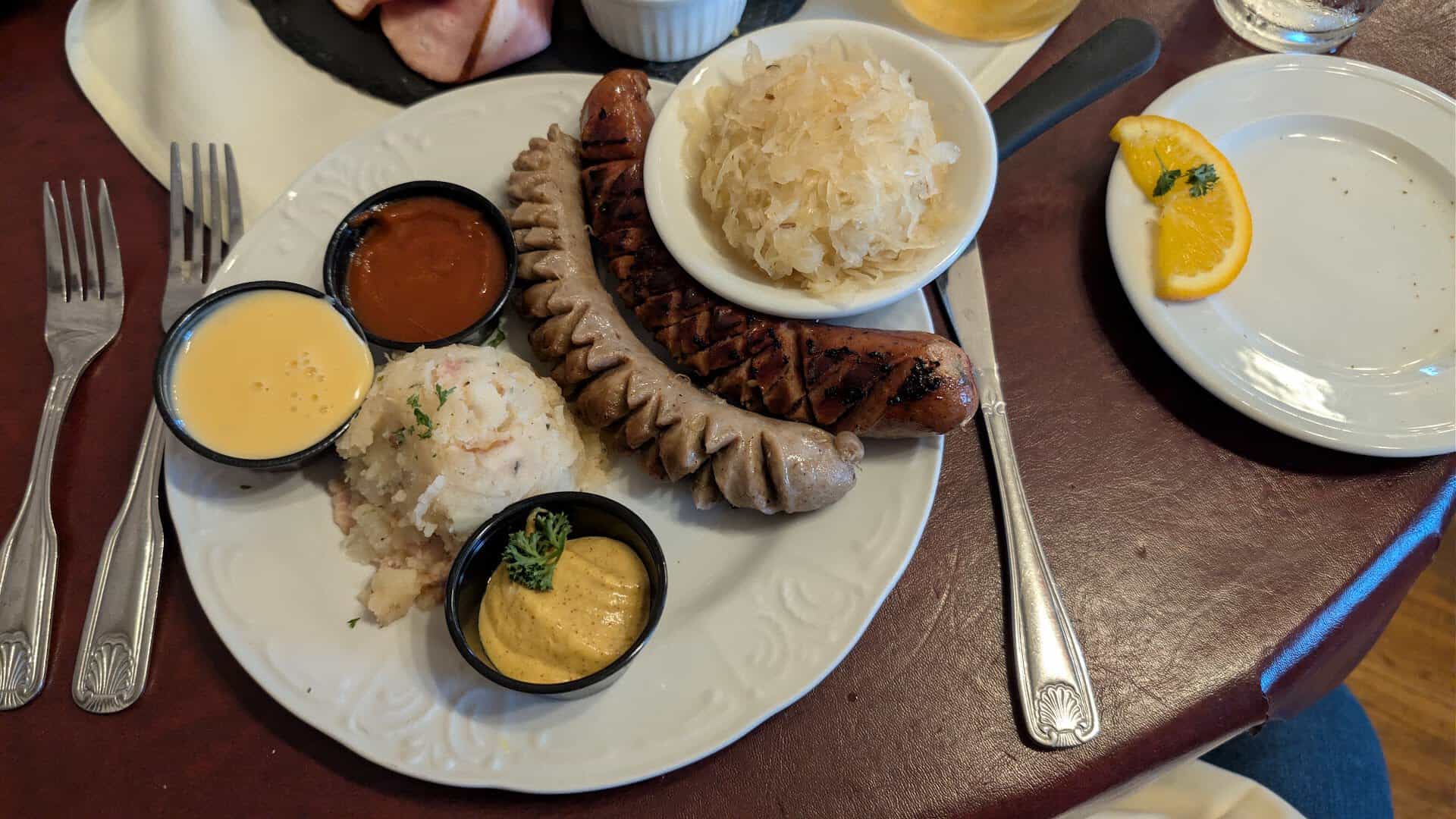
For the truly hungry, there is the roast pork, the Schweinebraten, and a beef goulash that leans into the same rich, gravy-forward comfort as everything else. These are the plates you order when you want the full Sunday-dinner feeling on a Tuesday, and the kitchen is happy to oblige.
None of it is fussy. This is honest, home-style cooking scaled up to restaurant portions, the food a German grandmother might make if she also owned a walk-in freezer and a very large stove. You leave full, which is the whole point.
Then there are the sides, which no one should skip. Spätzle, the little hand-formed egg noodles, arrive slicked with gravy. The red cabbage is sweet and vinegary at once. Potato dumplings soak up whatever sauce is nearby. Order one extra side you have never had and thank me later.
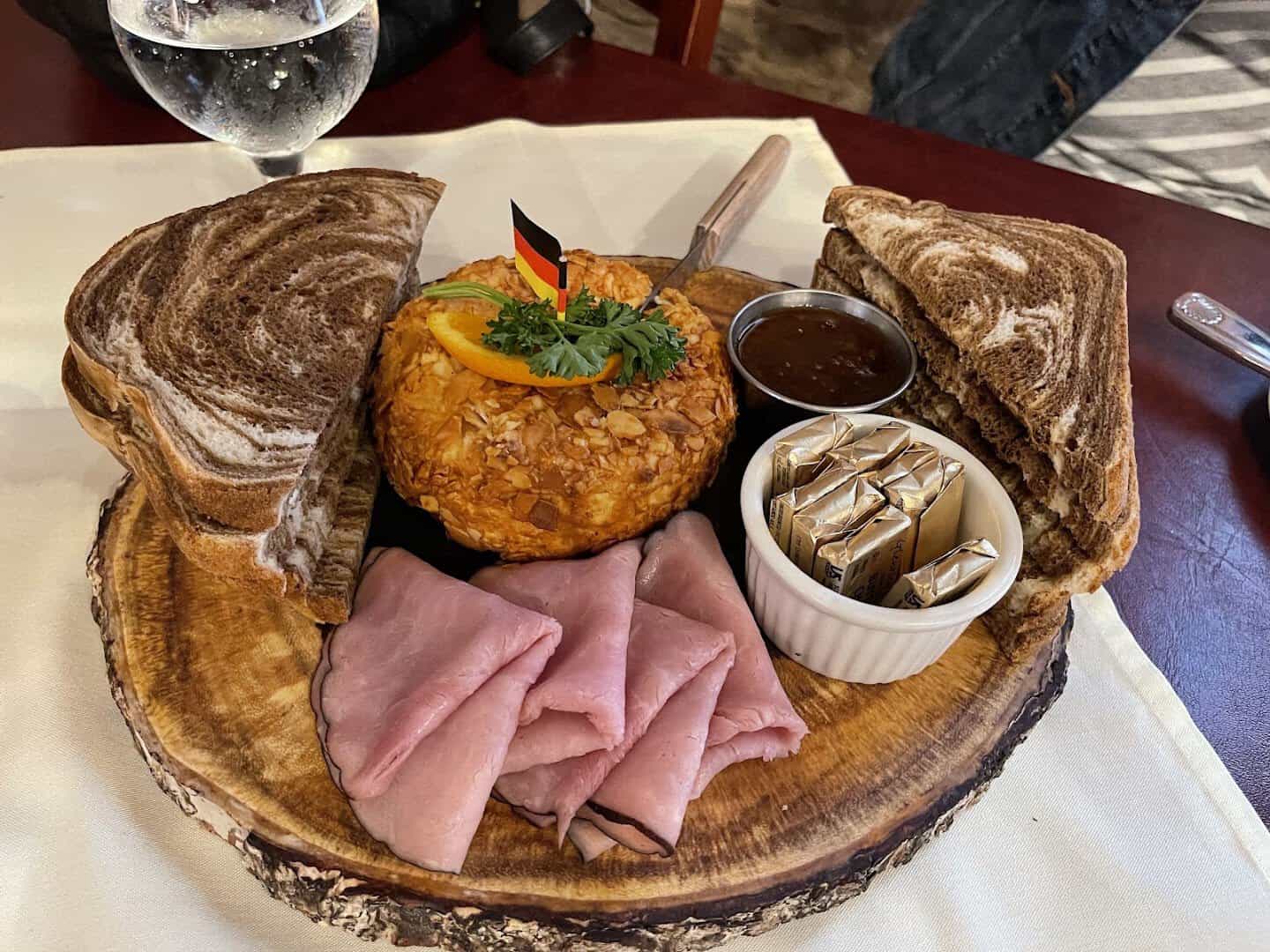
Pro tip: the meal opens with marbled rye bread and butter, and it is easy to fill up on it before the schnitzel ever lands. Pace yourself. That bread is a trap, a delicious one, but a trap.
Save Room for the Strudel
Dessert at a German restaurant is not an afterthought, and Alpine Haus knows it. The apple strudel is the safe, correct choice, all warm fruit and flaky pastry, and the cherry version is right there beside it for anyone who likes a little tartness.
If you want the showstopper, the Black Forest cake stacks chocolate and cherries the way the Black Forest intended. It is the kind of dessert you order for the table and then quietly defend with your fork.
Did you know? Real Black Forest cake, Schwarzwälder Kirschtorte, traditionally carries a splash of cherry brandy, which is how a humble chocolate cake earned its fancy reputation. At Alpine Haus it is simply the sweet exclamation point at the end of a very large meal.

A Chef Who Grew Up in the Kitchen
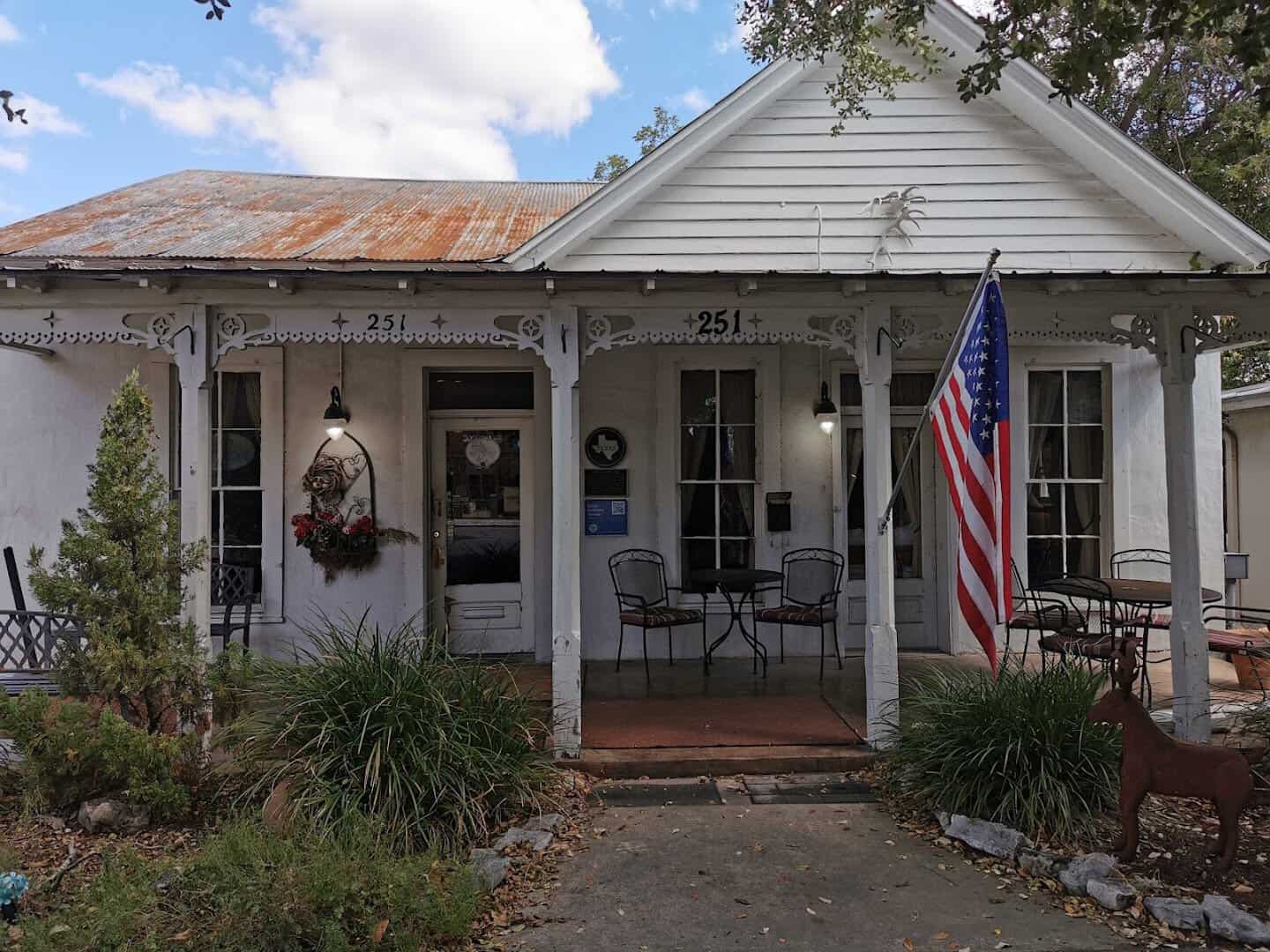
Alpine Haus is not some centuries-old institution, and that surprises people. The restaurant opened on February 5, 2013, which by New Braunfels standards makes it a newcomer. What is old is the building, a downtown landmark that dates back to roughly 1850.
The man behind it is Chris Hammond, the owner and executive chef. By the time he opened his own doors, he had already spent around sixteen years cooking German food, most of it as head chef at his family’s restaurant, Edelweiss, down in Corpus Christi.
So Alpine Haus is less a startup and more a homecoming. Hammond took the recipes he grew up cooking and gave them their own address in one of the most German towns in Texas. Everything is made to order, the way a family kitchen does it.
That New Braunfels setting is no accident either. The town was founded in 1845 by German immigrants led by Prince Carl of Solms-Braunfels, and its German roots still shape the food, the festivals, and the accents you catch on Main Street. A serious schnitzel house fits right in.
This is Wurstfest country, after all, the ten-day sausage festival that fills the town every November. In a place that already celebrates German cooking once a year with a party, a kitchen turning out schnitzel and strudel the other fifty-one weeks was almost inevitable.
Gemütlichkeit, and What It Means
Germans have a word, Gemütlichkeit, that does not translate cleanly into English. It means something like warmth, coziness, and belonging all rolled together, the feeling of a room that wants you to stay a while. Alpine Haus is built around it.
The historic house holds several small dining rooms rather than one big hall, so the space feels intimate instead of cavernous. Think exposed brick, warm lighting, and tables close enough that a good meal feels like a gathering. It is elegant without ever tipping into stuffy.
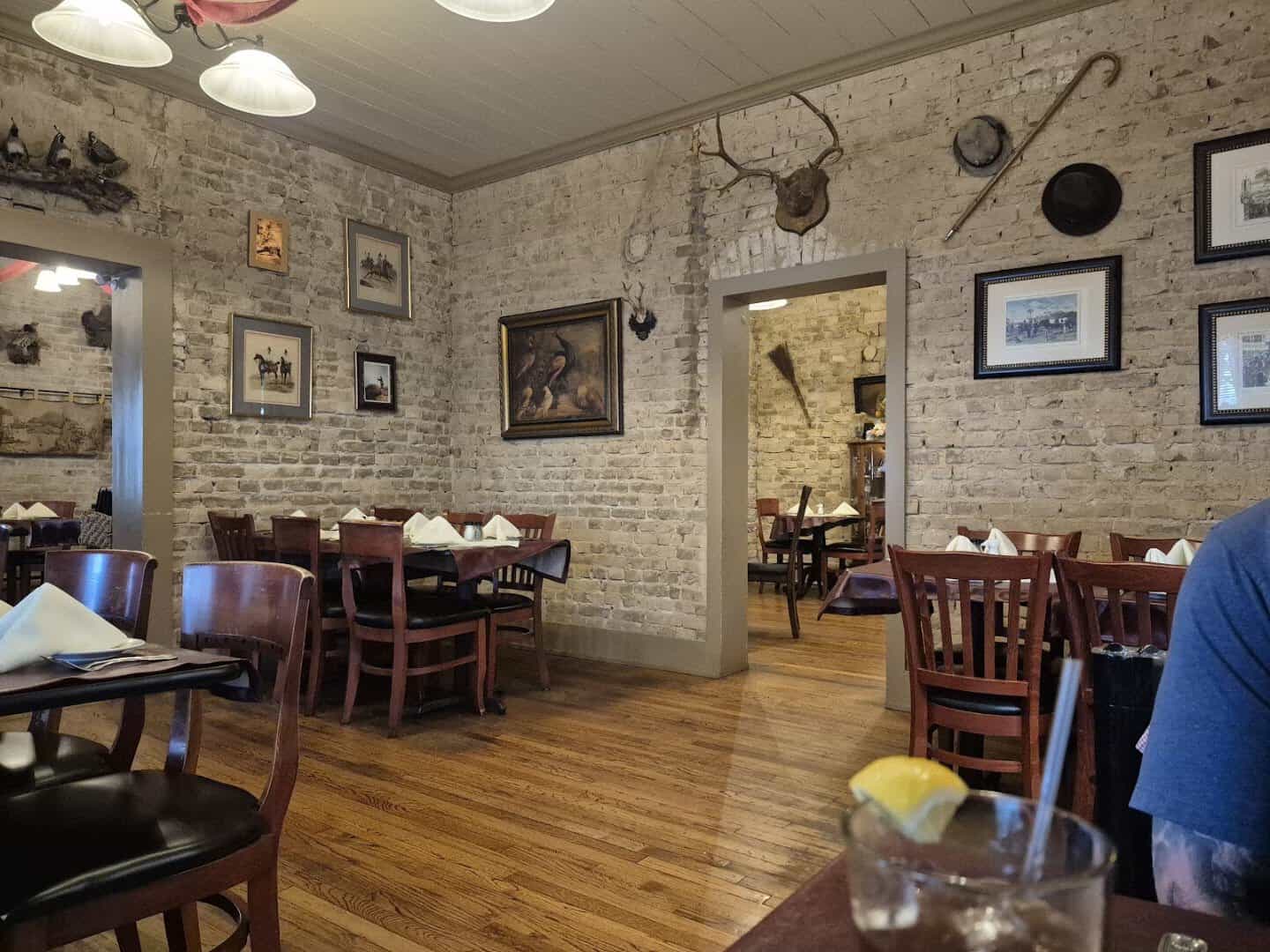
Step outside and there is a snug wine and beer garden, the kind of tucked-away patio made for a slow evening. On weekends, live accordion music drifts through the place, running through the traditional German songs that turn a dinner into a small celebration.
Diners notice the effort. One review on RestaurantGuru put it simply: “Superb Jager Schnitzel and sides. My new favorite German restaurant.” Another visitor kept it even shorter: “the food is incredible!!”
How to Plan Your Visit
Alpine Haus sits right in downtown New Braunfels, which makes it easy to fold into a Hill Country day trip. The town is roughly halfway between San Antonio and Austin, so it is an easy drive from either city and a natural stop on a longer road trip.
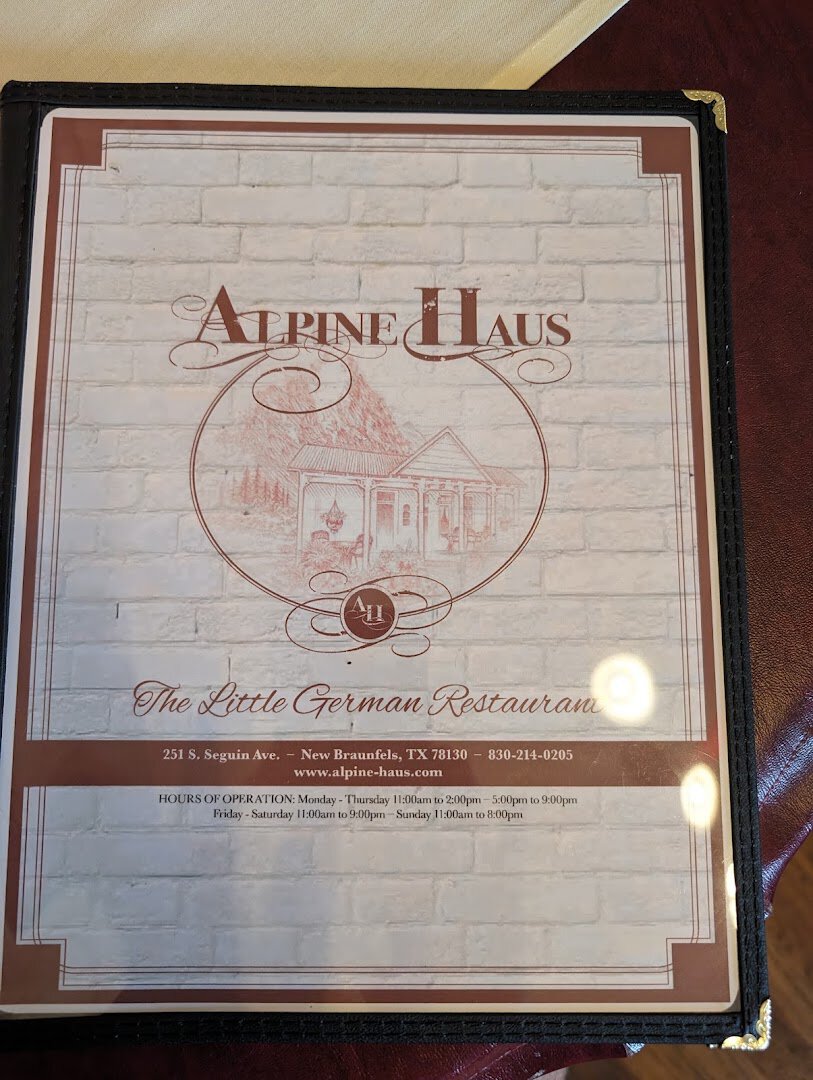
The kitchen serves lunch daily and leans into dinner on the weekends, when the accordion comes out and the dining rooms fill up. Because the weekday dinner schedule can shift, it is worth a quick check of the current hours before you point the car this way.
A few practical notes. The plates are genuinely large, so a shared appetizer and a schnitzel can easily feed two lighter appetites. Weekends draw a crowd thanks to the music, so an earlier reservation or an off-peak lunch is the smart move if you want a quieter table.
Tip: if it is your first time, order one gravy schnitzel and one classic Wiener between two people, add a side of spätzle, and split a strudel. That is the whole tour of the kitchen in a single, very full sitting.
Where to Find It
Where: Alpine Haus Restaurant, 251 S. Seguin Ave, New Braunfels, TX 78130.
It is a short walk from the historic downtown square, with the shops and the German heritage of New Braunfels right outside the door. Park once, eat well, and wander the old streets while you make room for dessert.
Plan Your Hill Country Schnitzel Run
There is something deeply satisfying about a meal that refuses to fit on its plate, especially when the cook behind it grew up making it. Alpine Haus turns a simple breaded cutlet into an event, and it does it with real family warmth.
So the next time the Hill Country is on your route, save an appetite the size of Texas, bring someone to share the strudel, and go find out for yourself what a schnitzel looks like when it stops respecting the boundaries of the table.
Featured image: The Honest Table via Alpine Haus Restaurant

Stella Raines
Editor-in-Chief
Stella brings over a decade of storytelling experience to TX Headlines. With roots in West Texas and a love for road trips, she leads the editorial team with an eye for the hidden stories that make Texas unforgettable.
More Stories
These Tiny Texas Towns Serve the Best Small-Town Breakfast in the State
These Texas Cafes Serve the Chicken-Fried Steaks Locals Swear Are the Best
These Hidden Texas Buffets Serve Homemade Comfort Food That Tastes Like Grandma’s
This Waterfront Texas Seafood Shack Has Sunset Views Almost as Good as the Shrimp
Tags