This Breathtaking Texas Waterfall Is One of the Hill Country’s Most Beautiful Sights and Surprisingly Easy to Reach
There is a specific sound I chase every summer, and it is the sound of moving water over rock. Not a fountain, not a pool filter, the real thing: a river working its way downhill the way it has for longer than anyone can picture.
In the Texas Hill Country that sound is rarer than you would think, which is why one stretch of the Pedernales River feels like a small miracle.
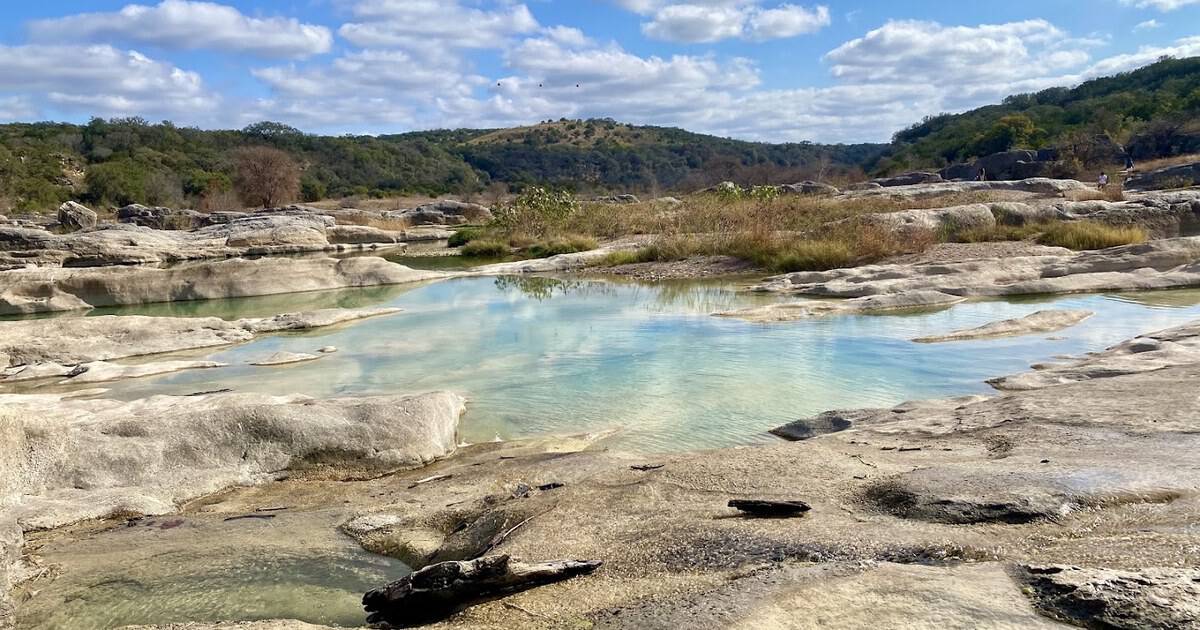
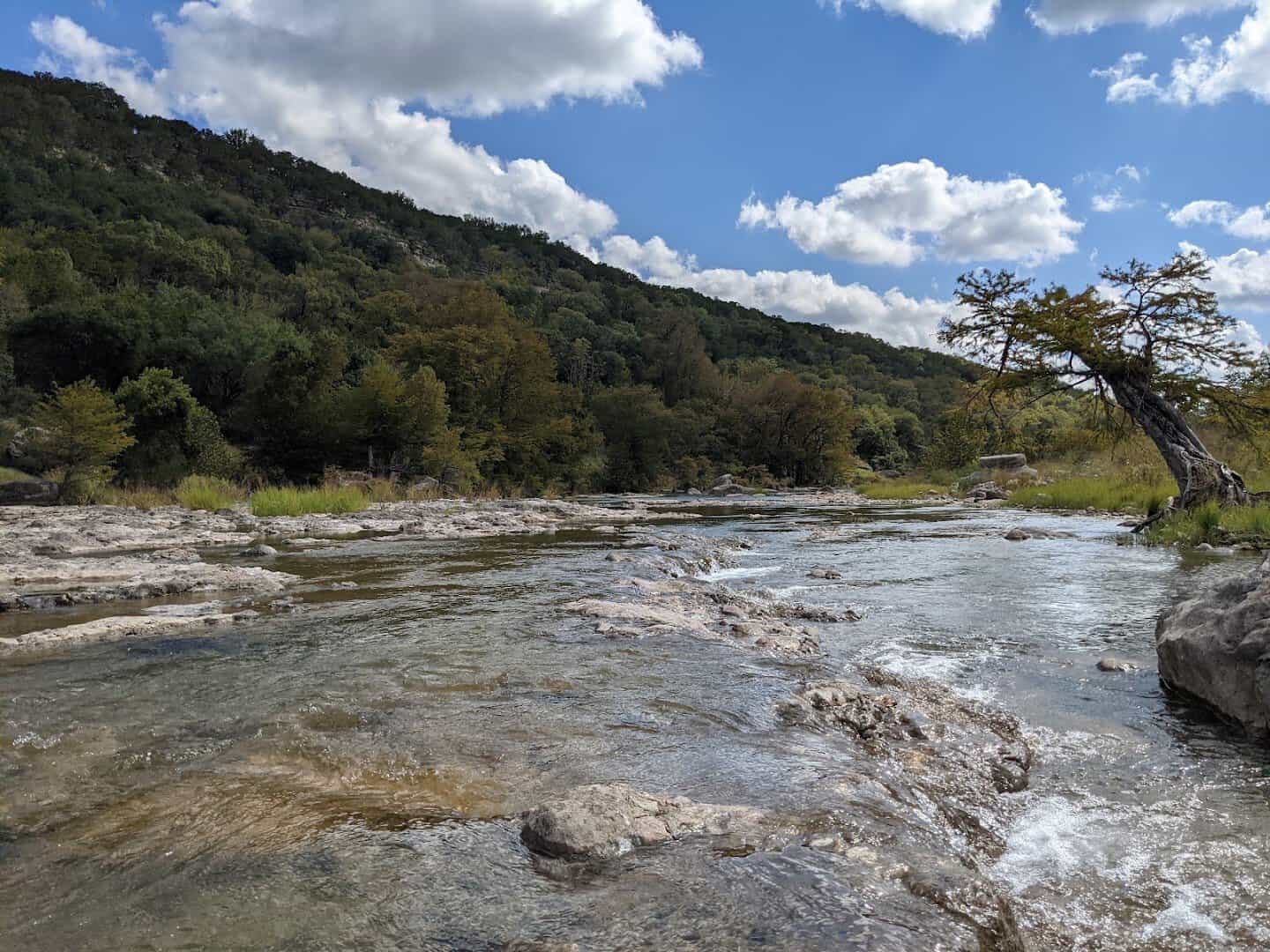
This is stair-stepped limestone, where the water spreads out, drops, and swirls into deep green pools. Then it does the whole thing again for the better part of a mile.
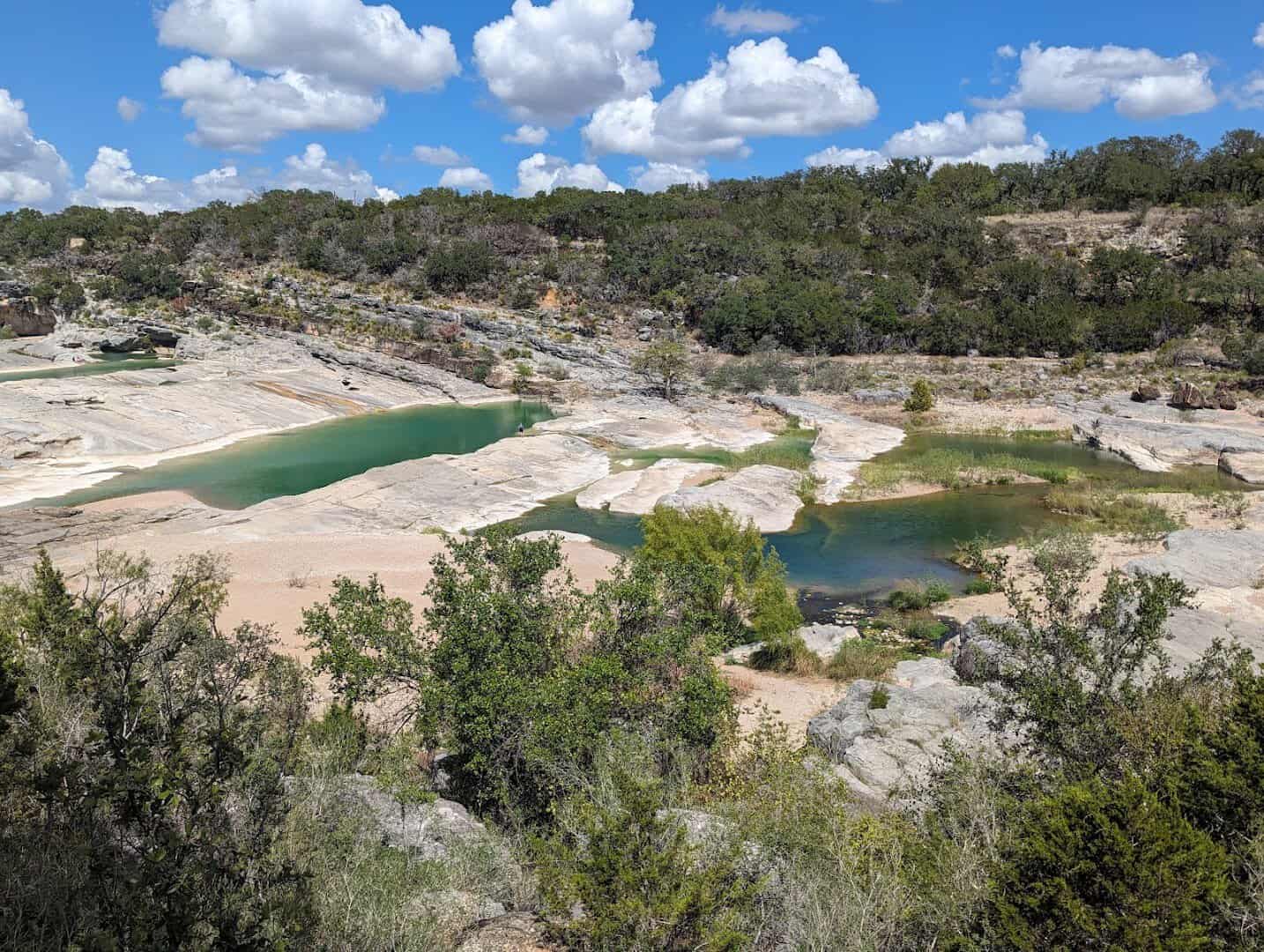
The waterfall lives inside Pedernales Falls State Park, about ten miles east of Johnson City and an easy drive west of Austin. Below, here is what makes it one of the most beautiful sights in Central Texas, and everything you need to plan the trip.
Water That Has Been Falling for 300 Million Years
The falls are not one tall curtain of water. They are a wide, tilted staircase of pale limestone, and the river slides down them in sheets, chutes, and little rushing tongues that change shape with every rain.
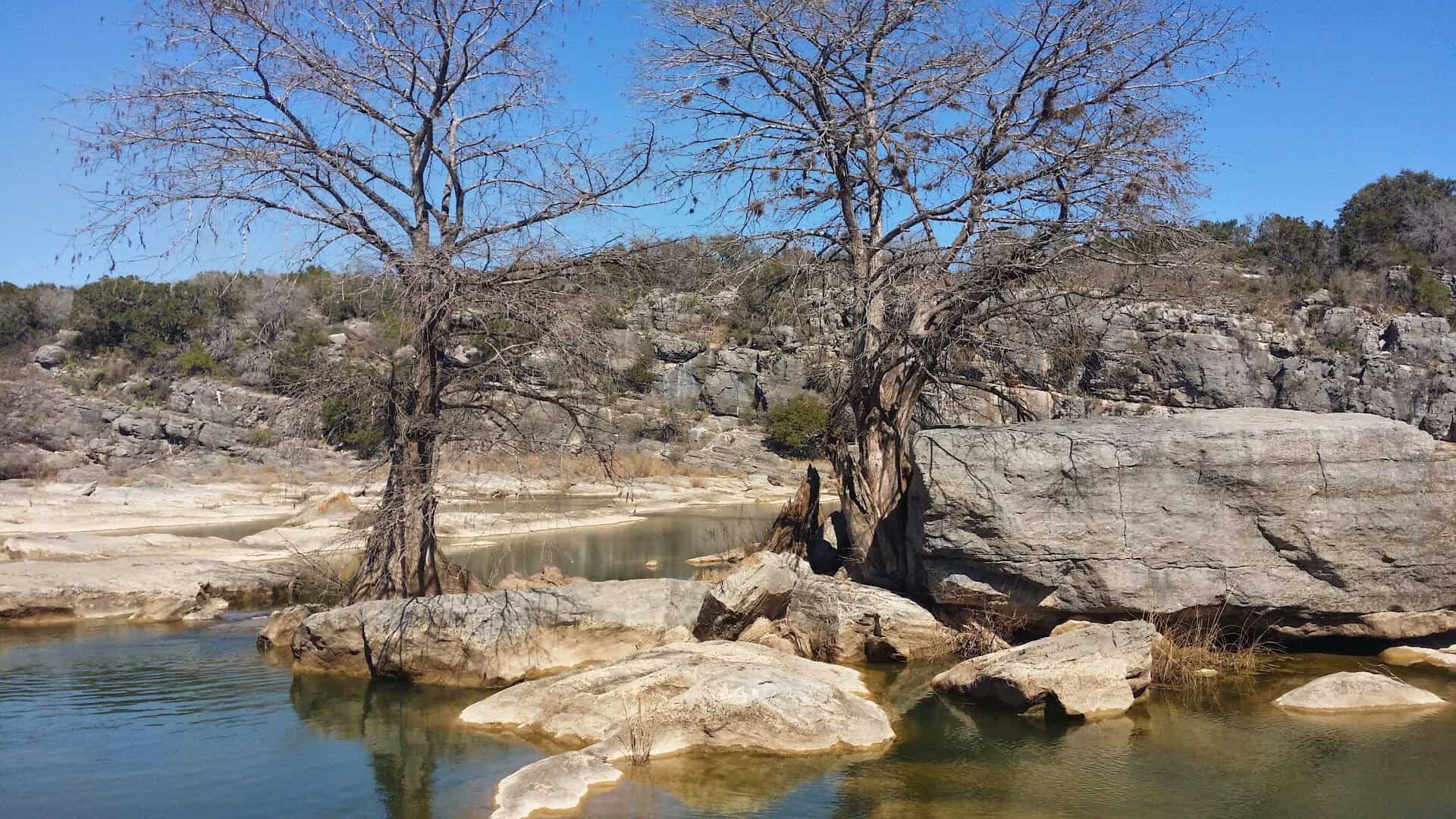
Across roughly 3,000 feet, the Pedernales drops about 50 feet. That gentle math hides how dramatic it looks in person, with slabs of rock scoured into ledges and rounded potholes that hold pockets of still water.
The stone itself is the oldest thing you will touch all day. Geologists call it Marble Falls Limestone, and it formed around 300 million years ago, back when a shallow sea covered this part of Texas.
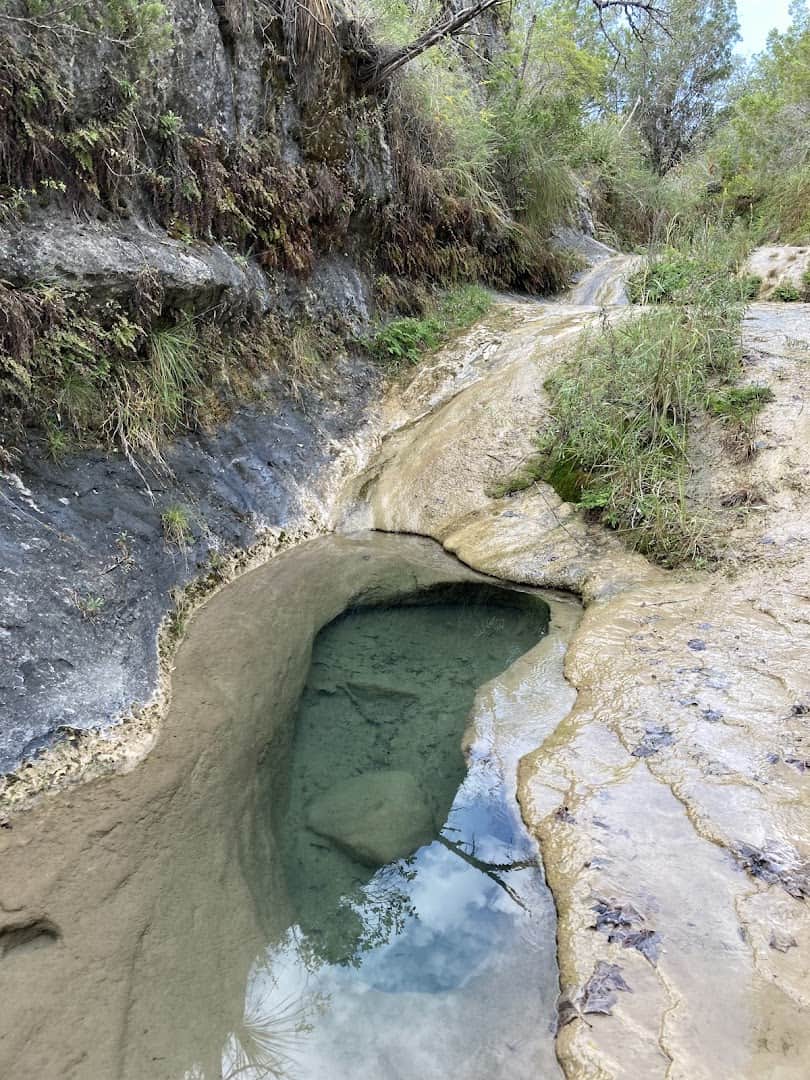
Look closely and you will find potholes drilled straight into the rock. These are smooth round bowls scoured out over centuries by pebbles that spin in one spot every time the river runs high. Some are shallow saucers, others are deep enough to swallow a person.
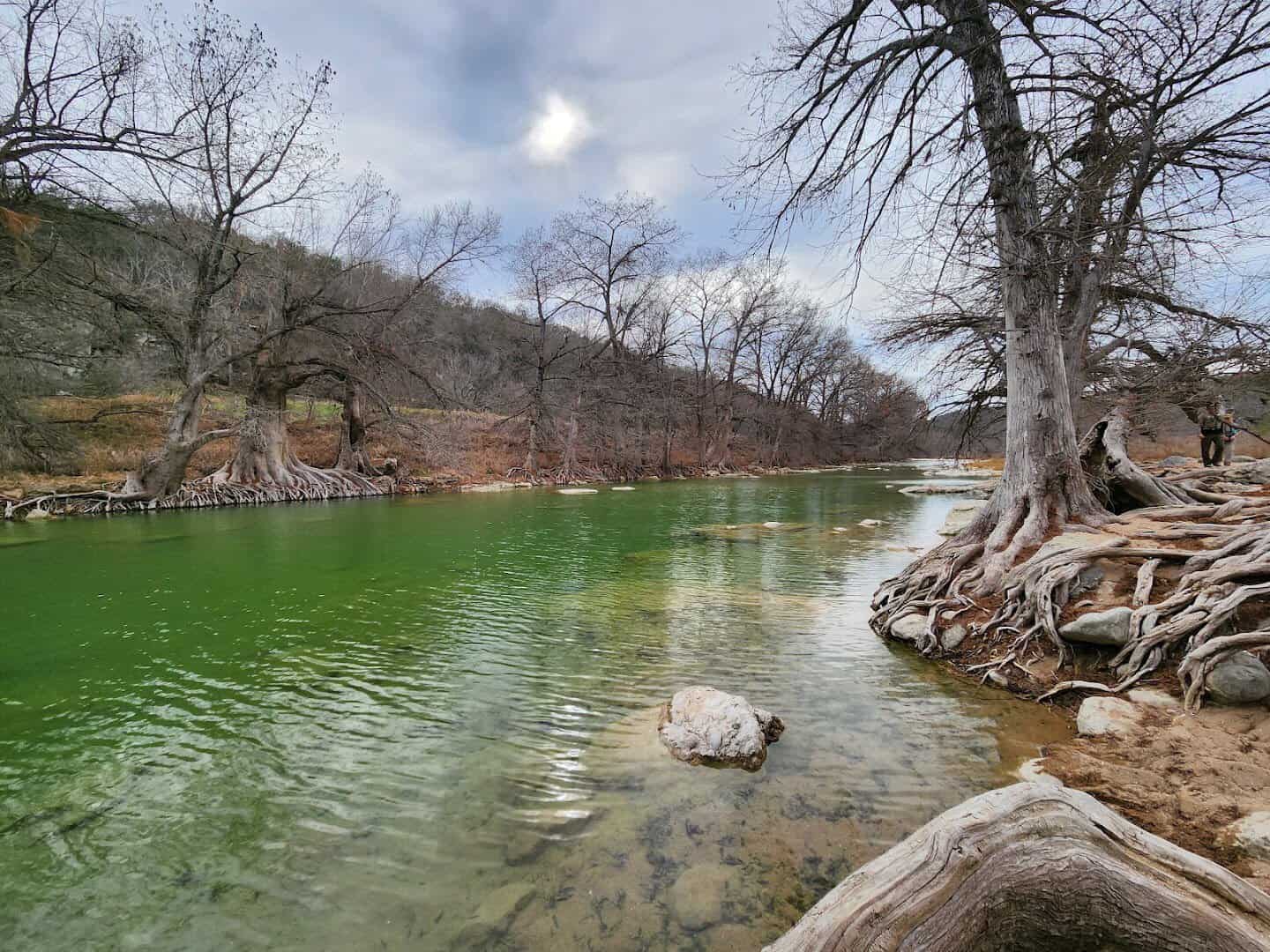
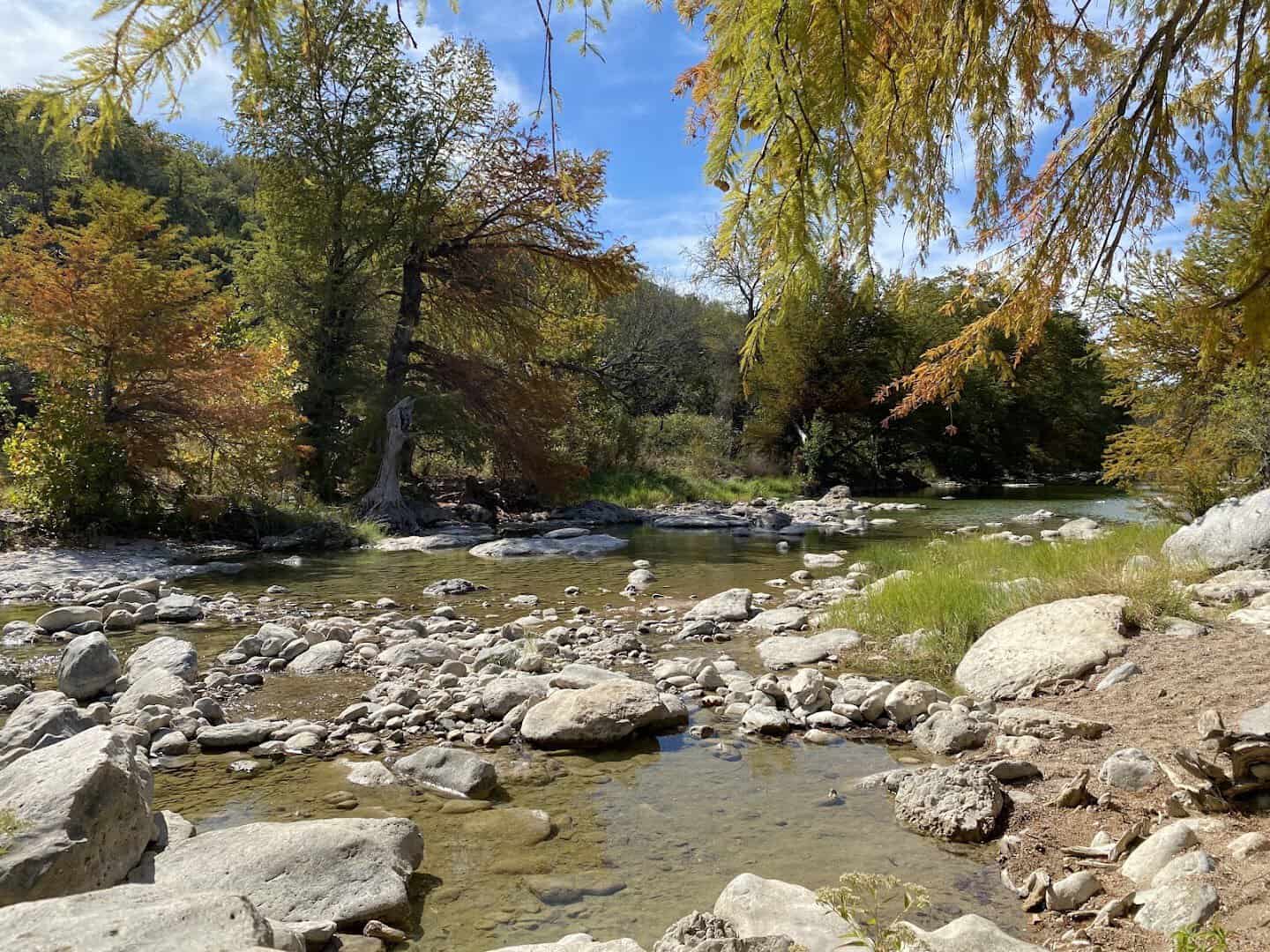
Come at golden hour and the whole formation warms to honey and cream, the water turning the color of weak tea over the shallows and deep jade in the carved bowls. Bald cypress lean in from the banks, and in fall their needles rust to copper.
There is an overlook near the trailhead where you can take the whole scene in at once, and it is the classic postcard view of the park. Bring a camera, because the light off the wet limestone does things a phone screen never quite believes.
The Swimming Hole Worth the Walk
Here is the thing to know before you pack your swimsuit: you cannot swim at the falls themselves. The current there is unpredictable and the rock is slick, so the park keeps that stretch for looking, not wading.
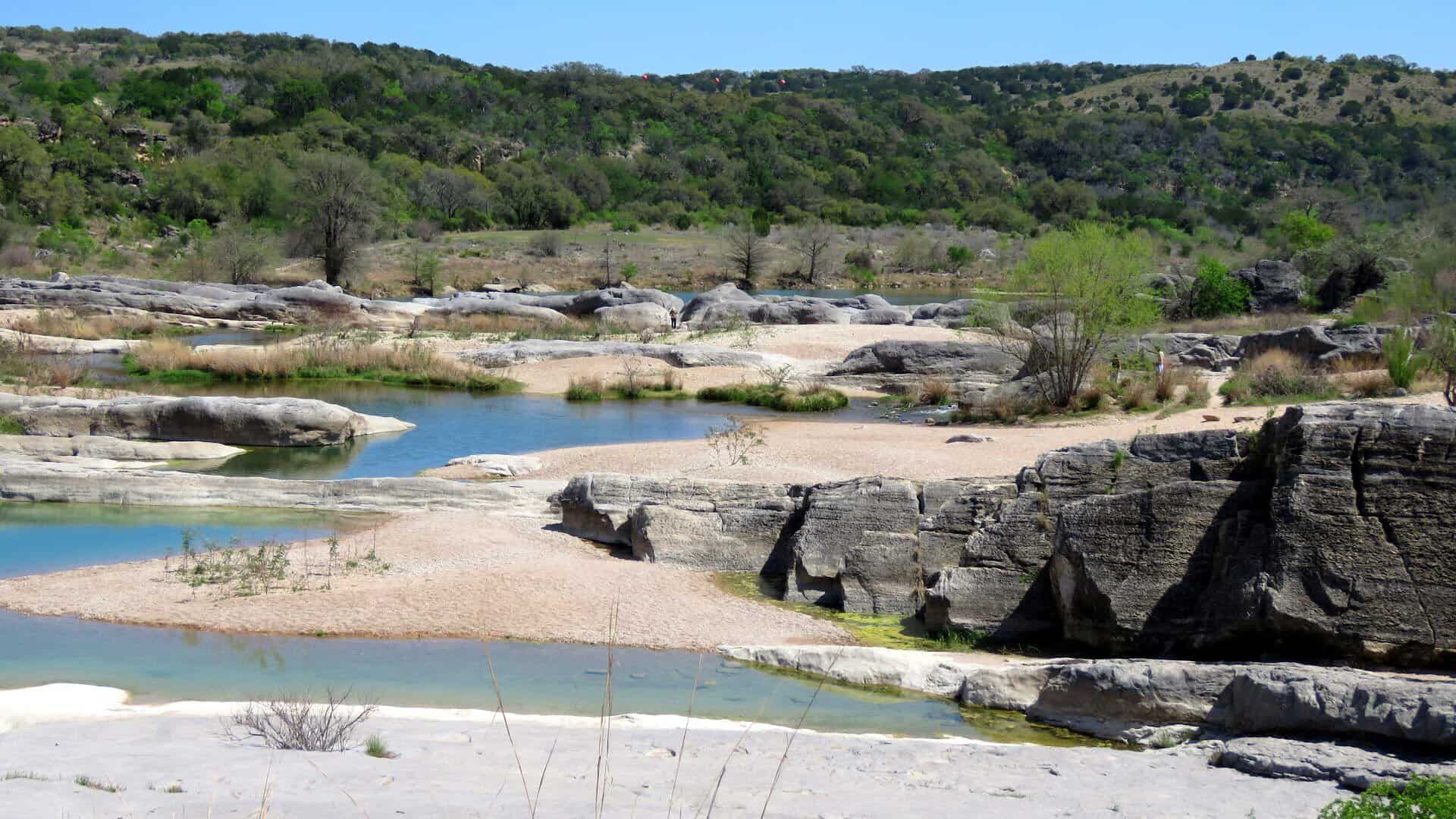
The swimming is downstream, and it is glorious. A designated swimming area sits at the end of a hike of about a quarter mile, with steep rock stairs that will remind your legs they exist.
What waits at the bottom is the Hill Country doing its best work. Clear green water, boulders warm enough to nap on, and bald cypress throwing patches of shade over the whole scene. On a weekday you might get long stretches of it nearly to yourself.
Regulars will tell you the water here runs cleaner and cooler than any city pool, ringed by trees instead of concrete. It is the kind of spot where an hour turns into an afternoon before you have decided to stay.
Pro tip: bring water shoes. The riverbed is beautiful and it is also rock the whole way, so the same stone that makes the pools so pretty is not kind to bare feet.
Pack a picnic too. There are no snack bars down by the water, so a cooler with sandwiches and cold drinks is the difference between a good day and a hungry drive home.
Tubes, Paddles, and a Lazy Afternoon
If floating is more your speed, the park has you covered too. Trammell’s Crossing serves as the put-in point for tubing, canoeing, and kayaking on the calmer water away from the falls.
It is the kind of afternoon that talks you into staying longer than you planned. You drift, you drag your hand in the water, you watch the cypress slide past, and the parking lot feels very far away.
Anglers do well here too. The Pedernales holds bass and catfish, and a quiet bend with a line in the water is its own kind of Hill Country therapy. No fishing license is required inside the park, which is a small gift the state hands every visitor.
More Than 40 Miles of Trails
The river is the headliner, but the park has over 5,200 acres to wander, and the trail network runs well past 40 miles once you count every kind of path.
For a gentle start, the Twin Falls Nature Trail is a half mile and easy, a good way to stretch out with kids and still feel like you saw something. It runs near the park’s bird blind, so bring your eyes as well as your feet.
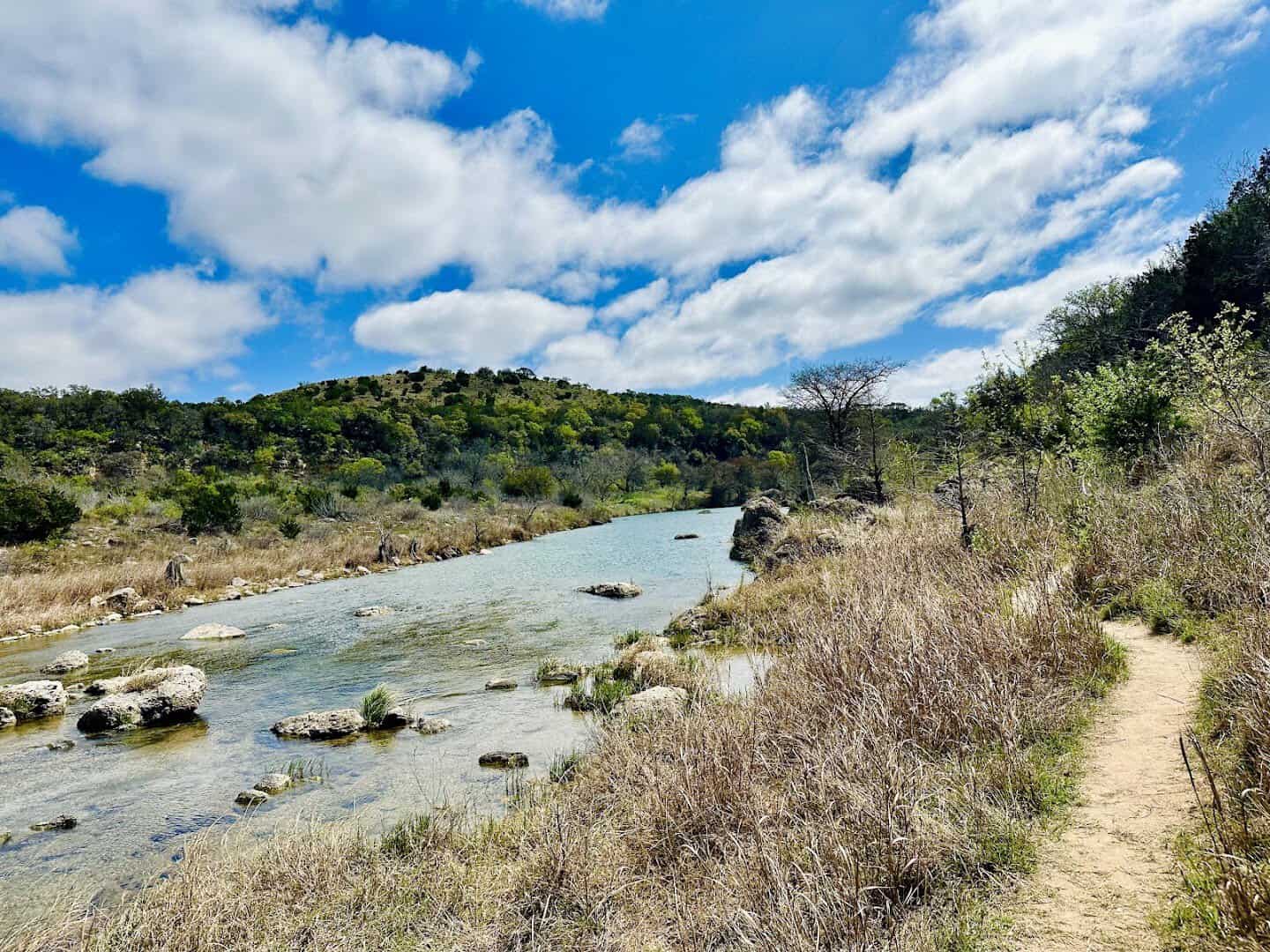
Want a real workout? The Wolf Mountain Trail runs about 6 miles over rolling, rocky Hill Country, with big views and enough climbing to earn your lunch. Mountain bikers point their tires at the roughly 10-mile Juniper Ridge Trail.
Horseback riders get their own network too, close to 10 miles of rugged equestrian trail, and backpackers can string together primitive routes that push past two miles from the nearest road.
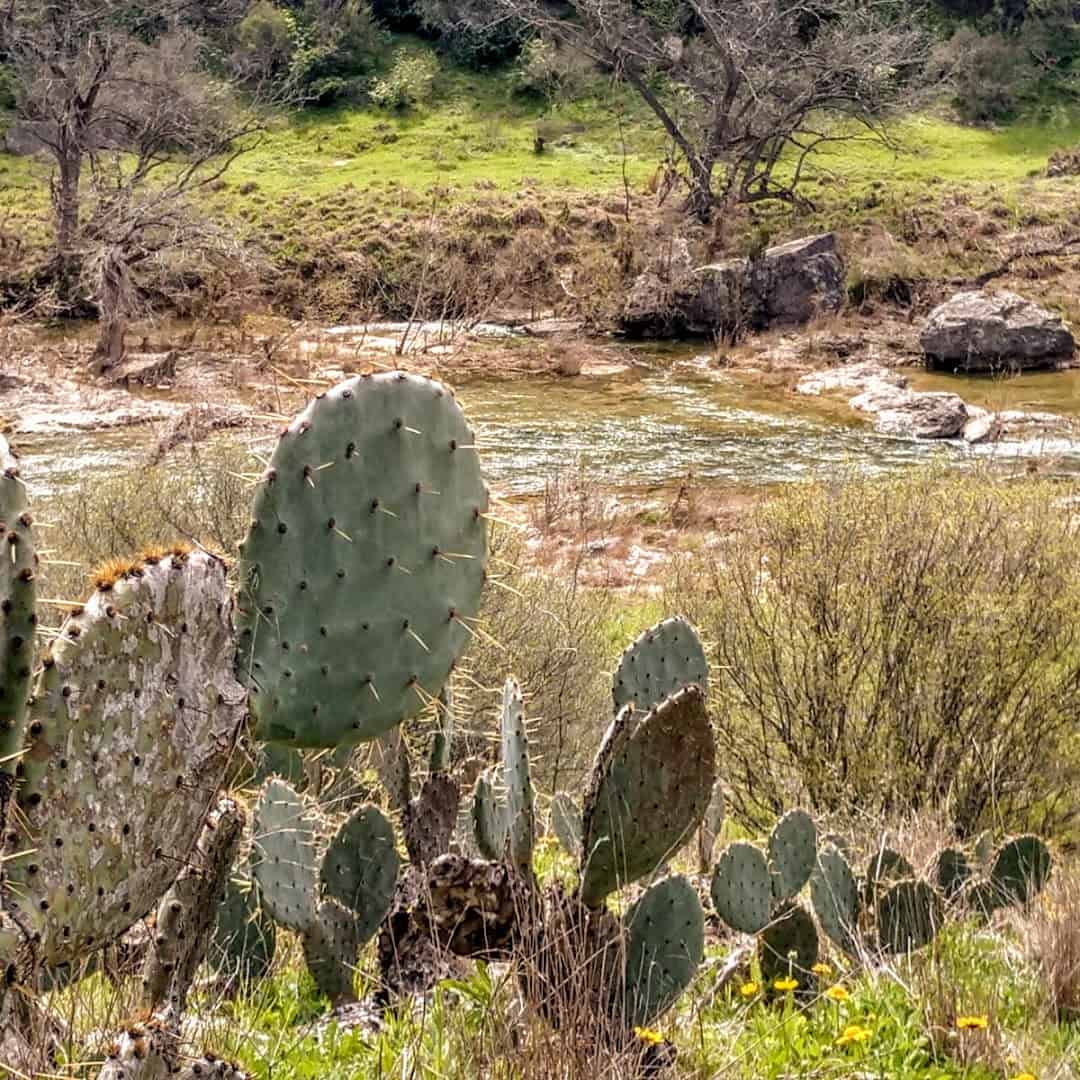
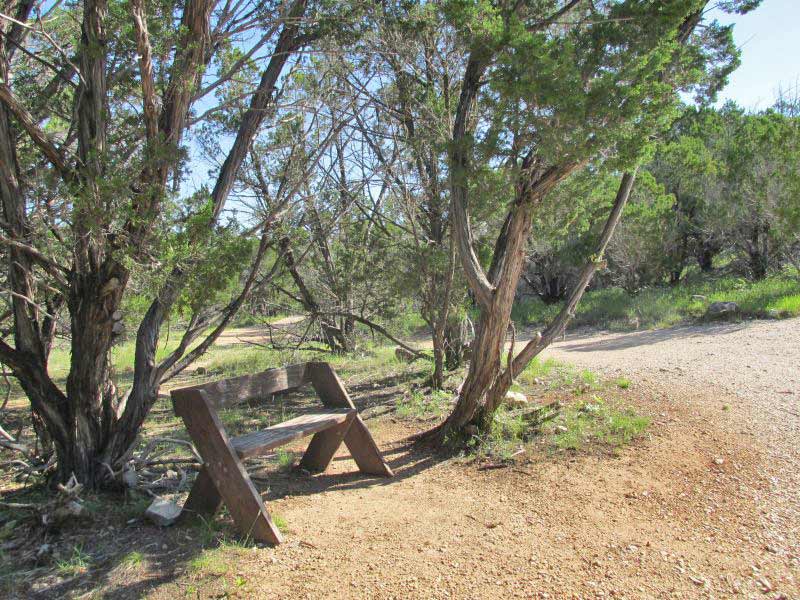
The trails wander through classic Hill Country country: rocky ridges, dry creek beds, stands of Ashe juniper and live oak, and long views that open up when you least expect them. Spring paints the meadows with wildflowers, and even a short loop feels like a proper adventure.
Wear real shoes and carry more water than you think you need. Central Texas heat sneaks up on people, and there is very little shade on the higher stretches of the Wolf Mountain loop.
A Bird Blind and a Very Rare Songbird
Slow down near the Twin Falls trailhead and you will find one of the park’s quiet treasures. Two covered, wheelchair-accessible bird viewing stations sit beside a pollinator garden, built so you can watch without being watched back.
More than 150 bird species have been logged here, but the celebrity is the golden-cheeked warbler. This little songbird nests nowhere on Earth except the old-growth juniper and oak woodlands of Central Texas, and it is endangered.
The warblers arrive around mid-March to raise their young, which makes early spring a special time to sit very still with a pair of binoculars.
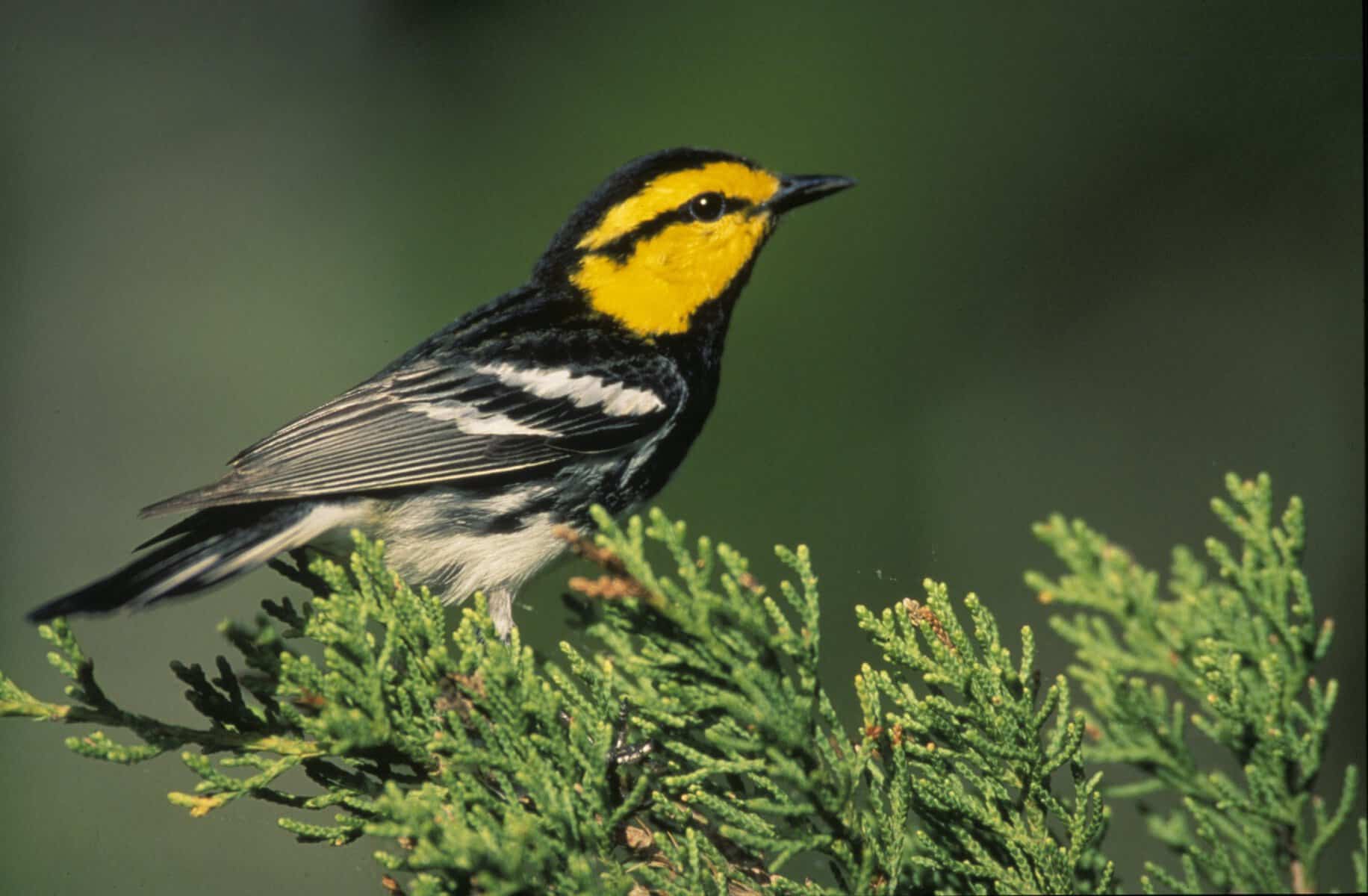
Did you know? The bird peels long strips of bark from Ashe juniper to build its nest, so those scruffy old cedars are doing important work.
You are also sharing the land with white-tailed deer, raccoons, and the occasional coyote, plus more butterflies than you can count when the garden is in bloom.
From Working Ranch to Public Treasure
The park has a real backstory, and it starts with cattle. In 1937, C.A. and Harriett Wheatley established the Circle Bar Ranch on this land and set about improving it year after year.
Texas voters approved buying parkland here in 1967, and in March 1970 the state purchased the Circle Bar Ranch from Harriett Wheatley. The gates opened to the public in 1971, and a private ranch became a place any Texan could visit for a few dollars.
That history is part of why the park feels so intact. Instead of being carved out of a subdivision, it is a whole ranch’s worth of Hill Country, kept wild on purpose so the river could stay the star.
It sits in good company, too. Just up the road is the Lyndon B. Johnson ranch country the president loved, and the same limestone hills and clear rivers that drew him home run right through this park.
Camping Under the Cedars
You do not have to leave when the day-trippers do. The park offers standard campsites with water and electric hookups for the folks who like a level pad and a nearby restroom.
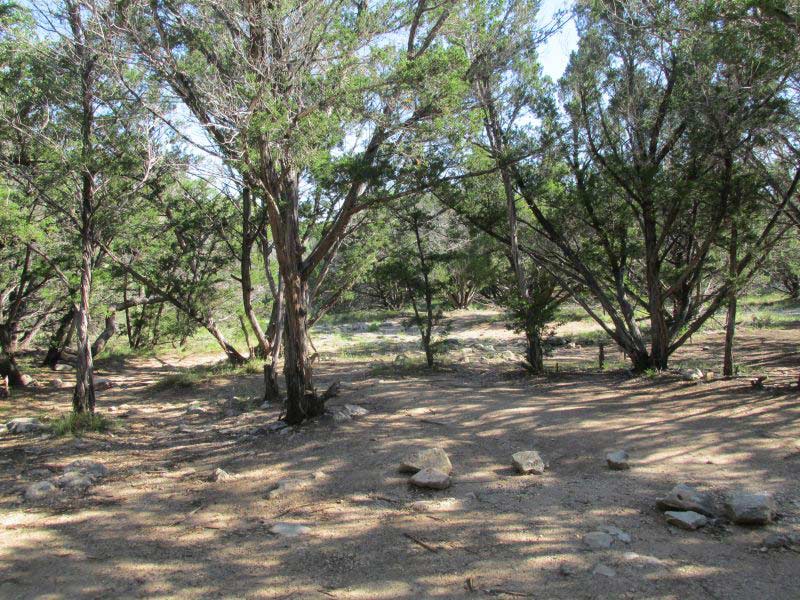
For something wilder, primitive backcountry sites sit more than two miles in on foot, far enough that the loudest thing at night is the river and the occasional owl. Waking up to Hill Country birdsong is worth every step of the hike in.
Either way, book ahead. This is one of the closest true escapes to Austin, so the good weekends fill up fast, especially in spring and fall.
Stay the night and you get the park’s other face. Once the day-use gates close, the falls belong to the campers, the stars come out over the ridges, and the only traffic is the wind moving through the cedars.

Respect the River
One honest word of caution, because the Hill Country asks for it. The Pedernales can rise from a placid stream to a raging torrent in just a few minutes when rain falls upstream, even under a blue sky where you are standing.
The rule is simple and it keeps people safe: if the water starts to rise or turn muddy, leave the river area right away. Flash flooding is a real feature of this landscape, and the same power that carved these falls deserves your respect.
Follow that one rule and the river gives you nothing but a beautiful day. Rangers post conditions, so a quick check before you go is always smart.
When to Go and What It Costs
Spring and fall are the sweet spots. March through May brings wildflowers, comfortable temperatures, and the returning warblers, while September through November trades the heat for that copper cypress color along the water.
Entry is a bargain at $6 for anyone 13 and older, and kids 12 and under get in free. The office keeps hours of 8 a.m. to 4:30 p.m., and the park gates close overnight from 10 p.m. to 8 a.m.
Reserve a day pass online before you drive out, especially on weekends, because the park sometimes reaches capacity and turns cars around at the gate. A little planning saves you the long face on the drive home.
How to Get There
The park sits in Blanco County, tucked into the Hill Country west of Austin and just east of Johnson City. From Austin it is about an hour of easy driving, which is the whole reason this beautiful spot stays such a doable day trip.
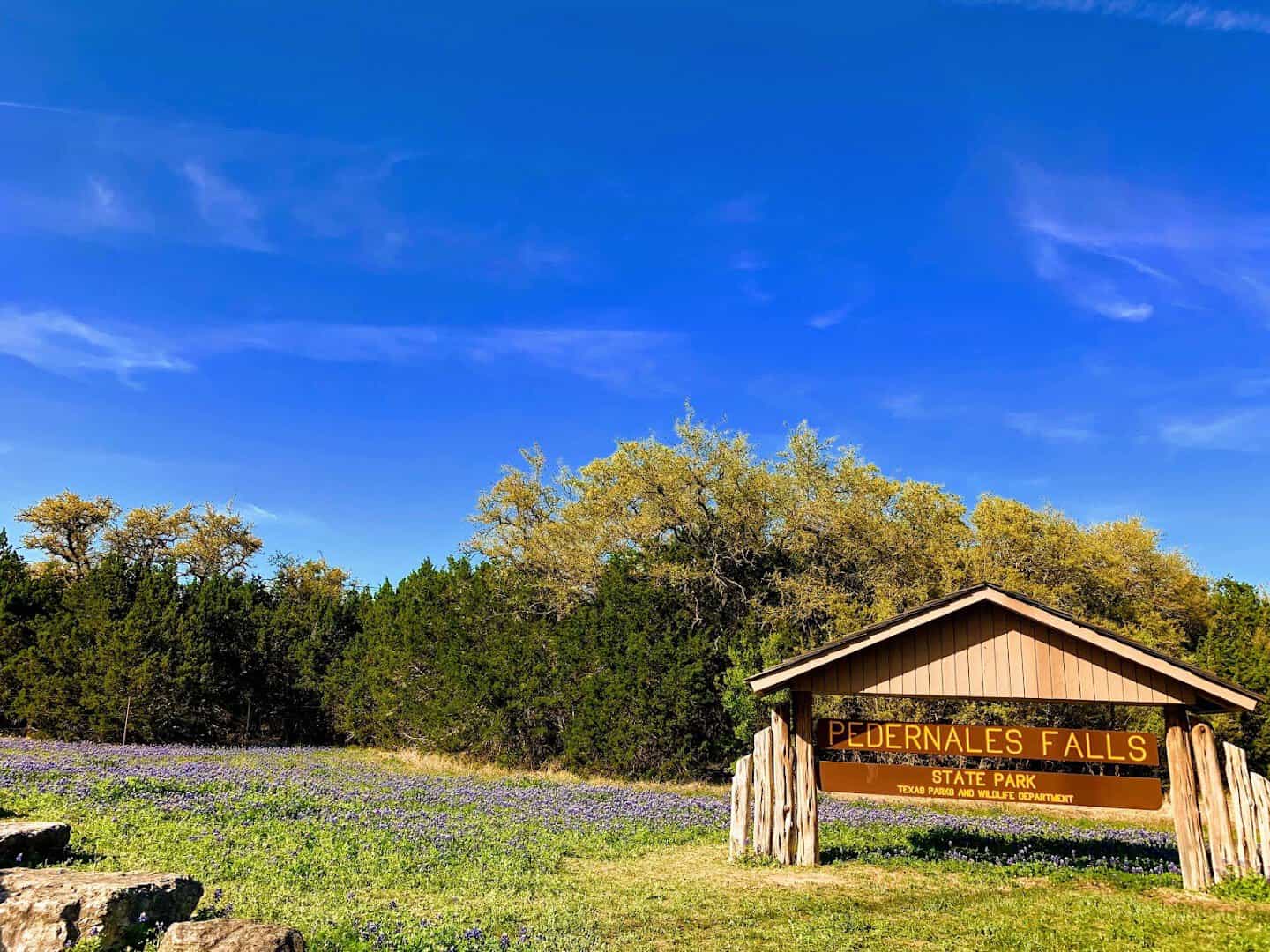
Where: 2585 Park Road 6026, Johnson City, TX 78636
Plan Your Pedernales Day
Some Texas wonders make you work for them, hours of gravel road and a map you cannot quite trust. This one just asks for a short drive, six dollars, and a willingness to walk down a few rock stairs.
So pack the water shoes, grab a cooler, and point the car toward Johnson City. Come for the falls, stay for the swimming hole, and try not to plan your whole summer around coming back.
Featured image: Xiaoyi Zeng via Pedernales Falls State Park

Stella Raines
Editor-in-Chief
Stella brings over a decade of storytelling experience to TX Headlines. With roots in West Texas and a love for road trips, she leads the editorial team with an eye for the hidden stories that make Texas unforgettable.
More Stories

These 10 Texas Spots Bloom Into Seas of Bluebonnets Each Spring

This Enchanting Texas Nature Trail Feels Like Hiking Through a Fairytale Forest

This Underrated Texas State Park Gives You a Full Day of Swimming and Hiking for Just $5

This Easy Texas Hike Leads to a Swinging Suspension Bridge Hidden in the Pines
Tags