Check Out This Breathtaking Secret Canyon in Texas That Rivals Arizona
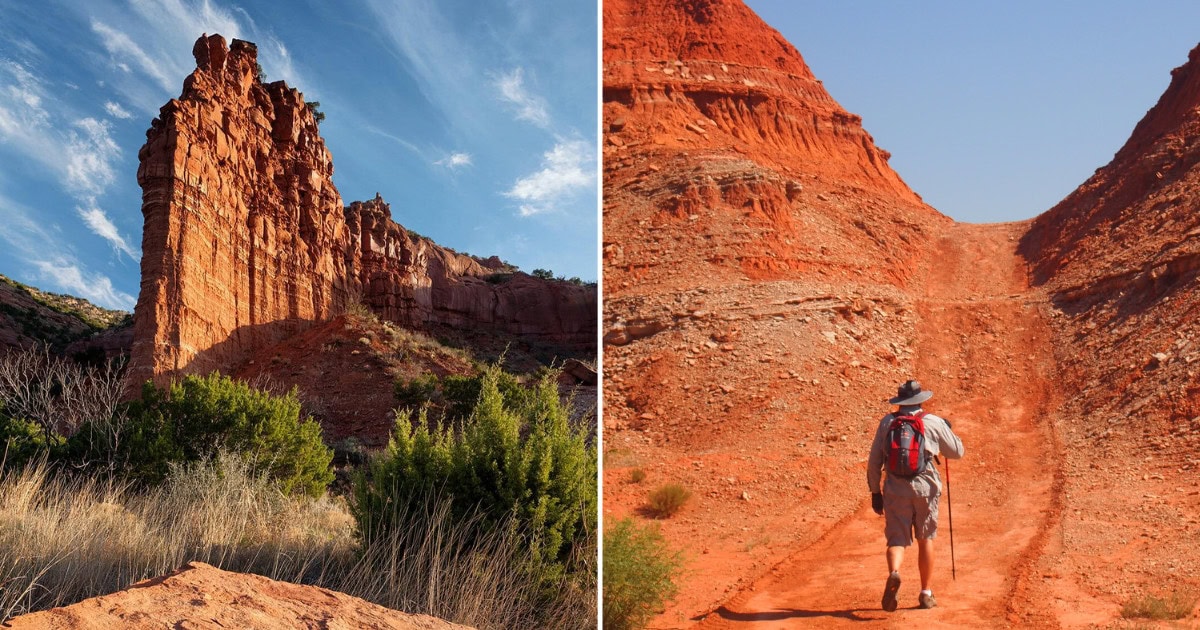
Most Texans who want red rock canyons drive to Arizona or Utah. They don’t realize that one of the most visually striking landscapes in the American Southwest sits in their own state, three hours southeast of Amarillo in the Panhandle.
Caprock Canyons State Park delivers 15,314 acres of layered sandstone cliffs, rust-colored mesas, and deep canyon cuts that look transplanted from the Colorado Plateau.
Add the official Texas State Bison Herd roaming freely across the prairie, thousands of Brazilian free-tailed bats, and 90 miles of trails, and you have one of the most underrated parks in Texas—hidden in plain sight.
Where Caprock Canyons State Park Is Located
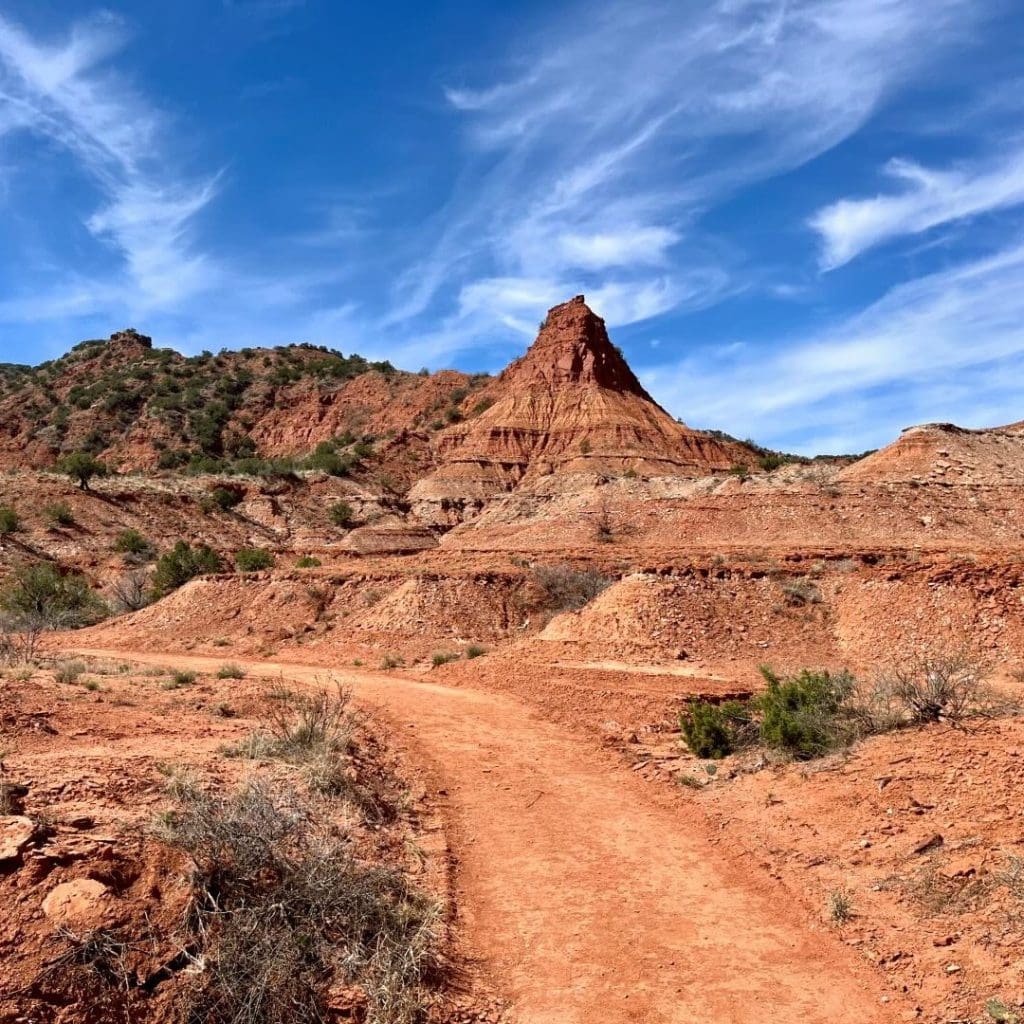
The park sits near Quitaque (pronounced “Kitty-kway”) in Briscoe County, roughly 100 miles southeast of Amarillo and about 90 minutes from Lubbock.
Dallas is five hours away; Austin is closer to seven. That remoteness is part of the appeal—this isn’t a weekend trip for most Texans, which keeps crowds thin even as Palo Duro Canyon to the north draws far more visitors.
Geographically, the park straddles the Caprock Escarpment, a dramatic transition zone where the flat, high plains of the Llano Estacado drop as much as 1,000 feet into the Rolling Plains below.
The park opened in 1982, making it relatively young in the Texas state park system. At 15,314 acres, it’s the sixth-largest state park in Texas.
Canyon Scenery and Geology
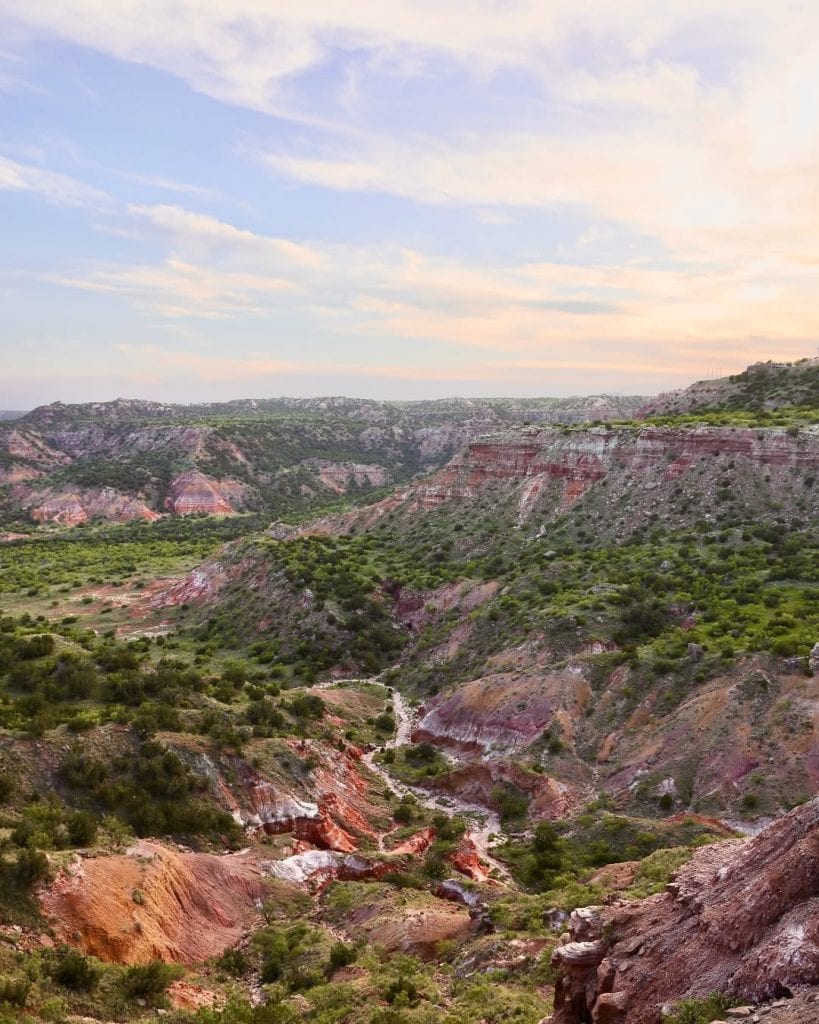
The visual impact of Caprock Canyons rivals anything in the desert Southwest. Towering canyon walls display clearly visible geologic layering—each band of color representing a different era.
Isolated buttes and mesas rise from the canyon floors like miniature mountains. Gypsum deposits have created collapsed domes and a natural bridge accessible via the Eagle Point Trail.
Trails and Hiking
The park offers approximately 90 miles of multi-use trails for hiking, mountain biking, and horseback riding, ranging from easy walks to seriously challenging backcountry routes.
The Haynes Ridge Overlook Trail is the park’s signature challenge.
The trail itself runs about 2.3 miles along the top of Haynes Ridge, but reaching it requires ascending 600 feet via connecting trails—the climb from the South Prong is particularly steep and rugged.
The reward is panoramic: from the overlook, you can see nearly the entire park, with 270 degrees of red rock canyons and the rolling plains beyond.
The Upper Canyon Trail offers a loop through the heart of the canyon system, with options to connect to Haynes Ridge.
Fern Cave, a grotto with ferns and a natural spring, sits along the route. Watch for hoodoos—rock formations that jut up like strange sculptures—along the Upper North Prong section.
The Mesa Trail is the easy option, while the Canyon Rim Trail follows the edge above the canyon floor with views of orange rock formations and frequent bison sightings.
The full Upper Canyon and Lower Canyon Loop covers nearly 12 miles with over 1,200 feet of elevation gain for those wanting a full-day adventure.
The Texas State Bison Herd
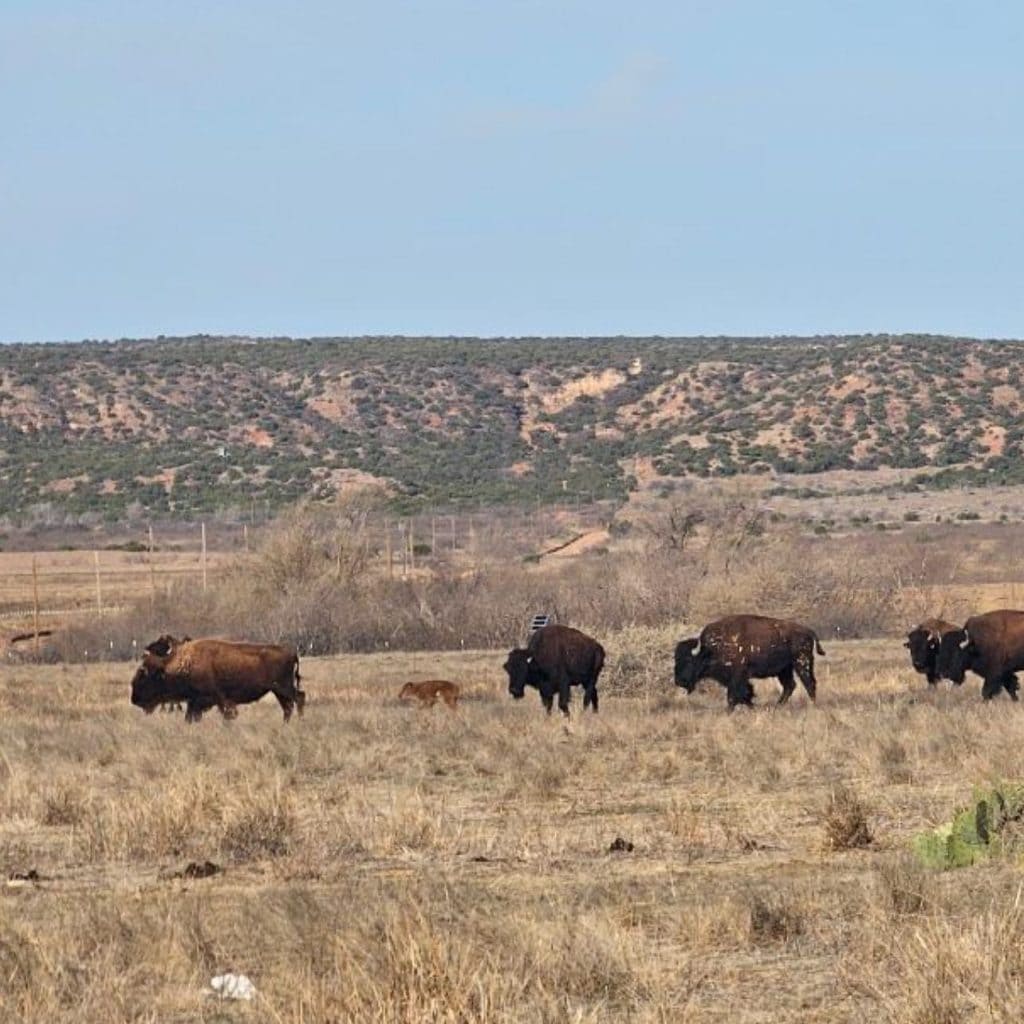
Caprock Canyons is home to the official Texas State Bison Herd, designated by the Texas Legislature in 2011.
The bison are wild animals, not attractions. They can weigh over 2,000 pounds and will charge if they feel threatened.
Park guidelines require visitors to maintain at least 50 yards of distance—use the “Rule of Thumb” (if you can’t cover a bison with your thumb at arm’s length, you’re too close).
Bison encounters on trails do occur; if one approaches, get off the trail immediately.
Other Wildlife
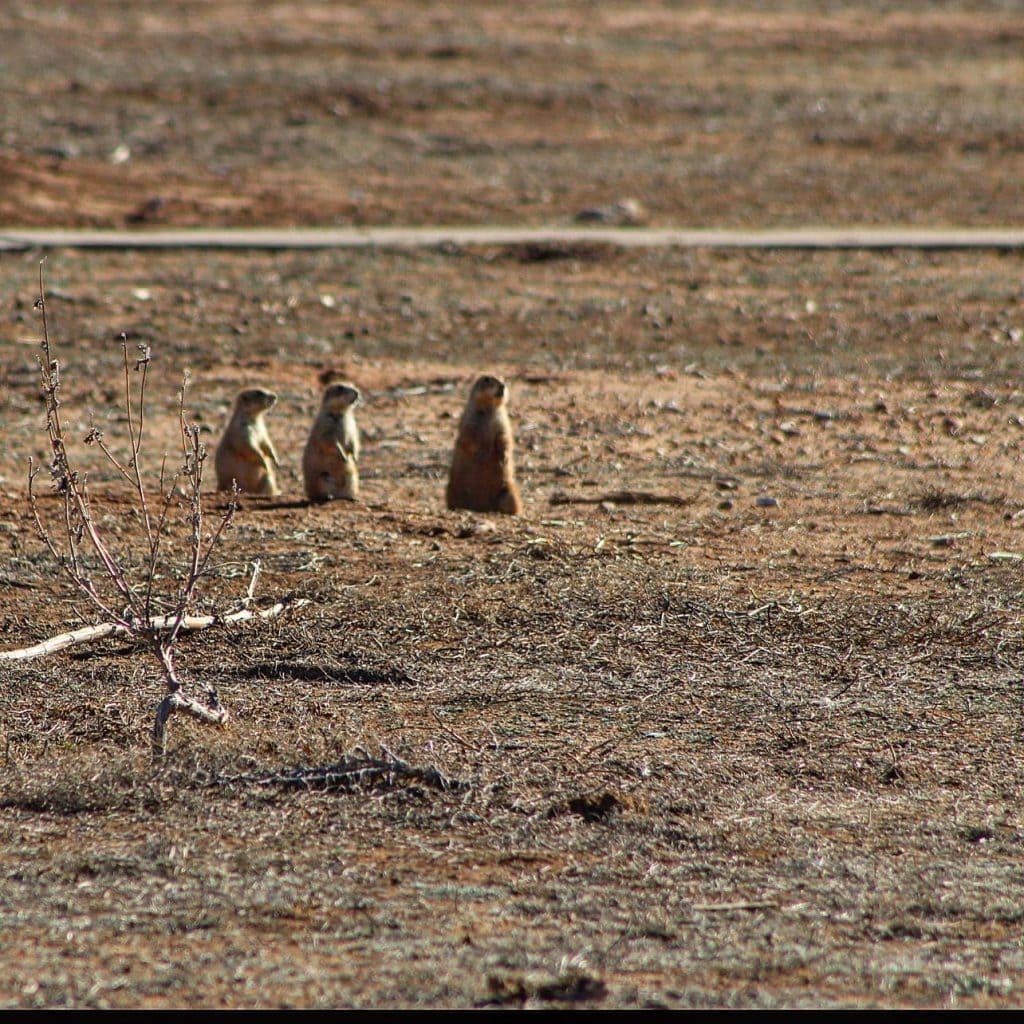
Beyond bison, the park supports remarkable biodiversity. A prairie dog colony was reintroduced in 2012 on 200 acres near Honey Flat Campground.
Aoudad (Barbary sheep), mule deer, white-tailed deer, bobcats, coyotes, porcupines, and numerous snake and lizard species inhabit the canyons.
Over 175 bird species have been documented, including golden eagles that nest in the canyons during winter months and red-tailed hawks soaring overhead.
The Clarity Tunnel—a 528-foot railroad tunnel on the 64-mile Caprock Canyons Trailway—hosts thousands of Brazilian free-tailed bats.
The tunnel was added to the National Register of Historic Places in 1977.
Visiting the Park
Day-use entry costs $5 per person or is free with a Texas State Park Pass. Camping ranges from $10-22 per night, with options including RV sites, tent camping, and primitive backcountry sites.
The North Prong Primitive Campground offers some of the best views and direct access to Haynes Ridge.
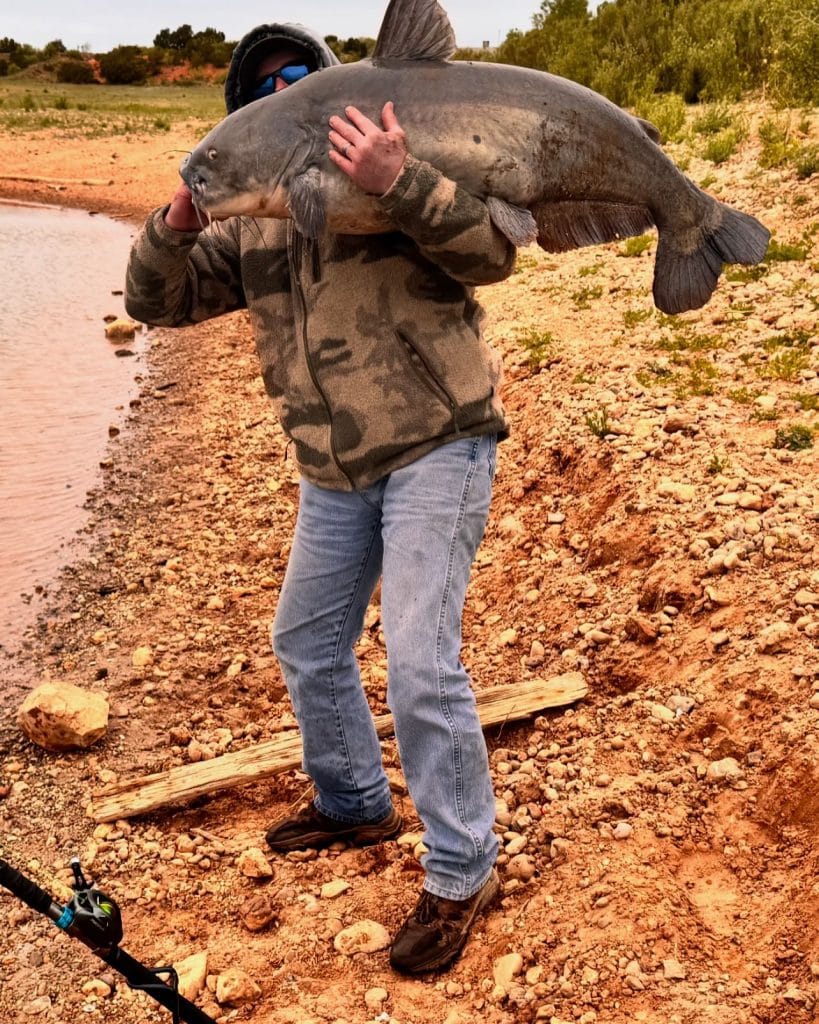
Lake Theo, a 120-acre spring-fed lake, offers swimming, fishing (bass, catfish, rainbow trout), and no-wake boating.
Services are limited in the surrounding area. Quitaque has basics like gas and ice, plus the Bison Cafe.
Turkey, hometown of Texas swing legend Bob Wills, offers the historic Hotel Turkey. But don’t expect restaurants or grocery stores to be readily available—come prepared and bring supplies.
Where the Panhandle Meets the Southwest
Caprock Canyons receives roughly 75,000 visitors annually—a fraction of what Palo Duro Canyon sees. That means solitude is genuinely possible here, even on the most popular trails.
The red rock formations glow at sunrise. The bison graze against canyon backdrops that belong in a Western film.
The geology tells a story 280 million years in the making. This is Texas, but it doesn’t look like anywhere else in the state.

Stella Raines
Editor-in-Chief
Stella brings over a decade of storytelling experience to TX Headlines. With roots in West Texas and a love for road trips, she leads the editorial team with an eye for the hidden stories that make Texas unforgettable.
More Stories
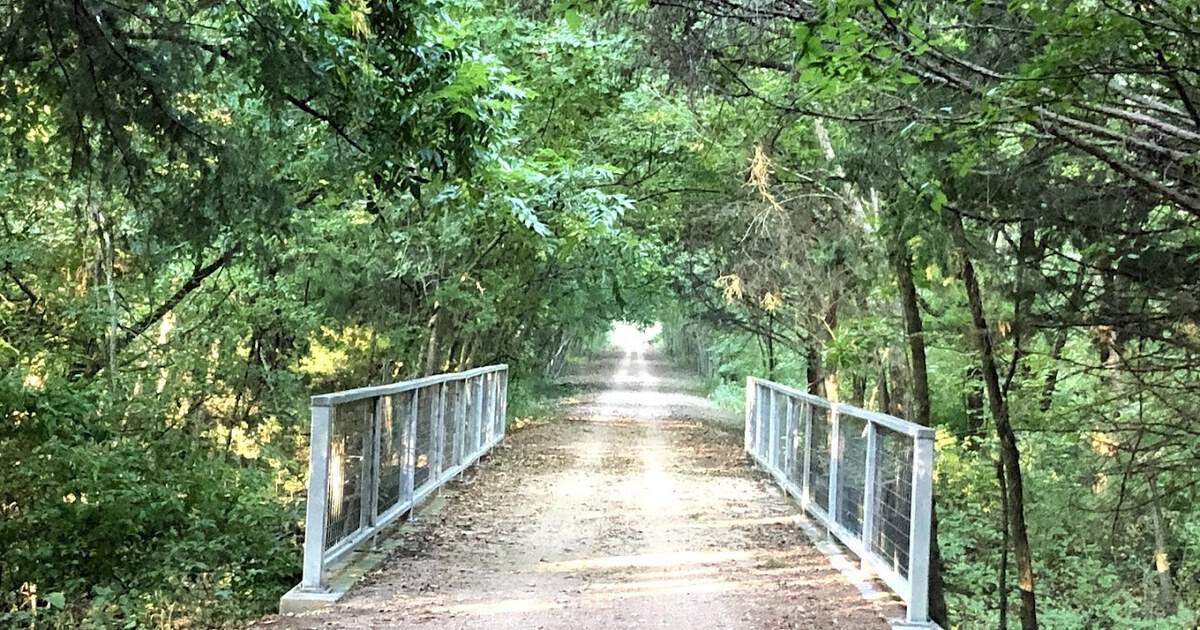
This Epic Texas Rail-Trail Stretches 130 Miles Past 19 Small Towns and Over 100 Old Trestles
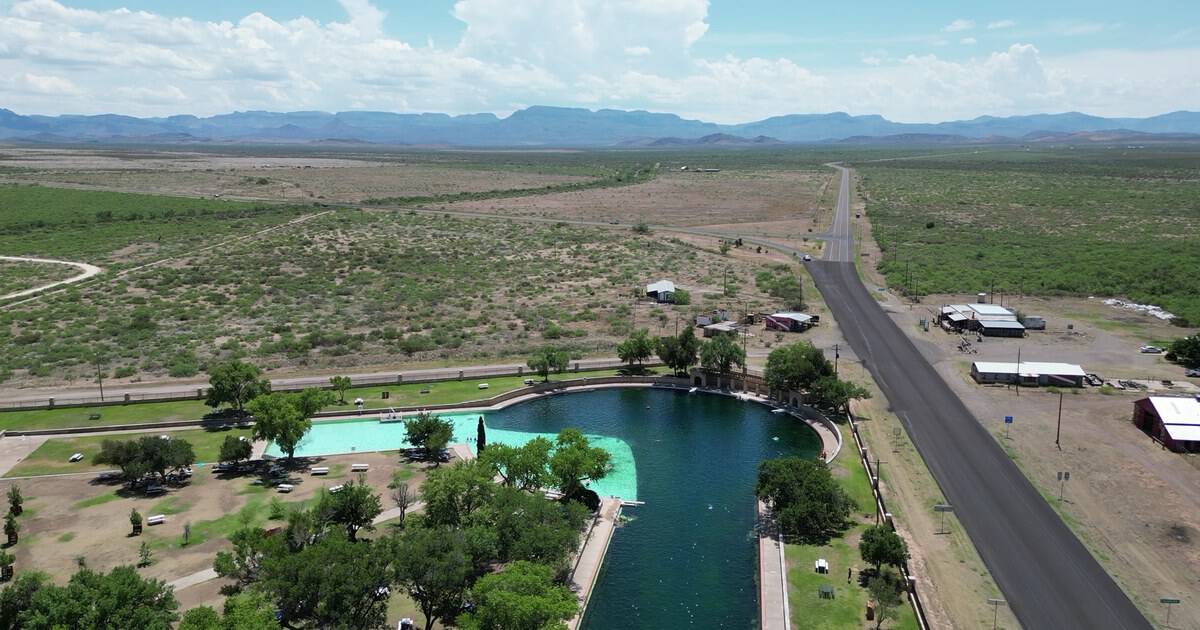
This Crystal-Clear West Texas Pool Is the World’s Largest Spring-Fed Swimming Hole, and It Stays 72 Degrees Year-Round
This Adventurous Texas Cavern Hides Glowing Blue Pools 180 Feet Underground
This Quiet North Texas Park Ends a Swaying Bridge at a 54-Foot Waterfall
Tags