This Quiet East Texas Lake Hides 18,000 Acres of Water Deep in the Woods
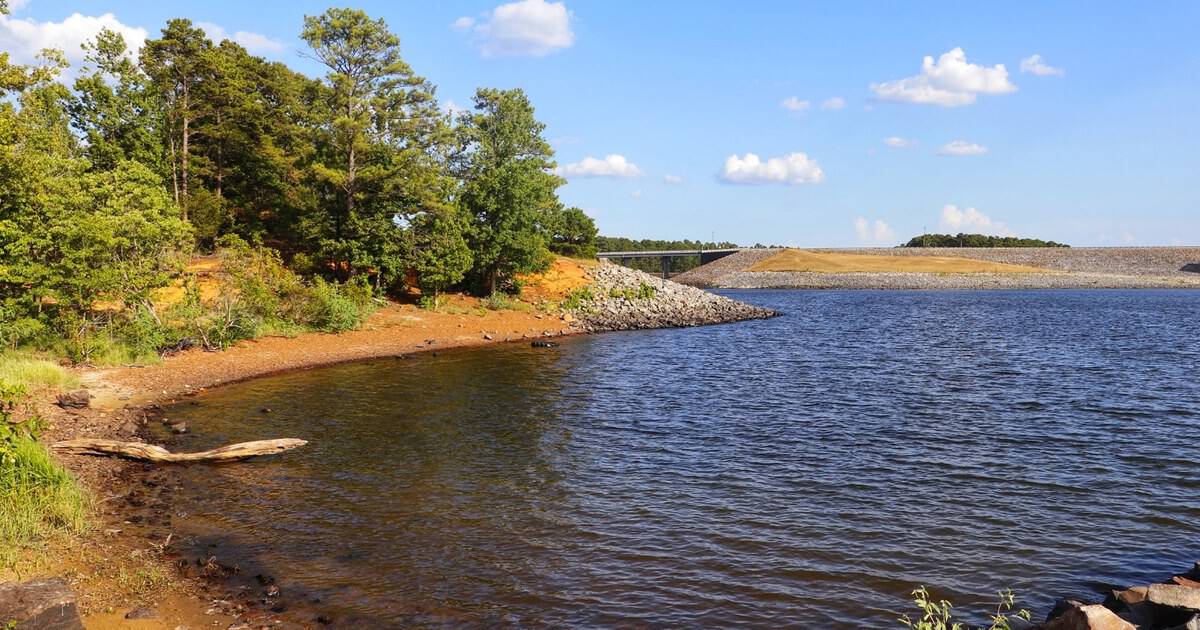
The first time I slid a kayak onto this water, the sun had not fully cleared the treeline yet. Mist sat on the surface like a held breath.
A great blue heron stood so still off my left shoulder that I mistook it for a fence post, until it lifted, unfolded, and ghosted across the cove.
I stopped paddling. I just let the boat drift for a while and listened to a morning that had clearly been doing this for a very long time without me.
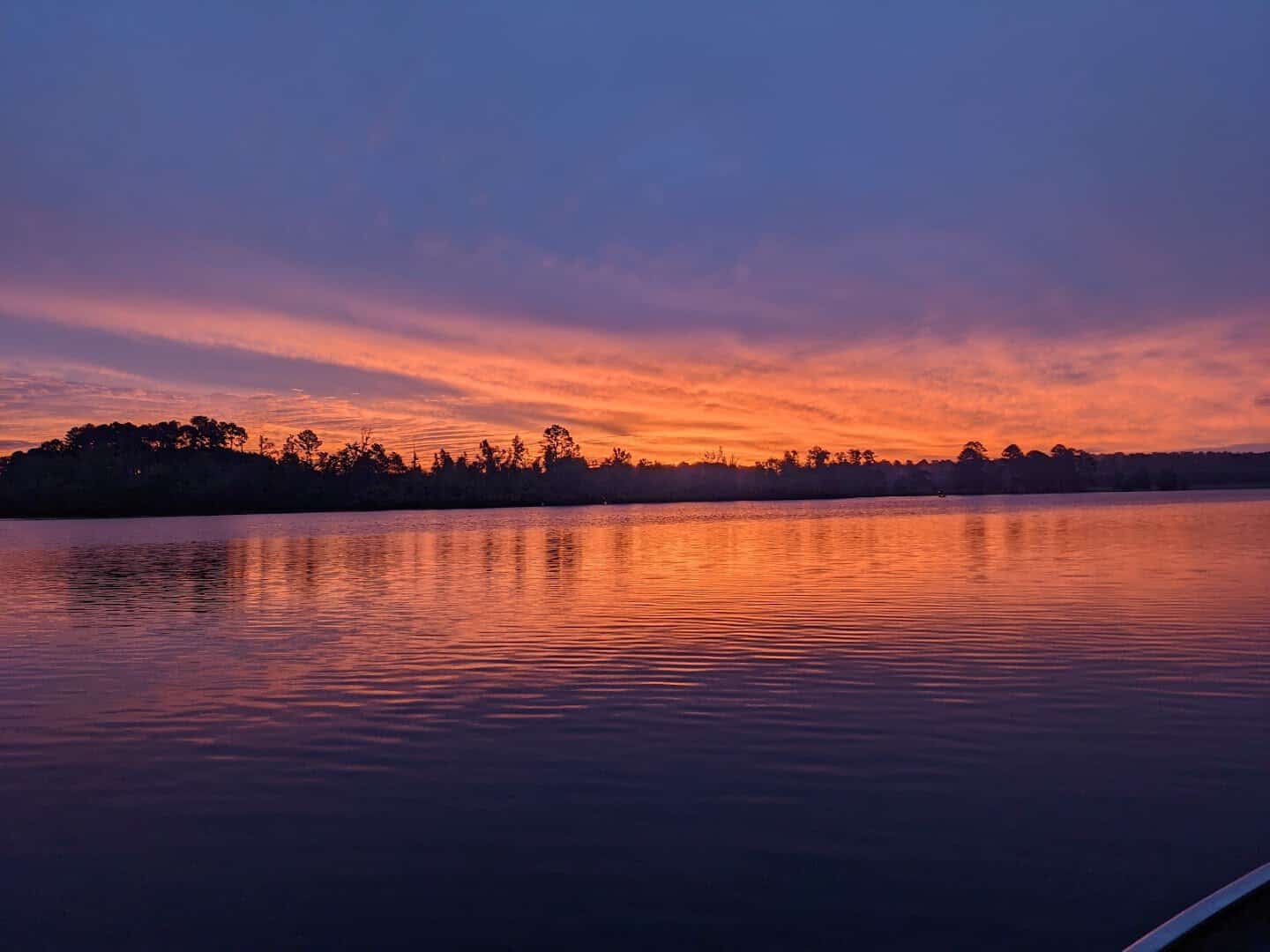
That is the feeling you get at Lake O’ the Pines, a quiet reservoir tucked into the Piney Woods of East Texas about eight miles west of Jefferson. It trades the big, sun-baked feel of the reservoirs farther south for something closer to piney-woods hush.
Here the loblolly pines and hardwoods lean right down to the shoreline, and the coves fold back into the forest until you cannot tell where the water ends and the trees begin.
Here is why this one deserves a spot on your East Texas map, whether you fish, paddle, camp, or just want a morning that slows all the way down.
The Morning the Mist Rose
Lake O’ the Pines is big. It covers roughly 18,700 acres of water and another 9,000 acres of shoreline land, and it sprawls across parts of Marion and Upshur counties. Yet it never feels vast the way an open reservoir does.
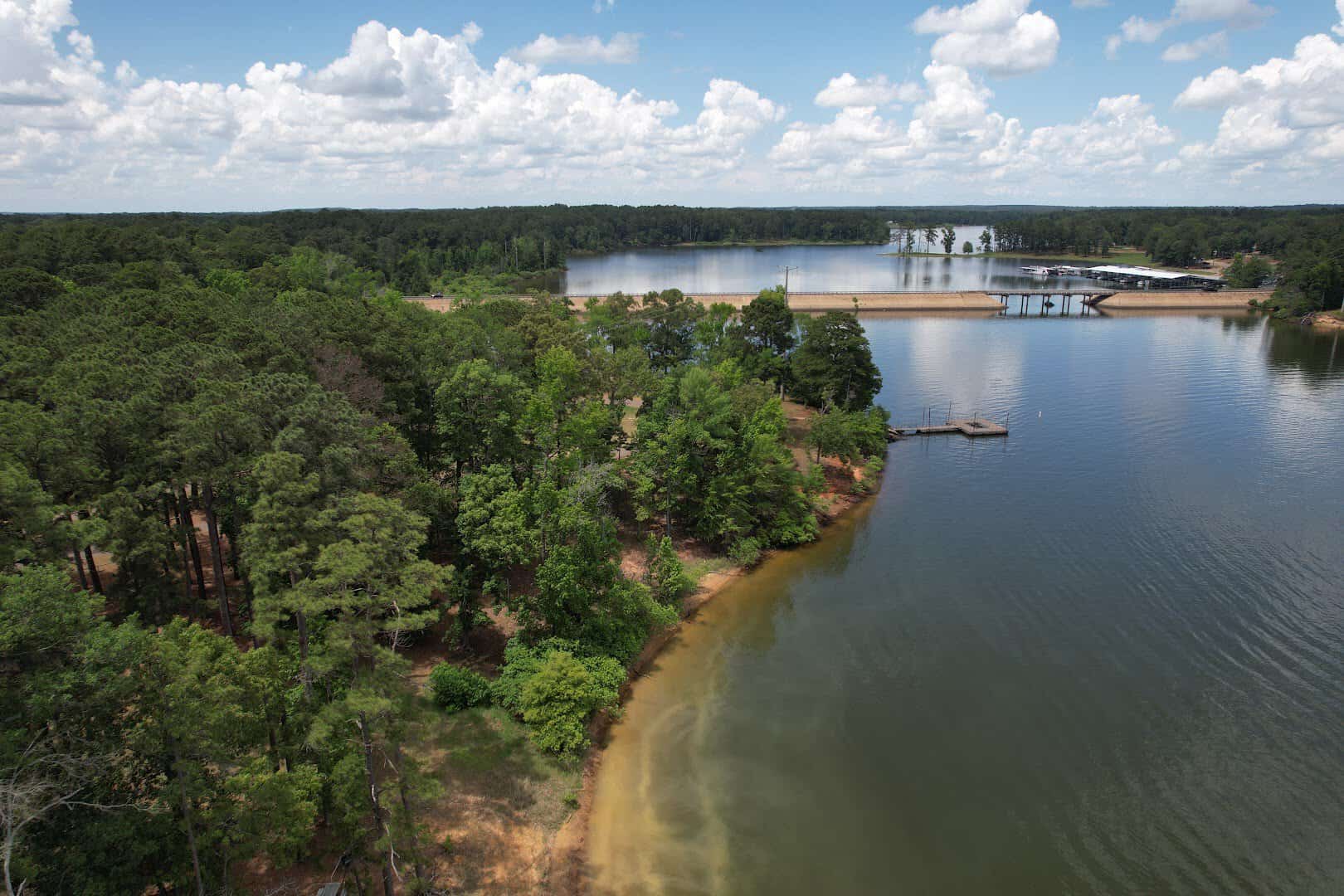
The reason is the shape of it. The lake was formed by flooding the winding channel of Big Cypress Bayou, so instead of one wide bowl, you get a branching maze of coves, creek arms, and timber-lined fingers. Every bend hides another one.
Paddle into one of those arms early and the world shrinks to just you, the water, and a wall of green on both sides. You will hear wood ducks before you see them, and osprey work the shallows overhead.
In spring and fall the migratory birds pass through in real numbers, and the whole shoreline turns into a slow, free show. Bring binoculars if you have them.
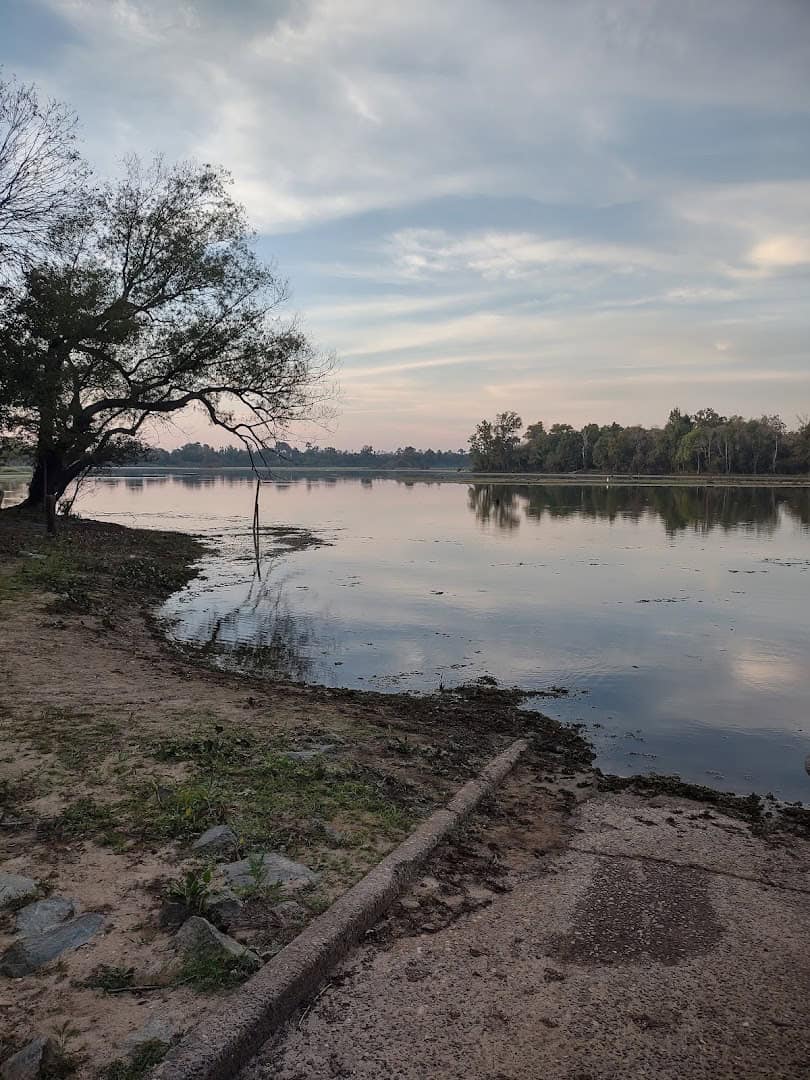
My go-to is always a small cove near dawn, coffee wedged between my feet, watching the fog burn off. You do not need to be a serious paddler. A rented canoe and a couple of hours is enough to feel like you found something the highway never told you about.
Where the Woods Meet the Water
People throw the word “scenic” at a lot of Texas lakes. This one earns it honestly. The tall pines give the whole place a hushed, almost enclosed feeling, and the water sits a deep tea-green from all the timber and forest around it.
The submerged and standing timber is not just pretty, either. It is why the fishing is so good and why the coves feel wild. Snags and old creek channels break up the shoreline, so a shady spot to tuck a kayak or drop a line is never far away.
Late afternoon is the other magic hour. The light goes gold, it slants sideways through the trunks, and the water goes glassy and still. Bring a camera. Even a phone snapshot out here looks like someone framed it on purpose.
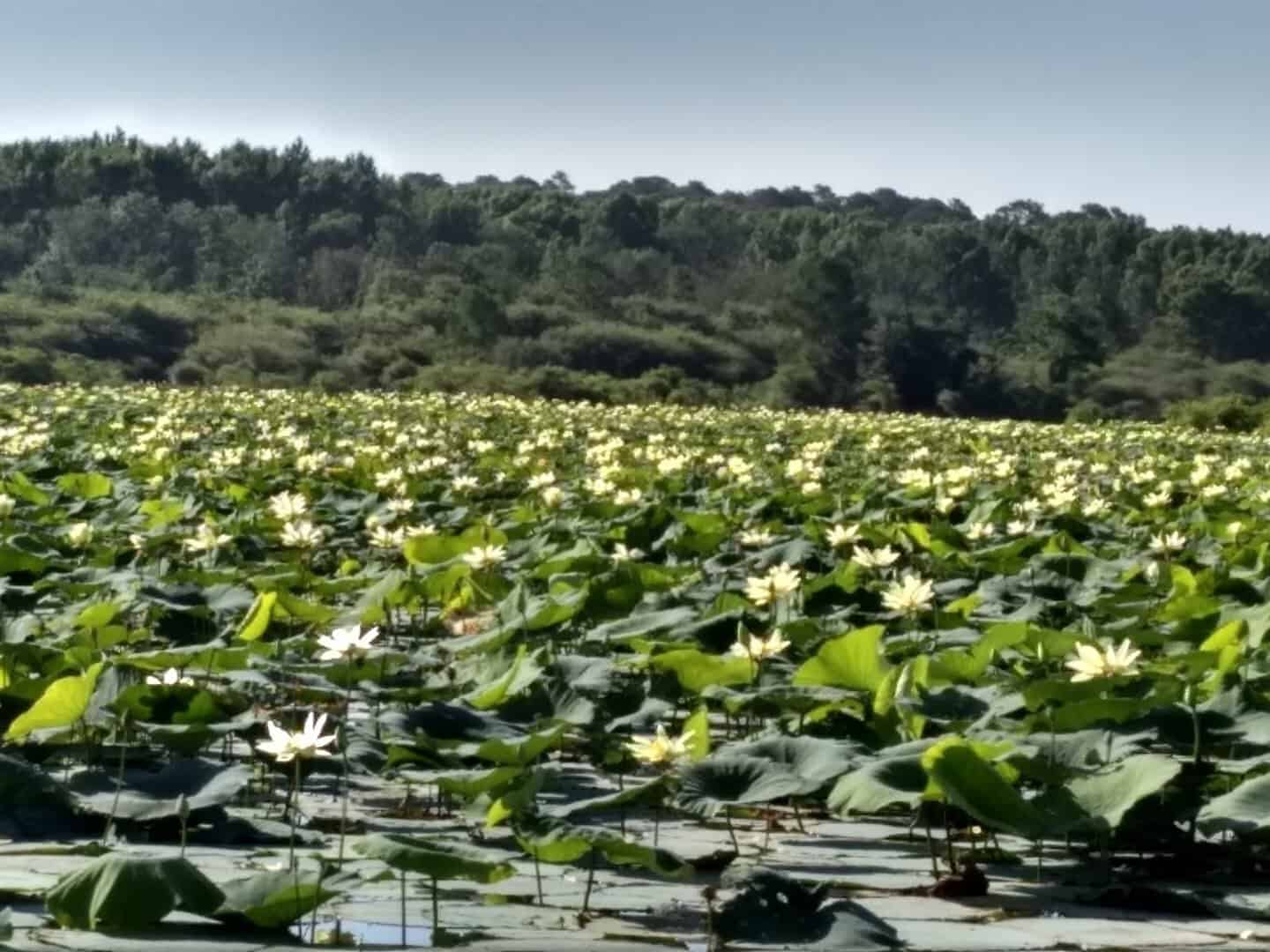
The forest gives you something to do on land, too. Short trails and old logging roads wind back through the loblollies, quiet and shaded even at midday.
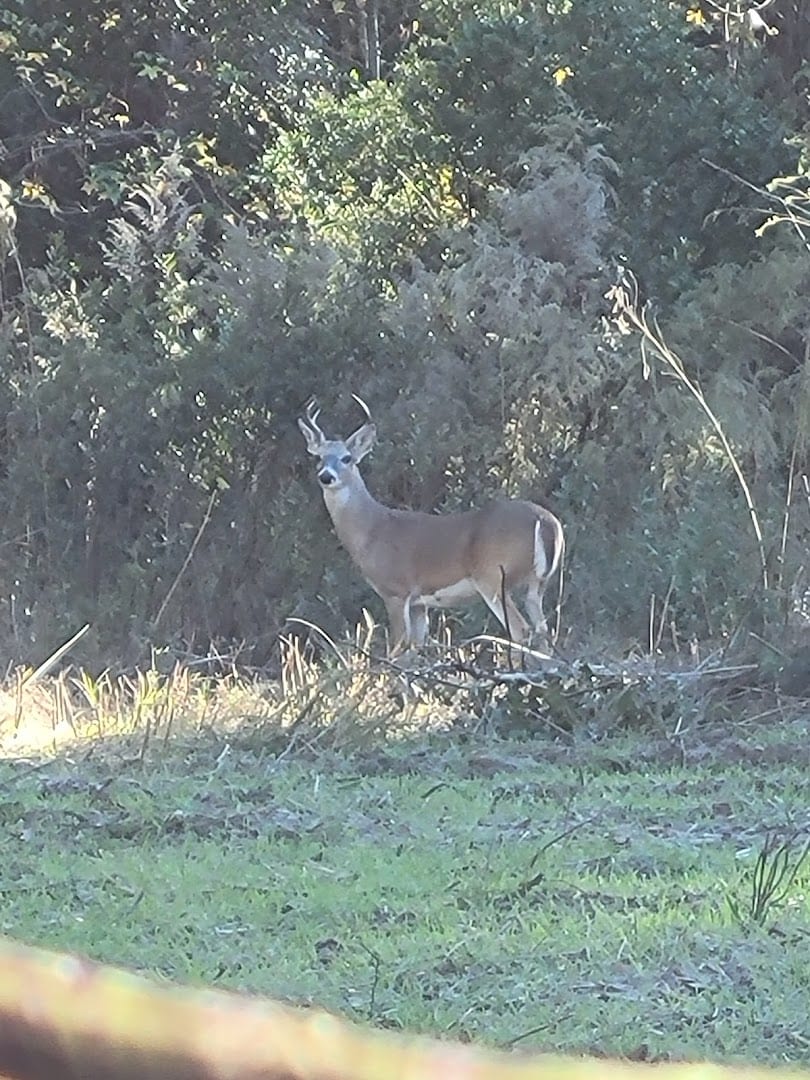
A slow walk turns up woodpeckers, deer tracks, and the occasional armadillo rooting through the pine straw. It is worth trading an hour on the water for an hour under the canopy.
A Lake Built for Anglers
If you fish, you already know East Texas lakes have a reputation. Lake O’ the Pines lives up to it. All that flooded timber and those creek channels give fish exactly the cover they love, and the lake stays productive year round.
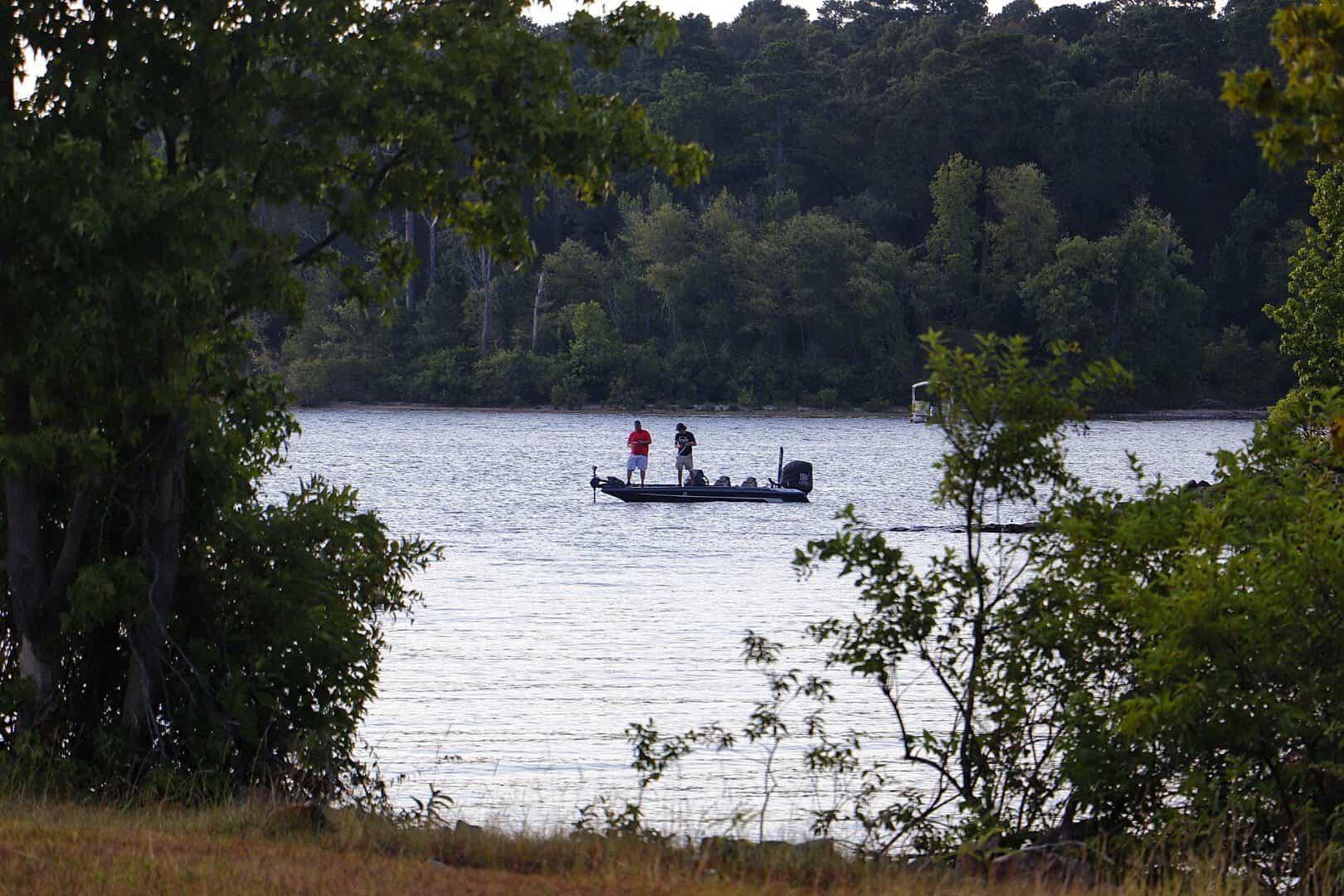
Largemouth bass are the headliner. Anglers pull them out in good numbers, and four to six pounders show up often enough to keep a tournament calendar busy through the season. Spotted bass and white bass round out the bass fishing.
Crappie may be the real crowd favorite, though. They school up thick around the brush and the old bridge pilings, and the legal-size ones are plentiful. Dawn and dusk are prime, and a small jig or a live minnow is all most folks need.
Catfish and sunfish are here in quantity too, which makes this a friendly lake for kids and first-timers. You do not need a bass boat and a sponsor to have a great day. A cane pole off a Corps of Engineers dock will do just fine.
I still remember a guide easing us up to a stand of drowned trees one gray morning. “Drop it right in the ugly stuff,” he said, nodding at the snags. Two casts later my line went tight. He just grinned.
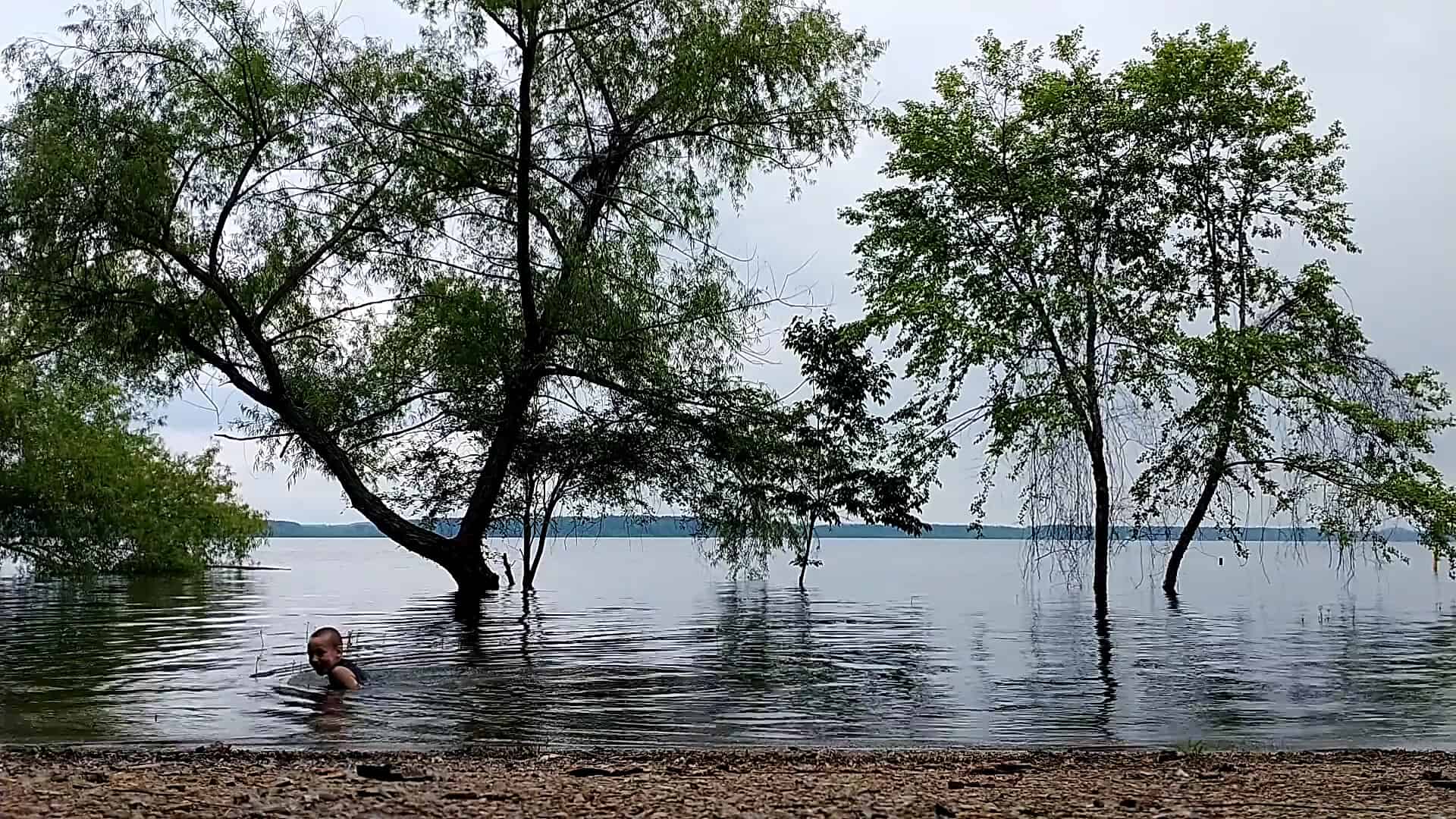
Pro tip: the coves near the standing timber tend to hold fish when the main lake goes quiet in the summer heat. Ease in slow, work the edges of the snags, and be patient.
Six Coves, Six Places to Stay the Night
Part of what keeps this lake feeling uncrowded is who runs the shoreline. The U.S. Army Corps of Engineers manages a ring of developed recreation areas around the water. So instead of one packed marina, the crowd spreads out across the whole lake.
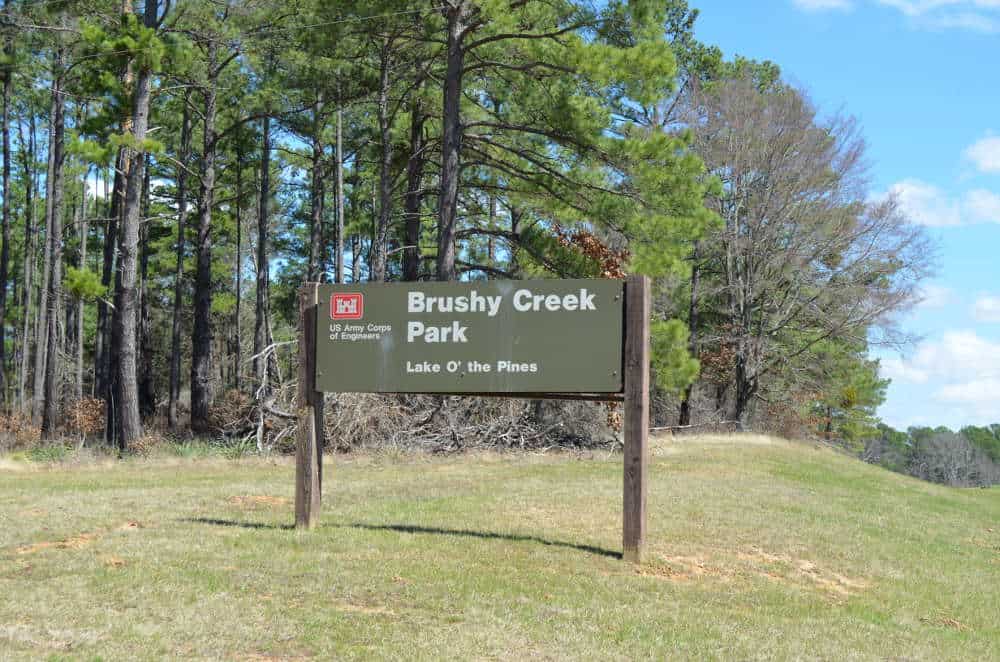
Several of the parks come with real campgrounds. Brushy Creek, Buckhorn Creek, Johnson Creek, and Alley Creek all offer sites with water and electric hookups, shaded by the pines and set right on the water. Buckhorn Creek is the closest to Jefferson if you want a town base nearby.
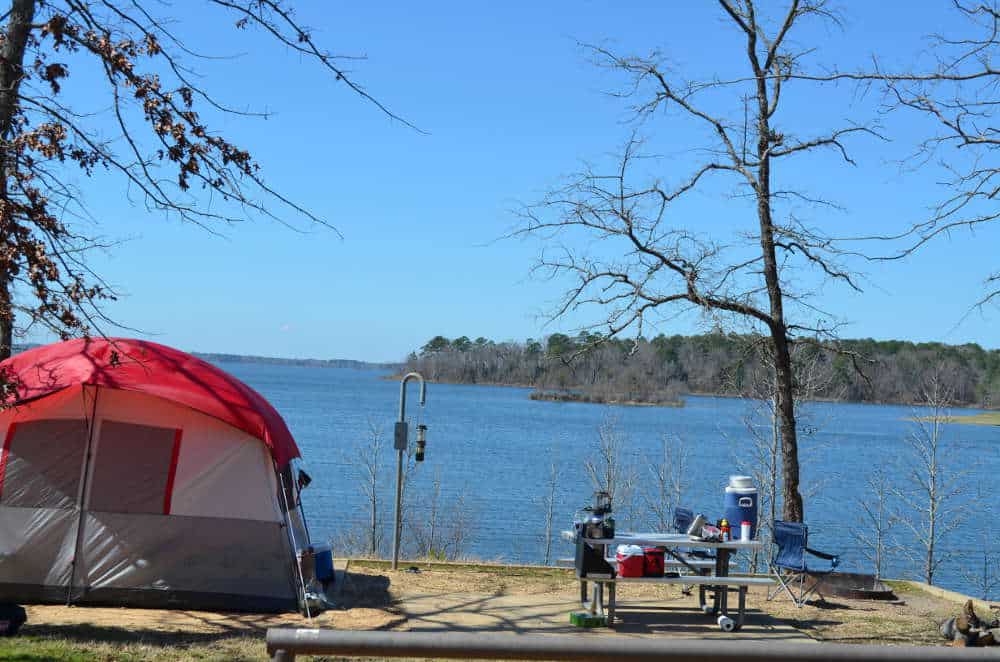
Want it quieter still? Cedar Springs and Hurricane Creek keep things primitive, for the tent campers who would rather trade the hookups for a little more hush. Either way, you are falling asleep to the sound of the lake and the pines.
Boat ramps, day-use areas, and picnic tables are scattered through the parks as well, along with sandy spots to wade in on a hot afternoon. It is the kind of lake where you can show up with nothing planned, pick a cove, and build the whole day from there.
How a Bayou Became a Lake
Lake O’ the Pines has a good origin story, and it starts with water in the wrong places. Before the dam, Big Cypress Bayou flooded the surrounding towns hard and often.
One longtime local, Linda Starkey, put it plainly in a Corps interview. “Every time it flooded there were rowboats in the streets before the dam was built,” she said.
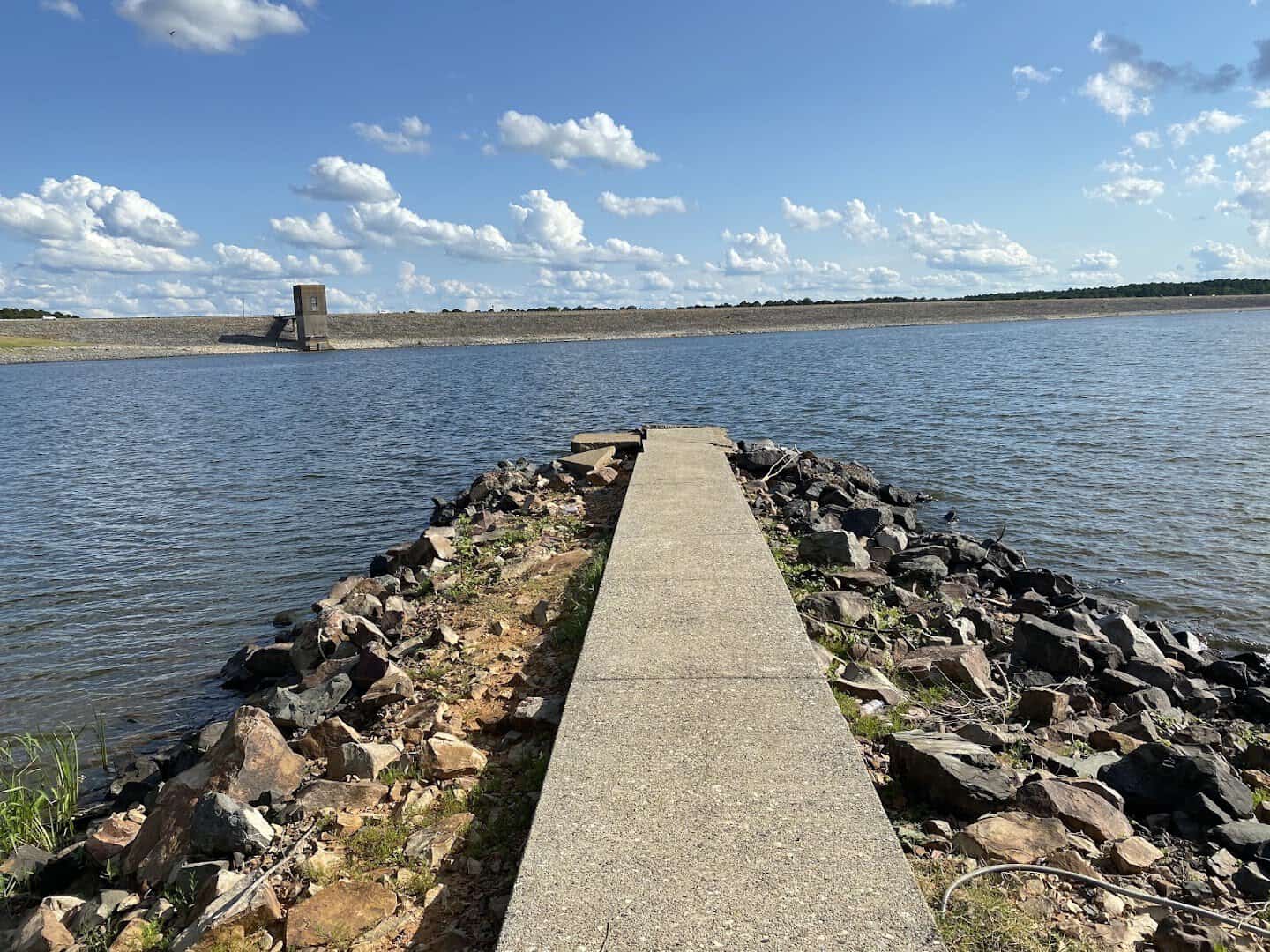
Congress answered with the Flood Control Act of 1946, and the U.S. Army Corps of Engineers went to work. Crews broke ground on Ferrells Bridge Dam in January 1955.
The concrete-and-earthfill structure runs 10,600 feet long. The whole project cost just under $15 million when it wrapped at the end of the 1950s, and the lake filled in behind it over the next couple of years.
The name came the easy, honest way. It sits in the heart of the Piney Woods, so it became Lake O’ the Pines. The dam itself carries an older name, after John and Charles Ferrell, who once owned the land and the bridge that crossed the bayou there.
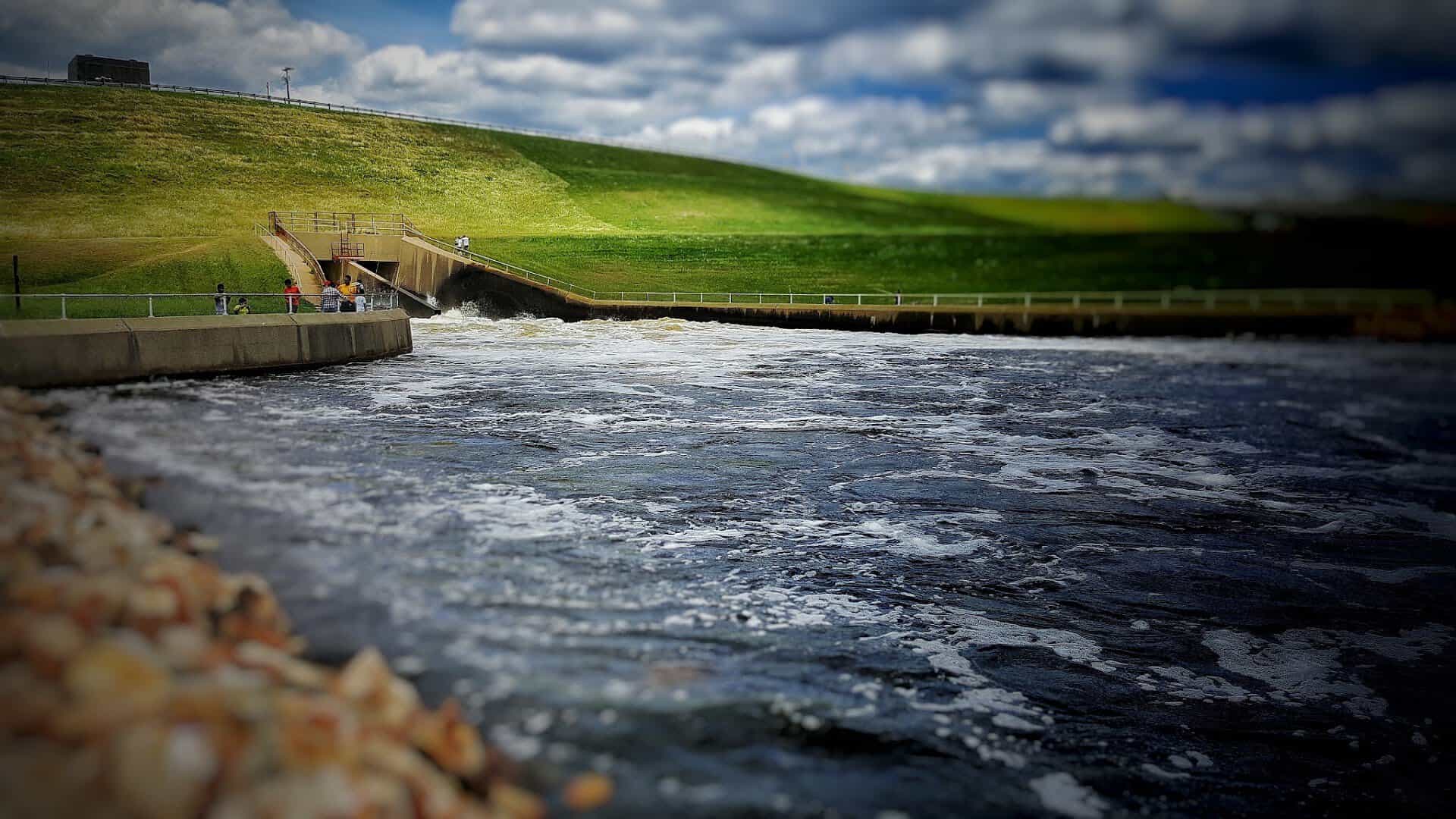
What started as pure flood control quickly grew into much more. Recreation and water supply got folded into the plan, and today the lake supplies drinking water to a string of Northeast Texas towns, including Jefferson, Longview, and Ore City. The Corps’ Fort Worth District has run it since 1979.
Did you know it draws close to a million visitors a year now? Not bad for a lake that was born to keep boats out of Main Street, and grew up into one of the best-loved corners of East Texas.
Make a Weekend of It in Jefferson
Do not drive all the way out here without stopping in the town next door. Jefferson, just east of the lake, is one of the most charming small towns in East Texas, and it pairs with the lake beautifully.
Back in the steamboat days, Jefferson was a booming riverport, with paddlewheelers pushing up Big Cypress Bayou to load cotton. That history is still standing in the brick storefronts and the grand old homes.
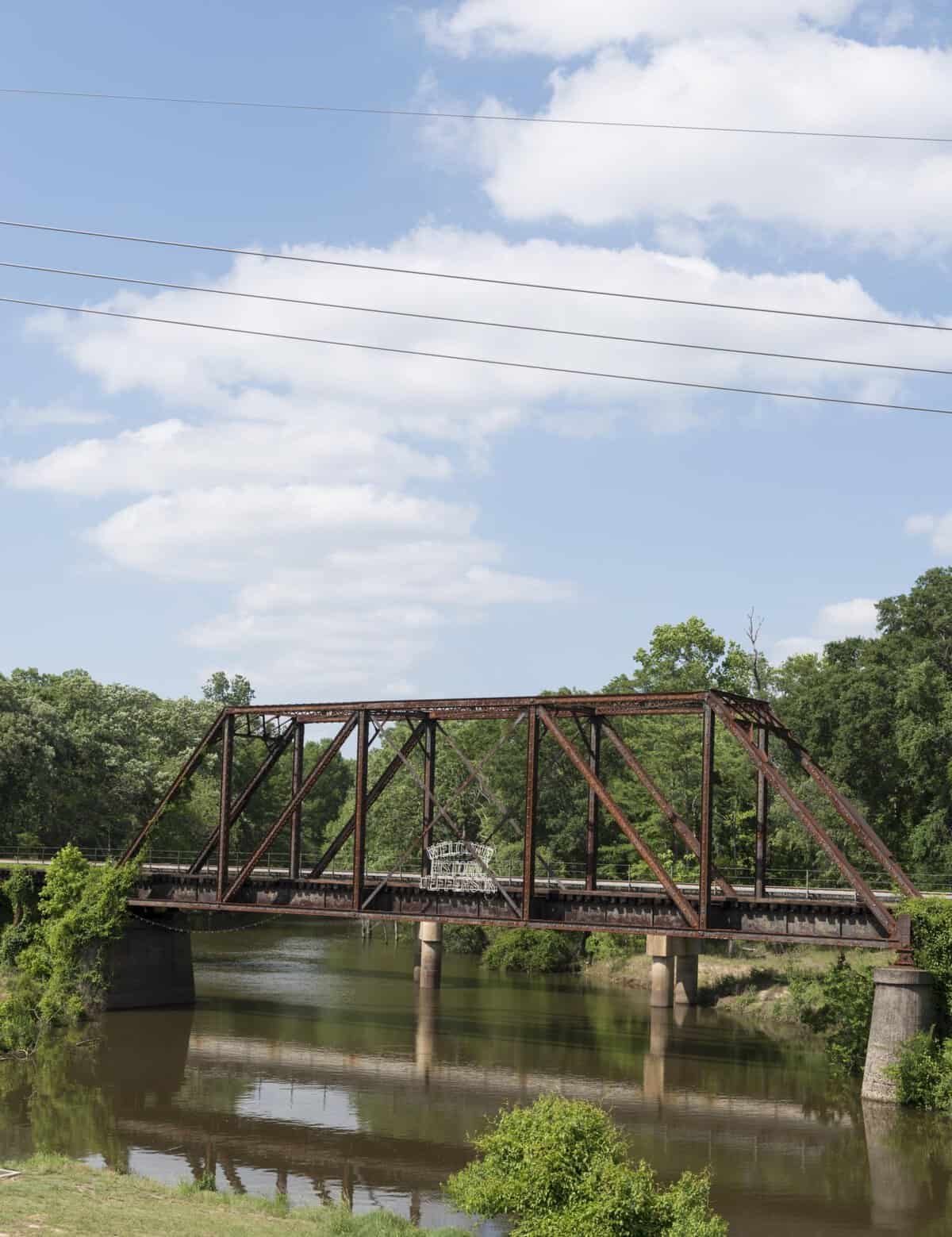
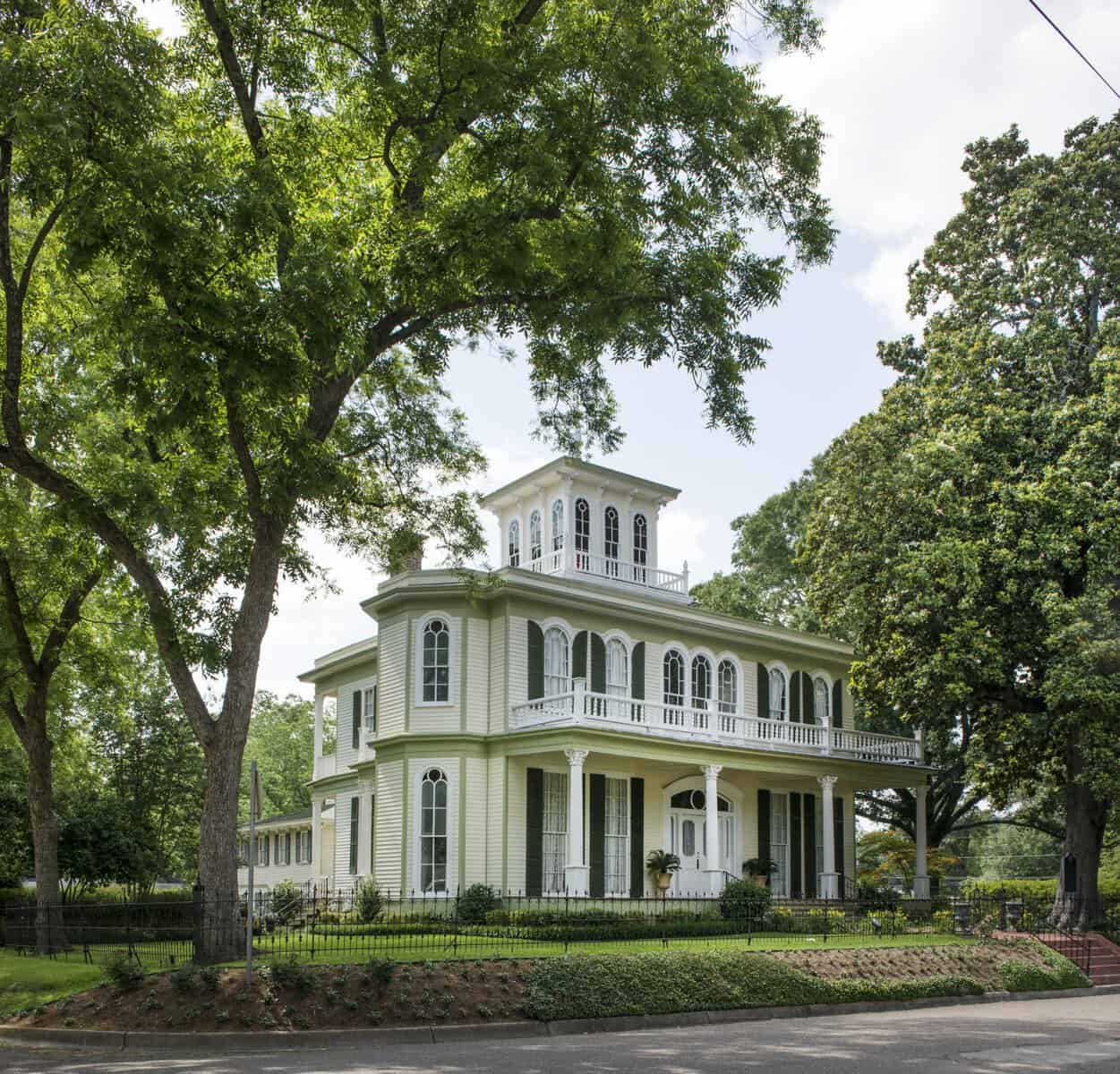
The town is also famous for something cozier. Locals will happily tell you it is the Bed and Breakfast Capital of Texas, and the sheer number of them backs up the claim.
If the bayou has you curious, the town runs riverboat tours out onto the same cypress-lined water that first made Jefferson rich. It is a gentle, shady way to see the swamp side of East Texas up close.
Spend your morning on the lake and your afternoon wandering Jefferson’s historic streets, a plate of something Southern in front of you. It is the rare Texas trip that gives you both wilderness and front-porch charm in the same twenty-four hours.
Before You Go
A few things worth knowing. The lake is open year round, and each season has its own draw. Spring brings the birds and the bass. Summer is for swimming and lazy pontoon days.
Fall paints the hardwoods and thins the crowds. Even winter has its quiet, misty charm for the anglers who do not mind a cold morning.
Pack for the pines. Bug spray in the warm months, layers at dawn, and a good pair of shoes if you plan to poke around the shoreline. Cell service can get thin in the deeper coves, which honestly is part of the point.
If you are new to paddling, stick to the sheltered coves rather than the open main lake on a windy day. And check the current lake conditions before a big trip, since water levels shift with the seasons and the flood-control mission.
How to Get There
Where: Lake O’ the Pines, 2669 FM 726, Jefferson, TX 75657
The lake sits about eight miles west of Jefferson in East Texas. It is an easy drive from Longview, Marshall, or Texarkana, and roughly two and a half to three hours east of Dallas.
Follow the state highways toward Jefferson and the brown Corps of Engineers signs will guide you into the recreation areas. Each park has its own entrance, so pick the cove you want before you turn off.
Point the Car East
Some Texas lakes shout. This one whispers, and that is exactly why it is worth the drive. Load the kayak, grab a rod, and book a cabin or a campsite in the pines.
Then give yourself one slow morning where the mist rises and a heron lifts off the water like it has all the time in the world. Out here, for a little while, so do you.
Featured image: Ashley Ridge via Lake O’ the Pines

Stella Raines
Editor-in-Chief
Stella brings over a decade of storytelling experience to TX Headlines. With roots in West Texas and a love for road trips, she leads the editorial team with an eye for the hidden stories that make Texas unforgettable.
More Stories
This Adventurous Texas Cavern Hides Glowing Blue Pools 180 Feet Underground
This Quiet North Texas Park Ends a Swaying Bridge at a 54-Foot Waterfall
This Crystal-Clear Texas Lake Is the Deepest in the State, and Its Water Is Clear Enough for 100-Foot Dives
This Easy Texas Trail Leads to a 105-Degree Hot Spring Right on the Rio Grande
Tags