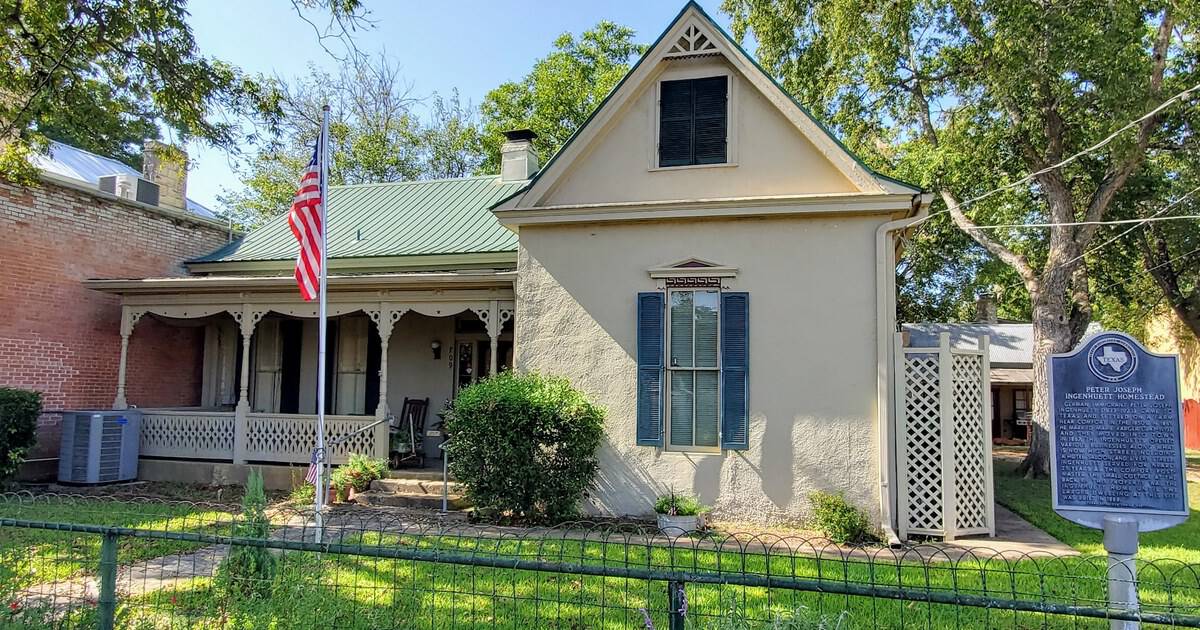
9 Interesting Texas Ghost Towns That Are Safe To Explore
Discover abandoned settlements where Texas history whispers through empty buildings and dusty streets you can actually walk.
Texas ghost towns tell stories of boom and bust, from gold rush dreams to oil town fortunes that dried up as quickly as they appeared.
While some abandoned towns are on private property or too dangerous to visit, these 9 locations welcome explorers interested in witnessing what remains when prosperity moves on.
Most require nothing more than respectful curiosity and sturdy walking shoes, though some have transformed into historical attractions with guided tours and interpretive signage.
Here are 15 Texas ghost towns where you can safely explore authentic pieces of the state’s abandoned past.
1. Terlingua
Once a thriving mercury mining town with over 2,000 residents, Terlingua near Big Bend National Park now exists in a fascinating state between ghost town and artist colony.
The ruins of the Chisos Mining Company headquarters, old homes, and cemetery create an atmospheric setting that’s been partially revived with restaurants, lodging, and galleries.
You can freely explore the ruins during daylight hours, photographing crumbling adobe structures against desert mountain backdrops.
The annual chili cook-off draws thousands, but most of the year, Terlingua maintains its ghostly character while offering modern amenities for visitors.
2. Thurber
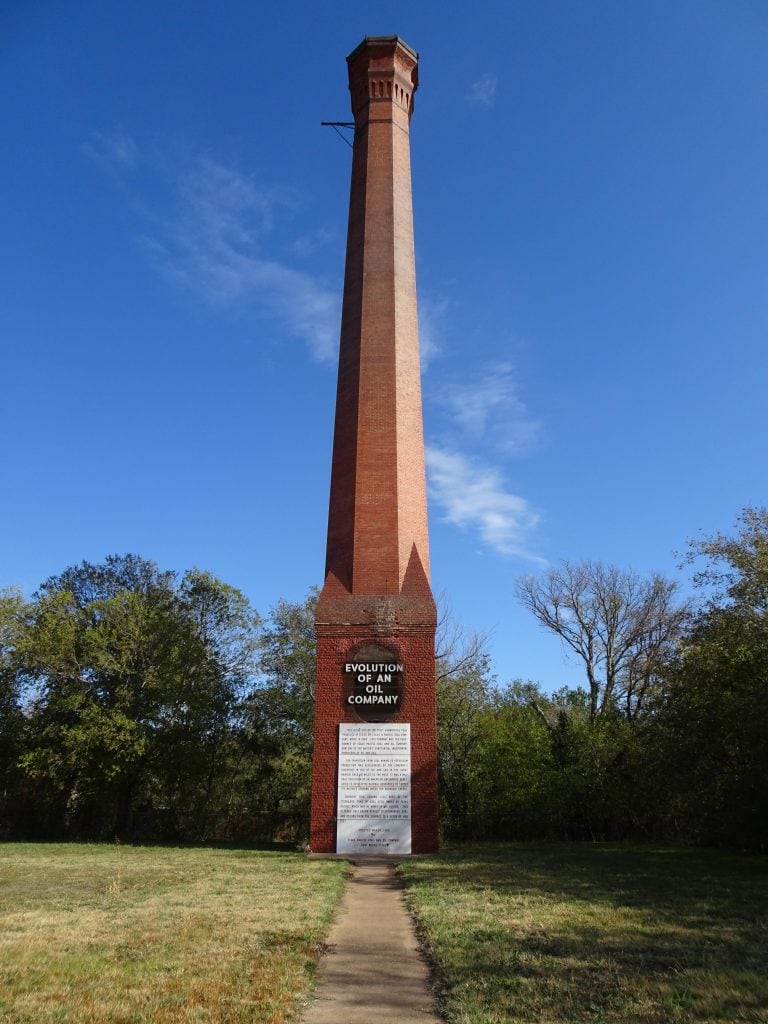
This former coal mining and brick manufacturing town between Fort Worth and Abilene once boasted 10,000 residents and was the first totally electrified city in Texas.
Today, only the iconic brick smokestack, a restaurant in the former company headquarters, and the excellent museum remain.
The site is easily accessible from I-20, with well-maintained grounds and interpretive signage explaining the town’s history.
The museum houses artifacts and photographs documenting Thurber’s brief but significant existence from the 1880s through the 1920s, when coal and brick production ceased.
3. Indianola
This coastal ghost town was literally wiped off the map by hurricanes in 1875 and 1886, ending its rivalry with Galveston as Texas’s premier port.
Historical markers, a few foundations, and the cemetery are all that remain visible above the encroaching Gulf waters.
The site is accessible via a county park, and the story of Indianola’s destruction serves as a sobering reminder of nature’s power.
Walking the beach where a major city once stood creates an eerie awareness of impermanence and the Gulf Coast’s vulnerability to tropical storms.
4. Glenrio
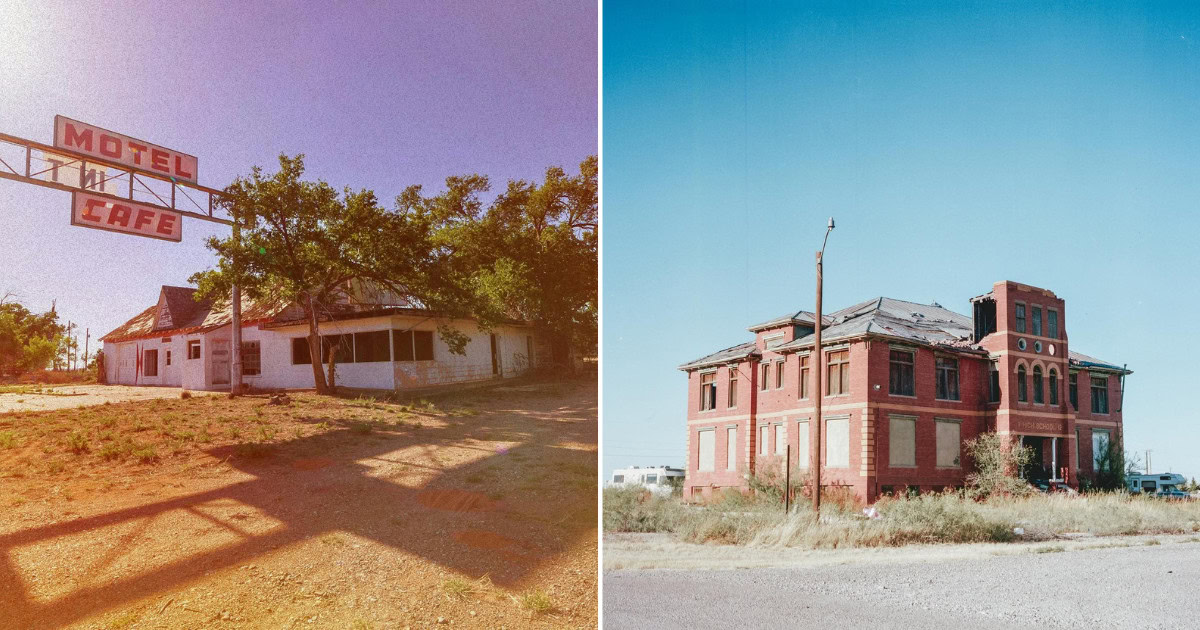
Straddling the Texas-New Mexico border along Route 66, Glenrio thrived as a Route 66 service stop before Interstate 40 bypassed it in the 1970s.
The abandoned gas stations, motel, and café buildings remain remarkably intact, making this a photographer’s dream and a Route 66 pilgrimage site.
The town is easily accessible directly off I-40, and you can safely explore the exterior of buildings and photograph the vintage signage.
The Texas Historical Commission has placed markers explaining Glenrio’s significance in Route 66 history and American roadside culture.
5. Shafter
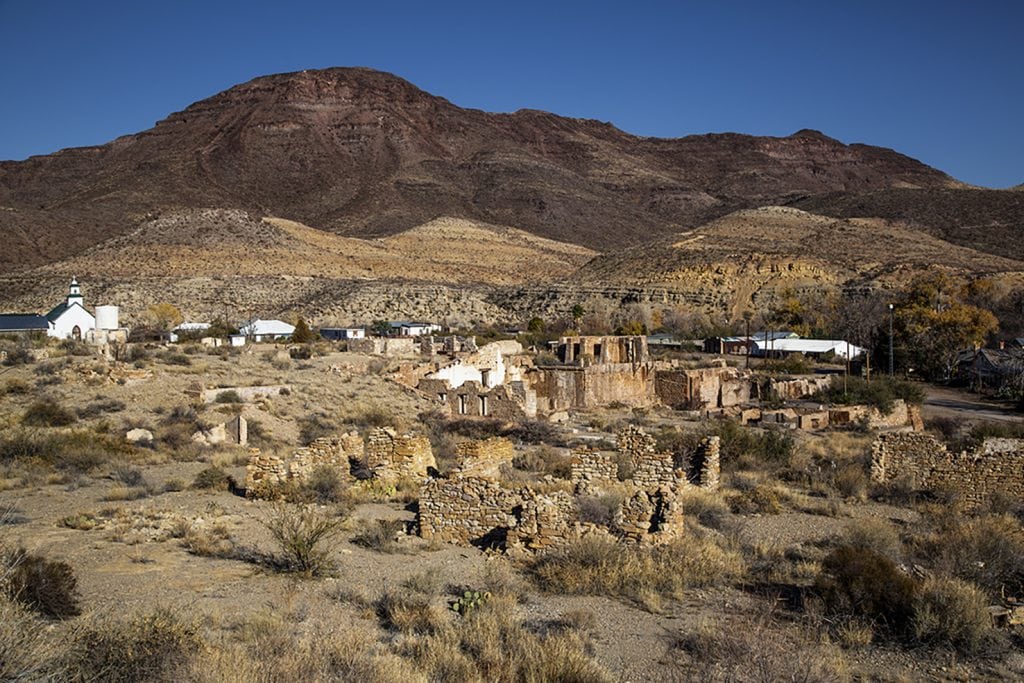
This silver mining town in West Texas near Presidio operated from the 1880s through the 1940s, with periodic mining resumptions even into the 2000s.
The massive mill ruins, mining structures, and several buildings remain standing in various states of decay.
Access requires driving rough dirt roads, but once there, visitors can explore the extensive ruins while enjoying views of the Chinati Mountains.
Recent mining interest has brought some activity back to the area, though Shafter remains essentially abandoned with its historic character intact.
6. Independence
Once larger and more prosperous than nearby Brenham, Independence declined after being bypassed by the railroad in the 1870s.
The remarkably preserved Independence Baptist Church, historic cemetery, and a few other structures remain in this Washington County ghost town.
The site includes interpretive markers explaining its role in early Texas history, including being home to the first Baptist church in Texas and hosting Sam Houston’s family.
The peaceful rural setting and well-maintained historic structures make this an accessible introduction to Texas ghost town exploration.
7. Port Sullivan
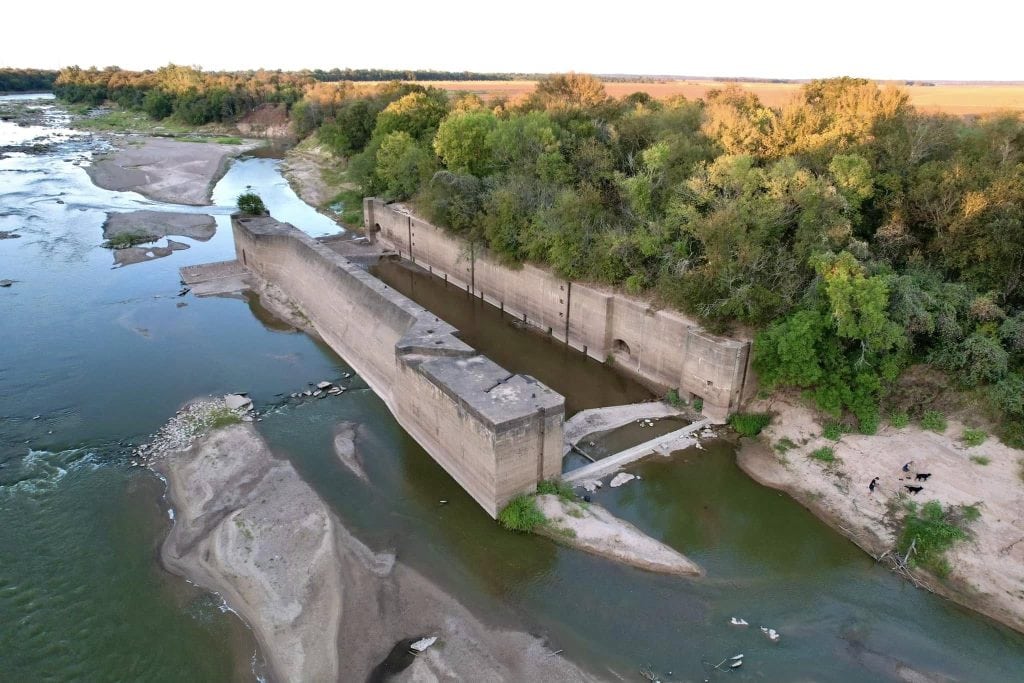
This Milam County ghost town on the Brazos River thrived as a cotton shipping port before railroads made river transport obsolete.
The townsite preserves several historic buildings in various conditions, a cemetery, and interpretive markers explaining the town’s rise and fall.
Access is straightforward via county roads, and the site’s designation as a historical area means ongoing preservation efforts maintain accessibility and safety.
The Port Sullivan Cemetery includes graves dating to the 1840s, documenting the settlement’s early history.
8. Toyah
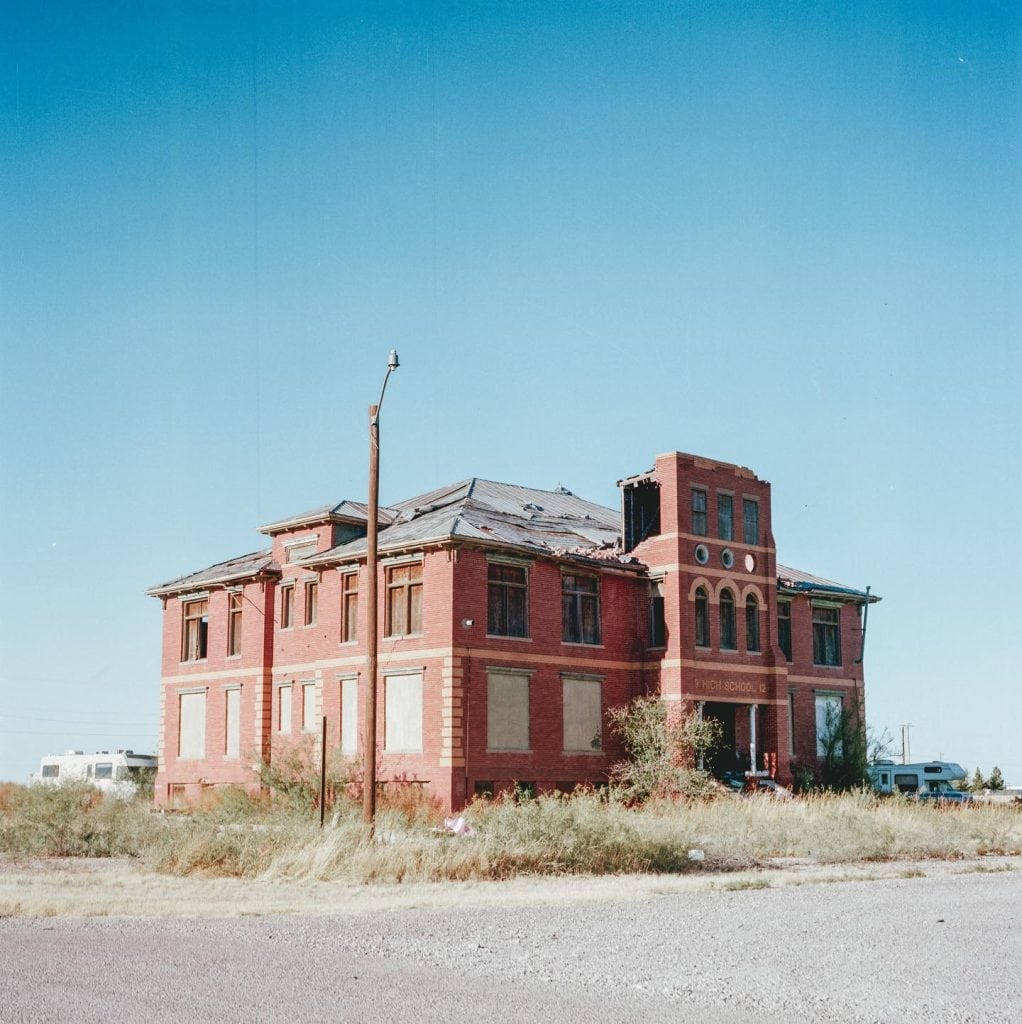
Located in Reeves County, Toyah has declined from its railroad and ranching heyday but retains enough character and abandoned buildings to qualify as a partial ghost town.
Several collapsing structures, the old Toyah Mercantile, and vacant lots mark where the town once thrived.
A few residents still live in Toyah, so respectful behavior is essential when exploring public areas and photographing structures.
The town represents the slow decline common to many rural Texas communities rather than sudden abandonment, creating layers of history visible in different architectural periods.
9. Mentone
The westernmost town in Texas, Mentone in Loving County, maintains a handful of residents but qualifies as essentially abandoned, with vacant buildings far outnumbering occupied ones.
The old school, abandoned businesses, and sparse population create a genuine ghost town atmosphere in one of America’s least populated counties.
The remoteness itself is the attraction, along with the bragging rights of visiting Texas’s most isolated community.
Extreme heat and lack of services mean visitors should prepare adequately for West Texas desert conditions.
The Future of Texas Ghost Towns
Some ghost towns are being preserved and interpreted as historical sites, while others continue deteriorating toward complete disappearance.
A few, like Terlingua, experience partial revival through tourism or artist communities. The tension between preservation, private property rights, and the romantic appeal of abandonment creates complex questions about these sites’ futures.
Meanwhile, modern ghost towns continue forming as rural communities depopulate, and small towns die, ensuring Texas will have new abandoned places for future explorers to discover.
Which Texas ghost towns have you explored, and what stories did you discover in their empty streets?
Share your experiences to help fellow explorers appreciate these fragile connections to Texas’s layered history of settlement, struggle, and abandonment.

Stella Raines
Editor-in-Chief
Stella brings over a decade of storytelling experience to TX Headlines. With roots in West Texas and a love for road trips, she leads the editorial team with an eye for the hidden stories that make Texas unforgettable.
More Stories
This Quiet Texas Coast Town Is a Working Fishing Village Where the Shrimp Comes Straight Off the Boat
This Tiny Texas Town on Route 66 Is a Neon-Lit Time Capsule of Roadside Americana

This Old-School Texas Buffet Piles Your Plate With Southern Classics and Homemade Pie