12 Charming Small Towns That Are Even Prettier in Autumn
I have always planned my road trips around a weather app more than a map. Somewhere around late September, I start checking the fall foliage tracker the way other people check sports scores, watching the green creep toward orange one county at a time.
There is a particular kind of small town built for this season, all covered bridges, porch pumpkins, and church spires poking up through maple canopies. Below, I am rounding up eight of the best, from New England leaf-peeping classics to a quiet corner of East Texas.
Here is why each one earns a spot on your list. What makes a town worth the drive is not just the trees, it is the whole package: walkable streets, a good bakery, somewhere to sit outside and watch the color change overhead.
Every town on this list has that, plus a fall show that rivals the bigger, more crowded destinations nearby. A few even prove that leaf season is not only a New England habit.
1. Woodstock, Vermont
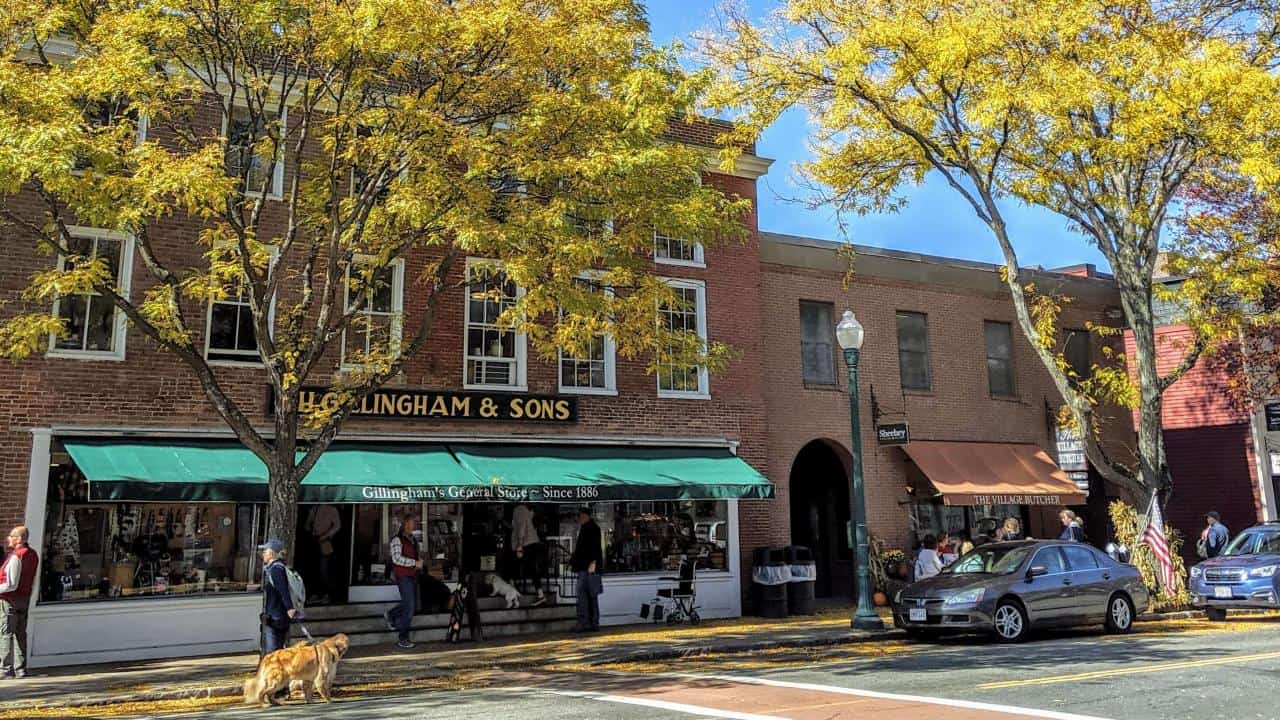
Woodstock is the town most people picture when they hear “New England in October.” Its covered bridges cross the Ottauquechee River under a canopy that goes from green to crimson almost overnight, and the village green looks like it was designed for a postcard.
Elm Street alone, lined with sugar maples and white clapboard houses, has been photographed so often it earned the nickname “the most photographed street in America.” Stop by a local sugarhouse for cider donuts before you wander the shops.
Founded in 1761, Woodstock still runs on the same tidy New England grid, and its shops sit inside brick buildings that have hosted the same trades for generations. Did you know the town even has its own working dairy farm within walking distance of the green?
Fall is also when the town’s weekly market moves indoors and its bookstores put out cider and cocoa for browsers. It is a slow, small-scale kind of charm that rewards a whole weekend rather than a quick drive-through.
Drive any of the back roads outside town in October and you will pass working farms with roadside stands selling squash and apples straight off the wagon. It is the kind of detour worth taking on purpose.
Where: Woodstock, Vermont, in the Ottauquechee River valley about 15 miles west of I-91 via Route 4.
2. Jim Thorpe, Pennsylvania
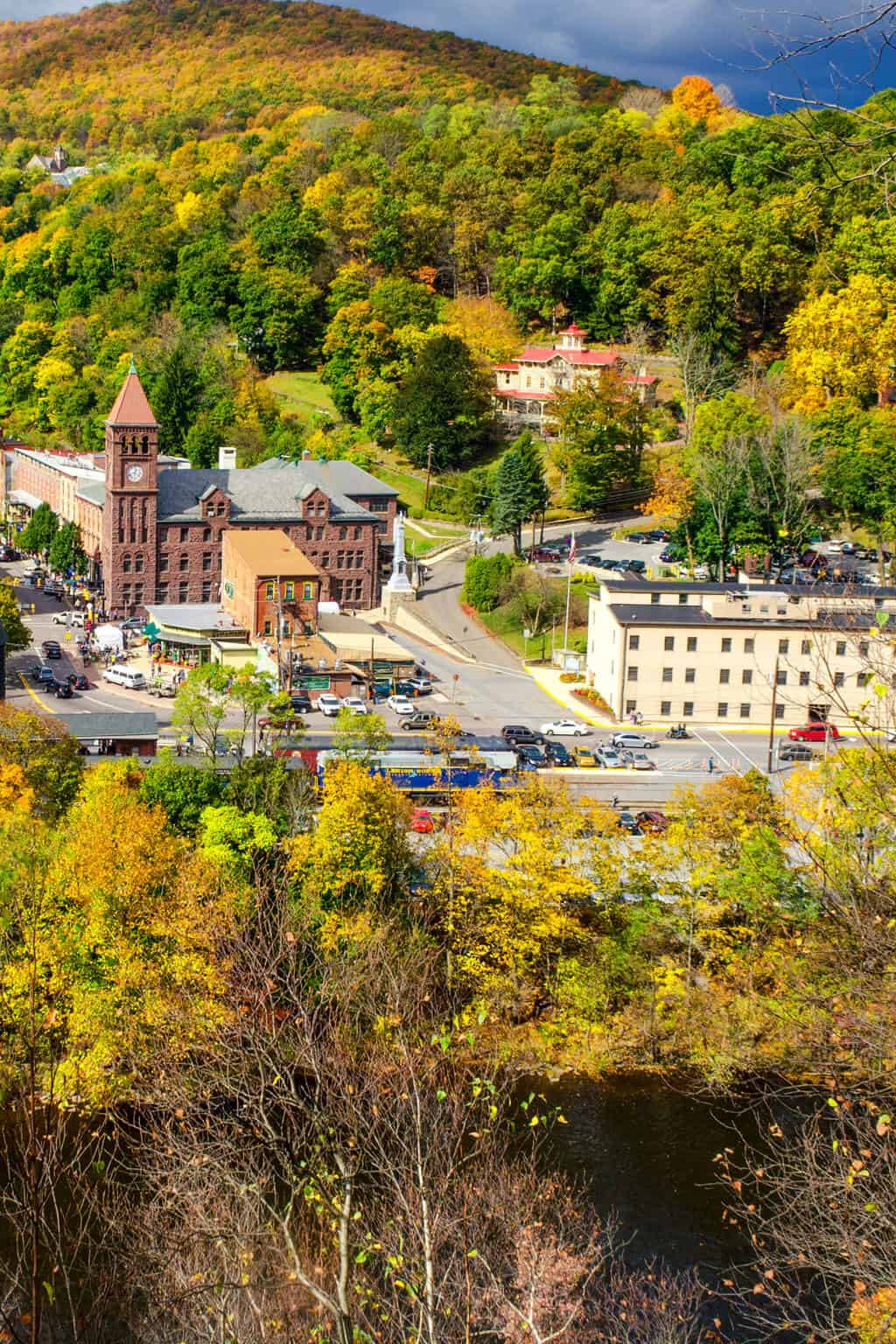
Tucked into the Lehigh Gorge, Jim Thorpe wears its Victorian architecture like a costume built for fall. Steep, colorful row houses climb the hillside above the Lehigh River, and the surrounding ridgelines blaze red and gold by mid-October.
The old Central Railroad depot now runs scenic excursions along the gorge, so you can watch the whole canyon change color from a train window without lifting a finger.
The town was renamed in 1954 after the Olympic athlete, whose grave and memorial sit at the edge of downtown. Between the history and the hillside color, it is an easy day trip that feels like two towns in one.
The steep streets mean nearly every corner has a view worth stopping for, and several of the old row houses now hold cafes with porches that face straight into the gorge’s fall show.
The Lehigh Gorge Scenic Railway times its fall runs to catch peak color along the river, and even the walk from the parking area into town offers a long, framed view down into the canyon.
Where: Jim Thorpe, Pennsylvania, in the Lehigh Gorge about 30 minutes north of I-80 via Route 209.
3. Cooperstown, New York
Cooperstown sits at the southern tip of Otsego Lake, the one James Fenimore Cooper called “Glimmerglass,” and autumn turns the surrounding hills into a mirror of color on the water.
Beyond the baseball history, the town has a walkable Main Street, a working farm museum, and a lake shoreline that is worth a slow drive just for the view. Pro tip: sunset over the lake in October is hard to beat.
The Farmers’ Museum just outside town recreates an 1840s village, and its costumed demonstrations feel especially fitting once the surrounding fields turn amber. It is a good stop for anyone who wants a little history with their scenery.
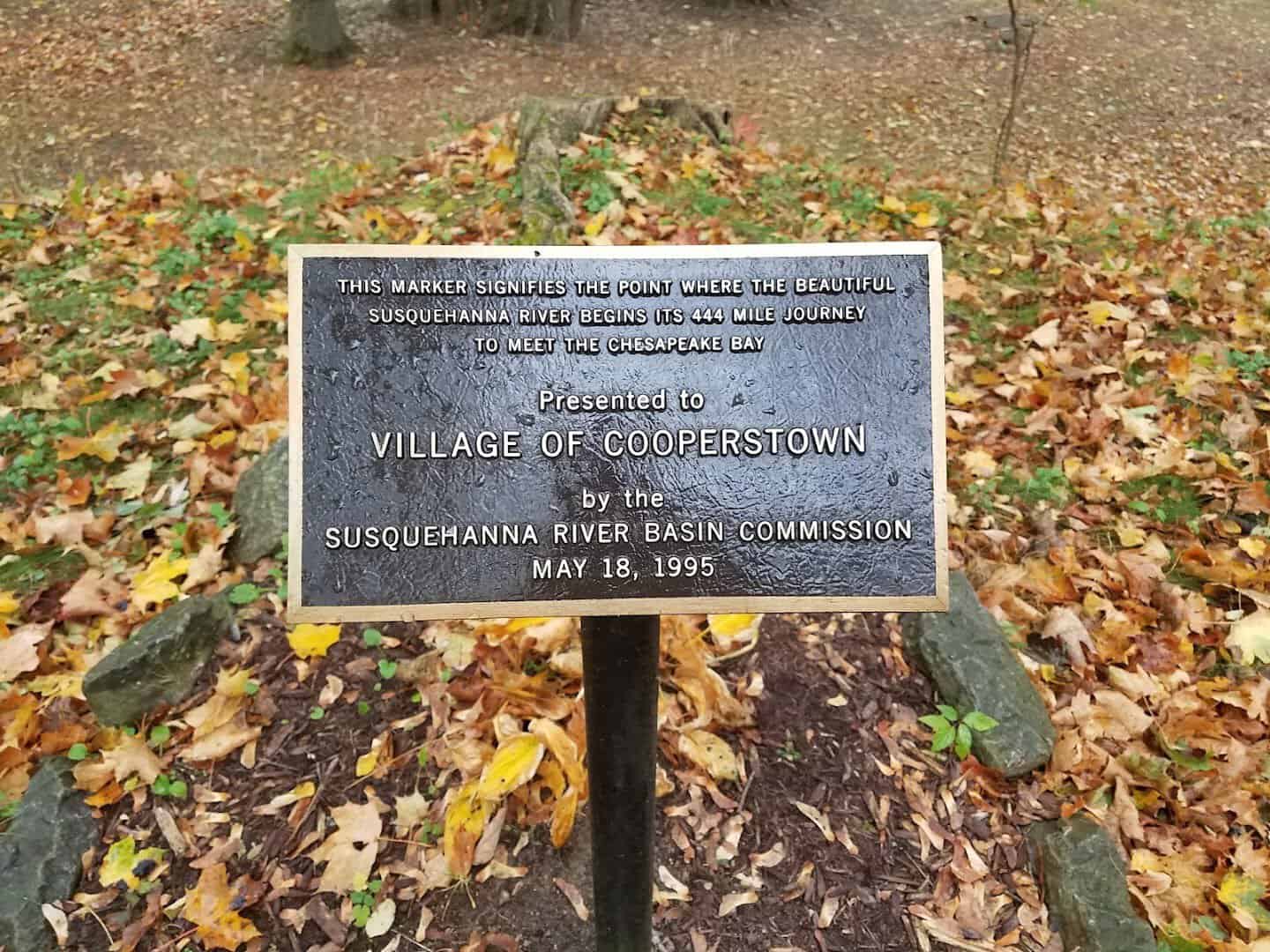
Fallen leaves collect thick along the lakeside paths near the village marker downtown, and a short walk there in October puts you ankle-deep in the same rust and gold the postcards promise.
Where: Cooperstown, New York, on the southern tip of Otsego Lake, about an hour west of I-88 via Route 28.
4. Blowing Rock, North Carolina
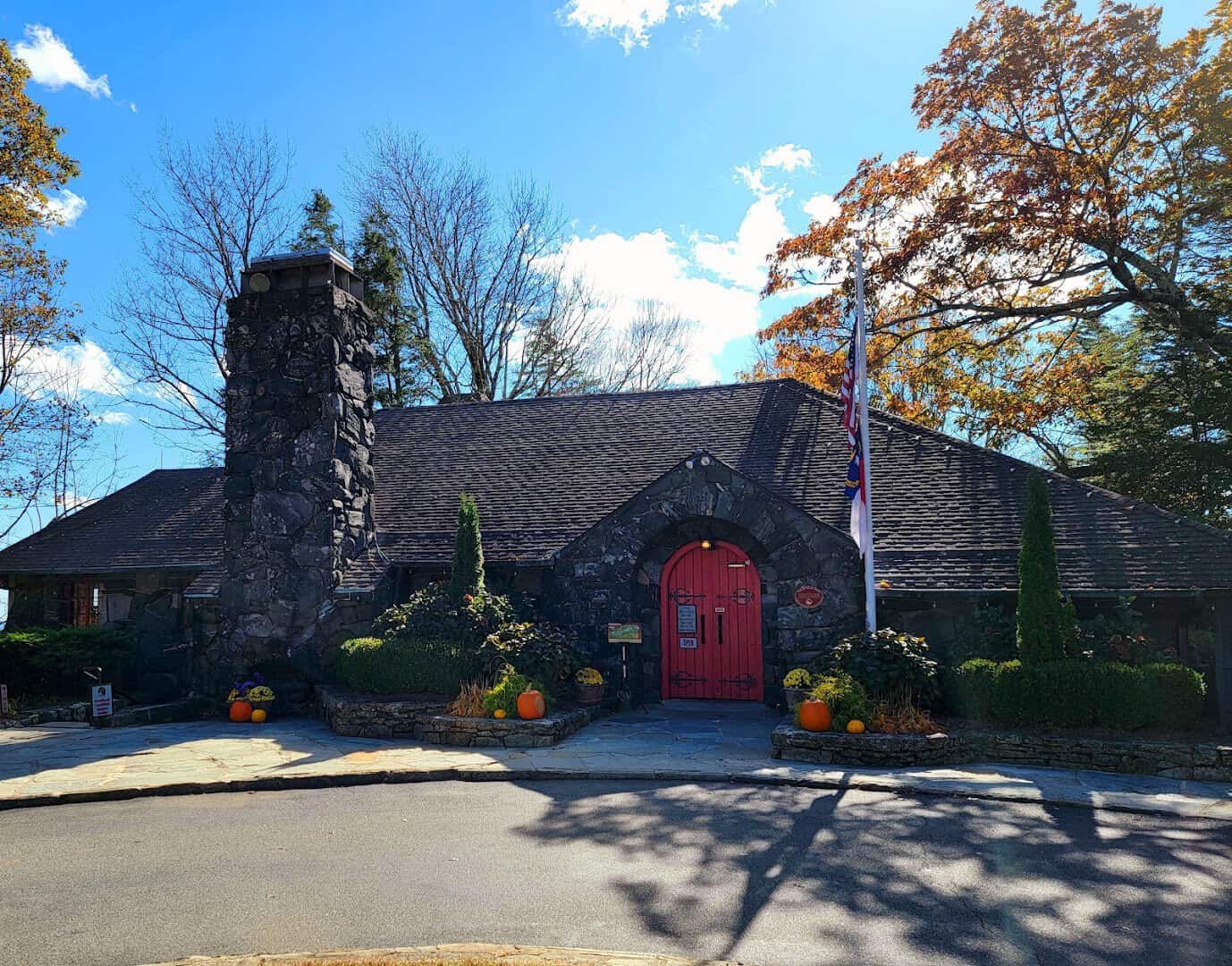
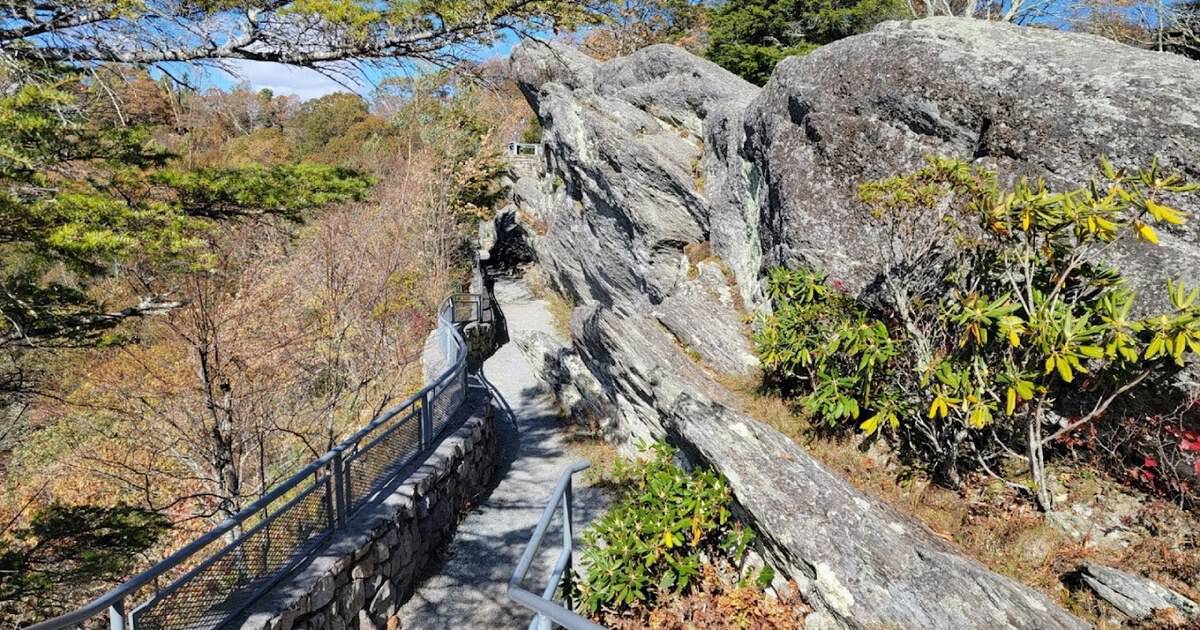
Perched on the Blue Ridge Parkway, Blowing Rock earns its name from a rock formation where, legend says, wind blows falling objects back upward. In autumn, the overlooks nearby deliver some of the most dramatic ridge-line color in the Appalachians.
The village itself is tiny and walkable, full of galleries and apple-cider stands, and it makes an easy home base for exploring the parkway’s fall color corridor.
Nearby Moses H. Cone Memorial Park adds miles of carriage roads through hardwood forest, easy walking with a big payoff view. Between the overlooks and the trails, this is one stretch of the parkway worth slowing all the way down for.
Shopkeepers here lean into the season hard. Pumpkins line the doorways along Main Street by early October, and the stone cottages tucked between them look like they were built for the postcard version of fall.
The elevation helps too. Sitting near 3,400 feet, Blowing Rock often turns a full two weeks ahead of the lowland towns nearby, so it works well as an early-season stop before color spreads downhill.
Where: Blowing Rock, North Carolina, just off the Blue Ridge Parkway near mile marker 291, minutes from US-321.
5. Jefferson, Texas
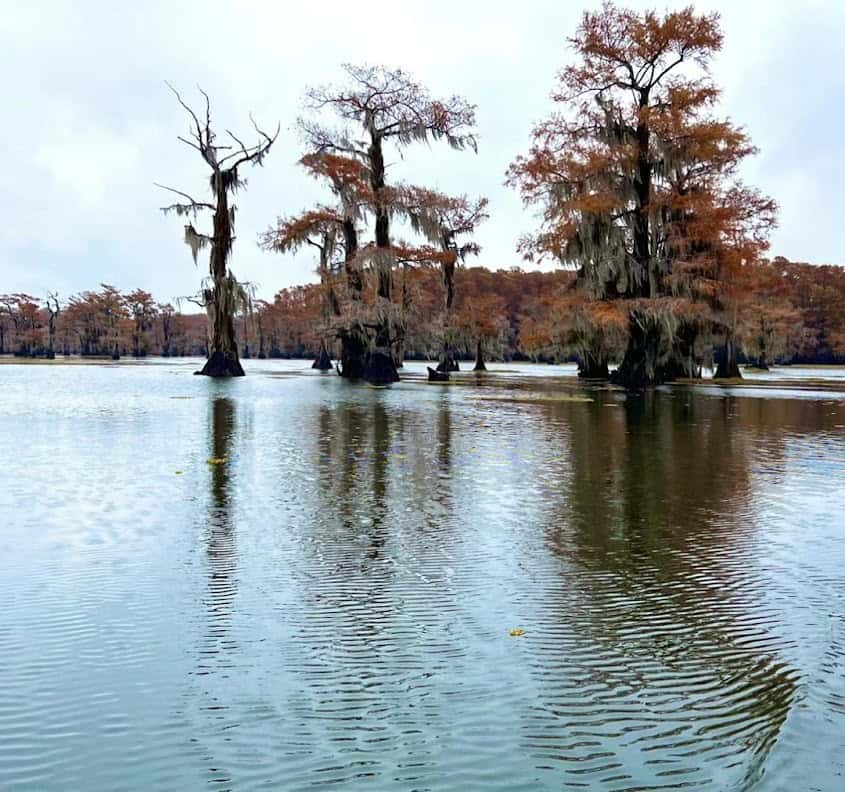
Texas does not usually come up in fall foliage conversations, but Jefferson quietly should. This East Texas river town, built on the old steamboat trade along Big Cypress Bayou, sits under a canopy of cypress and hardwood that turns rich amber by November.
Its downtown of preserved 1800s storefronts and bed-and-breakfasts feels frozen in time, and a lantern boat tour on the bayou at dusk in autumn is one of the more underrated experiences in the state.
Founded in the 1840s as a bustling steamboat port, Jefferson still leans hard into that history, with horse-drawn carriage rides down brick streets lined with iron-lace balconies. It is proof that Texas has its own quiet leaf season too.
Just outside town, the bald cypress trees standing in Caddo Lake turn a deep rust orange, their reflections doubling the color on the still, dark water. It is unlike any other fall scene in the state.
Where: Jefferson, Texas, on the edge of Caddo Lake in northeast Texas, about 90 minutes east of Tyler via US-59.
6. Telluride, Colorado
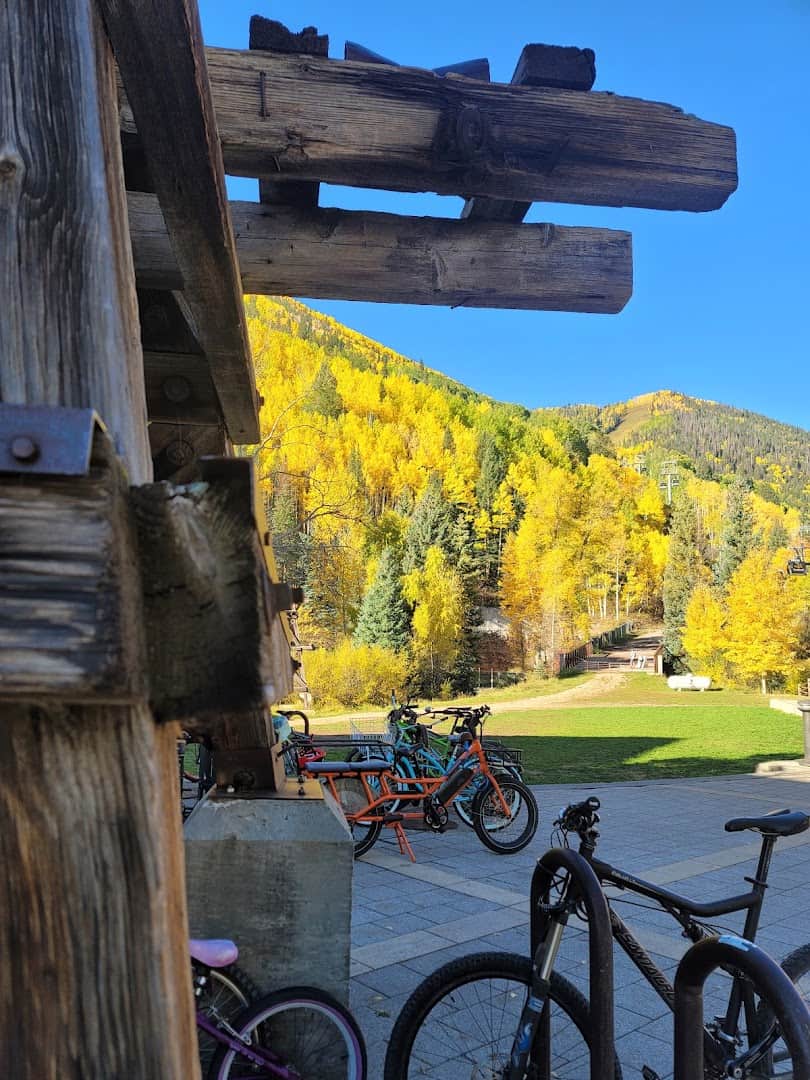
Telluride sits at the end of a box canyon in the San Juan Mountains, ringed by peaks that top 13,000 feet. When the aspens turn in late September, the whole canyon floor glows gold against dark evergreen slopes.
A free gondola ride between town and the mountain village gives you a bird’s-eye view of the color without a long hike, which makes this one of the more accessible aspen shows in the Rockies.
The town’s mining-era Main Street is lined with brick buildings dating to the 1880s, and a short walk out to Bridal Veil Falls at the canyon’s end frames one of the best fall photographs in Colorado.
The aspen show here tends to peak fast, usually within a two-week window, so locals watch the hillsides the way other towns watch a weather radar. When it turns, it turns all at once.
Bike racks outside nearly every shop hint at how the town spends its fall weekends. Riding the valley trail with gold aspens on both sides is a fairly easy way to see the color up close.
Where: Telluride, Colorado, at the end of Highway 145 in a box canyon in the San Juan Mountains.
7. Fish Creek, Wisconsin
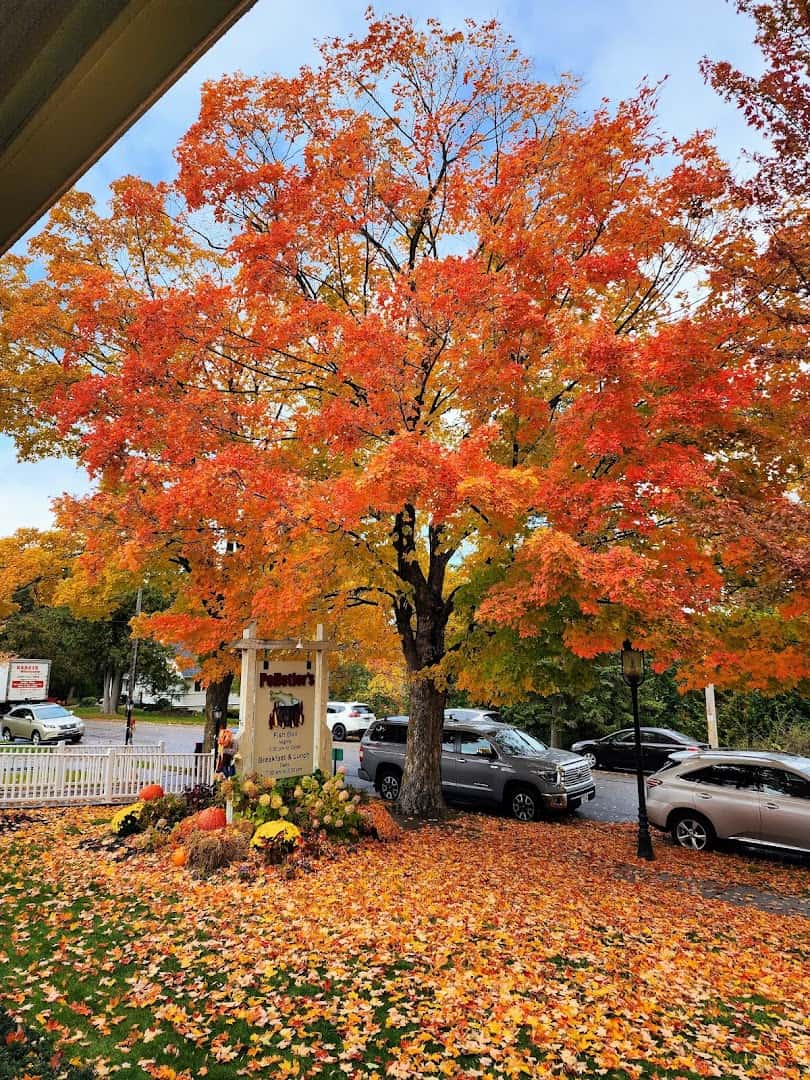
Fish Creek anchors the Door County peninsula, a finger of land between Lake Michigan and Green Bay that turns into a patchwork of orange orchards and red maple in October. Cherry orchards here put on their own quieter color show alongside the hardwoods.
The village itself is small and walkable, with a harbor full of sailboats and a state park next door where bluff-top trails frame the water on both sides.
Peninsula State Park’s Eagle Tower gives a wide view over the changing canopy and the water beyond it, and the peninsula’s many roadside orchards sell fresh cider straight through October. Bring a cooler.
A single sugar maple outside one of the village’s old fish-boil restaurants turns so bright it stops foot traffic most Octobers, its fallen leaves drifting across the sidewalk in front of the sign.
The peninsula’s back roads are lined with roadside stands selling apples and squash well into November, and stopping at even one on a fall drive is practically a local tradition here.
Where: Fish Creek, Wisconsin, on the Door County peninsula along Highway 42, about three hours north of Milwaukee.
8. Bar Harbor, Maine
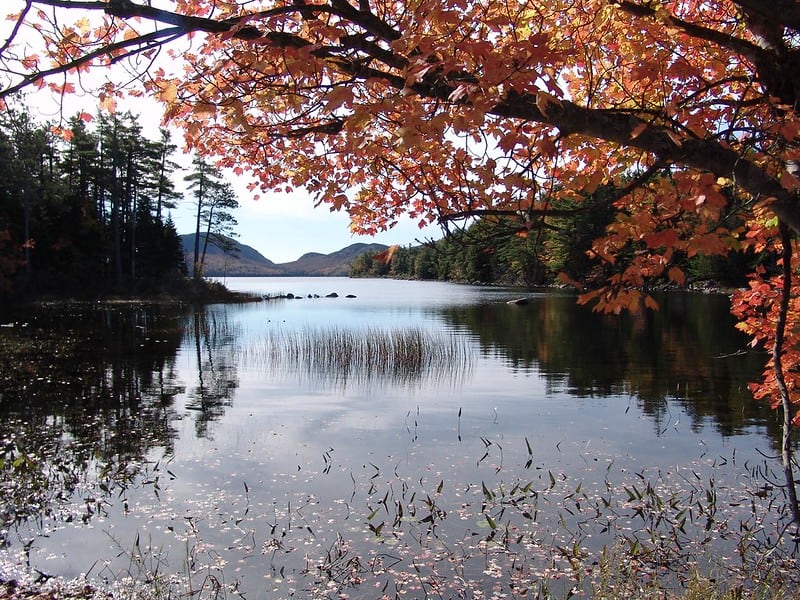
Bar Harbor is the gateway to Acadia National Park, and its granite coastline in autumn is a study in contrast: dark rock, blue Atlantic water, and hillsides of birch and maple lit up orange overhead.
Cadillac Mountain, inside the park, is famously one of the first places in the country to see sunrise, and an October morning up there with the valleys below turning color is worth the early alarm.
The Park Loop Road threads past Jordan Pond and its famous popovers, and the reflection of fall color on the pond’s still water is one of those views that photographs almost as well as it looks in person.
Even the smaller ponds off the main road pull their weight. A maple branch leaning low over the water, dropping color onto the surface below, is the kind of quiet scene that never makes the brochure but should.
Fall also thins the summer crowds considerably, so the same trails that feel packed in July are quiet enough in October to actually hear the wind moving through the birches overhead.
Where: Bar Harbor, Maine, at the gateway to Acadia National Park on Mount Desert Island, via Route 3.
9. Galena, Illinois
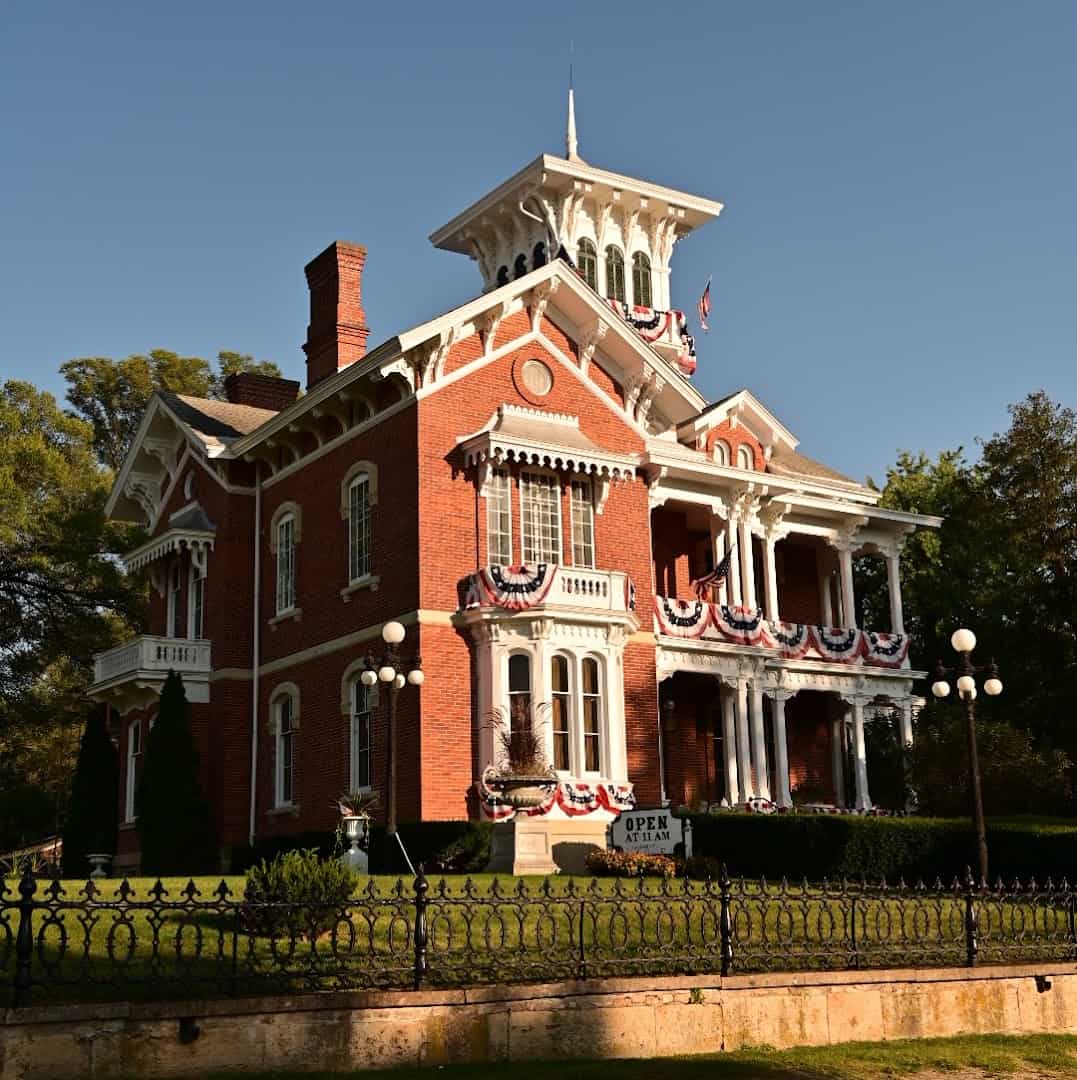
Galena looks like someone pressed pause on the 1850s. More than 85 percent of its buildings sit on the National Register, and its brick Main Street bends along the river beneath steep, wooded bluffs that catch fire with color in October.
Ulysses S. Grant lived here before the Civil War, and his house still stands. Wander the shops, ride the trolley, and climb to the overlook where the whole storybook town spreads out below.
Autumn is when the bluffs frame those brick storefronts in gold, and the summer crowds finally thin out.
Where: Galena, Illinois, about 15 miles east of Dubuque, Iowa, in the state’s northwest corner.
10. North Conway, New Hampshire
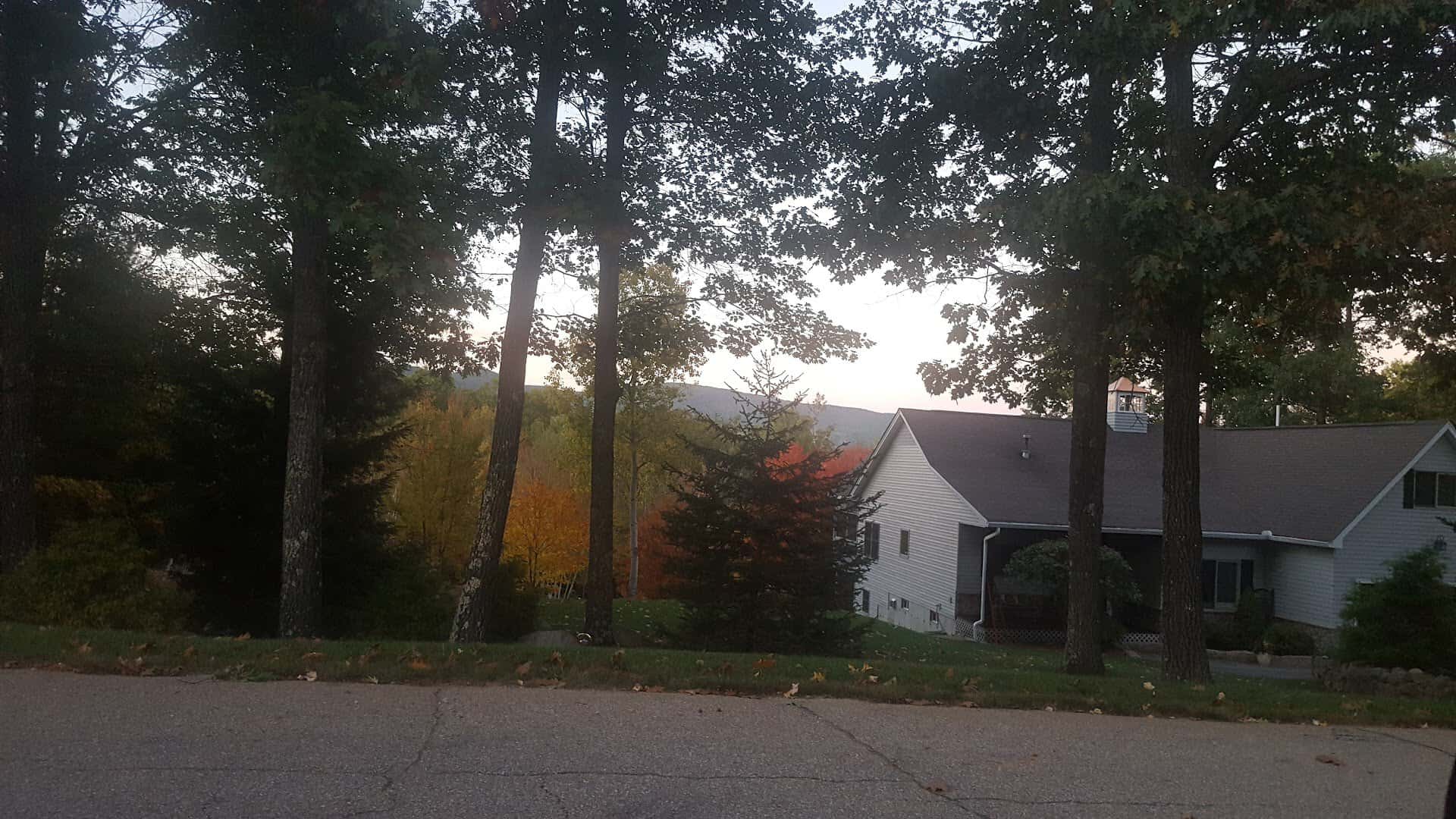
Tucked in the Mount Washington Valley, North Conway is the White Mountains’ front porch, and it wears fall better than almost anywhere in New England. Maples turn along the main drag while the peaks behind it go russet and gold.
Ride the Conway Scenic Railroad through the color, browse the village shops, then look up at Cathedral Ledge glowing above the trees.
The valley’s range of elevation stretches the foliage show for weeks, so you can almost always catch it at its peak.
Where: North Conway, New Hampshire, on NH Route 16 in the Mount Washington Valley.
11. Eureka Springs, Arkansas
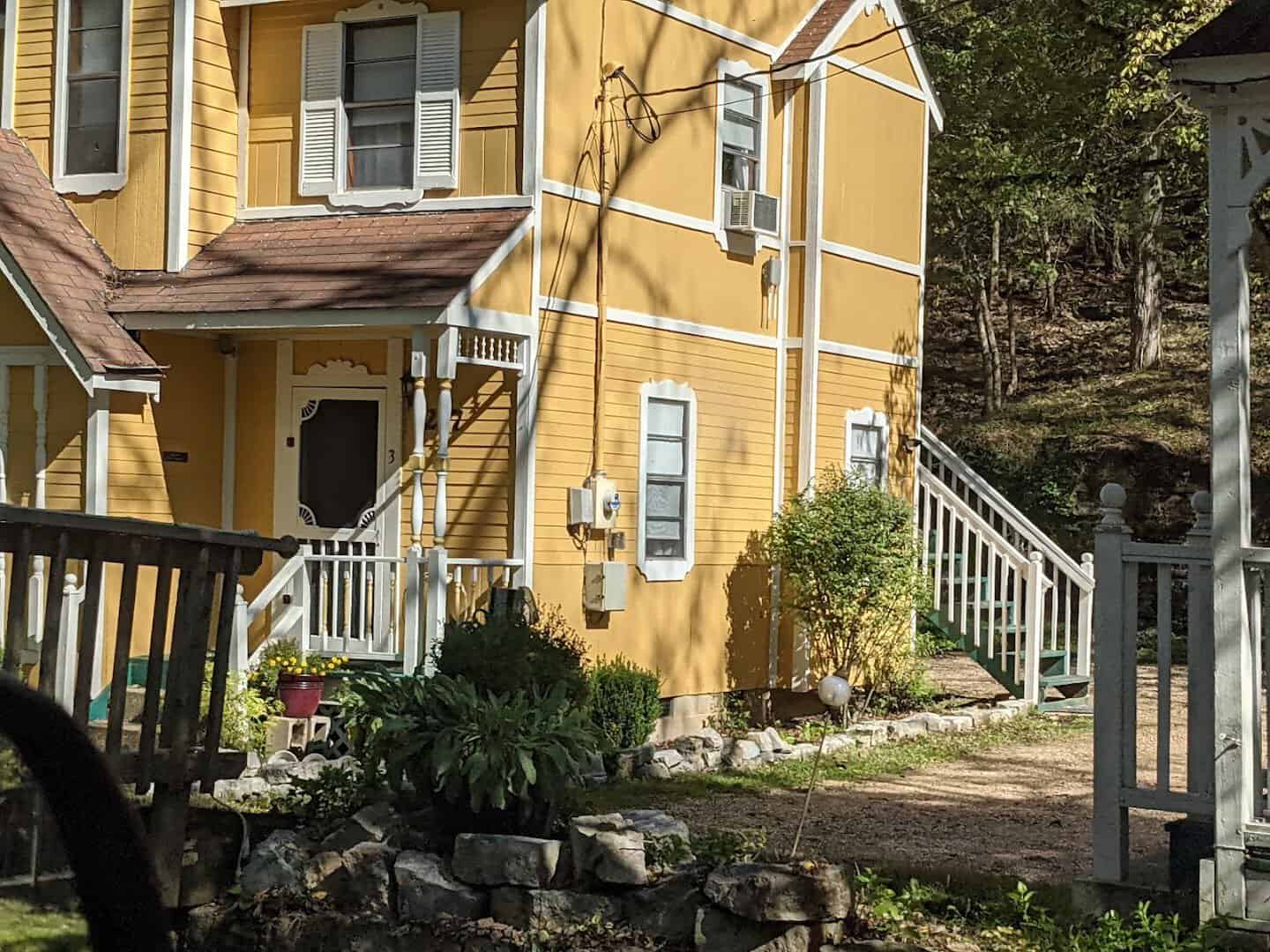
Eureka Springs spills down the Ozark hillsides in a tangle of steep, winding streets and gingerbread Victorian houses, not one of them on level ground. The whole downtown is a National Historic District, and fall turns the surrounding forest into a jewel box.
Follow the natural springs the town was built around, browse the galleries, and ride the trolley up and down those impossible hills.
The hills are thick with oak and hickory, so October wraps the entire Victorian maze in red and gold.
Where: Eureka Springs, Arkansas, in the Ozark Mountains near the Missouri line.
12. Hood River, Oregon
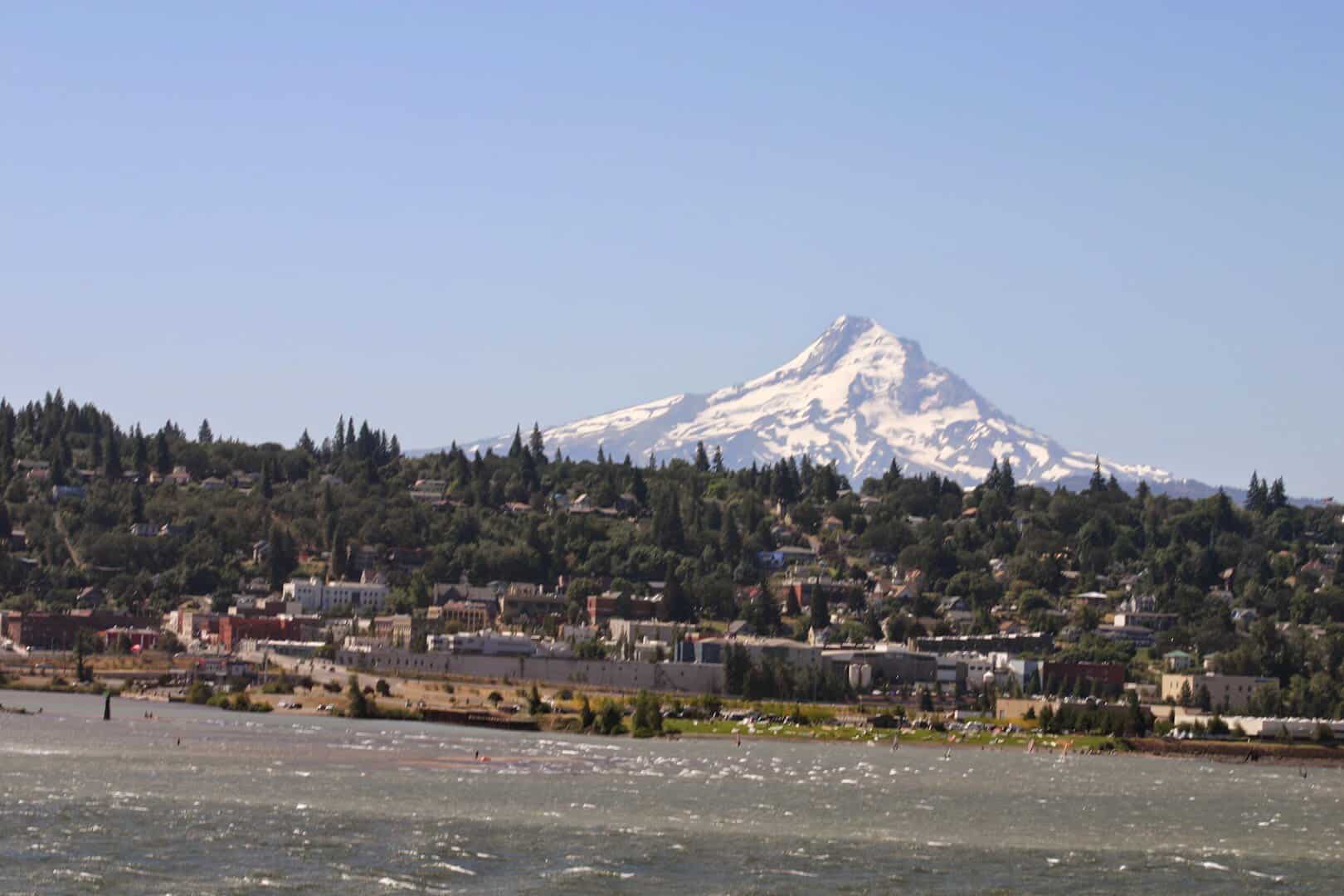
Hood River sits where the Columbia River Gorge meets orchard country, with snow-capped Mount Hood looming over town like a painted backdrop. Come fall, the Fruit Loop drive fills with apples, pears, and pumpkins, and the vineyards turn.
Watch the windsurfers on the river, drive the orchard loop, and toast the season at a cidery with the mountain in view.
Autumn is harvest time here, so the whole valley smells like apples and the farm stands overflow.
Where: Hood River, Oregon, about 60 miles east of Portland on the Columbia River.
Start Planning Your Autumn Small-Town Escape
Every one of these towns proves that fall color is not just a New England thing, it is a small-town thing, and it shows up in bayou country and mountain canyons just as much as in maple forests.
Pick one that fits your drive time, check the local foliage tracker, and go see it before the leaves come down. Wherever you land, bring a thermos of cider and give yourself extra time to wander, because the best part of leaf season rarely fits into a rushed itinerary.
Featured image: SAIL via Blowing Rock

Stella Raines
Editor-in-Chief
Stella brings over a decade of storytelling experience to TX Headlines. With roots in West Texas and a love for road trips, she leads the editorial team with an eye for the hidden stories that make Texas unforgettable.