This Scenic Texas Train Ride Rolls Through the Piney Woods Behind a Century-Old Steam Engine
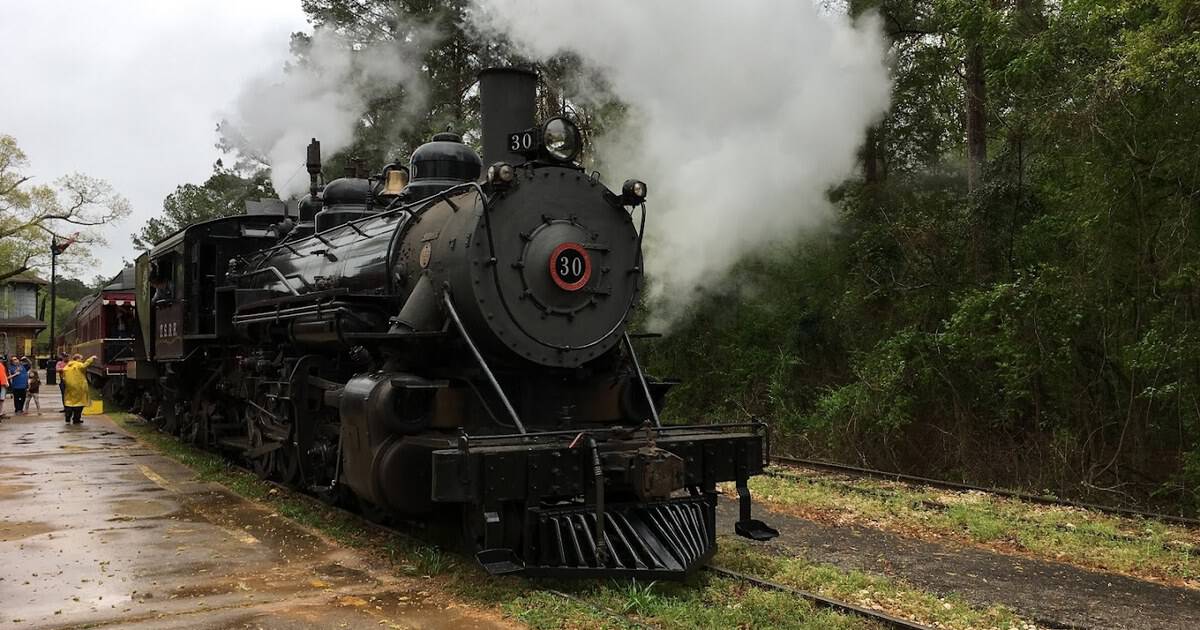
The first time I heard a steam whistle up close, I felt it in my chest before my ears caught up. It was a long, mournful, wonderful sound, and it rolled out across the pines and hung there.
I was standing on a wooden platform with a paper ticket in my hand, watching a black locomotive breathe smoke into a spring-blue sky. Then the conductor waved us aboard, and I climbed into a car with the windows thrown wide open.
That train was the Texas State Railroad, and the ride carries you 25 miles through the East Texas Piney Woods, from Palestine to the little town of Rusk. What sold me was the pine-scented calm, the feeling that the whole world had agreed to slow down for an afternoon.
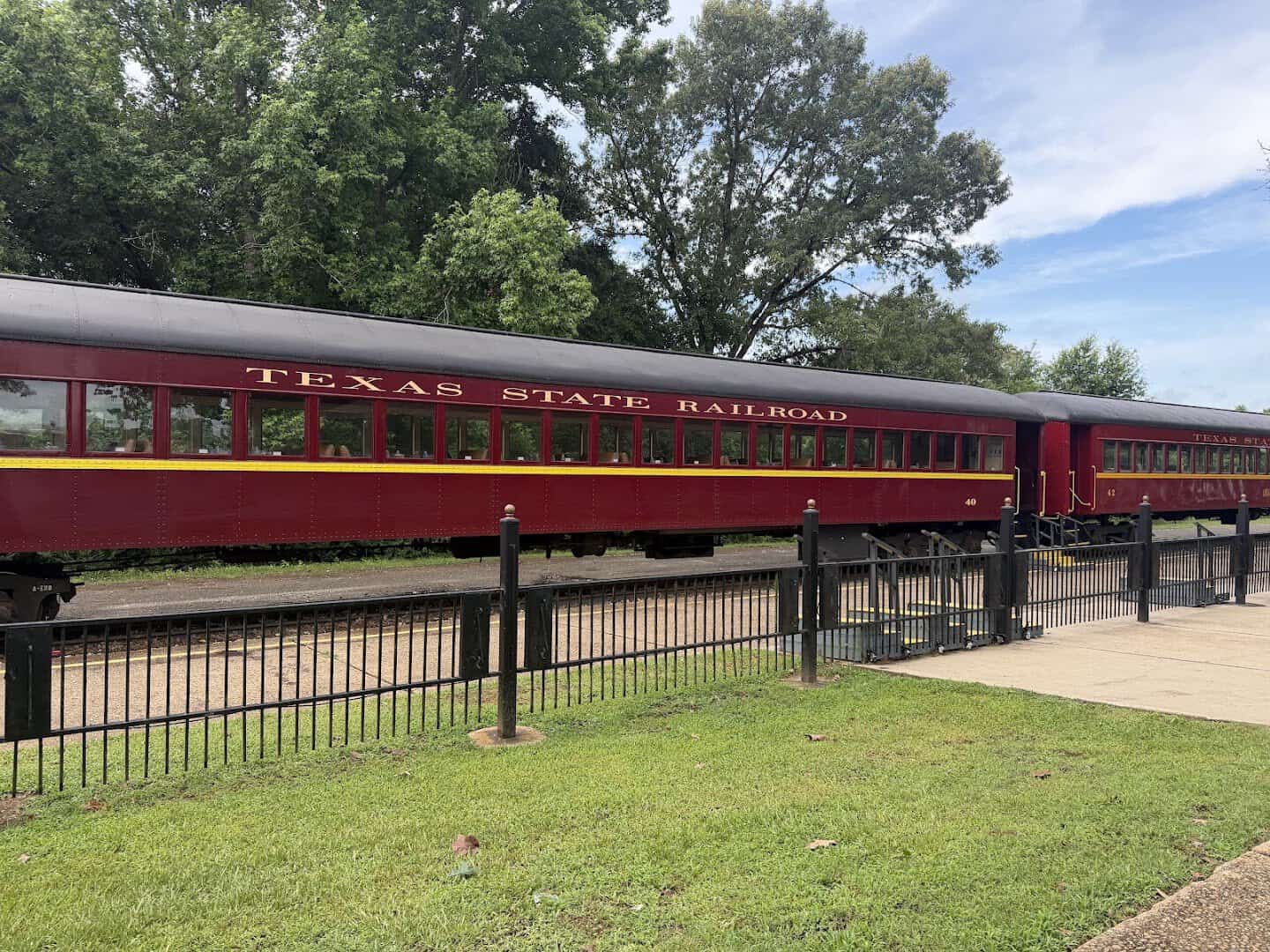
Below, I’ll walk you through the ride, the century-old engines, the history, and everything you need to plan your own day on the rails.
All Aboard for the Slow Life
There is no rushing a steam train, and that is the entire point. The Texas State Railroad rolls at a gentle, rocking pace, the kind that lets you actually look out the window instead of blurring past everything.
I chose an open-air car on my first trip, and I would choose it again. Wooden bench seats, no glass between you and the forest, and a breeze that smells like warm pine needles and coal smoke.
When the wind shifts, you get a face full of that old-railroad perfume, and somehow you don’t mind at all. It settles into your clothes and your hair, and you carry a little of the trip home with you.
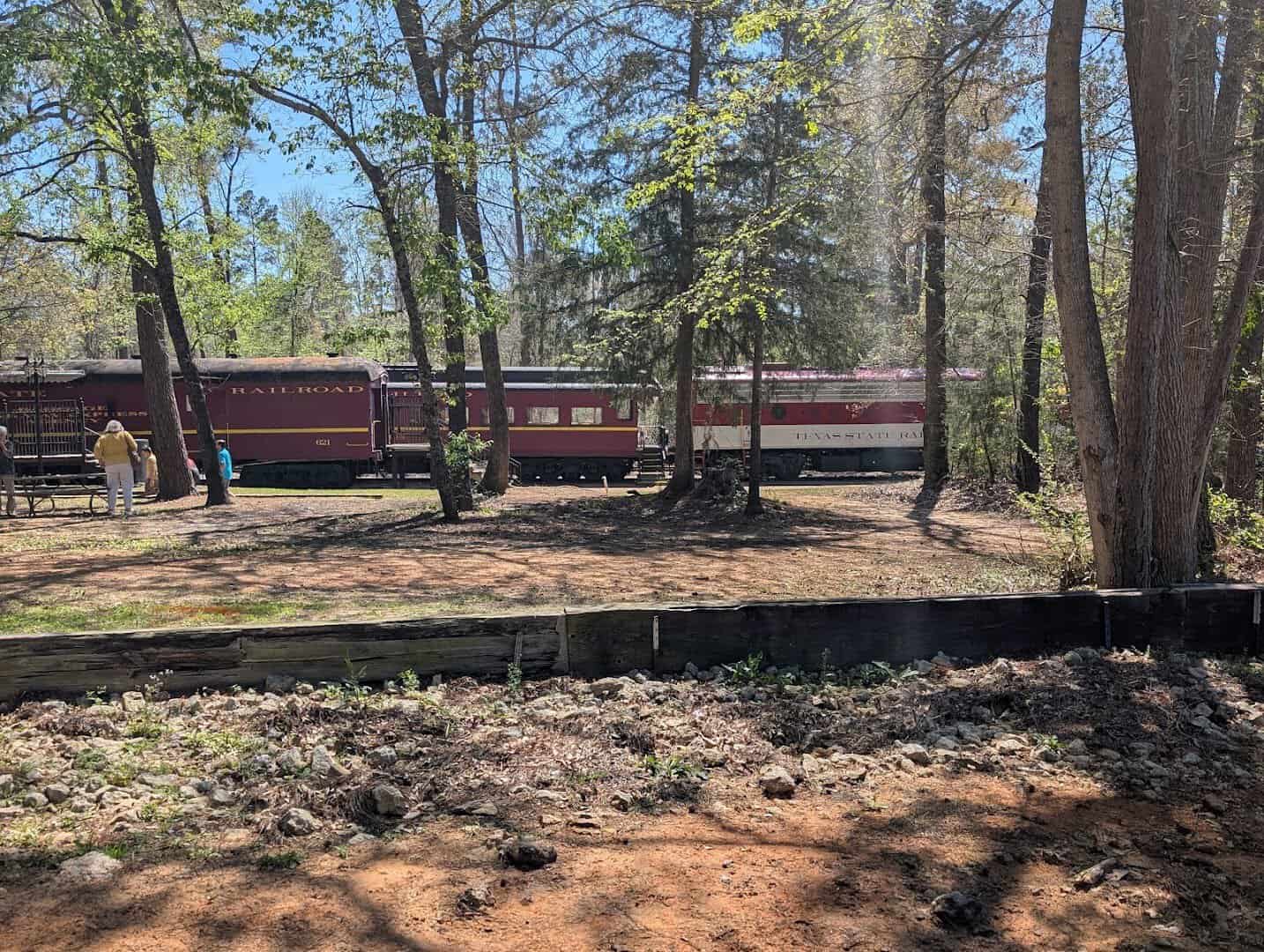
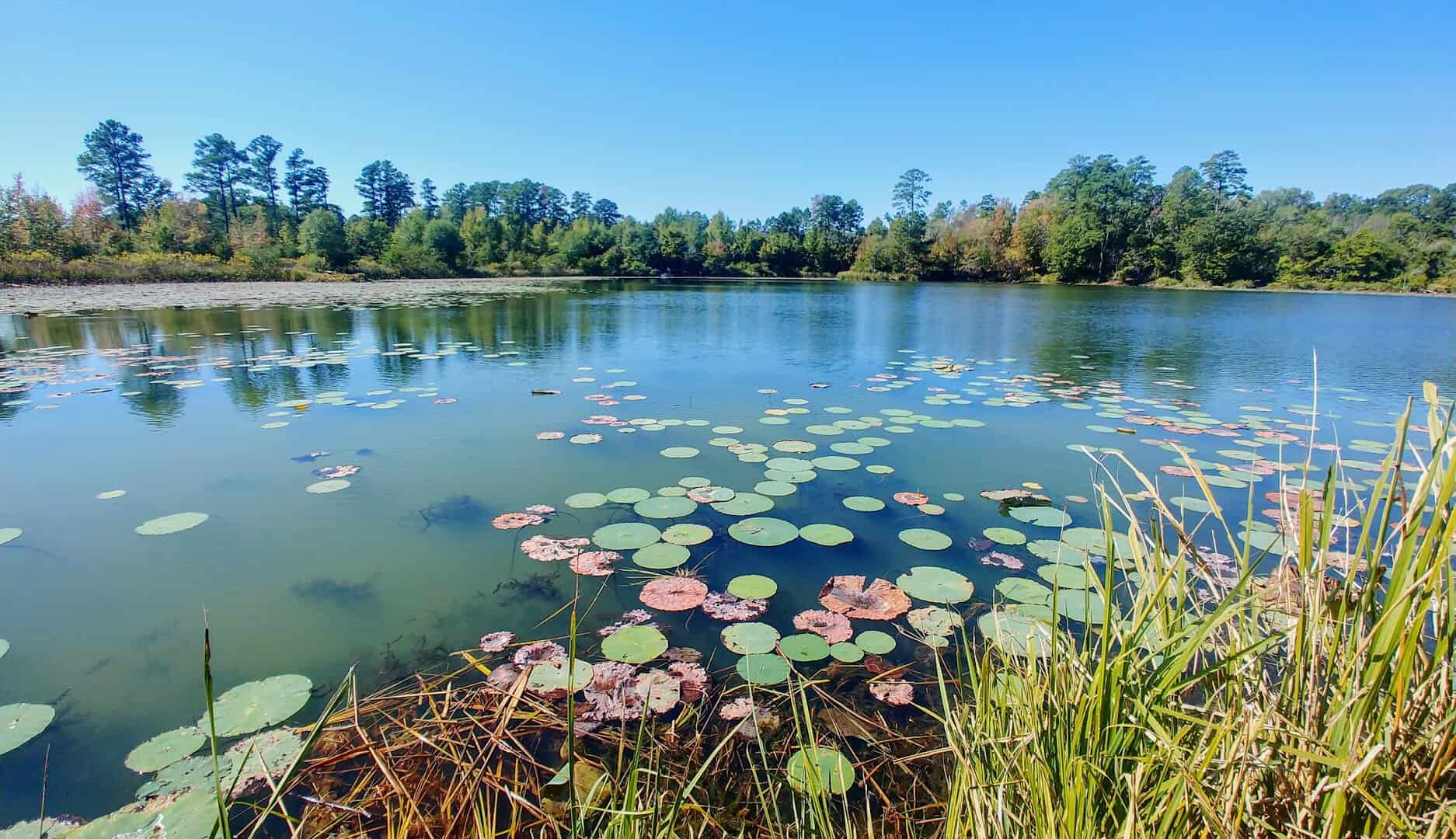
The scenery does the work. Tall loblolly pines close in on both sides, dogwoods flower white in early spring, and the light comes down in long green shafts.
Keep your eyes on the tree line and you’ll spot white-tailed deer, squirrels darting along branches, and hawks riding the thermals overhead. The forest is thickest and greenest in April and May, which is why spring is the season locals guard for themselves.
“This is the most relaxed I’ve been all year,” my sister said somewhere around the halfway mark, and I couldn’t argue with her. The rhythm of the wheels does something to you. Shoulders drop. Phones go in pockets.
There is a soundtrack to it too. The clack of the rails, the low chuff of the engine up front, and every so often that whistle again, echoing off the pines and rolling away behind you.
Behind an Engine Older Than Your Great-Grandparents
The heart of this railroad is its locomotives, and they are the real thing, not replicas. The steam star of the fleet is Engine 316, a Texas and Pacific locomotive built all the way back in 1901.
That makes it over 120 years old, and it is the only operating Texas and Pacific steam engine left anywhere in the world. It has called this railroad home since 1974, and watching it work up a head of steam is worth the ticket on its own.
There is a whole choreography to it. The crew oils the rods, checks the water, and coaxes the boiler up to pressure, and by the time the engine eases into place it is huffing and hissing like a living thing.
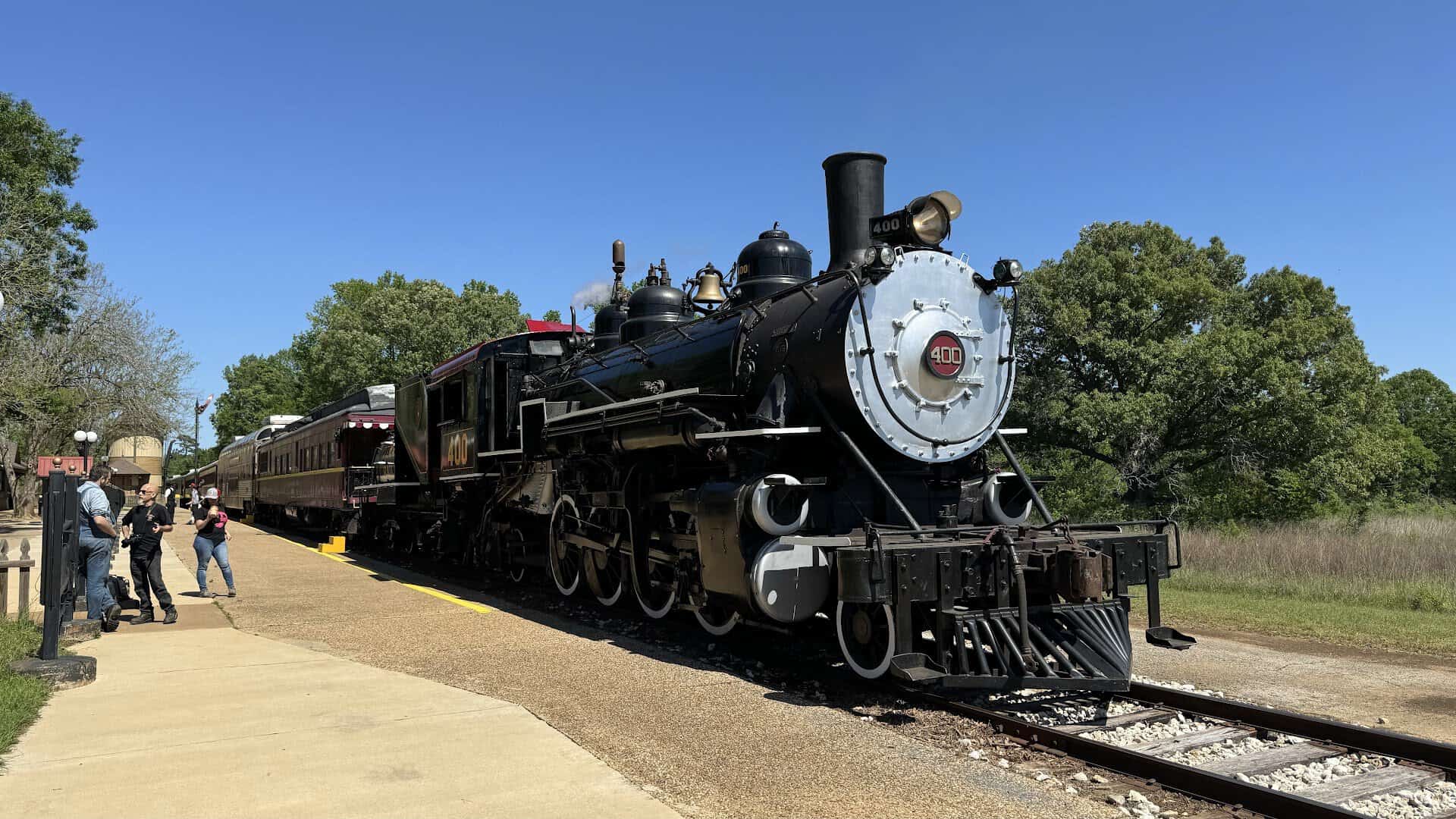
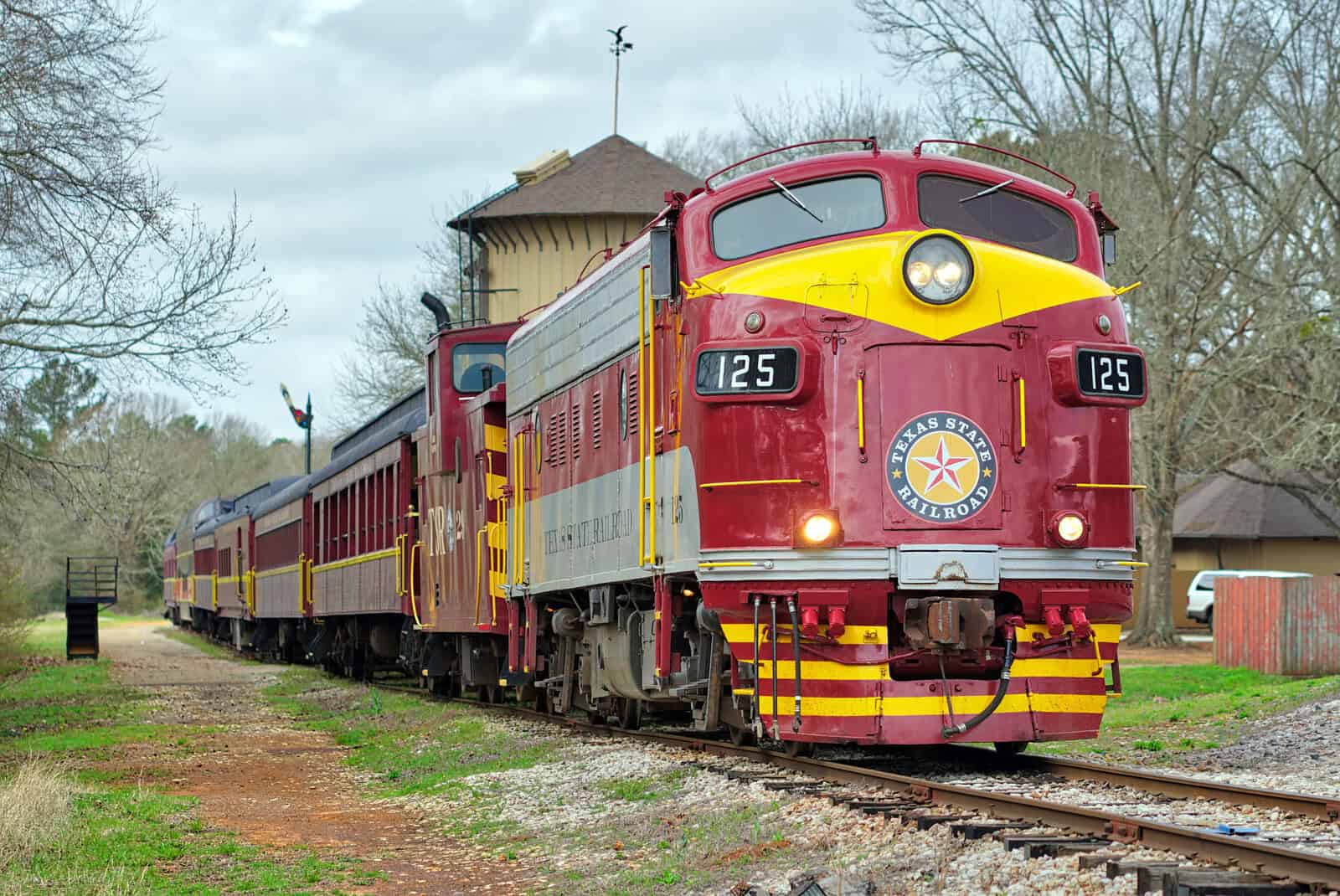
Not every run is steam. On many days a pair of restored diesel engines from the 1940s and 1950s pull the Piney Woods Express instead, the streamlined FP9 units numbered 125 and 126.
They wear a handsome vintage paint scheme and haul the same route at the same easy pace, so there is no wrong day to go. Check the schedule when you book if your heart is set on seeing the steamer.
Did you know? The crews still turn and service these machines largely by hand, the way railroaders have for a century. There is real skill in it, passed down from one generation of engineers to the next.
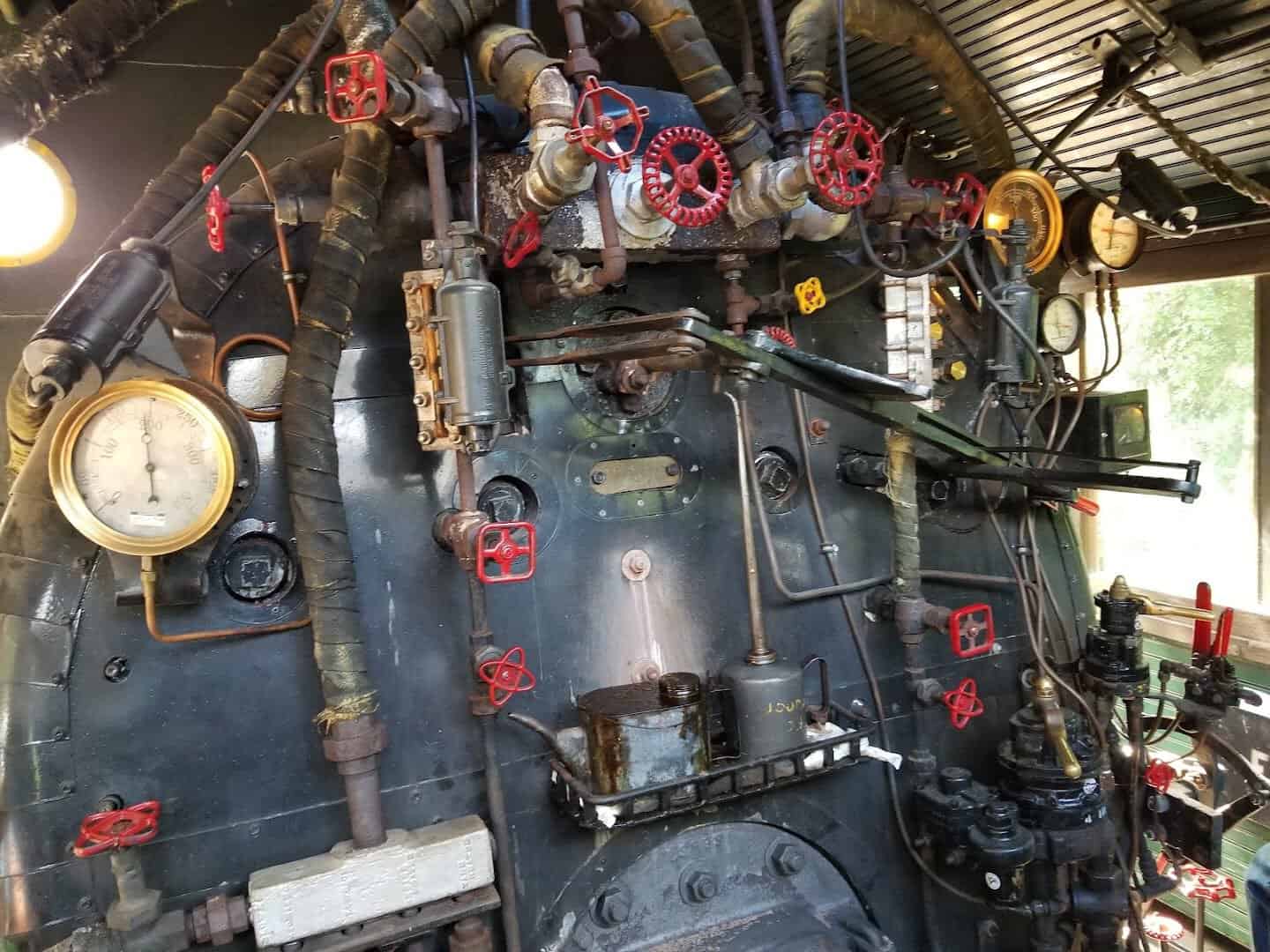
If you get to the depot early, you can watch them prep the engine. The smell of hot oil and steam is half the fun before you ever leave the platform, and the crew will happily answer a question if you ask nicely.
Crossing the Neches and Two Dozen Bridges
The route is not just trees. Between Palestine and Rusk the train crosses 24 bridges, most of them small timber trestles that hop over the creeks threading through the forest.
The showpiece is the crossing of the Neches River. That bridge runs 1,042 feet long and stands about 35 feet above the water, a steel and timber trestle that has been carrying trains across the river for generations.
When the car rolls out onto it, the trees fall away, the sky opens up, and for a few seconds you are gliding above the slow brown water with nothing but air on either side.
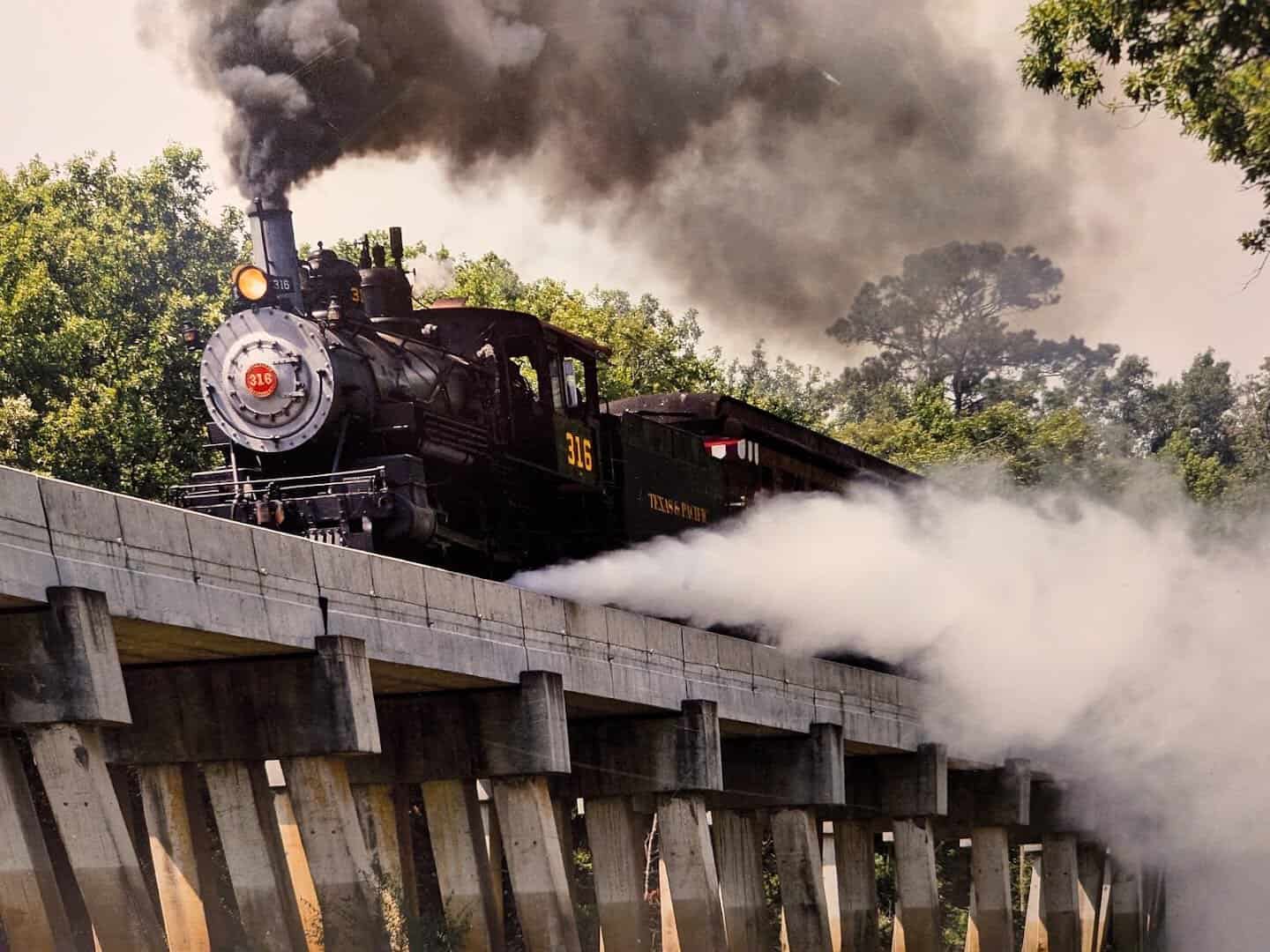
Cameras come out. Kids press against the railings. It is the moment everyone talks about on the drive home, and if you only take one photo all day, take it here.
Pick Your Car, Pick Your Pace
Part of the charm is that you get to choose how you ride. The open-air car is the cheapest and, for my money, the most fun, with wooden benches and unobstructed views for around $30 for adults and $15 for kids.
Want more comfort? First class runs about $60 and puts you in climate-controlled booth seating with appetizers and water included. There is a glass-topped Dome car near $80 for elevated views over the treetops.
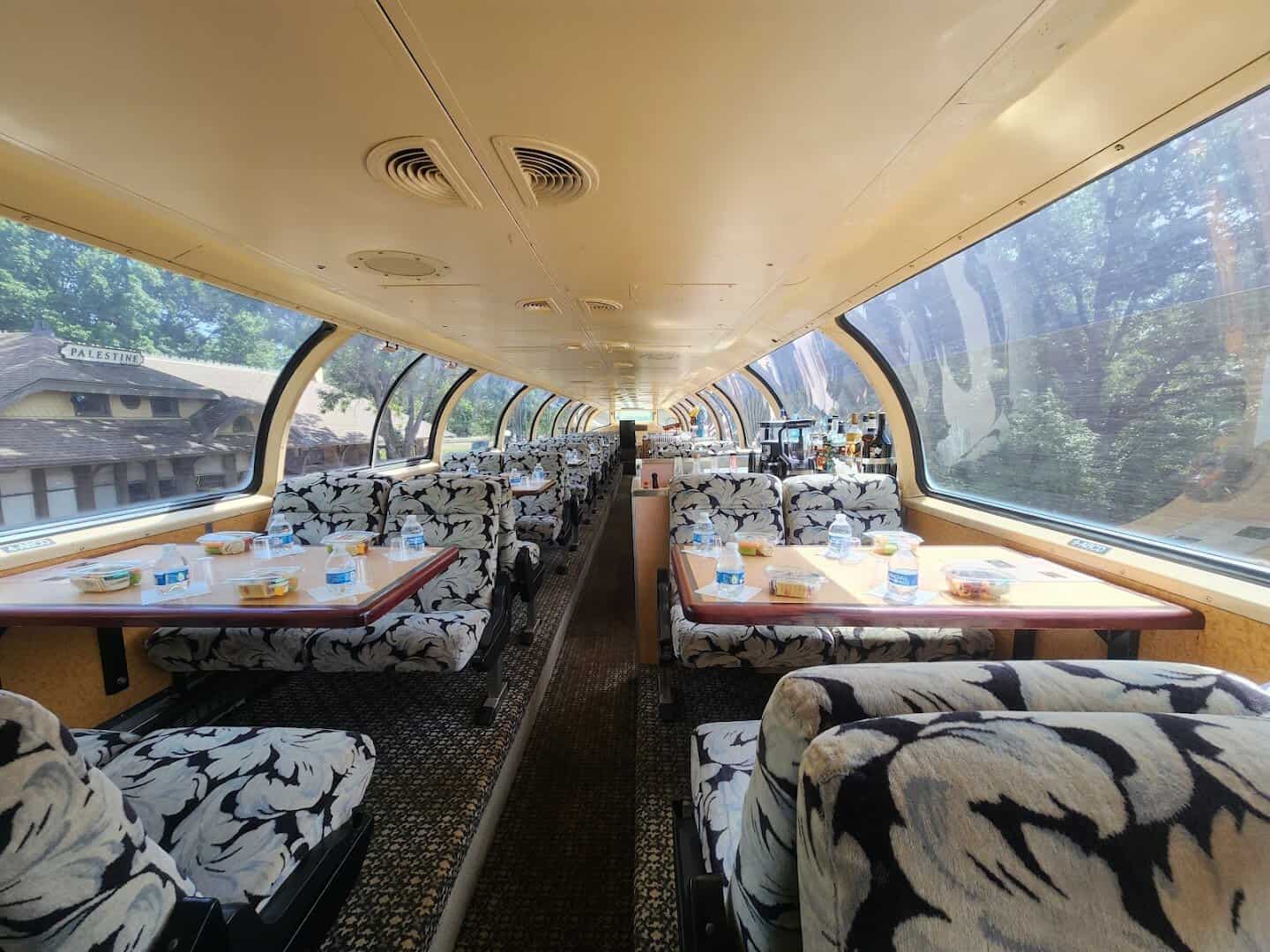
For a bit of glamour, the Art Deco Presidential cars offer couches and tables and a touch of old railroad luxury. Small groups can even book a private caboose with a champagne toast, or ride up front in the locomotive cab with the crew.
Every ticket also carries a small historical preservation fee, which goes straight into keeping these antique machines running. It is a couple of dollars, and it buys another year of that steam whistle for the next family down the line.
Pro tip: the round trip runs about four hours, with roughly an hour and 20 minute layover at the far depot. That break is built for lunch, so plan to eat, stretch your legs, and poke around the gift shop before the whistle calls you back.
At the Rusk end, the layover drops you on shady state park grounds with picnic tables and space to walk off the ride. It is enough time to eat without feeling rushed and short enough that the day never drags.
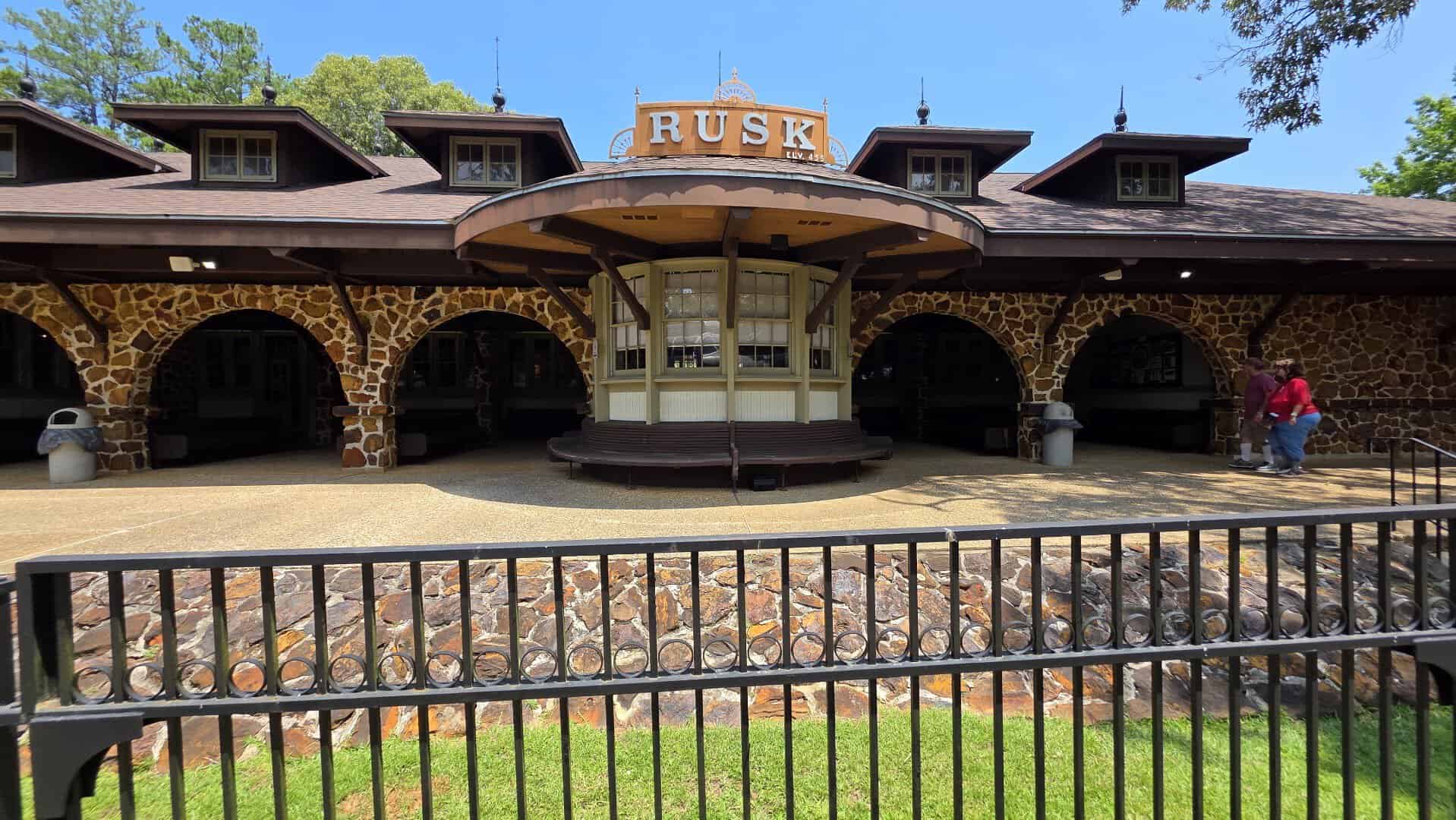
The kids will want to watch the crew run the engine around to the other end of the train for the trip back. It is a slow, satisfying bit of railroad theater, and it means you get a fresh view out the same window on the way home.
A Railroad Built by Hand for an Iron Furnace
The story of how this railroad got here is stranger and better than the ride lets on. It was founded in 1883, and it was built by the inmates of the nearby Rusk Penitentiary.
The prison ran an iron smelter, and the line’s original job was hauling raw materials in and finished iron out. Iron from that Rusk operation even helped supply the construction of the Texas State Capitol in Austin.
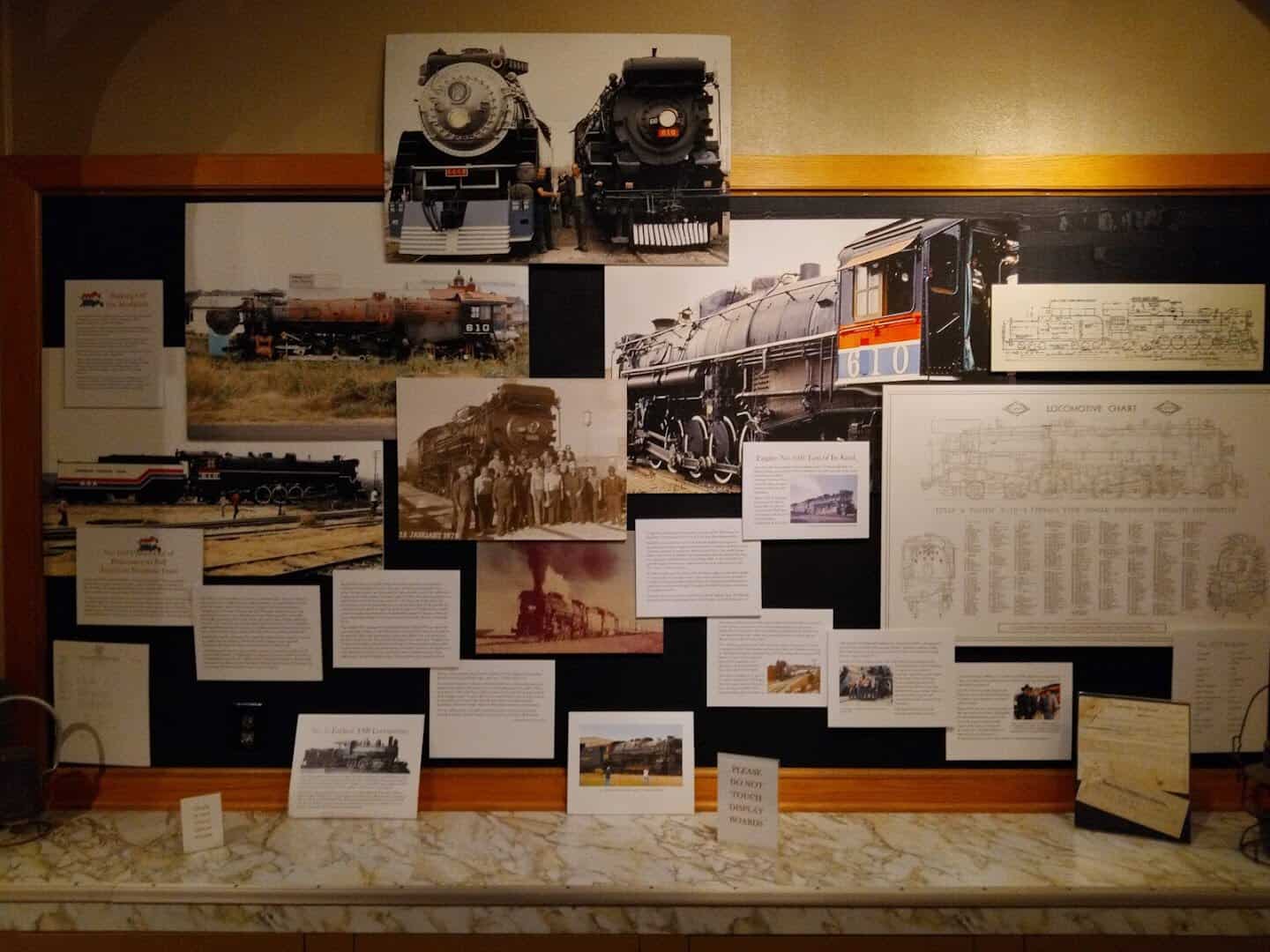
So a little of this quiet forest is baked into the state’s grandest building, which is the kind of fact that makes the whole ride feel bigger than it looks.
The tracks grew slowly, reaching the community of Maydelle by 1906 and finally Palestine by 1909, stretching to the full 25 miles you ride today. Regular working service wound down by 1921, and for decades the line was leased out and nearly forgotten.
Then Texas Parks and Wildlife took it over in 1972 and reopened it for sightseeing, giving the old freight hauler a brand new life carrying passengers. In 2003 the Legislature named it the official Railroad of Texas.
In 2007 the experienced operators at American Heritage Railways stepped in to run the excursions, and they are the folks who keep the schedule full and the engines polished today.
The Depots Are Half the Fun
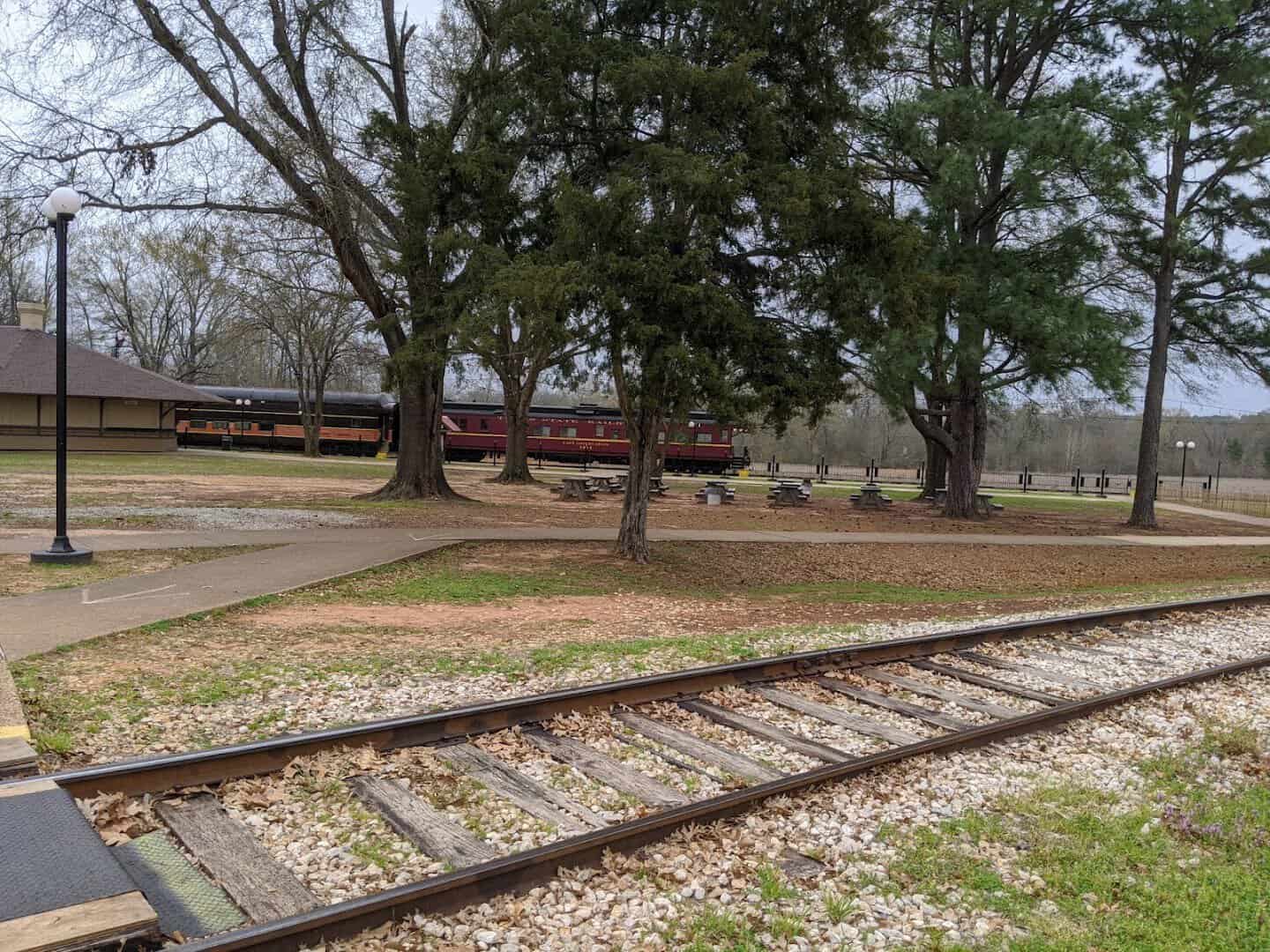
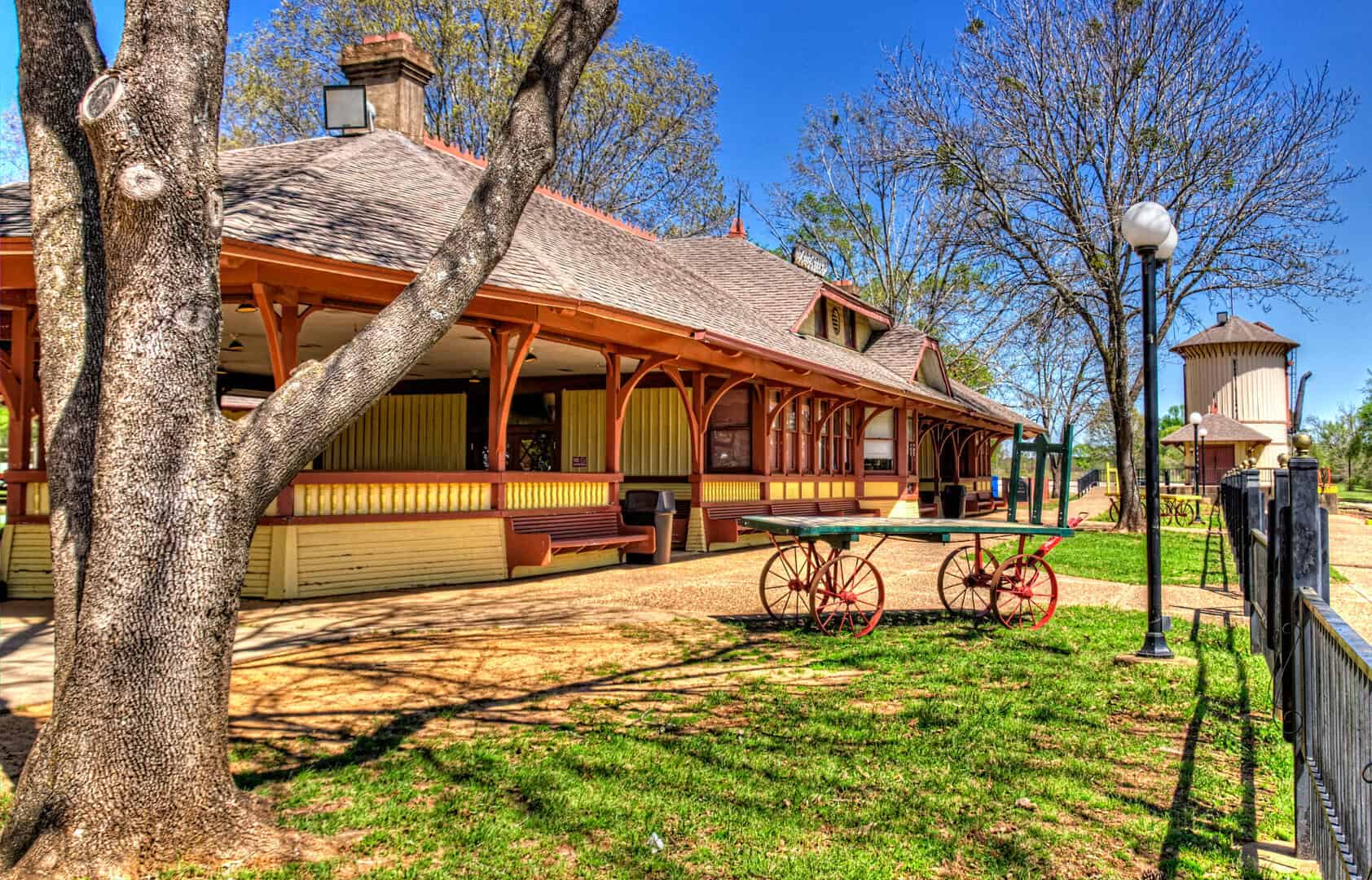
Do not treat the stations as mere parking lots. Both the Palestine and Rusk depots are handsome Victorian-style buildings set on wooded state park grounds, with picnic tables, tall trees, and room for the kids to run.
Arrive early and you can wander the platform, browse the gift shop, and soak up that unmistakable old-depot atmosphere before your train even backs into place. The grounds feel like a park because they are one, quiet and green and made for lingering.
The railroad also dresses up for nearly every season. There are Wine in the Pines evening rides, a Fall Harvest run, and a brand new Oktoberfest beer train on the calendar.
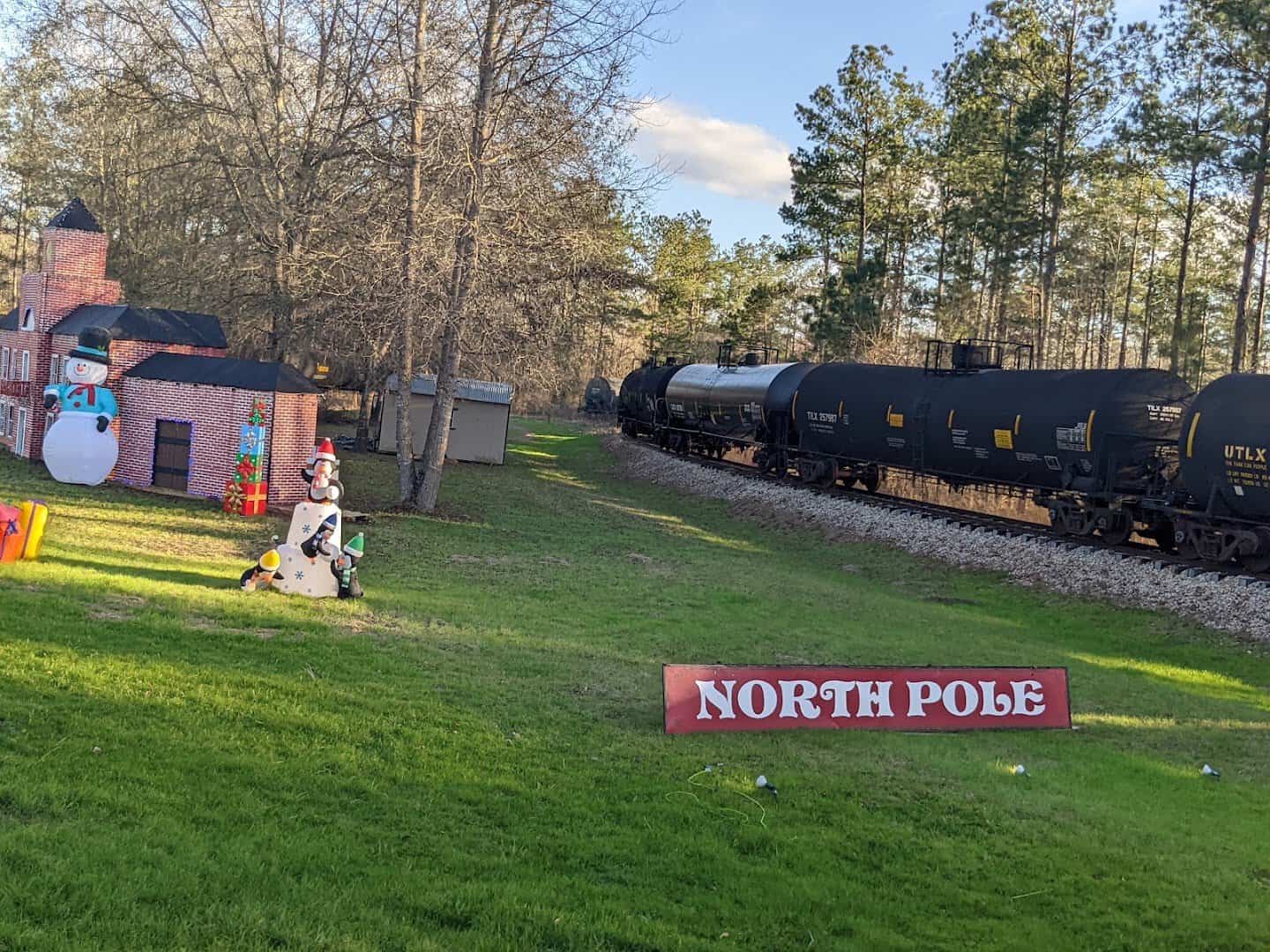
Come December, the beloved Polar Express turns the whole line into a glowing holiday wonderland, complete with pajamas and hot chocolate. Whatever weekend you pick, odds are good something festive is on the schedule.
Tips for a Smooth Day on the Rails
A few small things make this trip even better. Book ahead, because the prettiest weekends fill up fast, especially in spring when the wildflowers are out and the weather is perfect.
Arrive at least 30 minutes before departure so you are not sprinting for the platform. Parking at both depots is free, which is a rare and lovely thing these days.
Pack layers even on a warm day, since an open-air car gets breezy once you are moving. Bring sunscreen, a hat, and your own snacks and water, because there is no full dining car on the standard runs, just concessions.
Then settle in and let the forest roll by. Half the fun is deciding, halfway to Rusk, that you have nowhere else you need to be.
How to Get There
The railroad sits in the heart of East Texas, an easy drive from Tyler, Dallas, or Houston for a day trip. You can board at either end, so pick whichever depot is closer to home.
Where: Palestine Depot, 789 Park Road 70, Palestine, TX 75801, and Rusk Depot, 535 Park Road 76, Rusk, TX 75785.
Plan Your Piney Woods Escape
Some trips are about ticking off sights. This one is about doing almost nothing, beautifully, for an afternoon among the pines. You climb aboard, the whistle blows, and the rest of the world simply waits for you.
So grab a ticket, claim a seat by an open window, and let a century-old engine carry you slow and easy through the East Texas woods. Bring someone you love and watch for deer along the tree line.
And don’t be surprised if the sound of that steam whistle stays with you long after you get home. Some sounds just do.
Featured image: Mayukh Banerjee via Texas State Railroad

Stella Raines
Editor-in-Chief
Stella brings over a decade of storytelling experience to TX Headlines. With roots in West Texas and a love for road trips, she leads the editorial team with an eye for the hidden stories that make Texas unforgettable.
More Stories
This Storied Texas Rodeo Is the Longest-Running Weekly Show in the Nation
This Sprawling Texas Vintage Emporium Is a Shopper’s Paradise Packed With 150 Booths
This Giant West Texas Vintage Store Hides a Navy Plane Out Front and Two Floors of Affordable Treasure
These Storied Texas Landmarks Make an Unforgettable Haunted Road Trip
Tags