10 German Texas Towns That Feel Like You’re In Europe
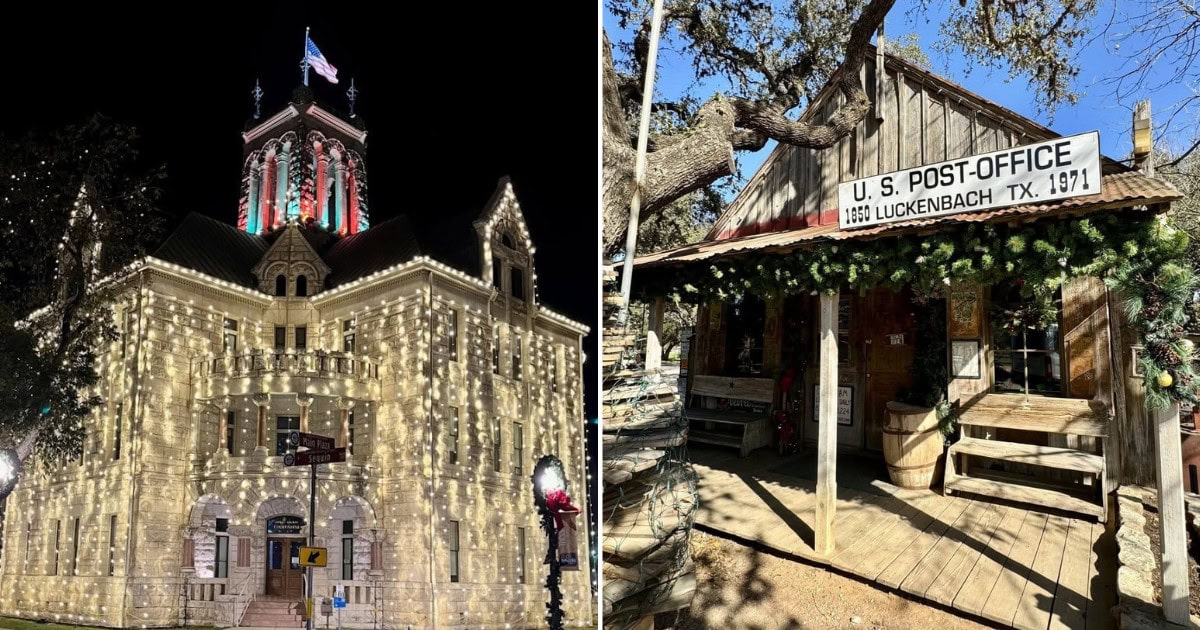
Skip the overseas flight — these Hill Country towns bring Bavaria to Texas with authentic culture, architecture, and schnitzel.
In the mid-1800s, thousands of German immigrants settled in the Texas Hill Country, and their descendants haven’t forgotten where they came from.
These towns still celebrate their German heritage with a passion that rivals anything you’ll find in Munich.
Here are 10 German-influenced towns where you can drink beer, eat sausage, and pretend you’re in Europe without enduring the trans-Atlantic flight.
1. Fredericksburg
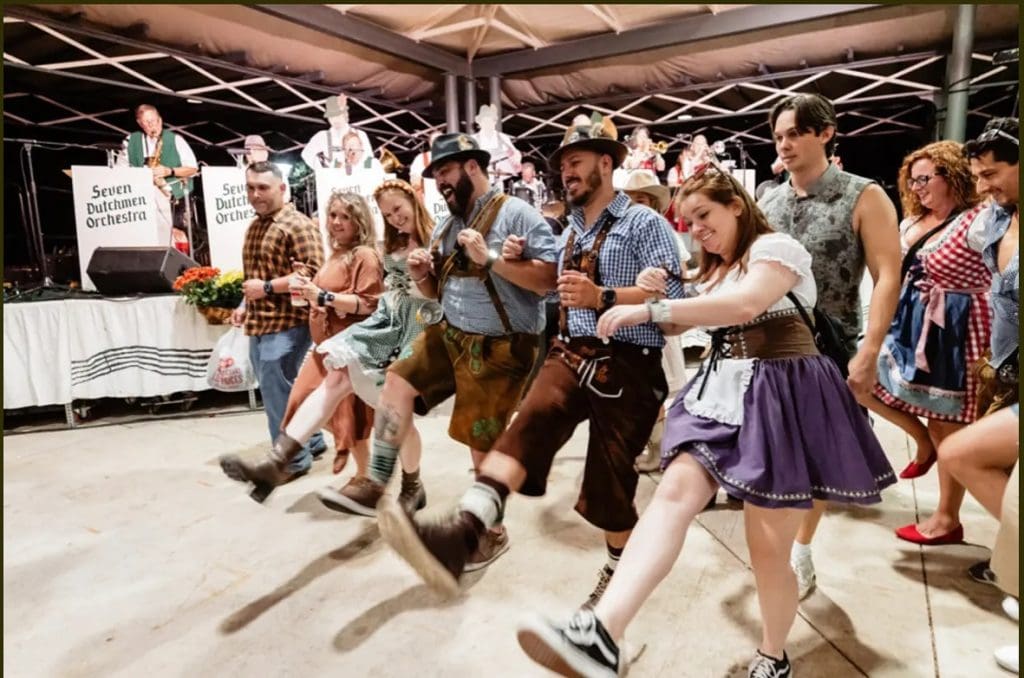
The crown jewel of German Texas, Fredericksburg’s Main Street stretches for blocks with German bakeries, biergartens, and shops selling everything from cuckoo clocks to German wines.
Founded in 1846 by German immigrants, the town has preserved its heritage through architecture, festivals, and the excellent Pioneer Museum.
Oktoberfest here rivals anything in Germany, and you can tour the nearby Lyndon B. Johnson Ranch for a uniquely Texan-German experience.
2. New Braunfels
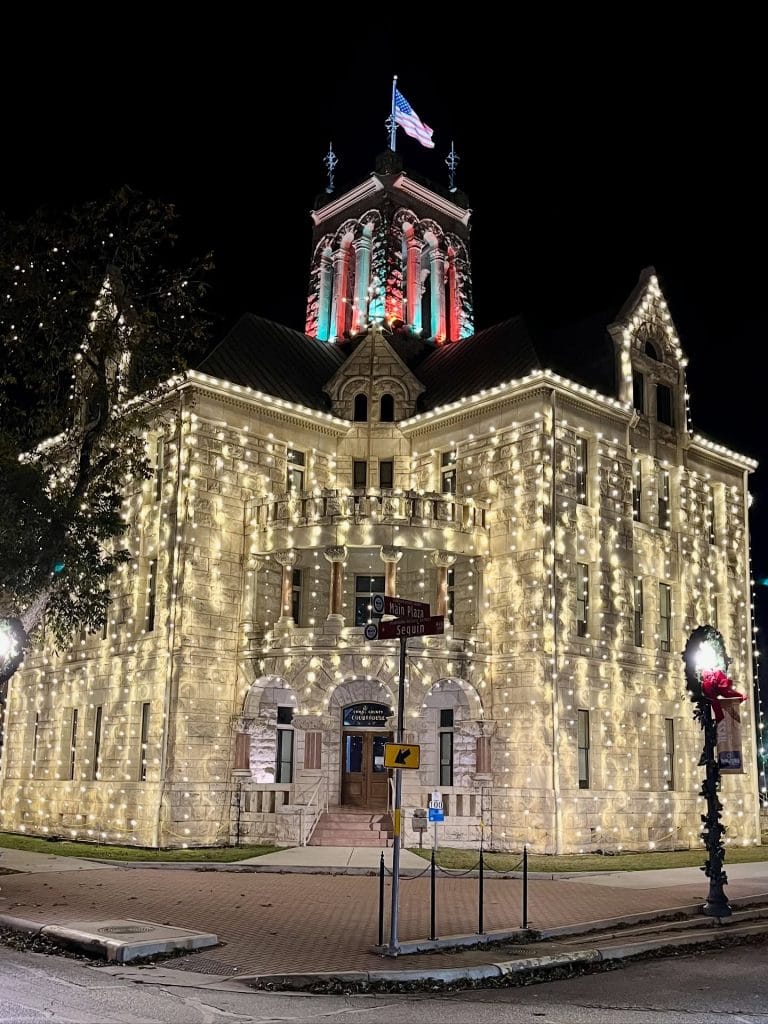
Established in 1845 by Prince Carl of Solms-Braunfels, this Hill Country city maintains strong German traditions while embracing its river town identity.
Wurstfest, each November, draws 100,000+ visitors for 10 days of German food, beer, and oompah music.
The Sophienburg Museum preserves the town’s German history, and downtown features beautiful German-style architecture alongside the spring-fed Comal River.
3. Boerne
Pronounced “Bernie,” this charming town was settled by German freethinkers and poets in 1849, giving it a slightly more intellectual German vibe.
The historic downtown features limestone buildings with German architectural influences, and the town celebrates Berges Fest each June with German music and traditions.
Boerne’s location in the scenic Hill Country makes it feel like a Bavarian village transplanted to Texas.
4. Comfort
Founded by German freethinkers who opposed slavery and sided with the Union during the Civil War, Comfort remains fiercely proud of its progressive German heritage.
The town’s historic district features over 100 buildings from the 1800s, many showcasing German construction techniques using local limestone and cypress.
The Treue der Union Monument honors Germans who lost their lives for their Union sympathies — the only Civil War monument to the Union in the former Confederacy.
5. Luckenbach
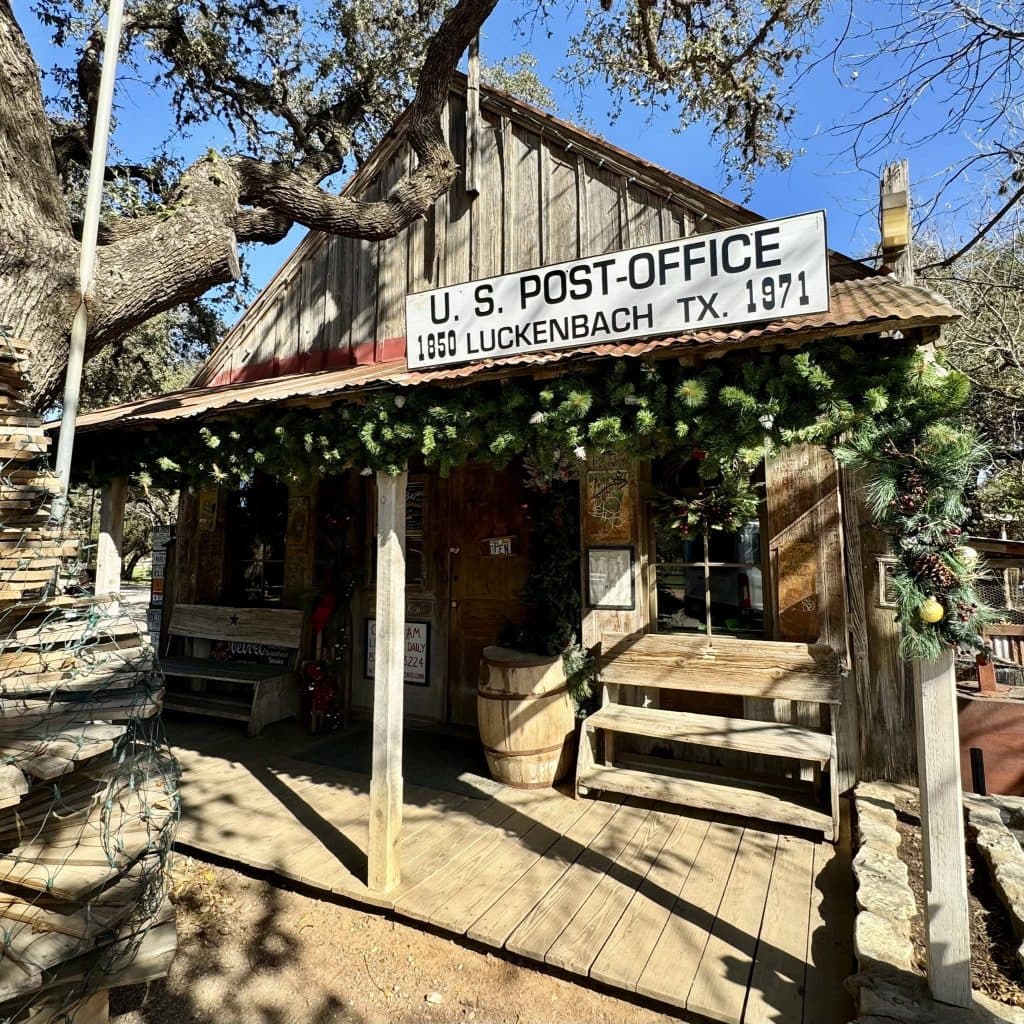
Population: 3 (officially), but this tiny settlement embodies the German-Texan spirit perfectly.
Founded by German immigrant Jacob Luckenbach in 1849, it’s now famous for its dance hall, where Willie Nelson and Waylon Jennings immortalized it in song.
The general store, post office, and dance hall preserve the town’s German roots while hosting live music that’s pure Texas.
6. Muenster
Named after Münster, Germany, this North Texas town maintains strong German Catholic traditions that shaped its culture since 1889.
The Sacred Heart Church features stunning German Gothic architecture, and the annual Germanfest celebrates the town’s heritage with traditional food, music, and dancing.
Muenster’s German Fest rivals any in the state despite being outside the traditional Hill Country German belt.
7. Schulenburg
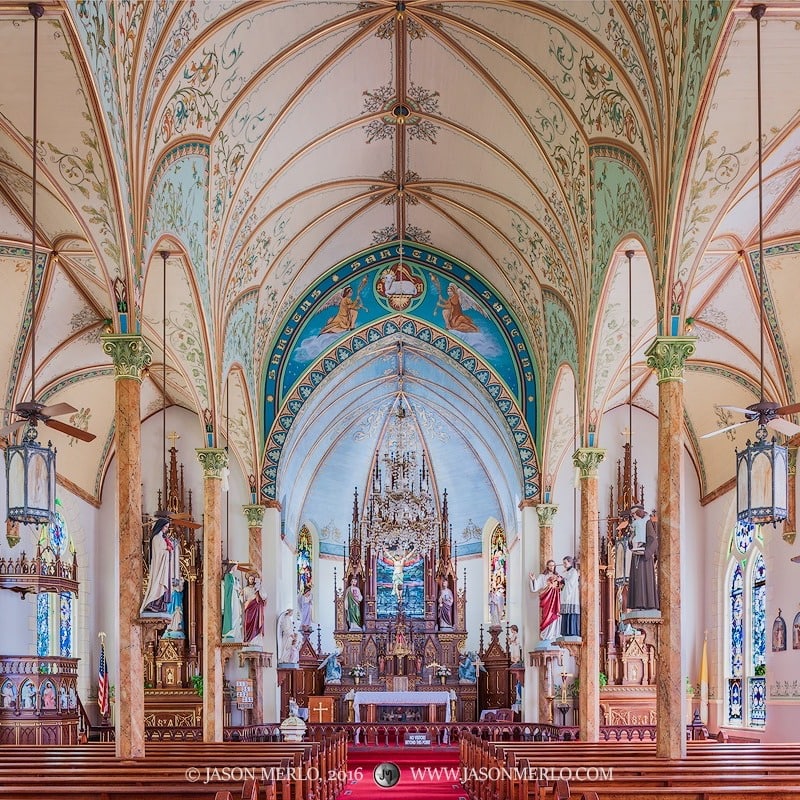
This small town proclaims itself the “Home of the Painted Churches,” referring to stunning Catholic churches built and decorated by German and Czech immigrants.
The elaborate interiors feature hand-painted frescoes and German craftsmanship that transport visitors to European cathedrals.
The town hosts an annual Festival each August, celebrating its German-Czech heritage with kolaches, sausage, and polka music.
8. Castroville
While technically Alsatian (German-French border region) rather than purely German, Castroville’s European character is unmistakable.
Founded in 1844 by Henri Castro, the town features distinctive Alsatian-style homes with stone walls and steep roofs.
The Landmark Inn State Historic Site preserves buildings from the 1840s, and St. Louis Catholic Church showcases European architectural influence.
9. Walburg
This tiny community between Austin and Temple maintains its German restaurant tradition at the legendary Walburg Restaurant, serving authentic German food since 1882.
The surrounding countryside features old German homesteads and cemeteries with headstones bearing German inscriptions.
It’s a living reminder of how German farmers shaped Central Texas agriculture and culture.
10. Weimar
Named after the German city, this small Colorado County town celebrates its heritage with a beautiful German-style city park and annual Gedenke celebration.
The town was a major center for German immigration in the 1870s-80s, and many buildings downtown reflect that European influence.
Weimar’s quiet streets and historic architecture make it feel like a small German village transported to Texas.
Prost to German Texas
These Hill Country towns prove that German culture didn’t just survive in Texas — it thrived, creating a unique blend that’s both European and Texan to the core.
After learning about these towns, I say it’s high time for you to grab a beer, order some schnitzel, and raise a toast to the immigrants who brought a piece of Bavaria to the Lone Star State.
Which German Texas town is your favorite, or have we missed one that deserves recognition? We’d love to hear about your German-Texas discoveries.

Stella Raines
Editor-in-Chief
Stella brings over a decade of storytelling experience to TX Headlines. With roots in West Texas and a love for road trips, she leads the editorial team with an eye for the hidden stories that make Texas unforgettable.
More Stories
This Tiny Central Texas Town Is the Perfect Mini-Vacation, and the Pecan Capital of Texas
This Historic Texas Town Is Quietly Becoming the State’s Next Big Thing
This Small East Texas Town Has Century-Old Brick Streets and Surprisingly Great Shops