This Spirited Texas Border Town Is Where Three Cultures Blend Into One
The first thing I noticed in Del Rio was the water. I had driven for hours through dry, sun-bleached country, mile after mile of mesquite and open sky, when the road dipped and suddenly there was San Felipe Creek, running clear and impossibly green.
I pulled over, walked to the bank, and dipped my hand in. Cold. Startlingly so, on a day that had baked the highway to a shimmer. A grandfather nearby was teaching two kids to float on their backs, calling to them in a warm mix of Spanish and English.
That single scene told me almost everything about this borderland town. Del Rio is a genuine spring-fed oasis, a place where Mexican, Native American, and Anglo-Texan cultures have braided together for centuries around the water that made life here possible.
Below, I want to walk you through it all: the springs, the oldest winery in Texas, a frontier village full of legends, canyon walls painted 4,000 years ago, a lake shared by two countries, and food that tastes like three heritages at one table.
Where Three Cultures Share One Table
Del Rio sits on the Rio Grande in Val Verde County, about 34,000 people strong, with its sister city Ciudad Acuña, Mexico just across the international bridge. The two towns feel less like neighbors and more like family.
You hear it the moment you arrive. Conversations slide effortlessly between English and Spanish, sometimes inside a single sentence. Menus read the same way. So do the festivals, the music drifting from a plaza, the names on the storefronts downtown.
The Native American story runs deepest of all. People have lived along these springs for thousands of years, drawn by the same cool water that stopped me in my tracks. Spanish colonists, Mexican families, German and Italian immigrants, and Anglo ranchers all arrived later.
What I love is that none of it feels staged for visitors. This blend is simply how Del Rio has always lived. You can taste it, hear it, and see it painted on the faces at every celebration.
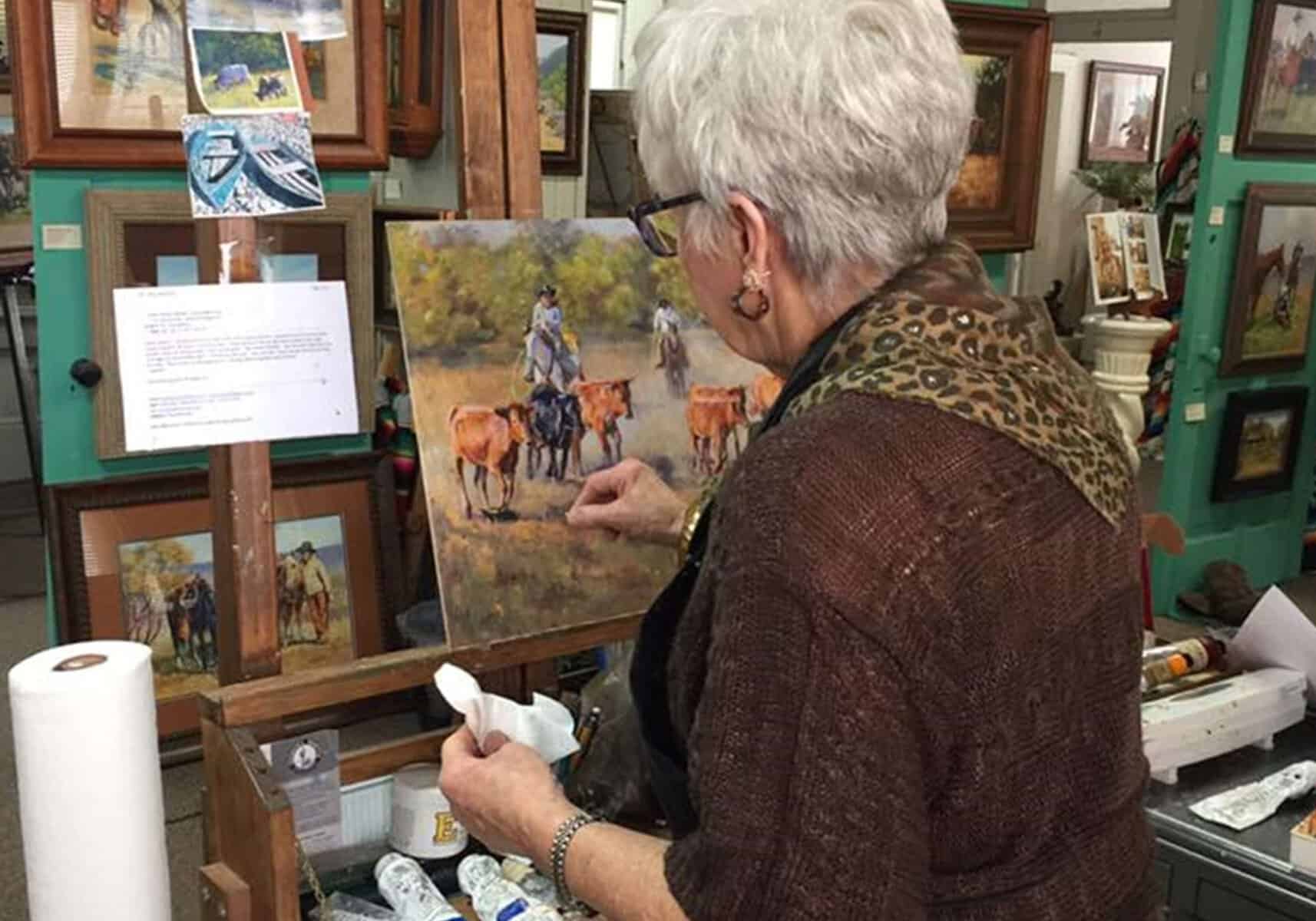
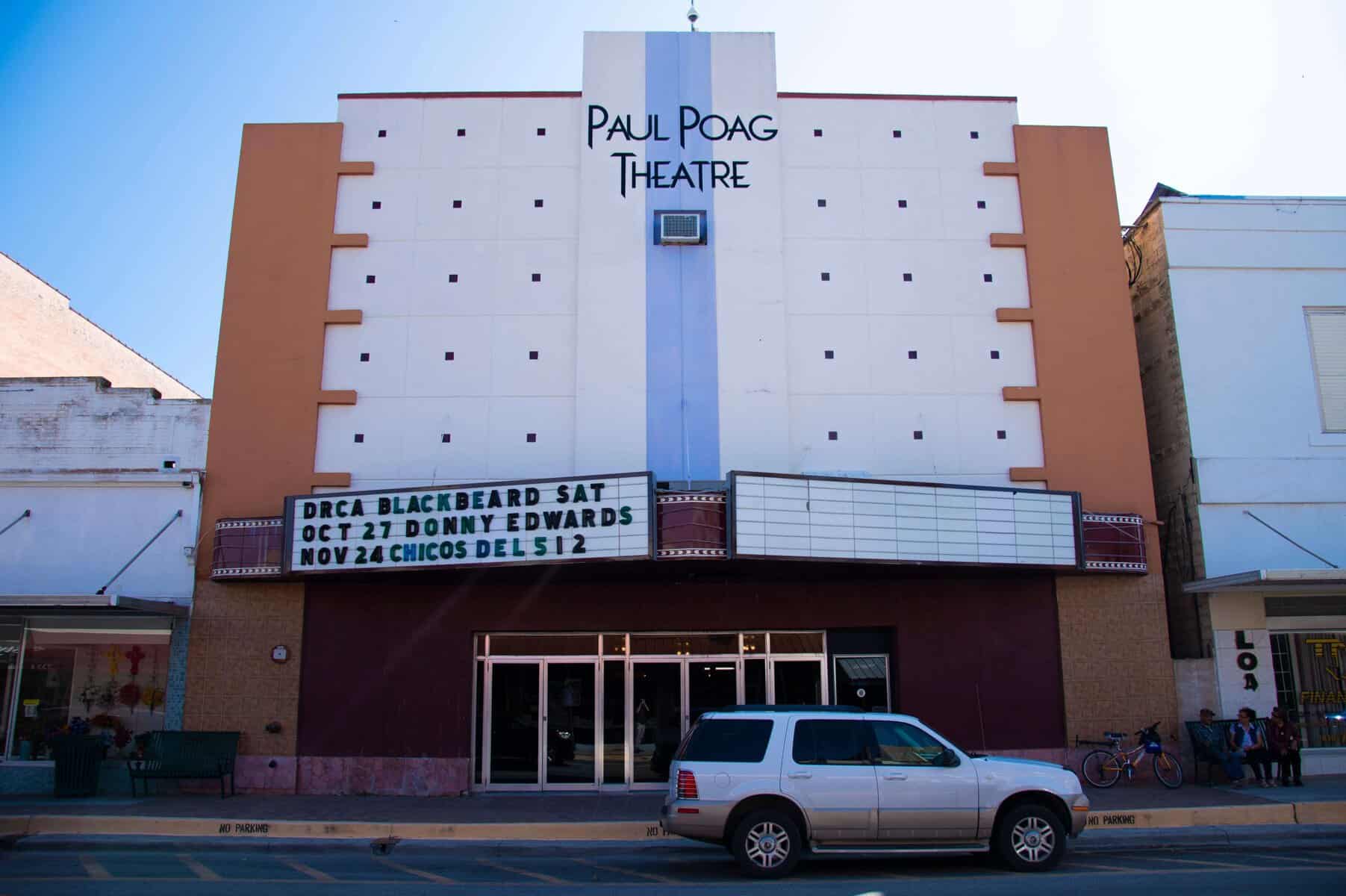
Downtown rewards a slow stroll. Historic storefronts, the grand old Paul Poag Theatre, and little galleries and shops line the streets, many of them family-run for generations. I ducked into a couple just to chat with the owners.
Everyone I met had a story and time to tell it. That easy, unhurried warmth is the real Del Rio, and it is worth slowing down for. This is not a town you rush through on the way to somewhere else.
The Spring That Started Everything
Everything in Del Rio traces back to San Felipe Springs, one of the largest spring systems in Texas. It pushes millions of gallons of crystal-clear water to the surface every single day, feeding San Felipe Creek as it winds through the middle of town.
I spent a whole morning along the creek walk, and I could have stayed all day. There are shaded picnic spots, quiet swimming holes, and stretches of water so clear you can watch fish hang motionless in the current below you.
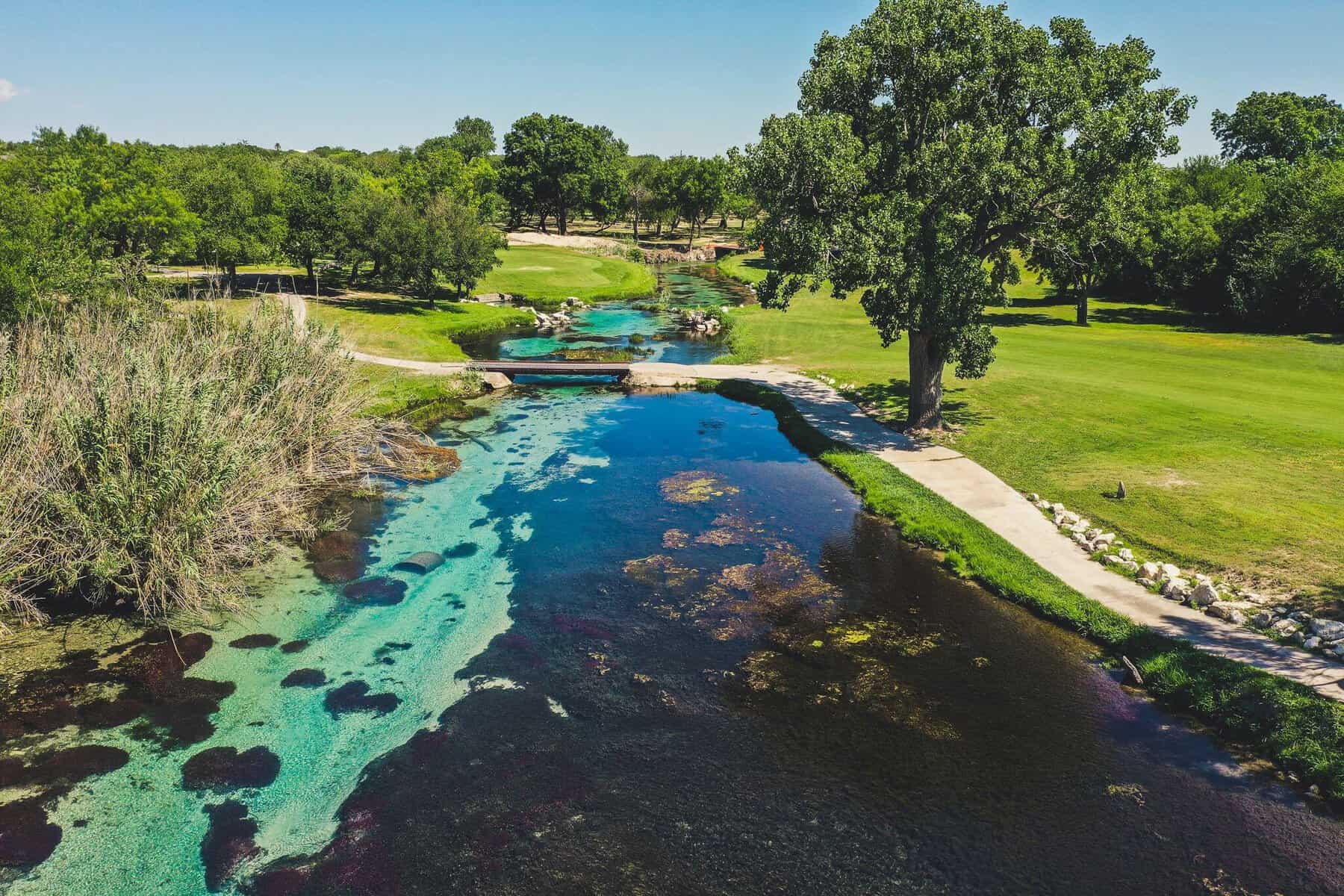
Locals have their favorite pools, and by afternoon families claim the grassy banks with coolers and folding chairs. Kids cannonball into the deeper spots while great blue herons stalk the shallows, unbothered by the splashing just a few feet away.
If you paddle, bring a kayak. Gliding down that cool, glassy ribbon with the desert pressing in on both sides is one of those simple Texas pleasures you remember for years. I kept stopping just to listen to the water.
The springs are more than scenery here. They are the reason a town exists in this dry corner of Texas at all, the source that turned bare ground into farmland and drew every culture that ever called this place home.
A Brief History of San Felipe del Rio
The name goes back nearly four centuries. As the story goes, Spanish explorers reached these springs and offered a Mass on St. Philip’s Day in 1635, christening the spot San Felipe. “Del Rio,” of the river, came later, and the two halves stuck together.
The first lasting settlement took root by San Felipe Creek in 1864. Newcomers saw what the water could do, and in 1868 investors formed the San Felipe Agricultural, Manufacturing, and Irrigation Company to put it to work.
By 1871 they had built canals carrying spring water to some 1,500 acres of dry land. The five-mile Madre Ditch and the shorter San Felipe Ditch turned desert into orchards, vineyards, and farms almost overnight. Those canals still trace through town today.
Del Rio became the seat of Val Verde County and grew into the trading heart of this stretch of the border. Did you know the canal system was so central that historical markers now honor the ditches themselves? Water was, and is, everything here.
Sheep and goat ranching flourished in the surrounding hills, and for a time the region was among the country’s great wool and mohair producers. Ranching families, railroad workers, and immigrant farmers all folded into the growing town, each adding a new layer.
The Oldest Winery in Texas
My favorite discovery in Del Rio pours a very good glass. Val Verde Winery, founded in 1883, is the oldest continuously operating winery in the entire state, and it is still run by the same family that started it.
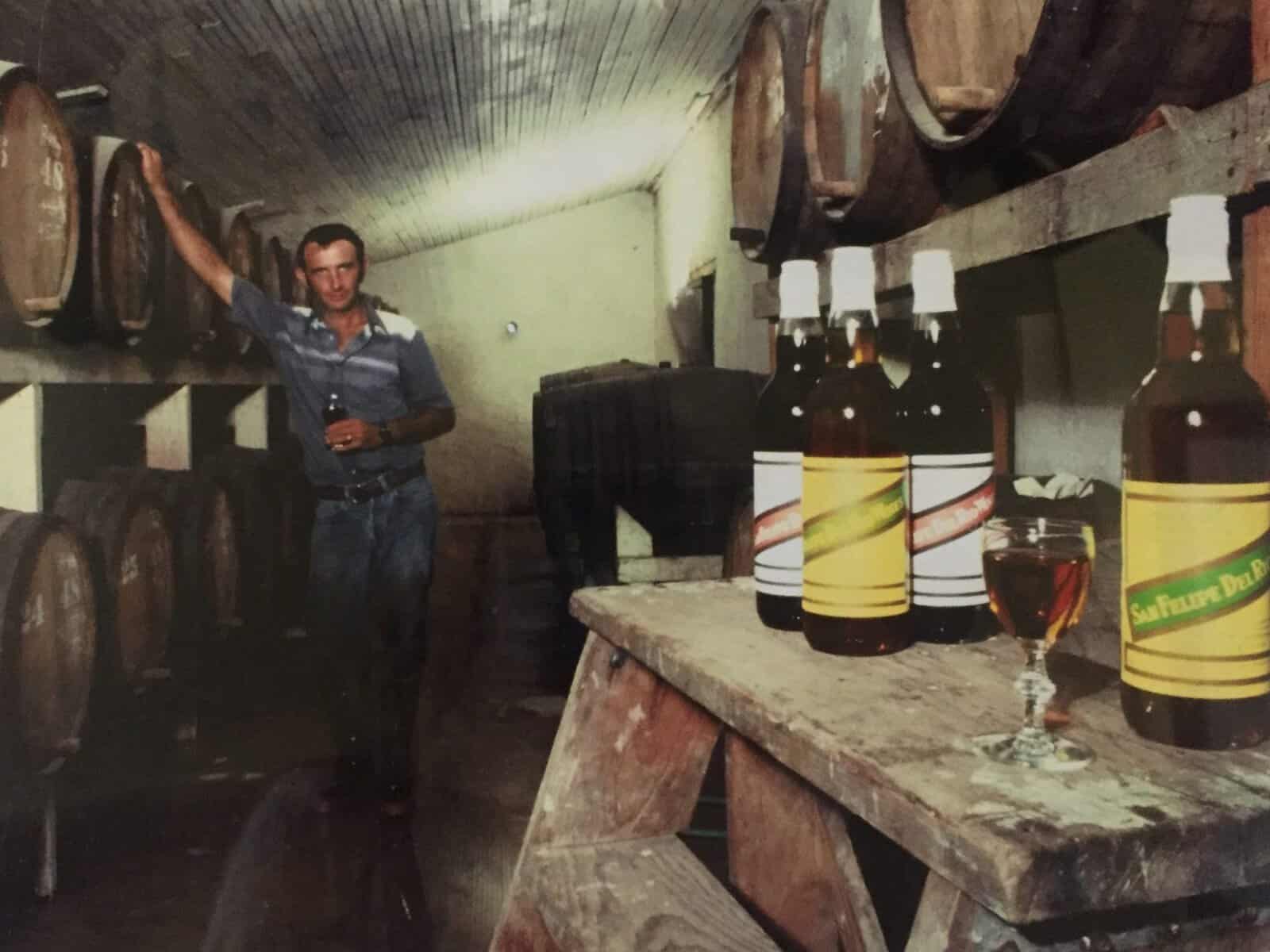
An Italian immigrant named Frank Qualia arrived from near Milan around 1881, when Del Rio was a town of barely 200 people. He found Lenoir grapes thriving in the borderland sun, planted vines, and started making wine. His family has never stopped.
The cellar and tasting room sit inside the original 1883 building, with thick adobe walls that keep the air cool and still. Stepping inside felt like walking straight into the past. Fourth-generation vintners now carry on what Frank began.
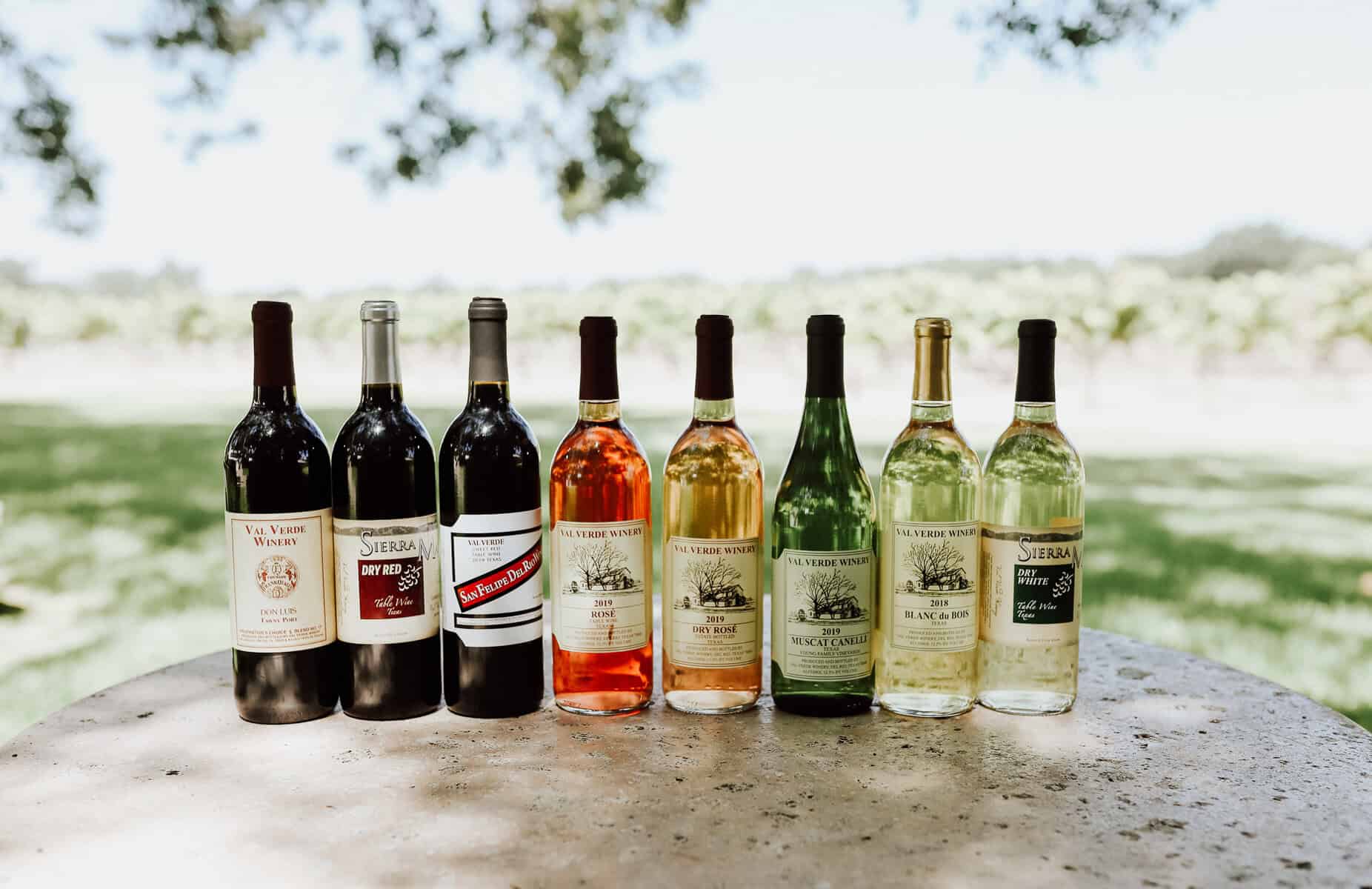
Their Don Luis Tawny Port has collected medals from Texas to New York, and it deserves them. I sipped it slowly in the shade and understood why people make the drive just for a bottle. Complimentary tours and tastings run Monday through Saturday.
The staff love to talk. One reviewer called it “small, quaint and friendly,” and that is exactly right. Another said the wine was delicious and the hospitality “spot on.” I left with two bottles and a head full of family stories.
They make more than wine, too. Val Verde presses estate olive oil from its own trees, another gift of this sunny borderland soil. A tasting of both, side by side in that cool old cellar, is a lovely, unhurried way to spend an afternoon.
A Frontier Village Full of Legends
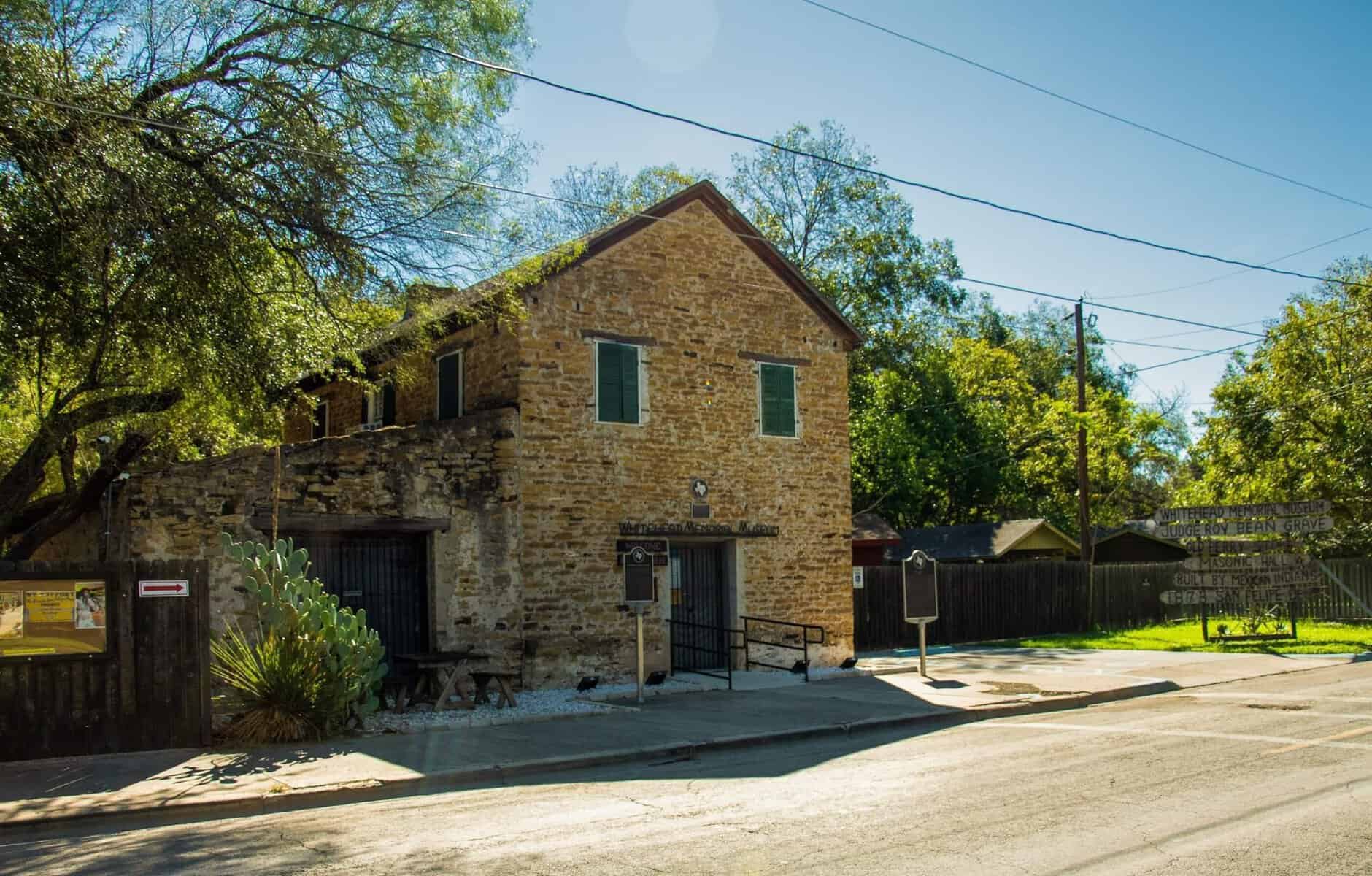
For a dose of border history, I headed to the Whitehead Memorial Museum, a 2.5-acre frontier village of some 14 historic buildings and 21 exhibit sites. Wandering it feels like stepping into a small, sun-baked town from another century.
The star attraction is the grave of Judge Roy Bean, the self-styled “Law West of the Pecos,” buried right here alongside his son Sam. A faithful replica of his famous Jersey Lilly saloon and courtroom sits nearby, packed with his memorabilia.
I lingered longest at the exhibits on the Black Seminole Scouts, the descendants of freedom seekers who served with distinction on this frontier. Their story is one of the most remarkable in Texas, and Del Rio keeps it alive with real care.
There is even a section on the wild border-radio era, when booming stations blasted music and sales pitches across the region. One visitor summed the whole place up perfectly, calling it simply “a gem in Del Rio.” I could not agree more.
What struck me most was how much ground the little village covers. Prehistoric artifacts, ranching tools, vintage cars, a one-room schoolhouse, and pioneer cabins each earn their own building. You could easily lose a couple of happy hours here.
Ancient Art on the Canyon Walls
Some of the oldest art in North America hides in the canyons northwest of town. At Seminole Canyon State Park, park rangers lead guided hikes to Fate Bell Shelter, one of the largest rock shelters in the Lower Pecos.
On the shelter walls, ancient artists painted vivid pictographs in the distinctive Pecos River style. Some of these images were created up to 4,000 years ago, layer by careful layer, in black, then red, then yellow, then white.
Standing beneath figures older than the pyramids gave me chills. The roughly 90-minute tours run Wednesday through Sunday, and a ranger’s storytelling brings the paintings and their makers vividly back to life. Wear sturdy shoes and bring water.
You can spot more rock art from the water, too. Panther Cave, with its striking painted feline, watches over a bend near the lake, best seen by boat. This whole region has been continuously lived in for roughly 10,000 years.
A Lake Big Enough for Two Countries
Where the Rio Grande, the Pecos, and the Devils River meet, the Amistad Dam holds back one enormous, brilliantly blue reservoir. Amistad, fittingly, means friendship, and this lake is quite literally shared between the United States and Mexico.
Amistad National Recreation Area is a playground for anyone who loves the water. Anglers chase trophy largemouth bass, boaters skim across the surface for miles, and the clarity is so good that scuba divers come to explore the depths.
I rented a small boat for an afternoon and floated over water the color of stained glass, limestone bluffs glowing gold in the low sun. Pull into a quiet cove, cut the engine, and the only sound is water lapping stone.
Birders adore this corner of Texas. The mix of desert, river, and lake draws an astonishing variety of species, and dawn along the shoreline is a symphony. Whether you fish, paddle, or simply watch, Amistad rewards the early riser.
Camping here is a treat, too. Fall asleep to a sky thick with stars, wake to mist rising off the water, and you will understand why anglers and families return year after year. Bring sunscreen, a hat, and plenty of water.
Where Every Meal Tells the Story
If you want to understand Del Rio, eat here. The food carries the whole blended history in a single bite, and I set out to sample as much of it as one hungry traveler reasonably could.
Start with the classics. Rich, slow-simmered birria, tamales wrapped by hand, and guisado tacos that taste like somebody’s grandmother made them, because somebody’s grandmother probably did. Julio’s is beloved for its bean and cheese tacos, a local rite of passage.
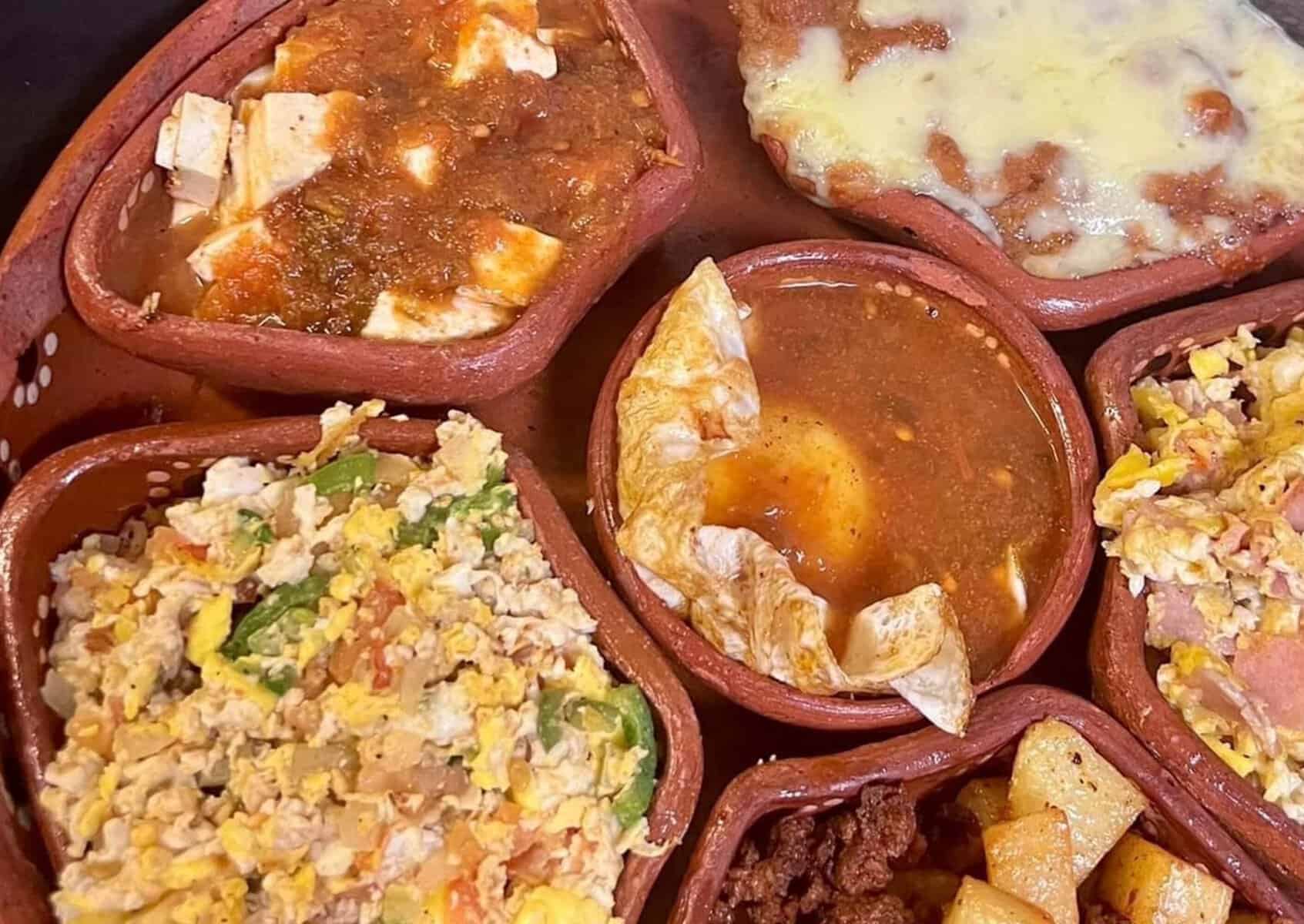
La Hacienda, over on Pecan Street, draws a lunch crowd for its generous Mexican buffet. Downtown, The Herald turns out sandwiches and soups by day and steaks by evening, a comfortable spot to end a long day of exploring.
Save room for sweets. Local panaderías fill their cases with conchas, empanadas, and warm pan dulce, and the smell alone is worth the stop. I grabbed a bag for the road and finished it long before I meant to.
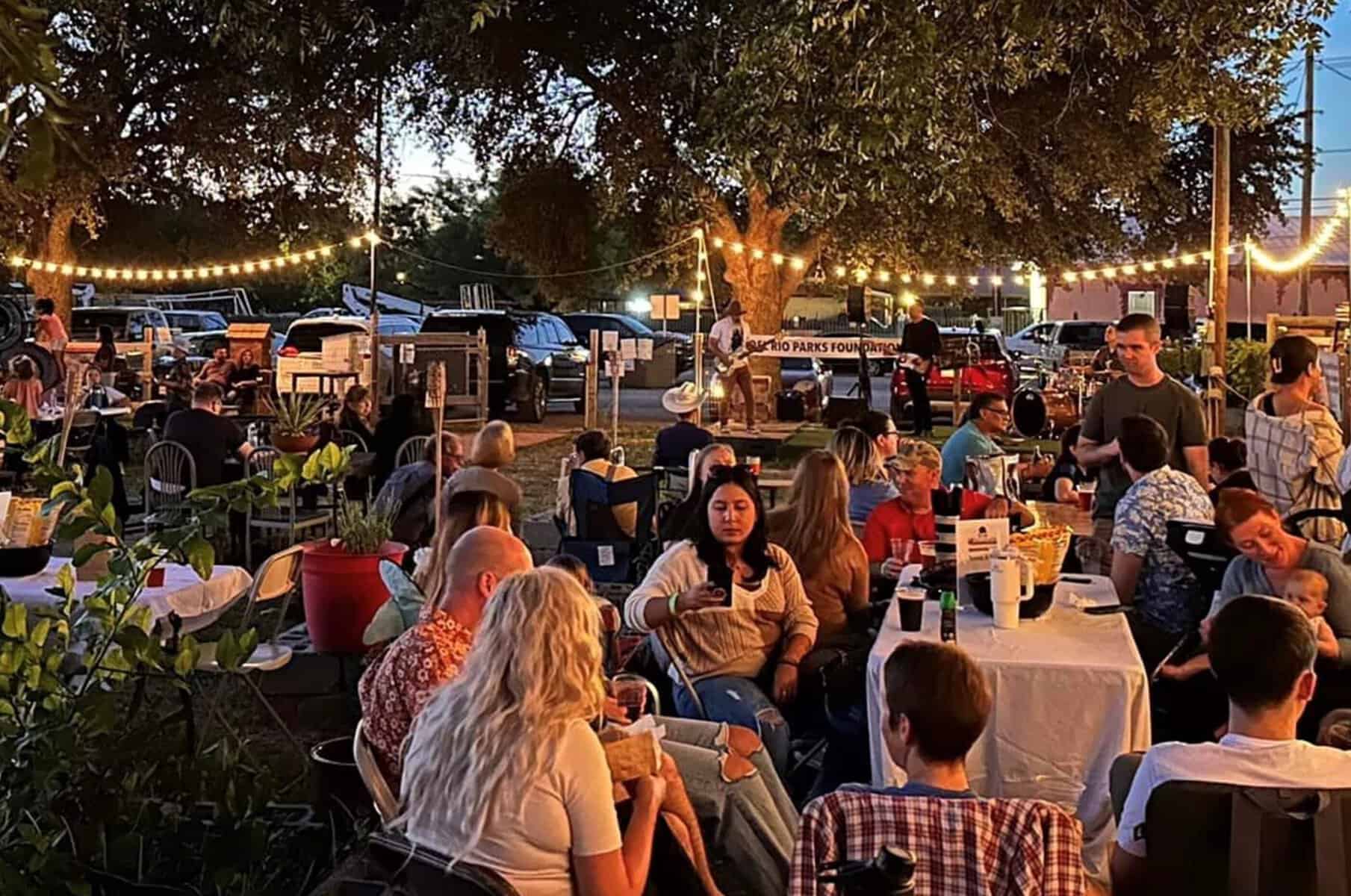
My favorite meal, though, was the simplest. An outdoor table strung with lights, a plate of tacos, cold agua fresca, and neighbors laughing at the next table. Pro tip: come hungry and let the servers steer you toward whatever is fresh.
A Town That Loves a Celebration
Del Rio throws itself into a party like few places I know. The signature event is the Fiesta de Amistad, a festival of friendship honoring the bond between Del Rio and Ciudad Acuña, complete with a flowers parade of more than 100 colorful floats.
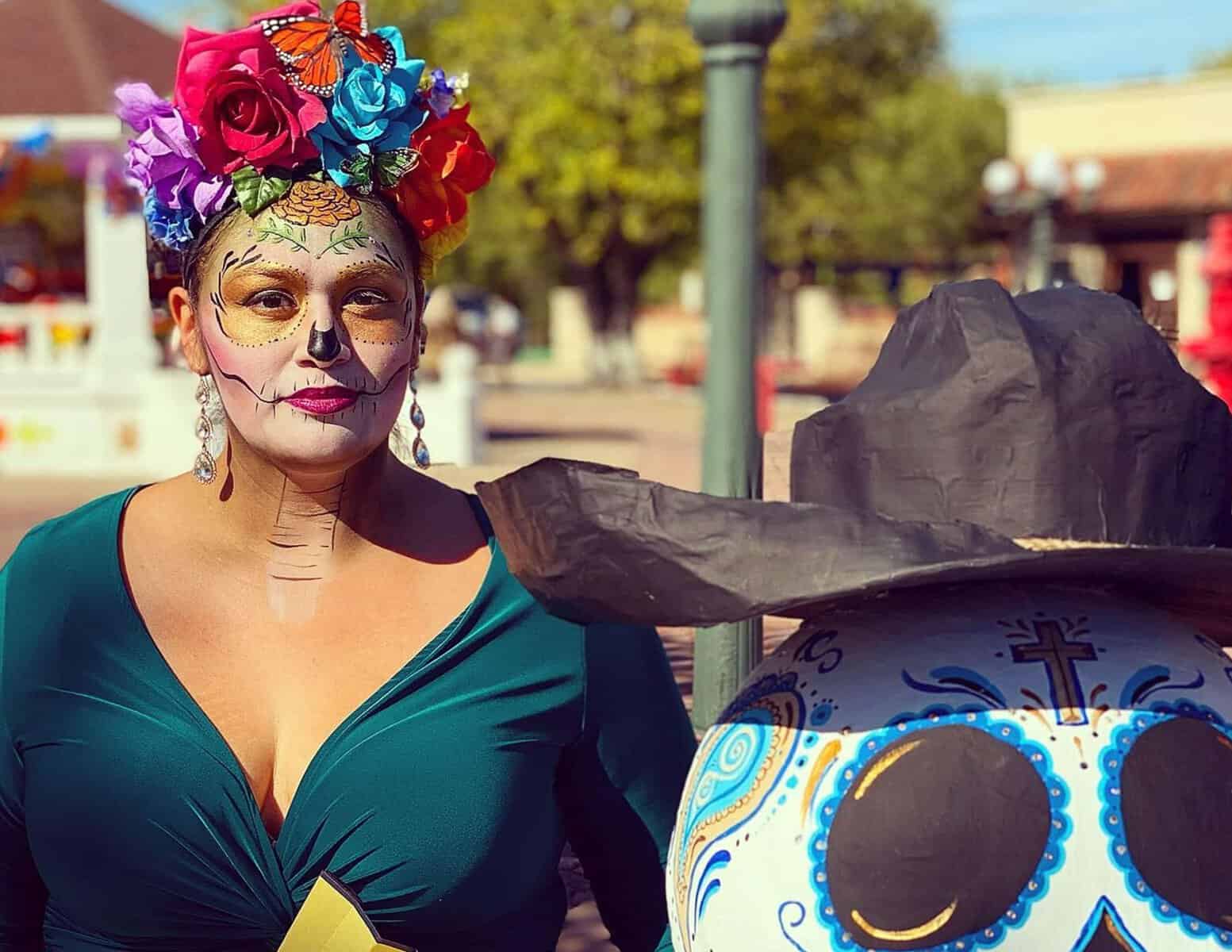
Come autumn, Día de los Muertos brings marigolds, painted faces, and glowing altars that honor loved ones with joy rather than sorrow. I watched a performer in elaborate Catrina makeup paint a clay pot, utterly absorbed, and could not look away.
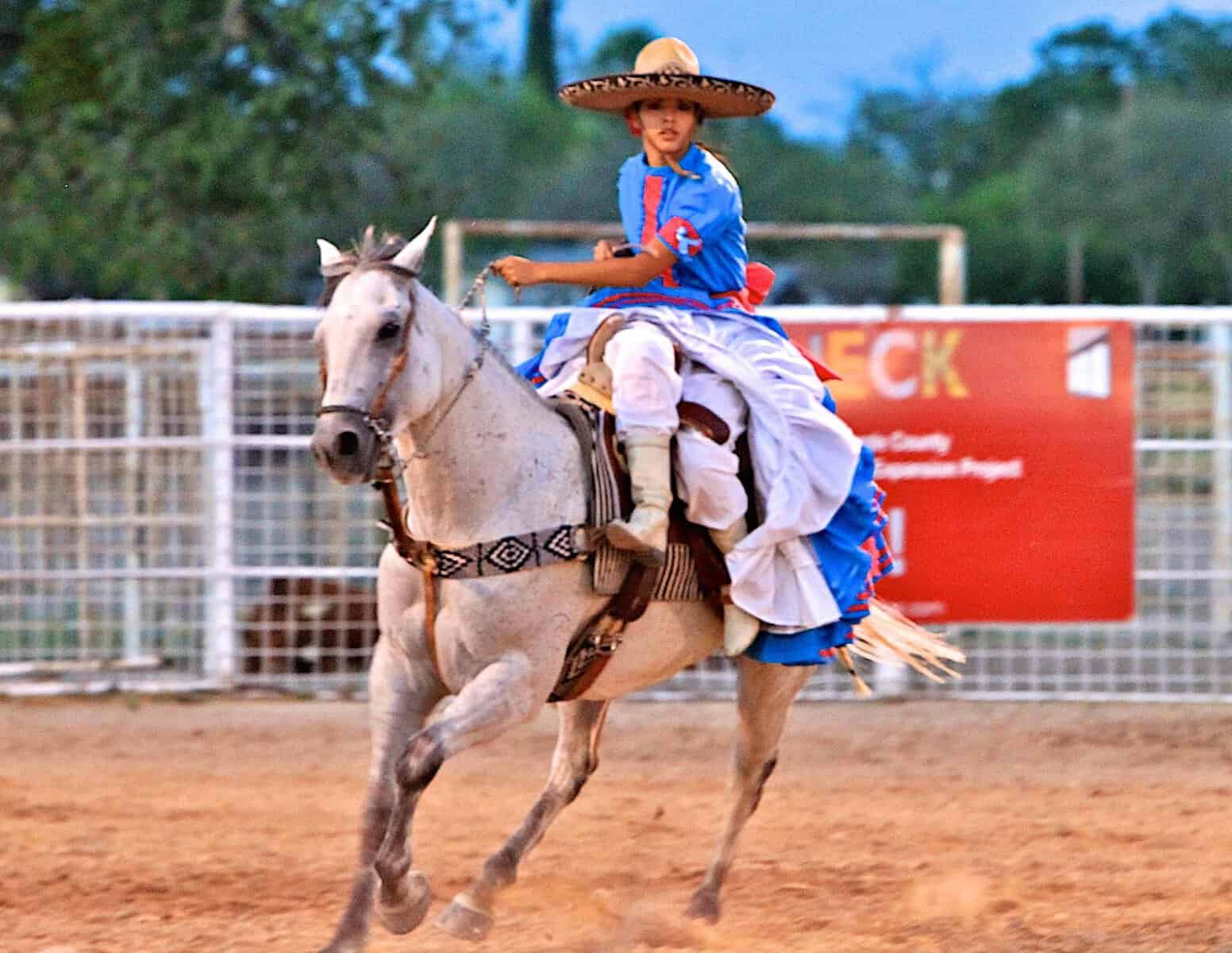
For pure Texas spectacle, there is the George Paul Memorial Bull Riding, held each spring since 1978 in honor of a hometown world-champion bull rider. It draws top cowboys and roaring crowds to the Val Verde County Fairgrounds.
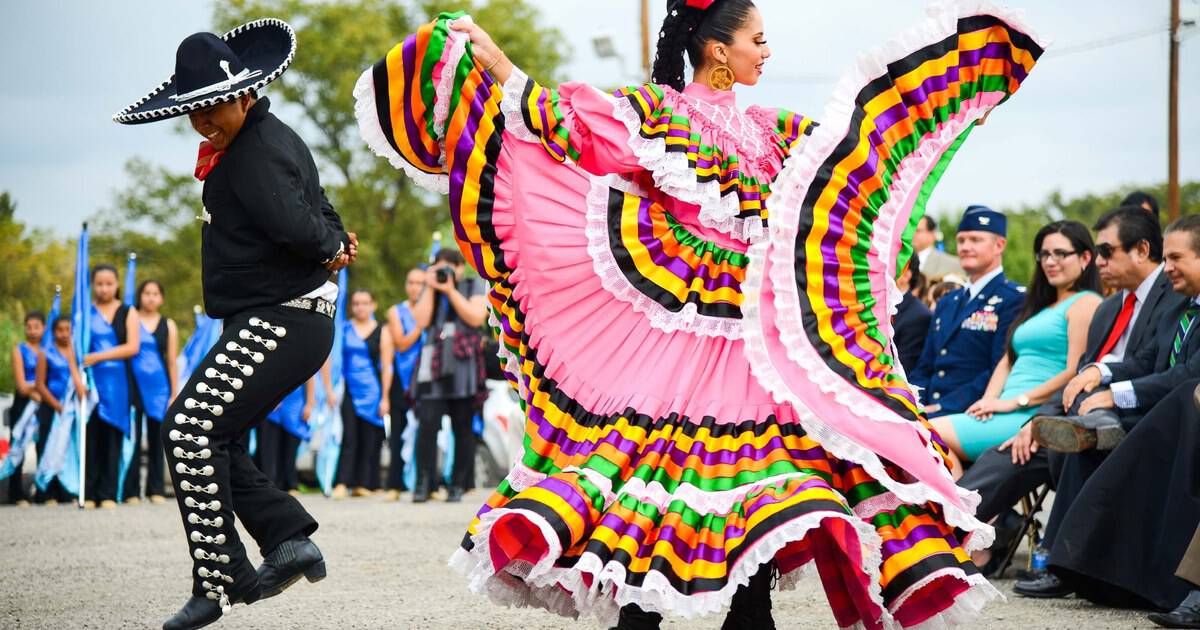
Then there is Brown Plaza, tucked into a bend of the creek, a gathering place for hundreds of years and still the beating heart of the historic San Felipe barrio. Folklórico dancers, live music, and food fill it on celebration nights.
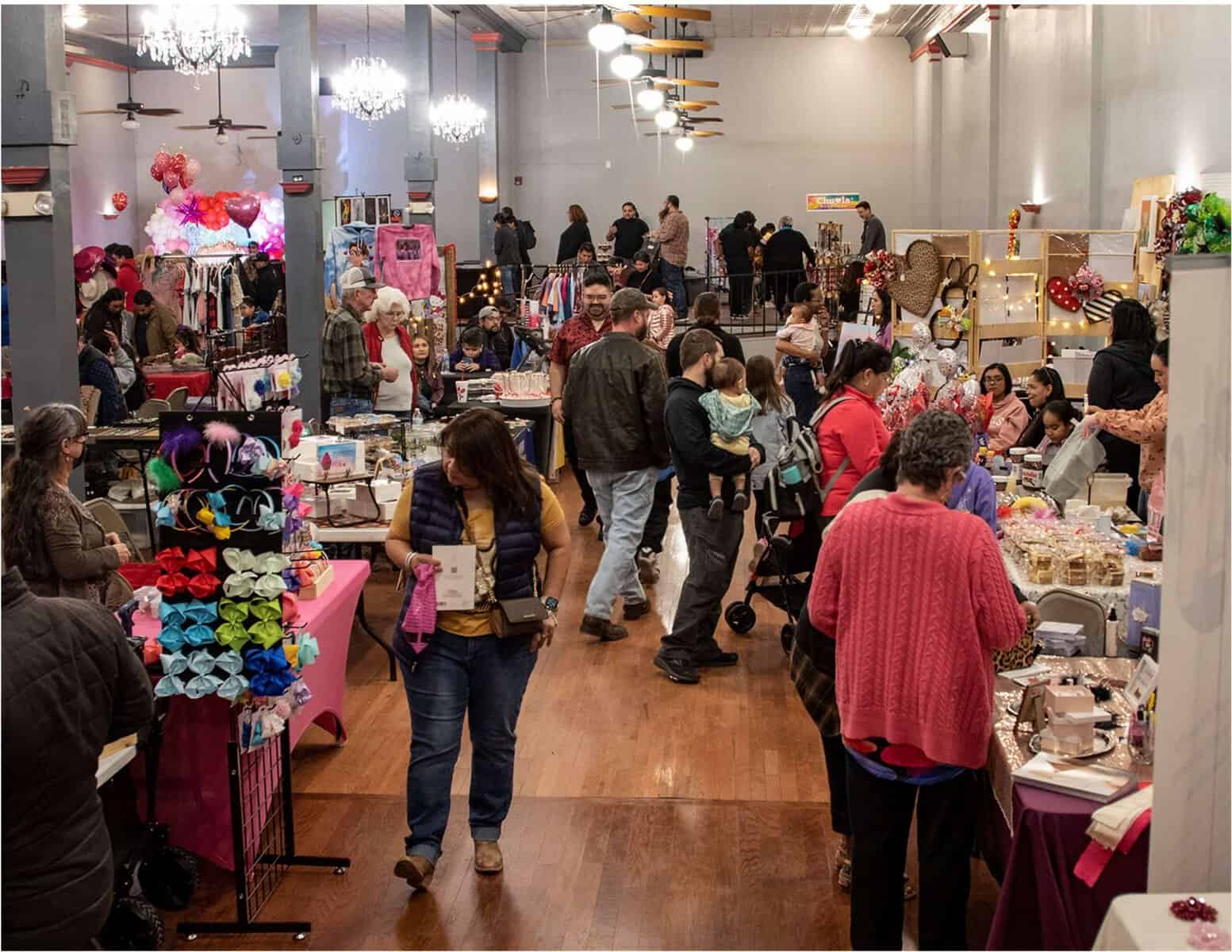
I caught folklórico dancers there one evening, skirts flaring in bright arcs as a guitar rang out. The whole plaza clapped along, kids weaving through the crowd. It was joyful and free, and it welcomed a stranger like me instantly.
That is the gift of a border town that celebrates every thread of who it is. Come for one festival and you will start planning your visit around the next. There is nearly always something worth showing up for.
How to Get There
Del Rio sits in southwest Texas on U.S. 90 and U.S. 277, about two and a half hours west of San Antonio. It makes an easy, rewarding weekend from almost anywhere in the state.
Where: Val Verde Winery, 100 Qualia Drive, Del Rio, TX 78840.
Where: Whitehead Memorial Museum, 1308 S. Main Street, Del Rio, TX 78840.
Where: Seminole Canyon State Park, U.S. 90 near Comstock, about 45 miles northwest of Del Rio.
Start Planning Your Del Rio Escape
Del Rio is not a place you stumble onto by accident. You have to want it, to point the car toward the border and go looking. That is exactly what makes arriving feel like a reward.
What you find is a town where cultures do not just coexist, they celebrate one another, cooled by spring water that has drawn people together for thousands of years. It is warm, welcoming, and wonderfully, unmistakably its own.
So gas up the car, chill a bottle of Val Verde port for the drive home, and go see this borderland gem for yourself. Just do not blame me when you start plotting your next trip before you have even left.

Stella Raines
Editor-in-Chief
Stella brings over a decade of storytelling experience to TX Headlines. With roots in West Texas and a love for road trips, she leads the editorial team with an eye for the hidden stories that make Texas unforgettable.
More Stories
These Delectable Texas Small Towns Are Every Food Lover’s Dream Road Trip
This Historic Texas Town Is the Oldest in the State, and Its Brick Streets Are Made for Wandering
This Refined Texas Ranch Lets You Own a Piece of Hill Country Wine Country
This Sun-Soaked Beach Town Turns Family Reunions Into a Breeze
Tags