This Historic Texas Town Is the Oldest in the State, and Its Brick Streets Are Made for Wandering
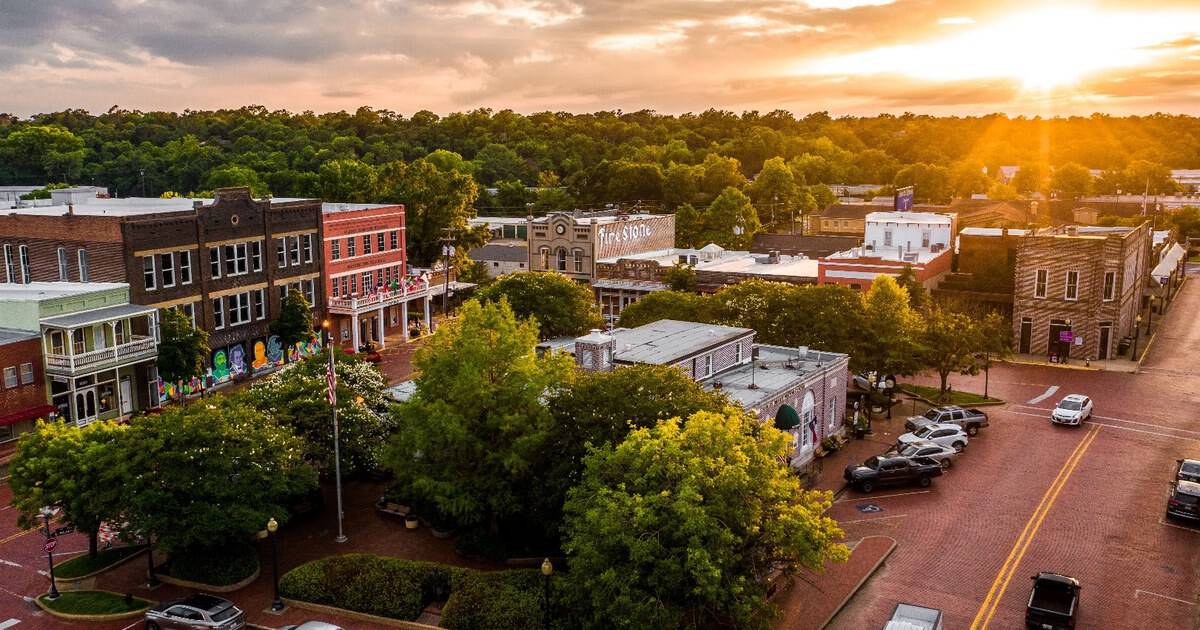
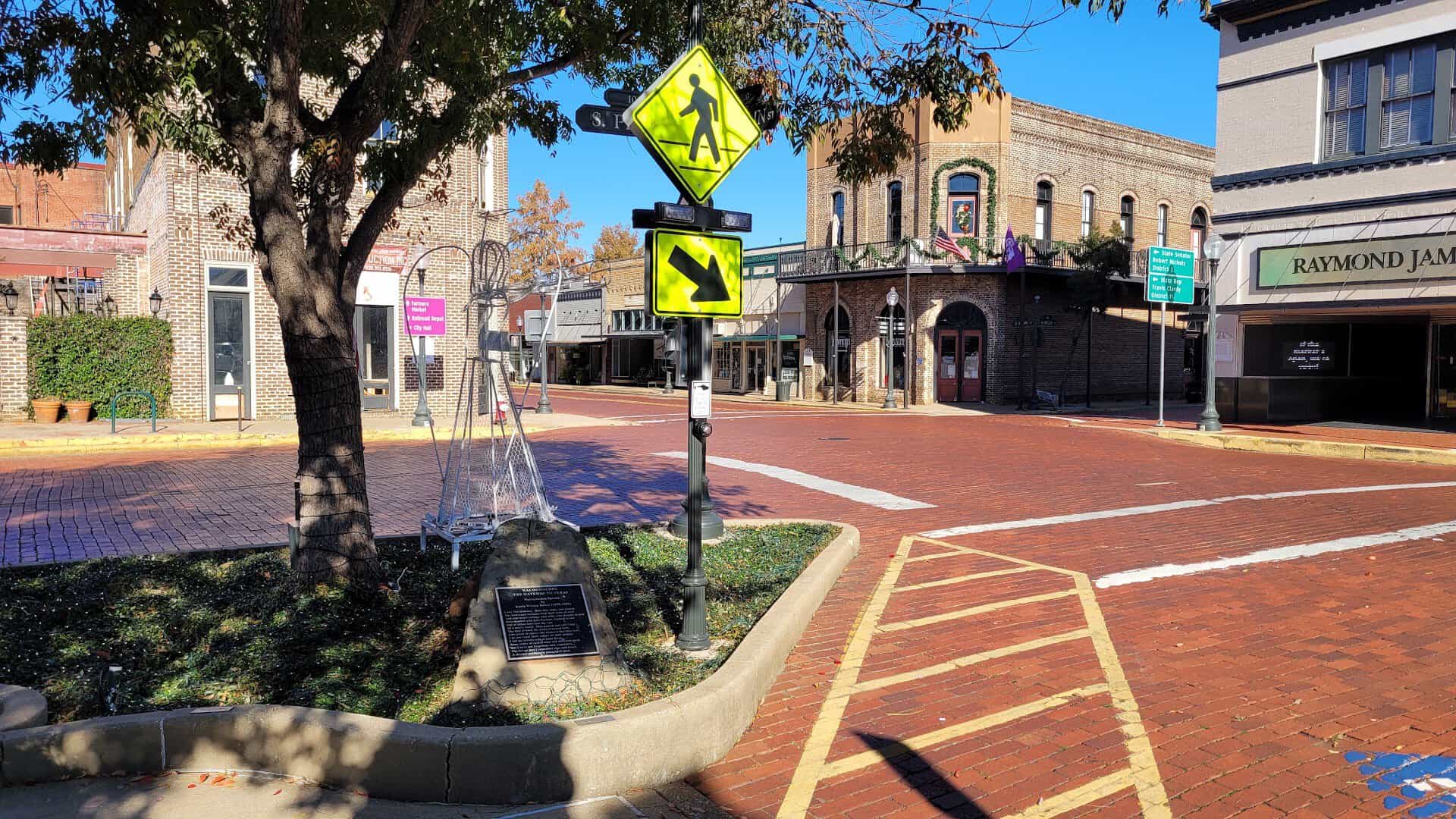
The first time I wandered into downtown Nacogdoches, I slowed down without meaning to. My shoes met a street paved in worn red brick, laid down more than a century ago, and something about that little jolt underfoot told me to stop rushing.
All around me stood storefronts from the 1800s, their tall windows glowing with antiques and hand-lettered signs. I had stepped into the oldest corner of Texas, and I hadn’t even had my coffee yet.
Here’s why the oldest town in Texas belongs near the top of your road-trip list, whether you’re a history buff, an antique hunter, or just someone who loves a slow morning and a good pastry.
The Oldest Town in Texas
Nacogdoches likes to call itself the oldest town in Texas, and it has the paperwork to back it up. Its documented history stretches to at least 1779, when a Spanish colonial settlement took root here for good.
But people were here long before that. The town takes its name from the Caddo, the Indigenous people who lived and farmed across this part of East Texas for centuries.
The word Nacogdoches comes from the Nacogdoche band of the Caddo, and I love that the town still carries their name across its street signs, shopfronts, and welcome banners. Some things stay, and that feels right.
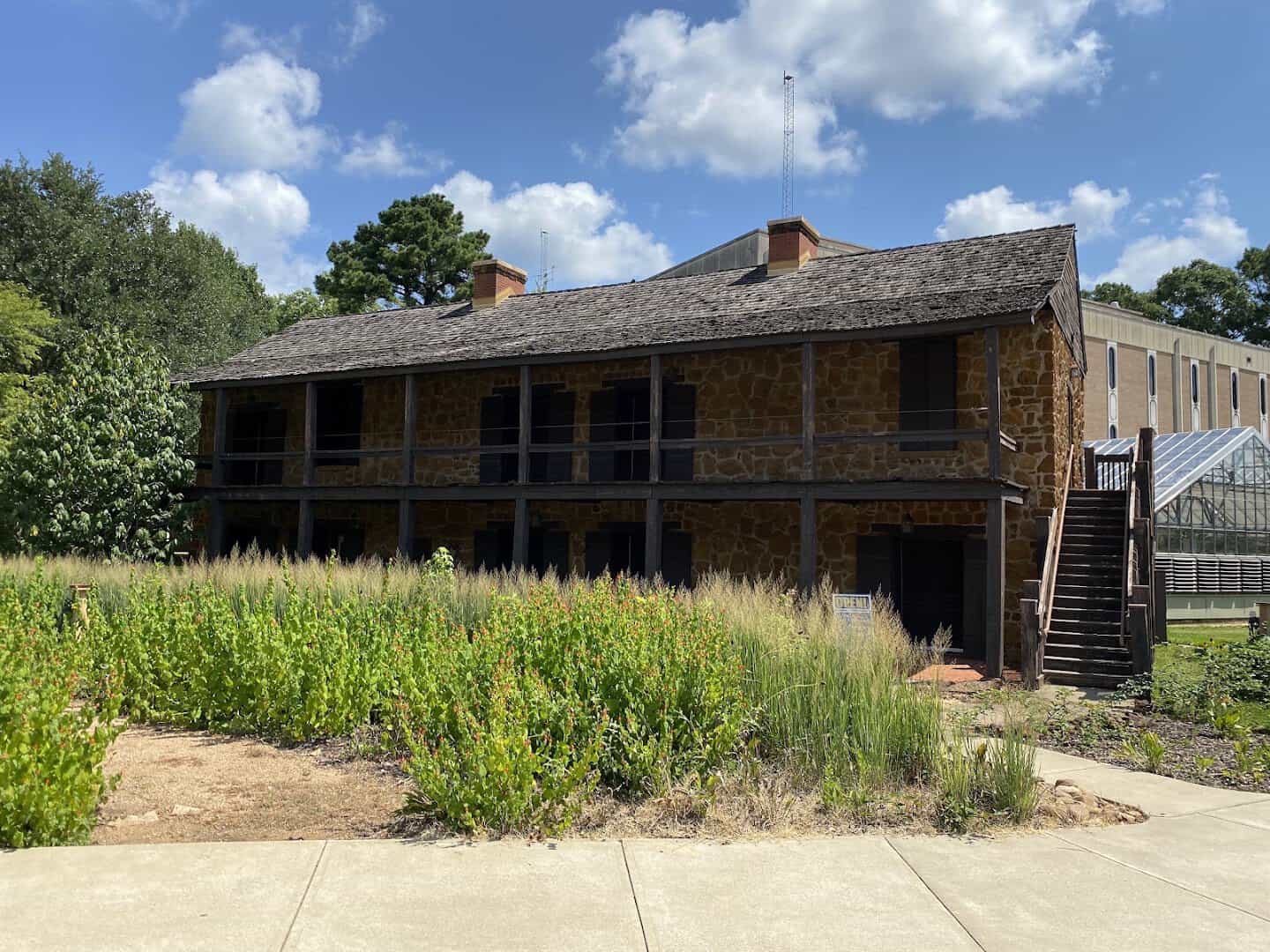
In 1779, a man named Antonio Gil Y’Barbo established the settlement that would grow into the town you see today. You can still visit a reconstruction of his stone building, the Old Stone Fort, on the local university campus.
Y’Barbo is a bit of a local legend. He led a group of settlers back to this spot after they’d been forced to leave, and the town has held on ever since. That stubborn spirit still hangs in the air.
Nacogdoches also sits along El Camino Real de los Tejas, the old “royal road” that once linked Spanish missions across the region. For a very long time, this quiet town was a genuine crossroads of Texas.
Nacogdoches is sometimes called the “Town of Nine Flags,” a nod to the many nations and rebellions that have claimed this ground. One of them, the short-lived Fredonia Rebellion of 1826, still lends its name to hotels and breweries around town.
That’s a lot of history for one small East Texas town. And the best part is that so much of it is still standing, still lived-in, and still open for you to walk right into.
Brick Streets Made for Wandering
The heart of Nacogdoches is its historic downtown, and the brick itself is what you notice first. These red streets have carried buggies, streetcars, and generations of Saturday shoppers.
Main Street and Fredonia Street form the spine of the district. Both are lined with two-story brick buildings, their upstairs windows and decorative cornices largely intact from the 19th century.
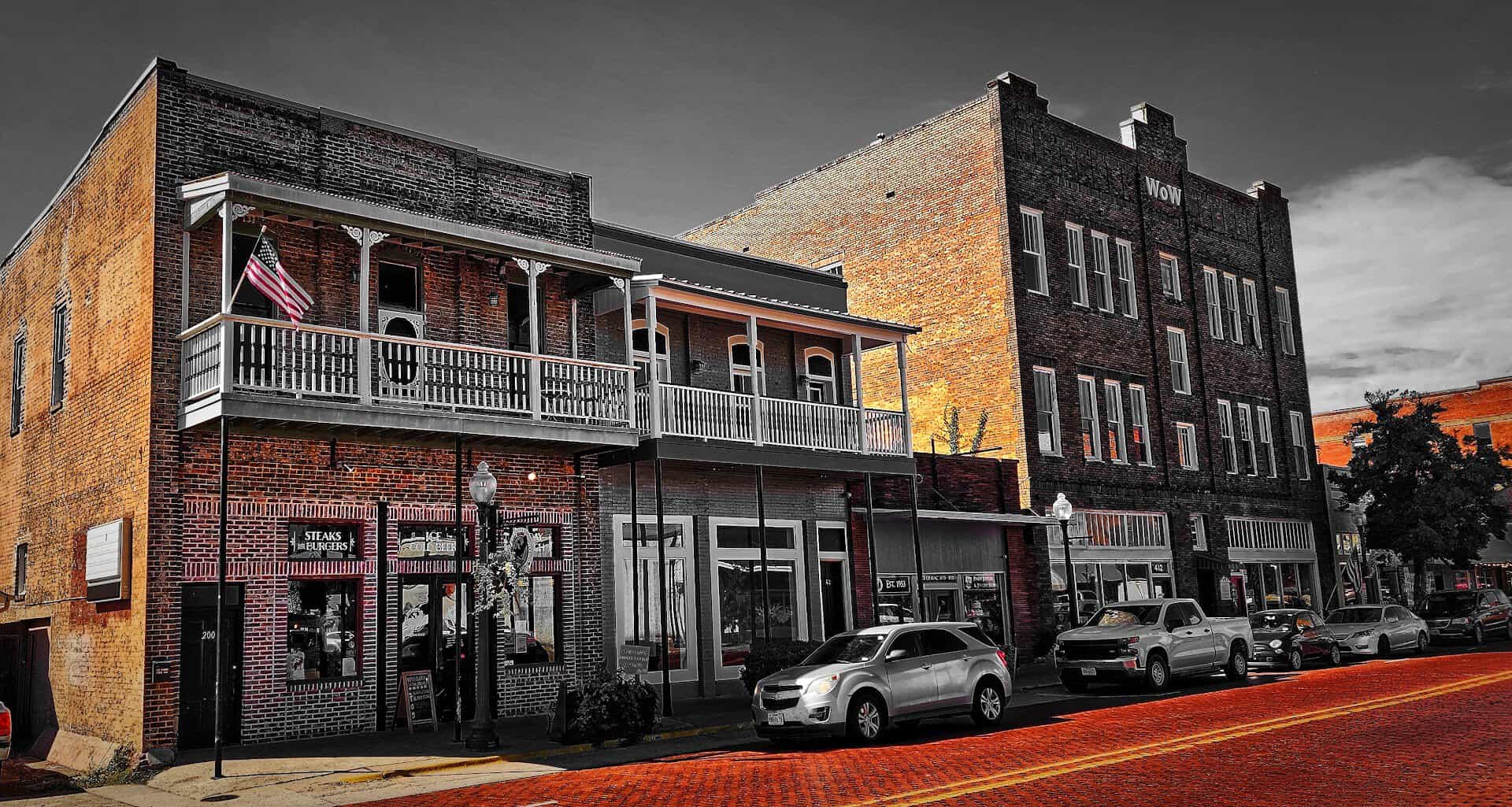
I love that this is a downtown built for walking. You can park once and spend a whole day drifting from shop to café to museum without ever moving your car.
The pace here is unhurried on purpose. Shopkeepers say hello. Benches invite you to sit. The whole place feels like it was designed for lingering, and honestly, it was.
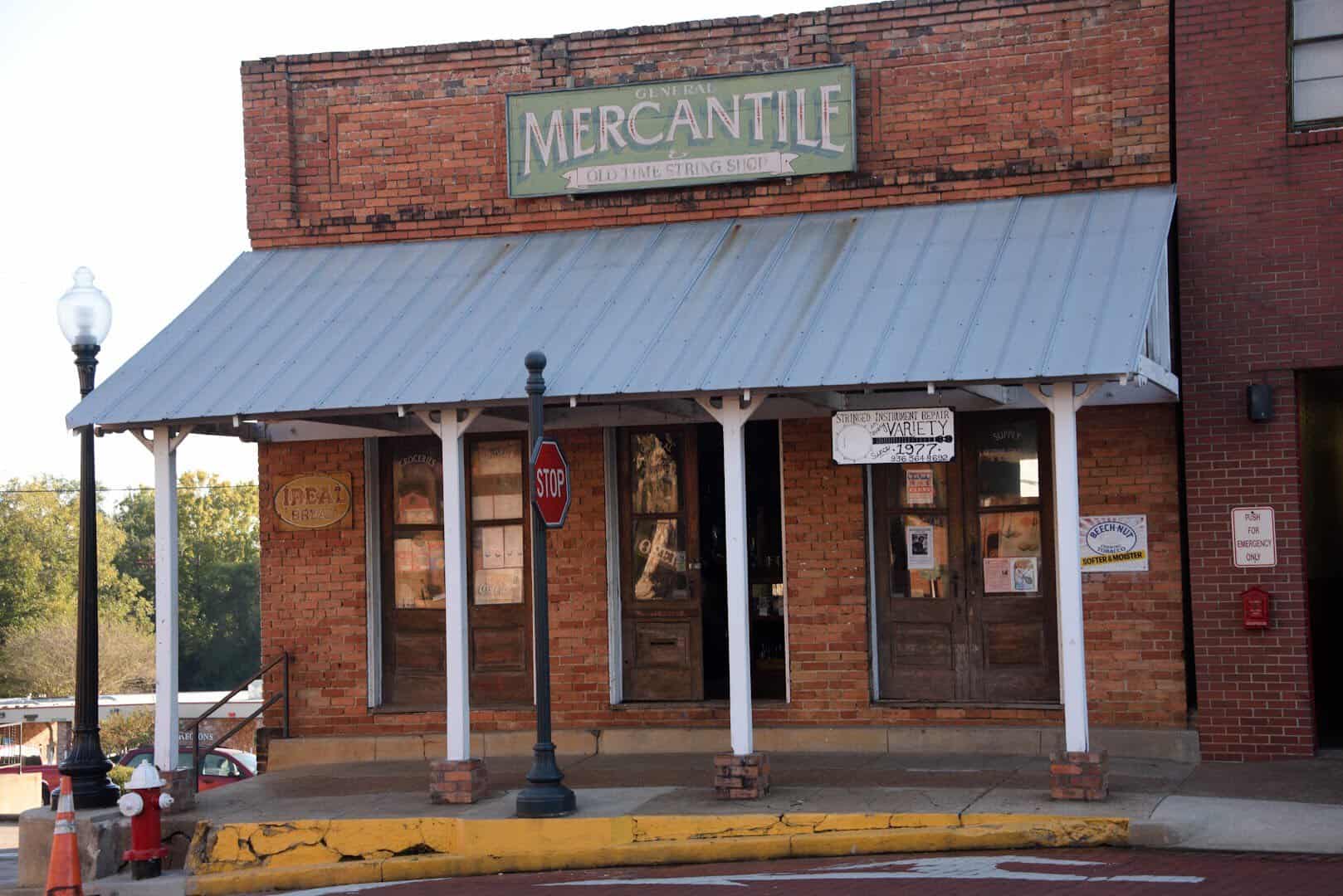
Look up as you go. Above the shop awnings, you’ll spot original brickwork, faded painted advertisements, and dates carved into stone. The buildings quietly tell you how old they are if you take a moment to notice.
In spring, dogwoods and azaleas frame the district in pink and white. Come fall, the surrounding piney woods turn gold. There isn’t a bad season to walk these streets, only different flavors of pretty.
Antiques, Oddities, and One-of-a-Kind Finds
If you love to hunt for treasure, Nacogdoches may be your happy place. The downtown is packed with independent, family-owned shops, and antiquing here is practically a local sport.
Sloane’s Antiques, at 404 E. Main, is a favorite for browsing furniture and collectibles. A little way down, Decades Downtown fills a historic building with antique furniture, glassware, and handmade crafts.
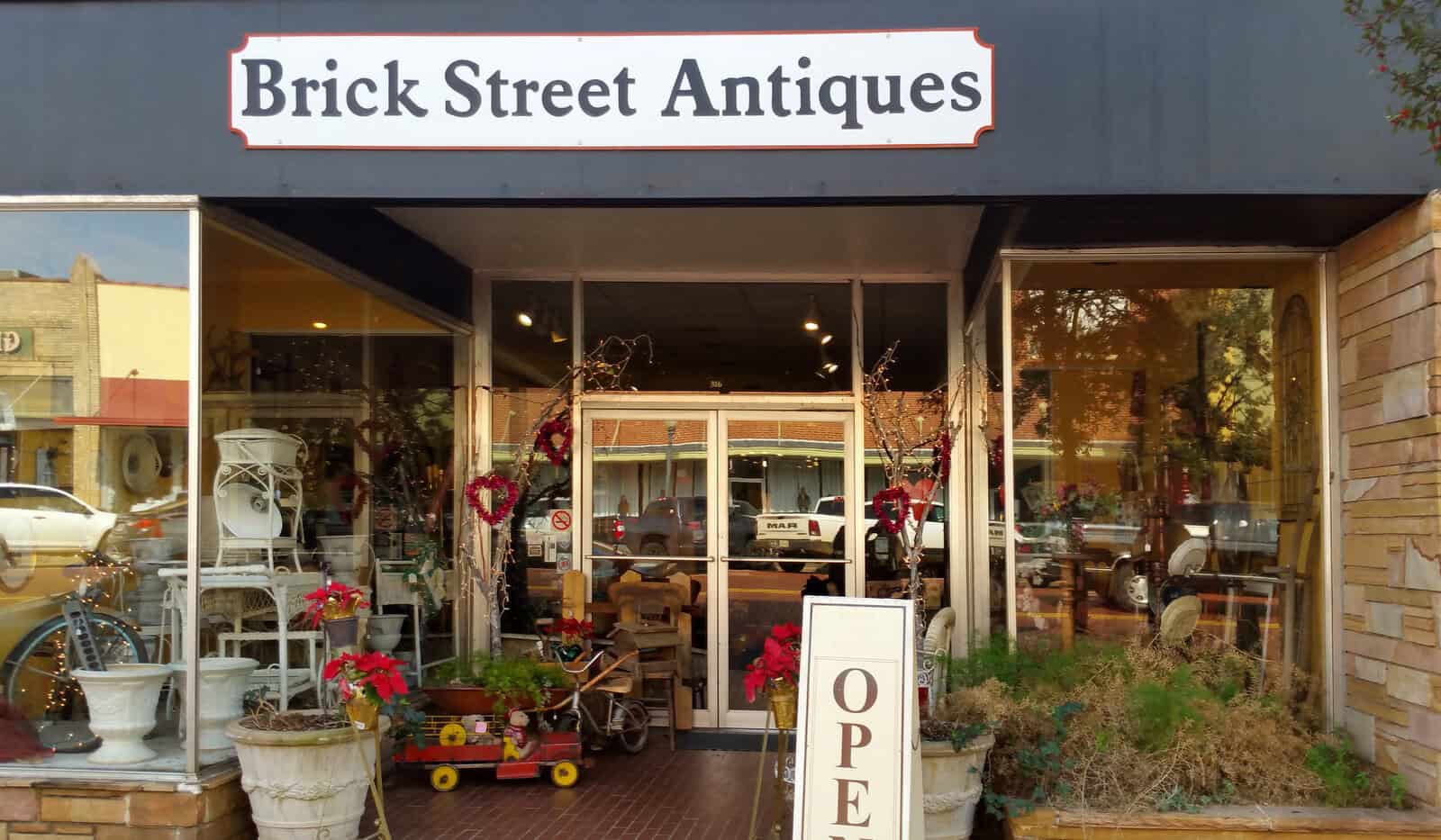
Brick Street Antiques has been voted the best antique store in town, and it’s an easy afternoon to lose yourself among the shelves. Every piece here comes with a story, even if you have to imagine it yourself.
One of the most charming stops is the Fortney Home, a Victorian house from 1897 brimming with rustic, earthy collectibles you won’t find anywhere else. Wandering its rooms feels less like shopping and more like exploring a beautiful attic.
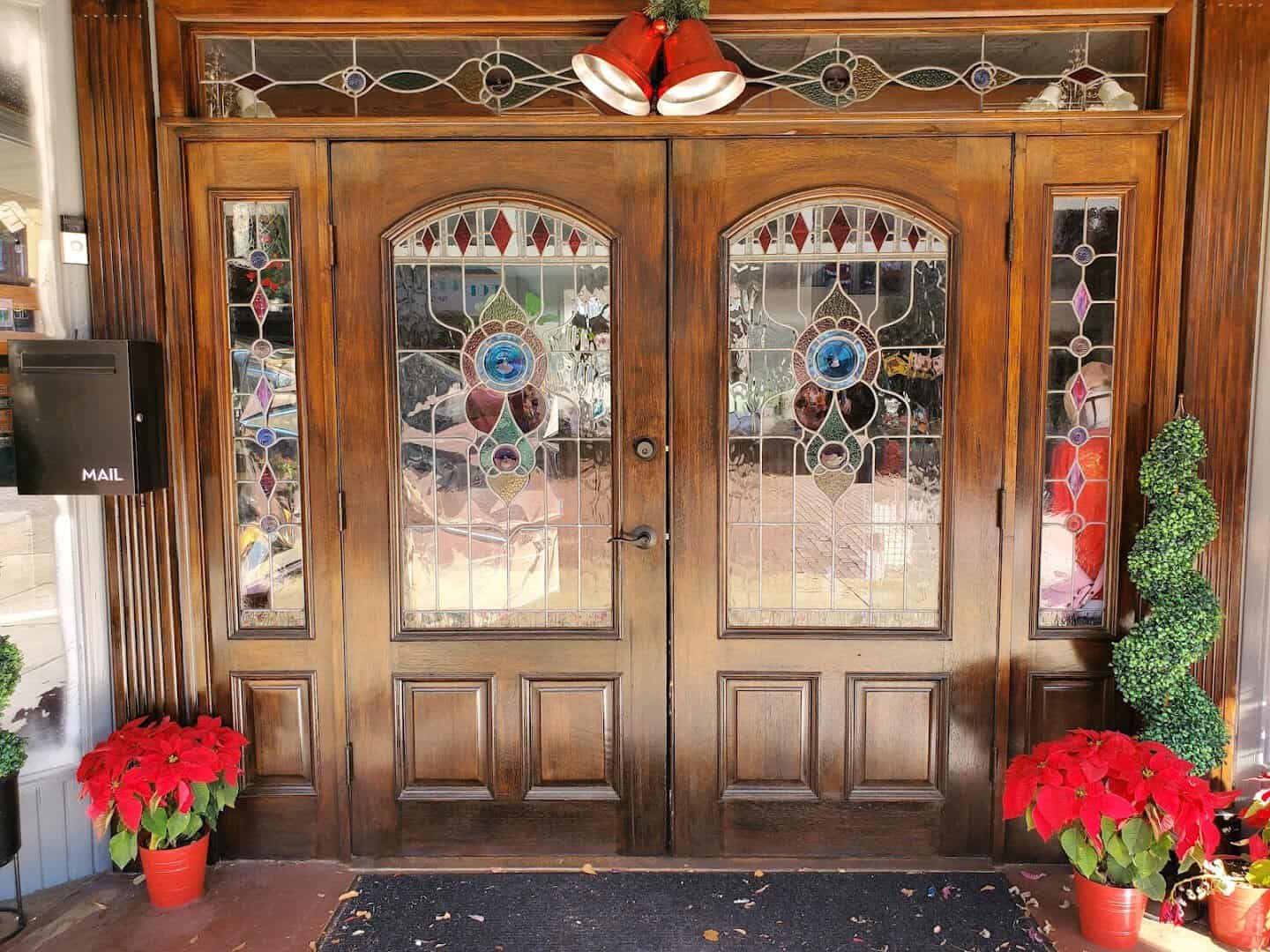
The specialty shops are where Nacogdoches really shows its personality. There’s an old-time string shop, an old-style barber, and the only professional stained glass studio in all of East Texas.
Beyond the antiques, you’ll find boutiques stocked with clothing, jewelry, candles, and giftable odds and ends. It’s the perfect place to pick up something meaningful for a friend, or a small keepsake to remember the trip.
On one visit, I walked in planning to browse and walked out with a hand-painted picture frame I absolutely did not need. That’s the magic of a good antique town. It finds you something before you’ve decided to look.
Between the antique stores, the boutiques, and the artisan makers, you could fill a car trunk here without half trying. Bring cash and leave a little extra room for the ride home.
Where to Eat
All that wandering works up an appetite, and downtown Nacogdoches feeds you well. The food here leans homey and Southern, with a few delicious surprises tucked in.
For a taste of local comfort, Appleby Sand Road Mercantile and Café serves chicken and dumplings, stuffed bell peppers, and chicken spaghetti. It’s the kind of made-from-scratch cooking that reminds you of a relative’s kitchen.
Craving Italian? Auntie Pasta’s plates up chicken alfredo, eggplant parmesan, and chicken marsala. And the Olde Towne General Store at 205 E. Main doubles as a down-home deli for a quick, hearty bite.
Save room for something sweet. Blue Horse Bakery tempts with layered cakes, decorated cookies, macarons, chocolates, and a rotating lineup of sixteen cupcake flavors. Choosing just one is the hardest decision you’ll make all day.

Being a university town, Nacogdoches also knows its way around a good cup of coffee. It’s easy to find a cozy spot to fuel up before a morning of exploring or to warm your hands on a cooler afternoon.
For a leisurely lunch, the Cottage Wine Bar and Bistro sits beside a half-acre private garden and park. It’s a lovely spot to sip something cold and watch the afternoon go by.
Raise a Glass in Nacogdoches
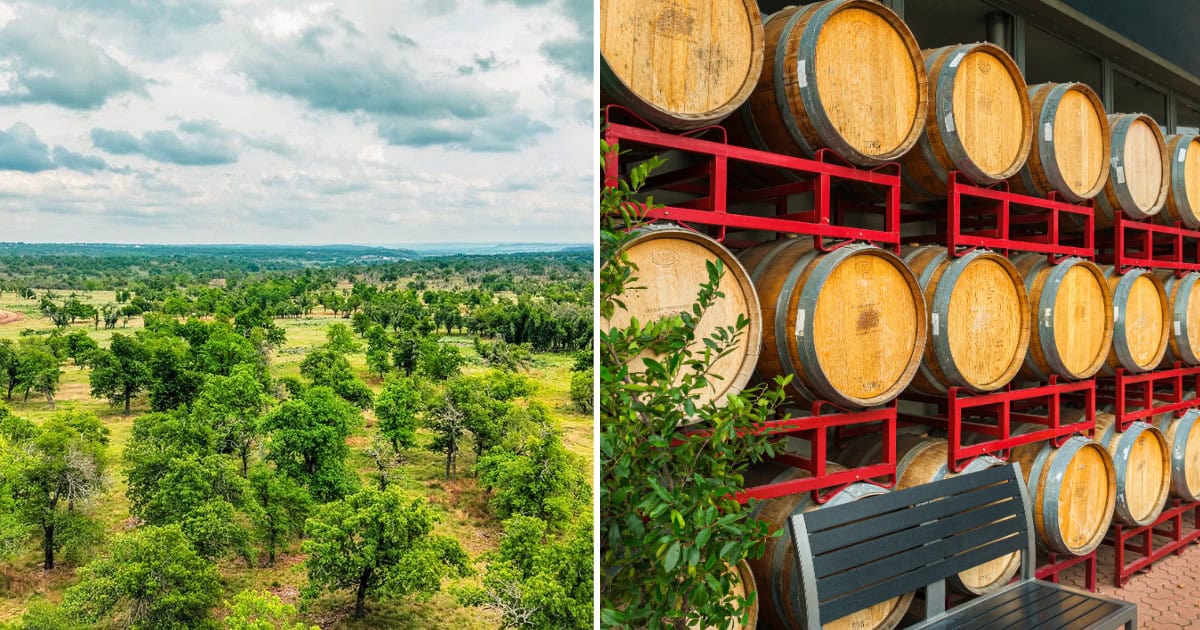
For a town this historic, Nacogdoches has a surprisingly lively drinks scene. You can sip your way across breweries, a distillery, and a couple of homegrown wineries, all close to downtown.
Fredonia Brewery pours craft beer and takes its name straight from that 1826 Fredonia Rebellion. Local history, served cold.
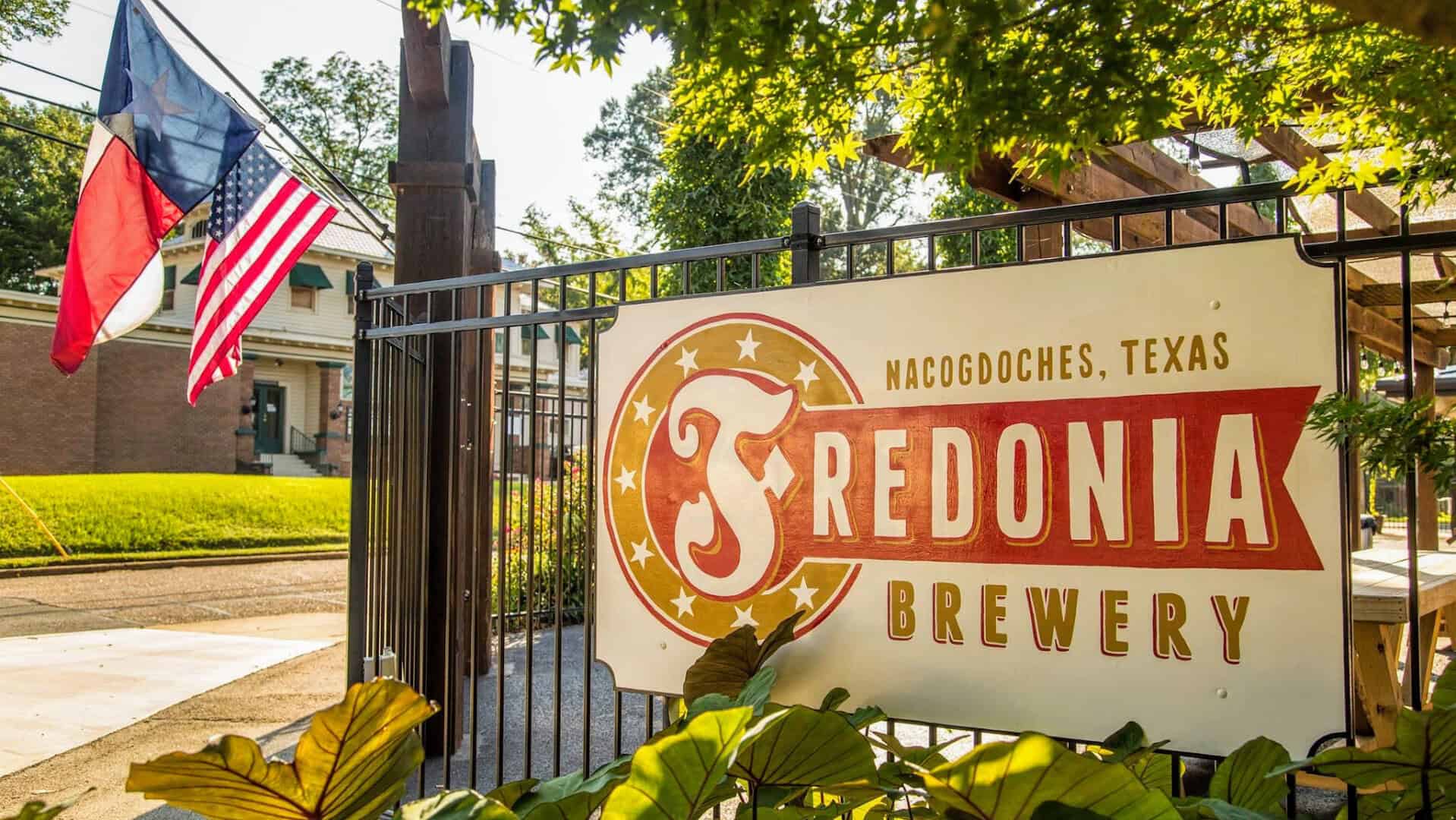
Front Porch Distillery is a family-run operation crafting barrel-aged whiskey, vodka, moonshine, and rum. It’s a fun stop for anyone curious about how the good stuff gets made.
Wine lovers have options, too. Naca Valley Vineyard, established in 2013, offers bottles like its playful Berry Blue for You, a tempranillo, and a blanc du bois. Downtown’s Red House Winery pours a Rosado and a Roussanne Reserve worth savoring.
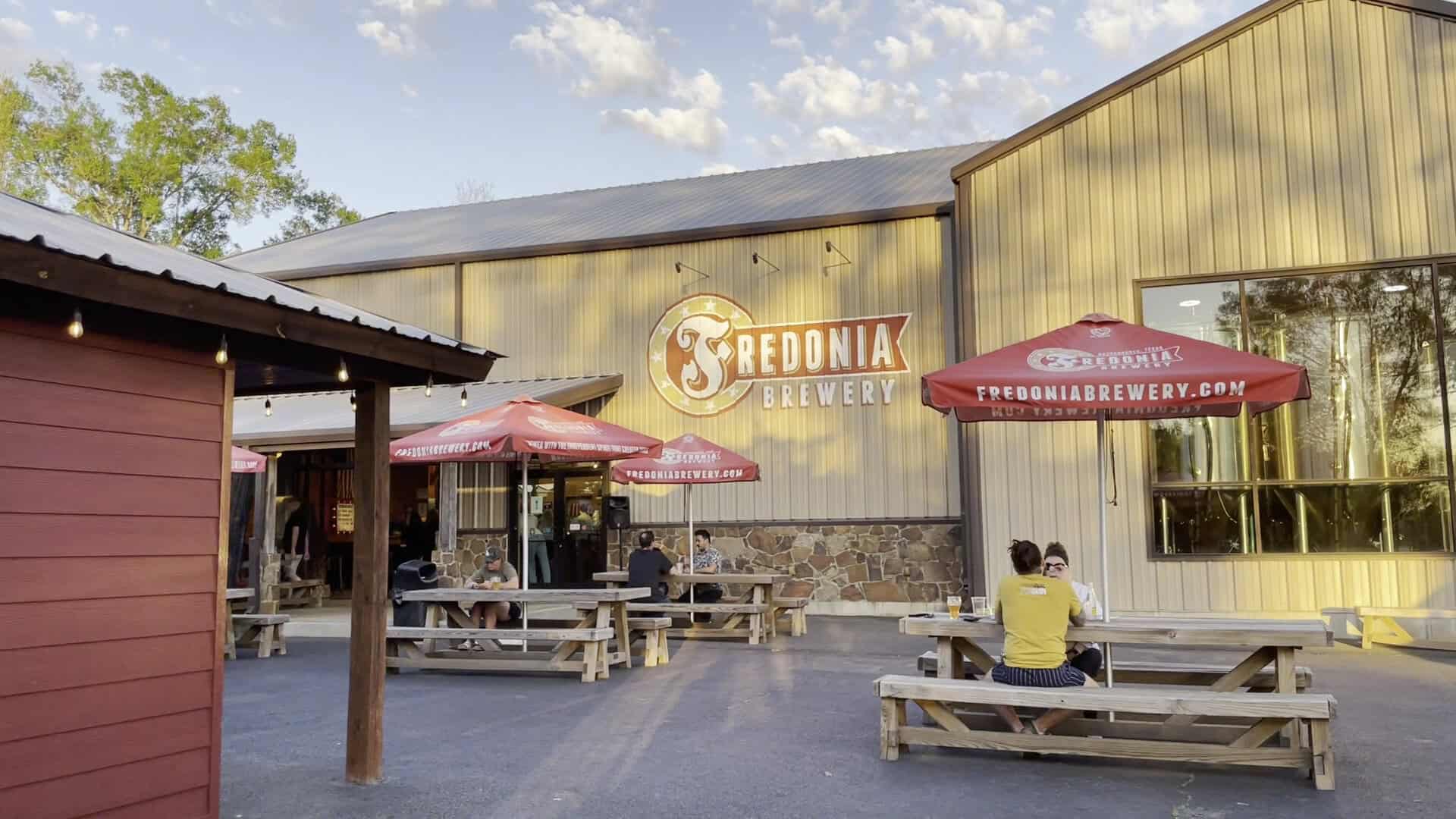
What I appreciate most is how social these spots feel. The tasting rooms and taprooms fill with locals and travelers alike, trading recommendations and swapping stories over a friendly pour. Strangers don’t stay strangers here for long.
Whether you prefer hops, grapes, or something barrel-aged, there’s a glass in Nacogdoches with your name on it. Just be sure to plan a safe ride back to your room.
Step Inside History
The wonderful thing about Nacogdoches is that its history isn’t behind glass. So much of it is a door you can open and a threshold you can cross.
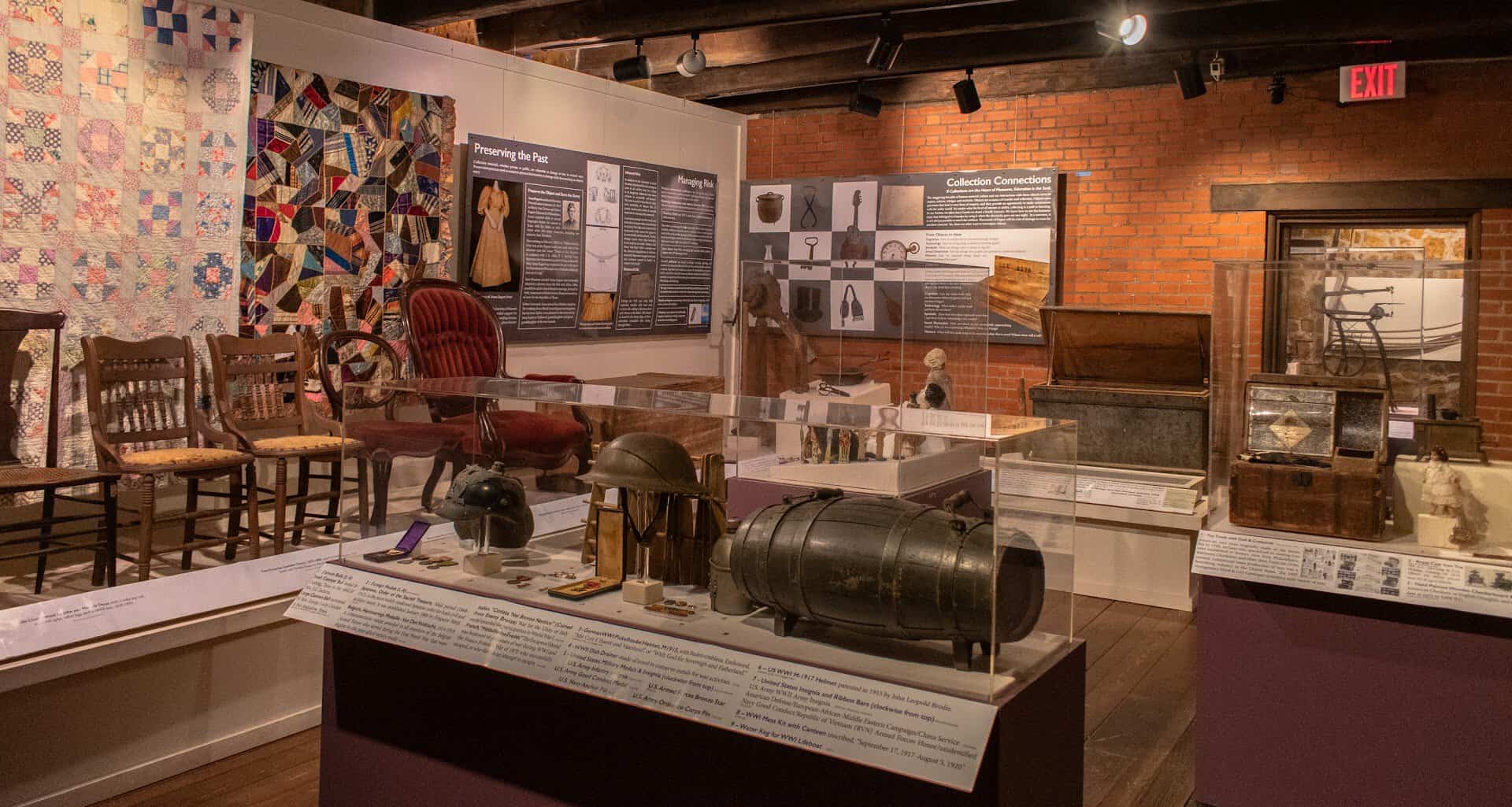
Start at the Old Stone Fort Museum on the Stephen F. Austin State University campus. This reconstruction of Antonio Gil Y’Barbo’s 1779 building was rebuilt in 1936 and tells the story of the town’s earliest days.
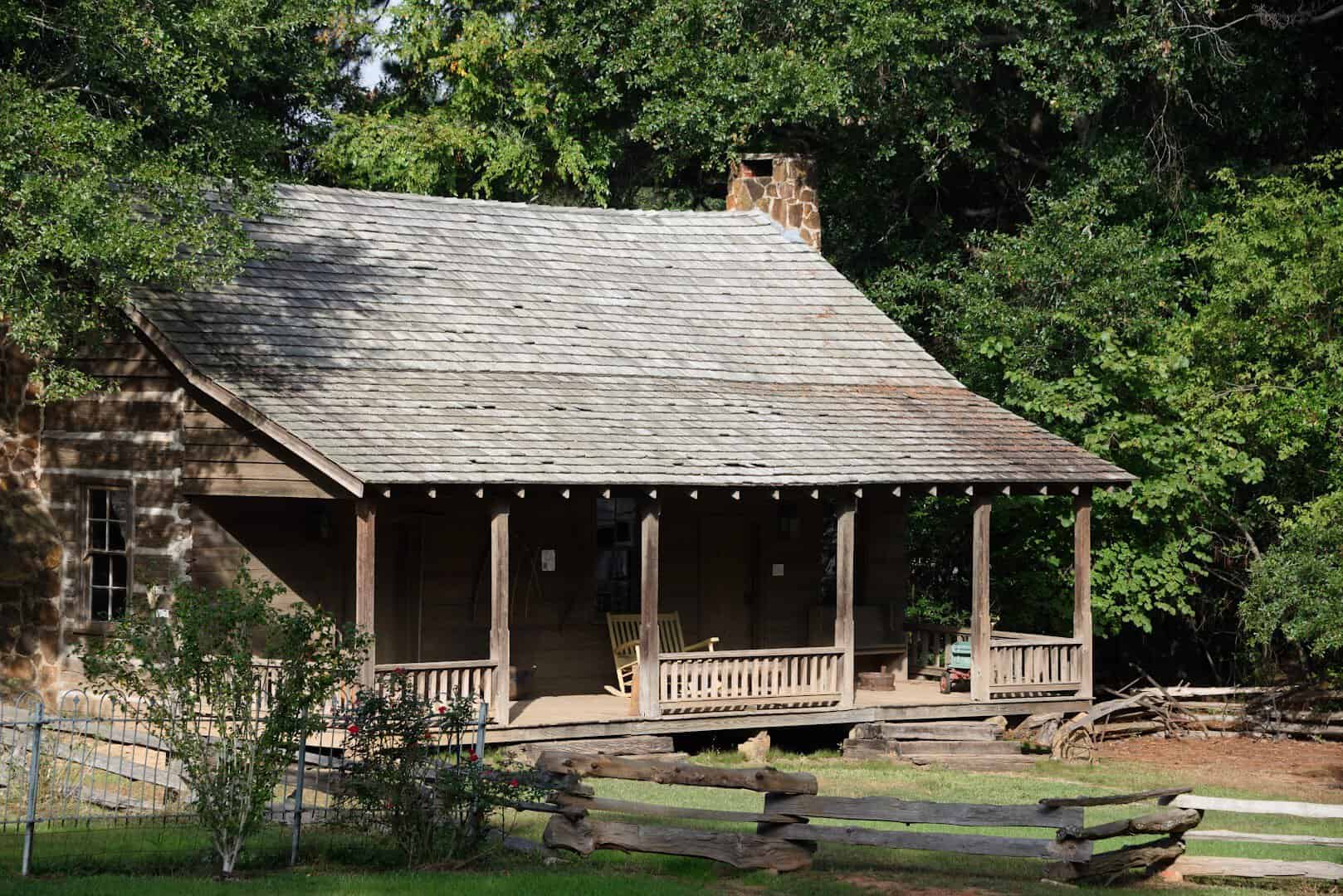
Millard’s Crossing Historic Village, founded by Lera Millard Thomas, gathers restored 19th-century buildings into one walkable village. You’ll find a log schoolhouse, a chapel, a general store, and the 1837 Millard-Lee house among them.
The Durst-Taylor House, dating to the 1830s, is one of the oldest homes in town still on its original site. Its grounds include a working smokehouse, a blacksmith shop, and a chicken coop.
History buffs can keep going. The Old Nacogdoches University Building was constructed in 1859 to house a university chartered by the Republic of Texas itself.
The Sterne-Hoya House is worth a stop too, one of the oldest homes in town still standing on its original spot. Sam Houston himself is said to have been baptized here, which is the kind of detail that gives me goosebumps.
For a dose of culture, the Cole Art Center fills a former opera house from the 1880s with regional, national, and international art. And the Nacogdoches Railroad Depot, built in 1911, recalls the golden age of Southern Pacific train travel.
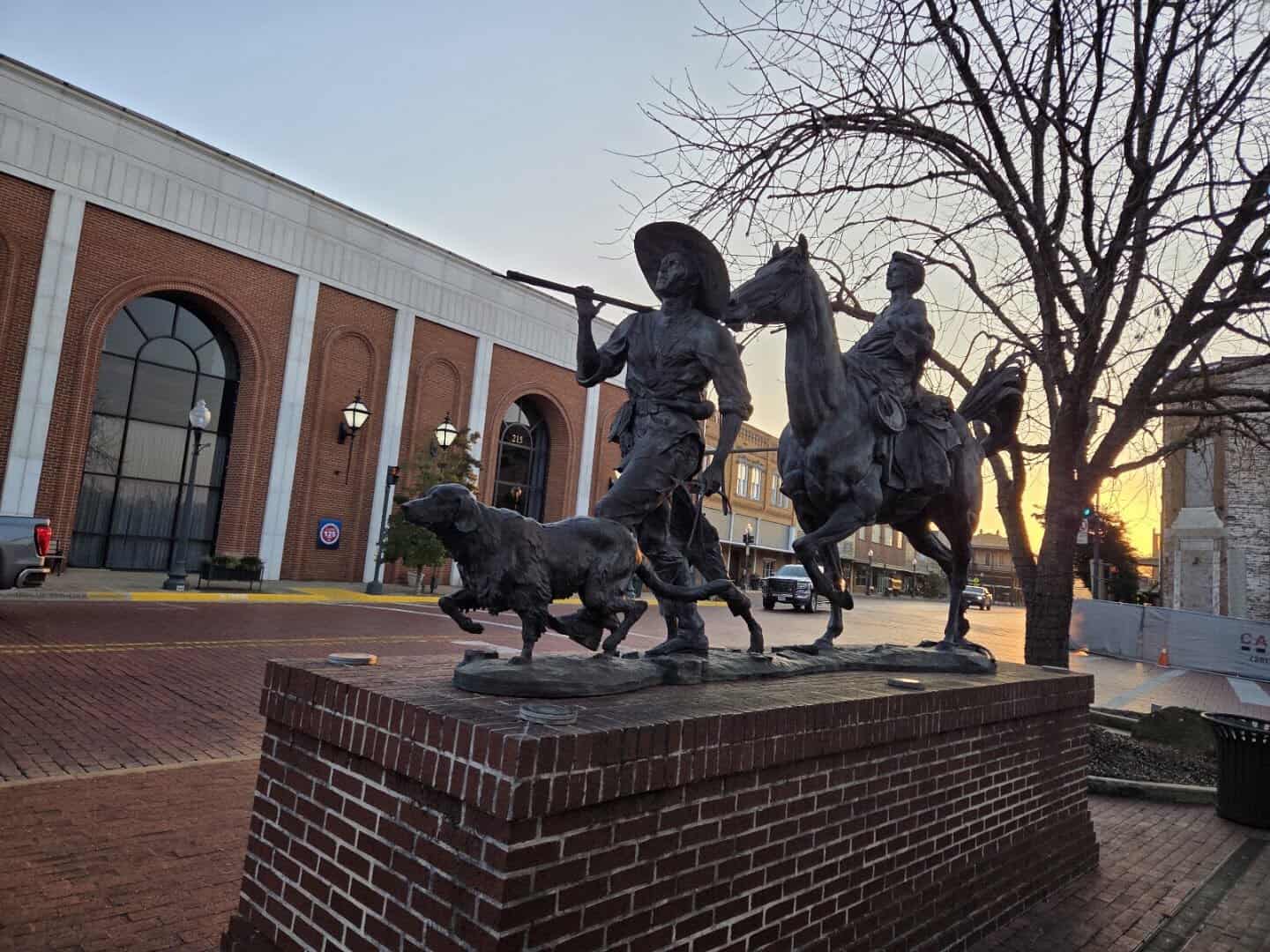
Don’t miss the Nacogdoches Statue Trail, a walkable route dotted with seven bronze statues honoring figures from the town’s long and colorful past. It’s a lovely, low-key way to learn as you stroll.
Gardens, Trails, and the Great Outdoors
Nacogdoches wears its nickname, the “Garden Capital of Texas,” proudly. When you see it in bloom, you’ll understand exactly why.
The Ruby M. Mize Azalea Garden is the largest azalea garden in Texas. In spring it fills with color, in winter the camellias take over, and in autumn the leaves put on their own quiet show.
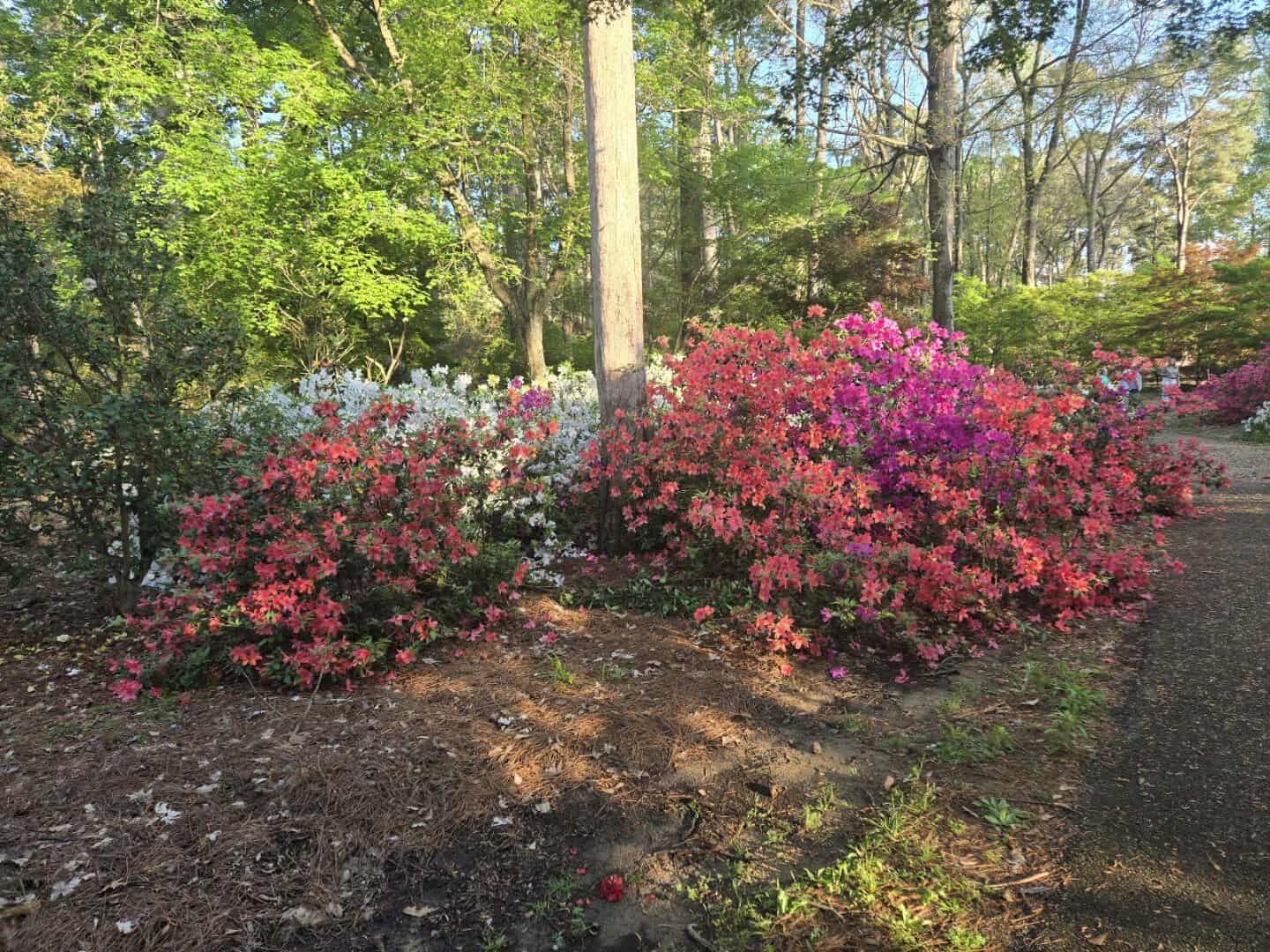
The azalea garden is part of the larger SFA Gardens on the university campus, a leafy spread of arboretums and themed plantings. Students, families, and visiting flower lovers all wander the paths side by side.
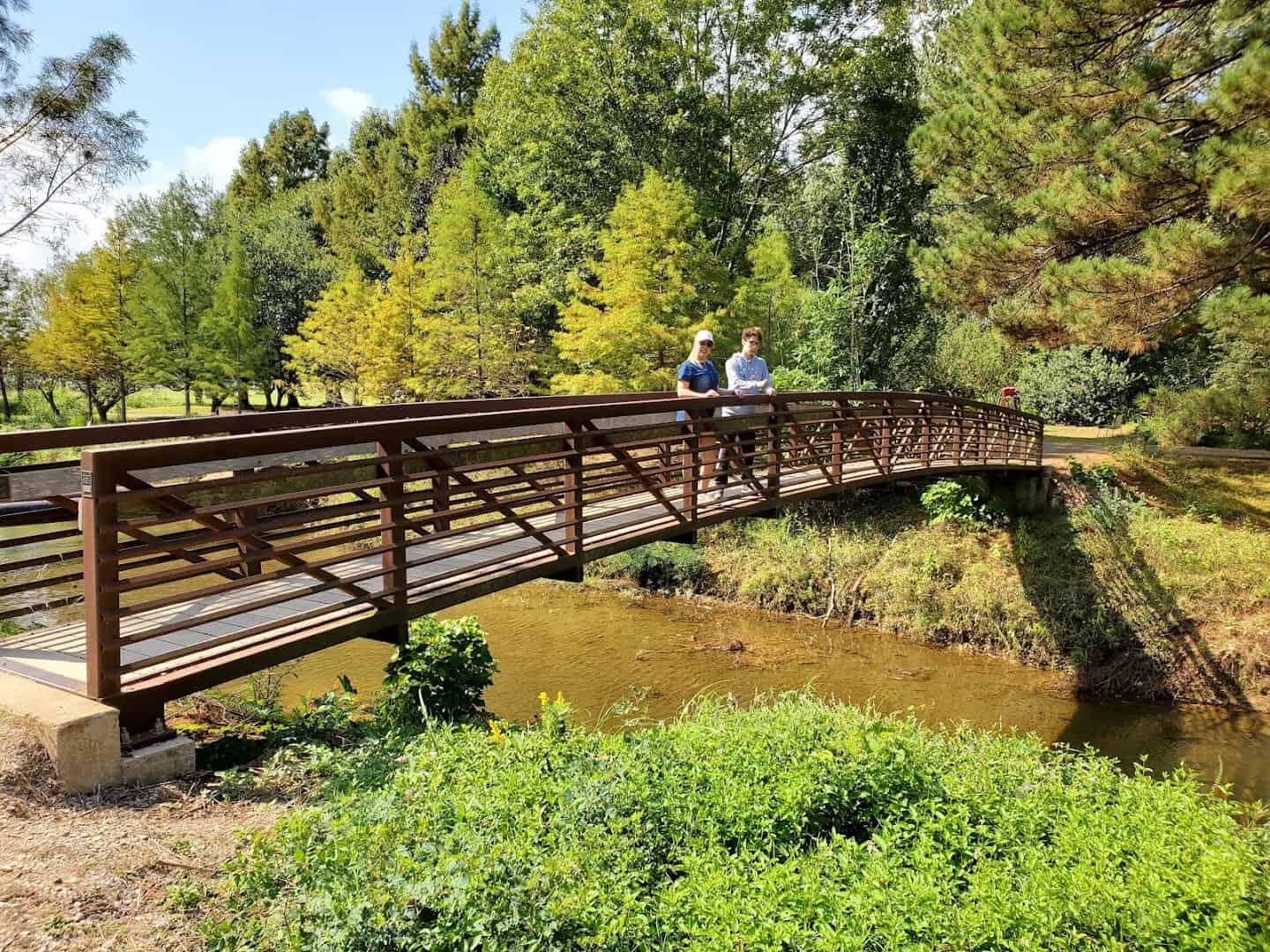
For a walk in the woods, the Lanana Creek Trail winds for miles through the East Texas forest. It’s an easy way to trade the brick streets for birdsong and dappled shade.
Anglers and boaters have two nearby lakes to choose from. Lake Nacogdoches spreads across 2,212 acres about ten miles west of town, while the 692-acre Lake Naconiche sits fourteen miles to the northeast.
Both lakes reward a lazy afternoon with largemouth bass, crappie, catfish, and sunfish. Pack a picnic, bring a line, and let the day stretch out as long as it likes.
The piney woods around town are wonderful for birdwatching, too. With the forest, the creeks, and the gardens all so close, nature is never more than a few minutes from the brick streets downtown.
A Town That Loves a Festival
If you can time your visit to a festival, do it. Nacogdoches throws a wonderful party, and the whole town turns out.
The Texas Blueberry Festival is the big one. On the second weekend of June, close to 20,000 people fill the streets for live music, blueberry picking, a 5K run, a car show, a pet parade, and a no-hands pie-eating contest.
In March, the Nacogdoches Azalea Trail leads visitors along miles of blooming gardens and historic neighborhoods. It pairs beautifully with the town’s Farmer’s Market Spring Fling.
Come autumn, the SFA Fabulous Fall Festival brings the university and community together in October. And around Halloween, Millard’s Crossing hosts “Ghosts of Millard’s Crossing,” a family carnival with a costume contest, pony rides, and a petting zoo.
What makes these events special is how deeply local they feel. These aren’t slick, corporate productions. They’re the kind of hometown gatherings where the pie really is homemade and the whole town knows the band.
There’s a season for everything here, and a celebration to match. Check the town’s calendar before you go and let a festival shape your trip.
Where to Stay
You’ll want more than a day here, and Nacogdoches has charming places to rest your head. The best known is the Fredonia Hotel, a lovingly restored boutique property with several on-site restaurants.
Dine without leaving the building at the Fredonia’s 1st City Café, where fried pickles, chicken enchiladas, and shrimp and grits headline the menu. The hotel’s Nine Flags Bar & Grill is an easy spot for an evening drink.

If you prefer something cozier, the town’s bed and breakfasts have serious character. Hardeman House sits just two blocks from historic brick Main Street, an easy walk to everything.
You can also book Pemberley’s at the Jones House downtown, or the Brick House Inn, a two-story New Orleans-style home built in 1886. Each one puts you within strolling distance of those beautiful brick streets.
Waking up inside a piece of history is part of the fun. There’s something lovely about sipping your morning coffee on a porch that has watched Nacogdoches change for well over a hundred years.
How to Get There
Nacogdoches sits deep in the piney woods of East Texas, roughly two and a half hours northeast of Houston and about three hours southeast of the Dallas-Fort Worth area. It makes a perfect weekend escape from either city.
The historic district is easy to find and even easier to explore on foot once you arrive. Park near Main Street and let the red brick guide you.
My advice? Give yourself a full weekend if you can. Between the shops, the history, the gardens, and the food, a single day always feels like it ends about three discoveries too soon.
Where: Historic Downtown Nacogdoches, Main Street, Nacogdoches, TX 75961
A day or a weekend in Nacogdoches is like slipping into the earliest chapter of Texas and finding it warm, welcoming, and wide awake. Come for the history, stay for the brick streets, the antiques, and the pie.
Plan your trip, wear your comfortable shoes, and give yourself permission to wander. In the oldest town in Texas, the best discoveries are the ones you stumble into.

Stella Raines
Editor-in-Chief
Stella brings over a decade of storytelling experience to TX Headlines. With roots in West Texas and a love for road trips, she leads the editorial team with an eye for the hidden stories that make Texas unforgettable.
More Stories
Tags