Wildlife Watching in New Braunfels: A Nature Lover’s Guide
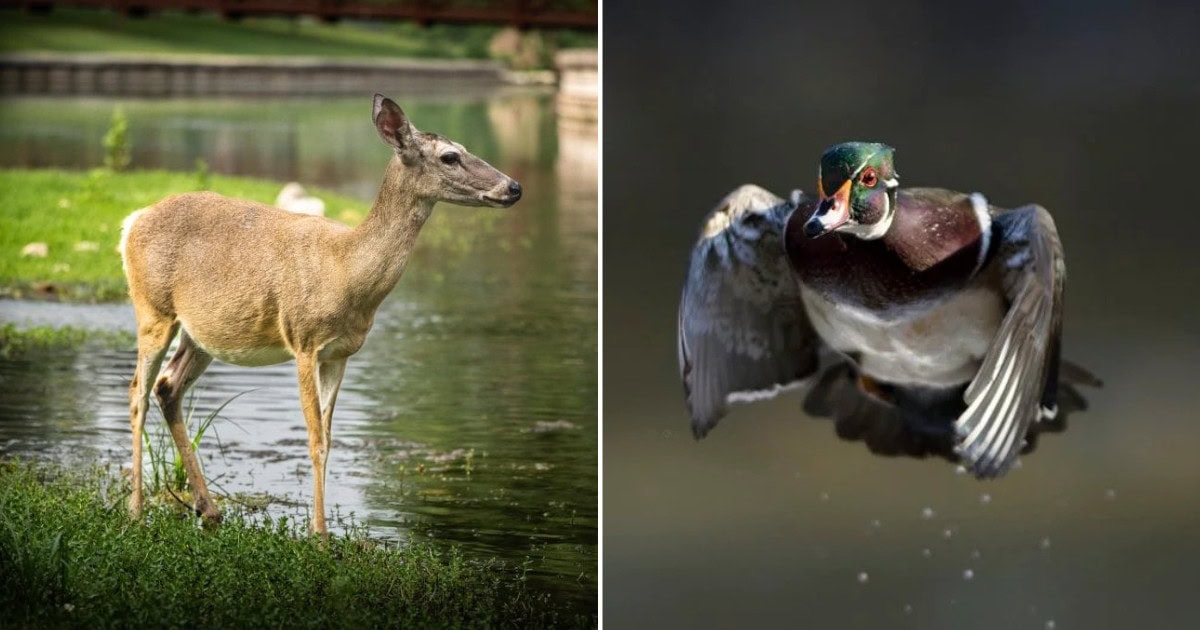
New Braunfels is a haven for outdoor adventures, offering spring-fed rivers, oak woodlands, cypress-lined waterways, and Hill Country terrain that create diverse habitats teeming with wildlife.
From the Comal and Guadalupe Rivers to rocky outcrops and grasslands, the area provides year-round opportunities to observe everything from common birds and mammals to rare species, all within protected parks, preserves, and accessible natural areas.
This guide highlights the best spots for wildlife watching, including trails, river access points, and seasonal tips, giving you the tools to plan safe, rewarding, and unforgettable outdoor adventures in New Braunfels.
What Wildlife You Can Expect to See
Birds
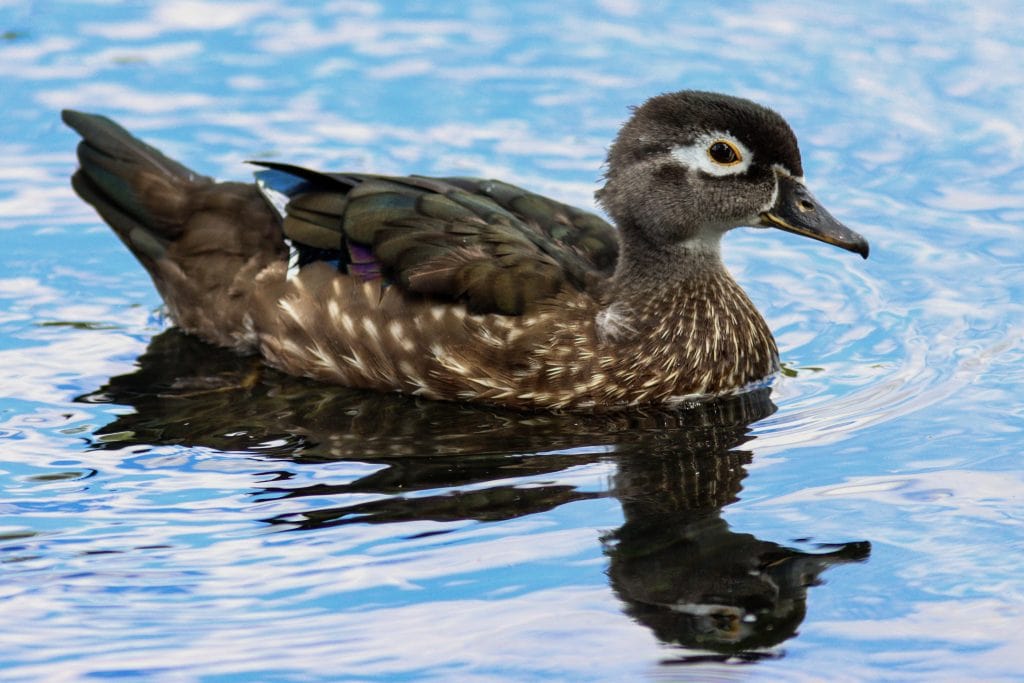
New Braunfels offers a birdwatcher’s paradise with species you can see year-round, like great blue herons fishing in shallow waters, northern cardinals in brushy edges, and summer scissor-tailed flycatchers catching insects midair.
Seasonal migrations add excitement with waterfowl, warblers, and other migratory birds passing through.
Mammals
White-tailed deer dominate the landscape, often visible at dawn or dusk, while raccoons and gray foxes mostly appear at night, making sightings rare but rewarding.
Squirrels are abundant and easily spotted in wooded areas, and persistent wildlife watchers may also encounter armadillos, skunks, and even bobcats, though these species are less common.
Reptiles and Amphibians
Turtles like red-eared sliders and snapping turtles bask on logs and rocks along rivers, making them easy to observe during sunny afternoons.
Non-venomous water snakes swim and sun themselves near waterways, while lizards, frogs, and toads become more active in warm months, with frogs especially detectable by their springtime calls.
These species offer engaging wildlife viewing for patient observers who pay attention to both movement and sound in wetland and riparian areas.
Aquatic Life
Clear waters in the Comal and Guadalupe Rivers reveal fish like Guadalupe bass, largemouth bass, sunfish, and seasonal rainbow trout, providing excellent opportunities to watch feeding, spawning, and social behaviors.
River turtles are commonly seen both in water and basking, and lucky visitors might even spot river otters at a distance, whose playful antics make them a highlight for persistent wildlife watchers exploring these spring-fed rivers.
Best Wildlife Watching Spots in New Braunfels
Landa Park
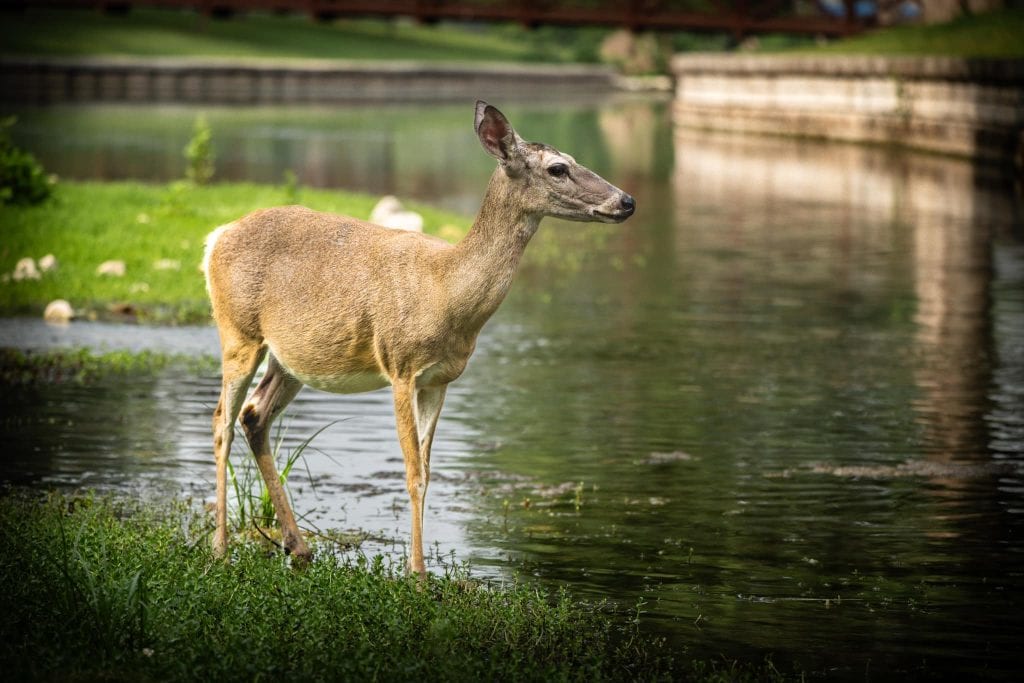
Landa Park’s 196 acres combine lakes, springs, cypress-lined waterways, and oak groves, making it a hotspot for wildlife watching right in town.
Walking quietly through the wooded sections early in the morning can reveal woodpeckers, nuthatches, and migratory species most visitors miss, and the nearby Panther Canyon Trail lets you explore areas to watch the wildlife without leaving the park.
Guadalupe River
Public access points along the Guadalupe River give excellent chances to see aquatic life and riparian species. The clear water here lets you watch fish behavior up close.
We recommend visiting early in the morning to ensure minimal disturbance, while weekends with tubers and boaters dramatically reduce wildlife visibility.
Comal River
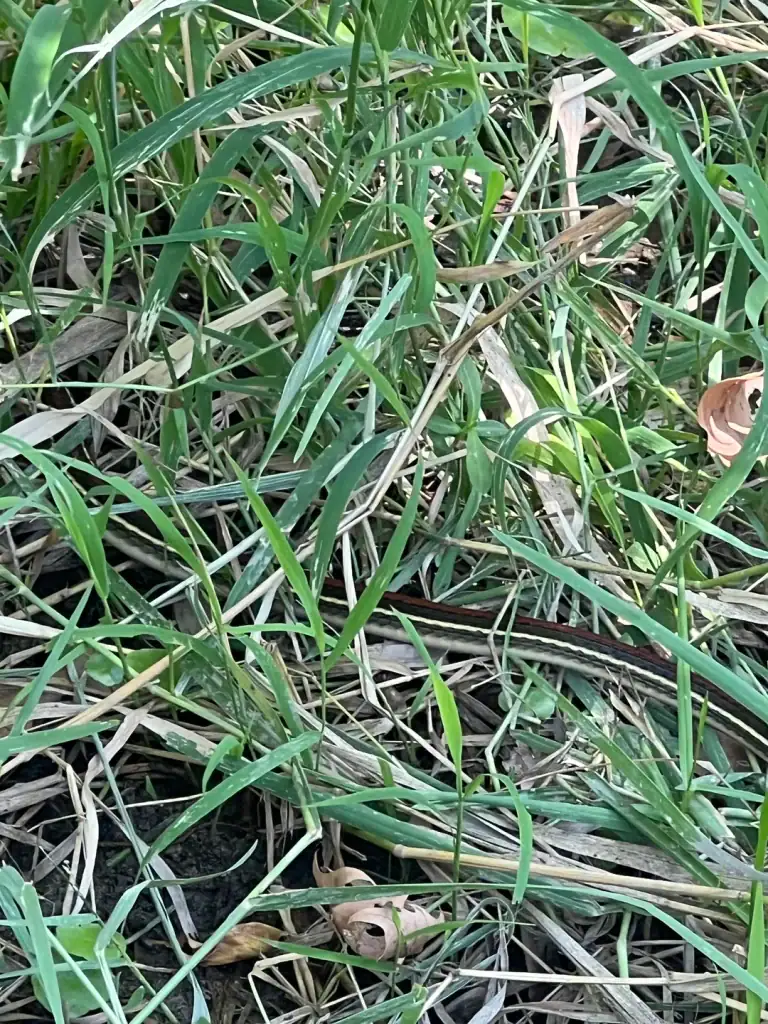
The Comal River’s crystal-clear waters, fed by springs, make fish, turtles, and aquatic invertebrates easy to observe without even getting in the water.
Herons and belted kingfishers hunt along the banks, and songbirds like warblers and vireos feed in the riparian vegetation, especially during migration.
The river’s consistent flow supports wildlife year-round, even in droughts, making it a reliable spot for observation.
Fischer Park
Fischer Park’s wetlands, ponds, and marsh areas attract a variety of birds, while surrounding trees host songbirds during migration.
The park is family-friendly with maintained trails, restrooms, and picnic areas, making it easy to introduce children to wildlife watching. Reliable sightings help keep young observers engaged and excited about nature.
Canyon Lake Area
Around Canyon Lake, deer are commonly seen at dawn and dusk near the shoreline. Access points along the lake provide opportunities to watch both terrestrial and aquatic species.
Early morning and evening visits give the best chances to see wildlife active before human activity increases.
Dry Comal Creek and Alligator Creek Trails
These greenbelt trails preserve riparian corridors through developed areas, providing critical habitat and movement paths for wildlife.
Small mammals like squirrels and raccoons are common, while birds such as Carolina wrens, cardinals, and woodpeckers inhabit the corridors year-round.
Seasonal migrations bring additional species in spring and fall, making these trails excellent spots for consistent and varied wildlife viewing.
Wildlife Watching Tips
What to Bring
Binoculars are essential for wildlife watching, turning distant shapes into identifiable birds and mammals, with 8×42 or 10×42 models providing a solid balance of magnification, field of view, and brightness.
A camera with a telephoto lens lets you document sightings, while water, sunscreen, and hats keep you safe and comfortable during extended outdoor adventures.
Quiet shoes and earth-toned clothing help you move stealthily and blend into your surroundings, increasing your chances of observing animals behaving naturally.
How to Increase Your Chances
Patience and stealth are key. Move slowly or stay still to avoid scaring wildlife, and choose times and locations with less human activity, like early mornings, weekdays, or remote spots.
Walk trails deliberately while scanning for subtle movements, and focus on water sources during dawn or dusk, as these areas concentrate wildlife, especially during dry spells.
Observing quietly and strategically often produces far more sightings than rushing through areas or sticking to crowded access points.
How to Watch Respectfully
Maintain distance to avoid disturbing animals, using binoculars or telephoto lenses instead of approaching closely. Never feed wildlife, as human food disrupts natural foraging and can create aggressive or dependent animals.
Stick to marked trails to protect sensitive habitats and nesting areas, and always pack out your trash to keep the environment safe and healthy for both wildlife and future visitors.
Guided Nature Programs and Educational Opportunities
Fischer Park Nature Programs
Youth programs and guided walks led by naturalists and trained volunteers teach children about local ecology, wildlife identification, and environmental stewardship through hands-on outdoor experiences.
The programs adapt content to different age groups, from preschoolers learning basic nature concepts to teenagers conducting citizen science projects, creating appropriate entry points for developing naturalist interests.
Seasonal nature events timed around migration peaks, breeding seasons, or other notable natural phenomena provide focused opportunities for learning about specific aspects of local ecology while experiencing them firsthand.
The events might include guided bird walks during spring migration, butterfly monitoring during summer, or waterfowl identification workshops during winter.
New Braunfels Parks and Recreation Events

Nature-themed activities and workshops offered through city parks programming include everything from beginning birdwatching classes to photography workshops to creek ecology investigations.
These classes provide structured learning opportunities for residents and visitors wanting to deepen nature knowledge.
The programs generally charge nominal fees covering materials while keeping nature education accessible across economic levels.
Local Environmental Groups
Birdwatching meetups organized by local Audubon chapters or informal birding groups create communities of practice where beginners learn from experienced birders while experts share observations and knowledge.
The group outings provide social aspects alongside learning opportunities, building relationships around shared interests in nature.
Come Appreciate Mother Nature at New Braunfels
New Braunfels offers an incredible mix of habitats, from spring-fed rivers and cypress-lined waterways to oak woodlands and limestone hills, making it a prime spot for wildlife watching.
Whether you’re hoping to spot deer at dawn, catch glimpses of rare birds like golden-cheeked warblers, or observe turtles and fish in crystal-clear waters, the area rewards patience, quiet observation, and a little local know-how.
With parks, trails, and river access points providing easy yet immersive experiences, both beginners and seasoned naturalists can enjoy engaging outdoor adventures while respecting the environment.
By coming prepared, moving thoughtfully, and visiting during quieter times, you’ll maximize your chances of witnessing the rich diversity of wildlife that makes New Braunfels a true Hill Country gem.