Exploring New Braunfels’ Handmade Furniture Museum
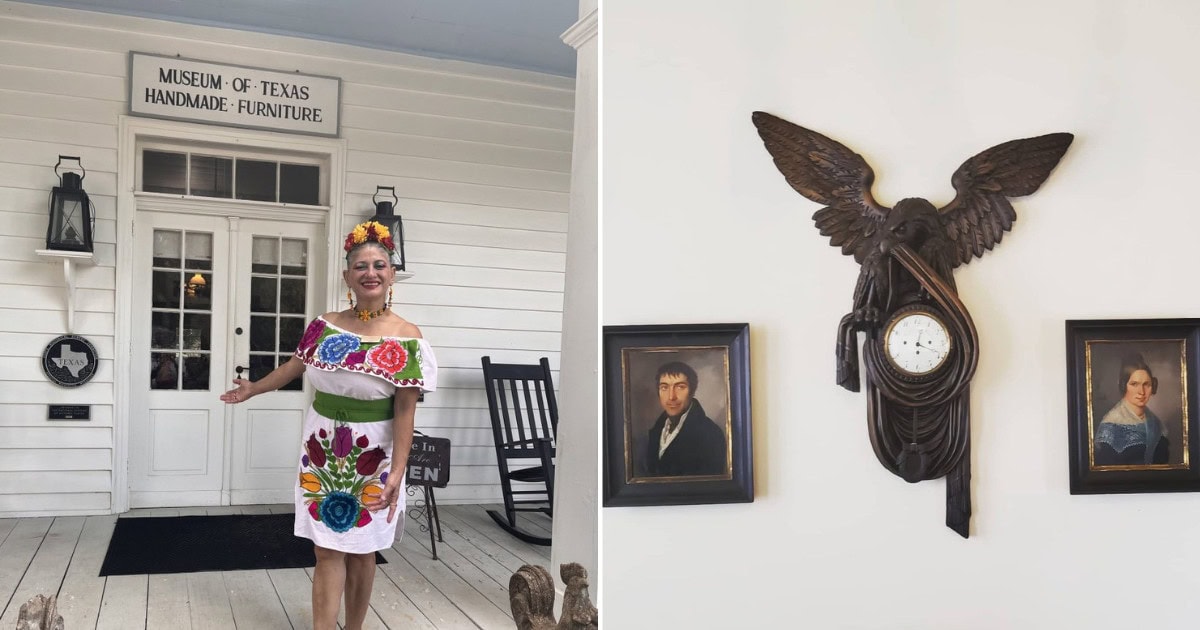
The Museum of Texas Handmade Furniture occupies a unique position in the constellation of New Braunfels attractions and museums, preserving the tangible evidence of how German immigrant craftsmen adapted Old World skills to the New World.
While the Sophienburg Museum tells the broader immigration story through documents and varied artifacts, this specialized museum focuses intensely on a single aspect of material culture: the furniture that German settlers built to furnish their Texas homes.
The historic homestead setting adds immeasurable value beyond what museum display cases in modern buildings could provide, placing furniture within actual period structures where visitors can understand how these pieces functioned in daily life.
The eleven-acre Heritage Village site includes multiple historic buildings relocated and restored to create a living history environment where architecture and decorative arts together illustrate how German immigrants lived during New Braunfels’ founding decades.
In this guide, you’ll learn more about this unique museum and why it deserves a spot on your list of must-see attractions and museums during your next visit to New Braunfels.
Location, Hours, and Contact Information
The Museum of Texas Handmade Furniture operates as part of Heritage Village at 1370 Church Hill Drive in New Braunfels, Texas, positioning it on the northeastern edge of the developed downtown area where Church Hill rises above the surrounding terrain.
Guests can only visit the museum on Tuesdays to Saturdays, from 1 PM to 4 PM. Although, the museum offers a “before/after hours tours” for groups of ten or more via appointments. For anyone interested, you may call them at 830-629-6504.
On-site parking in a gravel lot near the Heritage Village entrance accommodates visitor vehicles with space for roughly two dozen cars during typical operations. The lot rarely fills completely except during major events when Heritage Village hosts festivals.
Admission and Educational Tours
Self-Guided Tours
Self-guided tours allow visitors to explore Heritage Village and the Museum of Texas Handmade Furniture at personal paces. For families who prefer this, the admission fee is $12. Children ages 12 and below is free of charge.
This format works well for visitors who prefer independence, who want to spend varying amounts of time at different exhibits based on personal interest, or who visit during times when guided tours aren’t scheduled.
Map availability provides orientation showing Heritage Village layout, identifying structures, and describing what each building contains. A copy of the map is available on the Heritage Village’s website so you might want to check that out before visiting.
Guided Tours
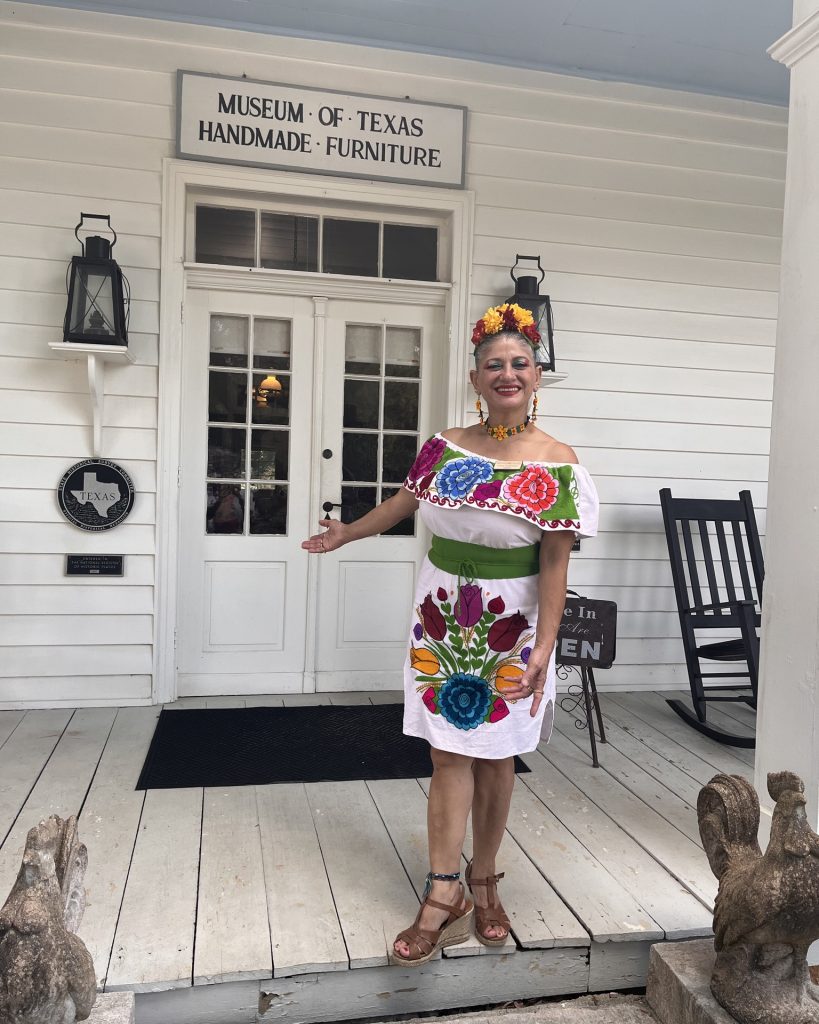
Docent-led experiences significantly enhance visits by providing interpretation, context, and stories that signs alone can’t fully communicate.
Knowledgeable guides bring furniture pieces to life by explaining construction techniques, sharing provenance stories about original owners, pointing out details visitors might otherwise miss, and answering questions that deepen understanding.
The guides often include volunteers with deep knowledge of German-Texan history, furniture scholarship, or family connections to immigrant communities.
The tours generally last forty-five minutes to an hour, though guides adapt to visitor interest levels and question frequency.
Field Trips
Apart from private tours, the museum also offers immersive field trip experiences designed specifically for third, fourth, and fifth grade students studying Texas and Colonial history.
These half-day programs transform the museum’s Heritage Village into a hands-on learning environment where history becomes an active, participatory event rather than a classroom lecture.
Held each fall and spring by appointment, the program accommodates 60 to 80 students per day at a rate of $10 per child, making it accessible for public schools, private schools, and homeschool groups.
During the 2.5– to 3-hour visit, students rotate through four stations led by docents and living historians who bring daily life of early Texas settlers to life.
Each station features a 15–20 minute demonstration along with a hands-on activity, giving students the chance to connect directly with the skills and challenges of early Texas life.
A 30-minute lunch break at the covered Heritage Pavilion rounds out the experience, offering a full, engaging morning of experiential learning.
A Short History of the Homestead
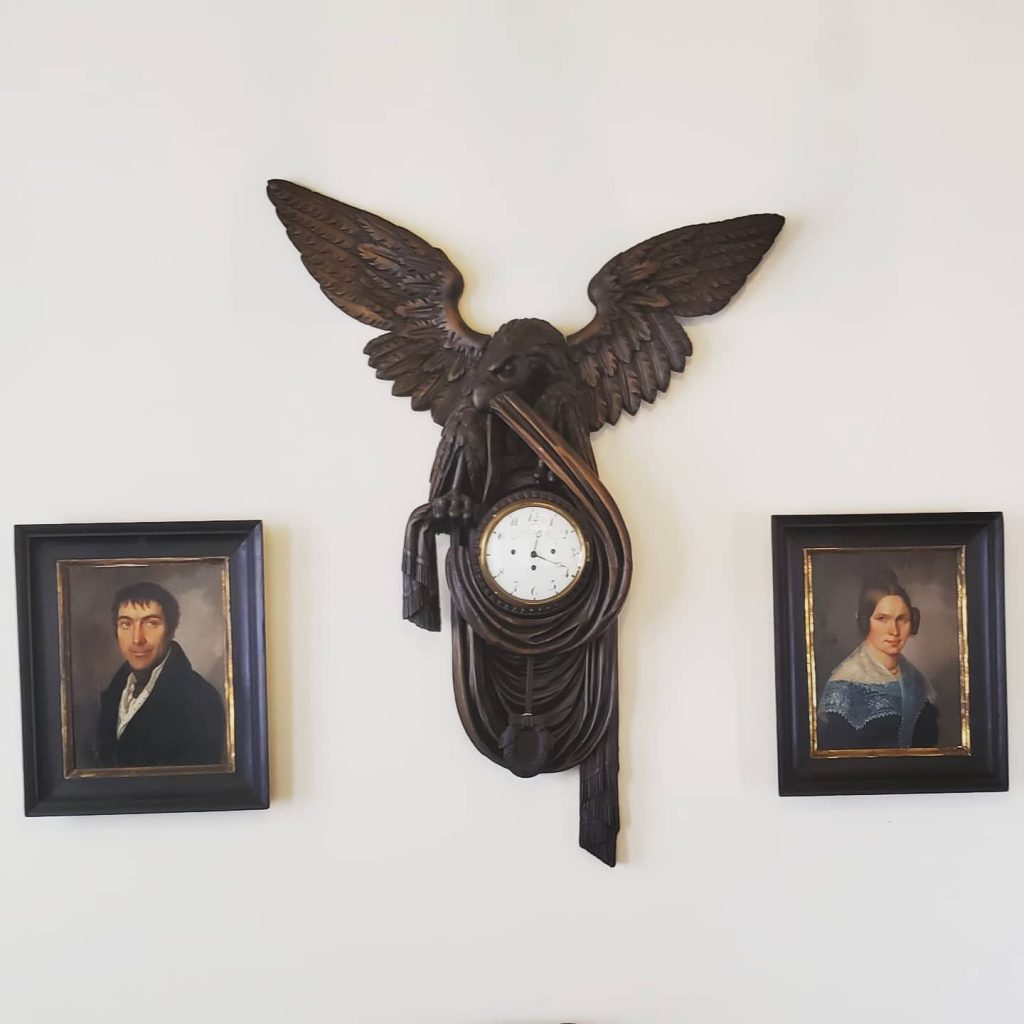
Heritage Village spans roughly eleven acres dedicated to preserving New Braunfels’ German heritage through historic buildings, cultural collections, and hands-on programming.
Its centerpiece, the 1858 Breustedt-Dillen House, showcases German craftsmanship adapted to Texas conditions, featuring limestone construction and efficient floor plans.
Relocated and reconstructed to prevent demolition, the house now serves as the home of the Museum of Texas Handmade Furniture and stands as a key example of nineteenth-century German-Texan architecture.
Surrounding the main house, the village includes additional historic structures such as log cabins, workshops, and agricultural buildings that illustrate the daily life and essential trades of early settlers.
Heritage gardens, interpretive signage, and demonstration areas further enrich the experience, helping visitors understand how German immigrants lived, worked, and built their communities.
By exploring the grounds, guests gain a fuller appreciation of the environment in which these settlers created the furniture and material culture preserved in the museum.
Exhibits and Collections
Historic Rooms and Period Displays
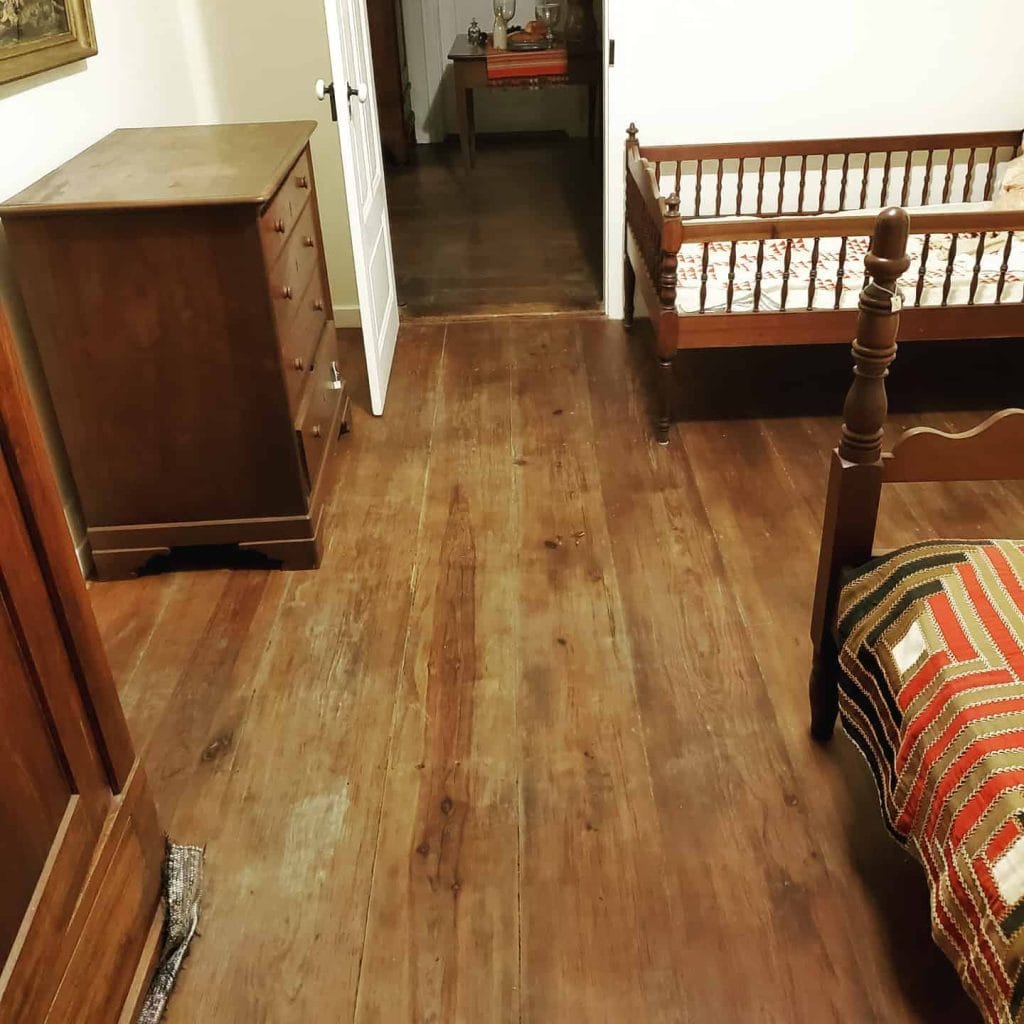
Restored rooms throughout the Breustedt-Dillen House and other Heritage Village structures recreate authentic 19th-century domestic and workshop environments.
Bedrooms, dining rooms, and workshops combine furniture, textiles, tools, and decorative arts to convey the functional and social realities of German-Texan life, showing how rooms were furnished for living, working, and entertaining.
Workshop spaces feature tools, raw materials, and partially completed projects, illustrating the skills and labor required to create the finished furniture and highlighting the importance of craftsmanship in these communities.
Early Texas Decorative Arts
Beyond furniture, the museum preserves textiles, household tools, and decorative objects that provide a full picture of German-Texan domestic life.
Quilts, linens, and clothing display distinct German patterns and techniques, while kitchen implements, storage vessels, and lighting tools demonstrate the practical demands of daily life before modern conveniences.
These artifacts contextualize furniture by showing how it functioned within complete household environments.
Outdoor Structures
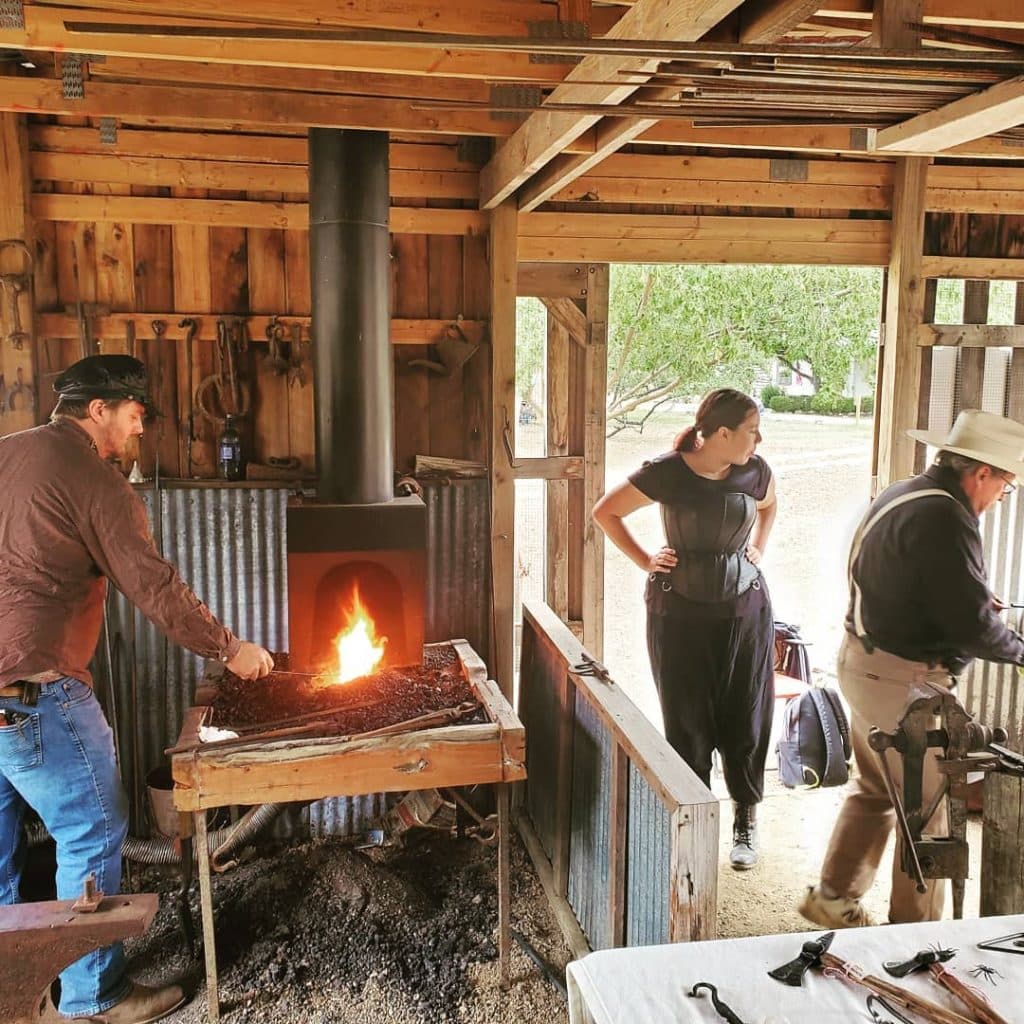
Heritage Village’s outdoor structures illustrate frontier life and early settlement practices. Log houses show simple hand-hewn construction with minimal furnishings, emphasizing the subsistence-level conditions of early settlers.
These structures contrast with the refined Biedermeier furniture inside the museum, highlighting the progression from basic survival to established prosperity.
Workshops, including blacksmith and carpentry areas, demonstrate the trades supporting the community, with tools and equipment providing insight into the creation of everyday and luxury items.
Outbuildings like springhouses, smokehouses, and outdoor kitchens help visitors understand the practical realities of 19th-century Texas life without modern conveniences.
Venue Rentals
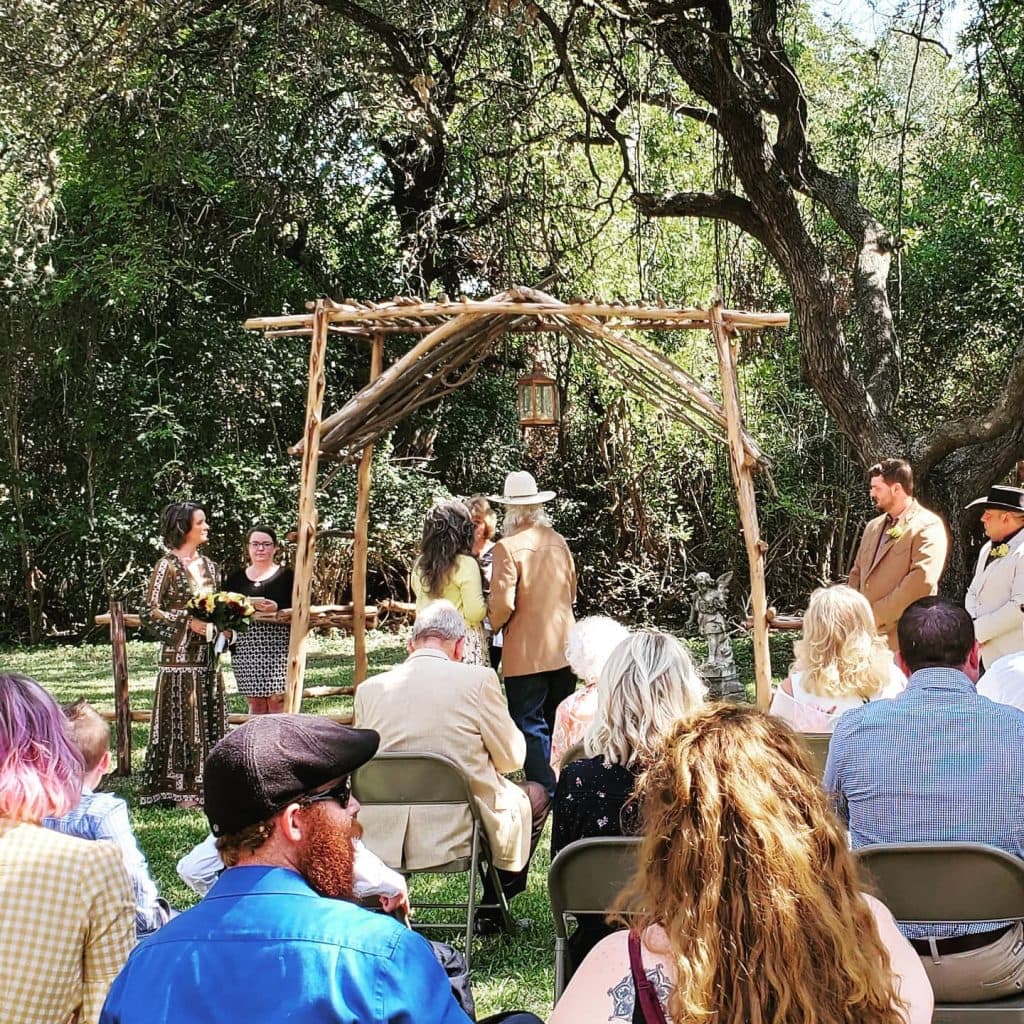
The Heritage Village also offers several unique rental spaces ideal for weddings, corporate events, holiday celebrations, or private parties.
The recently renovated Solms School, originally built in 1907 and relocated to the museum grounds in 2006, provides a charming indoor venue with historical character and modern amenities.
Its restoration preserves the building’s heritage while making it suitable for small receptions, corporate gatherings, and private events, all within the scenic backdrop of the museum’s historic grounds.
For outdoor events, the Oak Grotto provides a picturesque setting flanked by historic structures and shaded by towering centennial live oaks, perfect for wedding ceremonies.
Nearby, the Heritage Pavilion, constructed in 2002, offers practical facilities including restrooms, a caterer’s kitchen, and seating for 80–100 guests.
Rentals of these spaces support the museum’s exhibitions and educational programming, allowing visitors to enjoy a historic and visually striking venue while contributing to the preservation of New Braunfels’ German-Texan heritage.
A Feel of Texan History Through Furniture
The Museum of Texas Handmade Furniture preserves material culture that documents German immigrant experiences, showing how ordinary people practiced craft skills while building new communities in challenging circumstances.
Visiting this specialized museum rewards patience with its limited hours and compact collections, providing insights into specific aspects of German-Texan heritage that broader history museums can only touch briefly.
Plan your visit around the restricted schedule, allow adequate time for thoughtful exploration, and appreciate that preserving these collections and this historic site requires community support.
We’ll see you at the heritage village!