Exploring New Braunfels’ Historic Sophienburg Museum
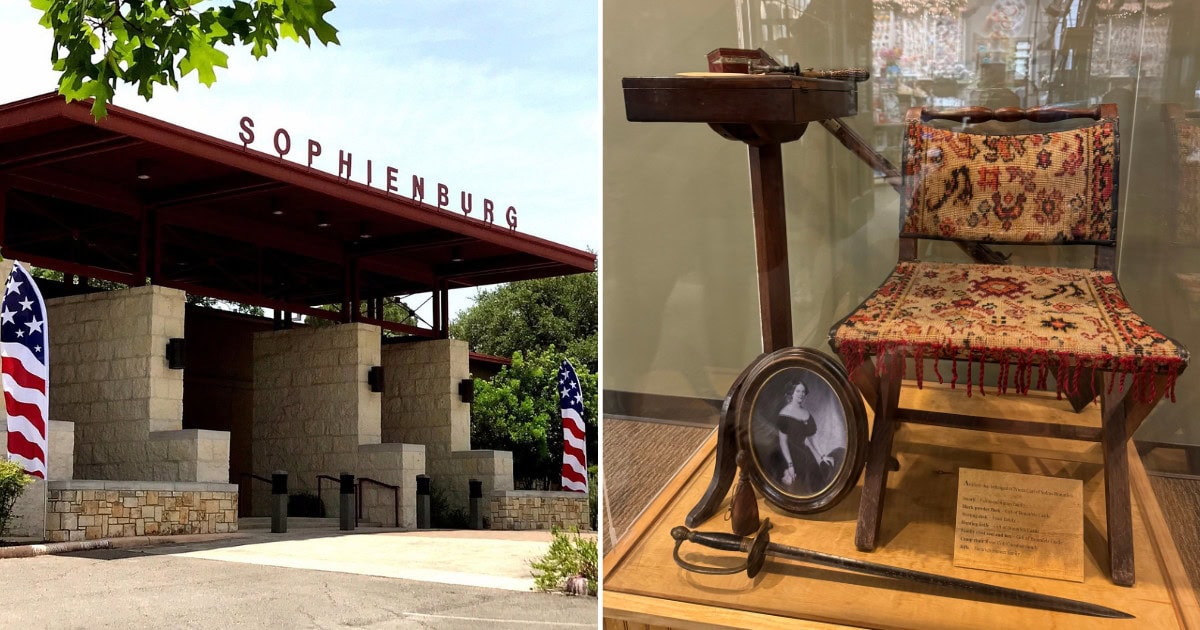
We’re treading down memory lane today as we explore the historic Sophienburg Museum in downtown New Braunfels—one of the city’s most meaningful attractions and museums for understanding its German heritage.
This iconic institution is dedicated to preserving and celebrating the deep cultural roots that shaped the community.
The museum takes its name from Sophia of Salm-Salm, wife of Prince Carl of Solms-Braunfels, who helped lead the first wave of German colonists to Texas under the Adelsverein, the society of noblemen behind this ambitious immigration effort.
Today, the Sophienburg stands as one of New Braunfels’ standout attractions and museums, welcoming anyone who wants to learn not just about the city’s founding families but also the broader narrative of German-Texan immigration. In this guide, we’ll explore what else the museum has to offer and why it remains an essential stop for history lovers.
Location and Getting There
The Sophienburg Museum is located at 401 West Coll Street, New Braunfels. From its hilltop position, the museum overlooks downtown New Braunfels, sitting approximately a half-mile from the Main Plaza that serves as the town’s historic and geographic center.
The route takes you through residential neighborhoods that showcase New Braunfels architecture spanning from the mid-nineteenth century through contemporary construction, providing informal historical context as you approach the formal museum experience.
Parking availability at the Sophienburg includes a small lot adjacent to the museum building that accommodates roughly a dozen vehicles in standard spaces plus designated accessible parking near the entrance.
The museum’s relatively compact footprint means you can’t get seriously lost, but starting at the reception desk ensures you don’t miss key exhibits or fail to sign in for archival access if you’re conducting research.
Museum Hours and Admission
The Sophienburg Museum is open from Tuesdays to Saturdays from 10 AM to 4 PM, while the archives open for research by appointment only, 10:30 AM to 3:30 PM. They are closed on Sundays and Mondays for maintenance.
These 2-day closures allow the staff to rest and time for collections management, research, and maintenance that’s difficult to accomplish while the public is present.
Admission pricing reflects the museum’s nonprofit status and educational mission, with rates kept deliberately affordable to avoid creating financial barriers that prevent community members from engaging with their own history.
Adults only have to pay $10, while students ages 13-18 are granted a discounted rate of $5. For kids ages 6-12, the fee is $3, while younger ones are free of admission.
Reservations are generally unnecessary for individual visitors or small family groups who can simply arrive during operating hours and purchase admission at the door.
For bigger groups of over 20 people, the rate is $8 per person, and the visit must be pre-booked via the museum’s website to accommodate the group better.
Calling ahead or emailing ensures that staff can prepare materials, arrange for appropriate volunteers or employees to assist your group, and prevent scheduling conflicts where multiple groups arrive simultaneously and overwhelm the museum’s modest capacity.
Exhibits and Collections Overview
Permanent Exhibits
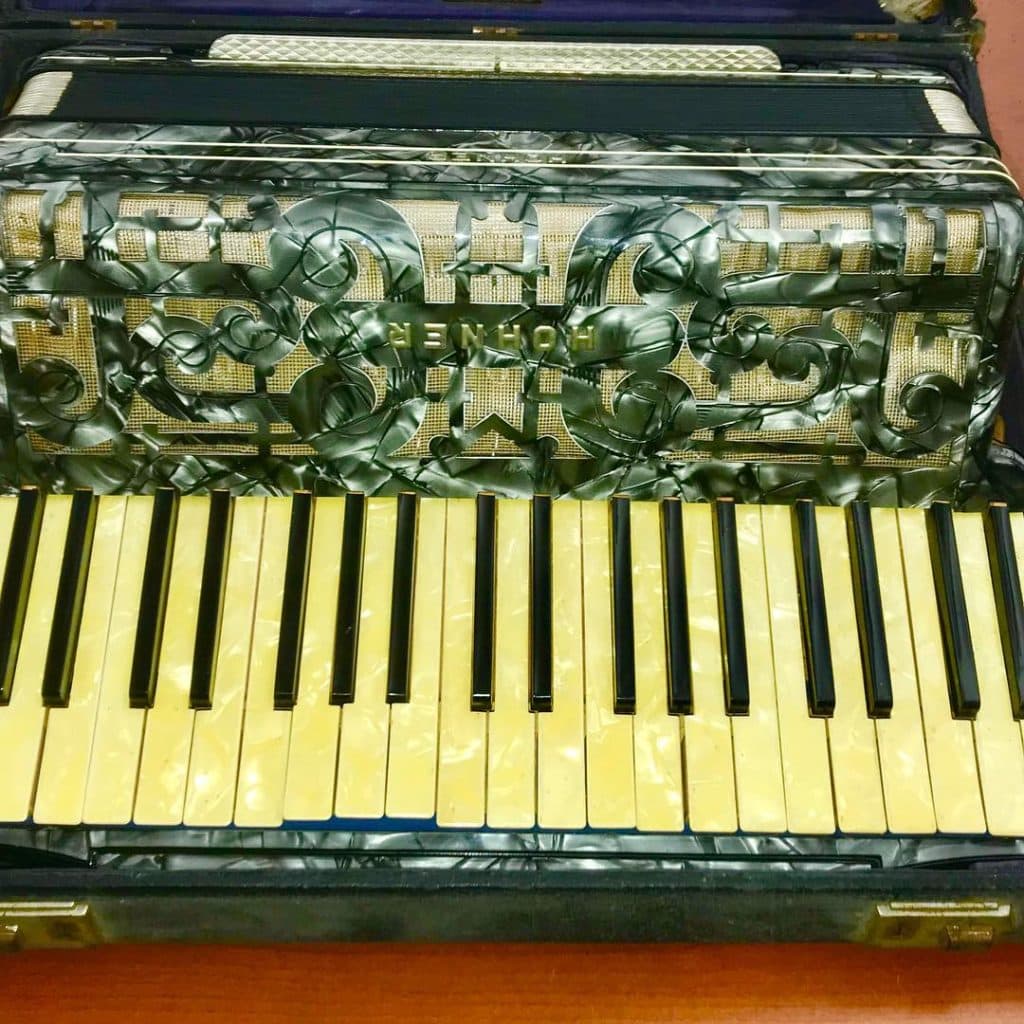
The Sophienburg Museum’s permanent exhibits walk visitors through the story of New Braunfels from its roots in 1840s Germany to the development of a thriving Texas-German community.
Exhibits explain the political and economic pressures—like overpopulation, limited opportunity, and post-Napoleonic instability—that pushed many Germans to emigrate. They highlight the brutal realities of crossing the Atlantic and traveling inland from the Texas coast.
Photographs and period artifacts illustrate how families gradually transformed the wilderness into a functioning community—constructing homes, churches, schools, and businesses while preserving cultural identity at the same time.
The museum also explores how early New Braunfels fit within the broader Texas frontier. Displays address interactions with Native peoples, the complicated realities of slavery and the Civil War, including the strong Unionist sentiment among many German Texans.
By presenting both the triumphs and the uncomfortable truths of settlement, the exhibits offer a nuanced, deeply human understanding of the people who shaped New Braunfels.
Research and Genealogy Library
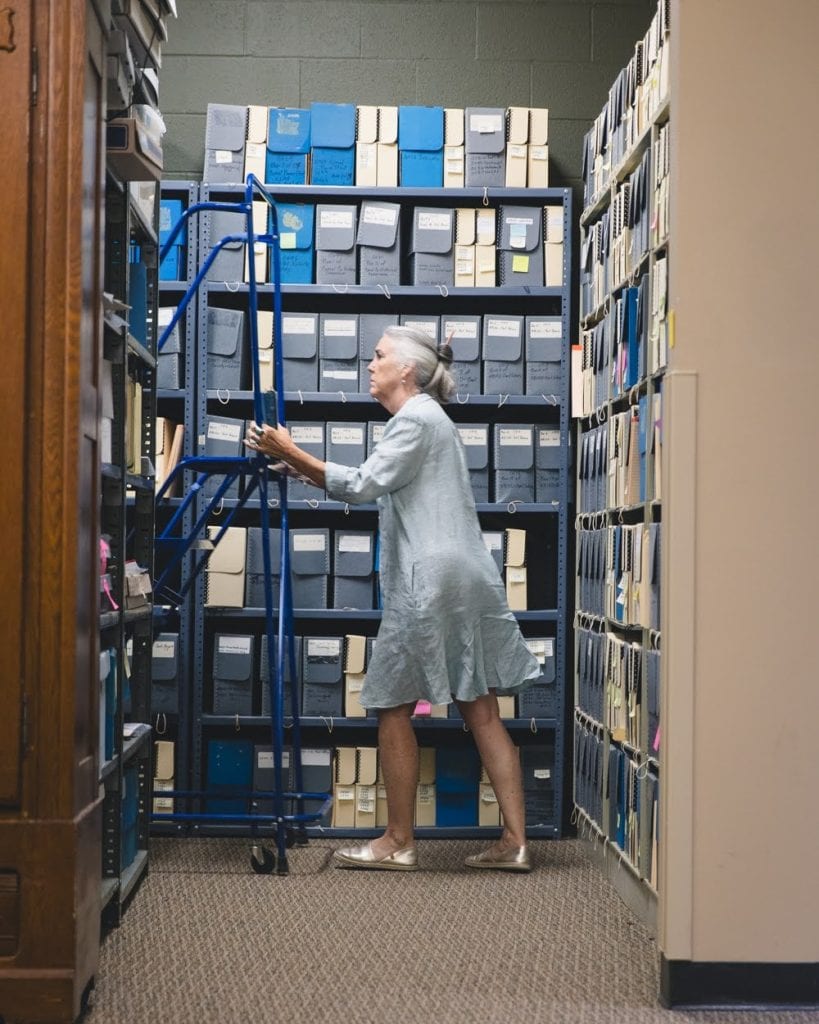
The archives and research library portion of the Sophienburg serves dramatically different purposes than the public exhibits, providing access to original historical documents and records that support genealogical research of New Braunfels history.
These archives contain passenger lists from ships that brought German immigrants to Texas, naturalization records documenting when and how immigrants became American citizens, marriage and death records, and other personally identifiable documents.
Who can use the archives includes anyone with legitimate research purposes, a student completing a school project on local history, or simply a history enthusiast curious about specific aspects of New Braunfels’ past.
Making research appointments involves contacting the museum in advance to explain what you’re researching and what types of records you need to access.
Standard archives rules apply: no food or drinks near documents; pencils only, not pens, to avoid permanently marking materials; careful handling to minimize stress on bindings and pages; and no removal of materials from the archives room.
Educational Tours and Events
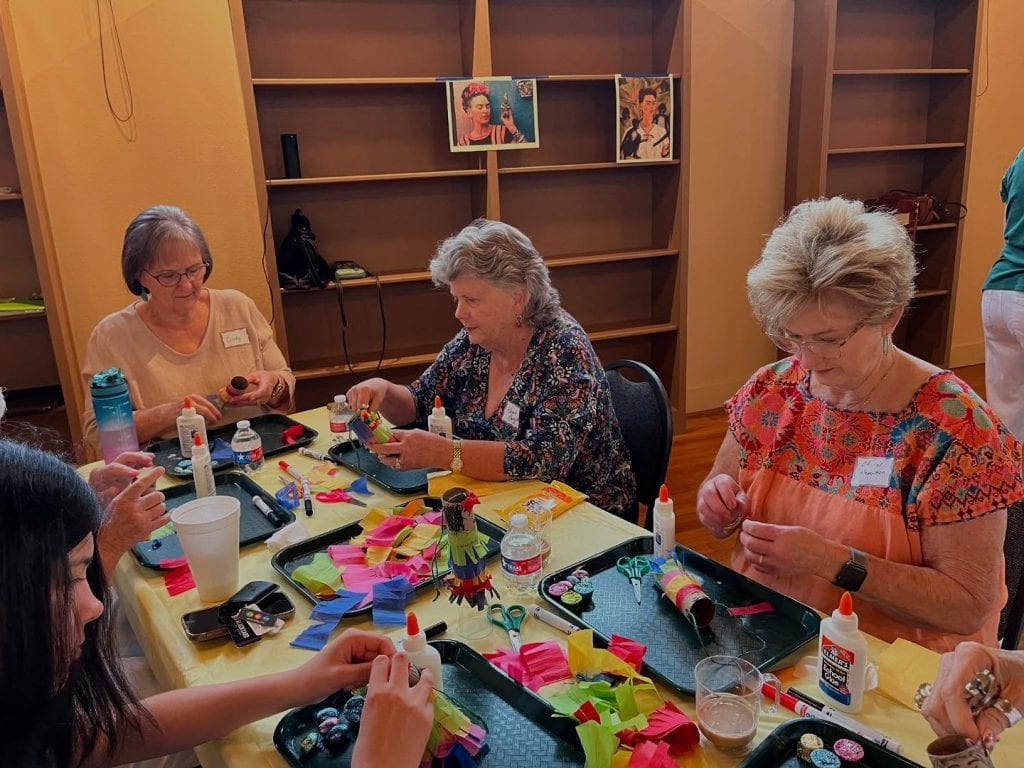
Sophienburg Museum offers docent-led tours for school groups—from Pre-K through high school—that bring German immigration and early New Braunfels history to life.
On these guided tours, students experience immersive exhibits including a replica immigrant ship, an 1860s fachwerk cabin, a circa-1900 city street with 13 storefronts, plus displays on farming, ranching, water use, and social customs.
Multimedia presentations like historical videos are sometimes included to enhance understanding.
For adult groups, families, or casual visitors, the museum also provides group tours (for 15 or more people) with either a guide or self-guided options. Tours typically last about 45 minutes and require a reservation.
For a bit more flair, the museum offers a special “Strudel-Doo” tour, which pairs the docent-led experience with coffee and apple strudel in the foyer before or after the tour. Truly a unique way to enjoy history with a taste of German tradition.
In addition to in-museum visits, Sophienburg can bring history directly to schools or community groups through the “History to You” program, where docents deliver artifact trunks or hands-on activities to classrooms.
Teachers can choose from themes like German Immigrant History or early Texas artifacts. This outreach makes it easier for students to engage with local heritage even if they cannot visit the museum in person.
Sophie’s Shop (Museum Gift Shop)

Inside the Sophienburg Museum, Sophie’s Shop is a cozy, carefully curated boutique where museum-goers and gift-shoppers alike can browse a wide variety of items tied to New Braunfels’ German-Texan heritage and local culture.
You don’t need a museum admission to shop there. The shelves are filled with beautifully bound books — from local history and legends to children’s stories — along with unique handmade items and collectibles that echo the museum’s exhibits.
Authentic German-style gifts, regional souvenirs, and charming decorative pieces make it a go-to spot for meaningful keepsakes or thoughtful presents.
Around the holiday season and during local festivals, Sophie’s Shop expands its offerings and presence. It participates in events like Wurstfest and the annual Weihnachtsmarkt.
During this festive time, the museum brings German steins, handcrafted ornaments, decorative nutcrackers, and other festive items to festival-goers.
Photography and Museum Policies
The museum asks that visitors not use flash photography, which can damage light-sensitive materials and disturb other visitors trying to read labels or examine exhibits.
Modern cameras and phones perform well in museum lighting without flash, though you’ll need steady hands or higher ISO settings to avoid blurry images in dimmer areas.
Rules for docent-led tours include following the group rather than wandering off independently, since guides structure tours with specific pacing and sequences that work best when groups stay together.
Handling artifacts is strictly forbidden for visitors, with only museum staff and researchers under staff supervision allowed to touch collection items.
Food and drink policies prohibit consumption anywhere near exhibits or in archive areas where spills could permanently damage irreplaceable historical materials.
Service animals assisting visitors with disabilities are permitted throughout the museum as required by law, while emotional support animals or pets are not allowed since they’re not protected under ADA requirements and could pose risks to artifacts or other visitors.
Revisit New Braunfels’ History Today
The Sophienburg Museum matters because communities that don’t understand their histories can’t understand themselves, can’t make informed decisions about their futures, and risk repeating past mistakes while abandoning past wisdom.
The museum succeeds by taking history seriously without making it inaccessible, by preserving authentic materials while interpreting them for general audiences, and by serving both scholarly research needs and public education missions.
In an era when much historical presentation has been dumbed down into edutainment that prioritizes fun over learning, the Sophienburg maintains standards that respect both history’s complexity and visitors’ intelligence.
With all that said, we hope you consider visiting the Sophienburg Museum to learn where New Braunfels came from. The museum deserves your time, your attention, and your support.