The Secret Museum That’s Dedicated to Women of the West
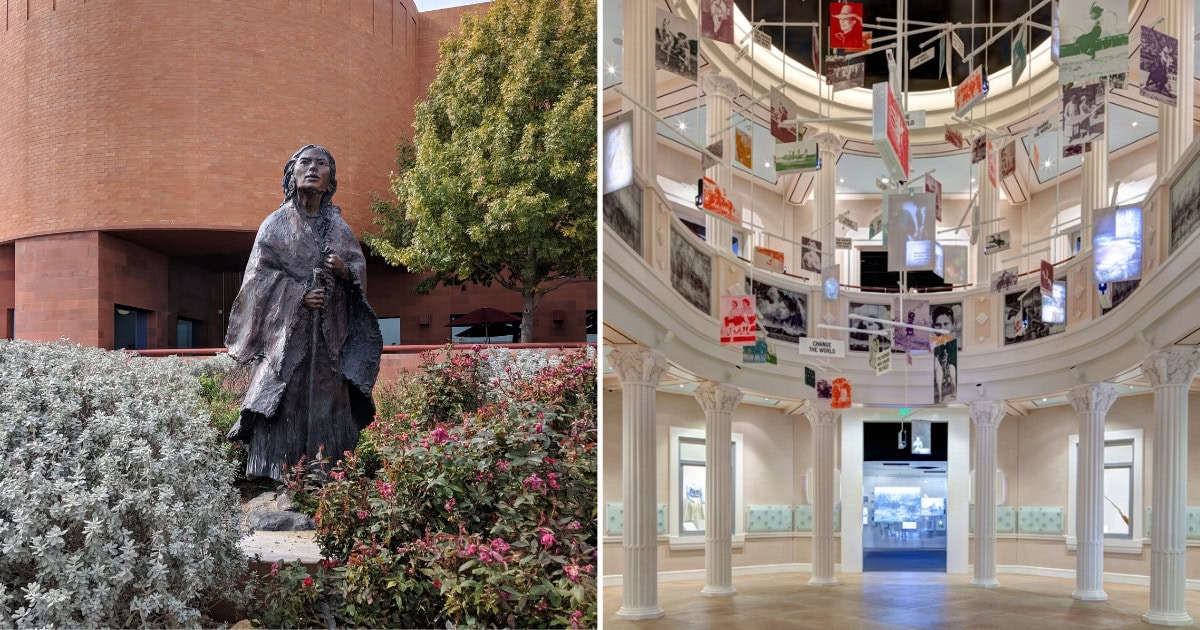
Fort Worth’s Cultural District draws visitors to the Kimbell Art Museum, the Modern, and the Amon Carter, leaving a 33,000-square-foot treasure often overlooked.
It’s the National Cowgirl Museum and Hall of Fame, the only museum in the world dedicated exclusively to the women who shaped the American West.
The Hall of Fame includes Georgia O’Keeffe, Sacagawea, Annie Oakley, Sandra Day O’Connor, and more than 250 other remarkable women.
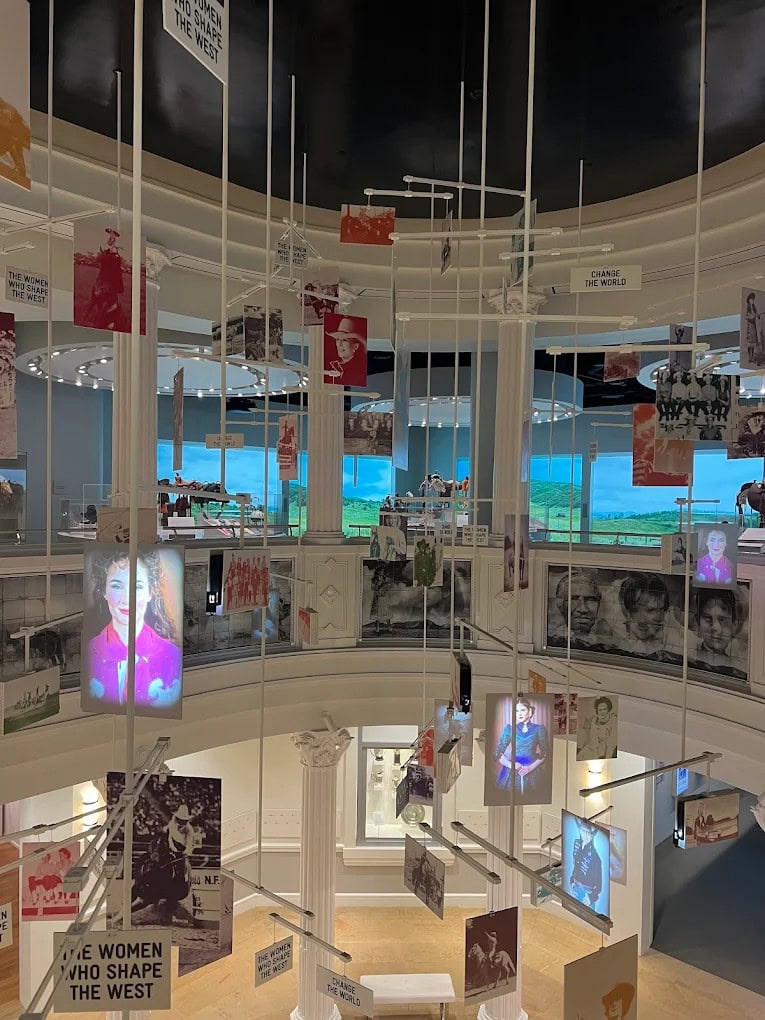
Award-winning architect David M. Schwarz designed the building, which features a dramatic trompe l’oeil mural of cowgirls galloping toward visitors and a 45-foot-high domed rotunda lined with shimmering glass stars bearing the names of honorees.
It’s the kind of place that changes how you think about the West—and about who built it.
Where the Museum Is Located
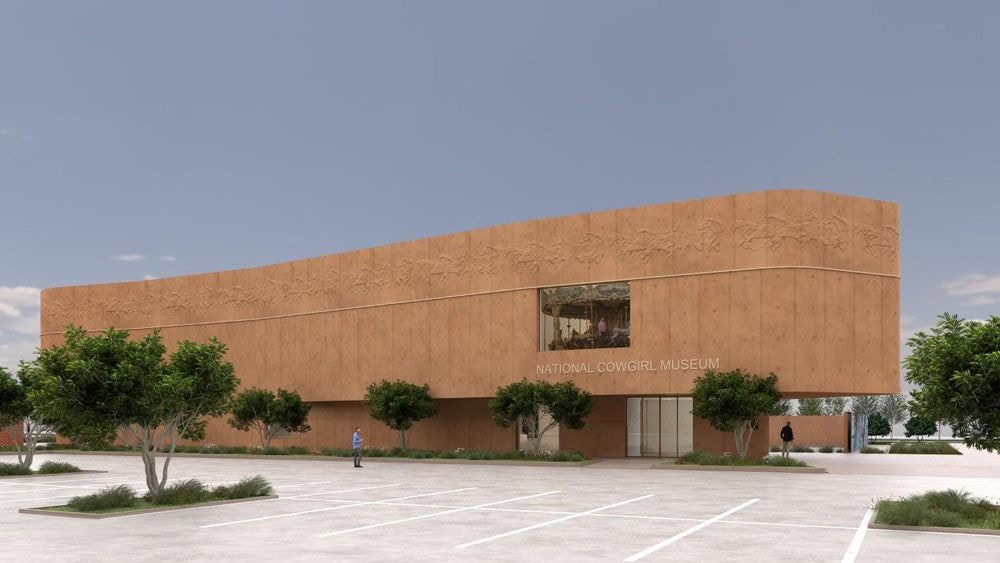
The National Cowgirl Museum and Hall of Fame stands at 1720 Gendy Street in Fort Worth’s Cultural District, part of the Will Rogers Memorial Complex.
The location puts it within walking distance of some of the finest museums in the Southwest.
The museum began in humbler circumstances.
In 1975, the board of directors of the Deaf Smith County Chamber of Commerce in Hereford, Texas, wanted a unique attraction to boost civic pride for their small cattle-raising community.
They conceived the National Cowgirl Hall of Fame to honor women of professional rodeo, starting with the annual All-Girl Rodeo.
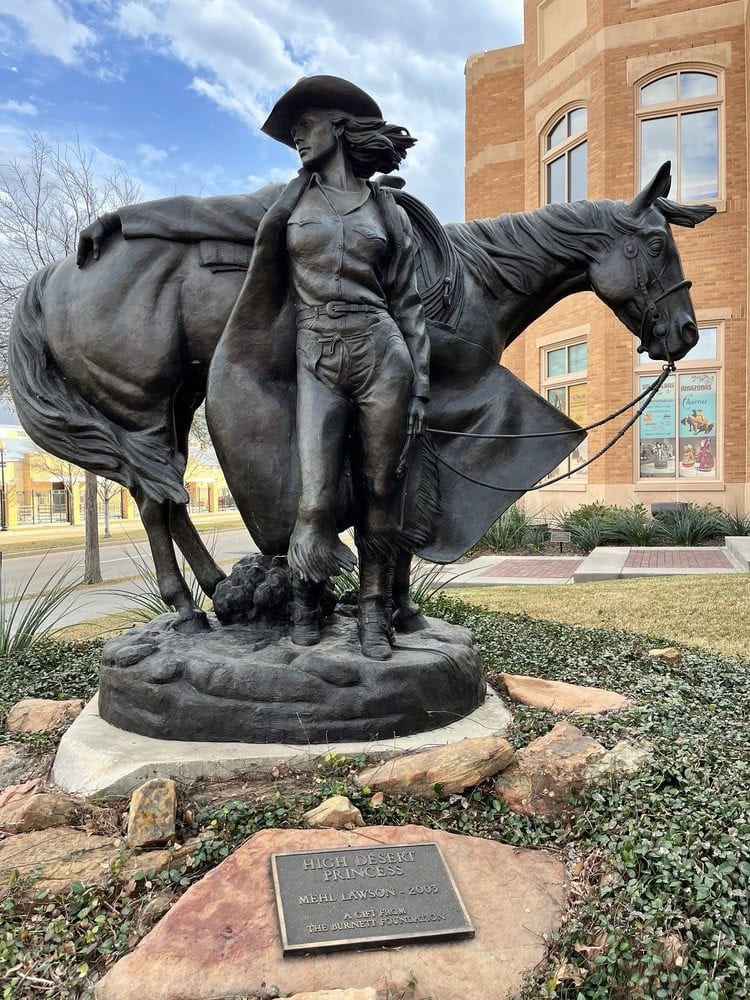
As honorees sent mementos and the collection grew, the organization outgrew its basement quarters, then a donated house, and finally moved to Fort Worth in 1994 to plan a permanent home. The current building opened on June 9, 2002.
Visitors often prioritize the art museums and skip the Cowgirl, not realizing what they’re missing. Those who venture inside find a quieter, more personal experience than the larger institutions.
The Hall of Fame
The heart of the museum is its Hall of Fame, which has inducted more than 250 women representing diverse backgrounds, ethnicities, and eras.
Categories include Champions and Competitive Performers (rodeo cowgirls, equestrians), Ranchers and Stewards of Land and Livestock, Entertainers, Artists and Writers, and Trailblazers and Pioneers.
The names read like a roll call of American history. Sacagawea, the Shoshone woman who guided Lewis and Clark. Annie Oakley, the sharpshooter, became the most famous woman in America.
Georgia O’Keeffe, whose paintings of the Southwest defined a visual language for the American West.
Sandra Day O’Connor, the first woman on the U.S. Supreme Court, grew up on an Arizona cattle ranch.
Dale Evans, the actress and singer who became the “Queen of the West.” Laura Ingalls Wilder, whose Little House books shaped how generations imagined frontier life.
Enid Justin, who built the multi-million-dollar Nocona Boot Company. Temple Grandin, the animal scientist who revolutionized livestock handling.
Electronic “yearbooks” throughout the museum allow visitors to explore individual honorees’ lives in depth—their accomplishments, challenges, and legacies.
The Galleries
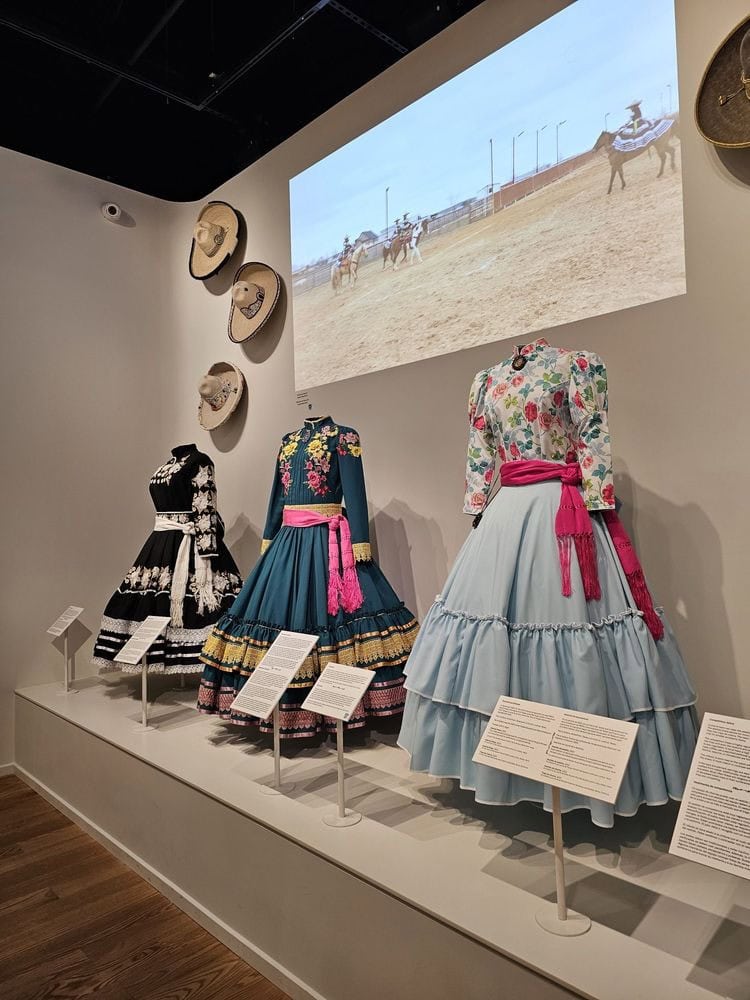
Three main galleries occupy the upper floor, each illuminating a different aspect of cowgirl history.
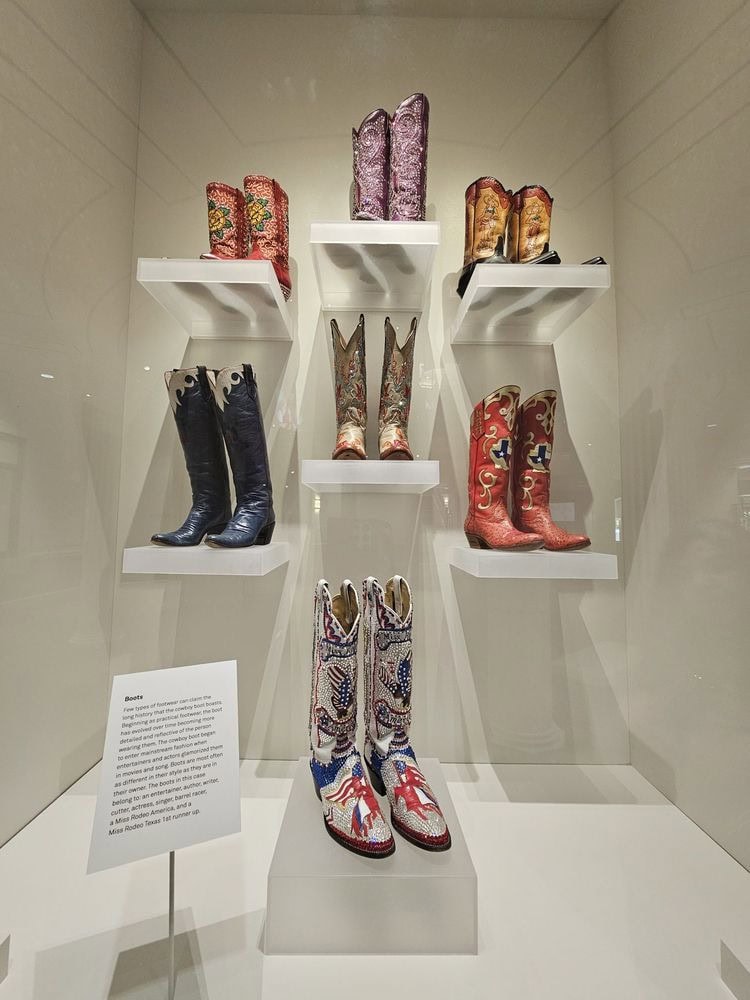
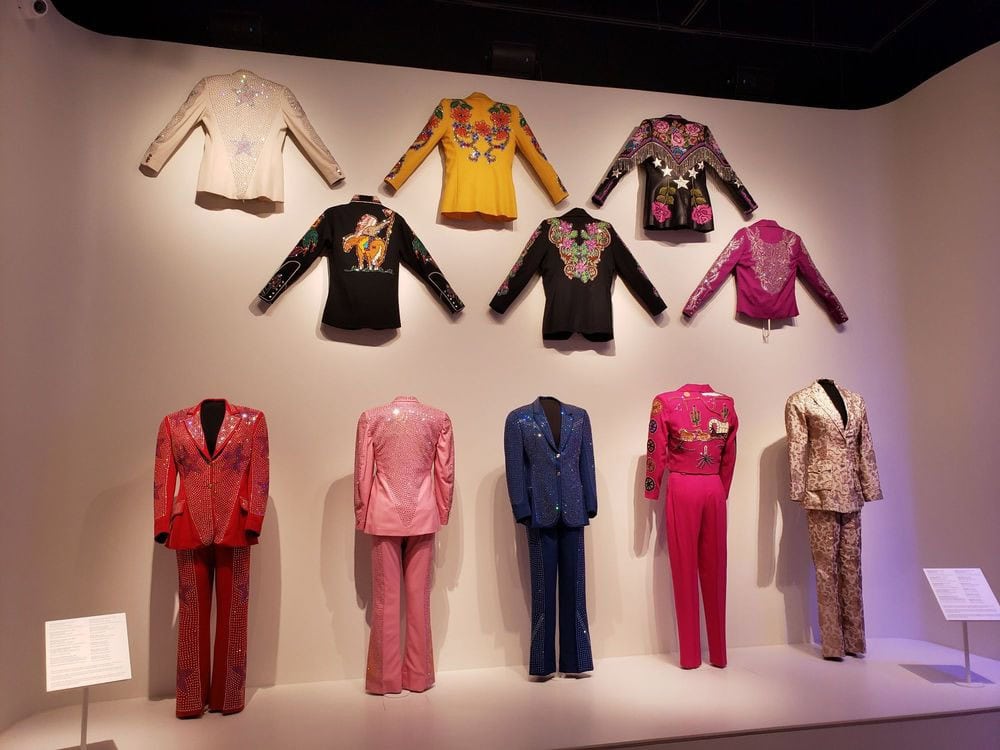
“Into the Arena” celebrates rodeo and Wild West show performers. Authentic clips from famous rodeo rides play on screens.
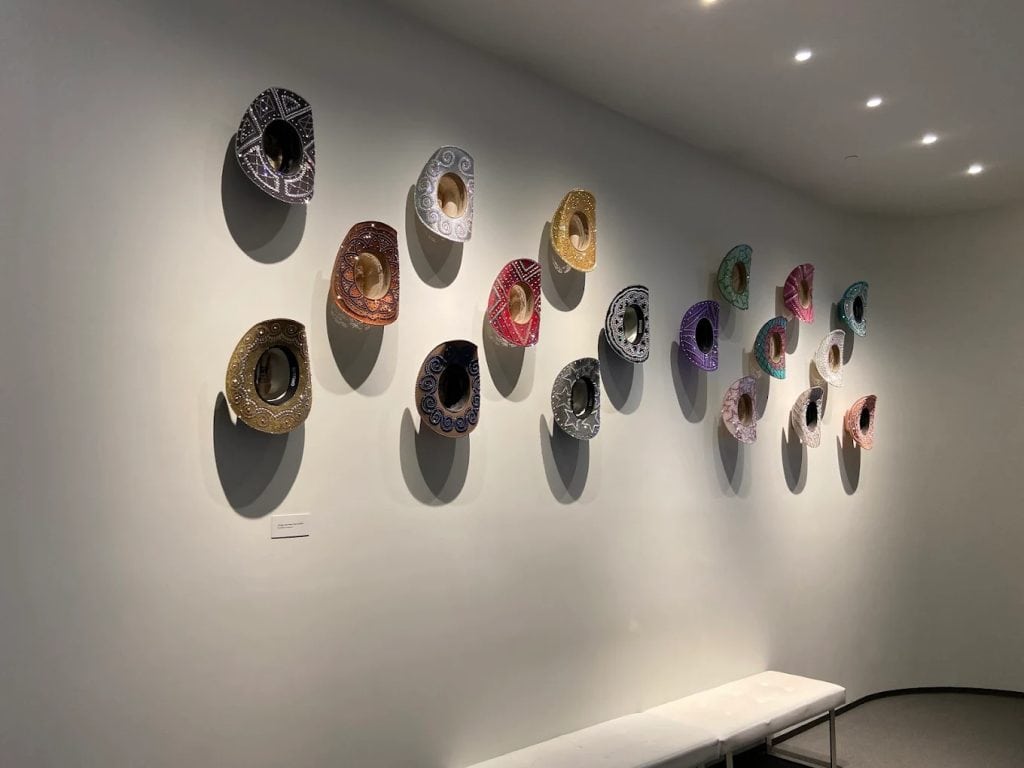
A revolving rack displays polychromatic cowgirl attire that sparkles like something between costume and armor.
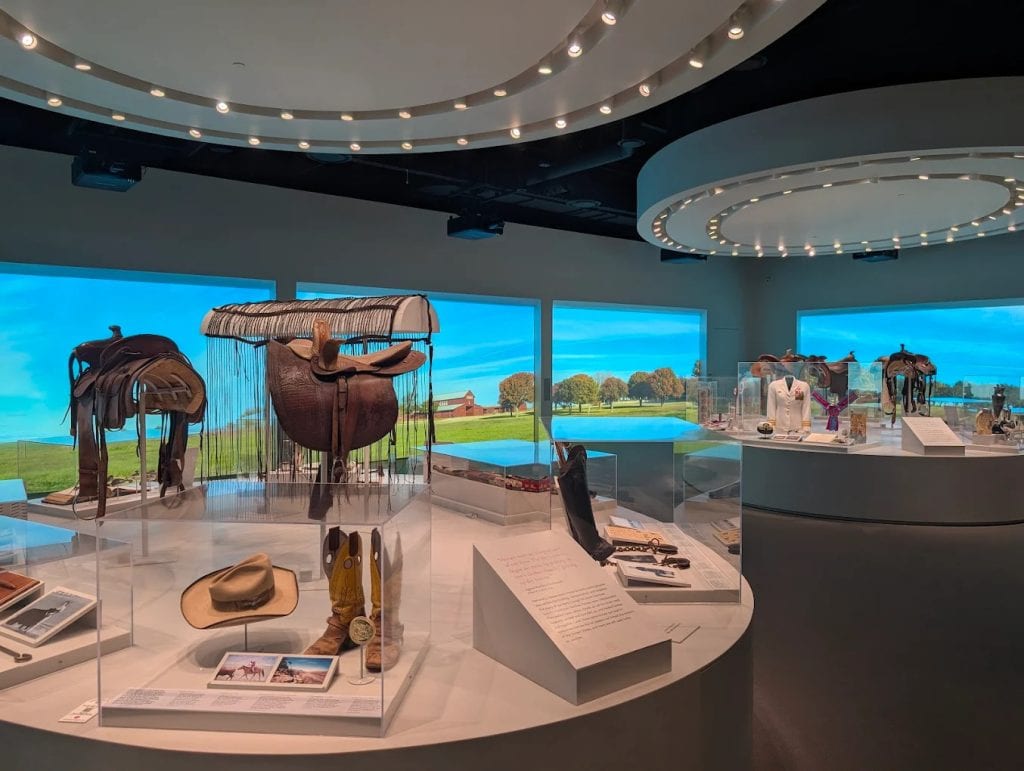
Interactive exhibits let visitors pose for a movie poster or experience a mechanical bronc ride while being recorded—the kind of immersive feature that delights kids and makes adults laugh at themselves.
The gallery tells stories of women like Barbara Inez “Tad” Lucas, one of the greatest rodeo athletes of all time.
Visiting Information
The museum is open Tuesday through Saturday from 10 a.m. to 5 p.m. and Sunday from noon to 5 p.m. Closed Mondays.
Admission runs $12 for adults, $9 for seniors (65+) and military/first responders, and $6 for children ages 4-12.
Children 3 and under enter free with paid admission. A Cowgirl Family Special covers two adults and up to four children for $36.
Parking in the Cultural District is operated by the City of Fort Worth; standard parking is $12 per car. Museum members park free.
Allow one to two hours for a visit—the museum is compact enough to absorb thoroughly without exhaustion.
For more information about the National Cowgirl Museum and Hall of Fame, visit cowgirl.net or follow their social pages for current exhibitions, special events, and annual induction ceremonies.
Use the map to explore Fort Worth’s Cultural District and find this distinctive Western heritage museum celebrating the women who shaped the American West.
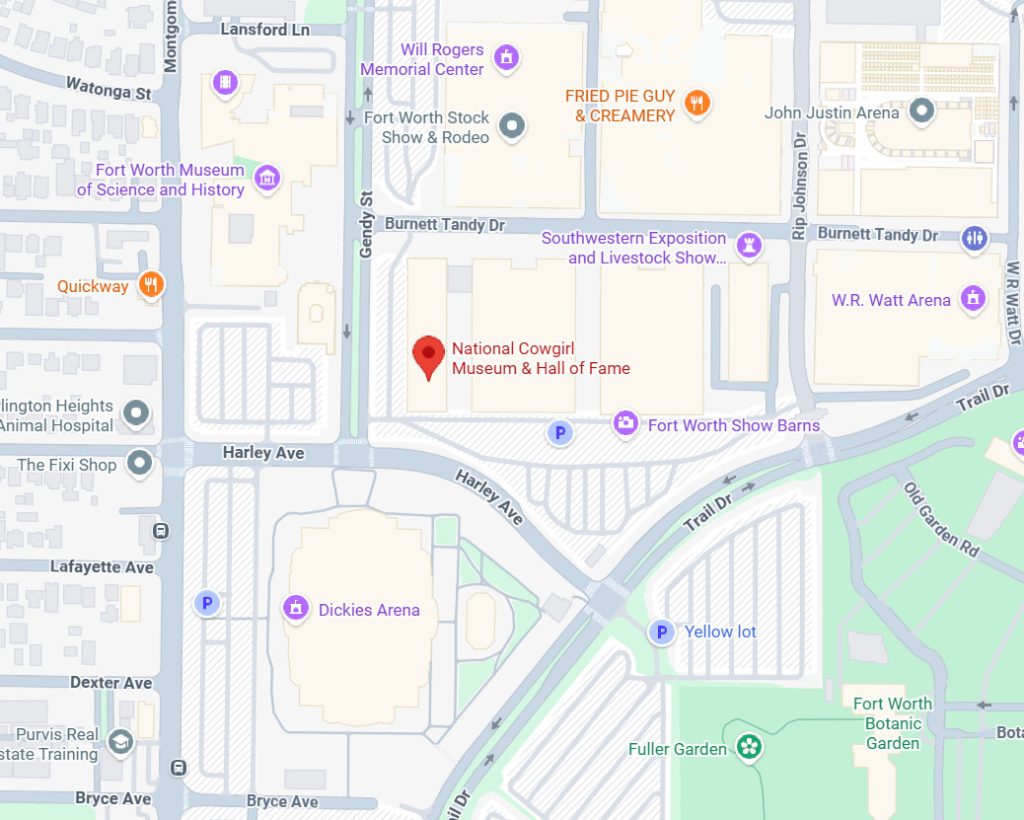
Where: 1720 Gendy Street, Fort Worth, TX 76107
The National Cowgirl Museum isn’t just another Western museum—it’s a powerful tribute to the women of the frontier, where inspiring stories and remarkable artifacts create one of Texas’s most unique cultural experiences.

Stella Raines
Editor-in-Chief
Stella brings over a decade of storytelling experience to TX Headlines. With roots in West Texas and a love for road trips, she leads the editorial team with an eye for the hidden stories that make Texas unforgettable.
More Stories
This Historic Texas Market Is Full of Handmade Goods You Won’t Find in Any Store
This Pay-What-You-Want Texas Art Store Lets You Fill a Bag and Name Your Price
This Centuries-Old Texas Cathedral Transforms Into a Dazzling Light Show After Dark
This Charming Small Texas Town Guards the World’s Largest Pecan and the State’s Best Barbecue
Tags