Discover the Secret Coastal Town With Old Florida Vibes
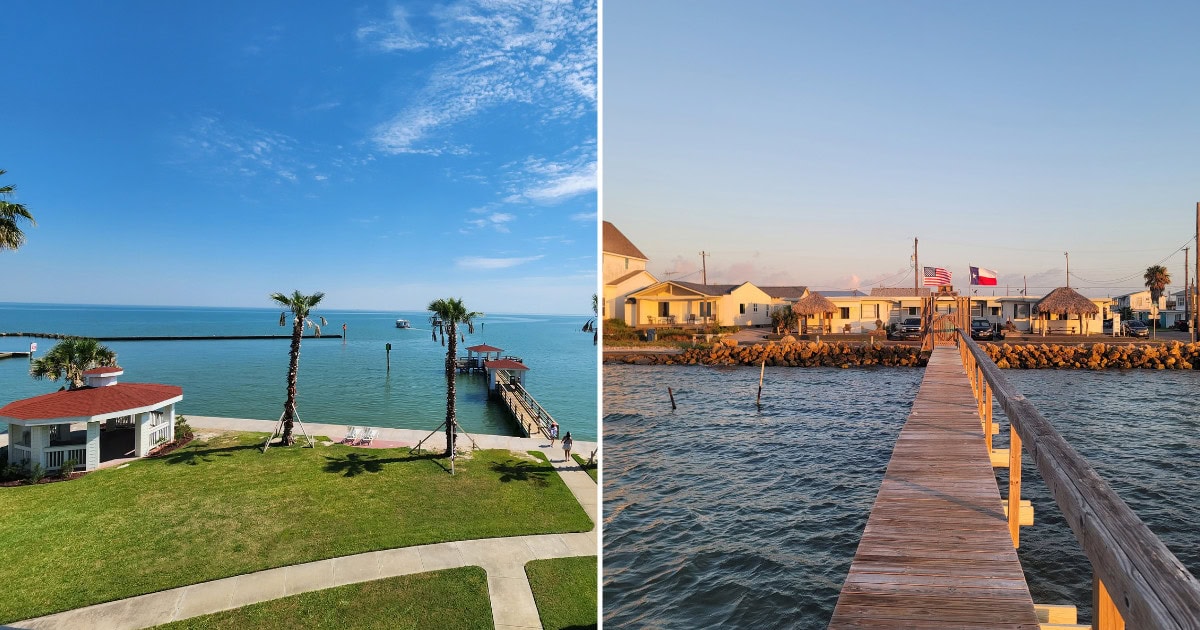
The live oaks here bend sideways from decades of Gulf winds, their twisted branches casting shade over streets where art galleries occupy 130-year-old brick storefronts. Shrimp boats bob at the harbor.
Pelicans perch on weathered pilings. The pace is slow, the seafood is fresh, and the whole place feels like it wandered out of the 1950s and decided to stay.
Rockport, Texas, sits on Aransas Bay about 30 miles northeast of Corpus Christi, and it’s the kind of small coastal town that most of the Texas Gulf Coast has paved over or developed into oblivion.
Somehow, Rockport held on—even after Hurricane Harvey nearly destroyed it in 2017.
What remains is a resilient artists’ colony, a world-class birding destination, and one of the last places on the Texas coast where you can still find what travel writers like to call “Old Florida vibes.”
Where Rockport Is Located
Rockport anchors Aransas County on the central Texas coast, positioned between Corpus Christi to the south and Port Aransas to the east.
The town sits on the western shore of Aransas Bay, protected from the open Gulf of Mexico by barrier islands.
This geography creates calm, shallow waters ideal for kayaking, fishing, and the wading birds that congregate here by the hundreds.
The region is known as La Junta—the joining—where Aransas Bay, Copano Bay, and St. Charles Bay converge.
Coastal wetlands, oyster reefs, and salt marshes surround the town. The nearby Aransas National Wildlife Refuge sprawls across more than 115,000 acres of protected habitat on the Blackjack Peninsula.
The population hovers around 10,000, though that number swells during winter when birders arrive, and snowbirds escape the northern cold.
The drive from Houston takes about three and a half hours; San Antonio is roughly two hours away.
Birdwatching Capital of Texas
Rockport’s fame among birders predates its art scene.
Connie Hagar, a dedicated naturalist who charted avian life along the coast daily for 35 years, put Rockport on the map for ornithologists. She famously appeared on the cover of LIFE magazine in 1954 as the archetypal American birdwatcher.
The 11-acre Connie Hagar Wildlife Sanctuary preserves her legacy, with trails winding through habitat where over 82 species have been documented on-site.
The first official marker of the 500-mile Great Texas Coastal Birding Trail stands here. More than 400 species have been recorded in the Aransas area throughout the year.
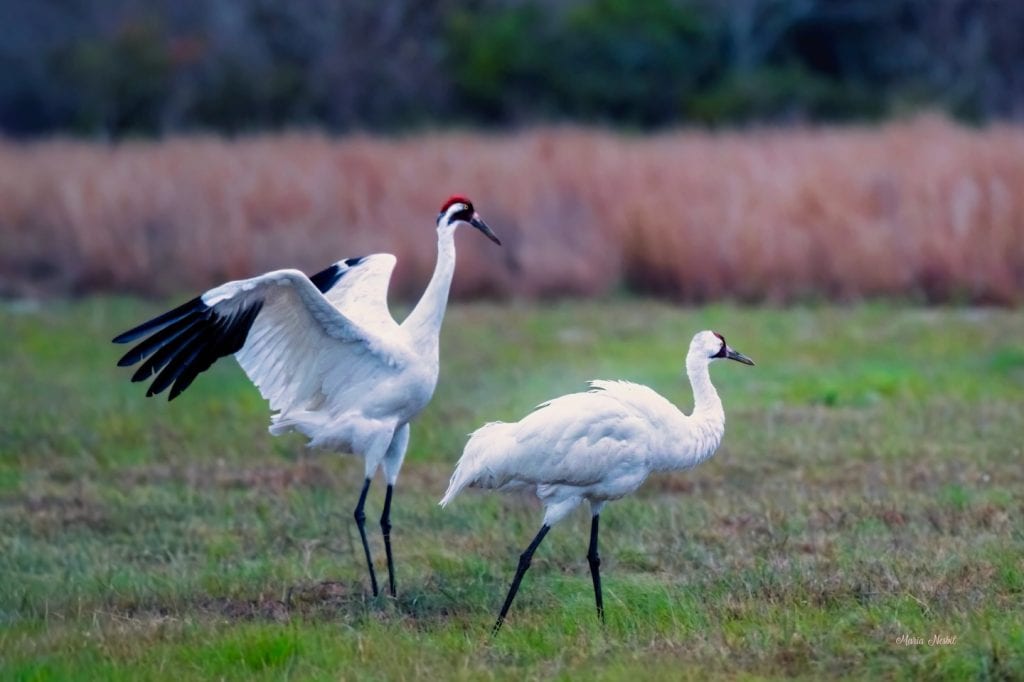
The crown jewel is the endangered whooping crane. The world’s only self-sustaining wild population of these five-foot-tall birds winters at Aransas National Wildlife
Refuge from late October through early April, having migrated from Canada. Boat tours from Rockport take visitors into the refuge’s waters, where the cranes can often be observed from as close as 50 feet.
During the winter months, you might spot them in residential yards on the Lamar Peninsula, casually foraging alongside sandhill cranes.
The Big Tree and Goose Island
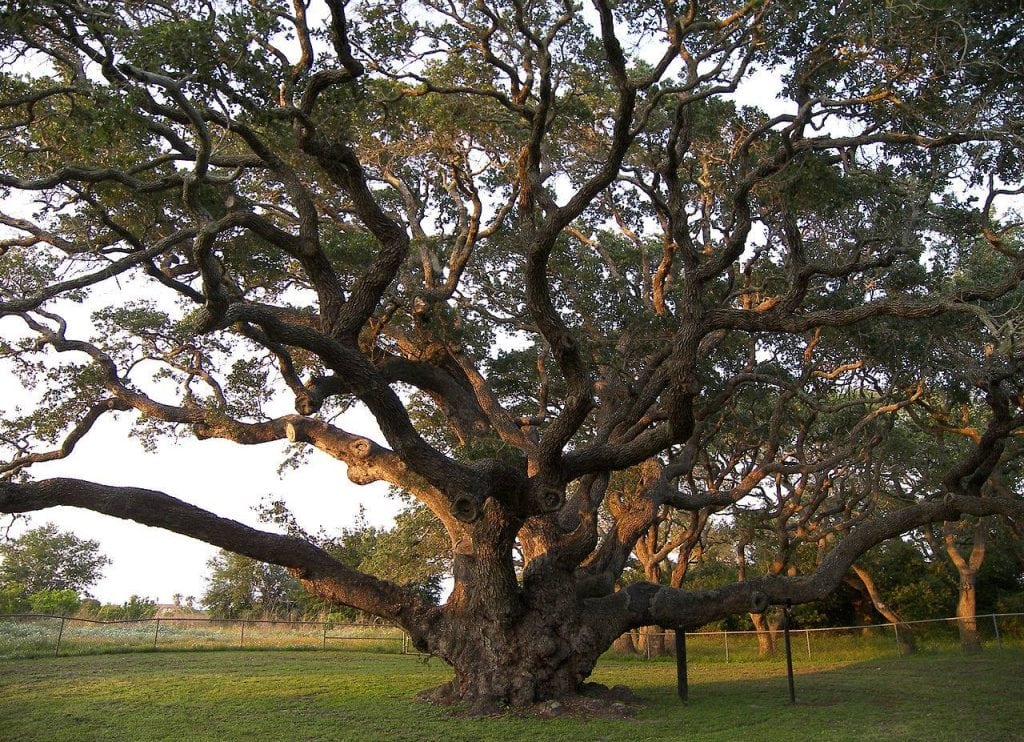
Twelve miles north of downtown Rockport, at Goose Island State Park, stands the Big Tree—a live oak estimated to be over 1,000 years old.
Before Harvey, this ancient tree symbolized Rockport’s staying power. The storm damaged it but didn’t kill it.
The state park itself offers camping, fishing, and birding along the shores of Aransas and St. Charles Bays. Whooping cranes are regularly spotted near the Big Tree during the winter months.
Throughout Rockport, wind-sculpted live oaks define the landscape—an unusual feature for a coastal area. The trees bend but don’t break, much like the town itself.
Things to Do
Downtown Austin Street hosts galleries, locally owned shops, and restaurants serving fresh-caught seafood with bayfront views.
The Texas Maritime Museum explores the region’s maritime heritage. The Fulton Mansion State Historic Site preserves an elegant 1870s estate overlooking Aransas Bay.
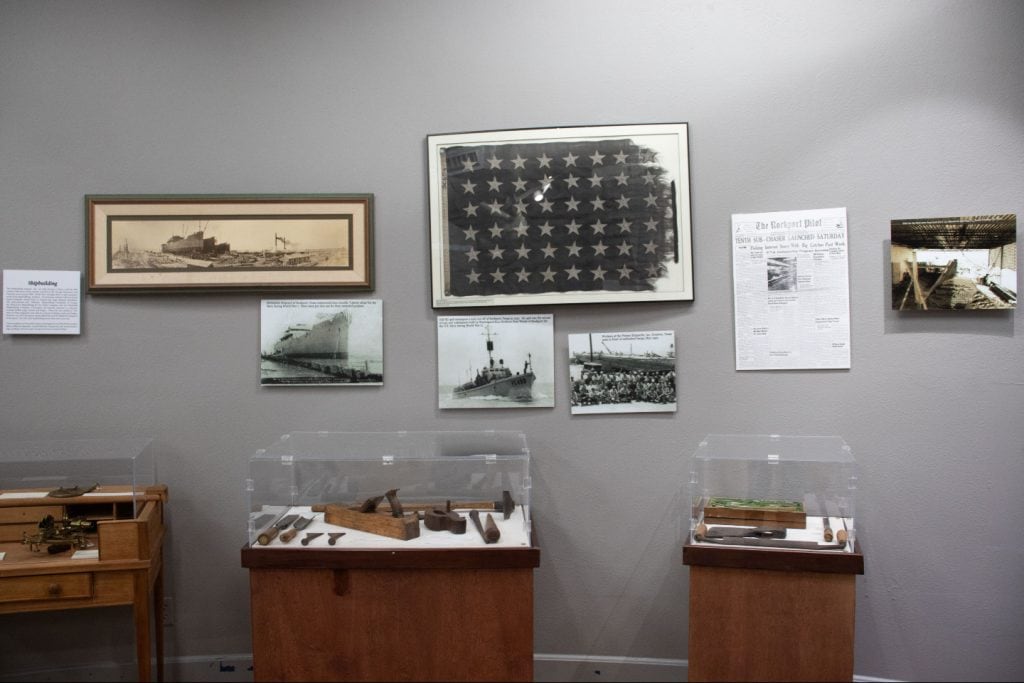
The History Center for Aransas County covers local heritage through interactive exhibits.
Kayaking and paddleboarding in Aransas Bay offer calm-water exploration. Fishing—from piers, boats, or shore—yields redfish, speckled trout, and flounder.
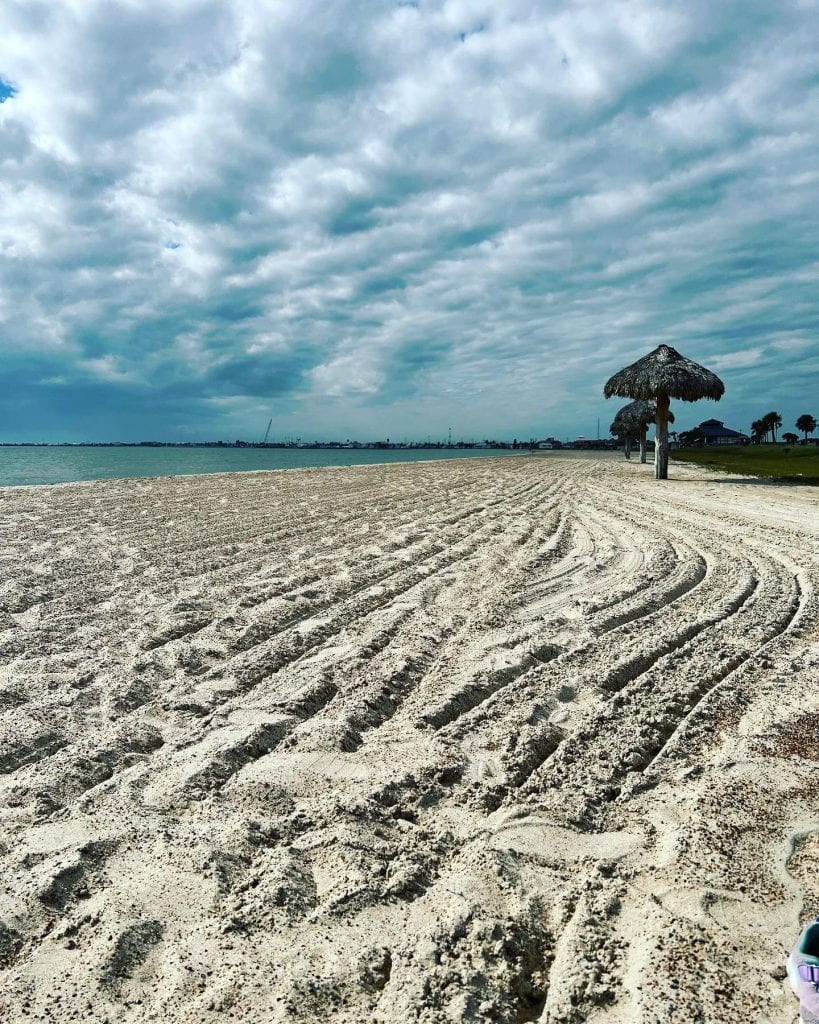
Rockport Beach provides a mile of sandy shoreline along Little Bay.
Several annual festivals celebrate coastal Texas heritage, and Second Saturdays bring gallery openings and artist receptions downtown.
Where the Coast Still Feels Like Home
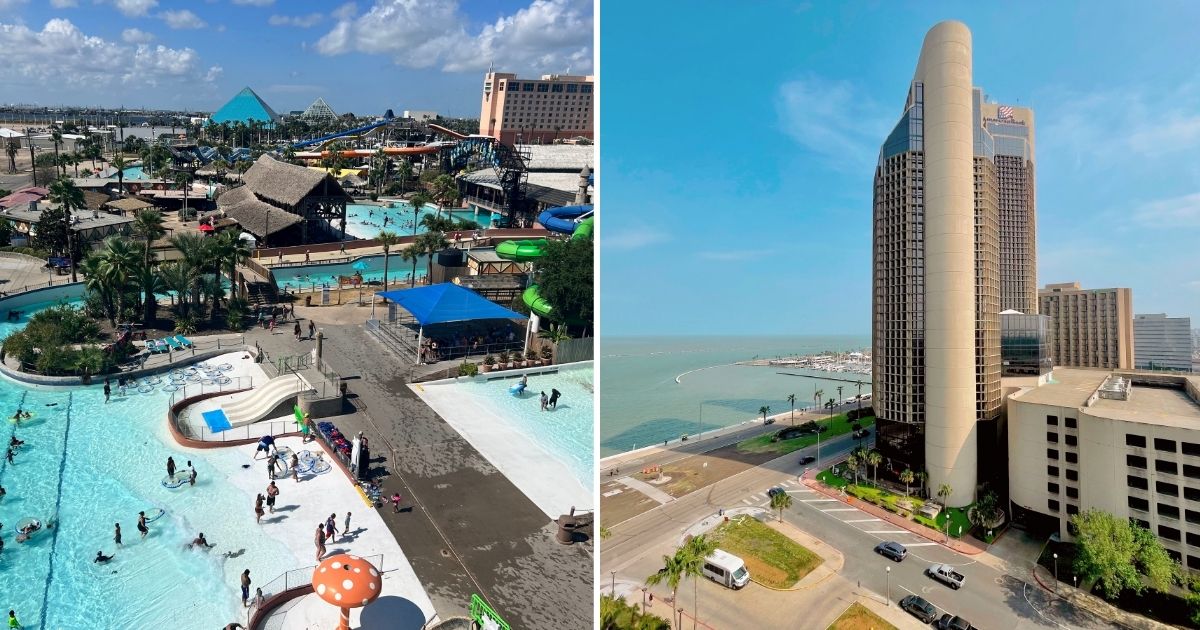
Rockport doesn’t try to be Galveston or South Padre. It doesn’t have high-rises or waterparks or spring break chaos.
What it has are windswept oaks, working shrimp boats, artists who’ve been painting these bays for decades, and the rarest birds in North America wintering in the marshes.
It has survived hurricanes that would have ended lesser towns.
It has Old Florida vibes—without leaving Texas.

Stella Raines
Editor-in-Chief
Stella brings over a decade of storytelling experience to TX Headlines. With roots in West Texas and a love for road trips, she leads the editorial team with an eye for the hidden stories that make Texas unforgettable.
More Stories
Tags