This Rustic Texas Restaurant Is Tucked Inside the Ruins of an Abandoned 1800s Cotton Gin
I have chased a lot of onion rings around this state, and I never expected the best ones in the Hill Country to come stacked like a tower out of a burned-down cotton gin.
Yet that is exactly the reward waiting at a rambling three-story restaurant with weathered-timber charm, wedged into the stone ruins of an 1878 gin on the banks of the Guadalupe River in the tiny historic district of Gruene.
The gin caught fire, the town went quiet, and then someone decided the skeleton of the place was too good to waste. What they built inside it might be my favorite backstory in Texas dining.
Here’s why this old gin turned dinner spot has been packing in Texans and road-trippers for nearly fifty years, and everything you need to plan your own visit.
Dining in the Bones of a Cotton Gin
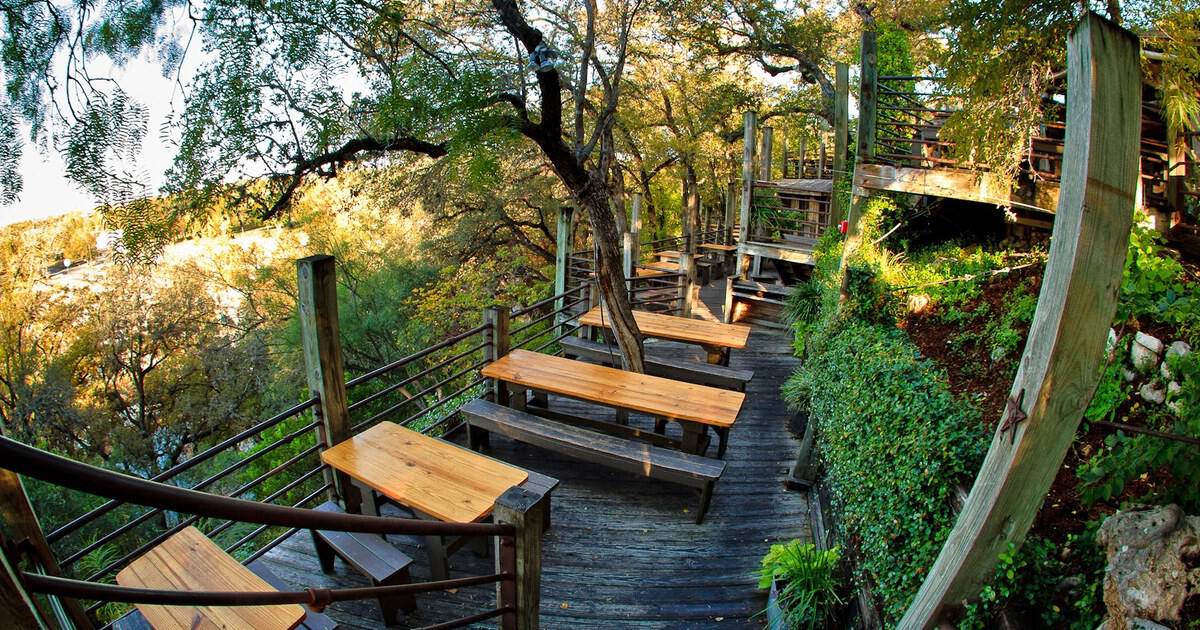
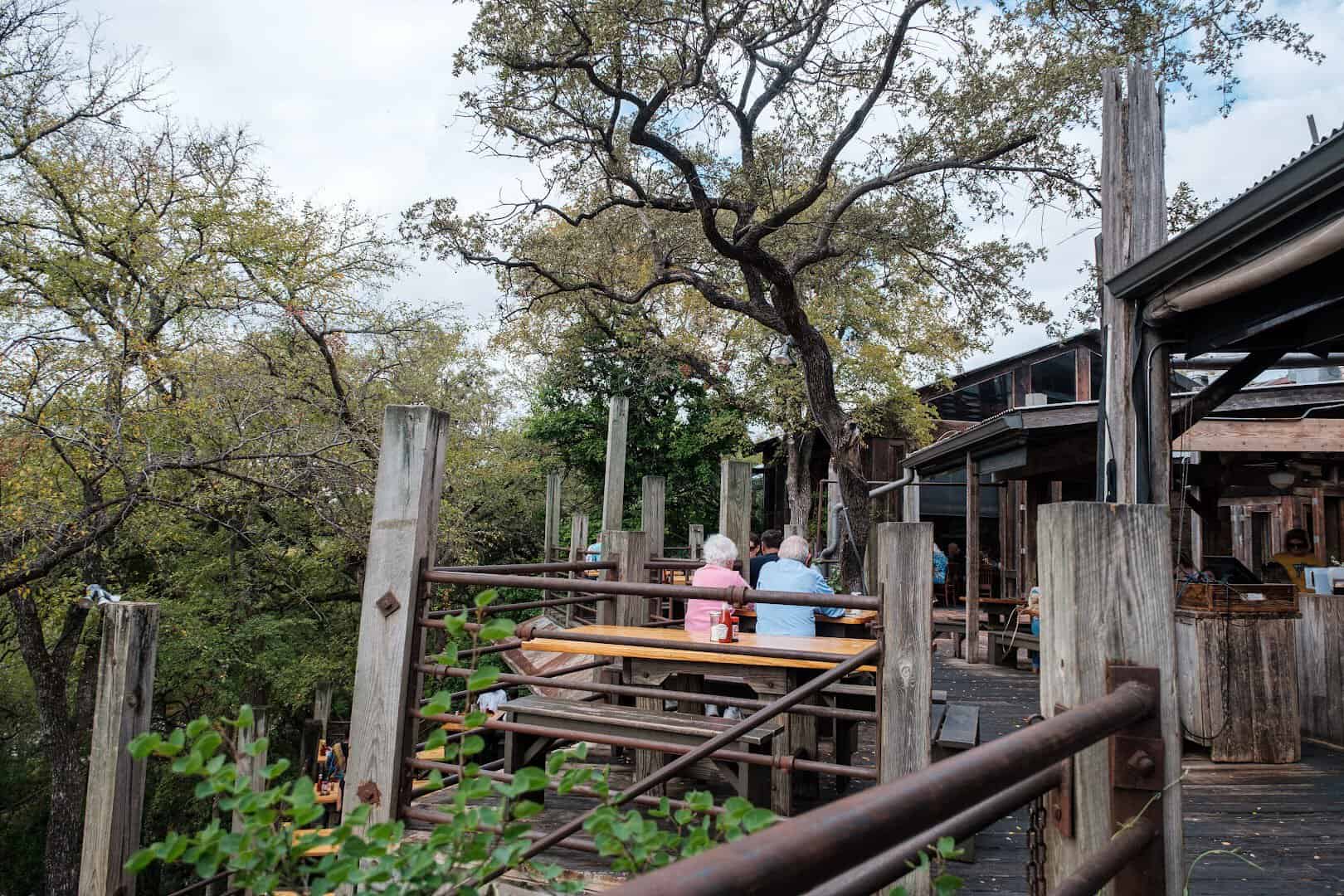
You do not so much enter this restaurant as climb into it. The dining rooms spill down the hillside in layers, tucked among the original gin’s stone walls and heavy timbers, so every table sits at a slightly different height above the river.
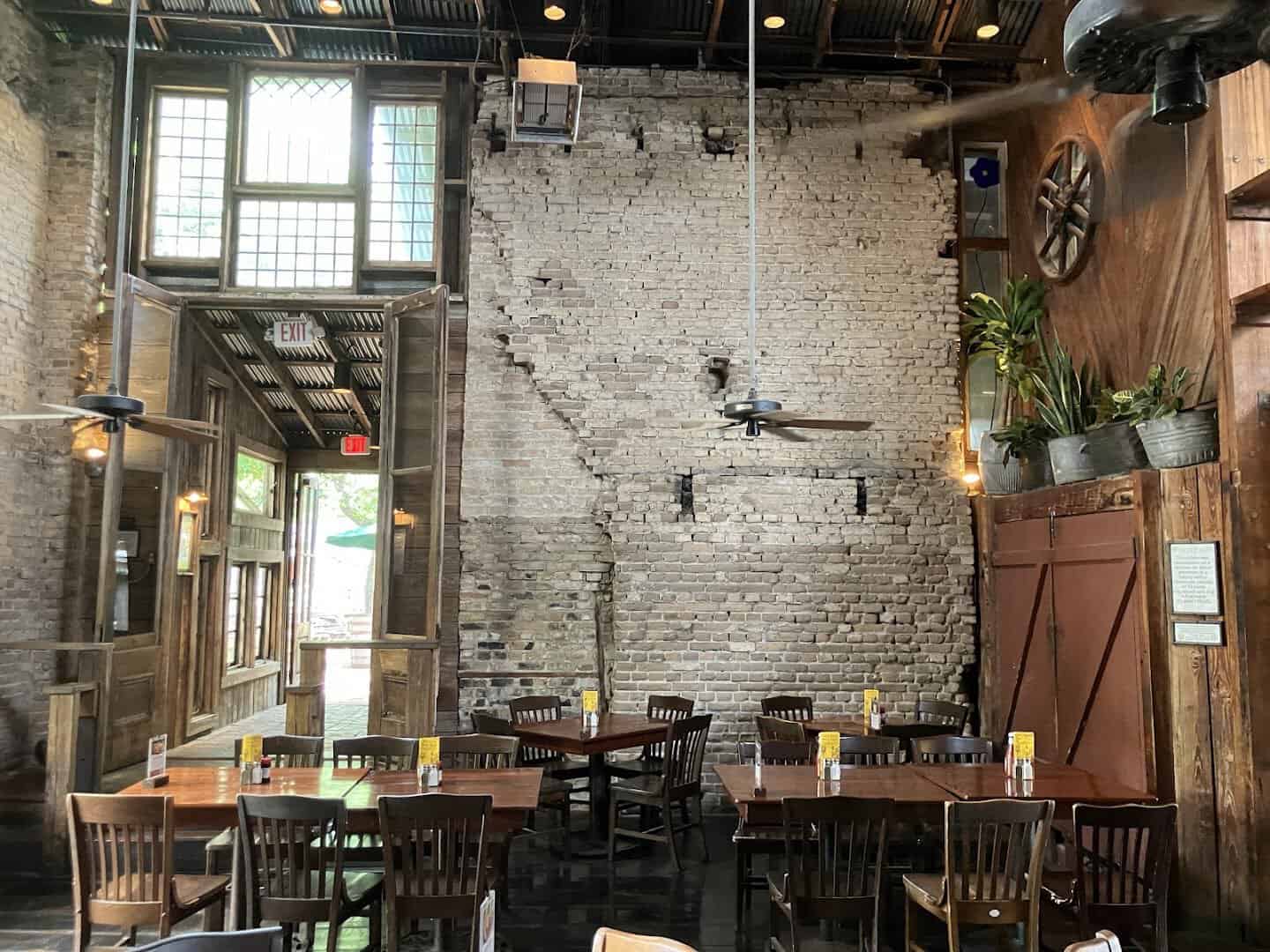
There are around ten separate dining areas, and no two feel alike. Some are snug indoor rooms with native stone fireplaces for a cool evening. Others are open wooden decks that hang out over the Guadalupe, where the water slides by green and slow below you.
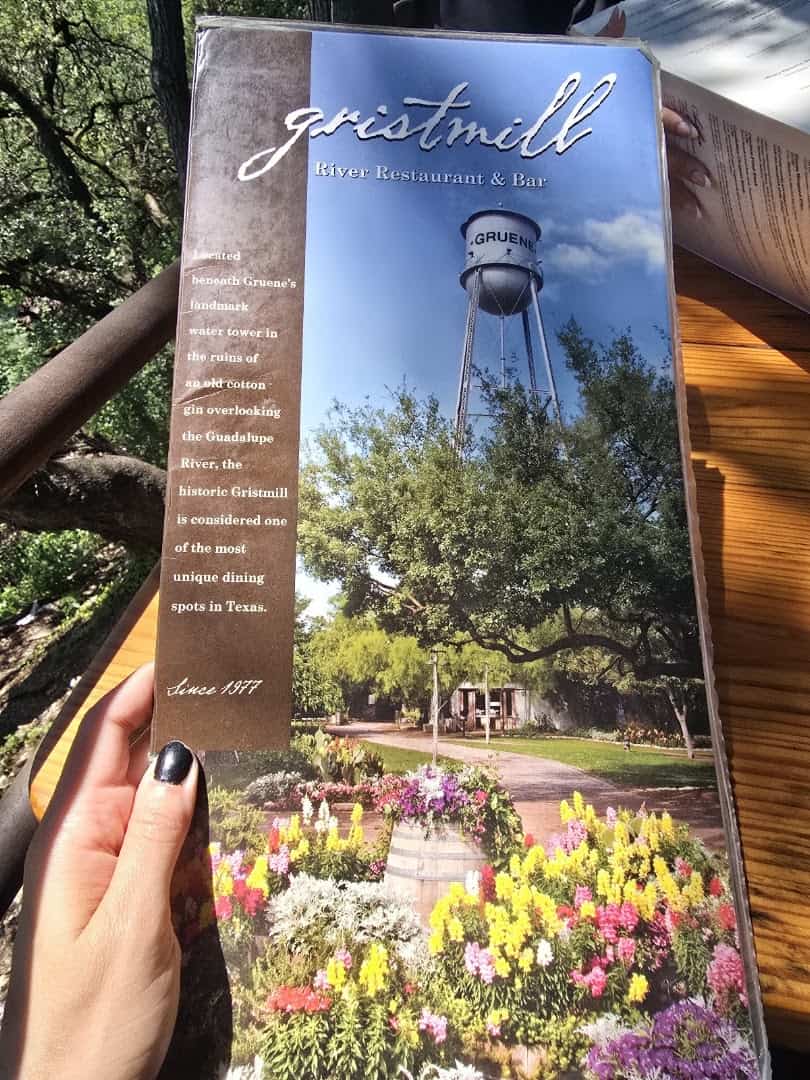
Look up and you’ll see Gruene’s landmark water tower standing guard over the whole thing. Look down and you might catch a kayak drifting past. It is the rare restaurant where the setting alone would be worth the trip.
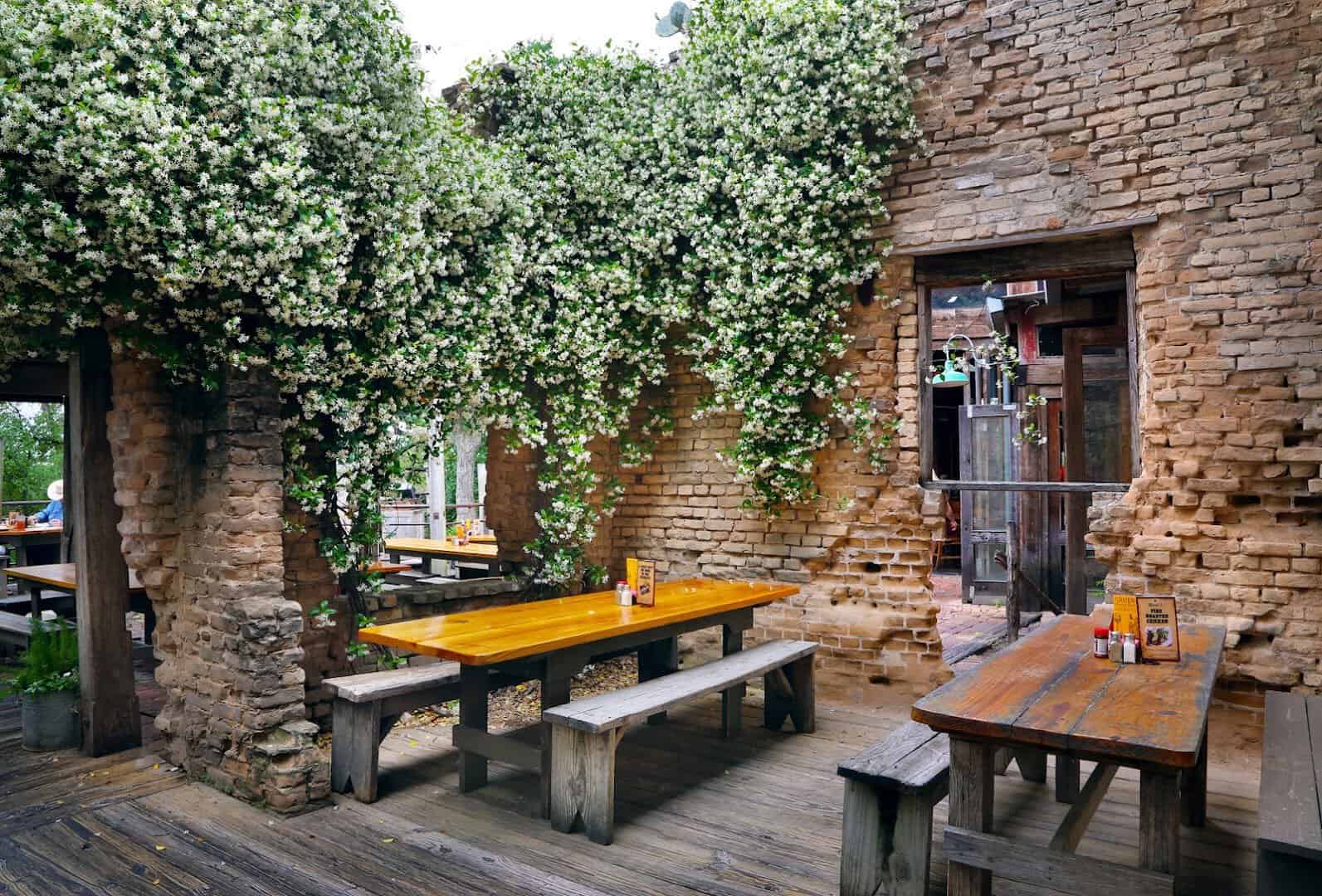
The building leans and creaks a little, in the best way. This is turn-of-the-century Texas architecture that never got sanded smooth for tourists. The wood is worn, the stone is real, and the ceilings carry the marks of a working gin that once fed the whole town’s cotton crop.
Several of the rooms open onto a beer garden, a nod to the German settlers who founded this stretch of the Hill Country. Big shade trees, long tables, and a cold drink in hand: it is about as easy as an afternoon gets in Texas.
The smell tells you where you are before the menu does. Woodsmoke and frying batter drift up from the kitchen, river-damp and cut grass roll in off the Guadalupe, and somewhere a band is usually warming up down the hill.
Come near sunset if you can. The light drops through the trees, the river glows, and the string lights flick on across the decks. You’ll understand quickly why locals treat this place as a first-date spot, an anniversary spot, and a Sunday-after-church spot all at once.
Those Famous Onion Rings, and What Else to Order
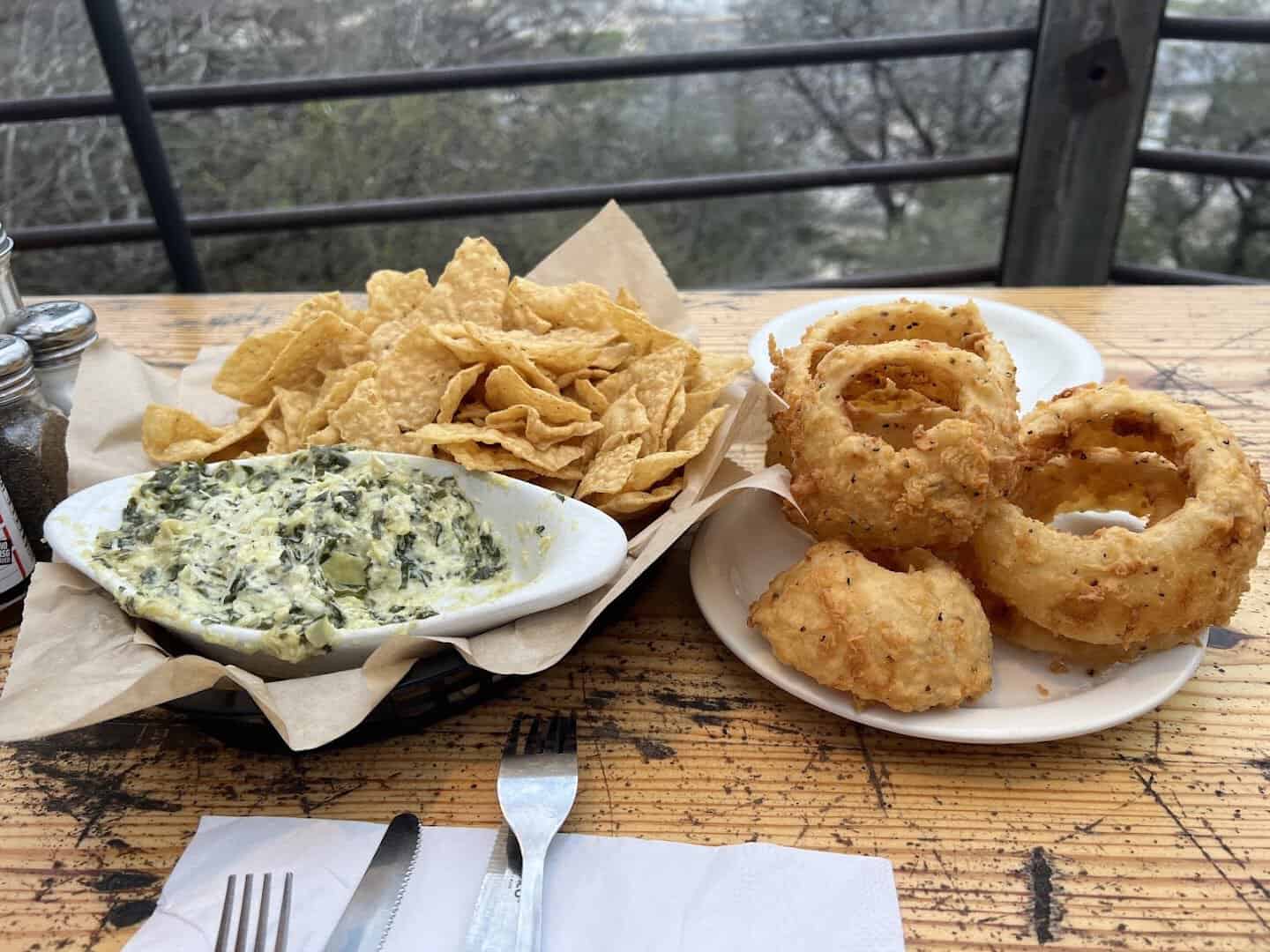
Let’s talk about the onion rings, because everyone else does. They arrive hand-breaded, double-dipped, and fried a deep golden brown, stacked into a leaning tower that lands on your table like a centerpiece.
They come in three sizes, and the largest is honestly called Texas Size. One longtime Yelp reviewer swears each ring shows up “the size of donuts.” Order the big one for the table. Trust me, or rather, trust the crowd that has kept ordering them for decades.
Prices sit in comfortable middle ground. Recently the Texas Size onion-ring tower ran around $21 and the chicken fried steak near $16, though menu prices drift, so treat those as a ballpark and check before you go.
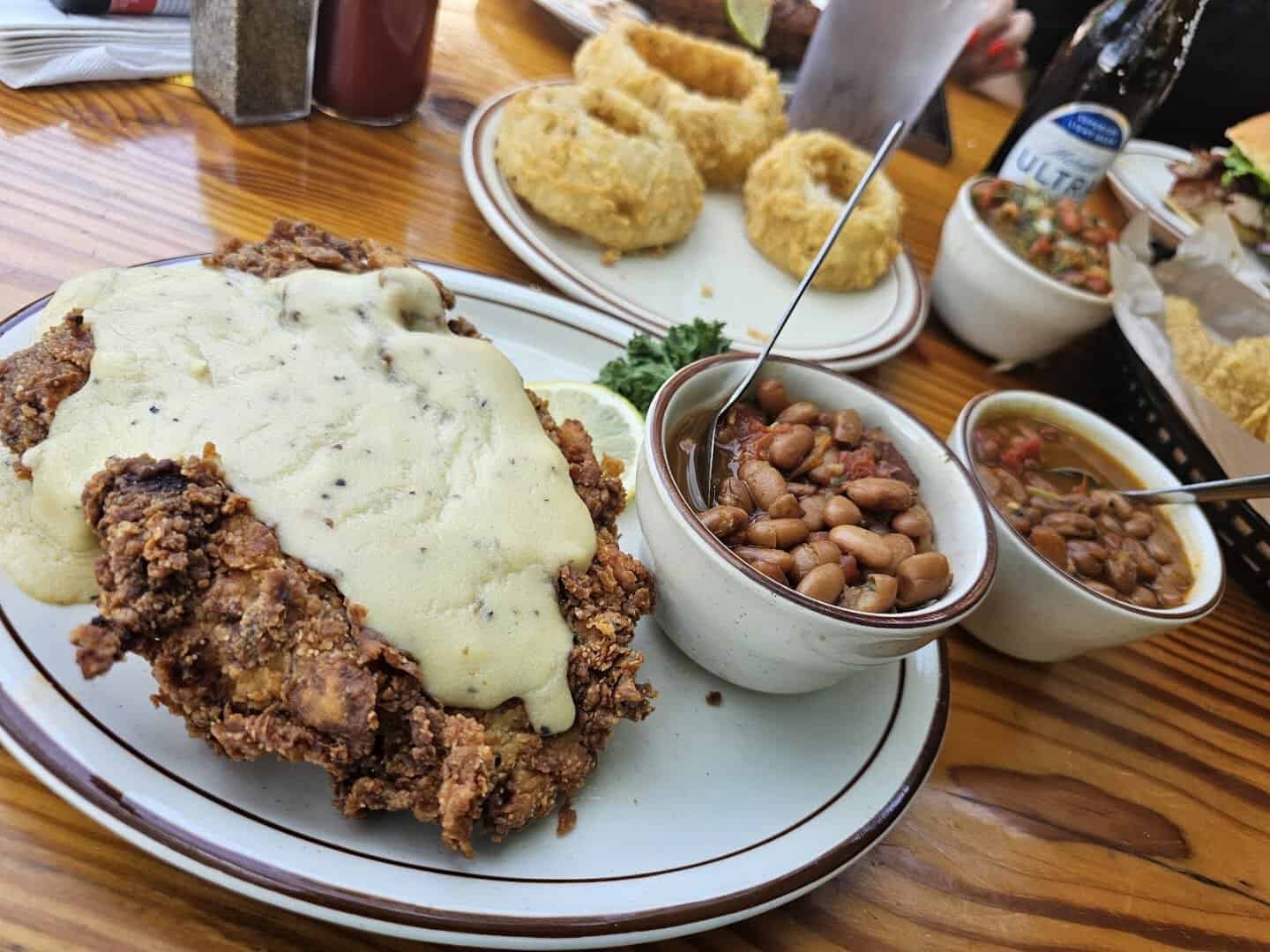
But how does the rest of it taste? Like a Texas kitchen that knows exactly what it is. The chicken fried steak is the one to beat.
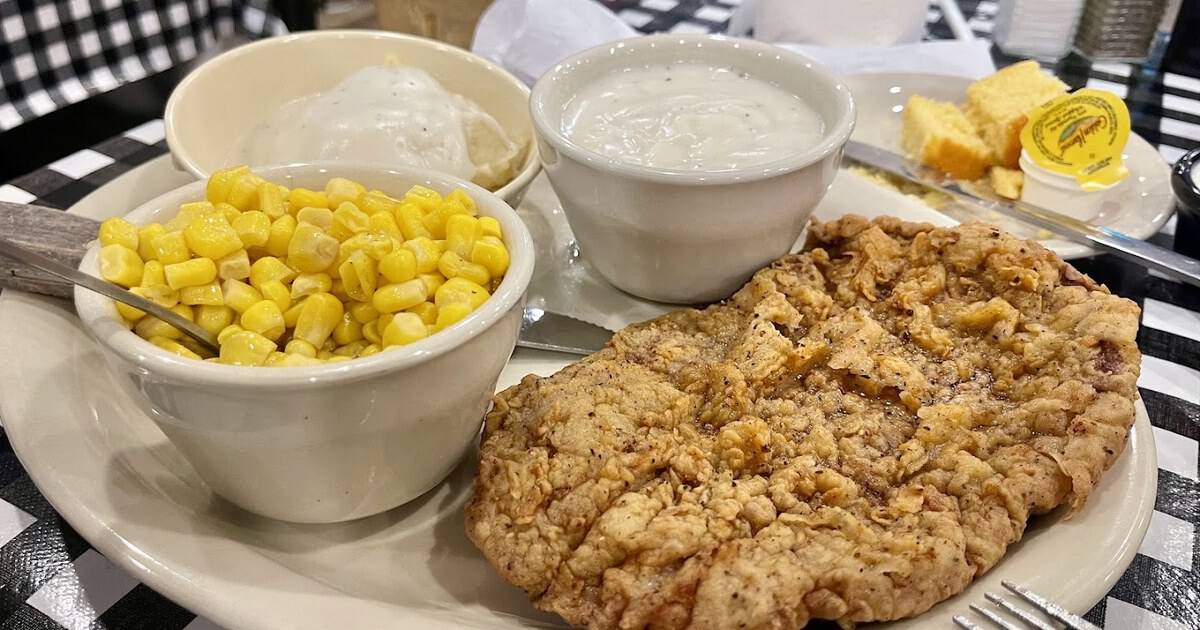
It is a buttermilk-battered slab that covers most of the plate, fried crisp on the outside and still tender inside, then blanketed in peppery cream gravy. My vote goes here every time.
Seafood pulls its weight too. The bronzed catfish carries a little smoky heat, and the trout arrives under a swipe of chipotle butter.
If you want something with a kick to start, the Texas Torpedoes are hand-battered jalapeños stuffed with cheese, wrapped in bacon, and served with chipotle ranch for dipping.
Not everything wants to fight you, either. The spinach and artichoke dip is a gentle way in, and the tomatillo chicken leans bright and a little tangy for anyone dodging the fryer. There is a beef tenderloin salad too, for the table that wants a fork’s worth of restraint.
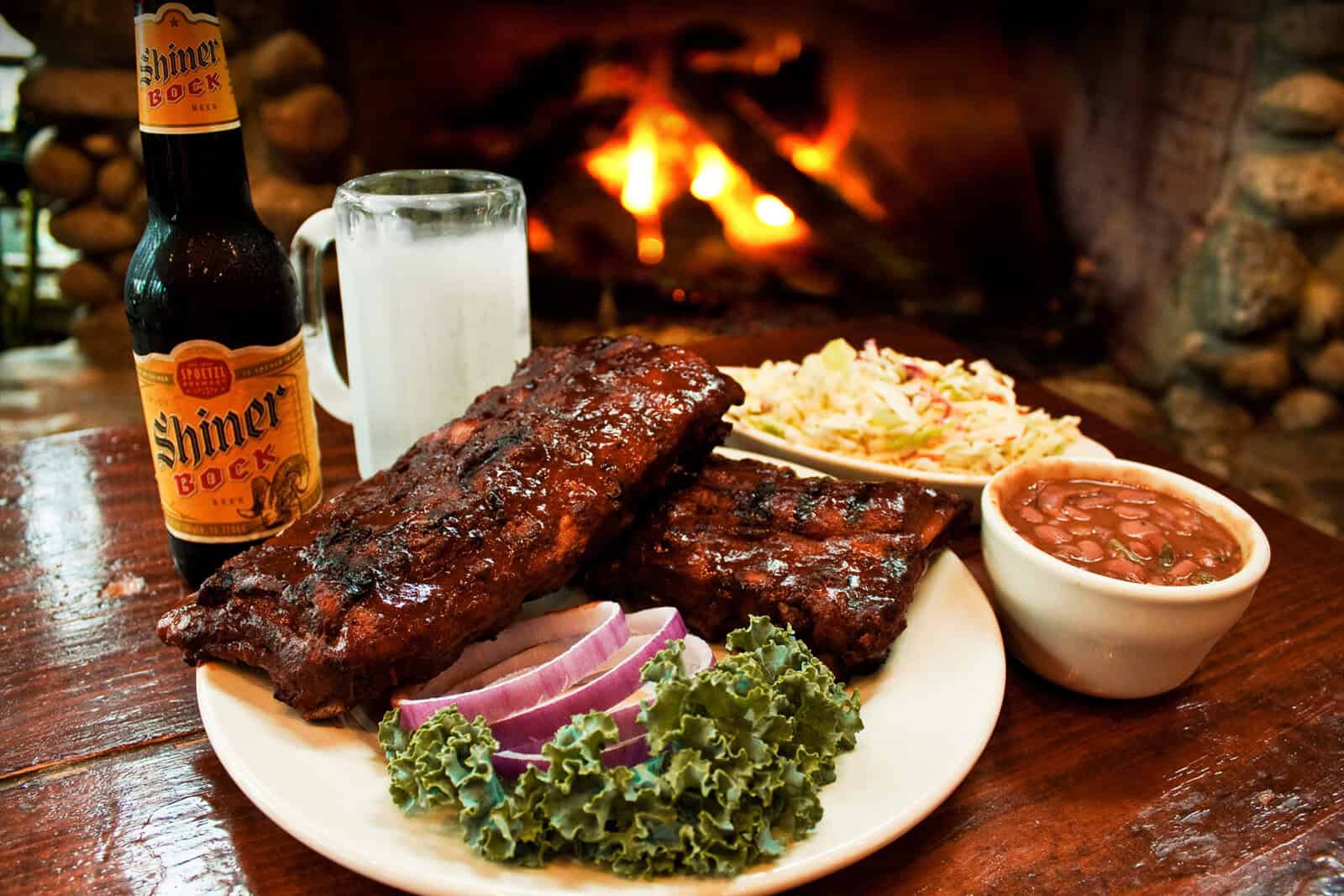
There are thick steaks, big burgers, and ribs for the serious appetites. Nearly everything comes generous, which fits a building that used to process cotton by the bale. Portions here are a love language.
Save room, and I mean this seriously. The Texas chocolate sheet cake comes warm, topped with a scoop of Blue Bell vanilla melting into deep, dark ganache. If chocolate is not your lane, there is a Jack Daniel’s pecan pie and a strawberry shortcake built to the same oversized scale.
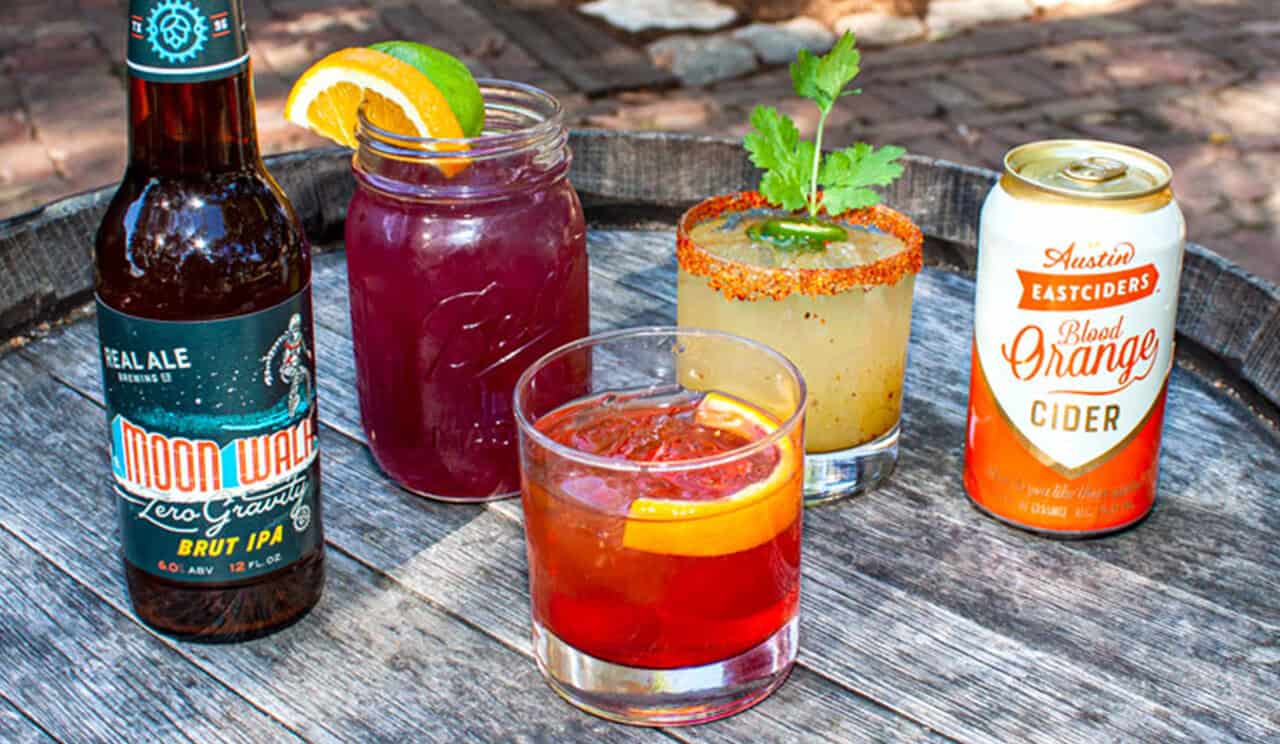
Wash it down with a fresh-squeezed lime margarita. The salsa, dressings, and barbecue sauce are made in house, small tells that the kitchen actually cares. On a hot afternoon on the deck, that first tart sip lands about perfectly.
A Brief History of the Gin That Would Not Die
The story starts with Henry D. Gruene, a German-Texan farmer whose family bought thousands of acres north of the Guadalupe in 1872. Cotton was king, and Gruene built the machinery a cotton town needs.
In 1878 he raised a mercantile store, then added the cotton gin that gives this restaurant its bones. The gin was steam-powered, fed by the river, and it churned through the vast cotton harvests the surrounding sharecroppers brought in. For a while, business boomed.
Then the trouble came in waves. Henry Gruene died in 1920. Two years later, in 1922, fire tore through the gin and left little more than part of the boiler room standing. A new electric gin went up elsewhere, but in 1925 the boll weevil devastated the local cotton fields.
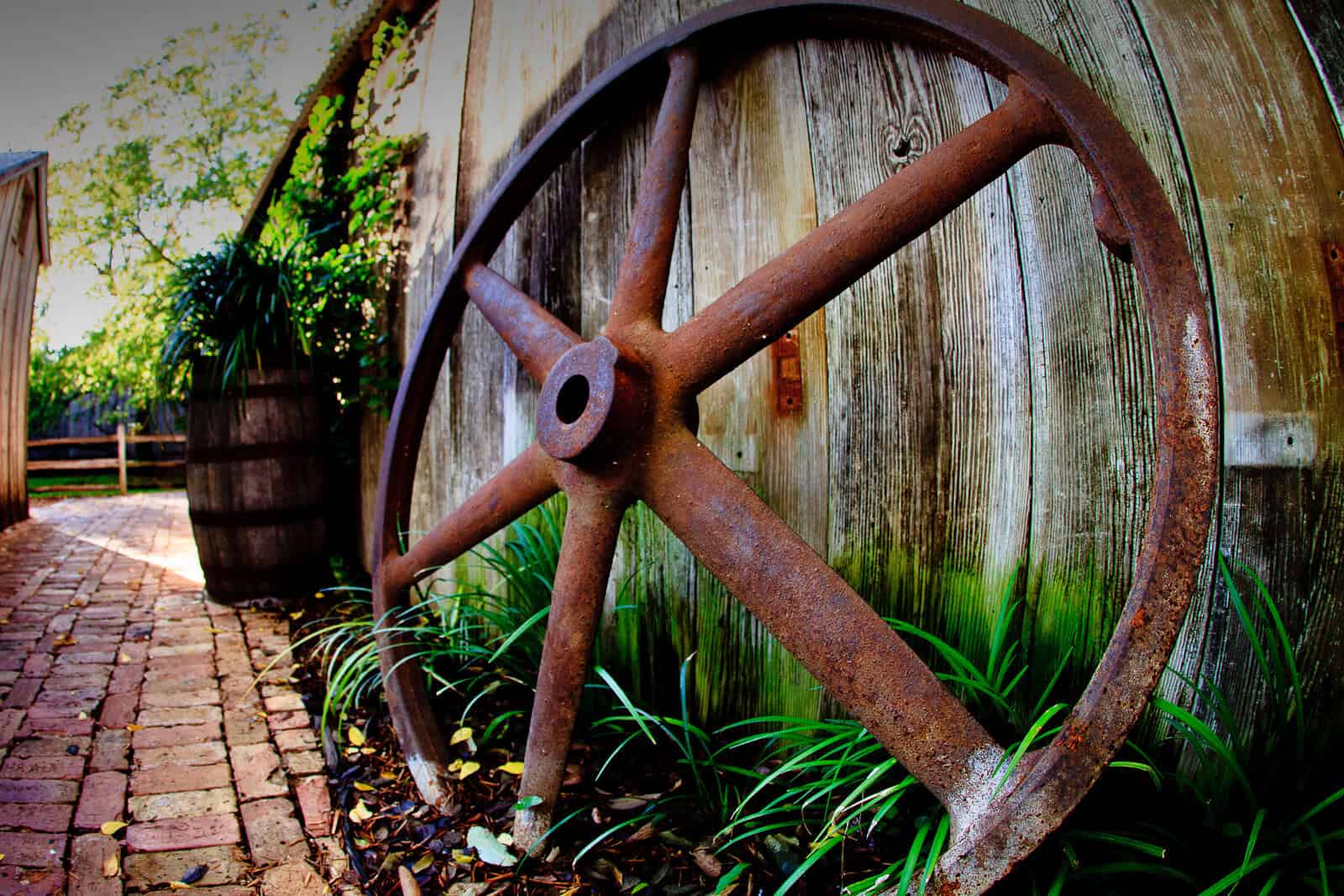
That surviving stonework is not just a story on a plaque. Parts of the old boiler room are still here, worked into the walls around you, so you are quite literally eating inside the piece of the gin that outlasted the flames.
The highway later bypassed the town, the store closed during the Depression, and the population that once numbered in the dozens dwindled toward nothing. By 1950, Gruene was practically a ghost town, its grand old water tower presiding over empty buildings.
Here is the turn. In 1974, a University of Texas architecture student named Chip Kaufman was kayaking the Guadalupe when he spotted that water tower peeking above the treetops. He climbed the hill, found a cluster of untouched 1800s buildings, and recognized what he was looking at.
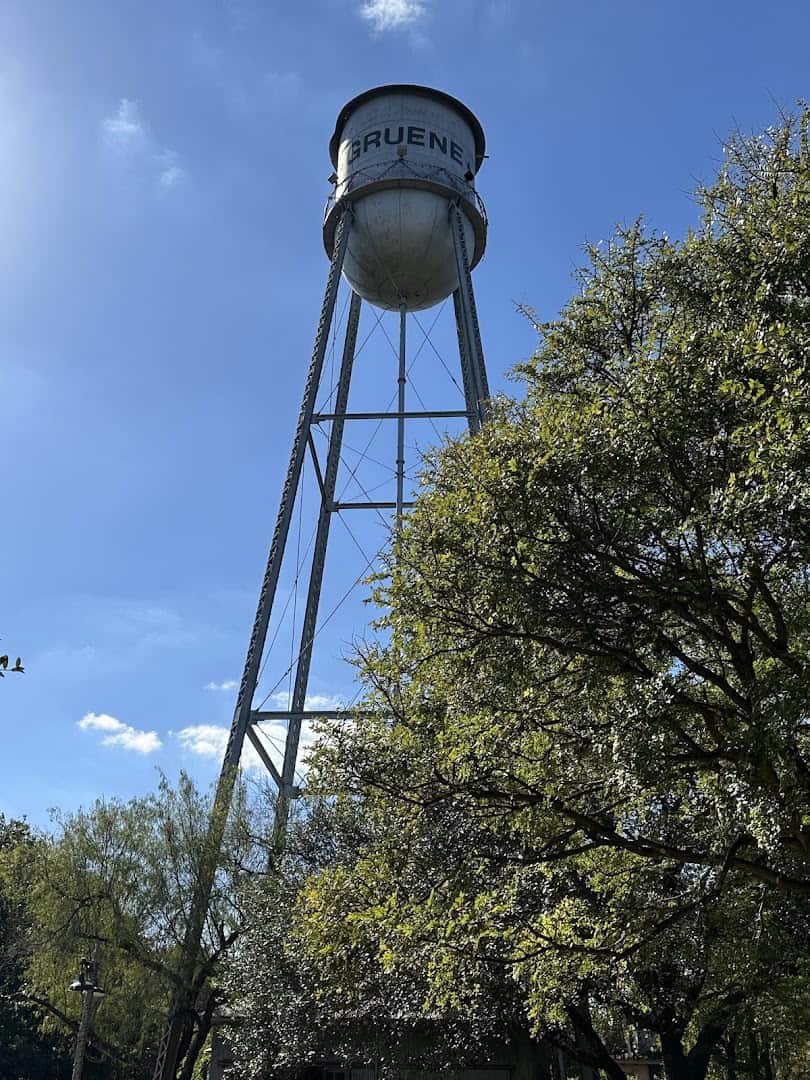
His inventory helped put Gruene on the National Register of Historic Places and saved it from the bulldozer. A ghost town had just been handed a second life.
How a Stockbroker Turned the Ruins Into a Restaurant
The other hero of this story is Pat Molak, a former stockbroker who walked away from Wall Street chasing the Texas dance-hall music that Willie Nelson and Jerry Jeff Walker were making famous.
Molak bought the old Gruene Hall in 1975, the dance hall next door that still runs today. Then, with his partner Mary Jane Nalley, he looked at the gutted cotton gin behind it and saw a restaurant.
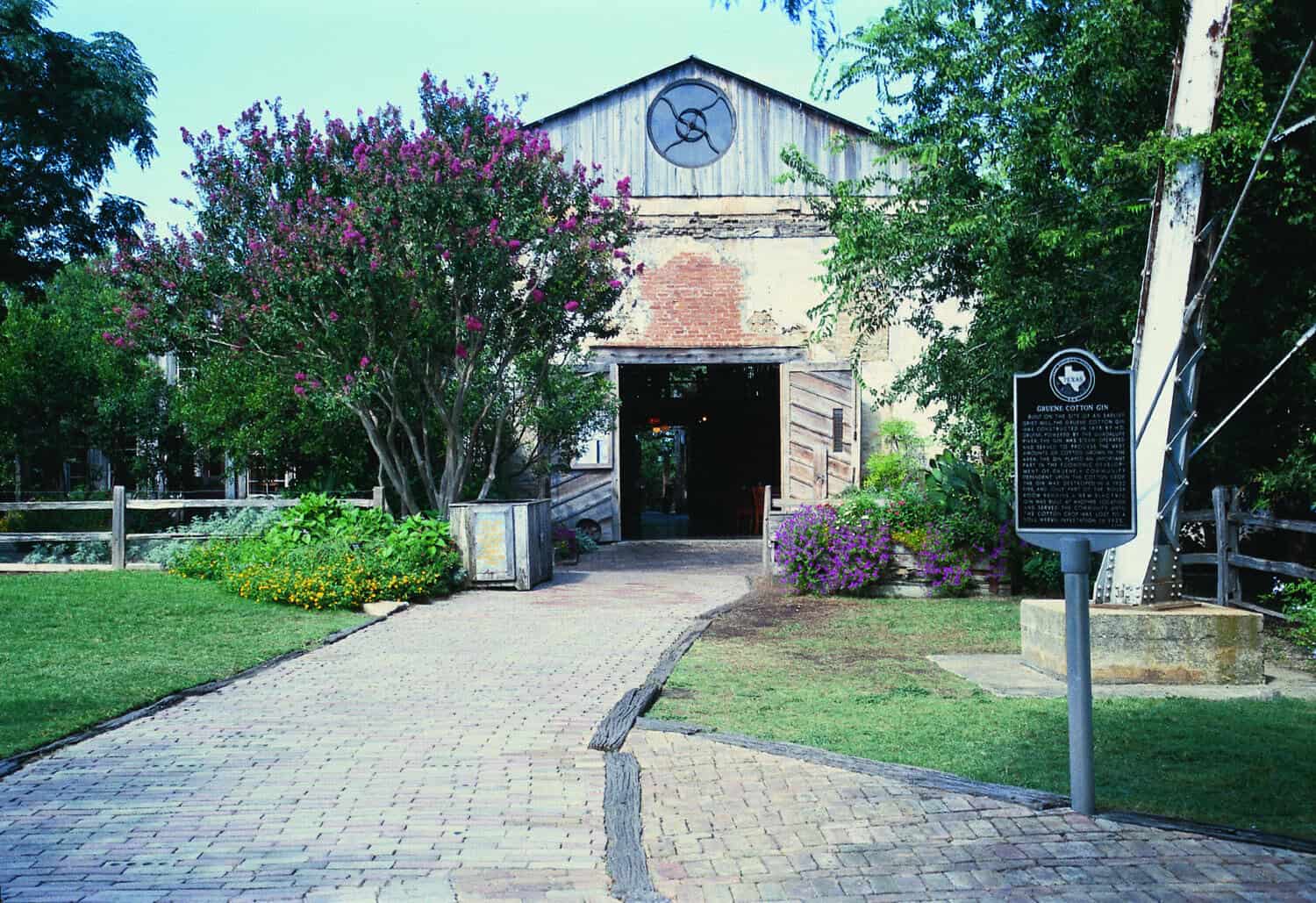
In 1977 the pair opened the Gristmill River Restaurant and Bar inside the ruins, threading dining rooms and decks through the surviving stone and timber rather than tearing any of it down. They kept the scars and built around them.
Did you know the bricked riverside patio, known as the River Grove, is younger than the rest? It was added in 1998, tucked among the trees down by the water, and it feels like it has always been there.
Nearly half a century on, the restaurant is regularly called one of the most unique dining spots in the whole state. Not bad for a building the fire tried to erase.
Music, Shops, and a Whole District to Wander
The gin does not stand alone. It anchors the Gruene Historic District, a walkable cluster of restored 1800s buildings that came back to life alongside it, and dinner here is really an invitation to make a half-day of it.
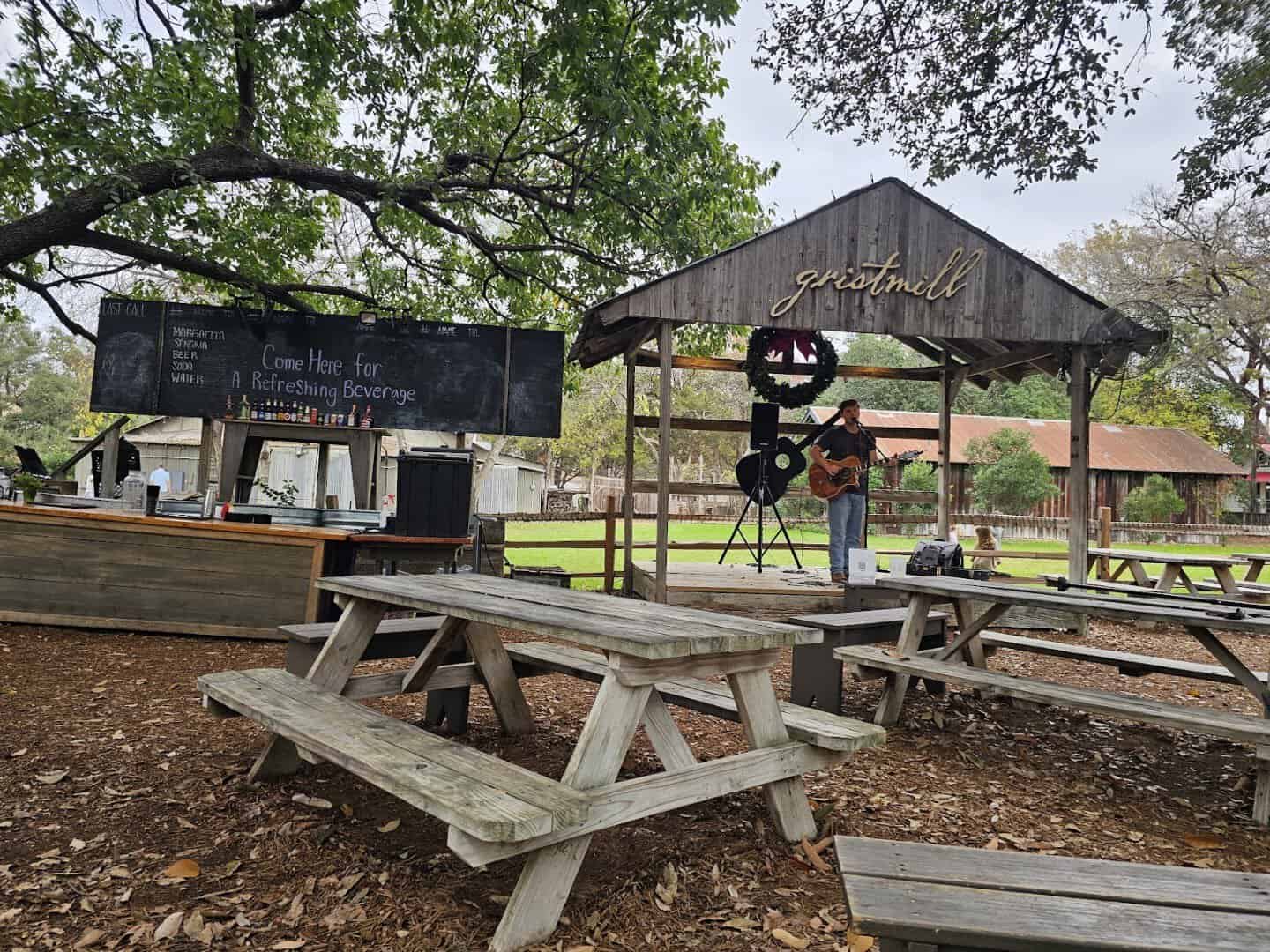
Right next door is Gruene Hall, billed as the oldest continually operating dance hall in Texas, where the music has barely stopped since the 1800s. Legends and up-and-comers alike have played its weathered wooden stage, and you can often hear it from your table.
Around the corner, old storefronts hold antique shops, a general store, wine and coffee spots, and folks selling everything from hand-thrown pottery to Texas hot sauce. It is the kind of place where a quick bite quietly turns into an afternoon.
In warm months you can rent a tube and float the Guadalupe right below the restaurant, then climb the hill for onion rings when your fingers go pruney. Few meals come with a better warm-up act.
Tips for Making the Most of Your Visit
This place gets busy, especially on weekends when Gruene Hall has live music and the district fills up. Plan around the crowd rather than fighting it.
Pro tip: the restaurant uses a text-ahead seating system, so you can get on the list and then wander the historic district while you wait. Poke into the shops, listen to whoever is playing at the hall, and let your phone buzz when your table is ready.
If you have a dog along, there is a patio that welcomes them, which makes this an easy stop on a river day. Bring layers in the shoulder seasons, since the open decks catch the breeze off the water.
Want the view without the wait? Aim for a late lunch on a weekday, when the light is still good on the river and the dining rooms are calmer. The kitchen runs the same menu all day.
Come thirsty and come hungry. Between the onion-ring tower, the chicken fried steak, and the sheet cake, this is not a light-bite kind of place, and nobody here pretends otherwise.
How to Get There
The restaurant sits in the Gruene Historic District, on the north edge of New Braunfels, an easy drive from both San Antonio and Austin. It is right below the water tower, so once you are in Gruene you can practically follow it in.
Where: Gristmill River Restaurant and Bar, 1287 Gruene Road, New Braunfels, TX 78130.
Hours generally run 11 a.m. to 9 p.m. Sunday through Thursday and 11 a.m. to 10 p.m. Friday and Saturday, though it is always worth checking the official site before you drive, since hours can shift with the season.
Plan Your Trip to the Gin on the Guadalupe
Some restaurants sell you a meal. This one sells you a place that refused to disappear, plus a tower of onion rings you’ll still be talking about on the drive home.
So point the car toward the Hill Country, grab a deck table over the river, and order more than you think you can finish. A cotton gin came back from the ashes to feed you, the least you can do is show up hungry.
Featured image: @ Gristmill River Restaurant & Bar

Stella Raines
Editor-in-Chief
Stella brings over a decade of storytelling experience to TX Headlines. With roots in West Texas and a love for road trips, she leads the editorial team with an eye for the hidden stories that make Texas unforgettable.
More Stories

Tags