This Open-Air Texas Museum Lets You Walk Through 150 Years of Cowboy History
I will take an open-air history museum over an indoor one every single time. There is only so much a plaque behind glass can teach you. You cannot really understand a windmill by reading about one. You have to stand under it and hear it turn.
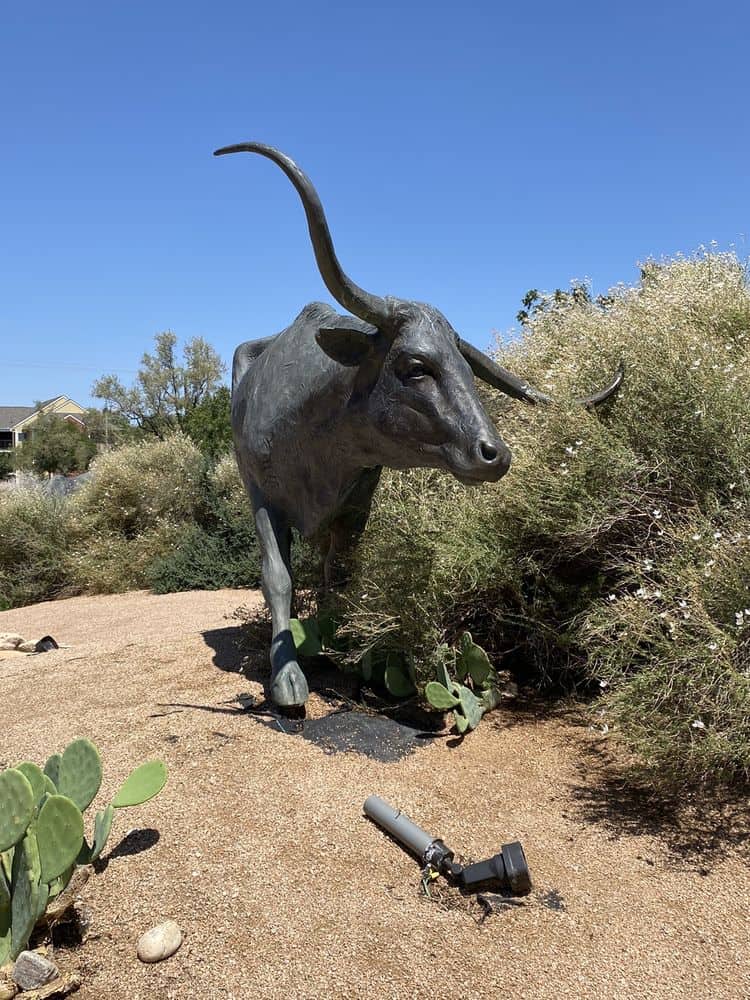
That is the whole idea behind this wide-open museum in Lubbock. More than a century and a half of Texas ranching sits out in the West Texas wind, right where you can walk up and touch it.
Below, I want to show you why the National Ranching Heritage Center might be the most underrated stop in the whole state, and why fifty years in, it is still one of the best free days out you can plan.
It is free, it is enormous, and in 2026 it is turning fifty. If you have ever driven past Lubbock thinking there was nothing to slow down for, this is the place that proves you wrong.
A Whole Town You Can Walk Straight Into
Most museums keep the past at arm’s length. This one hands you the keys.
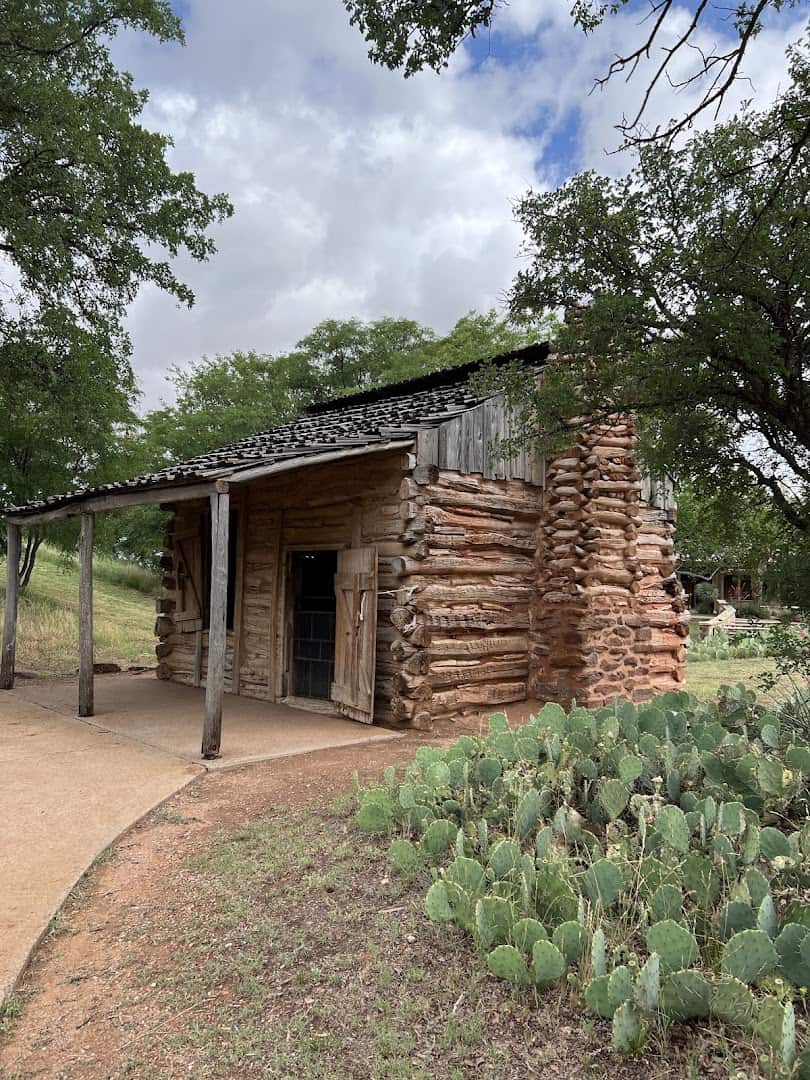
Spread across a sprawling park next to the Texas Tech campus are more than fifty real historic structures. Each one was moved here from ranches all over the region, saved before it could collapse. This is not a set. These are the actual buildings, rebuilt stone for stone.
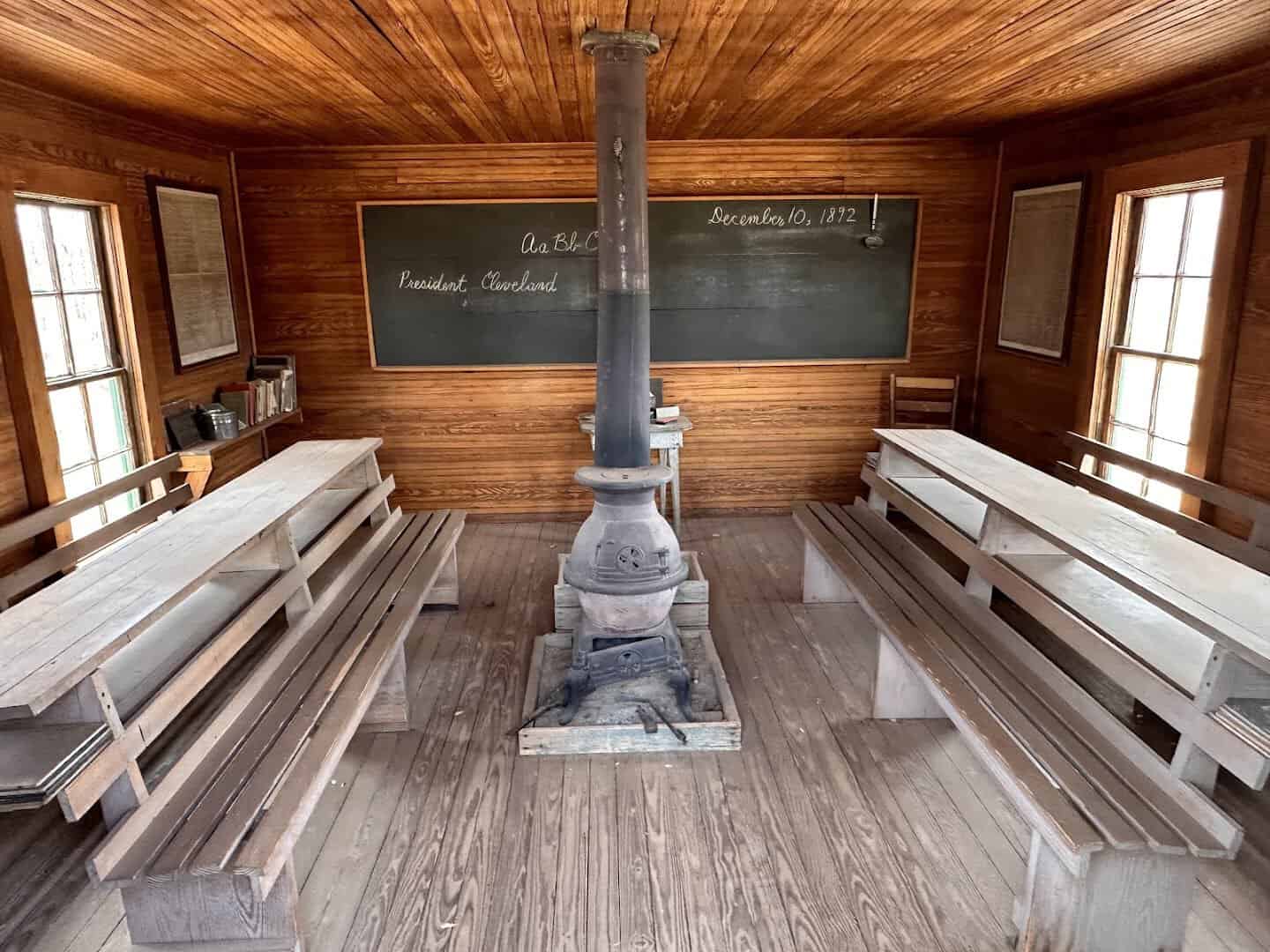
You follow a paved trail from one to the next, and the effect sneaks up on you. A one-room schoolhouse. A blacksmith shop. A railroad depot.
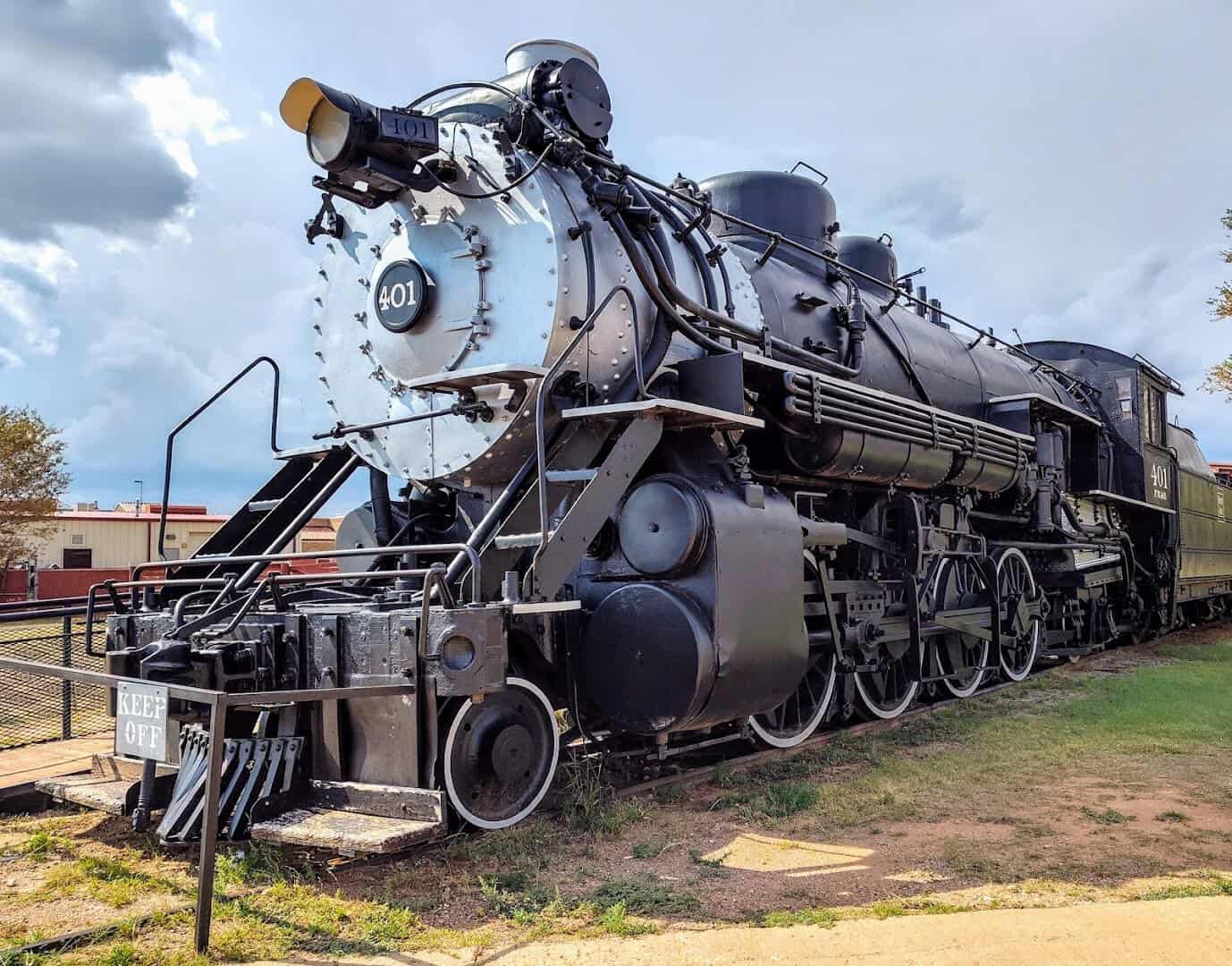
Together, they add up to a whole frontier settlement you wandered into a hundred years too late. You can walk right up to the doorways and peer inside, close enough to see the wear on the floorboards. It is history you experience with your feet, not from behind a rail.
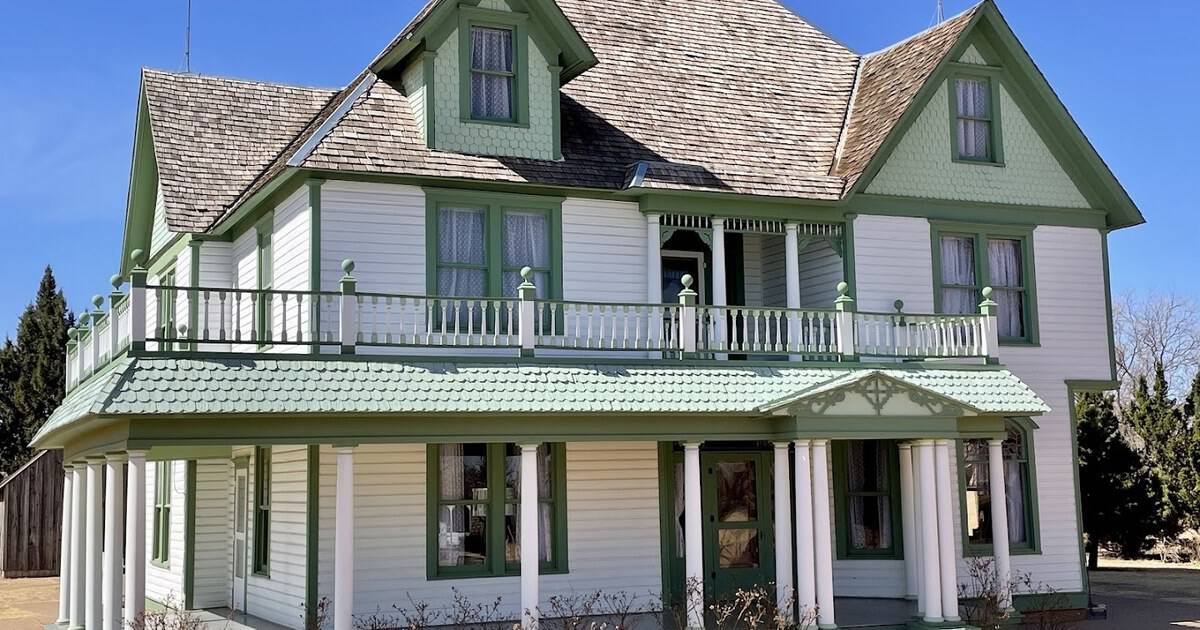
The buildings run from the late 1700s to the middle of the 1900s, so you are not looking at one frozen moment. You are watching ranch life change in front of you, from a dirt-floored dugout to a proud two-story Victorian, all in one afternoon walk.
What gets me is the honesty of it. Nothing here is a pretty replica built to look old. Each structure was found on a real working ranch, documented, taken apart, and reassembled down to the placement of the original stones.
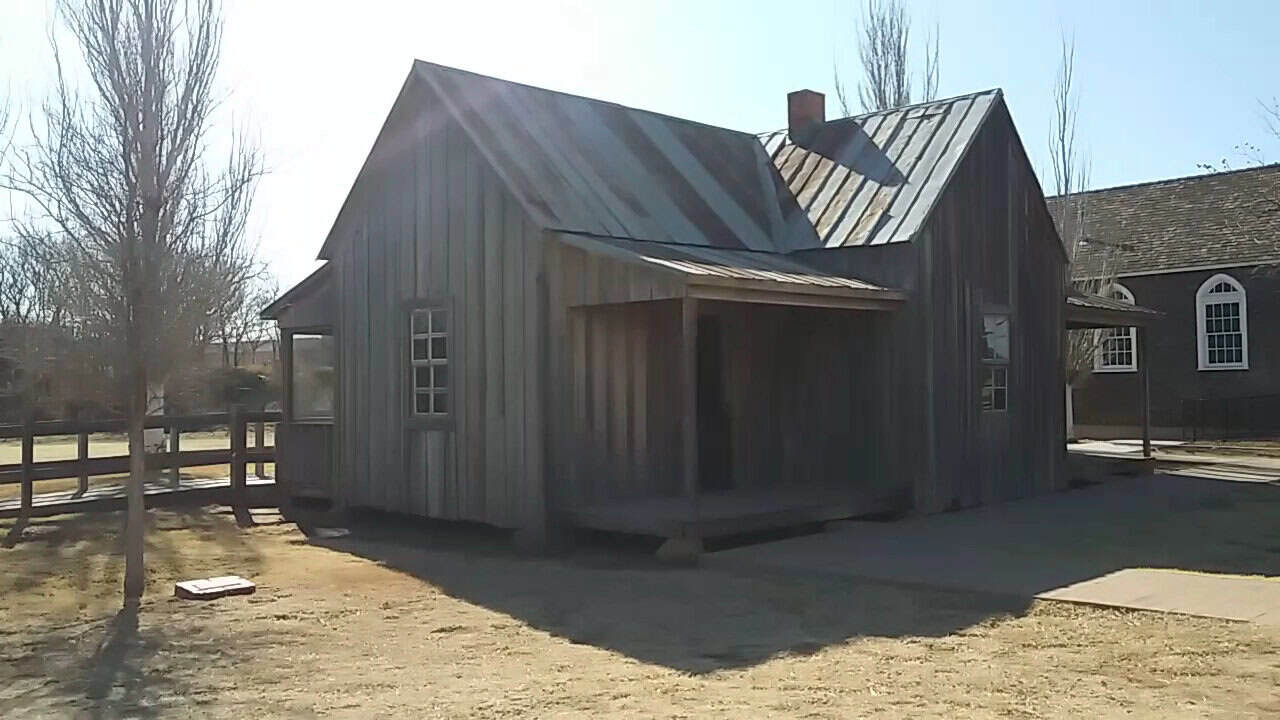
That is the reason the place feels alive rather than staged. When you run a hand along a hundred-year-old doorframe, you are touching the same wood a rancher touched on his way out to check the herd at dawn.
The Dugout, the Dogtrot, and the House on the Hill
Every structure here has a name and a story, and a few of them stopped me cold when I read about them.
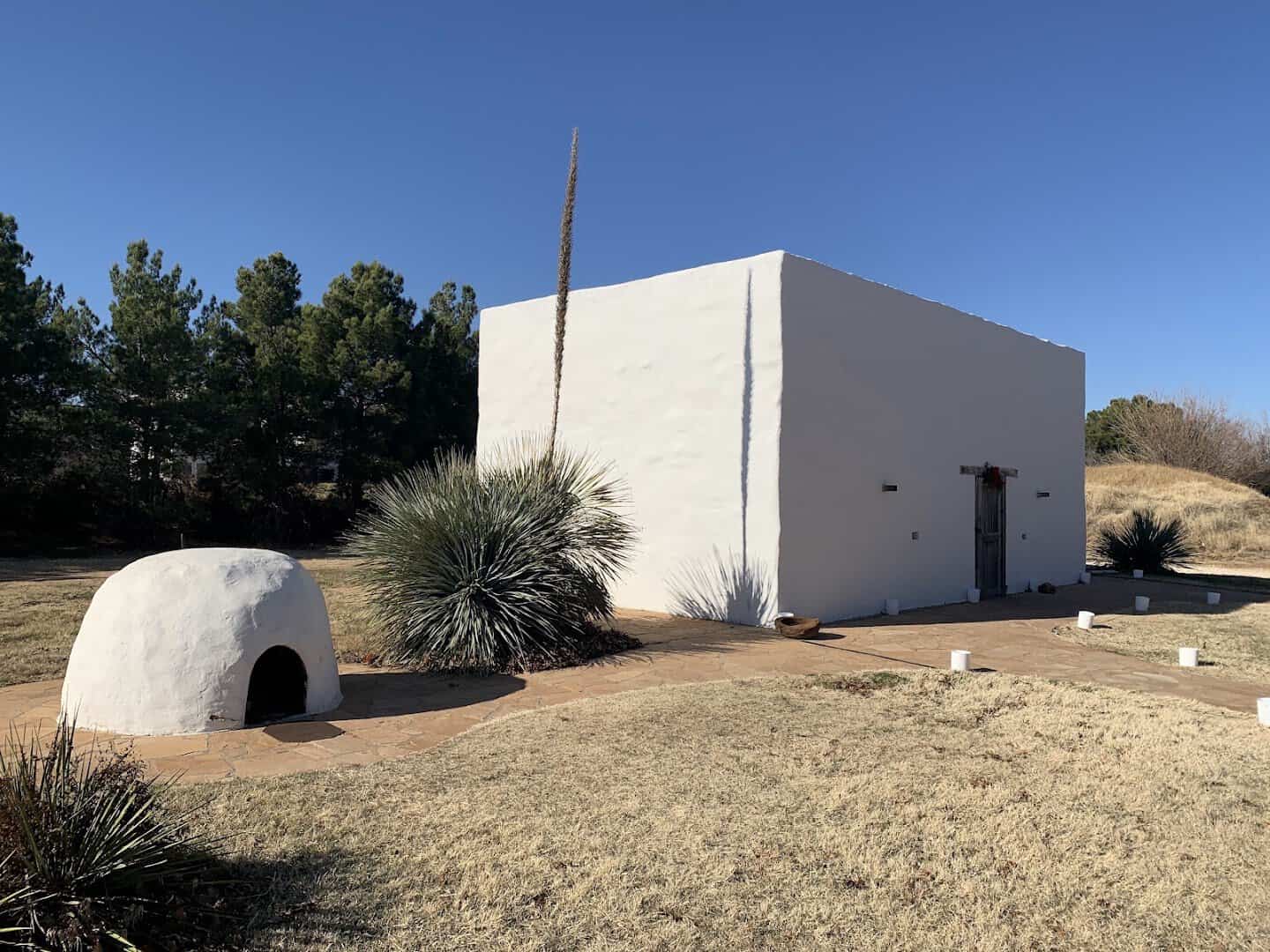
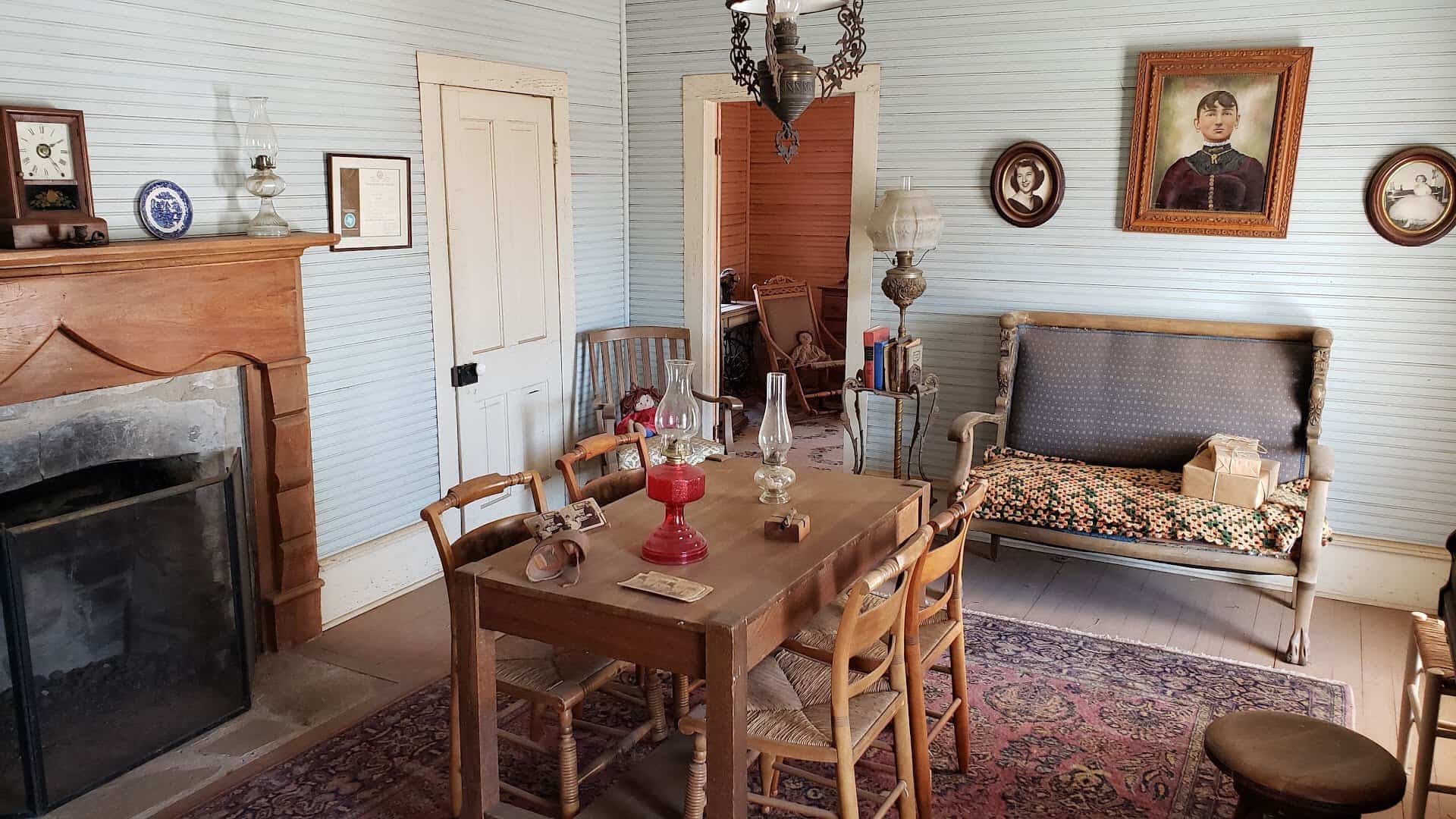
The Matador half-dugout, built around 1888, is barely more than a room carved into the earth with a roof over it. Cowboys actually lived in these, half underground, riding out storms and summers alike. You realize fast that ranching was never romantic. It was survival.
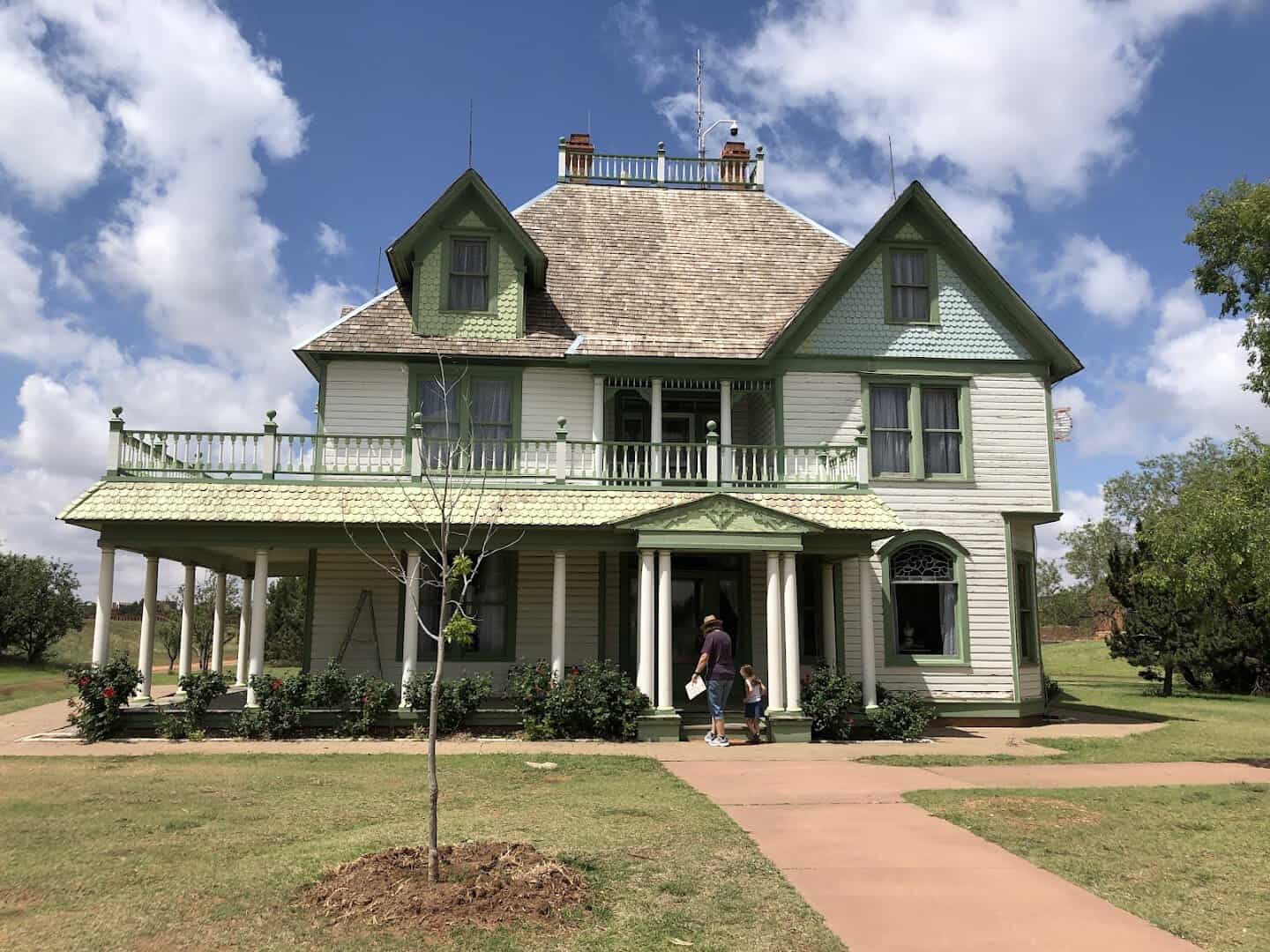
Then there is the Barton House, a Queen Anne beauty from 1909 with a wraparound porch and fussy trim, hauled all the way from Hale County. Set a few steps from a sod-roofed dugout, it tells the whole arc: from barely clinging on to finally, gloriously, making it.
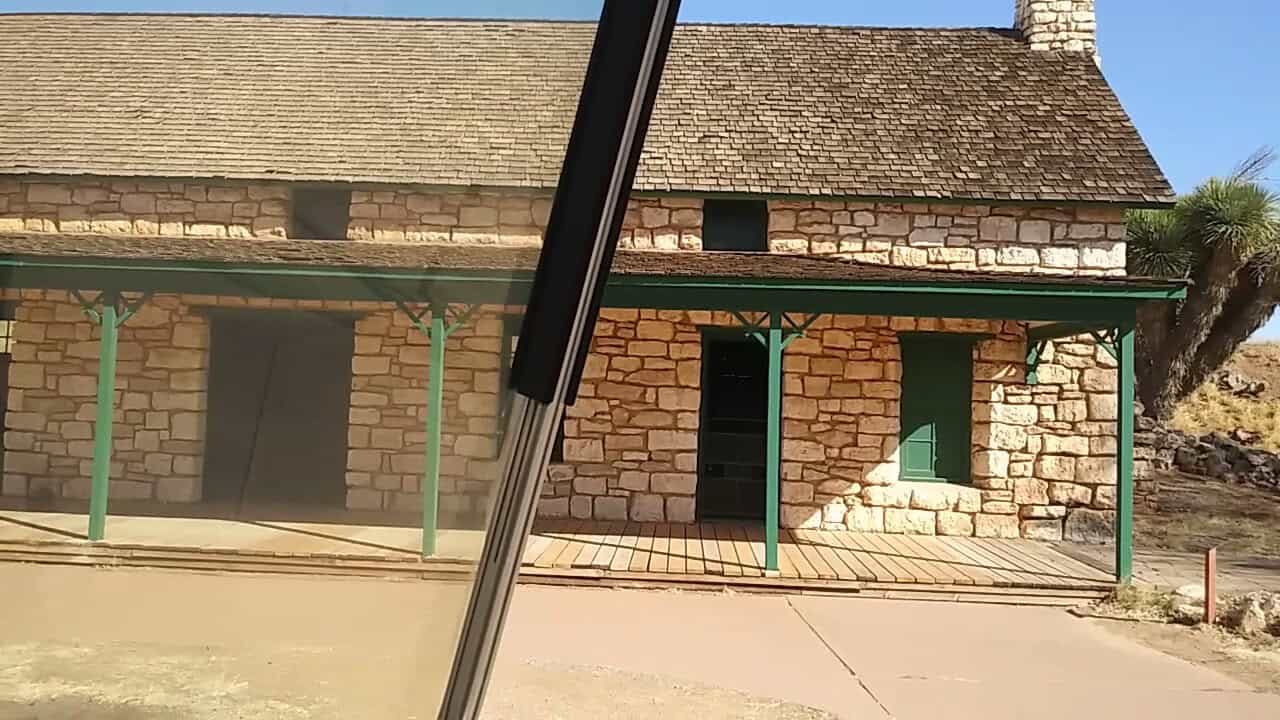
Look for the Jowell House too, a fortress of thick stone walls built in the 1870s in Palo Pinto County. When your nearest neighbor is a day’s ride away and trouble rides faster than help, you build your home like a small castle. So they did.
Do not rush past the smaller places either. The Picket and Sotol House from around 1904 was built from upright cedar posts, chinked with mud and roofed with the tall sotol stalks that grow wild out here.
It is a whole lesson in making a home from whatever the land gives you. No lumberyard for a hundred miles, so the prairie itself became the hardware store.
The Work That Actually Built the West
Homes are only half the story. The other half is the sweat.
Scattered among the houses are the working bones of a real ranch. There are cattle pens patterned after the legendary King Ranch, a commissary that once supplied the sprawling Waggoner Ranch, and a cookhouse from the Pitchfork Ranch where hungry cowhands were fed in shifts.
Step near the blacksmith shop and you can almost hear the ring of a hammer shaping a branding iron. Peek into the granary and the carriage house and you start to grasp the labor behind a single steak dinner in 1890.
It is one thing to read that ranching was hard. It is another to stand in the buildings where that work actually happened, with the wind doing its best to push you along.
These are the details that make the whole place click into focus. Ranching was not a lifestyle brand out here. It was a full-time fight against drought, distance, and a sky that did not care.
Why the Windmills Sing
Here is the detail nobody tells you before you go. The grounds are wired for sound.
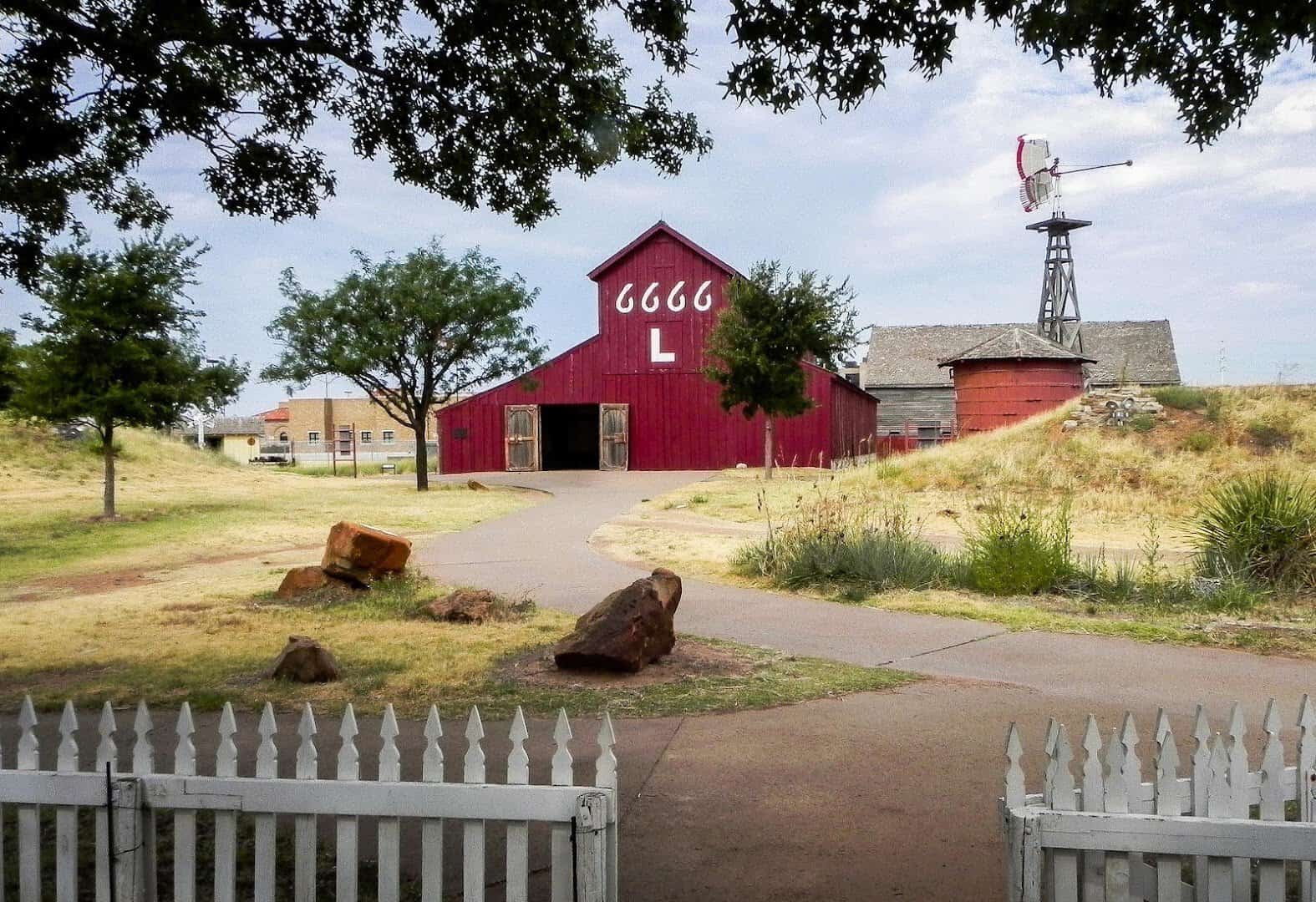
As you move through the park, hidden speakers layer in the real soundscape of a working ranch. Cattle low in the distance. A rooster calls off to your left. Wind hums through the blades of the windmills that dot the property.
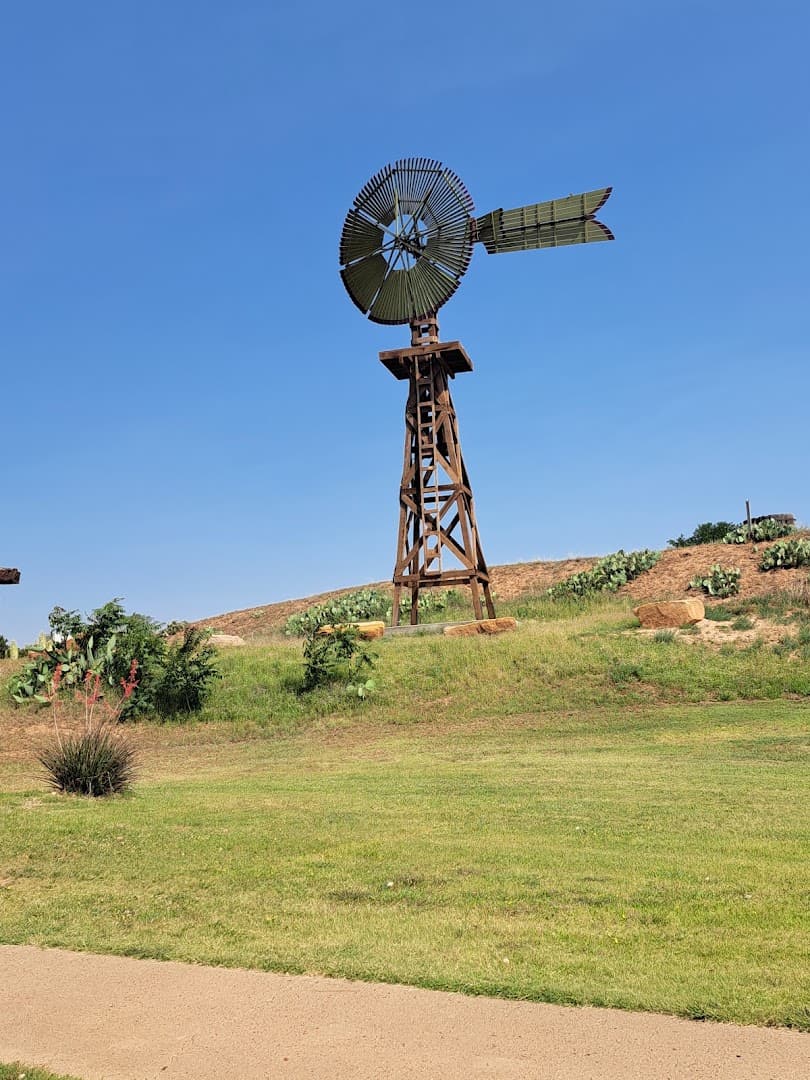
Three different kinds of windmill stand here, each one a small engineering marvel that turned dry land into livable land. It sounds like a gimmick until you are inside it. Then the past stops being something you read about and becomes something happening around you.
Pro tip: come on a breezy day if you can. The windmills genuinely turn, and hearing one creak and spin overhead while the recorded cattle call out is the closest thing to time travel Lubbock offers.
Indoors, When the Weather Turns
West Texas weather has opinions, and the Center planned for that. Beyond the outdoor park sits a large climate-controlled building full of galleries, a welcome sight when the sun is punishing or the wind is howling.
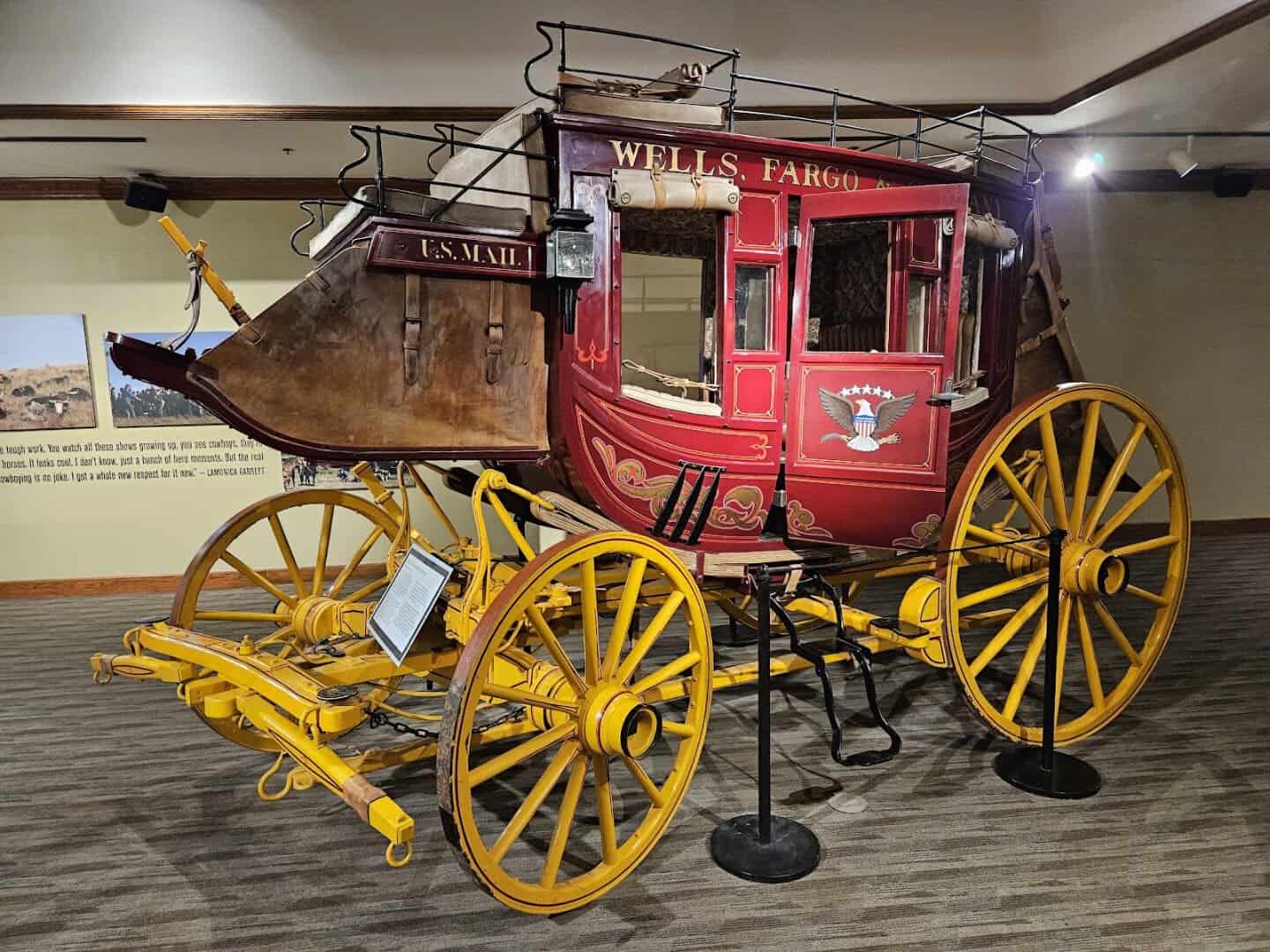
Inside you will find rotating exhibitions, western art, saddles and spurs and branding irons, and displays that explain the innovations that made ranching possible on land this hard.
Barbed wire and the windmill sound like footnotes until you learn they are the two inventions that turned the open range into an industry. One fenced the cattle in; the other pulled water up from deep underground. Together they made West Texas ranchable at all.
The exhibitions change often, which is a good reason to go back. One recent show featured props and costumes from the hit series “1883,” and a 2026 exhibit traced the evolution of the American rifle. There is usually something new waiting behind those doors.
There is a real reverence in here for the craft of it all. The tooled leather, the hand-forged tools, the ingenuity of people making do with what the land gave them. You leave with new respect for a word most of us use lazily: cowboy.
Where the Kids Actually Have Fun
If you are traveling with children, this is the rare history stop that keeps them genuinely happy.
Young Texans may already know Hank the Cowdog, the beloved book series about the self-appointed Head of Ranch Security, and the Center has an interactive area built around him.
There is a playground on site too, plus wide-open space to run, which after a long car ride is worth its weight in gold. Kids can climb, chase, and burn off energy while the grown-ups linger over a dugout or two.
In the warmer months, keep an eye out for the trolley tours that loop the grounds. Little legs get tired on a park this size, and a narrated ride is the perfect way to see the far corners without a meltdown.
“It is the hidden gem of Lubbock,” one visitor wrote, and families echo the sentiment again and again. When a day out this rich costs a family of four exactly nothing, that is a small miracle worth celebrating.
Fifty Years in the Making
The idea took root back in 1966, when Texas Tech University president Grover E. Murray appointed a committee to study whether an outdoor ranching museum could actually work. It could.
The first historic building was moved to the site in 1971, and more followed, carefully dismantled, hauled across the plains, and reassembled piece by piece. It was slow work, the kind that only happens when people decide a vanishing way of life is worth saving.
The Center opened to the public in 1976, timed to the nation’s Bicentennial and marked, fittingly, with an actual trail drive to the grounds. By the mid-1970s only about a dozen buildings stood on the site.
In the decades since, that handful has grown into the sweeping outdoor museum of more than fifty structures you can walk today. That makes 2026 a landmark year: the Center’s fiftieth. Half a century of hauling history in from the range and holding onto it.
Still Growing After All These Years
A lot of fifty-year-old institutions coast. This one is doing the opposite.
In 2024, Texas Tech approved a major expansion for the Center, including the new Red Steagall Institute for Traditional Western Arts, a home for the music, poetry, and craft that keep cowboy culture alive. It is a serious bet on the next fifty years.
The Center also hosts the National Golden Spur Award, one of the most respected honors in the ranching and livestock world. It puts on beloved annual events too, like Ranch Day and the glowing, magical Candlelight at the Ranch each December.
Did you know? The whole operation is backed by the Ranching Heritage Association, a nonprofit whose members have quietly funded much of this preservation for decades. Your visit, and any donation you leave, helps keep the gates open and free.
How to Get There
The Center sits right on the northwest edge of the Texas Tech University campus, easy to reach and impossible to miss once you spot the windmills turning over the rooftops.
Where: 3121 4th Street, Lubbock, TX 79409
Hours run Monday through Saturday from 10 a.m. to 5 p.m., and Sunday from 1 p.m. to 5 p.m. Admission is free, though donations are gladly accepted and go straight back into the preservation work. Give yourself two or three hours, because regular visitors say they need every minute.
Point the Truck Toward Lubbock
Some places make you feel like a spectator. This one makes you feel like you stepped through a door in time and landed out on the open range.
So plan a West Texas weekend, wear comfortable shoes, and give yourself a slow afternoon to walk from the dugout to the Victorian and let fifty structures tell you the whole story. Come for the free admission, and stay because you will not want to leave.
Featured image: Michael Miller via National Ranching Heritage Center

Stella Raines
Editor-in-Chief
Stella brings over a decade of storytelling experience to TX Headlines. With roots in West Texas and a love for road trips, she leads the editorial team with an eye for the hidden stories that make Texas unforgettable.
More Stories
This Wild Texas Flea Market Is the Largest in the State, and It Comes With Carnival Rides
This Historic Texas Hill Country Tavern Comes Alive With Live Music Under the Stars
This $15 Texas Farm Lets You Meet Camels, Sloths, and Over 350 Animals
This Hands-On Texas Aquarium Lets You Touch Almost Everything, From Stingrays to Kangaroos
Tags