This Hands-On Texas Aquarium Lets You Touch Almost Everything, From Stingrays to Kangaroos
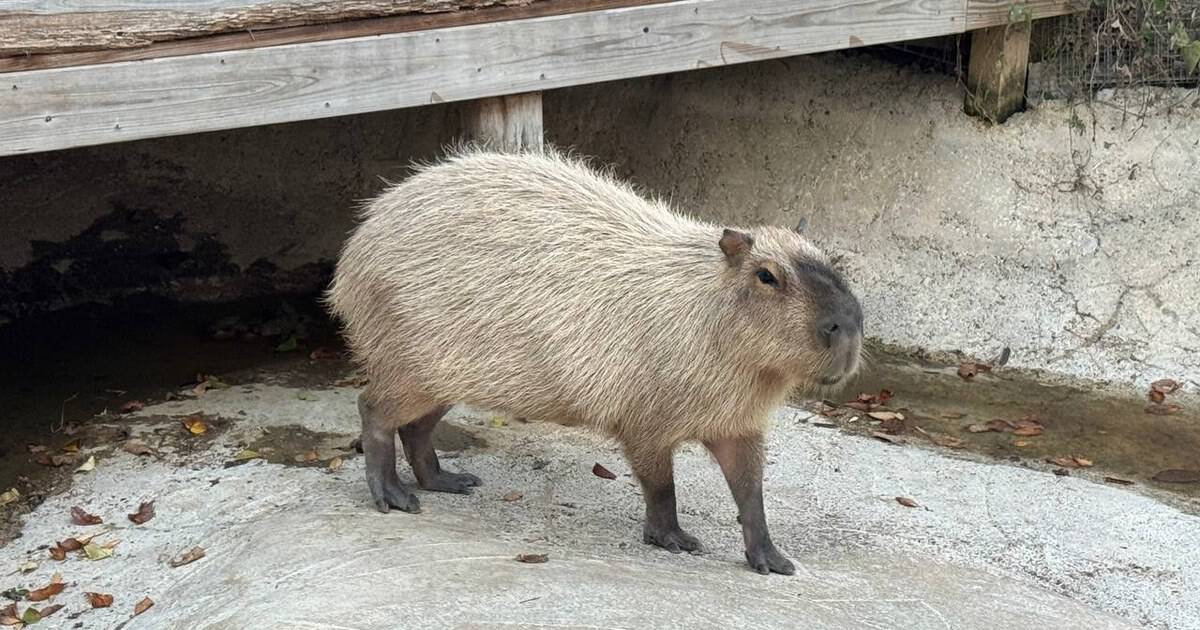
I have never made peace with the phrase “do not touch.” Show me a stingray gliding in a tank and every instinct I have says reach in, not read the placard bolted to the glass.
That is the whole reason a kid presses their nose to the glass in the first place. They want to know what the animal actually feels like. No photo of a penguin has ever made anyone gasp the way a real one waddling past your shoe does.
So I get a little giddy about a place built on the opposite idea. In the northeast corner of Houston sits an aquarium turned petting zoo, a 5-acre indoor world where the exhibits practically dare you to reach in.
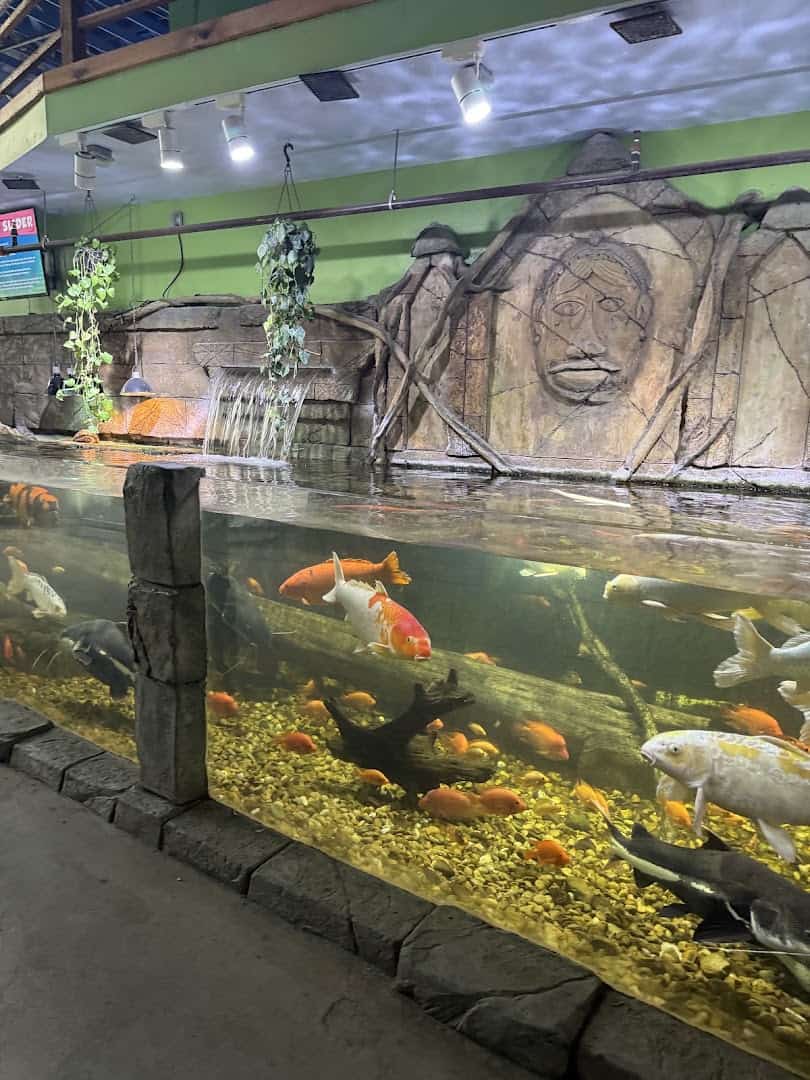
Below, here is what you can touch, feed, and get eye to eye with, plus everything you need to plan the trip.
Where the Rope Comes Down
The place is the Houston Interactive Aquarium and Animal Preserve, and the word doing the heavy lifting is interactive. This is not a walk-past-the-tank kind of day.
You come here to put your hands in the water. Shallow touch pools sit at a height a five-year-old can reach, and inside them the stingrays glide in slow loops, their wings breaking the surface like they are asking to be noticed.
Dip a hand in and the top of a ray feels smooth and cool, somewhere between a wet grape and a mushroom cap. The animals set the pace. Staff keep it calm and simple: two fingers, slow strokes, let the ray come to you.
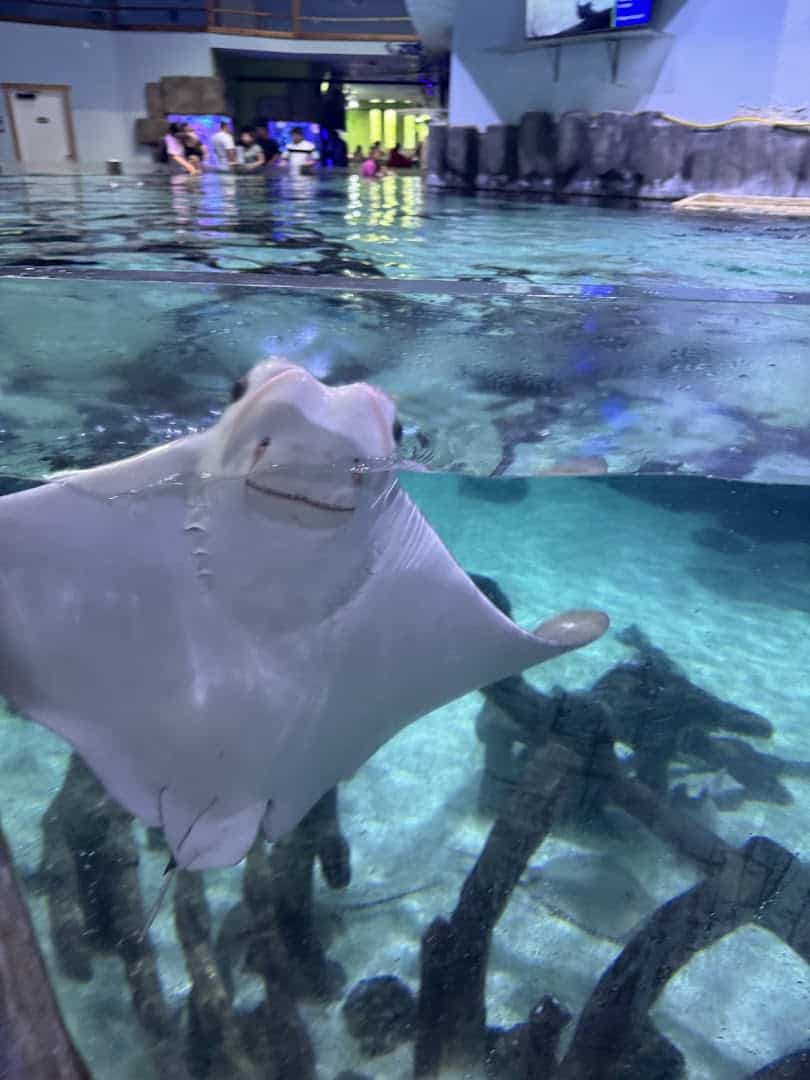
That is the pattern across the whole building. Handlers stand at every station, they show you how before you reach, and they end a session the moment an animal wants a break. The touching is the point, but so is doing it right.
Stingrays, Sharks, and a Snorkel You Did Not See Coming
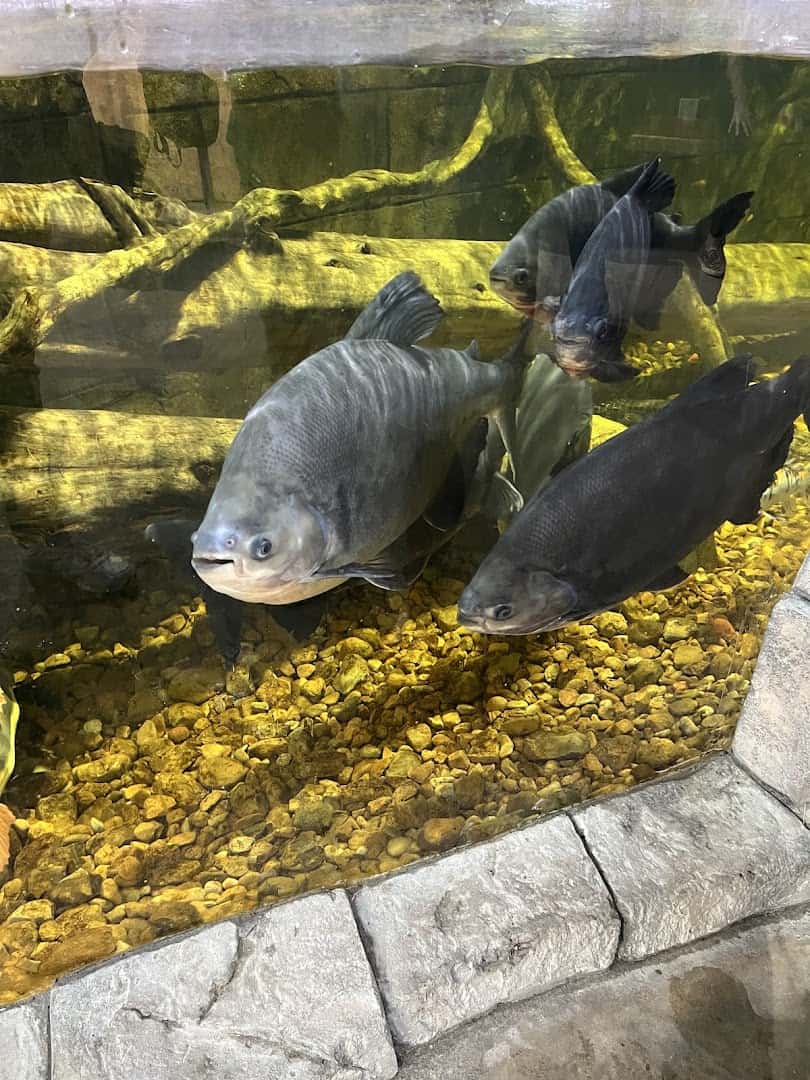
The marine side is where the aquarium name earns itself. Beyond the ray pools you will find sharks, tropical fish in reef colors that look almost invented, and jellyfish drifting in their lit columns like slow-motion fireworks.
There are touchable starfish sitting still in the shallows, too, and they are usually the first win of the day for a nervous toddler. A starfish holds its ground, so it is the gentlest possible introduction to the idea that the water is allowed.
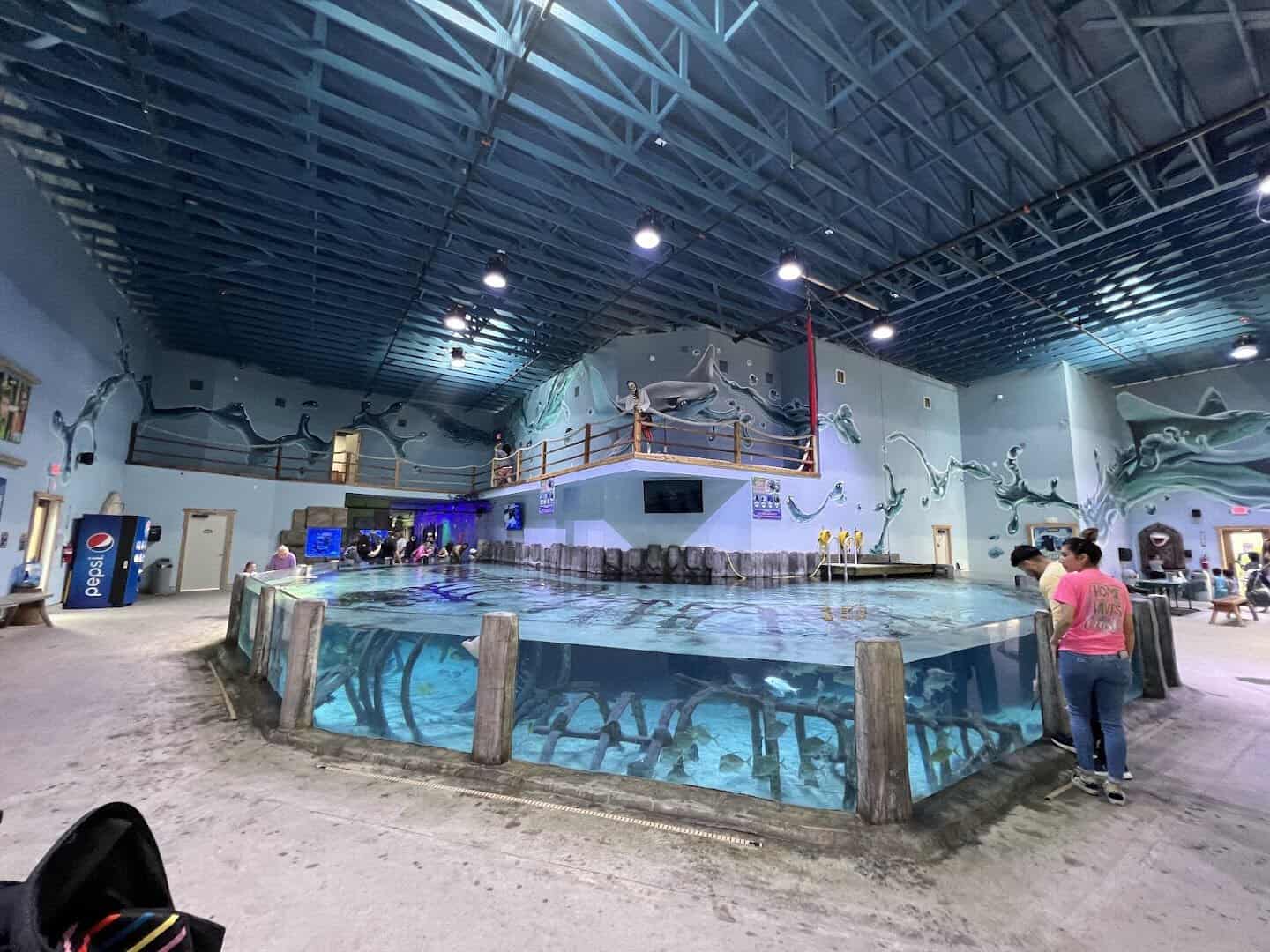
Shark feedings run on a schedule, and they are a small thrill. A handler hands you food on long tongs, you lower it toward the water, and something with a lot of teeth rises up to take it while you keep a very respectful grip on the handle.
If a hand in a pool is not enough, the preserve offers snorkel and snuba sessions where you get in the water with tropical fish and rays. It is the kind of add-on you book ahead, and it turns a family outing into a genuine underwater afternoon.
Pro tip: the marine hall is the most popular room, so it fills up first. Start your visit somewhere else and circle back to the rays in the last hour, when the morning crowds have thinned out.
Sloths, Lemurs, and a Kangaroo Who Would Like a Snack
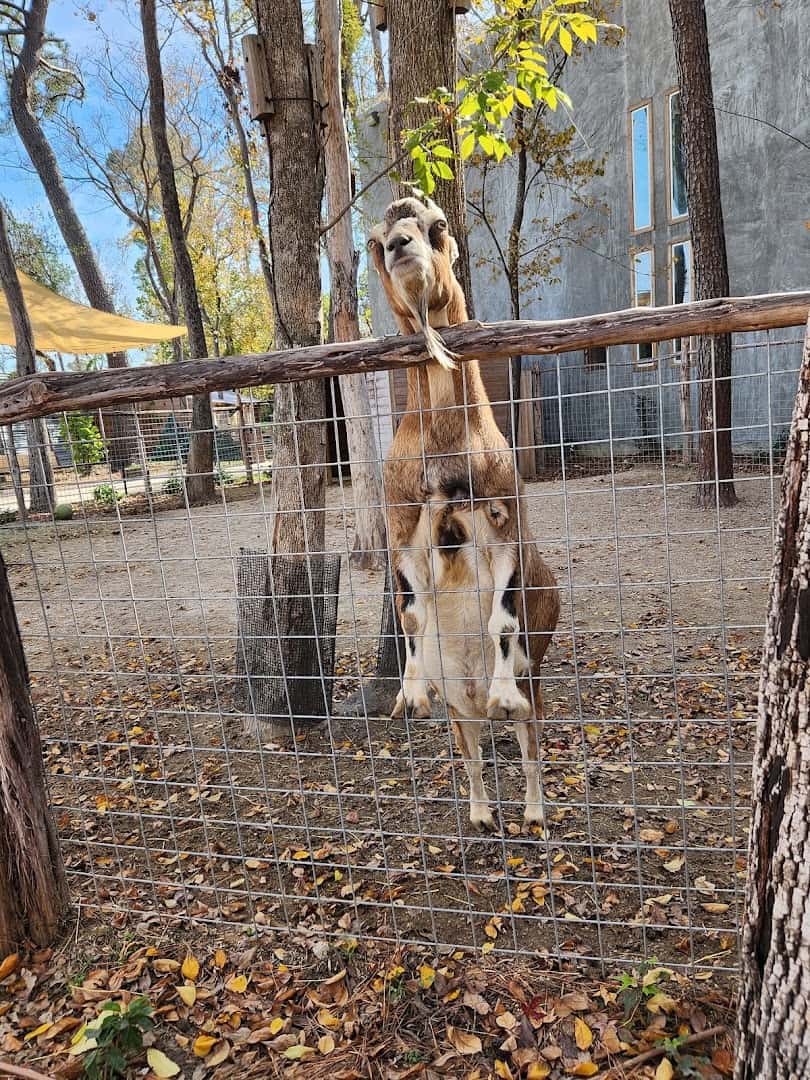
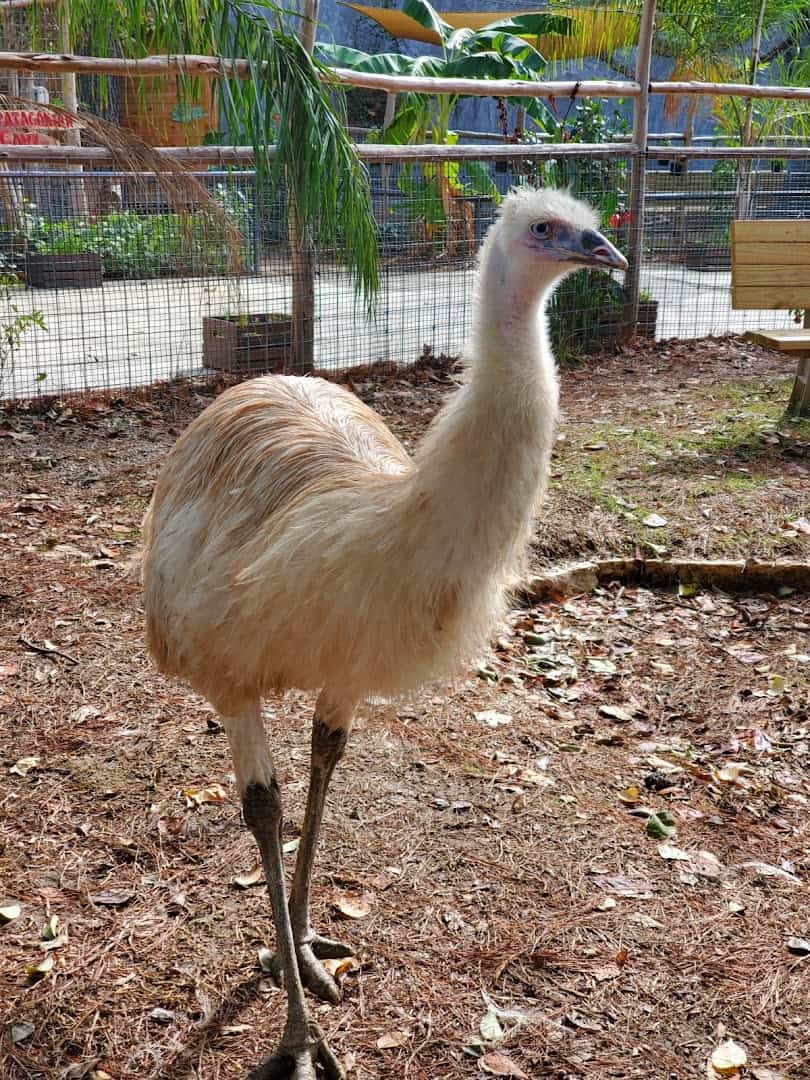
Here is the twist that makes this more than an aquarium. Walk past the fish and the building opens into a land-animal preserve stocked with more than 40 species, many of them the kind you usually only meet on a nature documentary.
There are two-toed sloths moving at their famous unhurried speed. There are ring-tailed lemurs, plus the red ruffed and black-and-white ruffed varieties, all of them curious and quick on their feet.
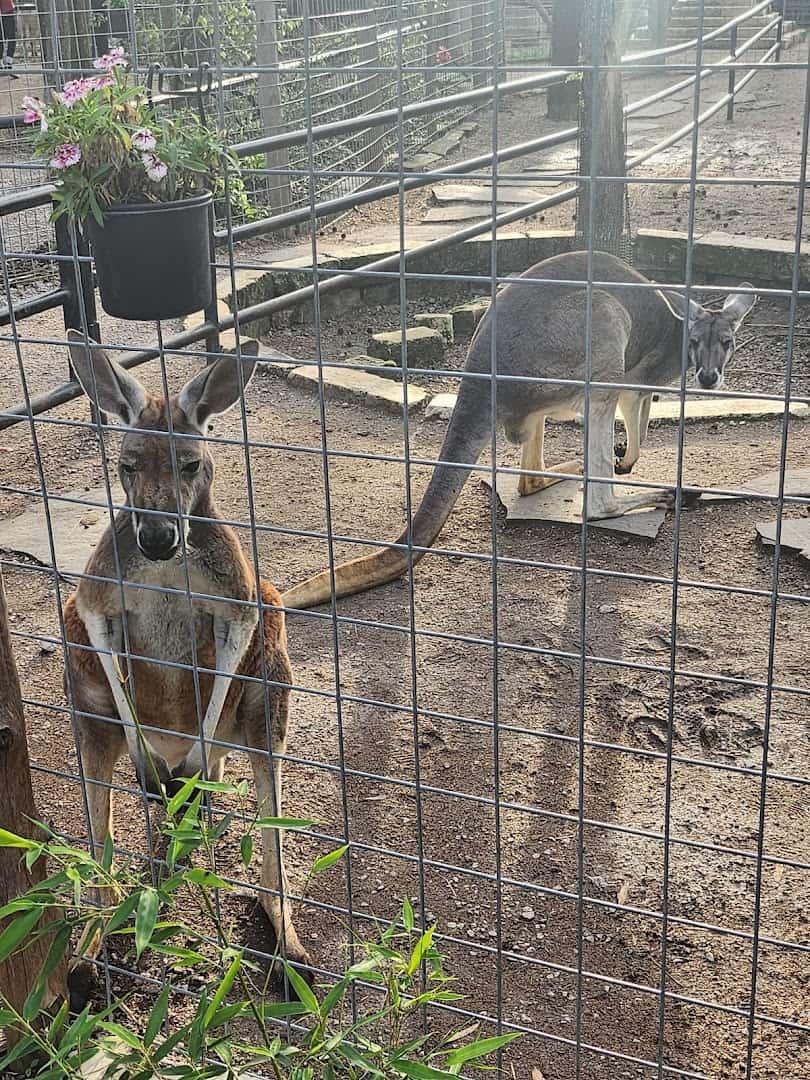
There are kangaroos and wallabies, and the Asian small-clawed otters who may be the most restless residents in the whole place. Add in a tamandua, a ringtail, and a rotating cast of smaller mammals and you have a lineup most Texas zoos would envy.
Many of these come with encounter sessions where you step into the space and feed or meet the animal up close, guided the whole time. It is a different feeling from watching over a rail, and it is the reason repeat visitors come back.
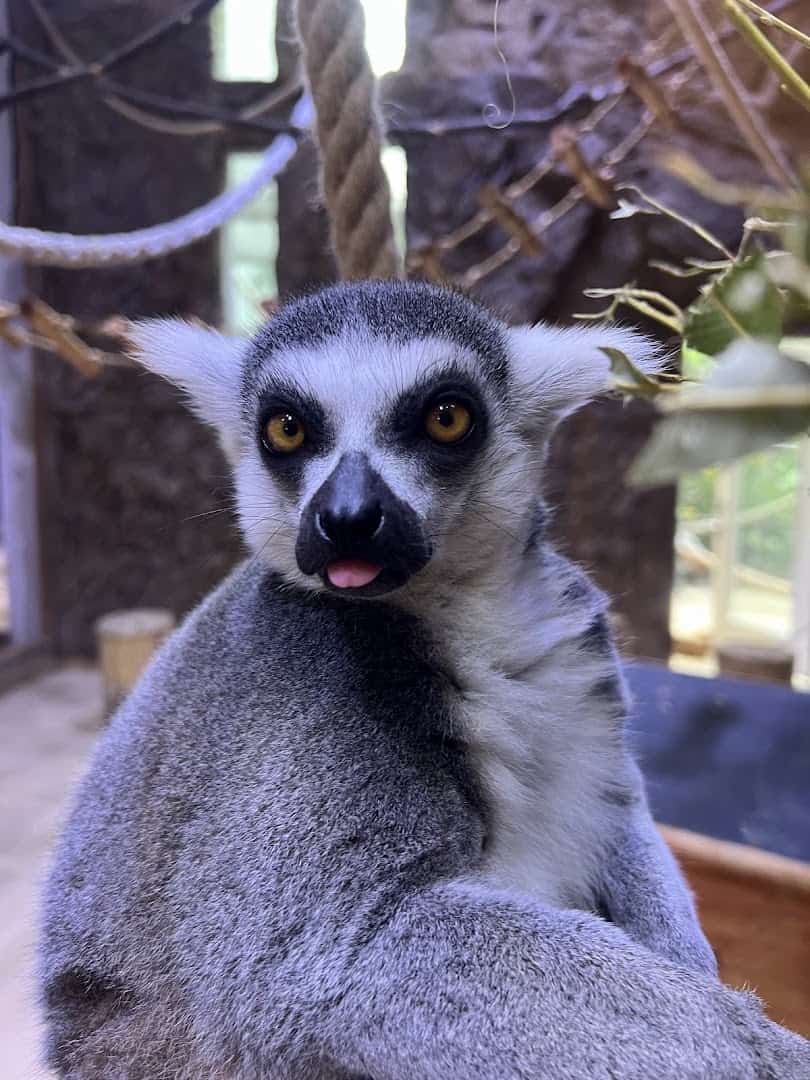
A few encounters have age or height rules. The ringtail meeting is teens and up, and the little ones get the sloth and the tamandua with a paying grown-up alongside. Check the day’s schedule at the front desk so you can time the ones your kids want.
The otters alone are worth a long stop. They chirp, they wrestle, they slide, and they will happily perform for anyone who slows down to watch. Just look at how much personality fits into one small enclosure.
Penguins, Toucans, and a Room Full of Reptiles
Make time for the African penguins. There is a height requirement to join their encounter, which tells you exactly how close the close gets, and a penguin deciding whether to trust your outstretched hand is a memory a kid keeps for years.
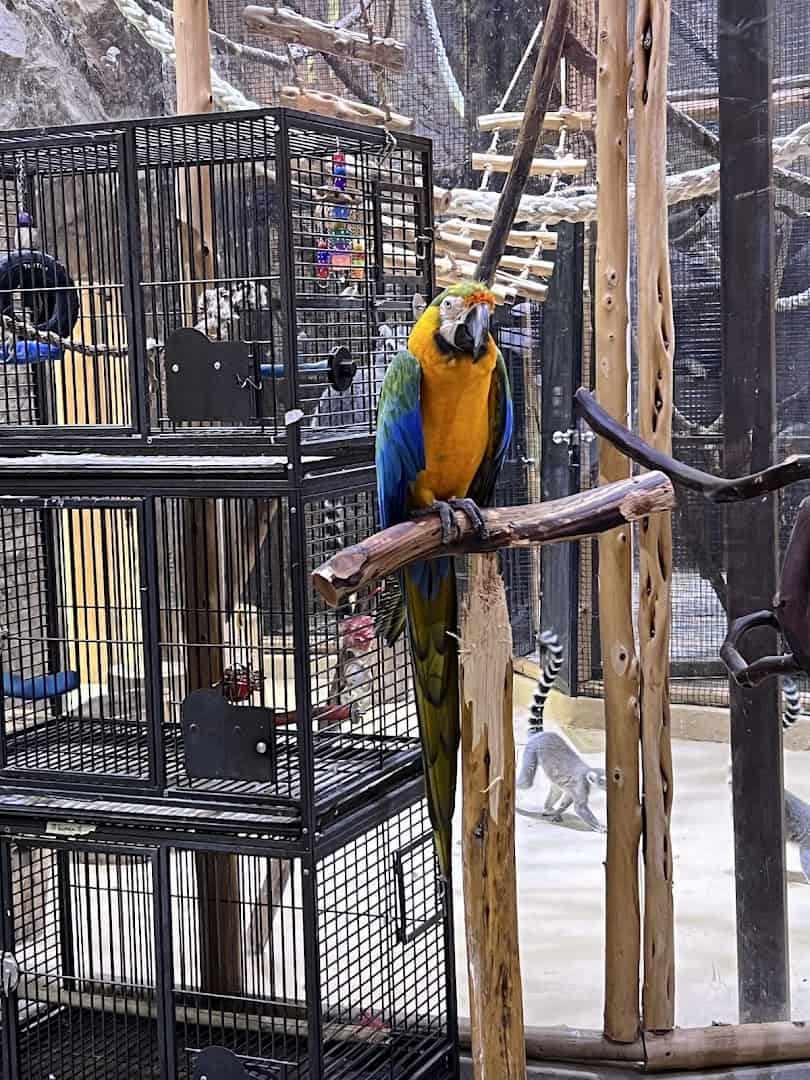
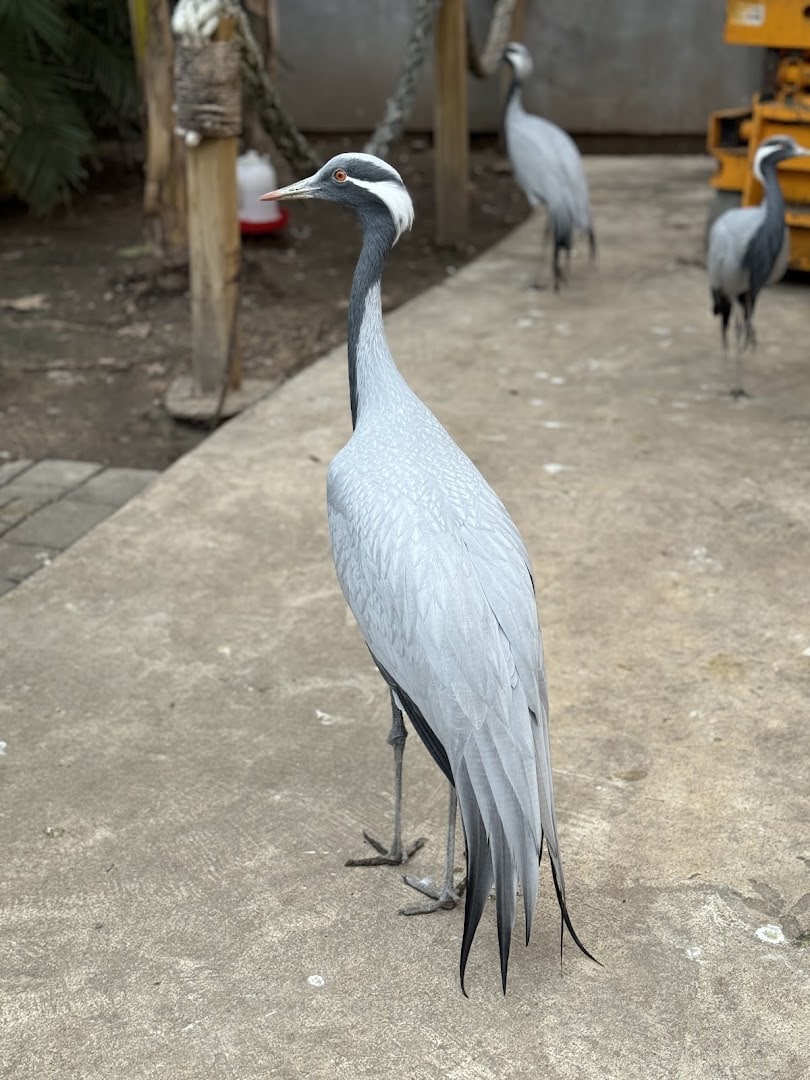
The aviaries are loud in the best way. Toucans, macaws, parrots, and smaller songbirds fill the branches, and the staff describe the trained birds as feathered friends for good reason. Hold still with a bit of food and you may get a visitor on your arm.
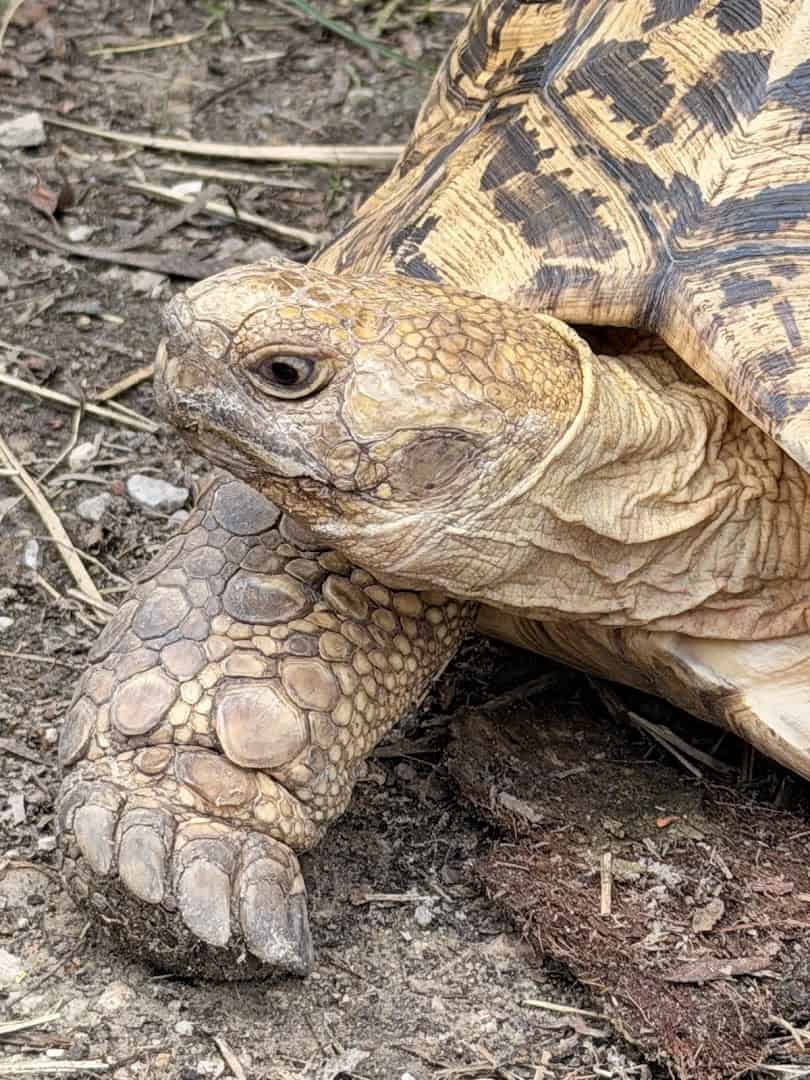
Then there is the reptile side, which is not for the squeamish and is exactly right for the kid who loves the squeamish stuff. Depending on the day you might get to hold a python or watch a caiman feeding, plus tortoises plodding around and a lineup of lizards.
This is where you will lose the reptile-obsessed member of your family for a while. The handlers here are patient with questions, and a kid who has only ever seen a snake behind glass tends to go quiet and wide-eyed the first time one is draped across their hands.
Did you know? The building is organized into four broad worlds, marine life, mammals, reptiles, and aviaries, so you can plan a loop that hits every one of them without doubling back on yourself.
How the Credits Work
Here is the one thing worth understanding before you walk in. General admission gets you through the door and past most exhibits, but the feedings and the premium encounters run on an in-house credit system.
You buy credits at kiosks around the building or bundle them online ahead of time, and the bundles tend to stretch further than topping up a few at a time. Those credits cover the animal food and some of the arcade games too.
The smart move is to decide before you arrive which encounters your crew actually cares about, then buy the credits to match. A family that comes for the sloth and the stingrays does not need the same stack as one chasing every feeding in the place.
Tip: buying a bundle online the night before saves both money and the kiosk line, and it keeps the day about the animals instead of the checkout screen.
More Than the Animals
The preserve knows its audience is families with restless kids, so it leans in. There is an indoor zip line and an adventure course threaded through the space, an arcade, a bounce house, and even 3D and VR experiences for the days a growing crowd needs somewhere to burn energy.
Character meet-and-greets rotate through too, with mermaids and princesses making appearances that turn a fish tank into a full storybook afternoon for the youngest visitors.
None of it is the reason you come, but all of it is why a three-hour visit stretches into most of a day. You come for the rays and you stay because nobody in your group is bored yet.
How a Touchable Aquarium Came to Houston
The Houston Interactive Aquarium and Animal Preserve opened its doors on May 10, 2021, bringing more than 40 new species to the northeast side of the metro all at once.
It came from the Covino family, the same team behind the Austin Aquarium, which first opened in 2013, and the San Antonio Aquarium that followed in 2014. Houston was the family’s next hands-on chapter, scaled up with a full land-animal preserve bolted onto the marine halls.
That lineage explains the whole philosophy of the place. These are people who built their name on letting guests reach in rather than read a plaque, and the Houston site is the fullest version of that idea yet, aquarium and preserve under one roof.
It sits just off the Sam Houston Parkway, minutes from Bush Intercontinental Airport, which makes it a rare Texas attraction you could genuinely fold into a long layover if you planned it tight.
Know Before You Go
Admission runs around $26 for anyone three and up, with kids two and under free, and an annual pass sits near $60 if you suspect you will be back. Teachers and first responders often get in free with a valid ID.
Prices, add-on credits, and encounter schedules all shift over time, so confirm the current numbers on the official site before you load the car. The same goes for which encounters are running on the day you want to visit.
Hours generally run 10 a.m. to 6 p.m. Monday through Thursday, 10 a.m. to 8 p.m. Friday and Saturday, and 10 a.m. to 7 p.m. on Sunday. Weekday mornings and late weekend afternoons are your best shot at short lines.
Houston heat is real, and the preserve runs mist machines and shaded rest spots for the warmer months. Keep the little ones fed before the encounters, and let the handlers set the rhythm at each station.
Give yourself more time than you think you need. Between the touch pools, the feedings, and a stop at the bounce house, families routinely plan for two hours and stay for four. There is a snack counter on site if the day runs long, which it will.
How to Get There
Where: Houston Interactive Aquarium and Animal Preserve, 5440 N Sam Houston Pkwy E, Houston, TX 77032.
You will find it on the northeast loop of the parkway, an easy drive from most of the metro and a quick hop from the airport. Parking is on site, and the whole experience is indoors, which makes it a reliable rainy-day or triple-digit-afternoon plan.
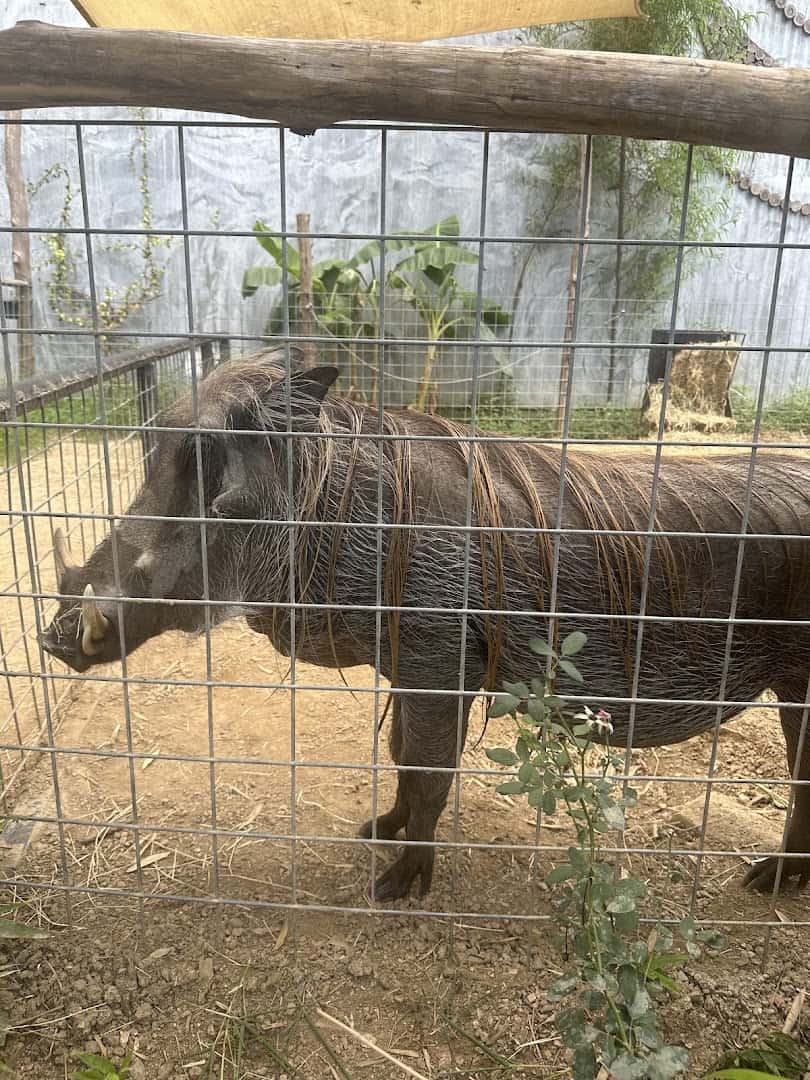
Plan Your Hands-On Texas Day
There are plenty of places in Texas where you can look at an animal. There are far fewer where you can meet one, feel the smooth wing of a ray, offer a shark its lunch, and lock eyes with a penguin all in a single afternoon.
So pick a weekday, buy your credits ahead, and give yourself permission to be the person who reaches into the water first. Whether you live in Houston or you are just passing through, this is a rope worth stepping over, one careful, sanitizer-scented touch at a time.
Featured image: Marie Ghotbi via Houston Interactive Aquarium and Animal Preserve

Stella Raines
Editor-in-Chief
Stella brings over a decade of storytelling experience to TX Headlines. With roots in West Texas and a love for road trips, she leads the editorial team with an eye for the hidden stories that make Texas unforgettable.
More Stories
This Historic Texas Hill Country Tavern Comes Alive With Live Music Under the Stars
This $15 Texas Farm Lets You Meet Camels, Sloths, and Over 350 Animals

This Open-Air Texas Museum Lets You Walk Through 150 Years of Cowboy History

This Adults-Only Texas Waterpark Is Built Around a Lazy River With a Swim-Up Bar
Tags