This Secret Central Texas Swimming Hole Has Two Waterfalls That Spill Into the Same Pool
I have a weakness for the kind of Texas water you have to earn. Not the resort pool with the swim-up bar, but the spot at the end of a dusty trail where the trees close in and the traffic noise finally lets go of you.
Those places always feel like a small reward. You walk, you sweat, you round one last limestone bend, and there is the water, waiting like it has been there the whole time keeping a secret.
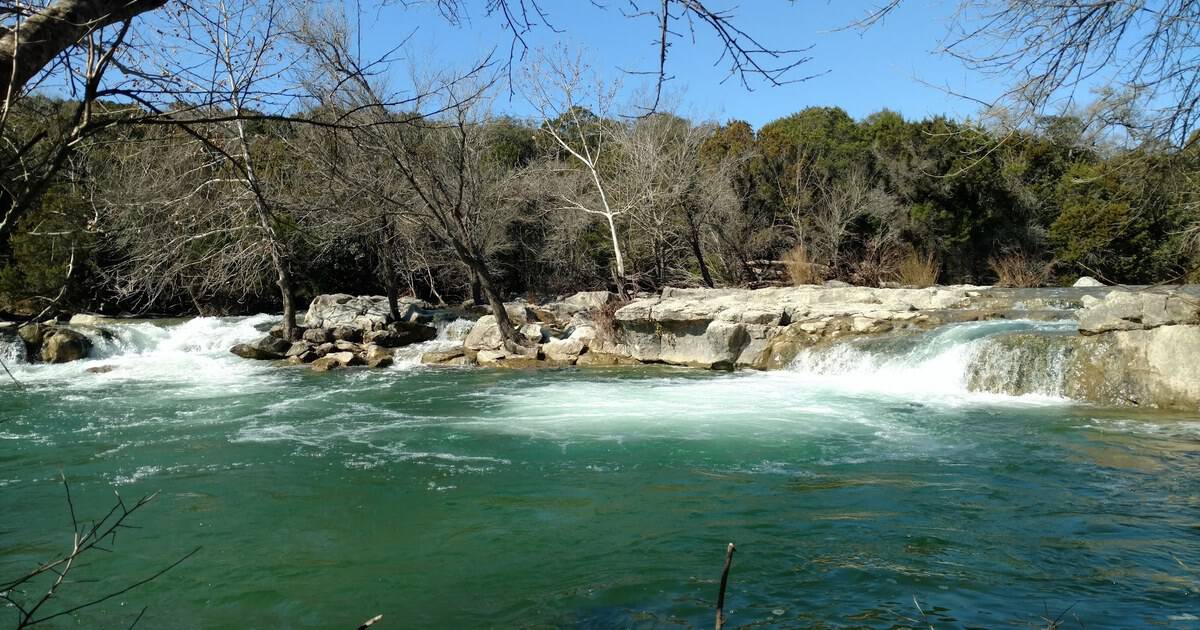
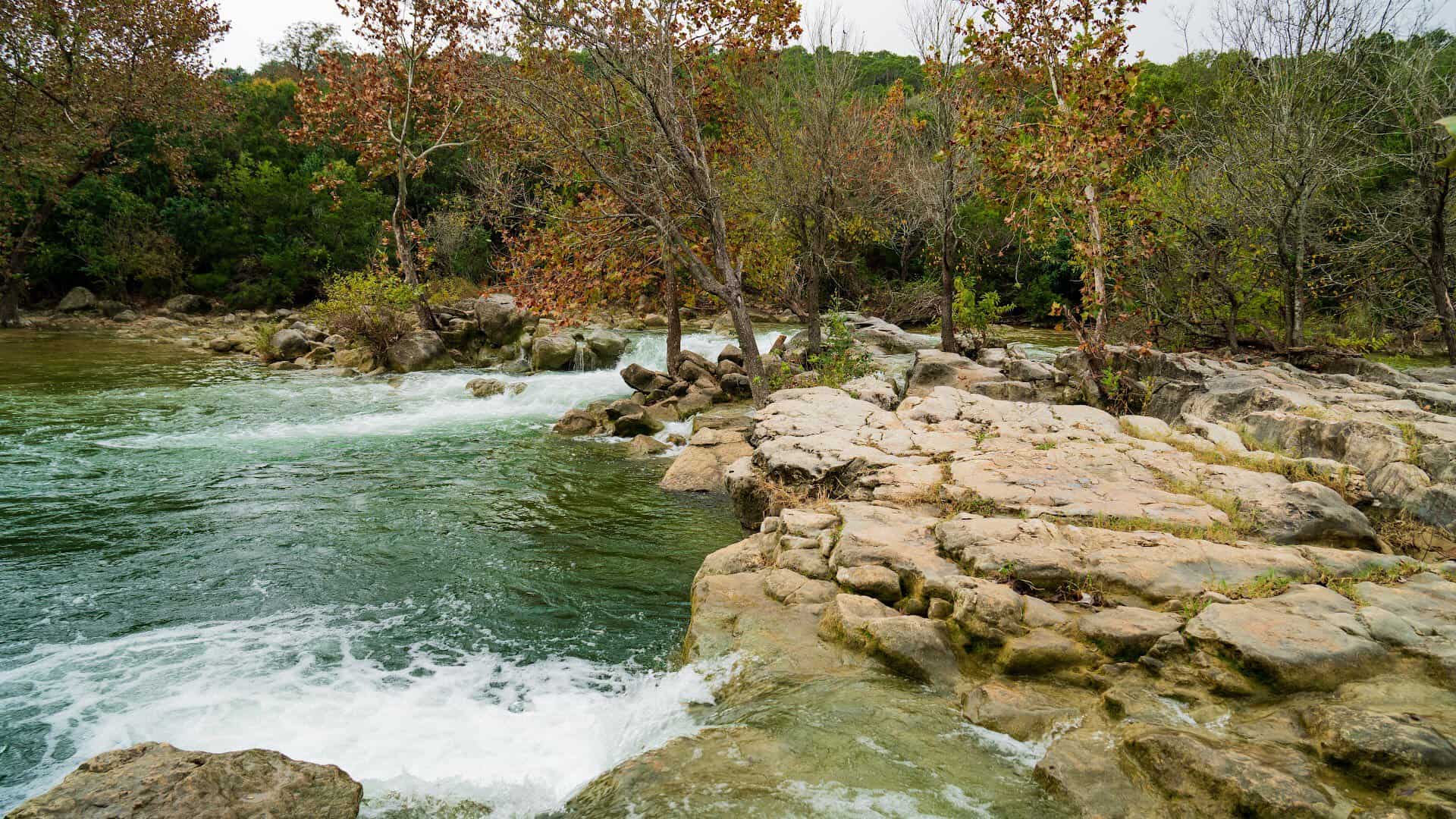
This is one of those spots. Tucked inside the Barton Creek Greenbelt in Austin sits a place called Twin Falls, where two ribbons of water slide over stacked limestone ledges and land in the same shallow pool. It carries a cool green hush that feels far from the city.
The wild part is how close the city actually is. Downtown Austin sits barely fifteen minutes away, yet down in this canyon you would swear you drove for hours to reach it.
Here is why Austinites talk about it in lowered voices, why the short walk in is worth every step, and how to time your trip so the water is actually running when you arrive.
Two Streams, One Perfect Pool
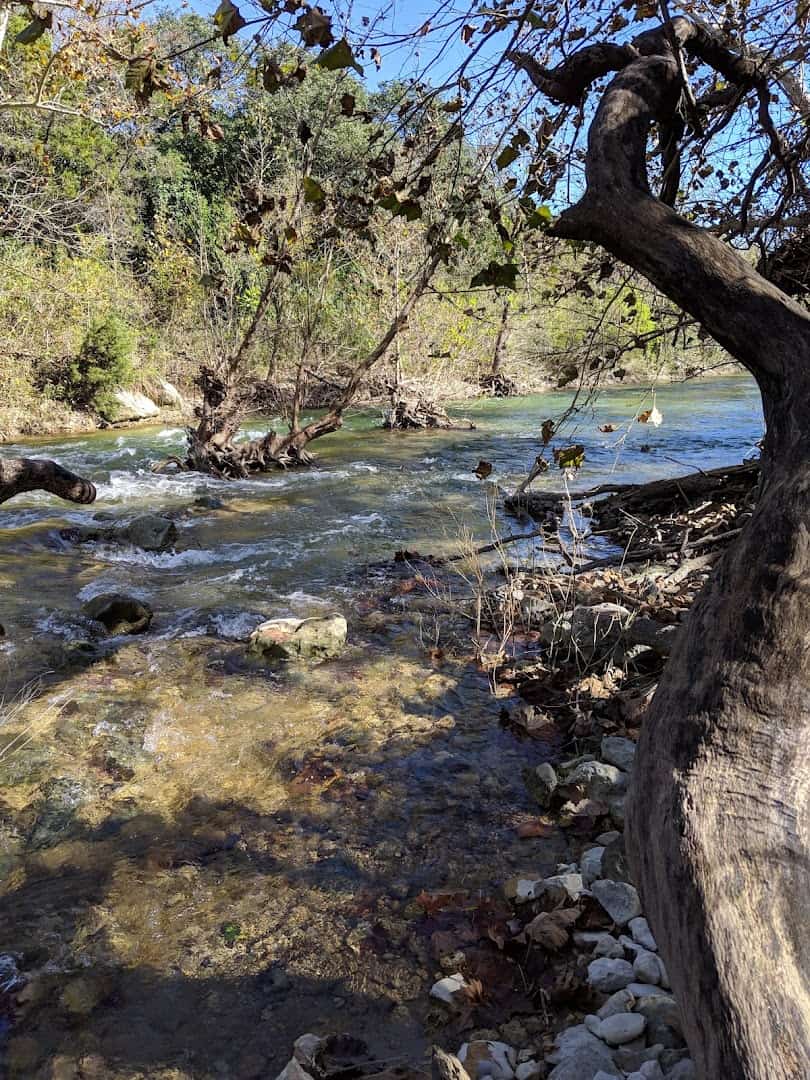
Twin Falls gets its name from exactly what you see when you arrive. Barton Creek splits around a shelf of rock, and two separate streams pour over the ledges side by side, then meet again in one clear basin below.
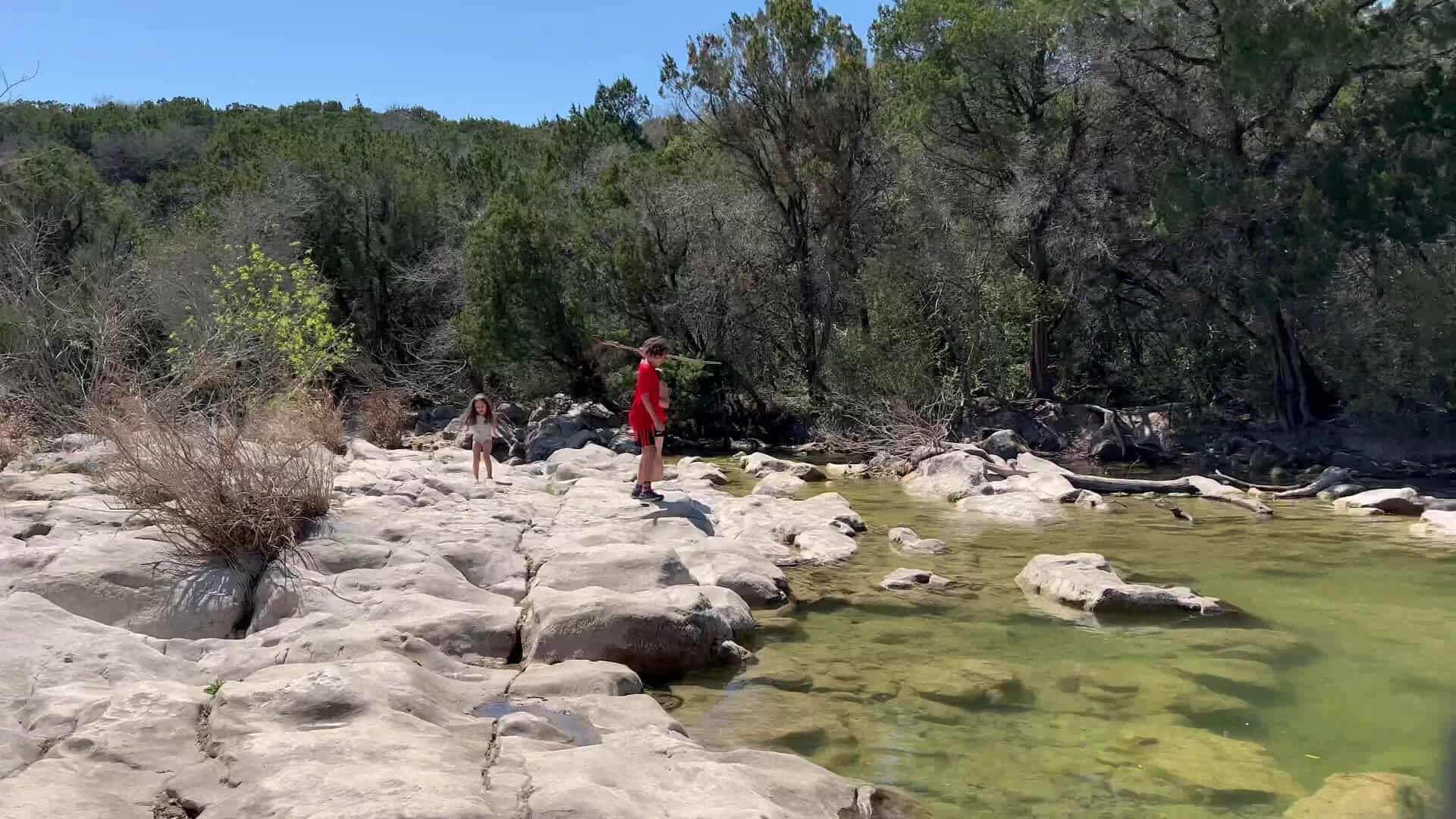
The pool at the bottom is usually shallow and calm, often only waist-deep. That makes it a favorite for families and for anyone who would rather wade in slowly than take a running leap off a cliff.
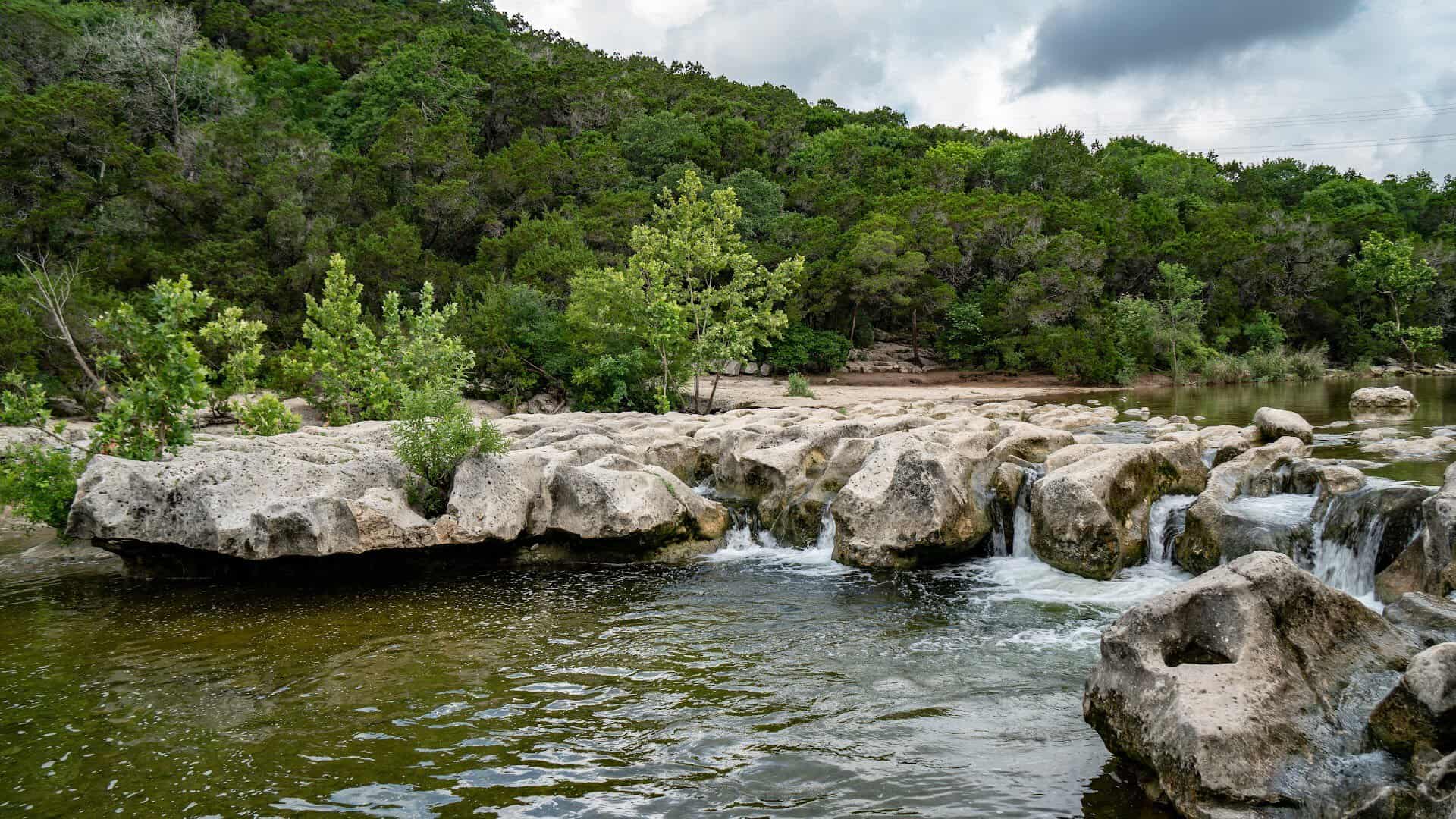
You can sit right on the smooth limestone shelves at the base of the falls and let the water run past your ankles. When the creek is full, the sound of two streams hitting the pool at once is the whole reason people make the walk.
The rock does half the work here. Centuries of moving water have carved the limestone into curved ledges and rounded basins, so the falls look sculpted rather than accidental. It is the kind of scene that photographs well and looks even better in person.
On a warm afternoon the ledges fill with people doing very little on purpose. Some read, some picnic, some just float on their backs and watch the water spill over the rock. It is the kind of place that slows your whole day down.
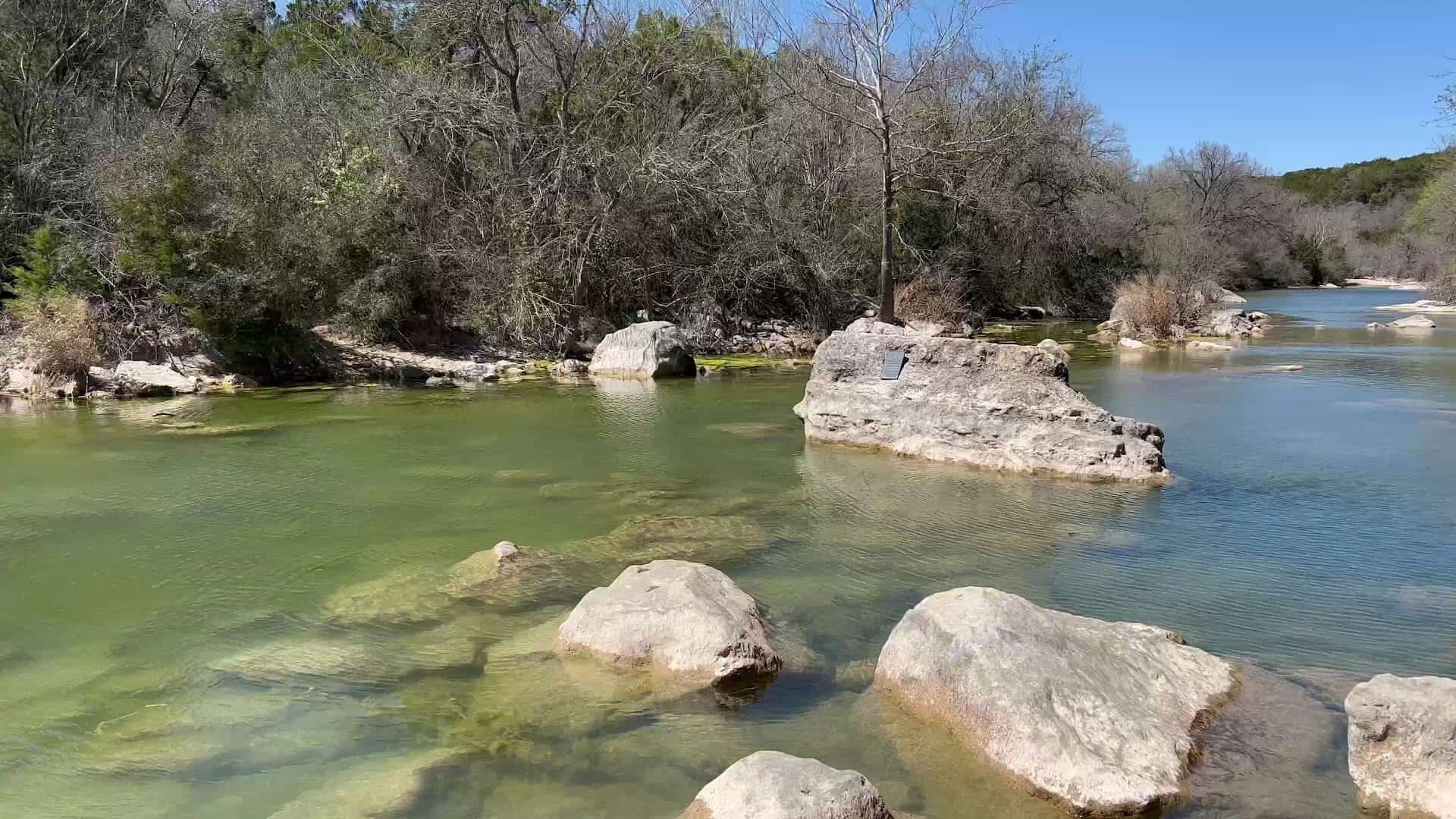
Getting there is easy. The trail runs about half a mile from the nearest parking, or ten to fifteen minutes of relaxed walking. The path drops through cedar and oak into the canyon, and the limestone walls guide you the last stretch straight to the water.
Keep Walking and the Water Keeps Giving
Twin Falls is the opening act, not the whole show. Push another ten to fifteen minutes upstream and you reach Sculpture Falls, a bigger cascade with a deeper swimming hole that the confident swimmers tend to claim as their own.
The wider Barton Creek Greenbelt strings together a whole chain of these spots. Campbell’s Hole, Gus Fruh, and The Flats each have their own pools and their own crowd of regulars along the creek.
The greenbelt runs a little over seven miles, following Barton Creek from Zilker Park out toward the Lost Creek neighborhood. All told there are more than twelve miles of trail winding through the canyon, so you can turn a quick dip into a long afternoon.
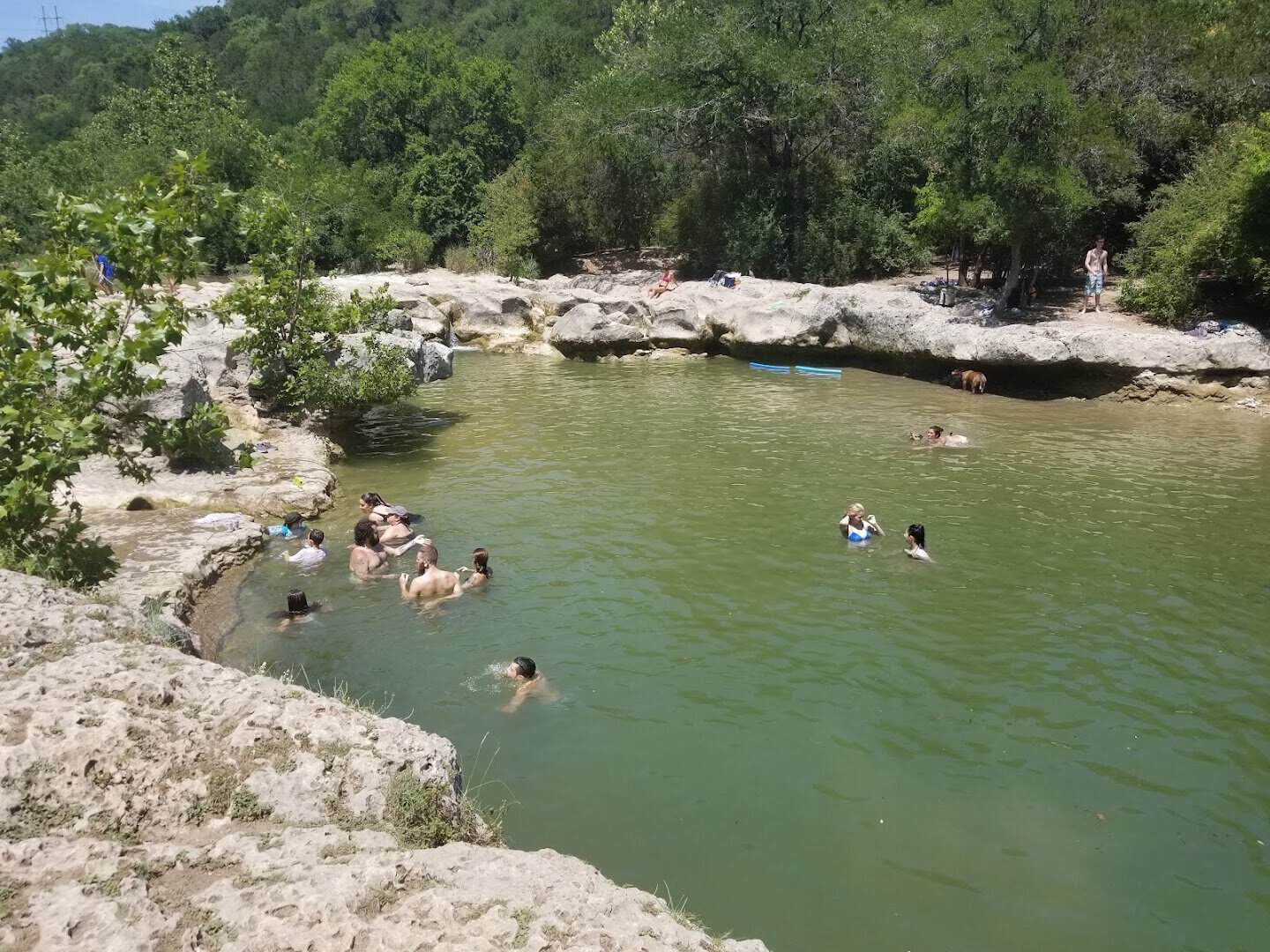
That variety is the quiet luxury of the place. Some days you want the easy family pool at Twin Falls, and some days you want the longer hike to a hole where you can actually swim. The greenbelt gives you both within the same few miles.
Climbers, Cliffs, and a Very Long Cave
The water is only part of the draw. The limestone cliffs rising above the creek are lined with bolted climbing routes and boulders, and on a good weekend you will spot people chalked up and working their way up the rock while swimmers cool off below.
The greenbelt has been an Austin climbing classroom for years. Beginners learn the ropes on the friendlier walls, and stronger climbers test themselves on the overhangs, all within earshot of the falls.
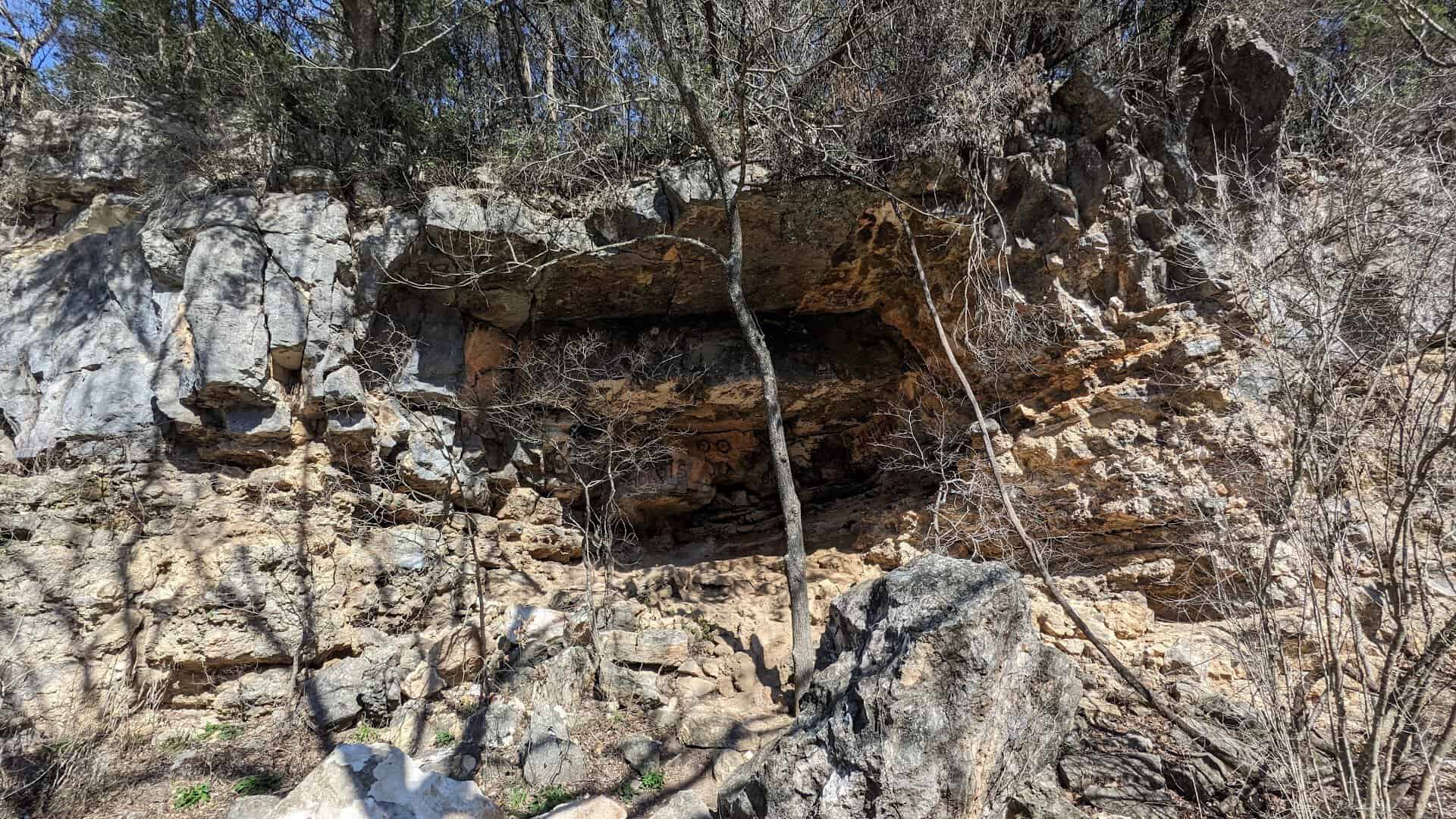
There is even a hidden world underground nearby. Airmen’s Cave, close to the greenbelt, runs about two miles and holds the title of longest cave in Travis County, though it is a tight, technical crawl best left to experienced cavers.
Did you know a canyon this close to a downtown skyline could hold this much wildness? Between the cliffs, the cave, and the falls, the greenbelt packs an outsized amount of adventure into a short drive.
A Canyon Full of Rare Neighbors
Look up while you walk and you might catch a flash of black and gold in the cedar. The endangered golden-cheeked warbler nests in this stretch of Central Texas and nowhere else on Earth, and the greenbelt is one of the places it calls home.
The water hides rare residents too. The Barton Springs salamander and the Austin blind salamander both live in this watershed, tiny creatures that depend on clean, clear flows to survive.
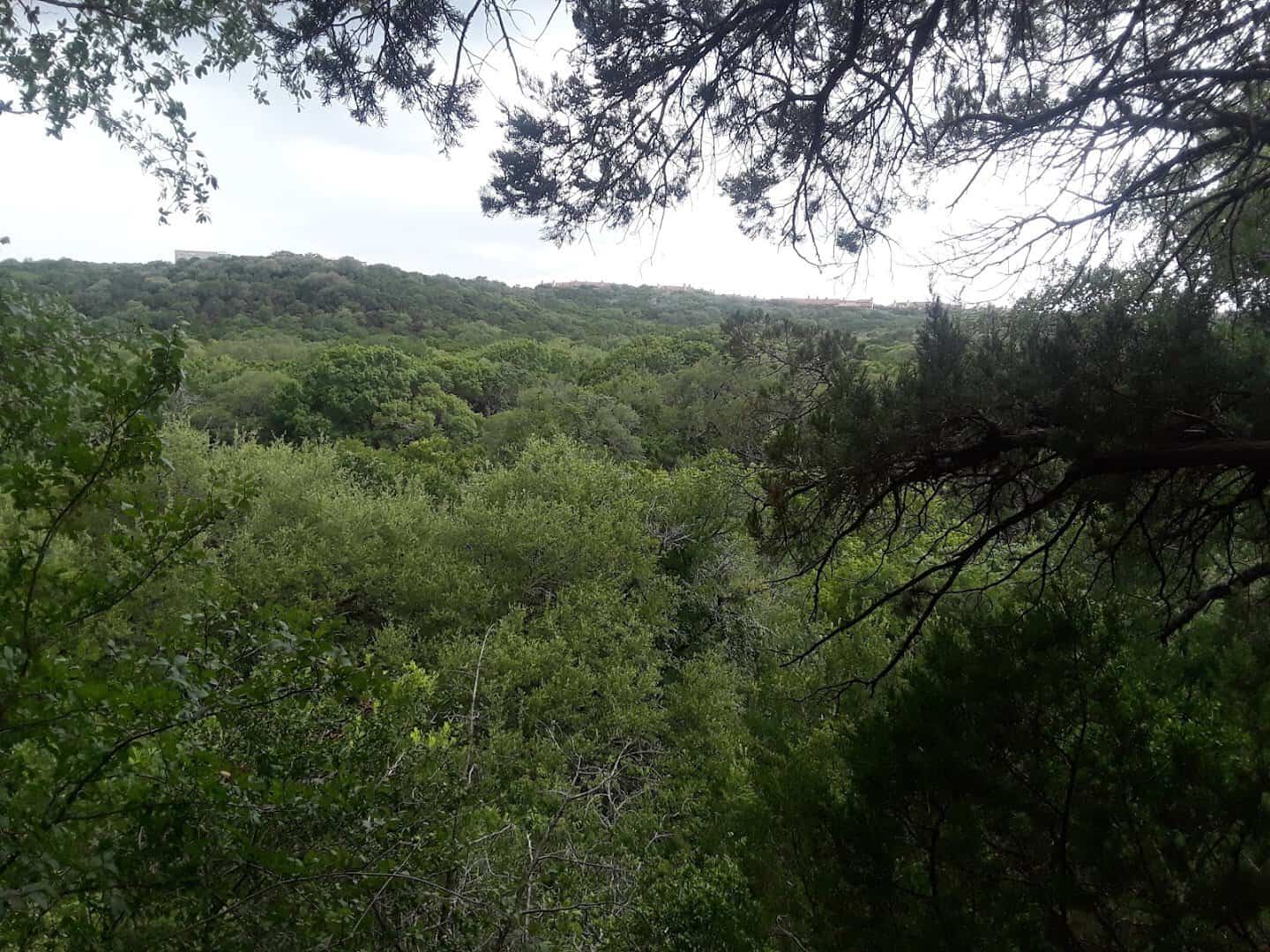
Even the plants get in on it. The bracted twistflower, a rare Texas wildflower, grows in the rocky soil along the creek, adding one more name to the list of species that make this canyon worth protecting.
All of it is a reminder to tread lightly. You are a guest in a genuinely wild place, so pack out what you bring in and let the warblers keep their canyon in good shape for the next visitor.
Why the Locals Keep It Quiet
Here is the funny thing about a “secret” swimming hole in a city of a million people. Everybody in Austin knows the greenbelt exists. What they guard is the exact combination of when to go and which pool to pick.
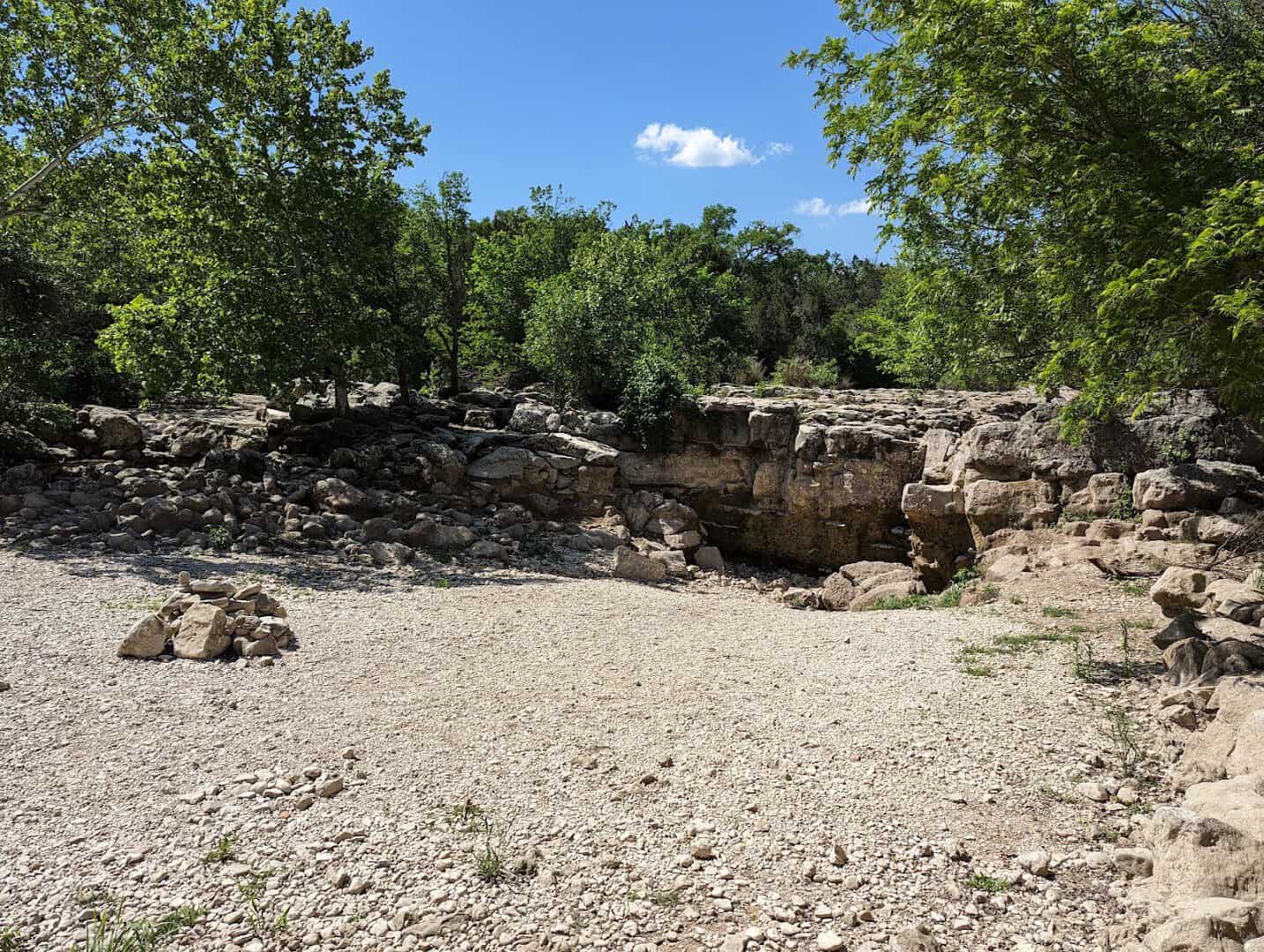
Part of the appeal is pure geography. You are standing in a wild limestone canyon with warblers overhead, yet you can see the skyline on the drive in and be back at a taco truck twenty minutes later. That contrast feels almost too good to broadcast.
The other part is timing, which locals treat like insider knowledge. The creek does not run year-round, so the people who know it best watch the rain and slip out midweek when the falls are full and the crowds are thin.
So the quiet is less about hiding the place and more about protecting the moment. Learn the rhythm of the water and you get a private-feeling waterfall inside one of the biggest cities in Texas.
Where the Water Really Comes From
It is tempting to picture a spring gushing out of the rock and feeding these falls forever. The truth is more interesting than that, and worth knowing before you plan a trip out.
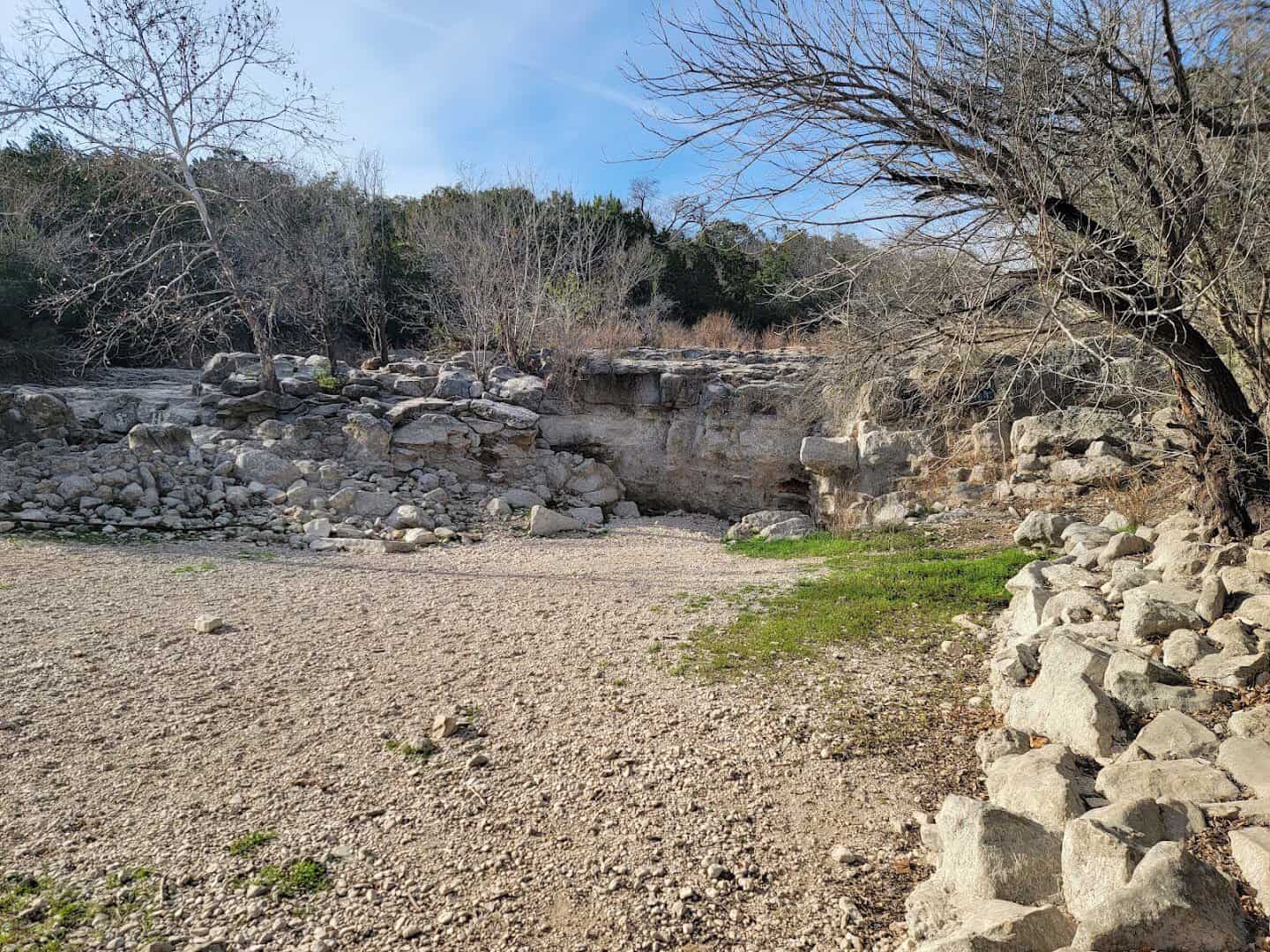
Barton Creek is largely fed by rainfall, and it flows at full strength only a month or two out of the year. This stretch also crosses the Edwards Aquifer recharge zone, where the creek actually loses water down into the ground rather than gaining it.
So the pools you find can hold water even when the creek between them has gone still. Those deep basins are scooped into the limestone below each ledge, and they act like natural stone bathtubs that drain slowly long after the current slows to a trickle.
That is why the falls reward good timing. A couple of days after a solid rain, the creek is running, both streams are pouring, and the pool below Twin Falls is as full and clear as it ever gets.
A Greenbelt Worth Fighting For
This water almost did not stay public. Back in April 1970, hundreds of Austin residents signed a petition asking the city to buy land along Barton Creek and hold back the development creeping toward the canyon.
The city listened. On September 7, 1974, it purchased its first big tract, about 132 acres, and the original greenbelt took shape as a long ribbon of parkland tracing the creek from Zilker Park into the hills.
The work did not stop there. Through the 1990s and 2000s, the Trust for Public Land helped protect close to a thousand more acres in the Barton Creek watershed, adding parcels the city later folded into the greenbelt visitors enjoy today.
A grassroots group known as the Zilker Park Posse, run by Betty Brown, kept the pressure on for decades. The falls you wade into now are the payoff of a fight that ran from the 1970s all the way into this century.
When to Go and What to Bring
Spring is the sweet spot. From March through May the rain comes more often, the creek runs fuller, and the canyon greens up around the falls. Summer stays popular and warm, though the water level leans more on recent weather.
Pro tip: check the creek flow before you drive out, and aim to visit two to four days after a good rain. That window is when the streams are running strong and the pool below Twin Falls is at its best.
Wear shoes you can get wet, since the limestone turns slick where the water runs over it. Closed-toe shoes make the rocky trail easier, and a small dry bag keeps your phone and keys safe while you swim.
Bring your own water, because there are no fountains or snack bars along the trail. This is a wild canyon, not a waterpark, and carrying in what you need is part of the deal. Dogs are welcome on a leash, and plenty of people bring them.
How to Get There
The closest way in is the Twin Falls access point off the frontage road, a short walk that drops you almost straight onto the falls. It is the quickest route for anyone who wants the water without the longer approach hikes.
Parking is free on weekdays and runs a flat $7 on weekends and holidays from March through September. Arriving early on a busy day is the surest way to land a spot and beat the afternoon crowd.
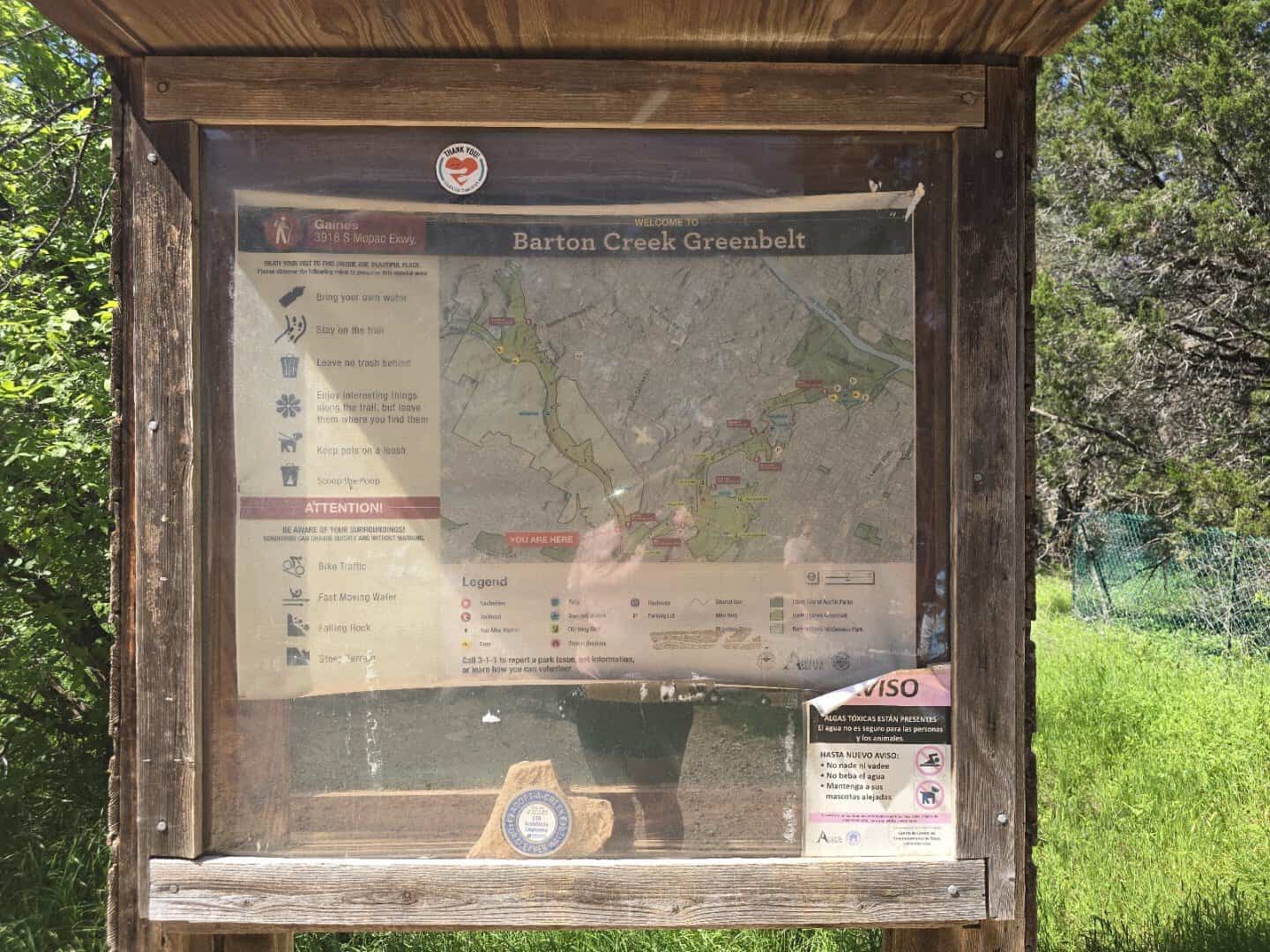
Where: Twin Falls Access, 3918 S MoPac Expressway (Loop 1), Austin, TX 78746. The Barton Creek Greenbelt is managed by the City of Austin Parks and Recreation Department, and the park closes after 10 p.m.
Start Planning Your Greenbelt Escape
You do not need a cabin in the Hill Country to feel like you left the city behind. You just need a rainy week, a free morning, and a willingness to walk half a mile into a limestone canyon.
So watch the forecast, pack your water shoes, and go find the spot where two waterfalls fall into one pool. Wade in, let the city noise wash off, and you will understand exactly why Austin keeps this one so close.
Featured image: Jessica Galfas via Twin Falls

Stella Raines
Editor-in-Chief
Stella brings over a decade of storytelling experience to TX Headlines. With roots in West Texas and a love for road trips, she leads the editorial team with an eye for the hidden stories that make Texas unforgettable.
More Stories

This Underrated Texas State Park Gives You a Full Day of Swimming and Hiking for Just $5

This Small Texas Church Is Called the Queen of the Painted Churches, and Its Ceiling Will Stop You Cold

This Radiant Texas Museum Lets You Walk Through Nearly 200 Stained Glass Windows

This Serene Texas Garden Is Free to Explore and Still Somehow Feels Exclusive
Tags