This Enormous Texas Market Lets You Eat, Shop, and Lose a Whole Afternoon Under One Roof
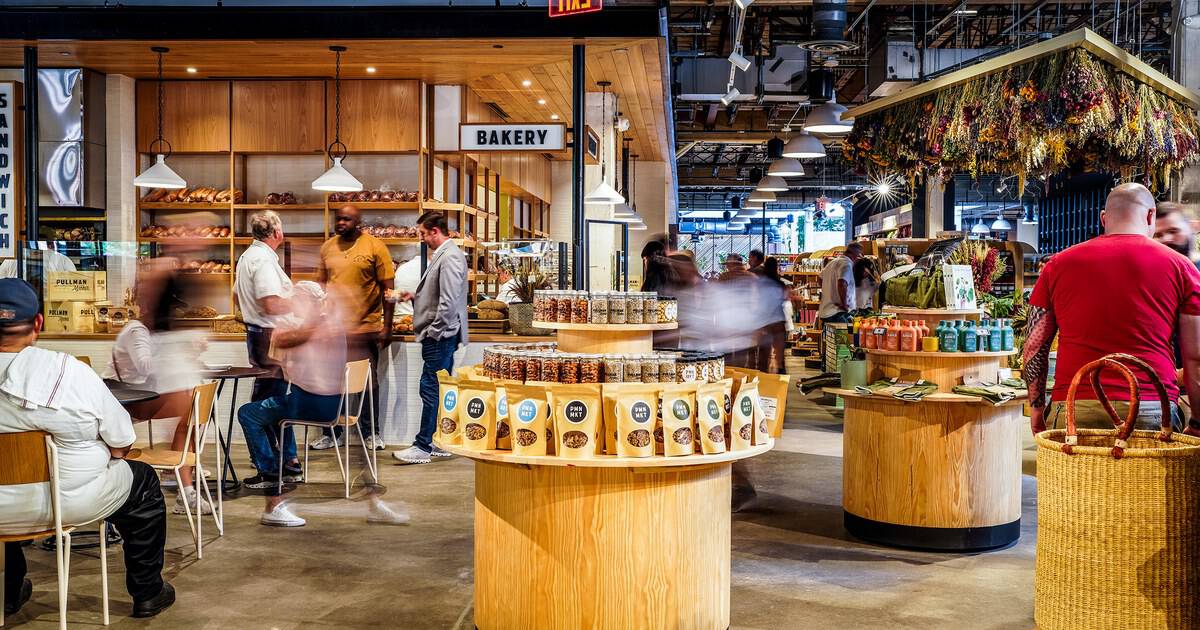
I have a rule about food halls. Most of them are a pretzel counter and a smoothie stand wearing a trench coat, pretending to be a destination. You do one lap, buy a taco, and you are back in the parking lot in twenty minutes wondering what the fuss was.
So I went in skeptical when I first heard the pitch for a market in San Antonio you could supposedly wander all afternoon. Eat here. Shop here. Lose track of time here. Sure, I thought. Prove it.
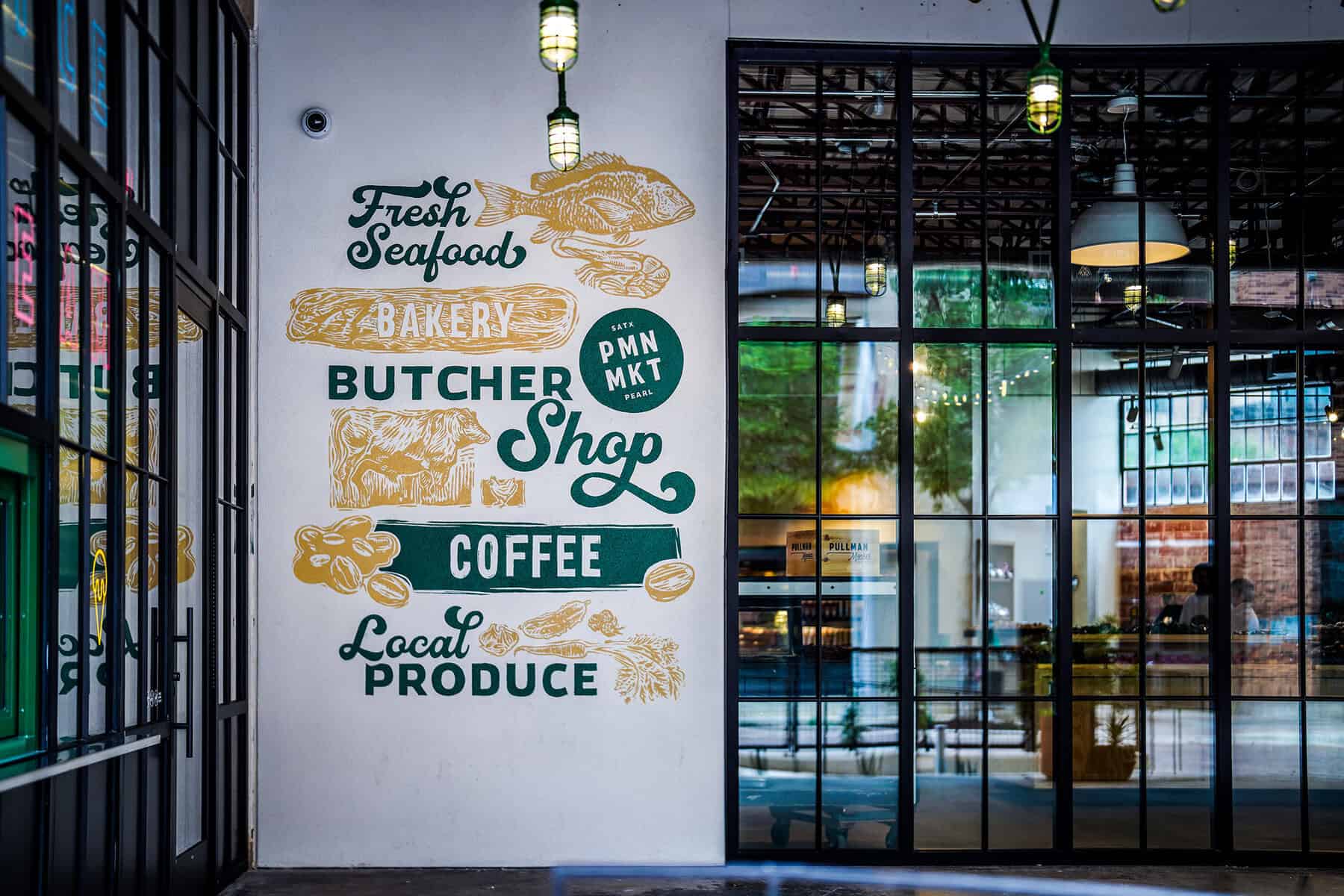
Then I saw the numbers, and the skepticism folded fast. This is Pullman Market in San Antonio, a cavernous, humming food hall and grocery at the Pearl, built like a small town under one roof.
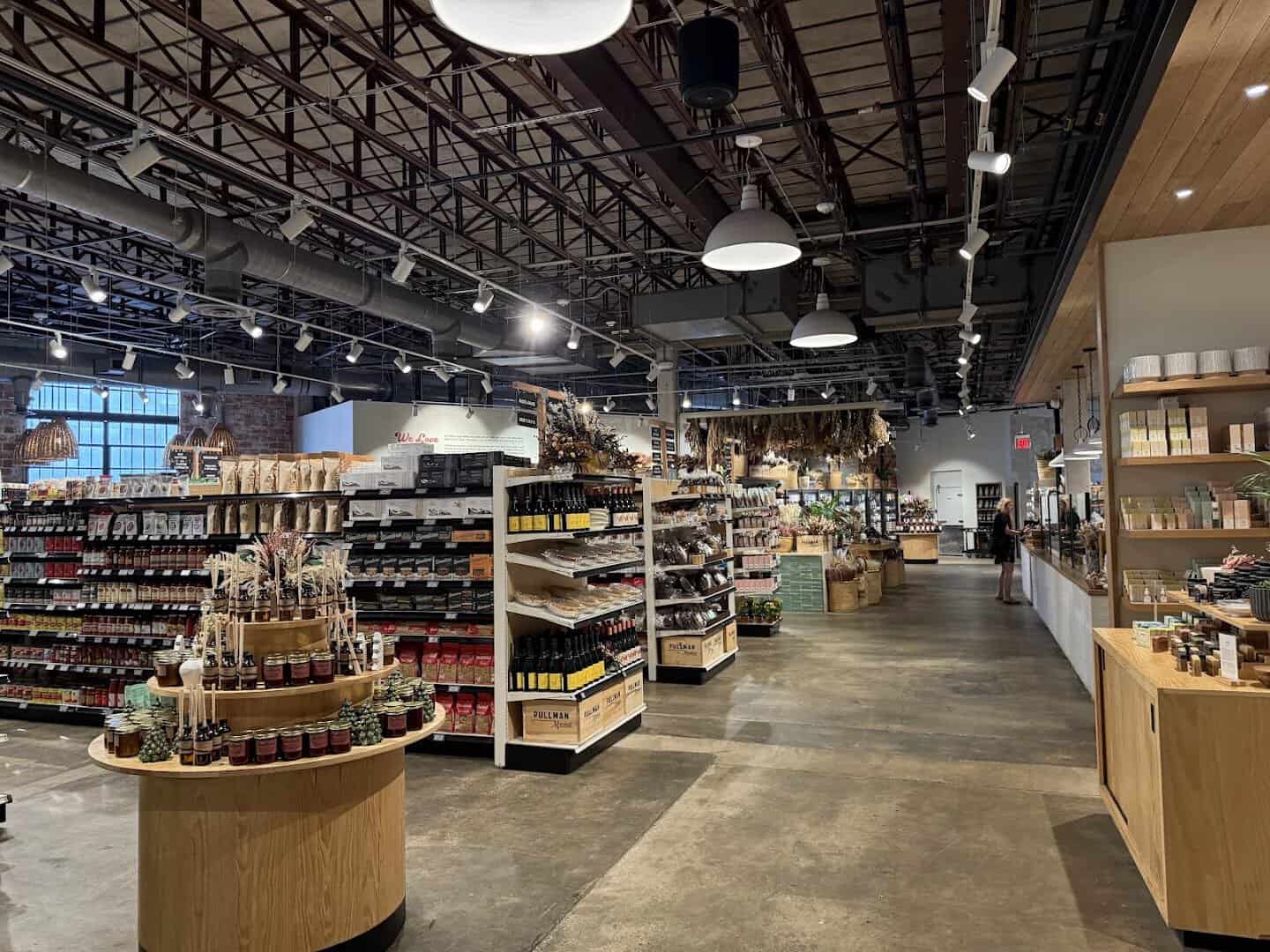
Four sit-down restaurants. Five quick counters. A butcher, a bakery, a seafood case, a produce hall stocked by Texas growers, a wine shop, and a bar in the middle of it all.
Below, here is what actually fills those forty thousand square feet, why locals keep blocking out a whole afternoon for it, and how to make the most of a visit.
A Room You Can Get Happily Lost In
Walk through the doors and the first thing you feel is space. High brick walls, big steel windows, and light pouring across floors that have been here since 1948. It does not feel like a mall. It feels like a proper old building that found a second life.
There is a rhythm to how it is laid out. You drift from the produce toward the butcher, catch the smell of fresh bread, and somehow end up at a bar you did not plan on. That wandering is the whole point. Nobody here is rushing you toward an exit.
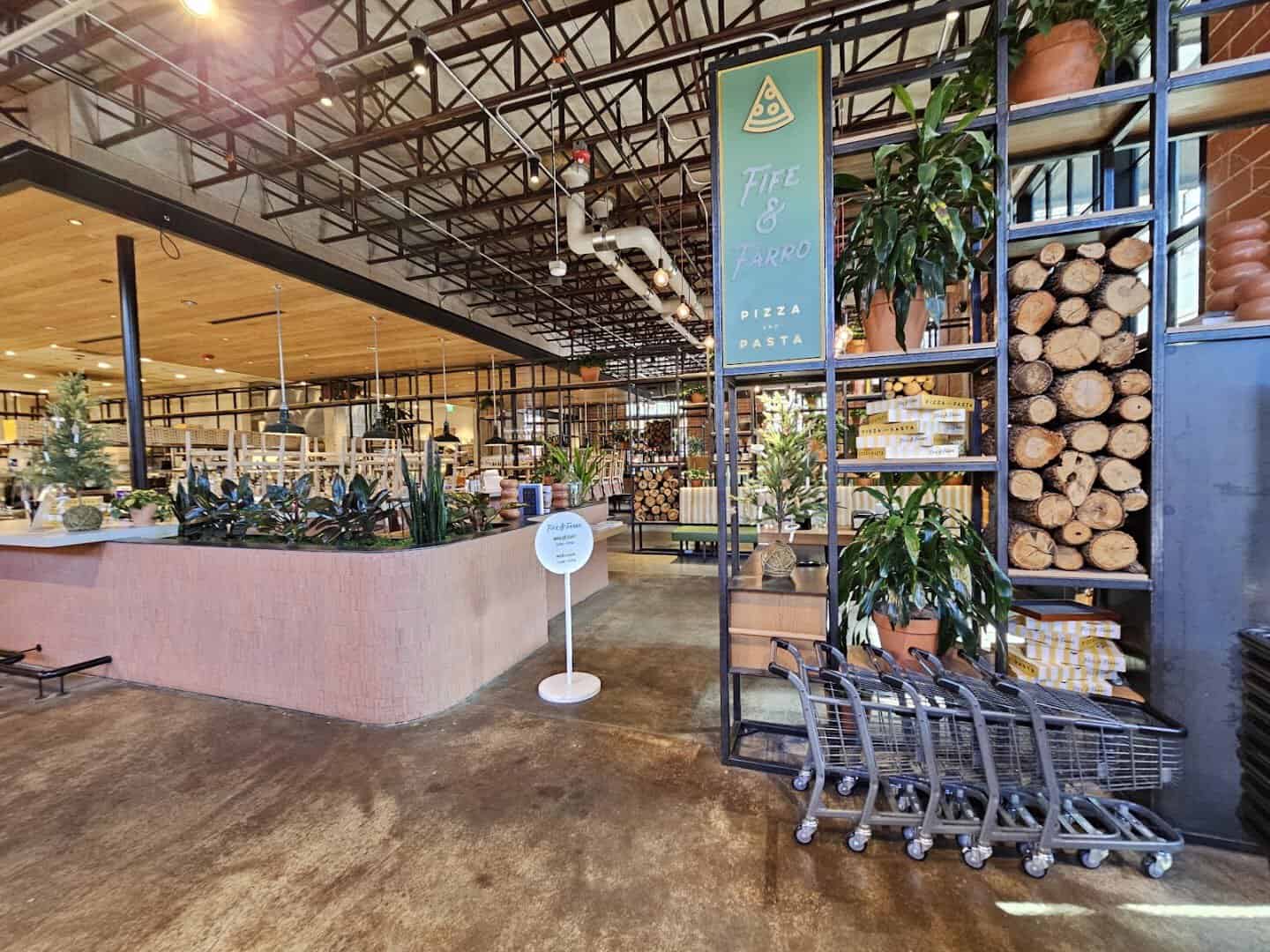
The center of the room is anchored by a circular bar called the Mezcaleria. It is the kind of landmark you keep circling back to, a meeting spot you can point a friend toward without a map. Get a drink, watch the crowd move, then go explore some more.
Owners have called it the largest culinary market in the Southwest, and standing inside it, the claim does not feel like a stretch. You genuinely cannot see it all in one pass.
Shop Like You Actually Came to Cook
Here is what surprised me most. Pullman is not just a place to eat. It is a real grocery, and a good one, the sort of shop that makes you want to cook something ambitious that night.
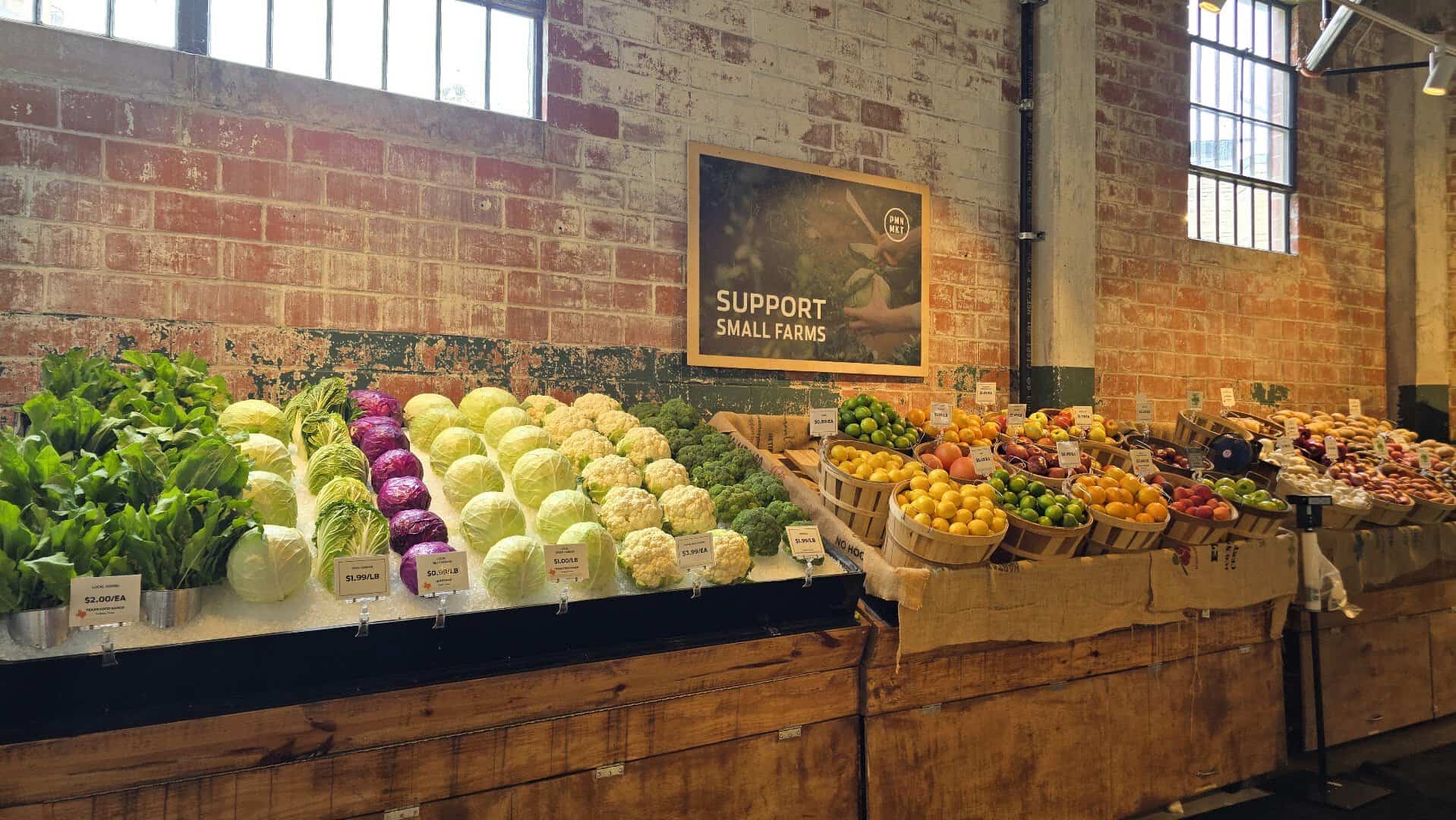
The specialty grocer pulls from more than 150 Texas suppliers, with a curation that reaches past 200 vendors in all. That means the produce came from a grower a few counties over, not a warehouse three states away. Local caramels, small-batch granola, Texas cheese, Texas wine.
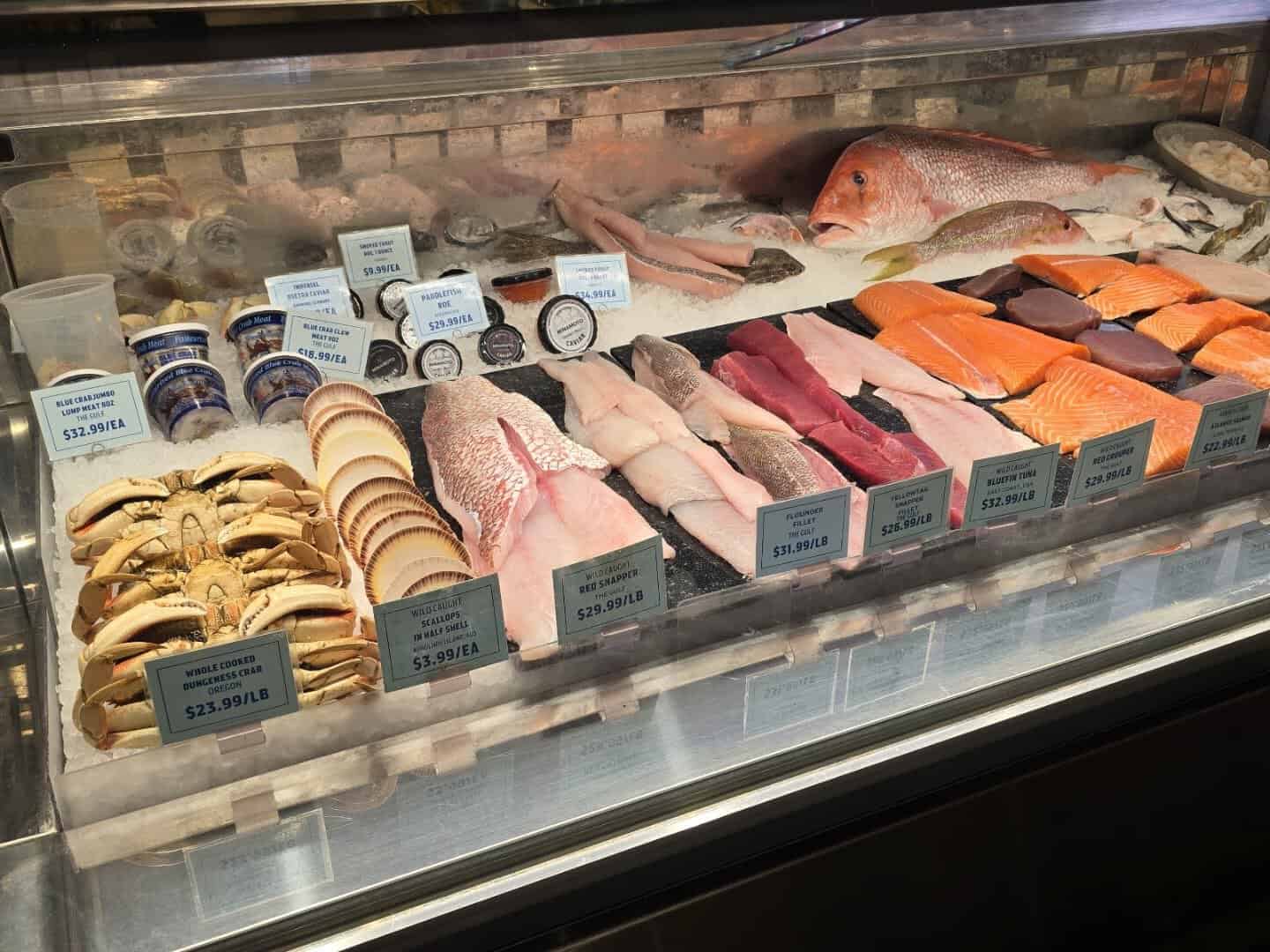
There is a whole-animal butcher counter working real cuts, a seafood case bringing in fresh catch from the Gulf, and a floral section for good measure. You can walk out with dinner ingredients, a bottle of wine, and a bunch of flowers for the table.
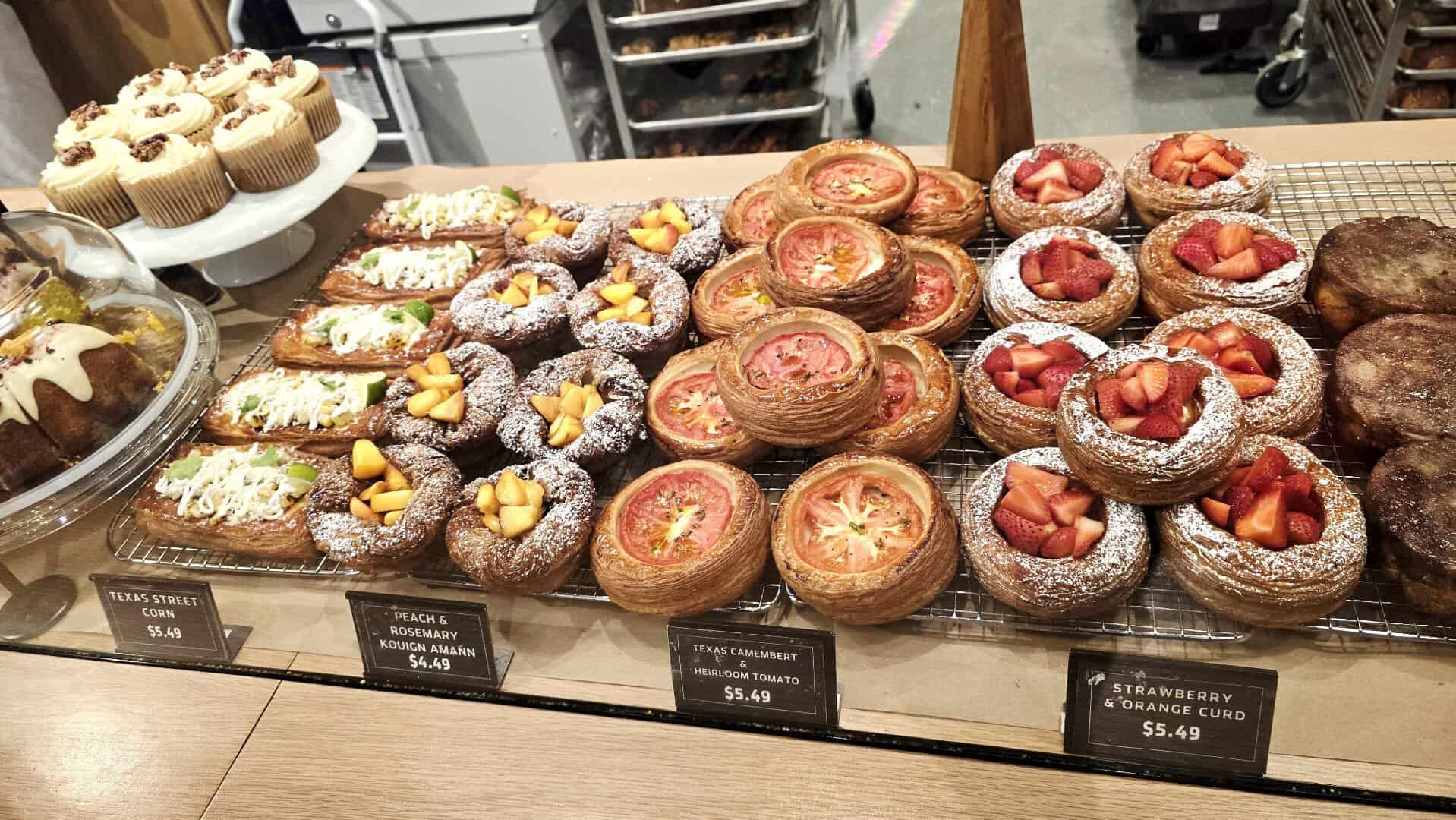
The bakery alone is worth a stop. Fresh sourdough and croissants come out daily, and the smell reaches you long before the counter does. Grab a loaf on your way through even if you told yourself you would not.
There is more tucked into the aisles than you expect on a first lap. A fresh pasta counter. A tortilleria pressing tortillas on site. A chef supply shop for the cooks who want the good knife.
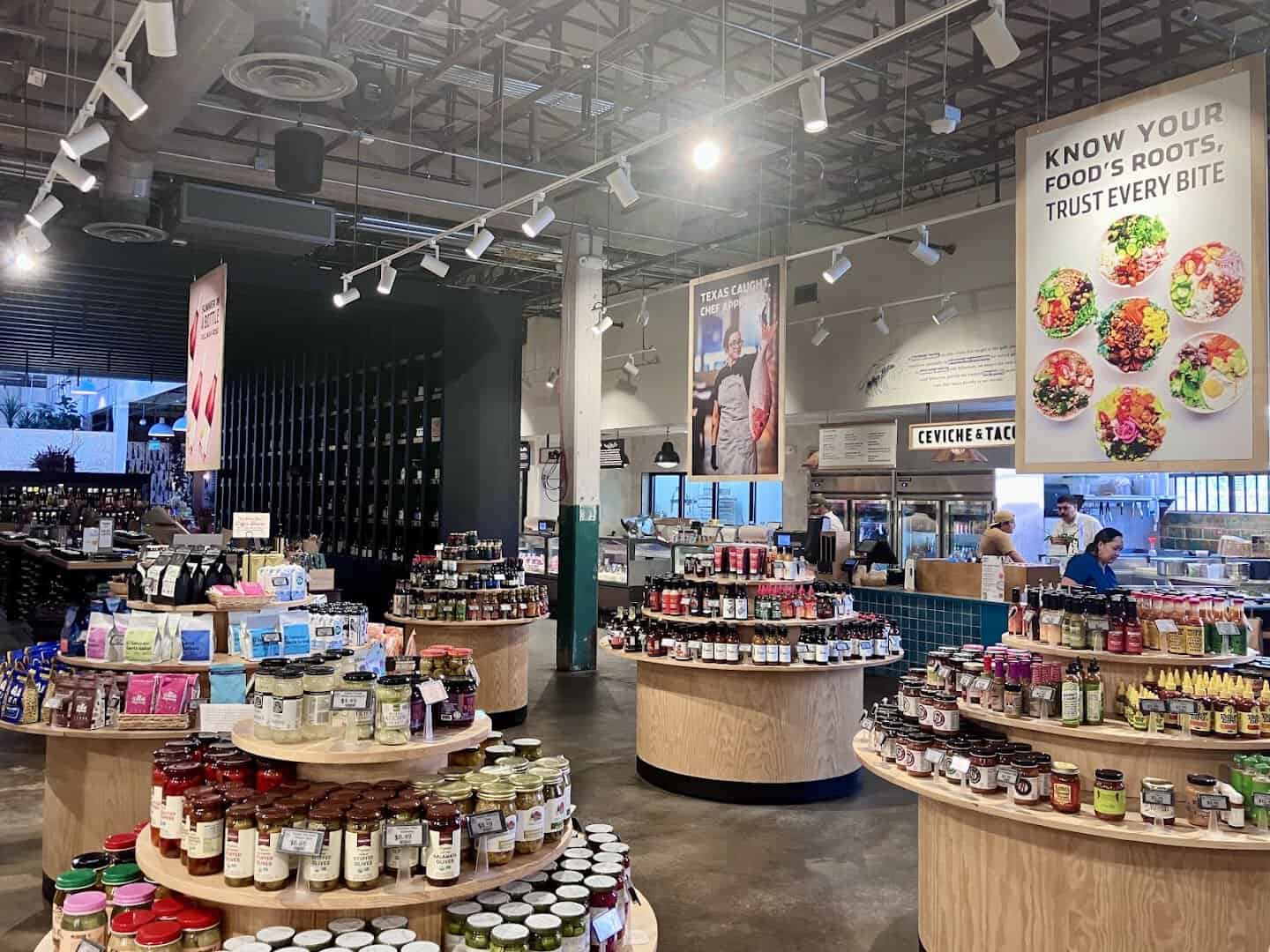
It is the kind of grocery you visit for one thing and leave carrying six. Give yourself room to browse, because the fun here is the stuff you did not know you wanted until you saw it.
Half the fun is spotting the small Texas makers. Wildflower caramels from one shelf, a bag of local granola from the next, a Texas cheese and a Texas wine to round it out. Every basket ends up telling a little story about the state.
Pro tip: shop the perimeter first with an empty tote, then eat. It is far easier to browse the butcher and the bakery before you are full and slow, and your groceries stay put in a locker or your car while you sit down for a real meal.
Then Eat Your Way Across the Building
Now for the part you came for. The food here runs from a quick burger to a ten-course tasting menu, and everything in between lives under the same roof.
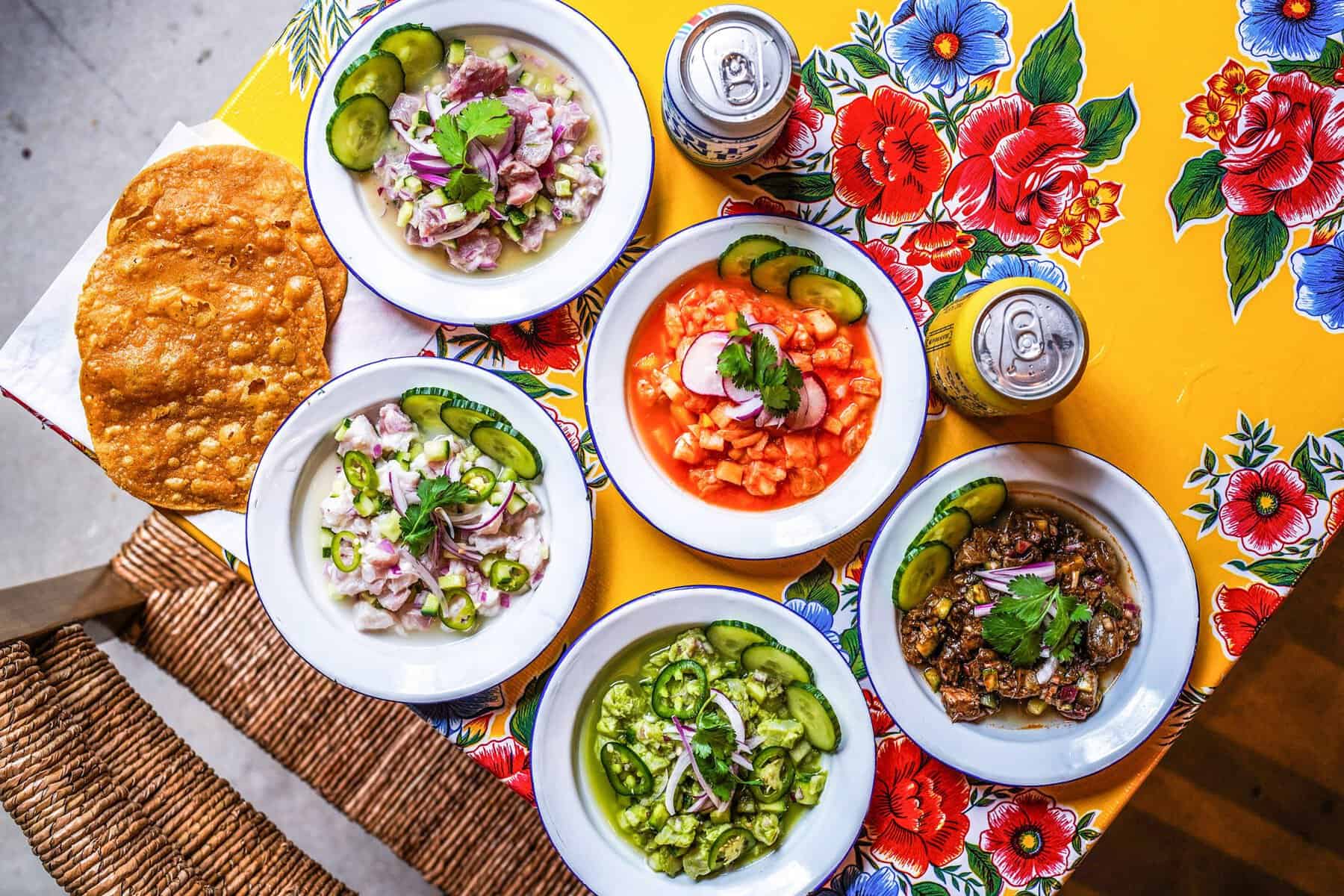
When you just want to graze, the quick counters do the work. There is a spot for burgers built by the butcher, a raw bar, and a greens and grains window for something lighter.
Add a coffee bar and an ice cream counter, and you have your whole afternoon covered. Order, wander, and eat as you go.
The raw bar is a happy surprise this far from the coast. It leans on fresh Gulf seafood, so a plate of oysters is very much on the table before you have even decided where to sit down. Start there while you get your bearings.
When you want to sit, there are four full restaurants, each with its own personality. Fife and Farro turns out wood-fired pizzas. Mezquite leans into Sonoran cooking from just across the border. Isidore changes with the seasons and reaches for something more refined.
My kind of afternoon here is a slice at one counter, a slow drink at the Mezcaleria in the middle, and a scoop of ice cream for the walk out. You are never more than a few steps from the next good thing.
Then there is Nicosi, and it is the showstopper. Twenty seats, ten courses, an intimate dessert tasting that treats sweets the way a fine restaurant treats a main course. It books up, so it is the one thing here you plan around rather than stumble into.

The whole place was created by Kevin Fink, the chef behind Austin’s Emmer and Rye Hospitality Group. He started washing dishes at fourteen and later cooked at the French Laundry, and you can taste that pedigree everywhere from the sourdough to the tasting menu.
“Wow, this just feels so great in here,” Fink said of the space the first time he walked it. “It just felt so natural to that space.” Spend an hour inside and you understand exactly what he meant.
Why Is It Called Pullman?
The name is not random, and the story behind it is lovely. Pullman is an homage to the old Pullman train routes, the rail lines that once carried travelers, and their dining cars, across the country in the nineteenth century.
Back then, a long train ride was one of the few ways people tasted food from far from home. The dining car was a place where strangers shared a table and a meal.
That is the feeling the founders were chasing here: food as the thing that brings people together across cultures and distances.
Did you know? The building itself has a working past that fits the theme. It was the headquarters of the Samuels Glass Company, a 1948 brick factory that made and cut glass here until it closed. The clay tile floors and steel bones are the originals.
From Glass Factory to Food Hall
The transformation was not quick or cheap. The Pearl’s owners bought the old Samuels Glass property back in 2015 and let the idea simmer for years before construction began.
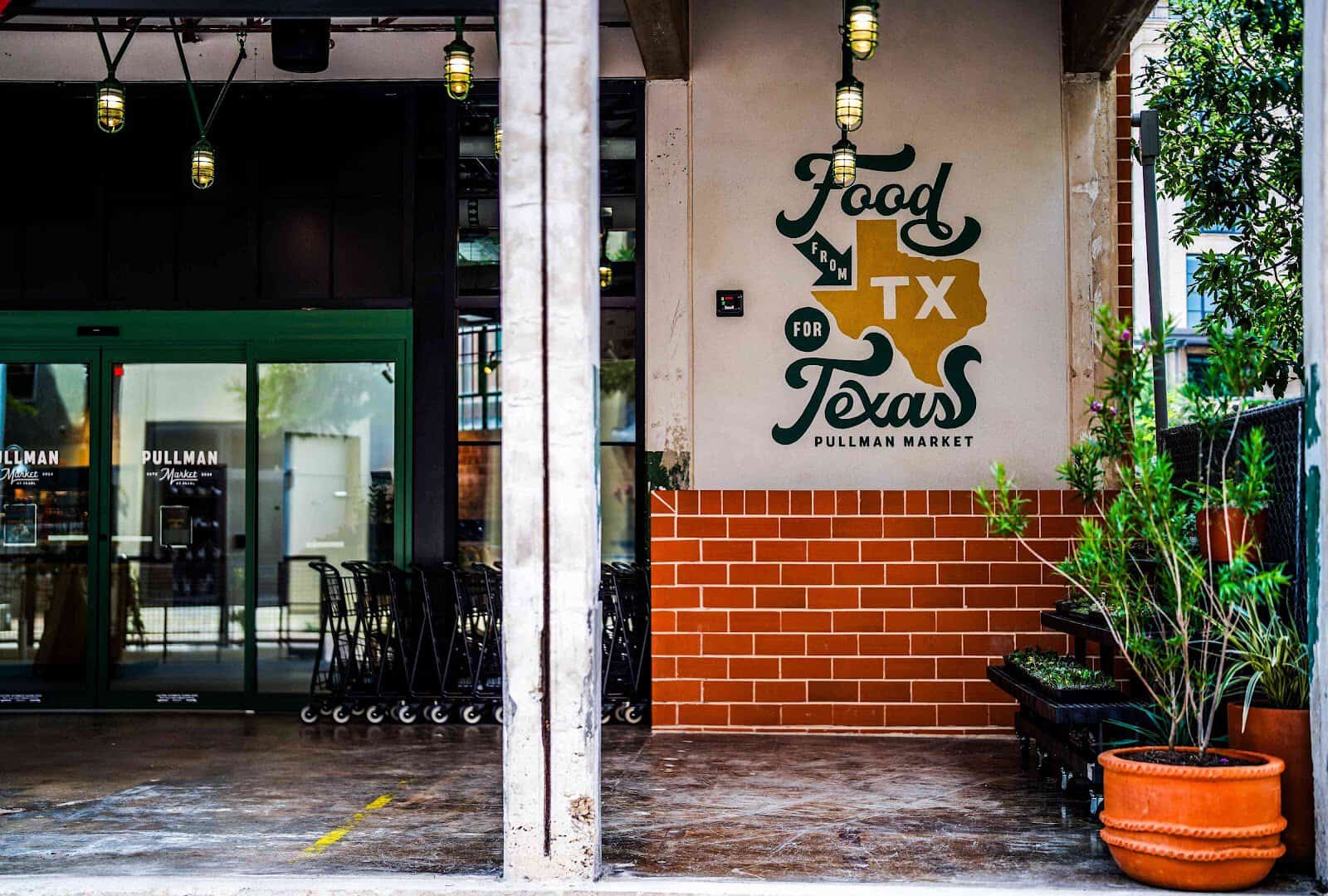
The build itself ran roughly eighteen months and cost close to thirty million dollars. Texas architecture firms shaped the space so the industrial guts stayed visible rather than hidden behind drywall.
When it finally opened its doors in the spring of 2024, it landed with a splash and helped push the Pearl further into the national dining conversation.
It also put roughly 350 people to work across its kitchens and counters, which is a lot of aprons for one building. This is a serious operation, not a pop-up, and it is clearly here to stay.
What I love is that they did not scrub the history out of the room. The original clay tile floors are still underfoot, and the old steel windows throw factory light across the aisles.
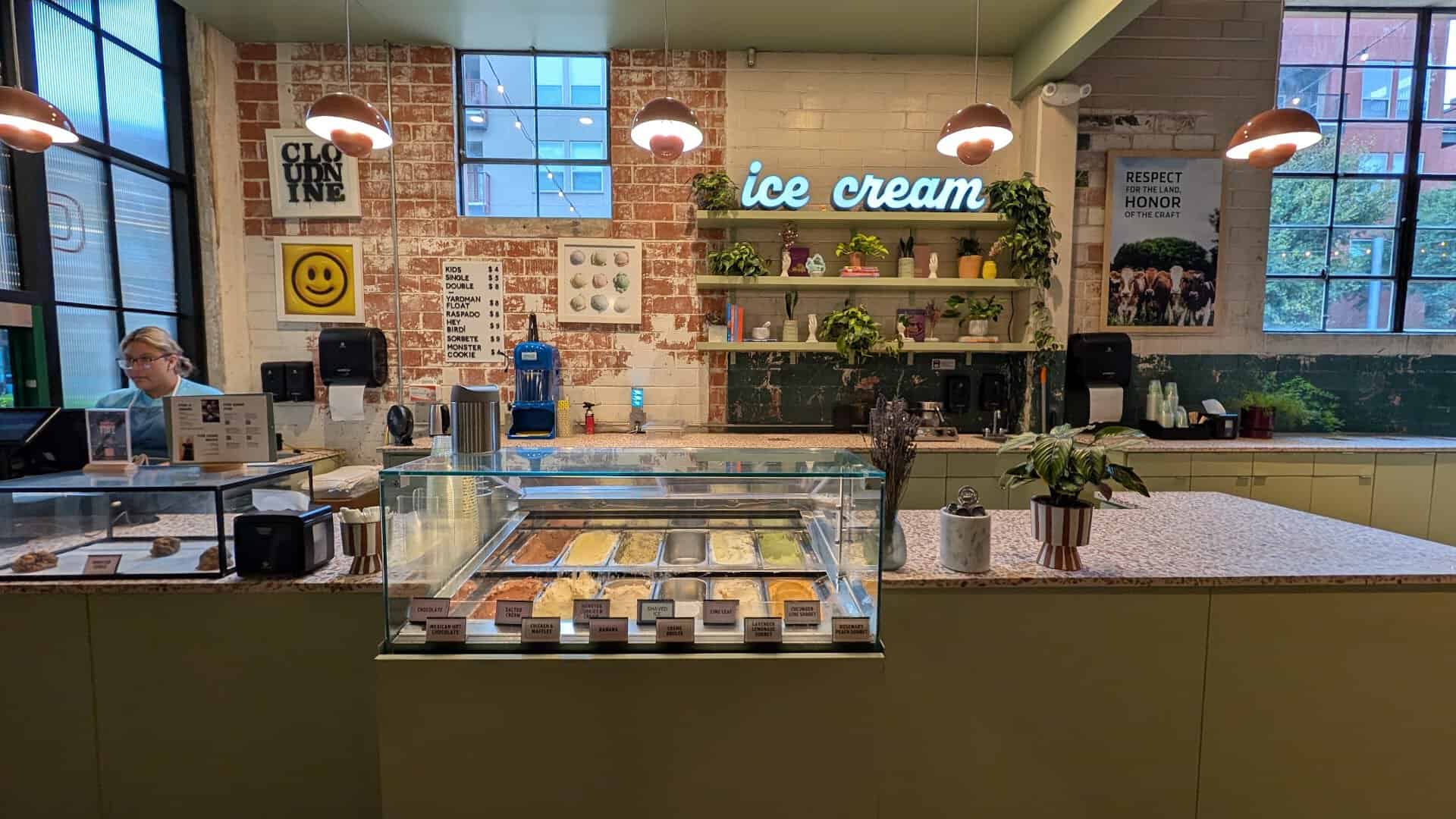
You are shopping for dinner inside a building that once made glass, and it wears that past proudly.
More Than a Meal: Yoga, Two-Steps, and Live Fire
The reason locals treat this as an afternoon and not an errand is that the eating and shopping are only half of it. The courtyard runs a real calendar of things to do.
There is free yoga on Sunday mornings, Two-Step Tuesdays for anyone who wants to dance, and a Live Fire Grilling Series on weekends where the cooking happens right out in the open over open flame. You can come for groceries and leave having learned a two-step.
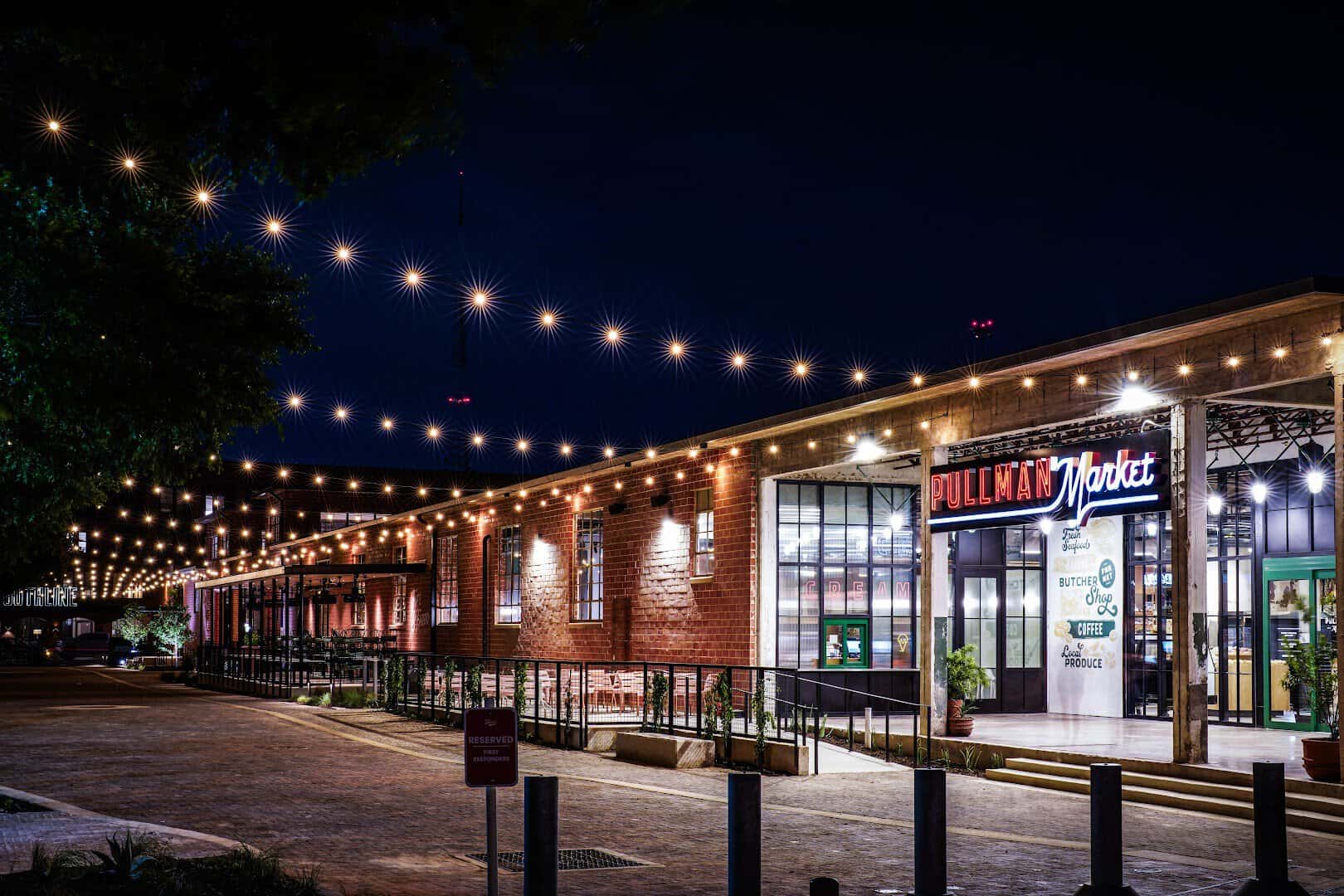
That is the trick to why nobody gets bored here. When you finish eating, there is something to watch. When you finish shopping, there is somewhere to sit. The building keeps handing you a reason to stay a little longer.
Tip: check what is on the calendar before you go, and time your visit around it. A Sunday that starts with yoga and ends with a slow grocery run and an early dinner is a genuinely great day out.
How to Plan Your Visit
The market keeps generous hours, which makes it easy to fit into almost any day. It runs Sunday through Thursday from 8 in the morning until 9 at night, and Friday and Saturday from 8 until 10.
That means you can come for a croissant and coffee first thing, or roll in for pizza and a drink late on a Friday.
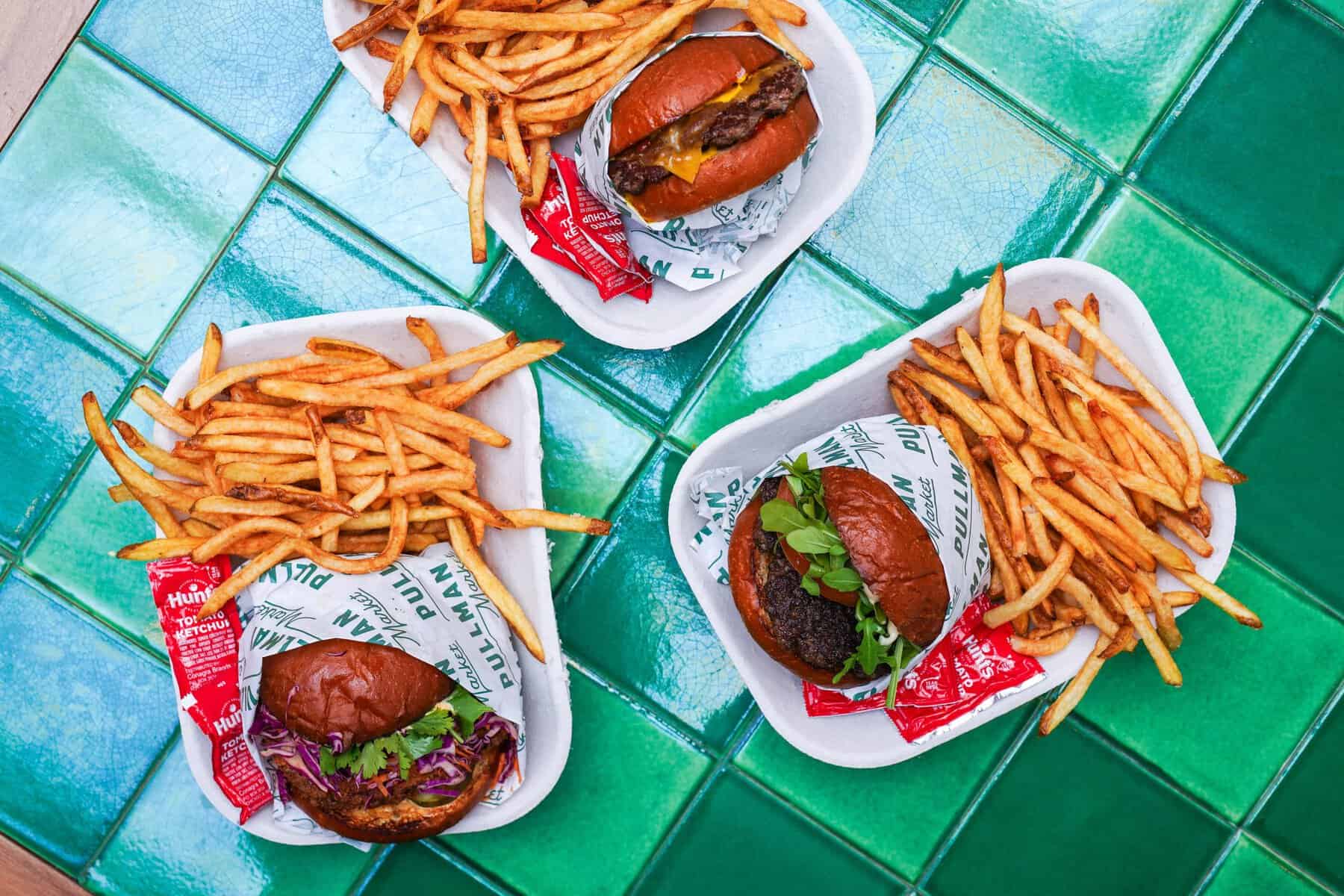
The counters and restaurants keep their own schedules within those hours, so if you have your heart set on one spot, a quick check ahead saves a walk.
It sits inside the Pearl, San Antonio’s beloved former brewery district, so you can easily fold in a walk along the river and the rest of the Pearl’s shops and restaurants. Make a half-day of it. The neighborhood rewards a wander as much as the market does.
How to Get There
Where: Pullman Market, 221 Newell Avenue, San Antonio, TX 78215. It is at the Pearl, just north of downtown San Antonio and an easy walk from the northern end of the River Walk.
Start Planning Your San Antonio Food Day
So consider my skepticism officially retired. Pullman is the rare market that actually earns the whole afternoon it asks for, the one place where eating, shopping, and simply wandering all feel like the main event.
Grab a tote, come hungry, and give yourself more time than you think you need. Between the bakery, the butcher, the bar in the middle, and a courtyard full of things to do, the hardest part of a visit is convincing yourself to leave.
Featured image: @ Pullman Market

Stella Raines
Editor-in-Chief
Stella brings over a decade of storytelling experience to TX Headlines. With roots in West Texas and a love for road trips, she leads the editorial team with an eye for the hidden stories that make Texas unforgettable.
More Stories

Tags