This Century-Old Texas Bakery Ships Its Family-Recipe Cakes to 196 Countries
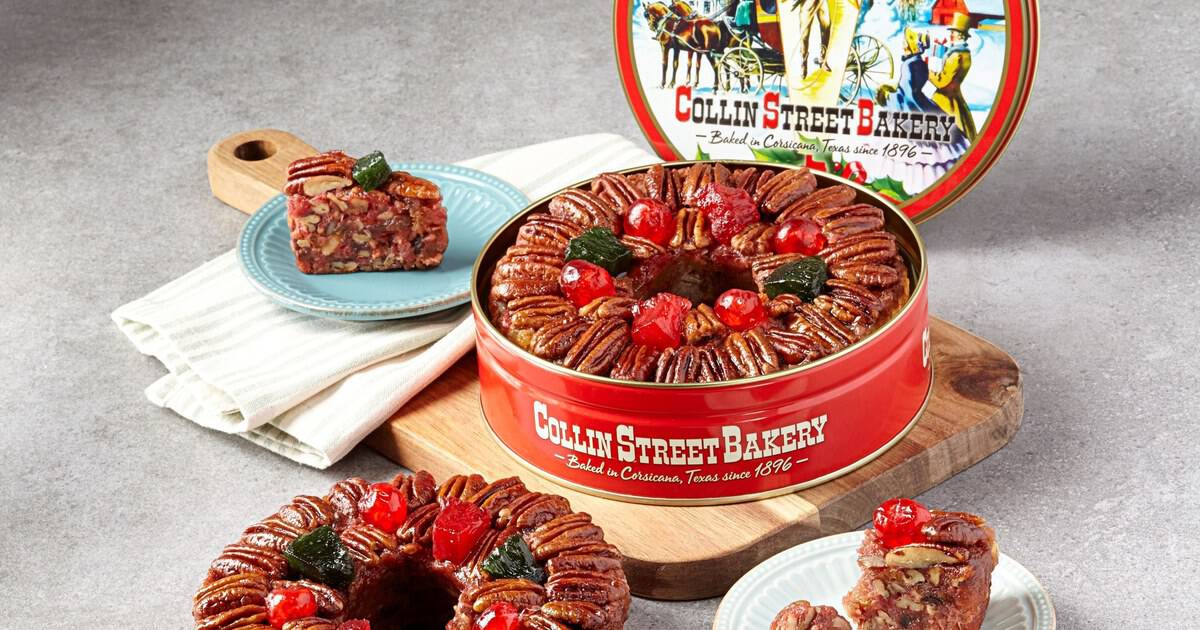
Fruitcake is the most disrespected dessert in America, and I have decided I am done going along with it.
Most of us formed our opinion from a grocery-store brick that could prop open a door, so I understand the reflex.
But somewhere in the Blackland Prairie south of Dallas, a small-town bakery has spent well over a century making honey-glazed proof that the joke was always on the rest of us.
It sits in Corsicana, it has been baking since 1896, and it still follows the same family recipes a young German immigrant carried across an ocean. This is Collin Street Bakery, and its cakes now travel to 196 countries from a Texas town most people drive straight past.
Here is why a place you may never have heard of has fans on nearly every continent, and why the next time you are on Interstate 45 you should pull off and see it for yourself.
The Cake That Started All the Fuss
Let me get the obvious question out of the way. Yes, it is a fruitcake. No, it is nothing like the one your great-aunt regifted three Christmases in a row.
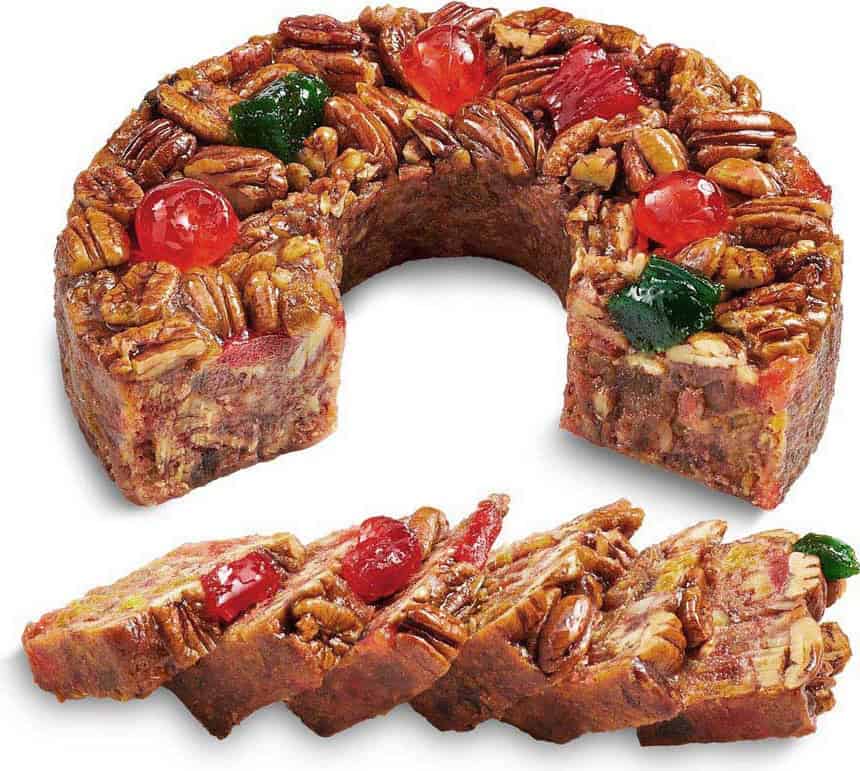
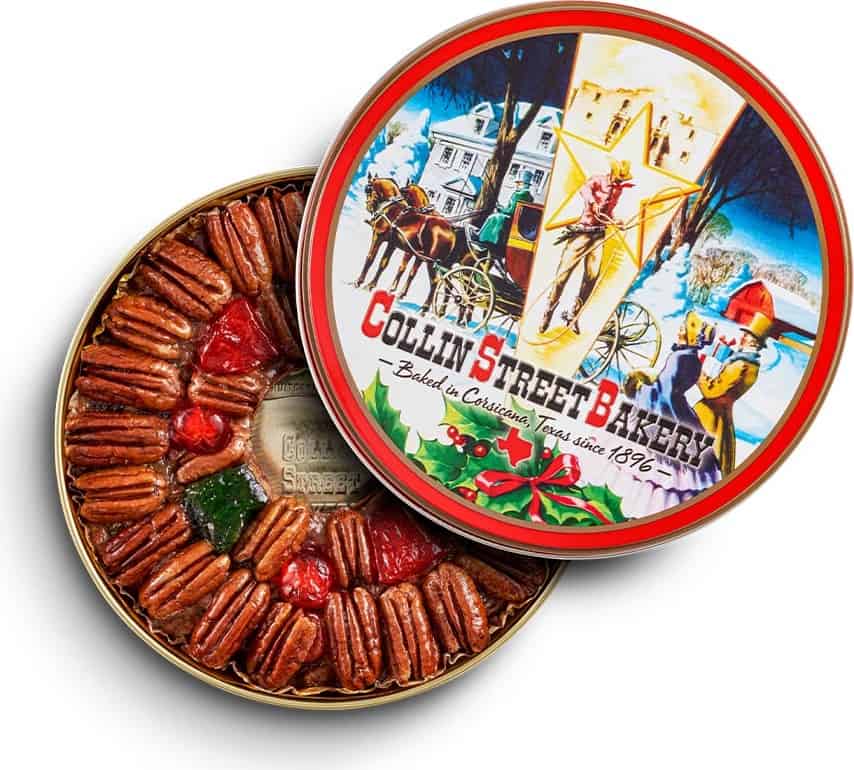
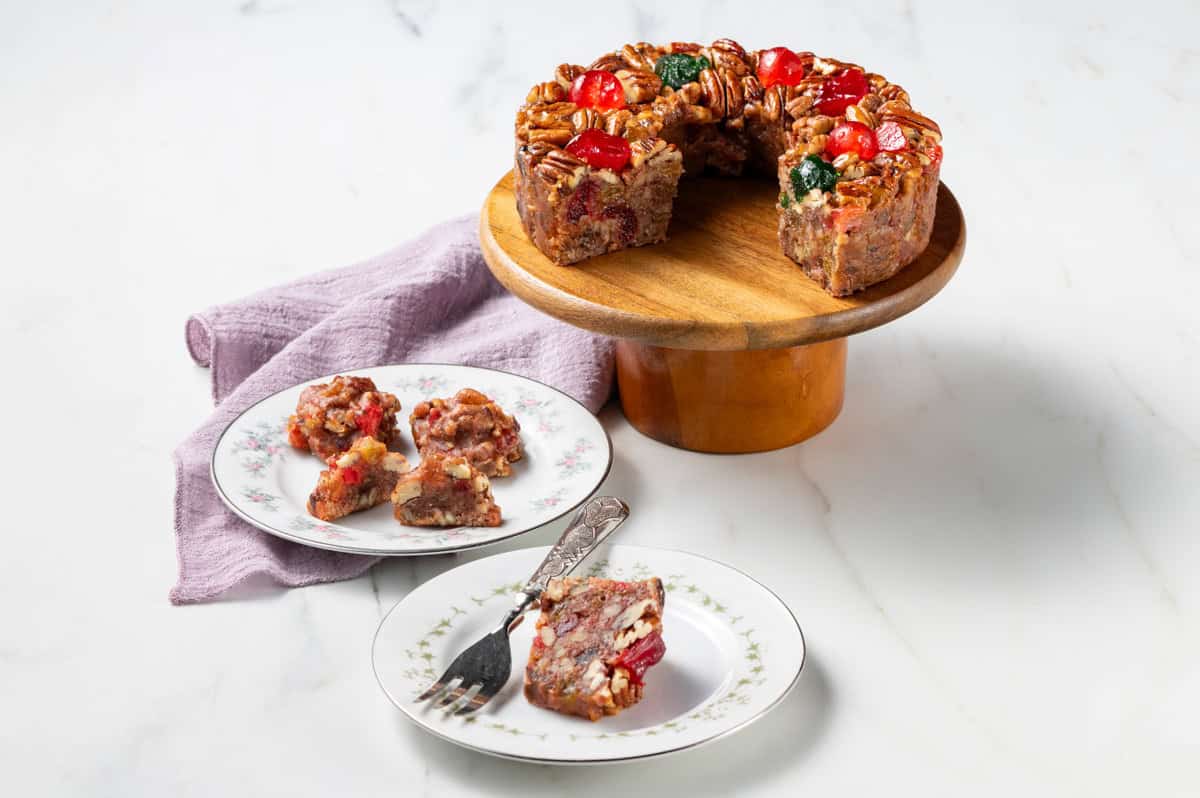
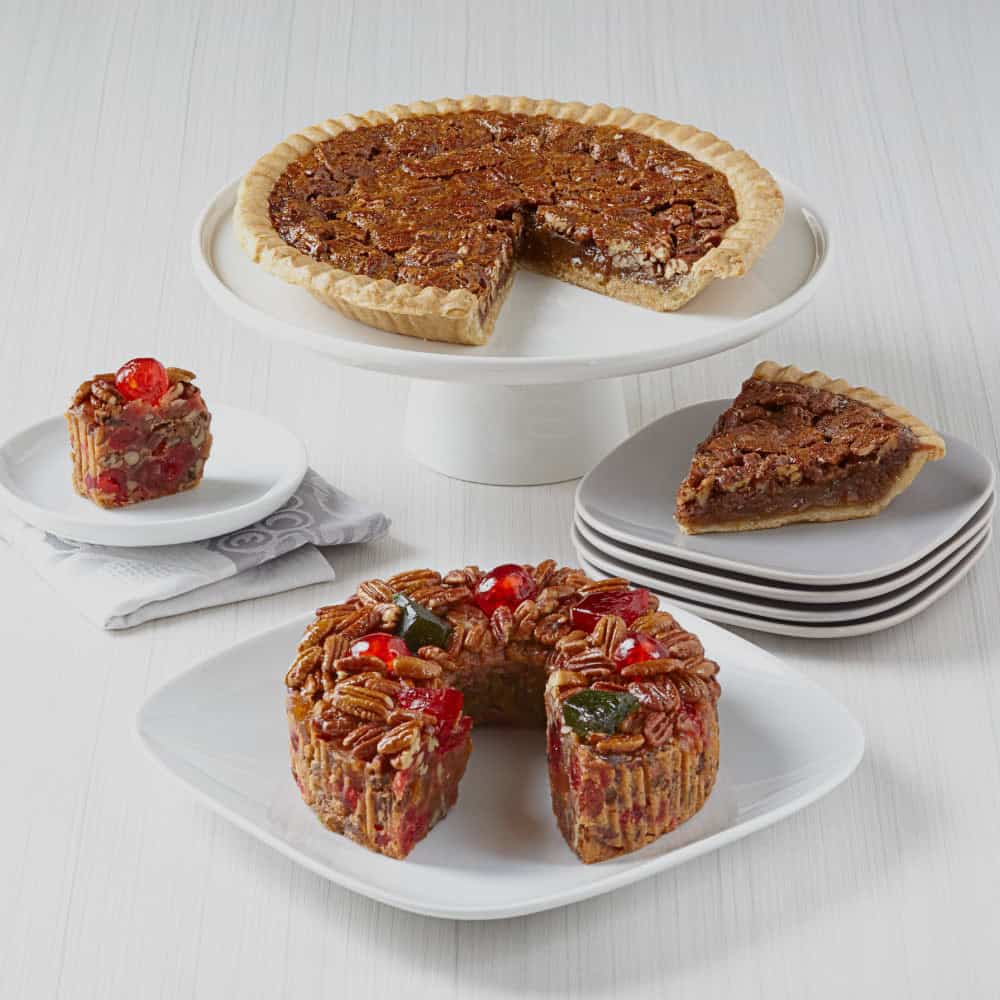
The World Famous DeLuxe is built from freshly shelled pecans, hand-picked pineapple, whole cherries, papaya, and golden raisins, all folded into an all-natural, honey-sweetened batter. Fruit and nuts make up roughly 80 percent of it, and pecans alone are more than a quarter of the cake by weight.
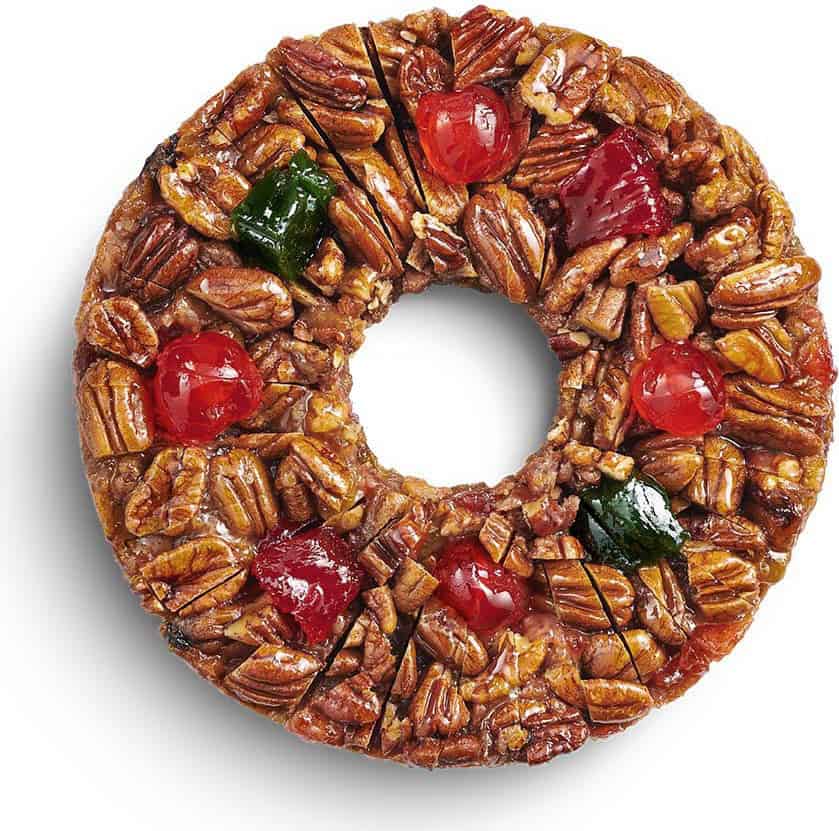
That is the trick, really. When Gus Weidmann started baking, he swapped the walnuts of his old European recipe for Texas pecans, and the whole thing changed character. It turned dense and buttery instead of dry and grim.
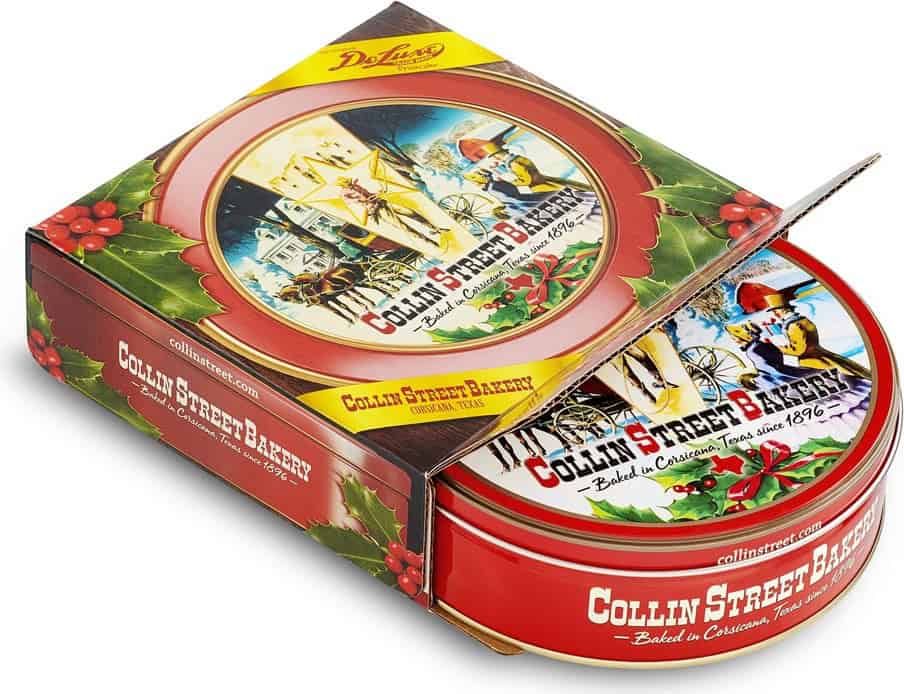
Each cake is hand-decorated, ringed with pecan halves and glossy red and green fruit, then bathed in a honey glaze and tucked into a collectible Lone Star tin.
The regular size runs about $34, weighs nearly two pounds, and serves twenty, which is to say it is built for a crowd, not a single sad slice on a saucer.
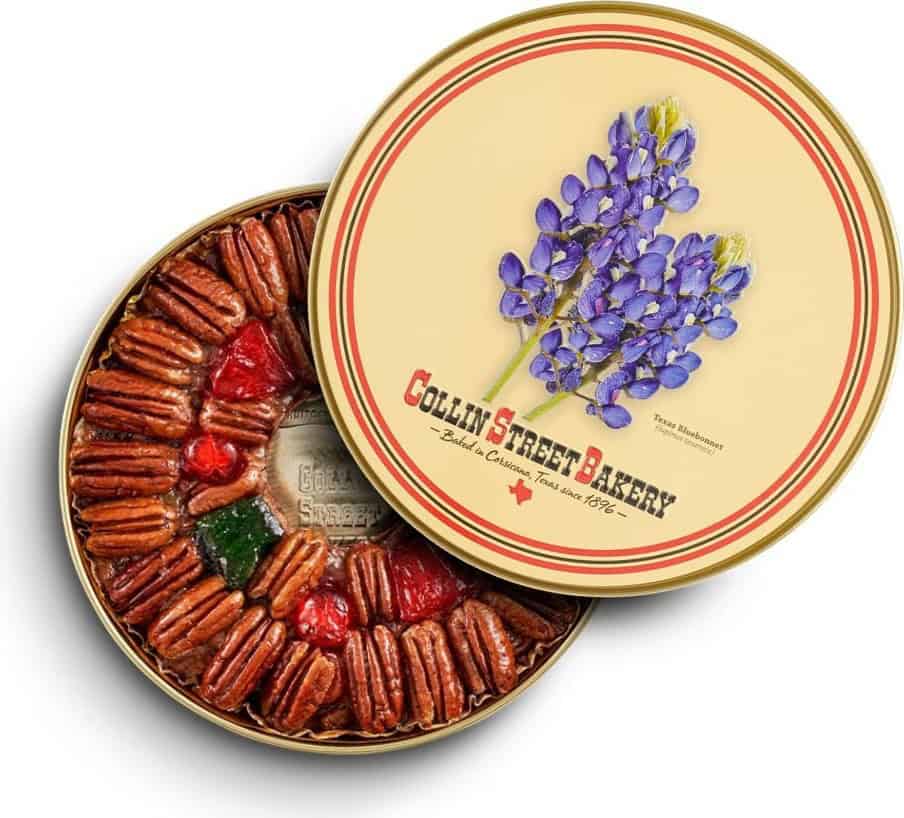
Pro tip: the tin is the whole point of the presentation, so if you are shipping one as a gift, resist the urge to decant it. Half the charm arrives in that little slab of Texas.
Pecans, Pies, and a Case Full of Trouble
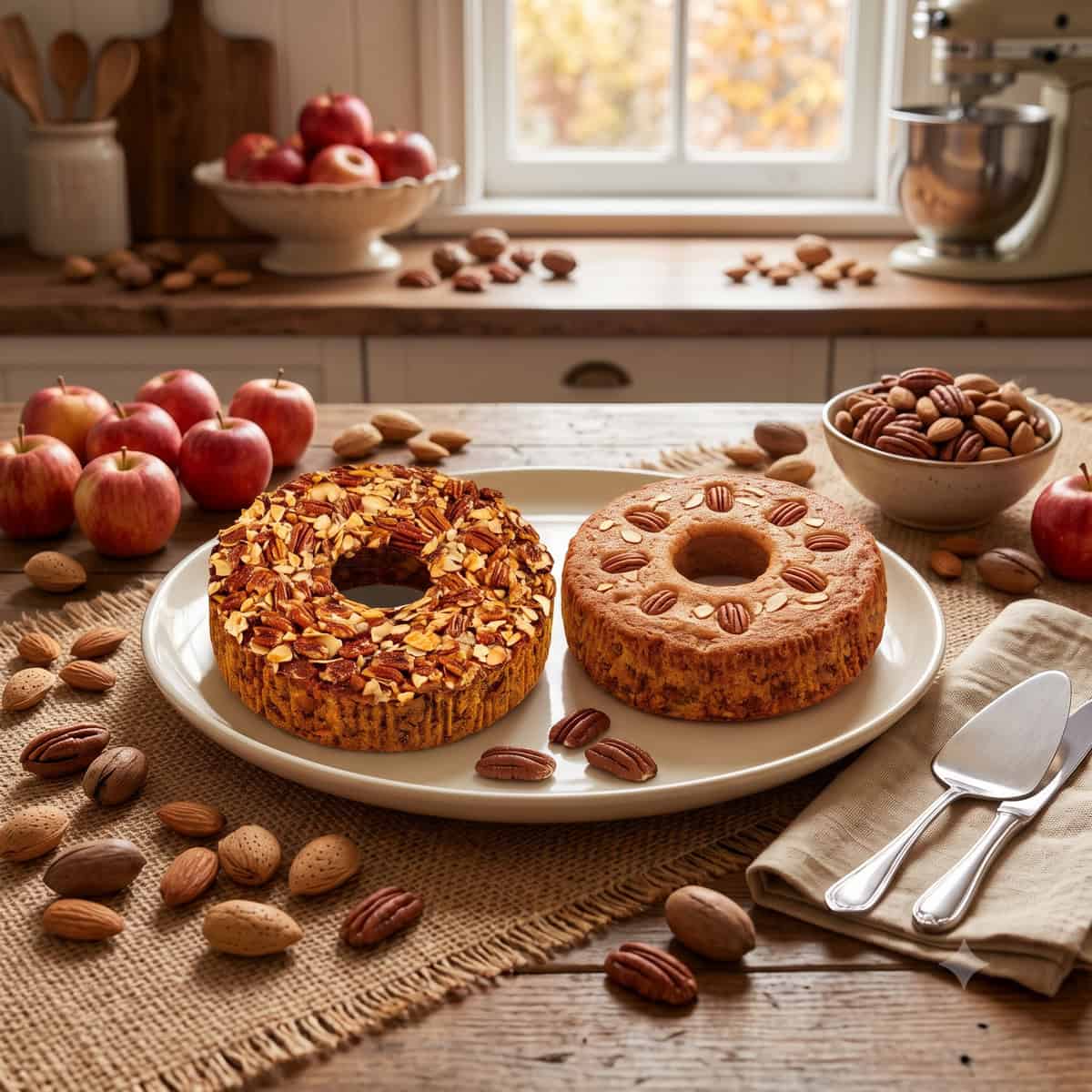
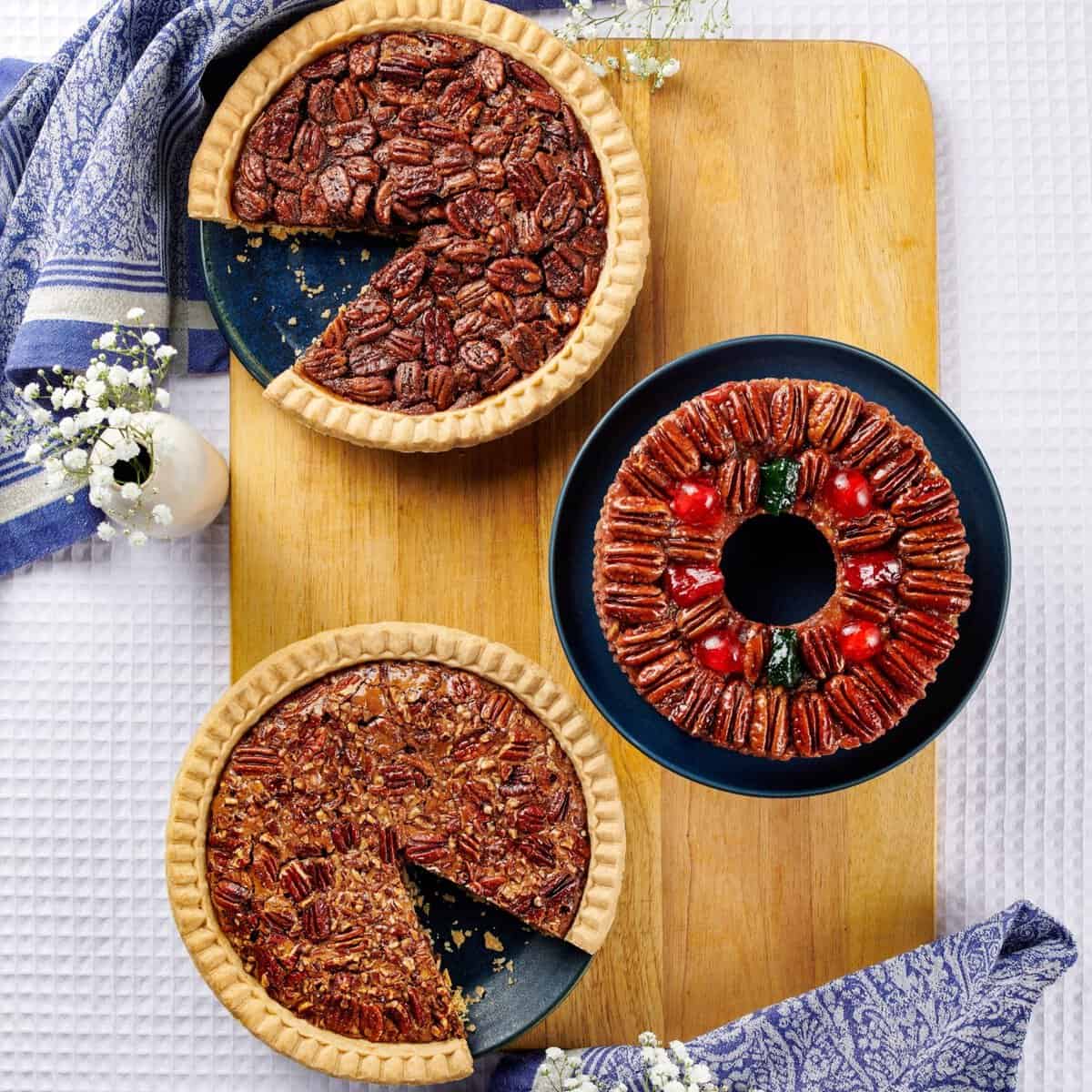
If the fruitcake is the headliner, the Texas Pecan Cake is the local favorite regulars come back for. It is packed with crunchy pecans and glacéed fruit, sold around $40, and it comes in flavors that read like a dessert menu all on their own.
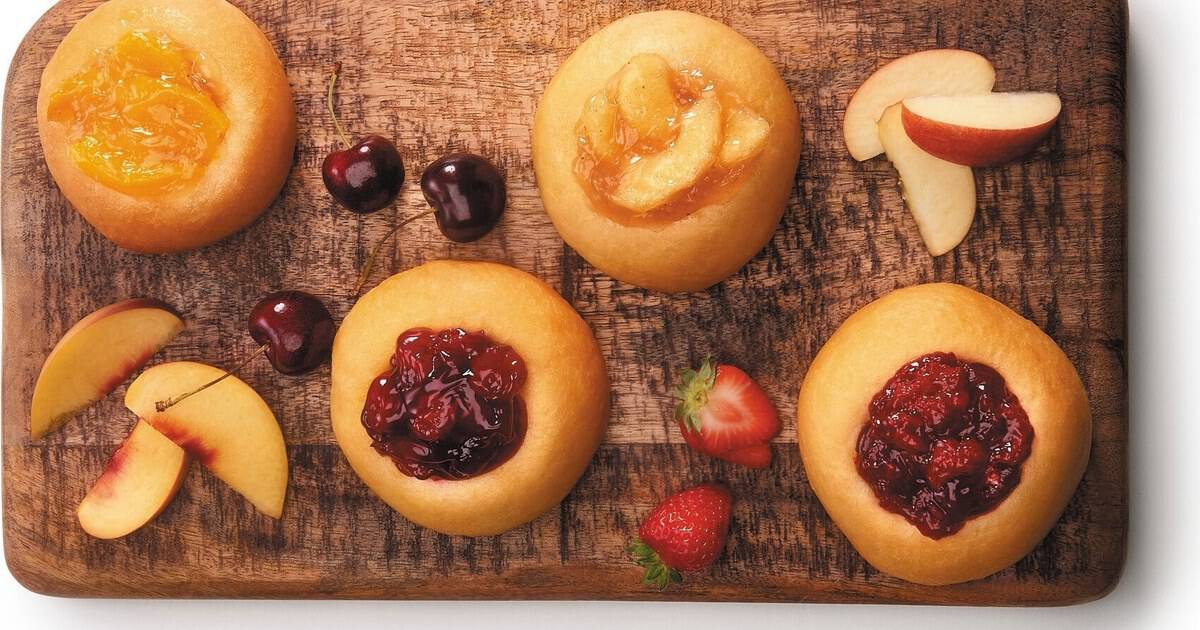
There is Cherry Fudge and Salted Caramel, Strawberry and Apricot, plus a Blonde version for people who want the pecans front and center.
You can buy a sampler if you cannot make up your mind, which, speaking honestly, is exactly the situation I would be in. Choosing just one somehow feels rude to the other nine sitting right there in the case.
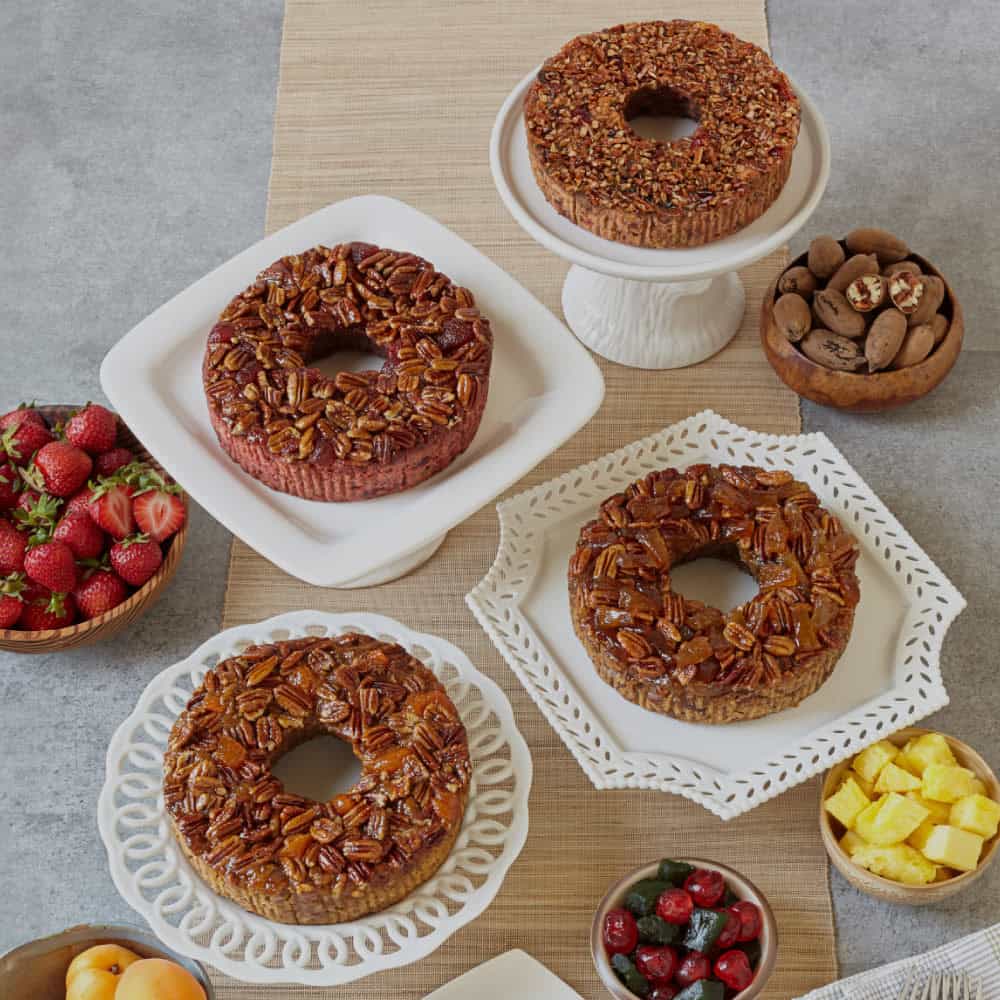
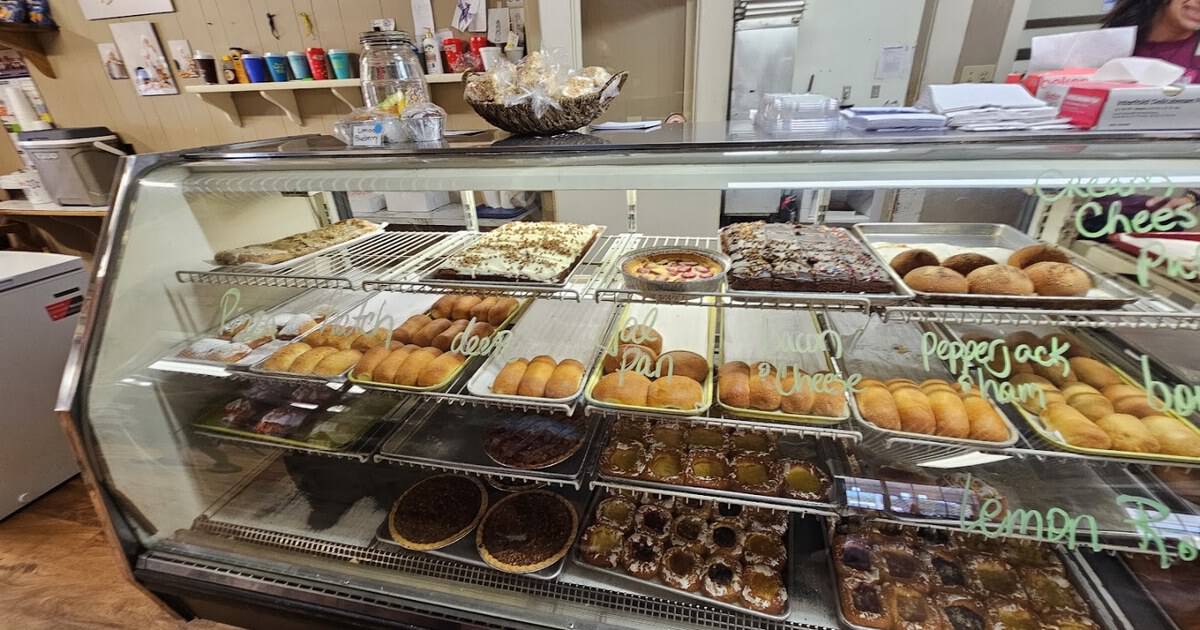
Then come the pies, the cookies, the brownies, and the custom-decorated cakes lined up in the glass display case. This is where a quick fruitcake errand turns into a much longer visit and a much fuller bag.
You can feel the pull of the case the moment you walk in. Warm sugar and toasted pecan hang in the air, and suddenly the “just one thing” plan collapses. I would not fight it. Nobody has ever regretted an extra cookie.
Why the Pecan Does the Heavy Lifting
People fixate on the fruit in fruitcake, but at this bakery the real star is the pecan. It is the ingredient that separates a DeLuxe from the sad candied bricks that gave the whole category a bad name.
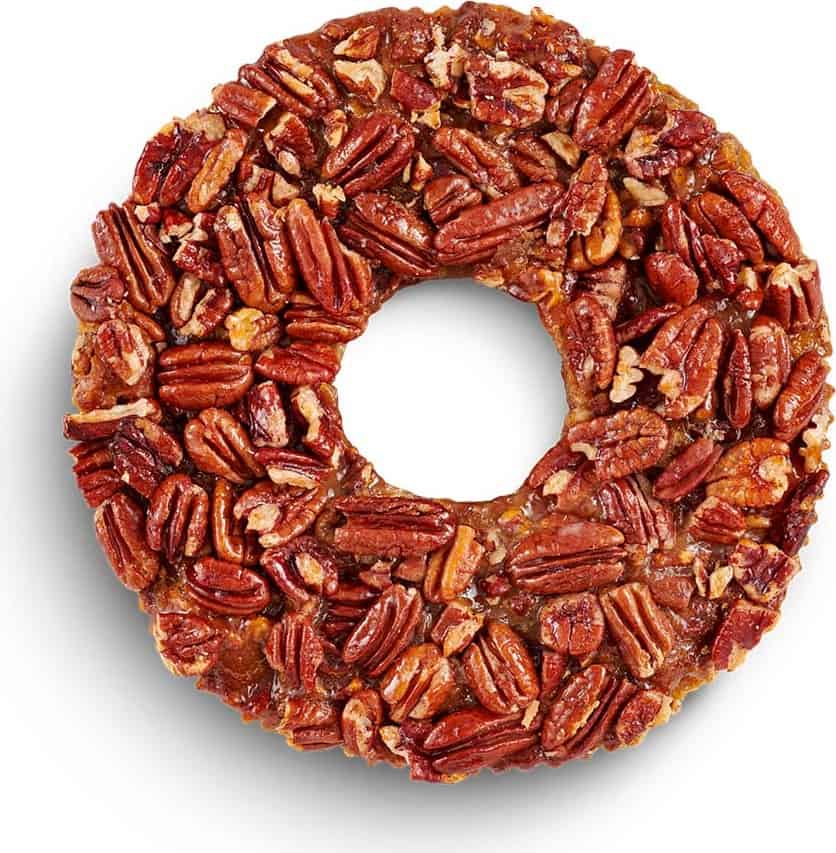
Pecans grow native across the Texas river bottoms, so Weidmann was not reaching for something exotic when he made the swap. He was using the best nut within a wagon ride, and it happened to be buttery, rich, and made for baking.
That is why every cake gets crowned with whole pecan halves instead of hidden inside. The bakery wants you to see them before you taste them, and once you do, the ratio makes sense: this is a pecan cake that happens to carry fruit, not the other way around.
Inside a Very Serious Sugar Operation
It is easy to picture a place this old as a tiny shop with one oven and a lot of nostalgia. The reality is more impressive than that.
The bakery still makes its cakes fresh, and during the holiday rush the scale gets a little absurd. Its ovens can bake around 2,000 cakes at a time, and close to 700 seasonal workers come on to keep the lines moving.
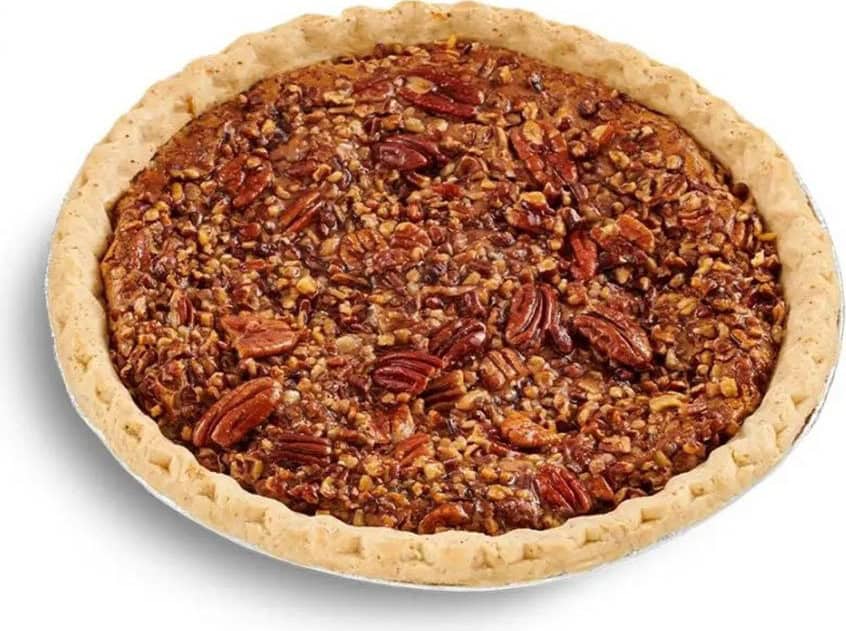
Did you know a single DeLuxe can sit sealed in its tin for months without refrigeration and stay perfectly good? That is not a gimmick. It is the exact quality that turned a local treat into something people could mail across the world.
Every one of those cakes is still finished by hand. The pecans are placed, the glaze is brushed, the tin is packed. For a business shipping more than 1.5 million cakes a year, that is a stubborn amount of handwork, and you can taste the difference.
From Wiesbaden to a Texas Cotton Town
The story starts in 1896, when Augustus “Gus” Weidmann left Wiesbaden, Germany, and landed in Corsicana with a baker’s training and not much else. He set up shop on Collin Street, which is where the name has stayed ever since.
Corsicana was a booming cotton and oil town then, full of people with money to spend and a sweet tooth to match. It was good timing for a baker who knew what he was doing.
Around 1900 he partnered with Tom McElwee, a local cotton buyer with a showman’s instincts. Weidmann handled the baking, McElwee handled the crowd, and it was McElwee who gave the fruitcake its “DeLuxe” name.
It is a genuinely good origin story: an immigrant’s homeland recipe, a Texas nut, and a promoter who understood that a great product still needs someone out front telling everybody about it.
The Hotel That Hosted a Circus King
In 1906 the pair expanded and did something you would never expect from a bakery. They opened a hotel on the second floor.
For a prairie town, it turned into a surprisingly glamorous stop. The guest list drew names like opera star Enrico Caruso, humorist Will Rogers, and circus magnate John Ringling, all sleeping above the ovens.
Here is the detail I love. Those guests would grab a fruitcake on their way out of town, because it traveled well, needed no refrigeration, and actually tasted like something worth carrying home.
That small habit, a departing guest tucking a cake into their luggage, turned out to be the quiet beginning of everything that came next.
How a Circus Made a Bakery Famous
The big break came in 1914. A Ringling Brothers circus troupe passed through Corsicana and bought dozens of DeLuxe fruitcakes to mail as Christmas gifts to friends and family across the country and over in Europe.
The people who received those cakes wanted more. Orders started arriving from towns the bakery had never heard of, and just like that, a Corsicana bake shop became one of the first mail-order food businesses in America.
More than a century later, that mail-order tradition is the engine of the place. The bakery ships over 1.5 million fruitcakes a year to 196 countries, an absurd number for a town of fewer than 25,000 people.
It also earned Corsicana a title it wears proudly: the Fruitcake Capital of the World. Not a bad legacy for a recipe someone brought over in a steamer trunk.
Four Generations and a Dom Perignon Line
Weidmann and McElwee are long gone, but the bakery never left family hands. In 1946 the McNutt family took ownership, and in 1958 Lee “Bill” McNutt Jr. leaned hard into mail order and pushed the business nationwide.
Today Bob McNutt, whose grandfather bought the place in the 1940s, runs it, and his nephew Thomas stands as the fourth generation of the family behind the counter. Thomas once described his job with a shrug: “I just make sure all the trains leave on time.”
My favorite piece of company lore comes from 1978, after Johnny Carson spent years cracking fruitcake jokes on The Tonight Show. Bob McNutt fired back with a line I still think about: “What Dom Perignon is to champagne, Collin Street Bakery is to fruitcakes.”
When you have been making the same thing since before most Texans owned a car, you get to talk like that. And frankly, after 130 years, they have earned it.
What to Order When You Get There
The bakery is not only a shipping operation. The downtown Corsicana location is a full deli café, and it is a genuinely good lunch stop, not just a sugar detour.
You will find home-style soups, sandwiches, garden-fresh salads, and fresh fruit alongside all the sweets. My move would be a sandwich and a cup of soup, followed by an entirely unreasonable amount of time in front of the pastry case.
Then, on your way out, do the thing every hotel guest did back in 1906. Buy a cake to take home, or ship one to someone who still thinks fruitcake is a punchline. Watching them change their mind is half the fun.
Tip: the DeLuxe cakes keep for months in that sealed tin without refrigeration, so this is the rare edible souvenir that survives a Texas road trip in a hot trunk.
How to Get There
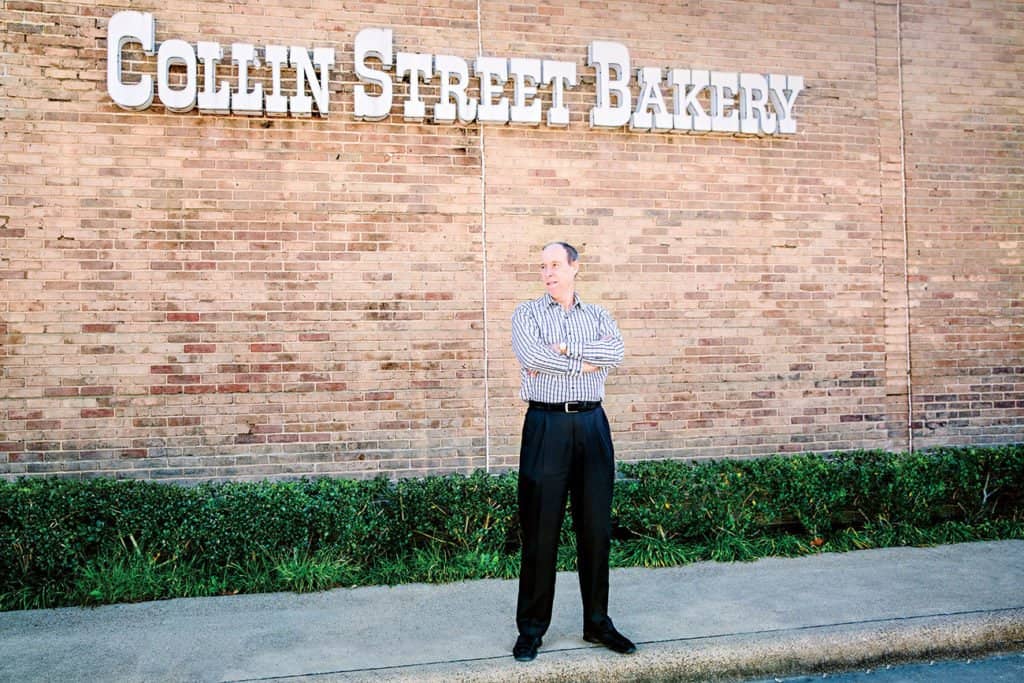
The flagship bakery and café sits in the heart of downtown Corsicana, an easy detour off Interstate 45 between Dallas and Waco. Corsicana is roughly an hour south of Dallas, which makes it a very doable day trip.
Where: Collin Street Bakery, 401 W 7th Ave, Corsicana, TX 75110
The café generally opens at 7:00 a.m. most days and keeps shorter hours on Sunday, but hours shift around the holiday rush, so it is worth a quick call before you build your whole afternoon around it.
Plan Your Corsicana Sugar Run
There is something wonderful about a place that has done one thing beautifully for 130 years and never felt the need to reinvent it. The recipe that crossed the ocean in 1896 is still the recipe, still hand-decorated, still headed for a tin.
So point your car south, follow the smell of toasting pecans, and go taste the cake that turned a tiny Texas cotton town into the Fruitcake Capital of the World. Bring a cooler if you want, though you will not need it.
Just do yourself one favor and buy two, because in my experience the first one rarely makes it home. You have been warned, and you are very welcome.
Featured image: @ Collin Street Bakery

Stella Raines
Editor-in-Chief
Stella brings over a decade of storytelling experience to TX Headlines. With roots in West Texas and a love for road trips, she leads the editorial team with an eye for the hidden stories that make Texas unforgettable.
More Stories
Tags