This Remote Texas Lake Is Ringed by Red Canyons That Look Like Another Planet
Most people picture a Texas lake as a flat sheet of brown water rimmed by mesquite and a boat ramp. I get it. That is the version most of us grew up swimming in, and there is nothing wrong with it.
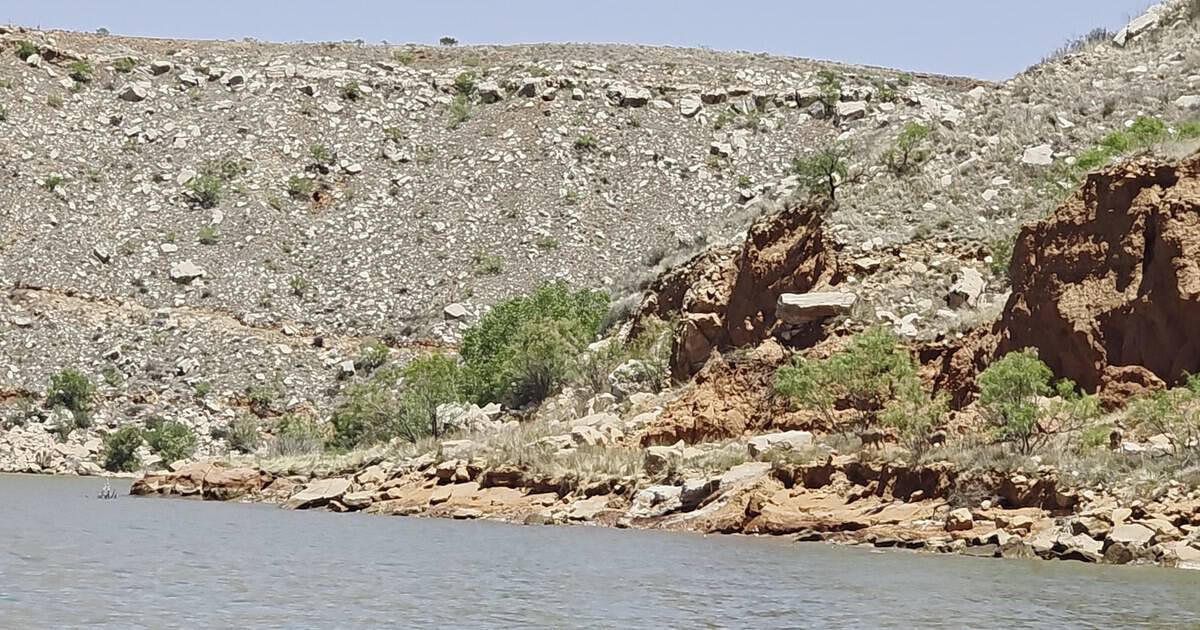
Then there is the one hiding up in the Panhandle. Its shoreline is not scrub and clay but burning red canyon, streaked with white stone and carved into pinnacles that belong on a science fiction film set.
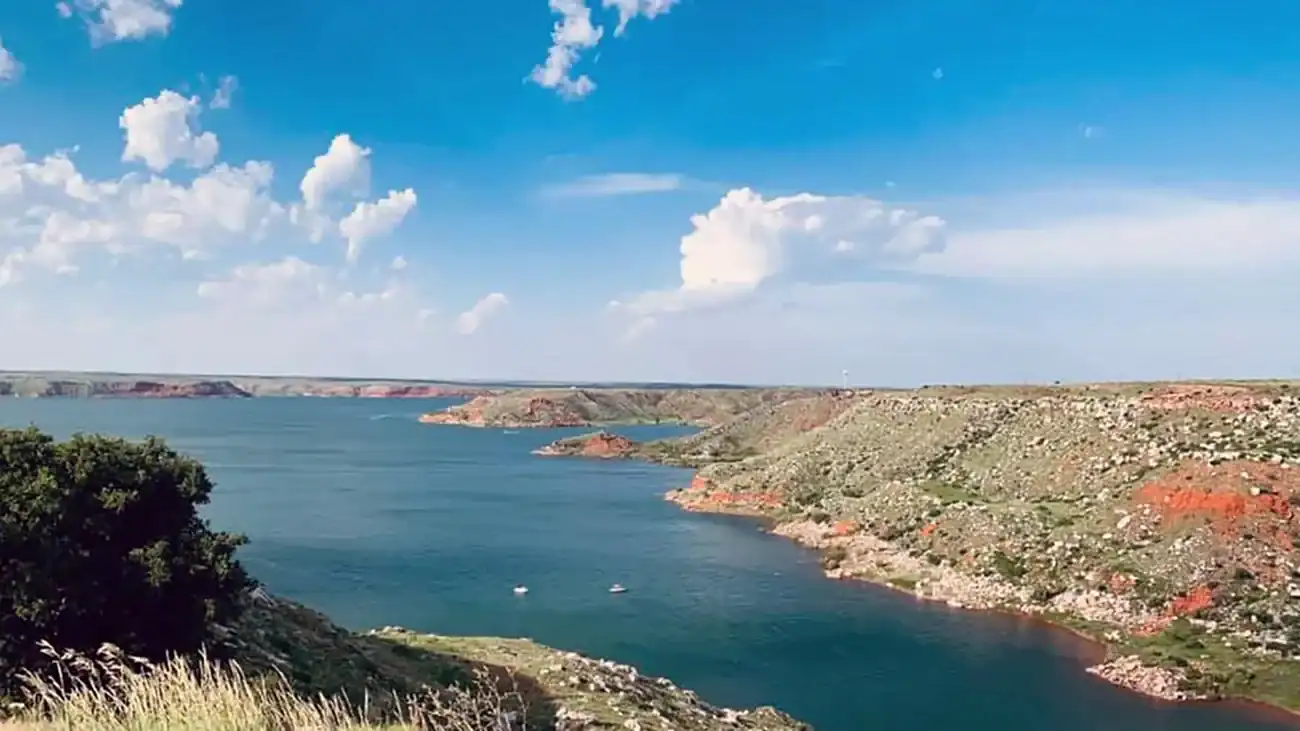
This is Lake Meredith. The first time you crest the ridge and see that blue water sitting inside those rust colored walls, it stops looking like Texas at all. It starts looking like a place a rover would photograph.
Below, I will walk you through why this remote reservoir feels like another planet, what the ancient geology is actually doing, and how to plan a trip that hits the water, the canyons, and one of the darkest night skies in the country.
The View That Doesn’t Look Like Texas
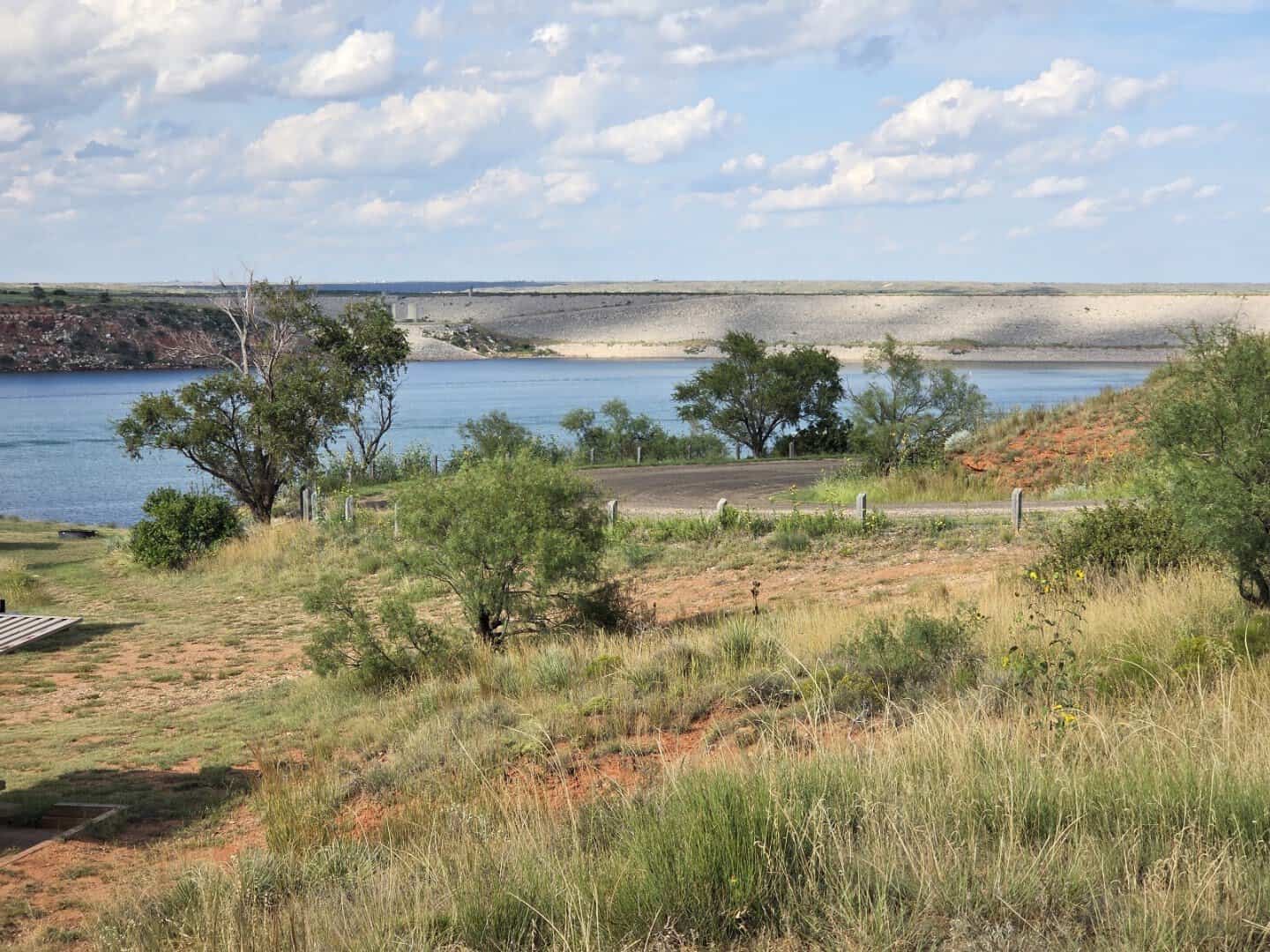
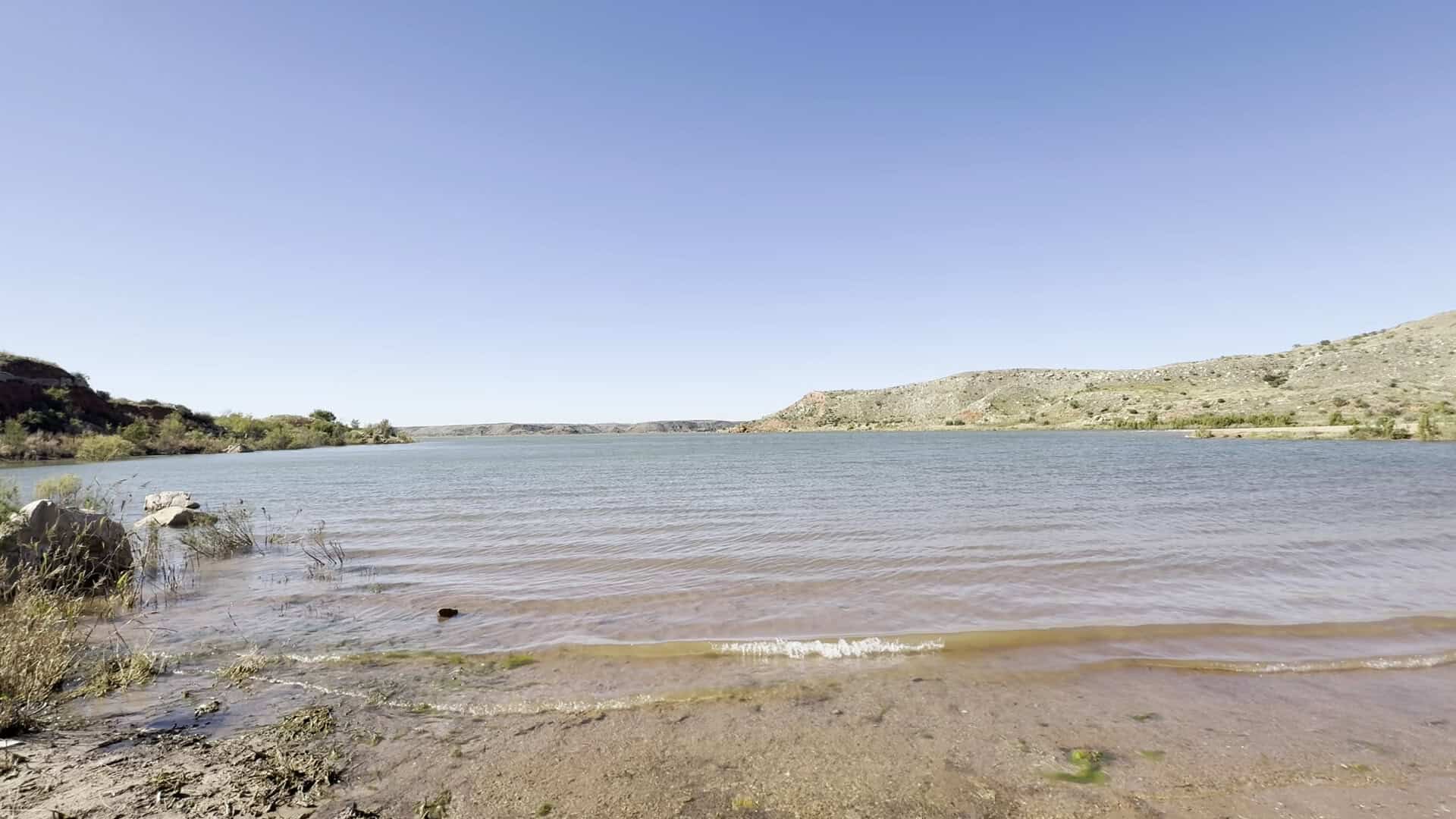
Lake Meredith sits about thirty miles northeast of Amarillo, tucked into a stretch of country called the Canadian River Breaks. The river spent millions of years cutting canyons up to two hundred feet deep, and the lake now pools in the bottom of them.
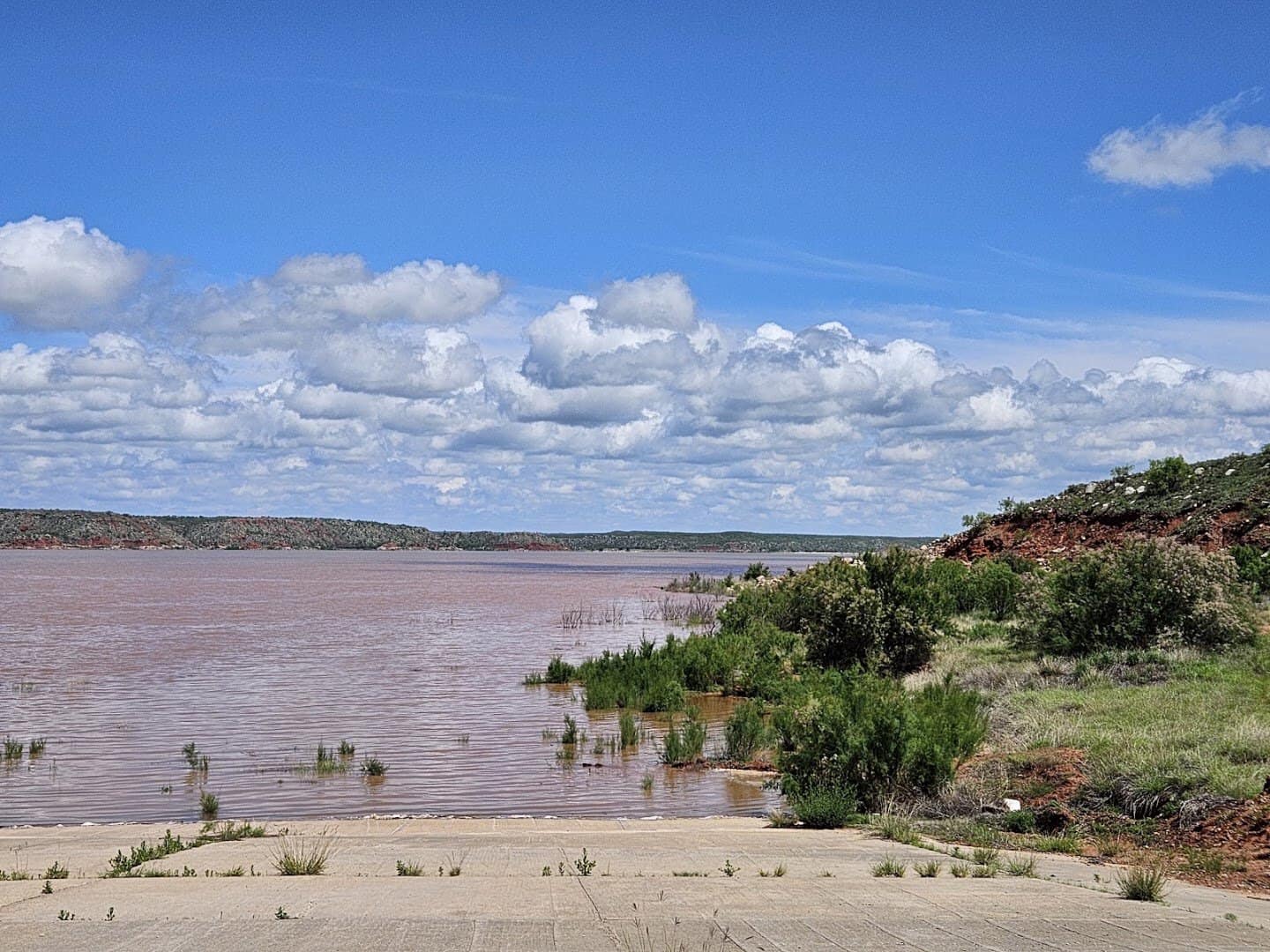
The result is a landscape of contrasts. The water reads a deep, clean blue on a still morning. The walls above it glow orange, red, and rust.
Those walls are capped with pale bands of white dolomite that catch the light like snow that forgot to melt. Against the red rock and the blue water, that white line is the detail that makes people reach for a camera.
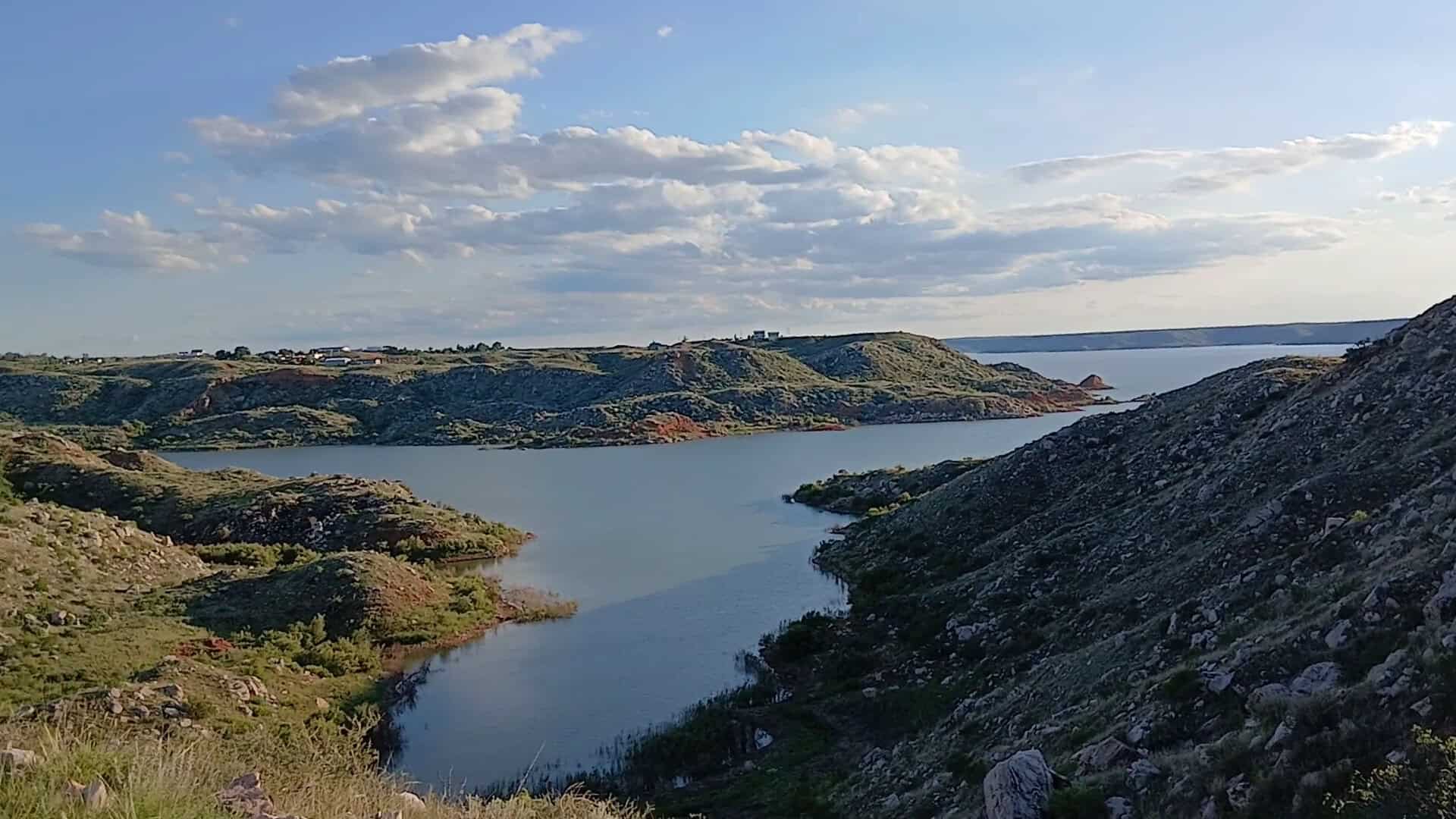
Scattered across the slopes are hoodoos and buttes. These are wind sculpted towers of soft rock, left standing where harder caprock shielded them from the weather while everything around them wore away.
Come at golden hour and the whole basin lights up. It is the kind of place where you keep pulling the car over, sure that the last view could not possibly be topped, then rounding a bend and being proven wrong.
What surprises first time visitors most is the quiet. This is remote country, far from the interstate and the crowds. On a weekday you can have a whole cove of shoreline to yourself, with nothing but wind, water, and red cliffs for company.
Out on the Water
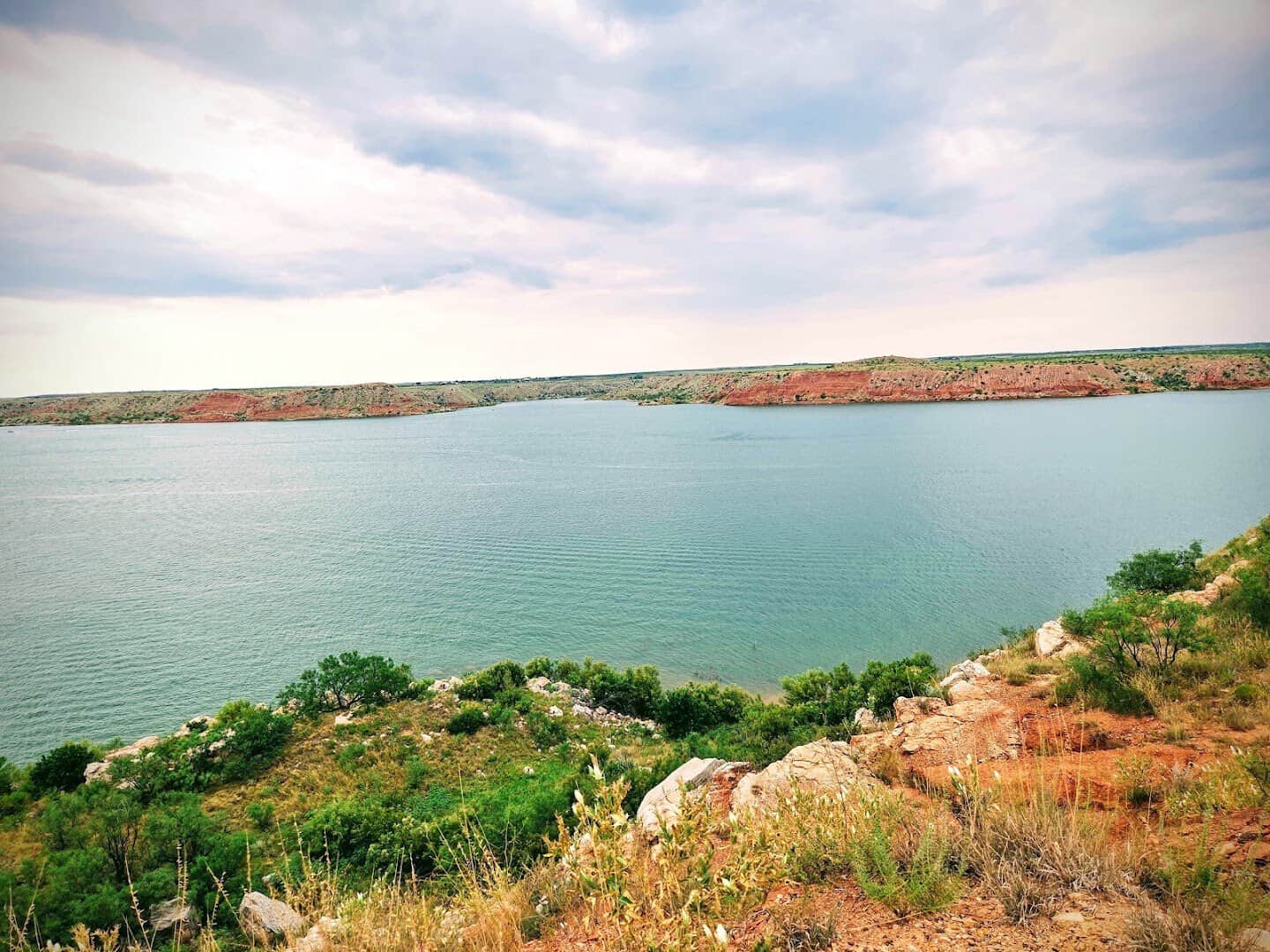
For all its strange scenery, Meredith is first and foremost a working lake, and it is built for play. At full pool it spreads across more than twenty one thousand acres, which makes it the largest body of water in the Texas Panhandle by a wide margin.
That is a lot of room to spread out. People come here to open up a boat across the main basin, drop a kayak or paddleboard into a hidden cove, or wade in off a sandy stretch on a hot afternoon.
If you do not tow your own boat, that is fine. You can launch from ramps at Sanford Yake and other access points around the lake, and it is easy to spend a whole day just poking into coves you cannot see from the road.
There is even a diving scene. The upper end of the lake runs turbid with suspended red clay, but the lower reservoir near the dam turns clear enough that scuba divers slip below the surface to explore it.
But the fish are the real headliner. Lake Meredith is the finest walleye lake in Texas, and one of the very few places in the state where you can chase a species that mostly belongs a thousand miles north.
I love that about this place. Walleye is a cold northern fish, the kind of thing you expect to catch in Minnesota, and here it is thriving in the middle of the Texas plains.
Did you know? The Texas state record walleye came out of this water. On a cold February day in 1990, an angler named Hank McWilliams Jr. landed a fish that weighed nearly twelve pounds and stretched almost thirty two inches. That record still stands today.
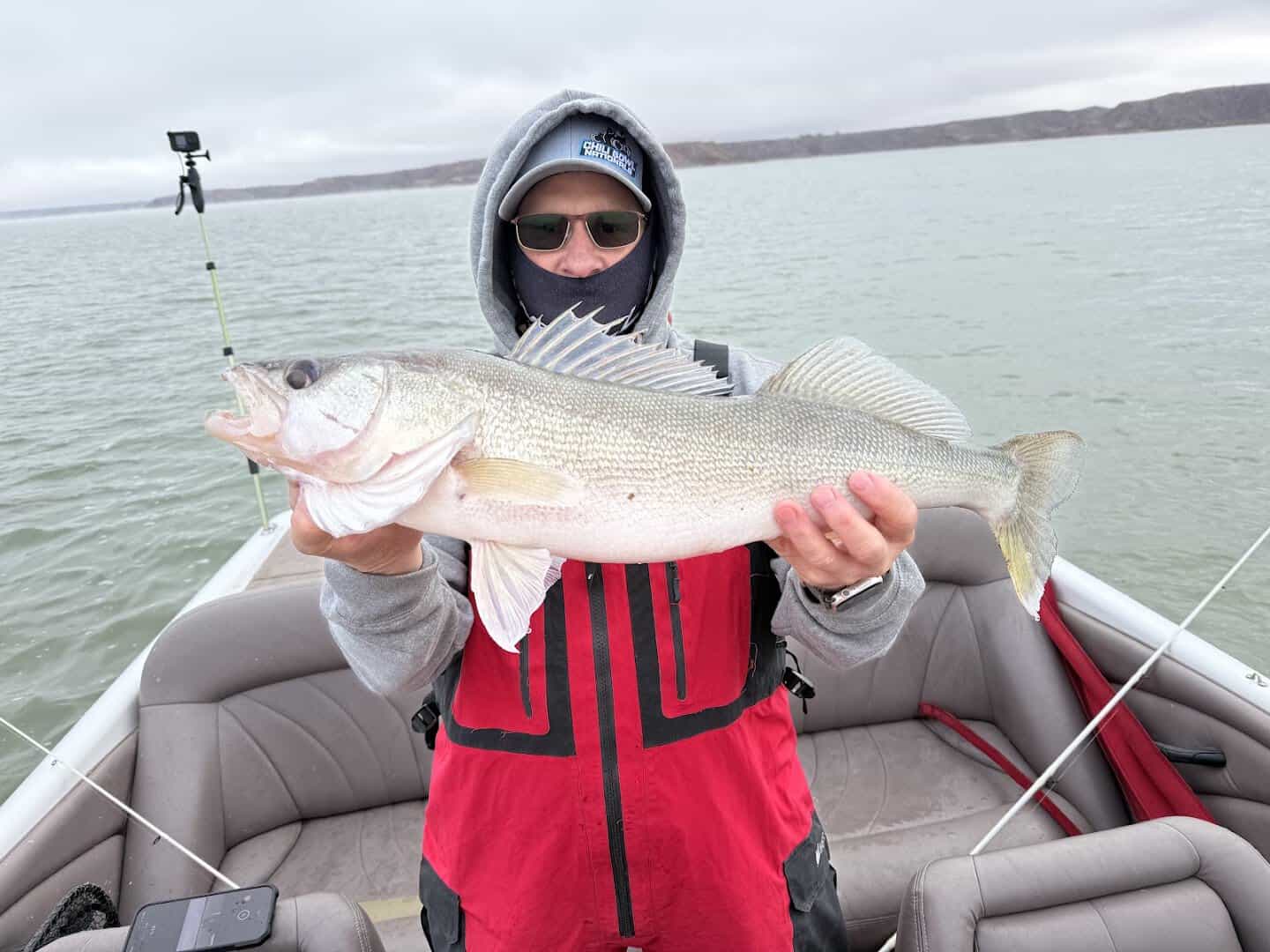
If walleye is your target, aim for spring. More than ninety percent of the yearly walleye harvest happens between April and June, when the fish move shallow and hungry.
The lake is far from a one fish wonder, though. It also holds smallmouth and largemouth bass, channel and blue catfish, crappie, and white bass, so anyone who wants an easier bite on a lazy afternoon has plenty of options.
A Landscape 300 Million Years in the Making
The color is not decoration. It is chemistry, and it is very, very old.
The rock here belongs to what geologists call the Permian red beds, layers laid down close to three hundred million years ago. Back then this corner of Texas sat near the equator, part of the ancient supercontinent Pangaea.
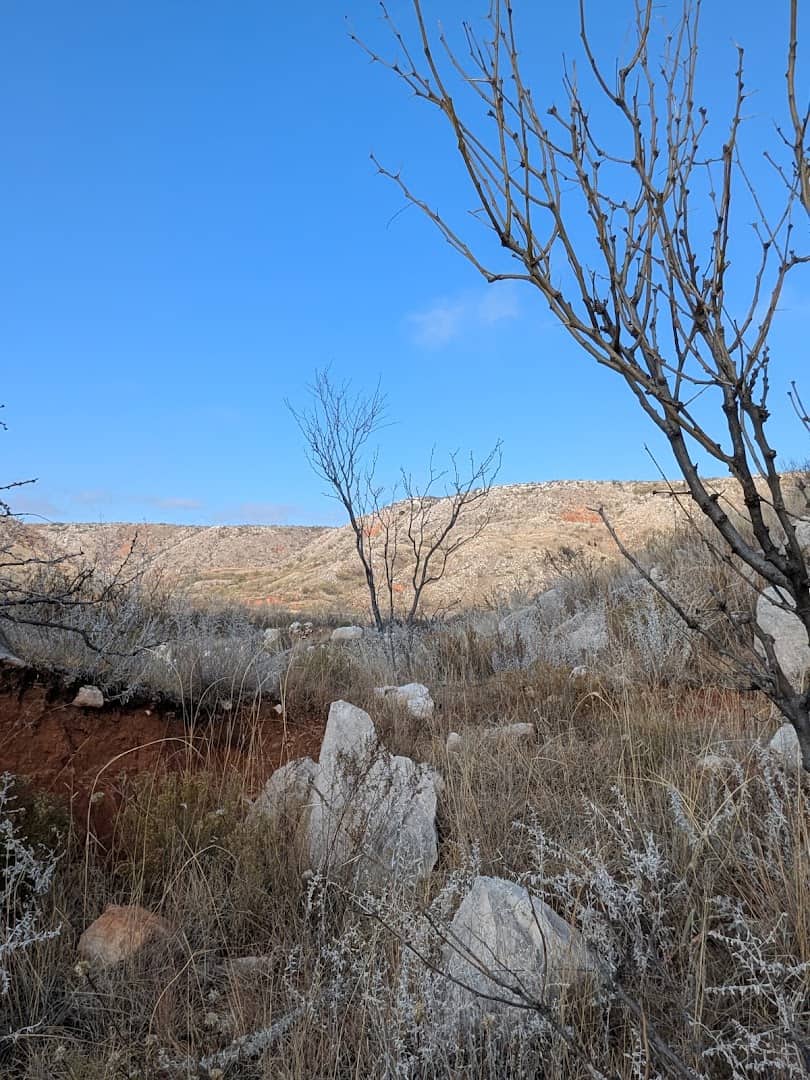
Iron in that old sediment slowly oxidized, rusting the stone the deep red and burnt orange you see today. The layers are a mix of sandstone, siltstone, and mudstone, threaded with gypsum and dolomite.
On top of the soft red rock sits a harder cap of white Alibates dolomite. Because that caprock resists erosion while the red beds below wash away, you get the dramatic breaks, the standing hoodoos, and the flat mesa tops that give the basin its sculpted, almost prehistoric look.
Pro tip: bring a real camera, not just your phone. The interplay of red rock, white cap, and blue water shifts by the hour, and early and late light are when the canyons look most unreal.
How a River Became a Lake
Meredith is young, even if the rock around it is ancient. For most of history this was simply the Canadian River, running east through wide open country.
That changed in the middle of the twentieth century, when a fast growing Panhandle needed a dependable water supply. Crews broke ground on Sanford Dam in 1962 and finished it in 1965, plugging the river and letting the canyons fill.
That stored water still matters enormously. It has served a long string of West Texas cities over the decades, from Amarillo to Lubbock, in a part of the state where reliable water is never something to take for granted.
The lake carries the name of A. A. Meredith, the former city manager of Borger who championed the project as head of the Canadian River Municipal Water Authority. He fought for years to make it real.
He did not live to see the water rise. Meredith died in the spring of 1963, two years before the lake filled, and the community named it for the man who had believed in it longest.
The Only National Monument in Texas Is Next Door
Here is the part most visitors miss entirely. Sitting on the red bluffs right above the lake is Alibates Flint Quarries, the only national monument in the entire state of Texas.
For roughly thirteen thousand years, people climbed these bluffs to dig out Alibates flint. It is a beautifully banded stone that flakes into razor sharp edges, and it was some of the finest toolmaking rock on the plains.
Ancient hunters shaped it into spear points and knives and traded it far and wide, long before anyone thought to draw a border across this land. Standing where they worked, you feel how deep the human story here runs.
That makes a visit here two trips in one. You come for a lake and a landscape, and you leave having brushed up against thirteen thousand years of people who found this same red country worth the long walk.
You cannot wander the quarries alone. The Park Service protects them with ranger led tours, offered by reservation, usually leaving at ten in the morning and two in the afternoon.
It is a one mile walk up a moderately steep trail, and honestly the ranger stories are half the reason to go. Book ahead, because these small guided groups fill up, especially in the milder months.
Under Some of the Darkest Skies in America
When the sun drops, the show is not over. It just moves overhead.
The Texas Panhandle is one of the darkest corners of the lower forty eight states, and Lake Meredith sits right in the heart of it. Visit Amarillo calls this region home to “some of the darkest skies” around, and the view proves the point.
On a clear, moonless night the Milky Way is easy to spot with the naked eye from most of the lake’s campsites. With almost no light pollution, the stars come all the way down to the horizon.
The same red canyons that dazzle by day turn into black silhouettes against a river of stars. It is a rare combination: an otherworldly landscape by day and a genuine dark sky by night, in one quiet, faraway spot.
Trails, Camping, and Room to Roam
Meredith is a national recreation area, which means it is built for people who like to spread out and stay a while. Eleven campgrounds are scattered around the shoreline, most of them simple, breezy, and refreshingly uncrowded.
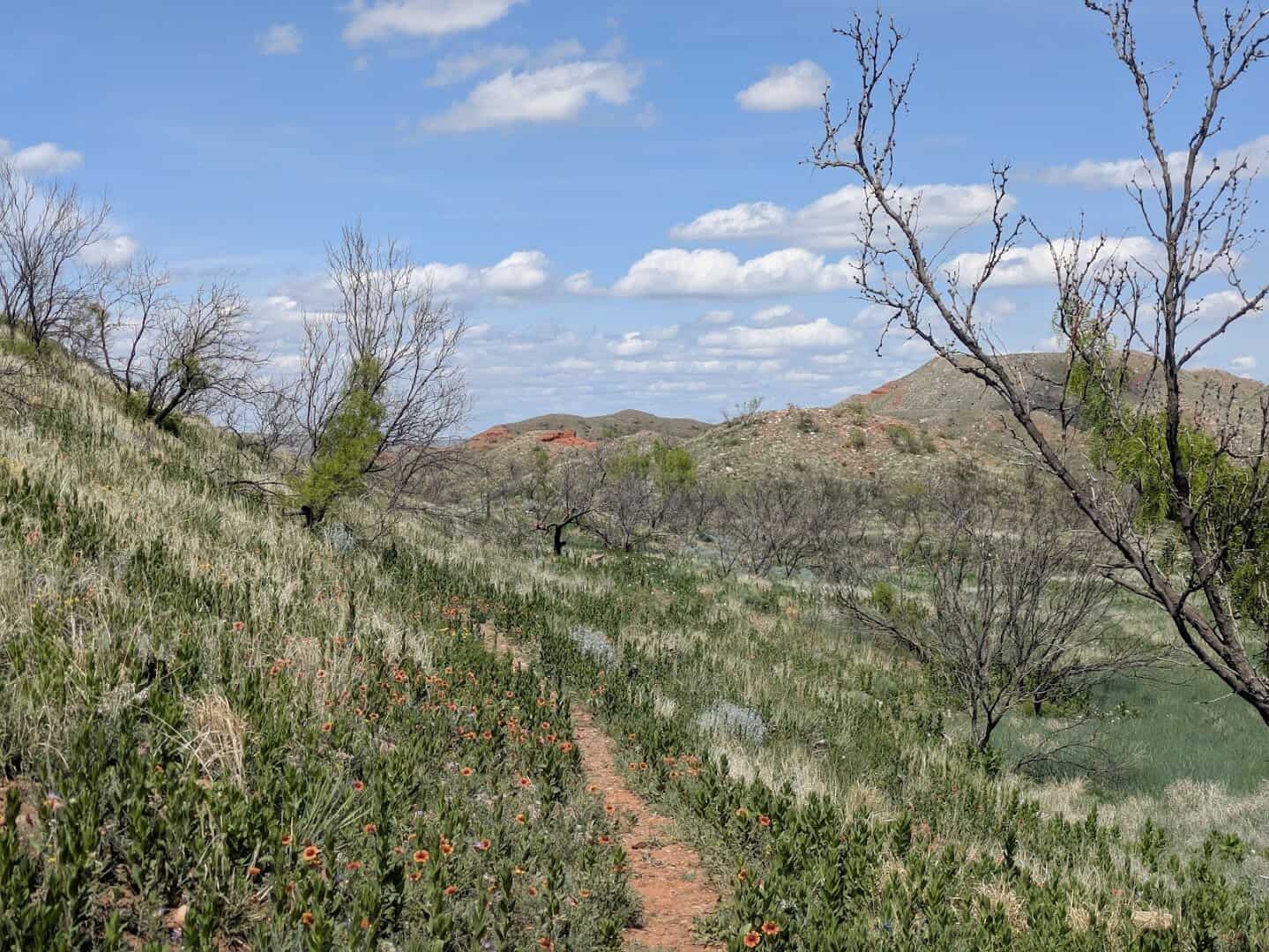
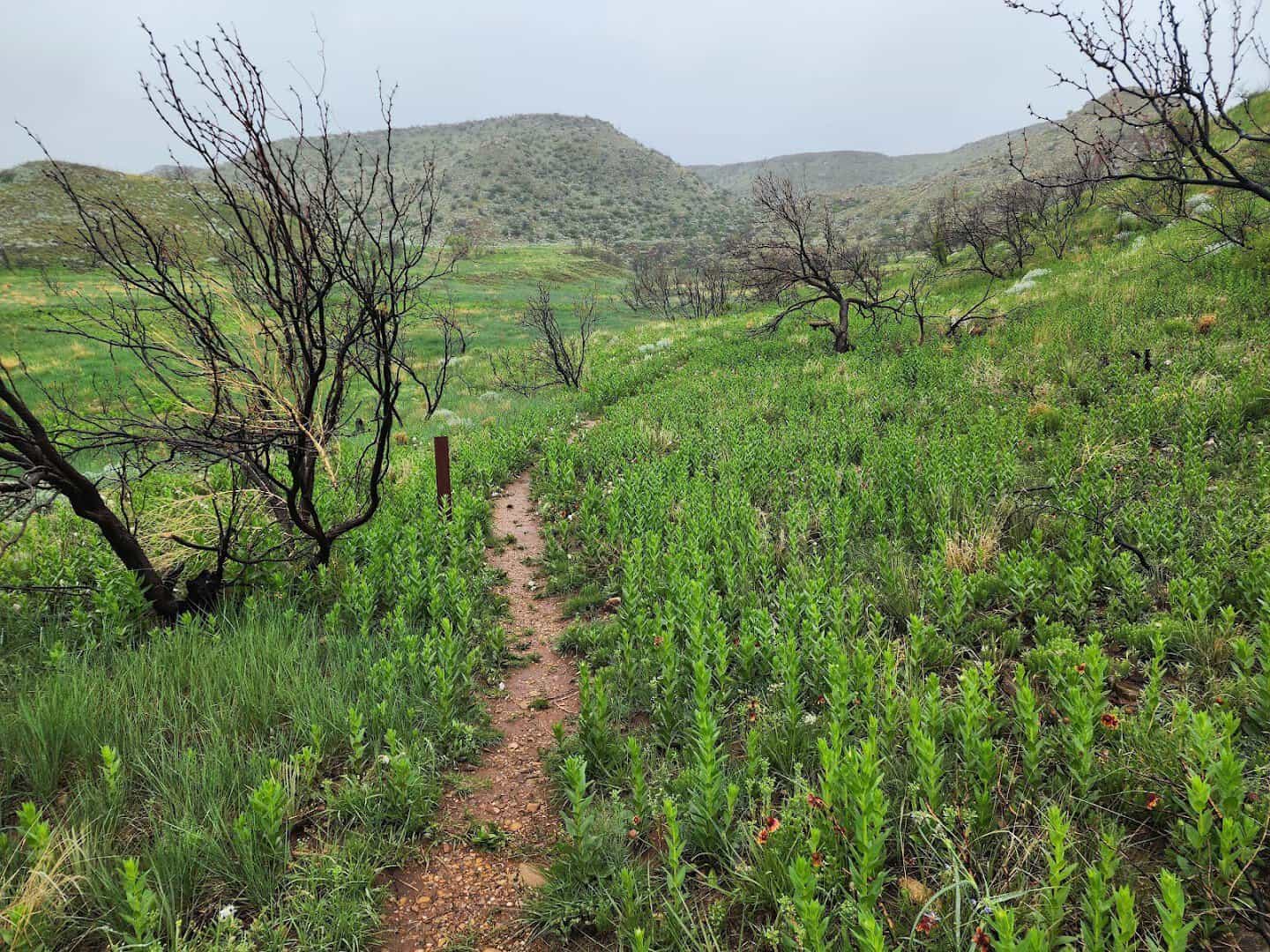
Hikers get miles of trail through seven distinct habitats. The overlooks along routes like the Harbor Bay Trail hand you those postcard views straight down into the canyons and out across the water.
There is room for other ways to explore, too. Horseback riders and off road drivers each have their own designated areas, so the park spreads its many uses out instead of piling them on top of each other.
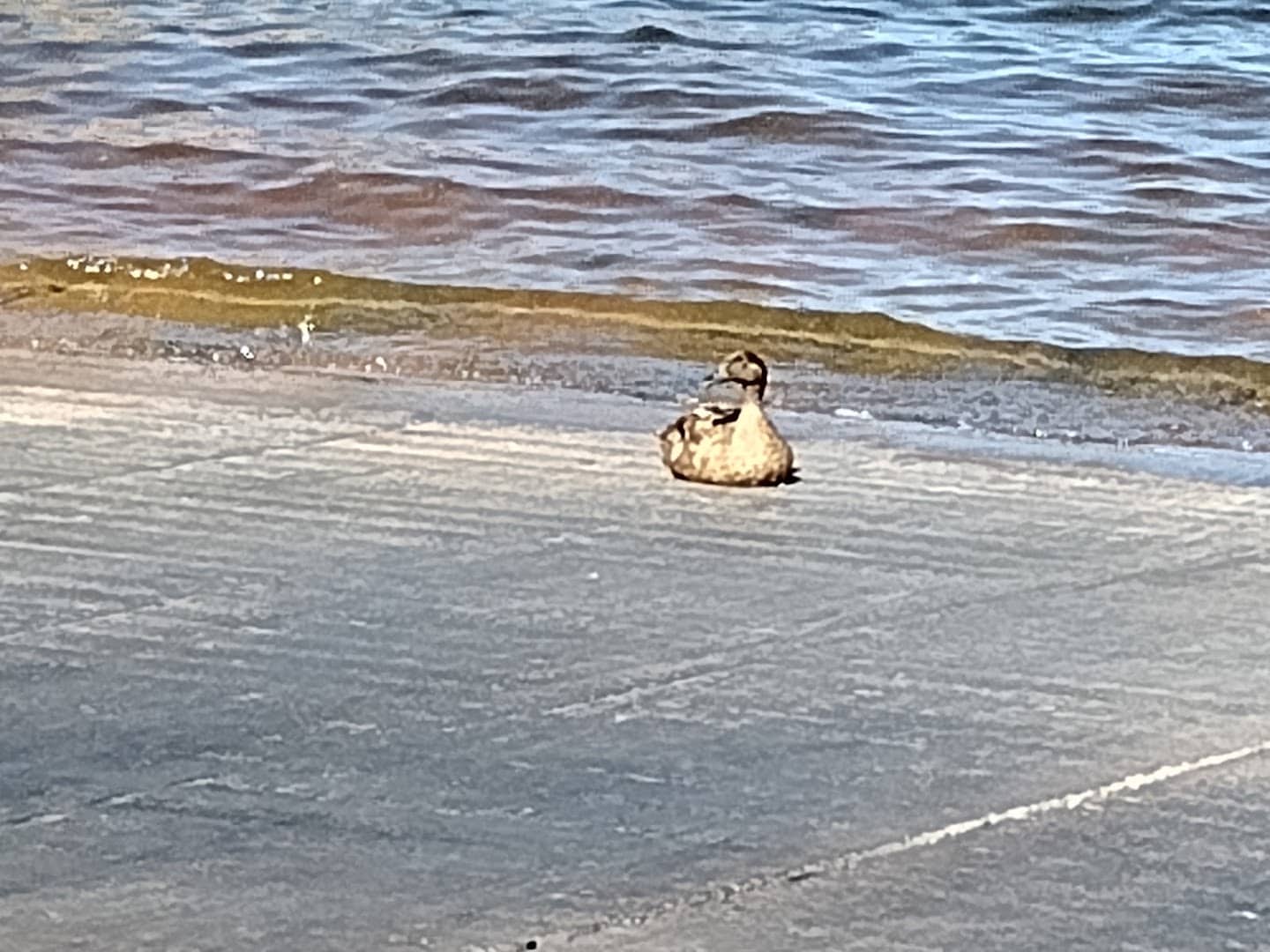
The wildlife keeps a slow day interesting. Those varied habitats draw a remarkable range of birds, so it is worth packing binoculars right alongside the fishing rod and the sunscreen.
Sunrise over the water, with the cliffs going soft pink and a chorus of birdsong warming up, is genuinely worth setting an alarm for. Bring coffee and let the morning come to you.
Tip: this is wide open, exposed country with big weather. Bring more water than you think you need, watch the forecast for wind on the lake, and pack layers, because Panhandle nights turn cold fast even after a warm day.
How to Get There
Lake Meredith makes an easy day trip or a weekend from Amarillo, sitting just north of the small town of Fritch. Start at the visitor center to grab a map and check current conditions before you head down to the water.
Where: Lake Meredith National Recreation Area, 419 E. Broadway St., Fritch, TX 79036. The park is open year round, and multiple boat ramps and access points ring the shoreline, including Sanford Yake, Fritch Fortress, and Harbor Bay.
Point the Car North
Texas is full of lakes, but almost none of them look like this one. So load up your cooler, throw your kayak on the roof, and point the car toward the Panhandle.
Come for the walleye and the wide open water. Stay for the red canyons that make you forget which state you are in. And whatever you do, do not pack up before dark, because that is when Lake Meredith saves its very best trick for last.
Featured image: edward peete via Lake Meredith National Recreation Area

Stella Raines
Editor-in-Chief
Stella brings over a decade of storytelling experience to TX Headlines. With roots in West Texas and a love for road trips, she leads the editorial team with an eye for the hidden stories that make Texas unforgettable.
More Stories

These 10 Texas Spots Bloom Into Seas of Bluebonnets Each Spring

This Enchanting Texas Nature Trail Feels Like Hiking Through a Fairytale Forest

This Underrated Texas State Park Gives You a Full Day of Swimming and Hiking for Just $5

This Easy Texas Hike Leads to a Swinging Suspension Bridge Hidden in the Pines
Tags