This Hidden Texas Nature Center Is a Shady Escape Full of Wild Trails and Rare Birds
There is a particular kind of quiet you only find under a full tree canopy, the kind that makes you drop your shoulders before you have even noticed you were tense. I chase it whenever a city starts to feel like too much.
Most people expect the far southern tip of Texas to be all sun and pavement. So it is a genuine surprise to step off a busy McAllen frontage road and land somewhere completely different.
A few paces in and you are inside a leafy hush, wrapped in old thornforest, with a green jay scolding you from somewhere overhead. That pocket of wild is the McAllen Nature Center, and it hides in plain sight on the city’s west side.
Below, here is what makes these shaded trails and the creatures that live along them worth pointing your car toward.
A Forest That Remembers What This Land Used to Be
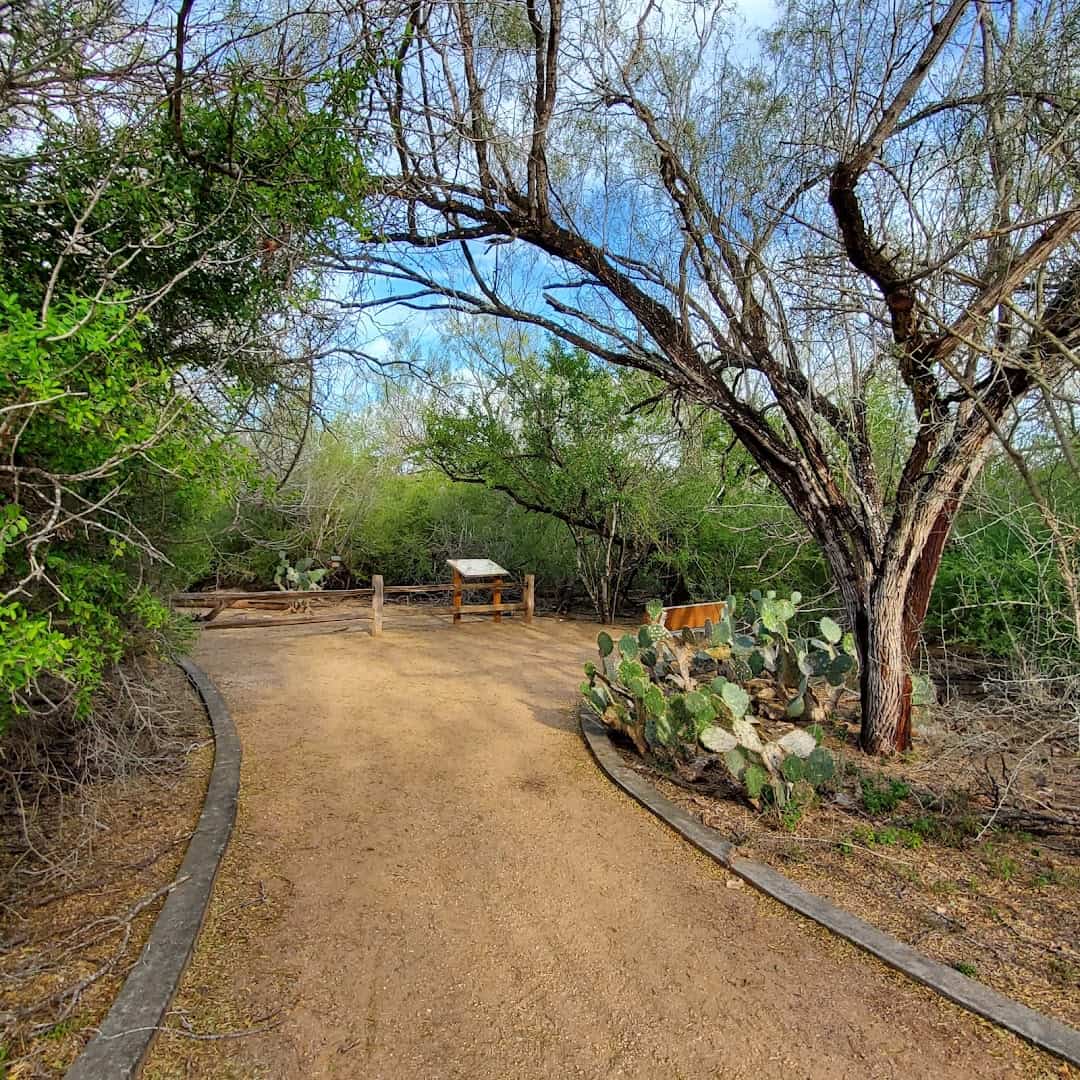
Step through the entrance and the traffic noise fades within a minute. The trails wind under a low, tangled roof of native brush, and the light comes down in dappled patches instead of a flat glare.
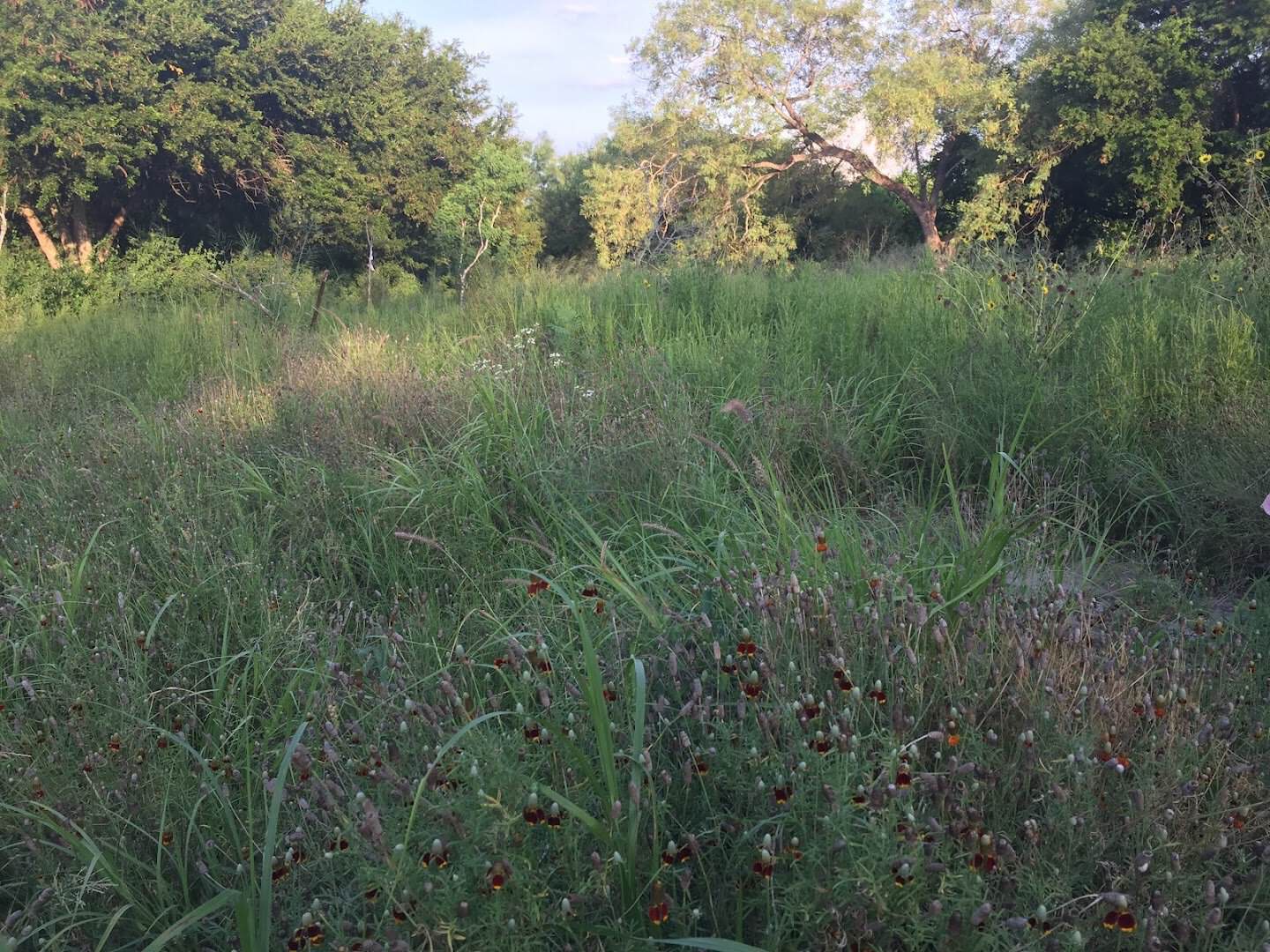
This is Tamaulipan thornscrub, the dense, thorny forest that once blanketed the whole Rio Grande Valley. Less than three percent of it is still standing today, so walking here is closer to time travel than a stroll.
You are seeing what McAllen looked like before it was a city. Mesquite, Texas ebony, and spiny hackberry knit together overhead, and the air underneath stays a few merciful degrees cooler than the parking lot you just left.
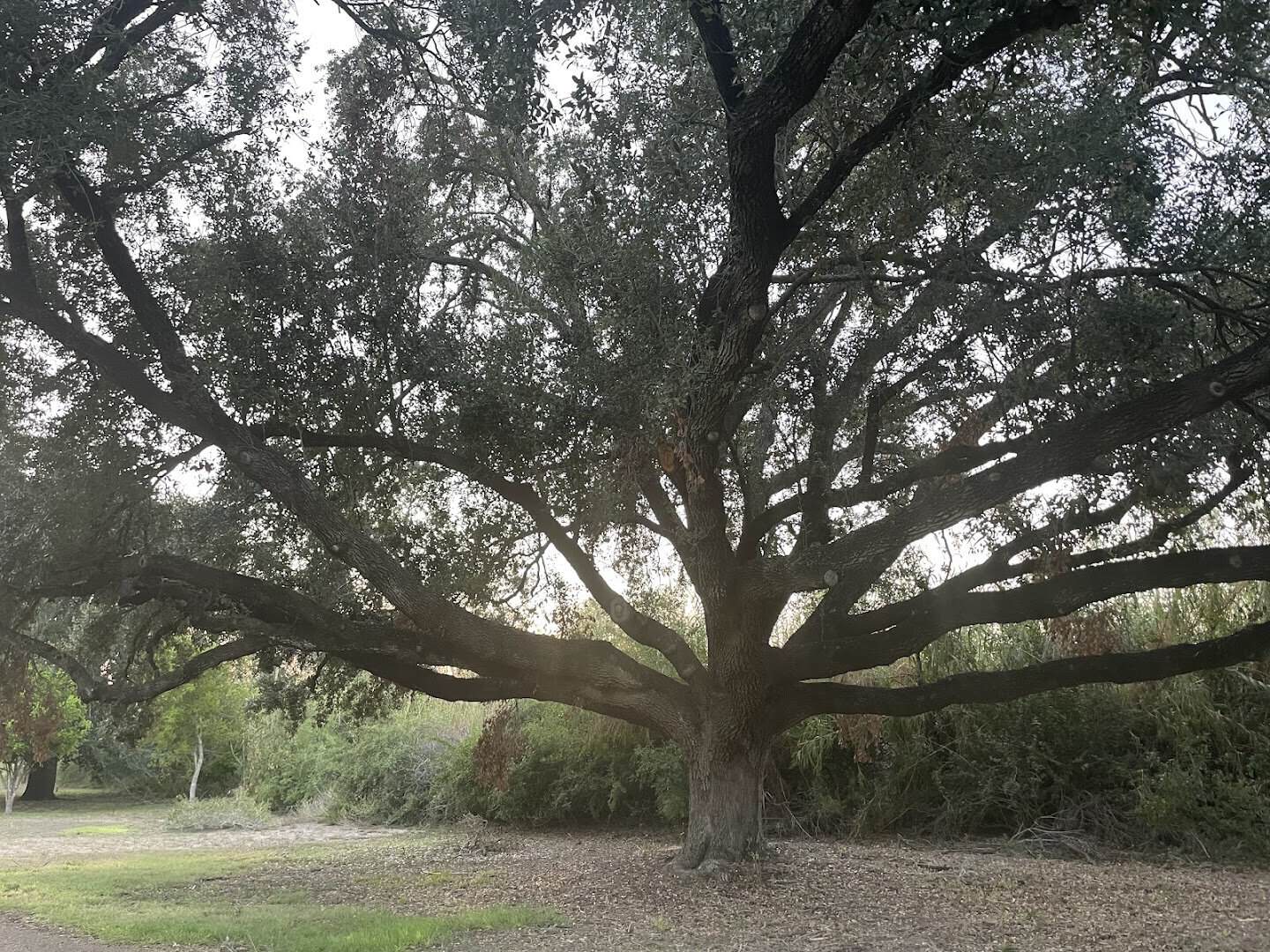
Most of this forest was cleared long ago for citrus groves and farmland, which is why so little of it survives. Standing in a real remnant of it feels rare because it is rare.
There are five short walking trails threaded through the grounds, adding up to somewhere around a mile and three quarters in total. None of them is long, which is the charm. You can wander the whole place slowly in an afternoon.
The names tell you what you will find. The North Resaca and South Resaca trails follow the water. The Thornforest Trail buries you in the brush. The Ebony Trail runs through a grove of Texas ebony, and the Cactus Trail leans dry and prickly.
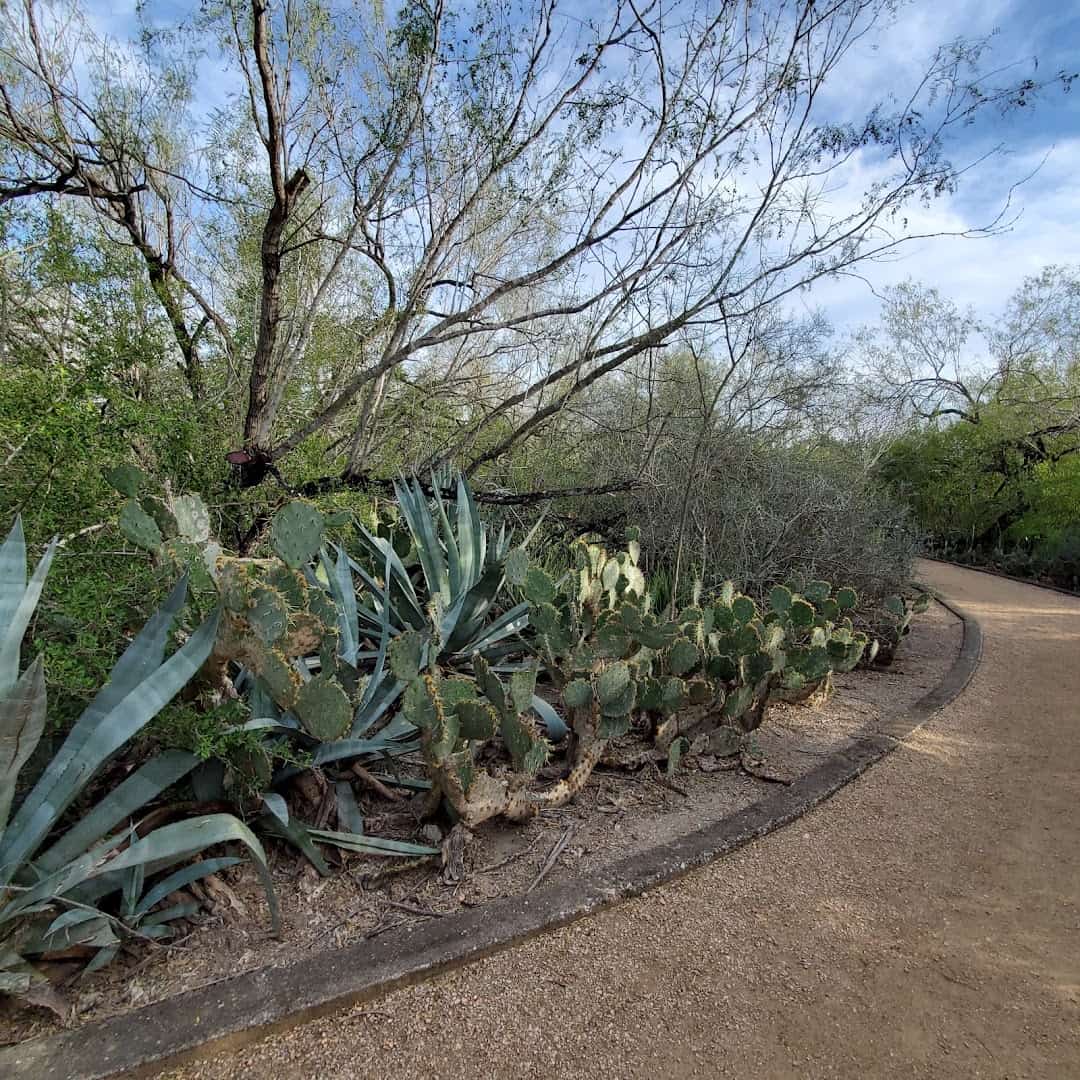
About three quarters of a mile is built to be wheelchair and stroller friendly, so the flattest, smoothest loop is open to nearly everyone. That matters at a place whose whole point is that anybody can come stand in the shade.
The Birds Steal the Show
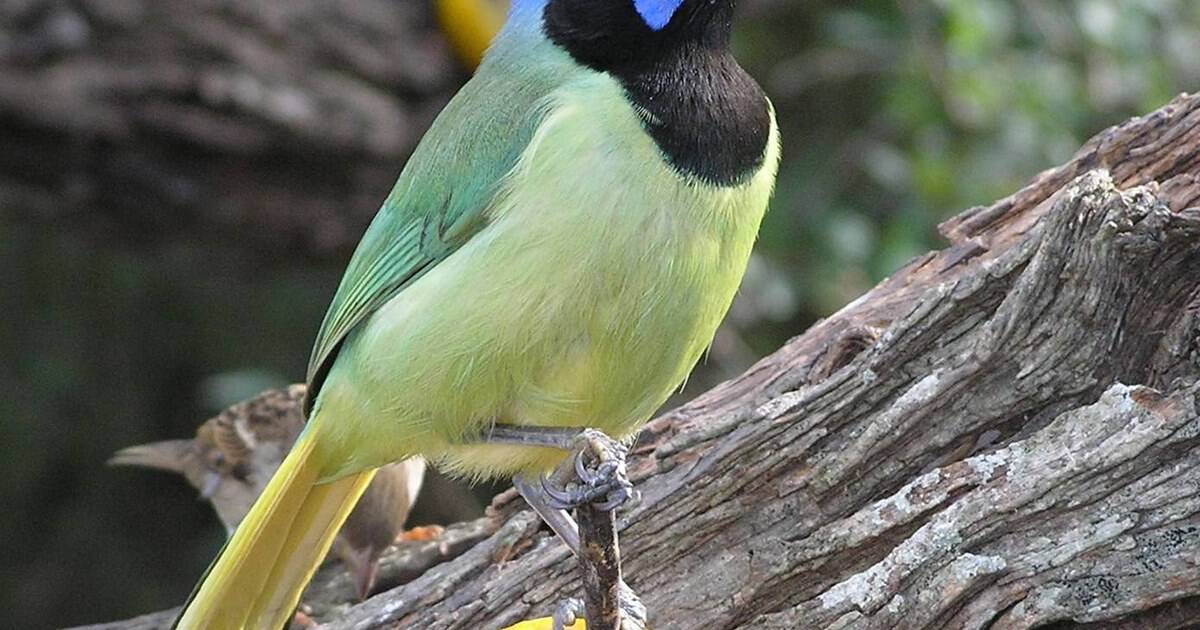
You hear the McAllen Nature Center before you really see it. The soundtrack is constant, and the star of it is the green jay, a bird so absurdly colorful it looks painted, all lime green, blue, and black.
Their scolding calls follow you down the trails, and once you learn the sound you will never un-hear it. Green jays travel in family groups and are endlessly nosy, so they tend to come find you rather than the other way around.
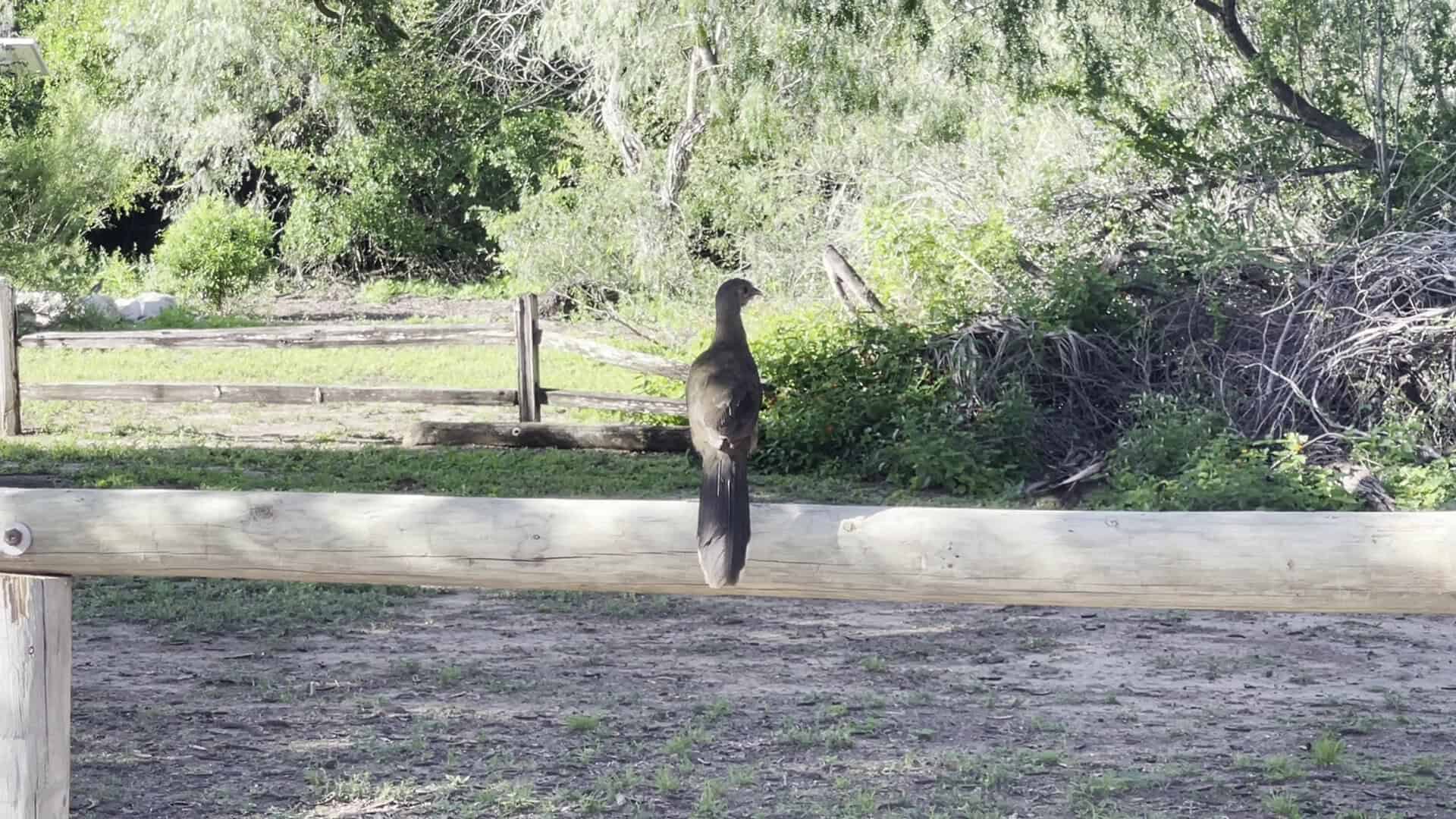
Then there are the plain chachalacas. Picture a lanky, brownish bird a little smaller than a turkey, moving through the underbrush in noisy little gangs. When a flock of them decides to call at once, the whole forest seems to answer back.
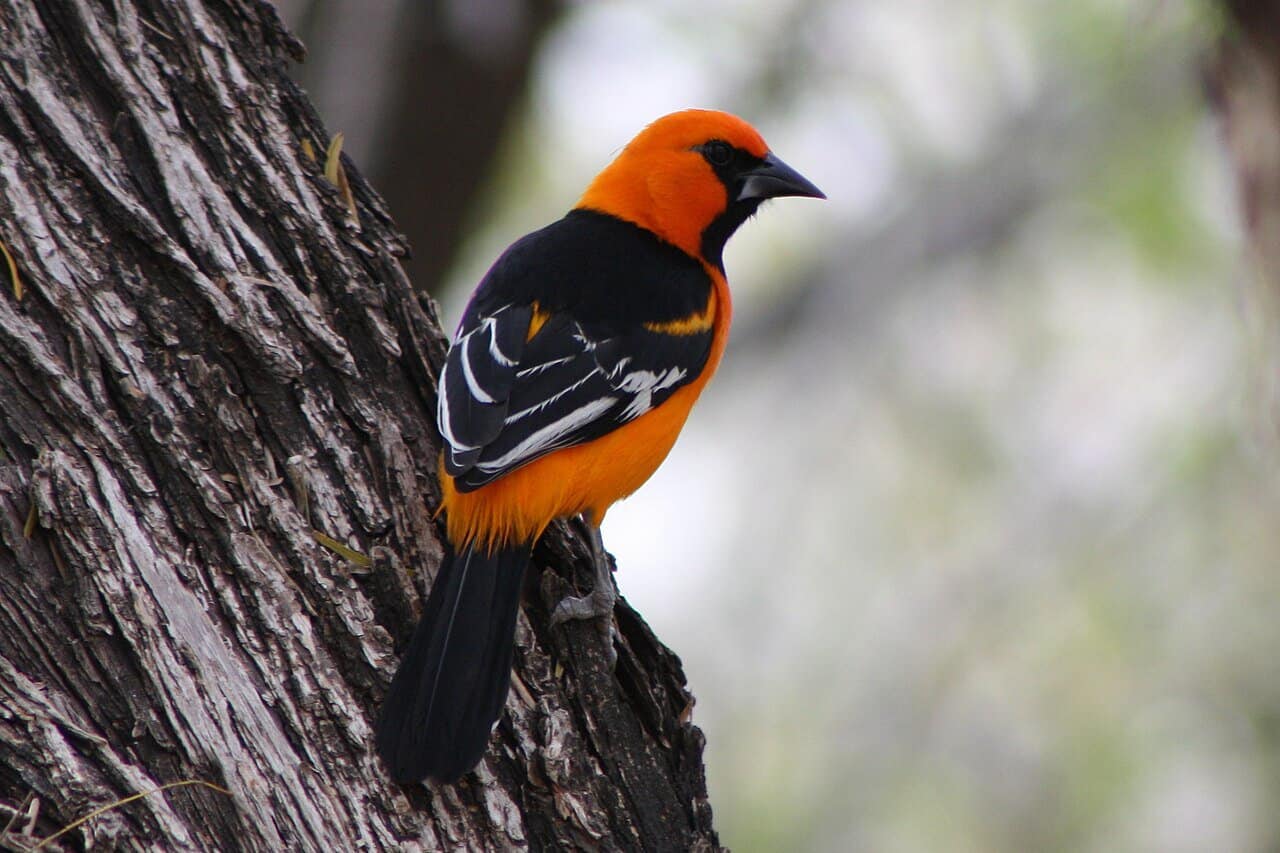
Watch the flowering trees and you may catch an Altamira oriole, a flash of hot orange and black that is one of the Valley’s signature sights. They weave a long, hanging basket of a nest that dangles from the branch tips like a sock.
These are birds most of the country never gets to see, and they are casual regulars here. Listen for the ringing call of a great kiskadee too, a bold yellow-breasted flycatcher that all but announces its own name.
The numbers back up the noise. Birders logging their sightings on the site’s eBird hotspot have documented more than 240 species over the years, a staggering count for a patch of forest you can cross in a few minutes.

Winter turns up the volume even higher, when migrants pour south and settle in alongside the year-round residents. Serious birders plan whole trips around this stretch of Texas in the cooler months.
Did you know? The Rio Grande Valley is one of the top birding destinations in all of North America, precisely because so many Mexican species reach the northern edge of their range right here and go no farther.
Butterflies, Cactus, and a Little Hill Named Lantana
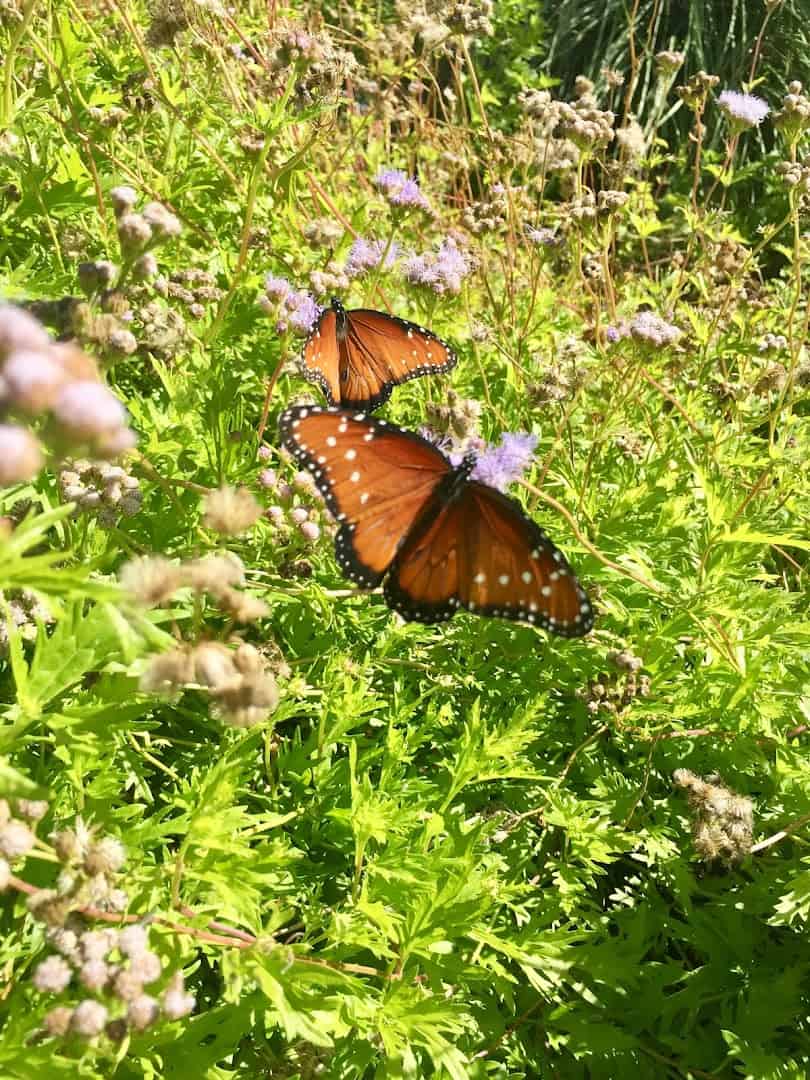
Birds are not the only wings in the air. Naturalists have counted close to 100 kinds of butterflies drifting through the grounds, and the center keeps a dedicated butterfly garden planted to pull them in.
Come when the lantana and other nectar plants are blooming and the garden hums. Sit still on a bench for a few minutes and the butterflies will start treating you like furniture, which is exactly how you want to be treated out here.
There is a cactus garden too, a reminder that this corner of Texas is a meeting point where thornforest, desert plants, and river wetland all rub shoulders. Few places pack that much variety into so few acres.
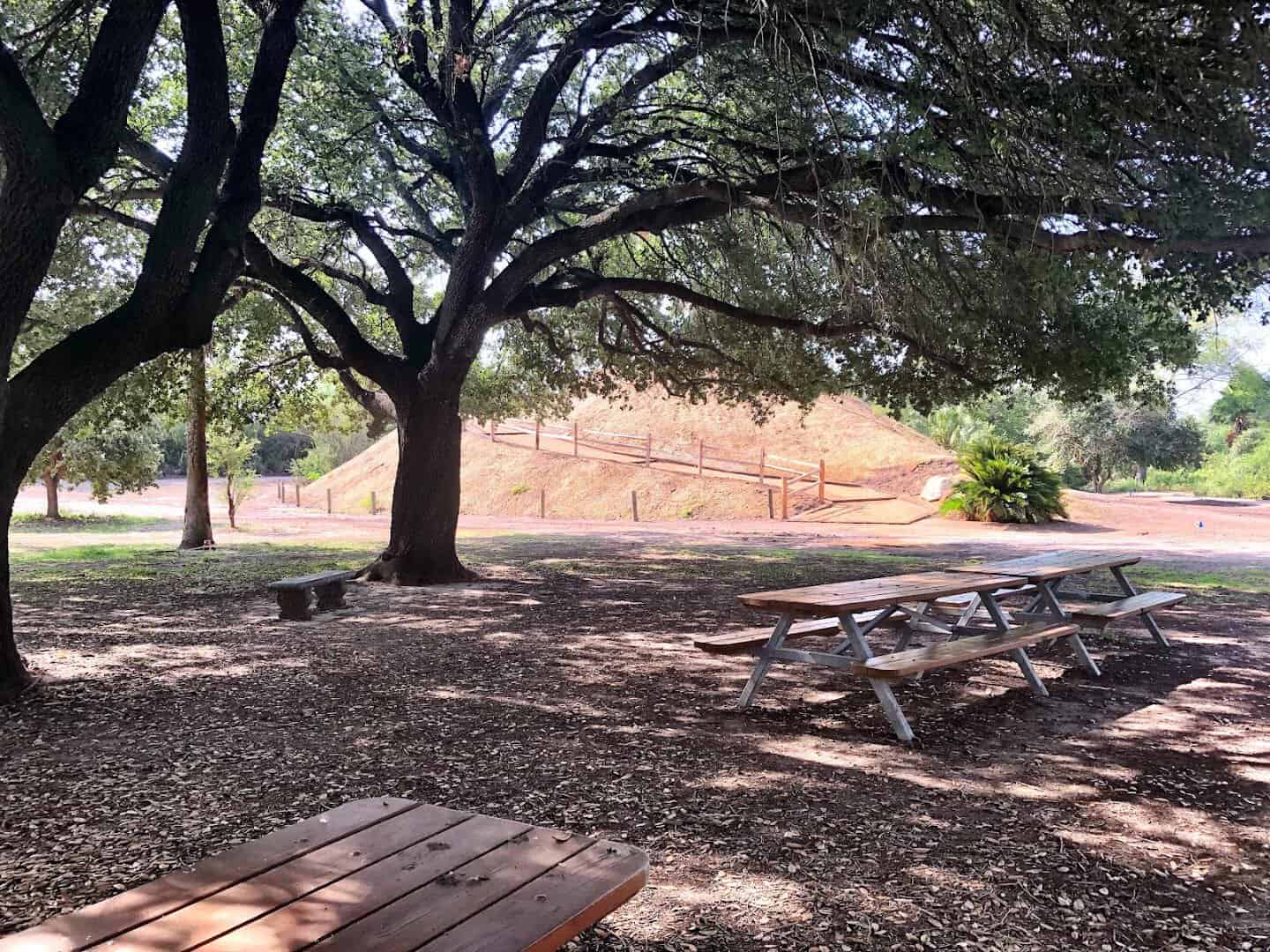
The grounds even have a bit of topography, which is rare for the pancake-flat Valley. Lantana Hill rises about 25 feet, enough to give you a modest overlook of the treetops and a genuinely pleasant excuse to catch your breath at the top.
Where the Water Draws Everything In
The heart of the property is its resaca, an old channel of the Rio Grande that curved away long ago and settled into a quiet oxbow of standing water. In a dry land, water is a magnet, and this one pulls in everything.
Slow down at the water’s edge and you will start to notice the residents. Herons stalk the shallows on stilt legs. Turtles line up on half-sunken logs to bake in the sun. Dragonflies stitch back and forth across the surface.
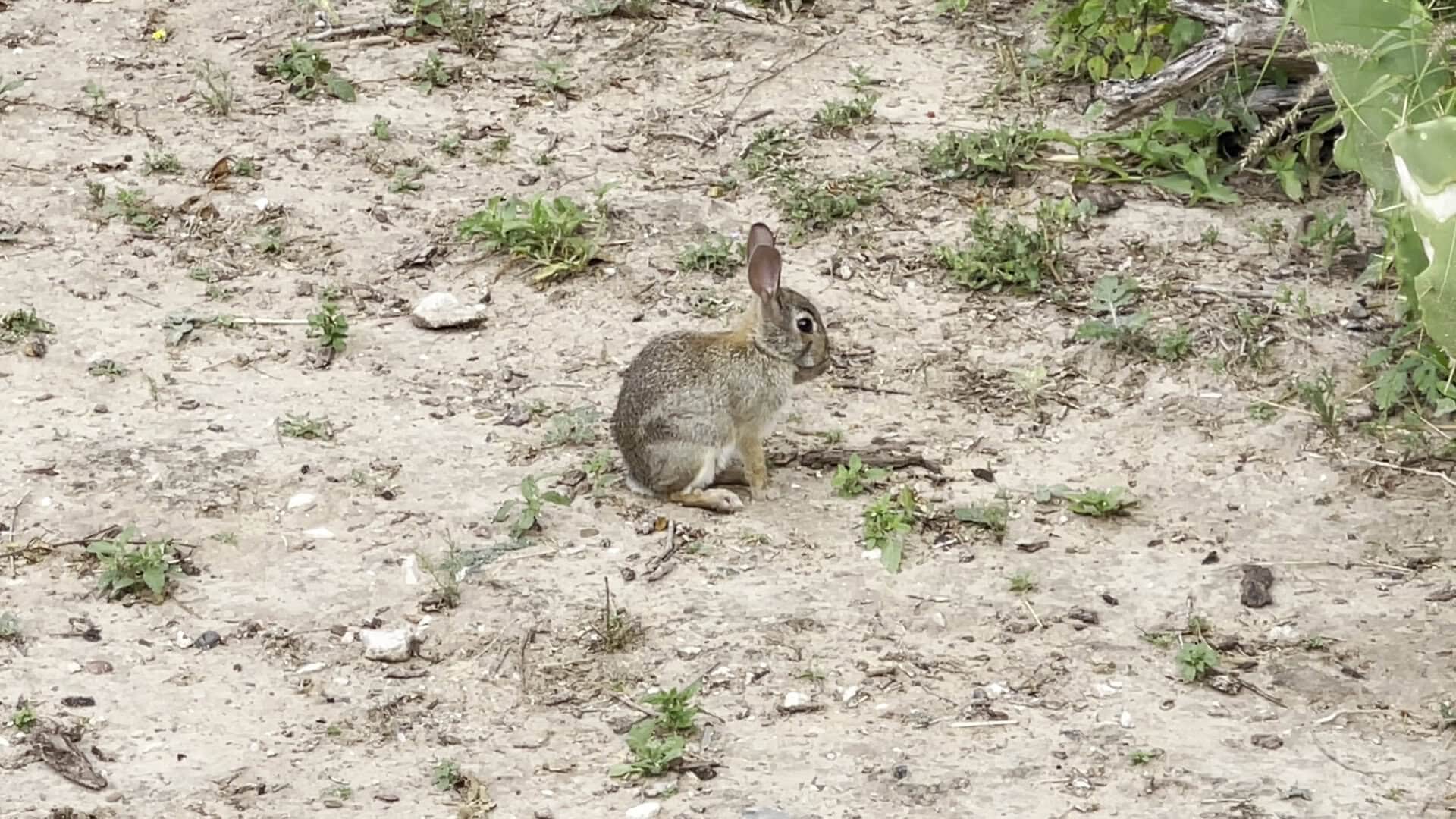
Stay until the light softens and the bigger animals grow bolder. This is where you have your best odds of spotting a raccoon picking along the bank or an opossum trundling through the brush.
Watch your feet the whole way, too, because the lizards never stop. They scatter ahead of you in little bursts, sunning on the path until the last possible second and then vanishing into the leaf litter.
Pro tip: bring a small pair of binoculars even if you do not think of yourself as a birder. Half the magic of the resaca is the stuff you would never spot with your naked eye across the water.
Built for Kids to Get Their Hands Dirty
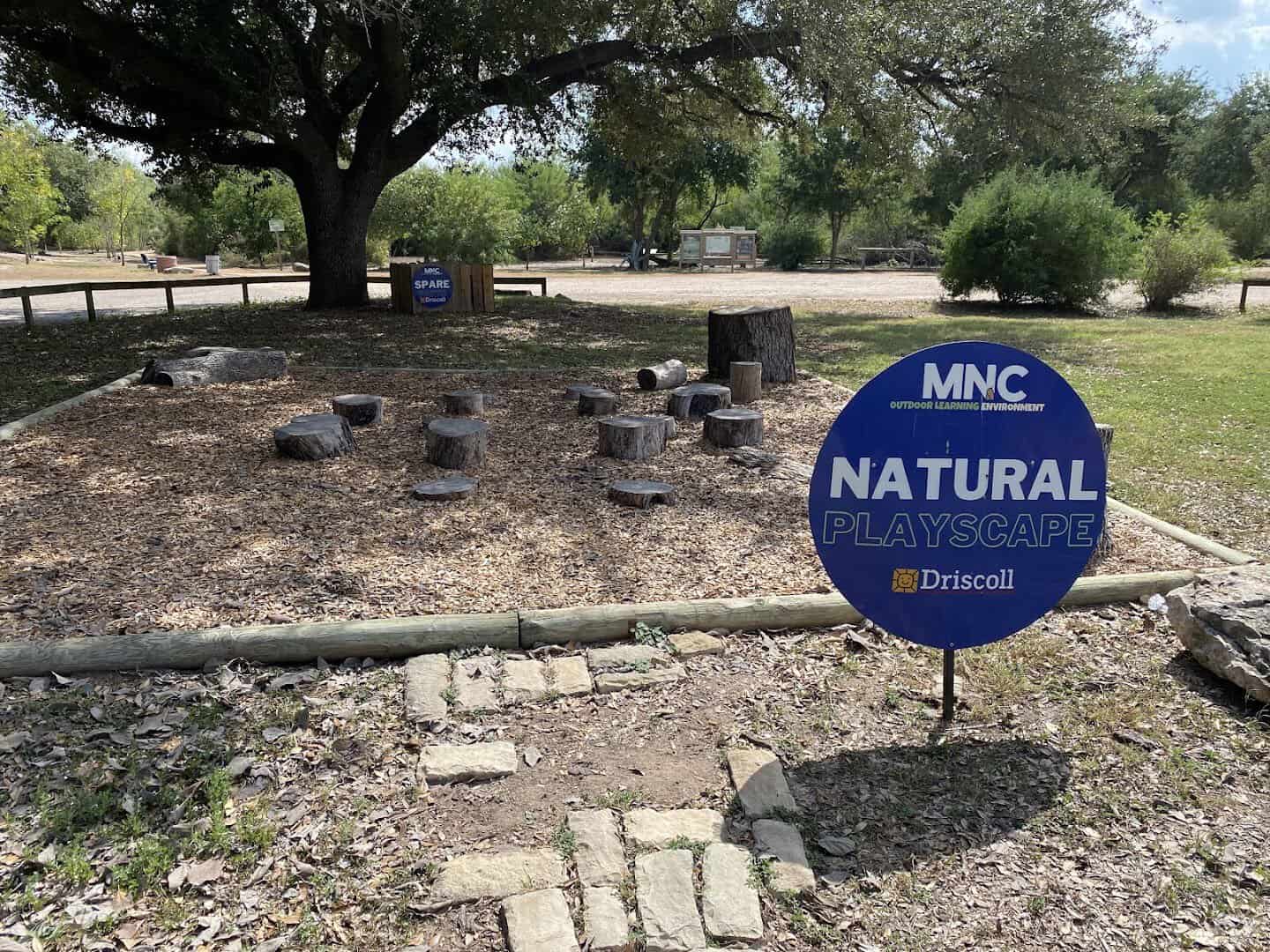
One of the smartest things about this place is that it does not treat nature as something to look at from behind a rope. There is a whole outdoor learning environment designed to let children actually play in it.
It has an outdoor classroom, a sensory path, a bin of loose “spare parts” for open-ended building, and a tree stump playscape kids can clamber over.
The idea is simple. Let a child muck about in real dirt and real shade, and the love of the outdoors mostly takes care of itself.
The center runs free programs through the week too, and because everything happens under the canopy, a visit doubles as a gentle science lesson nobody has to sit still for. Whether you are young or young at heart, there is room to roam.
From Palm Gardens to a Fight Worth Winning
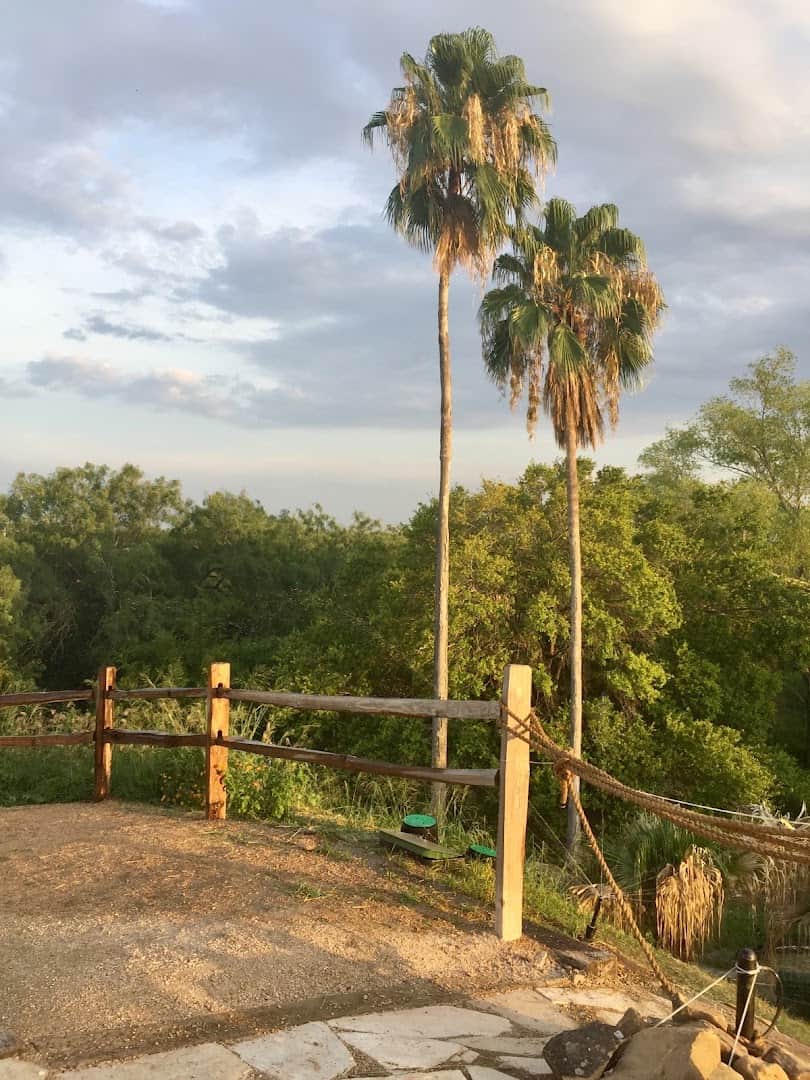
The land has been a public green space for a long time. It started back in 1962 as the McAllen Botanical Gardens, a collection built with a real fondness for palms, and older residents still remember it by that name.
For decades it was a tidy, manicured garden. Over time the site was allowed to grow wilder and greener, and it slowly turned into the forested nature preserve you walk today, thornscrub reclaiming ground that had once been landscaped.
In a fast-growing border city, letting a piece of ground go back to brush is its own kind of statement. It says some corners are worth more with the wild left in than paved and programmed.
The best part of the story is how close McAllen came to losing it. When the property’s future was on the table, one plan called for a 40-court tennis complex that would have covered much of the green in courts and parking.
Instead, the community pushed to protect the forest, and the green won out over the concrete. Every green jay calling from the brush today is a small dividend on that choice. It is a good reminder that these places survive because people choose them.
How to Get There and What to Know
The McAllen Nature Center sits on the west side of town, tucked along the business route of Highway 83 between Ware and Bentsen Roads. It is run by the McAllen Parks and Recreation Department, and the best news for a family outing is that it costs nothing to walk in.
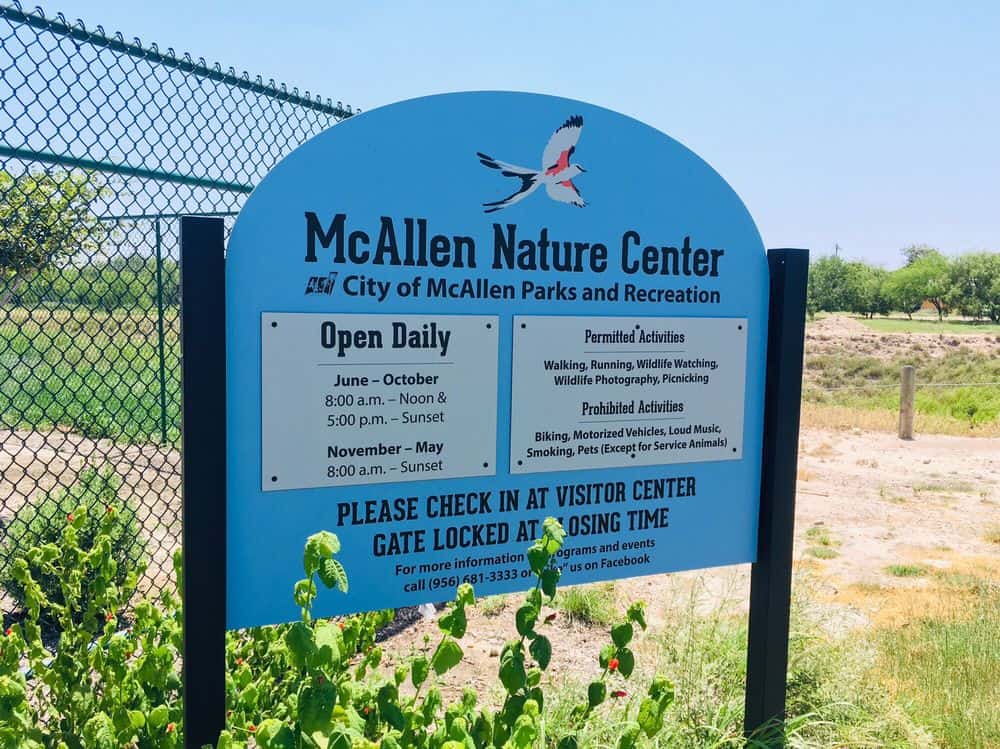
Where: 4101 W Business US-83, McAllen, TX 78501
Gates are generally open Tuesday through Sunday, from 8 in the morning until sunset. Summer afternoons in deep South Texas can be brutal, so hours sometimes shift to a morning-and-evening schedule in the hottest months. Check the current times before you drive out.
There are picnic tables, restrooms, and parking on site, so you can make a real morning of it rather than a quick loop. Pack a snack and let the kids run themselves out between trails.
Go early if you can. The birds are loudest and busiest in the cool of the morning, the light through the canopy is at its prettiest, and you will have the trails mostly to yourself before the heat settles in.
If you catch the birding bug here, McAllen has more of it waiting. The city runs the lush Quinta Mazatlan estate on the other side of town, so you can easily string together two green stops in a single day.
Bring water, wear closed shoes for the thorny stretches, and give yourself permission to move slowly. There is no conquering a place like this. You just let it happen at its own pace.
Plan Your Quiet Escape
We do not always think of the Rio Grande Valley as a place to disappear into the woods, but that is exactly what this little forest hands you, free of charge, a few turns off a busy highway.
So pack your binoculars, point the car south, and give yourself a slow morning under the canopy. Let the chachalacas argue, watch for a green jay flashing through the brush, and go see what this whole corner of Texas used to look like before the city arrived.
Featured image: Mike Carlo, U.S. Fish and Wildlife Service


Stella Raines
Editor-in-Chief
Stella brings over a decade of storytelling experience to TX Headlines. With roots in West Texas and a love for road trips, she leads the editorial team with an eye for the hidden stories that make Texas unforgettable.
More Stories

These 10 Texas Spots Bloom Into Seas of Bluebonnets Each Spring

This Enchanting Texas Nature Trail Feels Like Hiking Through a Fairytale Forest

This Underrated Texas State Park Gives You a Full Day of Swimming and Hiking for Just $5

This Easy Texas Hike Leads to a Swinging Suspension Bridge Hidden in the Pines
Tags